GRAMMAR
Japanese grammar,
one piece at a time.
Explained from real lessons: what the form is, how it shrinks in speech, the mistakes learners actually make — and practice questions at the end of every article.
Start here
How to study Japanese by yourself: what actually works, from a teacher who watches it fail
Self-study Japanese works up to a point and then stalls in a predictable place. Here is the order that works, what to use anime for, and the three things solo study cannot give you.
Japanese numbers 1–100: the building rule, and the four numbers that have two readings
Japanese numbers above ten are built, not memorised: 30 is literally "three ten". Here is the rule, the 4/7/9 double-reading trap, why 10,000 is a new unit, and how to count things.
Japanese writing systems: why three scripts, and what each one is telling you
Hiragana, katakana and kanji are not three alphabets doing the same job. Here is what each one signals, why a sentence mixes all three, and what to learn in which order.
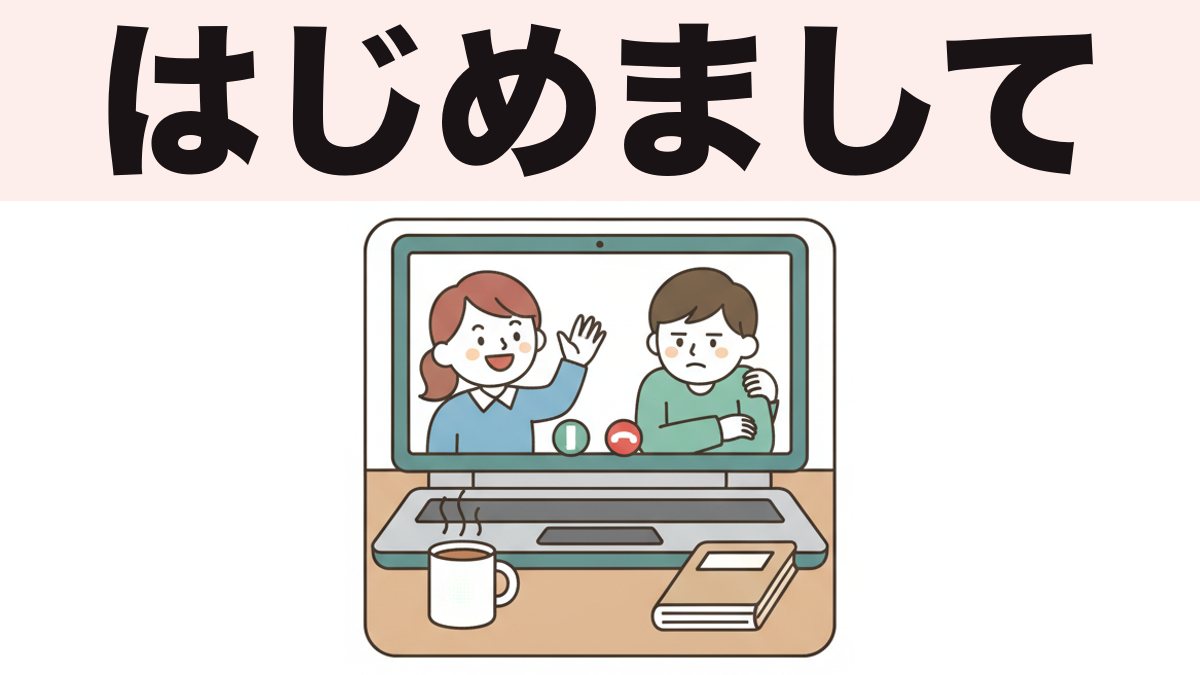
What actually happens in a first Japanese lesson
No placement test, no textbook, and nothing you have to prepare. Here is the thirty minutes, minute by minute, so you know exactly what you are booking.
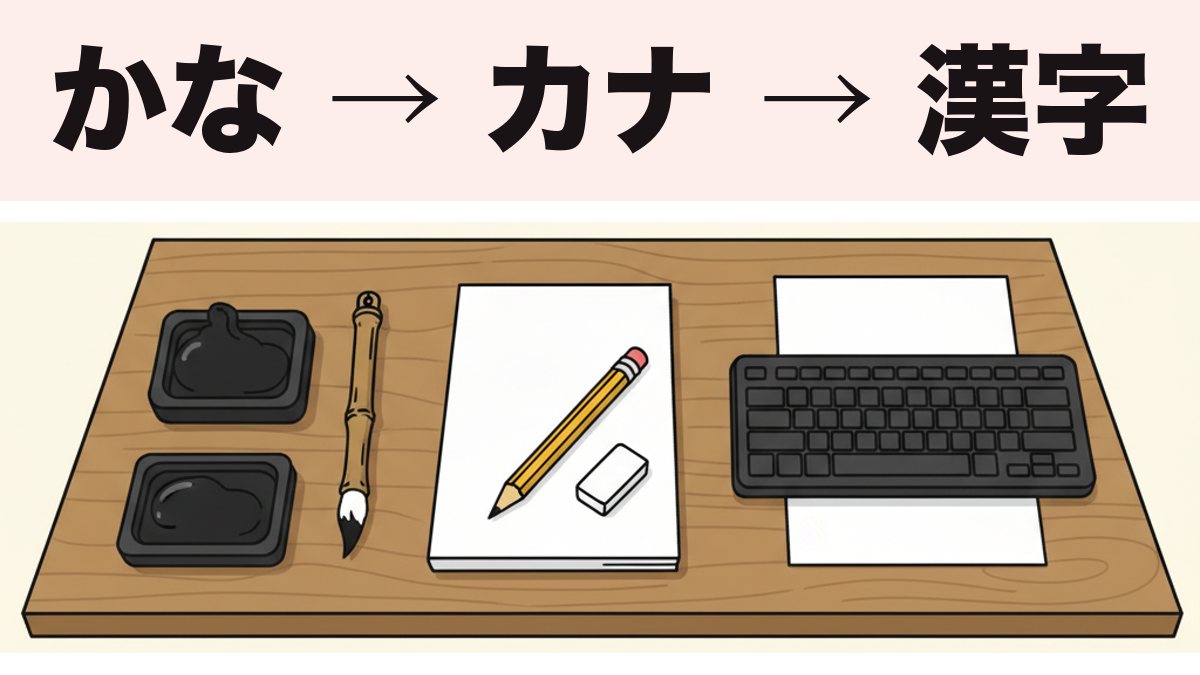
Hiragana, katakana, kanji: which to learn first, and how long each takes
Three writing systems sounds like three times the work. It is not — and one of them you can genuinely finish in a weekend.
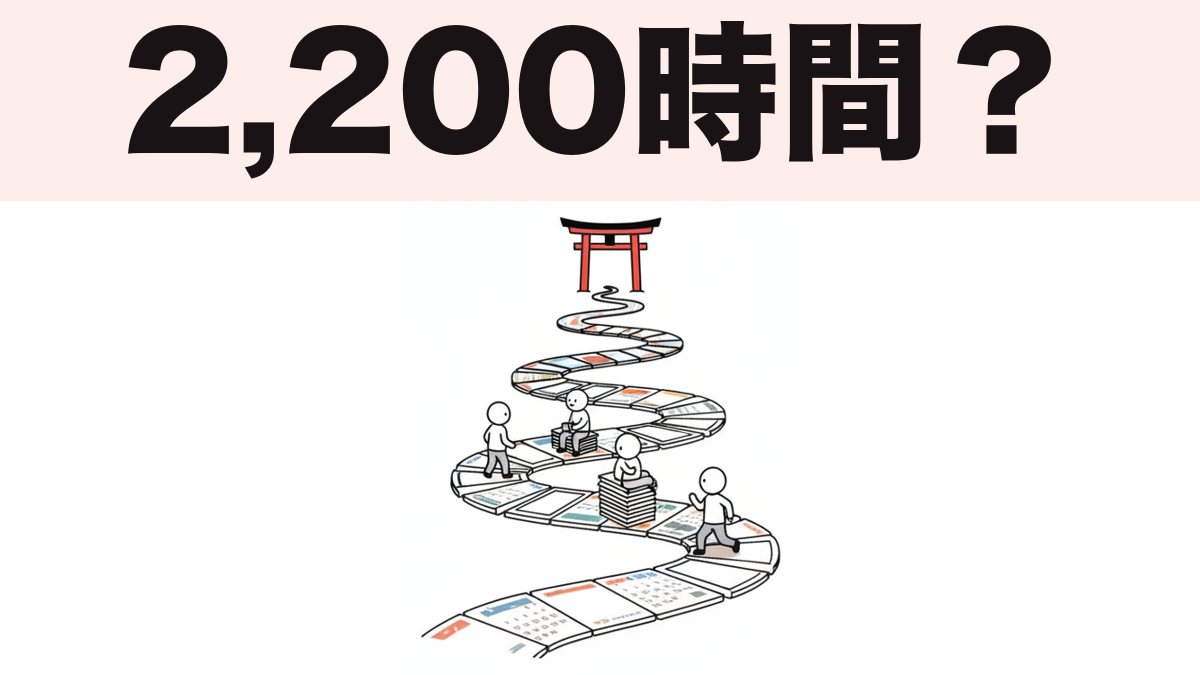
How long does it really take to learn Japanese?
The official number is 2,200 hours. That number is true and almost useless. Here is what actually happens at each stage, and when you will be able to hold a conversation.
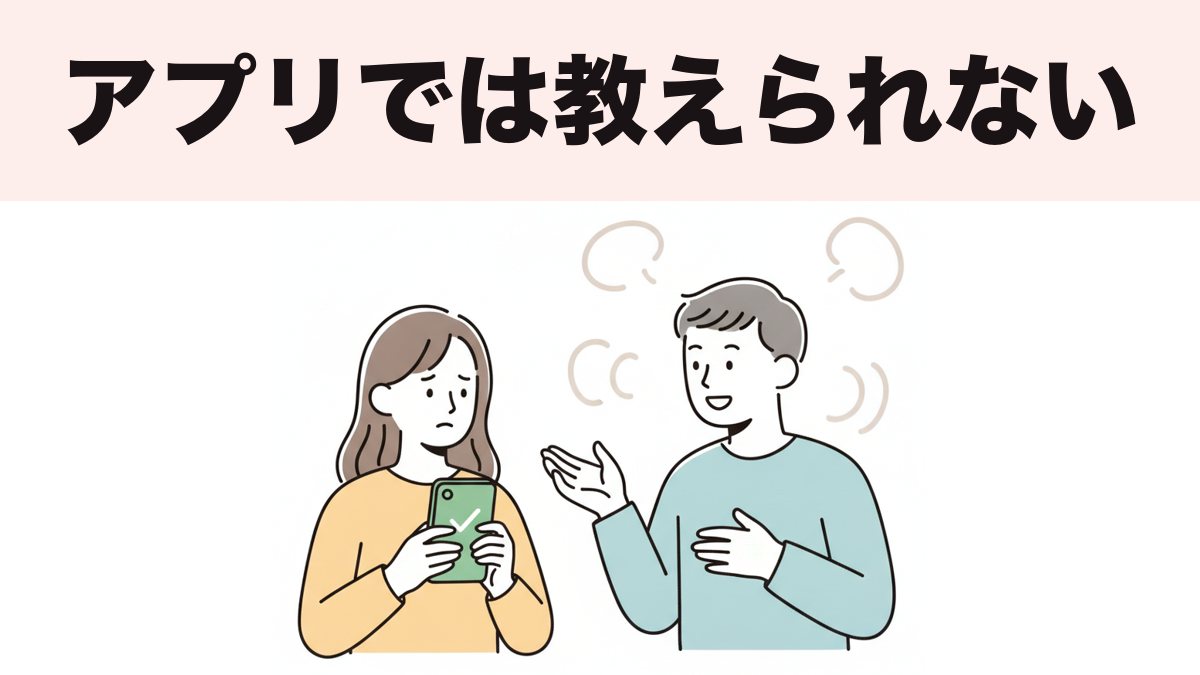
What language apps cannot teach you about Japanese
Apps are good at the part of Japanese that is easy to test, and silent about the part that decides whether you can hold a conversation.
Grammar, one piece at a time
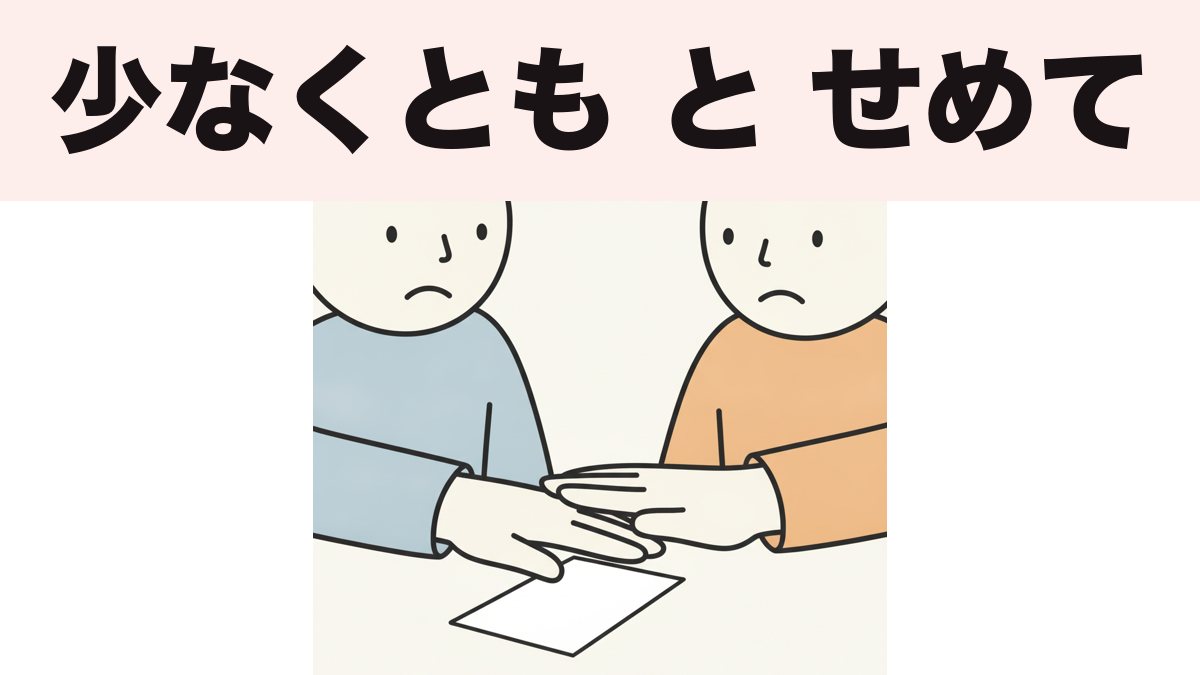
How to say "at least" in Japanese: 少なくとも, せめて, 最低でも
少なくとも states a minimum as a fact. せめて asks for a minimum you wish you had. 最低でも sets a hard floor. English uses "at least" for all three, and picking the wrong one changes what you are doing with the sentence.
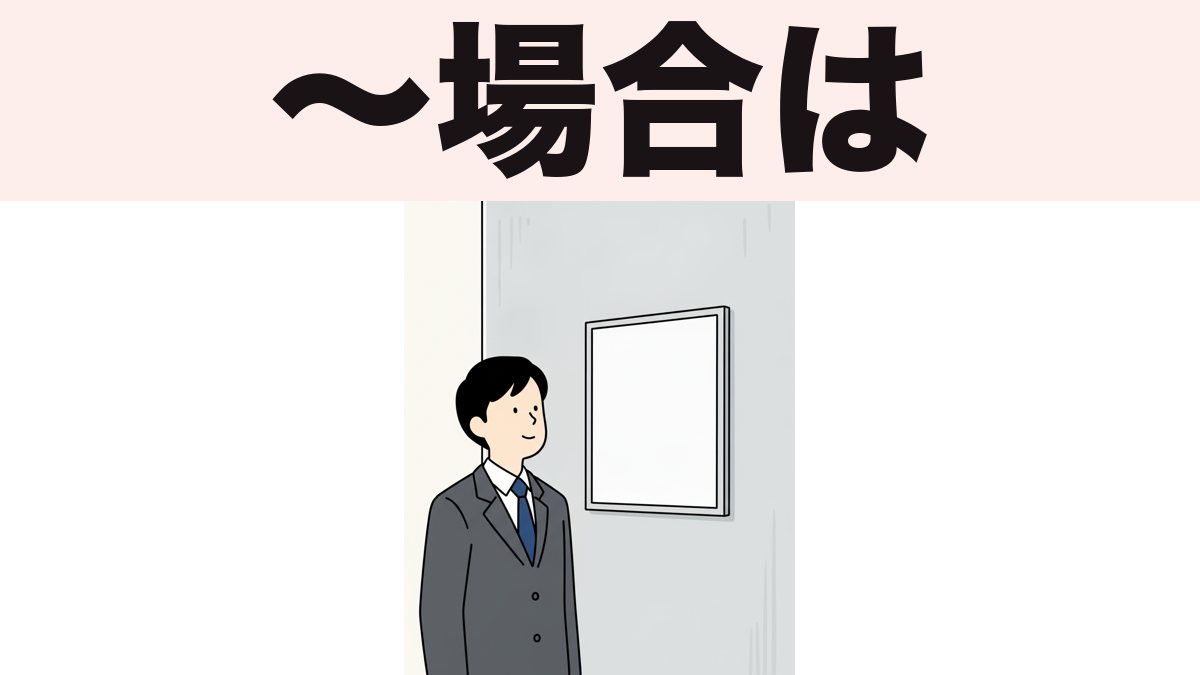
〜場合: the "if" that belongs on a sign, not in a chat
〜場合は means "in the event that" — the conditional you meet on notices, manuals and contracts. Here is how it attaches, how it differs from たら and とき, and why using it with friends sounds like reading from a form.
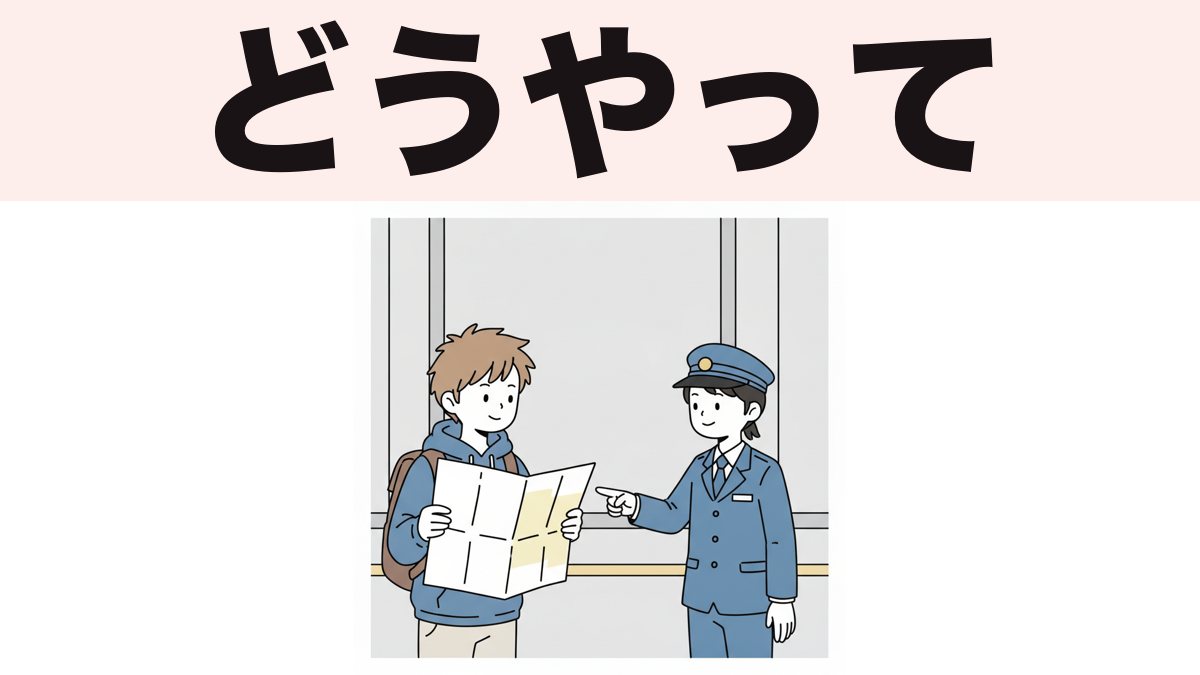
どうやって: how to ask "how" in Japanese — and the three words that all mean "how"
どうやって asks by what method. どう asks how something is. どうすれば asks what you should do. Three ways to say "how" in Japanese, and the sentences where only one of them fits.
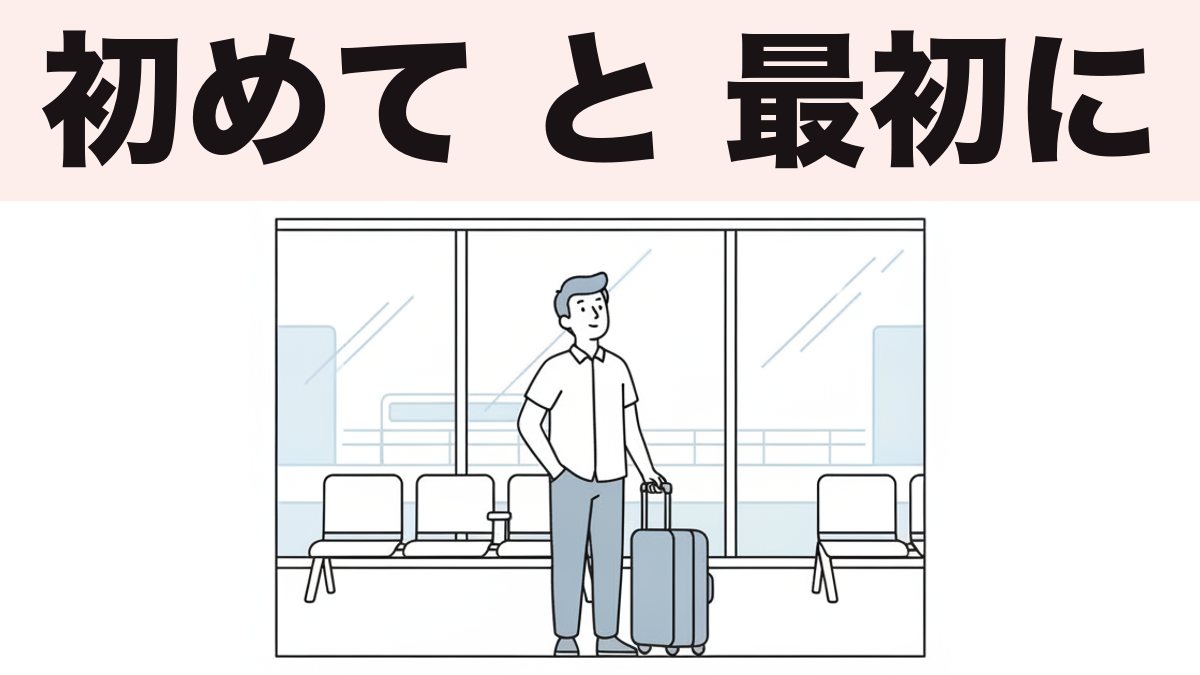
初めて, 最初に, 始めて: three words for "first," and only one is about doing it for the first time
初めて means "for the first time ever." 最初に means "first, before the other things." 始めて is the te-form of 始める and is not a word for "first" at all. Here is how to keep them apart.
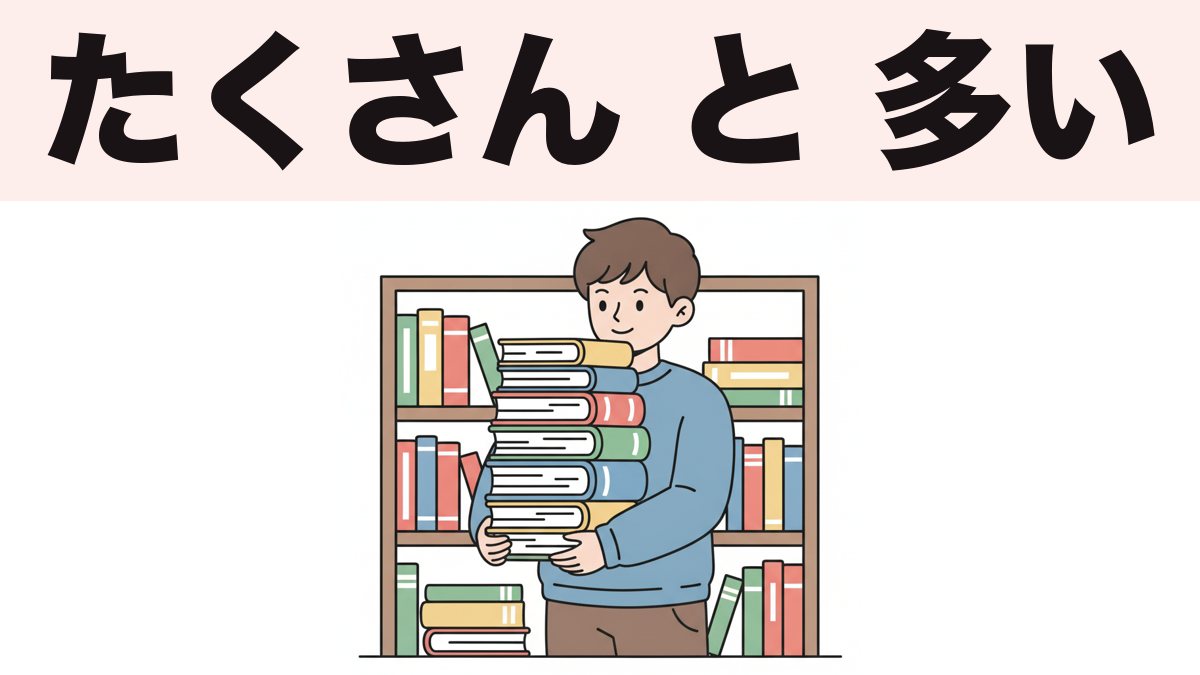
How to say "a lot" in Japanese: たくさん, いっぱい — and the one that cannot touch a noun
たくさん and いっぱい are adverbs; 多い is an adjective that refuses to sit in front of a noun. 多い人 is wrong and 人が多い is right. Here is why, and the full set of quantity words.
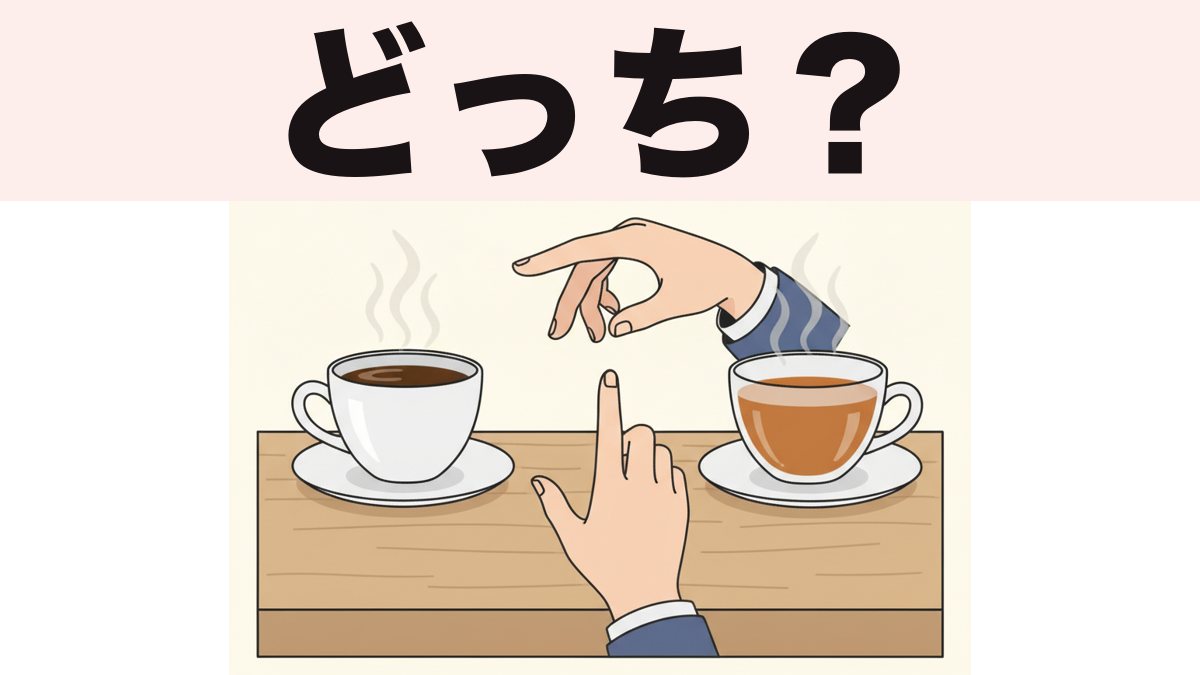
How to say "or" in Japanese: か, それとも, または and the one that is not "or" at all
Japanese has no single word for "or." か joins nouns, それとも joins whole questions, または belongs in writing — and それと, which looks almost identical, means "and." Here is how to pick the right one.
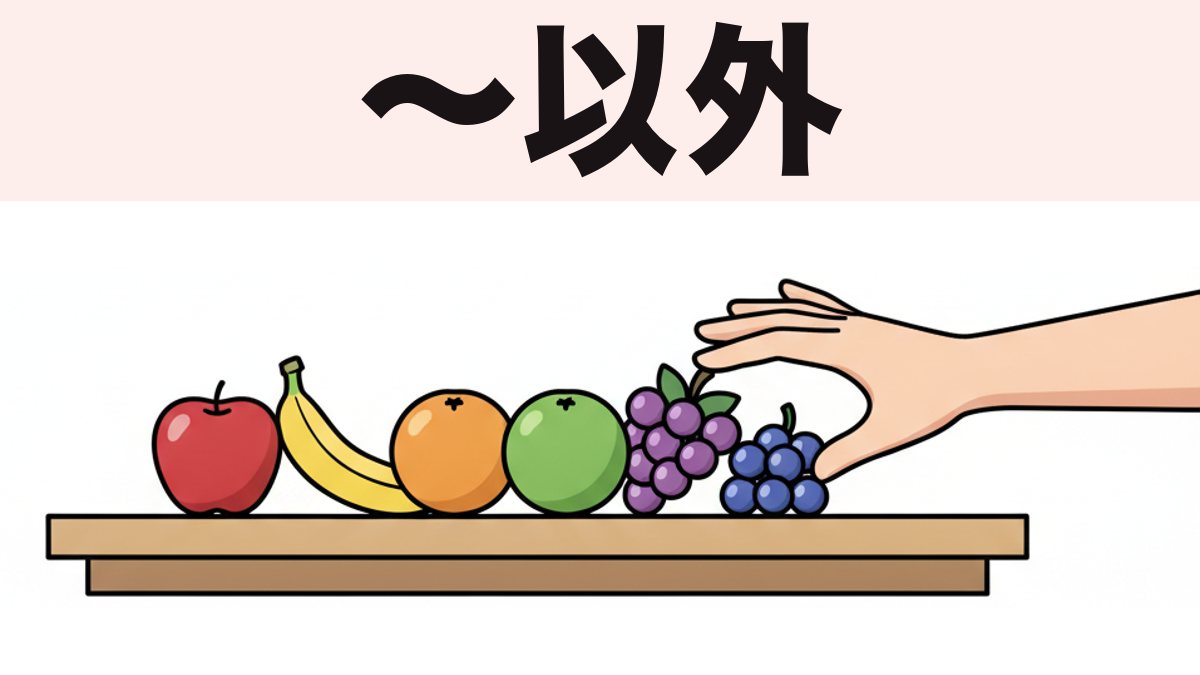
〜以外: "other than," "except" — and the two opposite answers it can produce
〜以外 means "other than X." The trap is what follows: 以外 with a positive verb excludes X, and 以外 with a negative verb means only X. Here is how to read both, plus ほかに and を除いて.
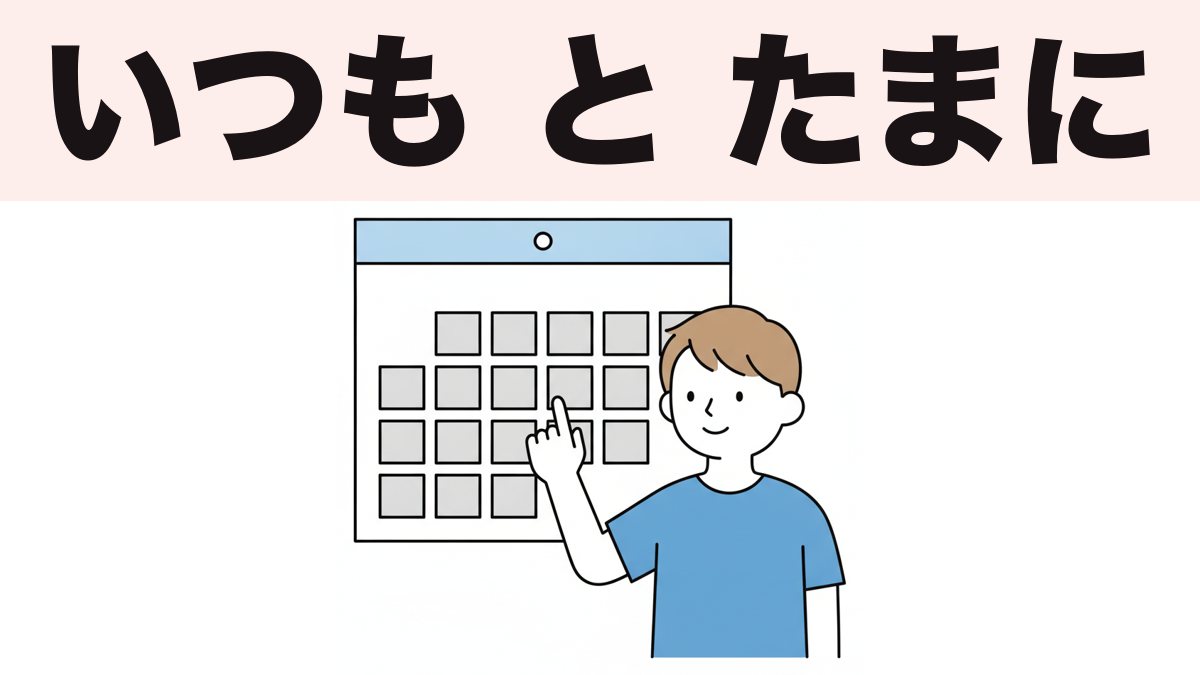
Japanese frequency adverbs: いつも, よく, ときどき — and the two that force a negative
いつも, よく, ときどき, たまに, あまり, ぜんぜん — the full frequency scale, where each one sits, and why あまり and ぜんぜん break the sentence if the verb is not negative.
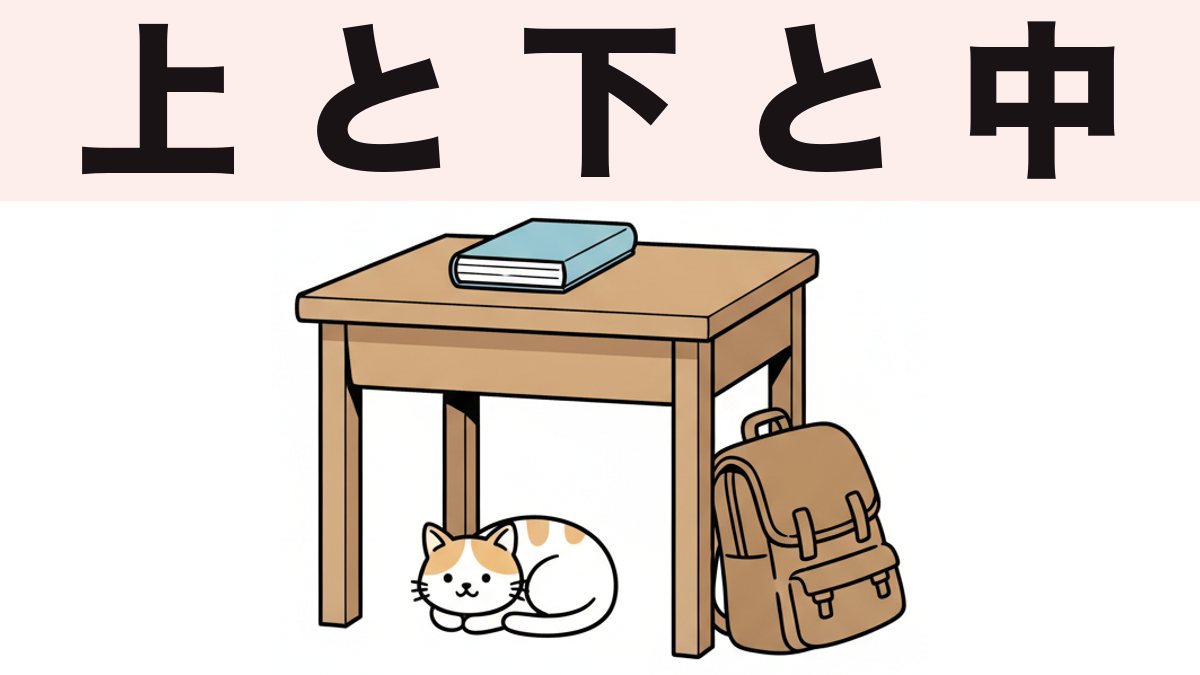
Japanese position words: 上, 下, 中, 前, 後ろ — and the の you cannot drop
Position in Japanese is a noun, not a preposition: 机の上 literally means "the top of the desk." Here are the words, the の that holds them together, and why に and で give you two different sentences.
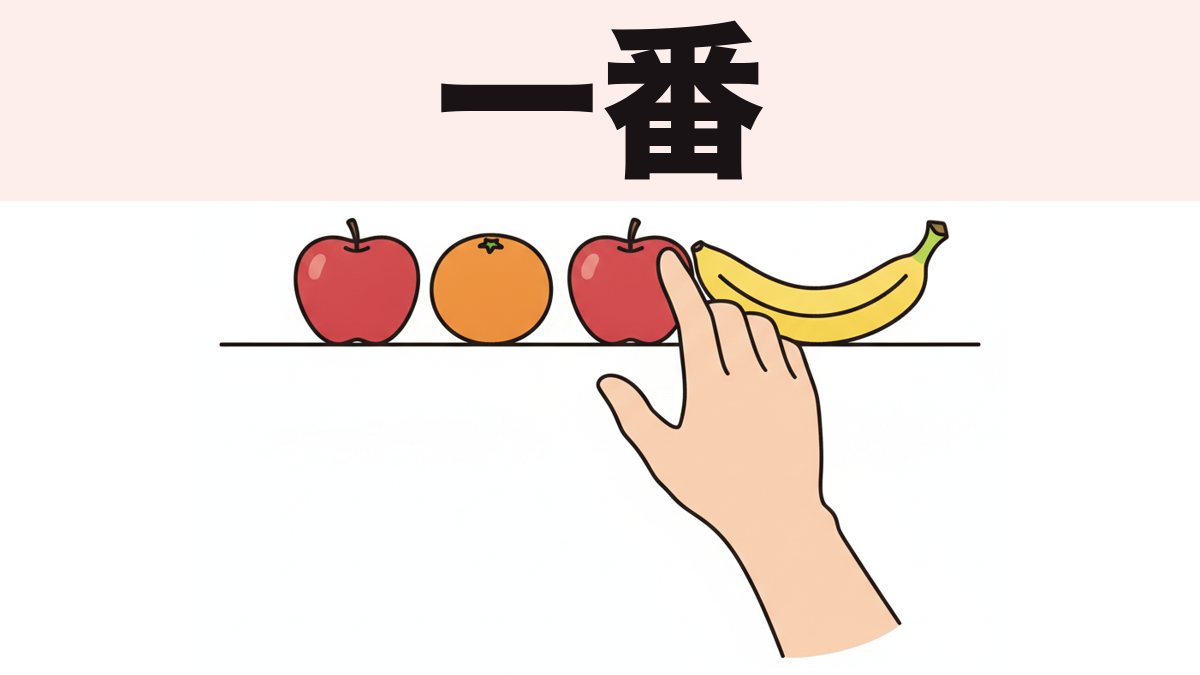
Japanese superlatives: 一番, 最も, and the の中で that makes them work
一番 is "the most" and it goes before the adjective, not on it. Here is the 〜の中で〜が一番〜 frame, how 最も differs, and why Japanese asks superlative questions with どれ rather than what.
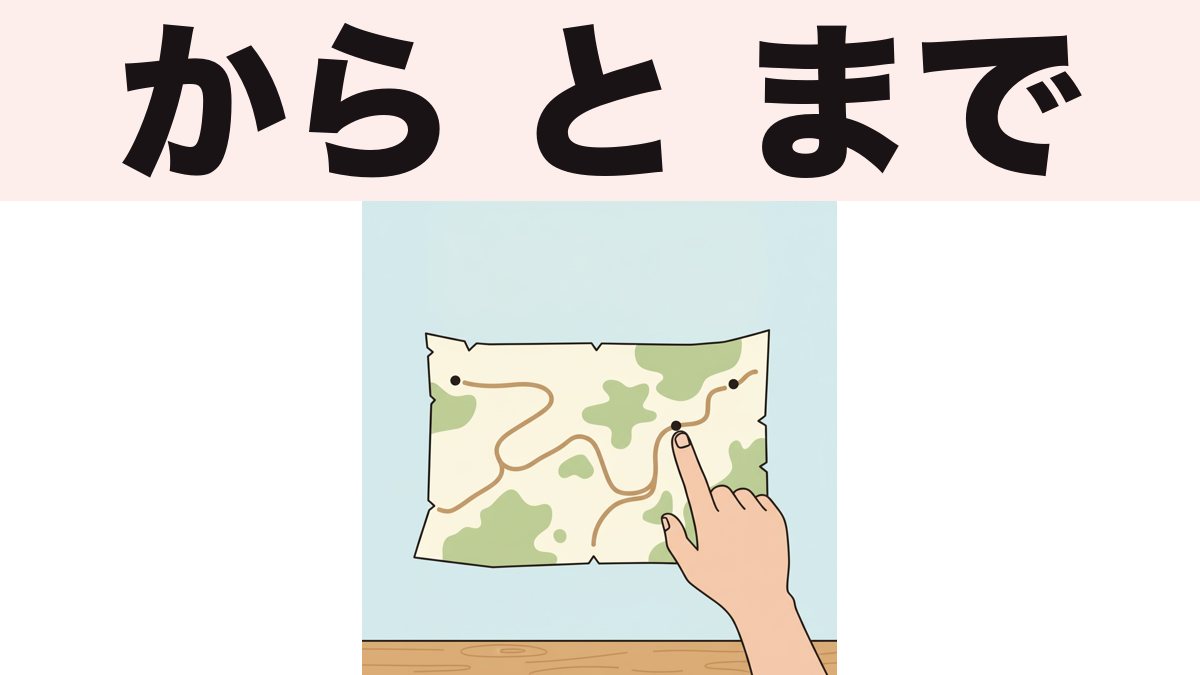
〜から〜まで: "from" and "to," and the one extra syllable that changes everything
から marks a starting point and まで an end point, for both time and place. The trap is までに — add one syllable and "until" becomes "by," which is the difference between working all week and having a deadline.
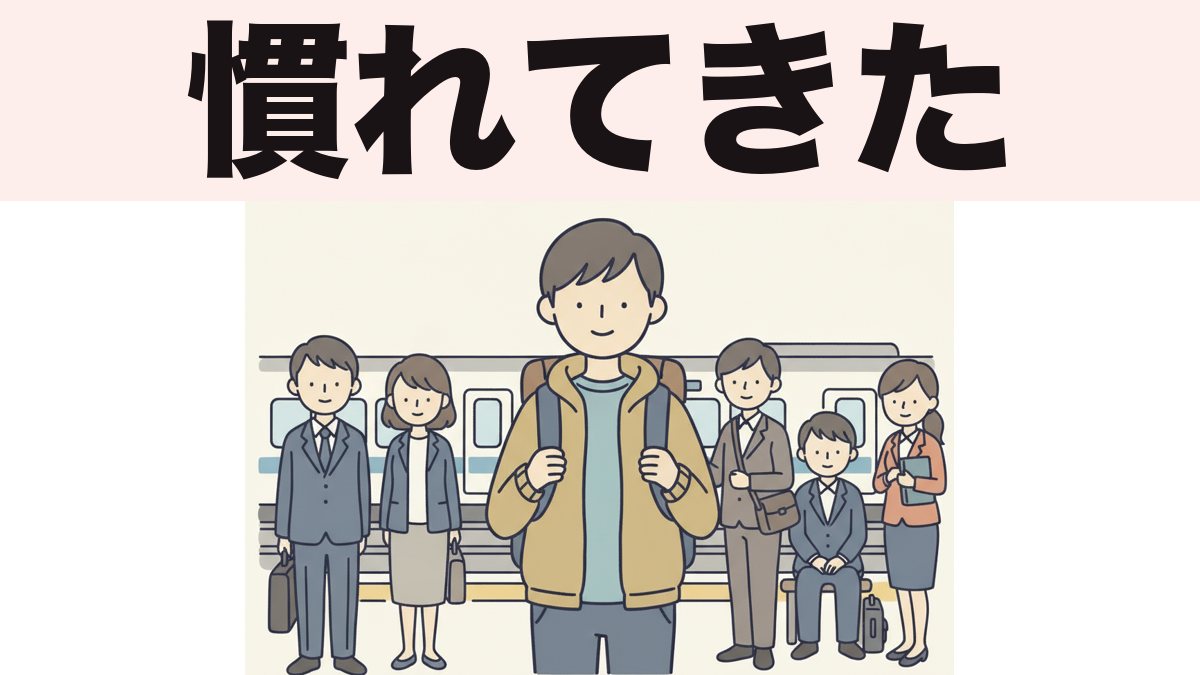
慣れる: how to say "get used to it" in Japanese — and why it takes に, not を
慣れる means "to get used to," and it takes に: 日本の生活に慣れました. Here is the particle, the 慣れている / 慣れてきた forms that do most of the real work, and how it differs from 馴染む.
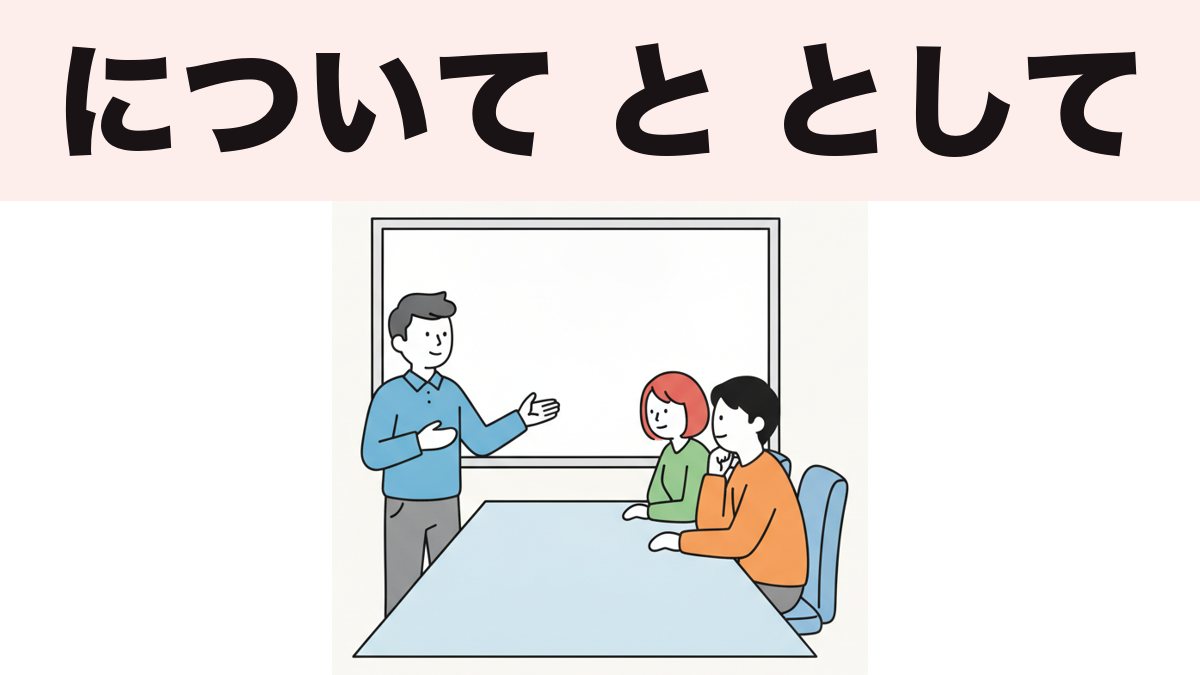
〜について vs 〜として: "about" and "as", and why swapping them changes the sentence
〜について means "about" — the topic you are discussing. 〜として means "as" — the capacity someone is acting in. Here is how each attaches, how について differs from に対して, and the noun form についての.
〜という: the grammar for naming, quoting, and defining things
〜という attaches a name or a piece of speech to a noun: 田中という人, 忙しいということ. Here is what the と is doing, the four jobs という does, and why っていう is the same word.
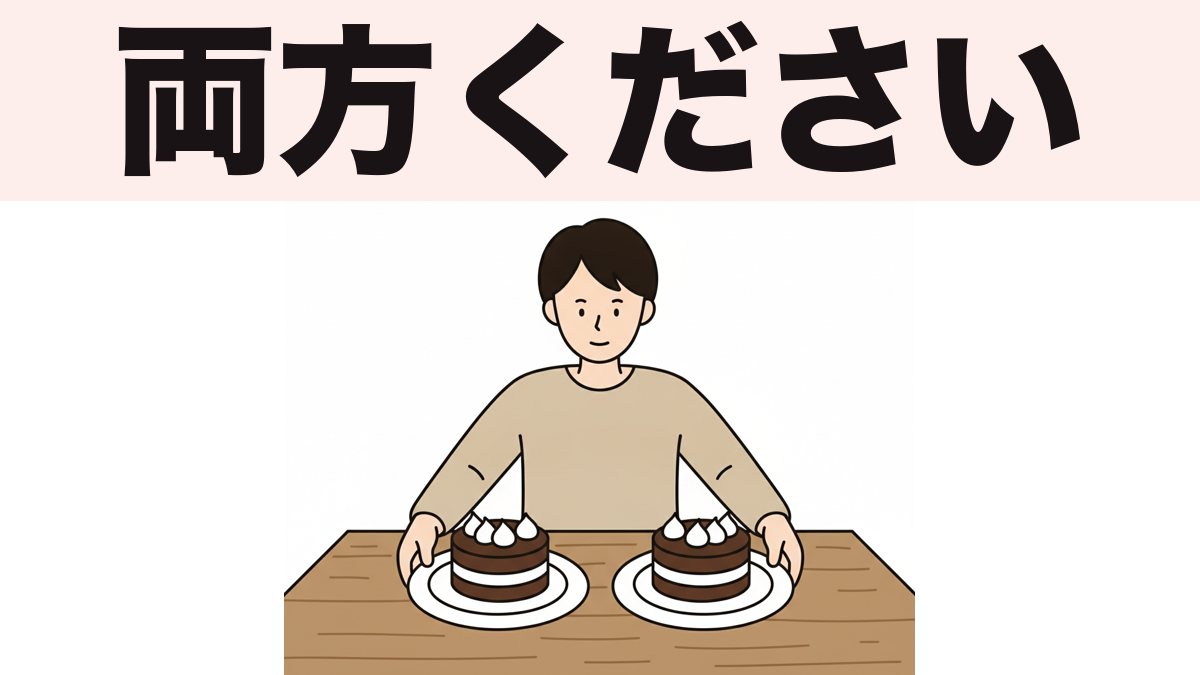
How to say "both" in Japanese: 両方, どちらも, 〜とも and the one that flips to "neither"
Japanese has several words for "both", and they are not interchangeable. Here is when to use 両方, どちらも, 二人とも and 〜も〜も — and why どちらも becomes "neither" with a negative verb.
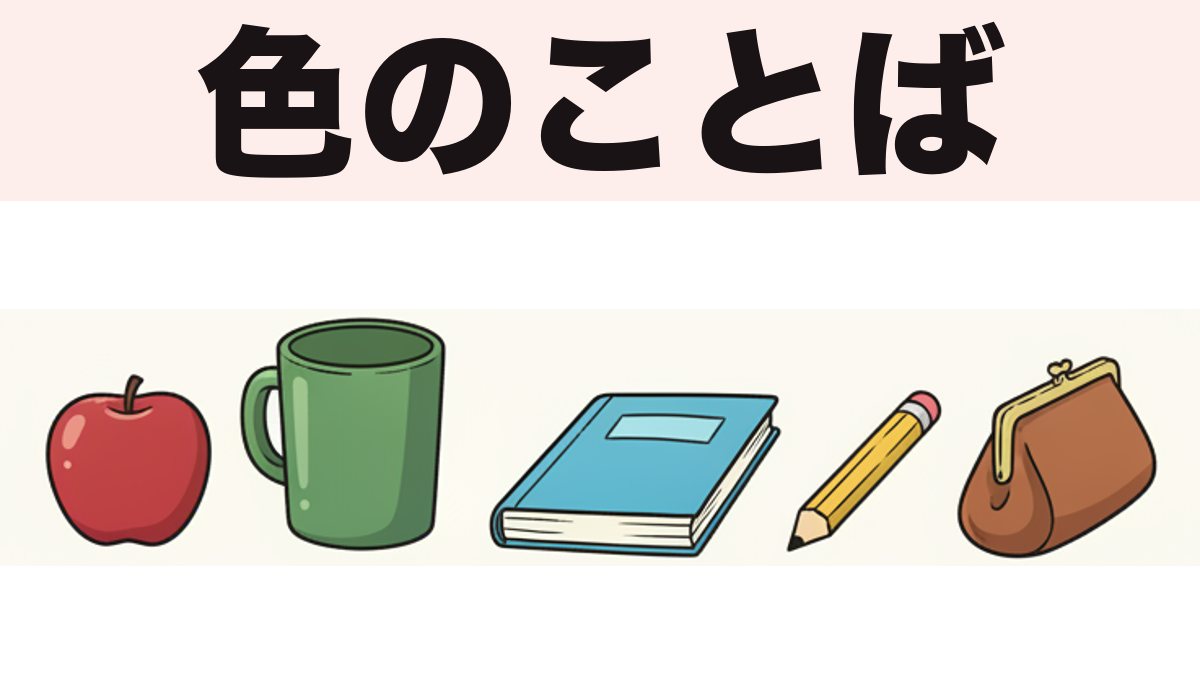
Japanese colours: why 赤い is an adjective and 緑 is not, and why the traffic light is blue
Only four Japanese colours behave like adjectives. The rest are nouns that need の. Here is the full list, the grammar split, and why 青 covers things English calls green.
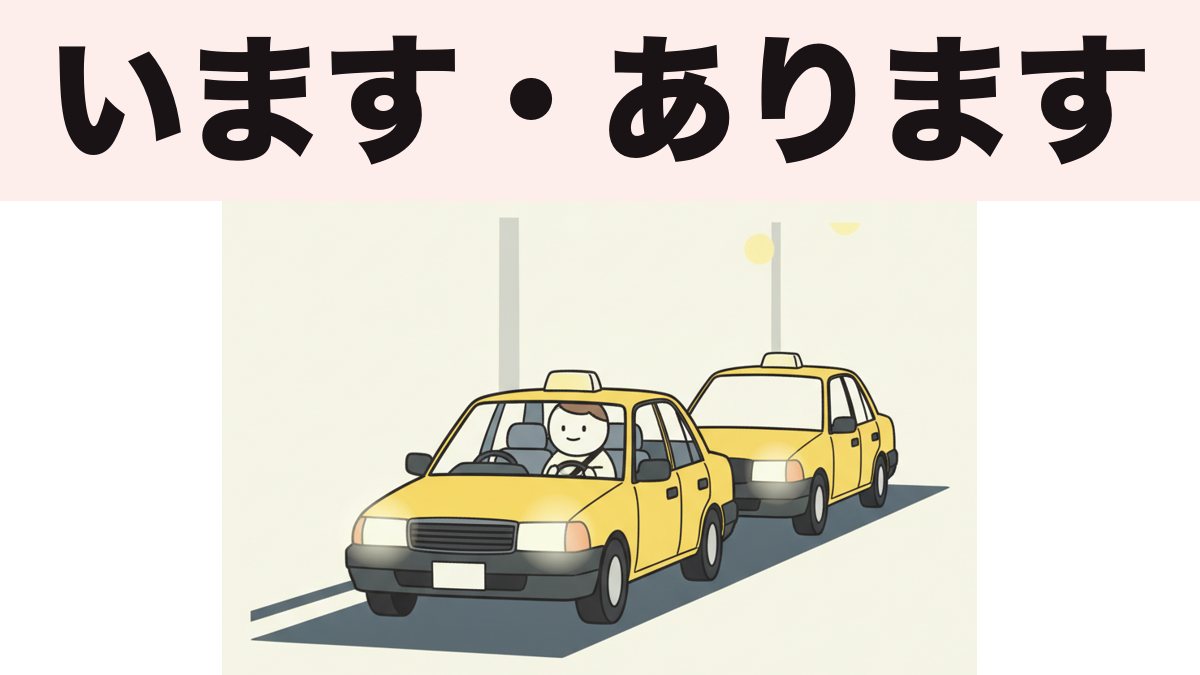
ある vs いる: two verbs for "there is," and the line is not quite "alive"
いる is for things that move by themselves, ある for everything else. Plants take ある, a taxi takes either, and ある also means an event is happening.
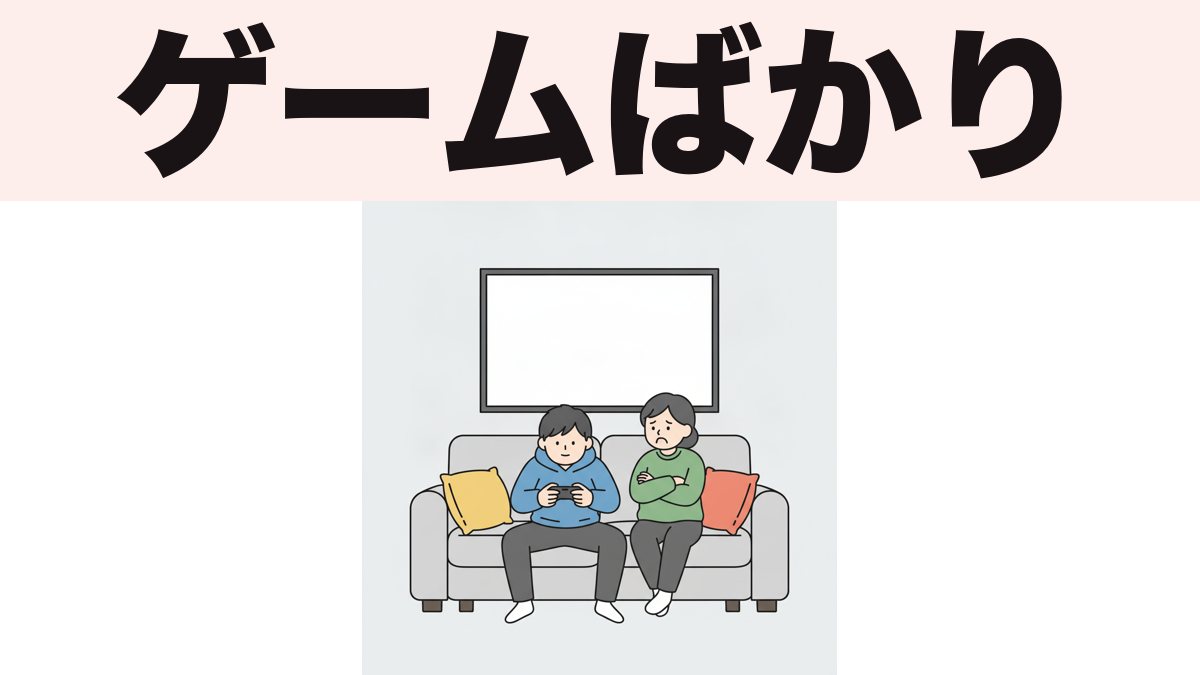
〜ばかり: "nothing but," "just did," and the complaint hiding in both
ばかり after a noun means "nothing but" and usually criticises. After a past verb it means "just did." Same word, two jobs, and the た version is subjective.
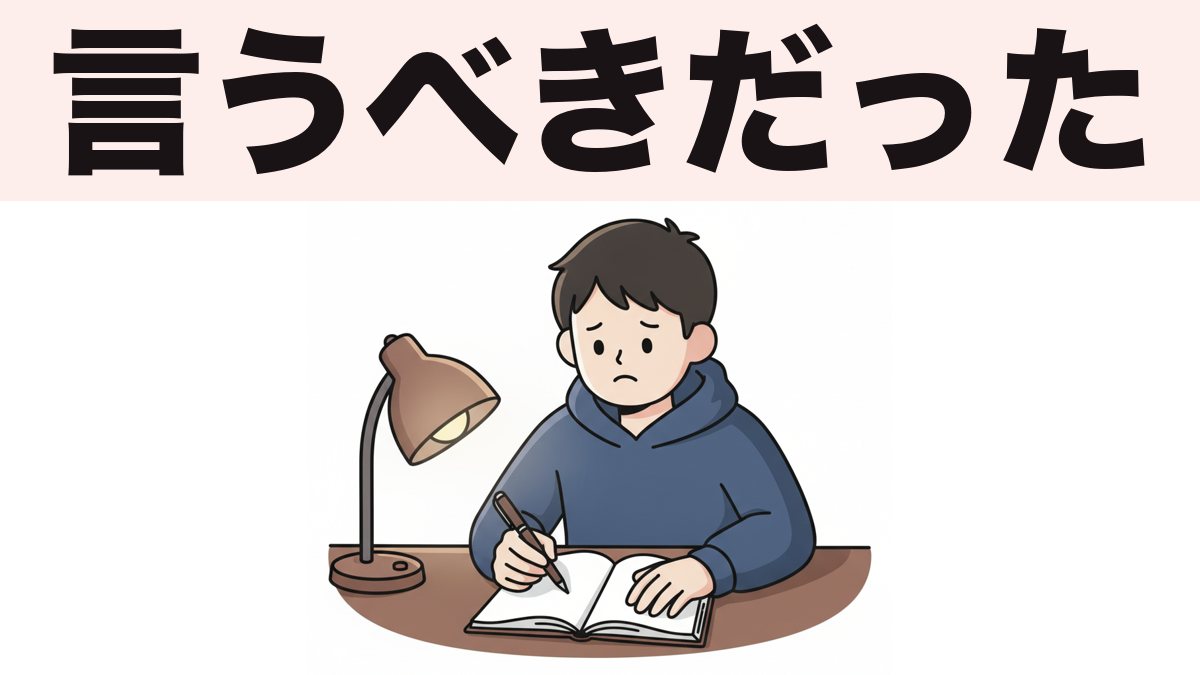
〜べき: the "should" that judges, and when not to use it
べき is a moral should — what is right, not what is advisable. Pointed at a person it sounds preachy, which is why ほうがいい exists.
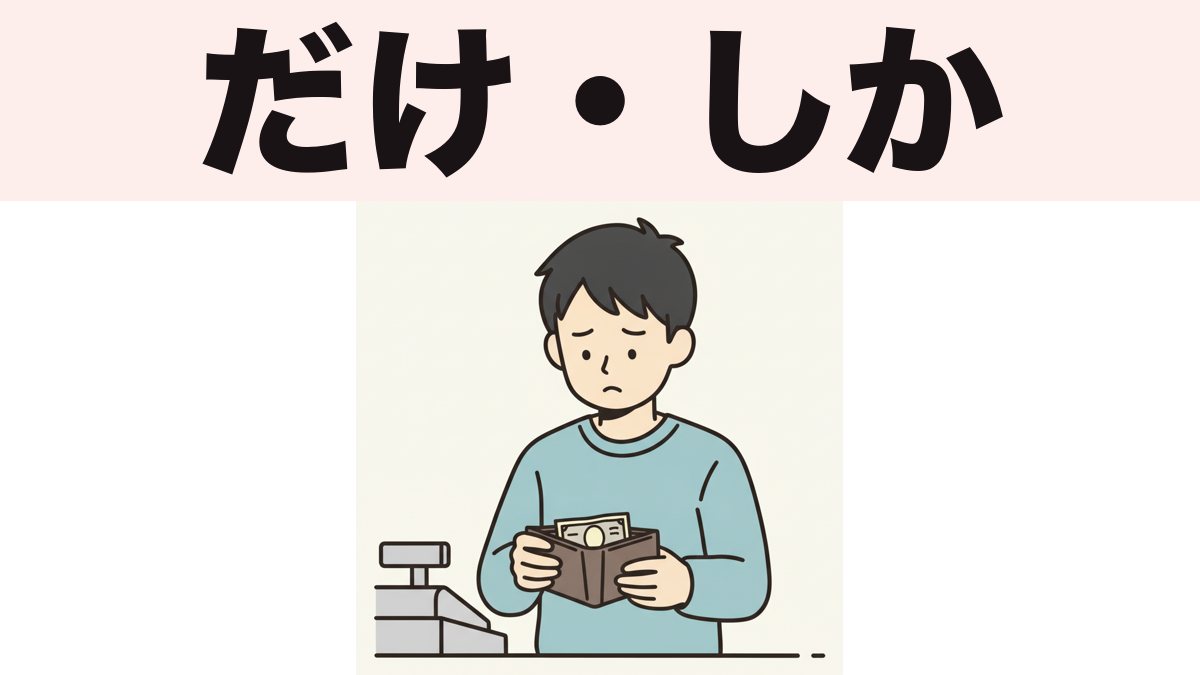
だけ vs しか: two words for "only," and one of them is a complaint
だけ states a fact. しか demands a negative verb and adds "and that is not enough." 1000円だけあります and 1000円しかありません are different feelings.
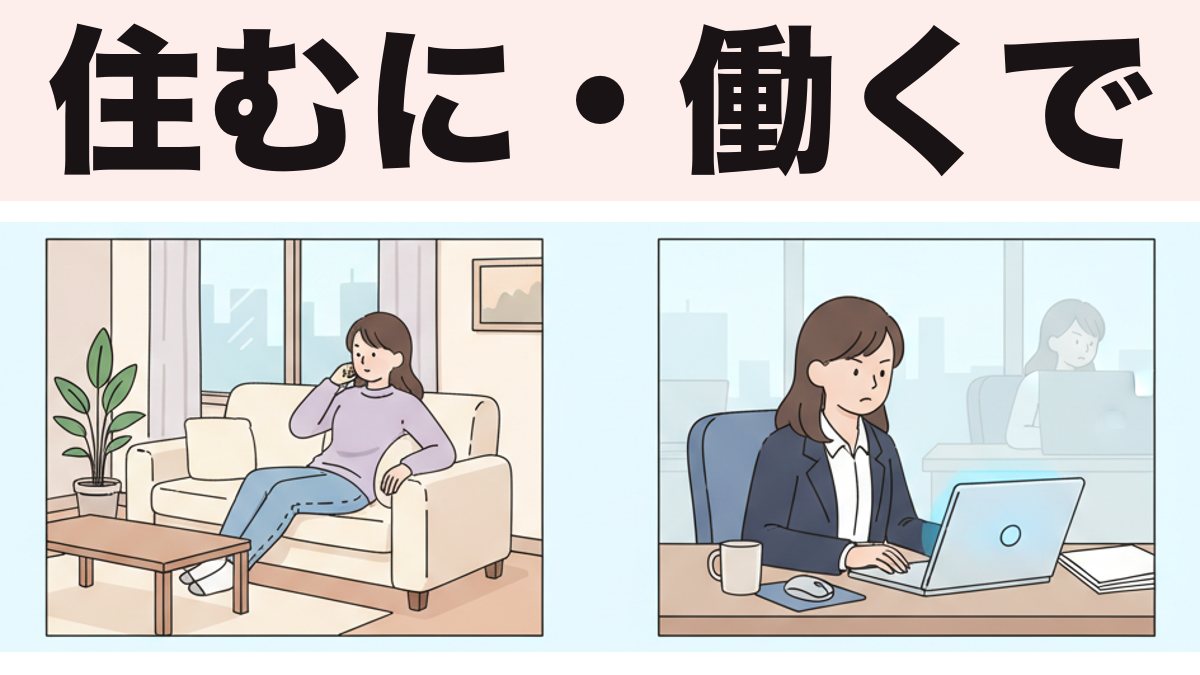
で vs に: the particle pair that decides whether you live or work somewhere
に marks a point — a destination, a location of existence, a time. で marks where an action happens. 東京に住む but 東京で働く, and the verb decides.
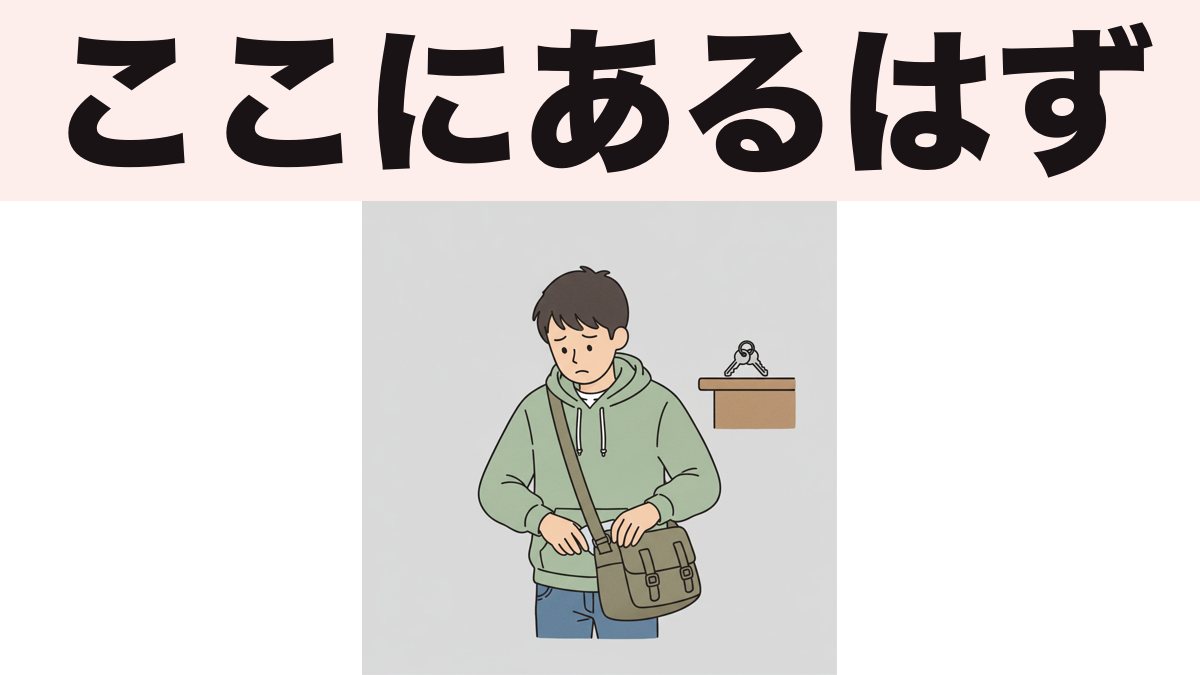
〜はず: the "should" that is a prediction, not an obligation
はず means "it should be so, based on what I know." It never means "you should do this" — that is べき, and English hides the difference behind one word.
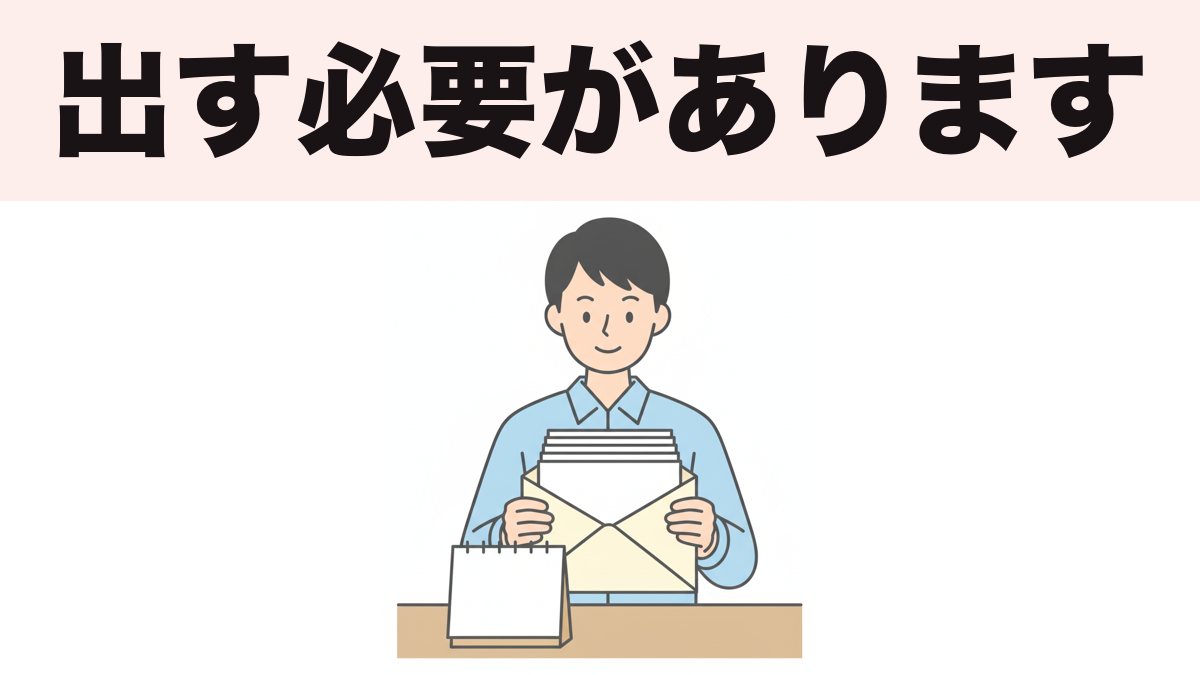
〜必要がある: the calm way to say "you need to" in Japanese
必要がある states a need as a fact instead of an obligation. It is the register difference between "you have to" and "there is a need to" — and it uses が, not です.
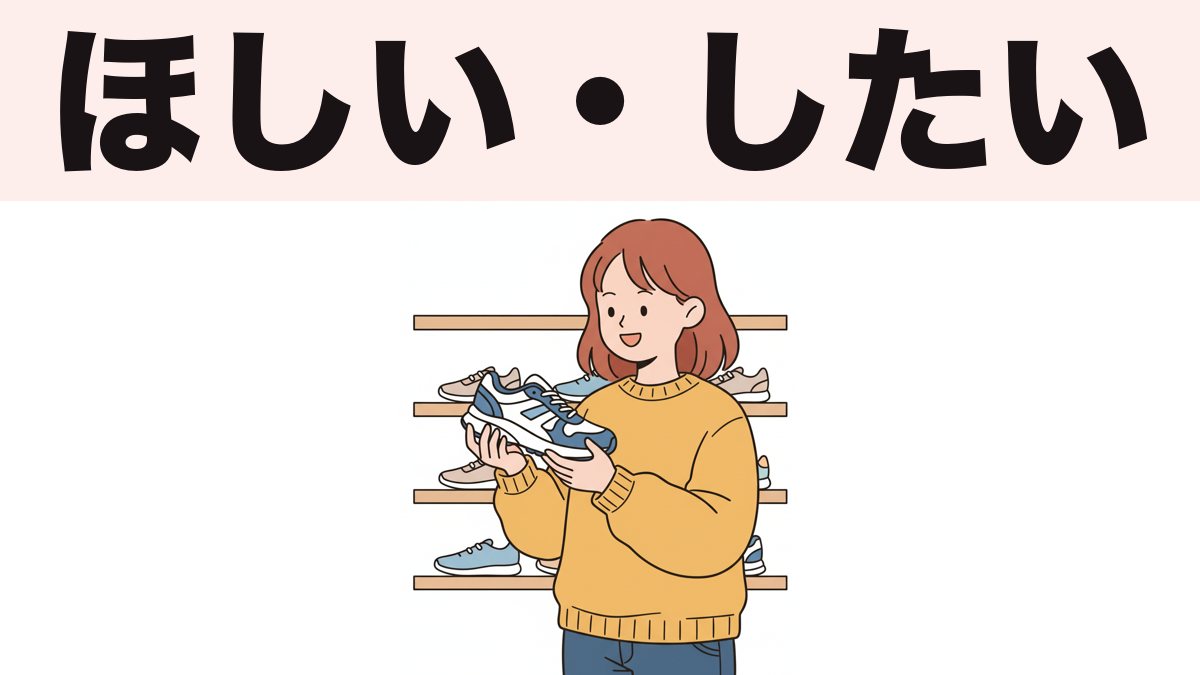
ほしい vs たい: wanting a thing, wanting to do, and wanting someone else to
ほしい wants a noun, たい wants a verb, and neither can be used about another person. 彼は行きたいです is wrong — it has to be 行きたがっています.
い-adjectives vs な-adjectives: the split, and the words that lie about it
い-adjectives conjugate themselves; な-adjectives behave like nouns. きれい and 嫌い end in い and belong to the second group, which is where everyone gets caught.
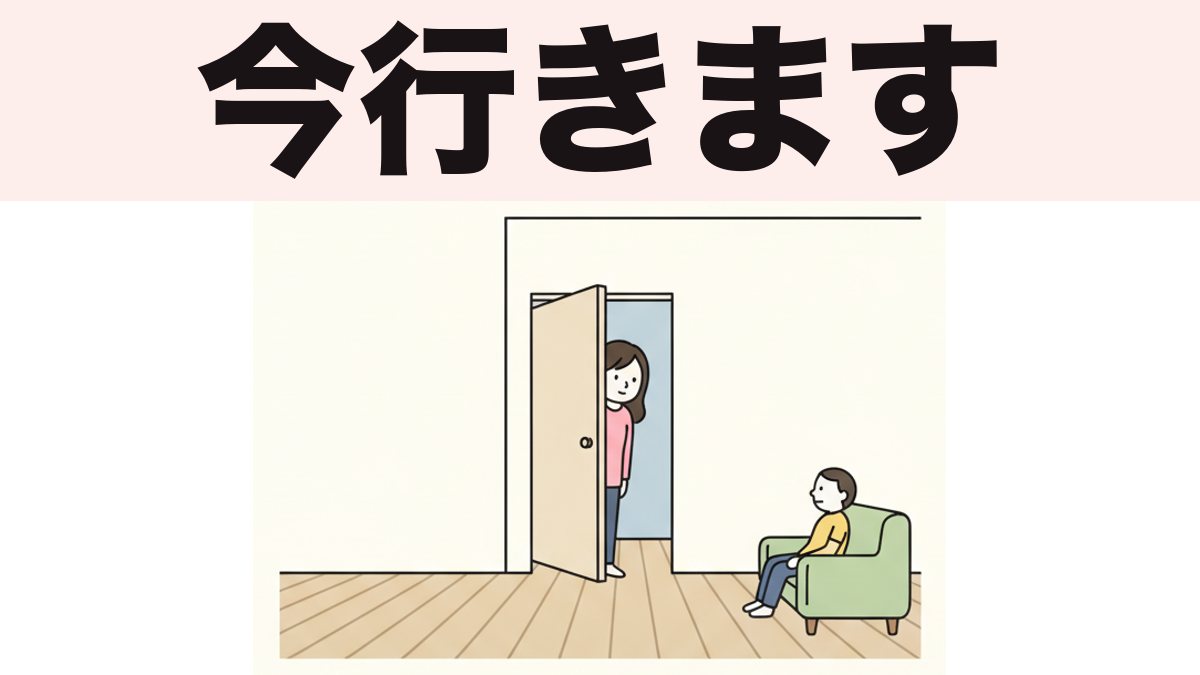
行く vs 来る: why "I'm coming!" is 今行きます in Japanese
来る means movement toward where the speaker is, not toward the listener. That is why answering a call with 来ます is wrong, and 行きます is right.
〜じゃなくて: how to say "not this, but that"
じゃなくて is the connecting negative for nouns: 学生じゃなくて、先生です. い-adjectives take くなくて, and verbs split between なくて and ないで depending on meaning.
Japanese verb groups: the three-way split every conjugation depends on
Group 1, Group 2 and the two irregulars. Some Group 1 verbs end in る too — 帰る, 走る, 知る — and the negative form is the test that never lies.
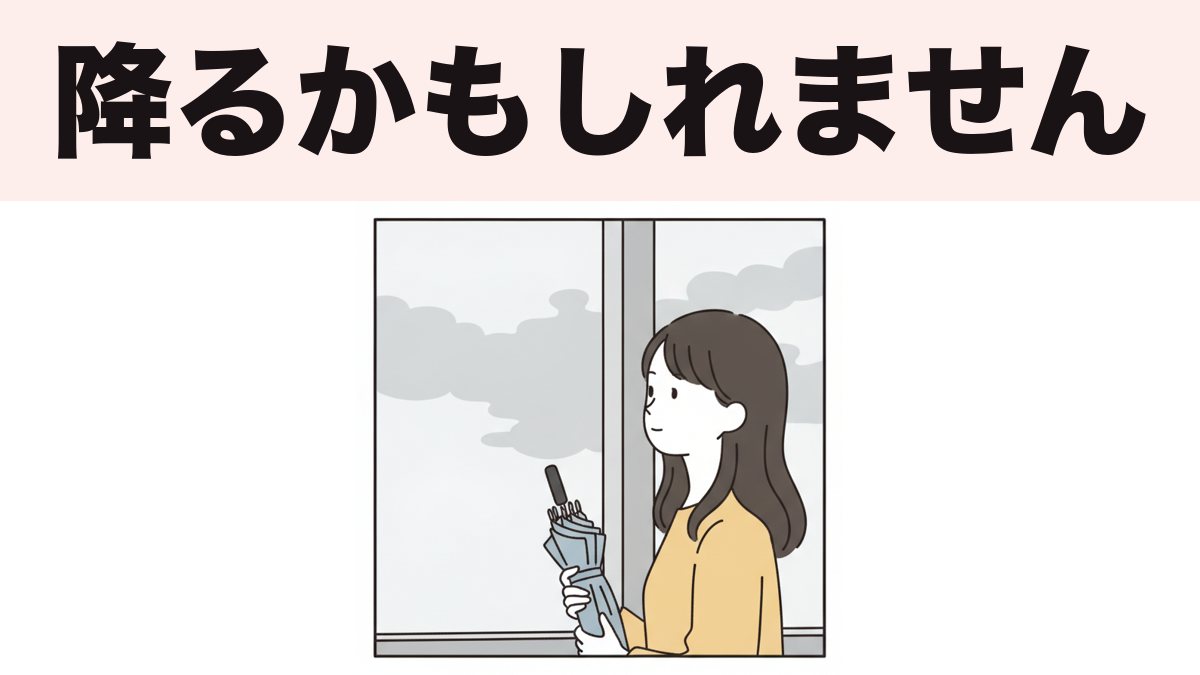
かもしれない: "maybe," and the だ you have to delete
かもしれない attaches to the plain form, but nouns and な-adjectives drop their だ first. 学生だかもしれない is wrong; 学生かもしれない is right.
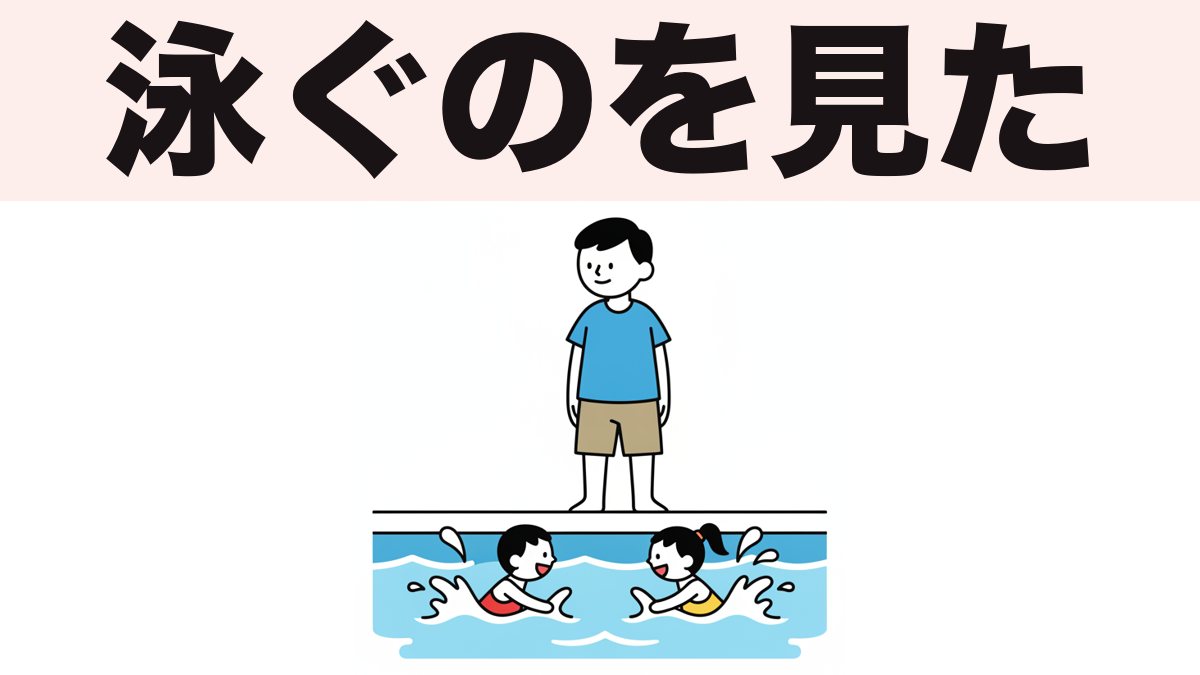
こと vs の: two ways to turn a verb into a noun
こと is for abstract facts, の for things you can see and hear. 泳ぐのを見た, never 泳ぐことを見た — and some verbs only accept one of them.
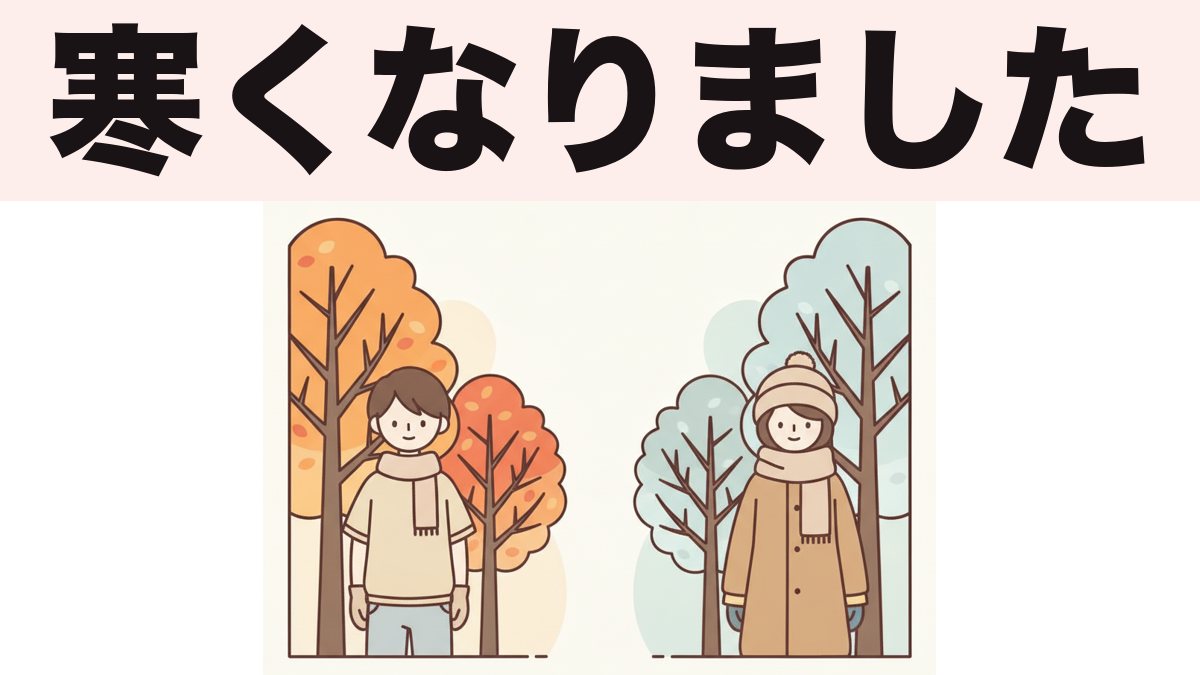
〜くなる and 〜になる: how Japanese says "become"
い-adjectives take く, な-adjectives and nouns take に, and then both take なる. 忙しいになる is the error almost every beginner makes at least once.
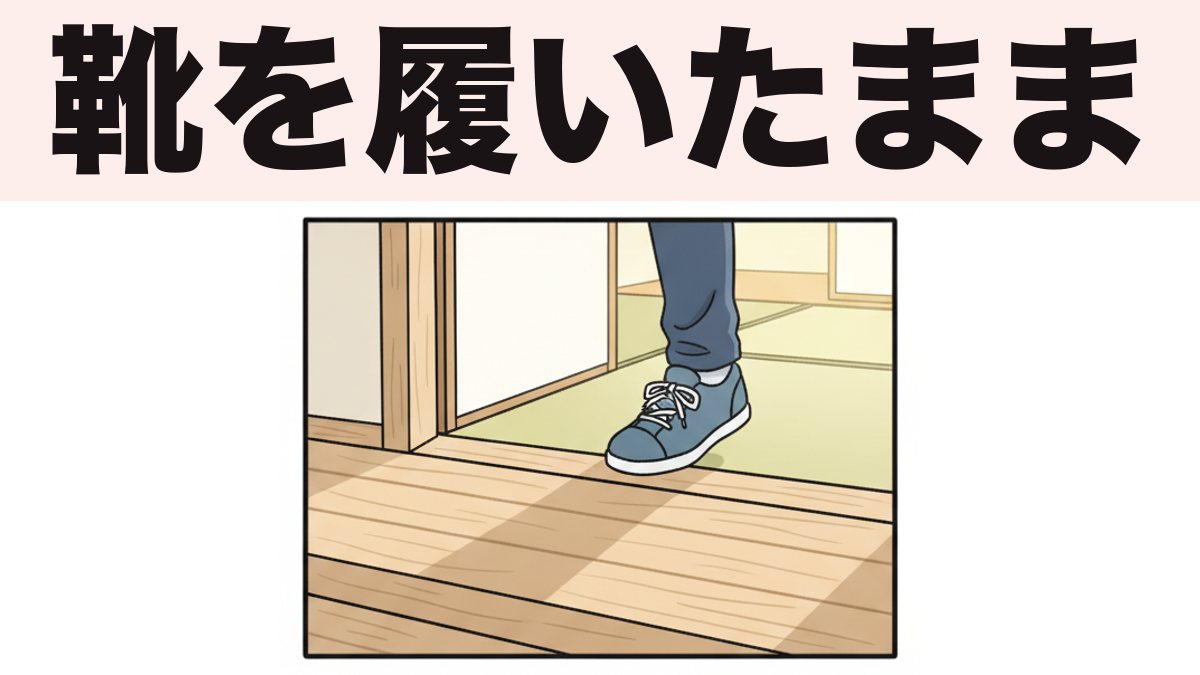
〜まま: "as it is," and why it takes the past form
まま describes a state left unchanged. It takes the past form for verbs — 靴を履いたまま, never 履くまま — and そのまま is the phrase you will use most.
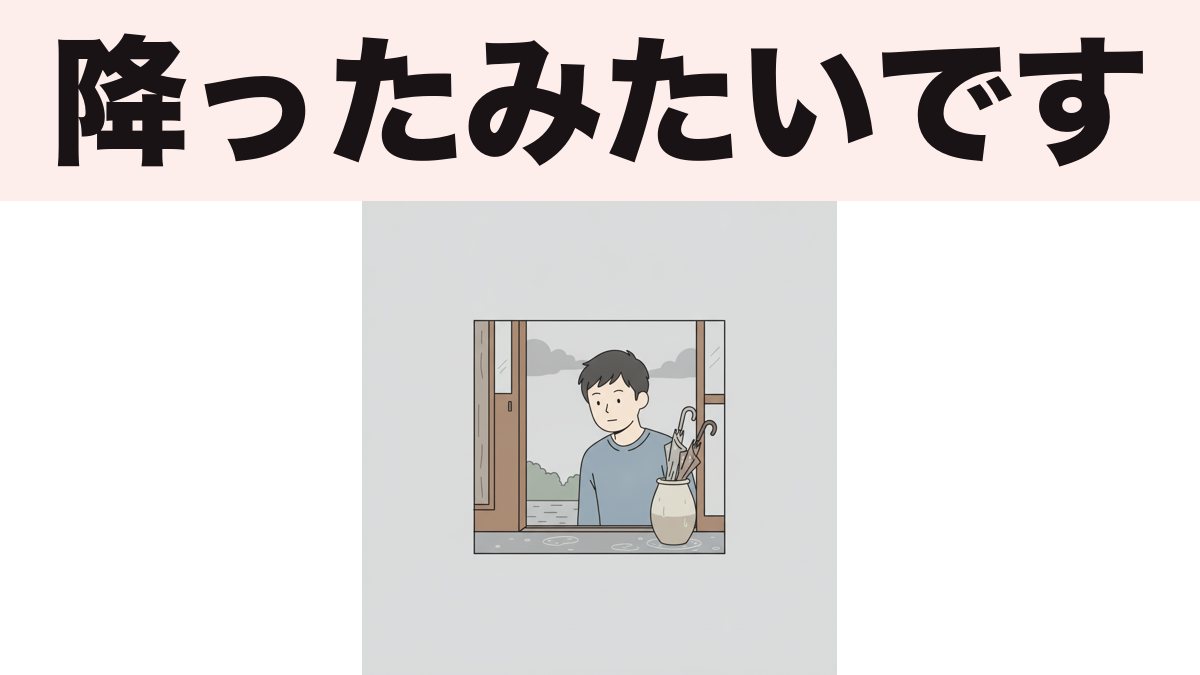
みたい, らしい, ようだ: three ways to say "apparently," and who told you
ようだ is your own judgement, みたい is its casual twin, and らしい means you heard it somewhere. The attachment rules differ too, which is where it gets messy.
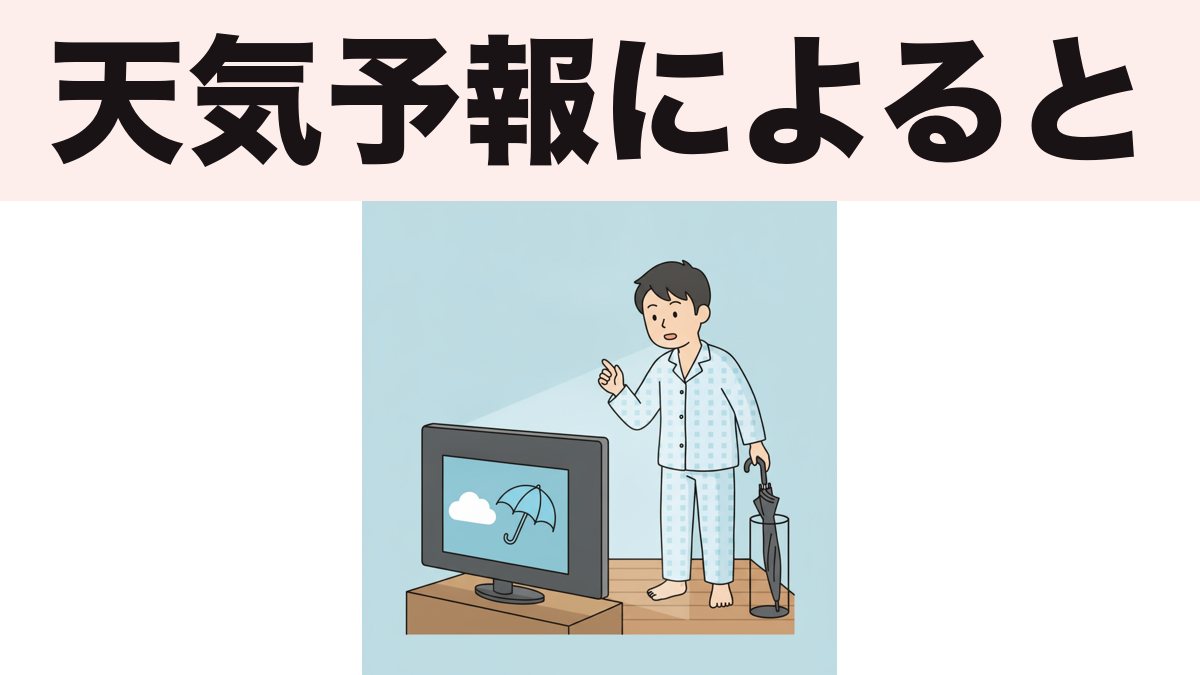
〜によると: "according to," and the そうです you must not drop
〜によると names your source, and the sentence has to end in そうです or らしいです. Ending it flatly turns reported information into your own claim.
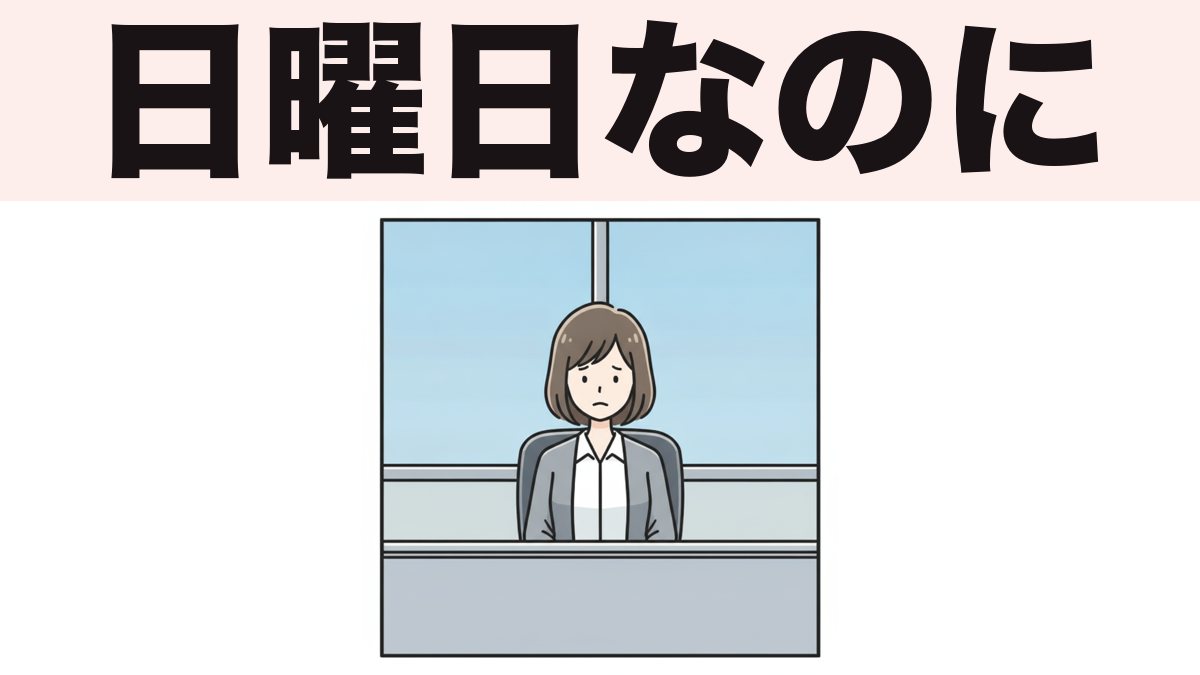
〜のに: "even though," with a complaint built in
のに means "even though" and adds disappointment or surprise. けど is the neutral version. If you would not roll your eyes saying it, use けど.
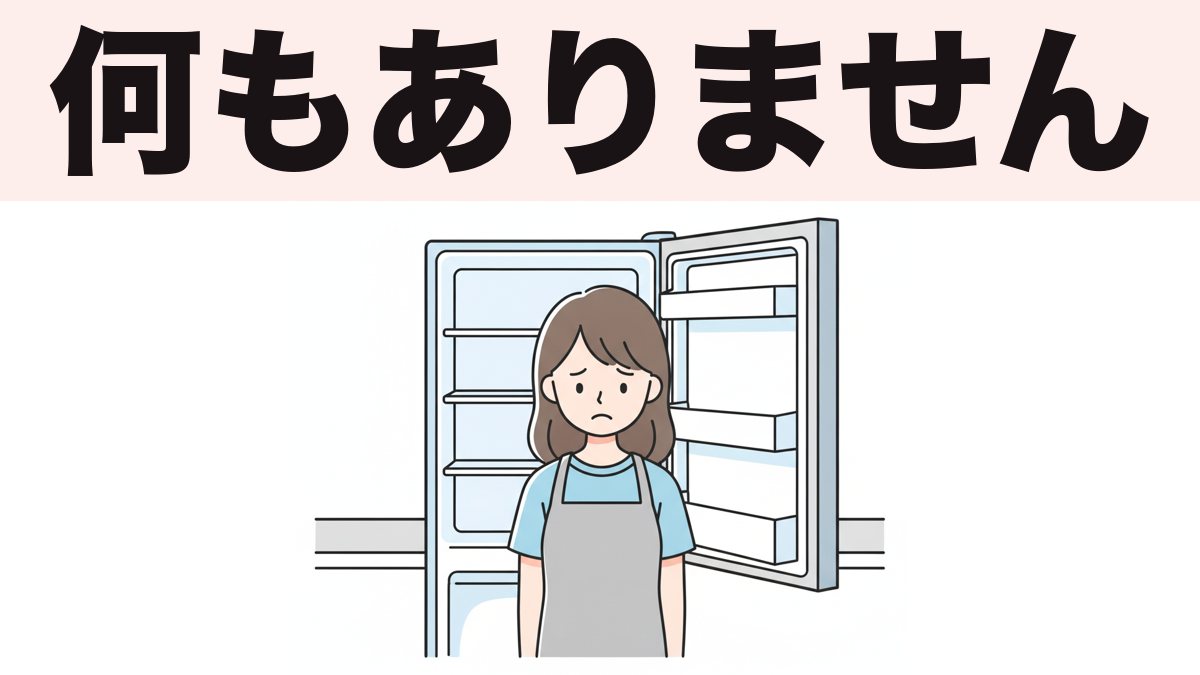
何も, 誰も, どこにも: how Japanese says "nothing," "nobody," "nowhere"
Japanese has no single word for "nothing." It builds one from a question word, も, and a negative verb — and the negative verb is not optional.
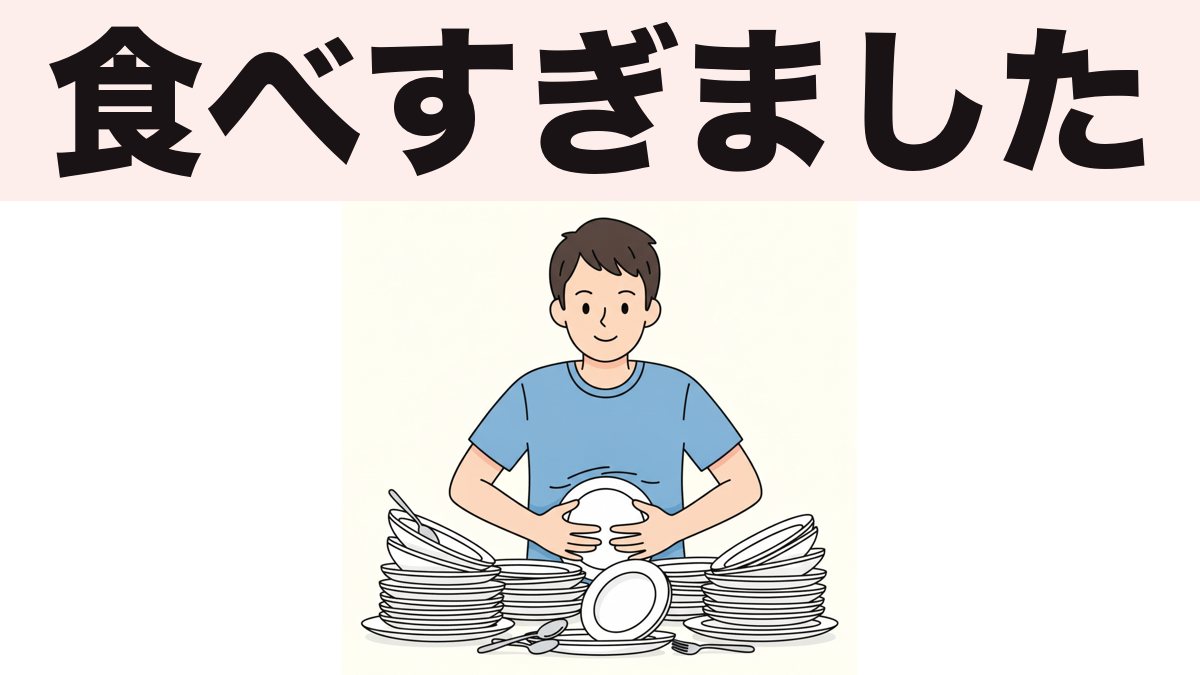
〜すぎる: "too much," and the い you have to drop
すぎる attaches to a verb stem or a bare adjective: 高すぎる, not 高いすぎる. It becomes a Group 2 verb, and in casual speech it stops meaning "too" at all.
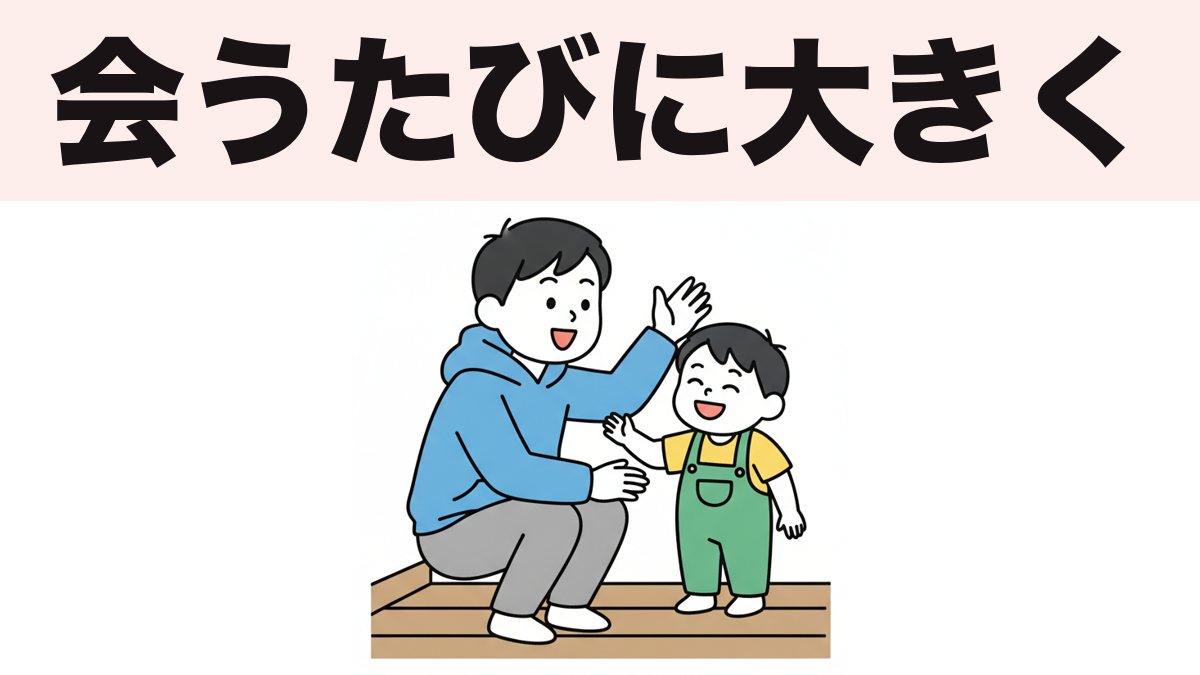
〜たびに: "every time," and why 3日たびに is wrong
〜たびに needs an occasion, not a clock. Every time you meet someone is 会うたびに; every three days is 3日ごとに. The two are not interchangeable.
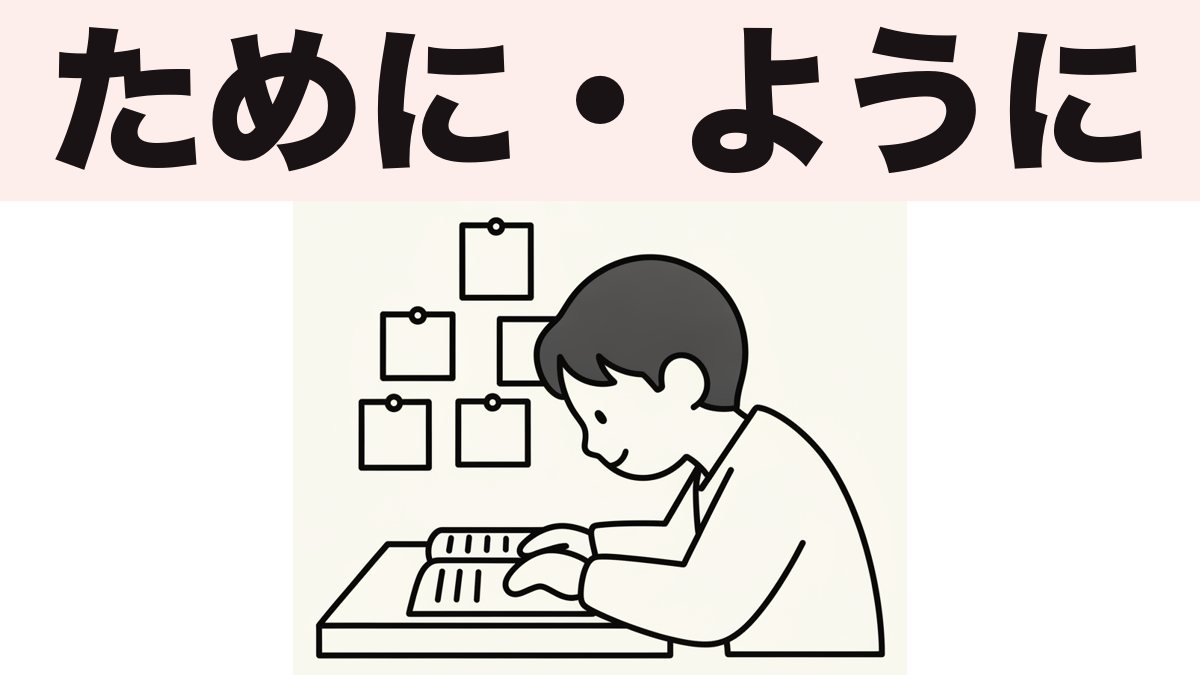
ために vs ように: two ways to say "in order to," and only one is right
ために needs a verb you control; ように needs one you do not. That single test decides which to use, and it explains why 忘れないために is wrong.
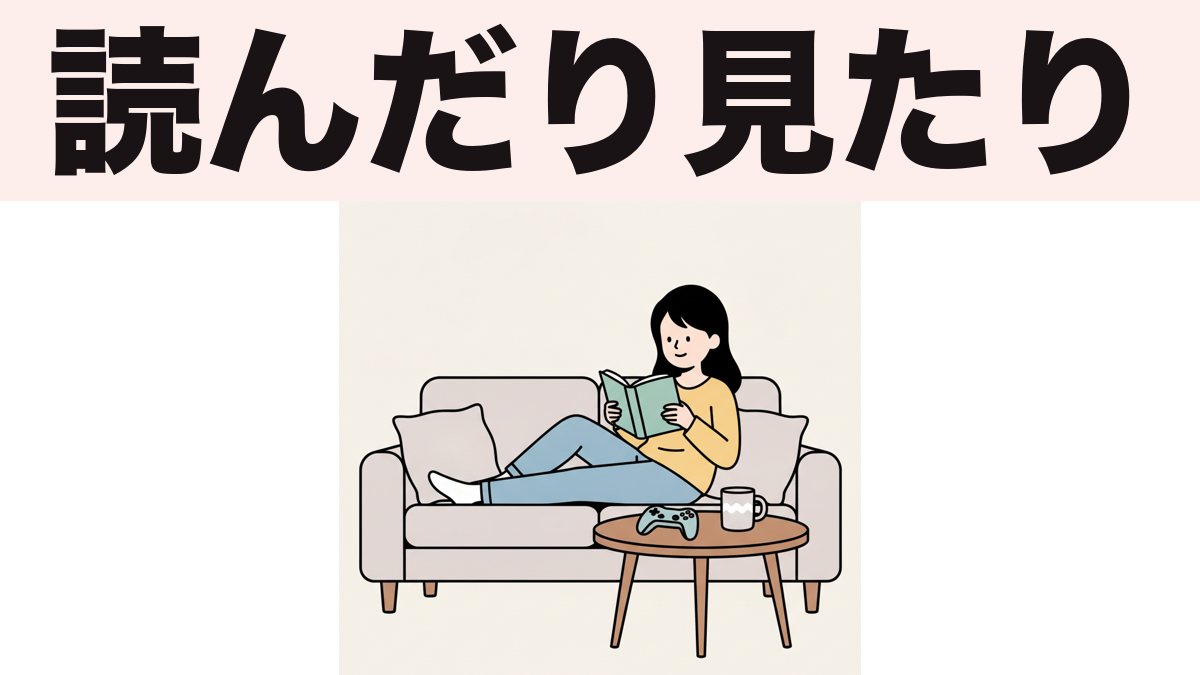
〜たり〜たり: the list that says "and other things like that"
〜たり〜たりする lists example actions and implies you left some out. It is built from the past form, and the sentence must end in する — the piece learners drop.
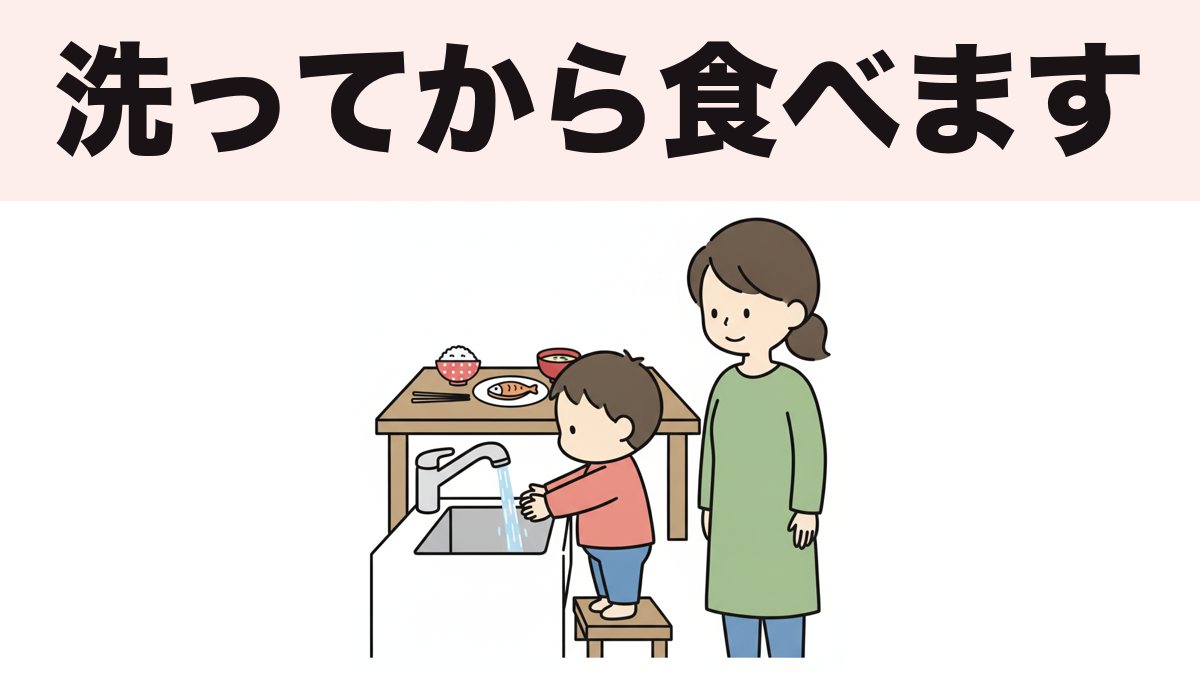
〜てから: "after doing," and why 食べたから means something completely different
〜てから says one action must finish before the next begins. Swap the て for a た and you get 食べたから — "because I ate" — which is a different sentence entirely.
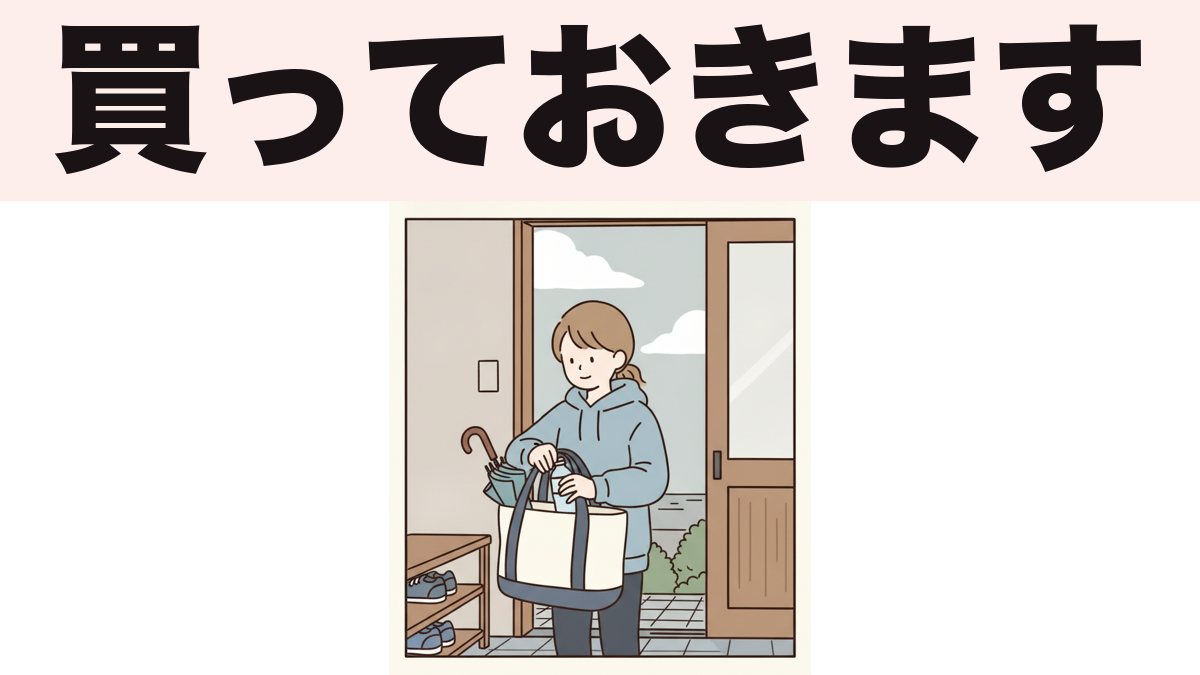
〜ておく: doing something now so future you does not have to
〜ておく means doing something in advance, or leaving it as it is. In speech it collapses to 〜とく, which is why 買っとく sounds like a word you never learned.
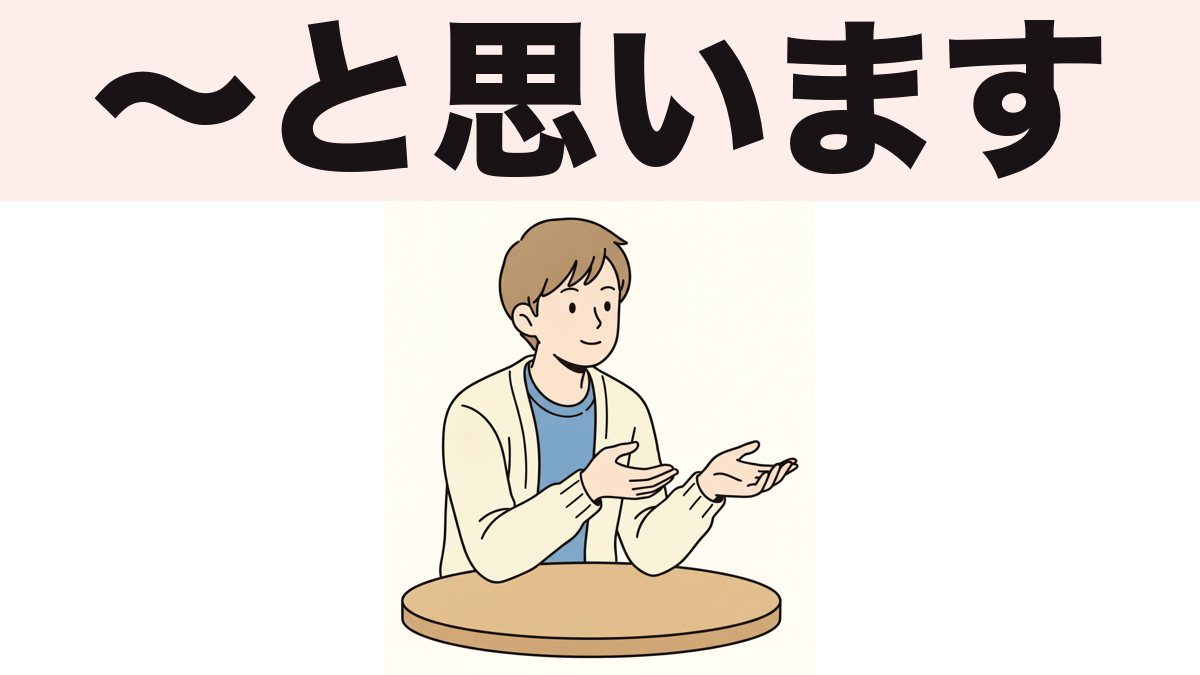
〜と思います: the quotation particle, and why です never goes in front of it
と quotes a whole sentence, and what it quotes must be in plain form. 高いですと思います is wrong; 高いと思います is right. The politeness lives on 思います.
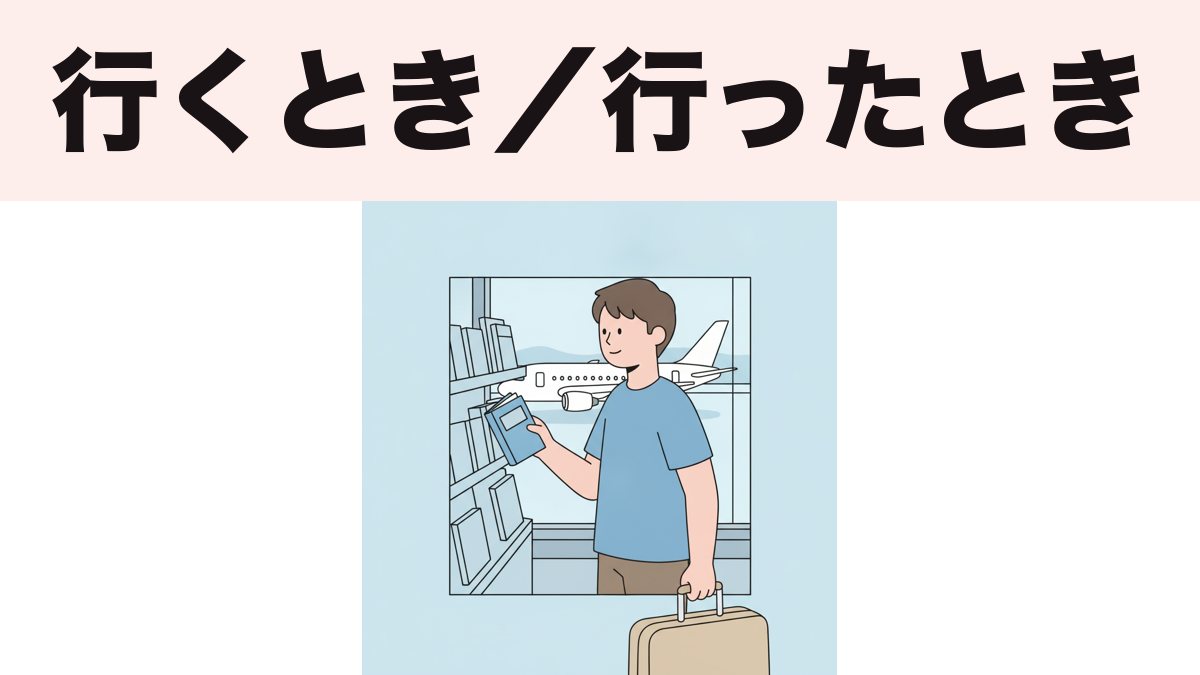
〜とき: why 行くとき and 行ったとき are two different moments
〜とき means "when," but the tense in front of it is relative, not absolute. 日本に行くとき happens before you arrive; 日本に行ったとき happens after.
わけ: わけだ, わけではない, わけがない, わけにはいかない
One noun, four grammar points. わけではない is a partial denial, わけがない is a flat impossibility, and mixing them up makes you sound much harsher than you meant.
〜やすい and 〜にくい: easy to do, hard to do, and prone to happening
Add やすい or にくい to a verb stem and you get a new い-adjective. But やすい also means "tends to," which is a different idea hiding in the same ending.
〜ようになる: the grammar for "I can do it now, and I could not before"
〜ようになる marks a change in ability or habit that happened gradually. It is the sentence every learner actually wants: 日本語が話せるようになりました.
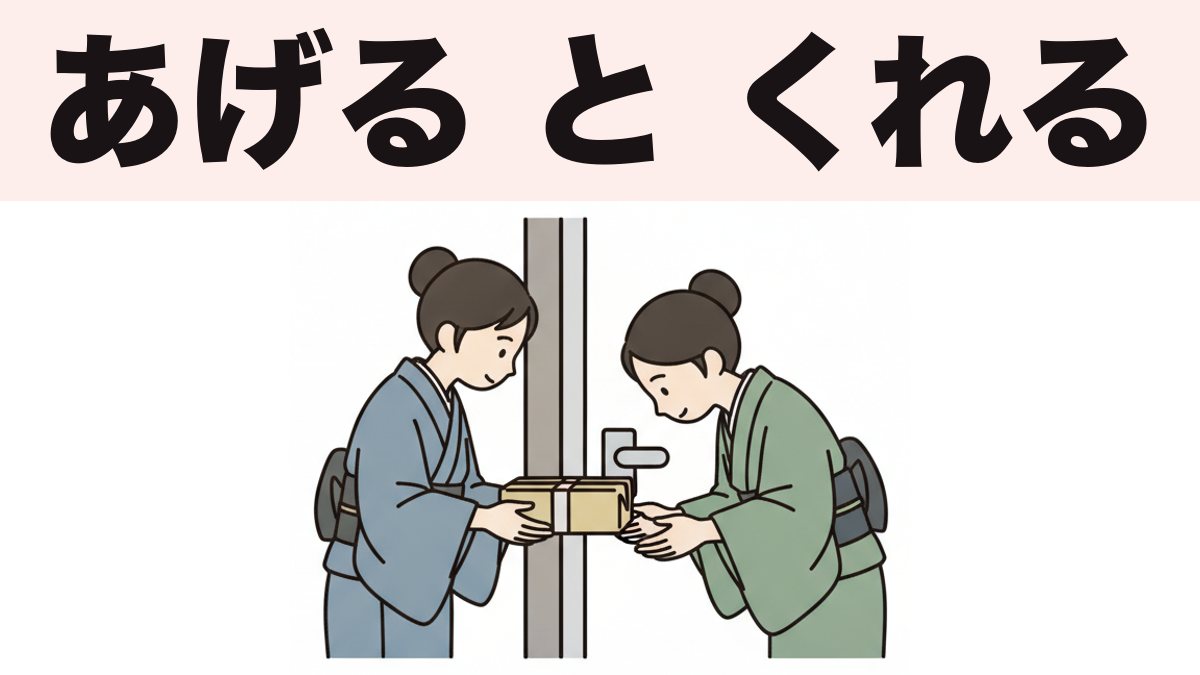
あげる, くれる, もらう: which way is the thing moving?
Japanese has two verbs for "give" because it tracks who the thing is moving toward. あげる goes away from you, くれる comes to you, もらう is you taking it.
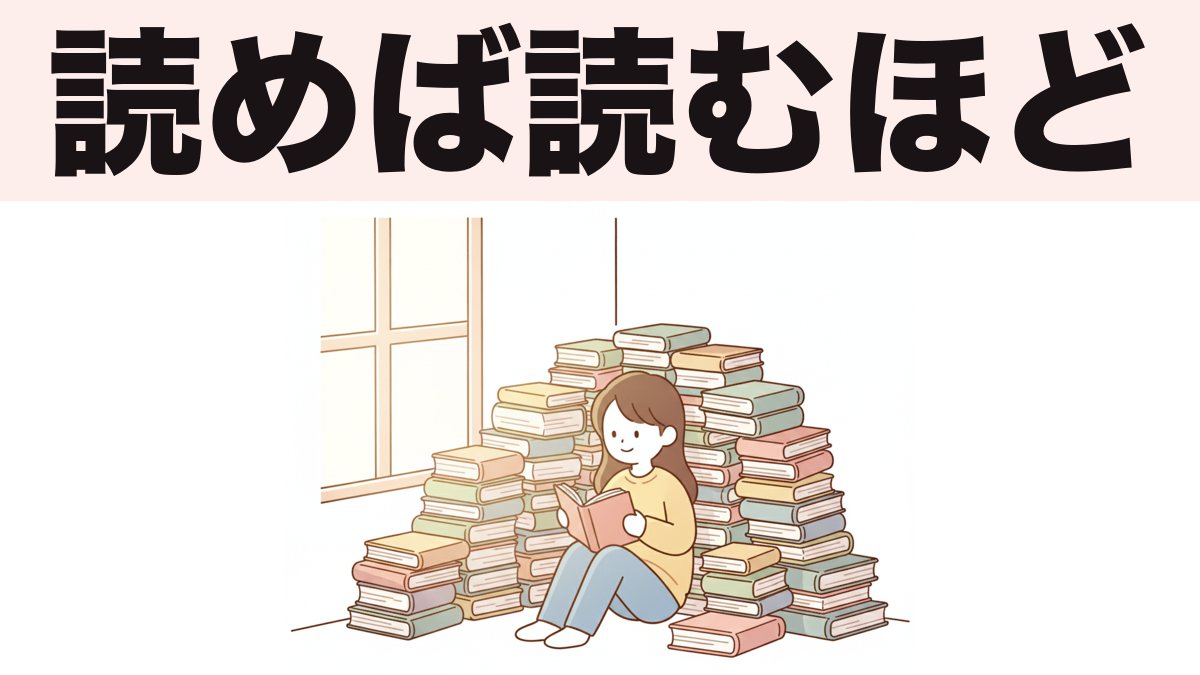
〜ば〜ほど: how to say "the more, the more" in Japanese
読めば読むほど means "the more you read, the more…". The verb appears twice — once in the ば form, once plain — and that repetition is the whole grammar point.
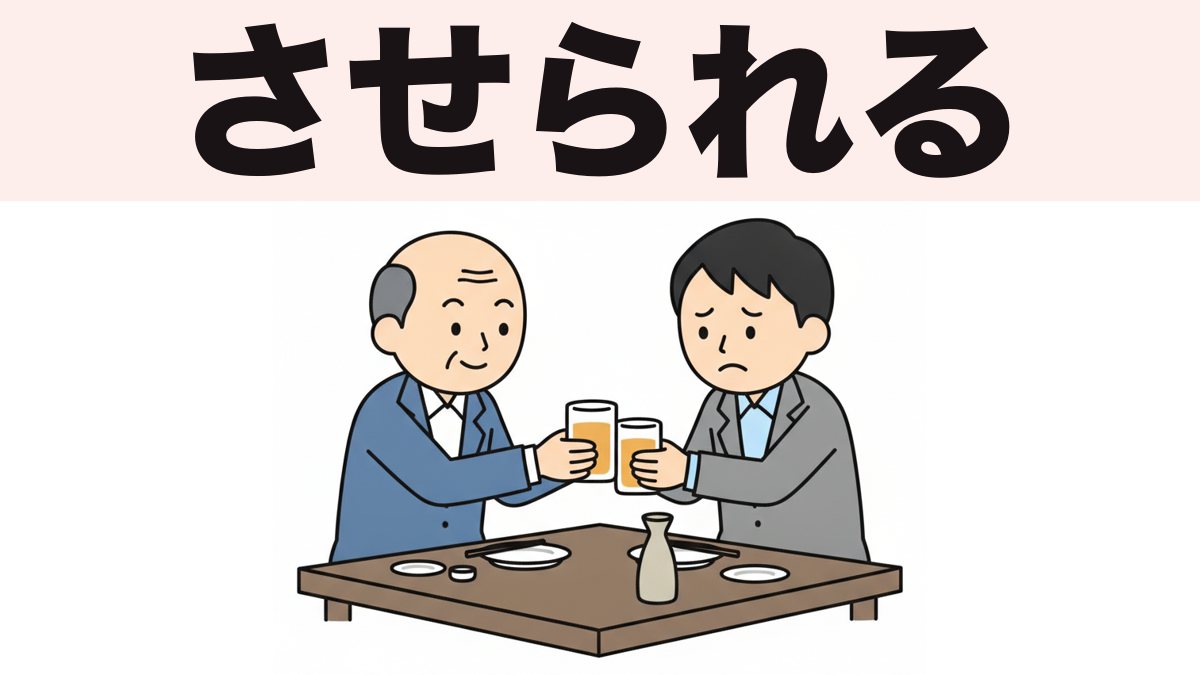
Causative-passive させられる: the form for being made to do things
させられる stacks the causative and the passive to mean "I was made to do it," and it always carries a complaint. Plus the contraction nobody teaches.
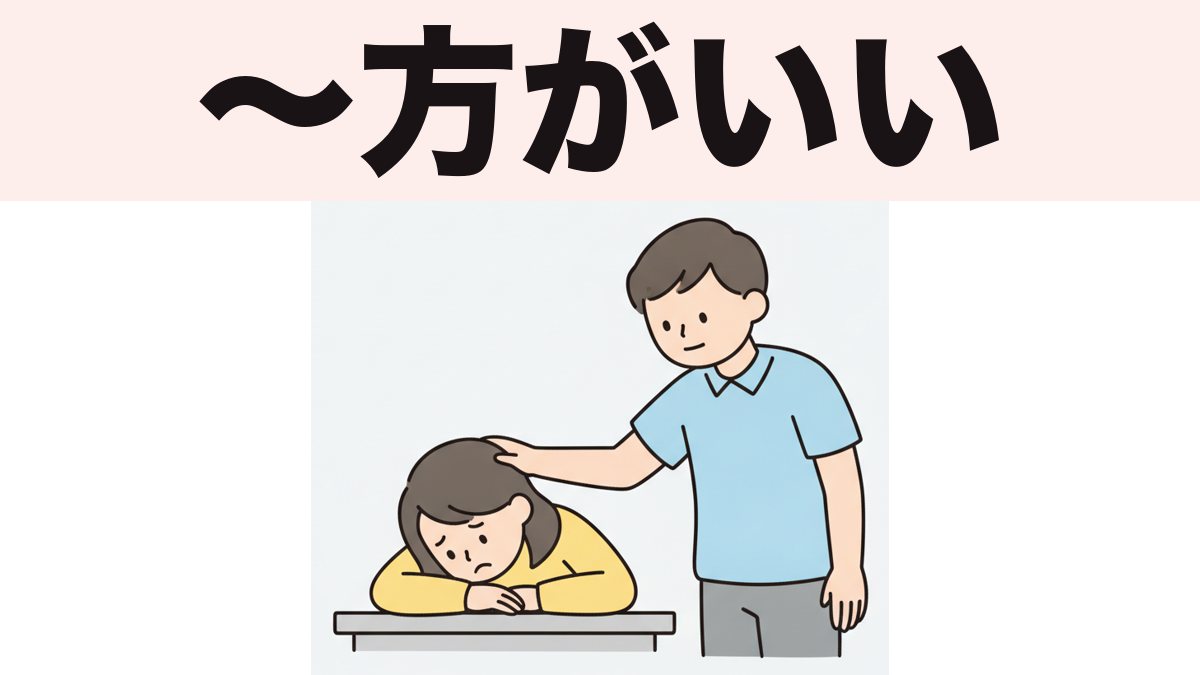
〜方がいい: how to give advice in Japanese without sounding bossy
〜方がいい literally says "that way is better" — a comparison, not a command. Here is how to build it, why the negative uses ない方がいい, and how hard it actually lands.
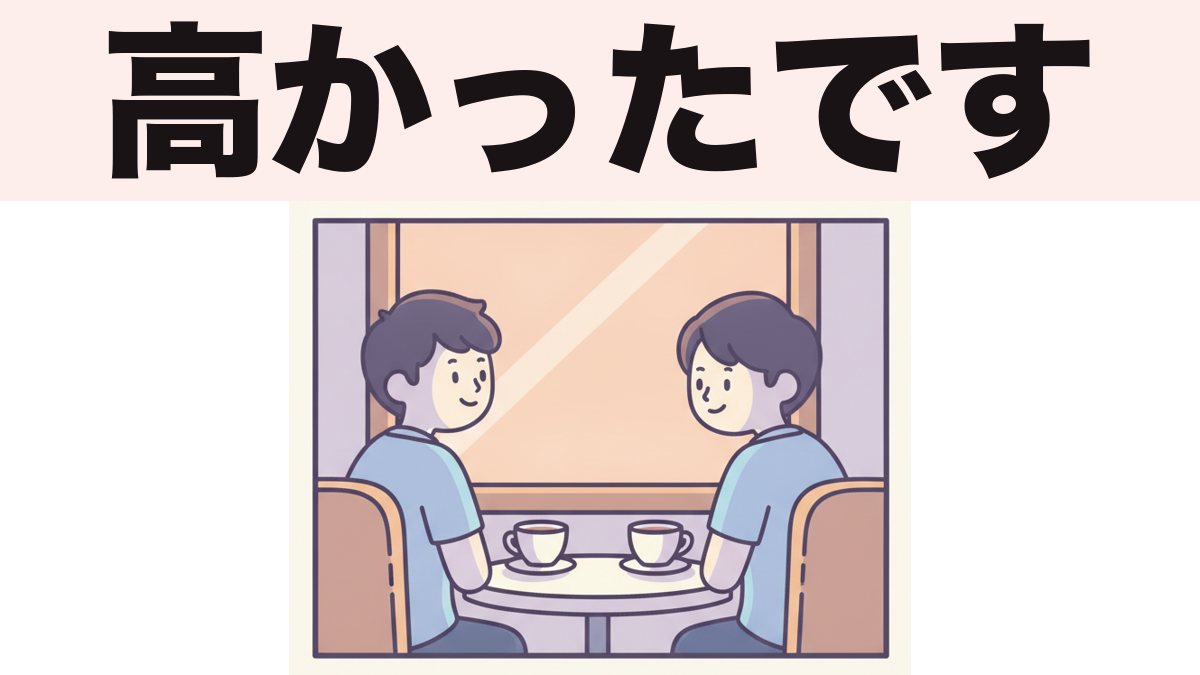
Japanese adjective past tense: why 高いでした is wrong
い-adjectives carry their own tense — 高い becomes 高かった, not 高いでした. The two adjective types, the four forms each, and the いい that breaks everything.
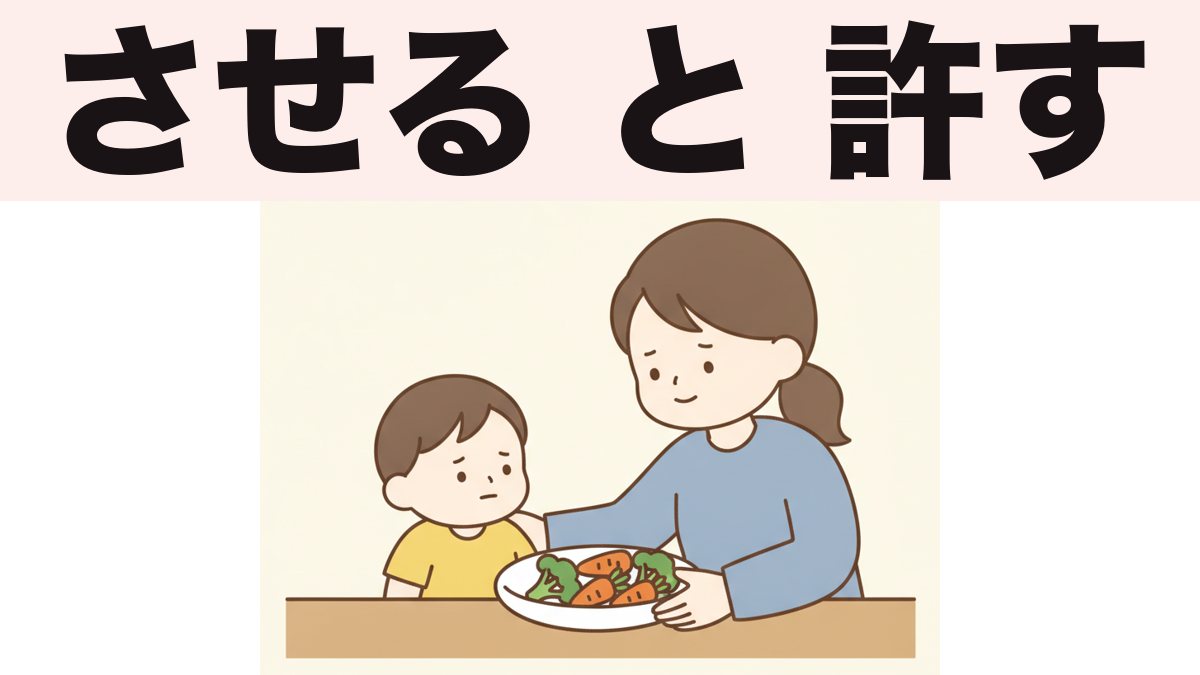
Japanese causative form: させる, せる, and who is making whom do what
The causative means both "make someone do it" and "let someone do it". How to conjugate させる, and why に or を decides who is doing what to whom.
Japanese conditionals: と, ば, たら and なら, and how to stop guessing
Japanese has four ways to say "if". と is automatic, ば is hypothetical, たら is the one that survives a request, and なら picks up what the other person just said.
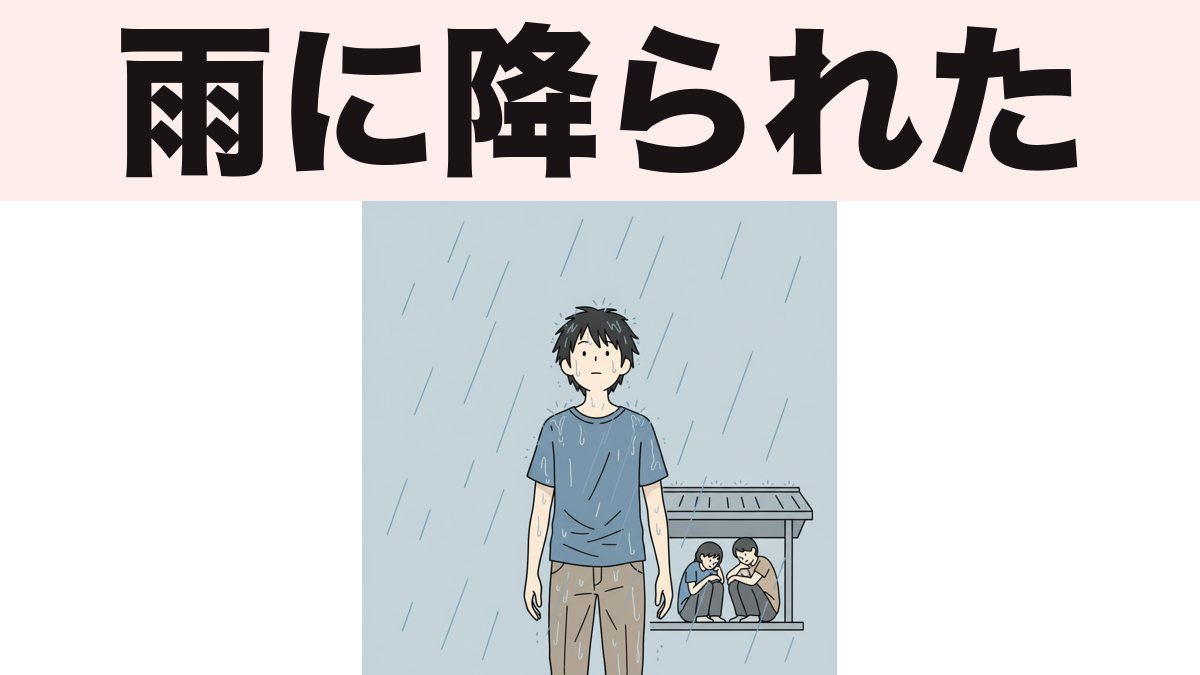
The Japanese passive 〜られる: including the one that means "and it annoyed me"
The passive is built from 〜れる/〜られる. Japanese also has a suffering passive — 雨に降られた, "I got rained on" — which English has no form for at all.
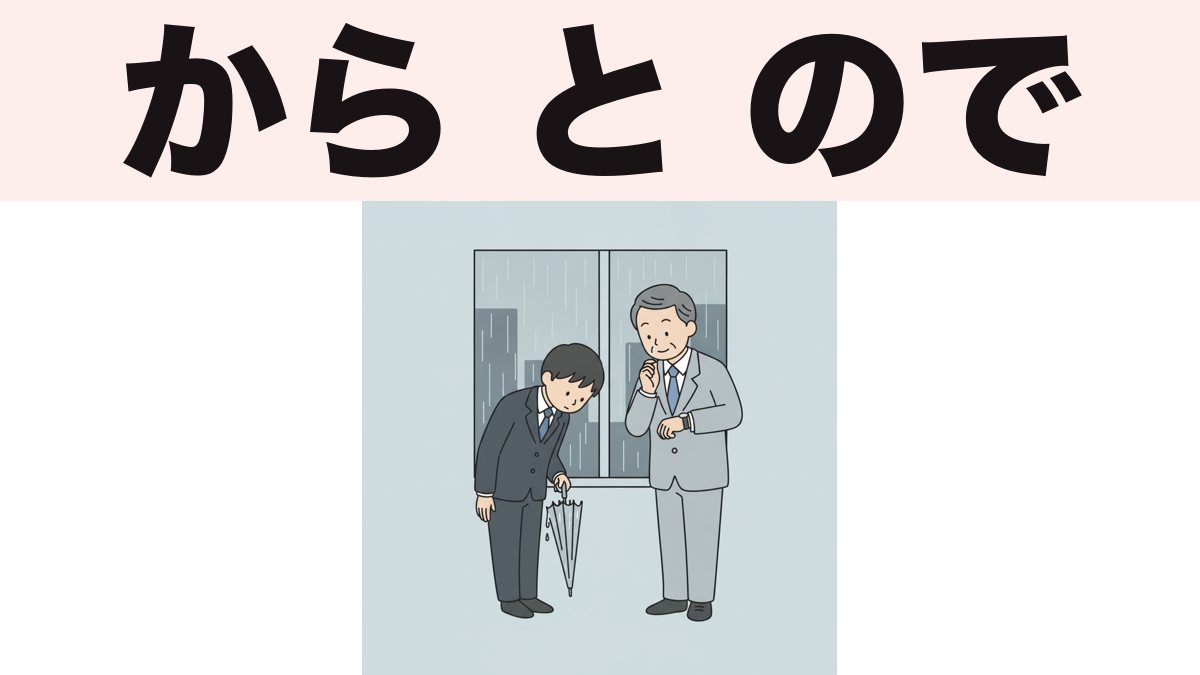
から vs ので: two ways to say "because" in Japanese
から and ので both mean "because", but から is your reason and ので is just how things are. How to attach each one, and why ので is the safer word in an apology.
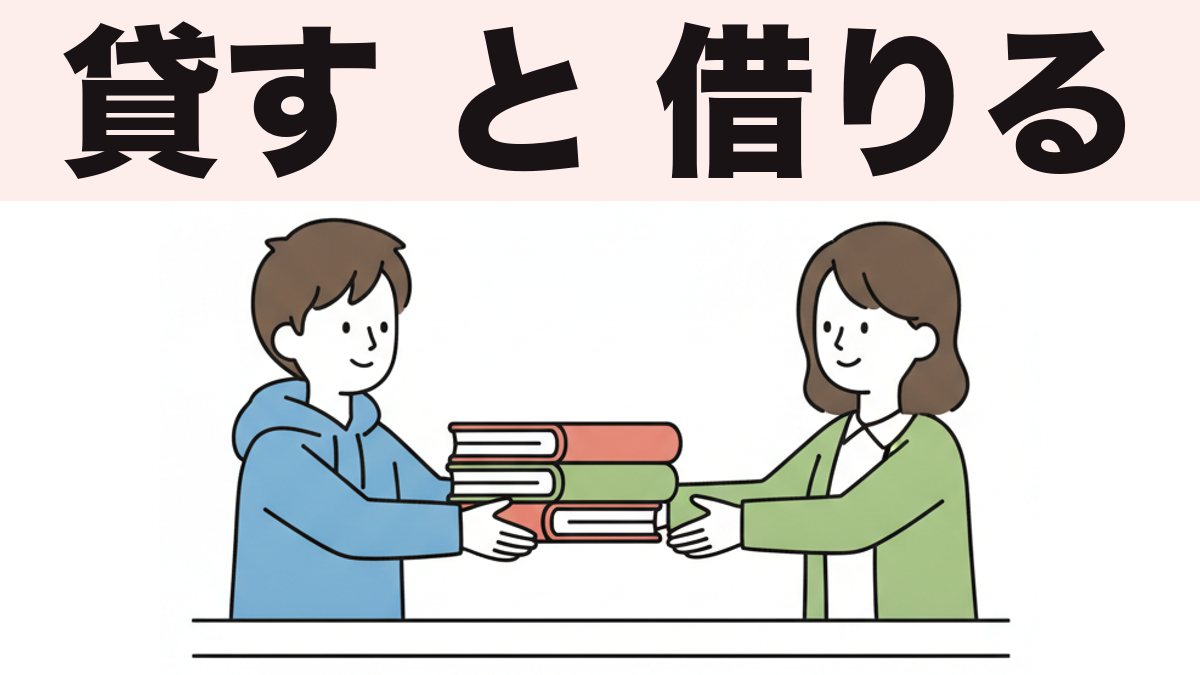
貸す vs 借りる: lend, borrow, and the Japanese verbs that come in pairs
貸す is to lend and 借りる is to borrow — and both can take に, which is why learners mix them up. The direction lives in the verb, not the particle.
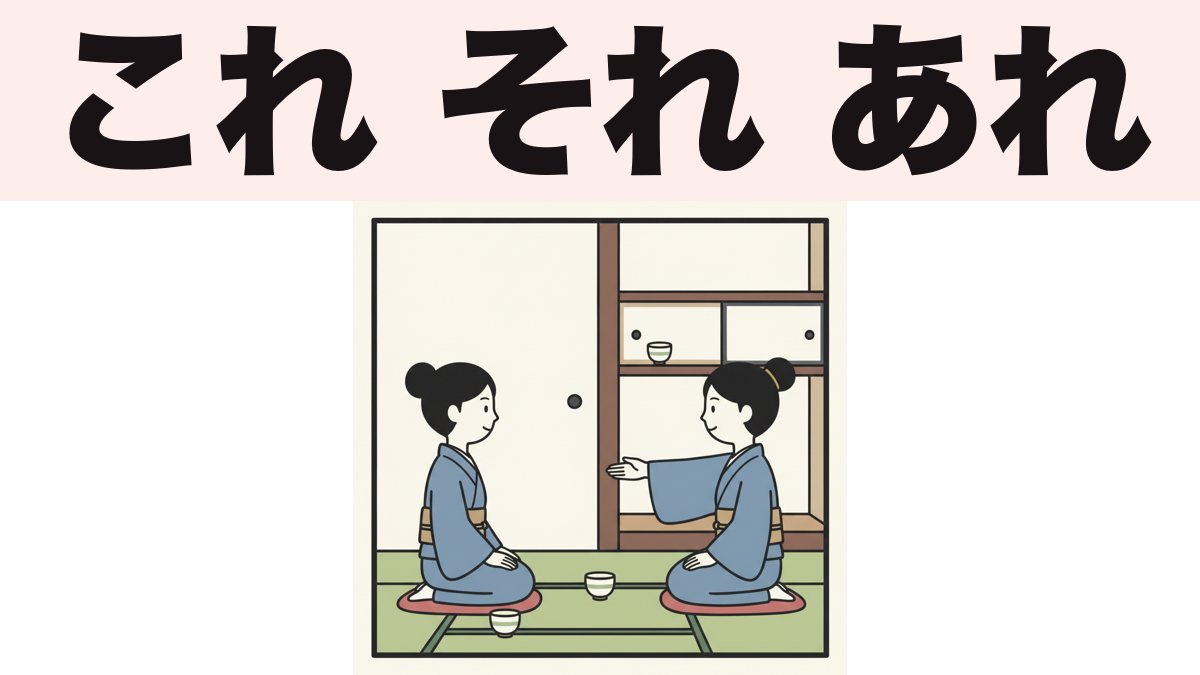
これ, それ, あれ, どれ: the こそあど grid and how to read it
これ and この are not interchangeable, そ belongs to the listener, and あ is for things you both already know. One grid covers all twenty words.
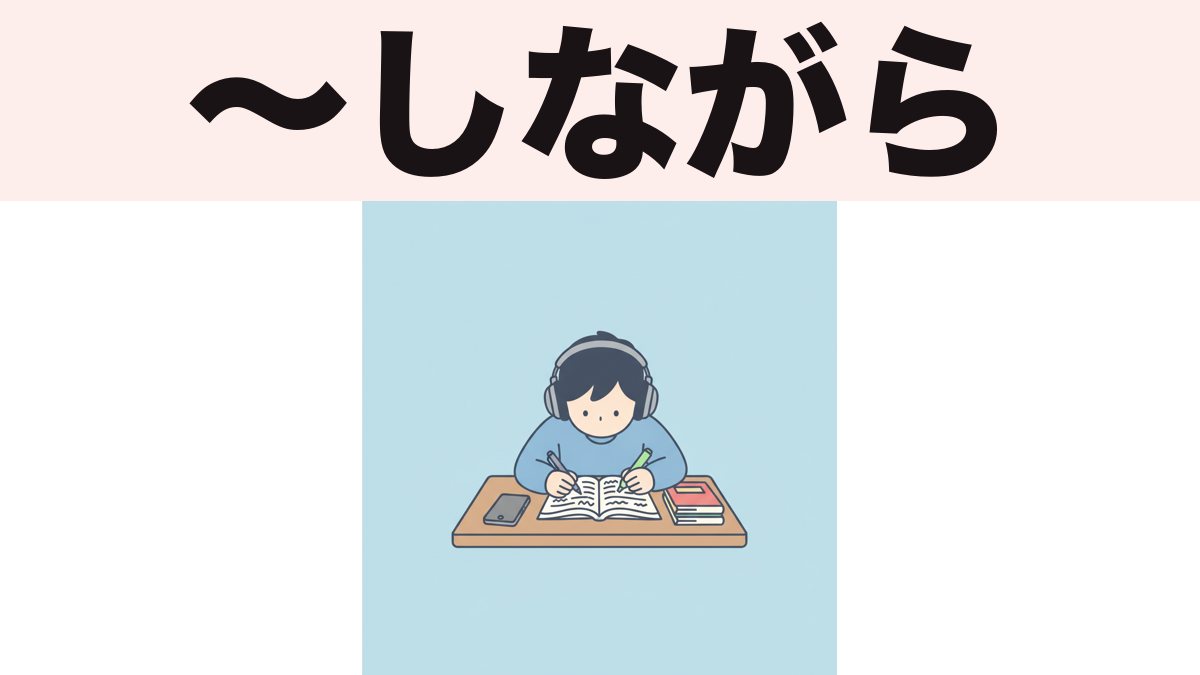
〜ながら: "while doing" — and why the second verb is the real one
〜ながら joins two actions by the same person, and the second one is the main action. How to build it, why 間に exists, and the literary ながら that means "although".
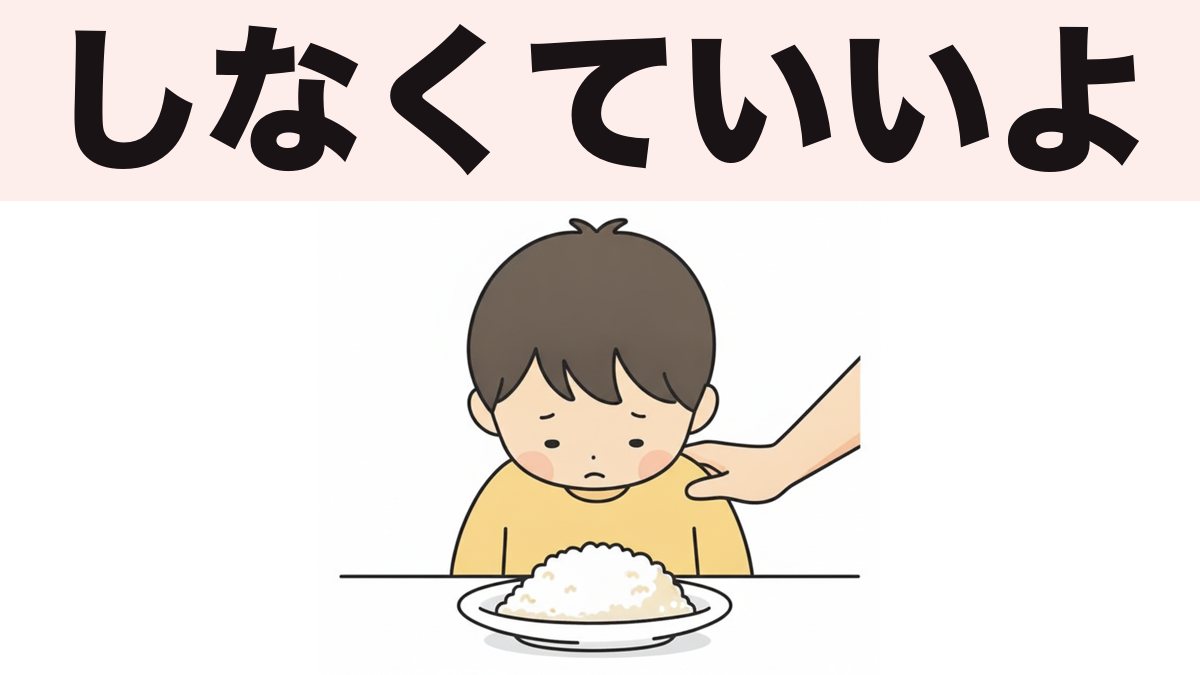
〜なくてもいい: how to say "you don't have to" in Japanese
〜なくてもいい comes from the negative te-form and literally means "even if you don't, it's fine." How to build it, and why も disappears in speech.
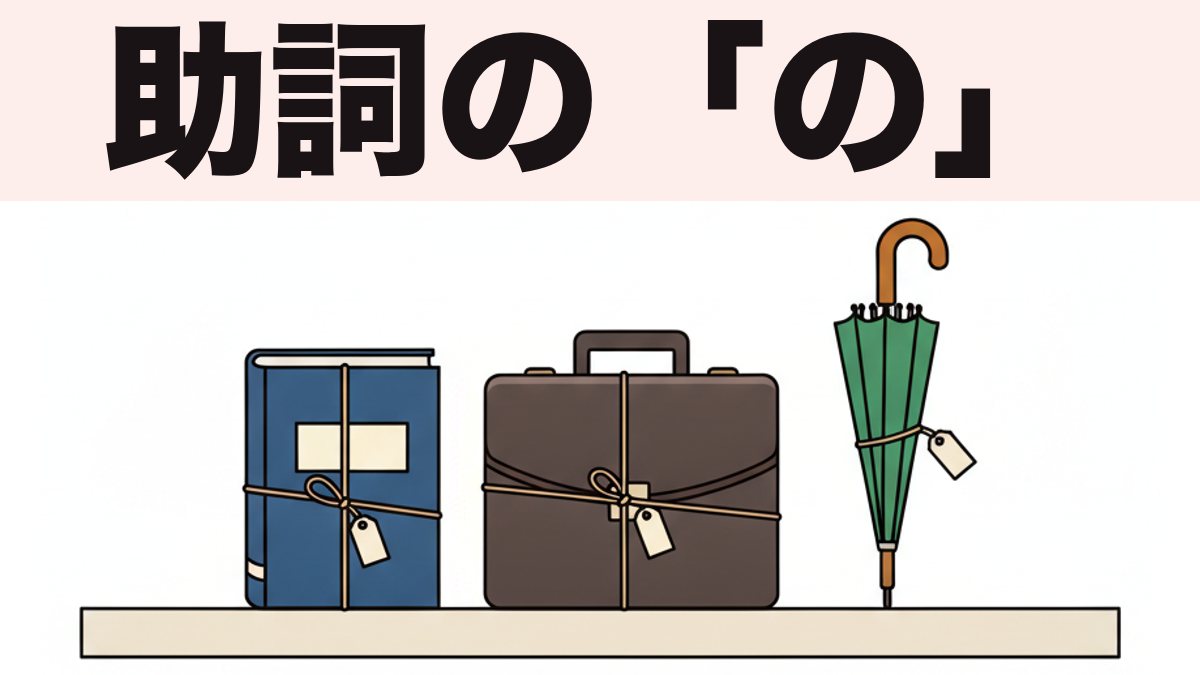
The particle の: five jobs, and only one of them is "of"
の links nouns, replaces a noun you already know, turns verbs into nouns, and ends casual questions. Why 高いの本 is wrong and 赤いの is right.
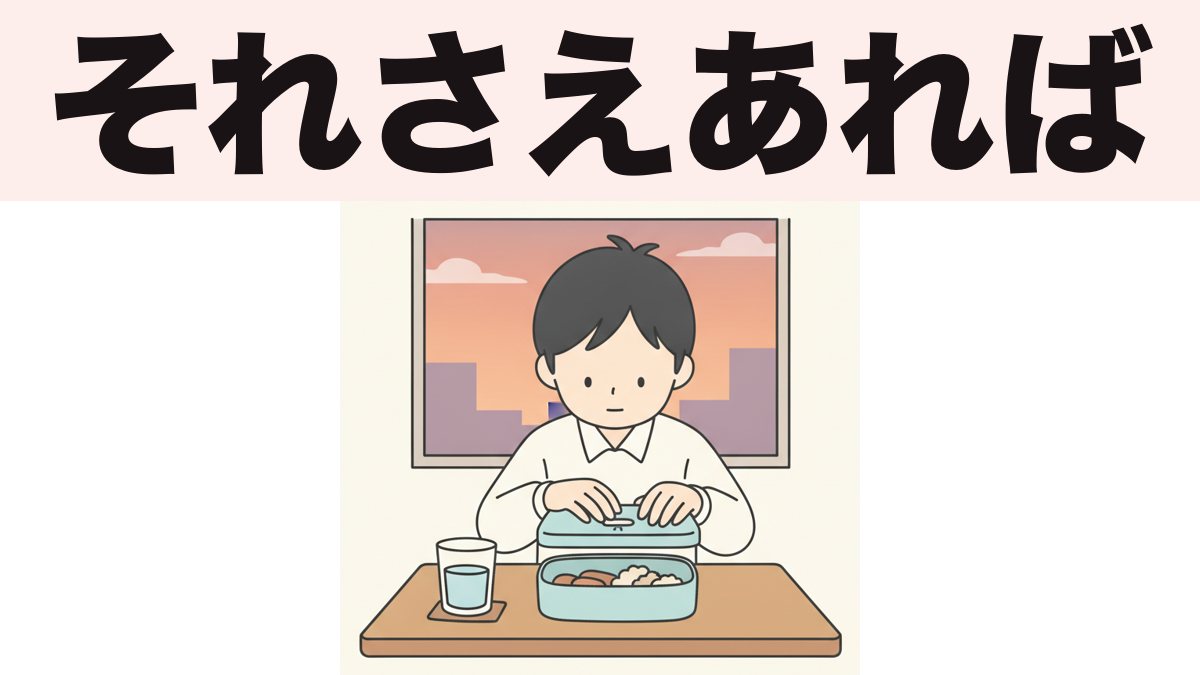
さえ: the "even" that sets a floor, and the 〜さえ〜ば that means "if only"
さえ picks the least likely example to make a point, and 〜さえ〜ば means "if only that one thing". How it eats を and が, and why すら is its bookish twin.
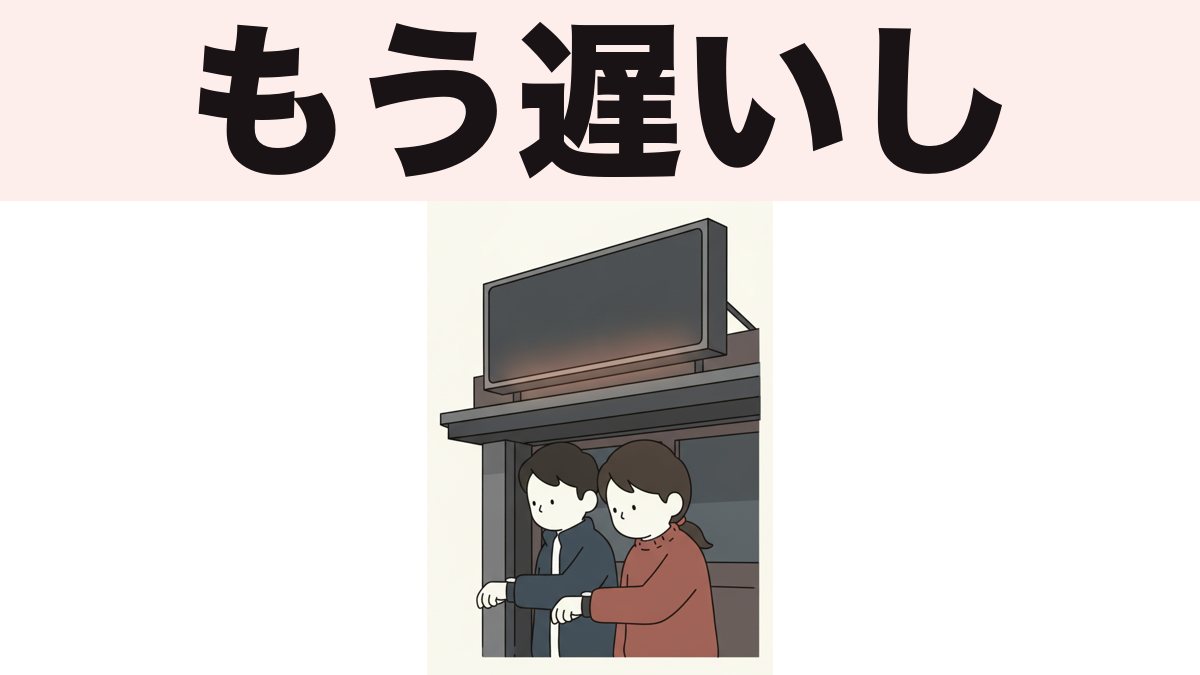
〜し: the "and" that means "and there's more where that came from"
〜し lists reasons and implies you have left some out. One し alone is enough, and it is why 疲れたし、帰ろう sounds so much more natural than 疲れたから.
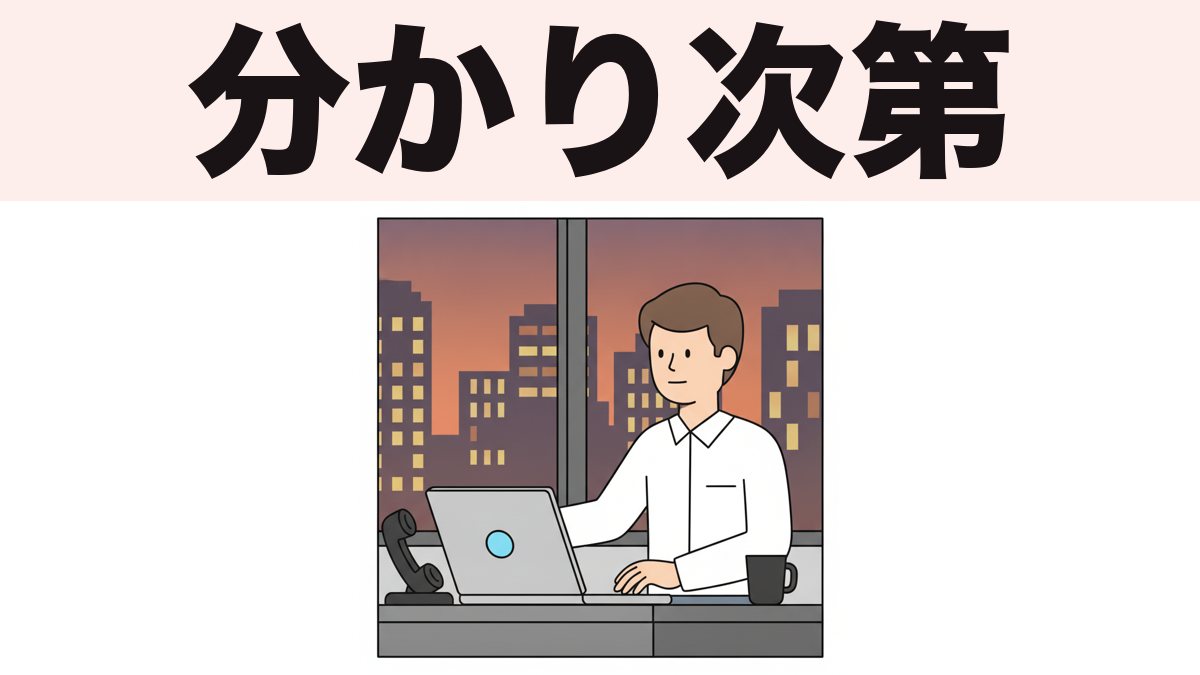
次第: "as soon as", "it depends on", and the business email version
次第 does three different jobs: 着き次第 means "as soon as", 天気次第 means "depends on the weather", and 〜次第です closes business emails. How to tell them apart.
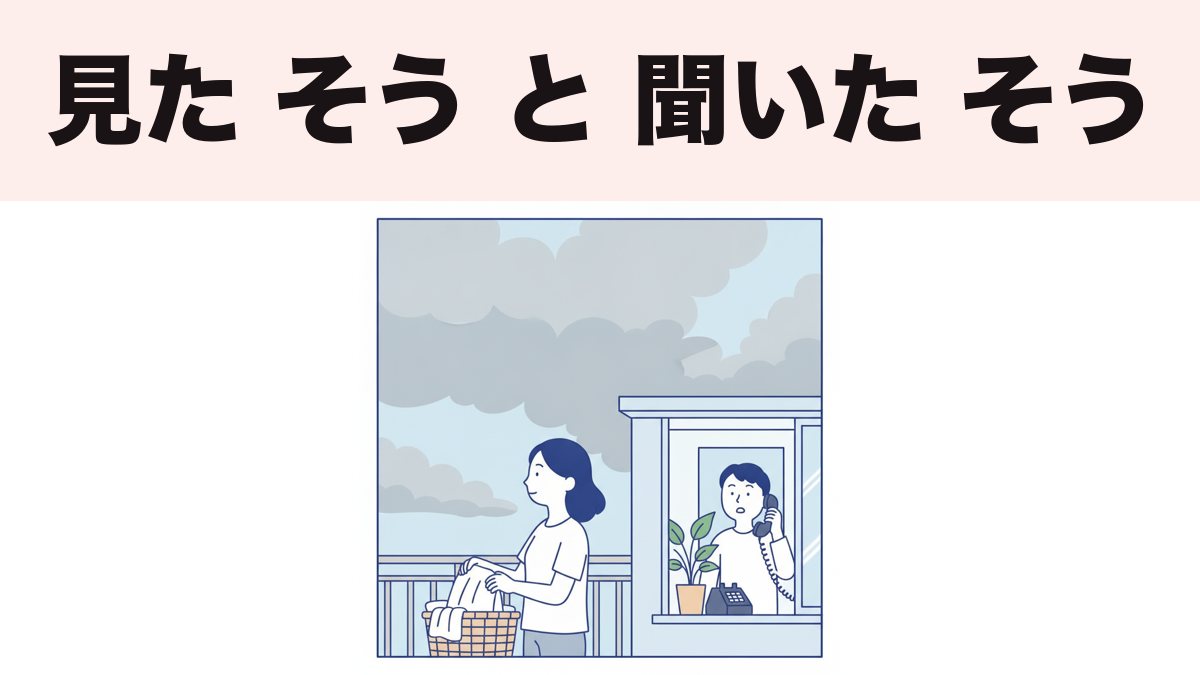
そうです has two meanings: "it looks like" and "I heard"
雨が降りそうです and 雨が降るそうです differ by one syllable and mean completely different things. How the two そう attach, and why よさそう is not いいそう.
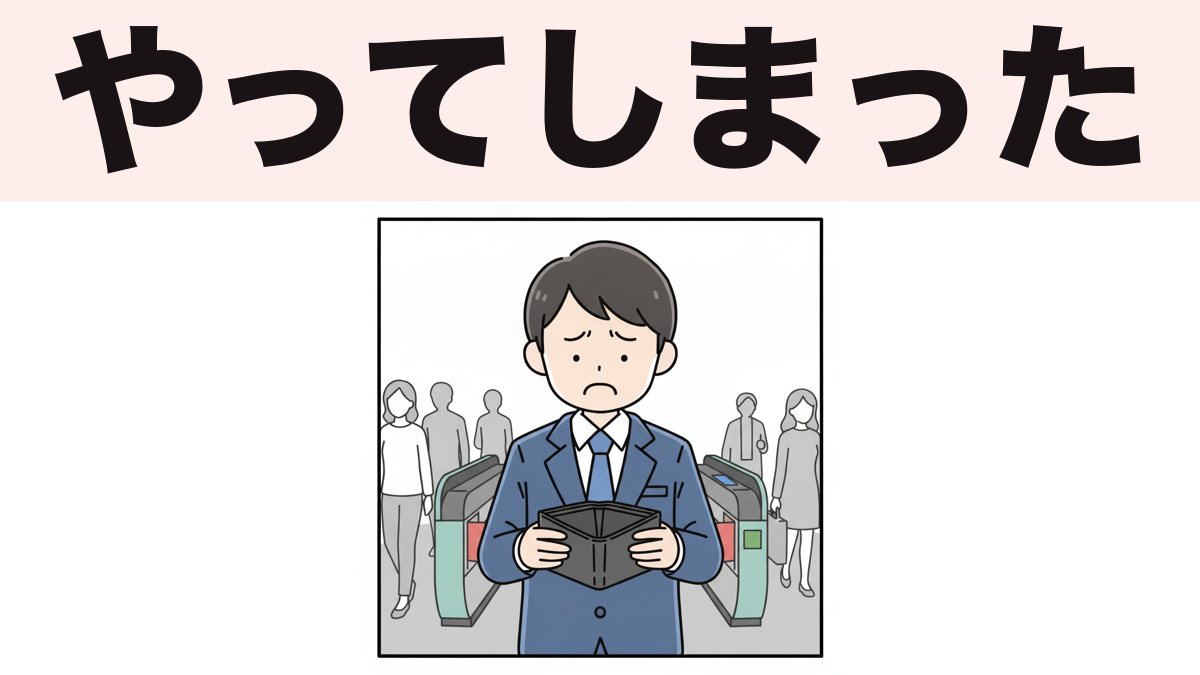
てしまう and ちゃった: the grammar of "oops, I did it"
てしまう does two jobs at once: it finishes an action completely, and it adds regret. Here is how to tell the two apart, and why ちゃった is everywhere in anime.
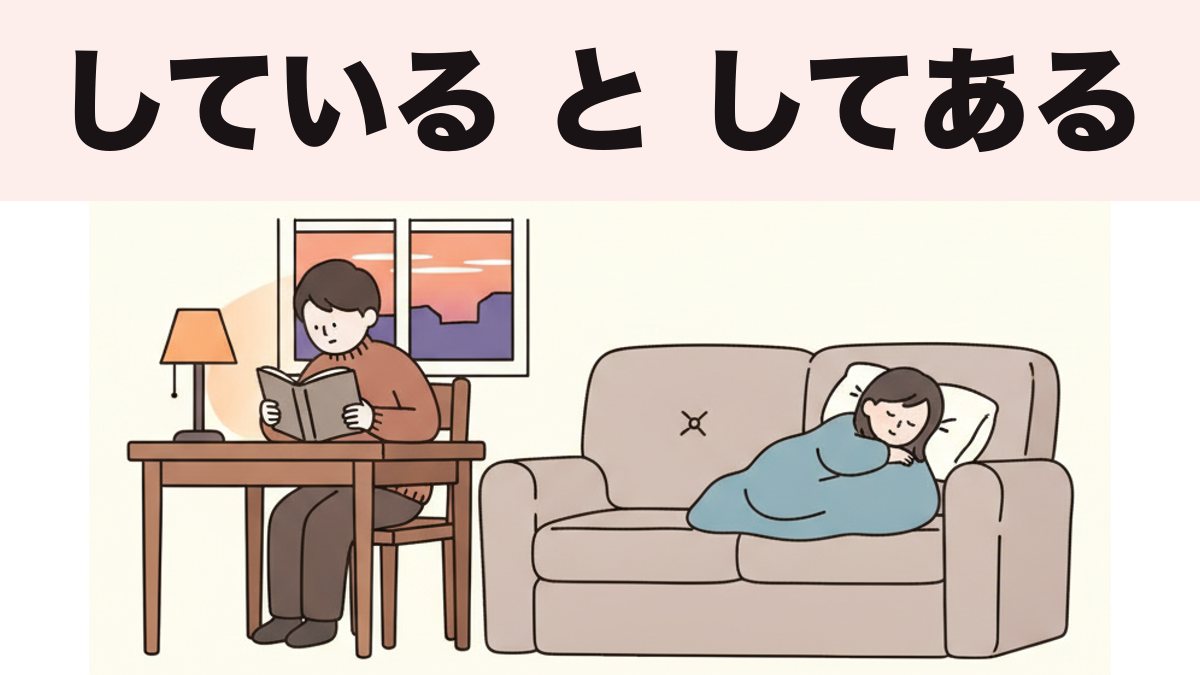
〜ている: why 知っている means "I know" and not "I am knowing"
〜ている has two meanings — an action in progress, and a state left behind. The verb decides which, and that is why 知っている is "I know" and 行っている is "has gone".
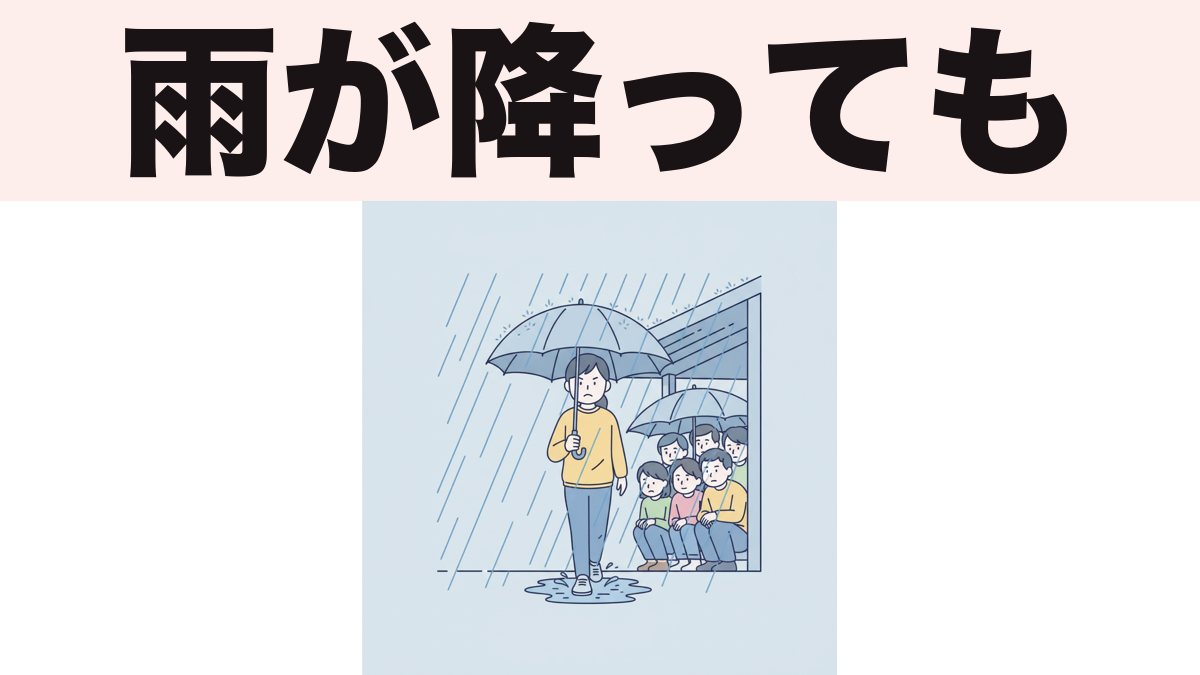
〜ても: "even if" — and the question words that turn it into "no matter what"
〜ても is the te-form plus も. It means "even if," and with a question word it becomes 何をしても — "no matter what I do." Plus when けど is right instead.
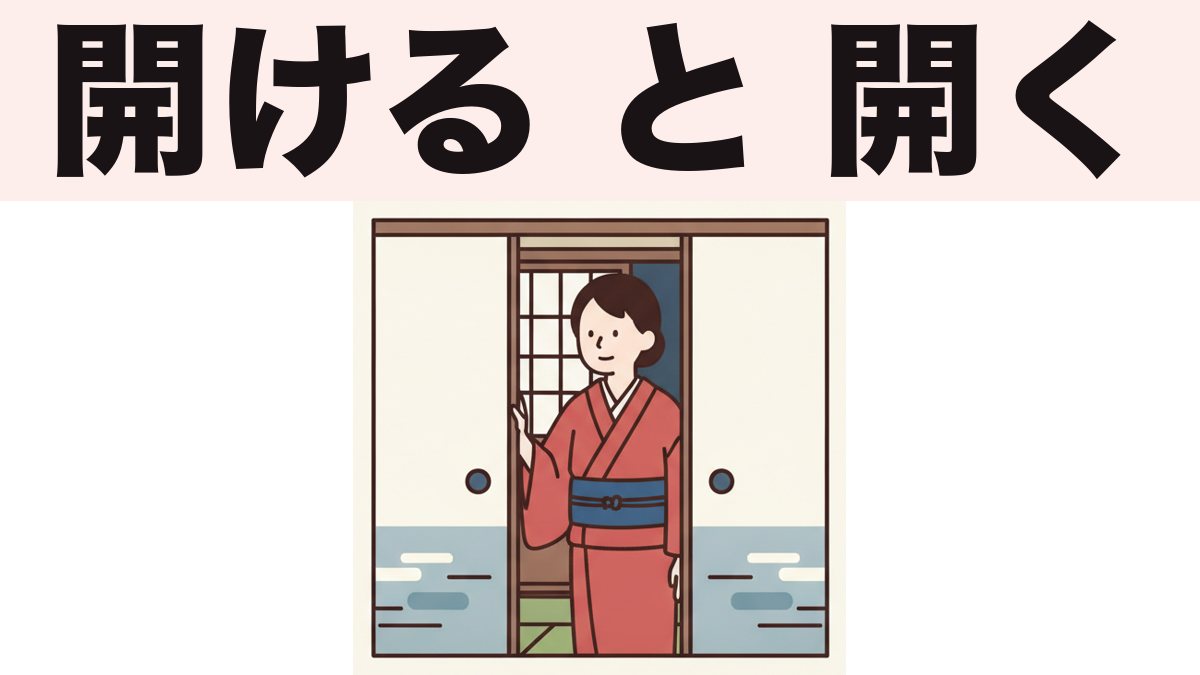
Transitive and intransitive verbs: 開ける vs 開く, and why Japanese prefers the second
Japanese has verb pairs where English has one word. 開ける takes を and names who did it; 開く takes が and does not. The endings that hint at which is which.
つもり: how to say what you intend to do — and the つもり that means you were wrong
つもり states a settled intention. 〜ないつもり and つもりはない are not the same strength, and 〜たつもり means you only thought you had done it.
は vs が: the rule that is never broken, and four that usually hold
は sets the topic, が points at the subject. Start with the question-word rule — 誰が, never 誰は — and the rest of は vs が follows from it.
Japanese question words: 何, どこ, いつ, and the full list
A full table of Japanese question words — nani, doko, itsu, dare, dou, naze — with the か rule, casual forms, and how they sound in anime.
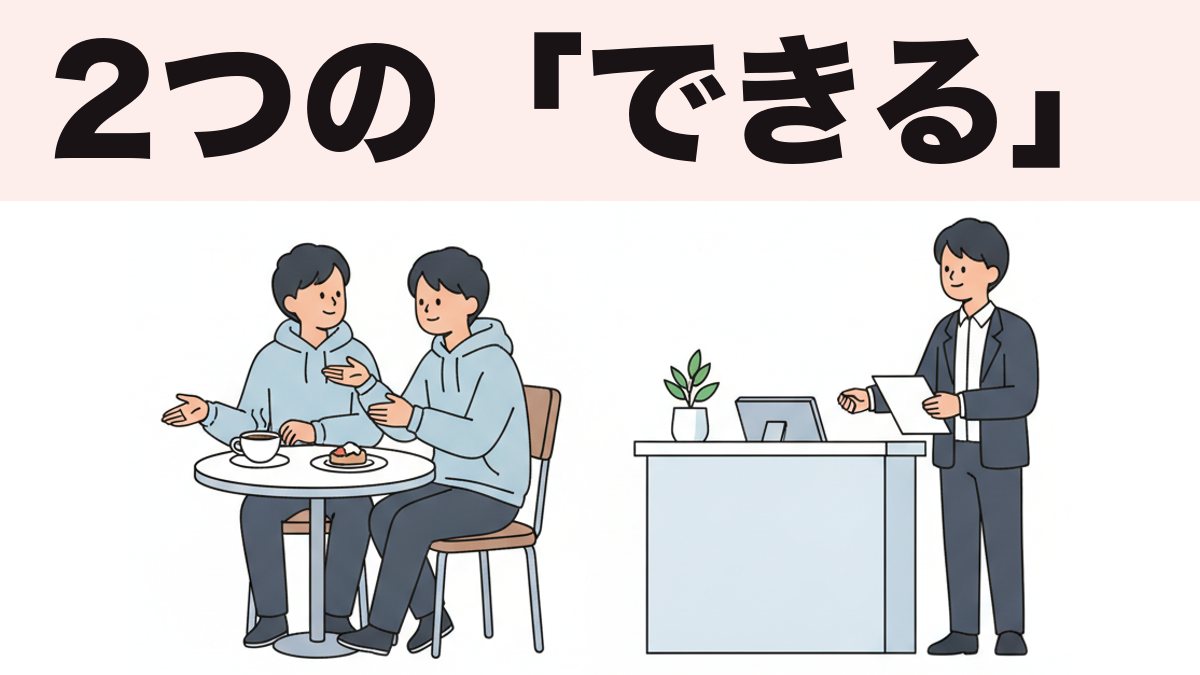
ことができる vs the potential form: two ways to say "I can" in Japanese
Japanese has two ways to say "I can" — 話せます and 話すことができます. Here is how to build both, and the particle that quietly changes between them.
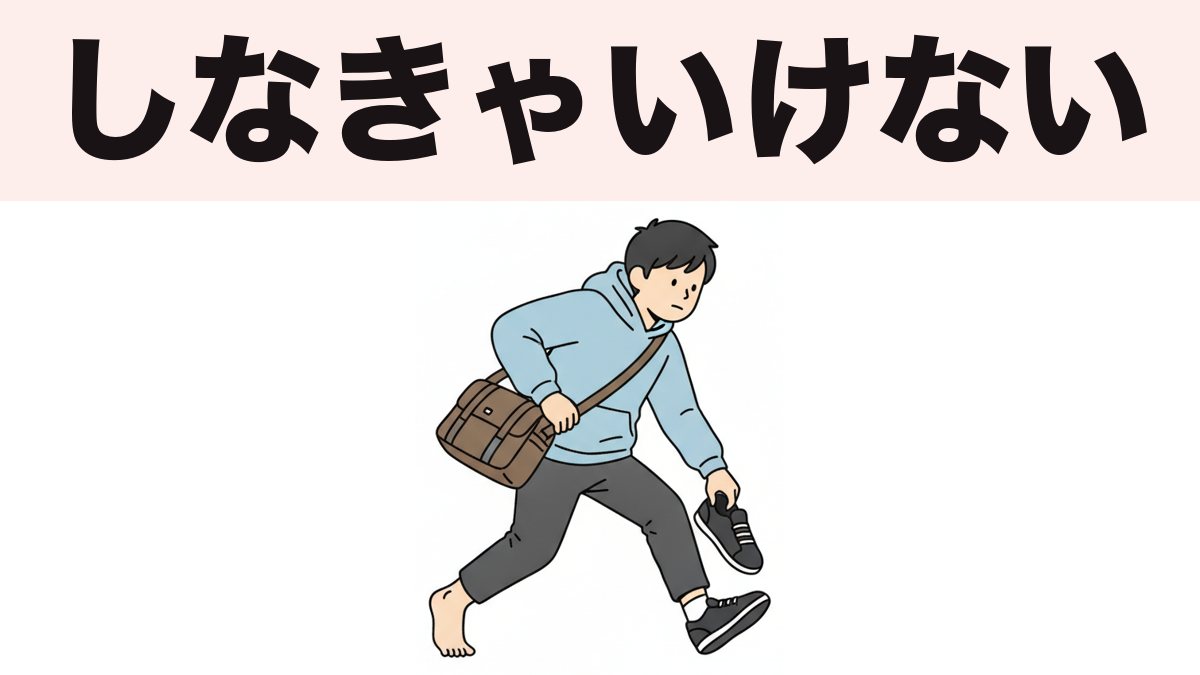
なければならない: the three ways Japanese says "I have to"
なければならない is a double negative: "if you do not do it, it will not do." How to build it, how it shrinks to なきゃ, and how it differs from いけない.
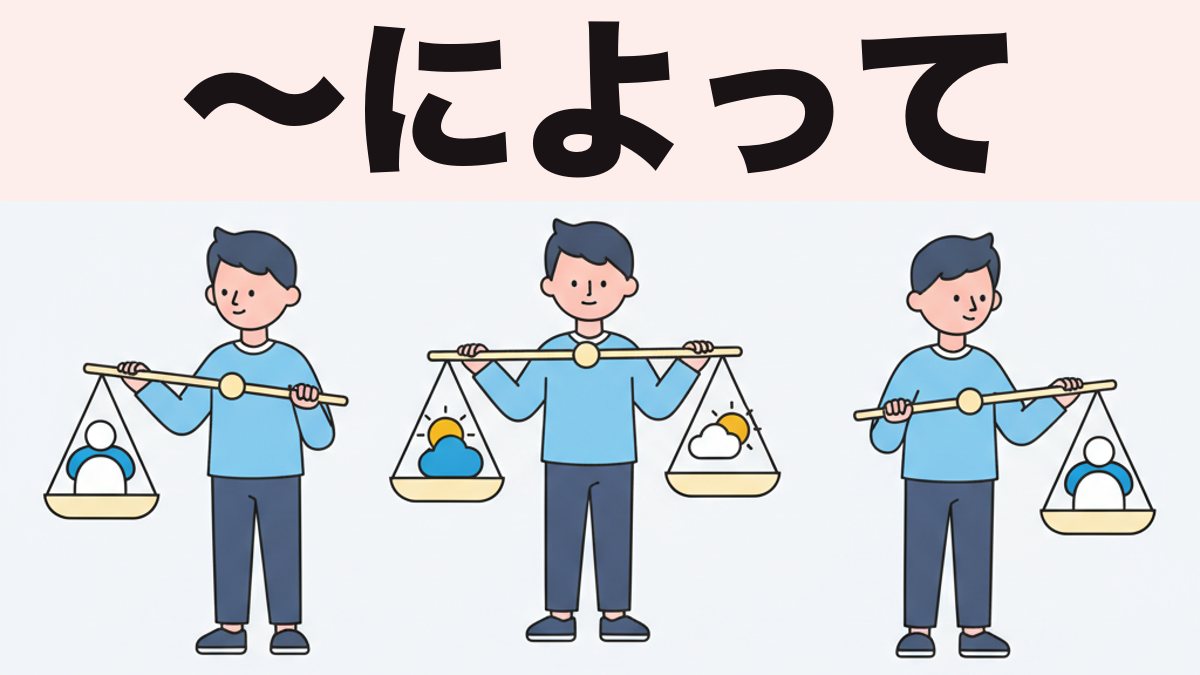
によって: what "it depends" actually means in Japanese
によって covers "depending on," "by means of," and the passive "by" — one grammar point, three jobs. Here is how to tell them apart, with 次第 and 場合による.
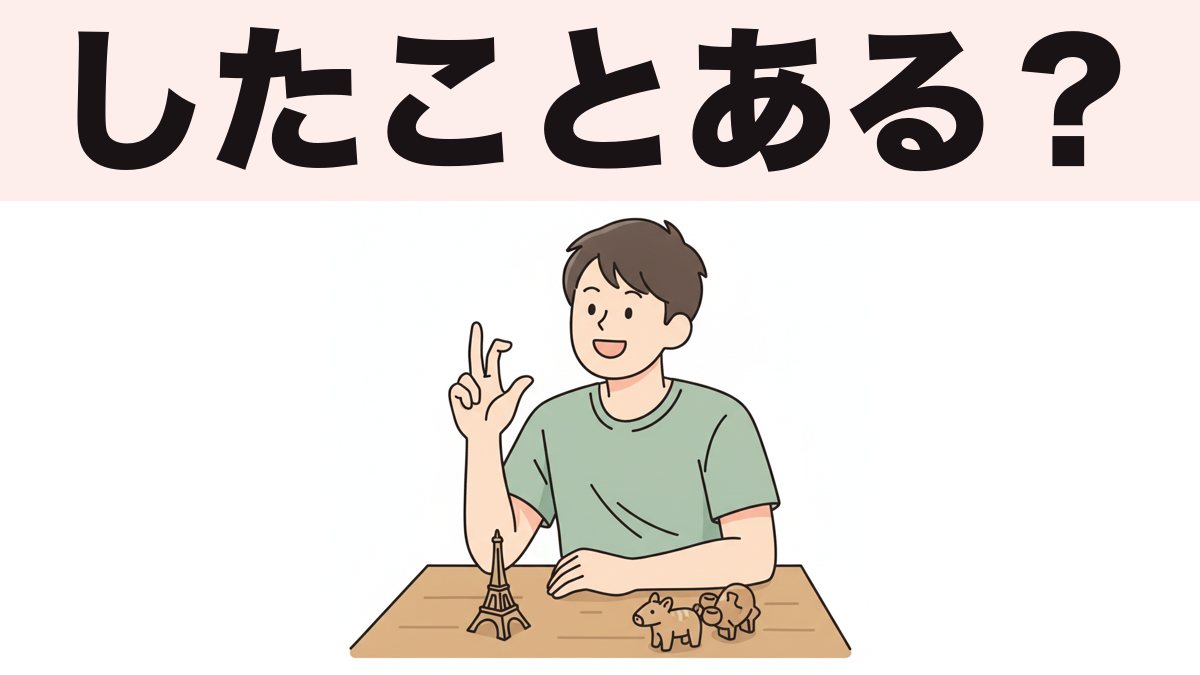
たことがあります: how to say "I have done this before" in Japanese
たことがあります is not a past tense — it says a time exists when you did something. How to build it, and why it breaks if you use it for yesterday.
The Japanese te-form: how to make it, and why half of Japanese needs it
The te-form is not a tense, it is a connector — and a dozen other grammar points are built on top of it. Here is how to make it from every verb group.
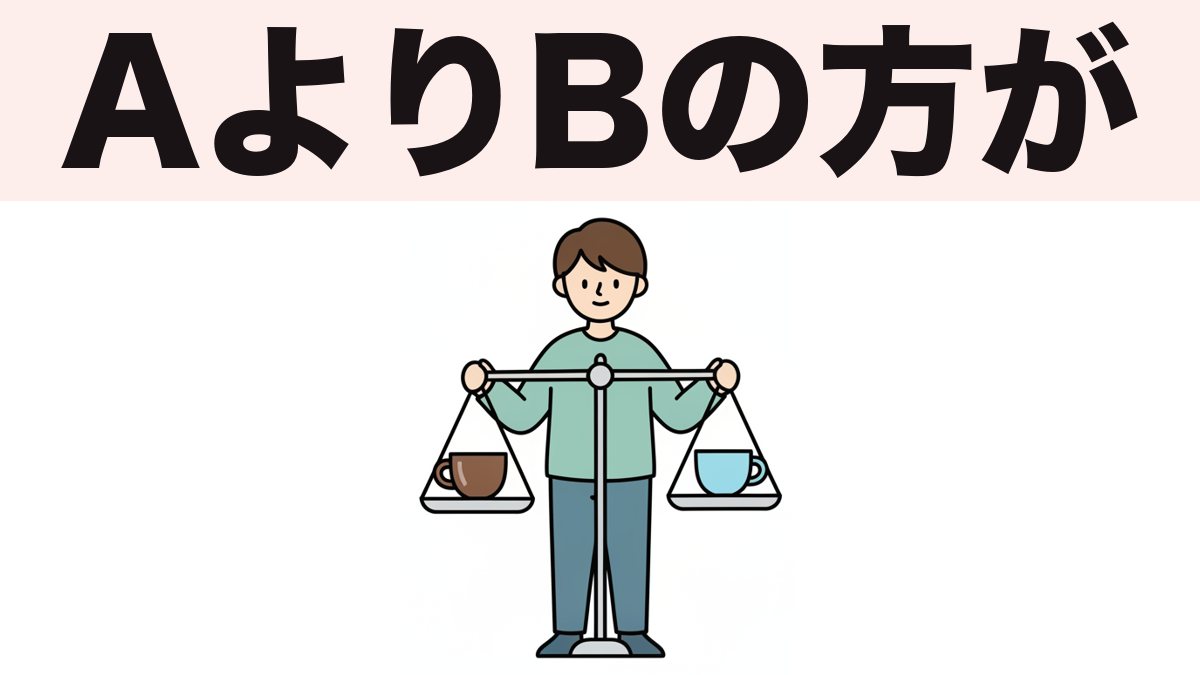
〜より〜の方が: how comparisons actually work in Japanese
AよりBの方が puts the winner second, not first — the opposite of English instinct. The full comparison set, including ほど and 一番.
How you sound
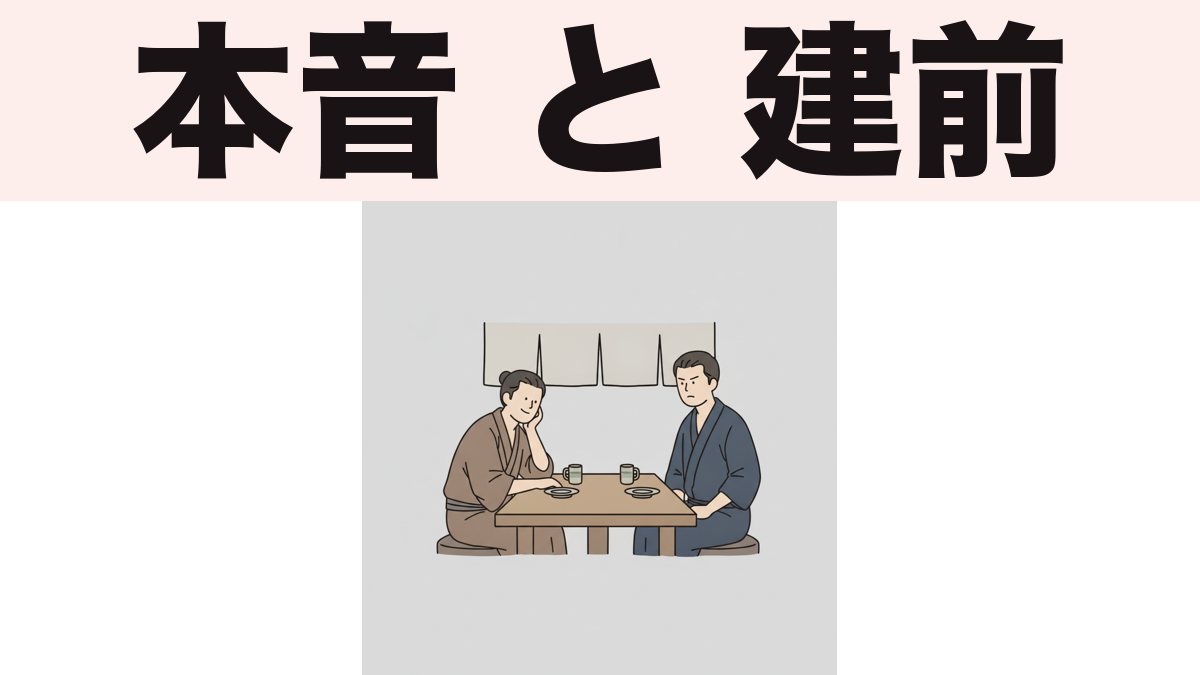
本音 and 建前: what they actually mean, and why it is not lying
本音 is what you really think; 建前 is the socially appropriate version. Here is what the words literally mean, how to recognize 建前 in real speech, and why calling it dishonest misses the point.
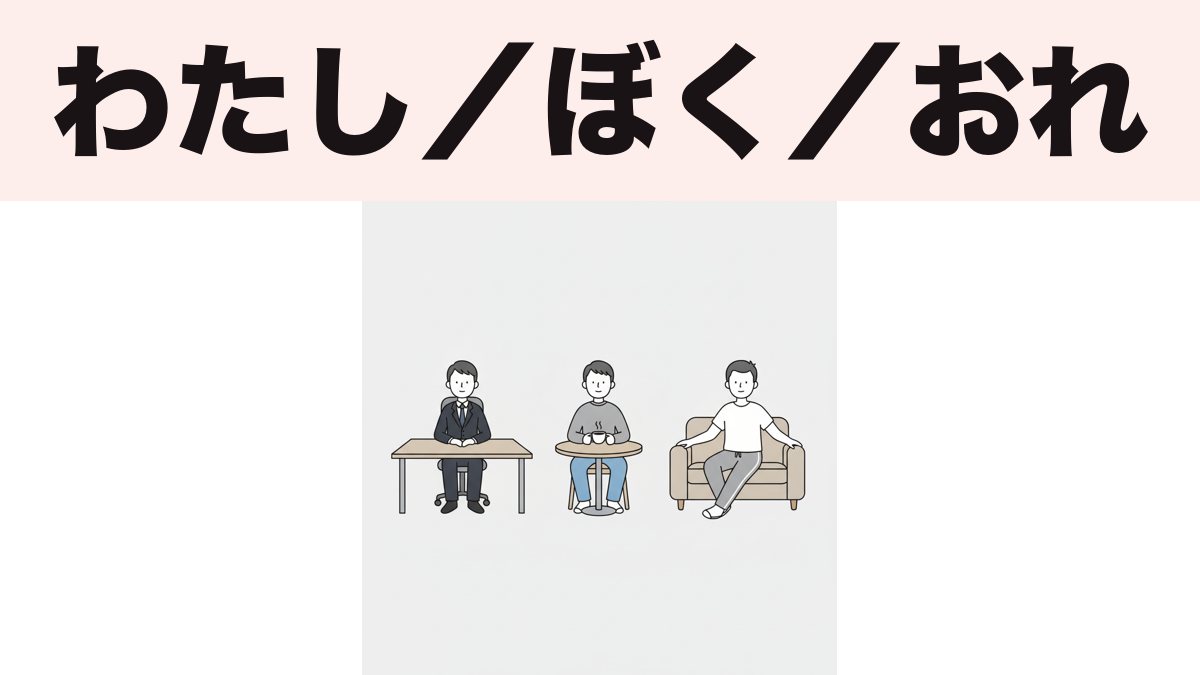
Japanese pronouns: 私, 僕, 俺 and why the word for "I" is a costume
Japanese has a dozen words for "I" and almost no usable word for "you". Here is what each first-person pronoun signals, why あなた is risky, and why real sentences drop pronouns entirely.
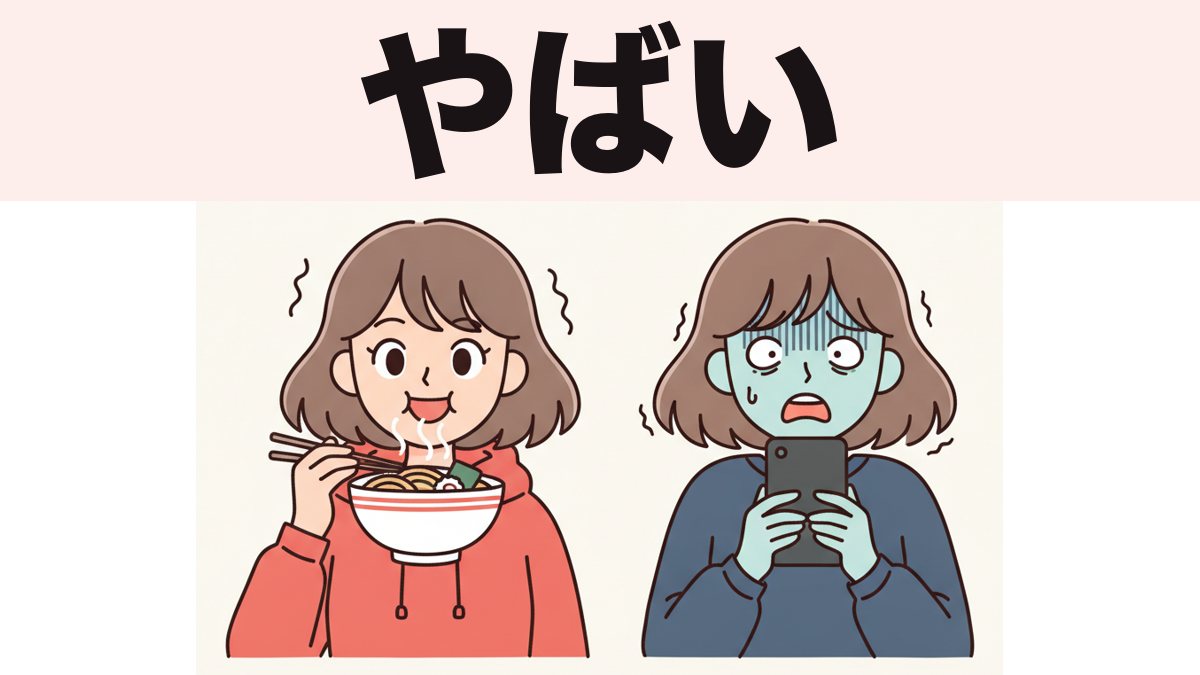
やばい meaning: the one word that covers "amazing", "terrible" and "I have to go"
やばい started as criminal slang for "dangerous" and now means almost anything. Here is how to read it from context, plus the everyday slang around it: ガチ, エモい, 沼, リア充 and more.
Japanese idioms: 20 慣用句 that actually come up in conversation
Most Japanese idioms are built from body parts, and a second family is built from other people's eyes. Both tell you something about how the language thinks.
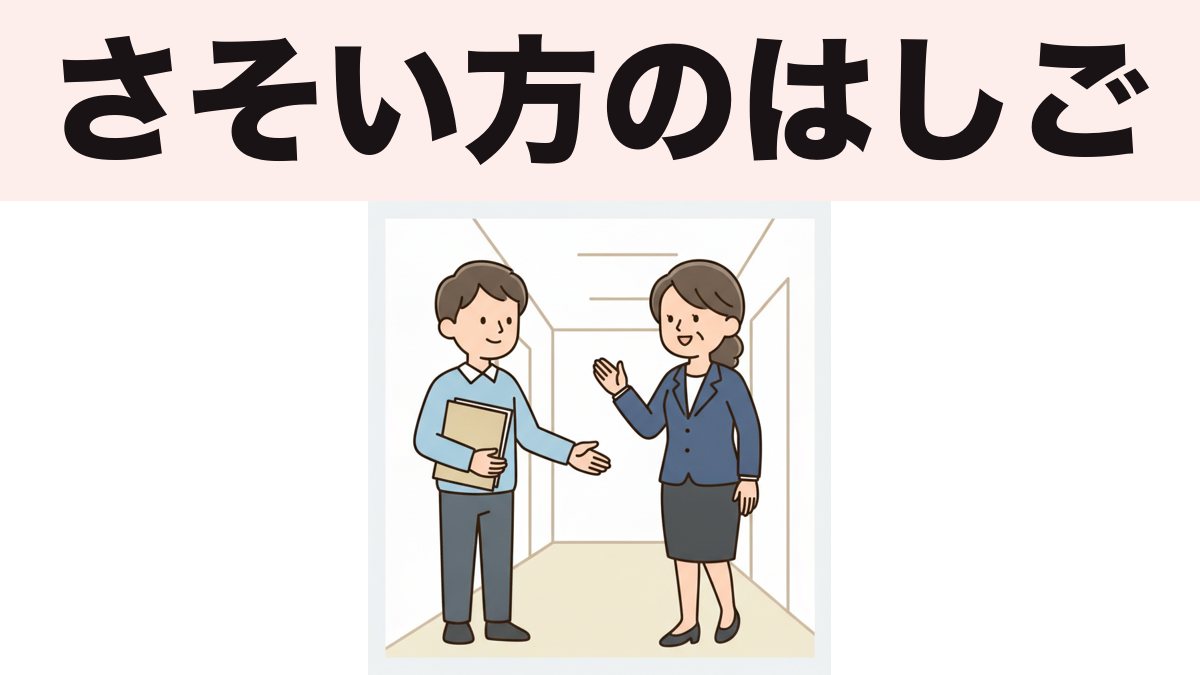
ましょう, ましょうか, ませんか: "let's", "shall I", and the invitation ladder
ましょう assumes you already agree, ませんか asks first, and ましょうか offers to do it for you. Which one to use, and why ましょう can sound pushy to a boss.
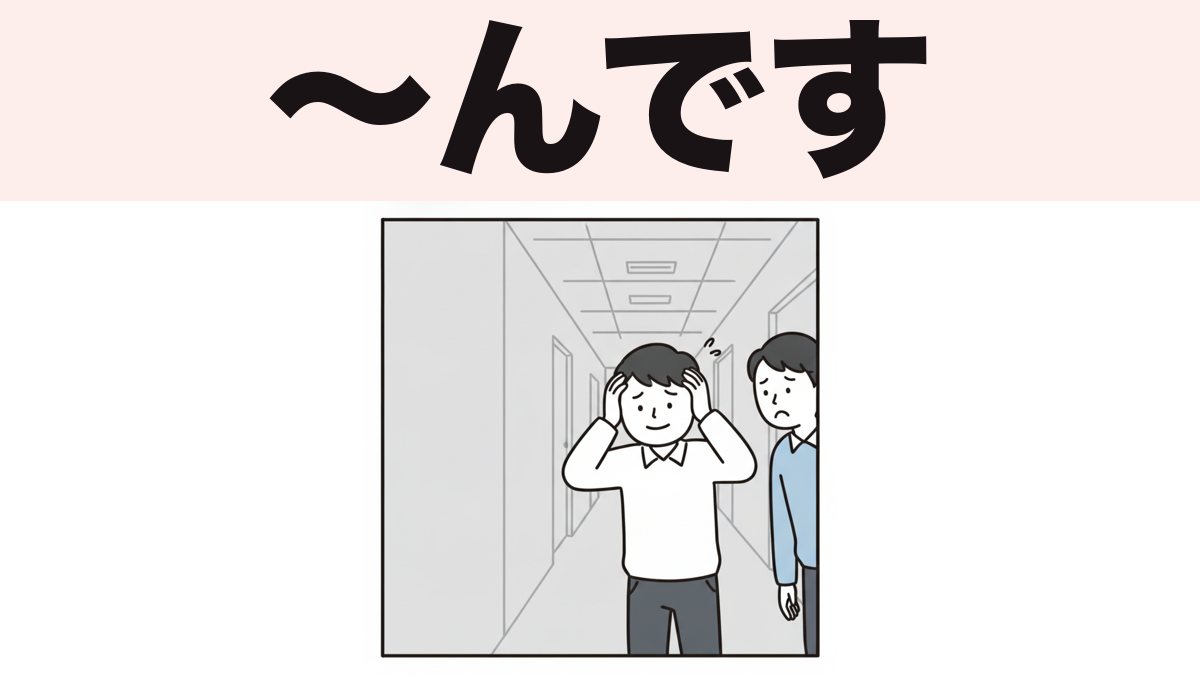
〜んです: the ending that connects your sentence to the situation
〜んです does not add meaning — it says "this explains something." How to build it, why 学生んです is wrong, and why too many んですか sounds like an interrogation.
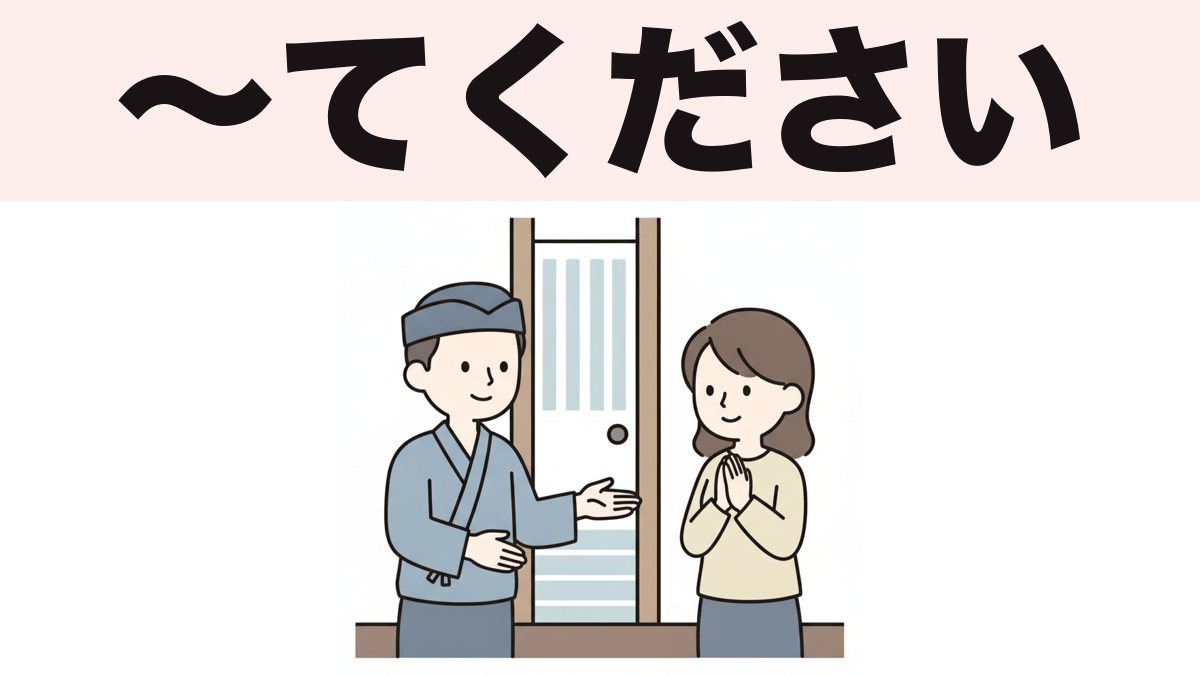
〜てください: polite, but not as polite as you think
〜てください is an instruction with a please on it. How to build it, the negative 〜ないでください, and the four rungs above it for when you need to actually ask.
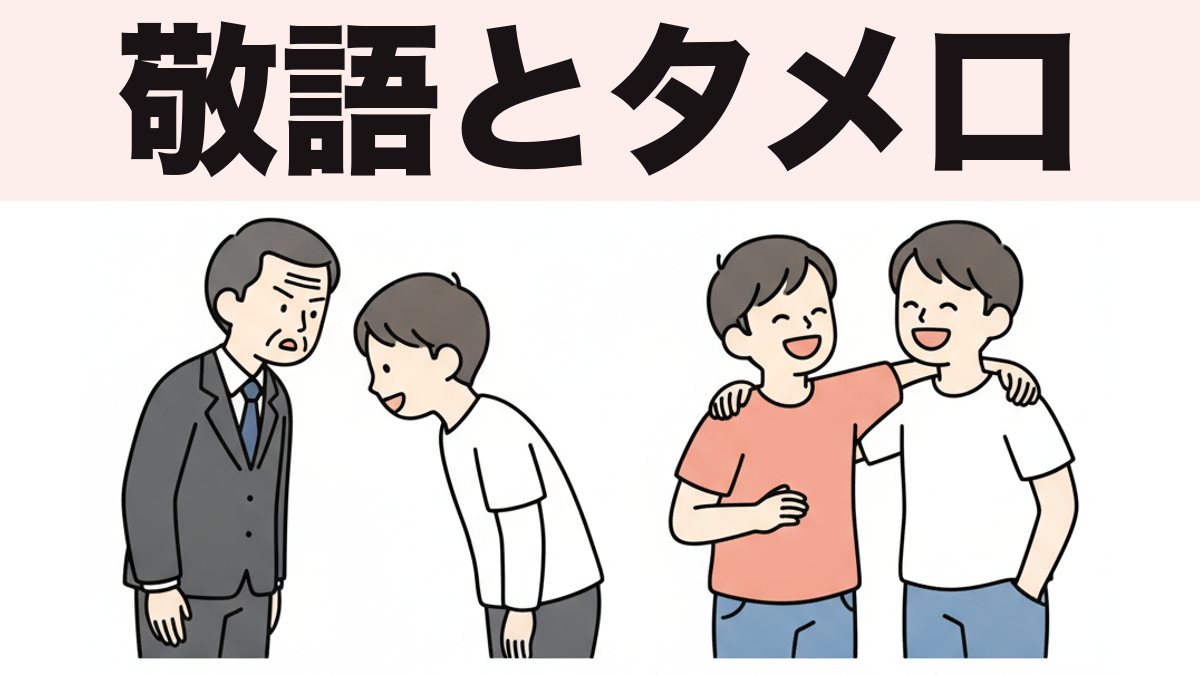
Keigo vs casual: how to know when to switch in Japanese
Keigo splits into three tools — polite, respectful, and humble — not one register. Here is what each does and when speakers actually switch.
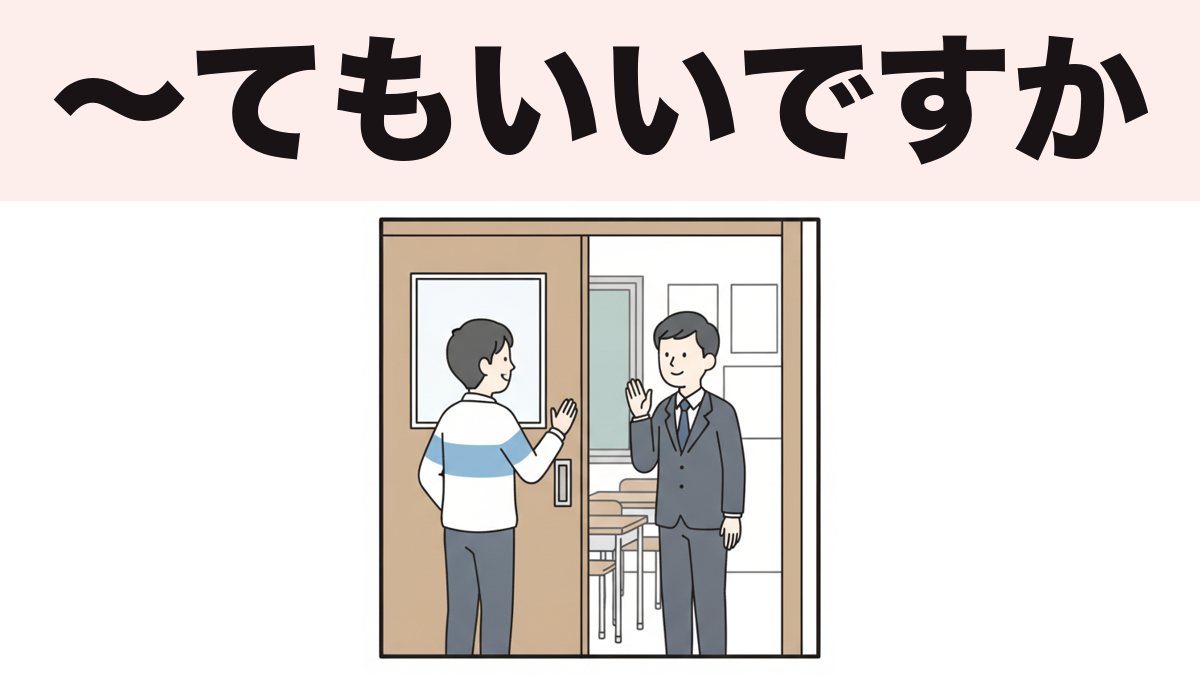
てもいいですか: how to actually ask "can I...?" in Japanese
てもいいですか literally means "even if I do this, is it fine?" Here is how to build it, how it shrinks in real speech, and how it differs from てください.
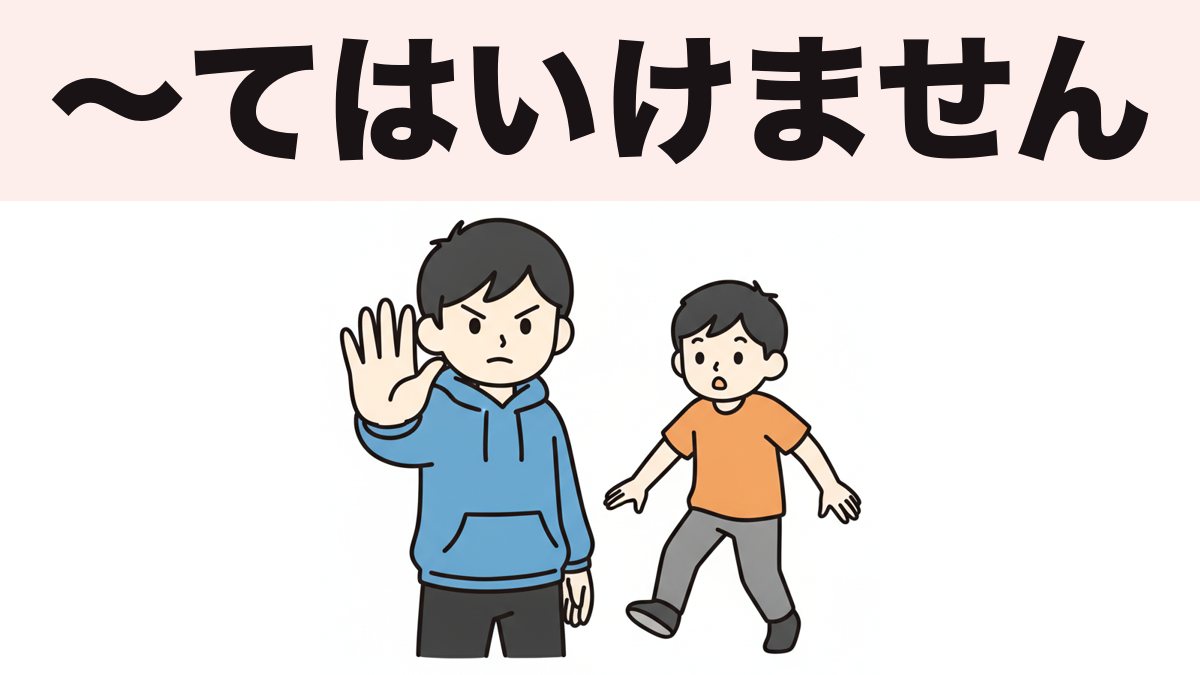
てはいけません: how strong is "you must not" in Japanese?
てはいけません states a rule, not a request. Here is how it differs from だめ, ないでください, and the anime shout んじゃない, with a strength ladder.
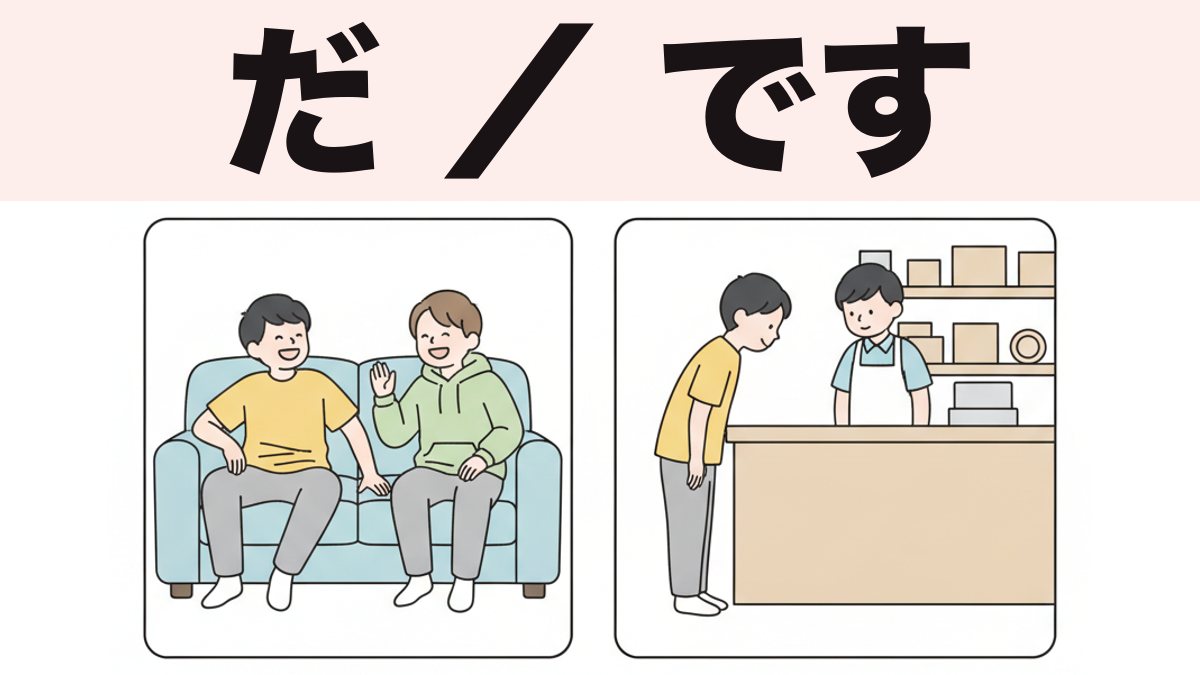
だ or です: the one decision that changes how you sound
Politeness in Japanese is decided at the end of the sentence. Get this one switch right and everything you already know starts landing correctly.
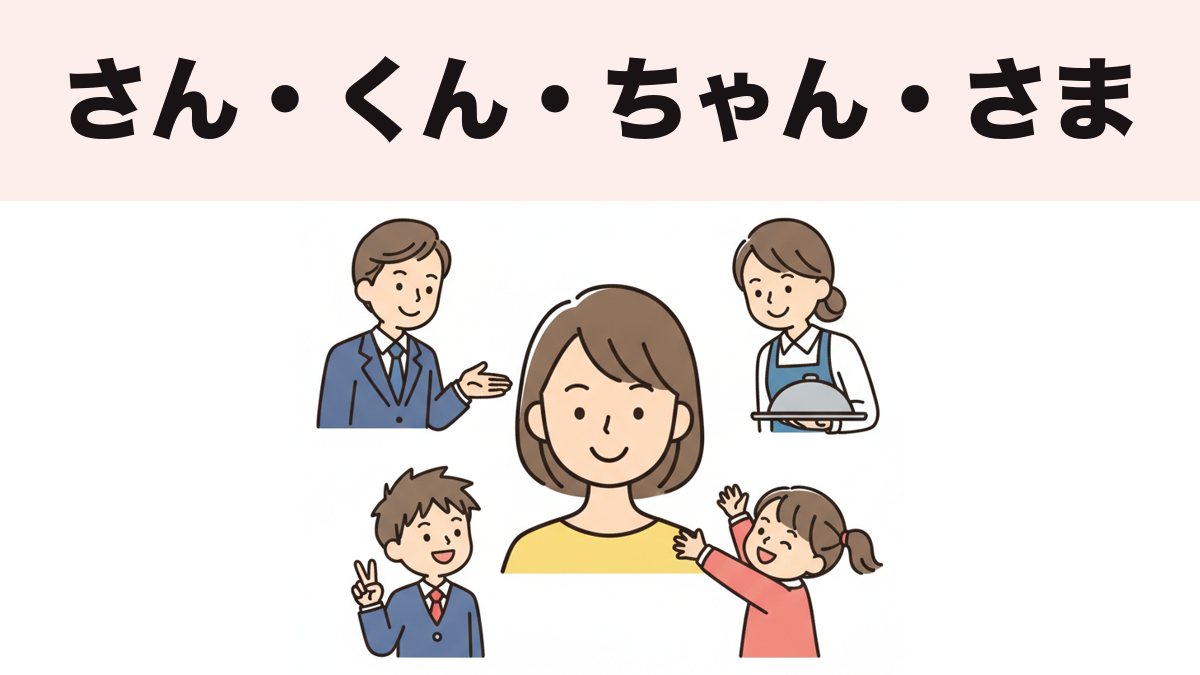
San, kun, chan, sama: the honorifics guide anime fans actually need
What each suffix really signals, when dropping it is affection and when it is an insult, and the two mistakes almost every learner makes.
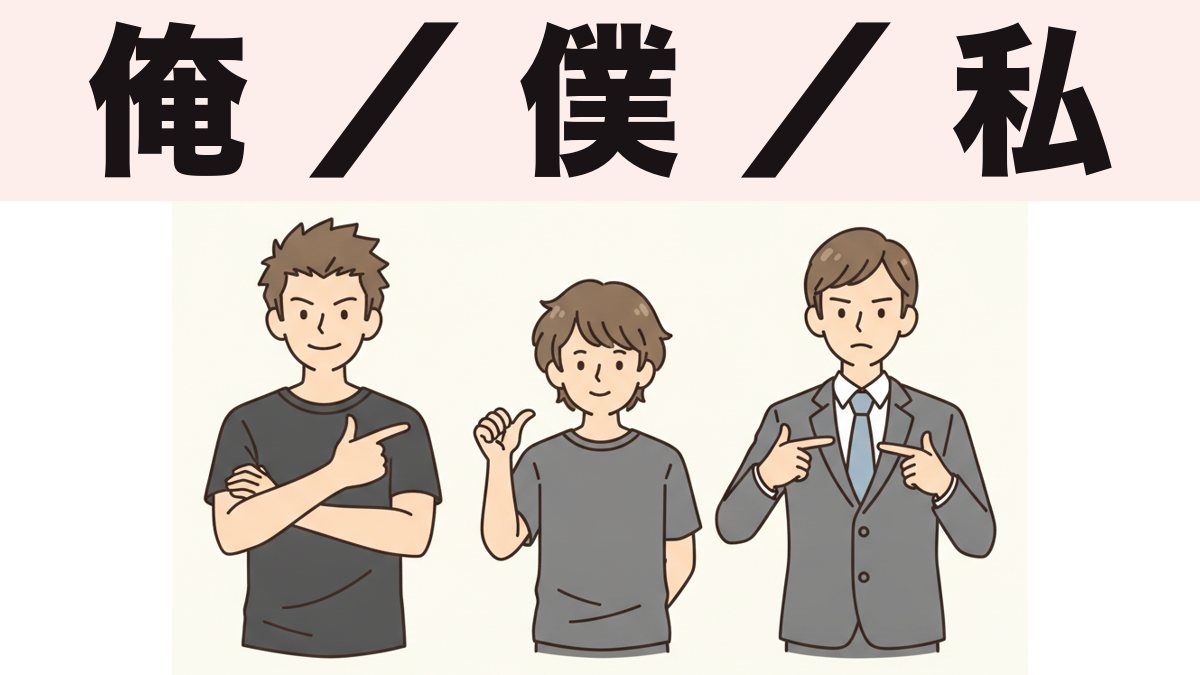
Ore, boku, watashi: which "I" should you actually use?
Japanese has more than a dozen ways to say "I", and anime uses all of them. Here is the short list that covers real life, and what each one tells people about you.
What anime teaches
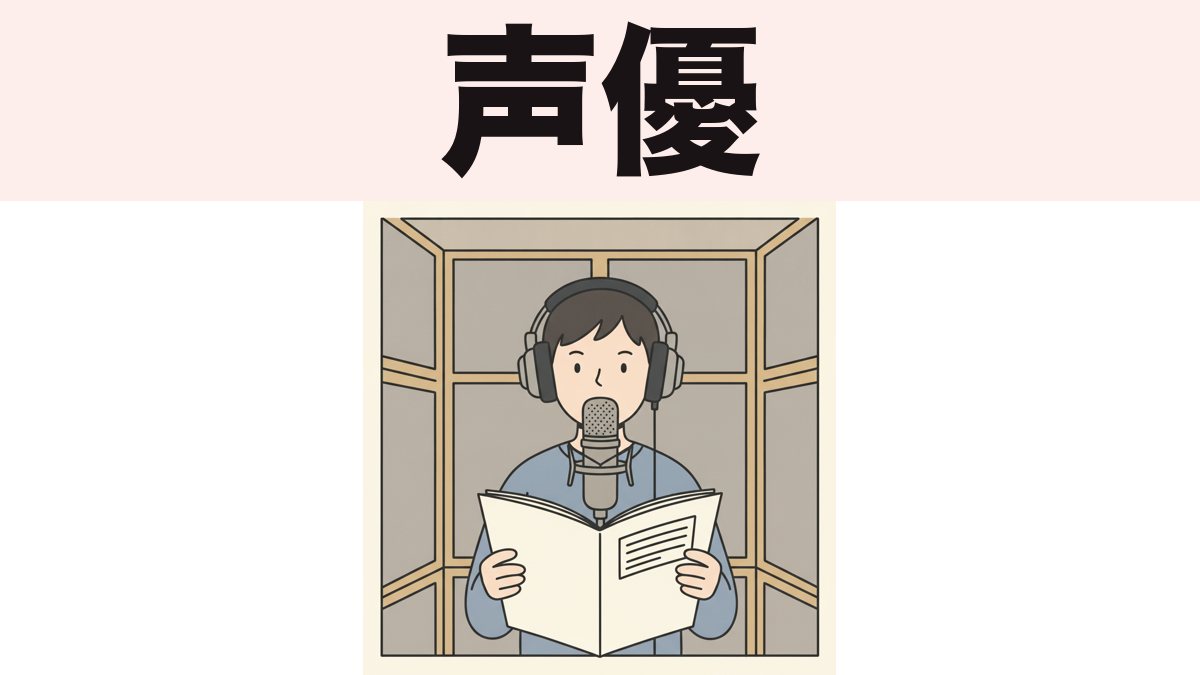
声優 (seiyuu): what the word means, and why Japan has a separate word for it
声優 means voice actor — but it is not just 俳優 with a microphone. Here is what the kanji say, how the job differs from dubbing work elsewhere, and the vocabulary you need to talk about who voices whom.
Why the Japanese you learned from anime sounds rude
Anime is full of real Japanese — spoken by characters who are allowed to be rude. Here is what to keep, what to soften, and how to tell which is which.
The best anime to learn Japanese from — and the ones that teach you nothing
Not all anime is useful input. Here is what makes a show good for learning, six that qualify, and the popular ones that will teach you sentences you can never use.
How to watch anime with Japanese subtitles without burning out
Switching to Japanese subtitles is the standard advice and the standard place people quit. Here is a version that survives contact with a normal week.
Yare Yare and 7 More Anime Phrases: What They Really Mean
Eight lines every anime fan already knows by heart — what they really mean, who can say them, and the ones that are safe to use tomorrow.
Talking to real people
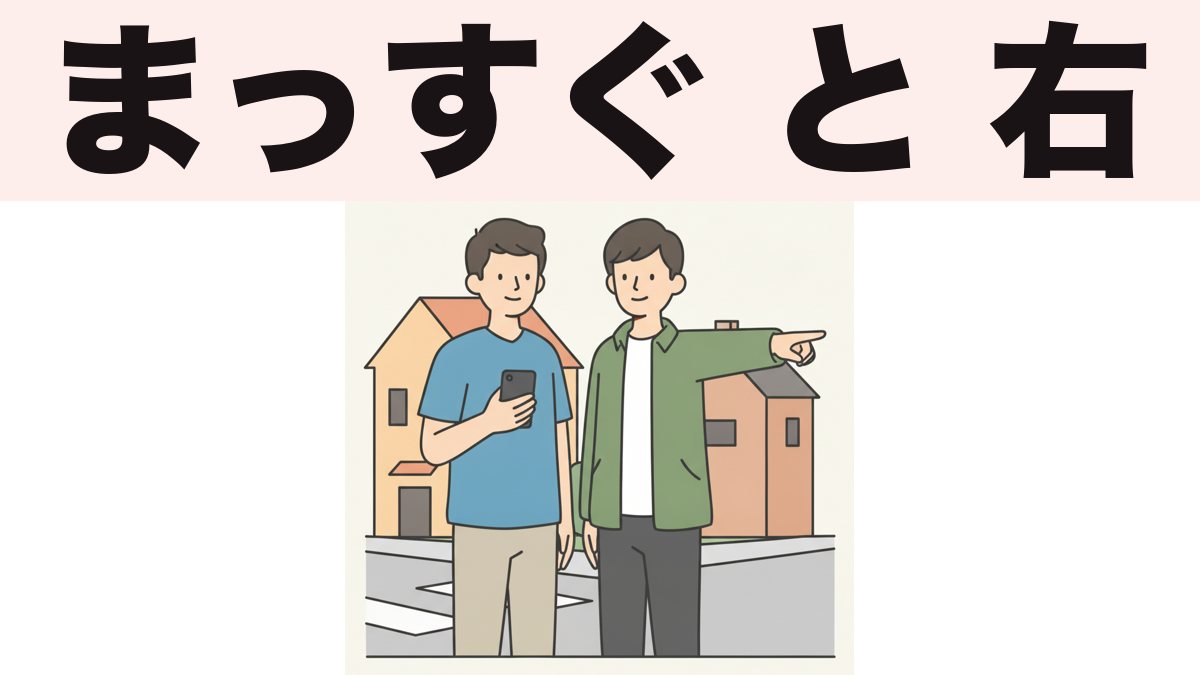
Asking for directions in Japanese: 一番近い駅, and the four words in the answer
すみません、駅はどこですか gets you a direction; understanding the answer needs まっすぐ, 右, 左 and 曲がる. Here is the full exchange, plus 最寄り駅 and how to check you understood.
How do you say "how do you say...?" in Japanese?
〜は日本語で何と言いますか is the sentence that lets you learn every other sentence. Here is how to build it, the shorter versions people actually use, and how to ask when you do not know the English word either.
どれくらいかかりますか: how to ask "how long does it take" in Japanese
どれくらいかかりますか is the all-purpose "how long does it take" — and the verb かかる covers time and money with the same sentence. Here is how to build it, answer it, and avoid the one particle swap that changes the meaning.
How to ask someone to repeat themselves in Japanese — without saying え? every time
もう一度お願いします is the safe one. But "say it slower," "say it differently" and "which word did I miss" are separate requests, and asking for the right one is the difference between a second chance and a repeat of the same wall of sound.
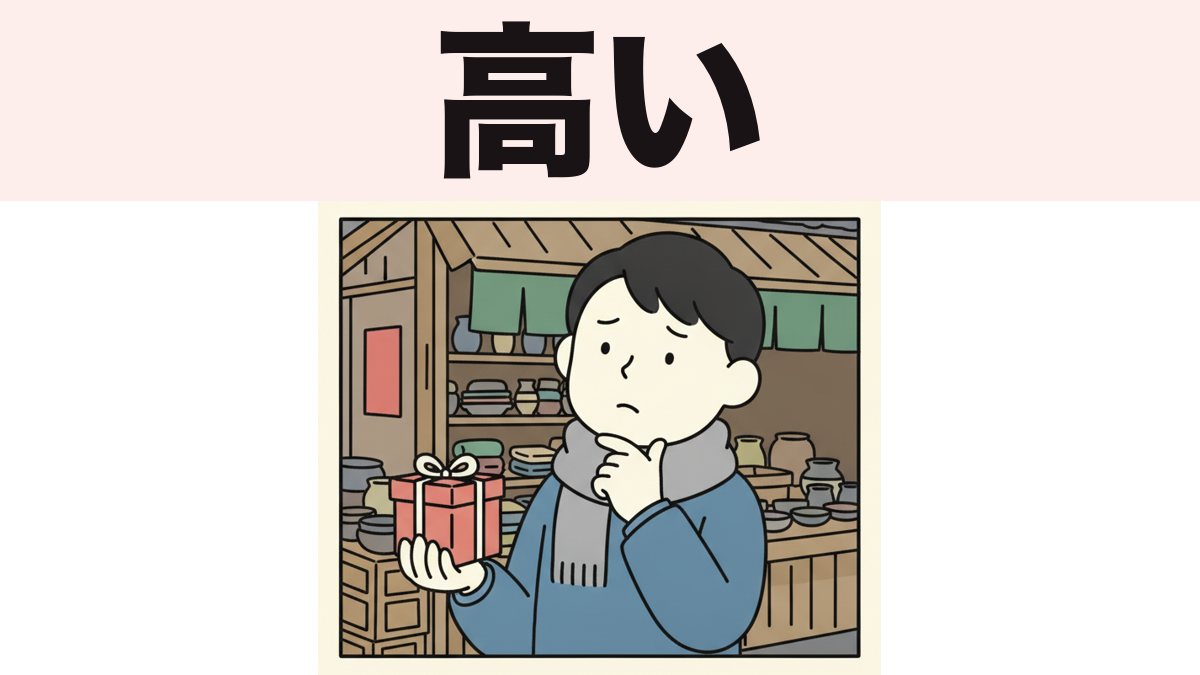
How to say "expensive" in Japanese: 高い, and the word it also means
高い means both "expensive" and "tall" — one word, two meanings, and only context to tell them apart. Here is the full price vocabulary, plus why calling a gift 安い is a mistake you only make once.
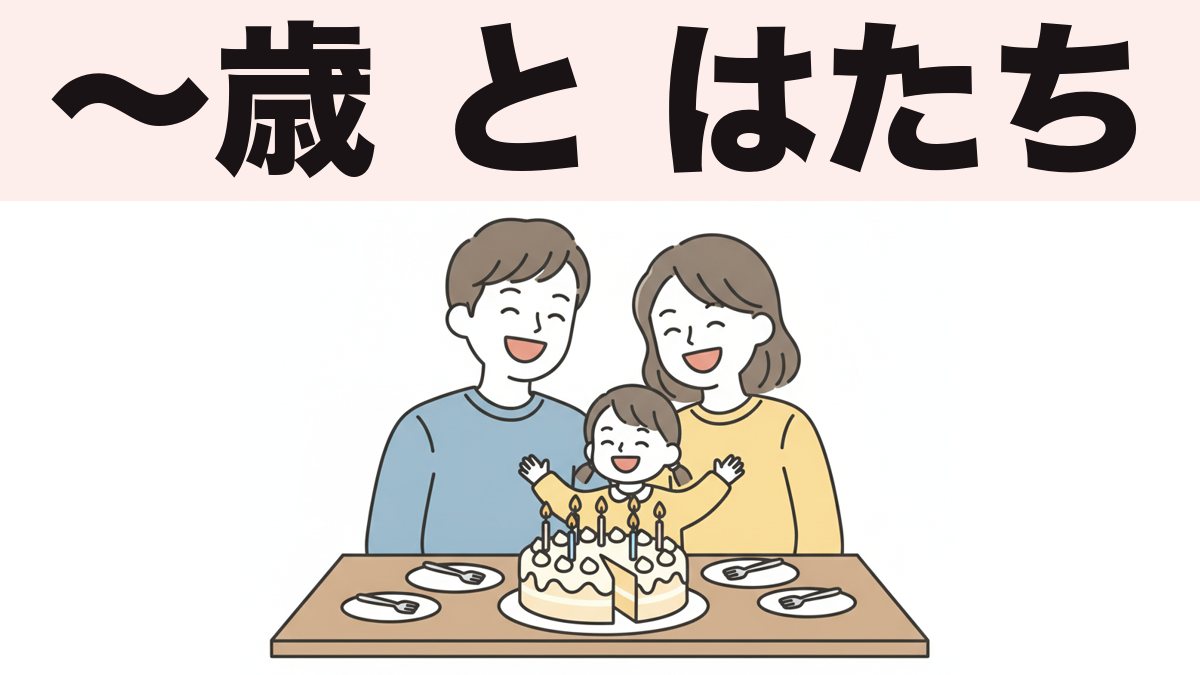
How to say your age in Japanese: 〜歳, the four readings that break, and 二十歳
Ages take the counter 歳: 三十歳 is さんじゅっさい. Four numbers change the reading, and 20 has its own word — 二十歳 is はたち. Here is the full set plus how to ask politely.
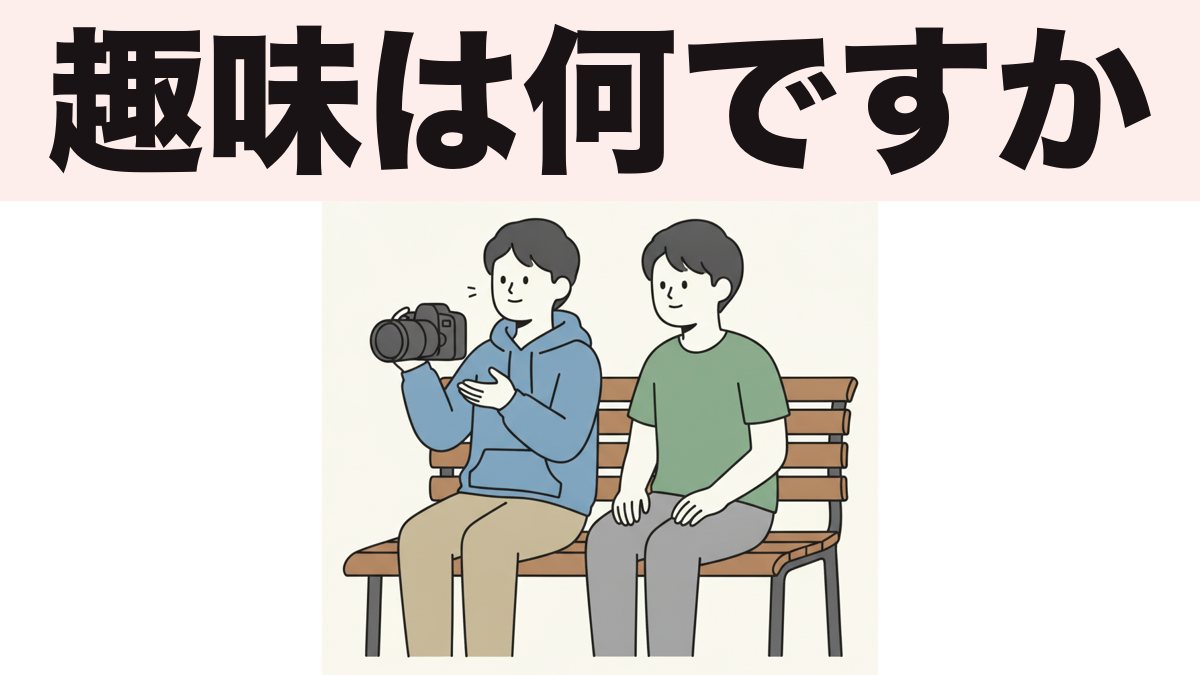
Talking about hobbies in Japanese: 趣味は何ですか, and the answer that sounds natural
趣味は何ですか is easy to ask and surprisingly hard to answer well. Here is the vocabulary, the 〜ことです and 〜のが好きです patterns, and why a bare noun often sounds flat.
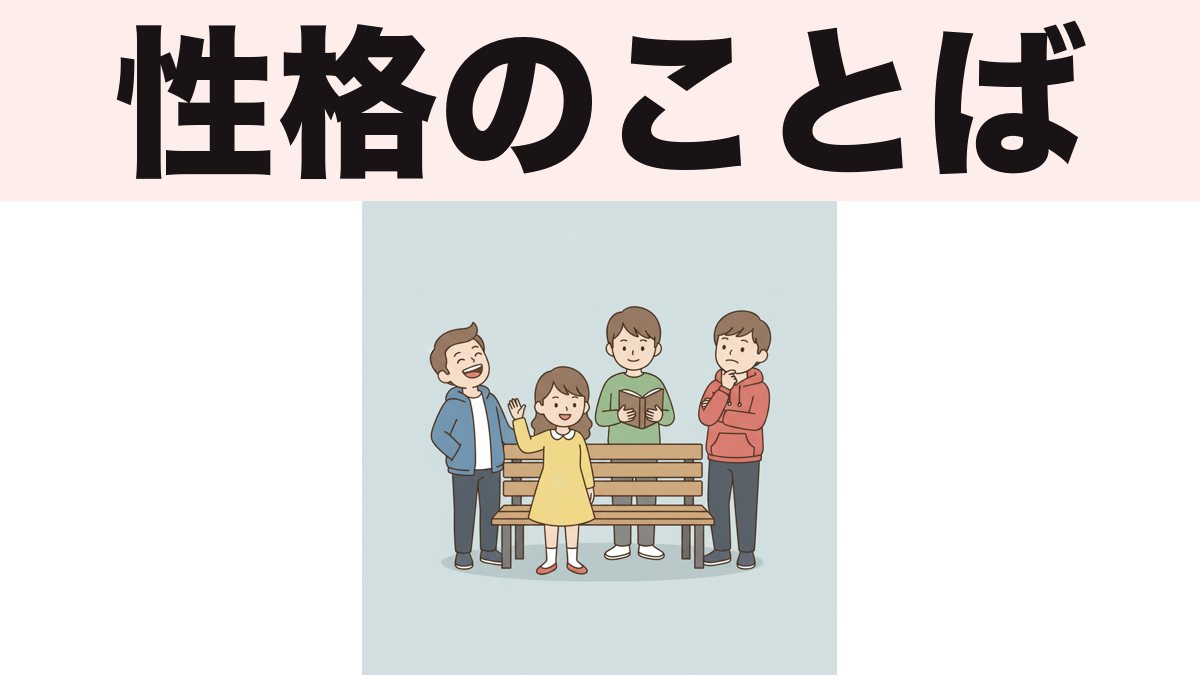
Japanese personality adjectives: how to describe someone without insulting them
優しい, 真面目, 明るい and the rest — plus the ones that look like compliments and are not. Here is the vocabulary for describing people, sorted by how safe each word is to say out loud.
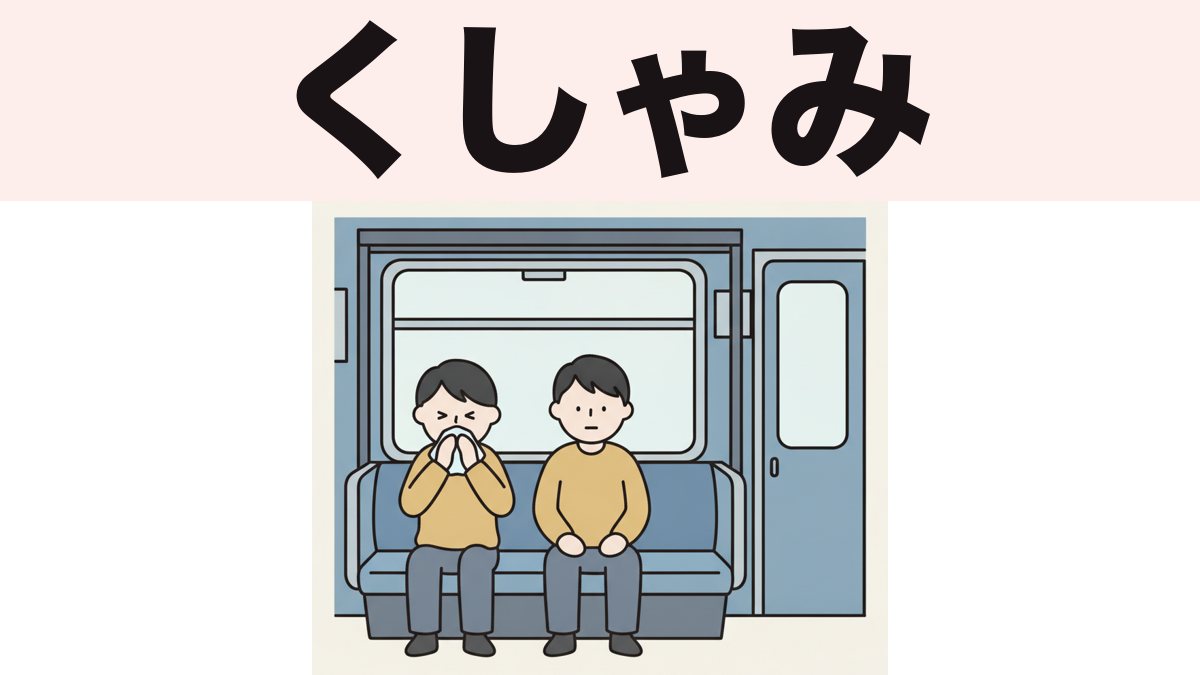
Sneezing in Japanese: ハクション, and why nobody says "bless you"
Japanese has no standard equivalent of "bless you" — the normal response to a sneeze is nothing at all. Here is the vocabulary, the ハクション sound, the old superstition about being talked about, and what to say instead.
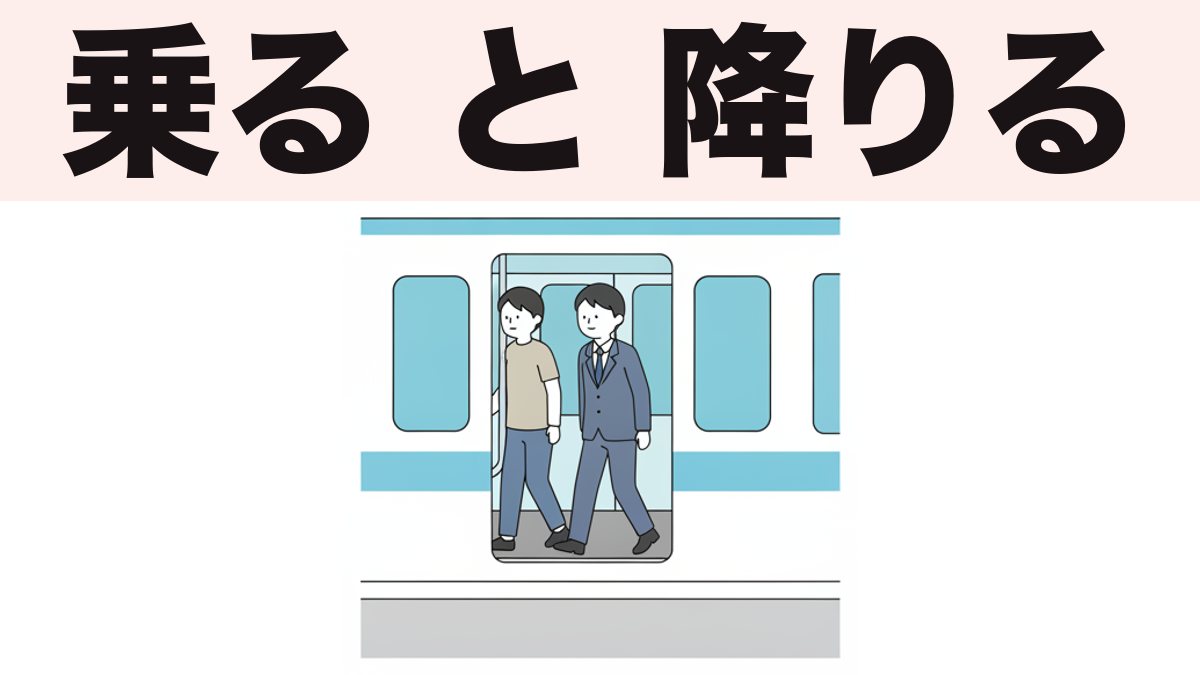
Japanese transportation vocabulary: the words, and the particle that surprises everyone
The vehicle words are easy. The trap is that 乗る takes に and 降りる takes を — the opposite of what English suggests. Here is the full vocabulary set plus the particles that make it work.
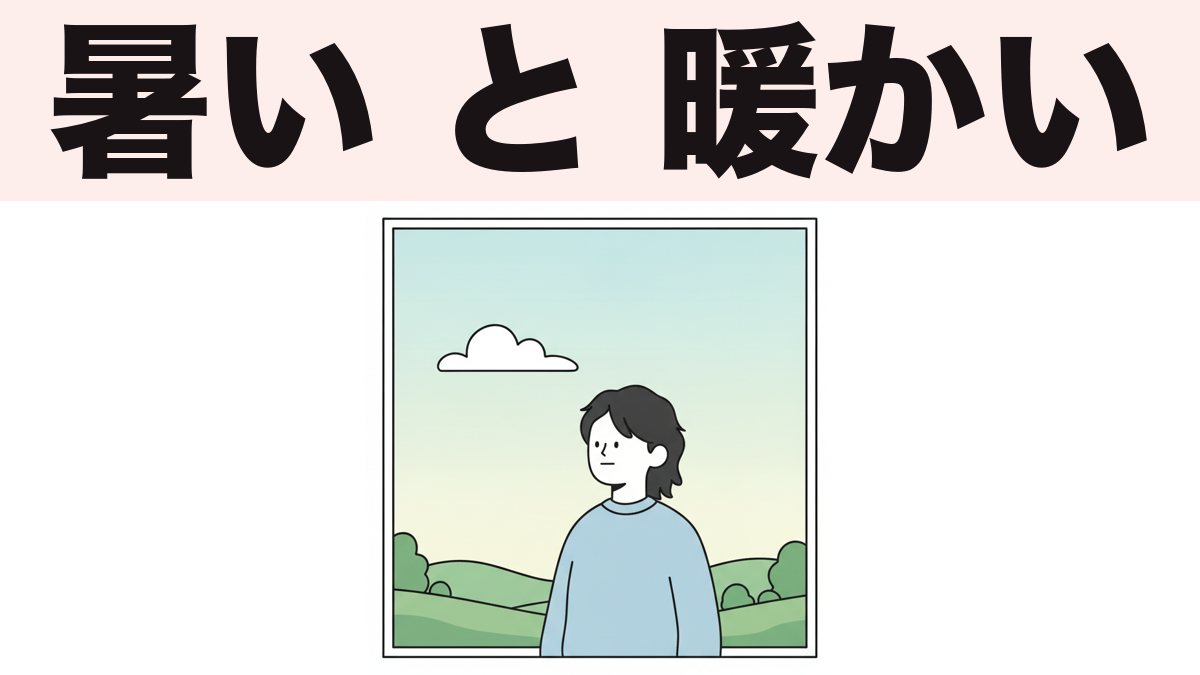
Talking about the weather in Japanese: 暑い vs 暖かい, and the small talk that always works
The weather words, plus the pair every learner gets wrong: 暑い is uncomfortably hot, 暖かい is pleasantly warm. Here is the full set, the forecast vocabulary, and why weather is the safest opener in Japanese.
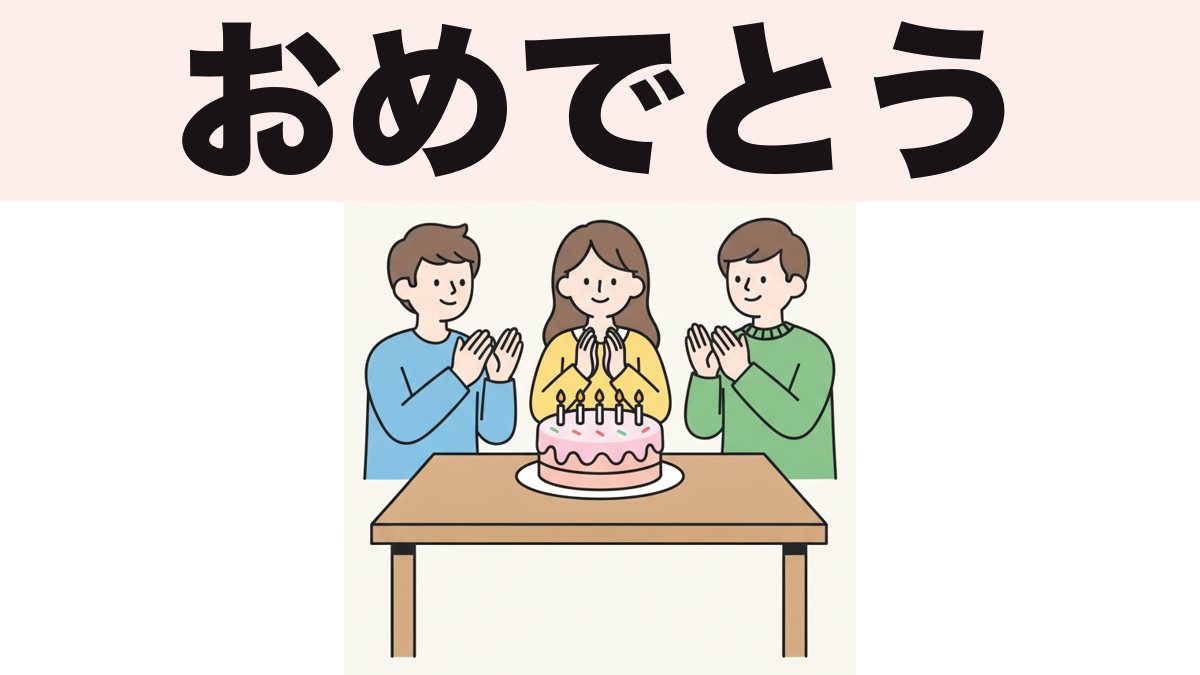
Congratulations in Japanese: おめでとう, and the one day you must not say it
おめでとうございます covers birthdays, weddings, graduations and New Year. Here is how to build it for any occasion, the casual forms, and the one situation where it is the wrong word.
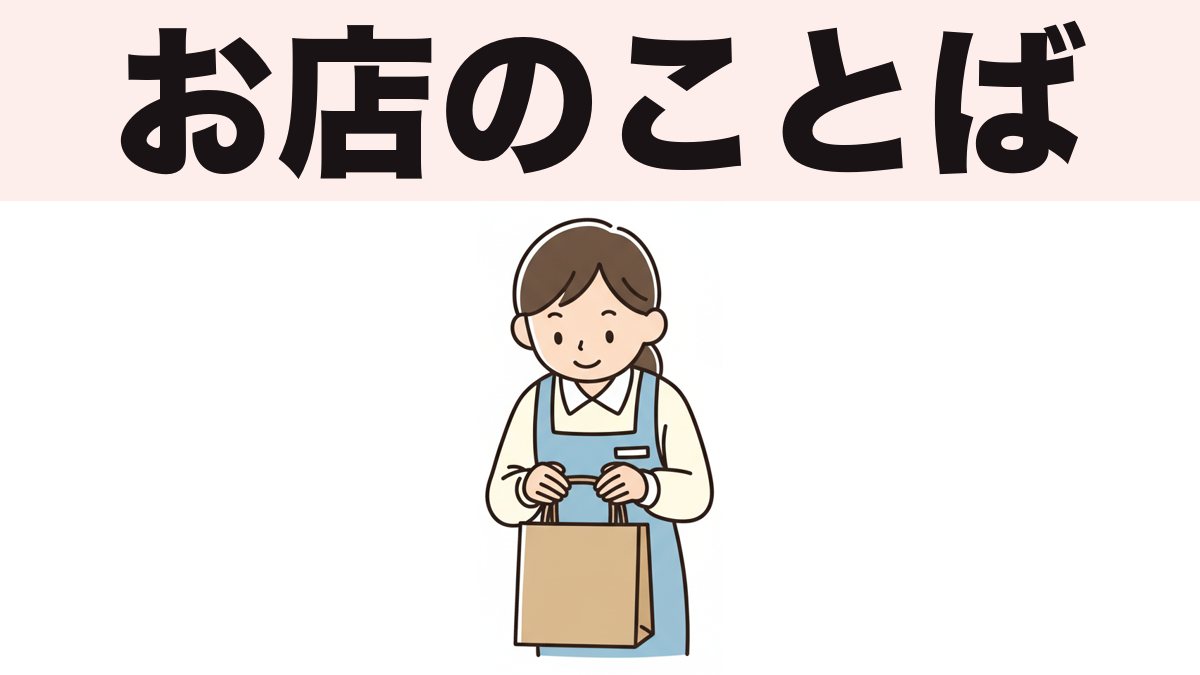
でございます: the です you hear in every Japanese shop, and what it is doing
でございます is the humble version of です. Here is when it is used, how it differs from ございます and いらっしゃいます, and why 〜になります on a coffee cup is a famous mistake.
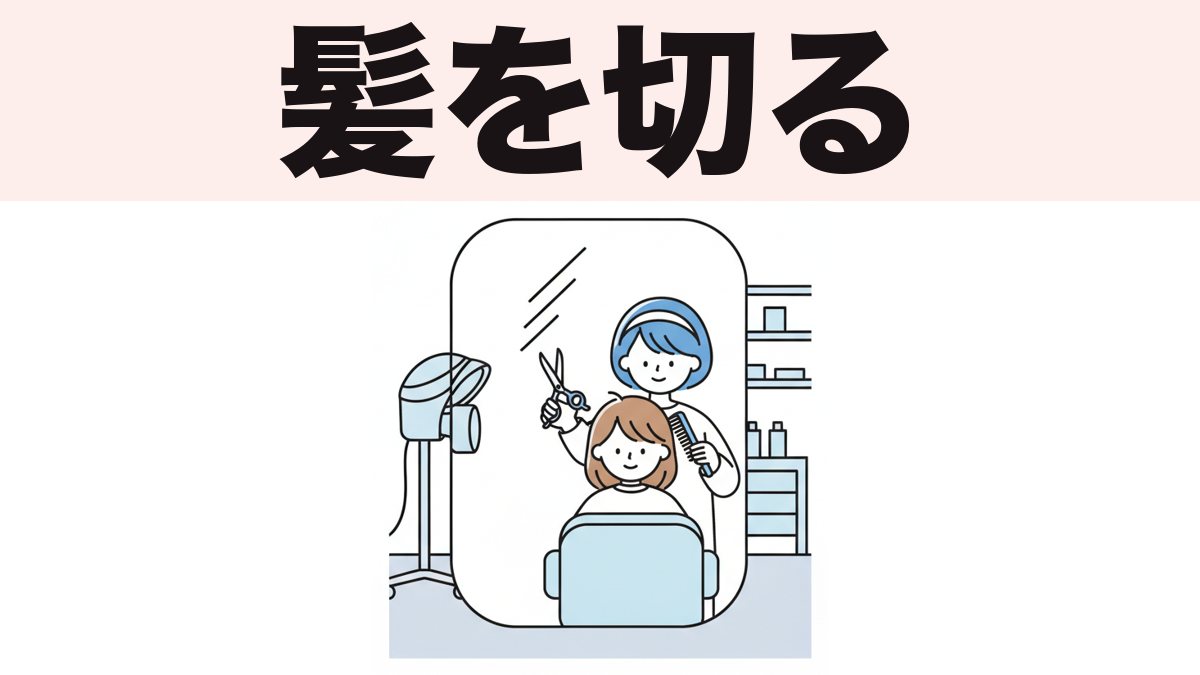
How to say "haircut" in Japanese: 切る, 刈る, 剃る and the sentence that means you did it yourself
Japanese uses different verbs for cutting, clipping and shaving hair — and 髪を切りました technically means you cut it yourself. Here is the vocabulary and the phrases for a salon or barber.
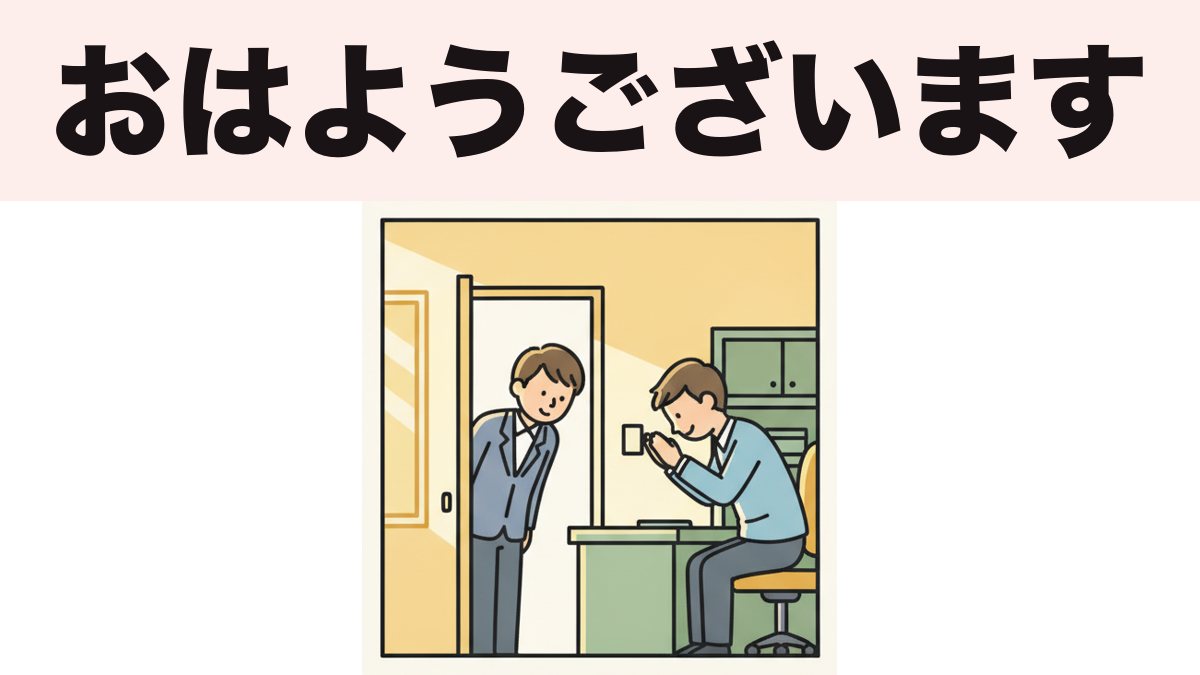
How to say hello in Japanese: こんにちは is not the default you think it is
Japanese greetings are chosen by time of day and relationship, and several have no English equivalent. Here is the full set — おはよう, こんにちは, お疲れ様, ただいま — and when each one fires.
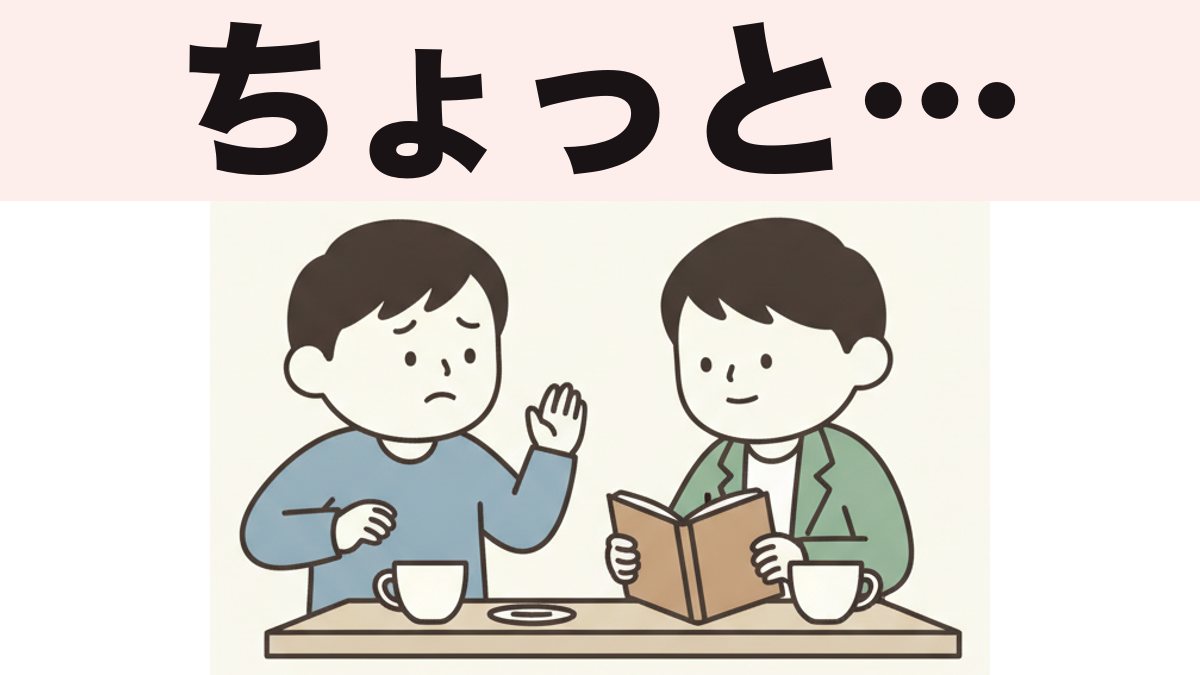
How to say no in Japanese: the word exists, and almost nobody uses it
いいえ is grammatically correct and socially rare. Here is how Japanese actually refuses — ちょっと, 大丈夫です, 難しいです — and how to hear a no that never contains the word.
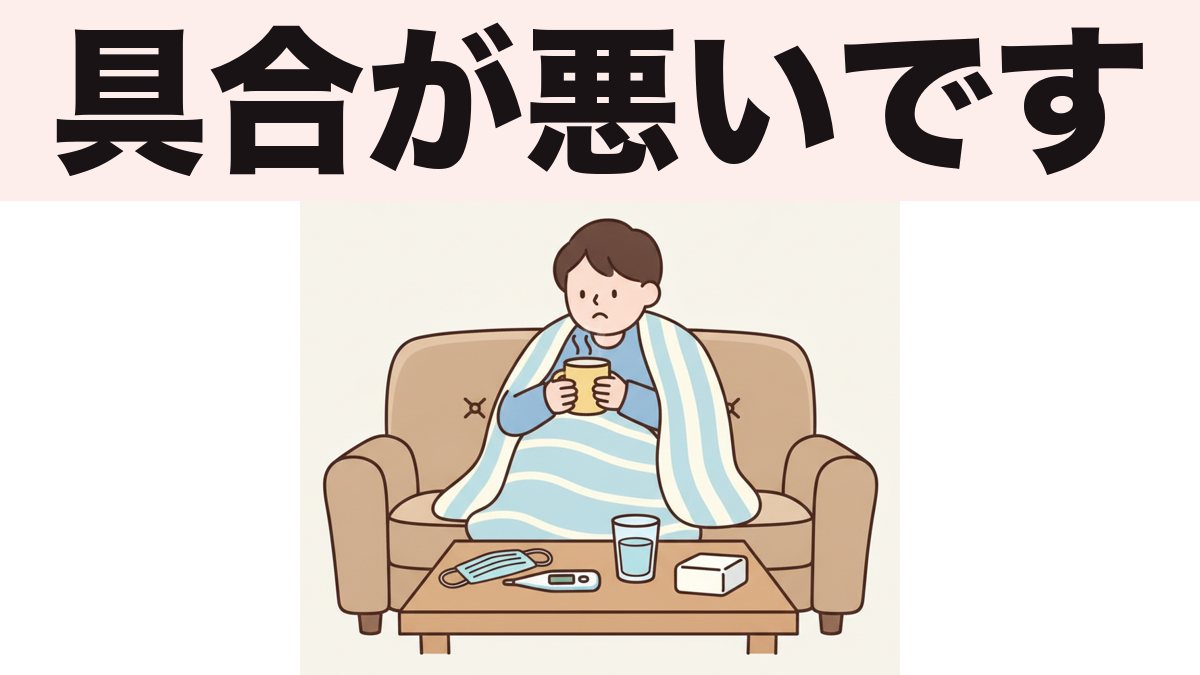
How to say "I'm sick" in Japanese — and why 病気です is usually the wrong one
Japanese splits "sick" into several words: 具合が悪い, 体調が悪い, 気分が悪い and 病気. Here is which one to use, how to describe symptoms, and how to tell work you need the day off.
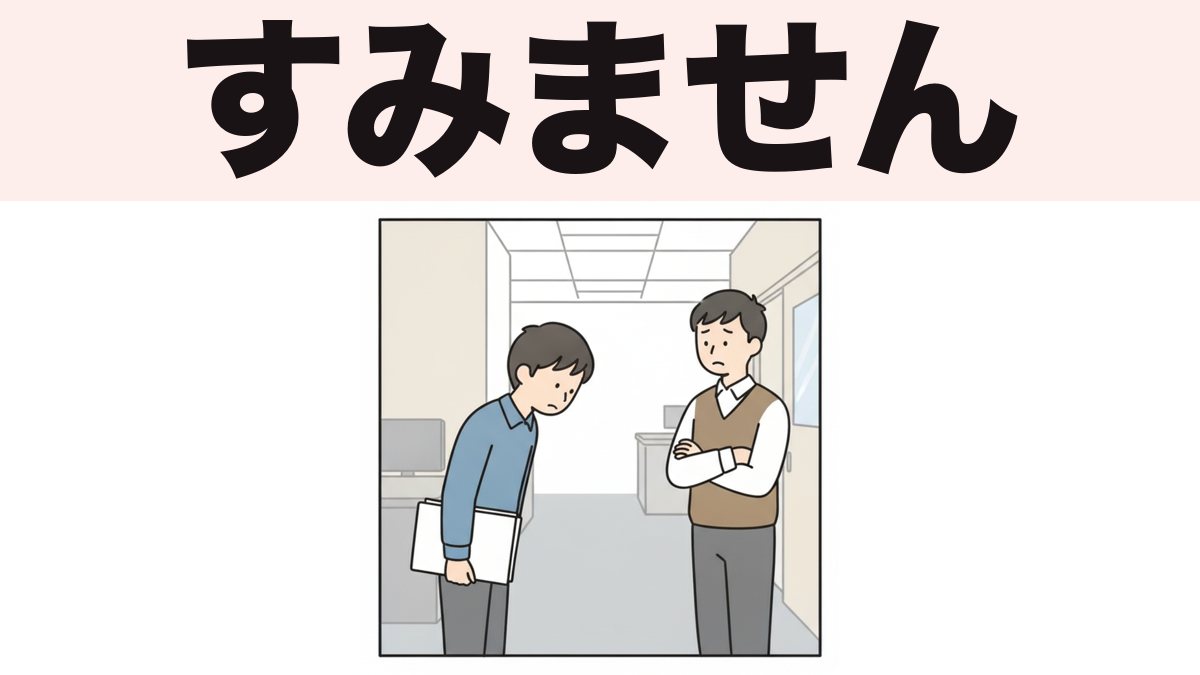
How to say sorry in Japanese: すみません, ごめん, 申し訳ありません and when each one fits
Japanese has a ladder of apologies, and すみません is only the middle rung. Here is which one to use, why すみません also means thank you, and how apologising works differently from English.
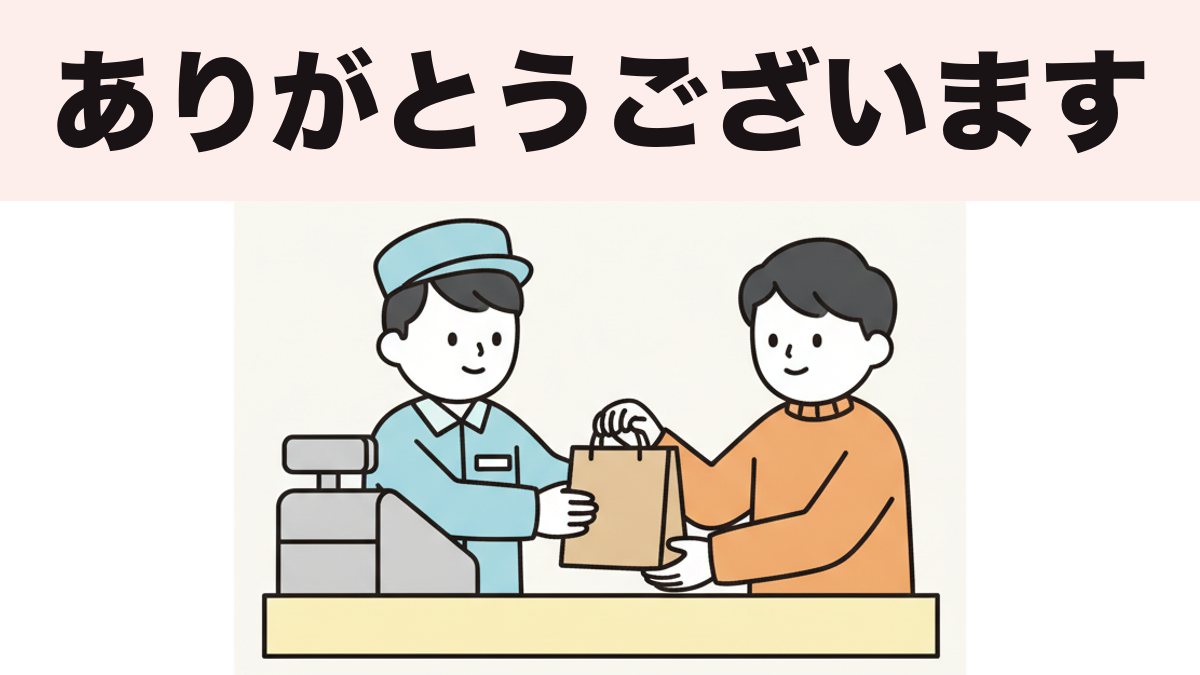
How to say thank you in Japanese: ありがとう, ございます, and the past tense that changes the meaning
ありがとうございます and ありがとうございました are not the same thank you — one is for now, one closes the whole thing. Here is the ladder, plus 助かりました, おかげさまで and what to reply.
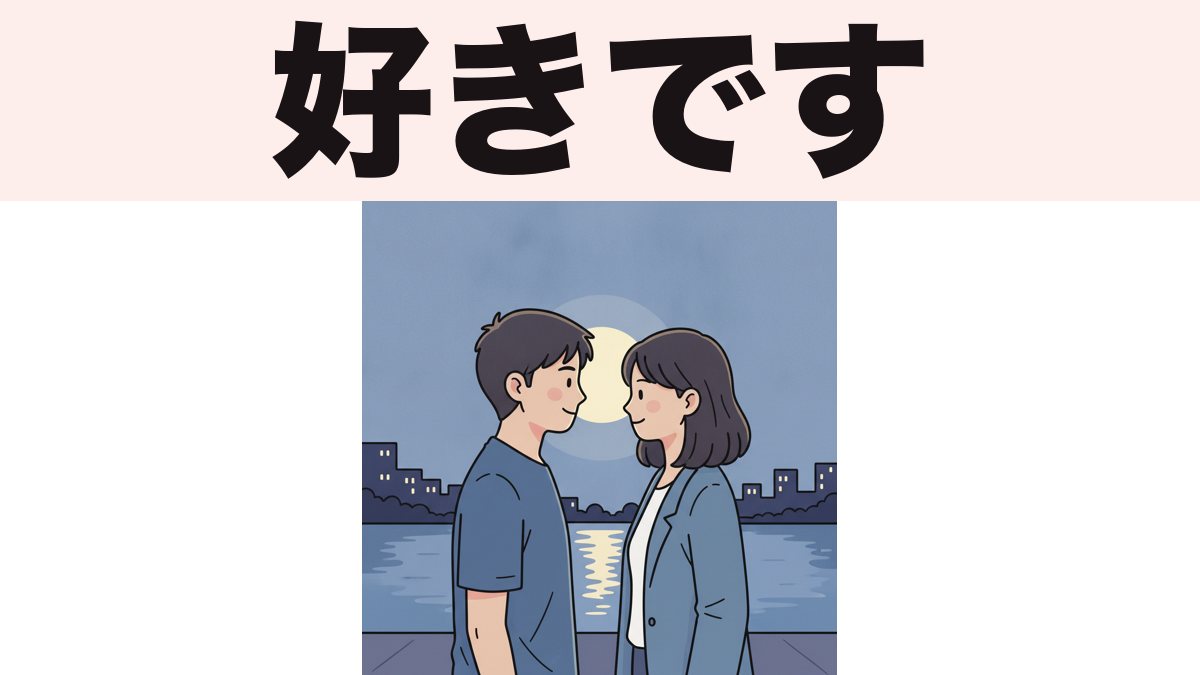
I love you in Japanese: 好き, 大好き, 愛してる and why the last one is almost never said
愛してる is the dictionary translation of "I love you" and Japanese couples rarely use it. Here is what 好き really carries, why the particle is が, and what people actually say instead.
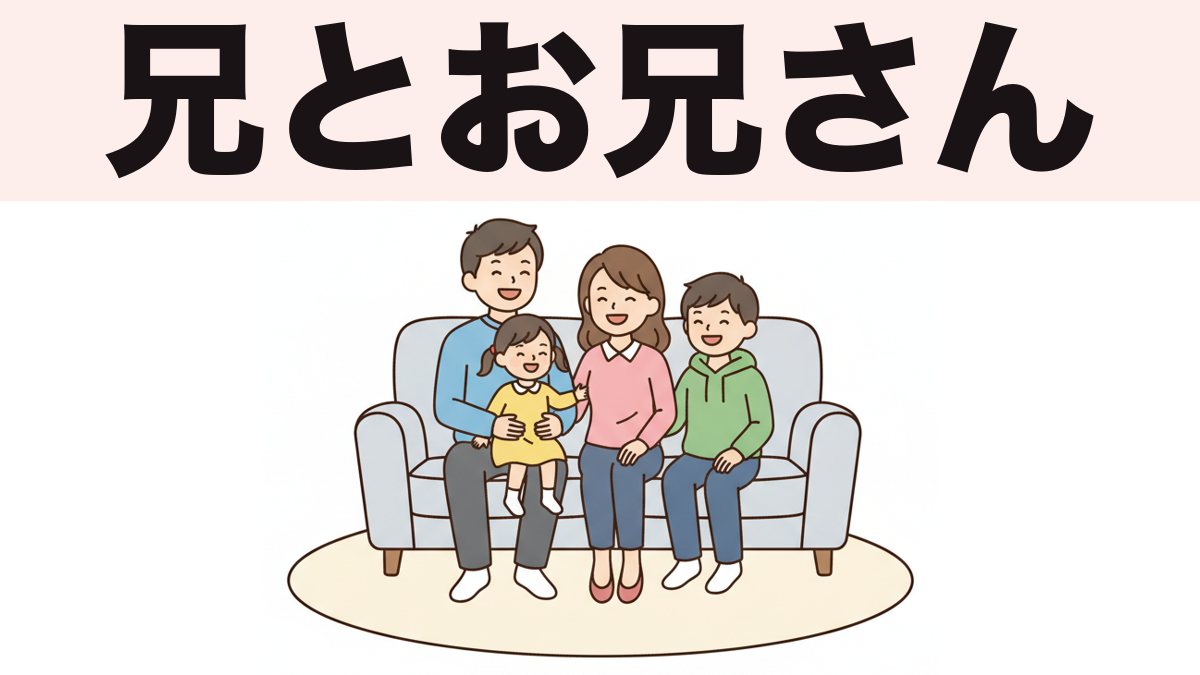
Japanese family words: why 兄 and お兄さん are the same brother
Japanese has two words for every family member: one for your own family when talking to outsiders, one for other people's. Here is the full table, the uchi-soto rule behind it, and what you call your own brother to his face.
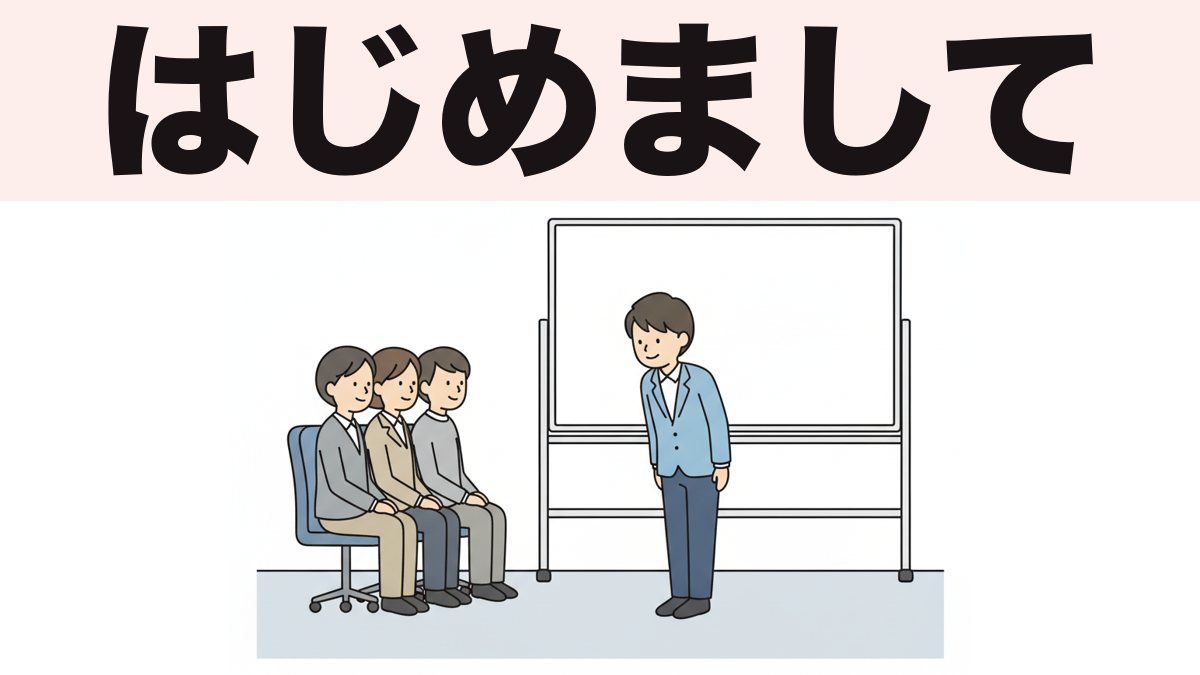
自己紹介: how to introduce yourself in Japanese without sounding like a textbook
A Japanese self-introduction has a fixed shape: greeting, name, where you are from, one detail, closing. Here is the template, the three lines that matter most, and what to change for a job interview.
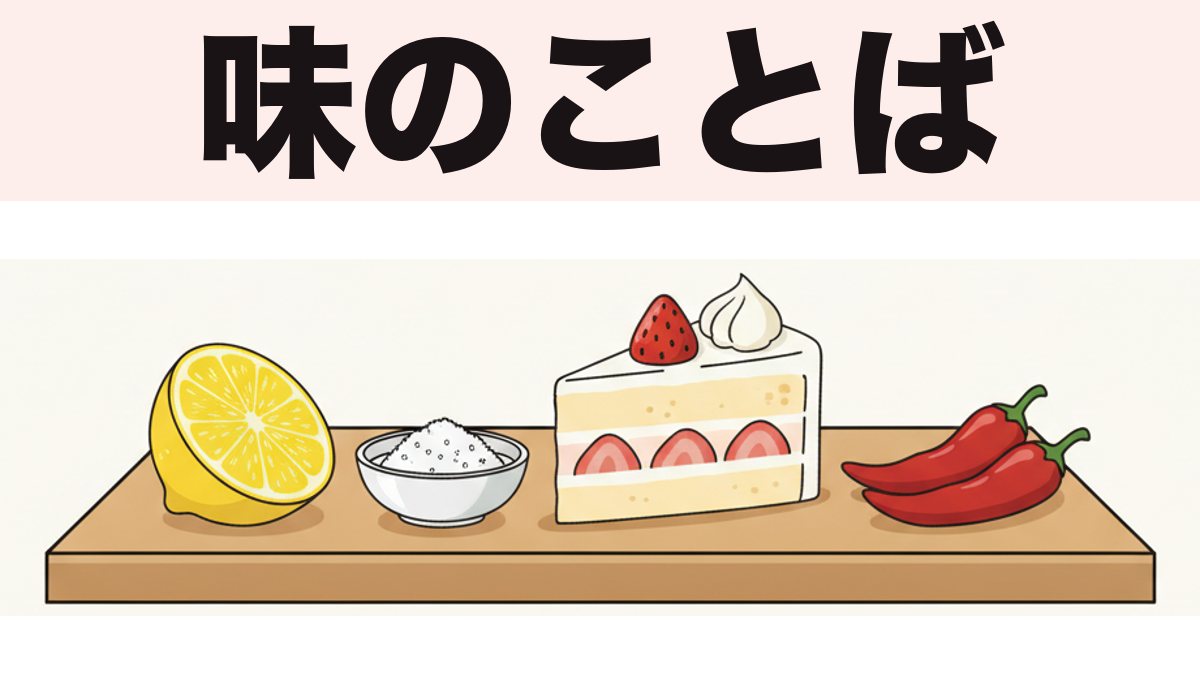
Japanese taste words: 甘い, 酸っぱい, しょっぱい and the ones that are not about flavour at all
The five basic taste adjectives, the 辛い that means two different things, the texture words Japanese cares about more than English does, and how to say food is bad without being rude.
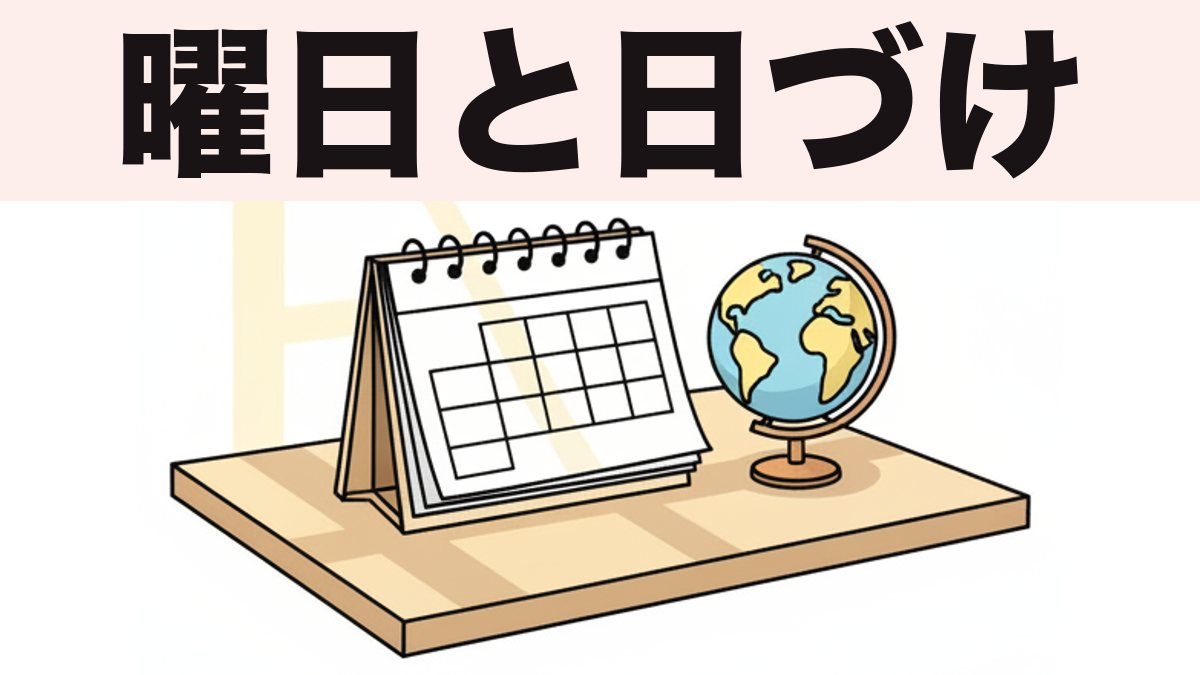
Days of the week and dates in Japanese — and the planets hiding in them
The seven weekday kanji are the same seven planets behind Tuesday and Saturday in English. Plus the irregular dates: ついたち, はつか, しがつ, くがつ.
How to ask "what does this mean?" in Japanese
どういう意味ですか asks what a word means, 何と言いますか asks how to say something, 何と読みますか asks how to read it. The six questions that keep a conversation going.
How to tell time in Japanese: 時, 分, and the readings that break
4時 is よじ, 9時 is くじ, and 3時 and 3時間 mean completely different things. The irregular readings, the に rule, and where 午前 goes.
Japanese counters: the six you need and the escape hatch for everything else
You cannot say "two beers" in Japanese without a counter. Learn つ, 人, 本, 枚, 個 and 杯, the sound changes that break them, and what to do when you forget one.
Japanese filler words: えーと, あの, なんか — and why silence is worse
えーと is thinking out loud, あの is aimed at the listener, なんか is "like". The fillers that buy you time, plus the あいづち that keep the other person talking.
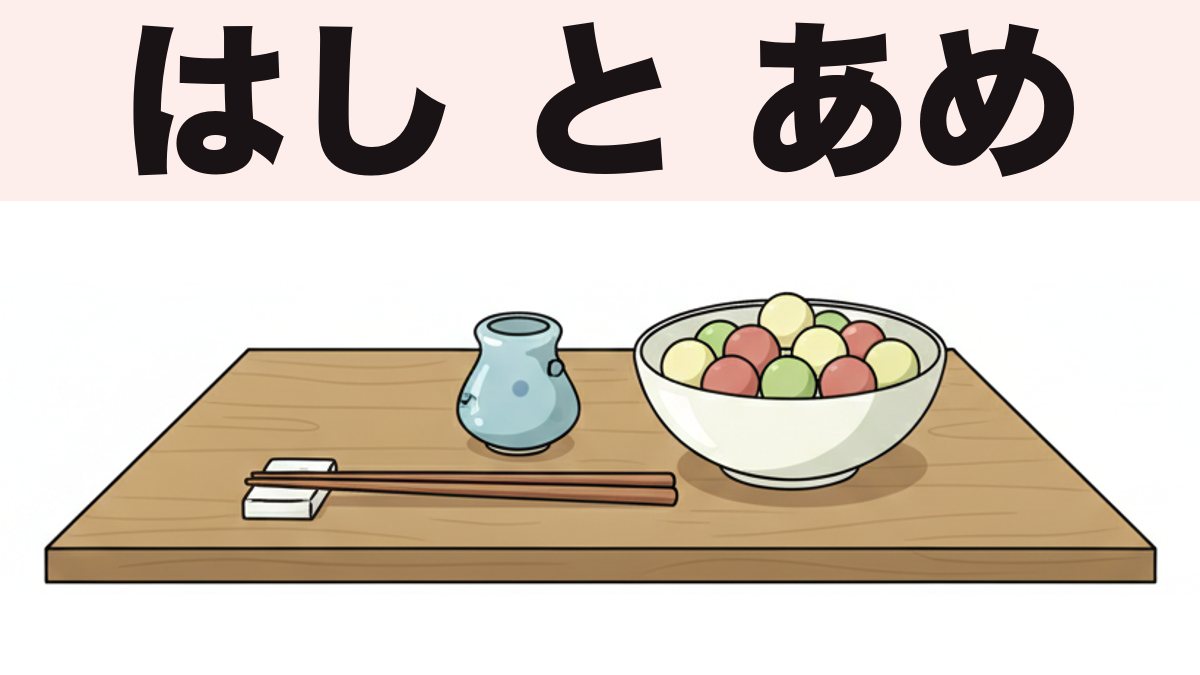
Japanese homophones: はし, あめ, かみ — and how anyone tells them apart
Japanese has many homophones because it has few sounds. Pitch separates some, kanji separates the rest, and speakers work around the ones that survive both.
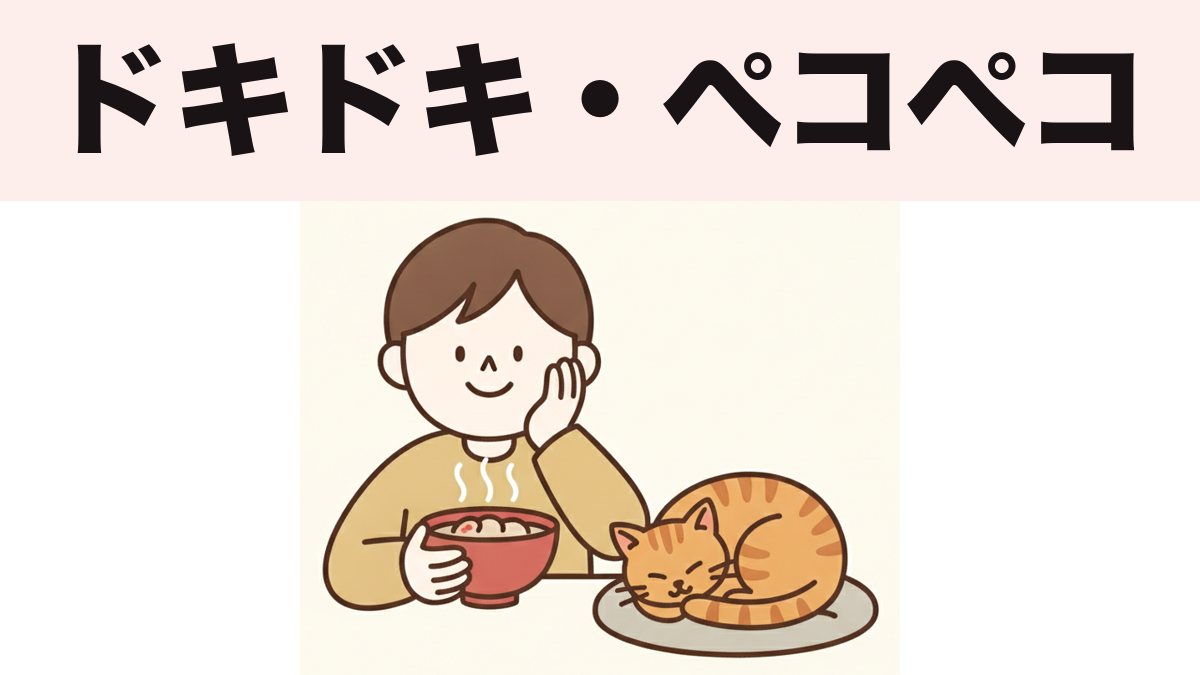
Japanese onomatopoeia: ドキドキ, ペコペコ, and the "sound" of silence
Japanese has words that imitate sounds and words that imitate states. ワクワク is not a noise, it is excitement — and adults use these constantly.
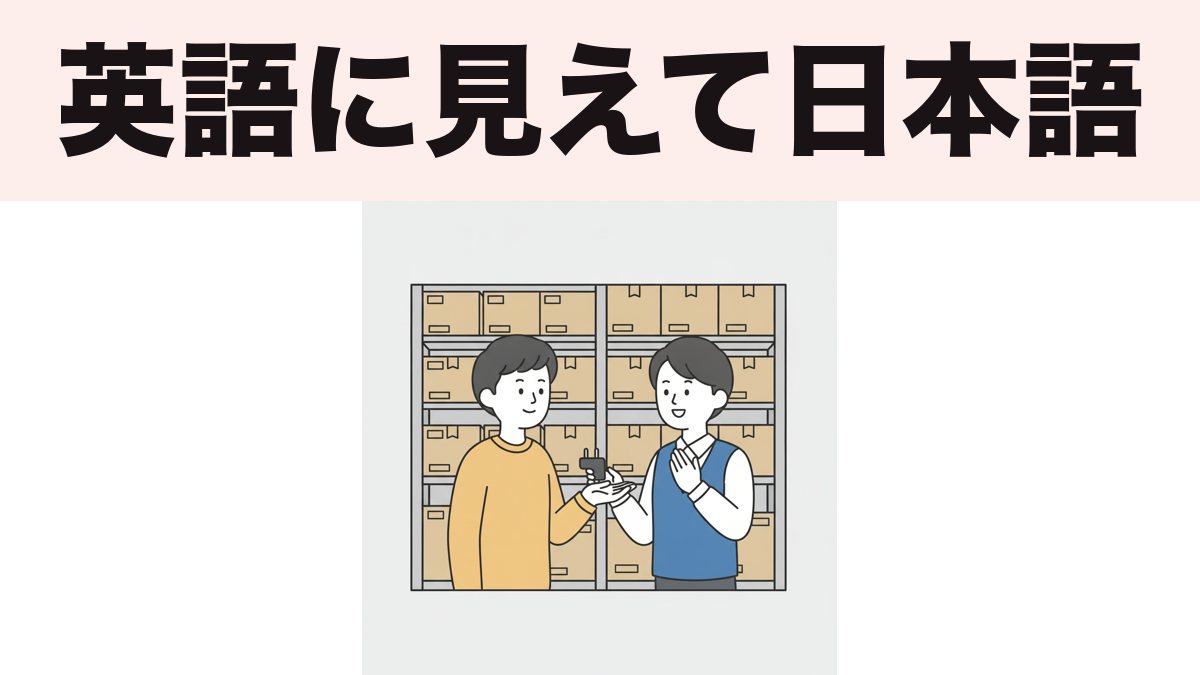
和製英語: the English words in Japanese that are not English
マンション is not a mansion and コンセント is not consent. A guide to 和製英語 — where these words come from, the four types, and why they are hardest for English speakers.
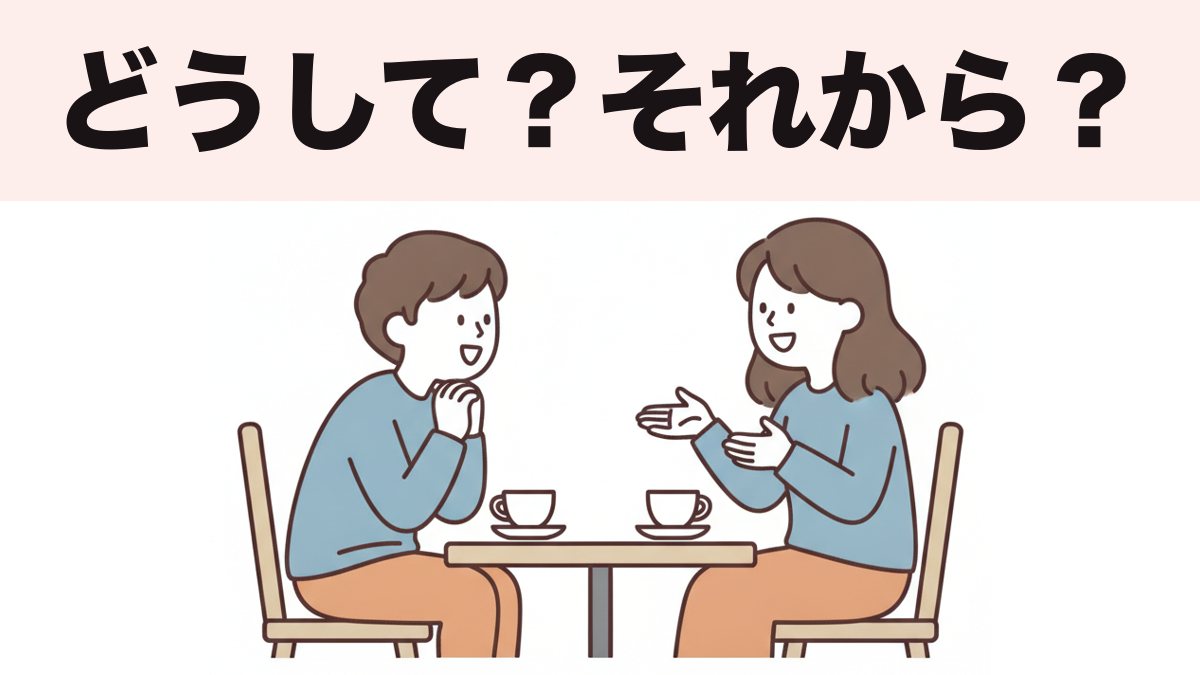
The two questions that keep a Japanese conversation alive
Every student of mine learns these two sentences in the first lesson. They are the difference between a conversation that stops and one that keeps going.
Talking about your job in Japanese — the one particle that trips everyone
A real first lesson: how a student learned to say where he works, and why で is the particle that decides whether the sentence lands.
Akihabara & otaku Japan
Otaku slang in Japanese: 推し, 尊い, 沼 and the words fandom actually runs on
The vocabulary Japanese fans use about their own fandom — 推し, 尊い, 沼, 供給, 神回, 履修 — with what each word literally means and how to use it without sounding like a dictionary.
Ten Japanese phrases that make shopping in Akihabara easier
What shop staff will actually say to you, what to say back, and the one question that finds the thing you came for.
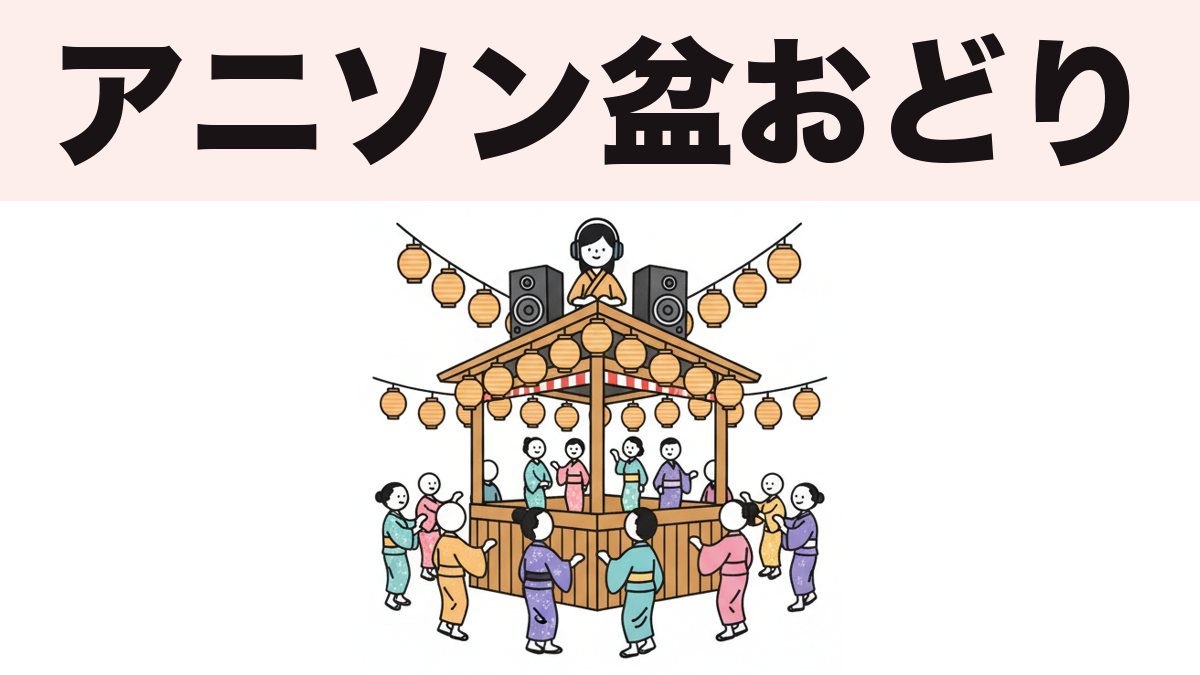
Anison bon-odori is going global — and Akihabara is the reason
Anime songs, a summer festival dance, and a stage in Singapore. Notes from the Akiba Now podcast on how a 600-year-old Japanese dance became an anime convention headliner.
From the podcast
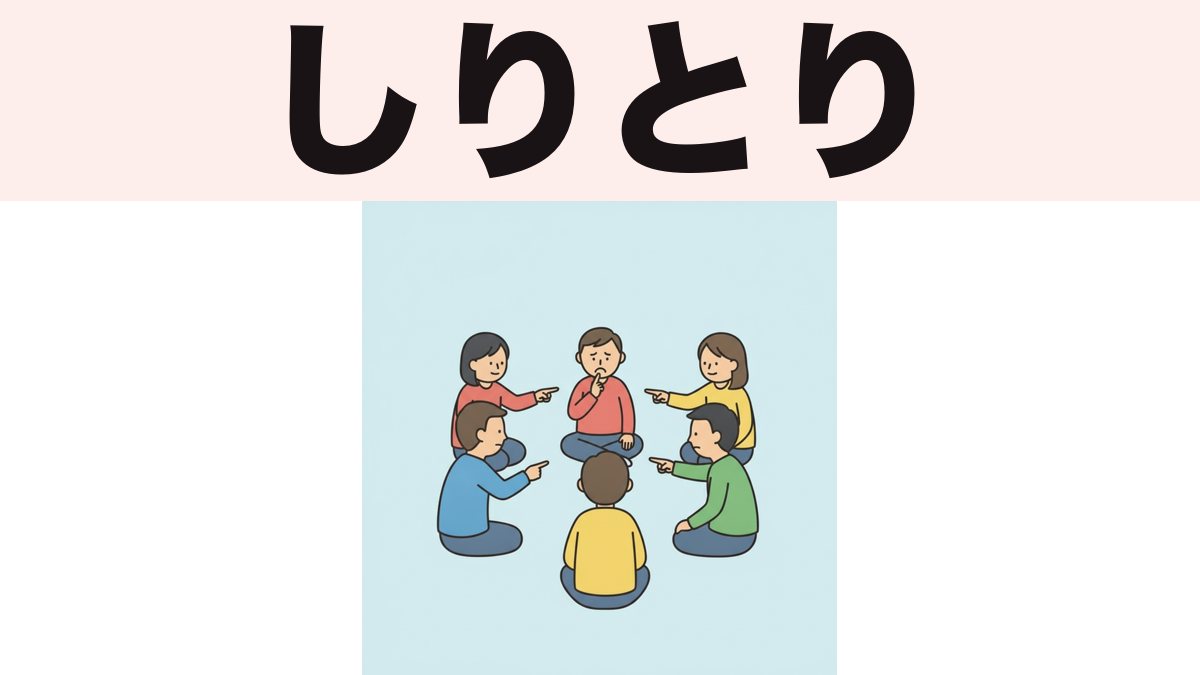
Shiritori: the rules of the Japanese word chain game
Shiritori is the word chain game every Japanese child knows. The rules take thirty seconds to learn, and the ん trap is what ends most games. Here is how it works and how to use it as practice.
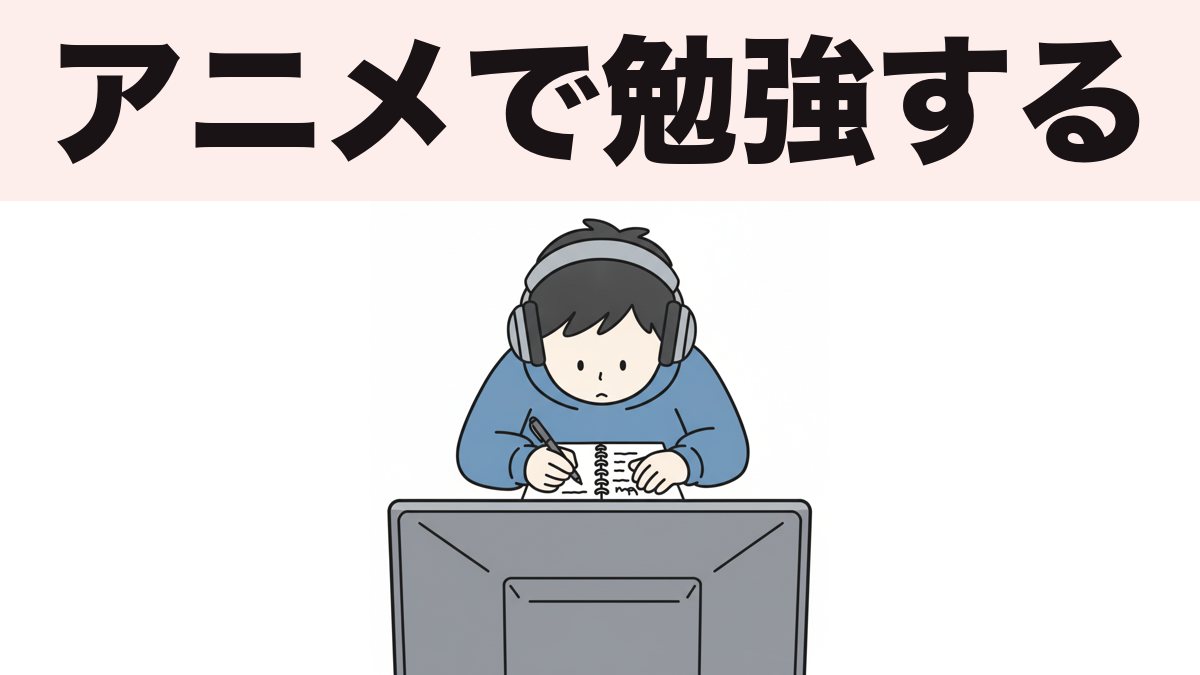
Studying Japanese with anime: two traps to avoid
Anime is a good study material, and it has two specific failure modes: genres that teach you Japanese nobody says, and voice actors who are far easier to understand than real people. Here is how to avoid both.
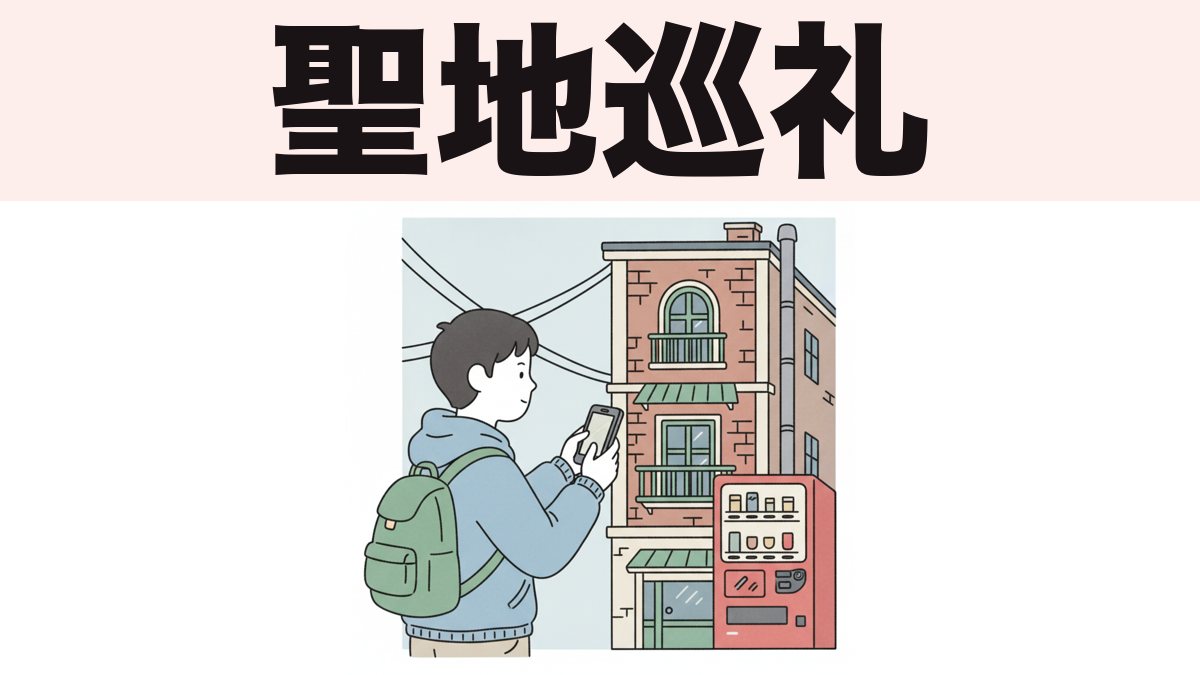
Anime pilgrimage (seichi junrei): how to actually plan it
Seichi junrei means visiting the real locations an anime was drawn from. It costs nothing, it turns a normal street into a memory, and it is the part of a Japan trip most anime fans find out about too late.
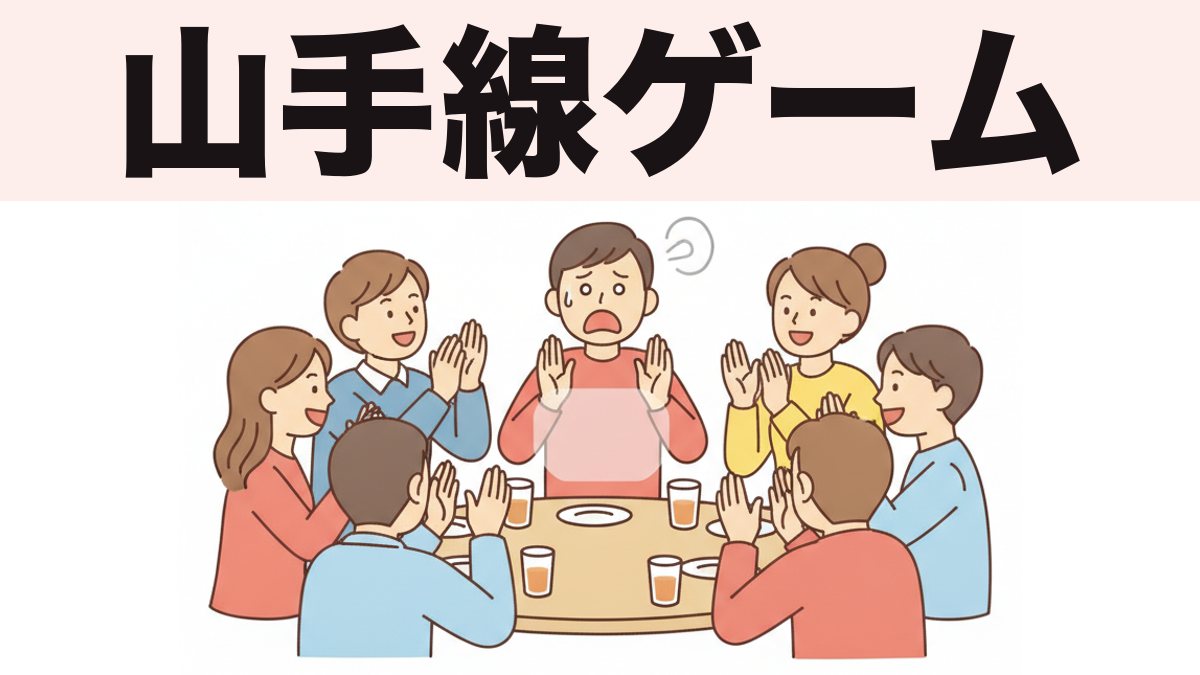
The Yamanote Line game: rules, rhythm, and how not to lose
Pick a category, clap to a rhythm, name something in that category on your beat. Miss the beat or run out of answers and you lose. Here are the rules, the rhythm, and why it is named after a train line.
Lesson notes
How to say "two days ago" and "in three days" in Japanese
Japanese has two systems for days on either side of now: fixed words like おととい and あさって, and the counted forms 二日前 and 三日後. They are not interchangeable, and picking the wrong one moves your sentence to a different day.
けど: "but" is only half its job — the other half is softening
けど joins two clauses as "but," and it also ends sentences with nothing after it at all. That trailing けど is not an unfinished thought — it is how Japanese makes a request, a refusal or an introduction land gently.
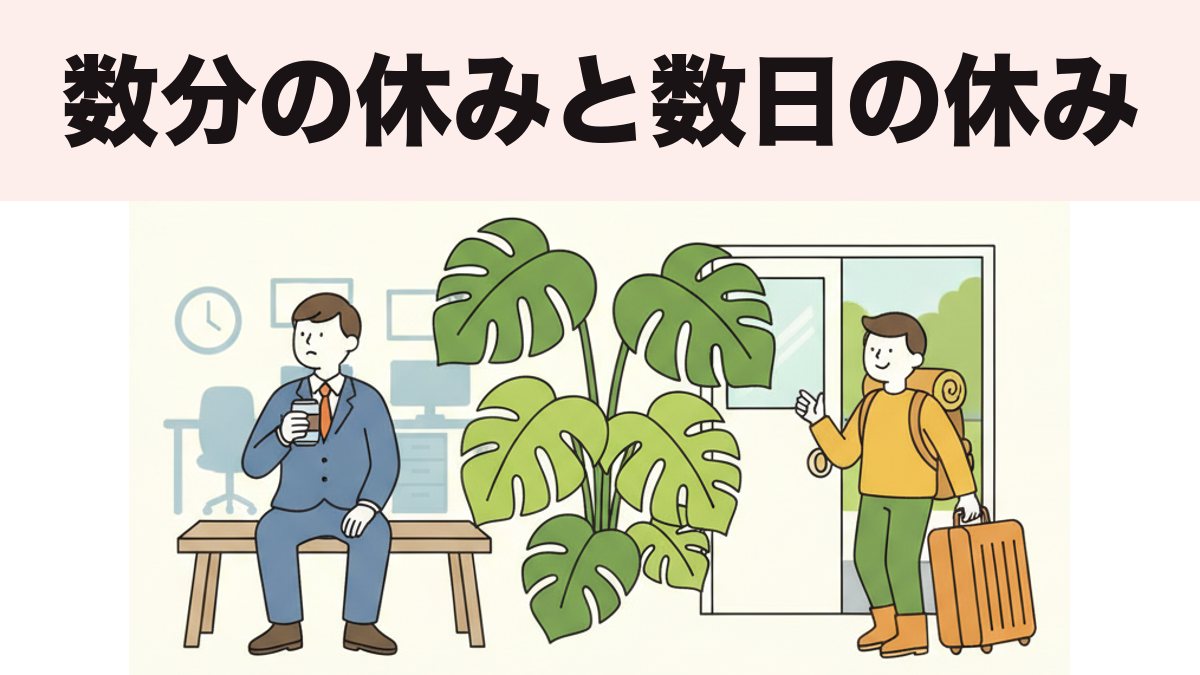
休憩, 休暇, 休み: three words for a break, and one of them is not a verb
休憩 is a break inside a day, 休暇 is leave from work, 休み is the everyday word for all of it. The mistake that gives learners away is 休暇します — 休暇 does not take します, it takes 取る.
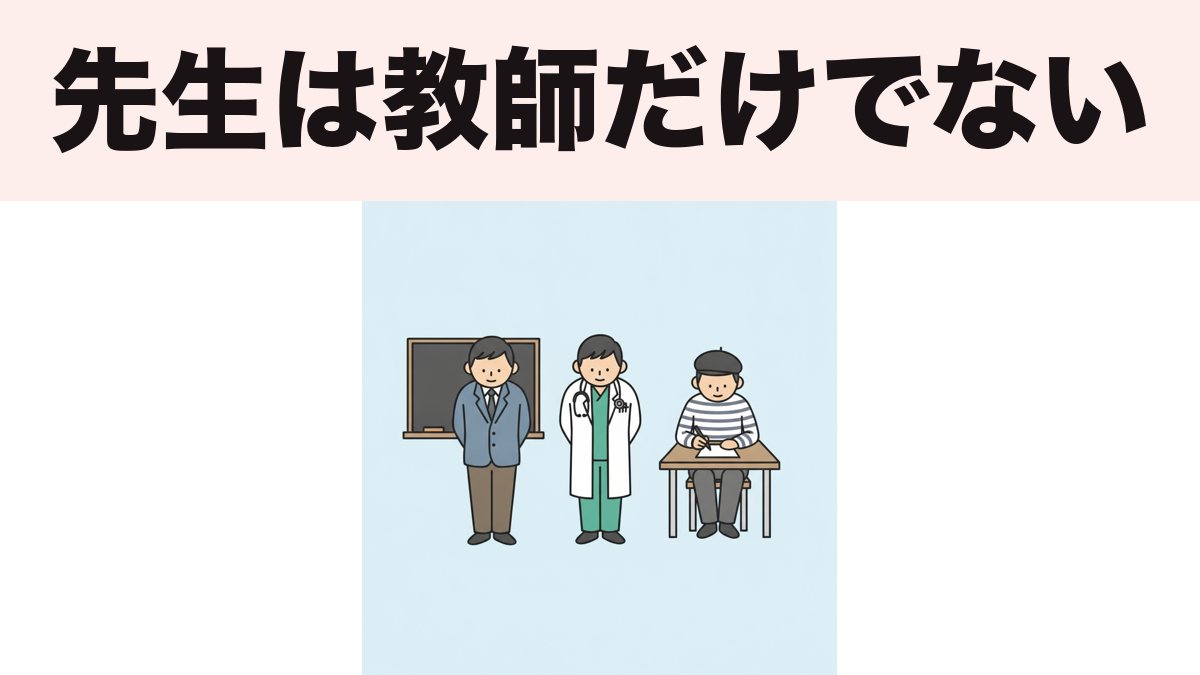
Sensei meaning: 先生 is not quite "teacher," and you never call yourself one
先生 literally means "born before" — someone further along a path. It covers doctors, lawyers, politicians and manga artists, works as a standalone form of address, and is the one title you cannot apply to yourself.
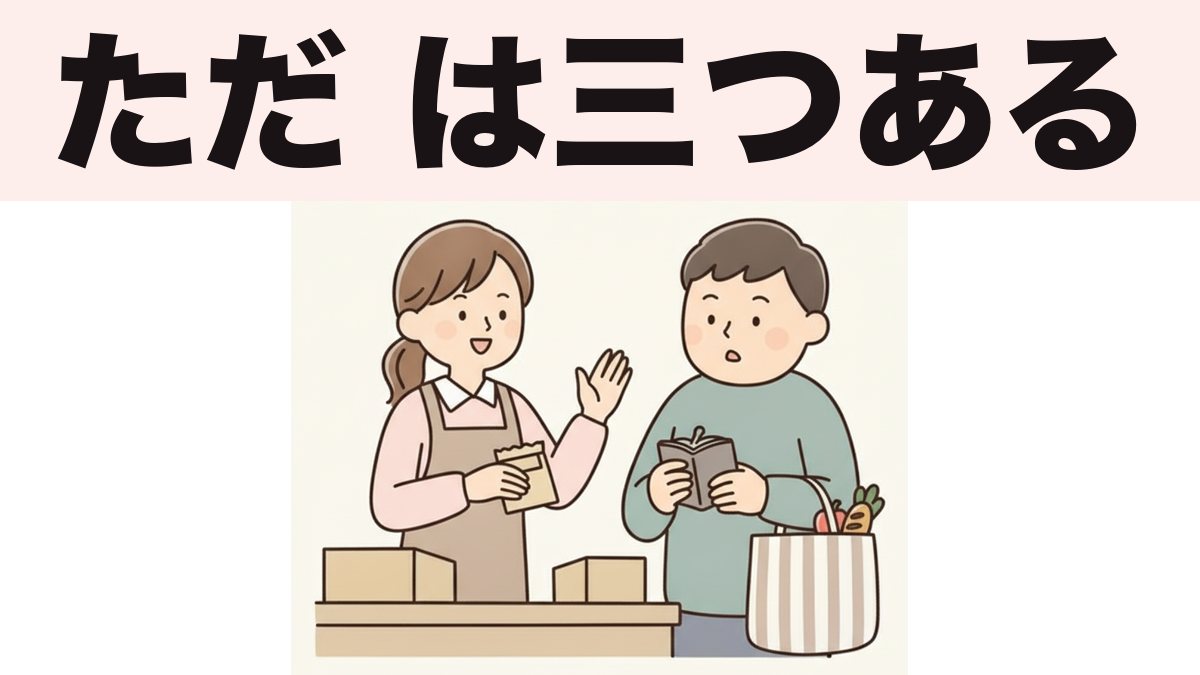
ただ: "free," "merely," and "but" — three words sharing one sound
ただ means free of charge, it means nothing more than, and it means but. Which one you have heard depends entirely on where it sits in the sentence, and the three are unrelated words that happen to sound identical.
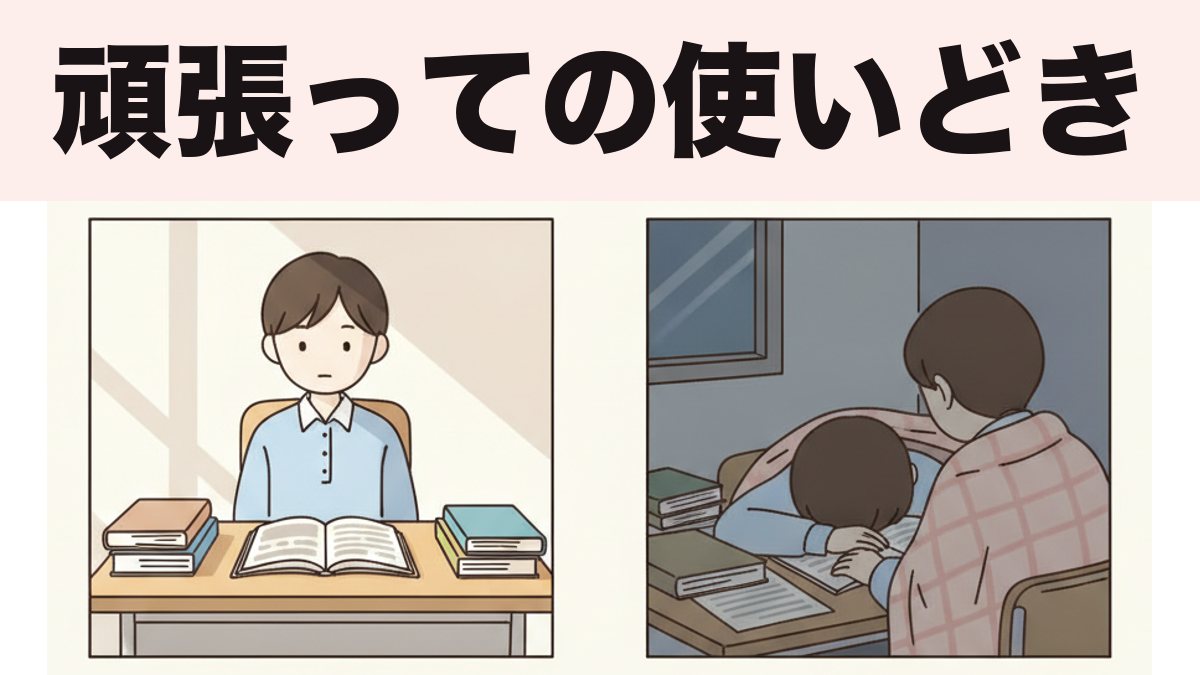
Ganbatte meaning: 頑張って, 頑張れ, and the one person you should not say it to
頑張って means "do your best," but it is an instruction, not a compliment. Here is how 頑張って, 頑張れ, 頑張ります and 頑張ろう differ, and what to say to someone who is already trying as hard as they can.
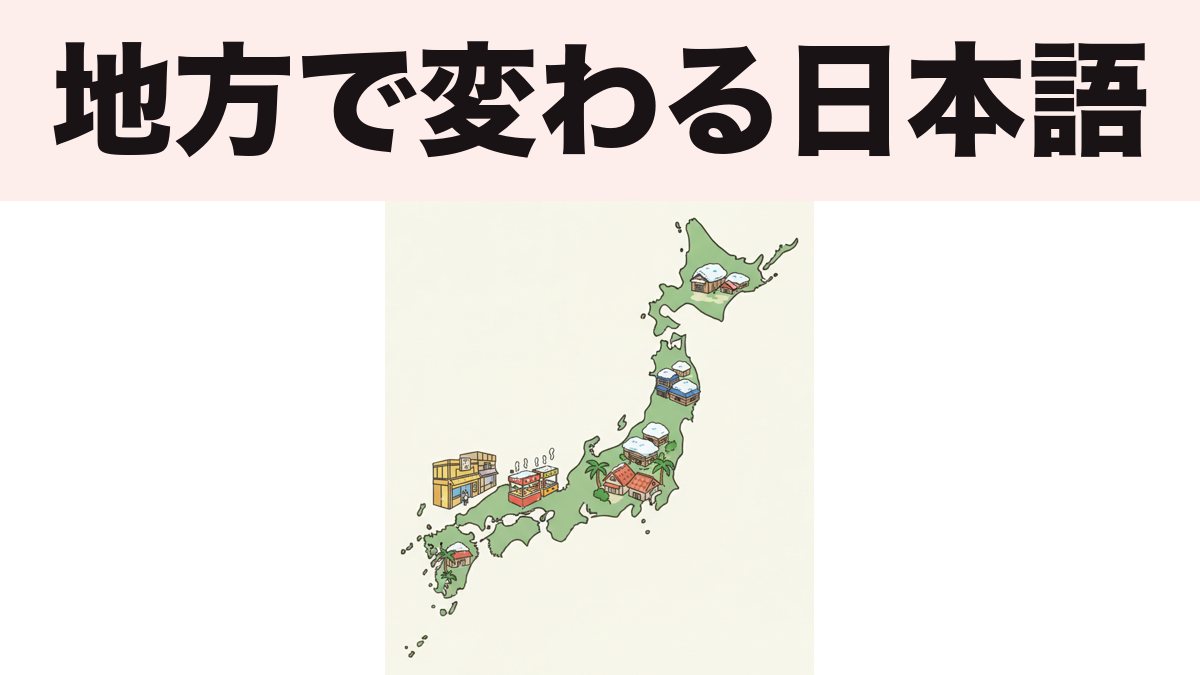
Japanese dialects: 関西弁, 博多弁, 津軽弁 — and why standard Japanese is only about 150 years old
Japanese has dialects that differ in copula, negation, vocabulary and pitch. Here is what 方言 actually changes, the features of the main regional groups, and why some of them get subtitles on Japanese TV.
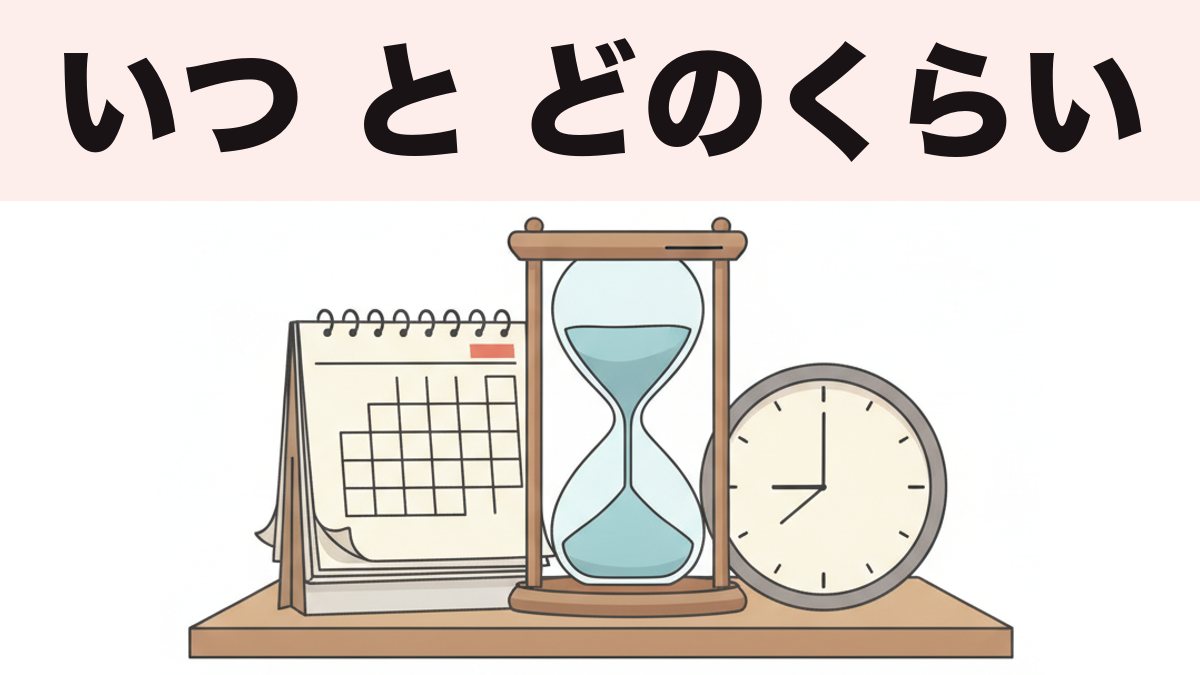
Japanese duration counters: 時間, 日間, ヶ月 — and why 二月 is not "two months"
Japanese uses different words for a point in time and a length of time. 三時 is three o’clock, 三時間 is three hours; 二月 is February, 二ヶ月 is two months. Here is the whole system and the readings that break.
熟字訓: the kanji compounds whose reading is attached to the whole word
今日 is not きょう because 今 or 日 says so. 熟字訓 are readings assigned to a compound as a unit, and about 120 of them are listed in an official appendix. Here is how they work and how they differ from 当て字.
しかたがない and しょうがない: the Japanese shrug, and the two other things it does
しかたがない means "there is no way of doing it" — acceptance, not defeat. Here is the difference from しょうがない, the 〜てもしょうがない that means "no point," and the 〜てしかたがない that means "unbearably."
How to start reading in Japanese: 多読, graded readers, and the ふりがな shortcut nobody mentions
Extensive reading (多読) works by reading far below your ceiling without a dictionary. Here is how to pick a level, where to find free material, and the furigana editions that let you read a real novel years earlier than you think.