〜がち, 〜ぎみ, 〜っぽい: saying someone "tends to" in Japanese〜がち・〜ぎみ・〜っぽい: 「〜しやすい」の言い分け
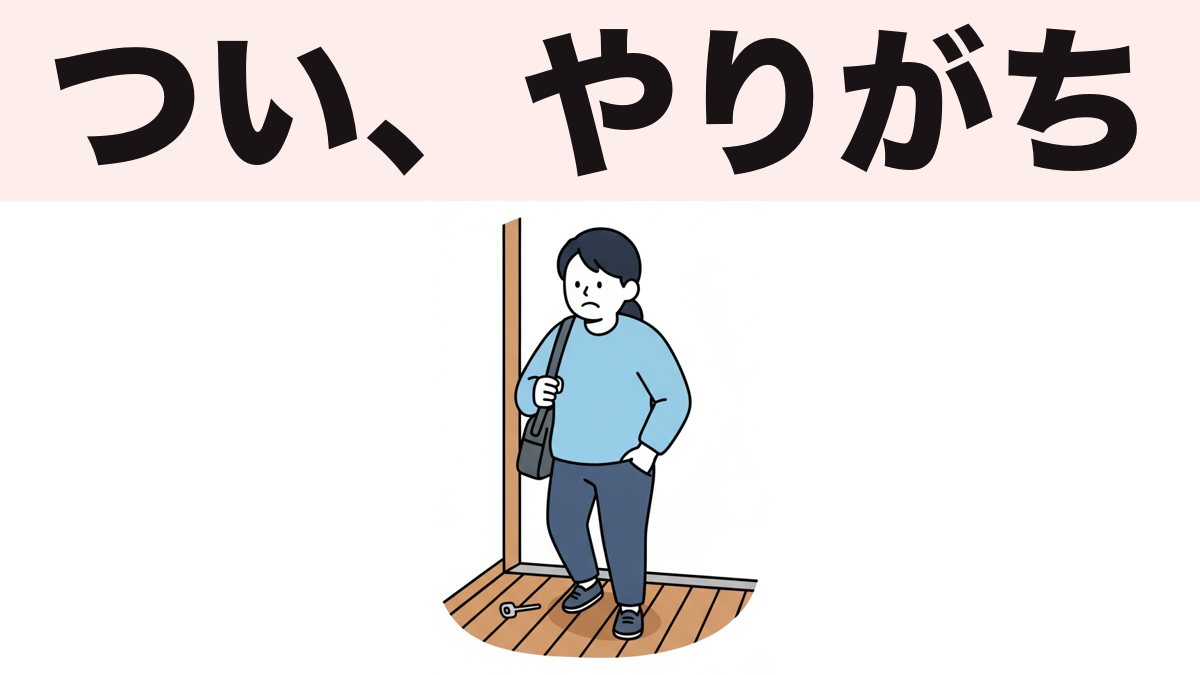
〜がち means something happens often and the speaker is not happy about it — which is why you can say 忘れがち and cannot say 成功しがち.
「〜がち」は「よくそうなる」+「話す人はそれをよく思っていない」です。だから「忘れがち」は言えて、「成功しがち」は言えません。
English "tends to" is neutral. You can tend to succeed, tend to arrive early, tend to be generous. Japanese splits that neutral verb into four different endings, and the most common one carries a built-in complaint. Choosing by meaning alone, without the attitude, is how learners end up praising someone in a way that sounds like criticism.
The basics
How to build 〜がち
Take the ます-stem of a verb and drop ます, then add がち. Some nouns take it directly.
| Base | With がち | Meaning |
|---|---|---|
| 忘れます | 忘れがち | apt to forget |
| 遅れます | 遅れがち | apt to be late |
| 休みます | 休みがち | apt to be absent |
| 病気 | 病気がち | sickly, often ill |
| 曇り | 曇りがち | often cloudy |
忙しいと朝ごはんを抜きがちです。 — When I'm busy I tend to skip breakfast. (polite; a habit you are not proud of) 彼は約束を忘れがちだ。 — He's apt to forget promises. (plain; a complaint) 今週は曇りがちでしょう。 — It will be mostly cloudy this week. (polite; weather forecast, the one neutral use)
The rule that decides everything
がち needs the speaker to see the tendency as a problem. Forgetting, being late, skipping meals, getting ill, jumping to conclusions — all natural. Succeeding, arriving early, being kind — all wrong with がち.
×彼は成功しがちだ。 ○彼はよく成功する。 — He often succeeds. (the neutral way to say it)
The weather forecast use (曇りがち, 雨がち) survives because a cloudy sky reads as mildly unwelcome. That is the exception that proves the rule rather than a break in it.
The everyday がち sentences
一人暮らしだと野菜が不足しがちです。 — Living alone, you tend to be short on vegetables. (polite; the classic health-article sentence) 初心者にありがちなミスです。 — It's a mistake beginners are prone to. (polite; ありがち = common, and usually unwelcome)
ありがち is worth memorising on its own. It means "typical, all too common," and it is almost always mildly dismissive.
Beyond the basics
〜ぎみ: a slight lean
〜ぎみ (気味) means "a touch of," "slightly toward." Where がち says it happens repeatedly, ぎみ says you are a little bit that way right now.
風邪ぎみです。 — I've got a bit of a cold. (polite; the standard phrase for calling in slightly unwell) 最近太りぎみだ。 — I've put on a bit of weight lately. (plain) 電車は遅れぎみです。 — The trains are running a little late. (polite)
Compare: 遅れがち means "that train line is often late" — a pattern. 遅れぎみ means "it is running slightly behind" — right now. Both are negative, and that is what they share.
〜やすい: it happens easily
〜やすい is the neutral one, and it is about ease, not habit. It covers both "easy to do" and "prone to happening."
このコップは割れやすい。 — This cup breaks easily. (plain; a property of the cup) 分かりやすい説明でした。 — It was an easy-to-understand explanation. (polite; clearly positive) 疲れやすい体質なんです。 — I have a constitution that tires easily. (polite)
Because it is neutral, やすい is the one that can be a compliment. The full pair with にくい is in 〜やすい and 〜にくい.
忘れやすい — easy to forget, forgettable (a property — the thing is hard to remember) 忘れがち — apt to forget (a habit — the person keeps doing it)
That pair is the sharpest test of the difference. やすい describes the thing; がち describes the person's pattern.
〜っぽい: it gives off that impression
〜っぽい means "-ish," "gives the impression of." With emotion verbs it turns into a personality trait.
怒りっぽい人だ。 — He's a quick-tempered person. (plain; literally "angry-ish") 忘れっぽい。 — Forgetful. (plain; it's in their nature) 子どもっぽい。 — Childish. (plain)
忘れっぽい and 忘れがち overlap in English and differ in Japanese: っぽい is a trait of the person, がち is a pattern of behaviour in given circumstances. 忙しいと忘れがち (when busy, prone to forgetting) is situational; 忘れっぽい is just who they are.
っぽい is casual and very frequent in speech. It does not belong in an essay, for the reasons set out in 書き言葉 and 話し言葉.
The formal version: 〜傾向がある
In writing, reports and news, the tendency is stated with 傾向 (けいこう).
若者は長い動画を避ける傾向がある。 — Young people have a tendency to avoid long videos. (written; neutral, no complaint) 気温は上昇傾向にある。 — Temperatures are on a rising trend. (written)
This is the one that can be positive or neutral, because it reports rather than judges. If you need "tends to" in an essay and the tendency is not a fault, 傾向がある is what you want.
One warning about ガチ
The slang ガチ — as in ガチで ("seriously," "for real") — is a completely different word, written in katakana and shortened from ガチンコ, a sumo term for a bout fought for real. It has no connection to the 〜がち ending. Slang like this is covered in ヤバい and otaku slang.
Common mistakes
- Using がち for good things. ×成功しがち, ×早く来がち. If the tendency is welcome, use よく〜する or 傾向がある.
- Attaching がち to the dictionary form. It is 忘れがち, not ×忘れるがち. Use the ます-stem.
- Mixing up がち and ぎみ. がち is a repeated pattern, ぎみ is a slight lean at the moment. 風邪がち means "sickly, catches colds often"; 風邪ぎみ means "coming down with something."
- Mixing up 忘れやすい and 忘れがち. やすい describes the thing being forgotten; がち describes the person doing the forgetting.
- Using っぽい in writing. It is spoken Japanese. In an essay, 〜傾向がある or a plain adjective.
- Assuming ガチ is related. Different word, katakana, slang.
The four at a glance
| Ending | Attitude | What it describes | Example |
|---|---|---|---|
| 〜がち | Negative | A repeated pattern | 遅れがち — often late |
| 〜ぎみ | Mildly negative | A slight lean right now | 風邪ぎみ — a bit of a cold |
| 〜やすい | Neutral | How easily something happens | 割れやすい — breaks easily |
| 〜っぽい | Casual, often critical | An impression or trait | 怒りっぽい — quick-tempered |
| 〜傾向がある | Neutral, written | A statistical tendency | 避ける傾向がある — tends to avoid |
Practice
Answers are hidden — build yours first, then open. Questions 5 and 6 are a pair: the same verb, once about the thing and once about the person.
1. Say: "When I'm busy I tend to skip breakfast."
Show answer
忙しいと朝ごはんを抜きがちです。 — A repeated habit the speaker is not proud of, built on the ます-stem 抜き.
2. What is wrong with 彼は成功しがちだ?
Show answer
がち needs a tendency the speaker dislikes. — Success is welcome, so use 彼はよく成功する or 成功する傾向がある.
3. You are slightly unwell and calling work. What do you say?
Show answer
風邪ぎみです。 — ぎみ is a slight lean right now. 風邪がち would mean you are the sort of person who catches colds constantly.
4. Say: "This cup breaks easily."
Show answer
このコップは割れやすい。 — やすい is neutral and describes a property of the thing, not a habit of a person.
5. Translate: "This name is easy to forget."
Show answer
この名前は忘れやすい。 — The difficulty belongs to the name, so やすい.
6. Now: "When I'm busy I'm apt to forget."
Show answer
忙しいと忘れがちです。 — Here the pattern belongs to you, in specific circumstances, so がち.
7. What does ありがちなミス mean, and what is the tone?
Show answer
"A common mistake," slightly dismissive. — ありがち means "all too typical." It is not neutral: it implies the mistake is predictable.
8. Rewrite for an essay: 若者は長い動画を見ないっぽい。
Show answer
若者は長い動画を避ける傾向がある。 — っぽい is spoken. 傾向がある is the written form and carries no judgement.
9. Is ガチで in ガチで面白い related to 〜がち?
Show answer
No. — ガチ is katakana slang meaning "seriously, for real." The grammar ending 〜がち is a separate word entirely.
10. Describe someone with a short temper.
Show answer
怒りっぽい人です。 — っぽい with an emotion verb makes a personality trait. 怒りがち would suggest specific situations rather than character.
FAQ
Is 〜がち always negative? In practice, yes, with the weather forecast as the standard exception (曇りがち, 雨がち). Even there, the cloud is mildly unwelcome. If you want a neutral "often," use よく or 傾向がある.
Can がち attach to nouns? To a small set: 病気がち, 遠慮がち, 曇りがち, 留守がち. Most of the time you will be attaching it to a ます-stem.
What level is this? 〜がち and 〜ぎみ are typically N3. 〜やすい appears much earlier, and 〜傾向がある turns up in N2 reading.
What is 遠慮がち? "Reserved, hesitant" — 遠慮 is holding back out of consideration, and 遠慮がちに言う means to say something tentatively. It is one of the few がち phrases that reads as gentle rather than critical.
How do I say "I tend to be early"? 早めに着くことが多いです ("it's often the case that I arrive early") or 早く着く傾向があります. Not 早く着きがち, which would suggest arriving early is a fault.
Is ぎみ written with kanji? It is 気味, and both spellings appear. In everyday writing 風邪気味 and 風邪ぎみ are equally normal.
Vocabulary from this article
Tap the block to select all of it, then copy. In Anki: File → Import, note type Basic, separator Tab — the first column becomes the front, the second the back.
がち	がち — apt to, prone to (unwelcome)
気味	ぎみ — a touch of, slightly
傾向	けいこう — tendency, trend
ありがち	ありがち — all too common, typical
遠慮がち	えんりょがち — reserved, hesitant
病気	びょうき — illness
曇り	くもり — cloudy weather
抜く	ぬく — to skip, to leave out
不足	ふそく — shortage, lack
割れる	われる — to break, to crack
体質	たいしつ — constitution, physical makeup
怒りっぽい	おこりっぽい — quick-tempered
忘れっぽい	わすれっぽい — forgetful
初心者	しょしんしゃ — beginner
避ける	さける — to avoid
上昇	じょうしょう — rise, increase
留守	るす — being away from home
I'm Yuuki, a Japanese teacher based in Tokyo. I've taught on italki as a Top 1% teacher and watched over 1,500 anime. がち is a good example of something dictionaries handle badly: "tends to" is a perfect translation and a terrible instruction, because it leaves out the one thing that decides whether the sentence works.
Sources: the author's own lessons and standard reference grammars.
英語の "tends to" は中立です。成功する方にも、早く来る方にも使えます。日本語はその中立なことばを4つに分けます。そしていちばんよく使う「がち」には、最初から「困る」という気持ちが入っています。意味だけで選ぶと、ほめたつもりが悪口になります。
基本
「〜がち」の作り方
「ます形」から「ます」を取って「がち」をつけます。名詞につくものもあります。
| もとの形 | +がち | 意味 |
|---|---|---|
| 忘れます | 忘れがち | よく忘れる |
| 遅れます | 遅れがち | よく遅れる |
| 休みます | 休みがち | よく休む |
| 病気 | 病気がち | よく病気になる |
| 曇り | 曇りがち | 曇りが多い |
忙しいと朝ごはんを抜きがちです。 — When I'm busy I tend to skip breakfast. (よくないしゅうかん) 彼は約束を忘れがちだ。 — He's apt to forget promises. (ふまん) 今週は曇りがちでしょう。 — It will be mostly cloudy this week. (天気予報。中立に近い使い方)
全部を決めるルール
「がち」は、話す人が「よくない」と思っていることに使います。 忘れる、遅れる、食事をぬく、病気になる — 全部だいじょうぶです。成功する、早く来る、やさしくする — 全部だめです。
×彼は成功しがちだ。 ○彼はよく成功する。 — He often succeeds. (中立の言い方)
天気予報の「曇りがち」「雨がち」が残っているのは、くもりが少し残念だからです。ルールの外ではなく、ルールの中の例です。
よく使う文
一人暮らしだと野菜が不足しがちです。 — Living alone, you tend to be short on vegetables. (健康記事の定番) 初心者にありがちなミスです。 — It's a mistake beginners are prone to.
「ありがち」は1つの単語として覚える価値があります。「よくある」「典型的」という意味で、たいてい少し冷たい言い方です。
もう少し先へ
〜ぎみ: 少しそっちに寄っている
「〜ぎみ(気味)」は「少し〜の感じ」です。「がち」は「くり返し起きる」、「ぎみ」は「今、少しそうだ」です。
風邪ぎみです。 — I've got a bit of a cold. (会社に連絡する時の定番) 最近太りぎみだ。 — I've put on a bit of weight lately. 電車は遅れぎみです。 — The trains are running a little late.
くらべます。「遅れがち」はその路線がよく遅れる、というパターンです。「遅れぎみ」は今少し遅れている、です。どちらもよくない話で、そこは同じです。
〜やすい: かんたんに起きる
「〜やすい」は中立です。しゅうかんではなく「かんたんさ」の話です。
このコップは割れやすい。 — This cup breaks easily. (コップの性質) 分かりやすい説明でした。 — It was an easy-to-understand explanation. (はっきりほめている) 疲れやすい体質なんです。 — I have a constitution that tires easily.
中立なので、ほめことばにもなります。「にくい」との組は 〜やすい と 〜にくい にあります。
忘れやすい — 忘れやすい。(もの の性質。その名前が覚えにくい) 忘れがち — よく忘れる。(人 のパターン)
この2つがいちばんはっきりしたちがいです。「やすい」はものを説明し、「がち」は人のパターンを説明します。
〜っぽい: そんな感じがする
「〜っぽい」は "-ish"、「そういう感じ」です。感情の動詞につくと、性格になります。
怒りっぽい人だ。 — He's a quick-tempered person. 忘れっぽい。 — Forgetful. (生まれつきそういう人) 子どもっぽい。 — Childish.
「忘れっぽい」と「忘れがち」は英語では同じですが、日本語ではちがいます。「っぽい」はその人の性質、「がち」はある場面でのパターンです。「忙しいと忘れがち」は場面つき、「忘れっぽい」はその人そのものです。
「っぽい」は会話のことばで、とてもよく使います。作文には向きません。理由は 書き言葉と話し言葉 にあります。
かたい言い方: 〜傾向がある
文章・レポート・ニュースでは「傾向(けいこう)」を使います。
若者は長い動画を避ける傾向がある。 — Young people have a tendency to avoid long videos. (中立。ふまんは入らない) 気温は上昇傾向にある。 — Temperatures are on a rising trend.
これはよいことにも使えます。判断ではなく報告だからです。作文で「〜しがち」と書きたくなって、それが悪いことでないなら、「傾向がある」です。
「ガチ」は別のことば
スラングのガチ(「ガチで面白い」など)は、カタカナで書く別のことばです。「ガチンコ」(本気の勝負)を短くしたもので、文法の「〜がち」とは関係ありません。スラングは ヤバい とオタク用語 にあります。
よくあるまちがい
- よいことに「がち」を使う。 「×成功しがち」「×早く来がち」。よいことなら「よく〜する」「傾向がある」です。
- 辞書形につける。 「忘れがち」です。「×忘れるがち」ではありません。ます形から作ります。
- 「がち」と「ぎみ」を混ぜる。 「風邪がち」はよく風邪をひく人、「風邪ぎみ」は今少し調子が悪い、です。
- 「忘れやすい」と「忘れがち」を混ぜる。 「やすい」は忘れられる物の話、「がち」は忘れる人の話です。
- 作文に「っぽい」を書く。 話しことばです。作文は「傾向がある」か、ふつうの形容詞で。
- 「ガチ」と同じだと思う。 別のことばです。
まとめの表
| 形 | 気持ち | 何を説明するか | 例 |
|---|---|---|---|
| 〜がち | よくない | くり返すパターン | 遅れがち |
| 〜ぎみ | 少しよくない | 今、少しそう | 風邪ぎみ |
| 〜やすい | 中立 | かんたんに起きる | 割れやすい |
| 〜っぽい | カジュアル・批判が多い | 感じ・性格 | 怒りっぽい |
| 〜傾向がある | 中立・書きことば | データの傾向 | 避ける傾向がある |
練習
答えはかくしてあります。先に作ってから開けてください。5と6は同じ動詞の、ものと人です。
1. 「忙しいと朝ごはんを抜きます。よくないと思っています。」を1文で。
答えを見る
忙しいと朝ごはんを抜きがちです。 — くり返す、よくないしゅうかん。ます形「抜き」から作ります。
2. 「彼は成功しがちだ」の何がまちがいですか。
答えを見る
「がち」はよくないことに使うからです。 — 「彼はよく成功する」「成功する傾向がある」にします。
3. 少し調子が悪くて会社に連絡します。何と言いますか。
答えを見る
風邪ぎみです。 — 「ぎみ」は今少しそう、です。「風邪がち」だと「よく風邪をひく人」になります。
4. 「このコップはすぐ割れます」を1語で。
答えを見る
このコップは割れやすい。 — 「やすい」は中立で、ものの性質を説明します。
5. 「この名前は覚えにくい」を「忘れ」で言ってください。
答えを見る
この名前は忘れやすい。 — むずかしさは名前の方にあるので「やすい」です。
6. 「忙しい時、私はよく忘れます」を「がち」で。
答えを見る
忙しいと忘れがちです。 — パターンは自分の方にあるので「がち」です。
7. 「ありがちなミス」はどんな意味・どんな感じですか。
答えを見る
「よくあるミス」。少し冷たい言い方です。 — 「予想できるミスだ」という気持ちが入ります。
8. 作文の形に: 若者は長い動画を見ないっぽい。
答えを見る
若者は長い動画を避ける傾向がある。 — 「っぽい」は話しことばです。「傾向がある」は書きことばで、判断が入りません。
9. 「ガチで面白い」の「ガチ」は「〜がち」と同じですか。
答えを見る
ちがいます。 — 「ガチ」はカタカナのスラングで「本気で」という意味です。文法の「〜がち」とは別のことばです。
10. すぐ怒る人を説明してください。
答えを見る
怒りっぽい人です。 — 感情の動詞+「っぽい」で性格になります。「怒りがち」だと場面の話になります。
よくある質問
「がち」はいつも悪い意味ですか。 ほとんどそうです。天気予報の「曇りがち」「雨がち」が例外に見えますが、そこでも少し残念な気持ちがあります。中立に言いたいなら「よく」「傾向がある」です。
名詞にもつきますか。 少しだけつきます。「病気がち」「遠慮がち」「曇りがち」「留守がち」。ほとんどは、ます形につきます。
レベルは? 「〜がち」「〜ぎみ」はだいたいN3です。「〜やすい」はもっと早く出ます。「〜傾向がある」はN2の読解で出ます。
「遠慮がち」は? 「ひかえめ」という意味です。「遠慮がちに言う」で、おそるおそる言う、になります。「がち」の中では、めずらしくやさしい感じのことばです。
「早く着くことが多い」はどう言いますか。 「早めに着くことが多いです」「早く着く傾向があります」。「×早く着きがち」は、早く着くのが悪いことのように聞こえます。
「ぎみ」は漢字で書きますか。 「気味」です。「風邪気味」も「風邪ぎみ」も、どちらも普通に使われます。
この記事に出た単語
このブロックをタップして全部えらんでから、コピーしてください。Ankiでは File → Import、ノートタイプは Basic、区切りは Tab。左が表、右が裏になります。
がち	がち — apt to, prone to (unwelcome)
気味	ぎみ — a touch of, slightly
傾向	けいこう — tendency, trend
ありがち	ありがち — all too common, typical
遠慮がち	えんりょがち — reserved, hesitant
病気	びょうき — illness
曇り	くもり — cloudy weather
抜く	ぬく — to skip, to leave out
不足	ふそく — shortage, lack
割れる	われる — to break, to crack
体質	たいしつ — constitution, physical makeup
怒りっぽい	おこりっぽい — quick-tempered
忘れっぽい	わすれっぽい — forgetful
初心者	しょしんしゃ — beginner
避ける	さける — to avoid
上昇	じょうしょう — rise, increase
留守	るす — being away from home
ユウキです。東京で日本語を教えています。 italki の Top 1% 講師で、アニメは1,500本以上見ました。「がち」は辞書が苦手なことばです。"tends to" は訳としては正しいのに、使い方の説明としてはいちばん大事な部分が落ちています。
More drills like the ones above, plus a timed JLPT-style mock test: Practice · N3上のような練習問題と、時間つきのJLPT形式のもぎ試験: 練習ページ · N3
Want to try this in a real conversation?
本当の会話で、ためしてみませんか?
30-minute trial lesson, $13. Times shown in your own timezone.
30分の体験レッスン、$13。時間はあなたのタイムゾーンで表示されます。
Book a trial lesson · $13