TOPIC
People, Feelings & Everyday Life in Japanese
Words for people, relationships, emotions and the small abstract things of daily life — one word at a time.
77 articles
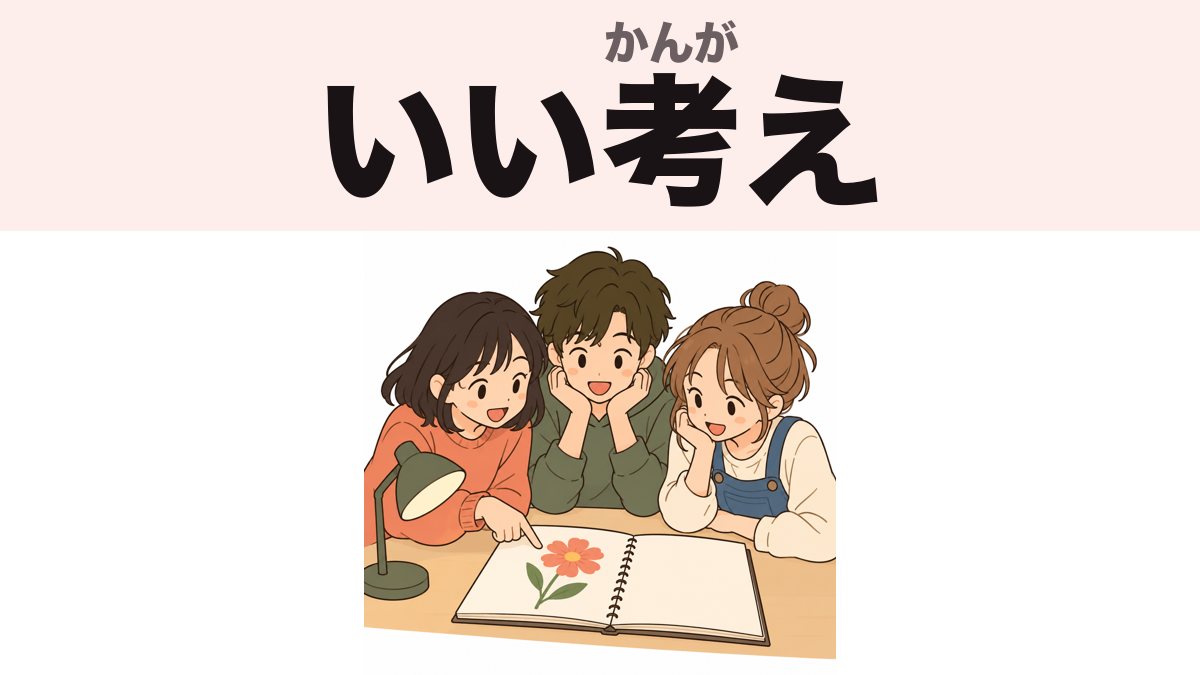
Idea in Japanese: アイデア, 考え, 案, and how to say "no idea"
Idea in Japanese is アイデア (aidea) in katakana, but 考え, 案 and 発想 fit many cases better. Learn how to say "good idea" and "no idea" naturally, plus mistakes.
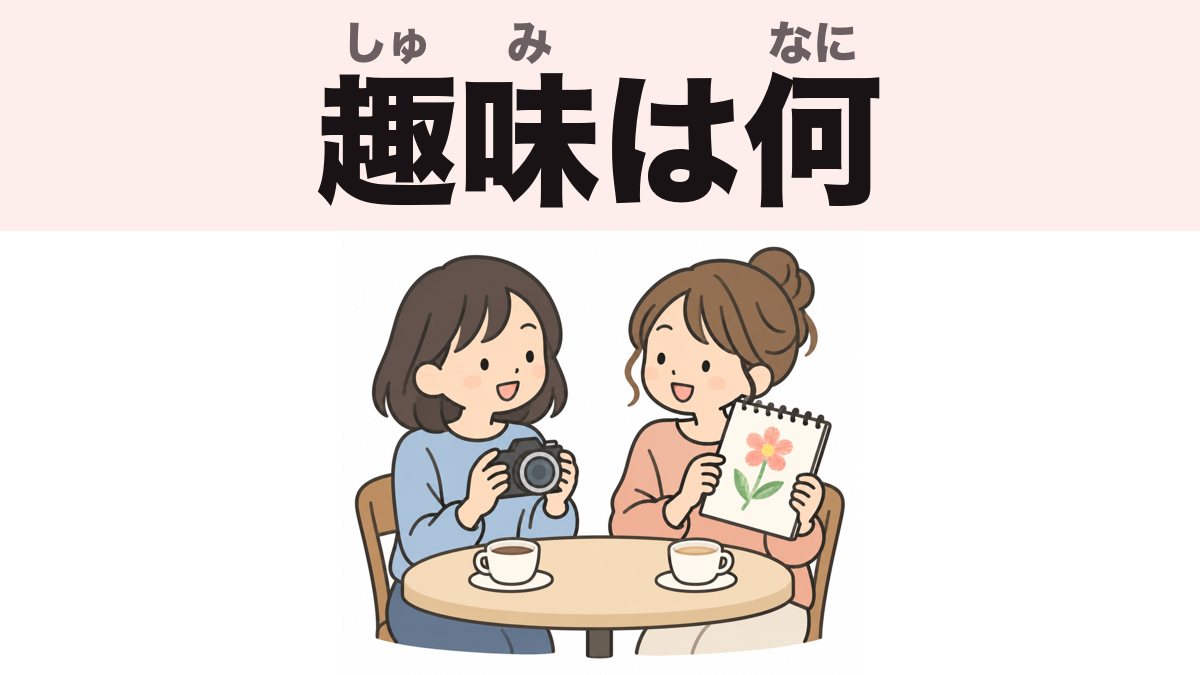
Hobby in Japanese: how do you say 趣味 (shumi) and talk about yours?
Hobby in Japanese is 趣味 (しゅみ, shumi). Say 趣味は〜ことです ("My hobby is doing ~"), and 趣味は本を読むことです means "My hobby is reading books."
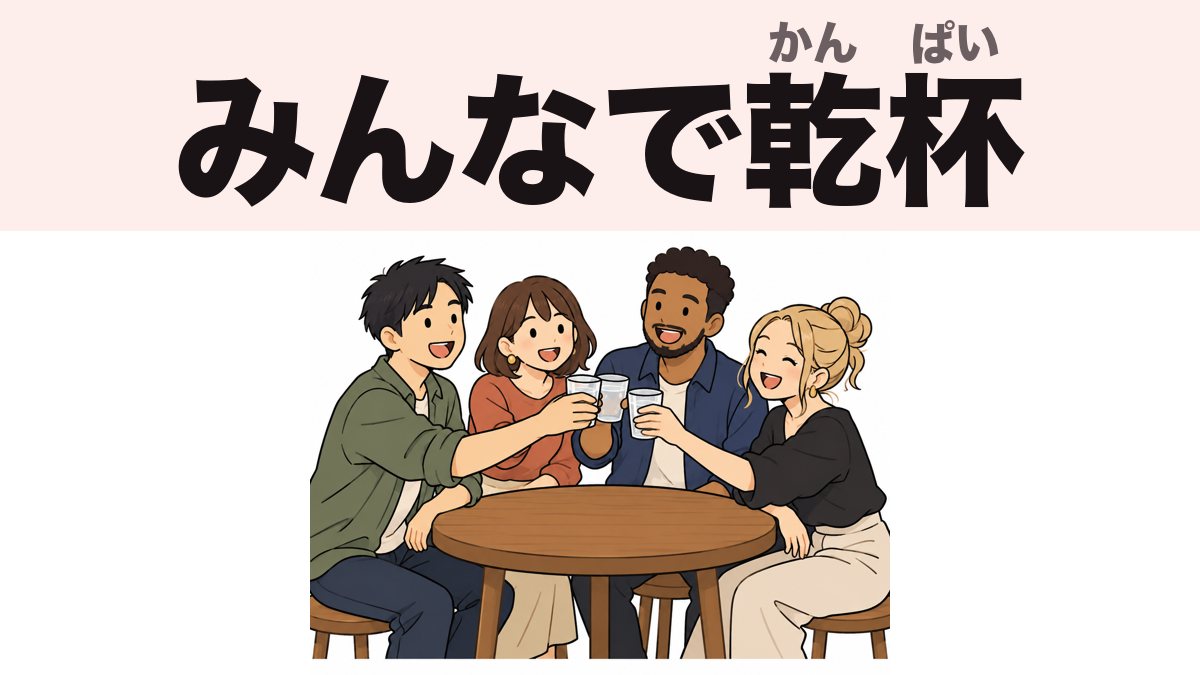
How do you say "everyone" in Japanese? みんな, 皆さん, 皆様 and 全員
Everyone in Japanese is みんな (casual), 皆さん (polite, when addressing people), 皆様 (very formal) or 全員 (counting every member). Here is when to use each one.
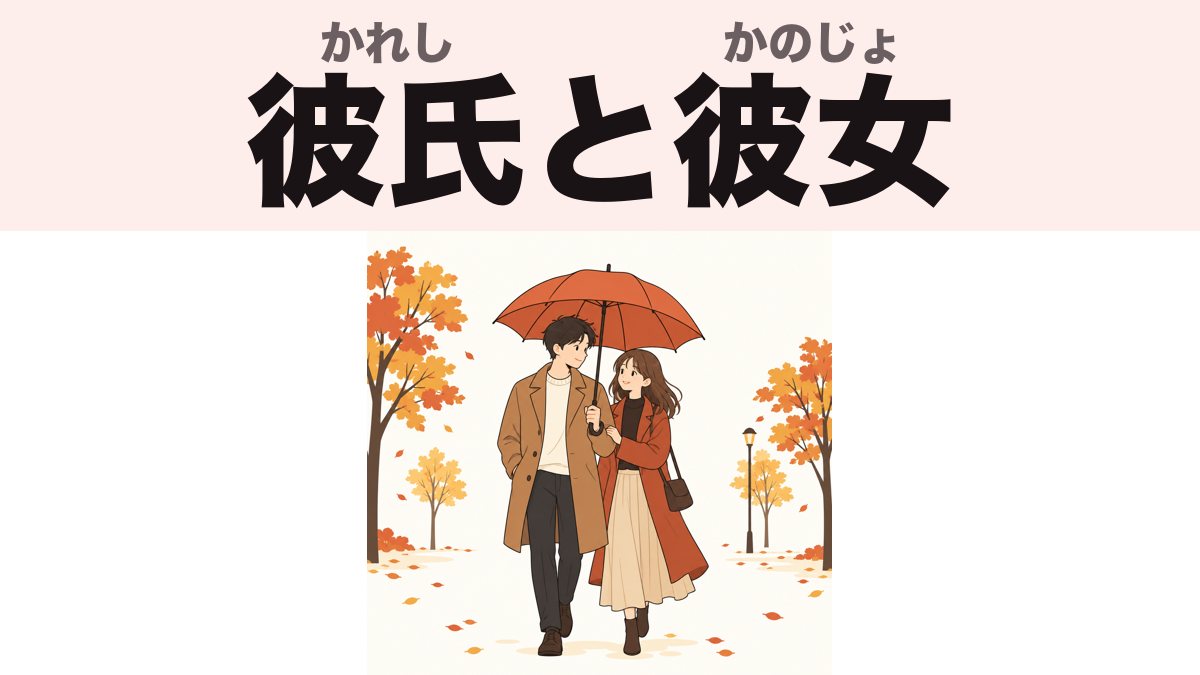
Boyfriend in Japanese: 彼氏 (かれし), 彼女 (かのじょ), 恋人, 付き合う, and 元カレ
Boyfriend in Japanese is 彼氏 (かれし) and girlfriend is 彼女 (かのじょ), which also means "she". Learn 恋人, 付き合う, 元カレ, 今カレ and how to ask 彼氏いる?
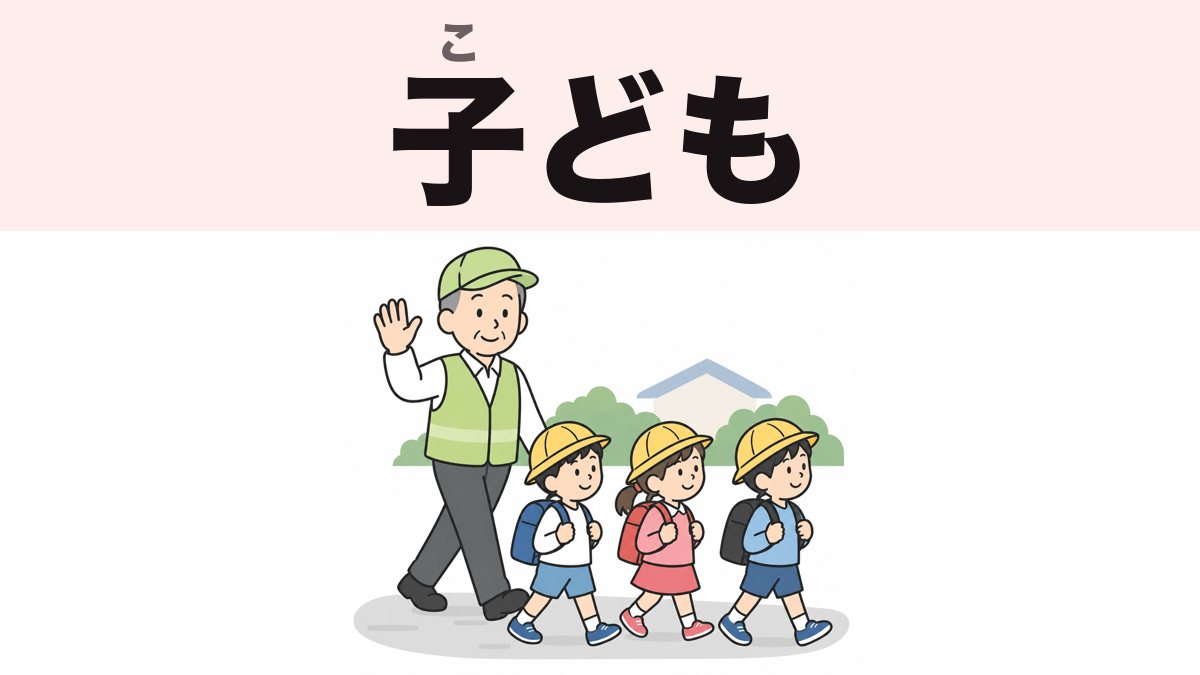
Child in Japanese: 子ども (こども), 子, お子さん, 子どもっぽい, and 子どもらしい
Child in Japanese is 子ども (こども), also written 子供. Learn 子, うちの子 vs お子さん (your kid vs theirs), 子どもっぽい vs 子どもらしい, the rude ガキ, and こどもの日.
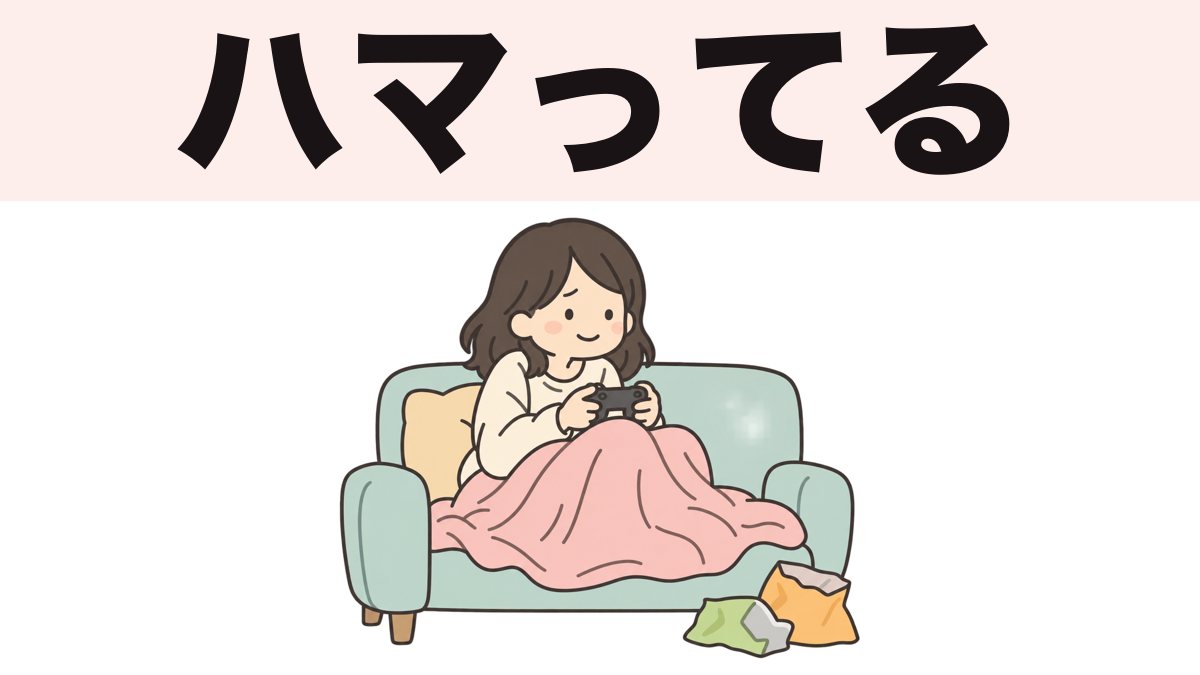
Addicted in Japanese: ハマる, 〜中毒, 依存, and やめられない
Addicted in Japanese is ハマる for being hooked on a hobby and 〜中毒 (ちゅうどく) for a stronger "addict". Learn スマホ中毒, 依存症, やめられない, 沼, and how serious each one sounds.
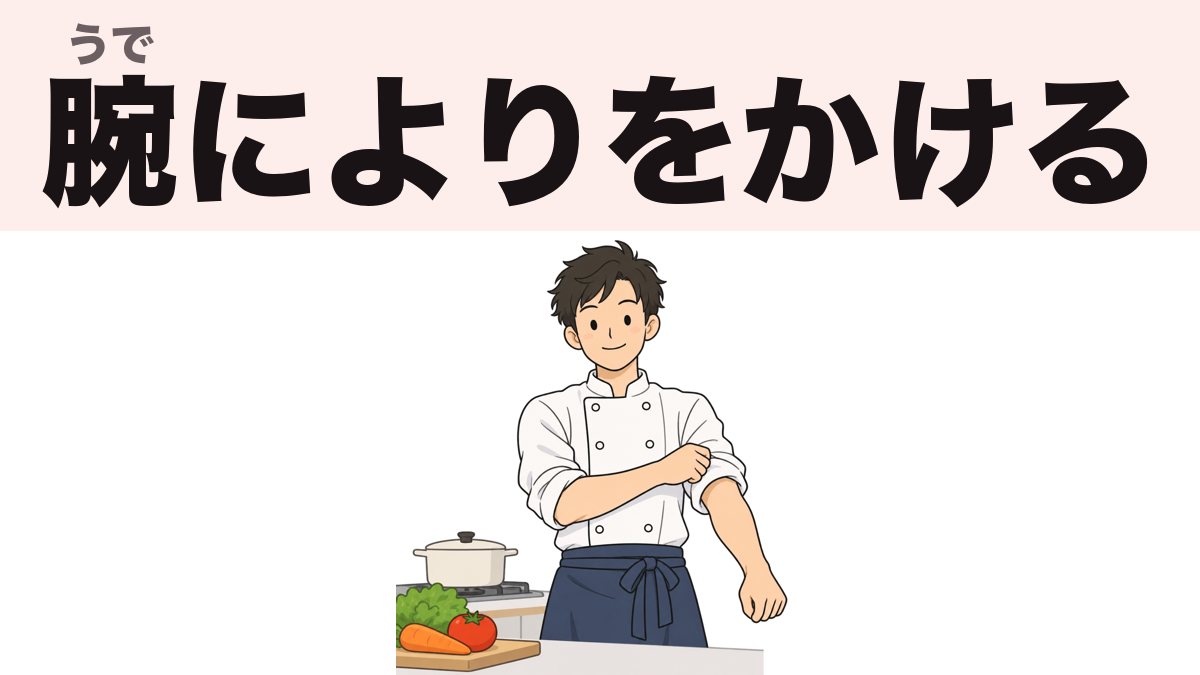
Arm in Japanese: 腕 (うで), 腕がいい, 腕を組む, and 腕によりをかける
Arm in Japanese is 腕 (うで). Learn 腕を組む, 腕立て伏せ, 二の腕, and how 腕 also means skill in phrases like 腕がいい, 腕を上げる, 腕前, and 腕によりをかける, with practice.
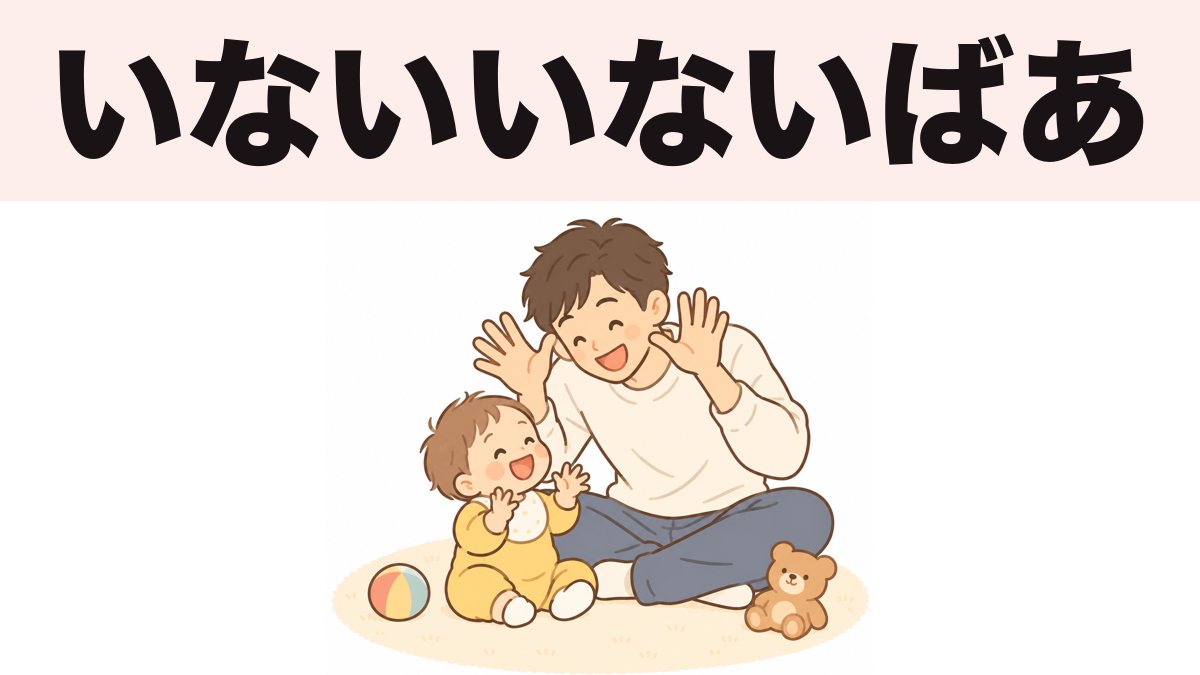
Baby in Japanese: 赤ちゃん (あかちゃん), 抱っこ, いないいないばあ, and the ベビーカー
Baby in Japanese is 赤ちゃん (あかちゃん, akachan). Learn 赤ん坊 and 新生児, 抱っこ and おんぶ, ハイハイ, いないいないばあ, how to congratulate a new parent, and why a stroller is a ベビーカー.
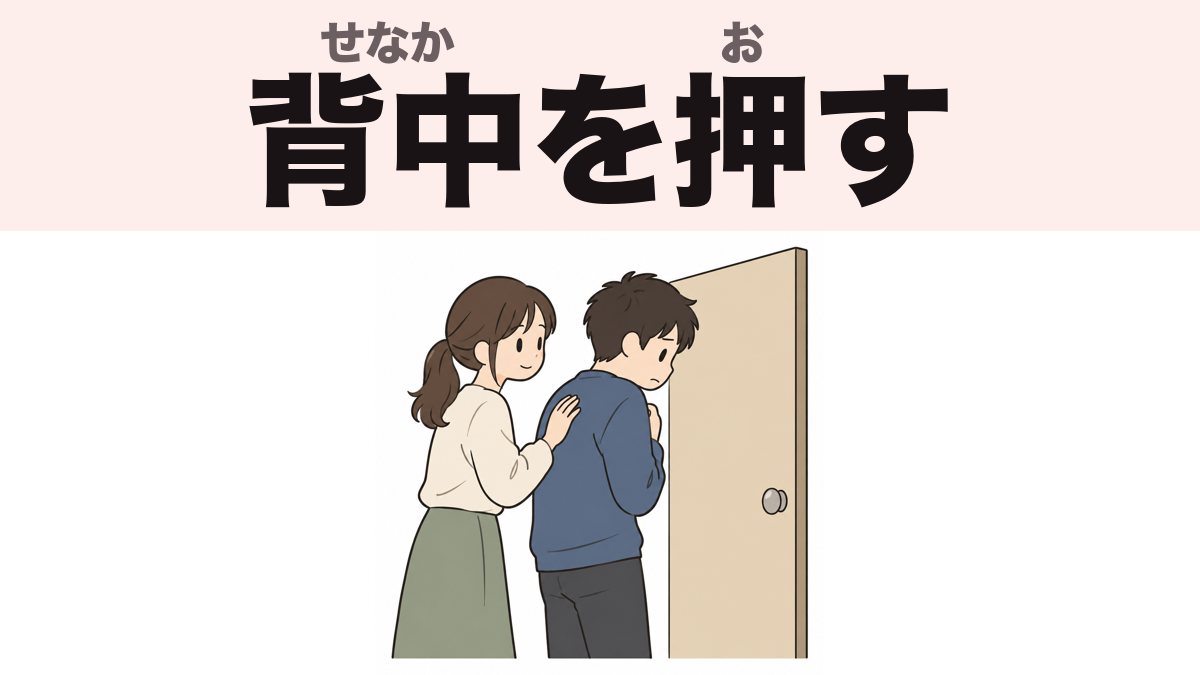
Back in Japanese: 背中 (せなか), 腰, 後ろ, 戻る, and 背中を押す
Back in Japanese is 背中 (せなか) for the body part. Learn 腰 for the lower back, 後ろ for behind, 戻る for coming back, 裏 for the reverse side, and 背中を押す.
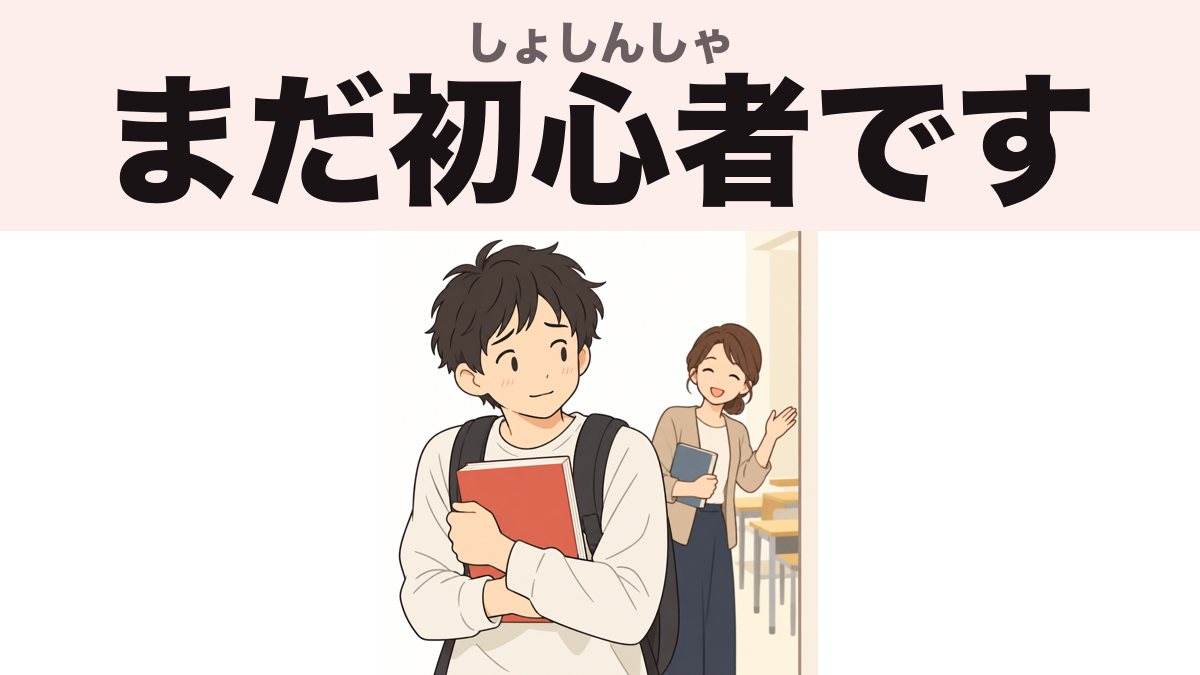
Beginner in Japanese: 初心者 (しょしんしゃ), 初級, 素人, and how to say "I'm still a beginner"
Beginner in Japanese is 初心者 (しょしんしゃ). Learn まだ初心者です, 初級 vs 入門 for classes, 初心者向け, 新人 at work, 素人 vs プロ, and gaming words like 初見.
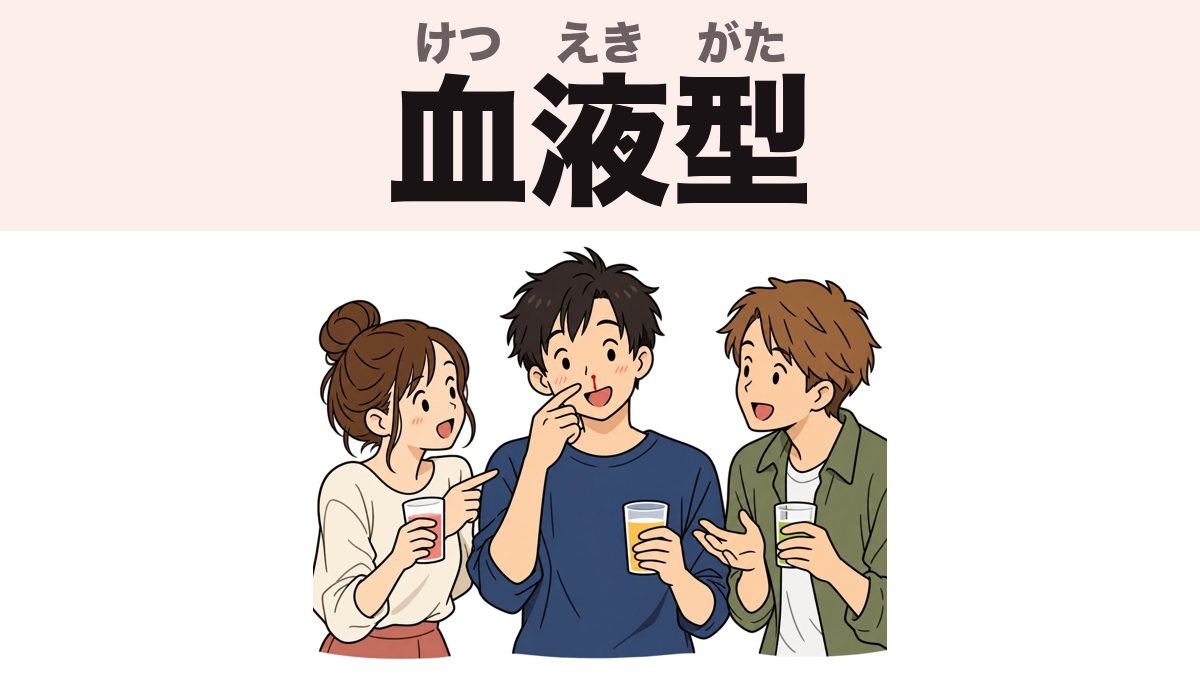
Blood in Japanese: 血 (ち), 血液型, 鼻血, 献血, and 血がつながる
Blood in Japanese is 血 (ち). Learn 血が出る (to bleed), 血液型 (blood type) and its personality myths, 鼻血 (nosebleed), 献血 (blood donation), 血圧, and 血がつながる.
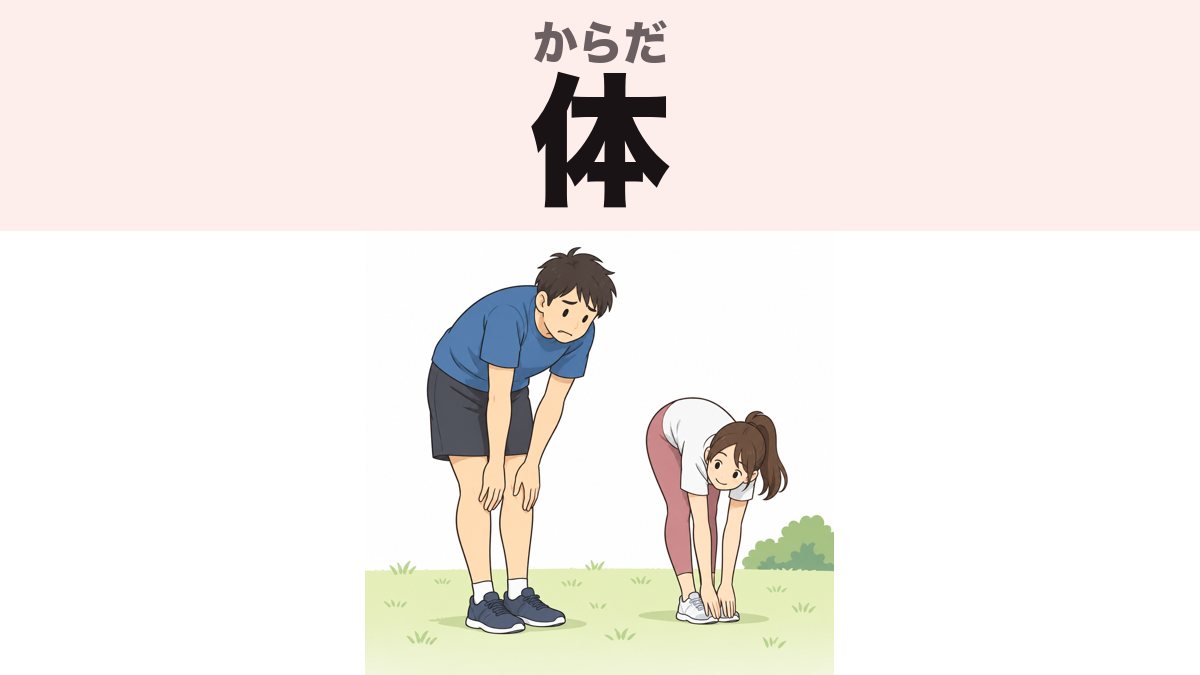
Body in Japanese: 体 (からだ), 体調, 体力, 体重, and 体が硬い
Body in Japanese is 体 (からだ). Learn 体にいい (good for you), 体調 (physical condition), 体力 (stamina), 体重 (weight), 体が硬い (stiff), and お体に気をつけて (take care).
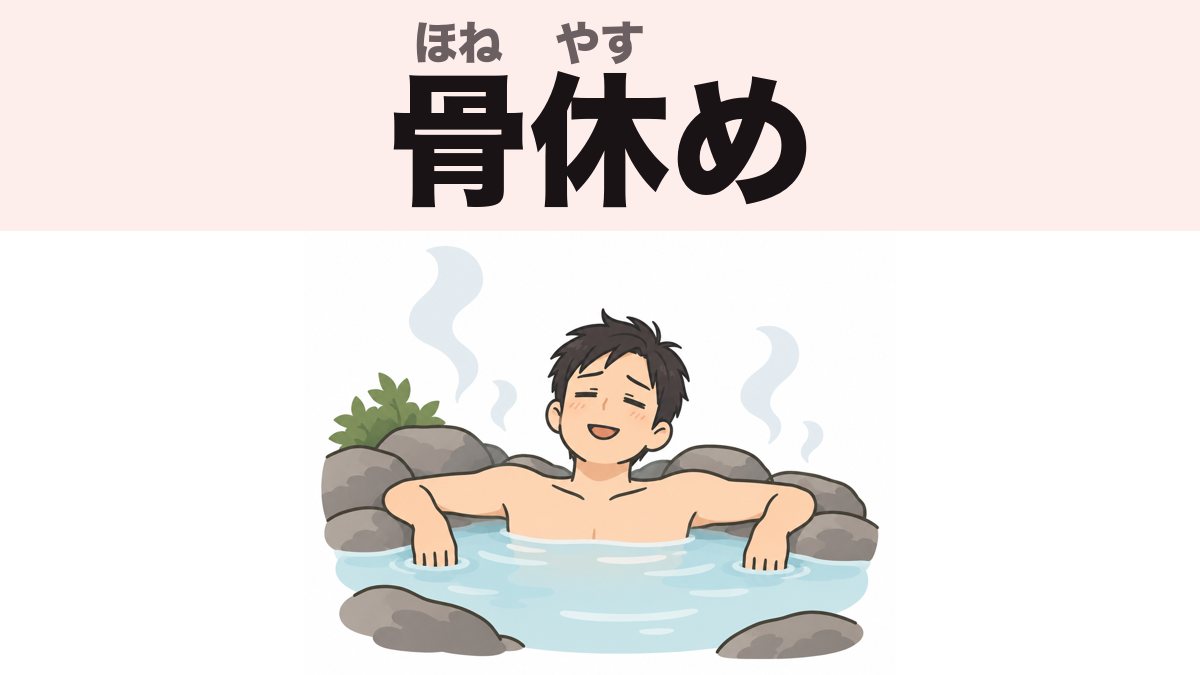
Bone in Japanese: 骨 (ほね), 骨折, 豚骨, and 骨が折れる
Bone in Japanese is 骨 (ほね). Learn 骨折 (a broken bone), 魚の骨, 豚骨 ramen, and idioms like 骨が折れる and 骨休め, with examples, a table, and practice.
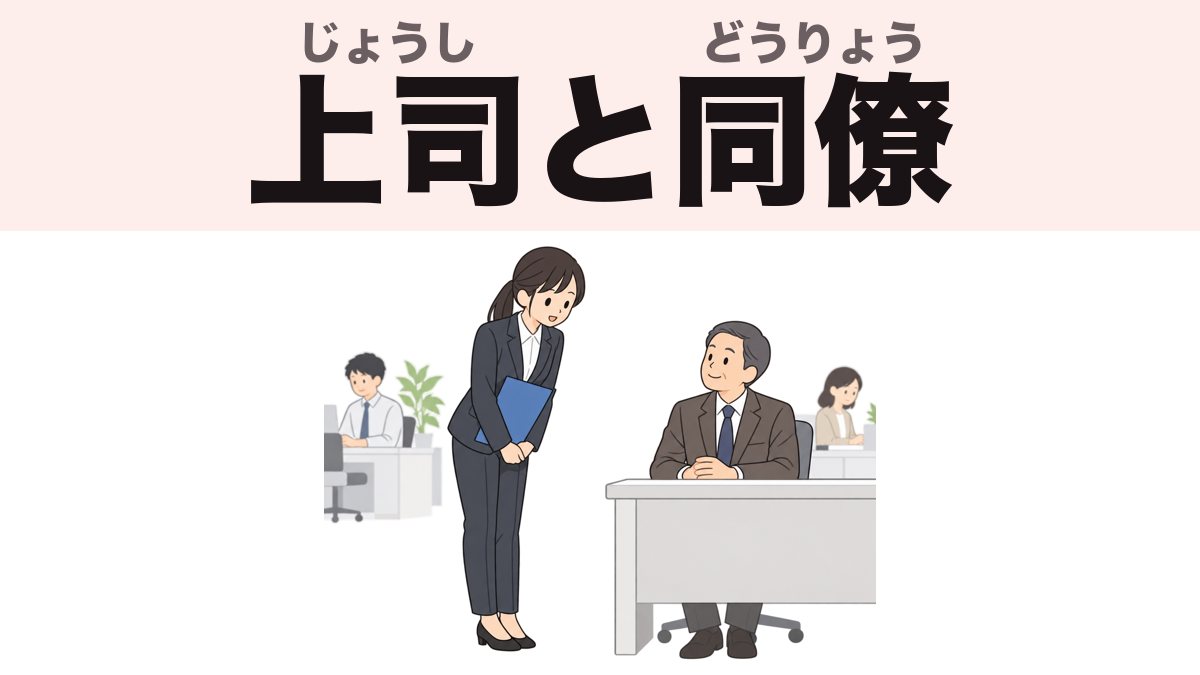
Boss in Japanese: 上司 (じょうし), 社長, 部長, and the coworker word 同僚
Boss in Japanese is 上司 (じょうし) for your manager and 社長 for the company president. Learn 同僚 (coworker), 部下, 部長, 課長, 店長, and the anime bosses 親分 and ボス.
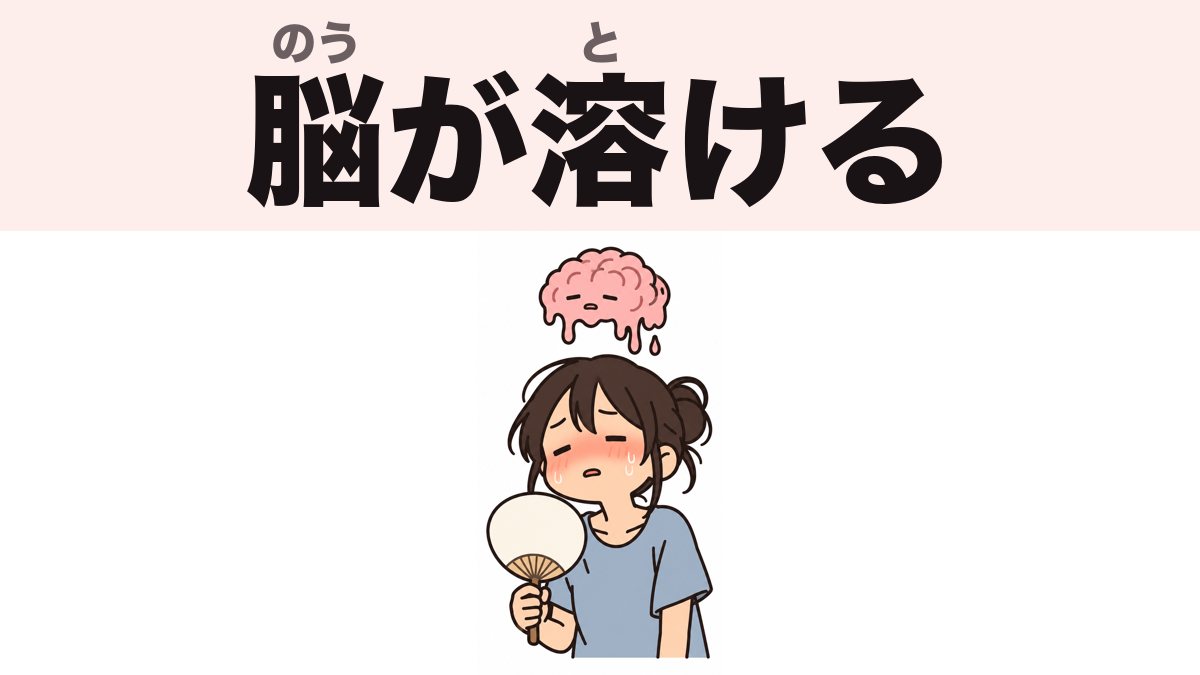
Brain in Japanese: 脳 (のう), 脳みそ, 脳トレ, and 脳内
Brain in Japanese is 脳 (のう). Learn 脳みそ, 頭脳, 脳トレ (brain training), 脳内 (in my head), 頭を使う, and how Japanese usually talks about being smart.
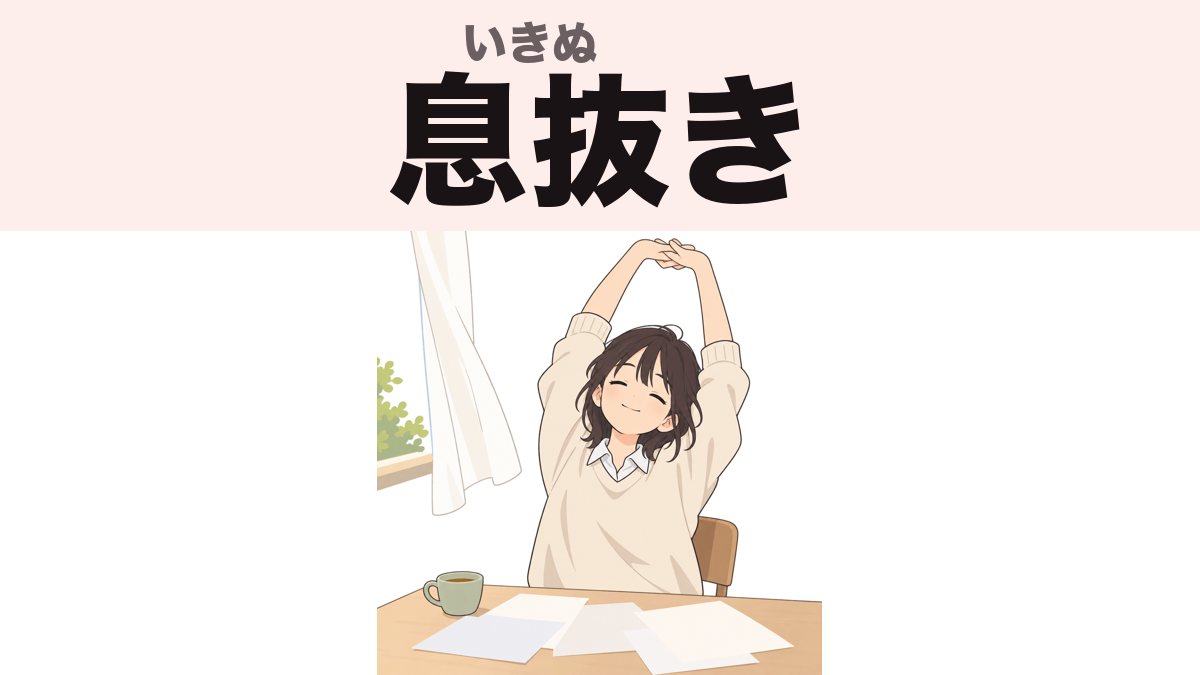
Breath in Japanese: 息 (いき), 深呼吸, ため息, and 息抜き
Breath in Japanese is 息 (いき). Learn 息を吸う and 息を吐く, 深呼吸, ため息, 息が切れる, and the idioms 息抜き, 一息つく, 息が合う, and 息をのむ, with practice.
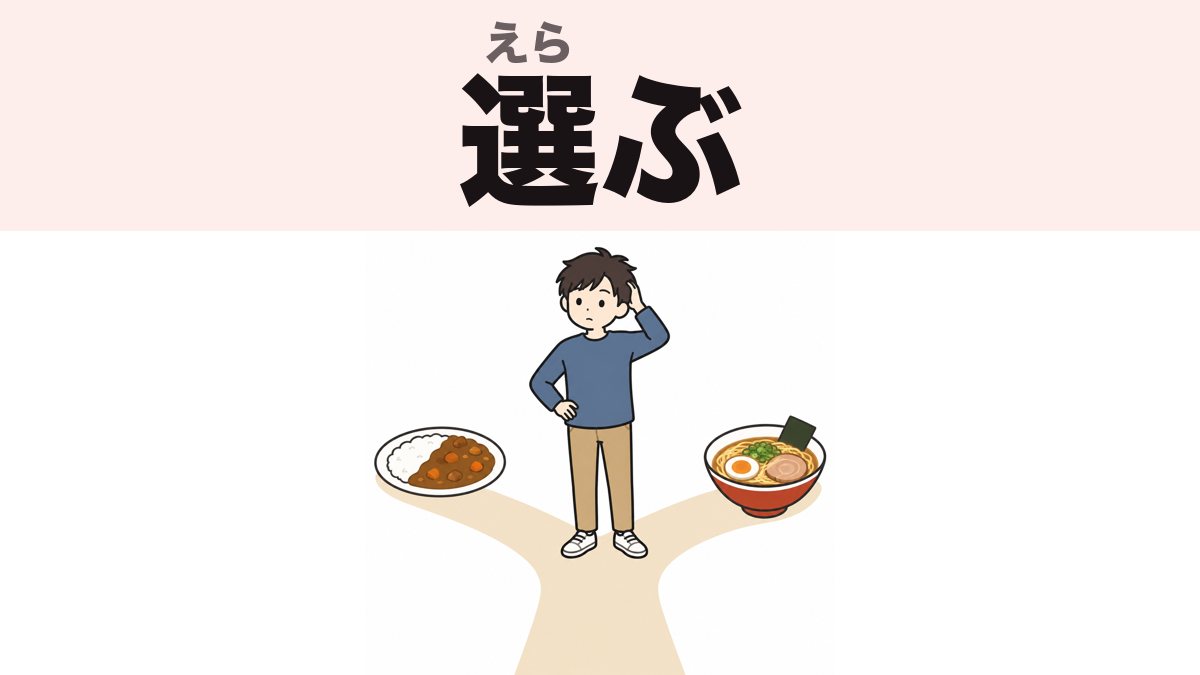
Choice in Japanese: 選択 (せんたく), 選択肢, 選ぶ, and おまかせ
Choice in Japanese is 選択 (せんたく), and options are 選択肢 (せんたくし). Learn 選ぶ (to choose), どっちにする?, 〜しかない (no choice), いい選択, 二択, and おまかせ (chef’s choice).
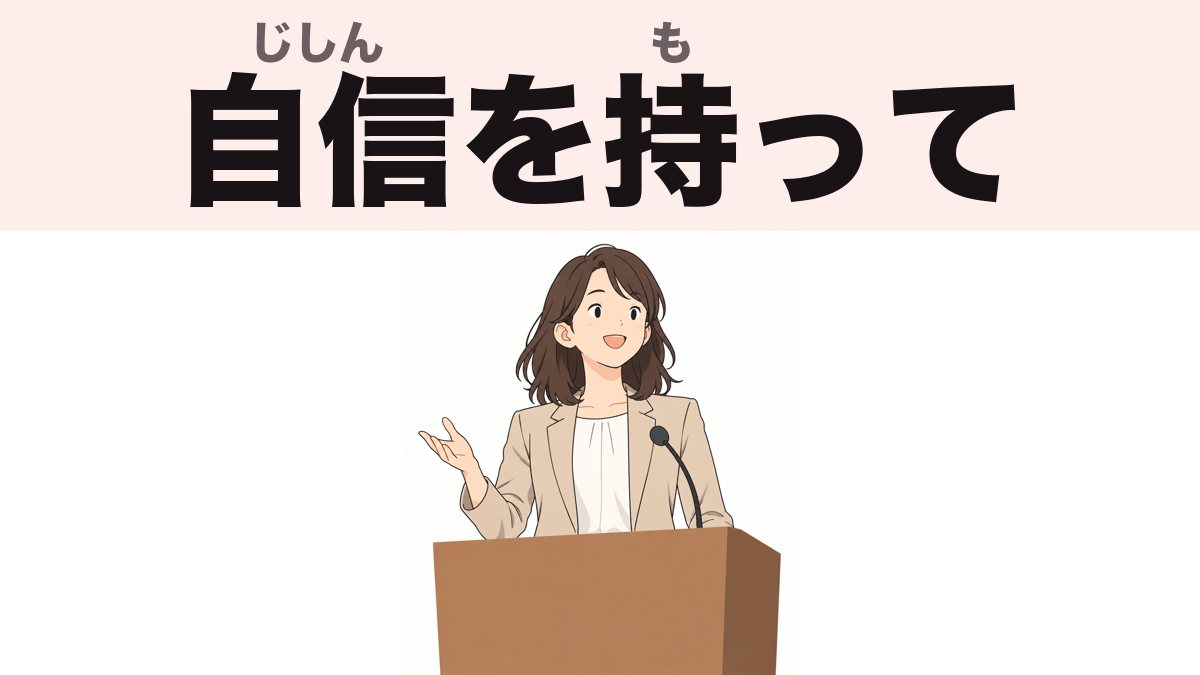
Confidence in Japanese: 自信 (じしん), 自信がある, and the 地震 that sounds the same
Confidence in Japanese is 自信 (じしん). Learn 自信がある, 自信を持って, 自信満々, 自信過剰, 自己肯定感, 堂々と, and how not to confuse 自信 with 地震 (earthquake).
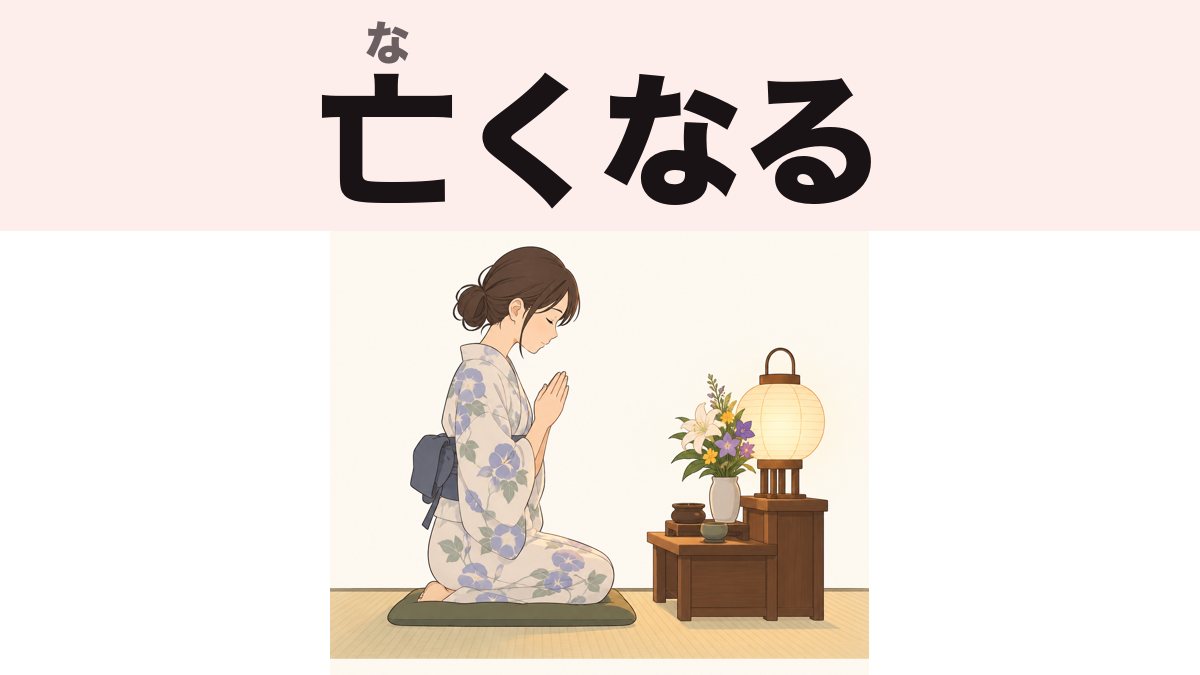
Death in Japanese: 死 (し), 亡くなる, and why the number 4 is avoided
Death in Japanese is 死 (し, shi); "to die" is 死ぬ, and the polite "pass away" is 亡くなる. Why 4 is unlucky, condolence phrases, chopstick taboos, and 死ぬほど.
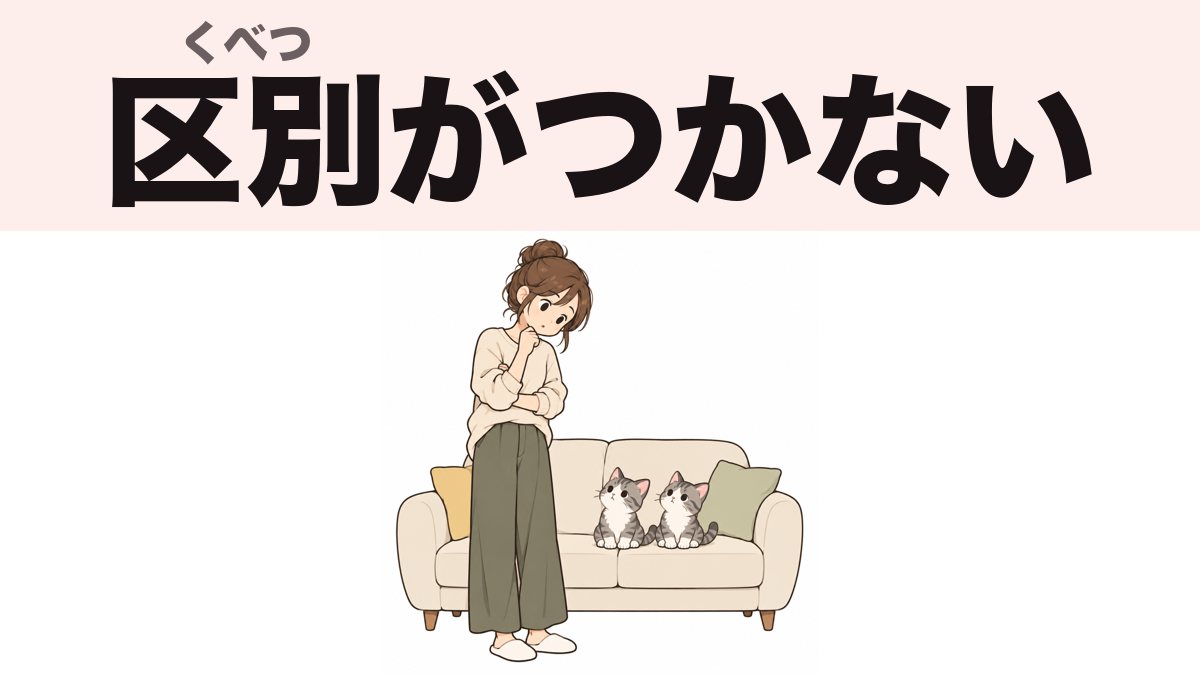
Discrimination in Japanese: 差別 (さべつ) vs 区別 (くべつ), and 差別化
Discrimination in Japanese is 差別 (さべつ), unfair treatment. 区別 (くべつ) is neutral "telling things apart". Learn 差別される, 人種差別, 区別がつかない, 見分ける, and business 差別化.
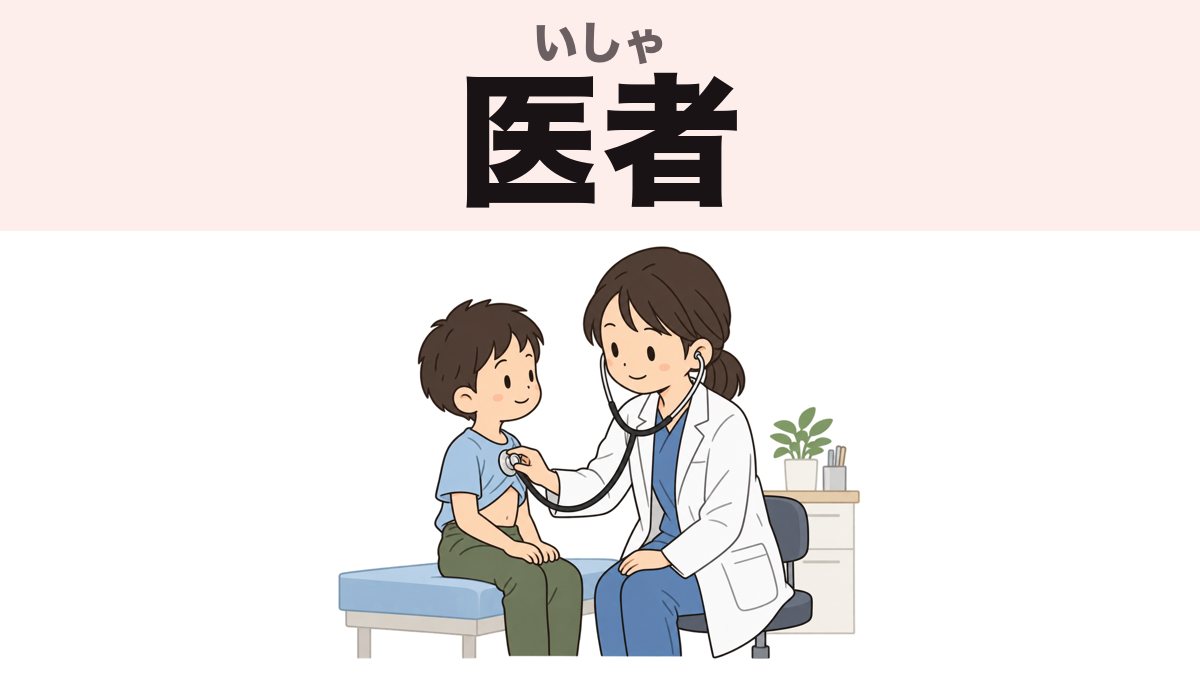
Doctor in Japanese: 医者 (いしゃ), お医者さん and 先生
Doctor in Japanese is 医者 (いしゃ), politely お医者さん, and you call a doctor 先生. Learn 医師, 診てもらう (to see a doctor), and clinic departments like 内科, 外科, and 皮膚科.
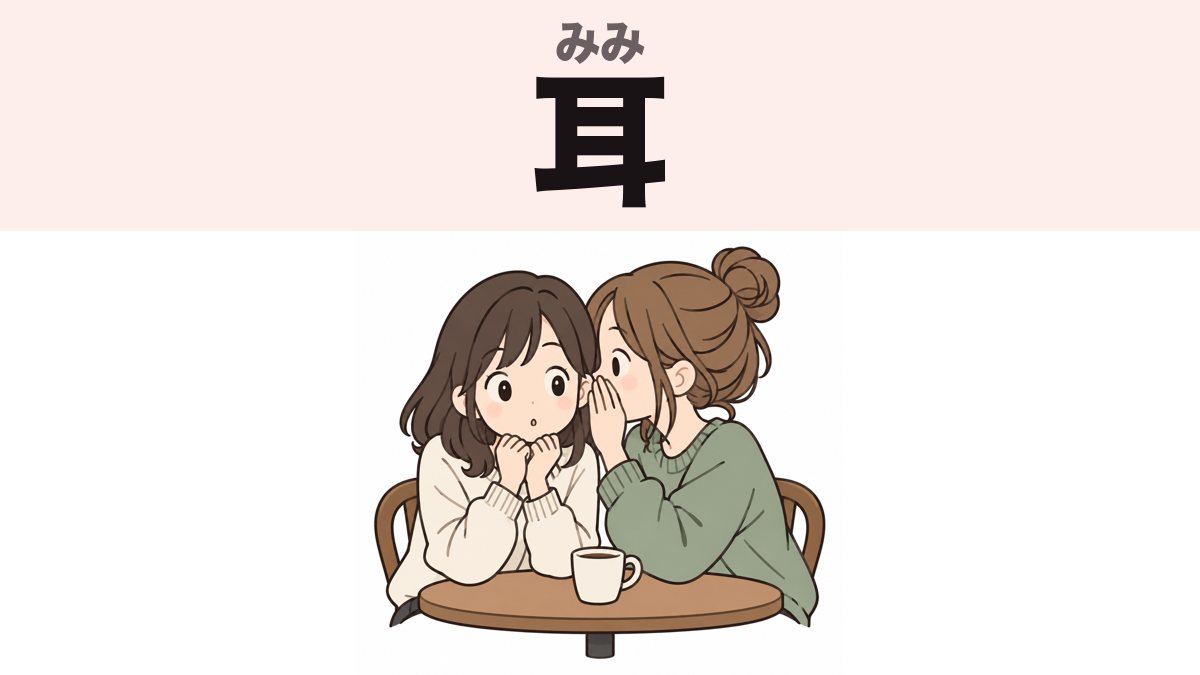
Ear in Japanese: 耳 (みみ), 初耳, 耳が痛い, and 耳が遠い
Ear in Japanese is 耳 (みみ). Learn 初耳 (news to me), 耳が痛い (it stings to hear), 耳にする (to happen to hear), 耳が遠い (hard of hearing), 耳を傾ける, and 耳打ち (whisper).
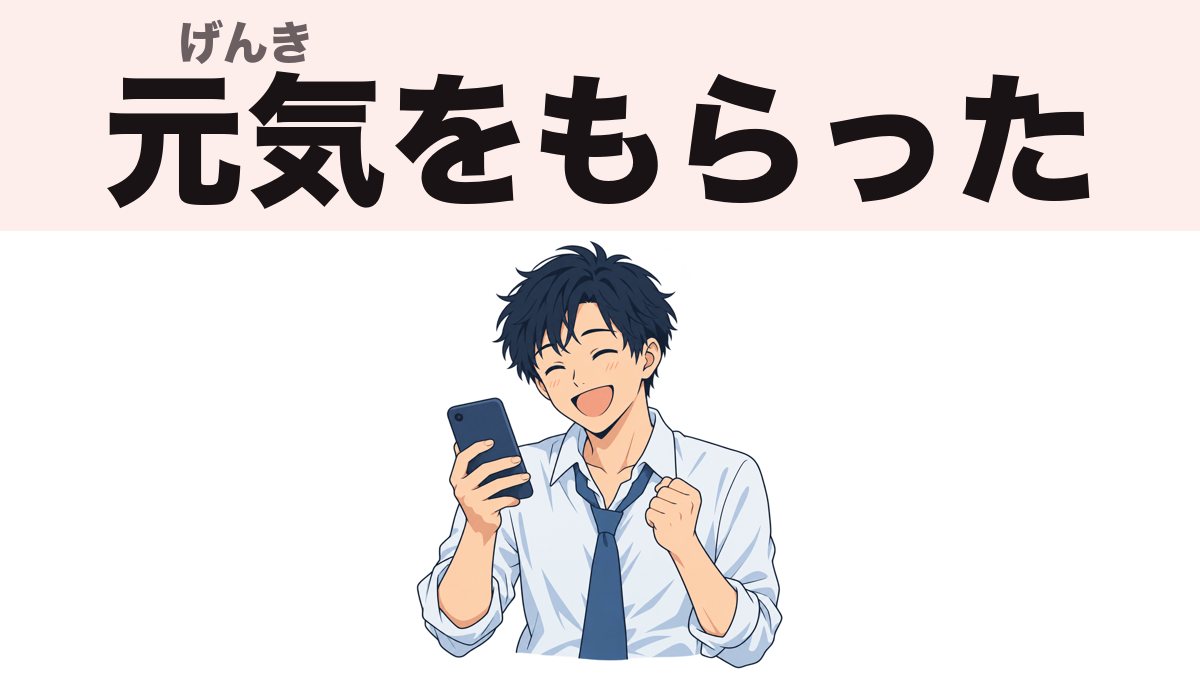
Energy in Japanese: 元気 (げんき), エネルギー, 体力, and 元気をもらう
Energy in Japanese is 元気 (げんき) for a person and エネルギー for power. Learn 体力, 気力, テンション, 元気が出る, 元気をもらう, and エナジードリンク, with practice.
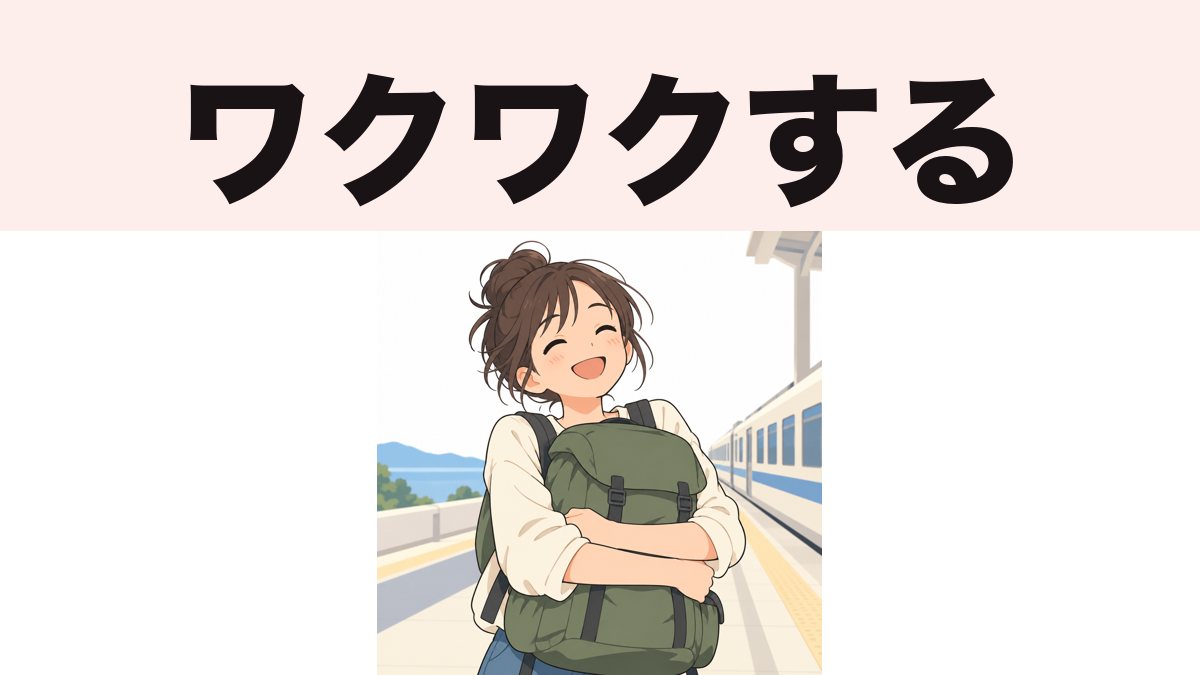
Excited in Japanese: ワクワク (wakuwaku), 楽しみ, 興奮, and which one fits
Excited in Japanese is usually ワクワク (wakuwaku). Learn 楽しみ, ドキドキ, テンションが上がる and 盛り上がる, plus why 興奮する can sound intense or awkward.
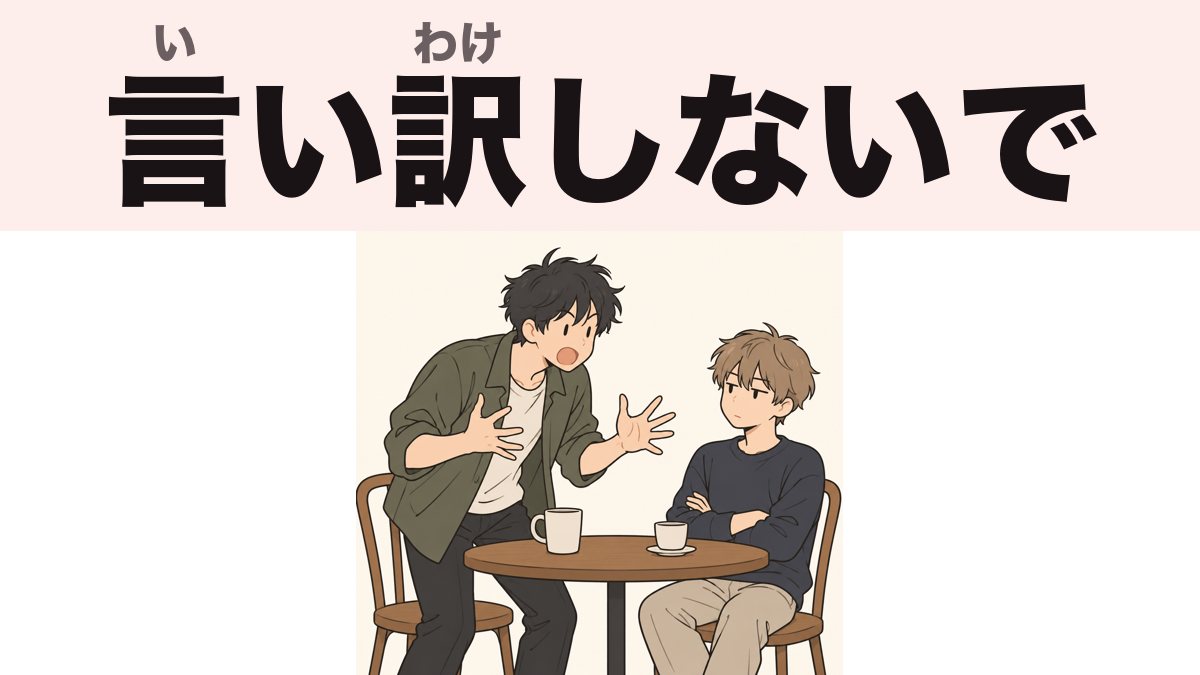
Excuse in Japanese: 言い訳 (いいわけ), 口実, and the "excuse me" that is a different word
An excuse in Japanese is 言い訳 (いいわけ). Learn 言い訳しないで, 言い訳になりますが, 口実, 理由 vs 言い訳, and why "excuse me" is すみません or 失礼します, not 言い訳.
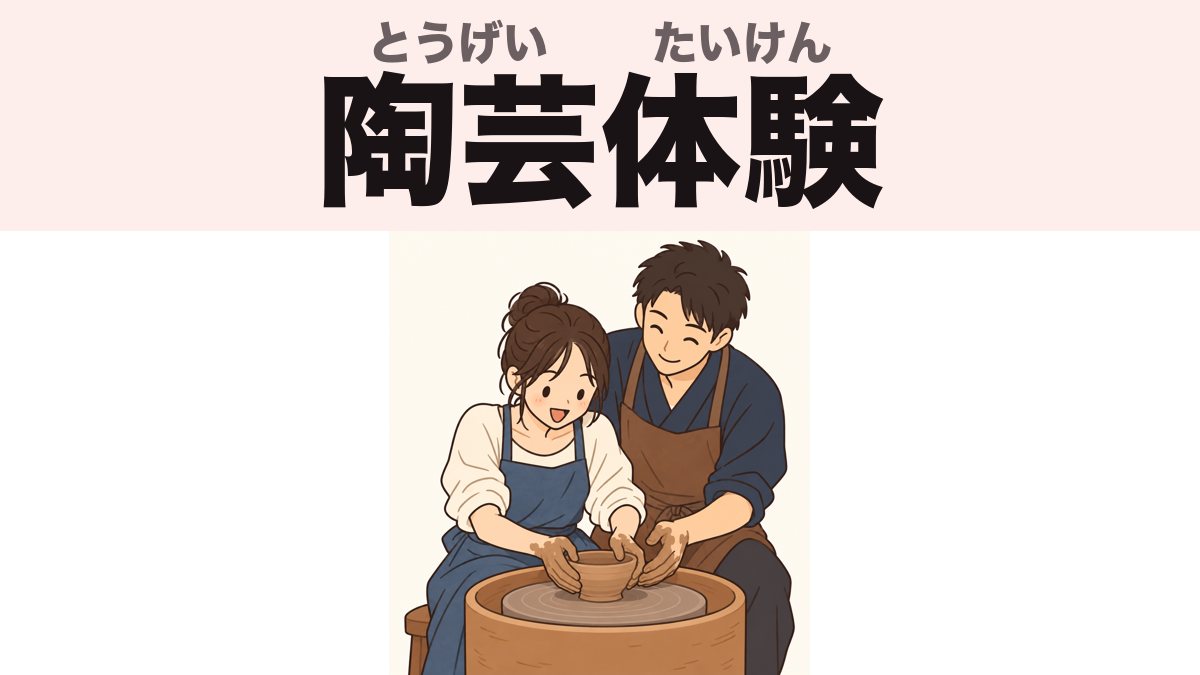
Experience in Japanese: 経験 (けいけん) vs 体験 (たいけん), and 〜たことがある
Experience in Japanese is 経験 (けいけん) for experience built over time and 体験 (たいけん) for a hands-on, one-time experience. Learn 経験者, 未経験, 体験レッスン, 経験を積む and 〜たことがある.
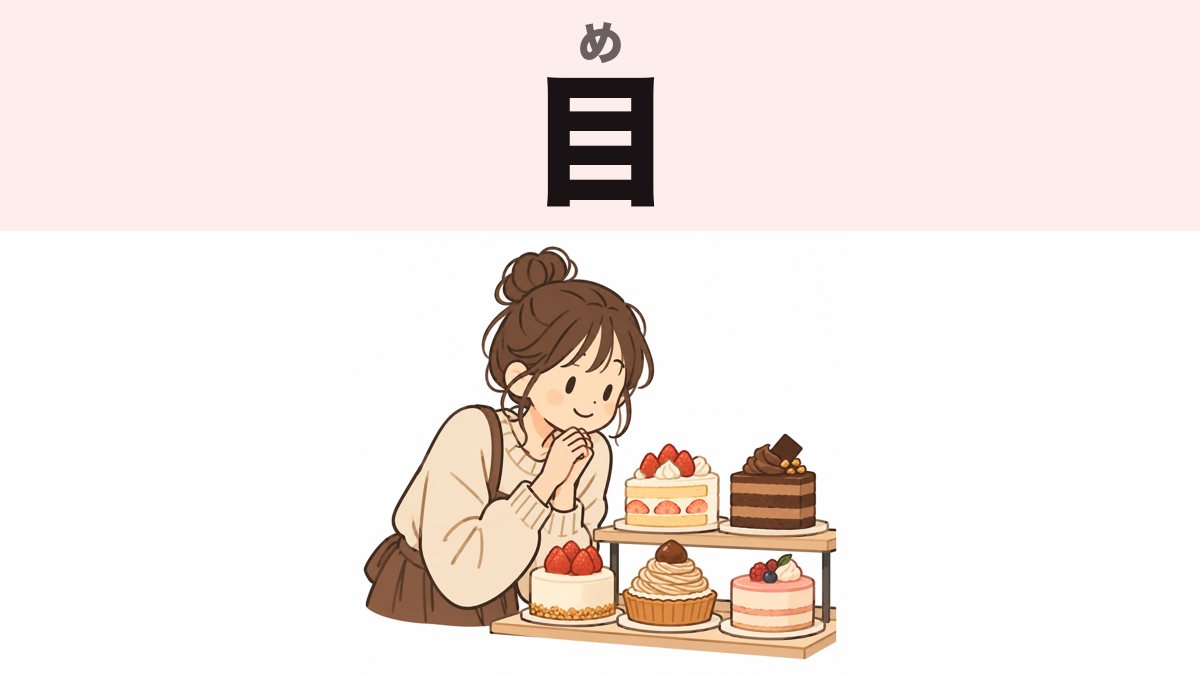
Eye in Japanese: 目 (め), 目がない, 目立つ, and 一目惚れ
Eye in Japanese is 目 (め). Learn 目がいい (good eyesight), 目が覚める (to wake up), 目がない (to be crazy about), 目立つ, 目を通す, 一目惚れ (love at first sight), and 目薬.
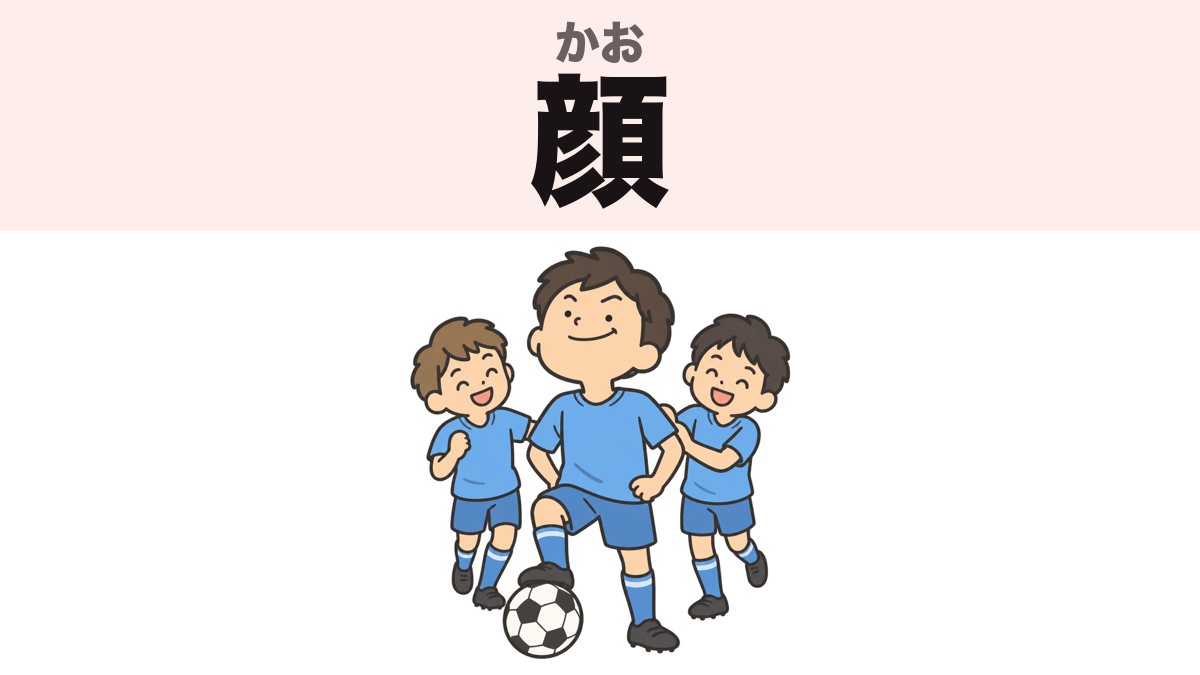
Face in Japanese: 顔 (かお), 顔が広い, 顔を出す, ドヤ顔, and 顔文字
Face in Japanese is 顔 (かお). Learn 顔を洗う, 顔色 (complexion), 顔に出る, 顔が広い (well-connected), 顔を出す (to show up), ドヤ顔 (smug face), and 顔文字 (kaomoji).
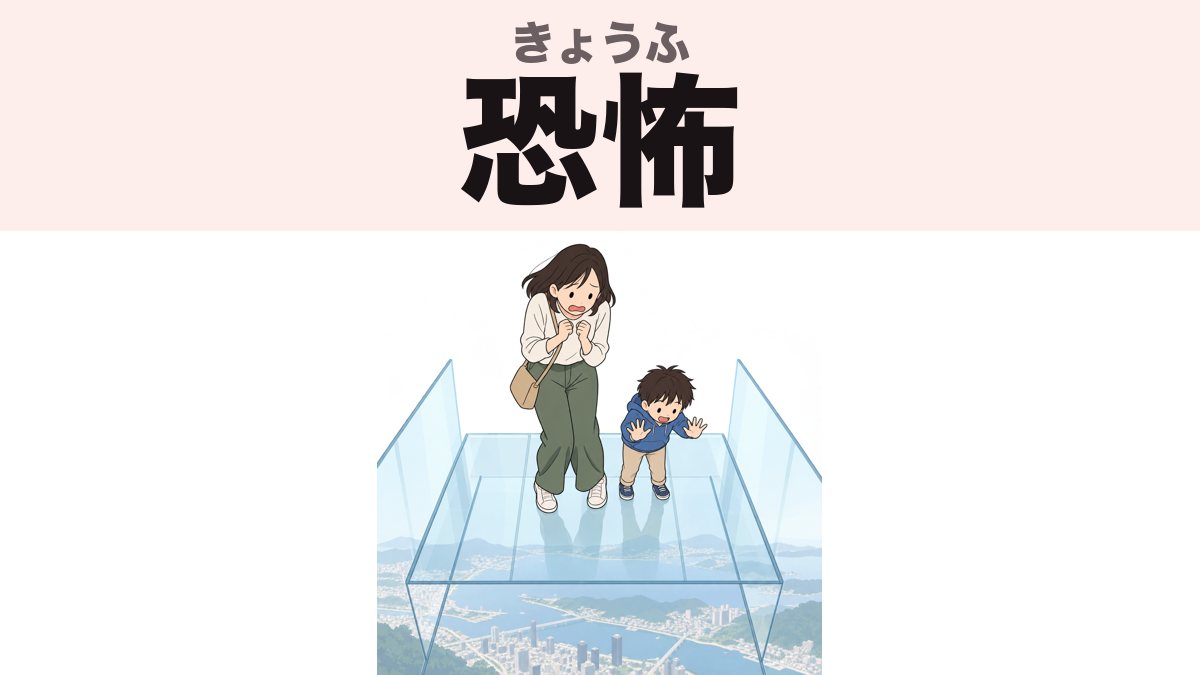
Fear in Japanese: 恐怖 (きょうふ), 怖さ, 怖がる, 〜恐怖症, and ビビる
Fear in Japanese is 恐怖 (きょうふ) for terror and 怖さ for the scariness of something. Learn 恐れ, 怖がる, phobias like 高所恐怖症, 不安 (anxiety), 恐ろしい, and the slang ビビる.
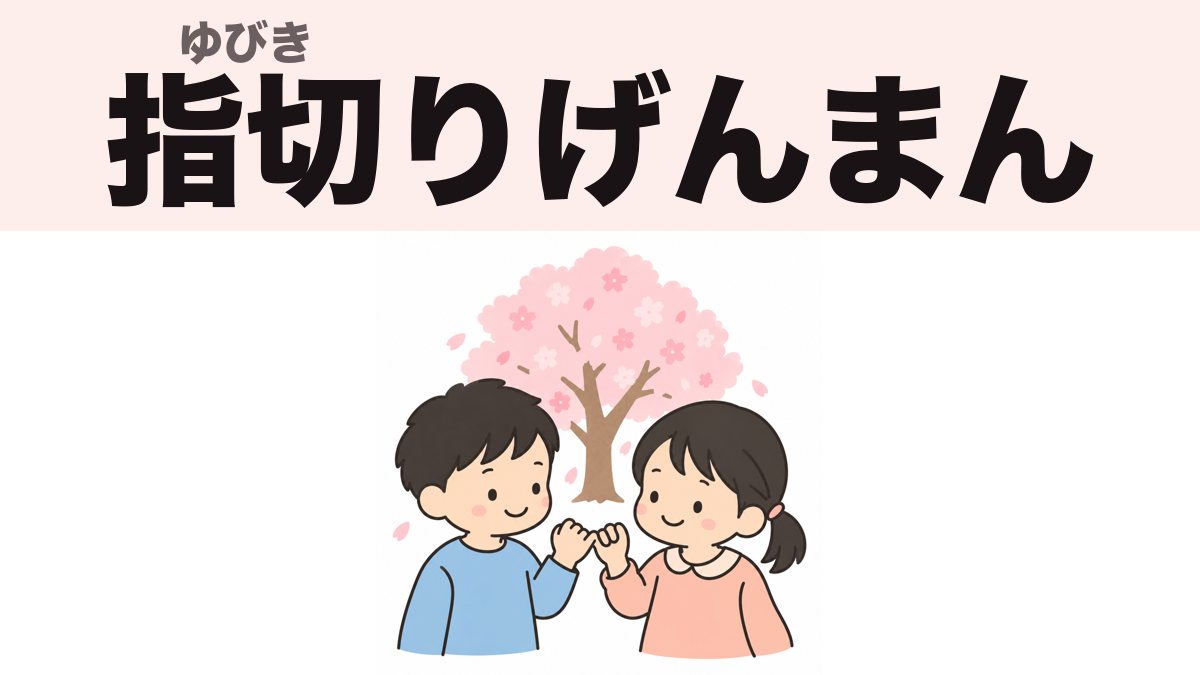
Finger in Japanese: 指 (ゆび), 親指 to 小指, 指輪, and 指切りげんまん
Finger in Japanese is 指 (ゆび). Learn all five finger names from 親指 to 小指, 指輪, 指をさす, the pinky promise 指切りげんまん, and 後ろ指をさされる.
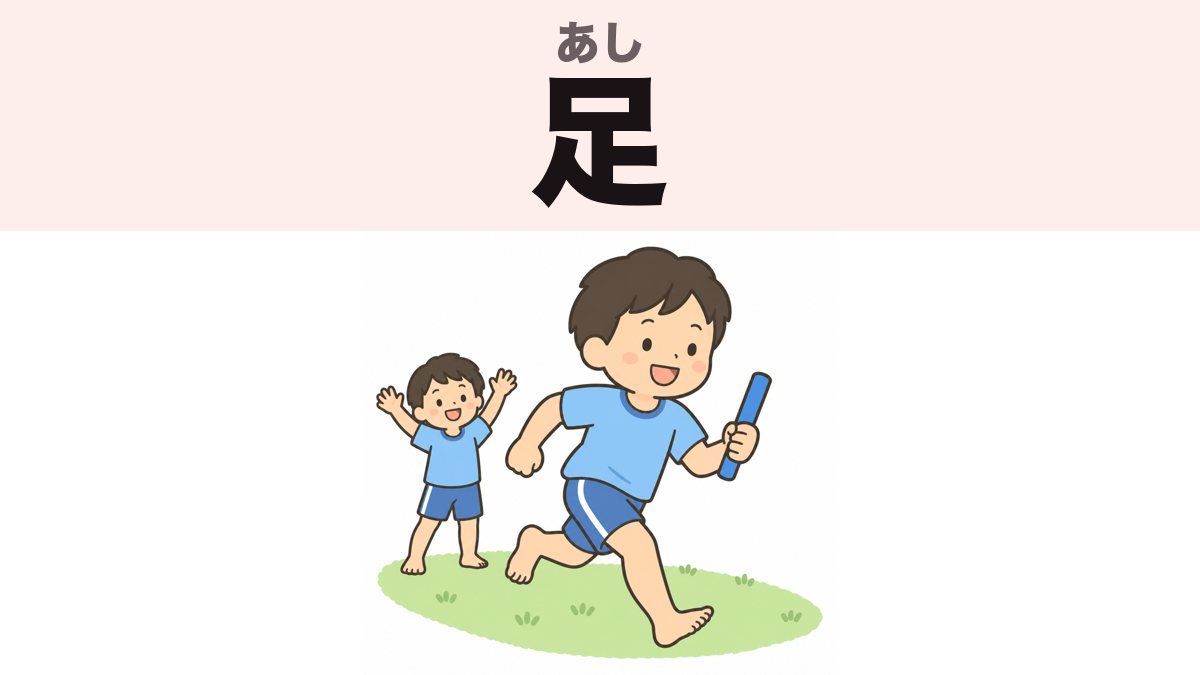
Foot in Japanese: 足 (あし), 足が速い, 足を引っ張る, and 裸足
Foot in Japanese is 足 (あし), which covers both foot and leg. Learn 足が速い, 足元に気をつけて, 裸足 (barefoot), and idioms like 足を洗う, 足が出る, and 足を引っ張る.
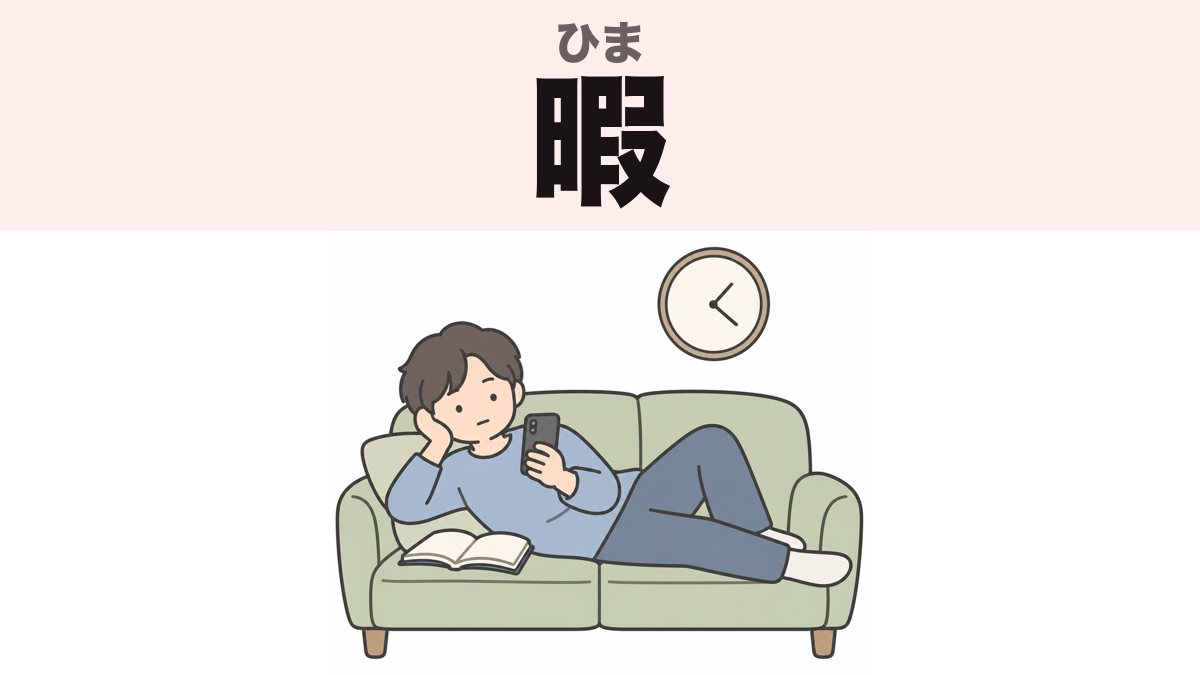
Free time in Japanese: 暇 (ひま), 空き時間, 暇つぶし, and 手が空く
Free time in Japanese is 暇 (ひま) or 時間がある. Learn 暇な時 (in your spare time), 空き時間 (a gap in your day), 暇つぶし (killing time), 余暇, and how to ask "are you free?".
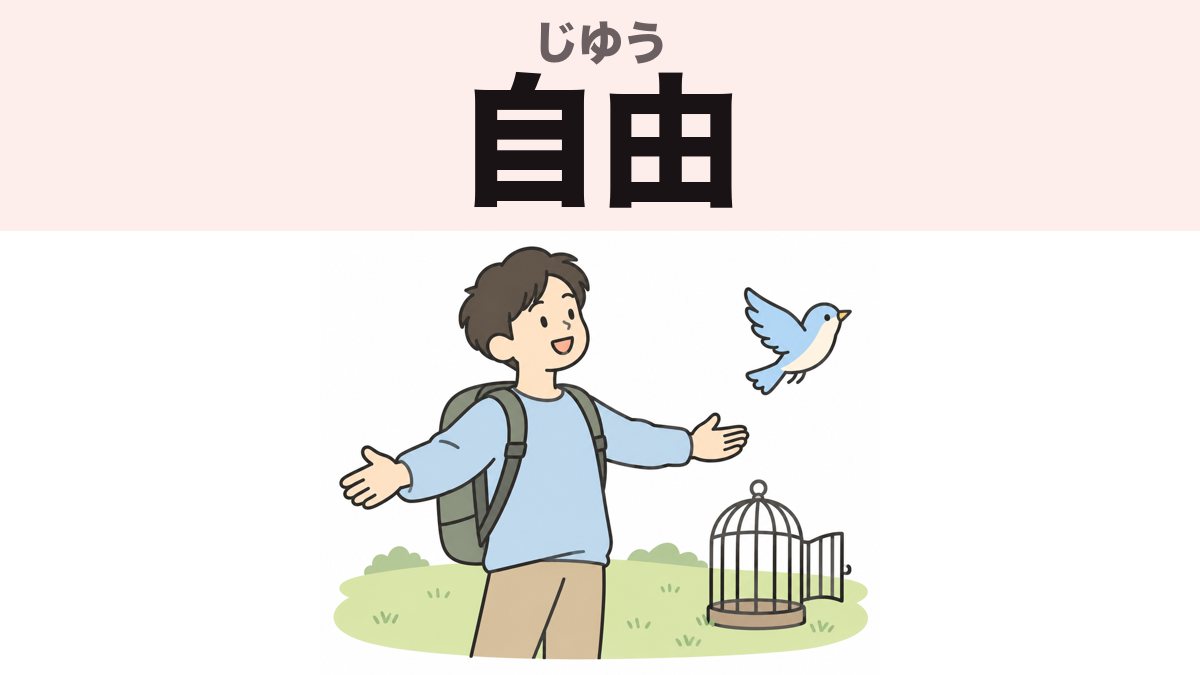
Freedom in Japanese: 自由 (じゆう), ご自由にどうぞ, 自由席, and 不自由
Freedom in Japanese is 自由 (じゆう). Learn 自由に (freely), ご自由にどうぞ (help yourself), 自由席 (unreserved seats), 自由研究, 不自由 (inconvenience), and the kanji for a tattoo.
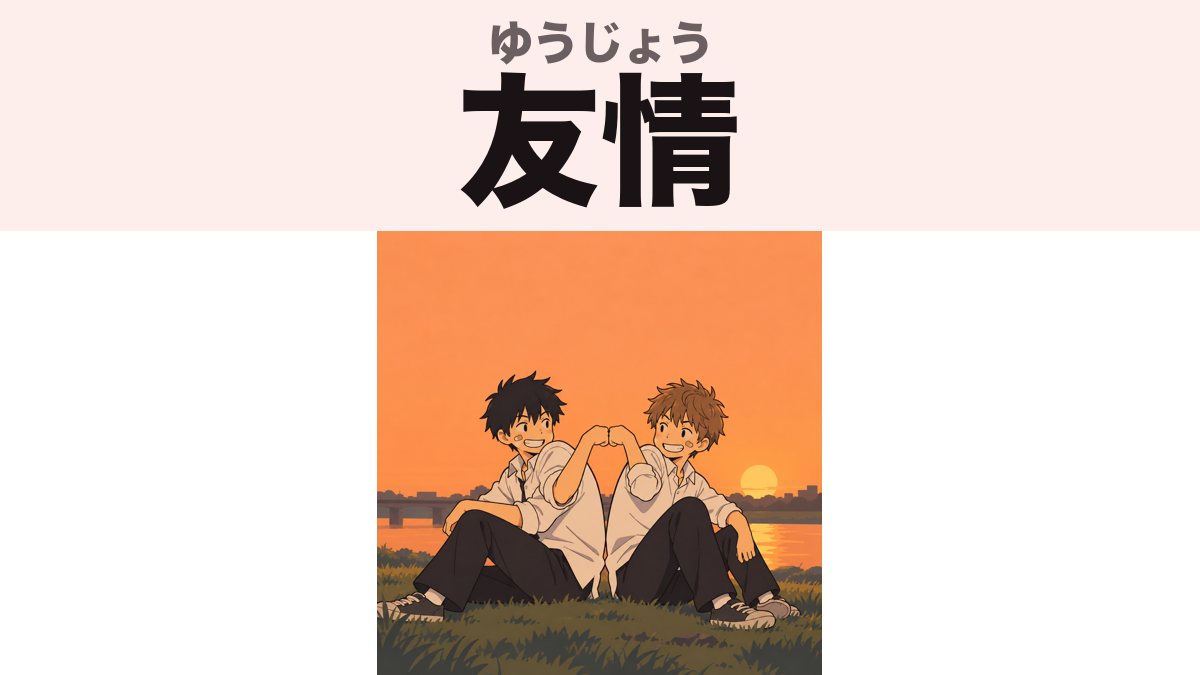
Friendship in Japanese: 友情 (ゆうじょう), 絆, and 喧嘩するほど仲がいい
Friendship in Japanese is 友情 (ゆうじょう). Learn 絆 (bond), 仲直り (making up), 喧嘩するほど仲がいい, 犬猿の仲, 腐れ縁, and why 友情・努力・勝利 is a famous shonen motto.
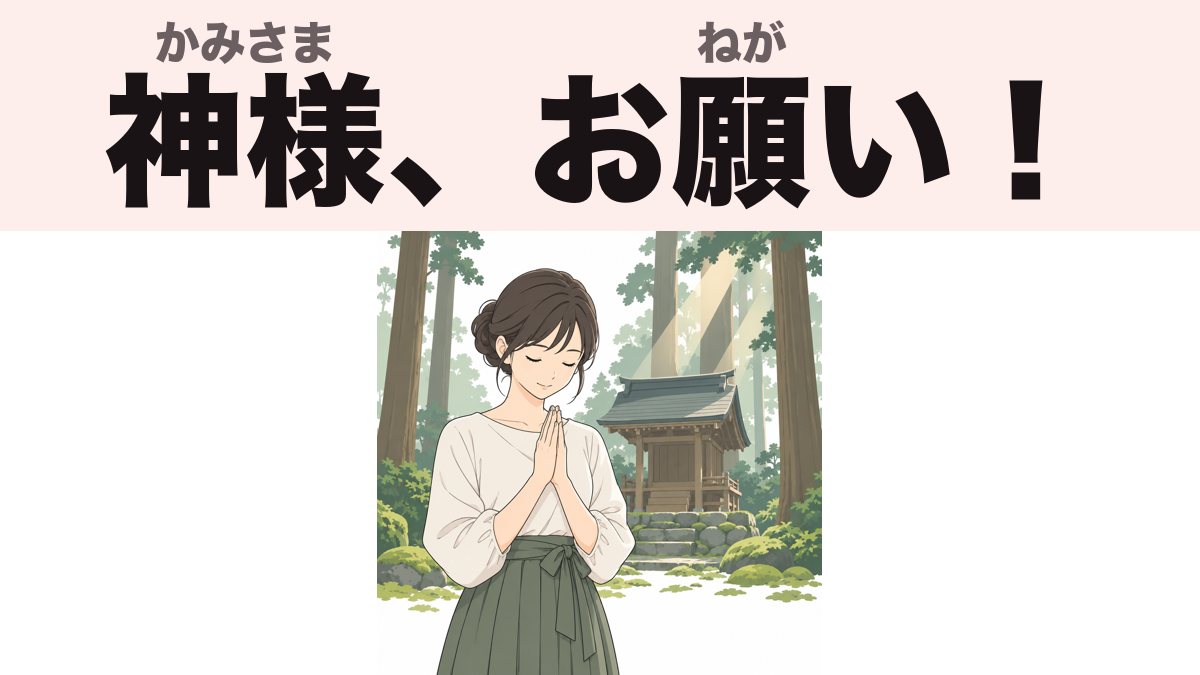
God in Japanese: 神 (かみ), 神様, and why fans call a great episode 神回
God in Japanese is 神 (かみ, kami), or politely 神様. Learn goddess and shrine words, the 八百万の神, 死神, and slang like 神回 and 神対応, plus the かみ homophone trap.
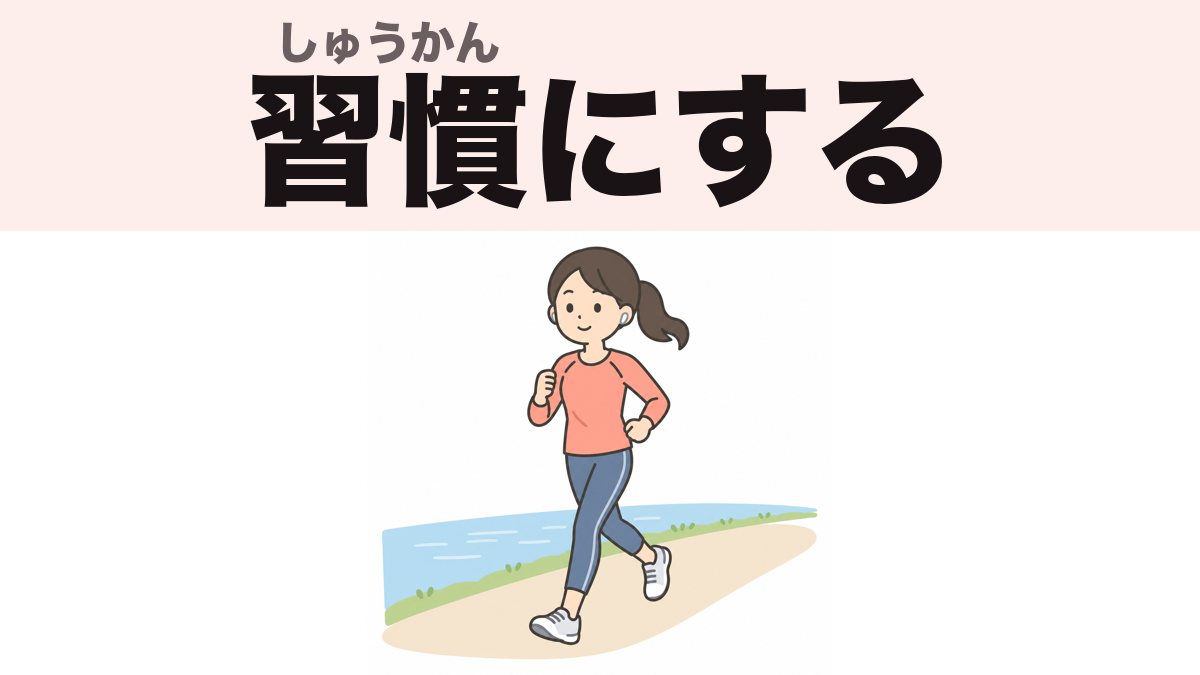
Habit in Japanese: 習慣 (しゅうかん) vs 癖 (くせ), 口癖, and クセが強い
Habit in Japanese is 習慣 (しゅうかん) for routines and 癖 (くせ) for quirks and bad habits. Learn 習慣にする, 口癖, 癖になる (addictive), クセが強い, and 早起きの習慣.
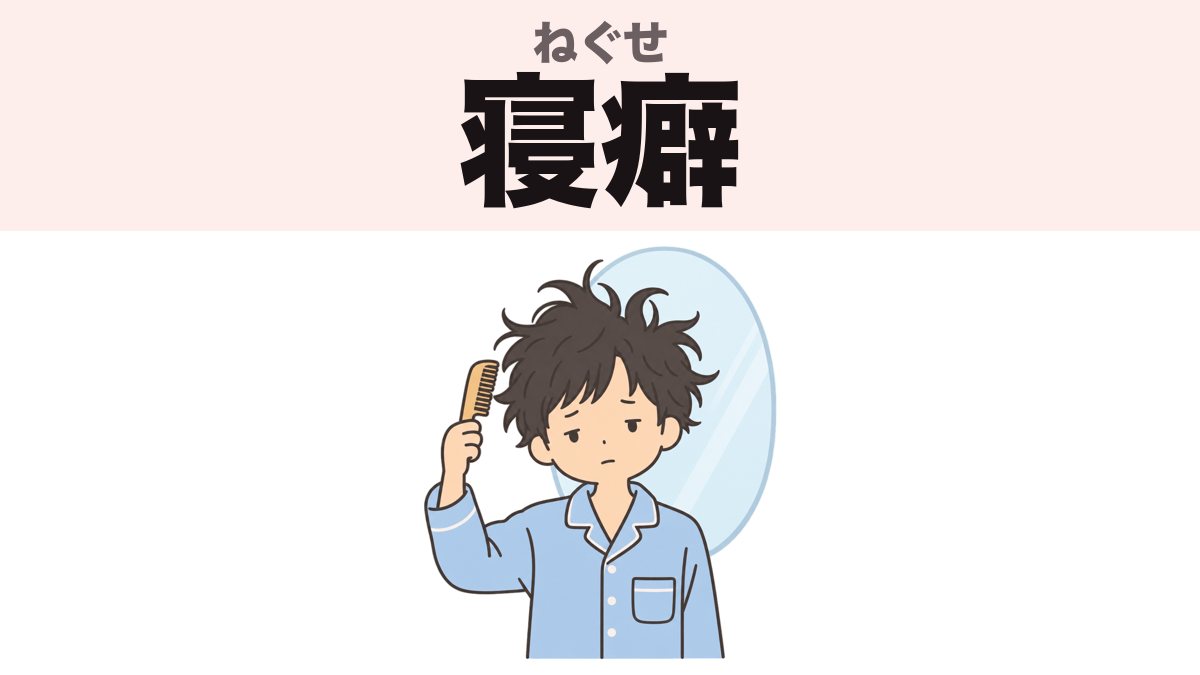
Hair in Japanese: 髪 (かみ), 髪の毛, 毛, 前髪, 白髪, and 寝癖
Hair in Japanese is 髪 (かみ) or 髪の毛 for the hair on your head, and 毛 (け) for body hair and fur. Learn 前髪 (bangs), 白髪 (gray hair), 寝癖 (bed head), くせ毛, and 髪を結ぶ.
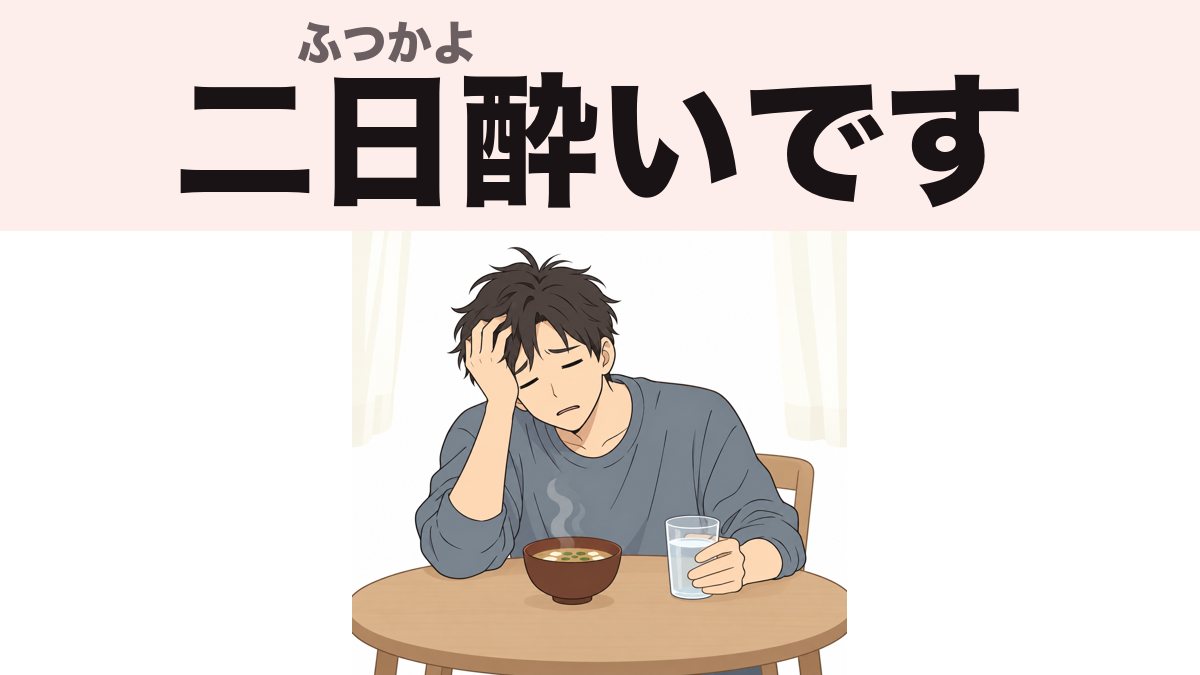
Hangover in Japanese: 二日酔い (ふつかよい), and every stage of drunk before it
Hangover in Japanese is 二日酔い (ふつかよい). Learn 二日酔いです, 飲みすぎた, ほろ酔い, 酔っ払い, お酒に弱い, 迎え酒 and what to say the morning after a drinking party.
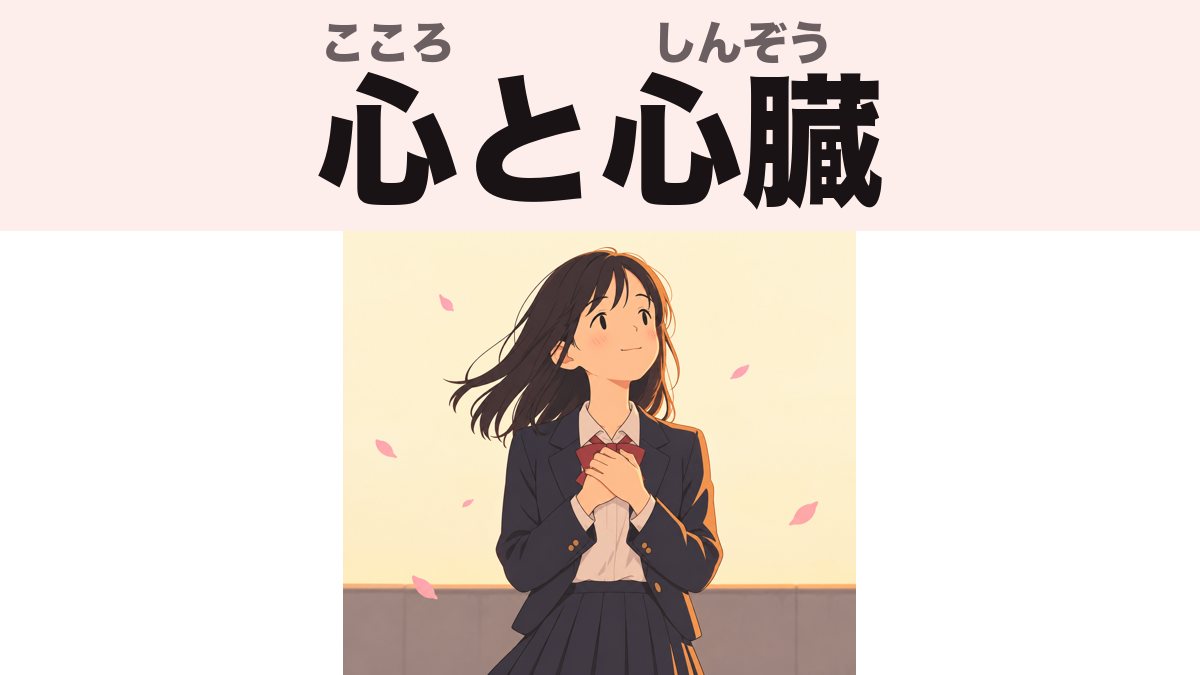
Heart in Japanese: 心 (こころ), 心臓, ハート, and the kanji hiding in every feeling
Heart in Japanese is 心 (こころ) for the emotional heart, 心臓 (しんぞう) for the organ, and ハート for the shape. Learn 心から, 胸, ドキドキ, and why 心 sits inside 愛 and 思.
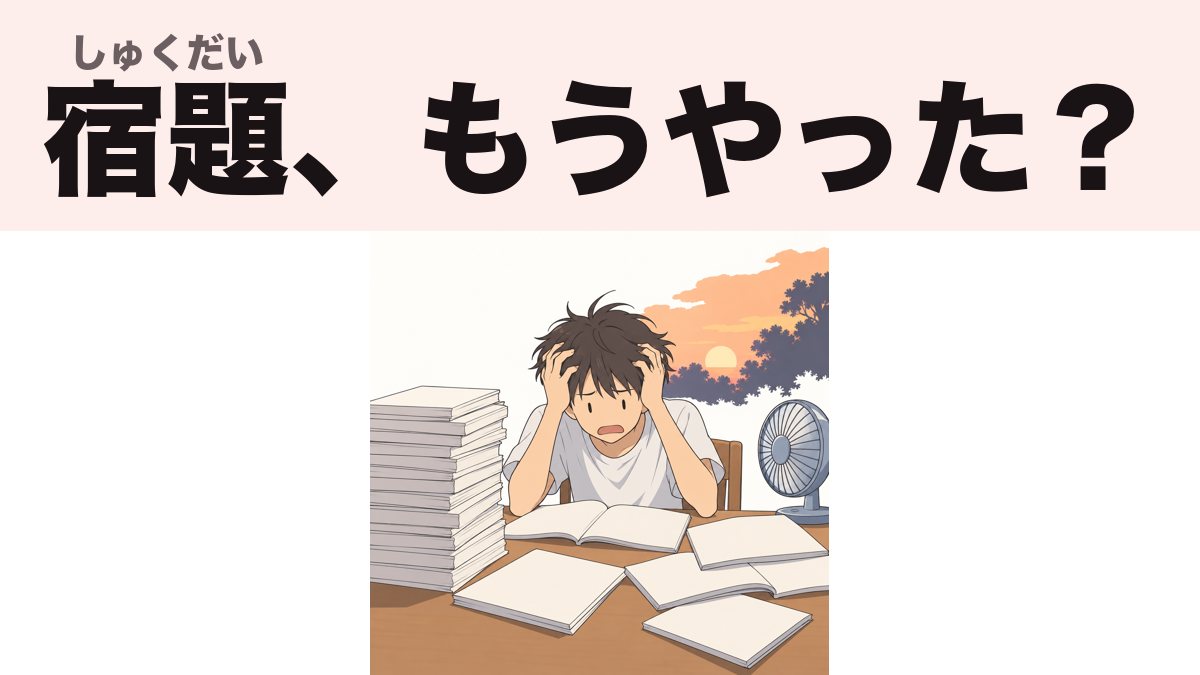
Homework in Japanese: 宿題 (しゅくだい), 宿題を出す, and the business 宿題
Homework in Japanese is 宿題 (しゅくだい). Learn 宿題をする, why teachers 宿題を出す, 提出, 課題 and レポート, summer homework, and the business phrase 宿題にさせてください.
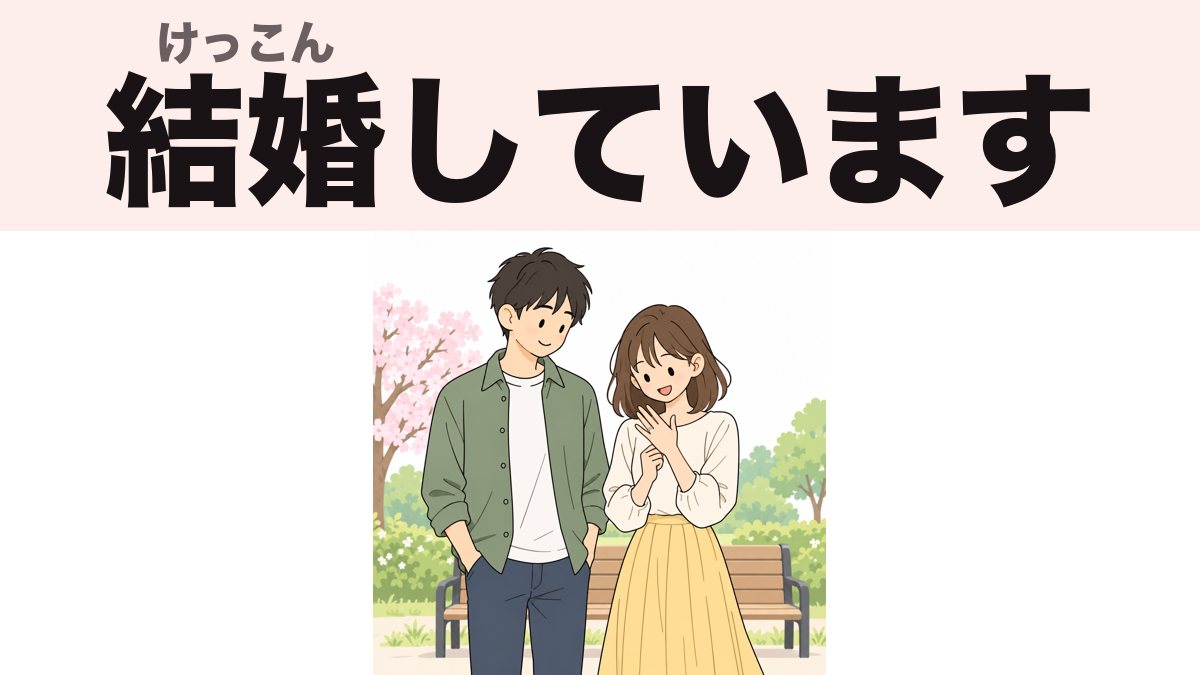
Married in Japanese: 結婚しています, not 結婚します (and why と, not を)
Married in Japanese is 結婚しています. Learn why 結婚します means "will marry", why you marry someone with と, and the words 独身, 既婚, 婚約, 新婚, 離婚 and 俺の嫁.
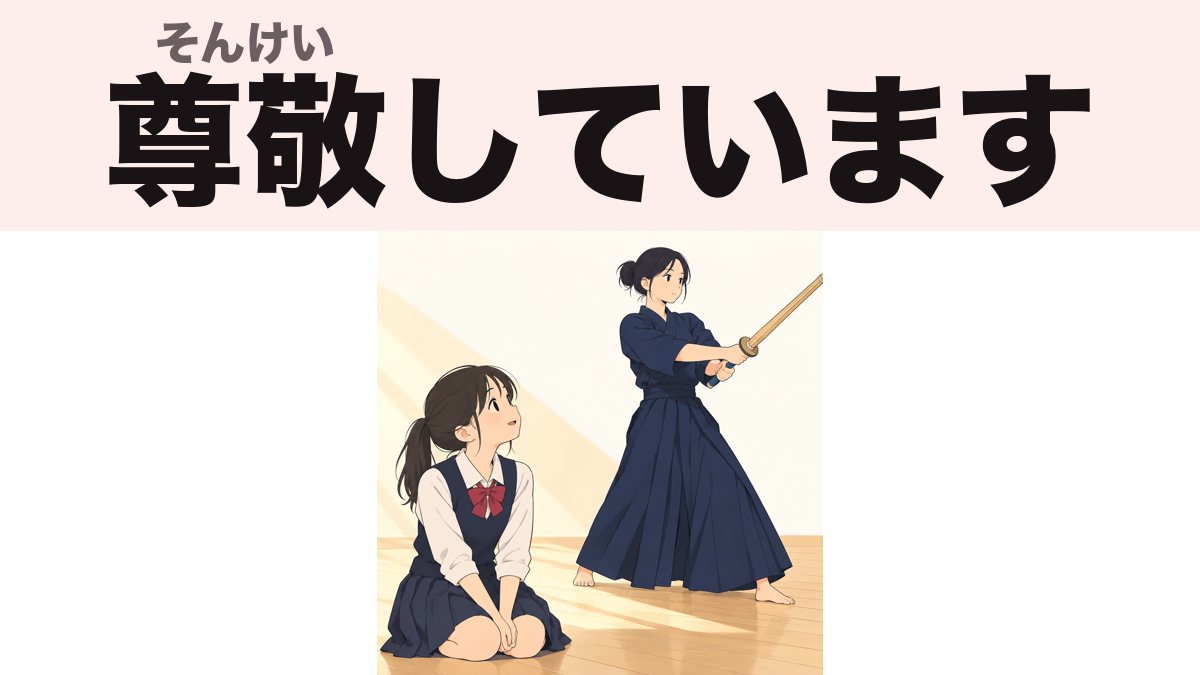
Respect in Japanese: 尊敬 vs 尊重, and the "respect" you show with words
Respect in Japanese is 尊敬 (そんけい) for people you look up to and 尊重 (そんちょう) for respecting wishes and choices. Learn 敬意, 憧れ, リスペクト and 舐めるな.
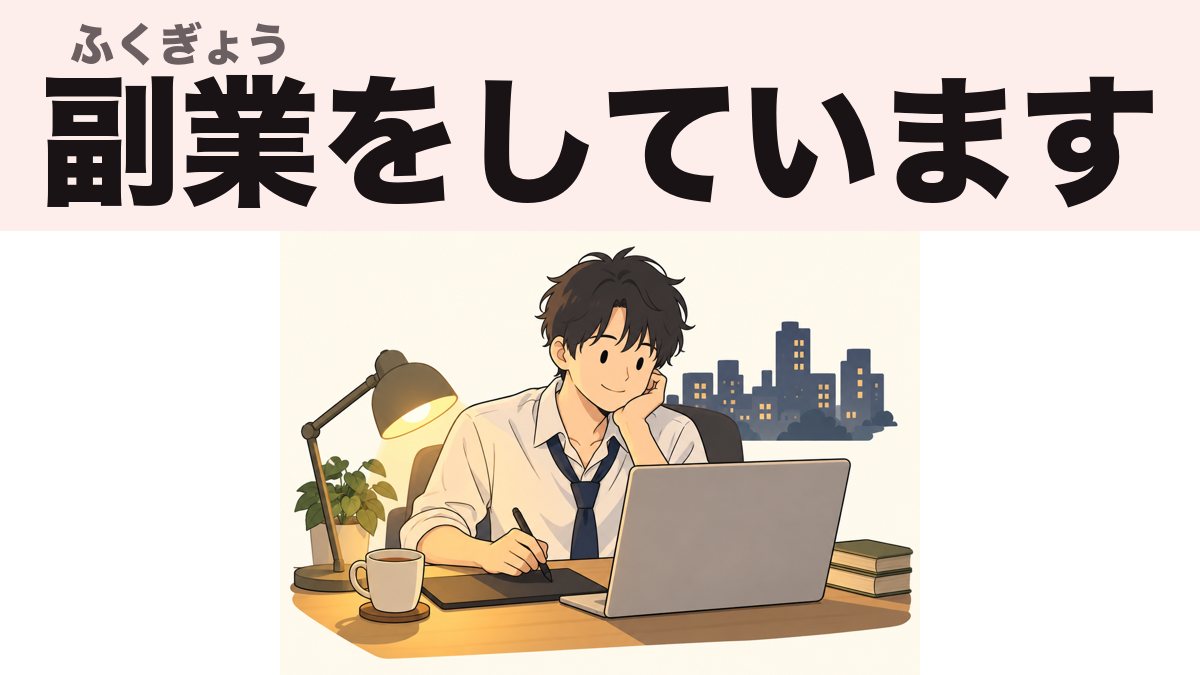
Side job in Japanese: 副業 (ふくぎょう), バイト, 本業, and 掛け持ち
Side job in Japanese is 副業 (ふくぎょう). Learn how it differs from バイト and パート, plus 本業, 掛け持ち, 副収入, 稼ぐ, 副業禁止 and how to talk about your own side hustle.
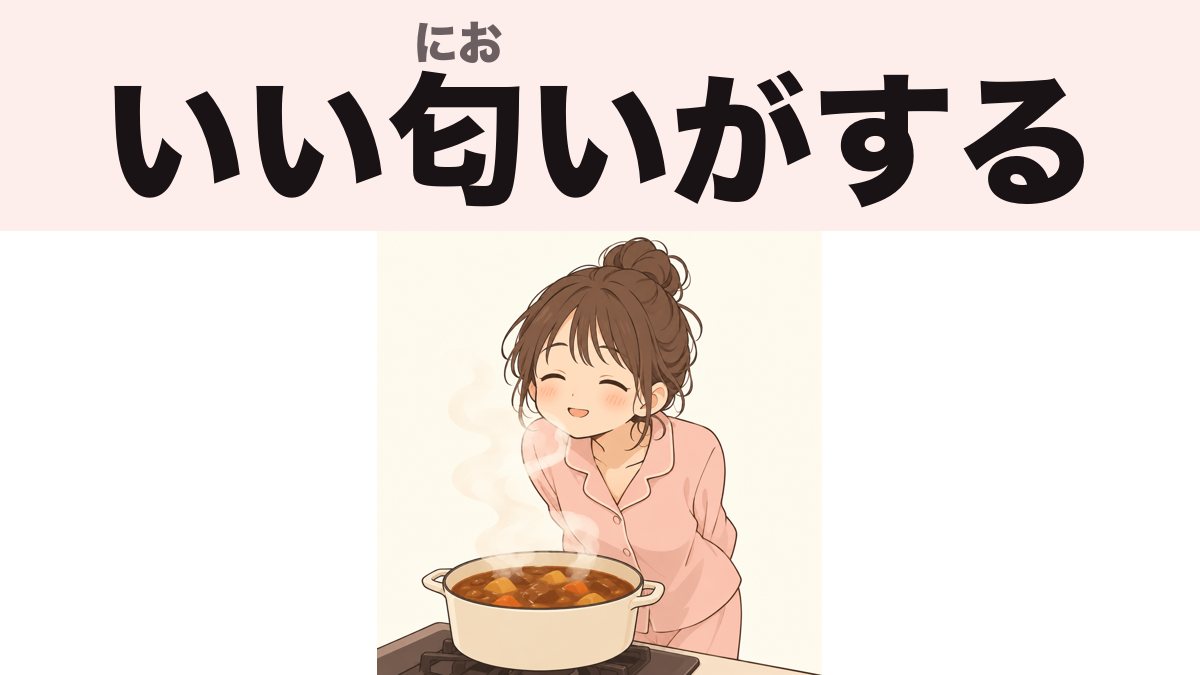
Smell in Japanese: 匂い vs 臭い (both におい), 香り, and 匂いがする
Smell in Japanese is におい: 匂い for nice or neutral smells, 臭い for bad ones. Learn いい匂いがする, 嗅ぐ, 臭い (くさい), 香り, 焦げ臭い, and the anime line 臭うな.
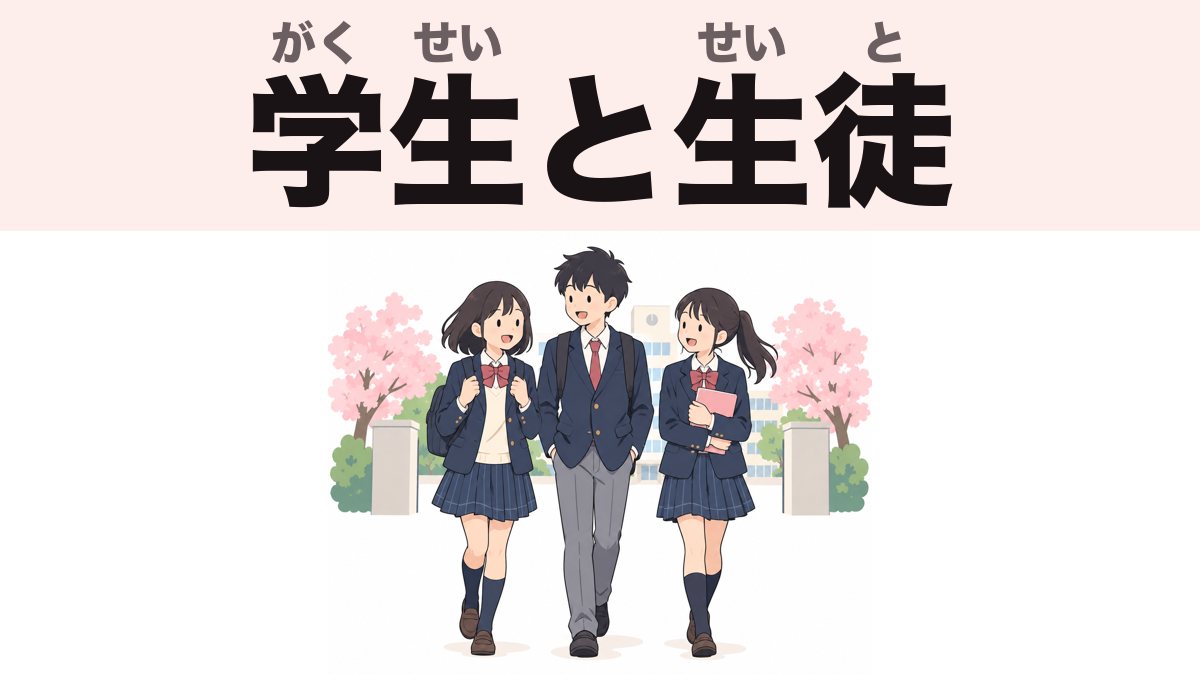
Students in Japanese: 学生 (gakusei) vs 生徒 (seito) vs 児童 (jidou)
The word student in Japanese is 学生 (gakusei) for university students and 生徒 (seito) for middle and high school pupils. Learn 児童, 留学生, 生徒会 and more.
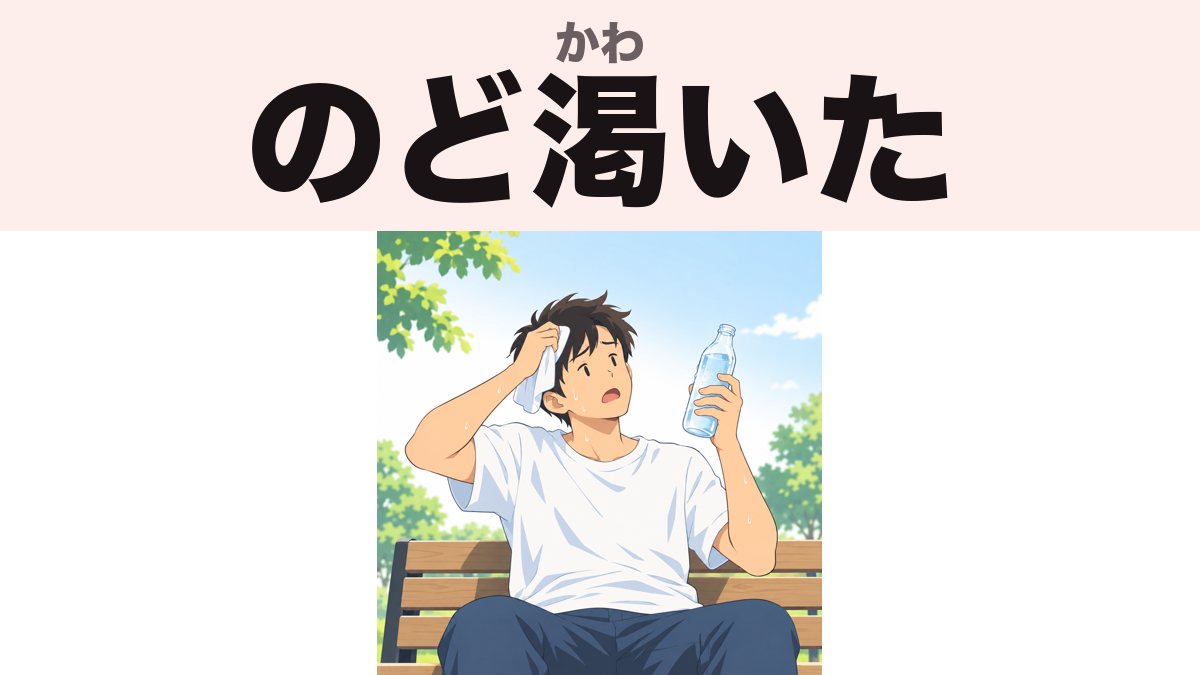
Thirsty in Japanese: のどが渇いた (nodo ga kawaita) and why it is past tense
Thirsty in Japanese is のどが渇いた (nodo ga kawaita), literally "my throat has dried." Learn why it uses past tense, plus casual forms and 何か飲みたい.
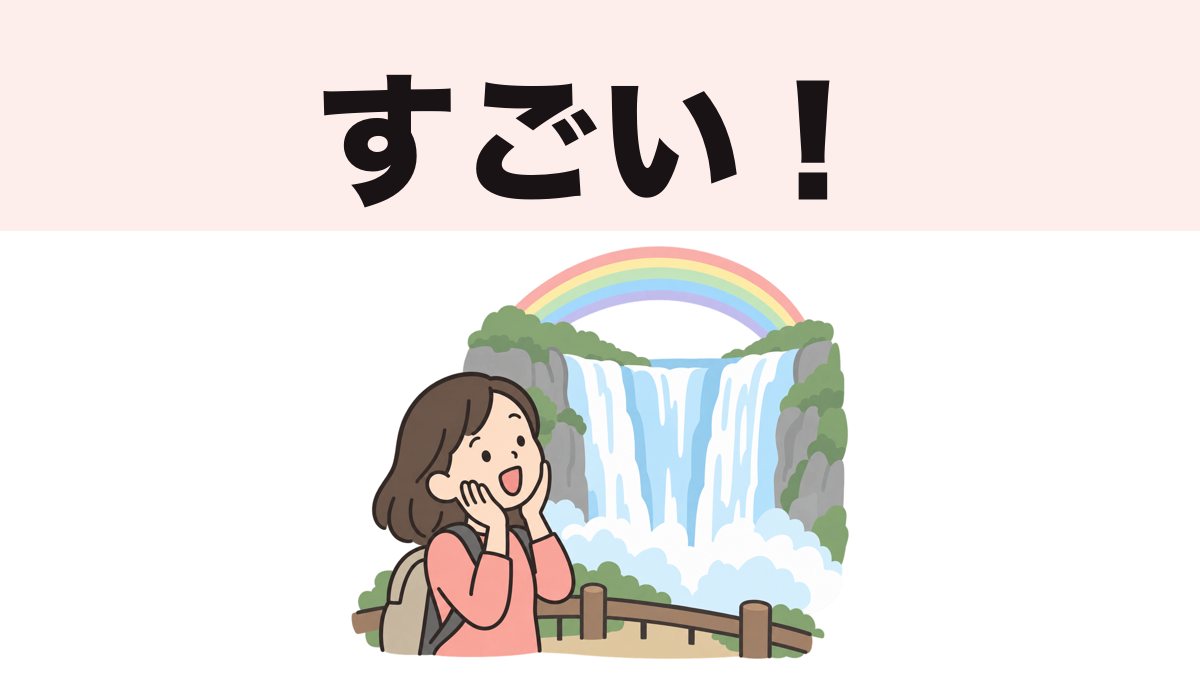
Amazing in Japanese: すごい and the five other words that beat it
Amazing in Japanese is すごい, but it is casual. Learn すげえ, 最高, 素晴らしい, 見事, さすが and やばい, and which one fits news, food or business.
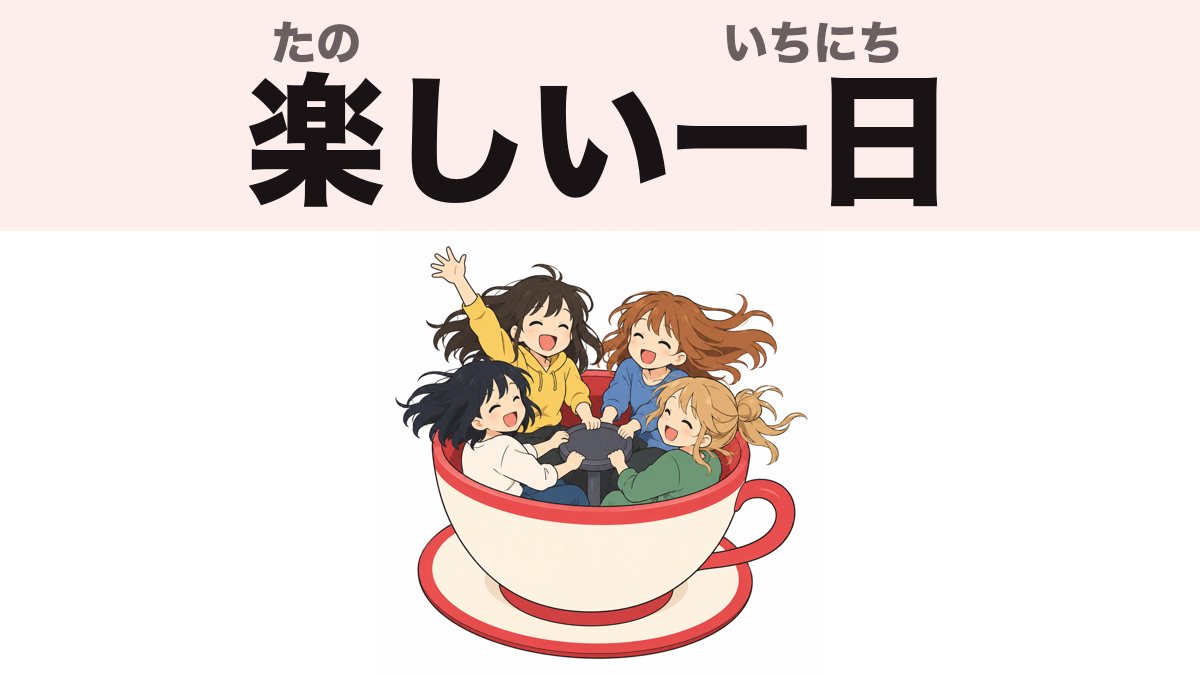
Fun in Japanese: 楽しい vs 面白い, and the 楽しみ that means "looking forward to"
Fun in Japanese is 楽しい (tanoshii). Learn 楽しい vs 面白い, 楽しかった, 楽しみにしています and 楽しんで!, plus 遊ぶ and 盛り上がる, with anime examples.
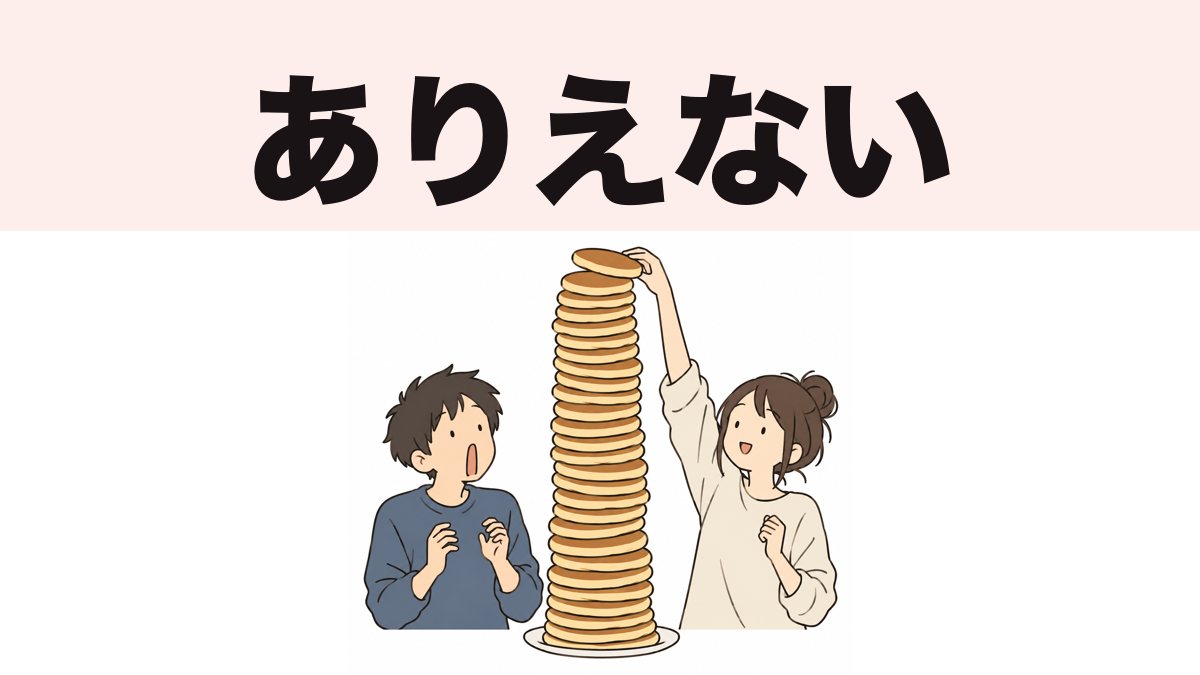
Crazy in Japanese: やばい, 頭おかしい, 狂ってる and what each one really says
Crazy in Japanese is やばい, 頭おかしい, 狂ってる or クレイジー, but each one hits differently. Learn which are safe, which are rude, and what to say instead.
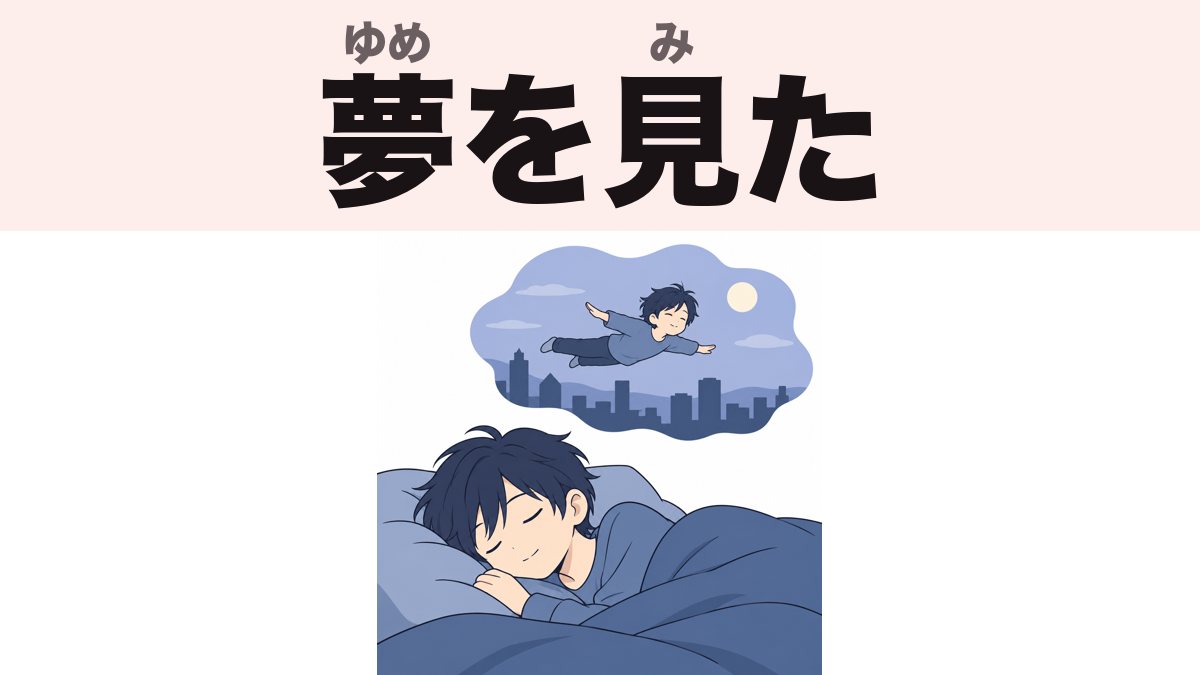
Dream in Japanese: 夢 (yume) for Sleep and for Goals
Dream in Japanese is 夢 (ゆめ), for both the dream you have in your sleep and the dream you chase in life. The verb is 見る: 夢を見る, not 夢をする.
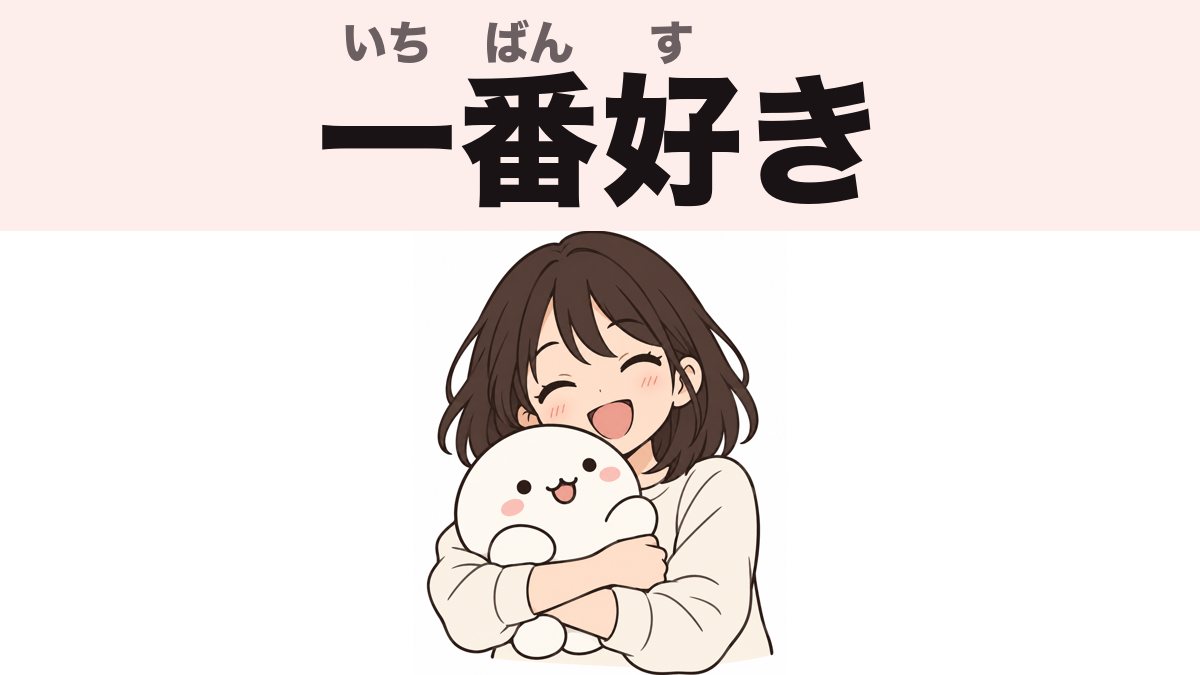
Favorite in Japanese: 一番好き, お気に入り, 推し and when to use each
Favorite in Japanese is usually 一番好き (most liked), as in 一番好きなアニメは〜です. Learn when to use お気に入り, 大好き, 好物 and 推し, with kanji and hiragana.
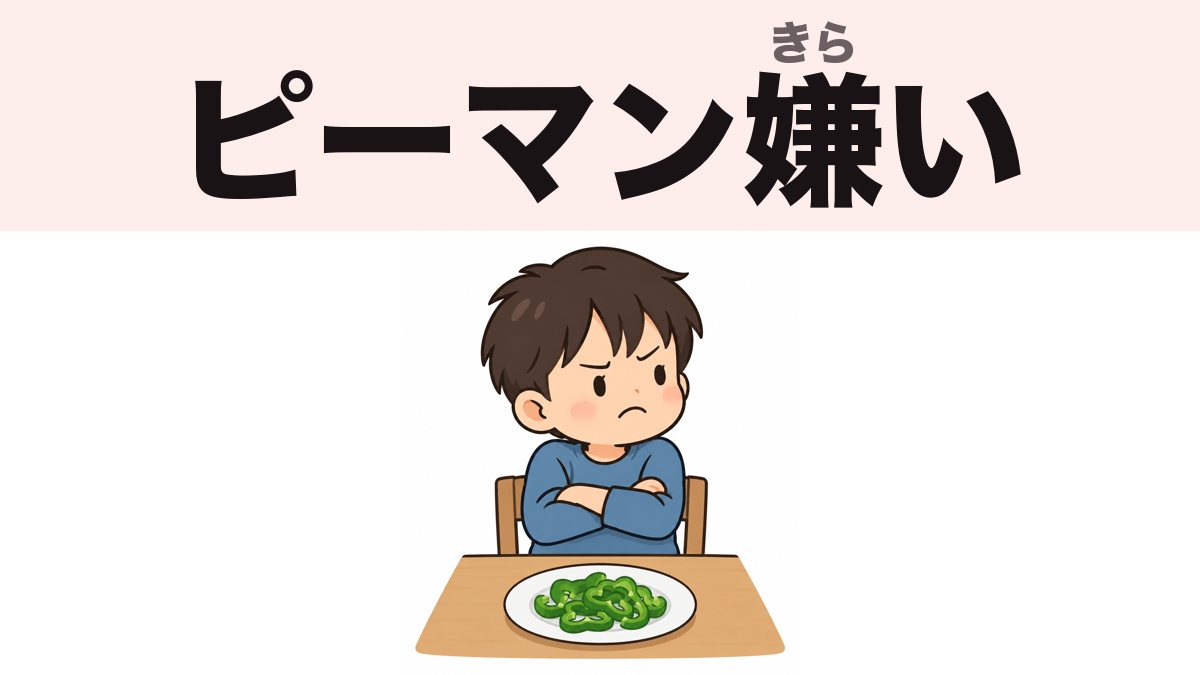
Hate in Japanese: 嫌い, 大嫌い, 嫌 and the softer options
Hate in Japanese is 嫌い (きらい), as in 〜が嫌い, and 大嫌い is the strong form. Learn 嫌, 苦手 and あまり好きじゃない, plus when each one is rude.
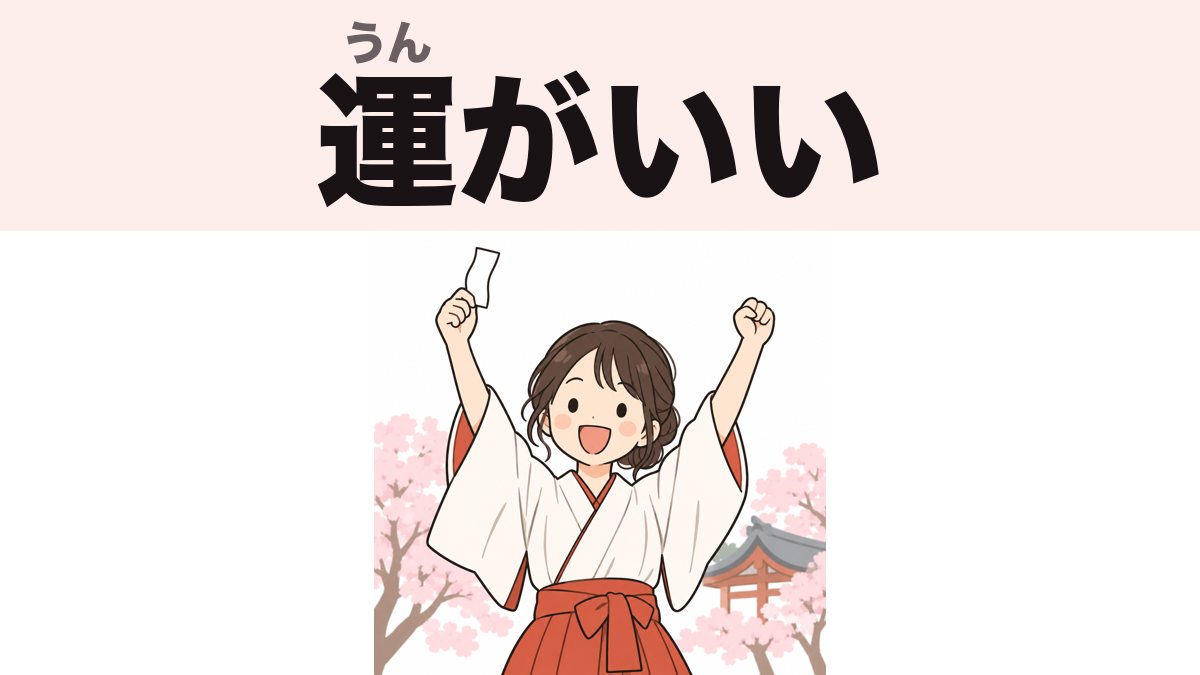
Lucky in Japanese: ラッキー, 運がいい, ついてる and 縁起がいい
Lucky in Japanese is ラッキー in casual speech and 運がいい in neutral speech. ついてる means "on a roll", and 縁起がいい describes lucky signs, numbers and charms.
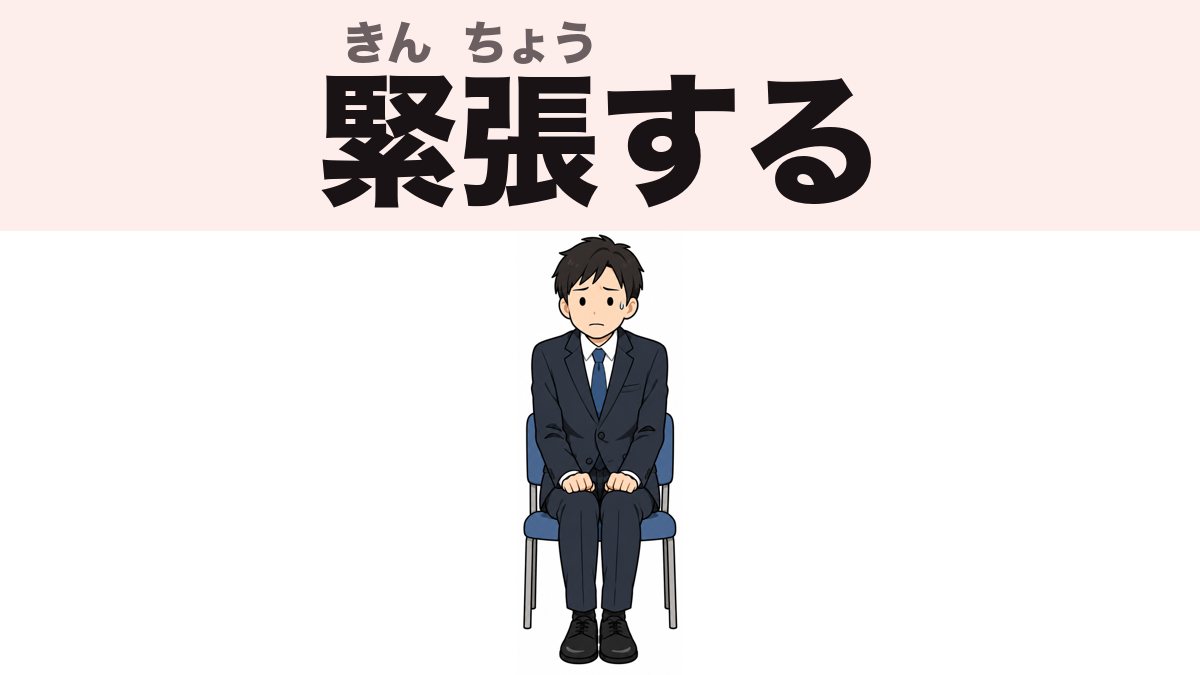
Nervous in Japanese: 緊張する, ドキドキ, and the words around them
Nervous in Japanese is 緊張する (kinchou suru). 緊張している means "I am nervous right now"; ドキドキ is a pounding heart, あがる is stage fright.
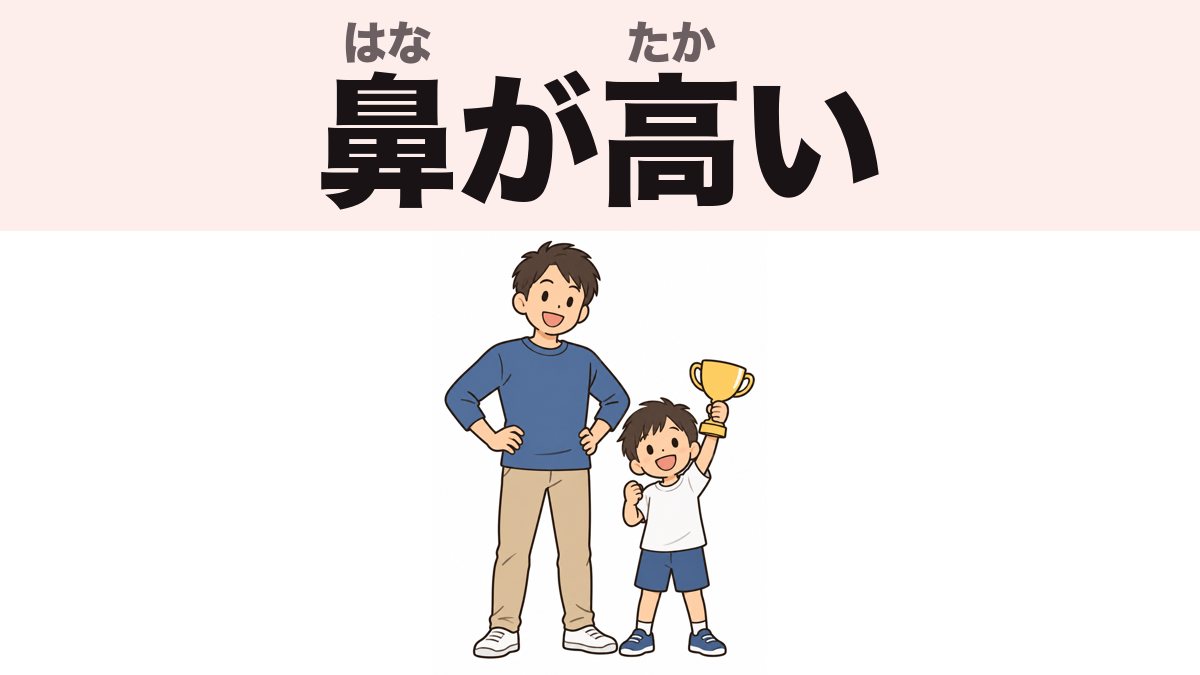
Proud in Japanese: 誇り, 誇らしい, 自慢 and why "I'm proud of you" sounds odd
Proud in Japanese is 誇らしい or 誇りに思う for pride, 自慢 for something you show off, and 鼻が高い for a close person. Here is what to say instead of "I'm proud of you."
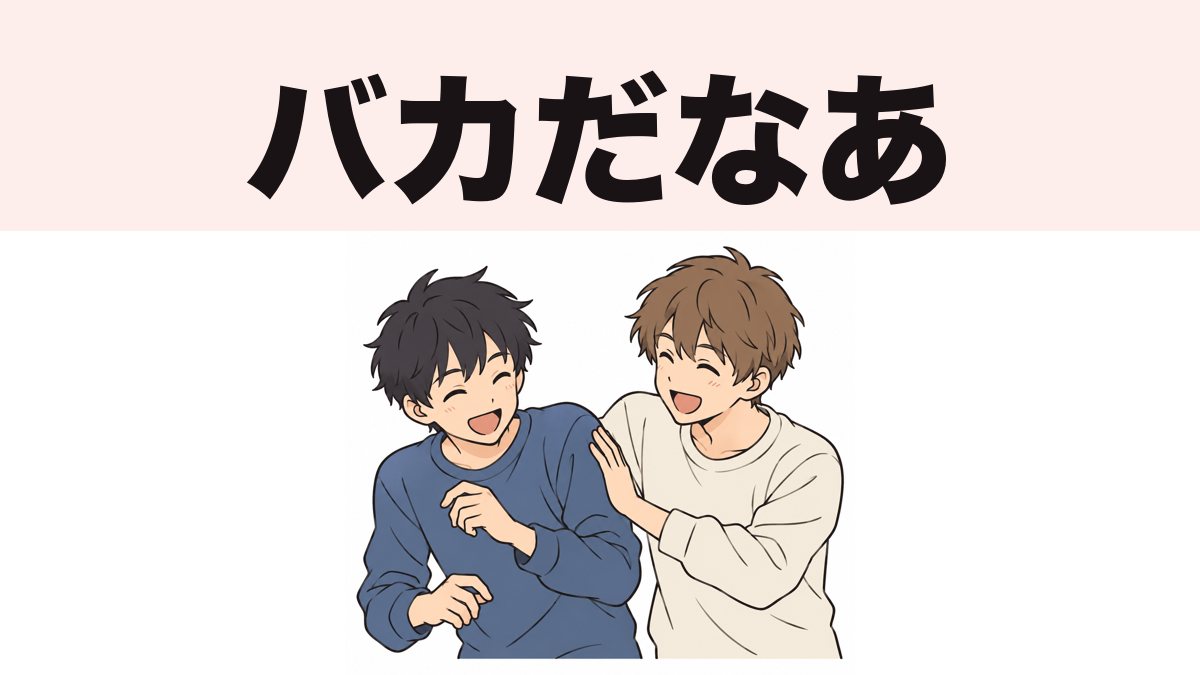
Stupid in Japanese: baka, aho and the words that sit around them
Stupid in Japanese is バカ (馬鹿, baka) in Tokyo and アホ (aho) in Kansai. Learn how they differ, softer and harsher alternatives, and when to never say them.
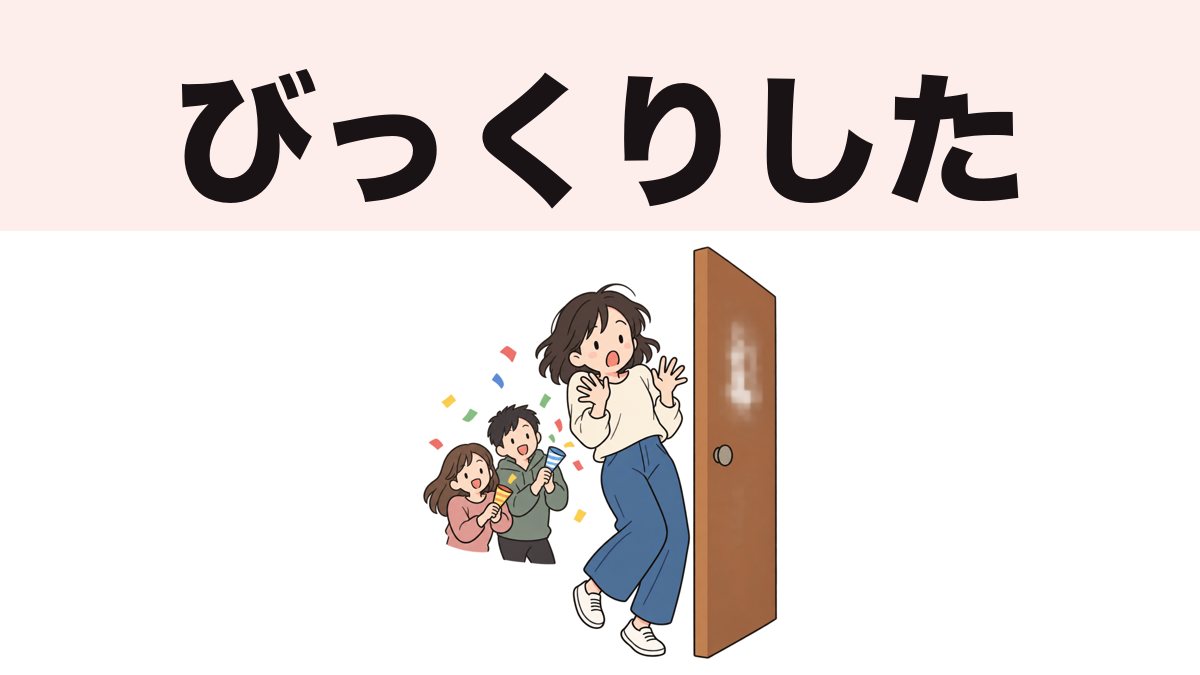
Surprised in Japanese: びっくりした, 驚いた and how people actually react
Surprised in Japanese is びっくりした (everyday) or 驚いた (neutral, written). Learn the past-tense trap, the に particle, えっ and うそ, and 驚かせる.
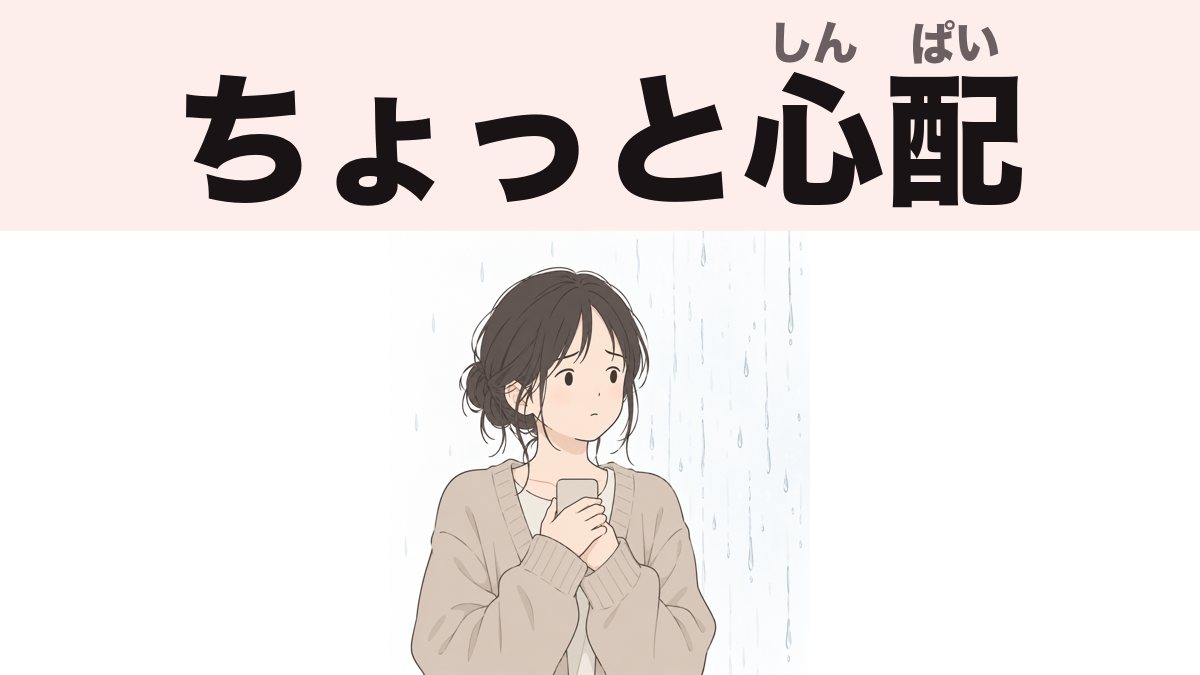
Worried in Japanese: 心配 (shinpai) and the words around it
Worried in Japanese is 心配 (shinpai): 心配です, 心配している, 〜が心配だ. Learn how it differs from 不安, 気になる and 悩む, plus how to say "don't worry."
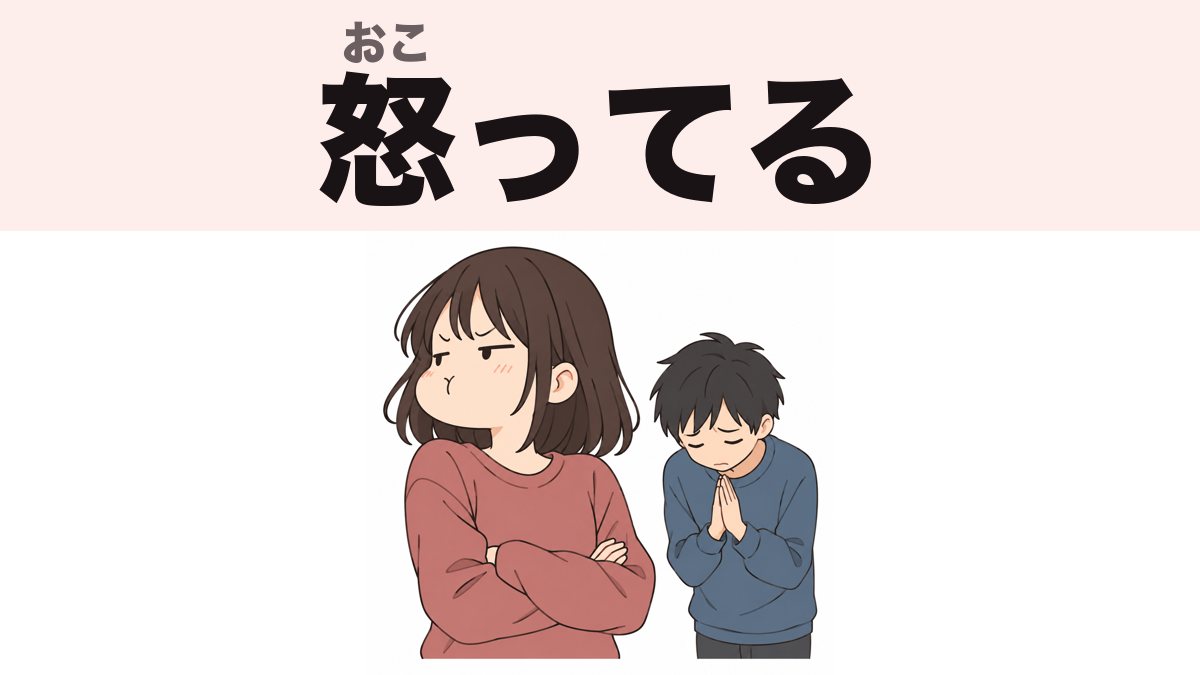
Angry in Japanese: 怒る, ムカつく, キレる — and why 怒い is not a word
Angry in Japanese is 怒っている (okotte iru), from the verb 怒る. Learn 怒られる, 叱る, ムカつく, イライラ, キレる and 腹が立つ, and why 怒い is wrong.
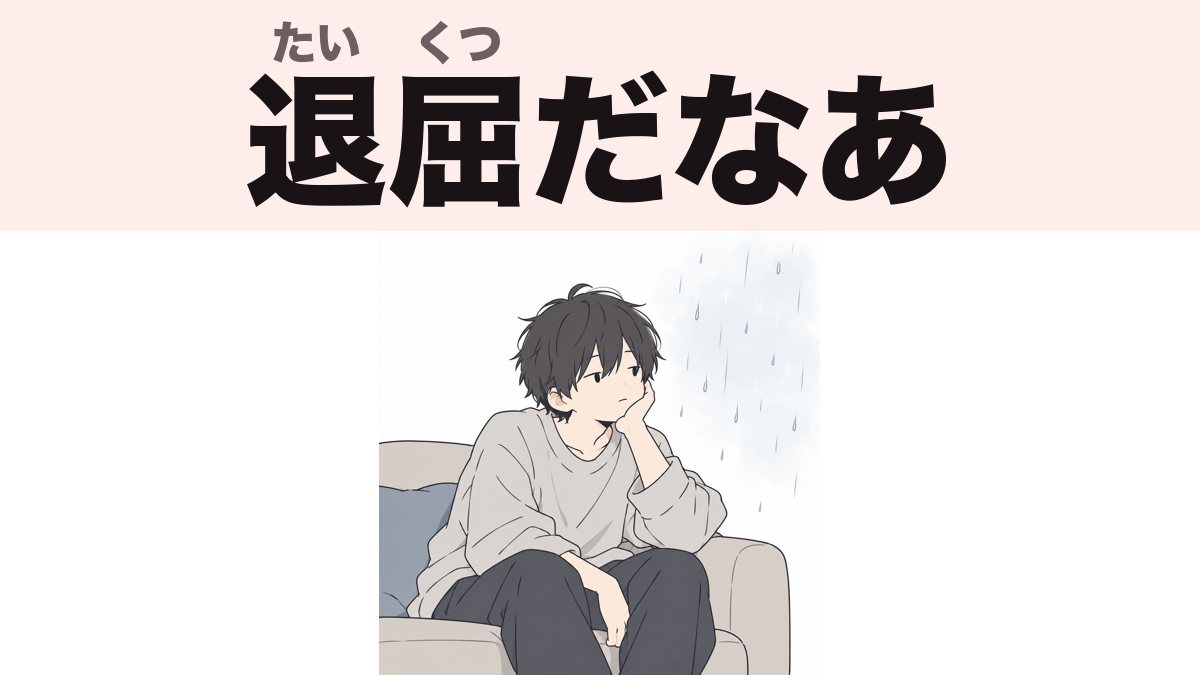
Bored in Japanese: 退屈, つまらない, 暇 and 飽きた — which one you mean
Bored in Japanese is 退屈, つまらない, 暇 or 飽きた, and each one means something different. Learn which word fits, with a table and anime examples.
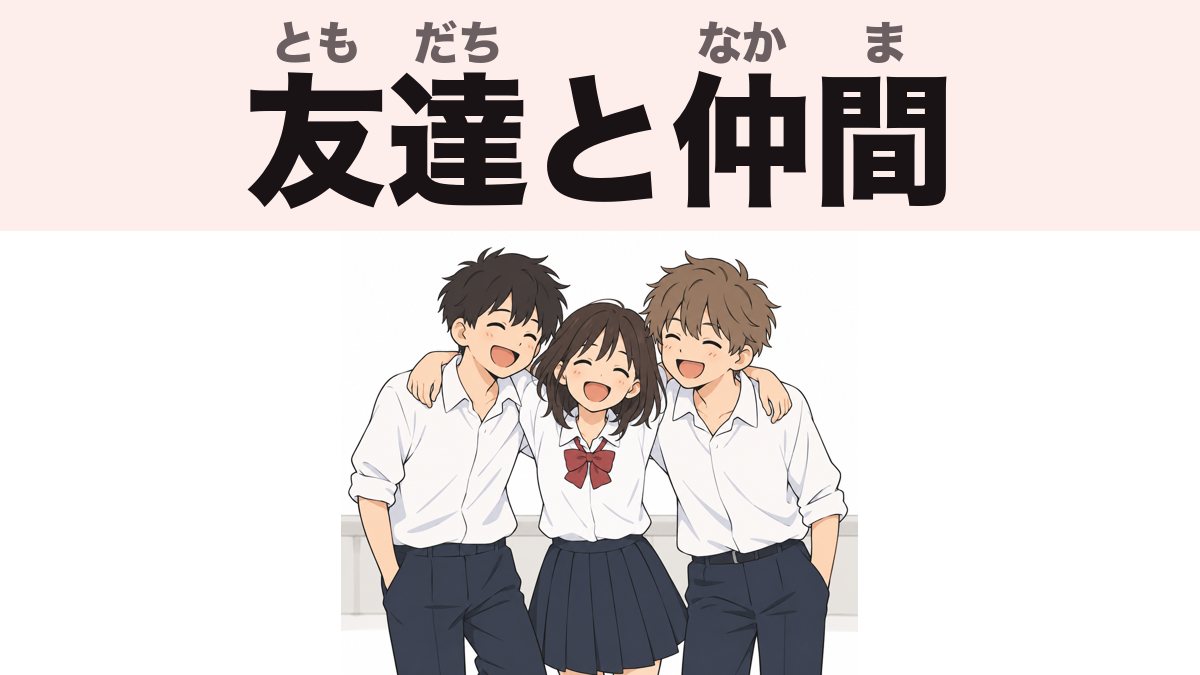
Friend in Japanese: 友達, 親友, 仲間 — and the one anime can't stop saying
Friend in Japanese is 友達 (tomodachi), but 友人, 親友, 仲間, 知り合い and 幼なじみ each mean something different. Learn which word fits which relationship.
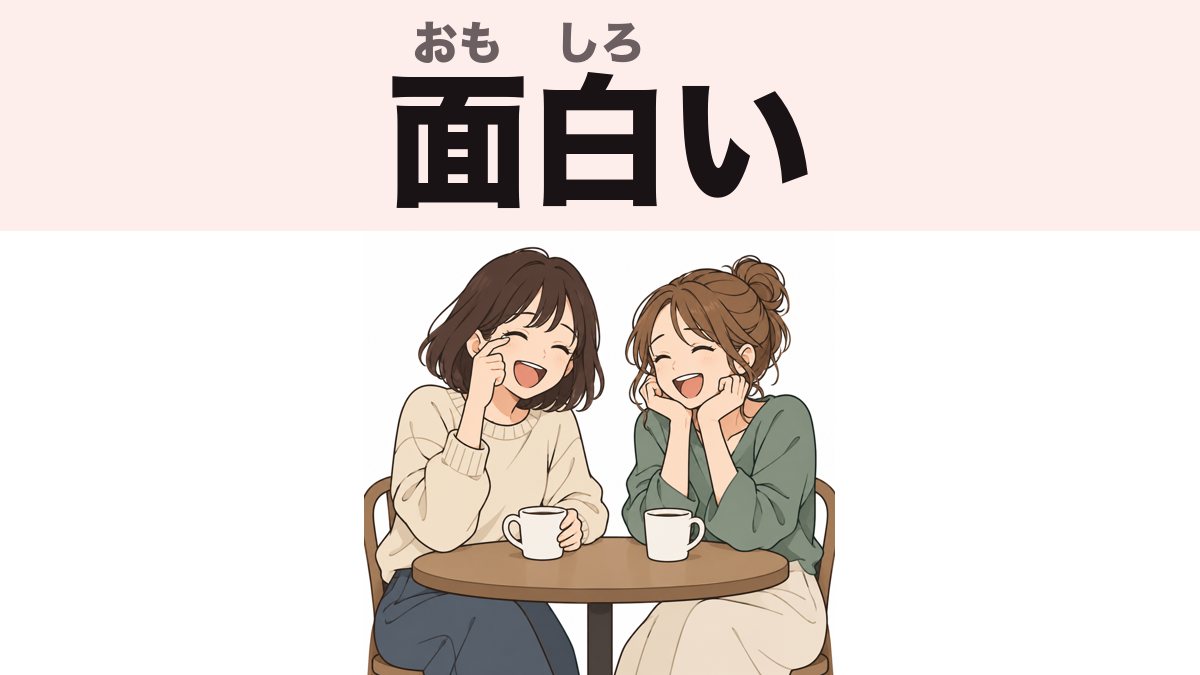
Funny in Japanese: 面白い, おかしい and the 'funny' that means something's wrong
Funny in Japanese splits in two: 面白い for ha-ha and interesting, おかしい for strange or broken. Learn 笑える, 爆笑, 草, and why calling someone おかしい is rude.
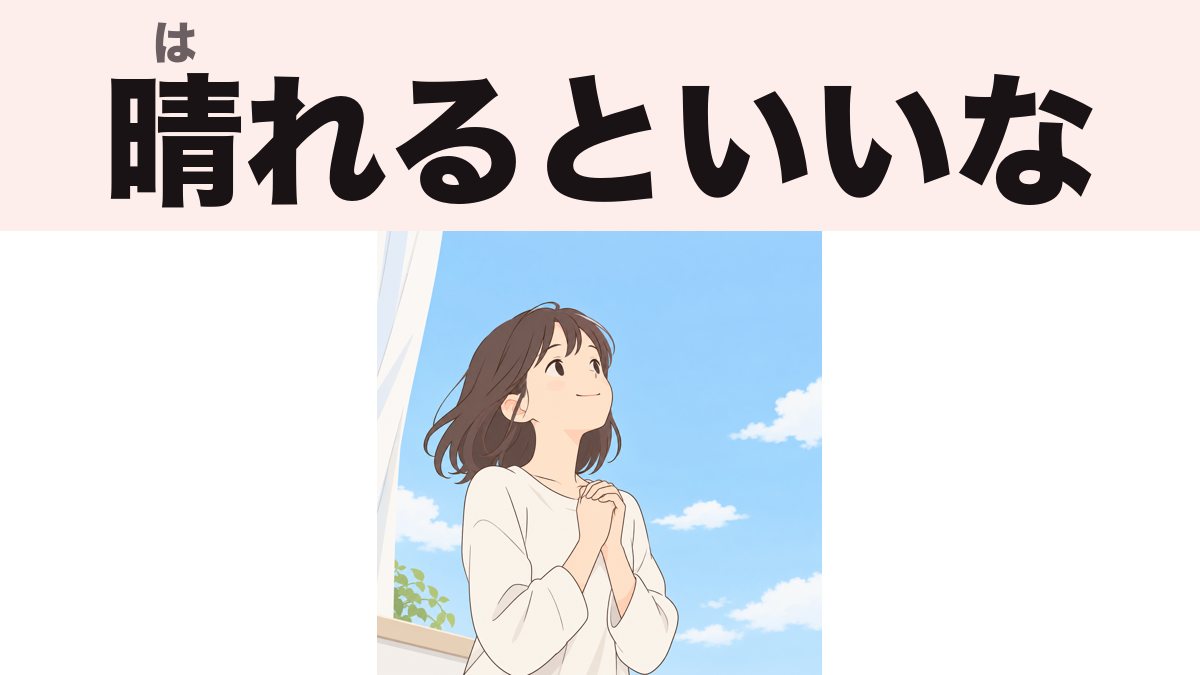
Hope in Japanese: 〜といいな, 〜ますように and 希望
Hope in Japanese is usually said with 〜といいな or 〜ますように, not the noun 希望. For example, 明日晴れるといいね means "I hope it is sunny tomorrow." Here is how each form works.
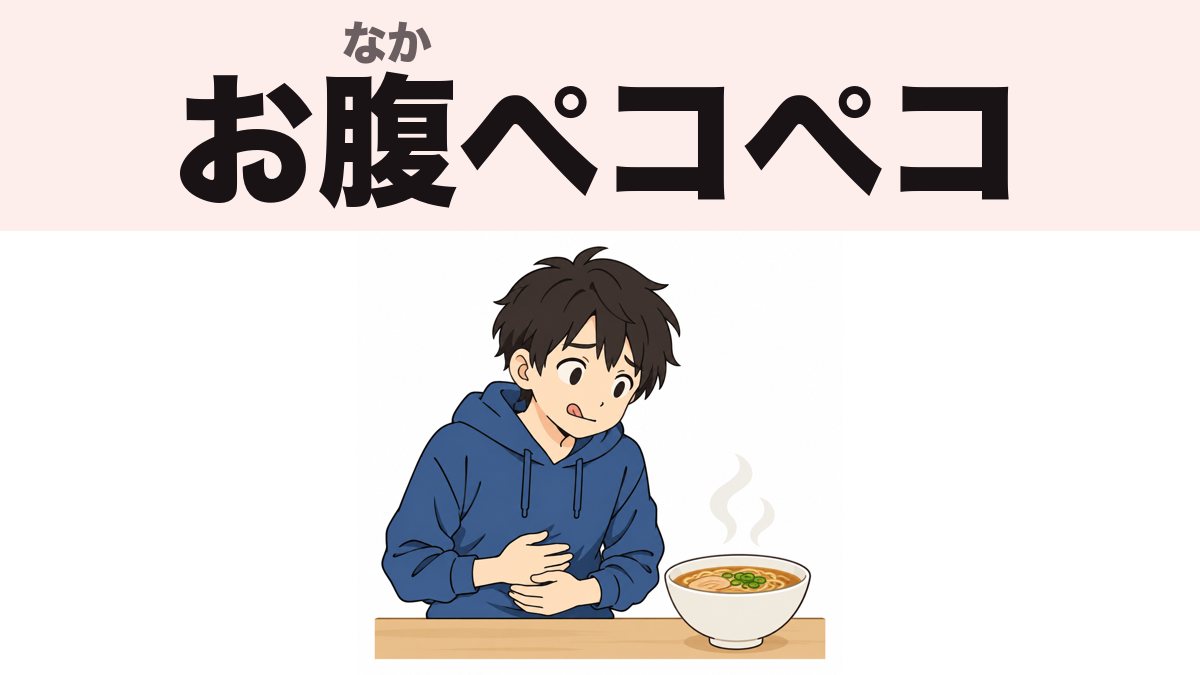
Hungry in Japanese: お腹が空いた, ペコペコ and 腹減った
Hungry in Japanese is お腹が空いた (onaka ga suita). Learn why it uses the past tense, what it means for right now, plus ペコペコ, 腹減った, 小腹が空いた and お腹いっぱい.
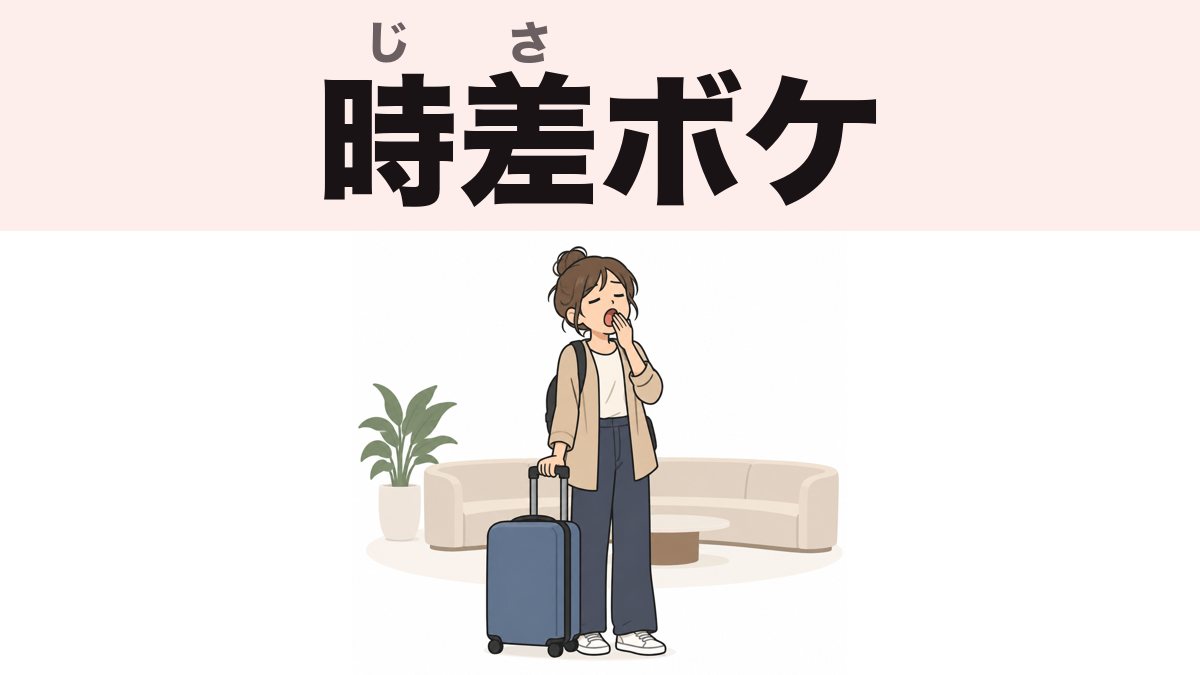
Jet lag in Japanese: 時差ボケ, and the other things Japanese can be ボケ about
Jet lag in Japanese is 時差ボケ (jisaboke): 時差 (time difference) plus ボケ (fogginess). Learn how to use it, plus 寝ぼけ, 休みボケ, 平和ボケ and one risky ボケ.
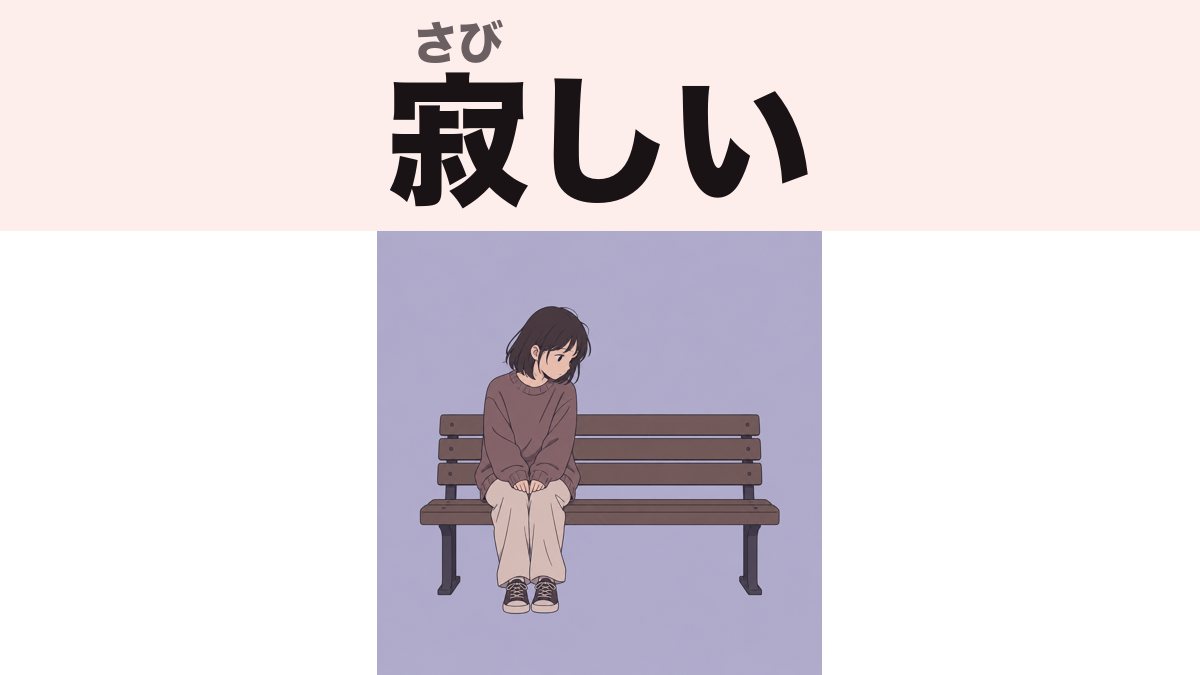
Sad and lonely in Japanese: 悲しい vs 寂しい, and 切ない in between
Sad in Japanese is 悲しい when something happened, 寂しい when someone or something is missing. Learn 切ない, 落ち込む, 悲しむ, 寂しがる and 泣ける with examples.
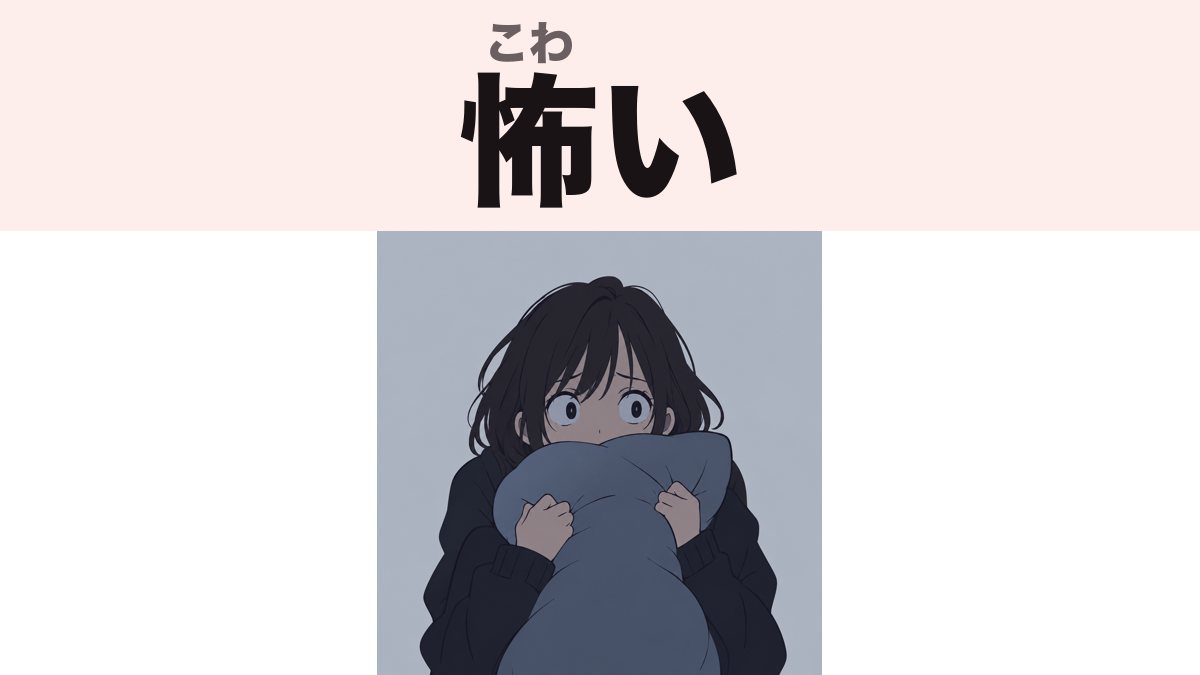
Scary in Japanese: 怖い means both scary and scared
Scary in Japanese is 怖い (kowai), and the same word also means scared. Learn how to tell the two apart, plus 怖がる, 恐ろしい, ゾッとする, ビビる and 苦手.
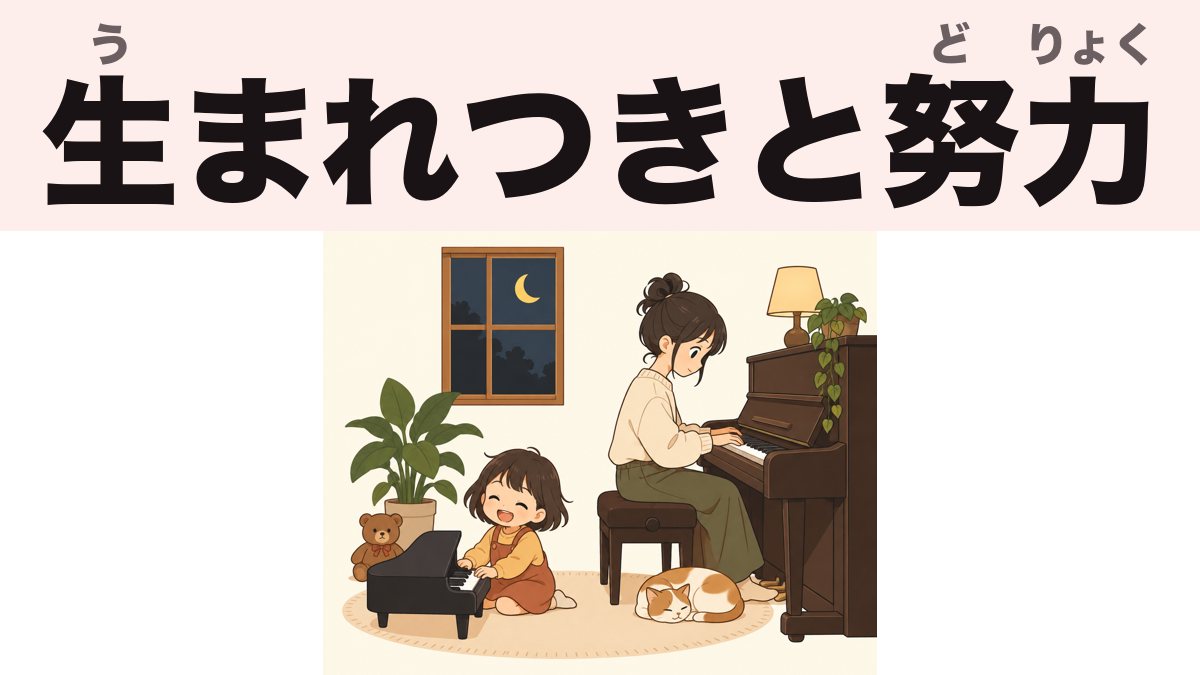
Innate in Japanese: 生まれつき, 先天的, and 後天的 for what you learn
Innate in Japanese is 生まれつき (umaretsuki) in everyday speech and 先天的 (sententeki) in formal or medical talk. Its opposite, acquired, is 後天的.
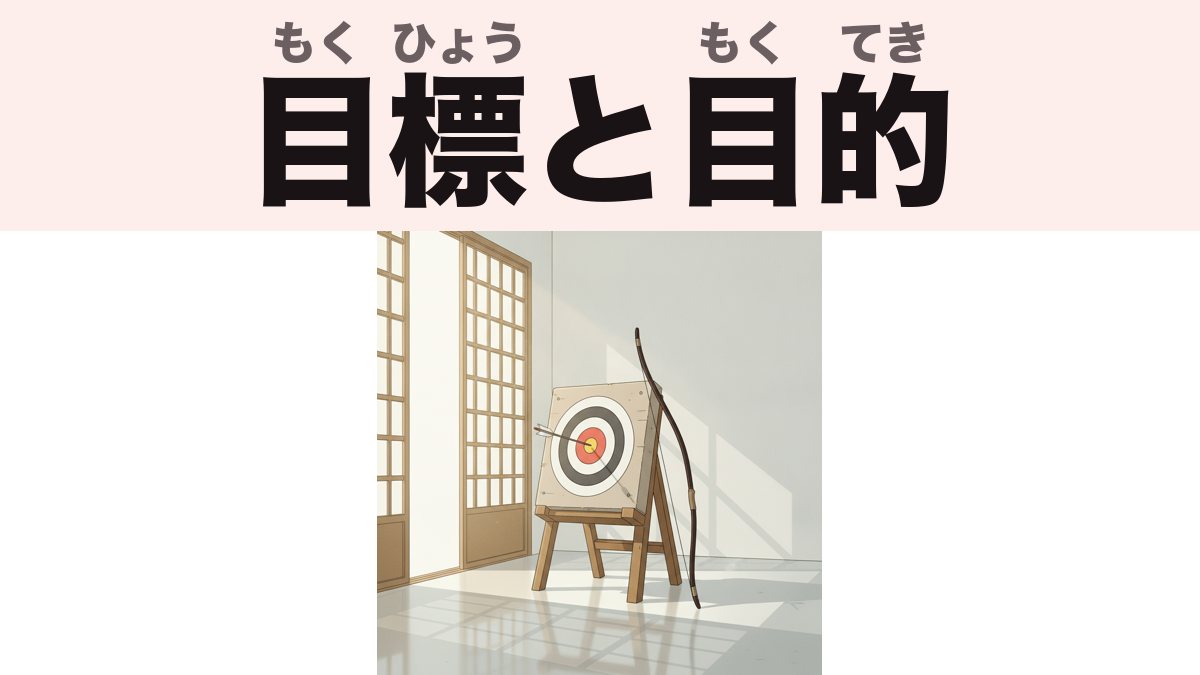
Goal in Japanese: 目標 vs 目的, and when to say ゴール
Goal in Japanese is usually 目標 (mokuhyou), a target you can reach and measure. 目的 (mokuteki) is the purpose behind it. Here is how to tell them apart.
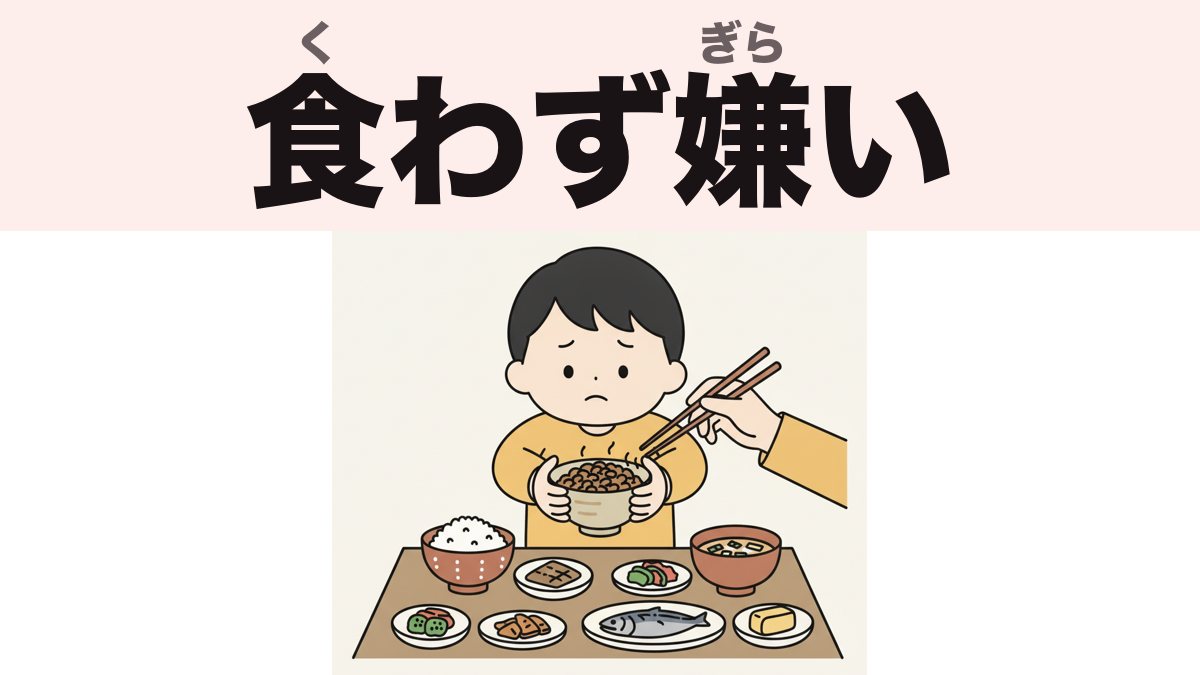
Picky eater in Japanese: 好き嫌いが多い, 偏食 and 食わず嫌い
A picky eater in Japanese is 好き嫌いが多い人. 食わず嫌い means refusing food you have never tried, and it is also used for anything you dismiss without trying.
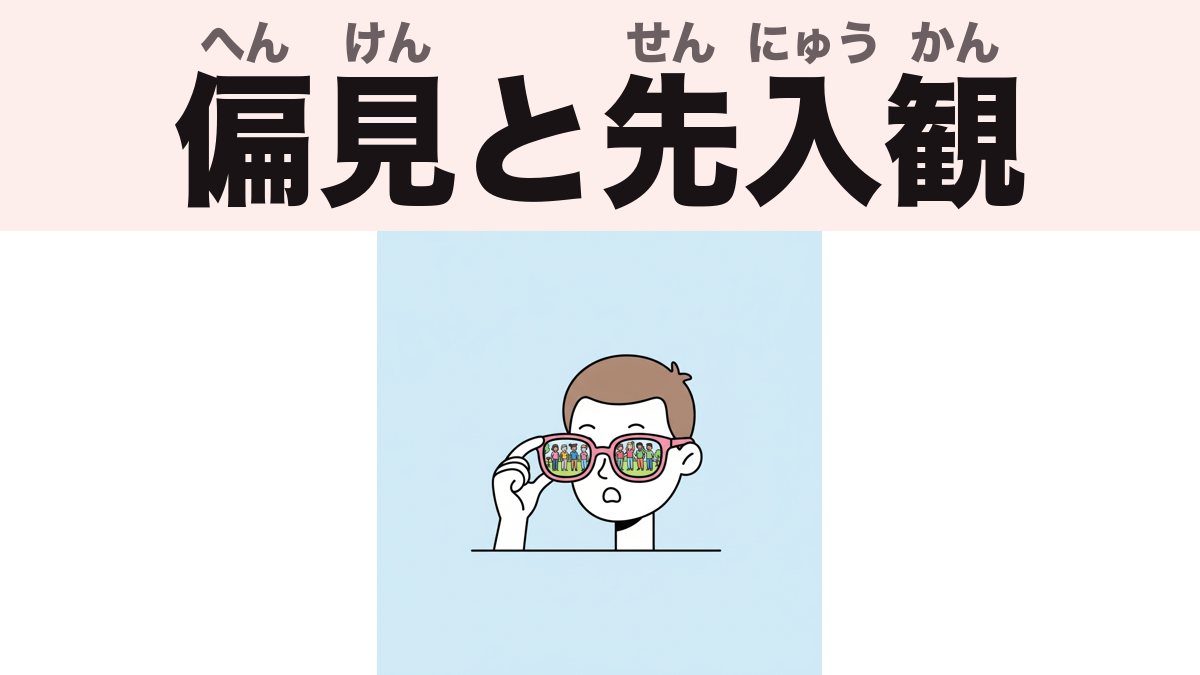
Prejudice in Japanese: 偏見, 先入観 and 決めつける
Prejudice in Japanese is 偏見 (henken). 先入観 is a preconception you had before you knew anything, and 決めつける means jumping to a conclusion about someone.
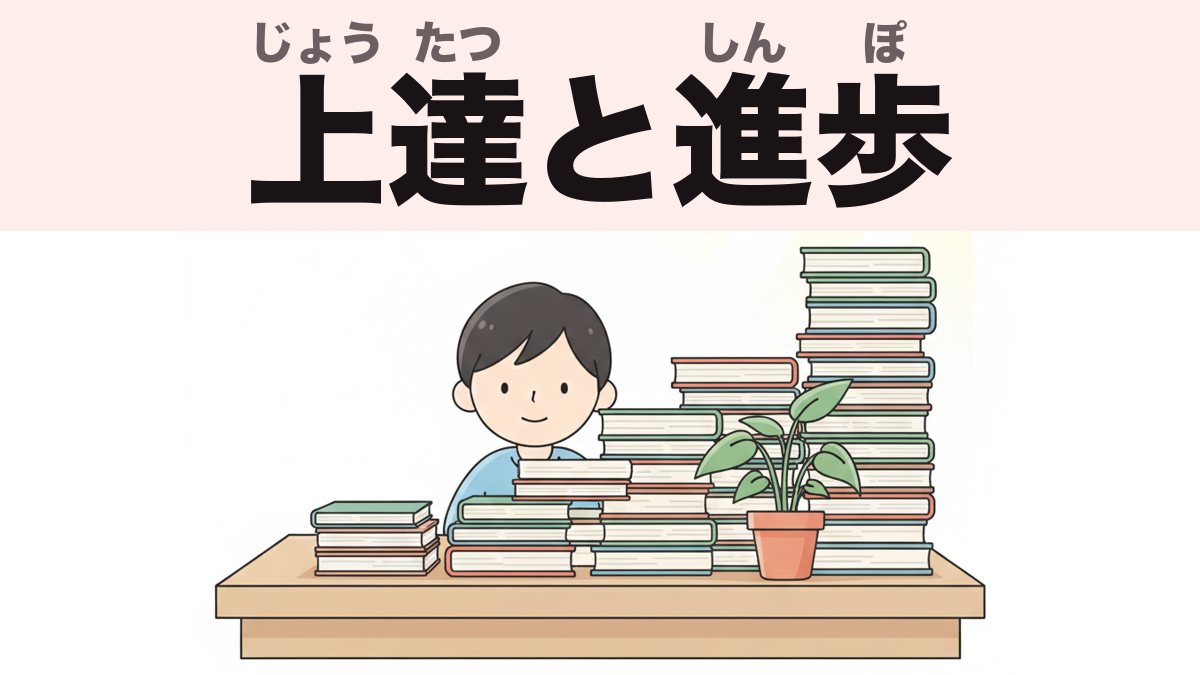
Progress in Japanese: 上達, 進歩 and 進捗 are three different words
Progress in Japanese depends on what is moving. A skill improving is 上達, society or technology advancing is 進歩, and a task moving forward is 進捗.
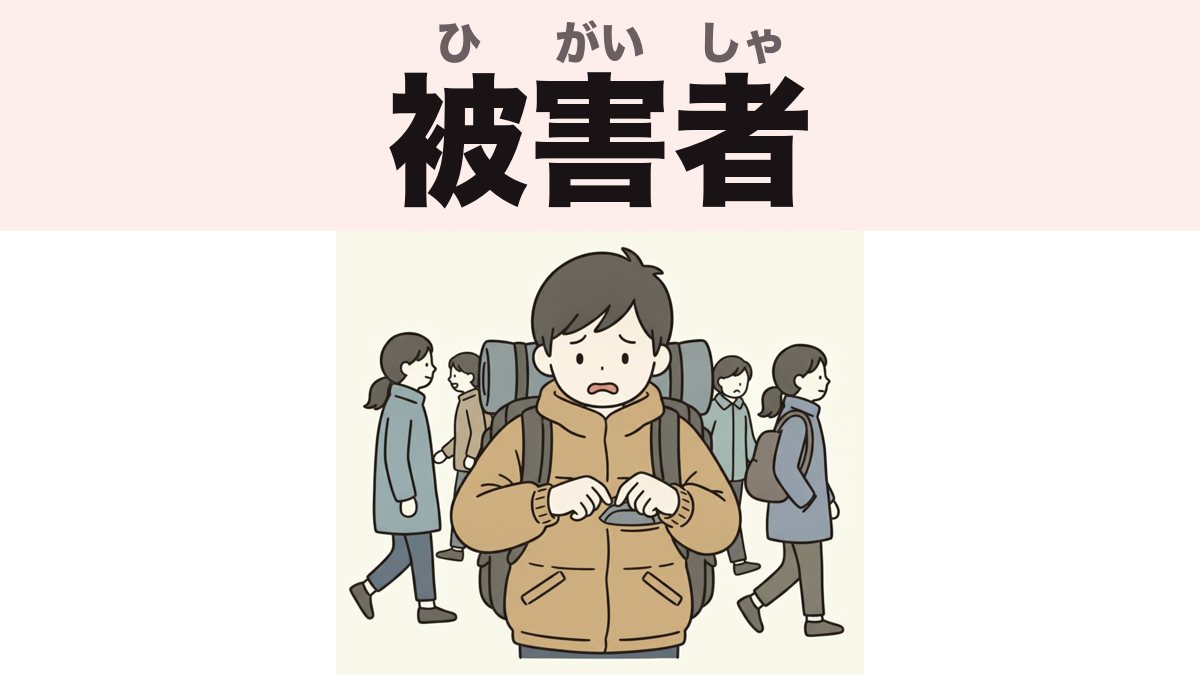
Victim in Japanese: 被害者, 犠牲者, 被災者 and 被害者ヅラ
Victim in Japanese is usually 被害者 (higaisha). 犠牲者 is a victim who died, 被災者 is a disaster victim, and 被害者ヅラ means playing the victim.
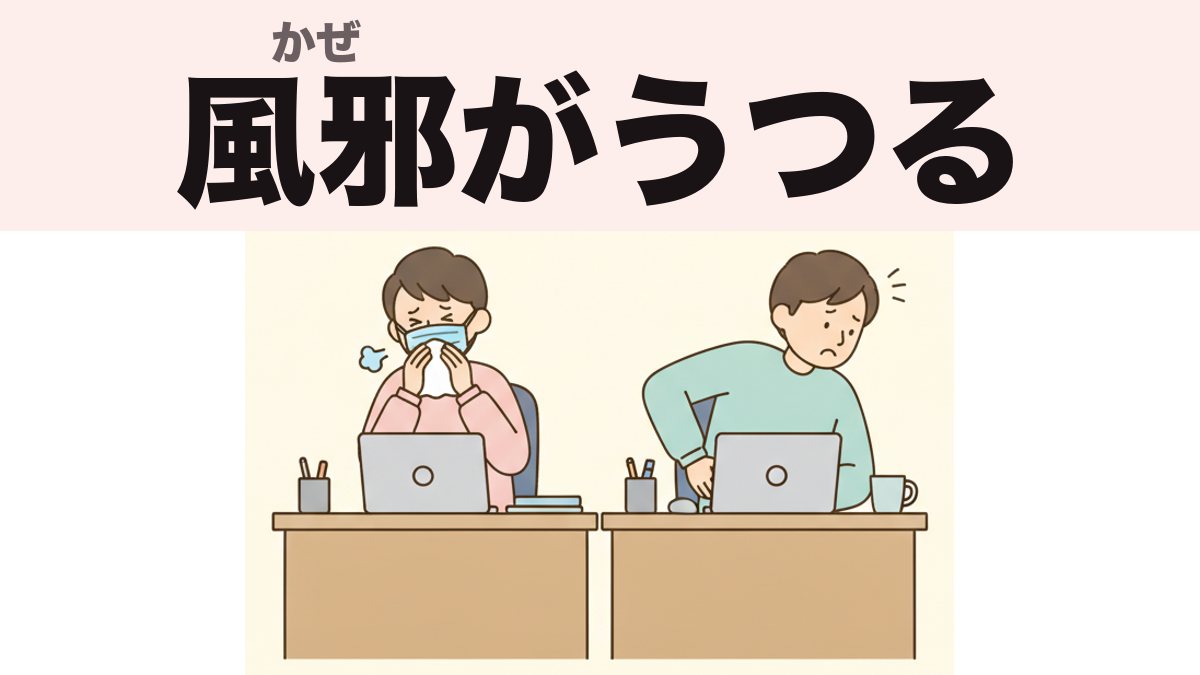
Contagious in Japanese: うつる, うつす and 感染
Contagious in Japanese is うつる (utsuru): 風邪がうつる means a cold spreads to you. うつす (utsusu) is giving it, 感染 (kansen) is the formal word, and yawns うつる too.
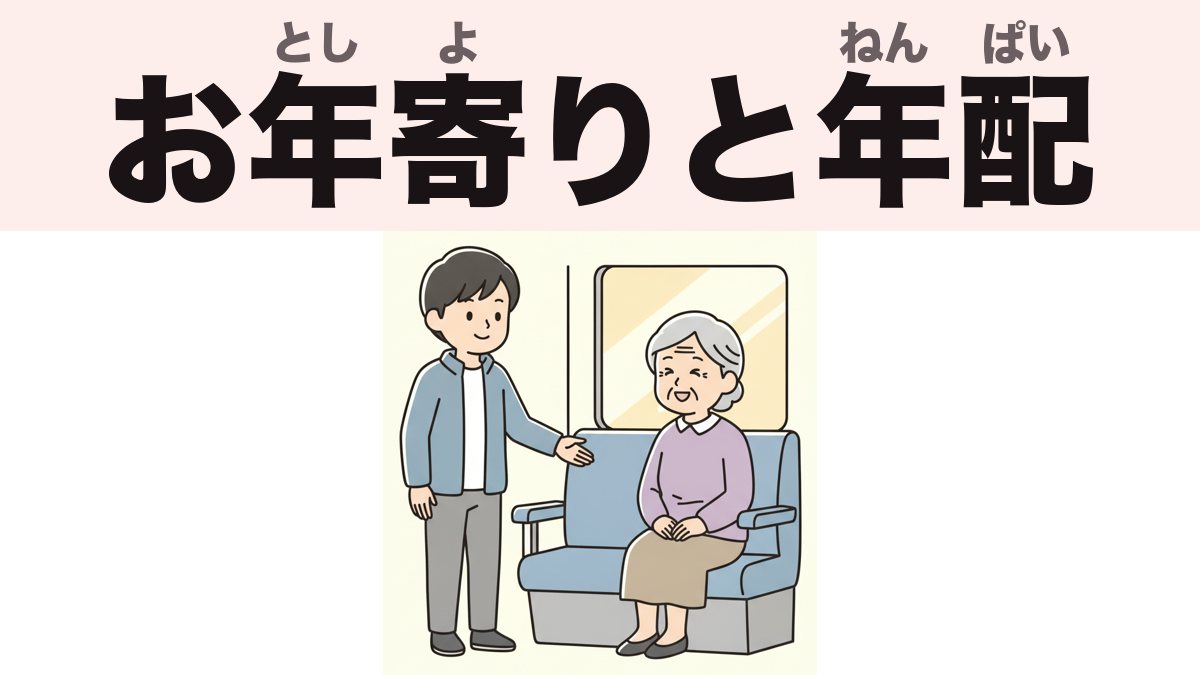
Elderly in Japanese: お年寄り, 年配の方, 高齢者 and why not 老人
Elderly in Japanese is お年寄り in everyday speech, 年配の方 for a polite "older person," 高齢者 in news and forms. 老人 can sound blunt, and 古い人 means old-fashioned.
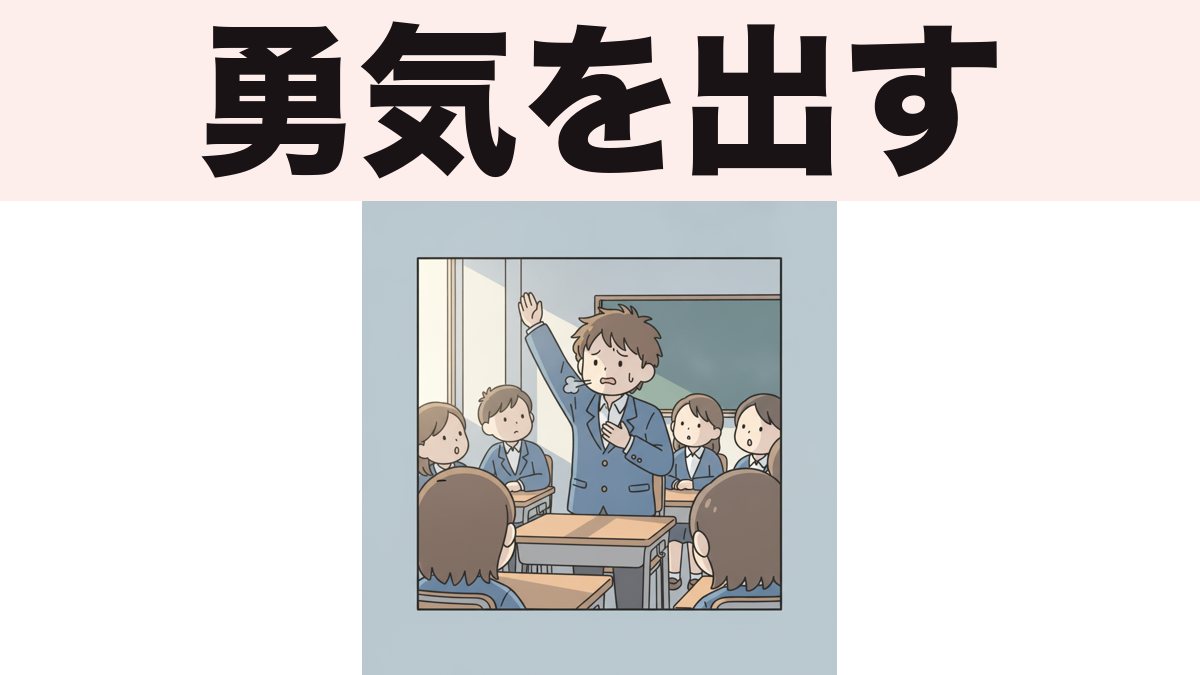
Courage in Japanese: 勇気 (yuuki) and the verbs that go with it
Courage in Japanese is 勇気 (yuuki). You 勇気を出す to find courage, and something 勇気が要る when it takes courage — not 勇気がかかる. Plus 度胸, 根性 and 勇者.
Jealous in Japanese: urayamashii, shitto or yakimochi?
羨ましい (urayamashii) is friendly envy, 嫉妬 (shitto) is real jealousy, and やきもち is jealousy in love. Which one to say, plus the slang うらやま and いいなあ.