JLPT LEVEL
JLPT N4 articles
Grammar and vocabulary articles tagged N4 (upper beginner).
222 articles
Actually in Japanese: 実は (jitsu wa) reveals, 実際 reports, 本当は confesses
Actually in Japanese has overlapping options: 実は introduces news, 実際 stresses real experience, 本当は contrasts the truth with appearances. Examples inside.
For example in Japanese: 例えば (tatoeba), とか, など and how to list things without sounding like a textbook
For example in Japanese is 例えば (tatoeba). It works alone; とか or など are optional extras, and it also sets up "say…" hypothetical situations.
Accident in Japanese: 事故 (じこ), 交通事故, and what to say when something goes wrong
Accident in Japanese is 事故 (jiko), as in 交通事故 (traffic accident). Learn 事故に遭う vs 事故を起こす, 人身事故 on trains, and the "by accident" words.
Idea in Japanese: アイデア, 考え, 案, and how to say "no idea"
Idea in Japanese is アイデア (aidea) in katakana, but 考え, 案 and 発想 fit many cases better. Learn how to say "good idea" and "no idea" naturally, plus mistakes.
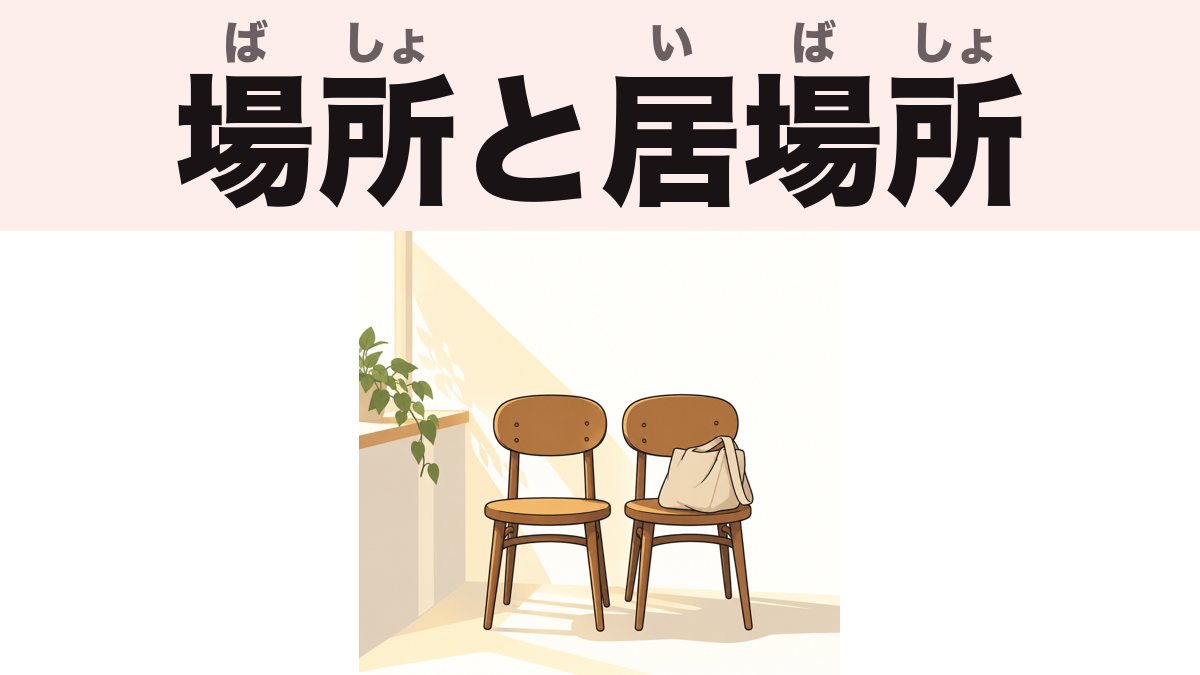
Place in Japanese: 場所, 所, and when to use each
Place in Japanese is 場所 (basho). Learn 場所 vs 所 (tokoro), 居場所, 会場, 席, the 〜のところ trick, and why 1st place is not 場所. Includes practice.
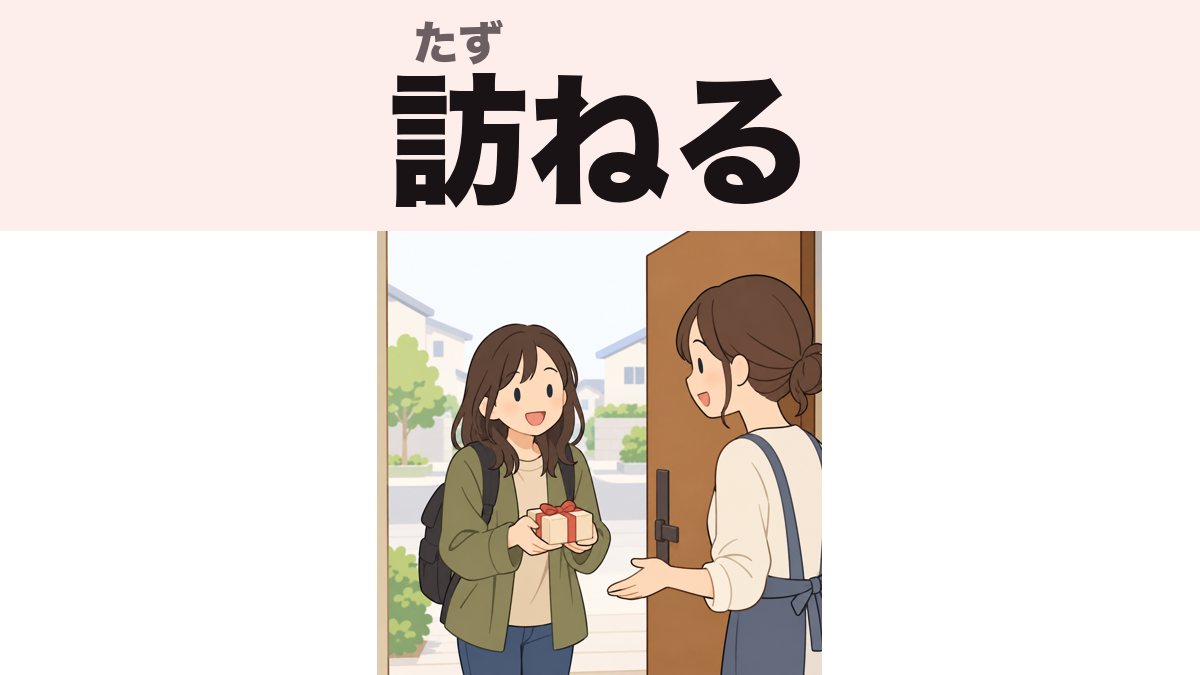
Visit in Japanese: 行く, 訪ねる, 訪れる, 訪問する or 伺う?
Visit in Japanese is usually 行く or 遊びに行く in conversation. Learn when 訪問する, 訪ねる, 訪れる and 伺う fit, how formal each is, and the mistakes to avoid.
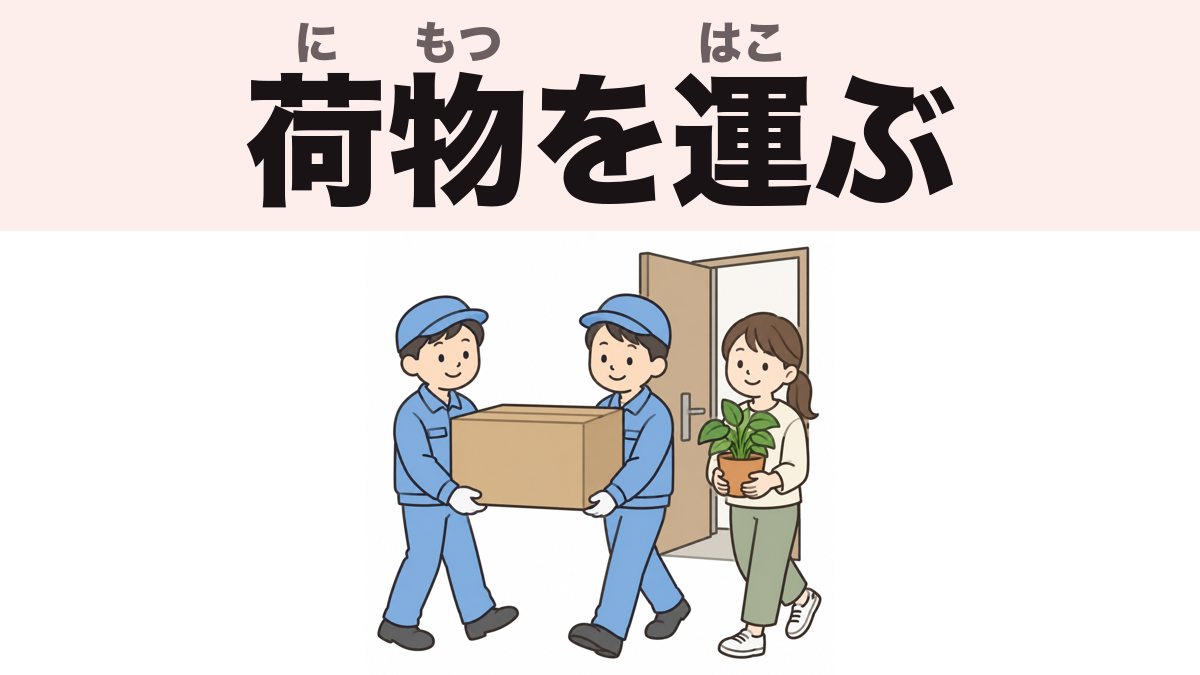
Carry in Japanese: 運ぶ vs 持つ and the verbs that mean "carry"
Carry in Japanese is 運ぶ when you move something from A to B and 持つ when you hold it. Plus 持ち歩く (carry around), 背負う (on the back), 抱える (in the arms) and 持ち込み.
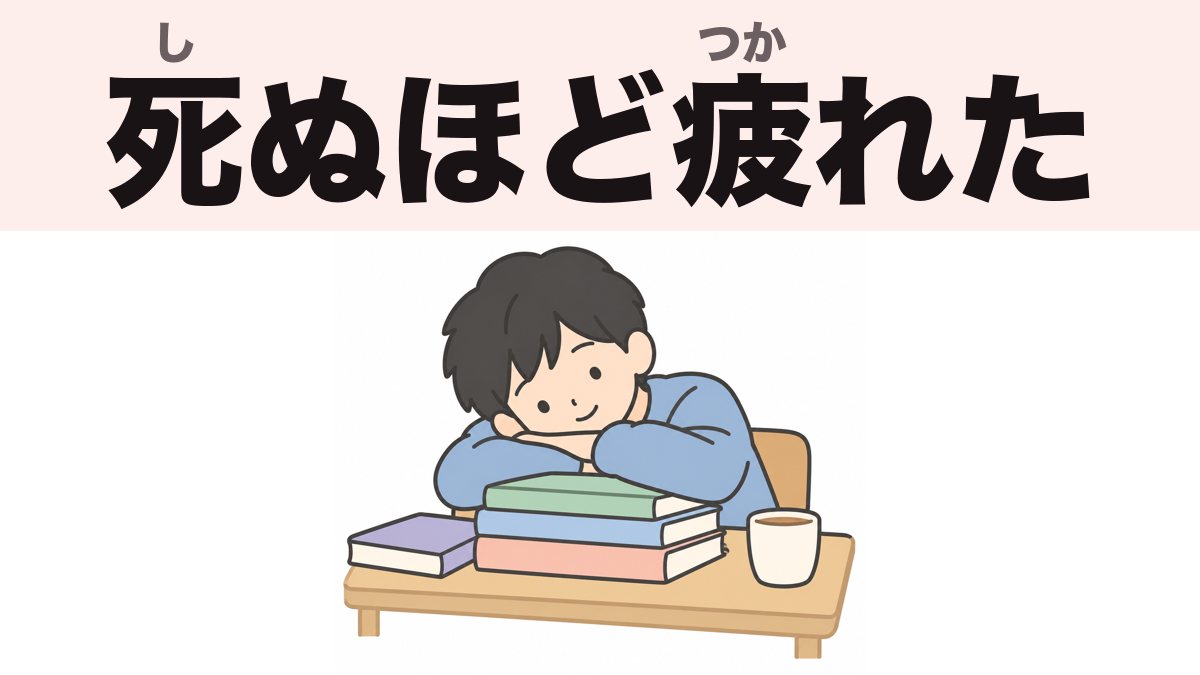
Die in Japanese: 死ぬ, 亡くなる and why 死ね is not a joke
Die in Japanese is 死ぬ (しぬ), but for a real person who has passed away you say 亡くなる. Learn 死んだ, 死にます, 死ね, 死ぬほど and the anime and game phrases.
Perfect in Japanese: how do you say it with 完璧 (kanpeki)?
Perfect in Japanese is 完璧 (かんぺき, kanpeki), a na-adjective: 完璧な計画, 完璧に覚えた. See the kanji, hiragana, パーフェクト, 完全, and ばっちり.
Special in Japanese: how do you say it with 特別 (tokubetsu)?
Special in Japanese is 特別 (とくべつ, tokubetsu): 特別な日, 特別に教える. See the kanji, hiragana, スペシャル, 特に, 特殊, and 限定 so you pick the right one.
Touch in Japanese: 触る, 触れる, and "keep in touch"
Touch in Japanese is 触る (さわる) for putting a hand on something, 触れる (ふれる) for a light touch, and 連絡する for "keep in touch". Signs and examples.
Another in Japanese: もう一つ, 他の, or 別の?
Another in Japanese depends on what you want: もう一つ is one more of the same, 他の and 別の mean a different one. Learn which to use when you order or shop.
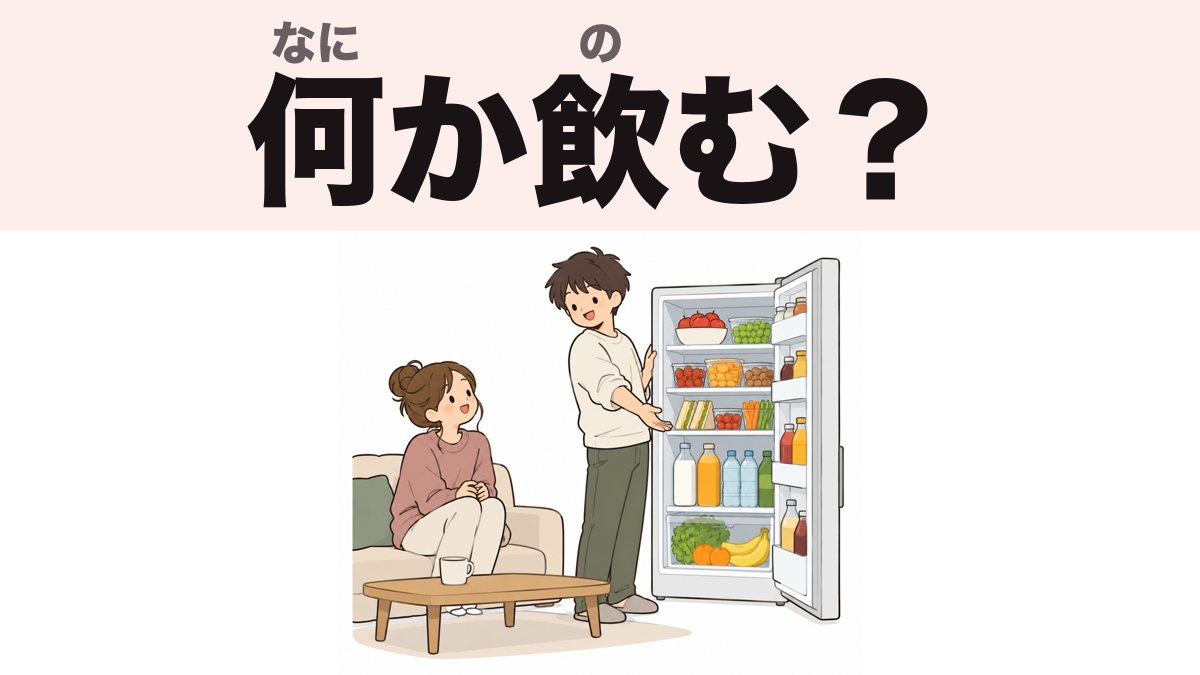
Anything in Japanese: 何か (nanika), 何でも (nandemo) or 何も (nanimo)?
Anything in Japanese is 何か in questions (何か食べますか), 何でも for "whatever" (何でもいい), and 何も plus a negative for "not anything." Here is how to pick.
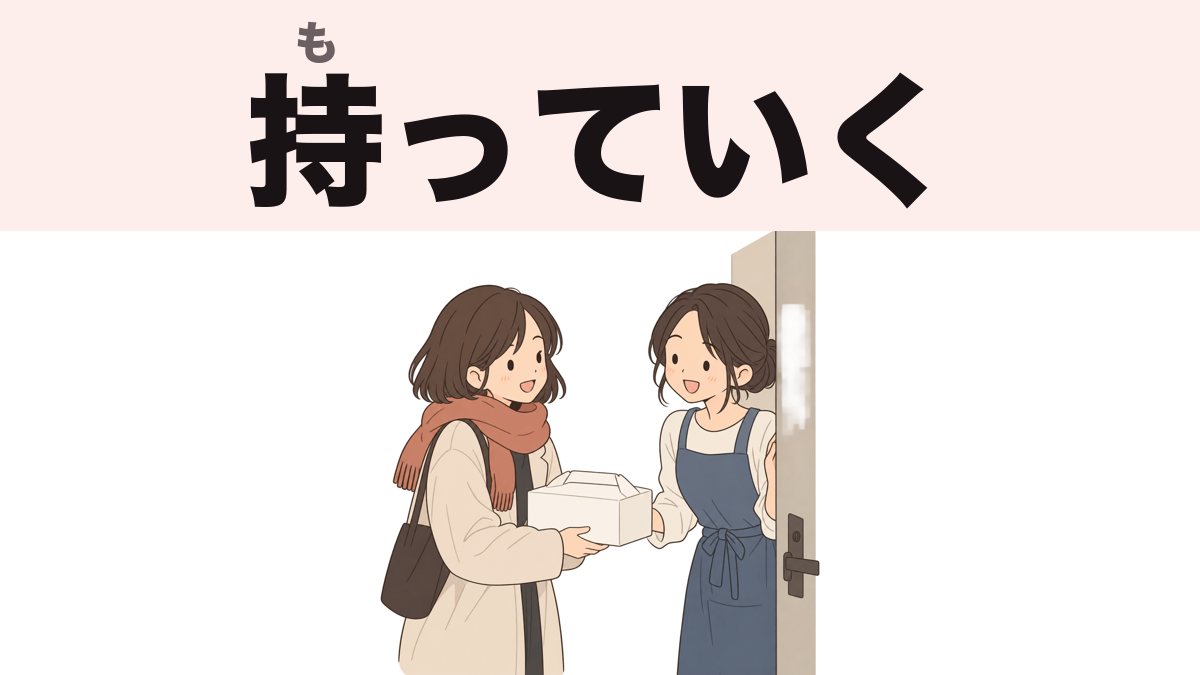
Bring in Japanese: 持ってくる (motte kuru) vs 持っていく (motte iku)
Bring in Japanese is 持ってくる when the thing comes toward you and 持っていく when it goes away. Plus 連れてくる for people and 持参 for formal Japanese.
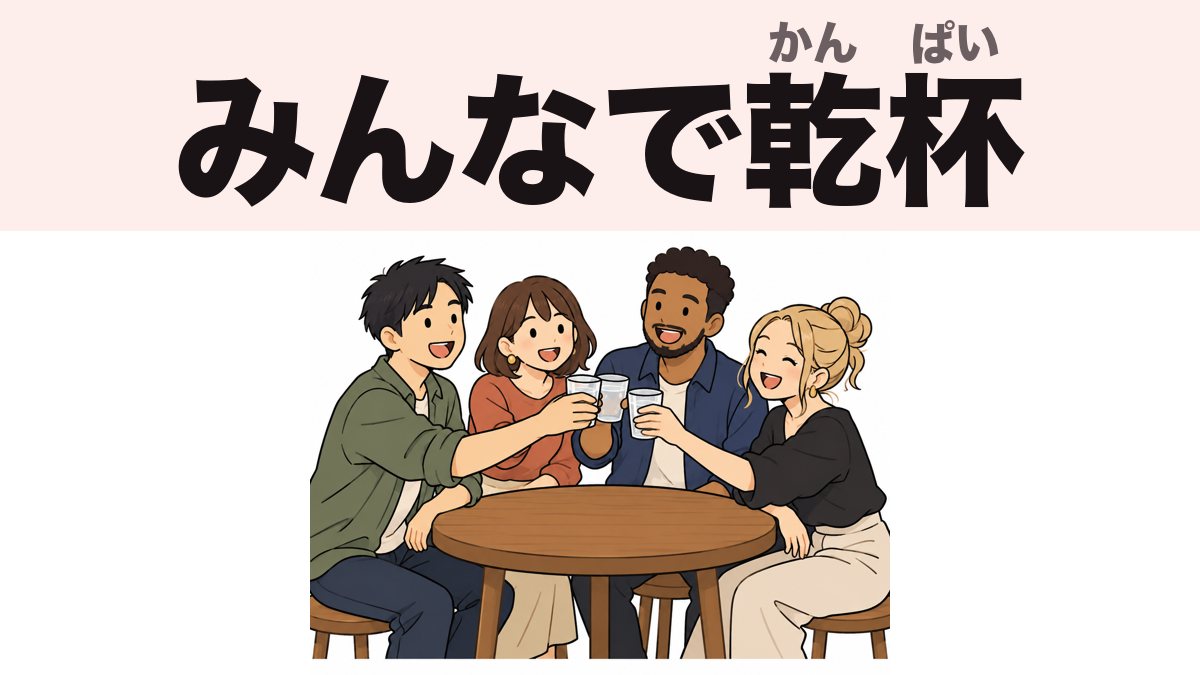
How do you say "everyone" in Japanese? みんな, 皆さん, 皆様 and 全員
Everyone in Japanese is みんな (casual), 皆さん (polite, when addressing people), 皆様 (very formal) or 全員 (counting every member). Here is when to use each one.
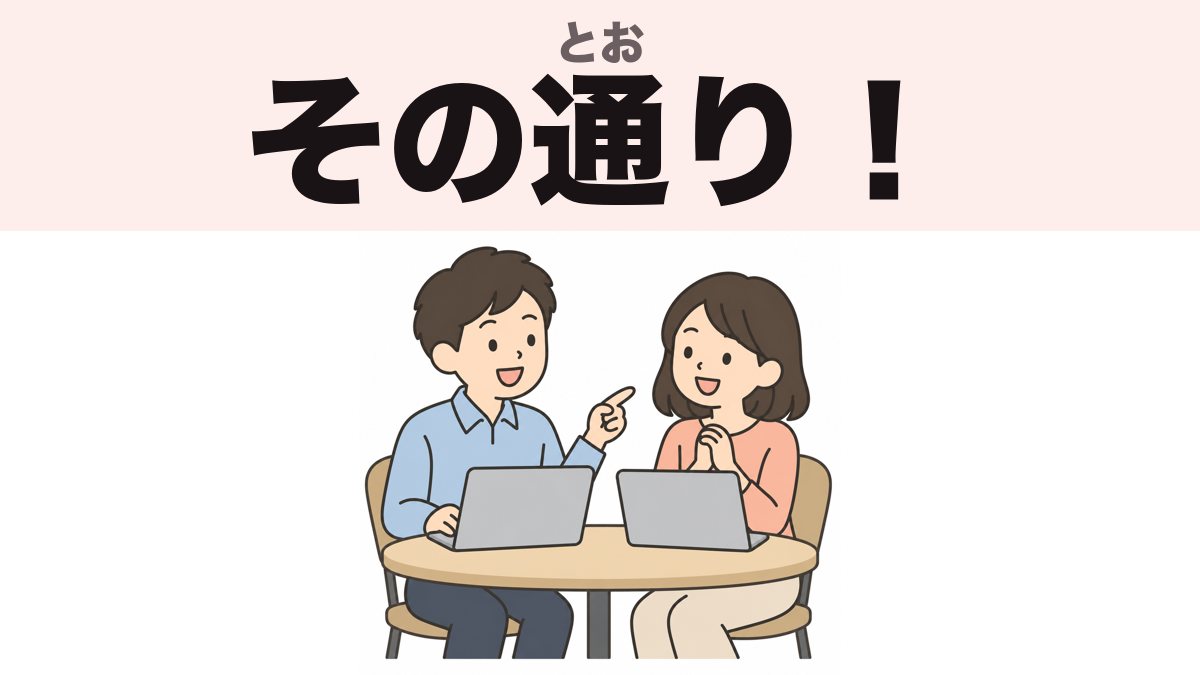
Exactly in Japanese: そのとおり, ちょうど, まさに (and which one you mean)
Exactly in Japanese is そのとおり or そうそう when you agree, ちょうど for exact amounts and times, and まさに for emphasis. Here is how each one sounds, and the rude trap.
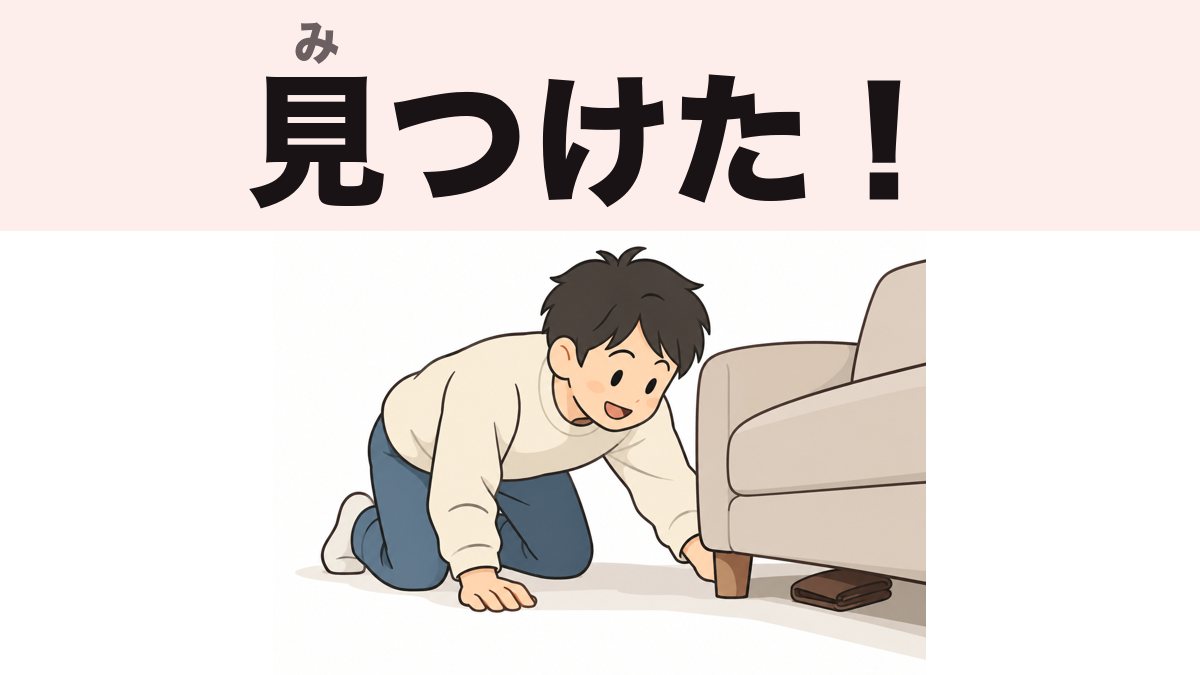
Find in Japanese: 見つける, 見つかる, and 探す explained
Find in Japanese is 見つける when you spot something and 見つかる when it turns up. 探す is to look for it. Plus how to say "find out" and "I find it fun".
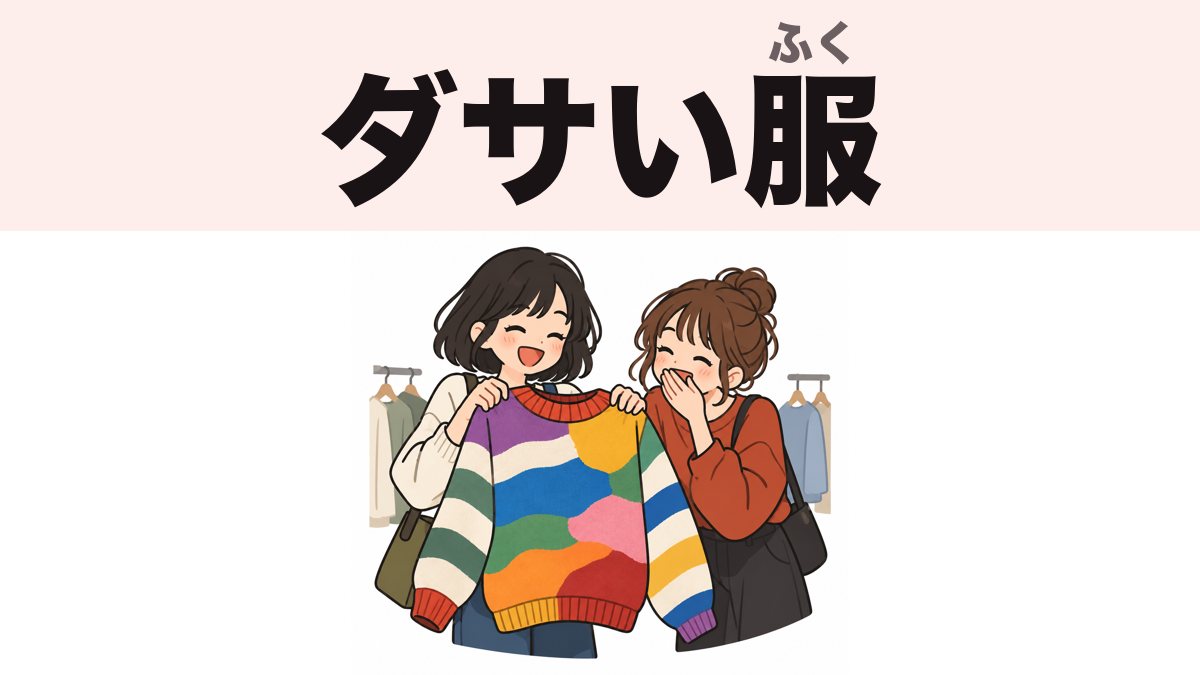
Ugly in Japanese: 醜い, ブサイク, ダサい, and which one is safe to say
Ugly in Japanese is 醜い in writing, ブサイク for faces, ダサい for uncool clothes or taste, and 汚い for dirty things. Here is which one is safe and which one hurts.
By the way in Japanese: ところで (tokorode) vs ちなみに (chinamini) and when to use each
By the way in Japanese is ところで (tokorode) for a new topic and ちなみに (chinamini) for related extra info. Learn そういえば, 余談ですが and how anime says them.
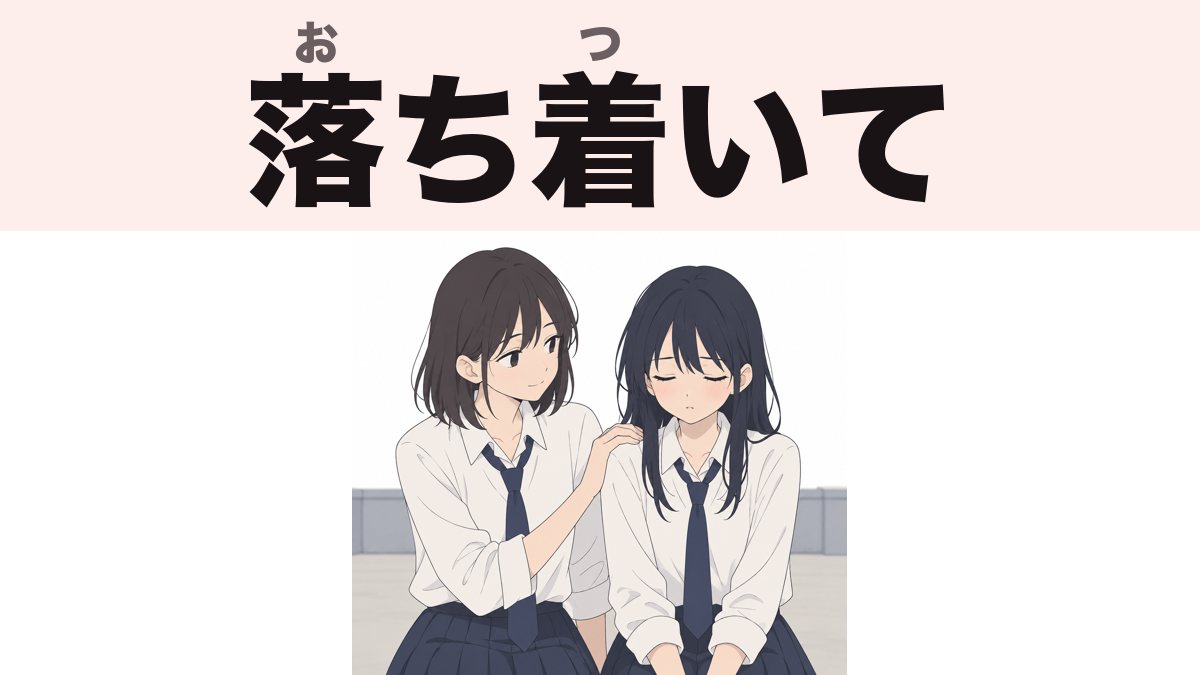
Calm Down in Japanese: 落ち着いて (Ochitsuite) and 7 More Ways
Calm down in Japanese is 落ち着いて (ochitsuite). Learn 落ち着け, 冷静に, まあまあ, 焦らないで and 深呼吸して, plus who you can safely say each one to.
Continue in Japanese: 続ける (tsuzukeru) vs 続く (tsuzuku) and how to say "keep going"
Continue in Japanese is 続ける (tsuzukeru) when you do the continuing and 続く (tsuzuku) when something just goes on. Plus 〜続ける, 続き, 継続する and 引き続き.
Decide in Japanese: 決める (kimeru) vs 決まる (kimaru) vs ことにする
To decide in Japanese you pick between 決める (I decide it), 決まる (it gets decided) and ことにする (I decided to). Here is how they differ, with anime examples.
Boyfriend in Japanese: 彼氏 (かれし), 彼女 (かのじょ), 恋人, 付き合う, and 元カレ
Boyfriend in Japanese is 彼氏 (かれし) and girlfriend is 彼女 (かのじょ), which also means "she". Learn 恋人, 付き合う, 元カレ, 今カレ and how to ask 彼氏いる?
Earthquake in Japanese: 地震 (じしん), 揺れる, 震度, 余震, and 津波
Earthquake in Japanese is 地震 (じしん). Learn 揺れ, 震度 vs マグニチュード, 余震, 津波, 避難, the quick small talk after a quake, and the 自信 homophone trap.
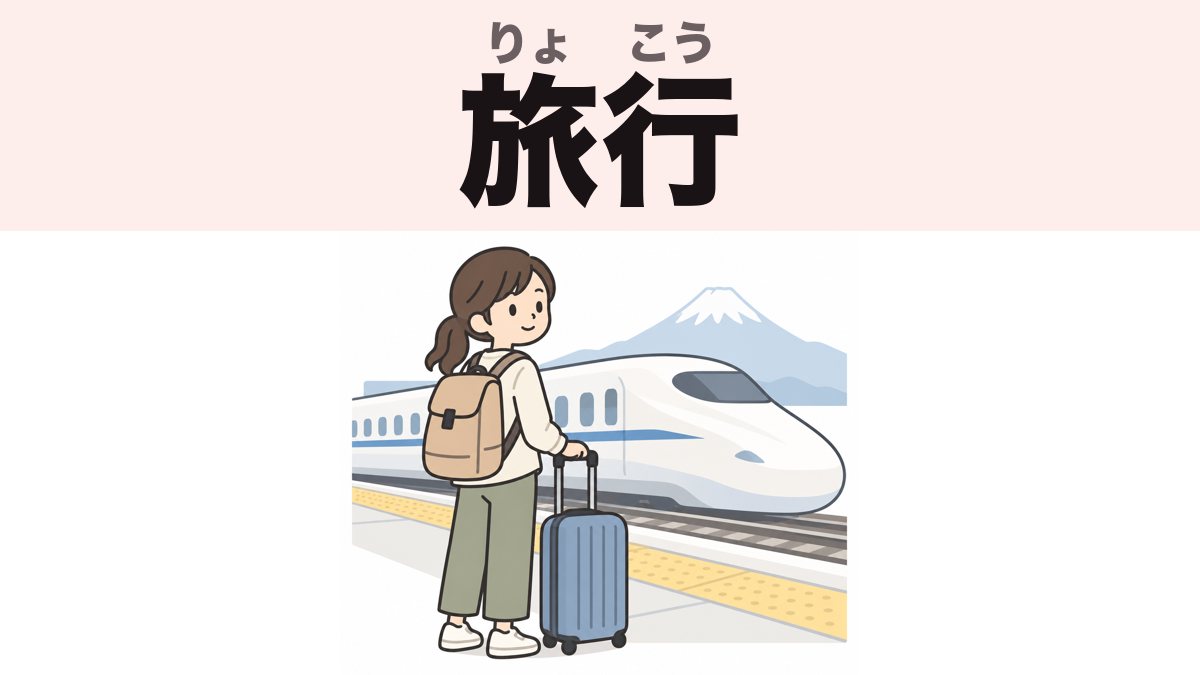
Travel in Japanese: 旅行 (りょこう) vs 旅 (たび), plus 観光, 出張, and 旅行に行く
Travel in Japanese is 旅行 (りょこう) for a trip in general and 旅 (たび) when the journey itself is the focus. Learn 旅行に行く, 旅に出る, 観光, 出張, and common mistakes.
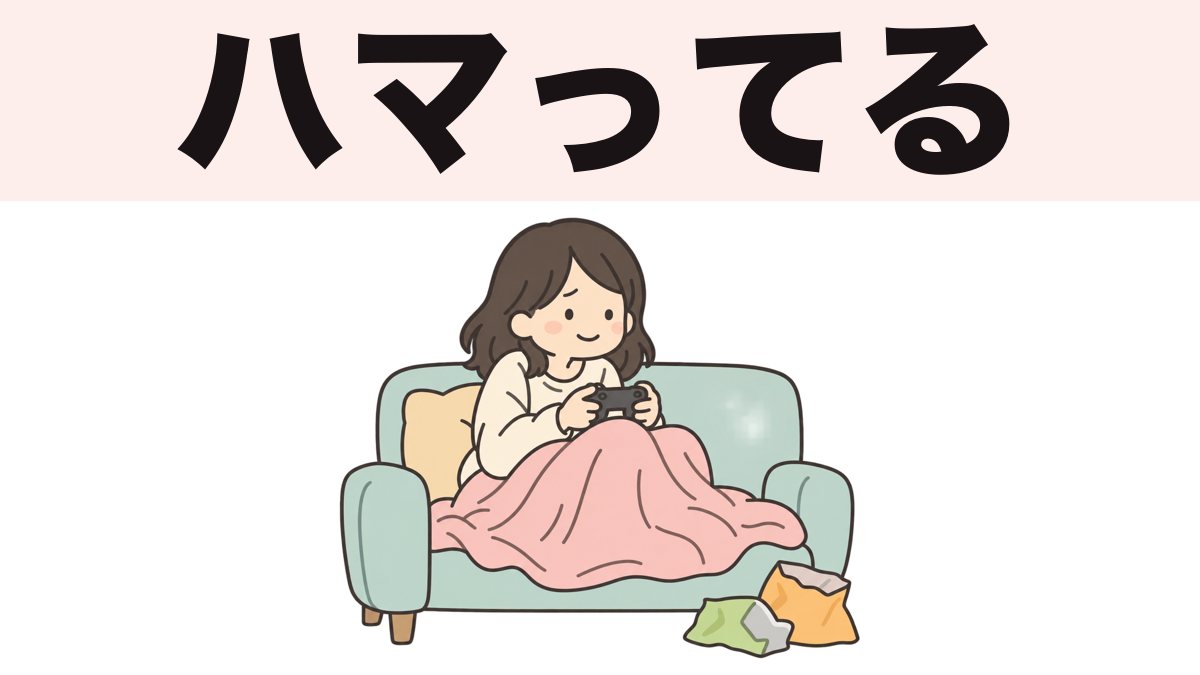
Addicted in Japanese: ハマる, 〜中毒, 依存, and やめられない
Addicted in Japanese is ハマる for being hooked on a hobby and 〜中毒 (ちゅうどく) for a stronger "addict". Learn スマホ中毒, 依存症, やめられない, 沼, and how serious each one sounds.
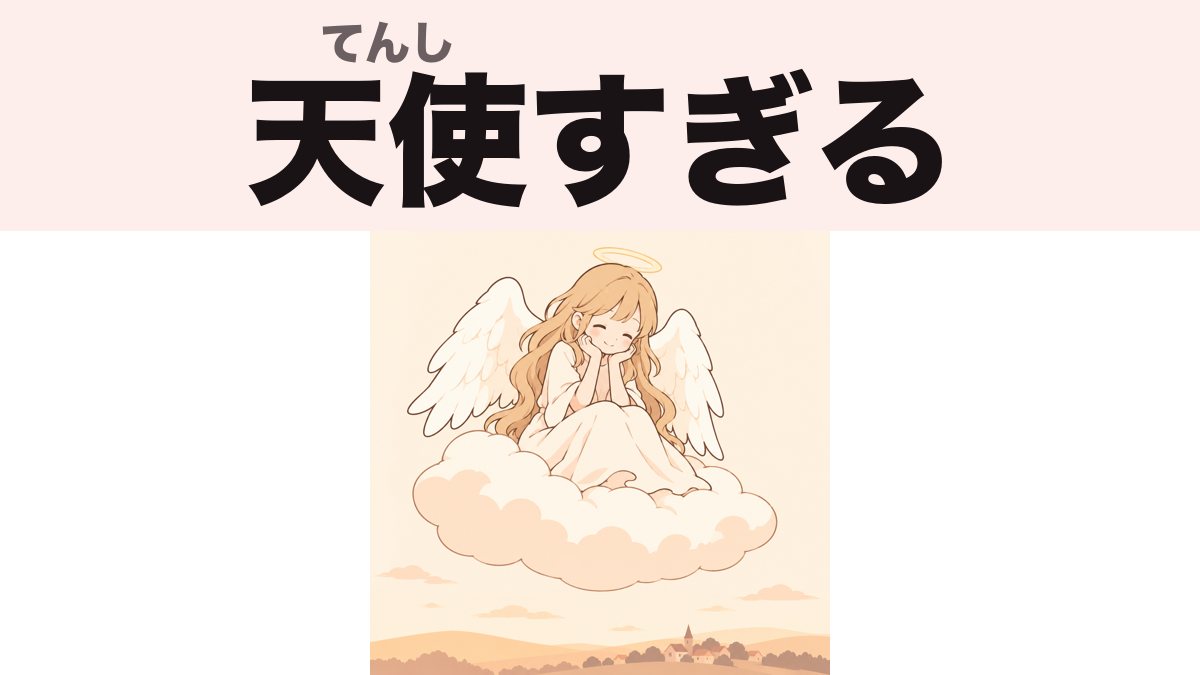
Angel in Japanese: 天使 (てんし), 堕天使, and why a sleeping baby is 天使
Angel in Japanese is 天使 (てんし, tenshi). Learn fallen angel 堕天使, 天使の輪 for shiny hair, nurses as 白衣の天使, the compliment 天使すぎる, and angels in anime.
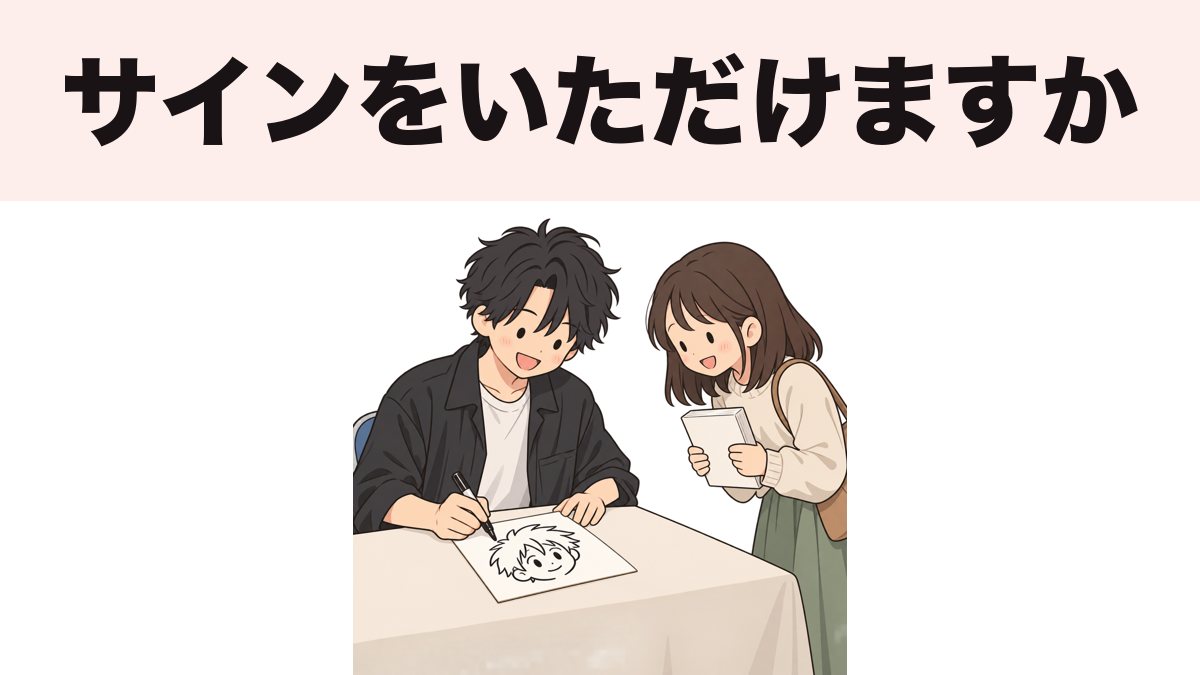
Autograph in Japanese: サイン, サイン会, 色紙, and the polite way to ask
Autograph in Japanese is サイン. Learn how to ask サインをいただけますか, サイン会 (signing event), サイン入り, 色紙 boards, 直筆, and why documents use 署名 or a ハンコ.
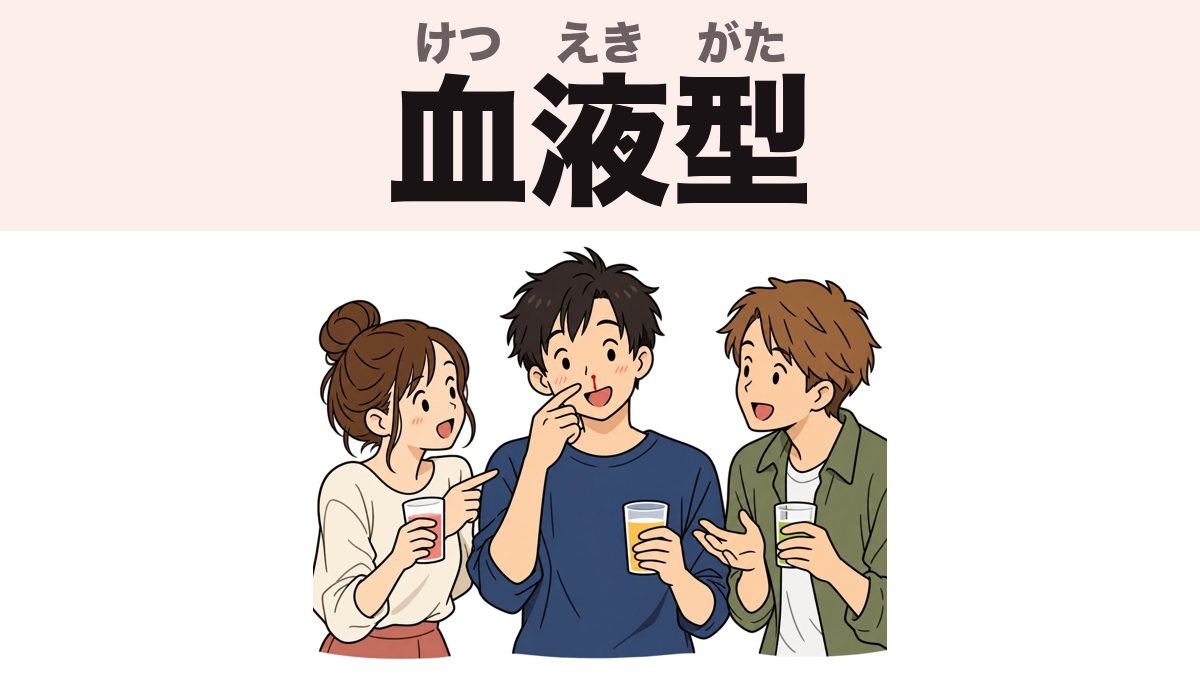
Blood in Japanese: 血 (ち), 血液型, 鼻血, 献血, and 血がつながる
Blood in Japanese is 血 (ち). Learn 血が出る (to bleed), 血液型 (blood type) and its personality myths, 鼻血 (nosebleed), 献血 (blood donation), 血圧, and 血がつながる.
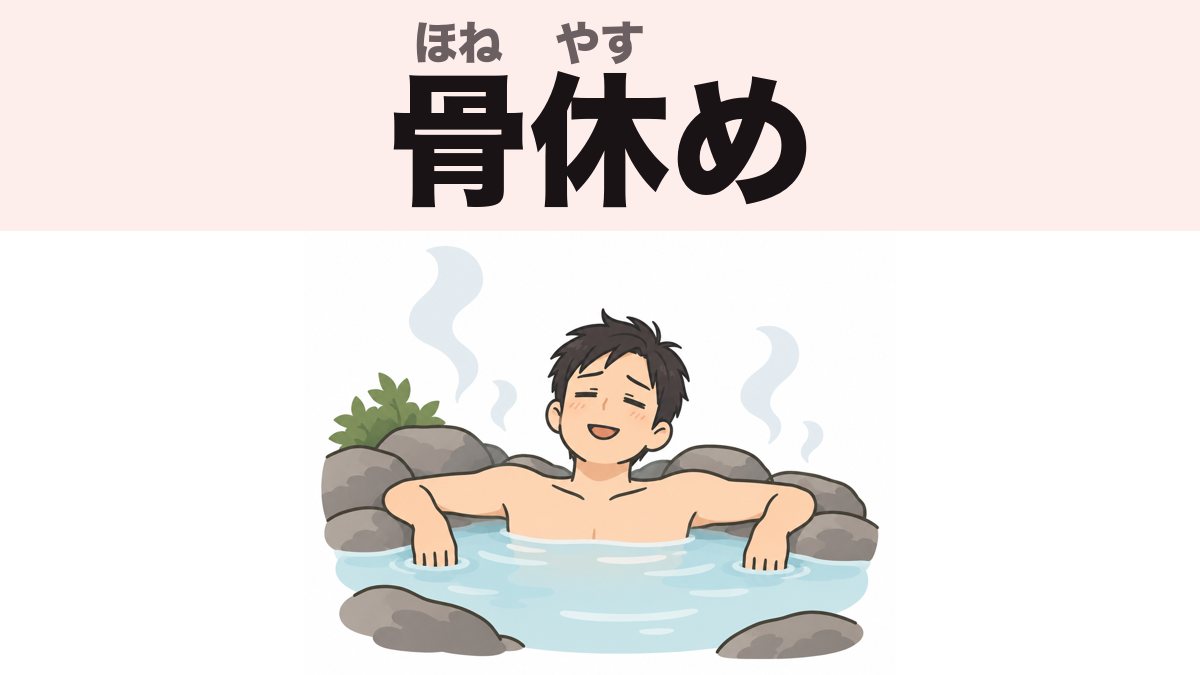
Bone in Japanese: 骨 (ほね), 骨折, 豚骨, and 骨が折れる
Bone in Japanese is 骨 (ほね). Learn 骨折 (a broken bone), 魚の骨, 豚骨 ramen, and idioms like 骨が折れる and 骨休め, with examples, a table, and practice.
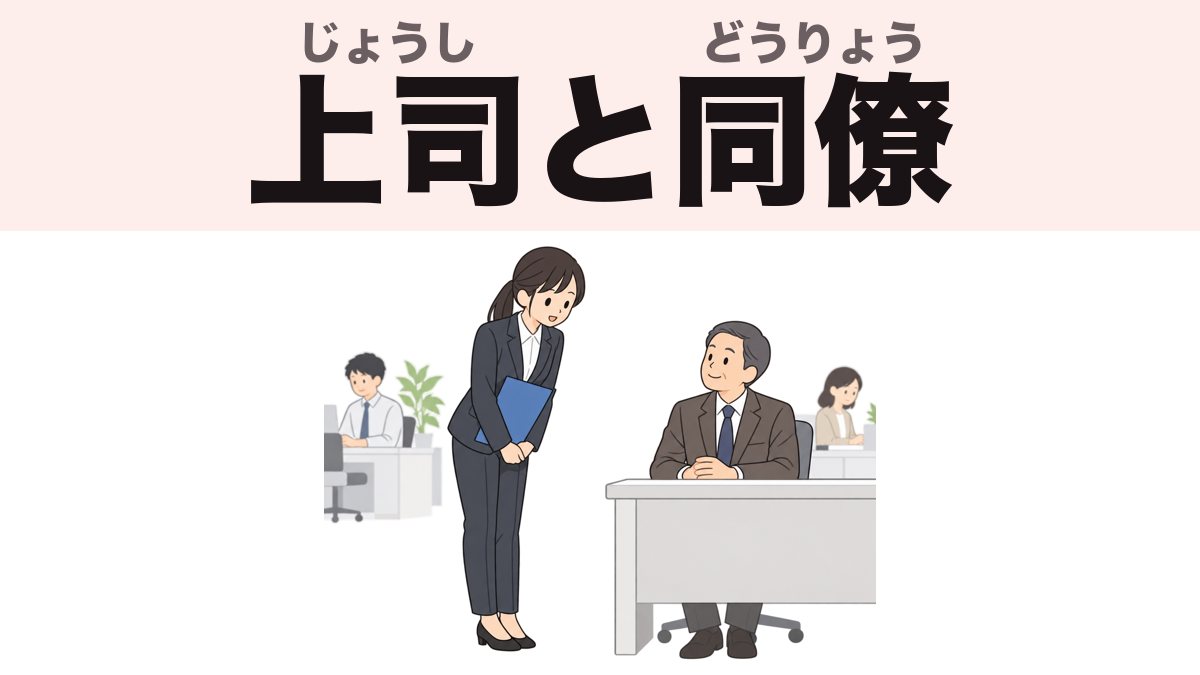
Boss in Japanese: 上司 (じょうし), 社長, 部長, and the coworker word 同僚
Boss in Japanese is 上司 (じょうし) for your manager and 社長 for the company president. Learn 同僚 (coworker), 部下, 部長, 課長, 店長, and the anime bosses 親分 and ボス.
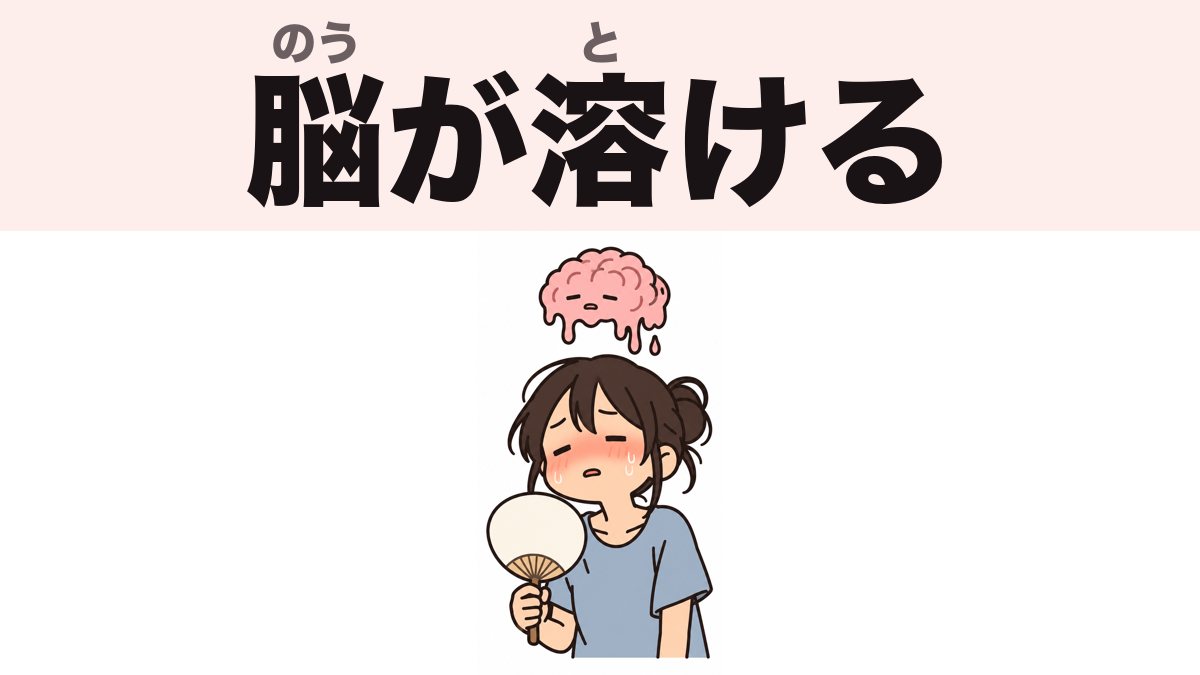
Brain in Japanese: 脳 (のう), 脳みそ, 脳トレ, and 脳内
Brain in Japanese is 脳 (のう). Learn 脳みそ, 頭脳, 脳トレ (brain training), 脳内 (in my head), 頭を使う, and how Japanese usually talks about being smart.
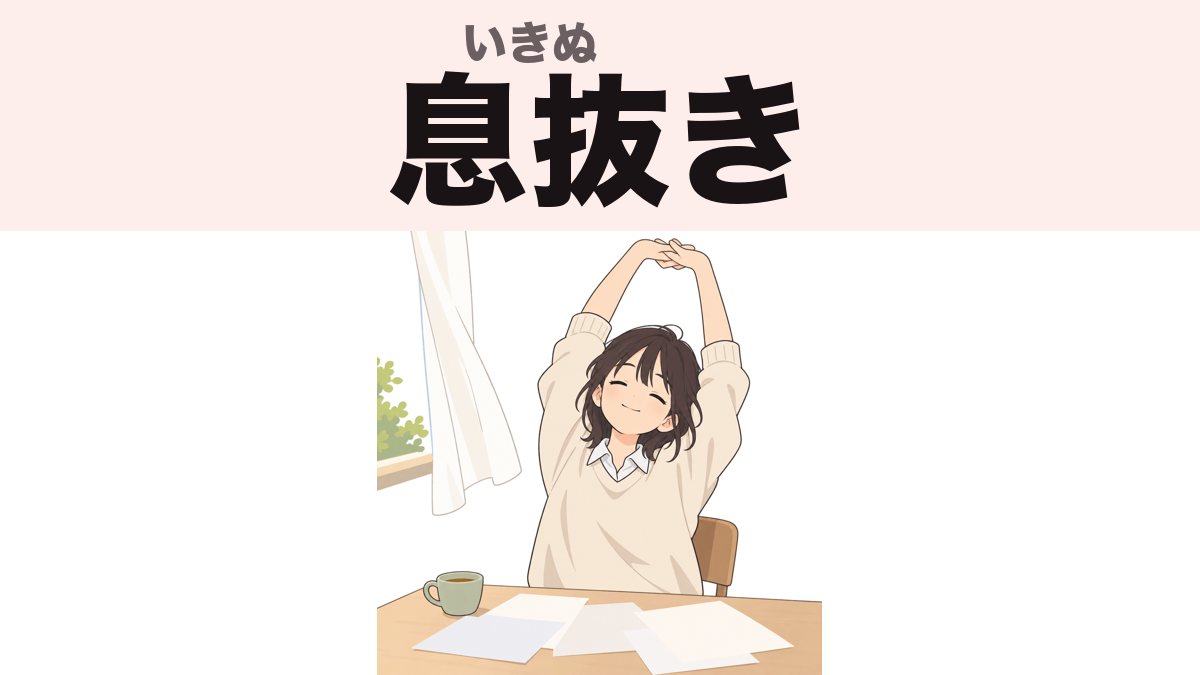
Breath in Japanese: 息 (いき), 深呼吸, ため息, and 息抜き
Breath in Japanese is 息 (いき). Learn 息を吸う and 息を吐く, 深呼吸, ため息, 息が切れる, and the idioms 息抜き, 一息つく, 息が合う, and 息をのむ, with practice.
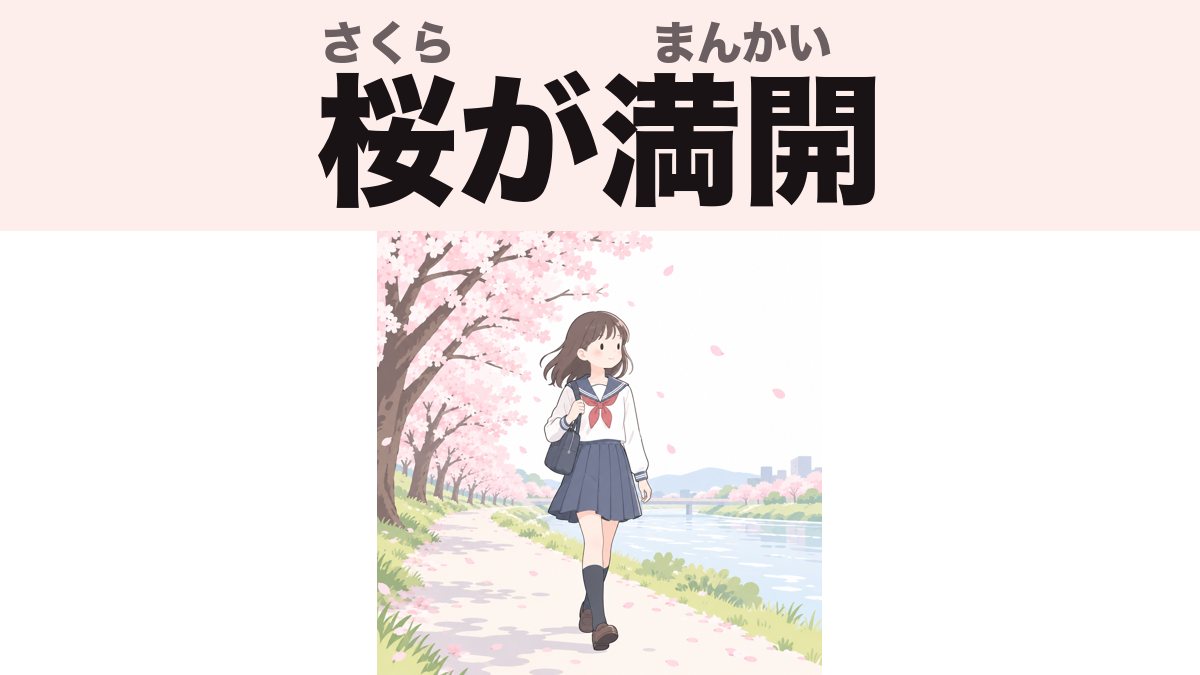
Cherry blossom in Japanese: 桜 (さくら), お花見, 満開, and サクラサク
Cherry blossom in Japanese is 桜 (さくら, sakura). Learn お花見, 満開 and 散る, 夜桜 and 花吹雪, the proverb 花より団子, why サクラサク means you passed, and サクラ as a shill.
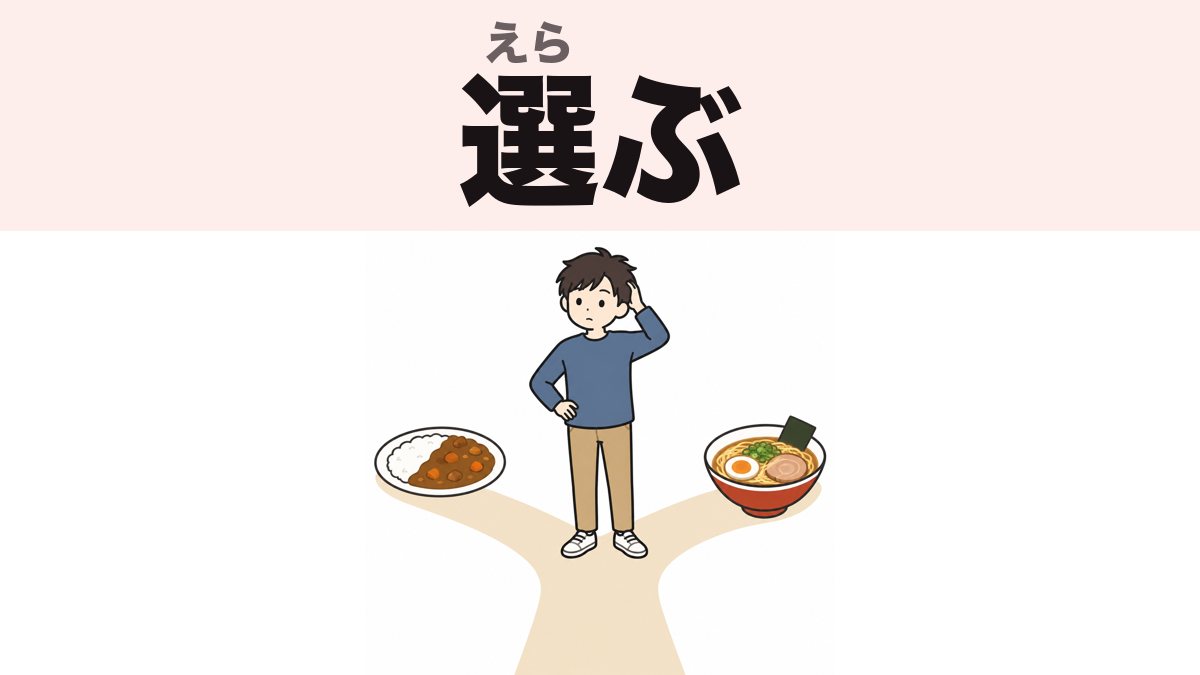
Choice in Japanese: 選択 (せんたく), 選択肢, 選ぶ, and おまかせ
Choice in Japanese is 選択 (せんたく), and options are 選択肢 (せんたくし). Learn 選ぶ (to choose), どっちにする?, 〜しかない (no choice), いい選択, 二択, and おまかせ (chef’s choice).
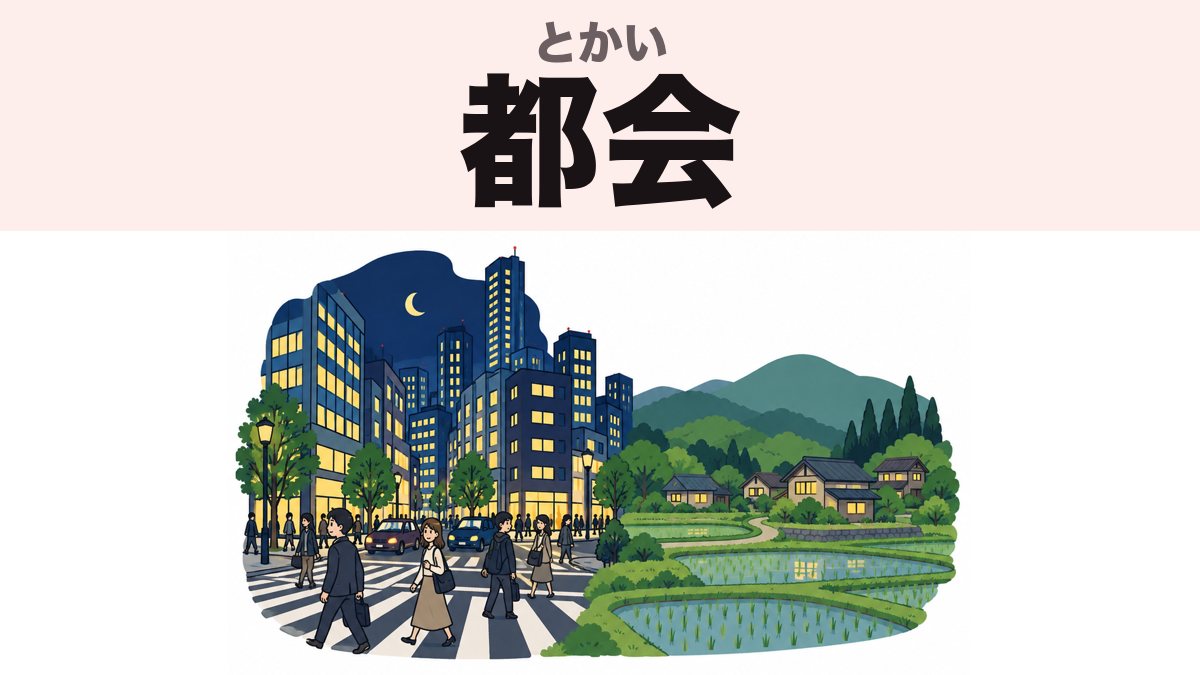
City in Japanese: 都市, 市 (し), 町 and 街 (まち), 都会, and 地元
City in Japanese is 都市 (とし), 市 (し) for an official city, or 町/街 (まち) in conversation. Learn 都会 vs 田舎, 下町, 市役所, 街並み, and 地元 (your hometown).
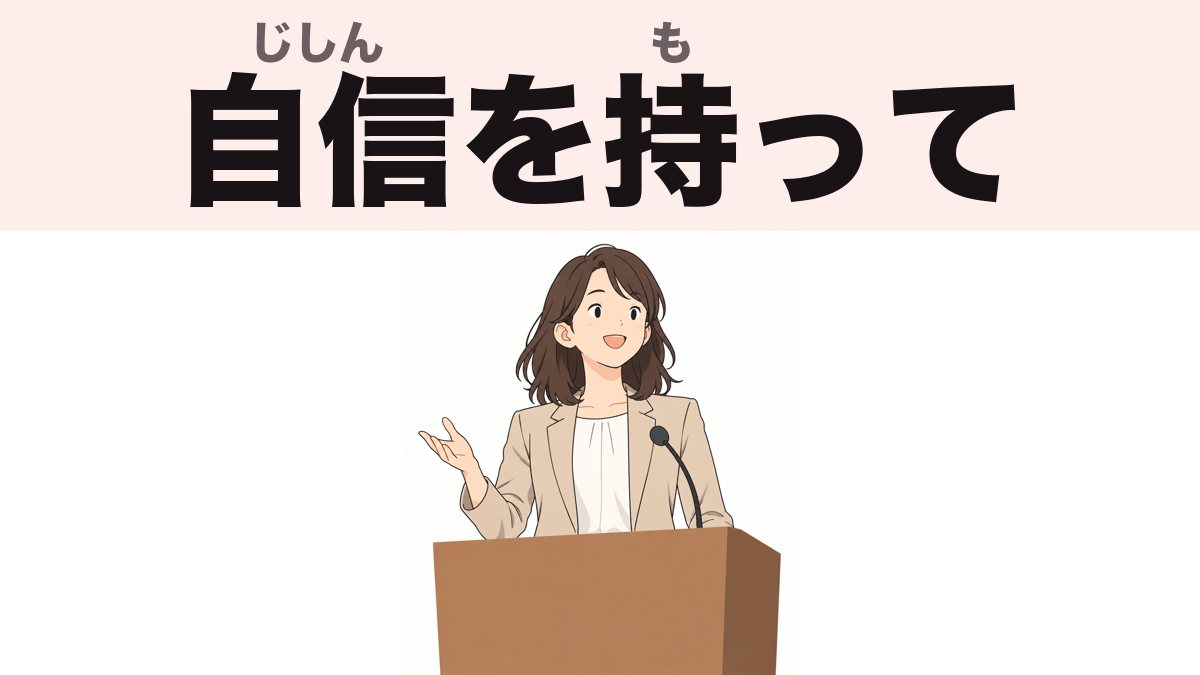
Confidence in Japanese: 自信 (じしん), 自信がある, and the 地震 that sounds the same
Confidence in Japanese is 自信 (じしん). Learn 自信がある, 自信を持って, 自信満々, 自信過剰, 自己肯定感, 堂々と, and how not to confuse 自信 with 地震 (earthquake).
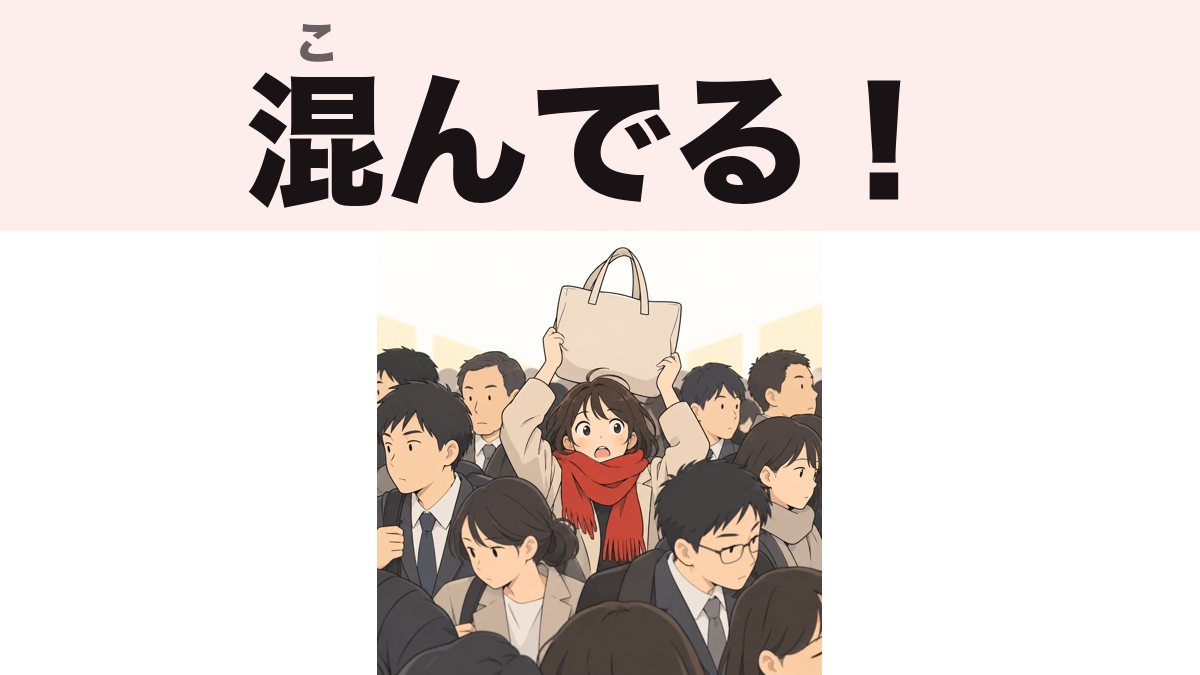
Crowded in Japanese: 混んでる (こんでる) and 空いてる
Crowded in Japanese is 混んでいる, said 混んでる in speech. Learn 空いてる (not crowded), 混雑, 満員, ぎゅうぎゅう, and how to ask 混んでますか at a restaurant.
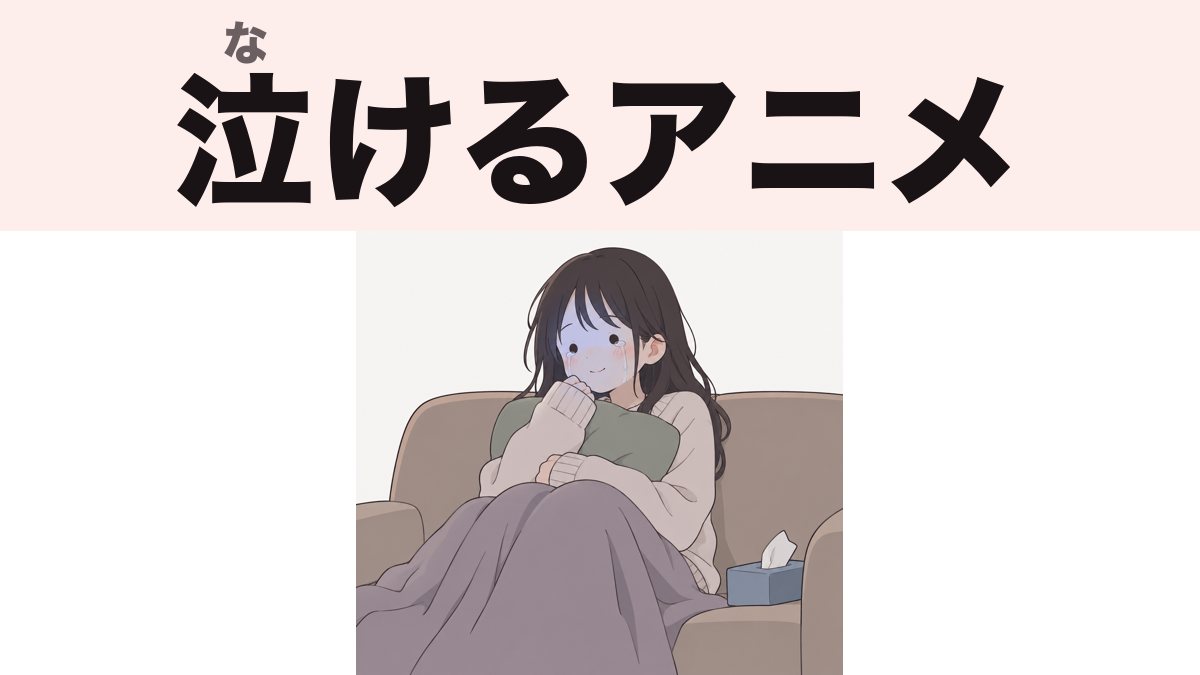
Cry in Japanese: 泣く (なく), 涙 (なみだ), 泣き虫, and why a movie can be 泣ける
Cry in Japanese is 泣く (なく, naku), and tears are 涙 (なみだ). Learn 泣き虫, 号泣, 嬉し泣き, 泣ける for a moving story, sounds like うるうる and しくしく, and 鳴く for animals.
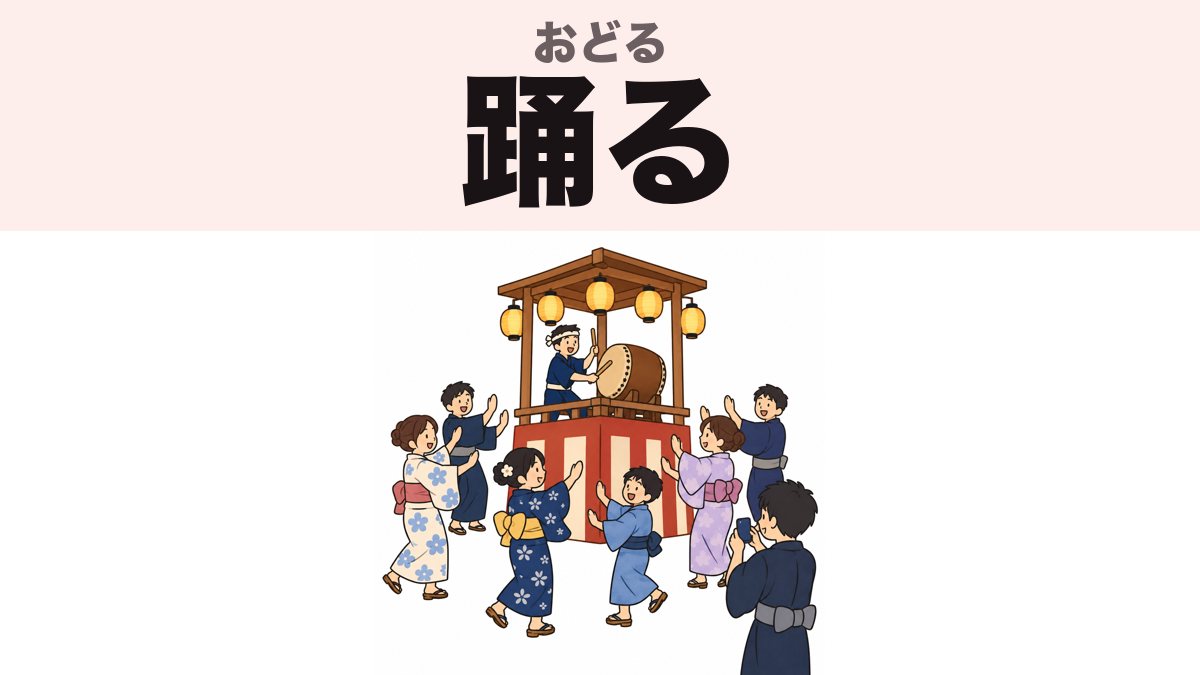
Dance in Japanese: 踊る (おどる), ダンス, 盆踊り, and 踊ってみた
Dance in Japanese is 踊る (おどる) as a verb and ダンス or 踊り as a noun. Learn ダンスを踊る, 振り付け (choreography), 盆踊り, 舞う, and the 踊ってみた video genre.
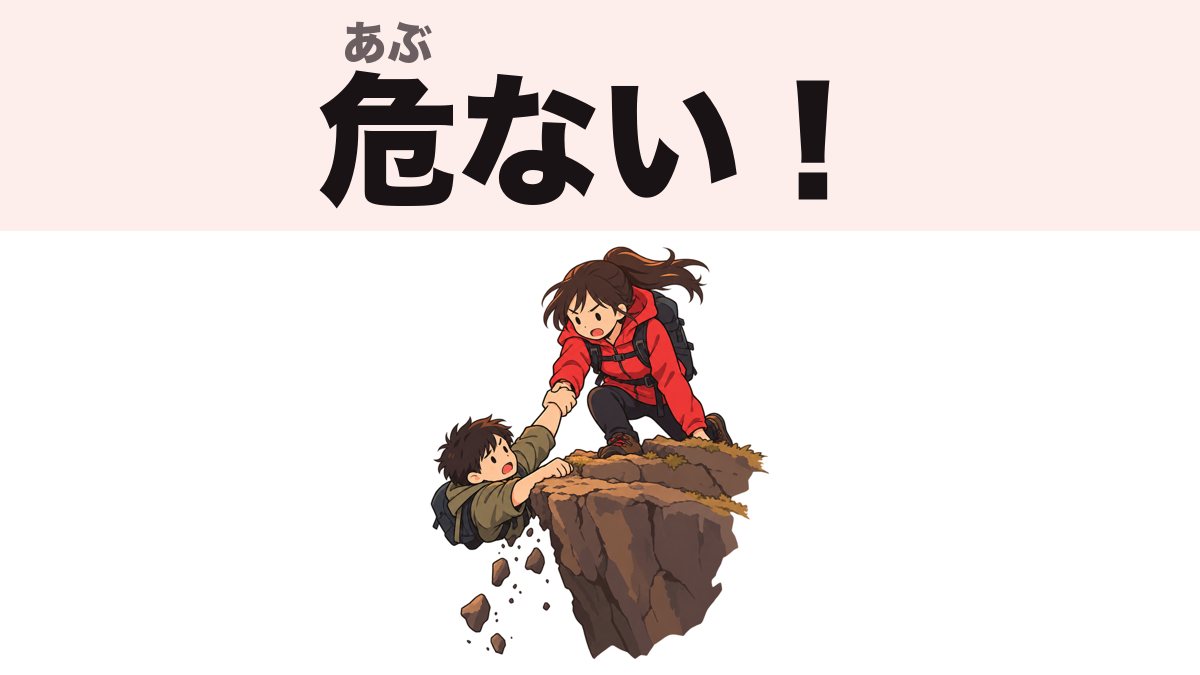
Dangerous in Japanese: 危ない (あぶない) vs 危険 (きけん), and the shout "Look out!"
Dangerous in Japanese is 危ない (あぶない) in speech and 危険 (きけん) on signs. Learn the shouted 危ない!, 危なかった, やばい, 気をつけて and how 怖い differs.
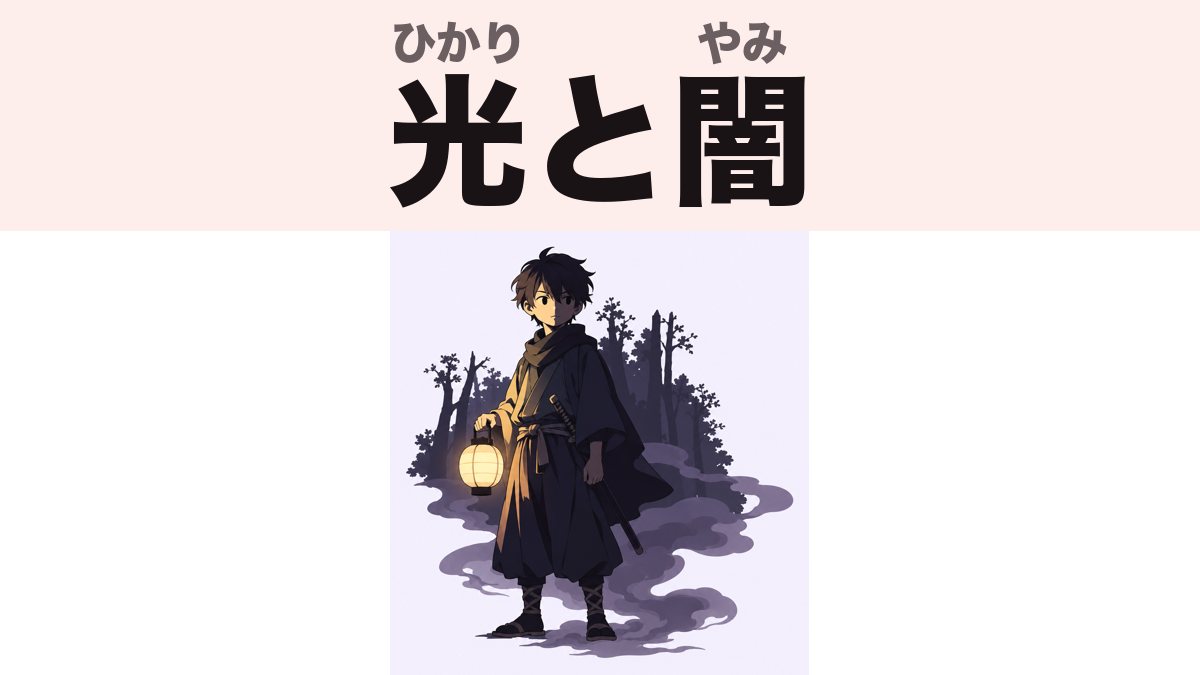
Darkness in Japanese: 闇 (やみ), 暗い, and what it means when a character goes 闇落ち
Darkness in Japanese is 闇 (やみ, yami); "dark" is 暗い (くらい). Learn 真っ暗 and 暗闇, light 光 as the opposite, 心の闇, and the anime word 闇落ち.
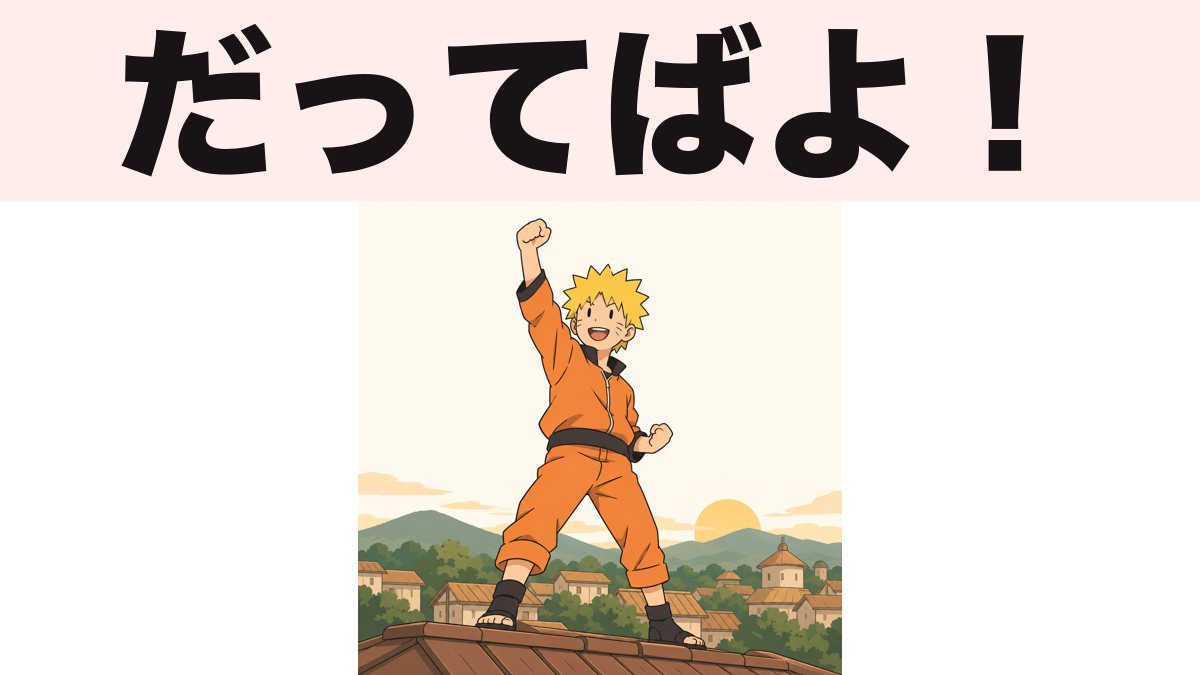
Dattebayo meaning: Naruto's だってばよ, and the real Japanese ってば inside it
Dattebayo (だってばよ) is Naruto's catchphrase, a pushy "I'm telling you!" on the end of his lines. What each part means, the real ってば, and other anime tics.
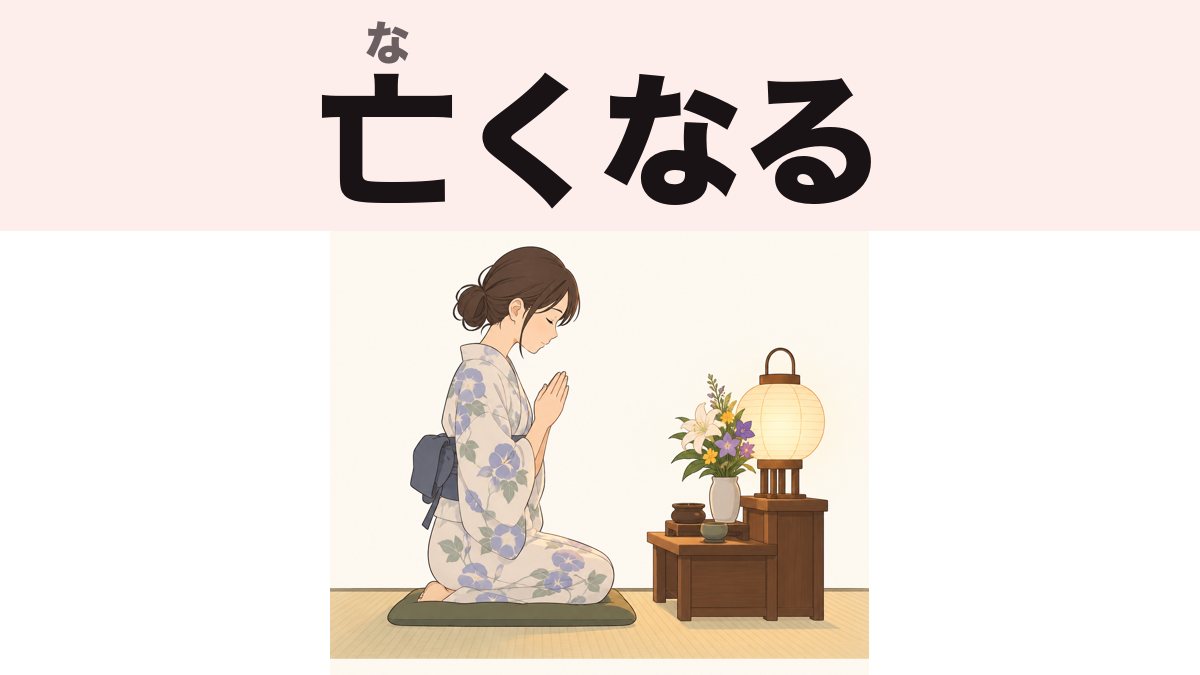
Death in Japanese: 死 (し), 亡くなる, and why the number 4 is avoided
Death in Japanese is 死 (し, shi); "to die" is 死ぬ, and the polite "pass away" is 亡くなる. Why 4 is unlucky, condolence phrases, chopstick taboos, and 死ぬほど.
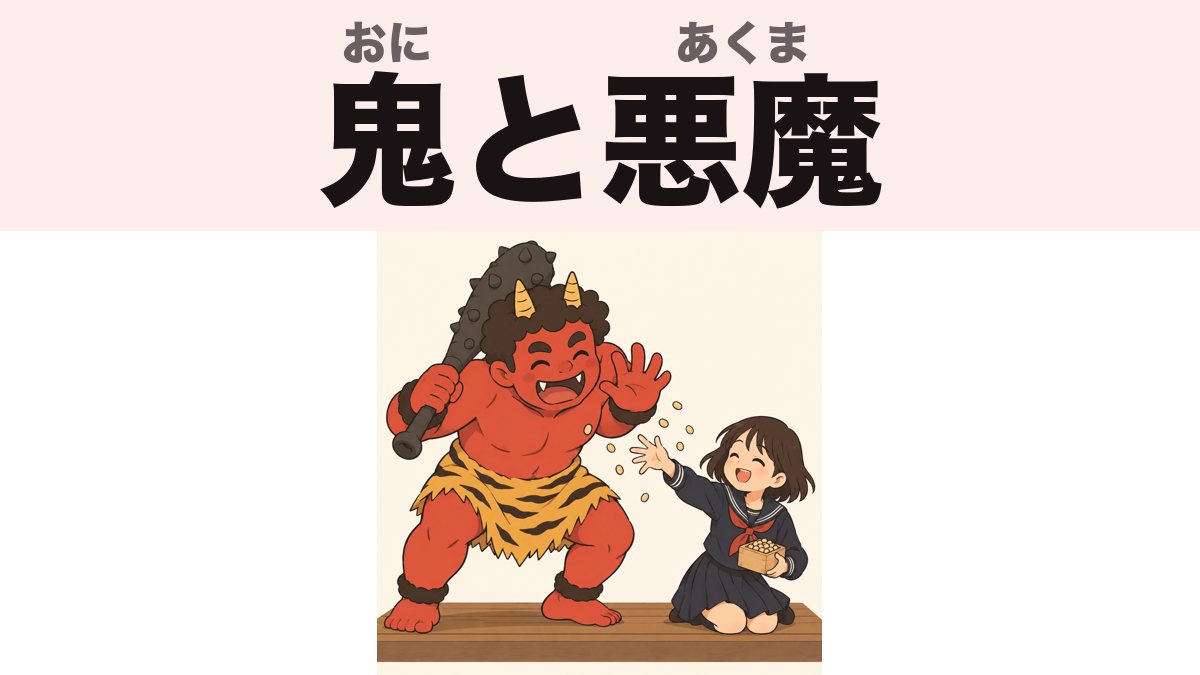
Demon in Japanese: 鬼 (おに), 悪魔 (あくま) and the 魔王 of isekai
Demon in Japanese is 鬼 (oni) for the horned demon of folklore and 悪魔 (akuma) for the Western devil. Learn 魔王, 妖怪, 鬼滅の刃, slang like 鬼かわいい and 小悪魔.
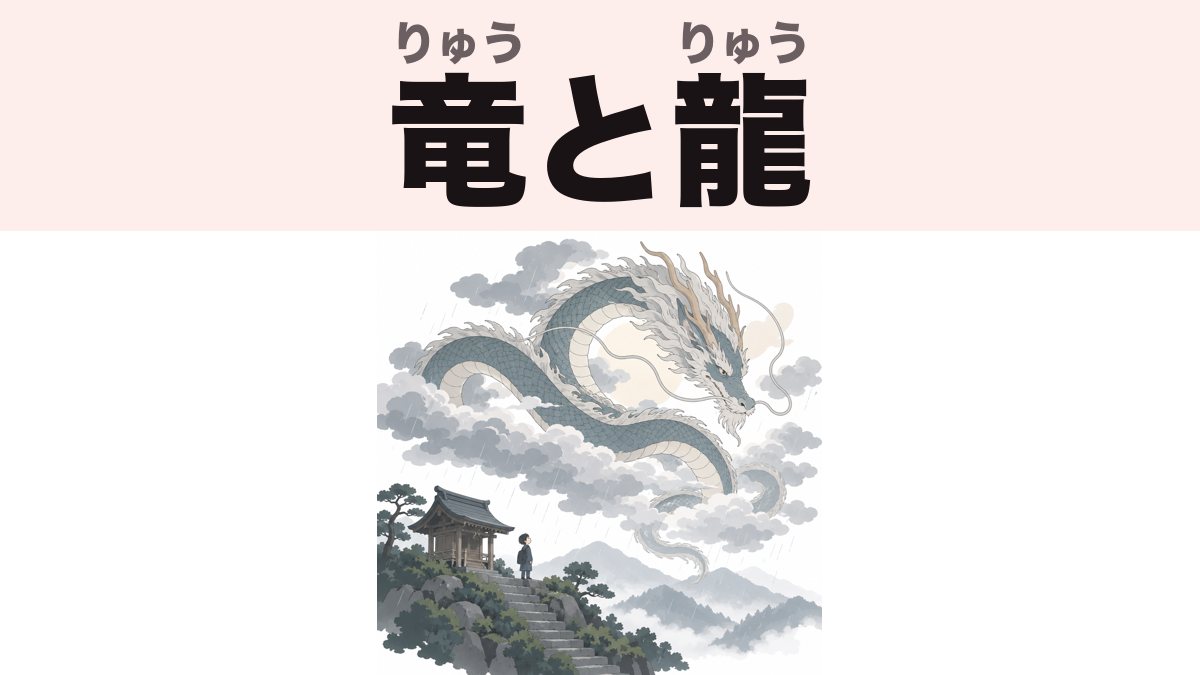
Dragon in Japanese: 竜 and 龍 (りゅう / たつ), plus ドラゴン
Dragon in Japanese is 竜 or 龍, read りゅう or たつ. Learn which kanji to use, when anime says ドラゴン instead, the 辰 zodiac year, and words like 恐竜 and 竜巻.
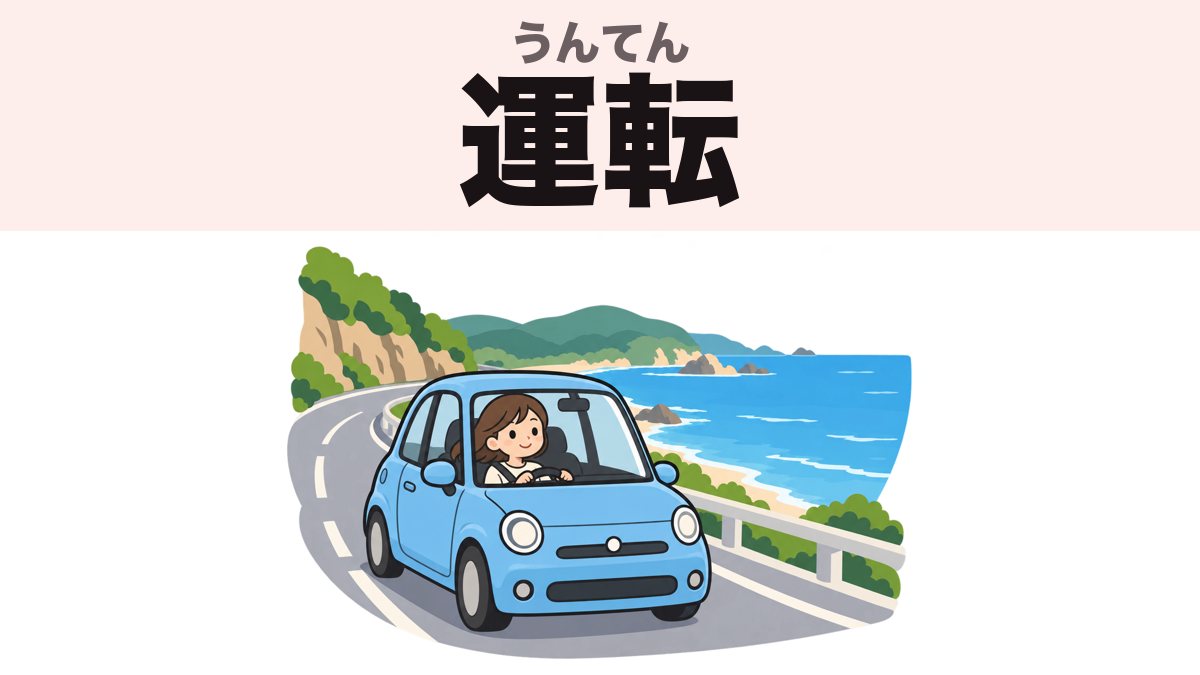
Drive in Japanese: 運転する (うんてん), ドライブ, 免許, and ペーパードライバー
Drive in Japanese is 運転する (うんてんする). Learn ドライブ (a pleasure drive), 運転免許 (driver’s license), 運転手, 左側通行, 安全運転, and the wasei-eigo ペーパードライバー.
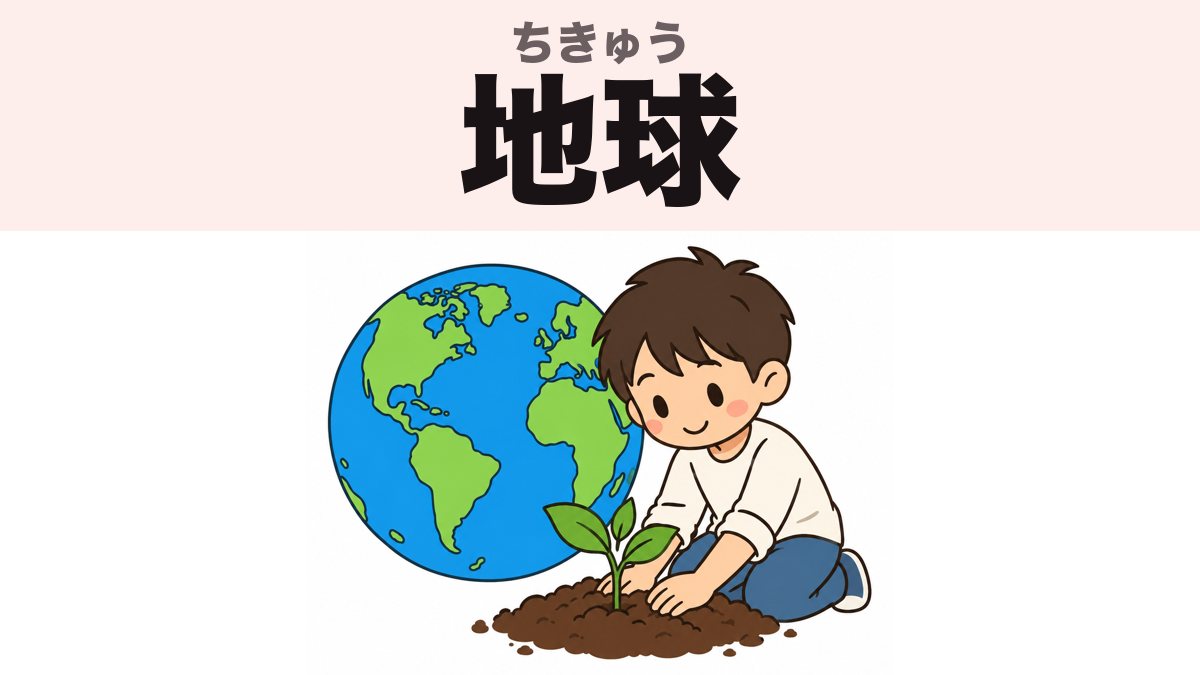
Earth in Japanese: 地球 (ちきゅう), 地面, 土, 地震, and 地球に優しい
Earth, the planet, is 地球 (ちきゅう) in Japanese. Learn 地面 (the ground), 土 (soil), 大地, 地震 (earthquake), 地球温暖化 (global warming), and 地球に優しい (eco-friendly).
Excited in Japanese: ワクワク (wakuwaku), 楽しみ, 興奮, and which one fits
Excited in Japanese is usually ワクワク (wakuwaku). Learn 楽しみ, ドキドキ, テンションが上がる and 盛り上がる, plus why 興奮する can sound intense or awkward.
Excuse in Japanese: 言い訳 (いいわけ), 口実, and the "excuse me" that is a different word
An excuse in Japanese is 言い訳 (いいわけ). Learn 言い訳しないで, 言い訳になりますが, 口実, 理由 vs 言い訳, and why "excuse me" is すみません or 失礼します, not 言い訳.
Experience in Japanese: 経験 (けいけん) vs 体験 (たいけん), and 〜たことがある
Experience in Japanese is 経験 (けいけん) for experience built over time and 体験 (たいけん) for a hands-on, one-time experience. Learn 経験者, 未経験, 体験レッスン, 経験を積む and 〜たことがある.
Famous in Japanese: 有名 (ゆうめい), and how it differs from 人気 (popular)
Famous in Japanese is 有名 (ゆうめい), a な-adjective. Learn 有名な人, 〜で有名, and the key contrast with 人気 (popular), plus 名物, 話題, 有名人 and 超有名.
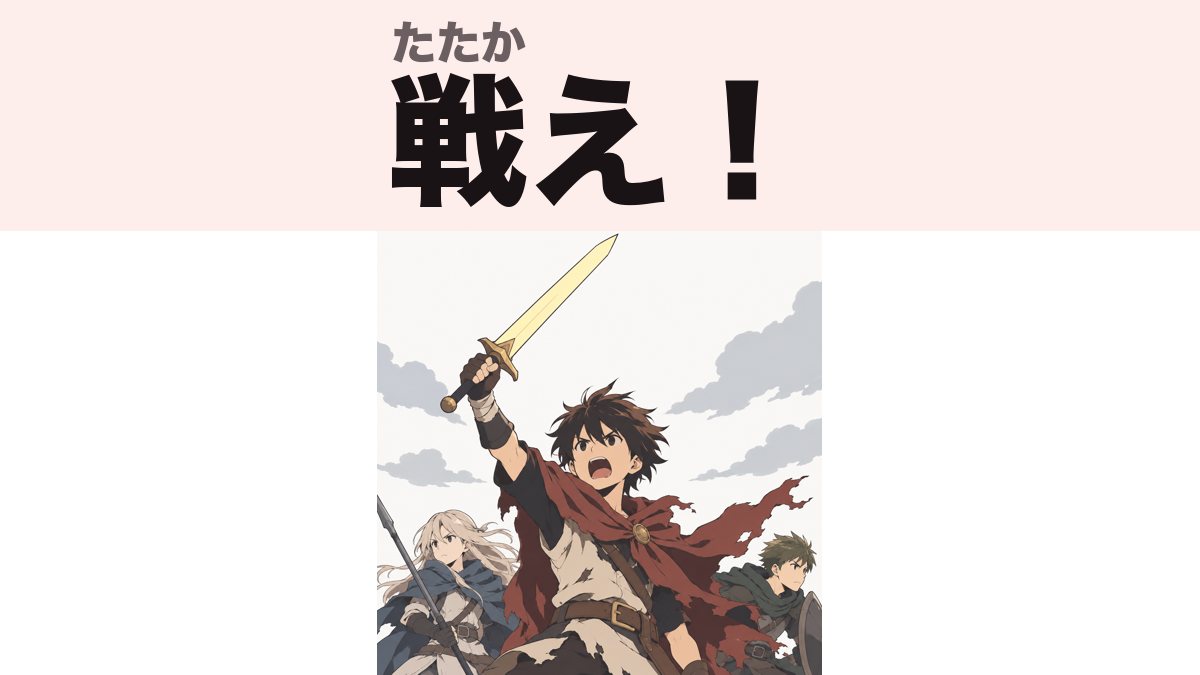
Fight in Japanese: 戦う (たたかう), 喧嘩 (けんか), and the anime cry 戦え!
Fight in Japanese is 戦う (たたかう) for battles and 喧嘩 (けんか) for arguments and brawls. Learn 戦え, 喧嘩する, 争う, 闘う vs 戦う, 口喧嘩, and ファイト as "you can do it".
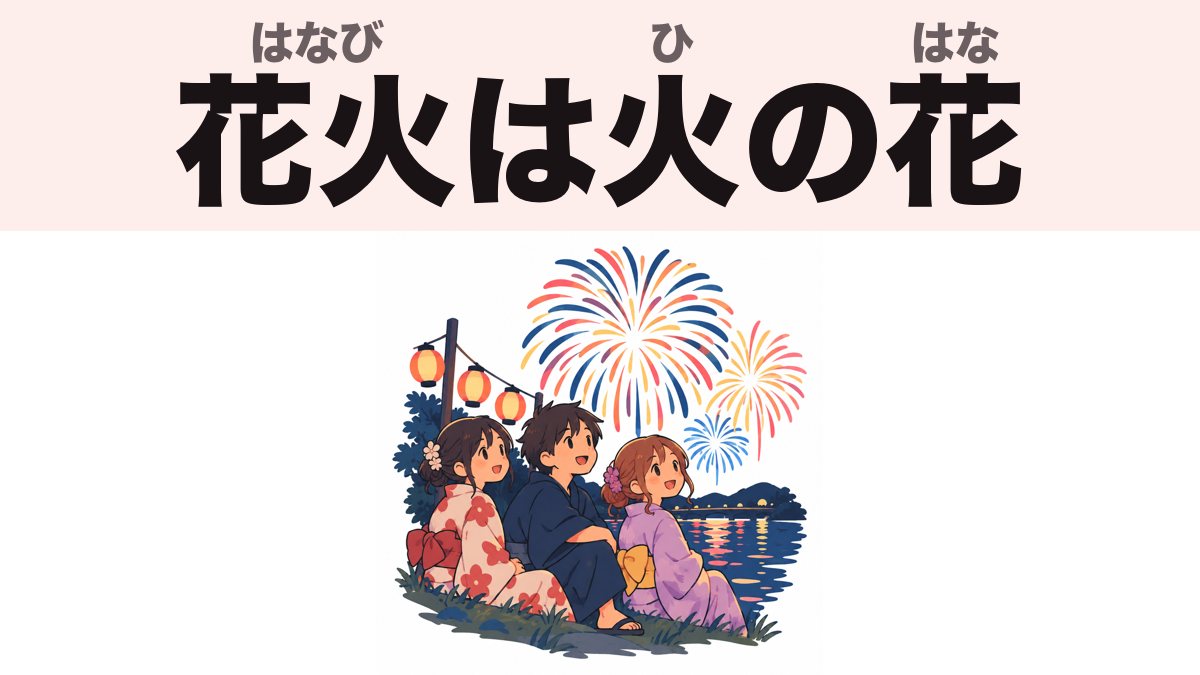
Fire in Japanese: 火 (ひ), 炎 (ほのお), 火事, and why a post can go 炎上
Fire in Japanese is 火 (ひ, hi); a flame is 炎 (ほのお) and a house fire is 火事 (かじ). Learn 花火 and 火山, 火をつける, 119, 火に油を注ぐ, and the internet word 炎上.
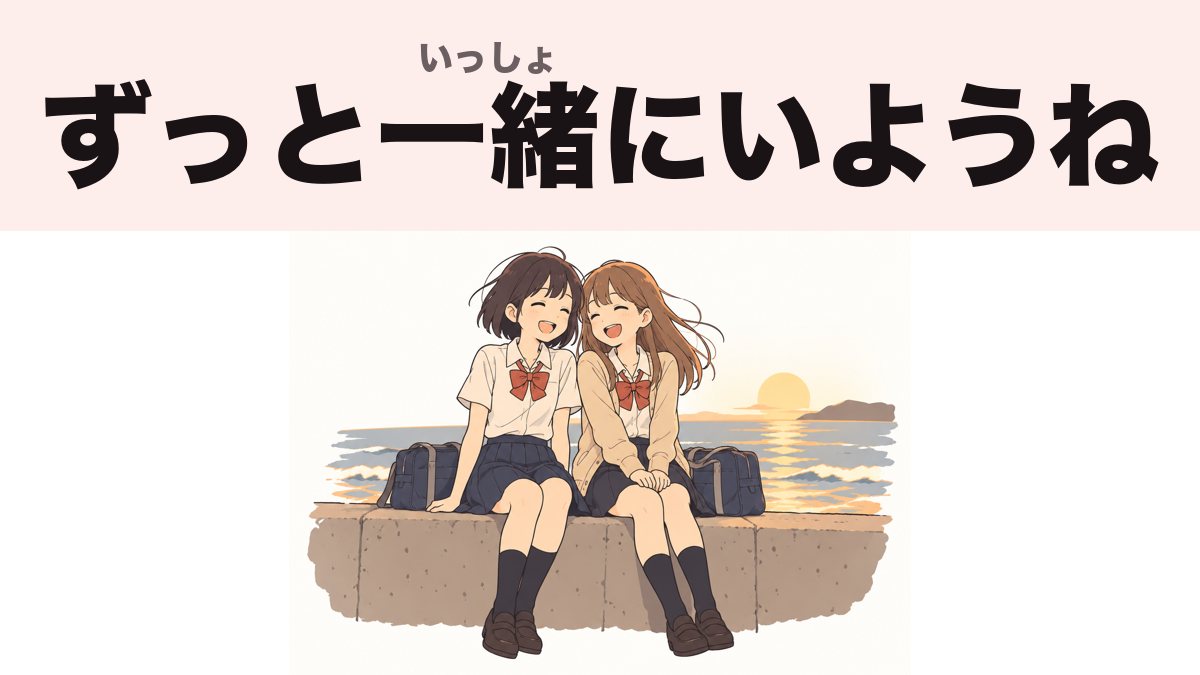
Forever in Japanese: 永遠 (えいえん), ずっと, いつまでも, and ズッ友
Forever in Japanese is 永遠に (えいえんに) in songs and vows, and ずっと in everyday speech. Learn いつまでも, 永久, 一生, the slang ズッ友, and which one sounds natural.
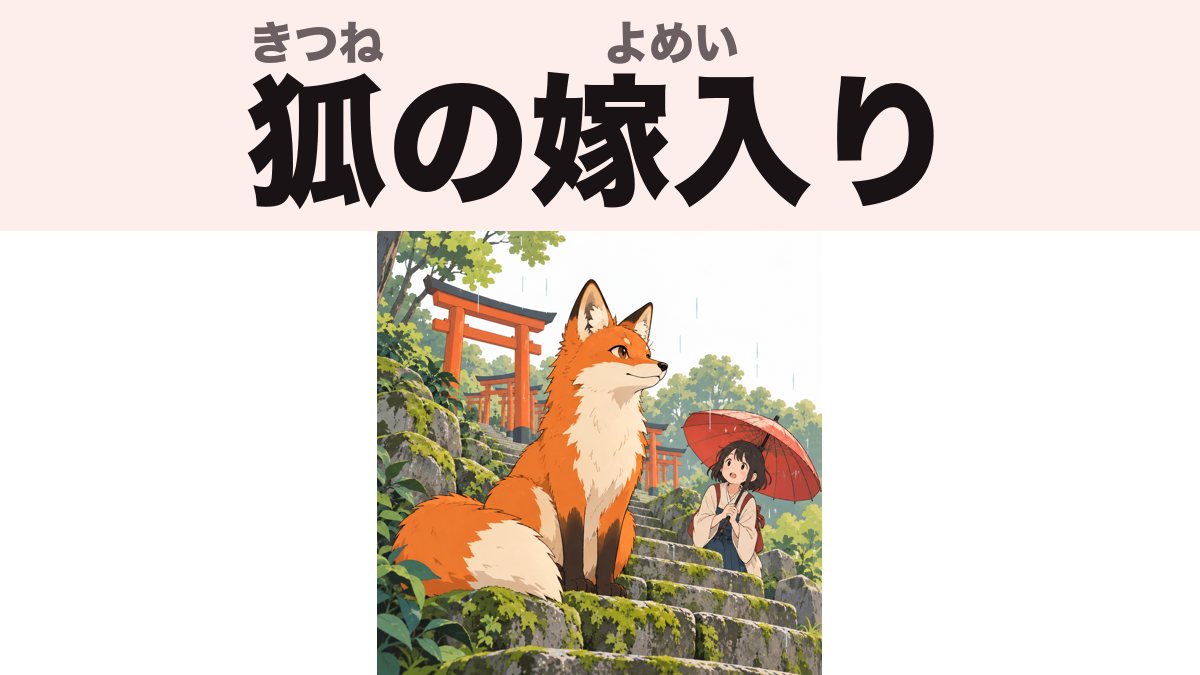
Fox in Japanese: 狐 (きつね), the nine-tailed fox, and a fox's wedding in the rain
Fox in Japanese is 狐 (きつね, kitsune). Learn the nine-tailed fox, Inari shrine foxes, きつねうどん, the sound コンコン, and idioms like 狐の嫁入り and 狐につままれる.
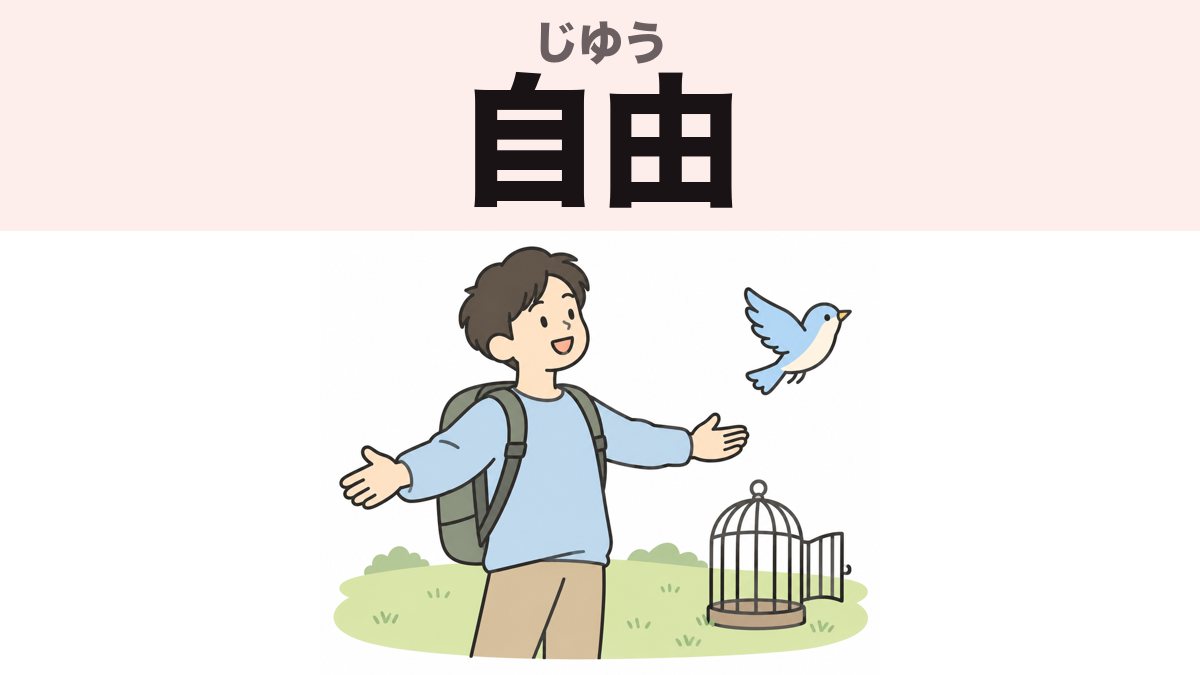
Freedom in Japanese: 自由 (じゆう), ご自由にどうぞ, 自由席, and 不自由
Freedom in Japanese is 自由 (じゆう). Learn 自由に (freely), ご自由にどうぞ (help yourself), 自由席 (unreserved seats), 自由研究, 不自由 (inconvenience), and the kanji for a tattoo.
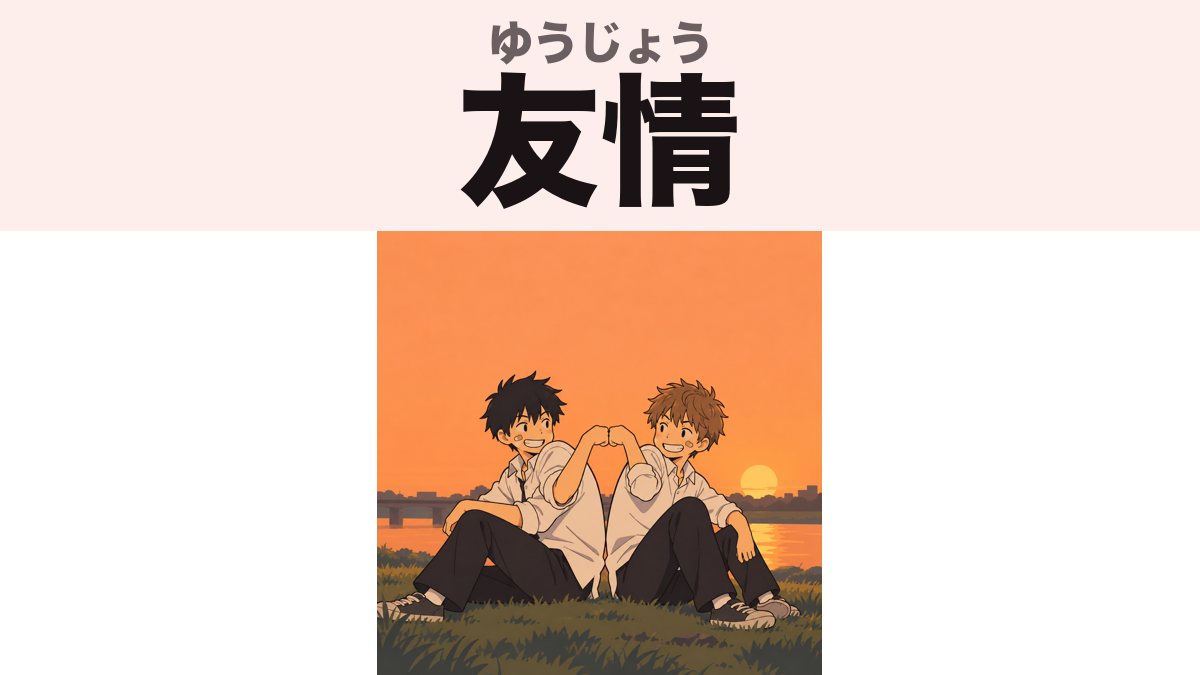
Friendship in Japanese: 友情 (ゆうじょう), 絆, and 喧嘩するほど仲がいい
Friendship in Japanese is 友情 (ゆうじょう). Learn 絆 (bond), 仲直り (making up), 喧嘩するほど仲がいい, 犬猿の仲, 腐れ縁, and why 友情・努力・勝利 is a famous shonen motto.
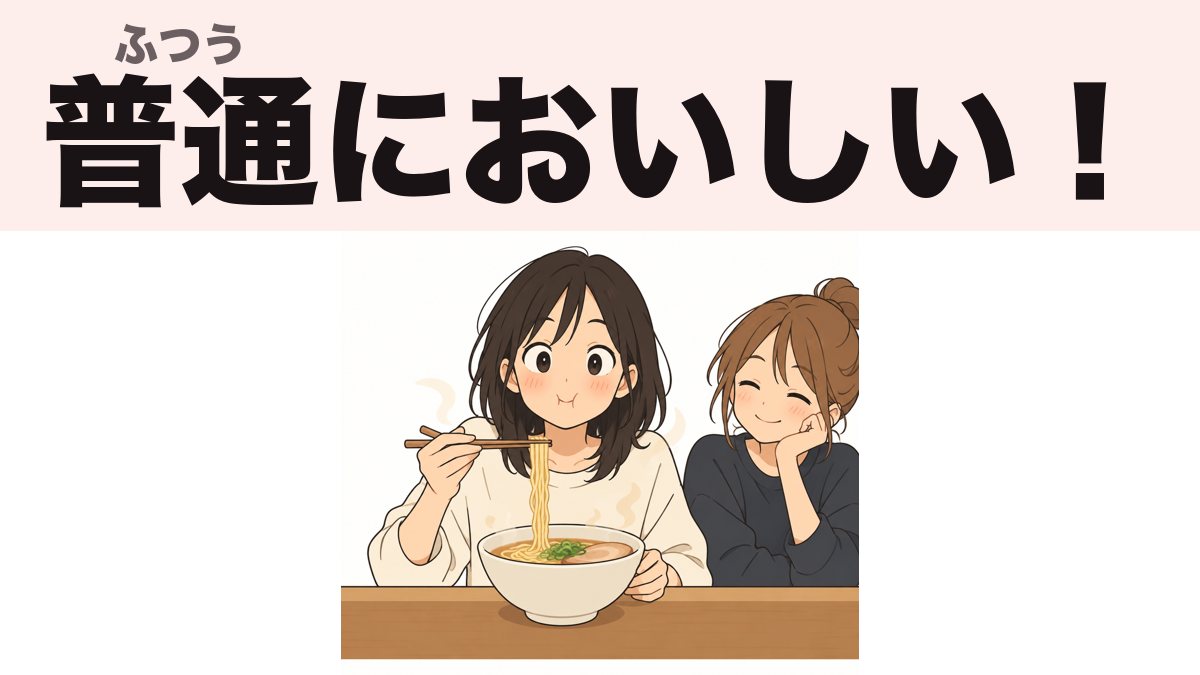
普通 (futsuu) meaning: "normal", and the slang 普通に that means "actually, genuinely"
Futsuu (普通) means normal, usual or ordinary. Learn 普通の, 普通は, the slang 普通においしい ("actually good"), 普通電車, 普通預金 at the bank, and when 普通 is an insult.
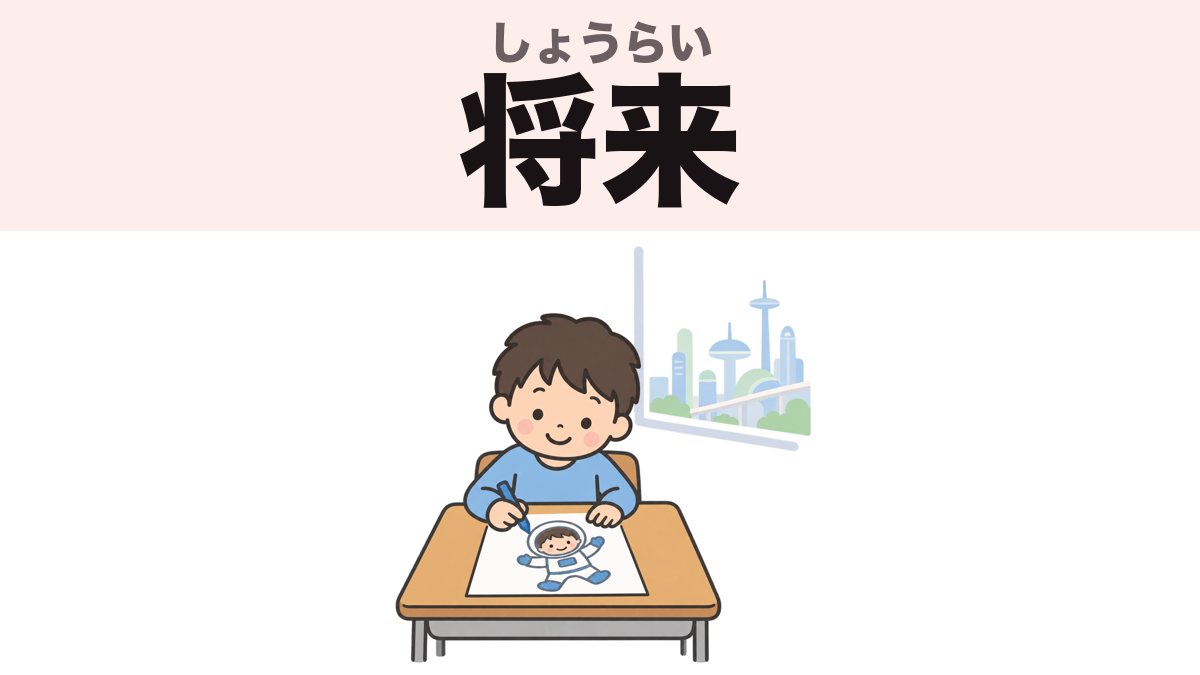
Future in Japanese: 未来 (みらい) vs 将来 (しょうらい), 今後, and これから
Future in Japanese is 未来 (みらい) or 将来 (しょうらい). Learn when to use each, 将来の夢, 今後, これから, 近い将来, and how Japanese talks about the future without a future tense.
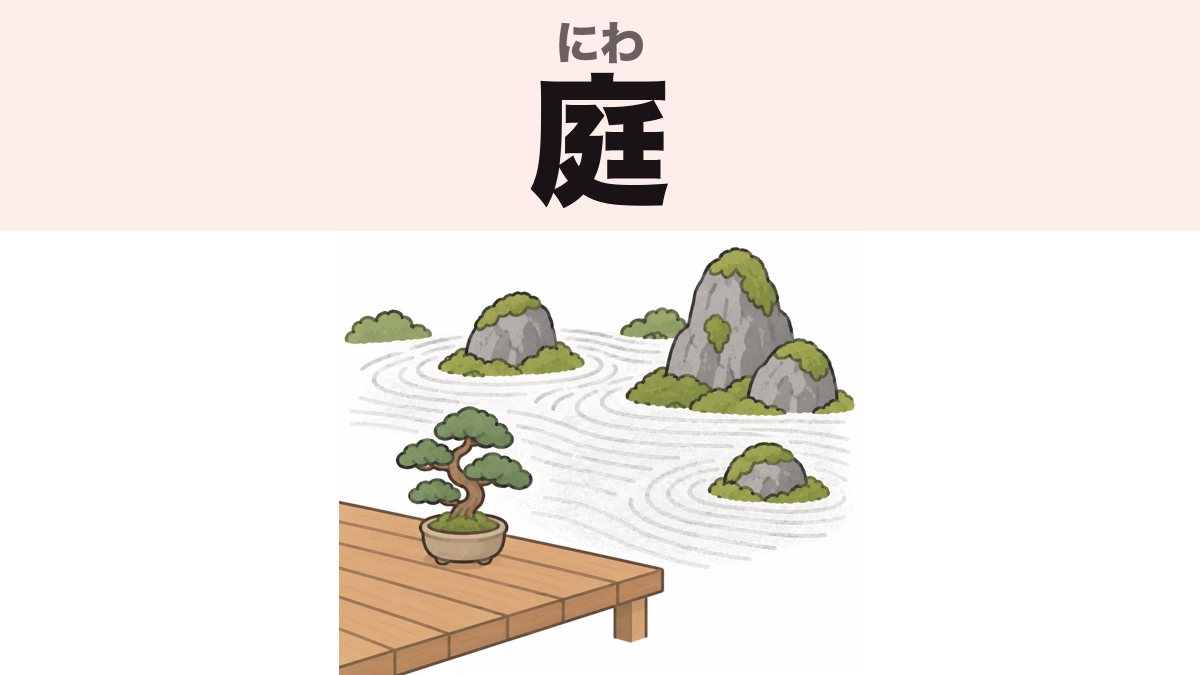
Garden in Japanese: 庭 (にわ), 日本庭園, 枯山水, 家庭菜園, and 盆栽
Garden in Japanese is 庭 (にわ). Learn 日本庭園 (Japanese garden), 枯山水 (rock garden), 家庭菜園 (vegetable garden), ガーデニング, 庭いじり, 植物園, and 盆栽.
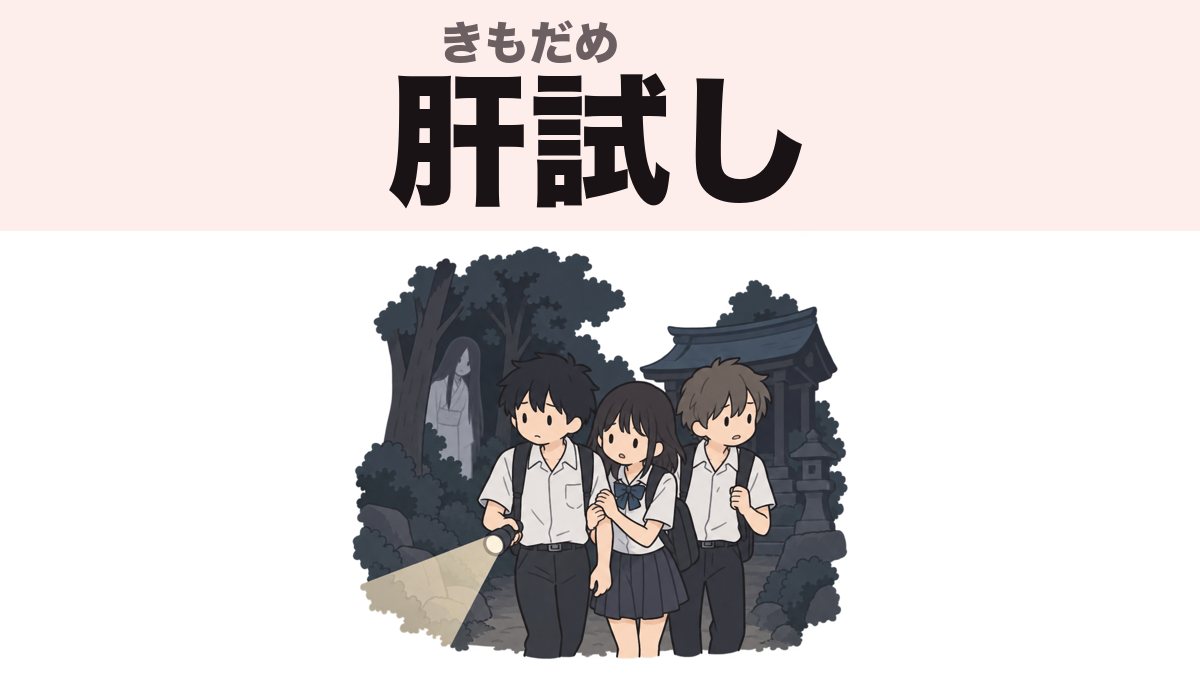
Ghost in Japanese: 幽霊, お化け, and why Japanese ghosts have no feet
Ghost in Japanese is 幽霊 (ゆうれい, yuurei); the casual, cartoon word is お化け (おばけ). Learn うらめしや, お化け屋敷, 肝試し, 怪談, and why ghosts are a summer thing.
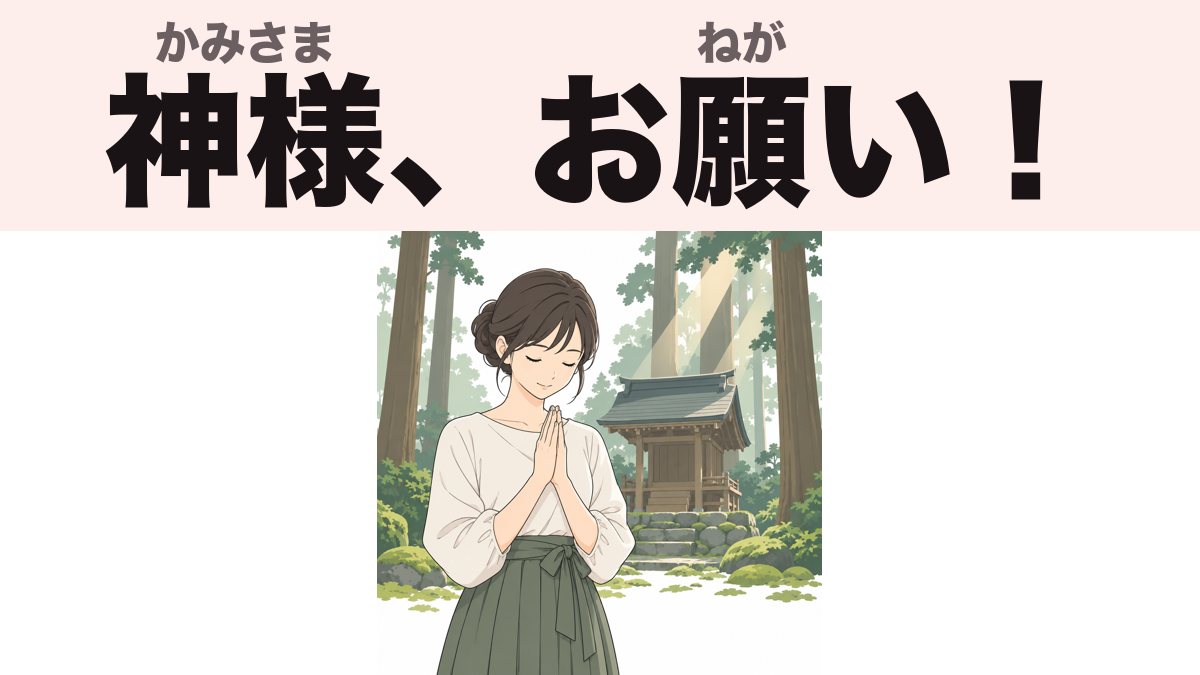
God in Japanese: 神 (かみ), 神様, and why fans call a great episode 神回
God in Japanese is 神 (かみ, kami), or politely 神様. Learn goddess and shrine words, the 八百万の神, 死神, and slang like 神回 and 神対応, plus the かみ homophone trap.
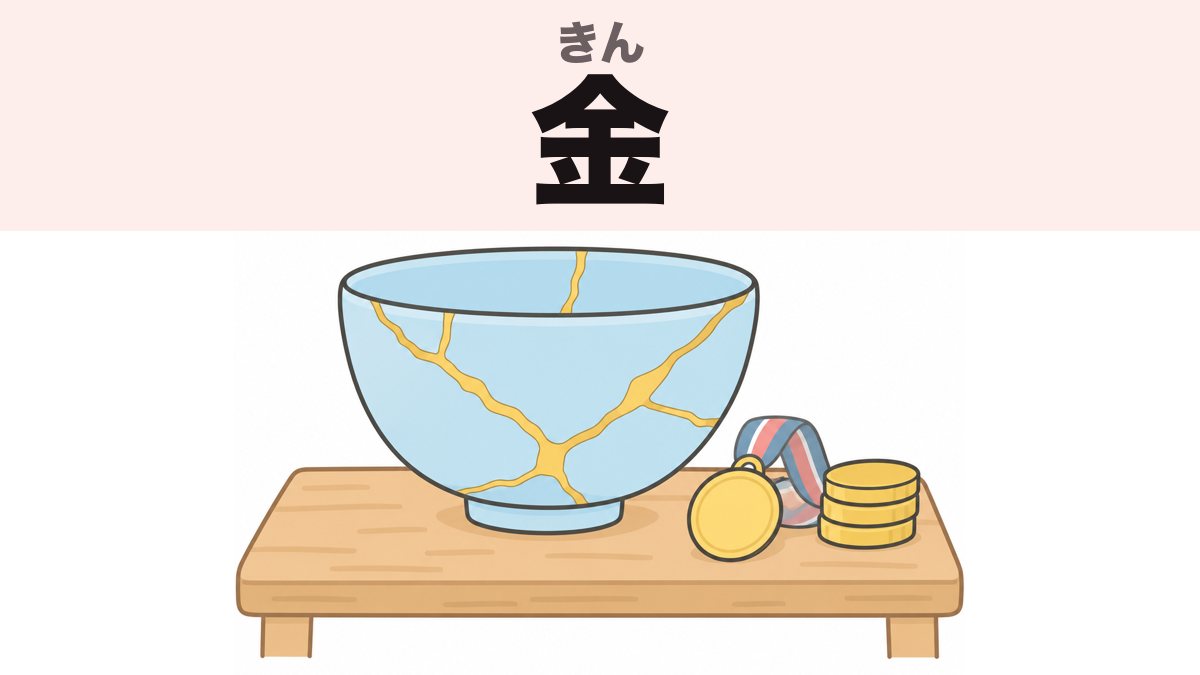
Gold in Japanese: 金 (きん), 金色, 金メダル, 金継ぎ, and 沈黙は金
Gold in Japanese is 金 (きん), and the color is 金色 (きんいろ). Learn 金メダル, 金髪 (blond), 金継ぎ (gold-repaired pottery), 黄金, and why the same kanji means money and Friday.
Habit in Japanese: 習慣 (しゅうかん) vs 癖 (くせ), 口癖, and クセが強い
Habit in Japanese is 習慣 (しゅうかん) for routines and 癖 (くせ) for quirks and bad habits. Learn 習慣にする, 口癖, 癖になる (addictive), クセが強い, and 早起きの習慣.
Hangover in Japanese: 二日酔い (ふつかよい), and every stage of drunk before it
Hangover in Japanese is 二日酔い (ふつかよい). Learn 二日酔いです, 飲みすぎた, ほろ酔い, 酔っ払い, お酒に弱い, 迎え酒 and what to say the morning after a drinking party.
Healthy in Japanese: 健康, 元気 or ヘルシー? Which one to use
Healthy in Japanese is 健康 (けんこう) for body condition, 元気 (げんき) for energy, ヘルシー for low-calorie food. Learn which to use, plus 体にいい and 丈夫.
Heart in Japanese: 心 (こころ), 心臓, ハート, and the kanji hiding in every feeling
Heart in Japanese is 心 (こころ) for the emotional heart, 心臓 (しんぞう) for the organ, and ハート for the shape. Learn 心から, 胸, ドキドキ, and why 心 sits inside 愛 and 思.
Honest in Japanese: 正直 (しょうじき), and why 素直 is not the same word
Honest in Japanese is 正直 (しょうじき). Learn 正直に言うと for "to be honest", casual ぶっちゃけ, how 素直, 誠実 and 嘘つき differ, and how anime uses 正直に言え.
Ikigai meaning: what 生きがい means to Japanese speakers (it is smaller than the diagram)
Ikigai (生きがい) means "something that makes life worth living". How Japanese people really use it, why the four-circle diagram is Western, and words like やりがい.
In my opinion in Japanese: 個人的には, 私としては, and why 私の意見では sounds stiff
In my opinion in Japanese is usually 個人的には (こじんてきには) plus 〜と思います. Learn 私としては, 私から見ると, あくまで個人的な意見ですが, and how to ask どう思いますか.
Lazy in Japanese: 怠け者 (なまけもの), めんどくさい and how people really say it
Lazy in Japanese: 怠け者 describes a lazy person, but めんどくさい is what people say about their own feeling. Learn 怠ける, サボる, だるい, ぐうたら and more.
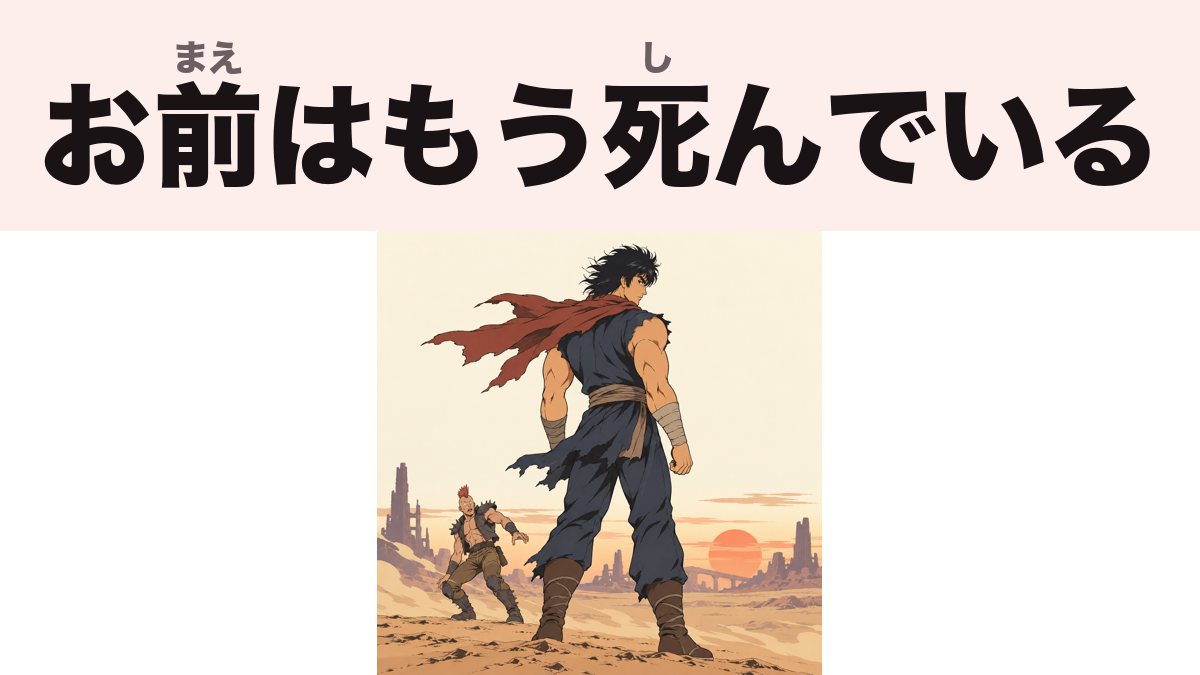
Omae wa mou shindeiru meaning: お前はもう死んでいる
Omae wa mou shindeiru (お前はもう死んでいる) means "You are already dead", from Fist of the North Star. Word by word, why ている means "is dead", and the NANI meme.
Poor in Japanese: 貧乏 (びんぼう), 貧しい, かわいそう, and 下手 explained
Poor in Japanese is 貧乏 for no money, 貧しい for serious poverty, かわいそう for pity, and 下手 for bad at something. Learn which one fits and how it sounds.
Red in Japanese: 赤 (あか), 赤い, 真っ赤, 赤字, and 紅白
Red in Japanese is 赤 (あか), or 赤い as an adjective. Learn 真っ赤 (completely red), 顔が赤くなる (to turn red in the face), 赤字 (deficit), 赤信号, 赤の他人, and 紅白.
Respect in Japanese: 尊敬 vs 尊重, and the "respect" you show with words
Respect in Japanese is 尊敬 (そんけい) for people you look up to and 尊重 (そんちょう) for respecting wishes and choices. Learn 敬意, 憧れ, リスペクト and 舐めるな.
Side job in Japanese: 副業 (ふくぎょう), バイト, 本業, and 掛け持ち
Side job in Japanese is 副業 (ふくぎょう). Learn how it differs from バイト and パート, plus 本業, 掛け持ち, 副収入, 稼ぐ, 副業禁止 and how to talk about your own side hustle.
Smell in Japanese: 匂い vs 臭い (both におい), 香り, and 匂いがする
Smell in Japanese is におい: 匂い for nice or neutral smells, 臭い for bad ones. Learn いい匂いがする, 嗅ぐ, 臭い (くさい), 香り, 焦げ臭い, and the anime line 臭うな.
Stubborn in Japanese: 頑固 (がんこ), 意地っ張り, and the stubborn that is a compliment
Stubborn in Japanese is 頑固 (がんこ). Learn 頑固な人, 頭が固い, the anime favorite 意地っ張り, and positive words like 粘り強い for "won't give up".
Think in Japanese: 思う vs 考える, and why "I think" softens every sentence
Think in Japanese is 思う (omou) for opinions and feelings, 考える (kangaeru) for deliberate thinking. Learn と思います, ようと思う, 思いつく, and how "I think" softens speech.
Amazing in Japanese: すごい and the five other words that beat it
Amazing in Japanese is すごい, but it is casual. Learn すげえ, 最高, 素晴らしい, 見事, さすが and やばい, and which one fits news, food or business.
Let's Go in Japanese: 行こう, 行くぞ and the 行きましょう you actually use with adults
Let's go in Japanese is 行こう (casual) or 行きましょう (polite). 行くぞ is a hero's "here we go!", not an invitation. Learn each, plus common mistakes.
Believe in Japanese: how to say 信じる, "I believe in you" and "I can't believe it"
Believe in Japanese is 信じる (shinjiru). 君を信じてる means "I believe in you", and 信じられない means "I can't believe it". Plus 信用 vs 信頼 vs 思う.
Embarrassed in Japanese: 恥ずかしい, 照れる, 気まずい and When to Use Each
Embarrassed in Japanese is usually 恥ずかしい (hazukashii), but 照れる, 気まずい and 恥をかく cover other kinds of embarrassment. Learn which one fits and why.
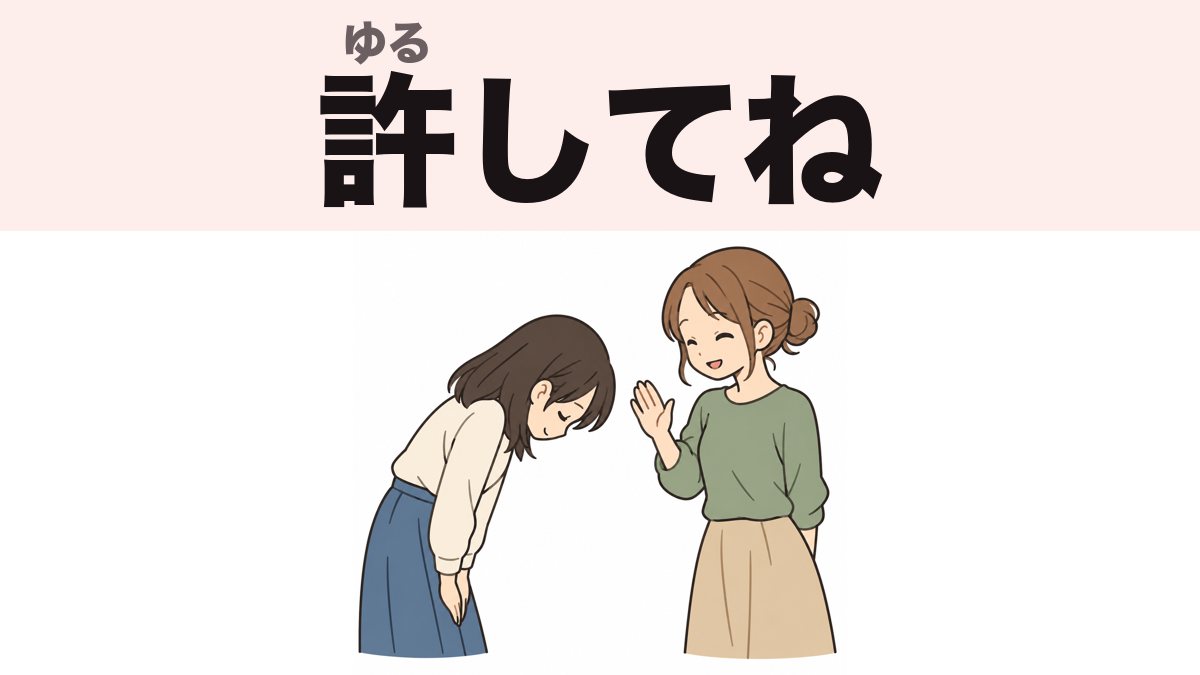
Forgive in Japanese: How to Say "Forgive Me" (許す, 許して, 勘弁して)
Forgive in Japanese is 許す (yurusu). 許してください means "please forgive me", but daily life usually calls for ごめん or すみません. Learn when each fits.
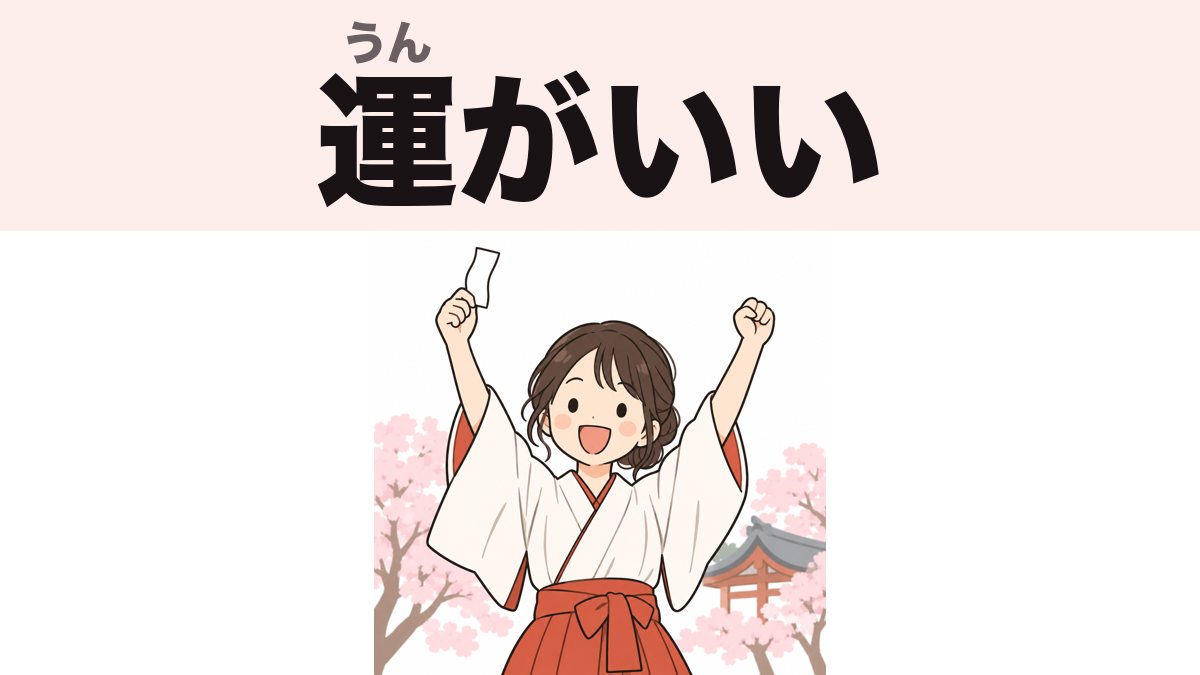
Lucky in Japanese: ラッキー, 運がいい, ついてる and 縁起がいい
Lucky in Japanese is ラッキー in casual speech and 運がいい in neutral speech. ついてる means "on a roll", and 縁起がいい describes lucky signs, numbers and charms.
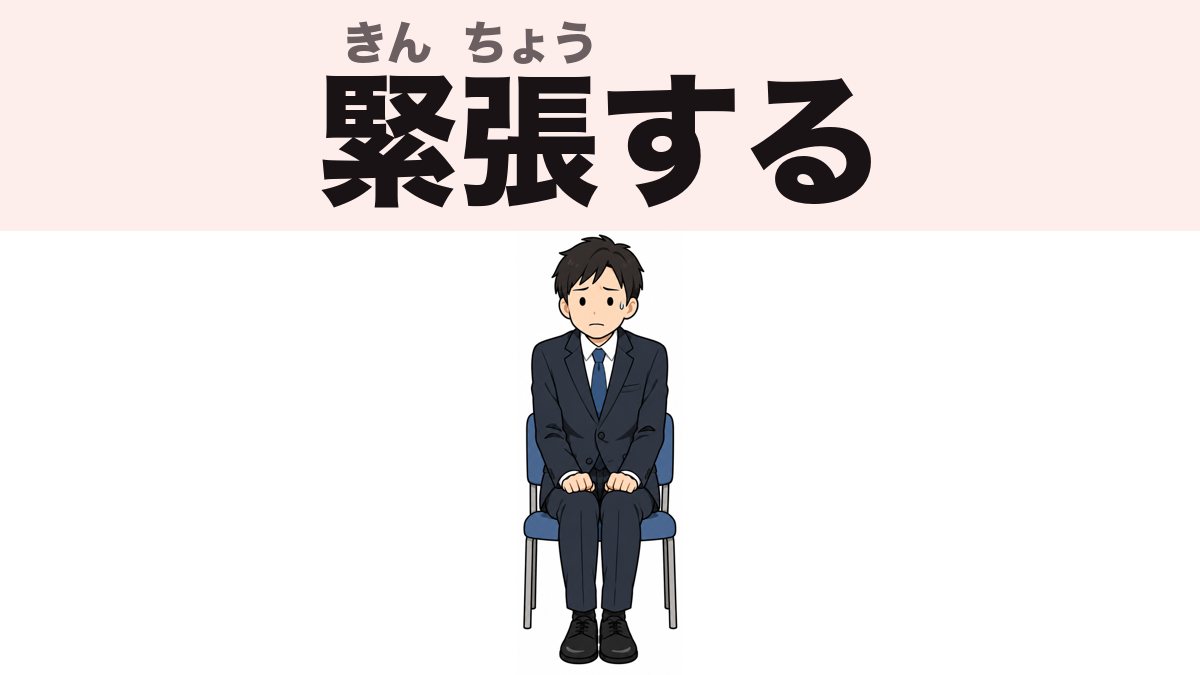
Nervous in Japanese: 緊張する, ドキドキ, and the words around them
Nervous in Japanese is 緊張する (kinchou suru). 緊張している means "I am nervous right now"; ドキドキ is a pounding heart, あがる is stage fright.
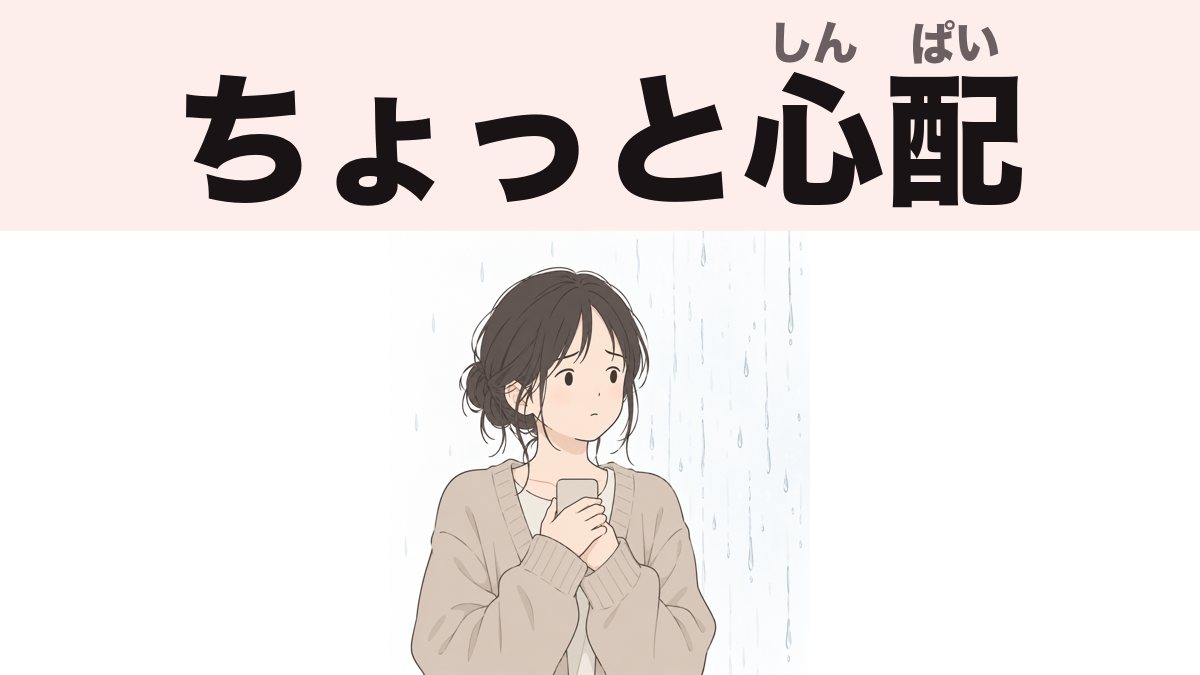
Worried in Japanese: 心配 (shinpai) and the words around it
Worried in Japanese is 心配 (shinpai): 心配です, 心配している, 〜が心配だ. Learn how it differs from 不安, 気になる and 悩む, plus how to say "don't worry."
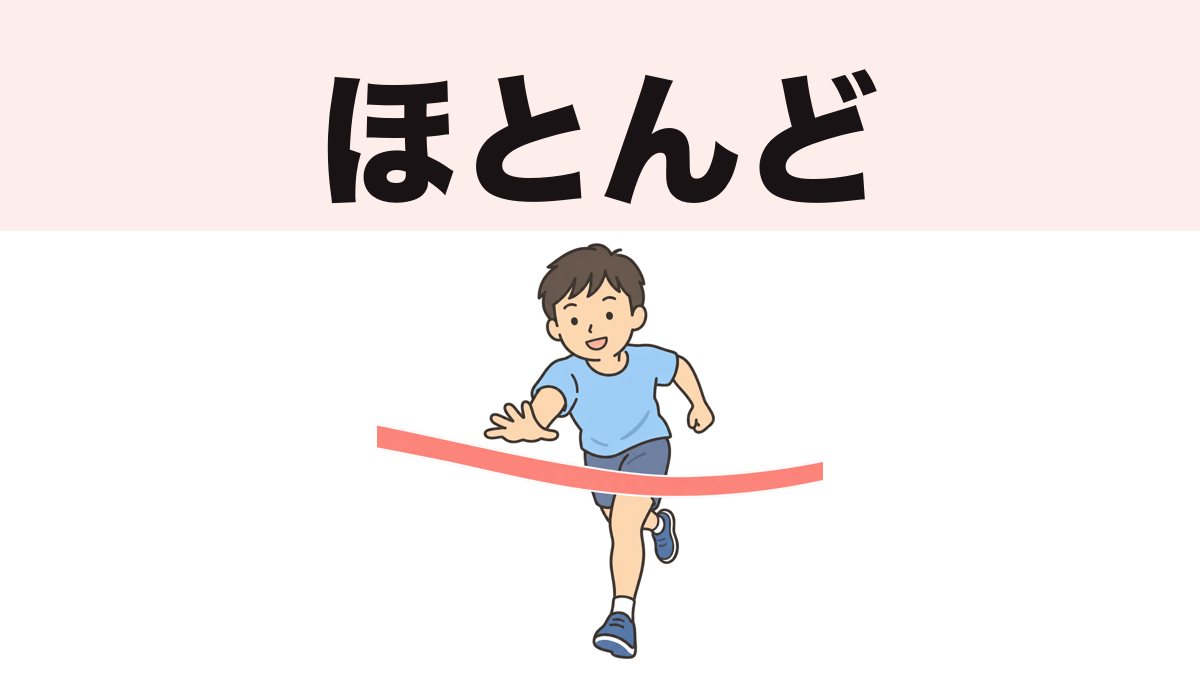
Almost in Japanese: ほとんど (hotondo), ほぼ (hobo) and もう少しで
Almost in Japanese is three different words: ほとんど and ほぼ for "nearly all," そうになった for near misses, もうすぐ for "almost there." Which to use, when.
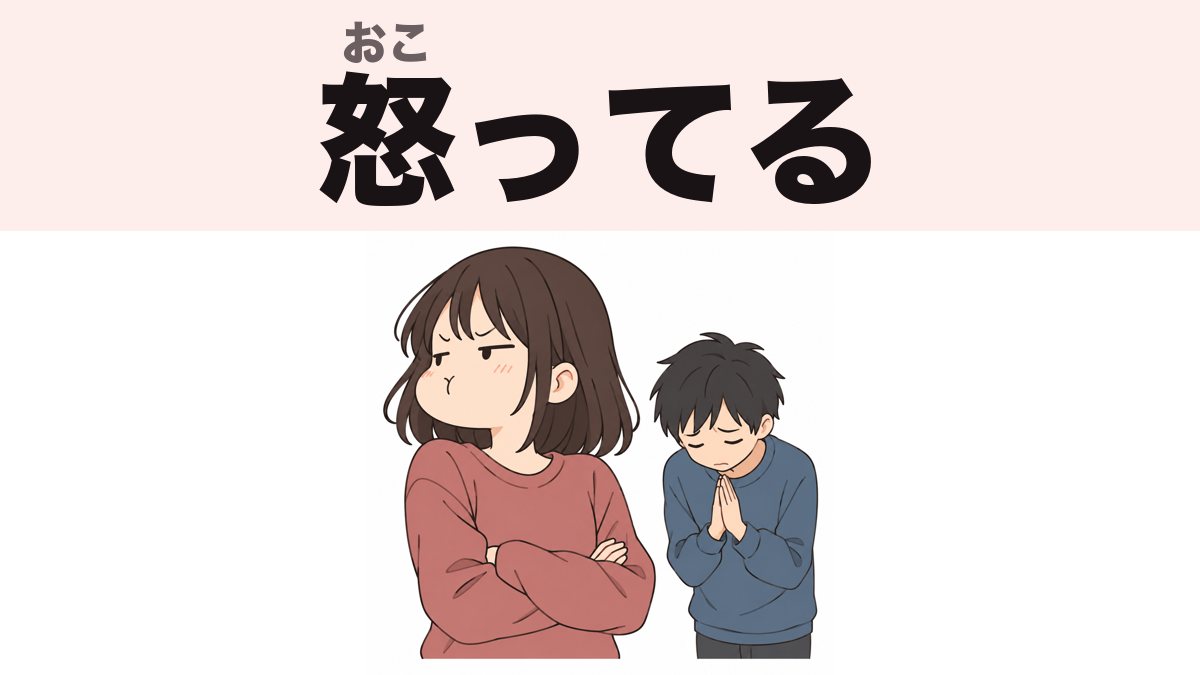
Angry in Japanese: 怒る, ムカつく, キレる — and why 怒い is not a word
Angry in Japanese is 怒っている (okotte iru), from the verb 怒る. Learn 怒られる, 叱る, ムカつく, イライラ, キレる and 腹が立つ, and why 怒い is wrong.
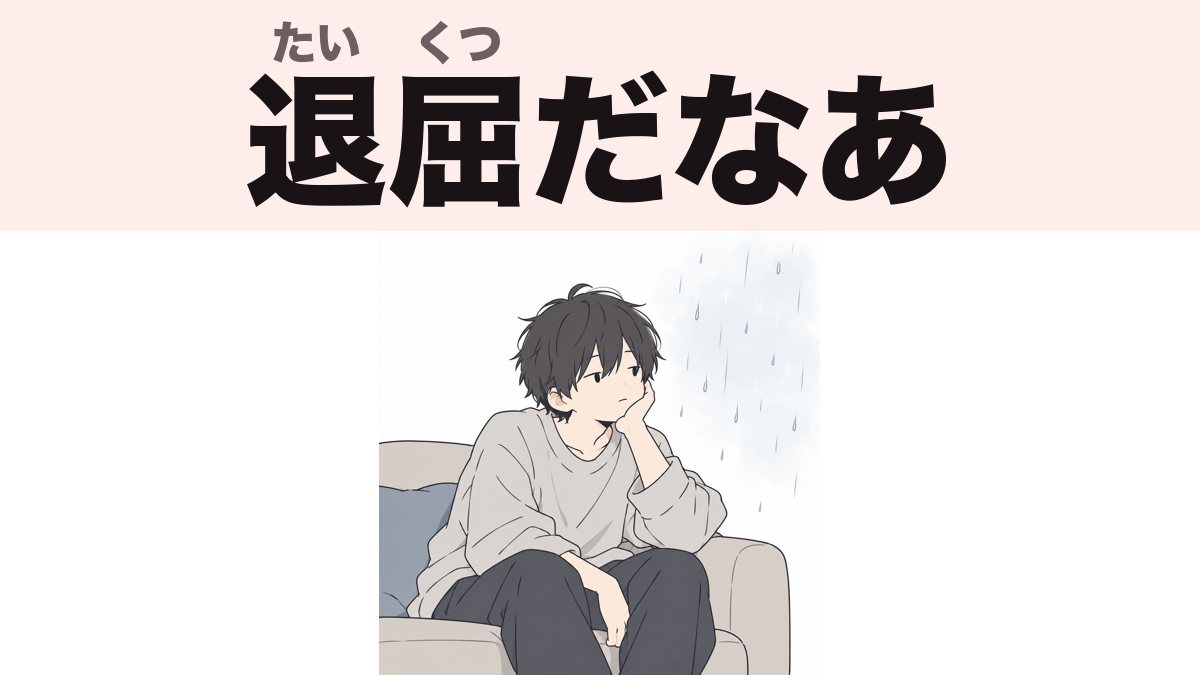
Bored in Japanese: 退屈, つまらない, 暇 and 飽きた — which one you mean
Bored in Japanese is 退屈, つまらない, 暇 or 飽きた, and each one means something different. Learn which word fits, with a table and anime examples.
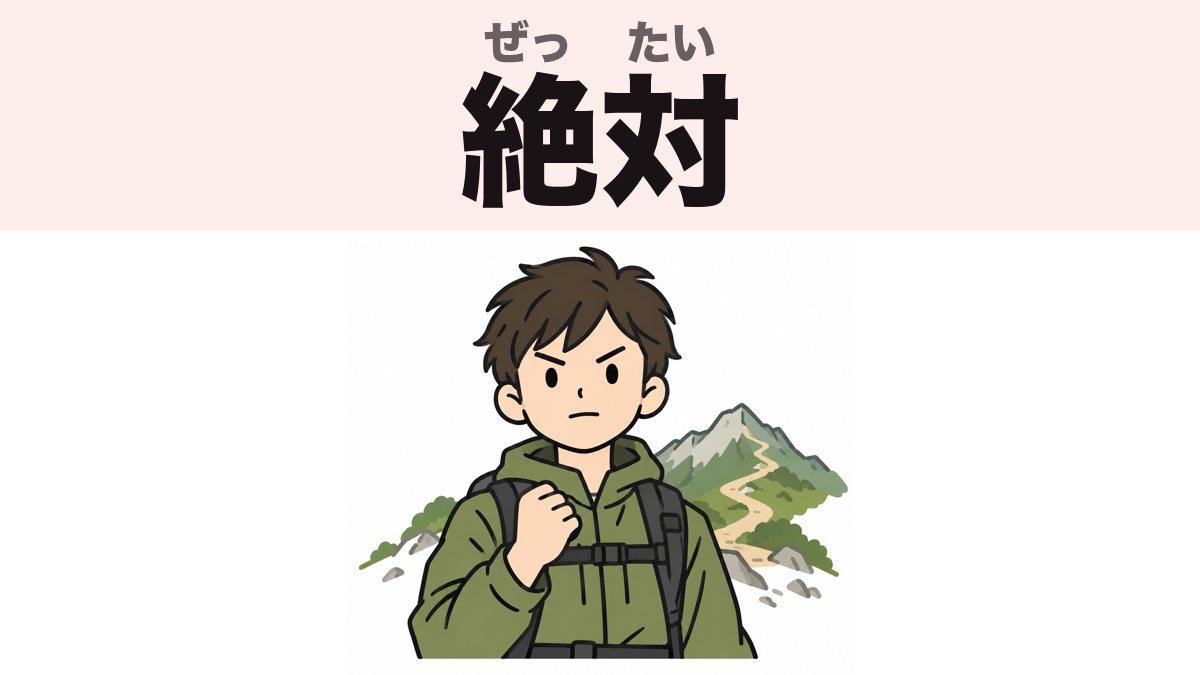
Definitely and never in Japanese: 絶対, 必ず, 決して — which ones can go negative
Definitely in Japanese is 絶対 or 必ず, but only 絶対 also works with a negative (絶対行かない). Learn 必ず, 決して, 一度も, 全然 and 二度と, with examples and a chart.
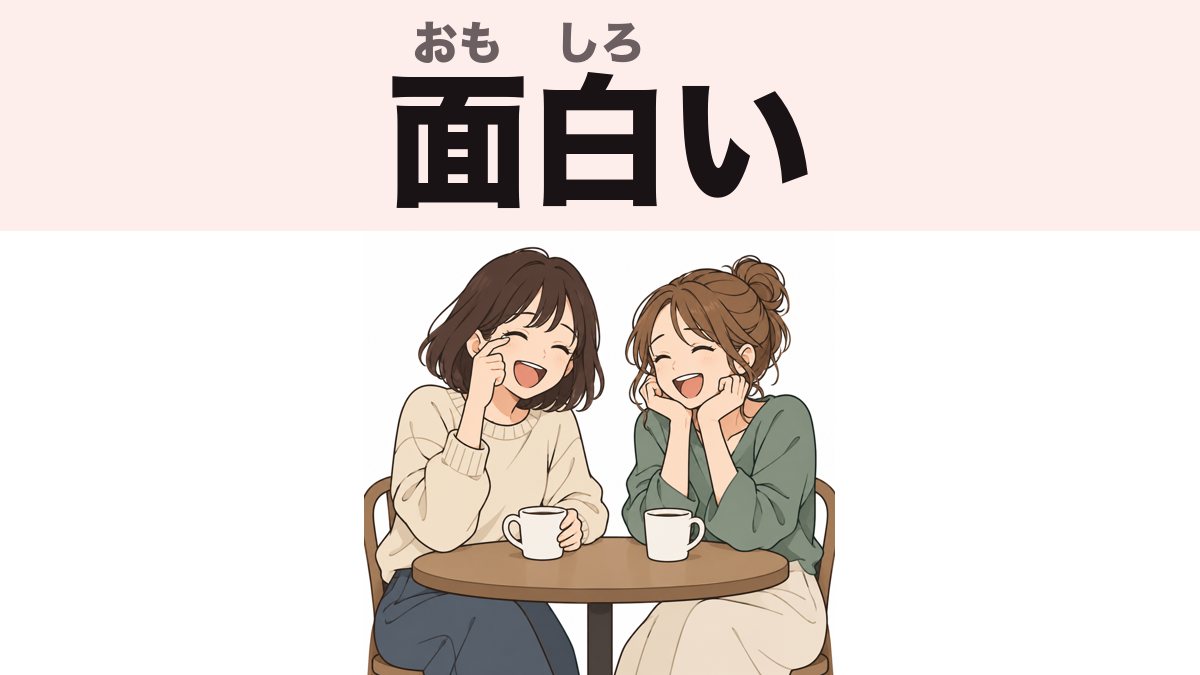
Funny in Japanese: 面白い, おかしい and the 'funny' that means something's wrong
Funny in Japanese splits in two: 面白い for ha-ha and interesting, おかしい for strange or broken. Learn 笑える, 爆笑, 草, and why calling someone おかしい is rude.
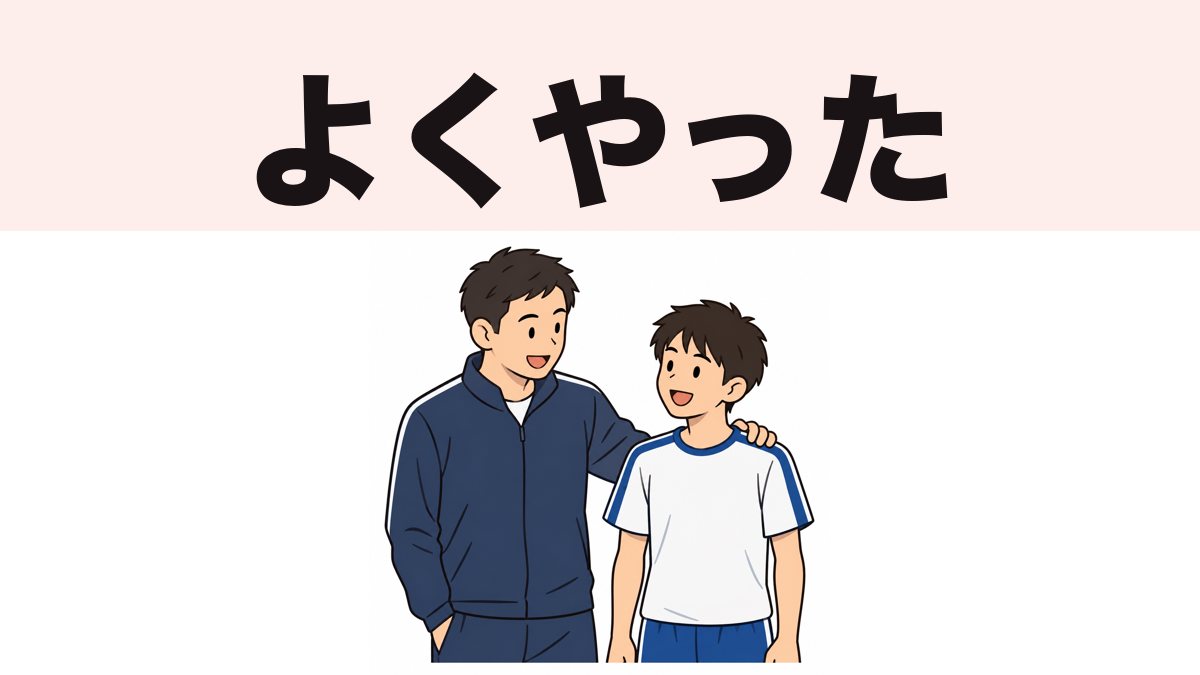
Good job in Japanese: よくやった, さすが and why direction matters
Good job in Japanese depends on who praises whom: よくやった goes downward, さすが fits people you respect, and 勉強になりました is the safe reply to a superior.
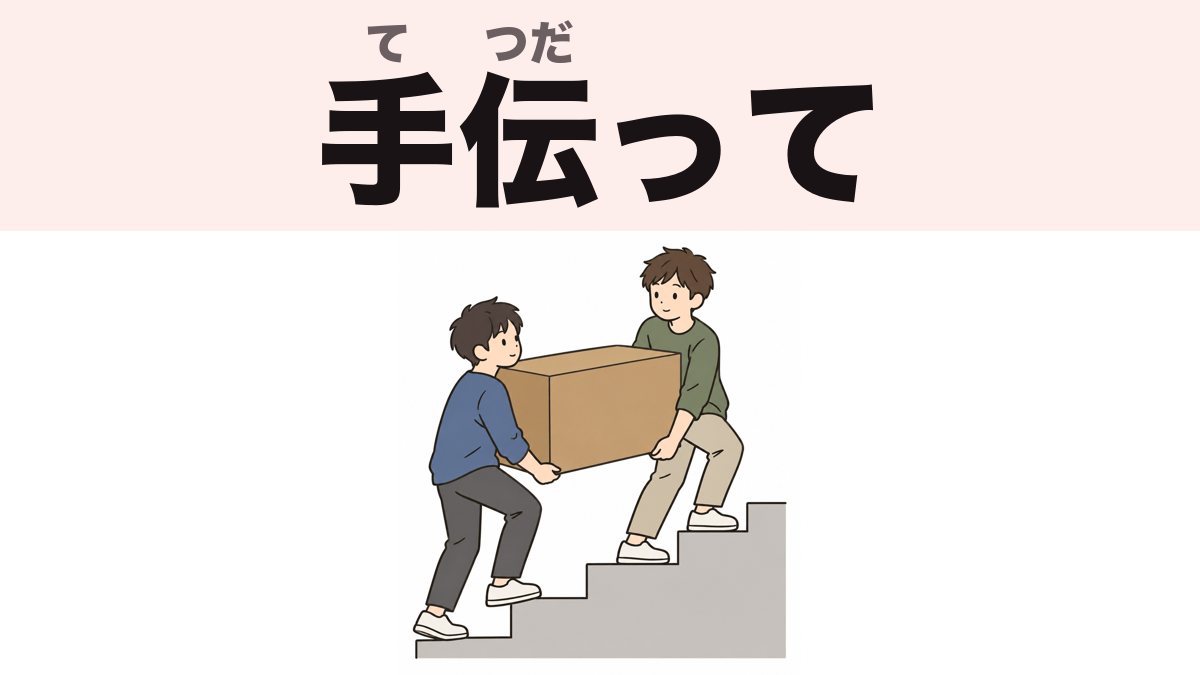
Help in Japanese: 助けて vs 手伝って, and 助かる for "that helps"
Help in Japanese splits in two: 助けて means rescue me (an emergency), 手伝って means give me a hand with a task. Plus 助かる for "that helps" and 救う.
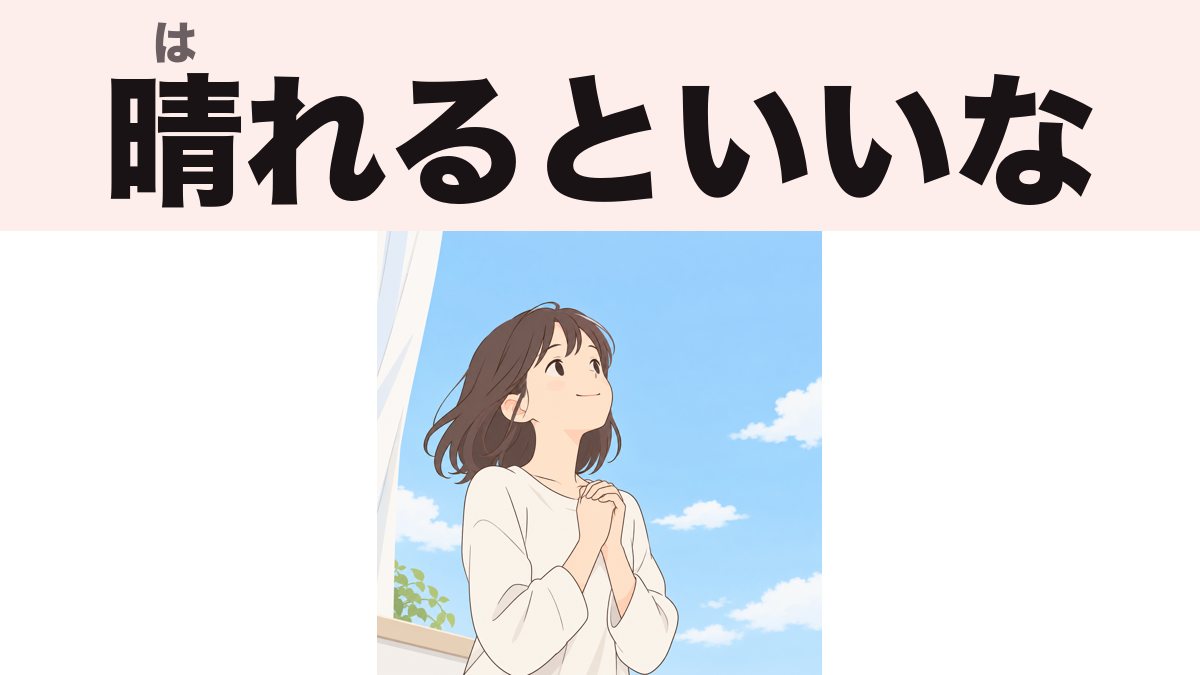
Hope in Japanese: 〜といいな, 〜ますように and 希望
Hope in Japanese is usually said with 〜といいな or 〜ますように, not the noun 希望. For example, 明日晴れるといいね means "I hope it is sunny tomorrow." Here is how each form works.
I don't care in Japanese: どうでもいい, 別に, and the なんでもいい that's actually friendly
English "I don't care" is two different things in Japanese. どうでもいい and 別に are cold; なんでもいい, どちらでもいい and お任せします are soft ways to say "anything is fine."
I see in Japanese: なるほど, そうなんだ and the 相づち that keep people talking
There is no single "I see" in Japanese. なるほど, そうなんだ, そうですか, わかりました and へえ each mean something different, and this guide shows when to use which.
Important in Japanese: 大事, 大切, 重要 — three words, three temperatures
Important in Japanese is 大事, 大切, or 重要. 大事 is the everyday word, 大切 adds feeling, 重要 is for writing and business. Plus 肝心 and 〜ことが大事だ, with examples.
Jet lag in Japanese: 時差ボケ, and the other things Japanese can be ボケ about
Jet lag in Japanese is 時差ボケ (jisaboke): 時差 (time difference) plus ボケ (fogginess). Learn how to use it, plus 寝ぼけ, 休みボケ, 平和ボケ and one risky ボケ.
Limited in Japanese: 限定, and the 以上/未満 on every sign
Limited in Japanese is usually 限定 (gentei), as in 期間限定 "limited time" or 限定版 "limited edition". Learn 以上, 以下 and 未満 too, so you can read signs correctly.
Motomoto meaning: もともと, 'originally' — and why it's not もっと
Motomoto (もともと) means originally, to begin with, or by nature. Learn how it differs from もっと (more), 最初から, 本来 and 元来, with examples and practice.
Of course in Japanese: もちろん, 当然, and the "of course" that sounds cold
Of course in Japanese is もちろん. But 当然 and 当たり前 can sound cold. Learn which "of course" fits each situation, with a table, examples and practice.
Probably in Japanese: たぶん, でしょう, おそらく — and where きっと sits
Probably in Japanese is たぶん in conversation, おそらく in the news, and でしょう at the end of a sentence. きっと is stronger, かもしれない is weaker.
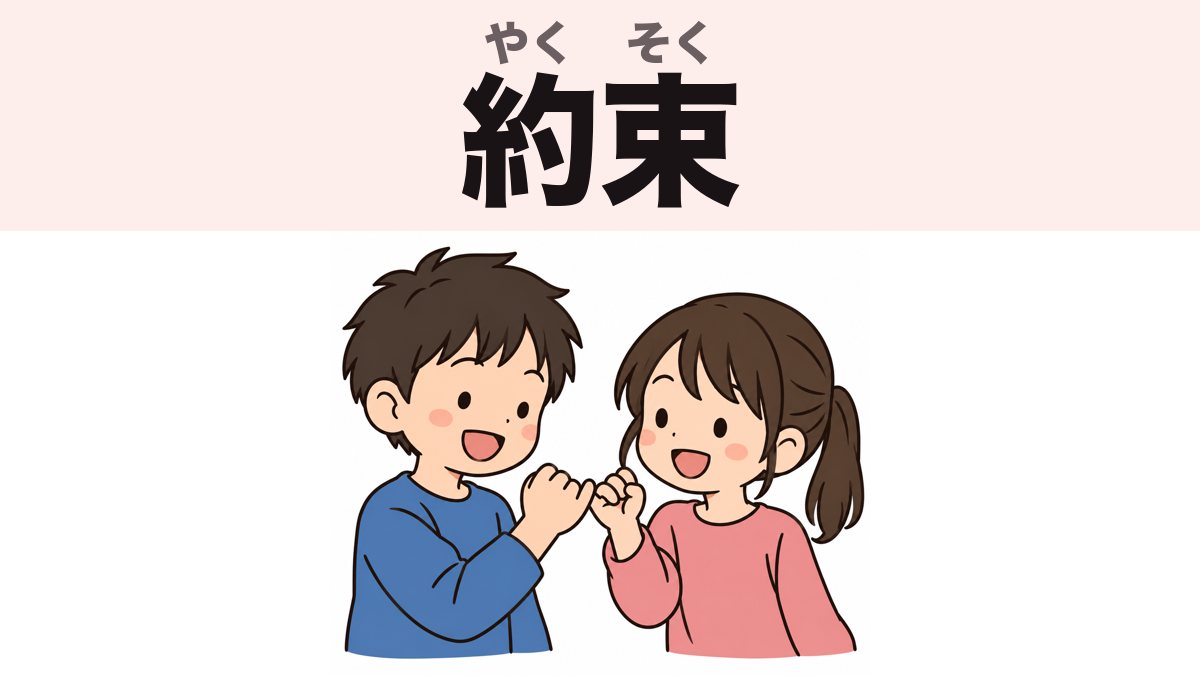
Promise in Japanese: 約束, keeping it, breaking it, and when it just means 'plans'
Promise in Japanese is 約束 (yakusoku). Learn 約束する, 約束を守る and 約束を破る, 約束だよ, 指切りげんまん, and why 約束がある can also mean "I have plans."
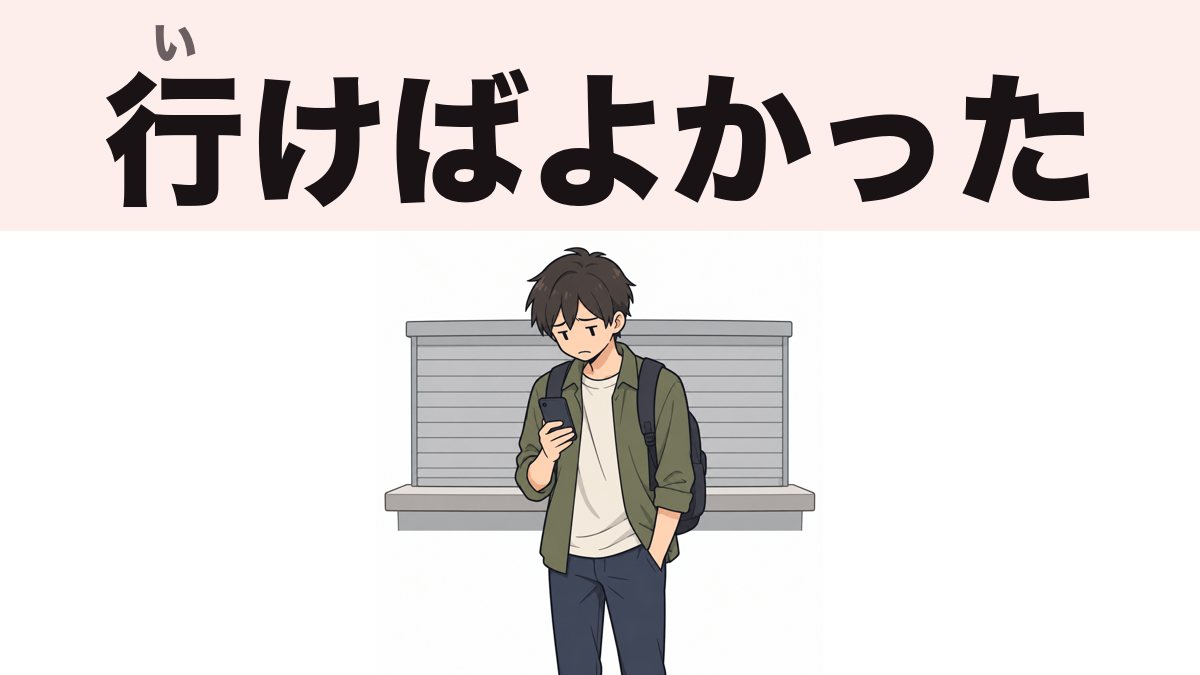
Should have in Japanese: 〜ばよかった, the grammar of regret
"Should have" in Japanese is usually 〜ばよかった: 早く予約すればよかった means "I should have booked earlier." Learn how to build it and how it differs from 〜べきだった.
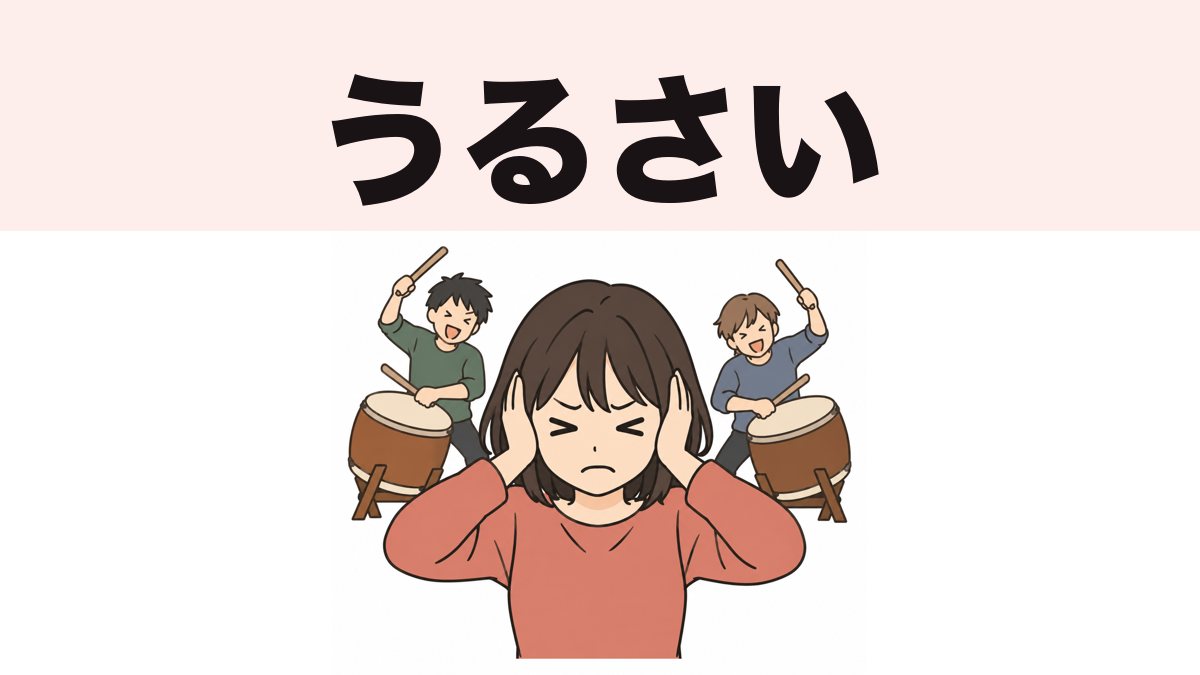
Shut up in Japanese: うるさい, 黙れ, and why anime is not your etiquette guide
Shut up in Japanese is うるさい (noisy!) or 黙れ (a harsh command) in anime, but 静かにしてください in real life. Here is how strong each one is and who you can say it to.
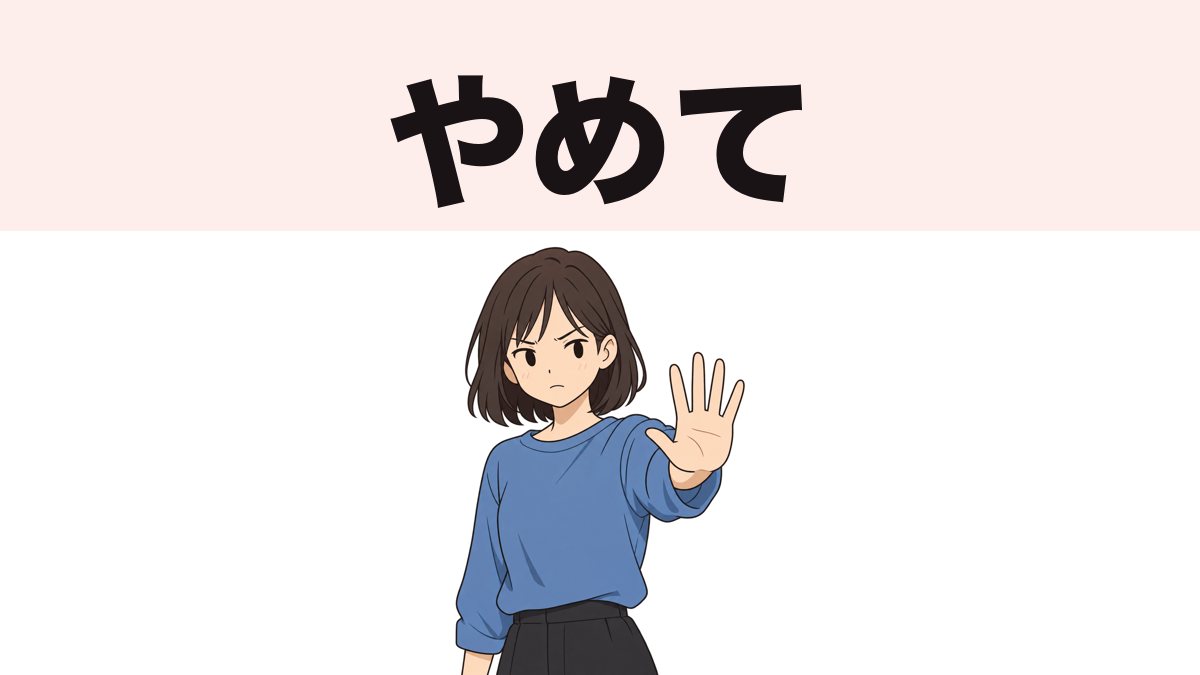
Stop in Japanese: やめて vs 止まって — quitting and halting are different verbs
Stop in Japanese has three main verbs: やめる (quit doing something), 止まる (something halts) and 止める (you halt it). See which one fits, with examples.
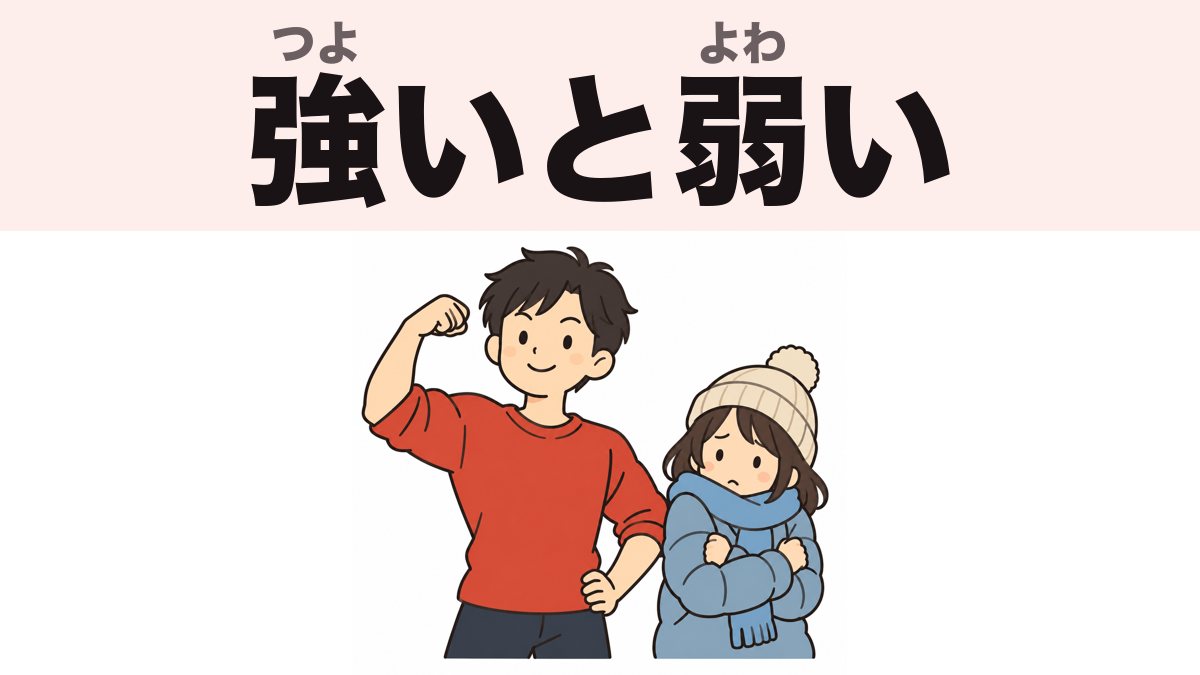
Strong and weak in Japanese: 強い, 弱い, and the に that turns them into skills
Strong in Japanese is 強い (tsuyoi) and weak is 弱い (yowai). Add に and they become skills: 数字に強い means good with numbers, お酒に弱い means bad with alcohol.
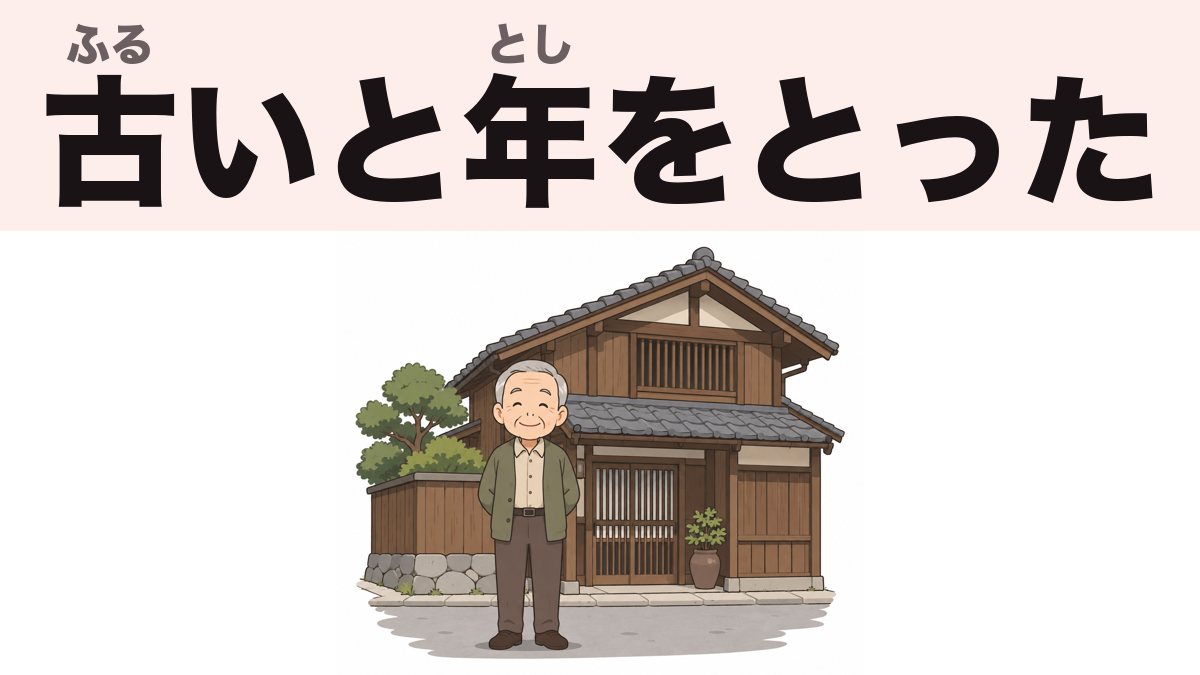
Old in Japanese: 古い, 年をとった, 年上 and which "old" you mean
Old in Japanese is 古い for things, but people who are old are 年をとった or 年配の方, and an older person is 年上. 古い人 means old-fashioned, not elderly. Examples inside.
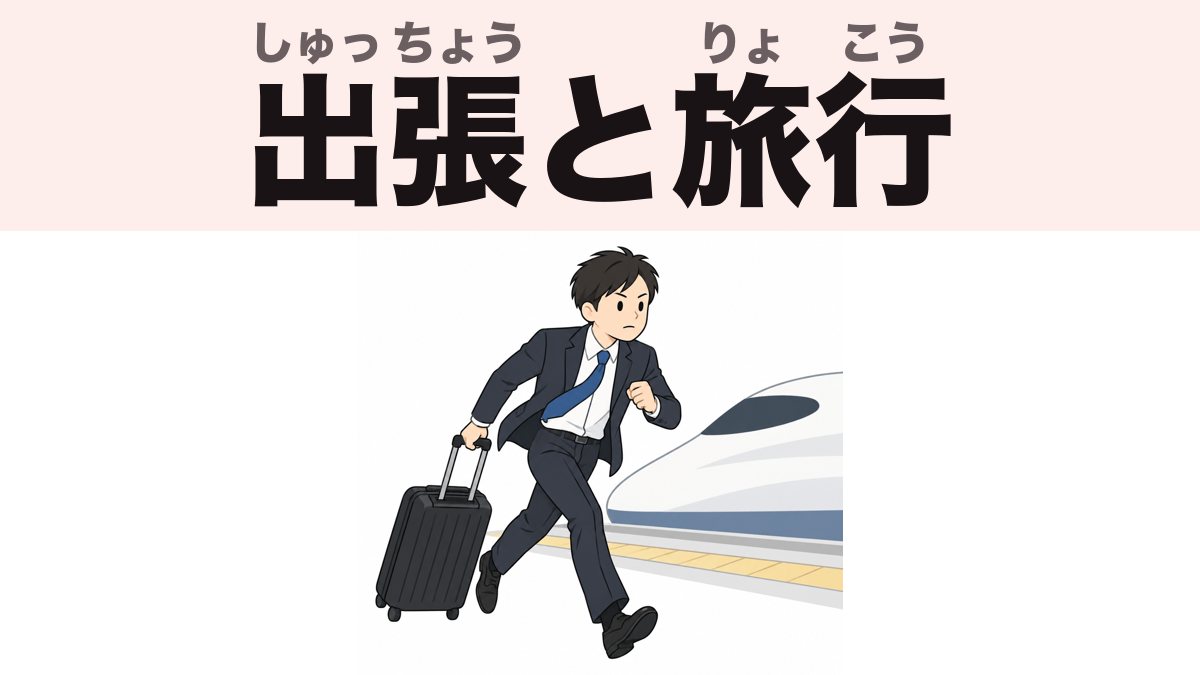
Business Trip in Japanese: 出張 (shutchou) vs 旅行 vs 遠征
出張 (shutchou) is a work trip your company sends you on. 旅行 (ryokou) is travel for fun. 遠征 (ensei) is an "expedition" — anime fans use it for pilgrimage trips.
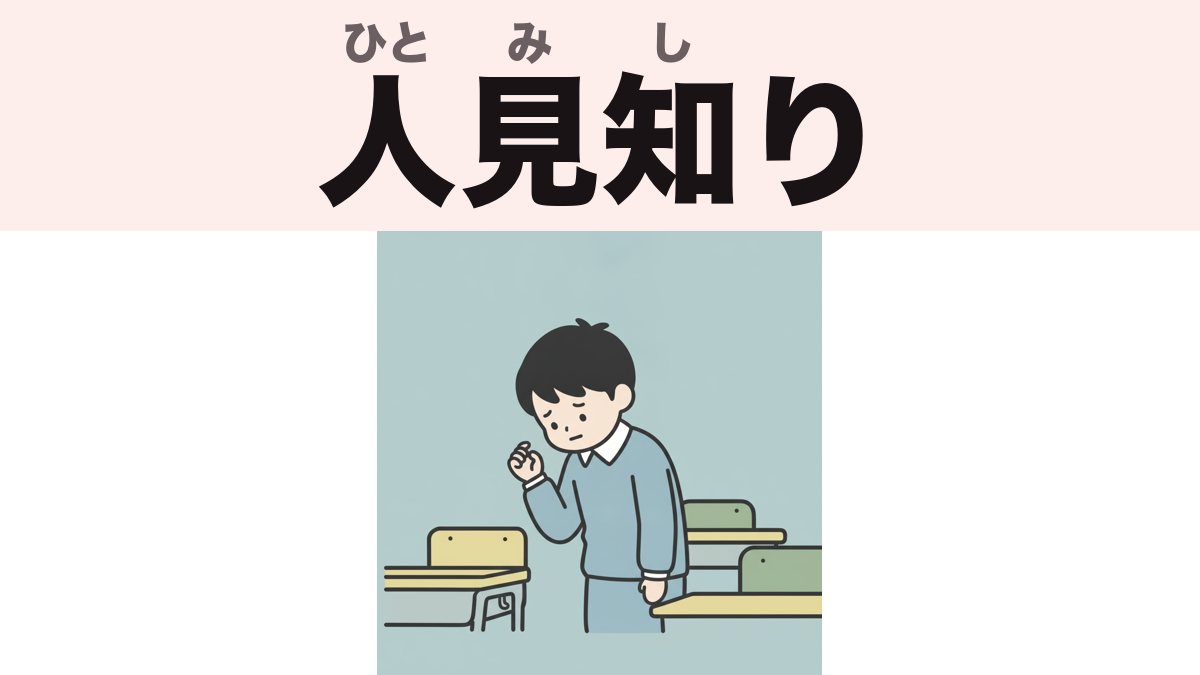
人見知り (hitomishiri): shy around strangers — and 内気, shy by nature
人見知り is shyness specifically around people you do not know yet, fading with familiarity. 内気 is a lasting quiet personality. Here is how to tell them apart.
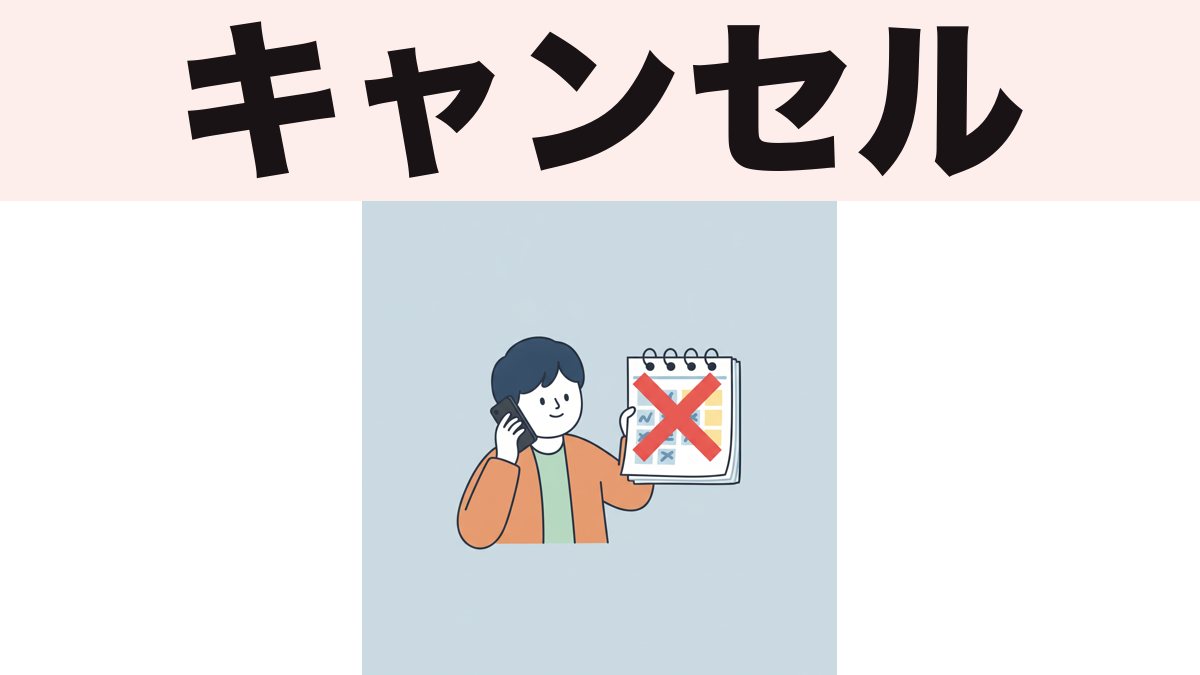
How to cancel a reservation in Japanese: 予約をキャンセルしたいのですが
Say 予約をキャンセルしたいのですが ("I would like to cancel my reservation, but...") by phone or in person. のですが leaves room for staff to ask details.
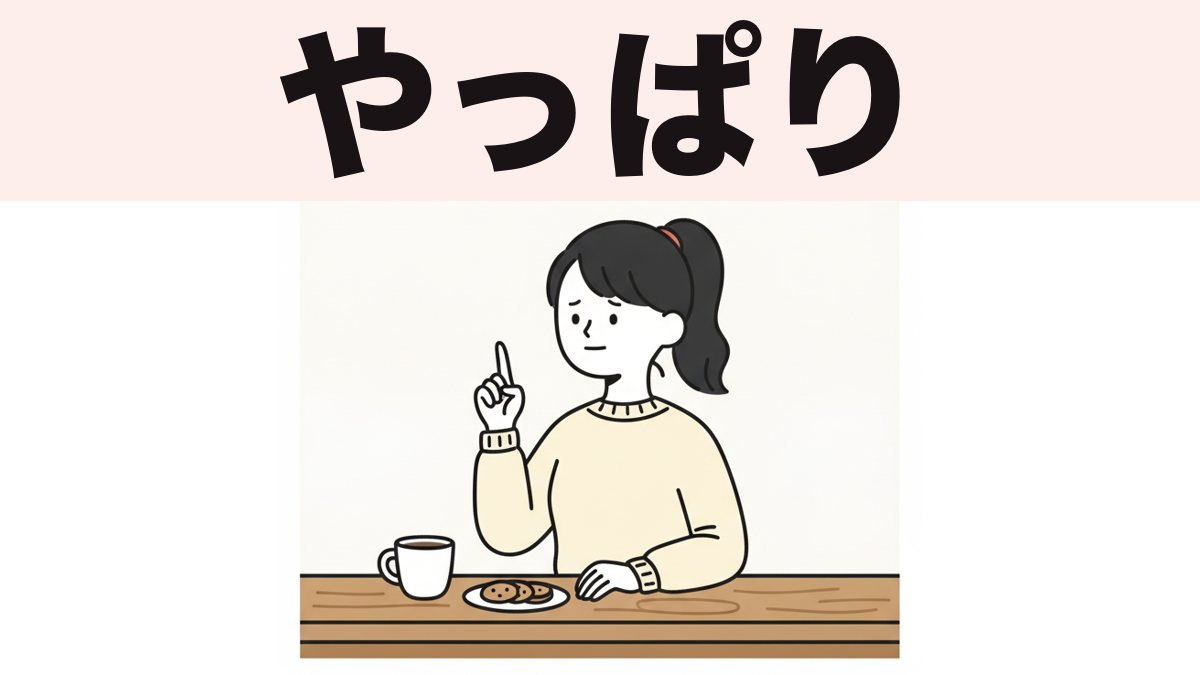
How to change your order in Japanese: すみません, やっぱり does the whole job
Changing your mind after ordering leads with すみません and やっぱり ("actually, on second thought"), framing the change as your own imposition, not a complaint.
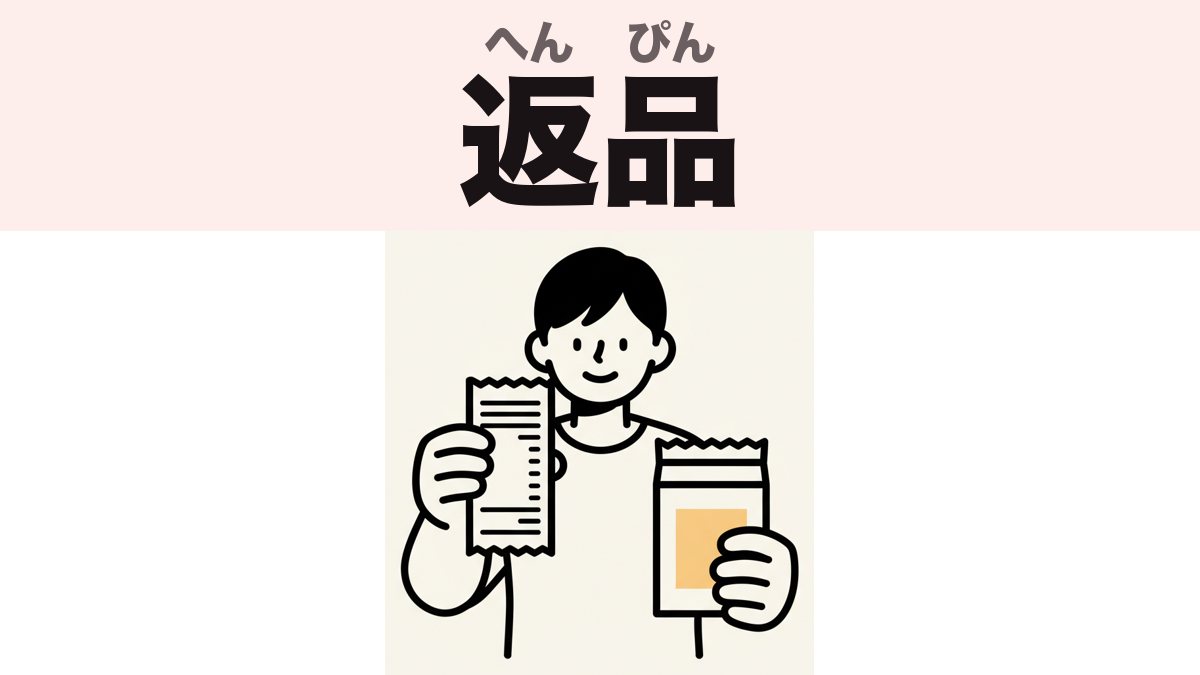
How to return or exchange something in Japanese: レシートはありますか comes first
Returning or exchanging an item in Japan starts with the receipt — レシートはお持ちですか — since most stores will ask for it before hearing your reason at all.
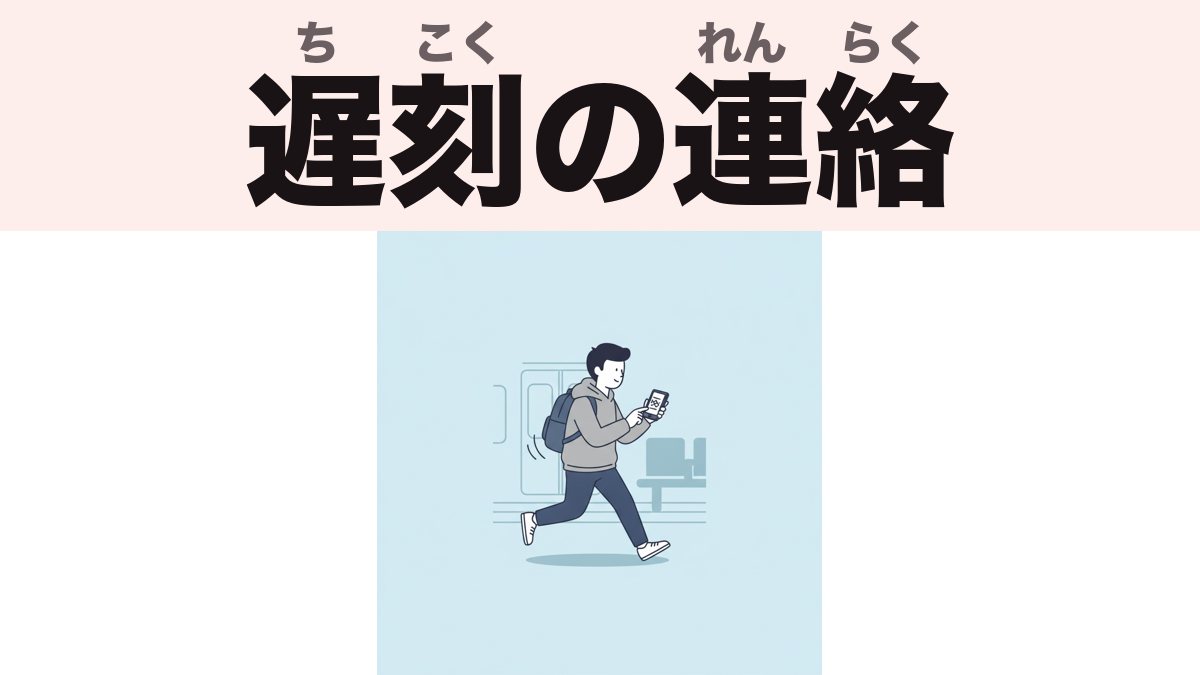
How to say you will be late in Japanese: the message matters more than the lateness
Being late in Japan is less rude than being late without warning. A short text with a new arrival time — 10分ほど遅れます — is the expected move, before you arrive.
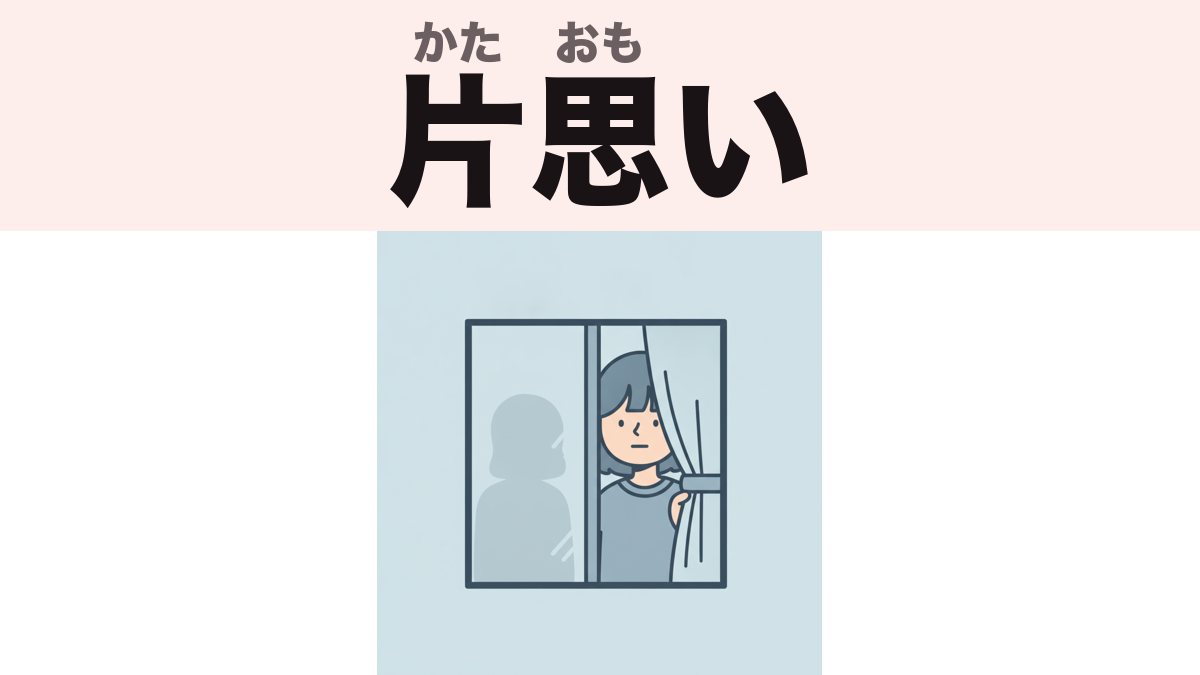
片思い (kataomoi): unrequited love — and 両思い, when it goes both ways
片思い is one-sided romantic feelings, unreturned. 両思い is when both people like each other, mutually. Here is the vocabulary for the whole arc between them.
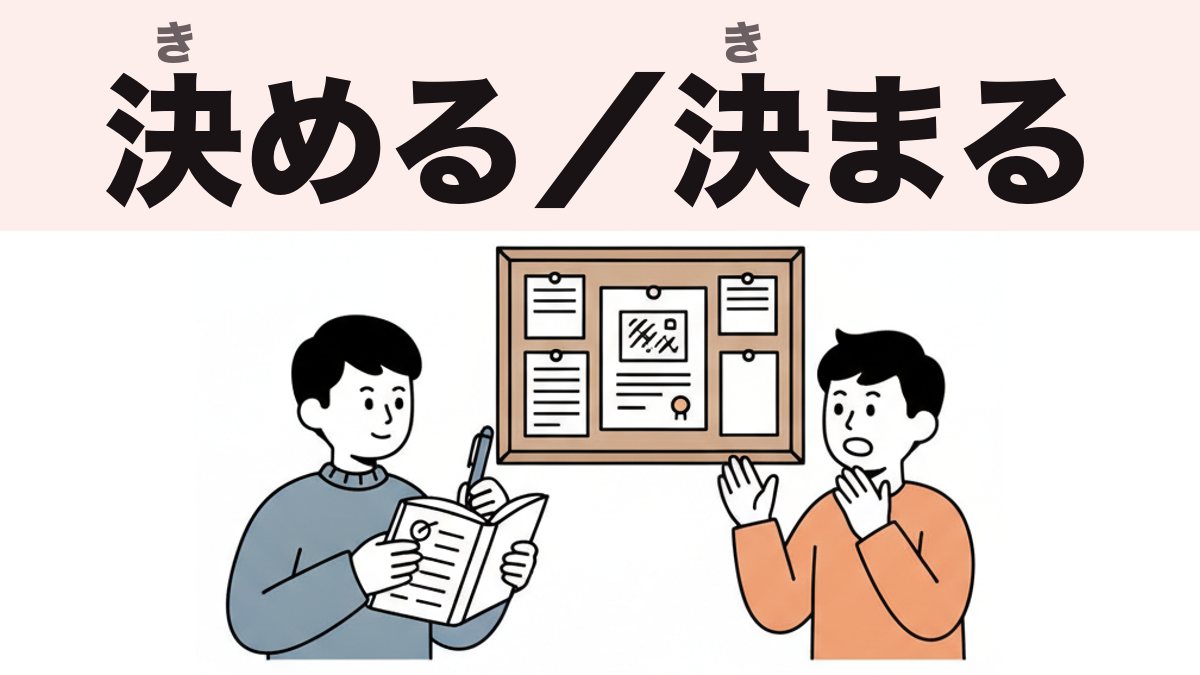
〜ことにする vs 〜ことになる: the decision you made, and the one that just happened to you
ことにする marks a decision you made yourself. ことになる marks an outcome, arrangement, or rule that came about without you deciding it. Same こと, opposite direction.
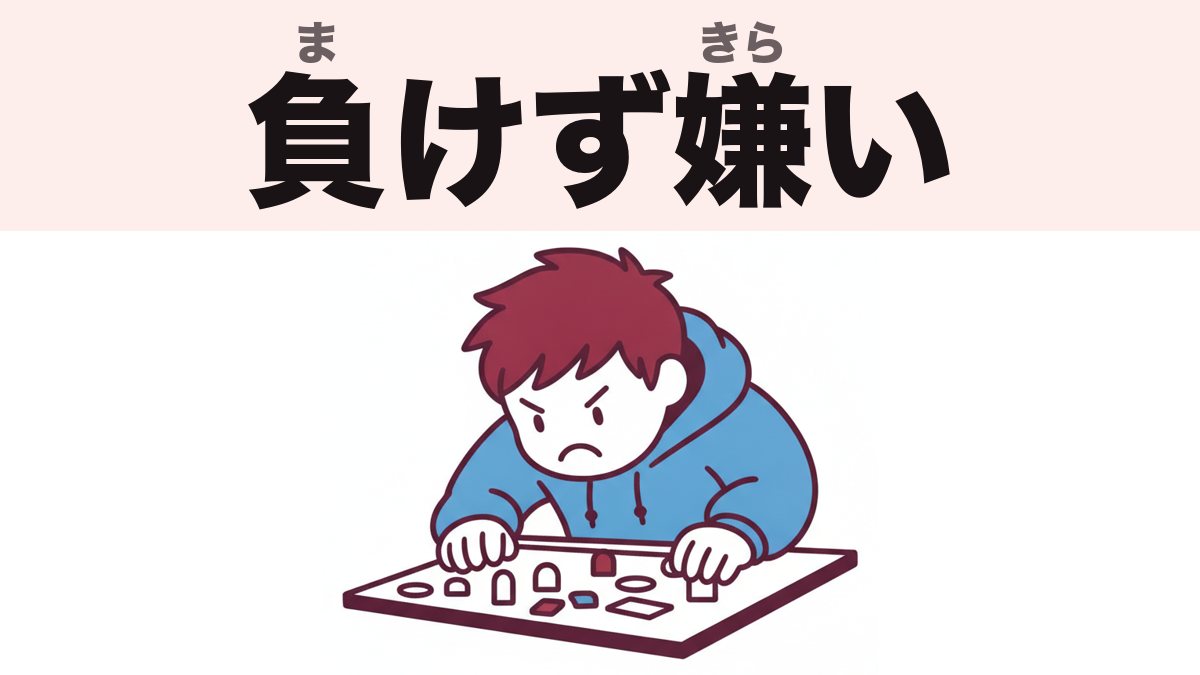
負けず嫌い (makezugirai): hating to lose — and 頑張り屋, just trying hard
負けず嫌い describes someone driven by hating to lose, competitive by nature. 頑張り屋 describes someone who always tries hard, whether or not anyone is competing.
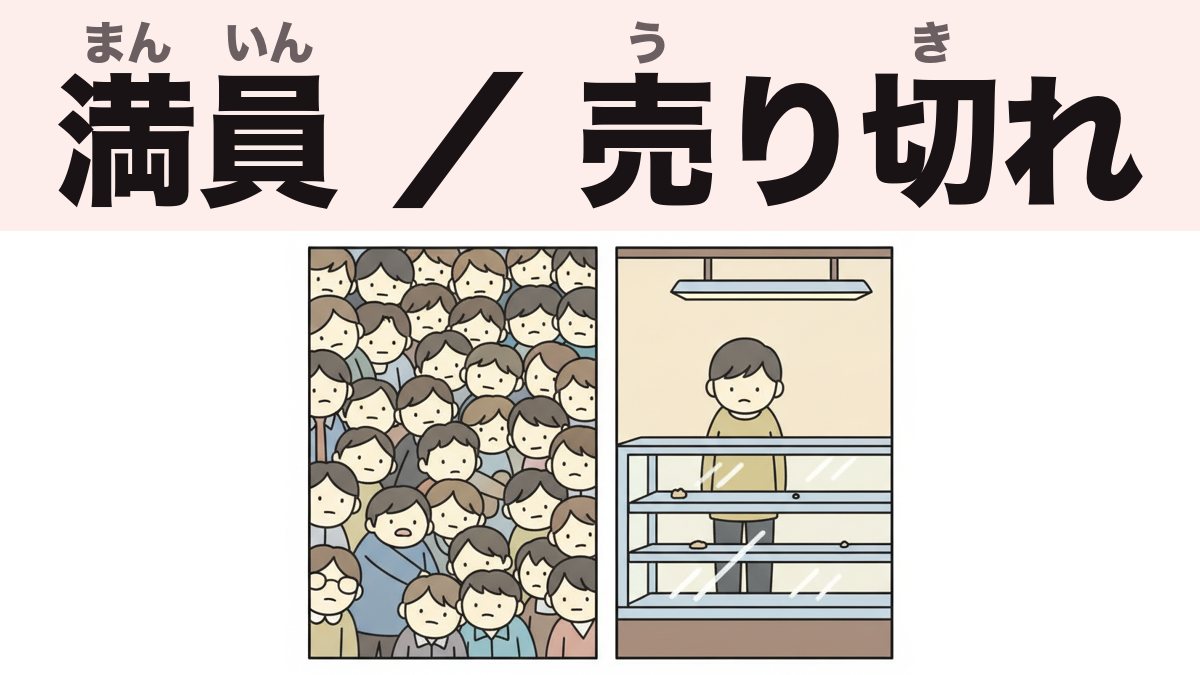
満員 vs 売り切れ: "full" of people, "sold out" of things
満員 (manin) means full of people — a packed train, a full venue. 売り切れ (urikire) means sold out of stock — no more tickets, food, or products left to sell.
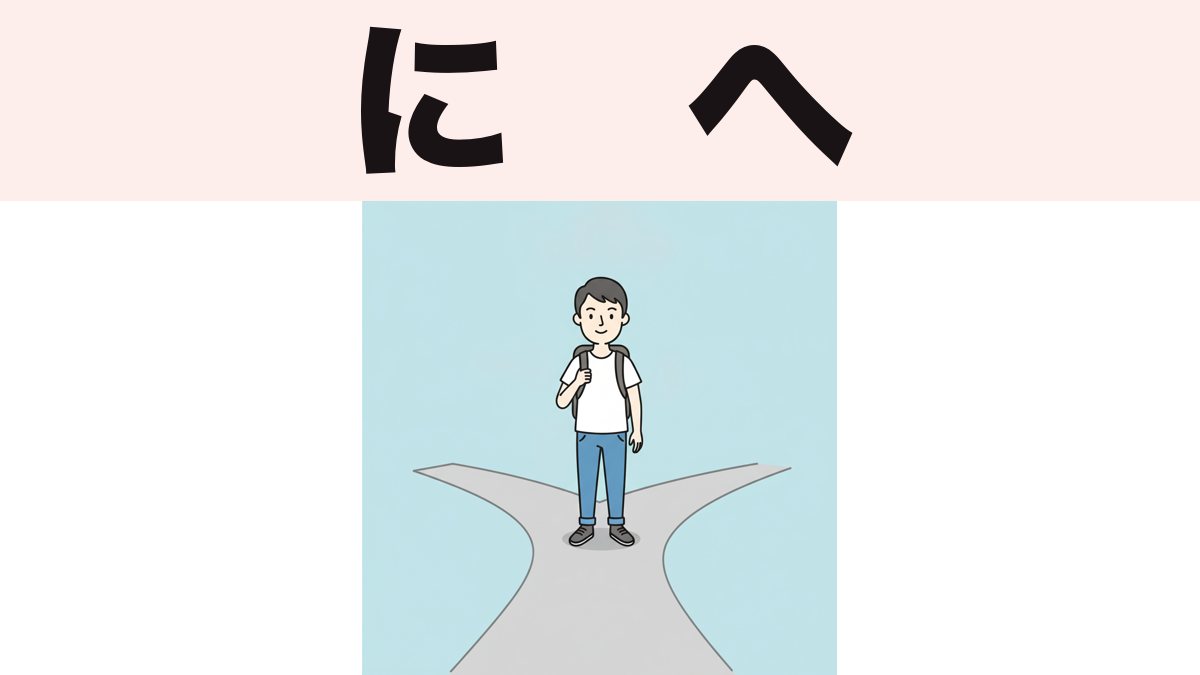
に vs へ: the direction particle you can almost always swap, and the one time you cannot
に and へ both mark direction, and are usually interchangeable. に also marks the exact arrival point, existence, and time — jobs へ simply cannot do.
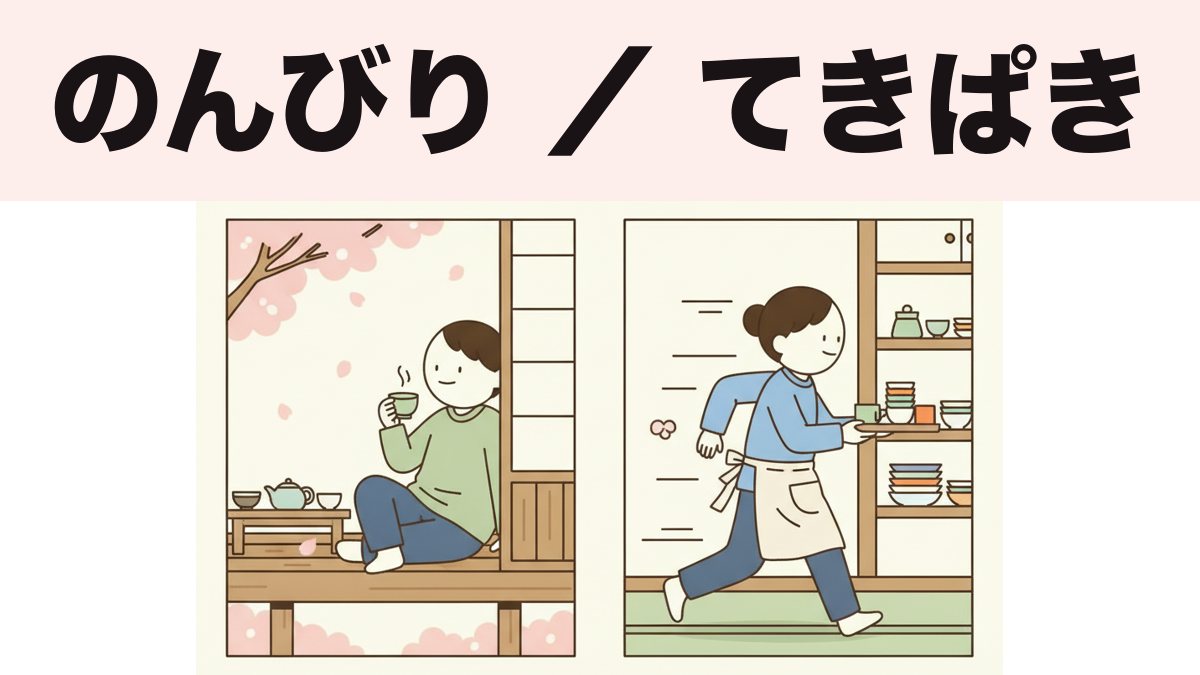
のんびり vs てきぱき: unhurried and brisk, both compliments
のんびり (nonbiri) describes a relaxed, unhurried pace. てきぱき (tekipaki) describes moving briskly and competently through tasks. Neither means lazy or careless.
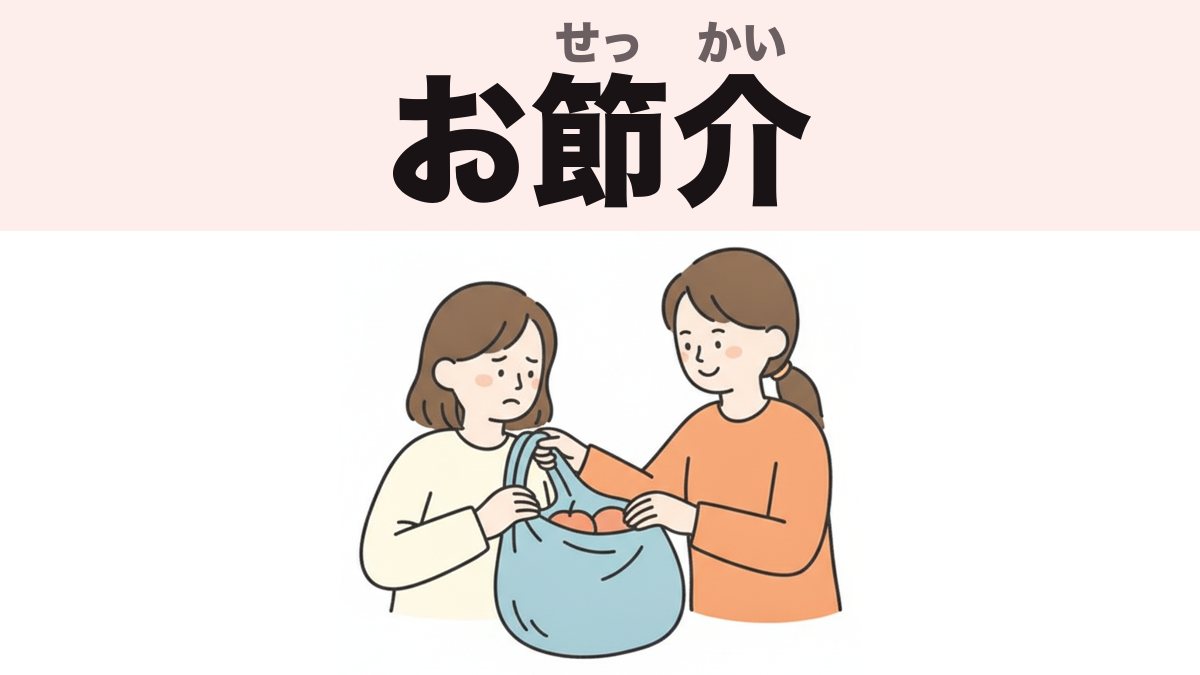
お節介 (osekkai): meddling help nobody asked for — and 面倒見がいい, the wanted version
お節介 is unwanted meddling dressed as help. 面倒見がいい is the same initiative, but welcome. The difference is not the act itself, it is whether anyone asked for it.
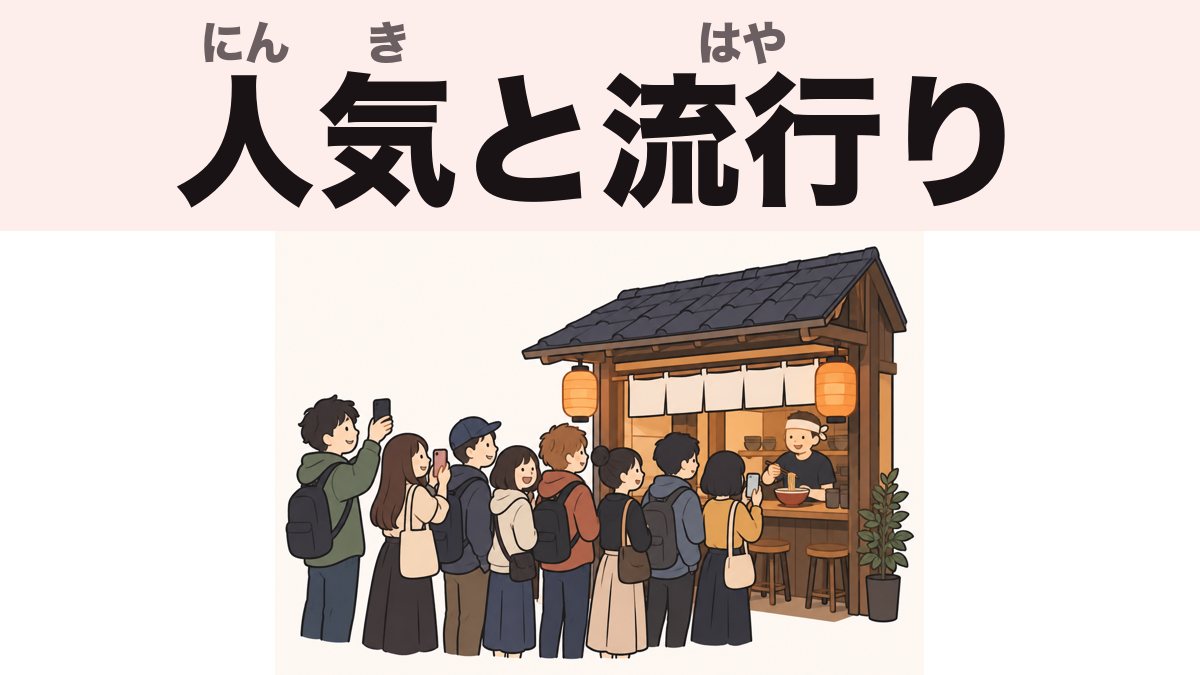
Popular in Japanese: 人気 vs 流行り, and how to say something is trending
Popular in Japanese is 人気 (ninki) for things people like over time and 流行り (hayari) for what is in fashion right now. How to choose, with examples.
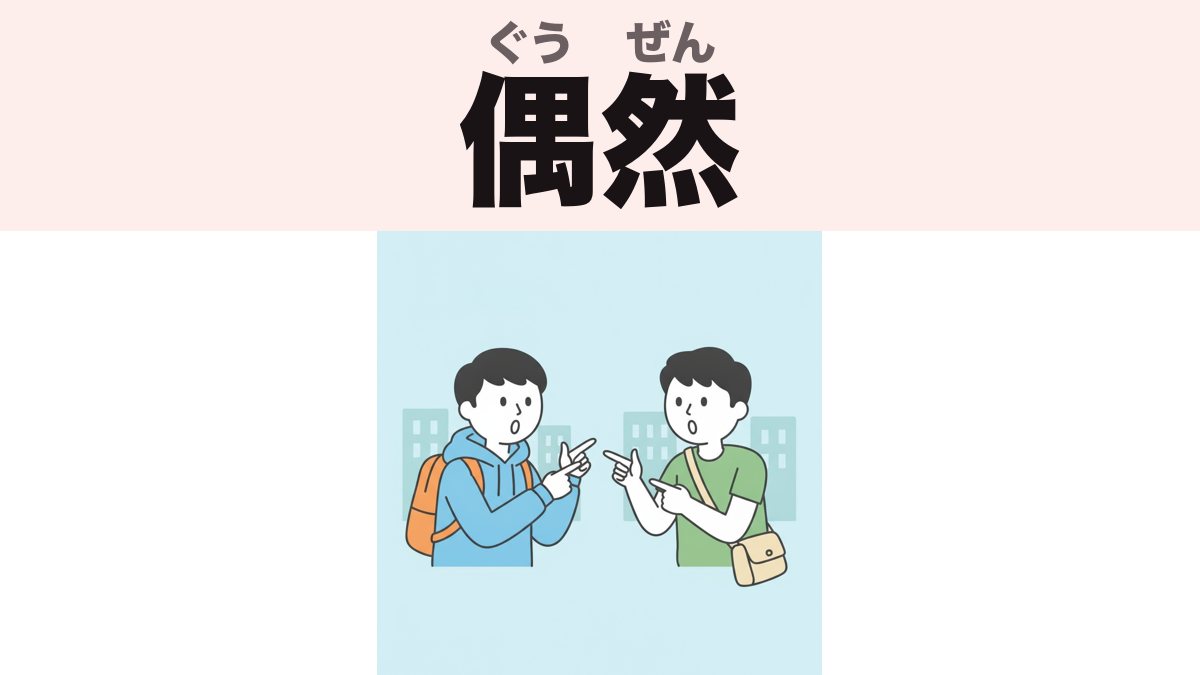
たまたま (tamatama) vs 偶然 (guuzen): two ways to say "by chance"
たまたま is an adverb for your own circumstance happening by chance. 偶然 names the coincidence itself and can stand alone as a noun. Both mean "by chance."
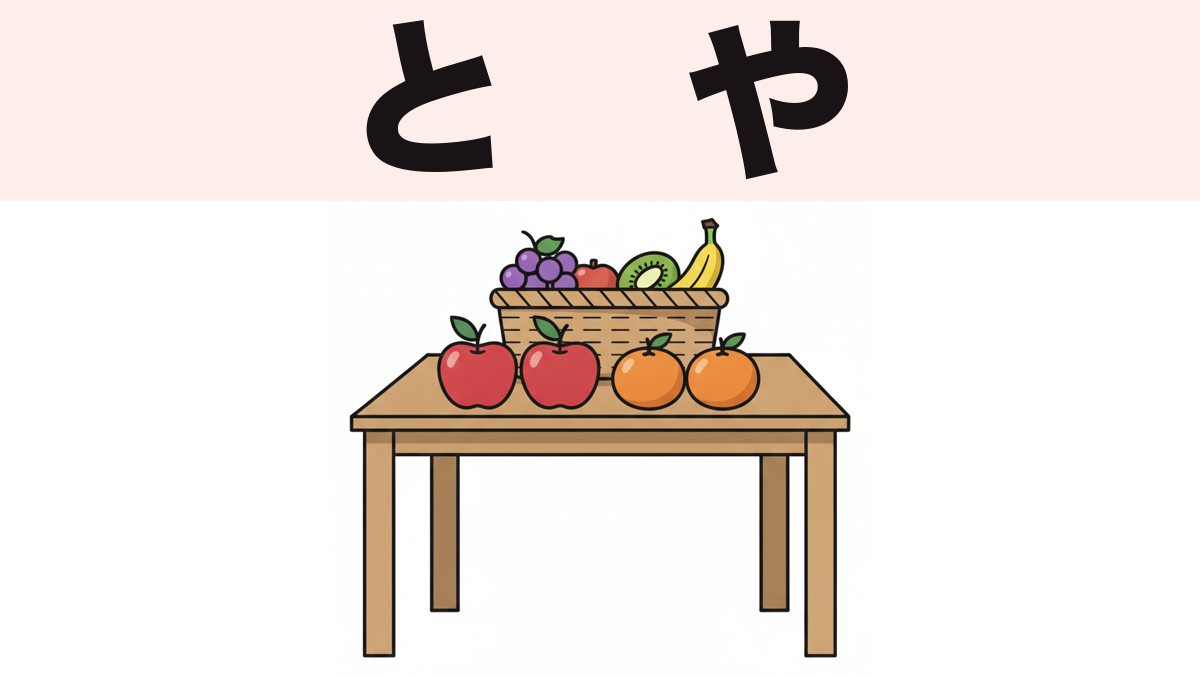
と vs や: the complete list, and the list that is just some examples
と links nouns into a complete, closed list — nothing else exists. や links nouns into a partial list, leaving items unnamed. One word changes the promise.
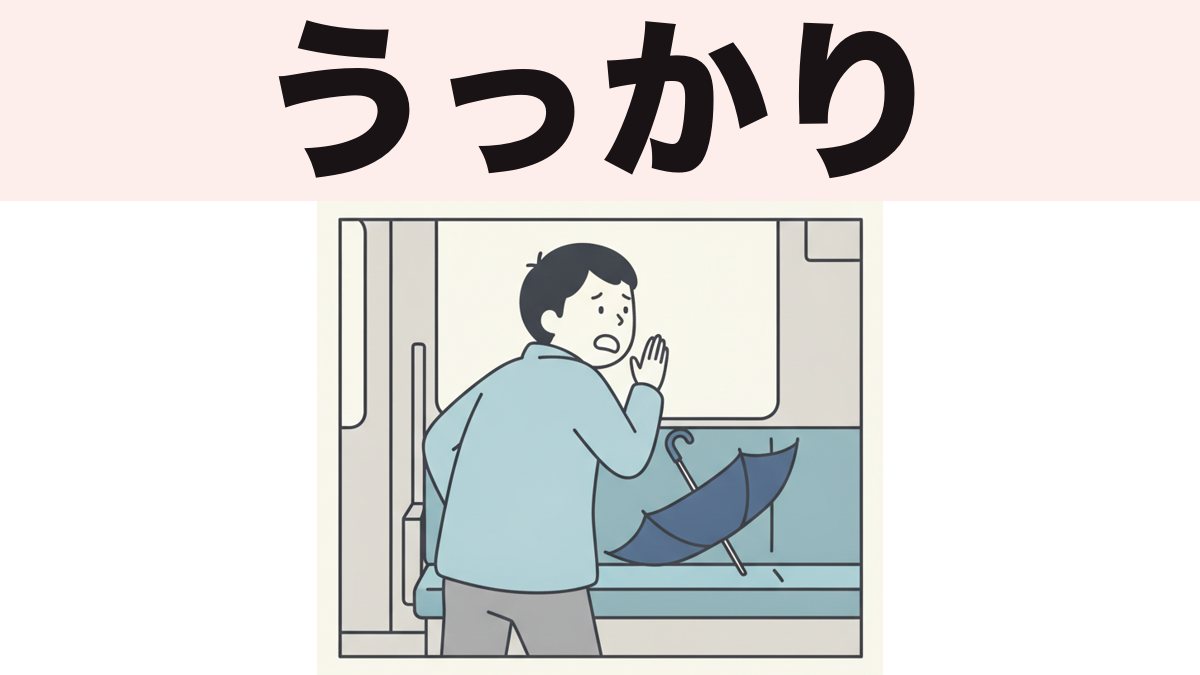
うっかり (ukkari) vs わざと (wazato): "by accident" and "on purpose"
うっかり marks a careless slip — forgetting, dropping, mixing up. わざと is the opposite: doing it on purpose. Swap them and you flip the meaning entirely.
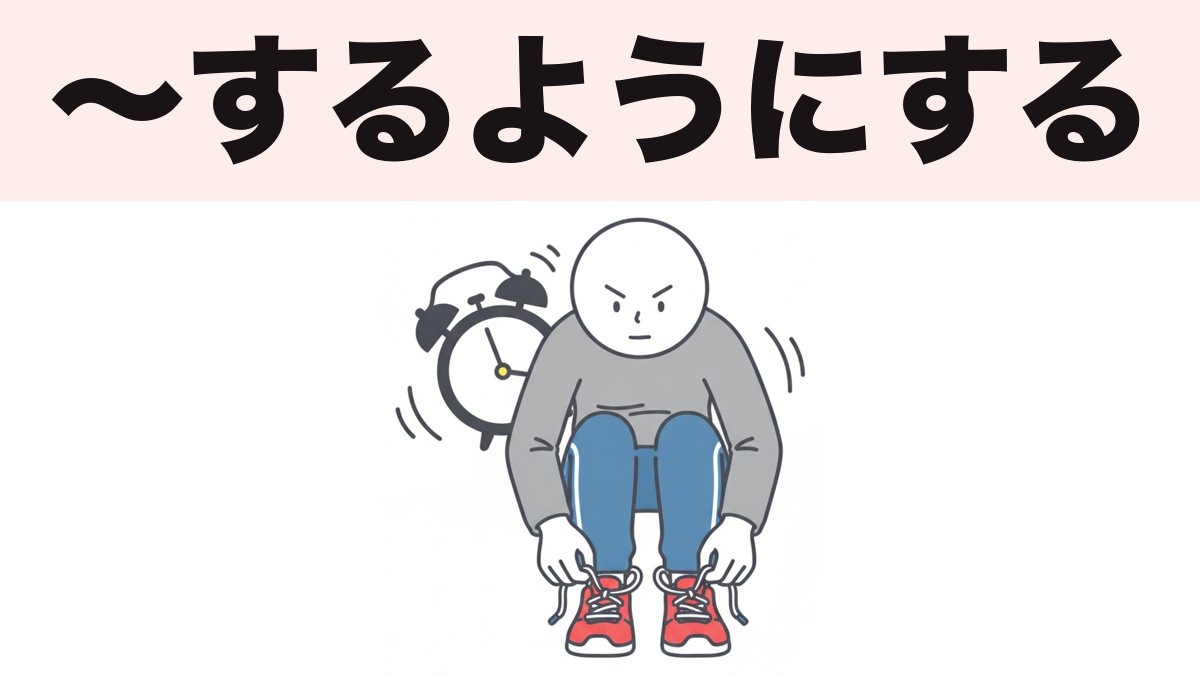
〜ようにする vs 〜ようになる: making an effort to, and ending up able to
ようにする means making an effort to do something, an intention you act on. ようになる means a change happened over time — you now can, or now do. Effort vs result.
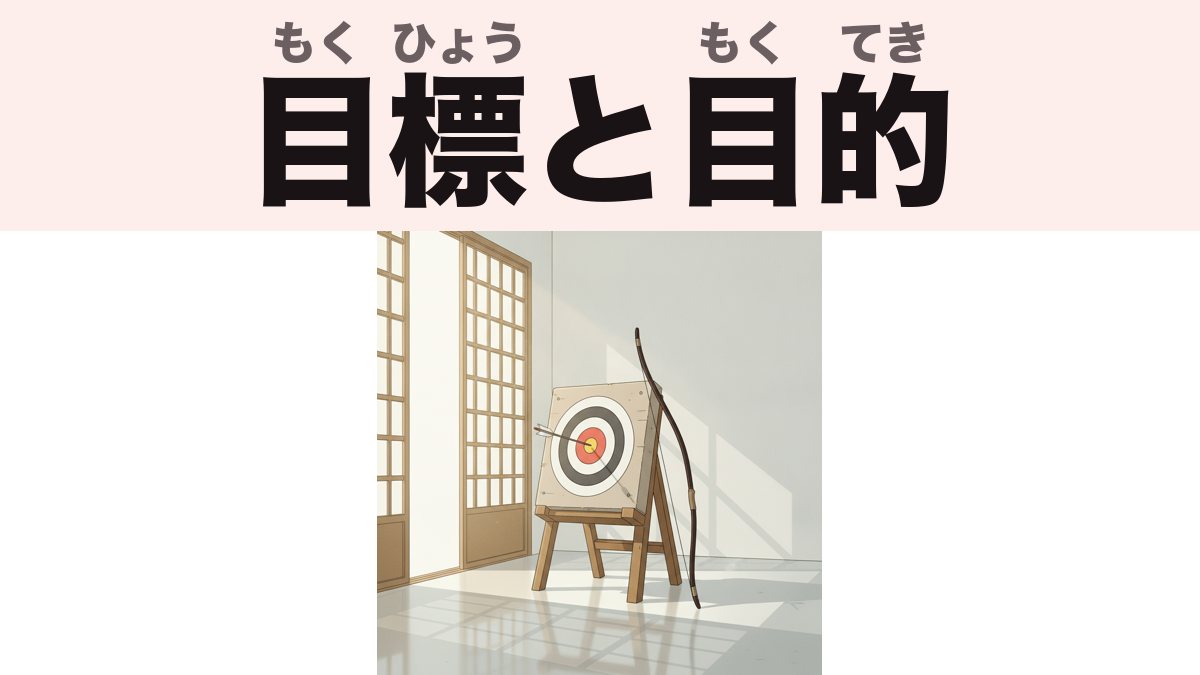
Goal in Japanese: 目標 vs 目的, and when to say ゴール
Goal in Japanese is usually 目標 (mokuhyou), a target you can reach and measure. 目的 (mokuteki) is the purpose behind it. Here is how to tell them apart.
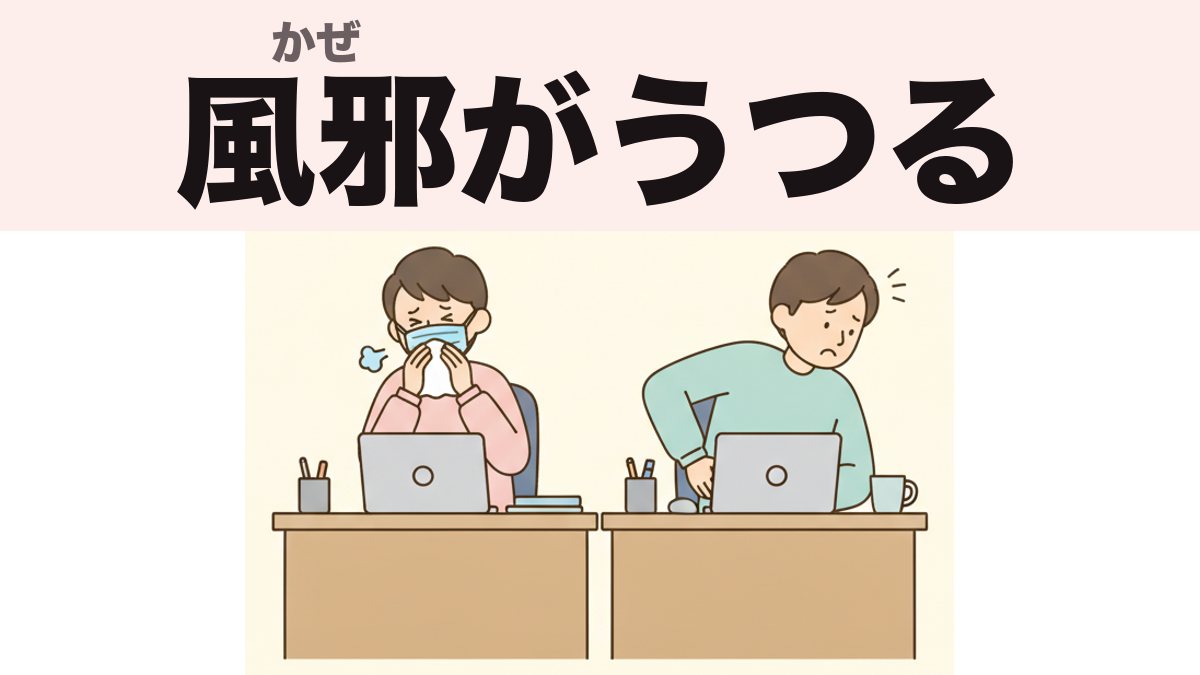
Contagious in Japanese: うつる, うつす and 感染
Contagious in Japanese is うつる (utsuru): 風邪がうつる means a cold spreads to you. うつす (utsusu) is giving it, 感染 (kansen) is the formal word, and yawns うつる too.
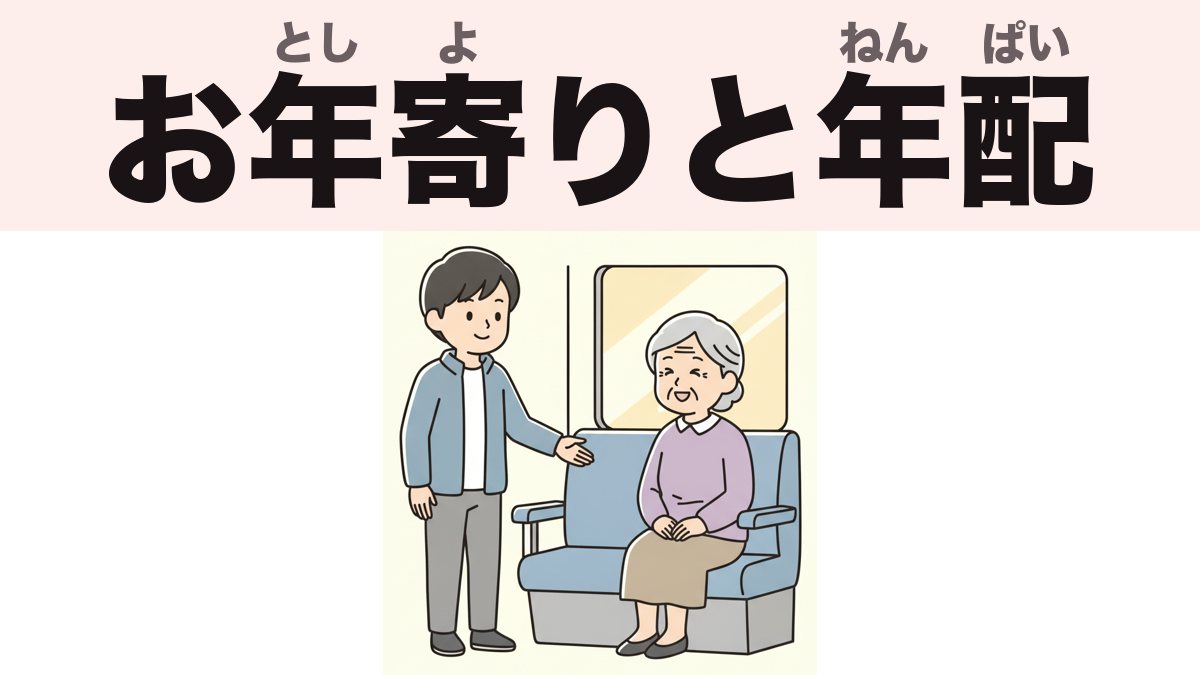
Elderly in Japanese: お年寄り, 年配の方, 高齢者 and why not 老人
Elderly in Japanese is お年寄り in everyday speech, 年配の方 for a polite "older person," 高齢者 in news and forms. 老人 can sound blunt, and 古い人 means old-fashioned.
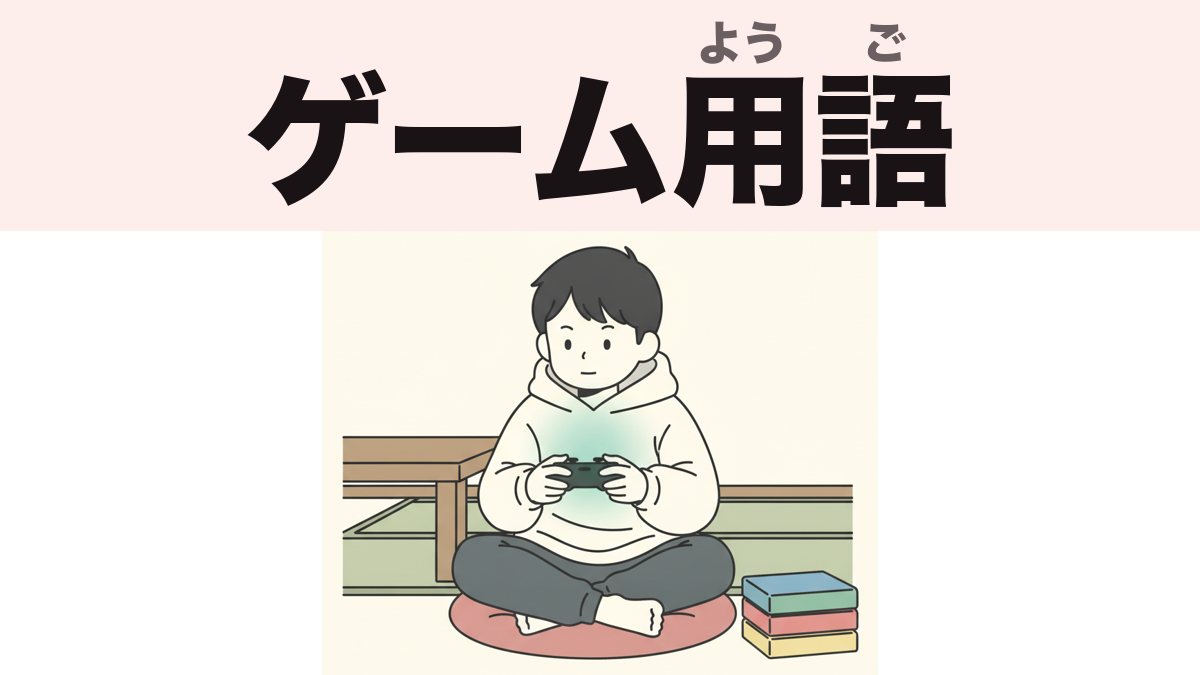
Japanese gaming terms: 死にゲー, 格ゲー, クソゲー and the slang gamers use
Japanese gaming terms gamers really say: genre slang like 死にゲー, 音ゲー and 格ゲー, verdicts like 神ゲー and クソゲー, plus クリア, 詰む, 課金 and ネタバレ, with examples.
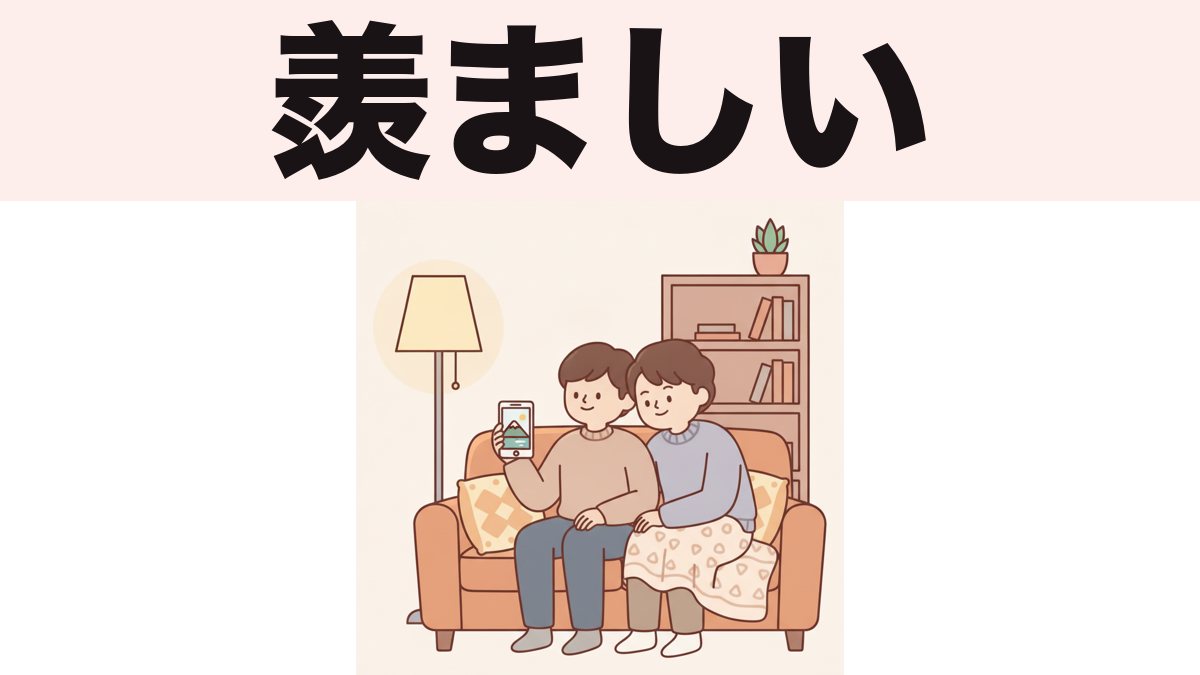
Jealous in Japanese: urayamashii, shitto or yakimochi?
羨ましい (urayamashii) is friendly envy, 嫉妬 (shitto) is real jealousy, and やきもち is jealousy in love. Which one to say, plus the slang うらやま and いいなあ.
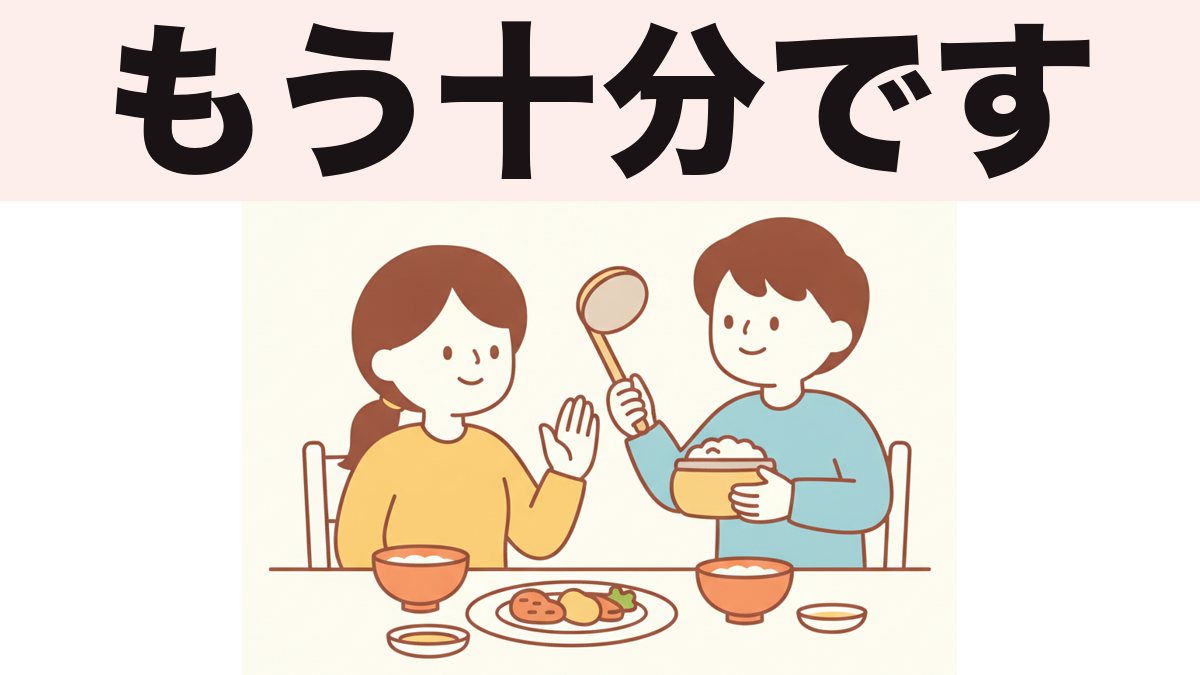
Enough in Japanese: 十分 juubun vs 足りる tariru vs もういい
Enough in Japanese: 十分 means plenty, 足りる means it just covers the need, and もういい means stop. Clear examples, readings and common mistakes.
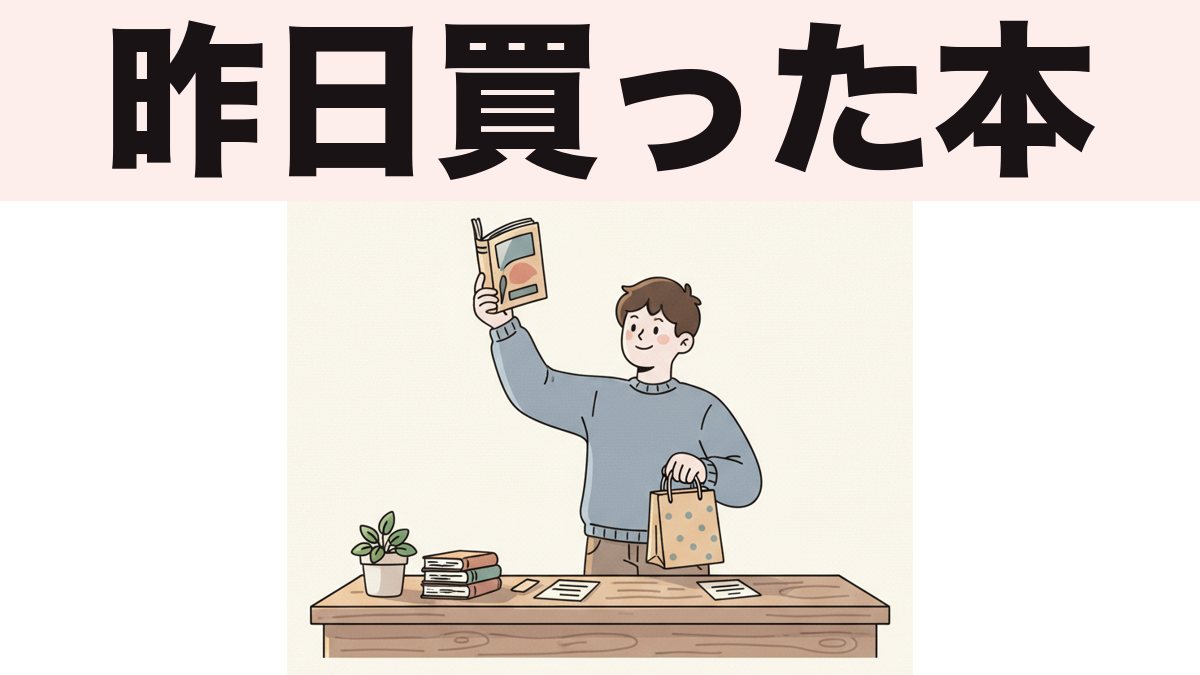
Japanese relative clauses: how to say "the book that I bought"
Japanese has no word for "that" or "who". Put the whole clause in front of the noun: 昨日買った本 is "the book I bought yesterday." How it works, with examples.
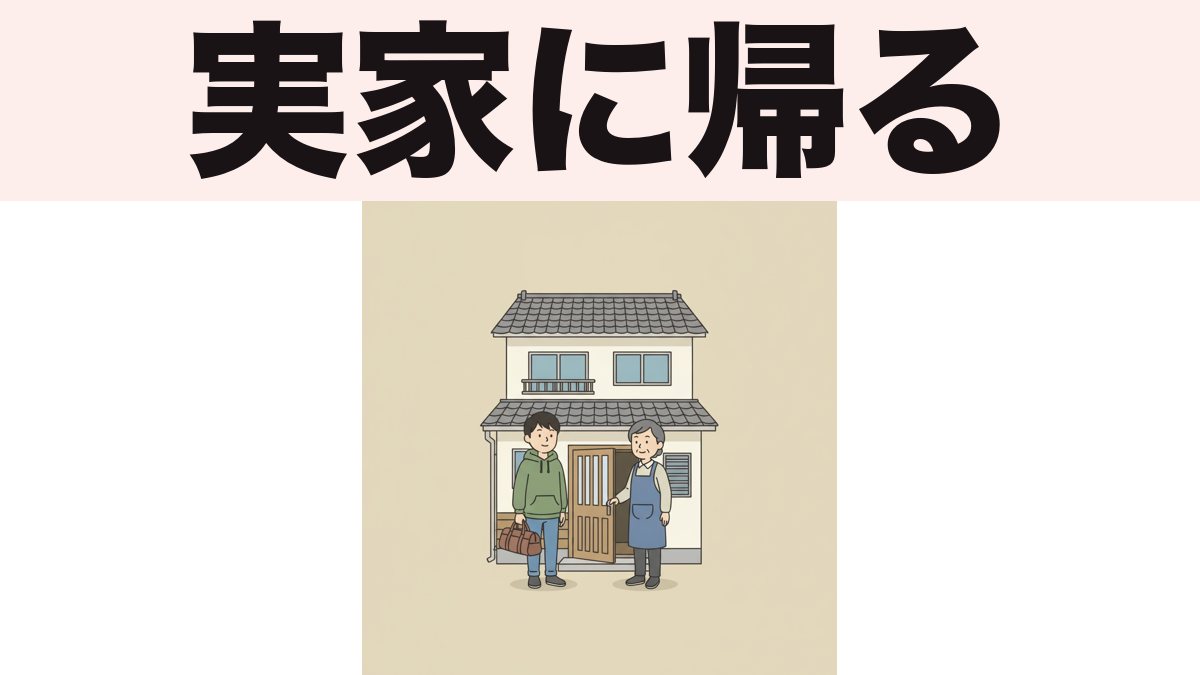
Jikka, jimoto, kisei: how Japanese talks about "going home"
実家 is your parents' home, 地元 is your hometown area, and 帰省 is the trip back there. Why "I went to my town" sounds odd in Japanese, and what people say instead.
Ki ni naru meaning: curious, bothered or interested in someone?
気になる means something caught your attention and will not let go: curious, bothered, or interested in someone. How it differs from 心配, 気にする and 気に入る.
Remember in Japanese: 覚える oboeru vs 思い出す omoidasu
English remember maps to 3 Japanese expressions: 覚える oboeru (memorize), 覚えている oboete iru (remember) and 思い出す omoidasu (recall). One table, nine drills.
と言えば and そういえば: how to say "speaking of" in Japanese
と言えば means "speaking of" and links to what someone just said. そういえば means "that reminds me" and changes the subject. How to use both, plus と言ったら.
Ukeru meaning: 受ける for classes and exams, ウケる for "that's hilarious"
受ける means to take a class or exam, or to receive something. Written ウケる, it is slang for "that's so funny." How one verb covers both, with examples.
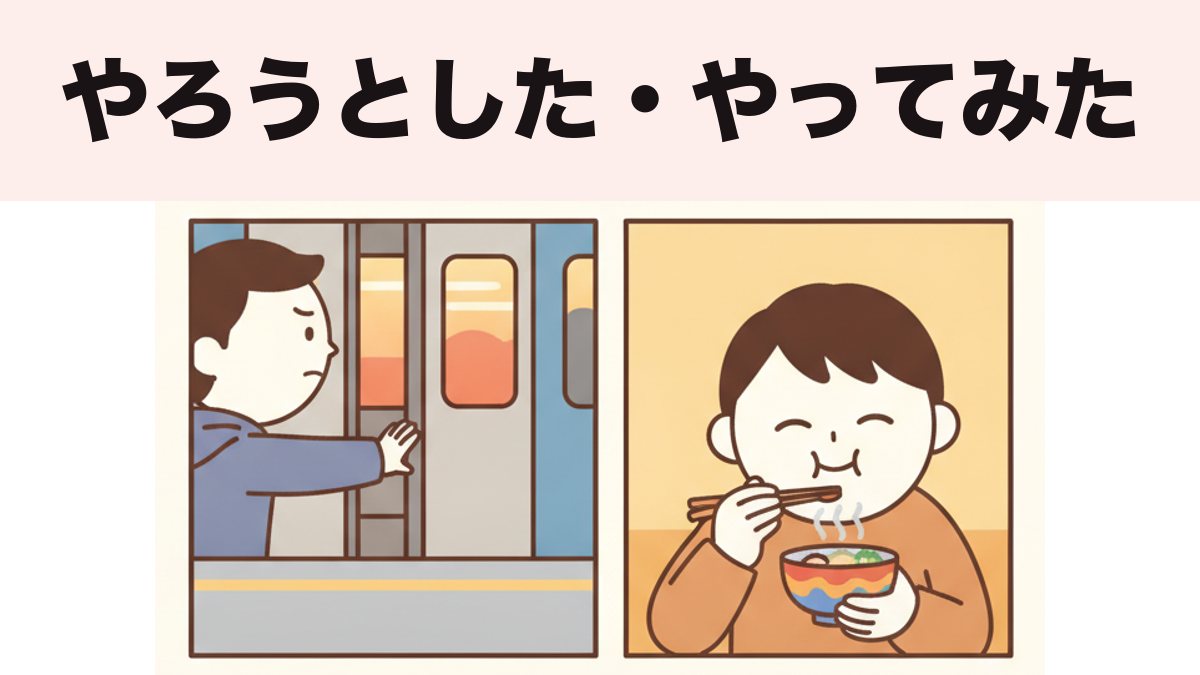
ようとする vs てみる: two ways to say "try" in Japanese
ようとする is "try to" when the attempt is interrupted or fails; てみる is "try it and see" when you actually do it. 開けようとした vs 開けてみた — same English, opposite result.
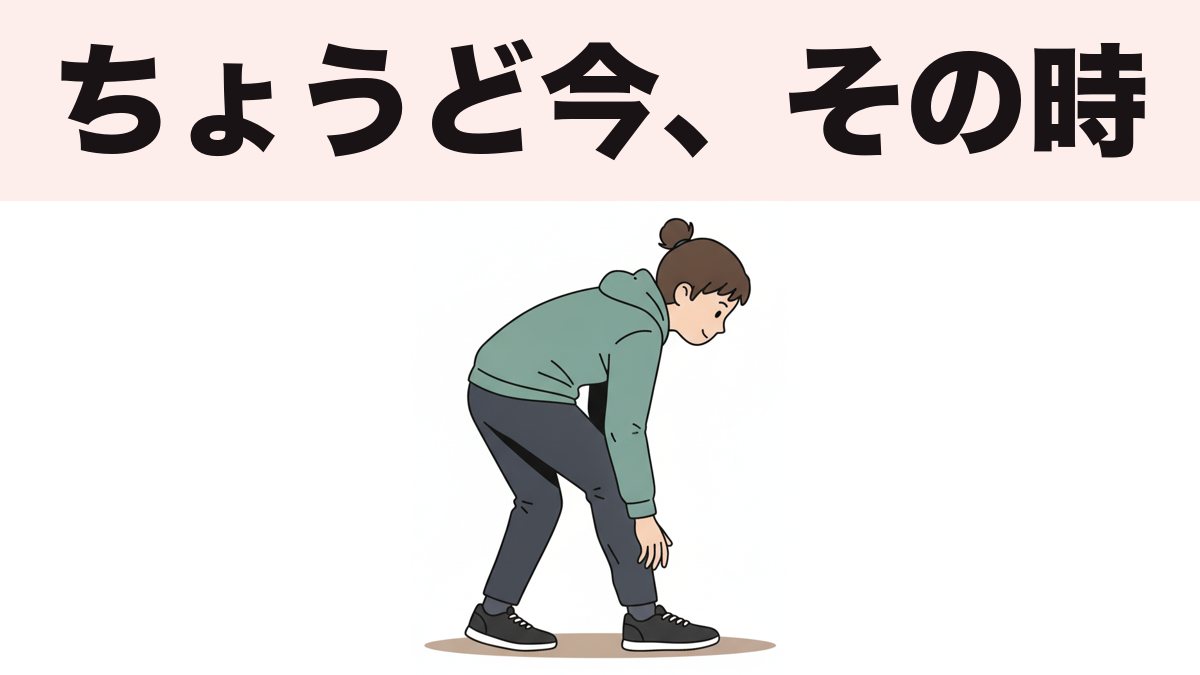
ところ: how Japanese says "about to", "in the middle of" and "just did"
ところ turns a verb into a point on a timeline. 食べるところ is about to eat, 食べているところ is mid-meal, 食べたところ is just finished — three tenses, one word.
Japanese plurals: 〜たち, 〜ら, 〜がた — and why 本 means both book and books
Japanese nouns do not mark number. What 〜たち, 〜ら, 〜がた and 〜ども actually do, why 本たち is wrong, and how 田中さんたち means "Tanaka and the others".
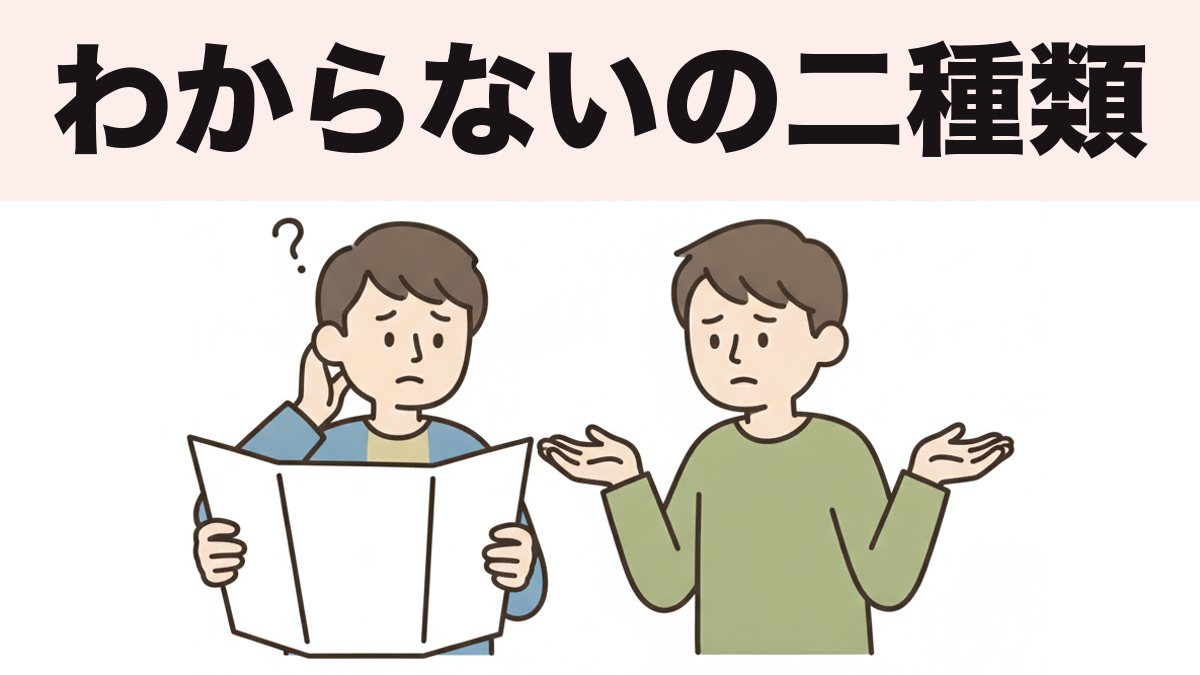
わからない vs 知らない: two ways to say "I don't know", one of them cold
分からない (can't work out) vs 知らない (never learned it) — 9 sections, 6 common mistakes, and 10 practice questions, including why 知っていません doesn't exist.
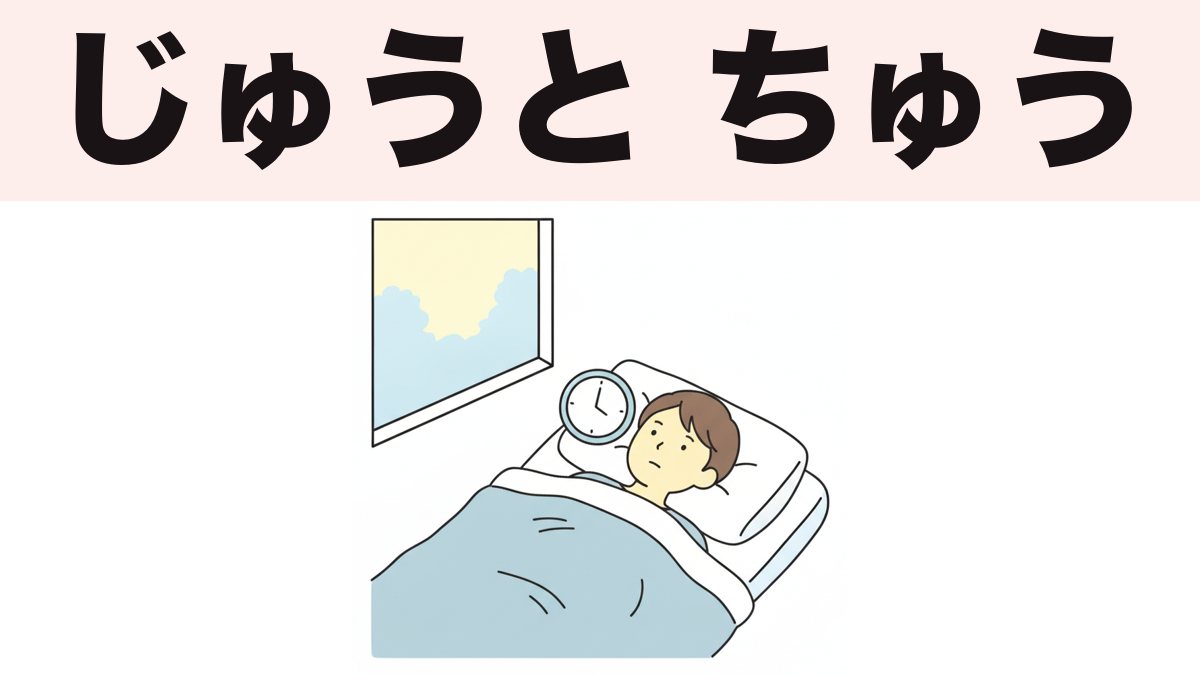
中 as じゅう and ちゅう: "all day" versus "in the middle of"
一日中 (いちにちじゅう) is all day long; 会議中 (かいぎちゅう) is in the middle of a meeting. One kanji, two readings, two completely different meanings.
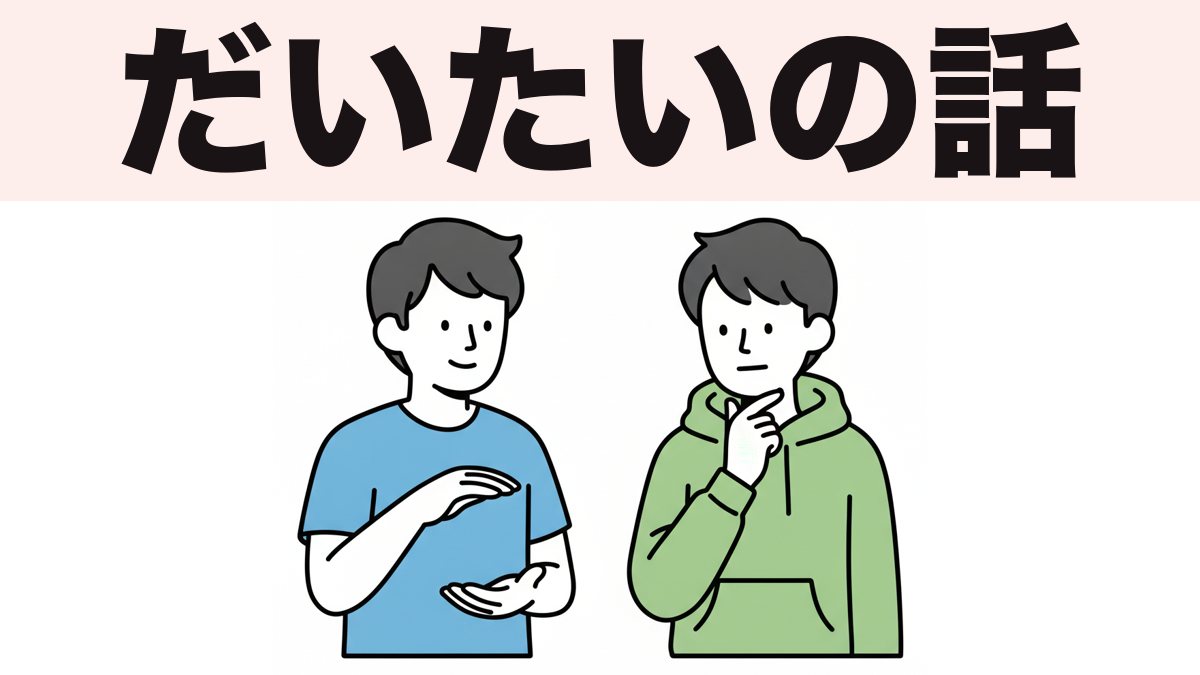
だいたい: "roughly", "mostly", and the one that means "in the first place"
Learn how daitai means roughly, mostly, or in the first place in Japanese, with natural examples, common mistakes, and practice questions.
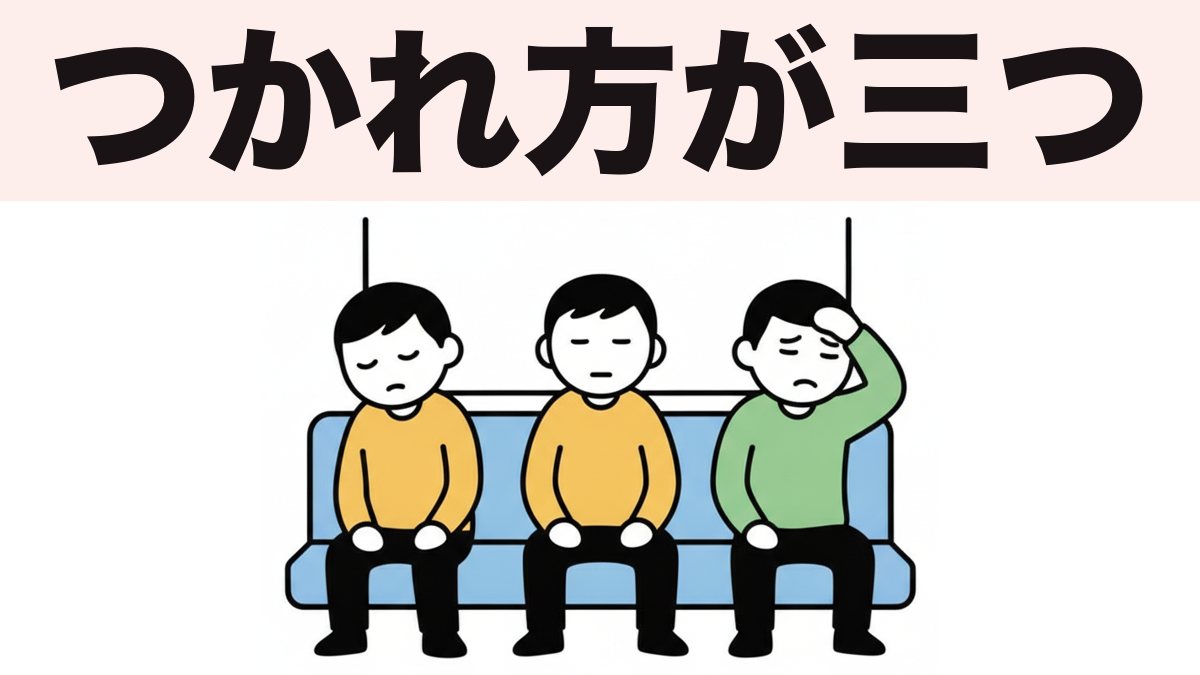
Tired in Japanese: 疲れた, 眠い, だるい — the right pick
Tired in Japanese: 疲れた, 眠い, だるい and へとへと explained with audio and a comparison table so you pick the right word every time. Updated 2026.
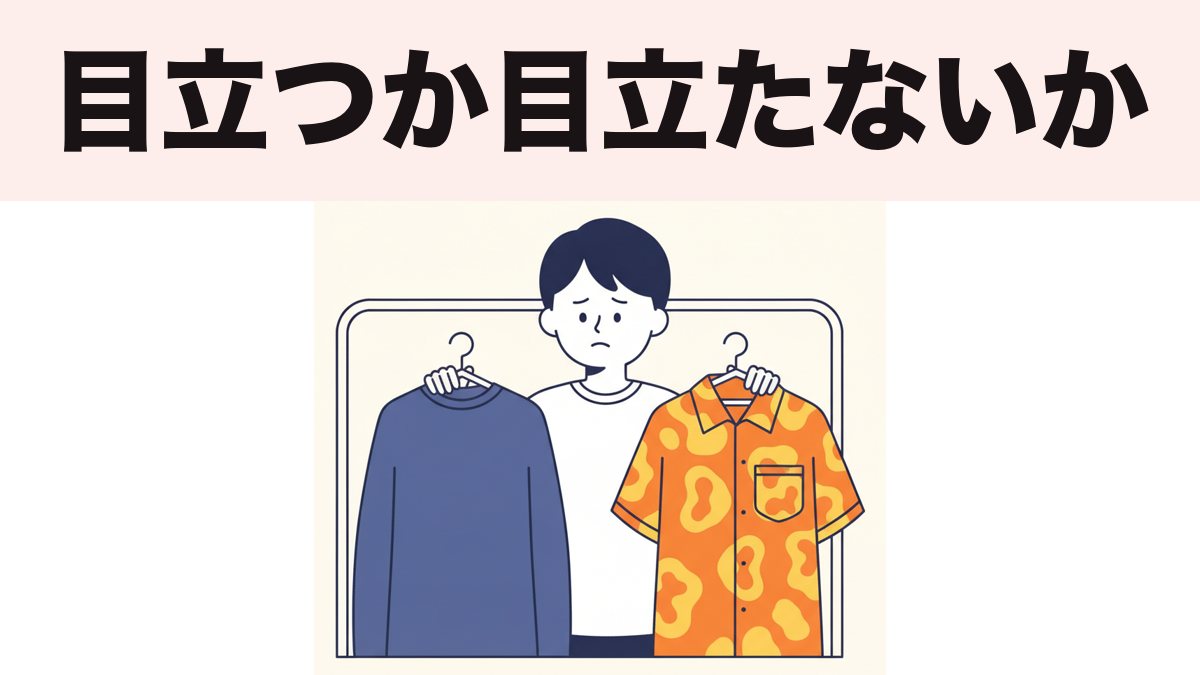
地味 and 派手: the Japanese pair that is not "boring" and "flashy"
地味 is usually translated as "plain" and 派手 as "flashy", and both translations are misleading. Here is what the pair actually means, and when 地味 is a compliment.
くらい or ぐらい: which one, and why nobody can give you a rule
Learn why kurai and gurai are usually interchangeable in Japanese, where the choice is fixed, and how their uses extend beyond meaning about.
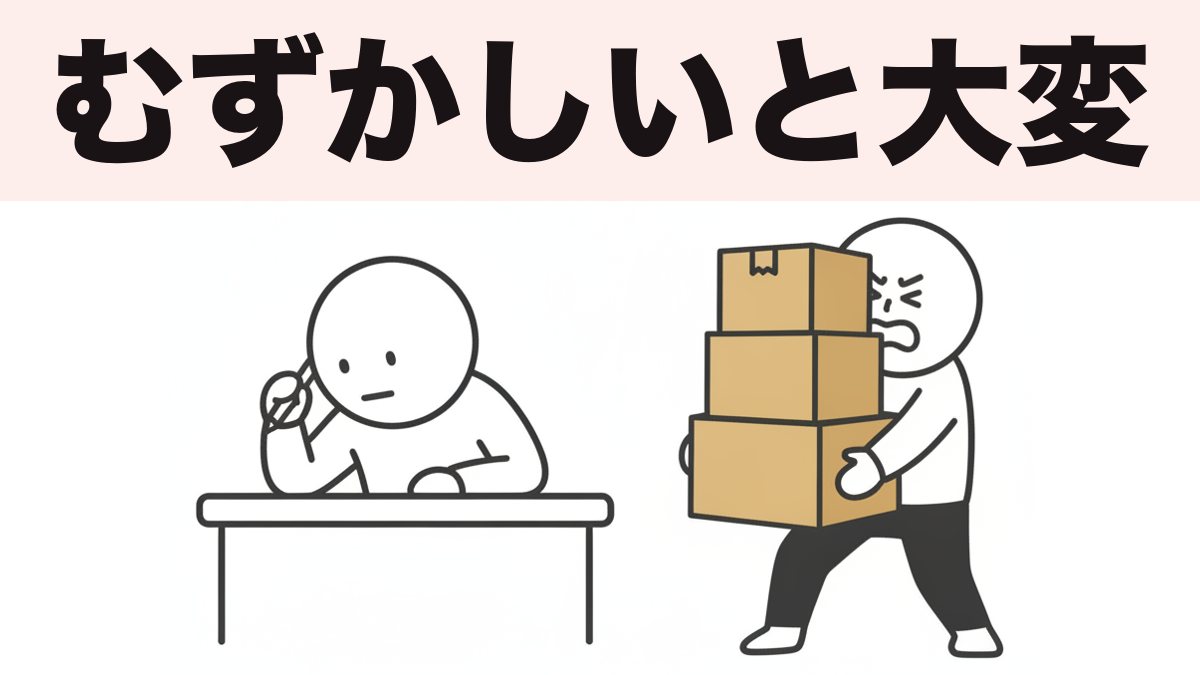
難しい and 大変: "difficult" and "tough" are not the same complaint
Learn how muzukashii describes difficulty and taihen describes hardship in Japanese, with vocabulary to explain how challenging something feels.
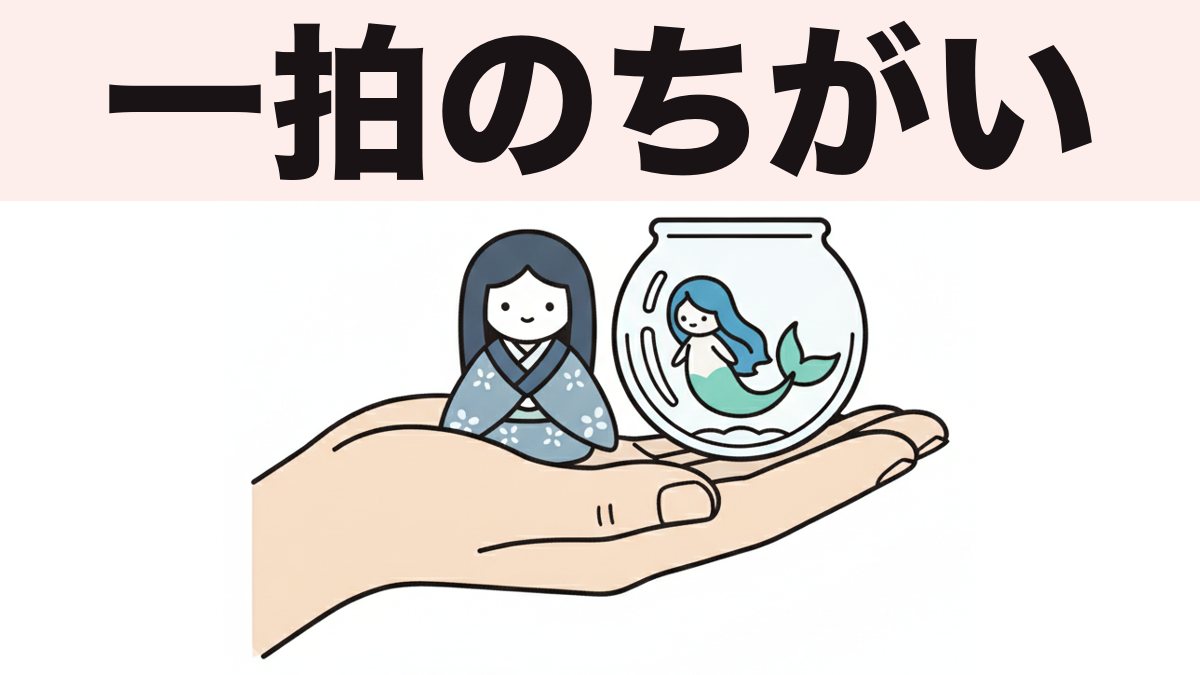
人魚 and 人形: how one extra beat changes the word completely
にんぎょ is a mermaid, にんぎょう is a doll — the only difference is one extra beat. How Japanese long vowels work, and how to hear them.
ぜんかい: 前回 and 全開 are different words, and the episode set they belong to
Learn zenkai, konkai, and jikai for last time, this time, and next time in Japanese, and distinguish zenkai from its sound-alike meaning full power.
残業, 出勤, 有給: the Japanese work vocabulary that arrives late and matters early
Learn Japanese workplace vocabulary for overtime, going to work, and paid leave, with the verbs and particles needed to use each term naturally.
もったいない: the word for "what a waste", and why it is bigger than that
Explore how mottainai describes wasted food, money, talent, and opportunities in Japanese, and how it can also be used to turn down a compliment.
ネタバレ: how to say "spoiler" in Japanese, and how to ask people not to
ネタバレ is the Japanese word for a spoiler — literally "the material leaked". Here is how to use it, how to warn people, and the fandom words that sit next to it.
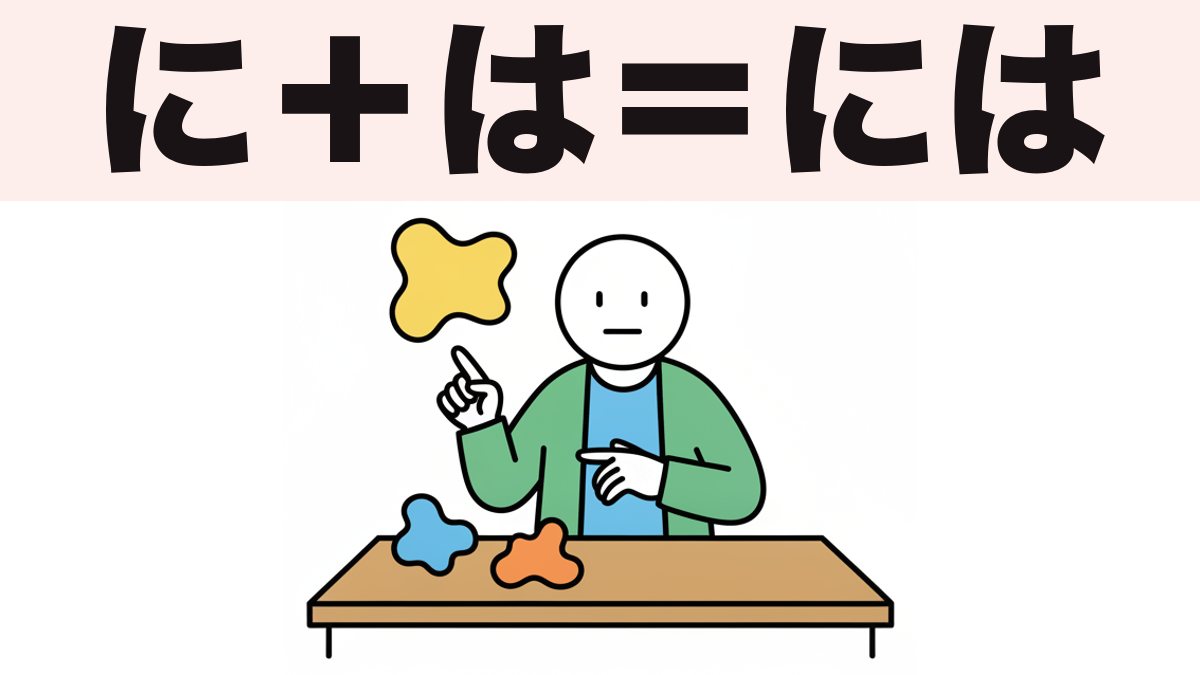
には: not one particle but two, and why learners sprinkle it everywhere
には is に plus は. Once you can see the two jobs separately — target and topic — you know when to use it, and when the plain は you already had was enough.
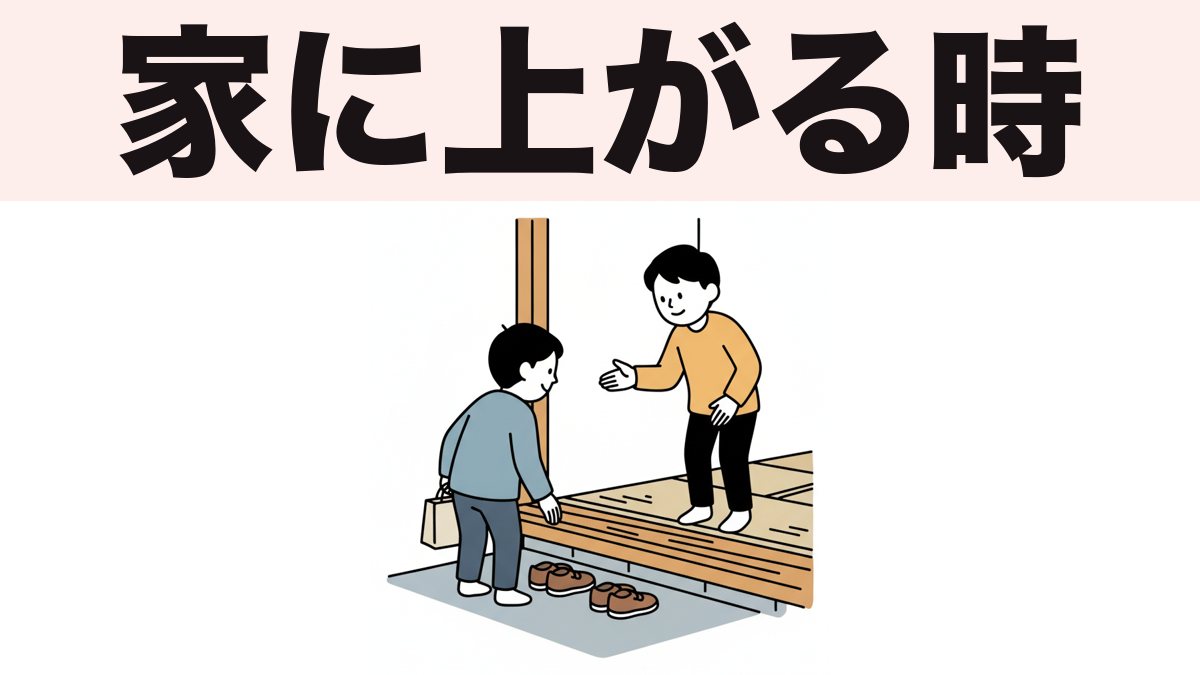
お邪魔します: what to say when you walk into a Japanese home
お邪魔します literally means "I am going to be a nuisance" — what you say at the door. The phrase on the way out is the same verb, past tense.
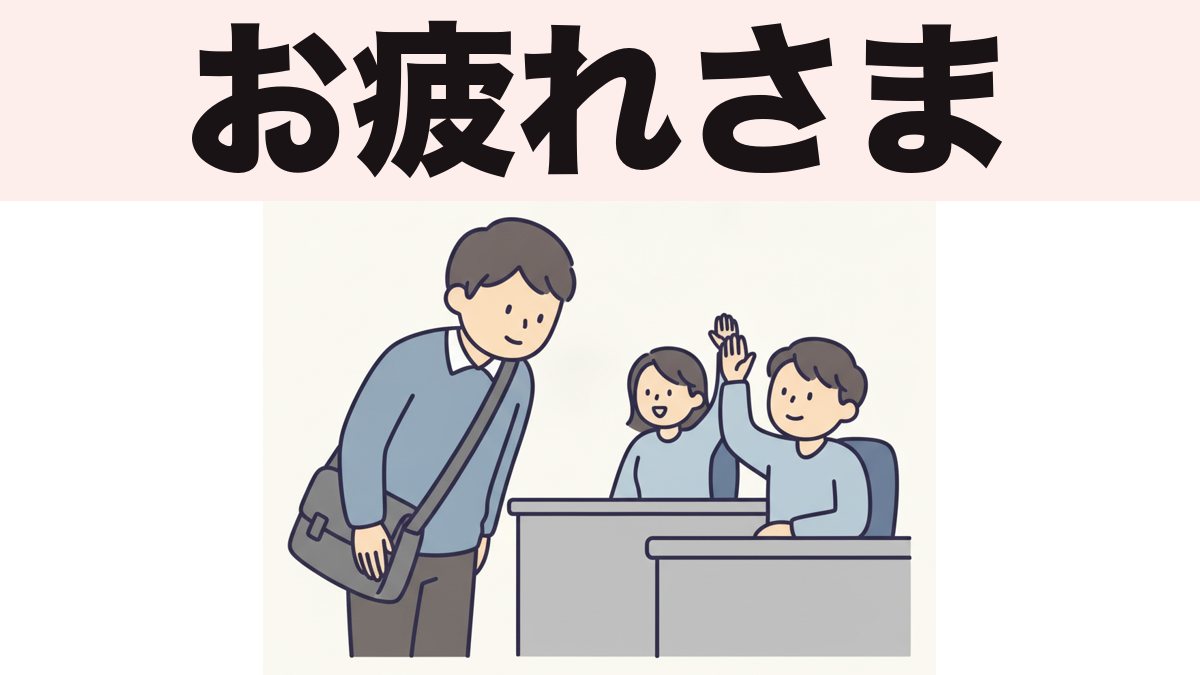
お疲れさま: the Japanese phrase that means hello, goodbye, thank you and well done
お疲れさまです is the most-used phrase in Japanese work life, and it is not about tiredness. What it does, who you say it to, and why ご苦労さま gets people in trouble.
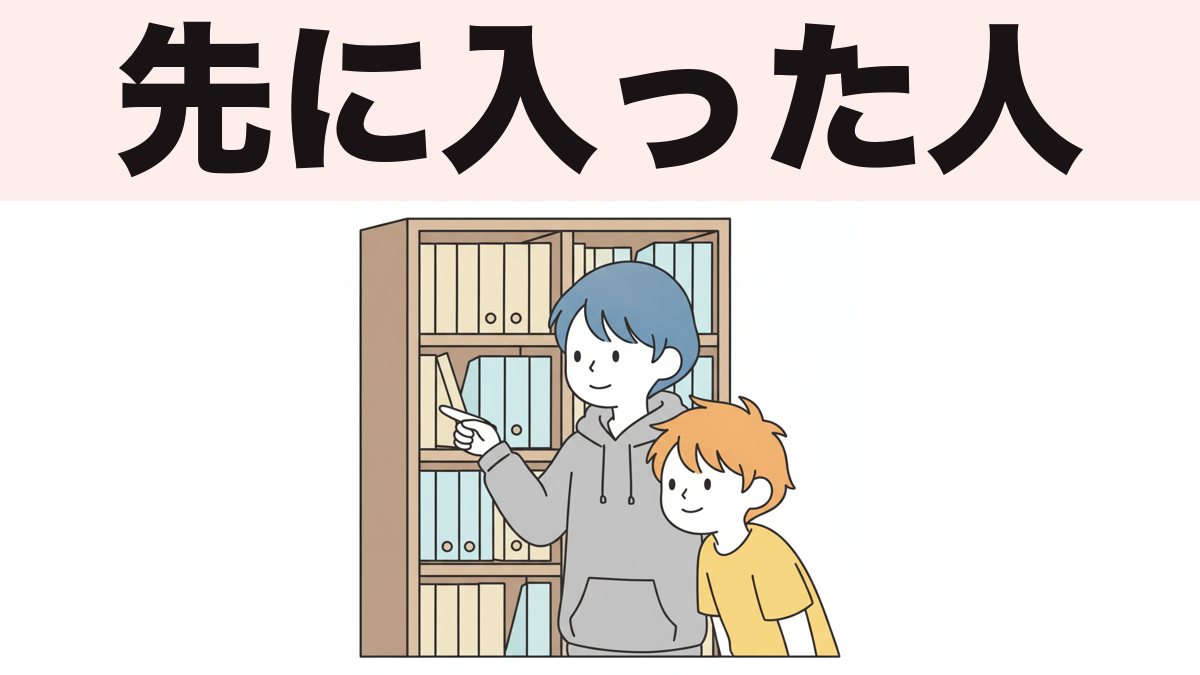
先輩 and 後輩: the relationship anime is built on, and how to use the words
Learn how senpai, kouhai, and douki describe relationships in Japanese, how to address each person, and when polite speech fits school or work.
けど: "but" is only half its job — the other half is softening
Learn how kedo means but between Japanese clauses and softens requests, refusals, and introductions when it appears at the end of a sentence.
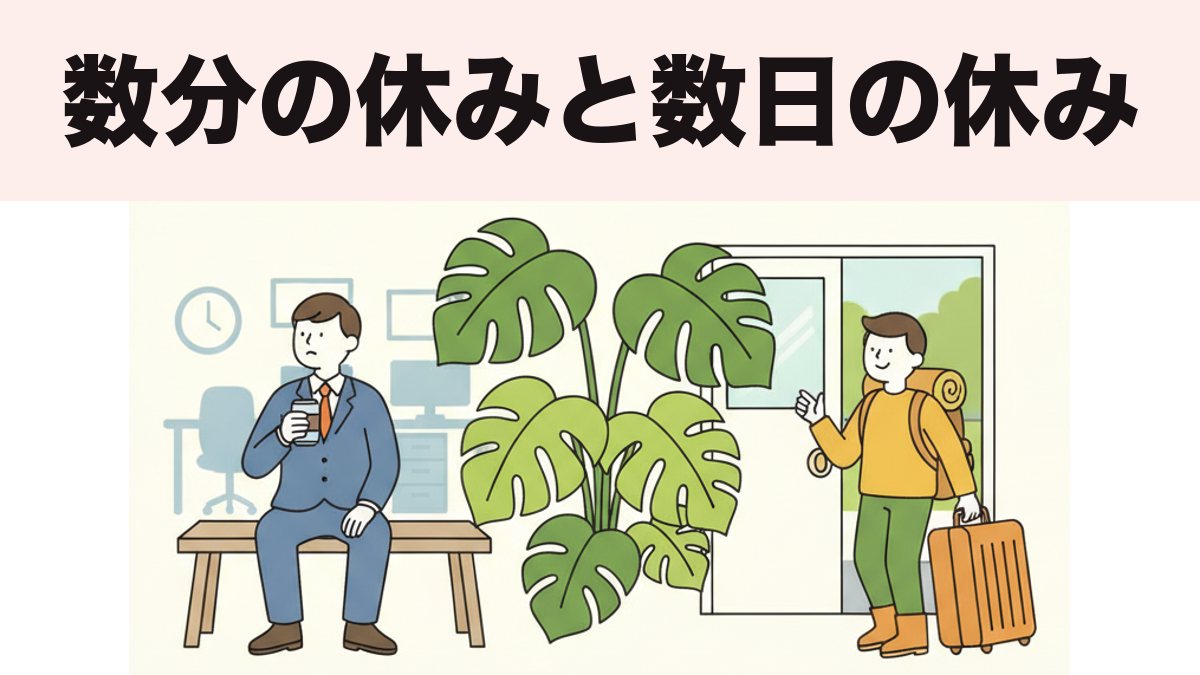
休憩, 休暇, 休み: three words for a break, and one of them is not a verb
Learn how kyuukei, kyuuka, and yasumi describe breaks and leave in Japanese, and why taking leave uses the verb toru instead of suru.
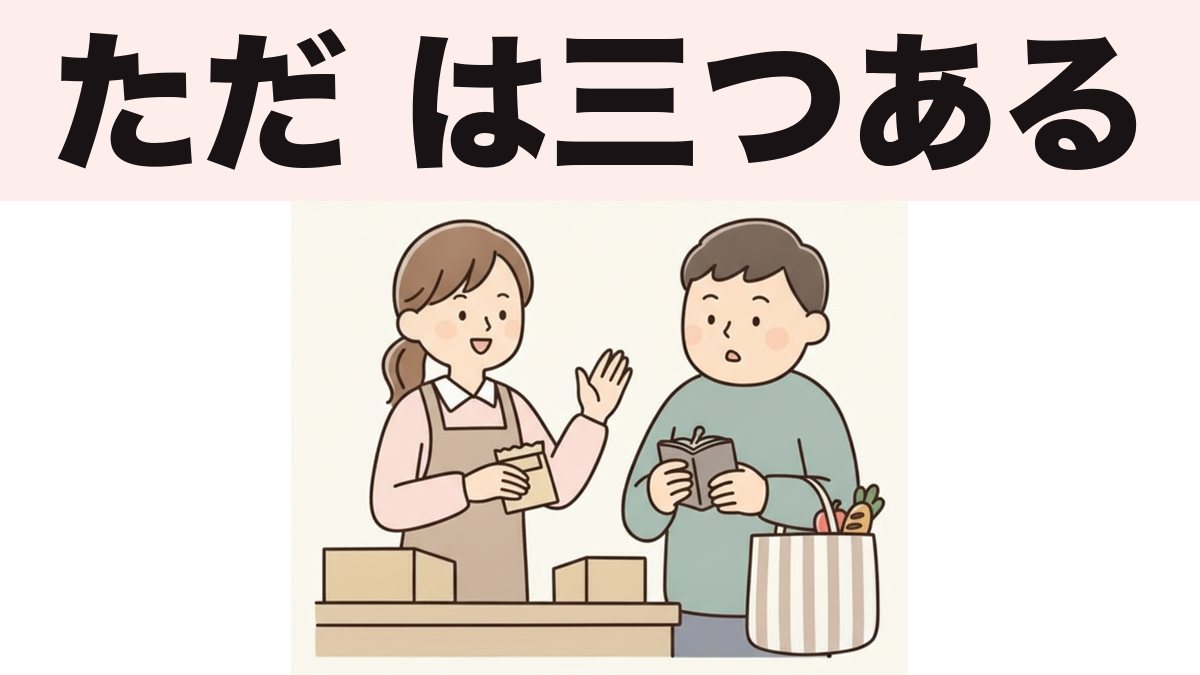
ただ: "free," "merely," and "but" — three words sharing one sound
Learn how tada can mean free of charge, nothing more than, or but in Japanese, and use its position in a sentence to work out the intended meaning.
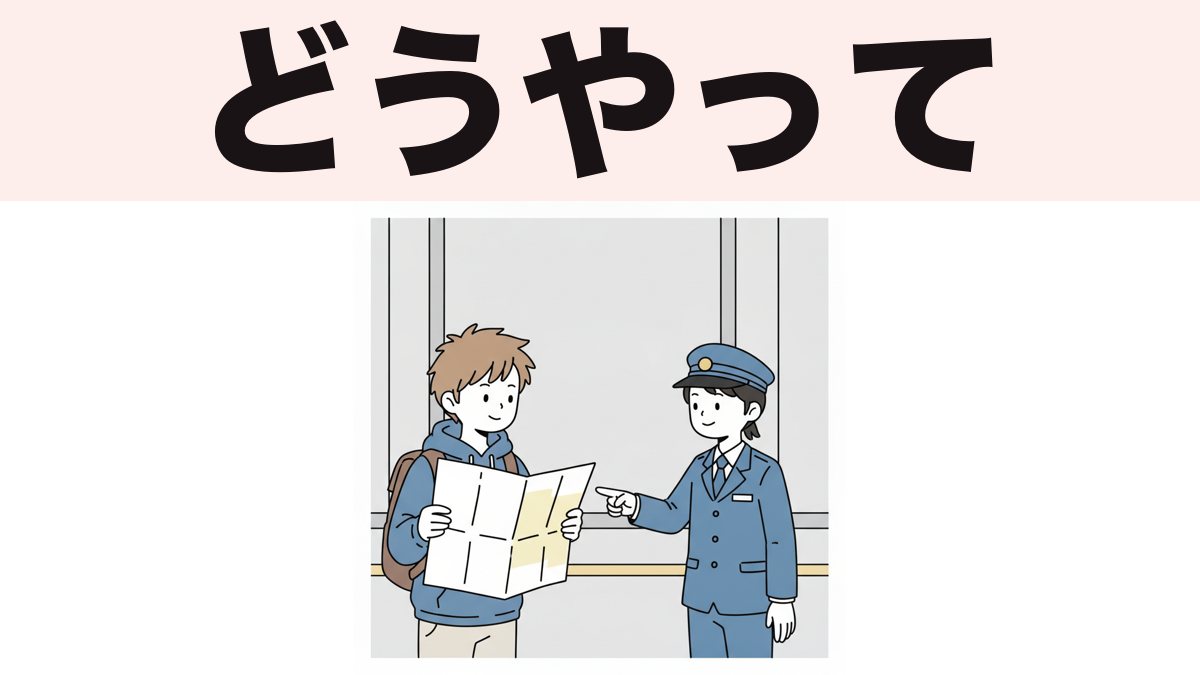
How in Japanese: どうやって vs どう vs どうすれば
How in Japanese splits into どうやって (method), どう (state), and どうすればいいですか (advice). Comparison table showing which one fits. Updated 2026.
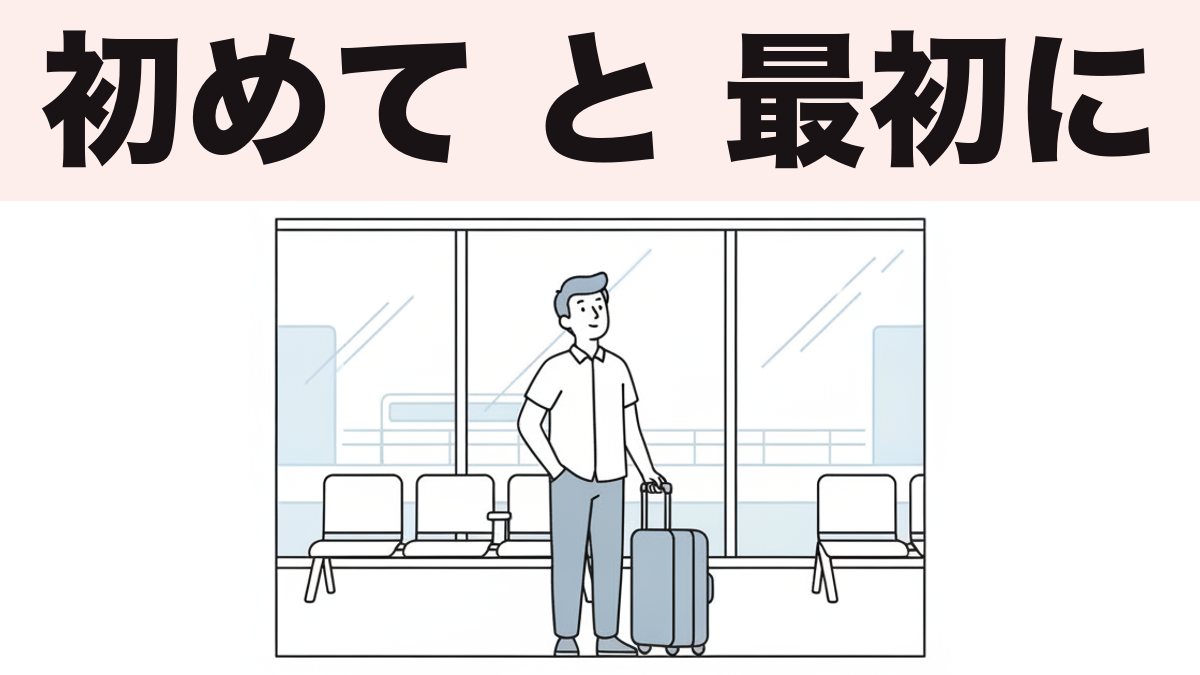
初めて, 最初に, 始めて: three words for "first," and only one is about doing it for the first time
Learn the difference between hajimete for a first experience, saisho ni for sequence, and the similar verb form meaning to begin in Japanese.
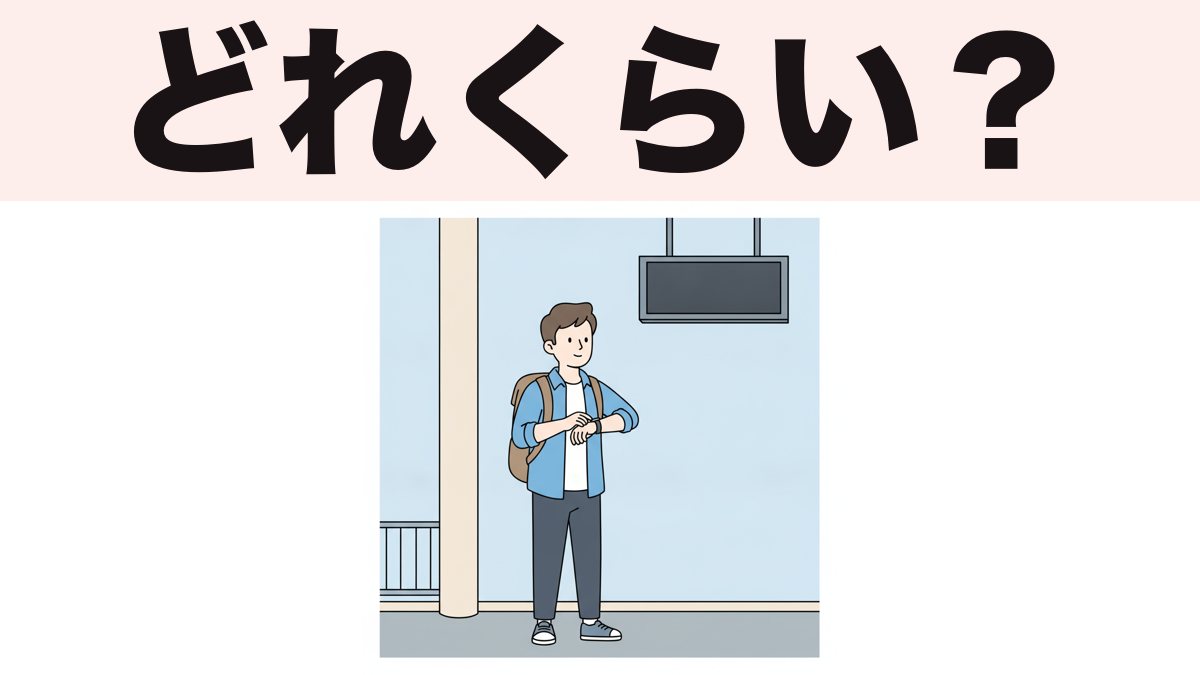
どれくらいかかりますか: how to ask "how long does it take" in Japanese
Learn to ask how long something takes in Japanese with kakaru, answer questions about time and cost, and avoid a particle mix-up that matters.
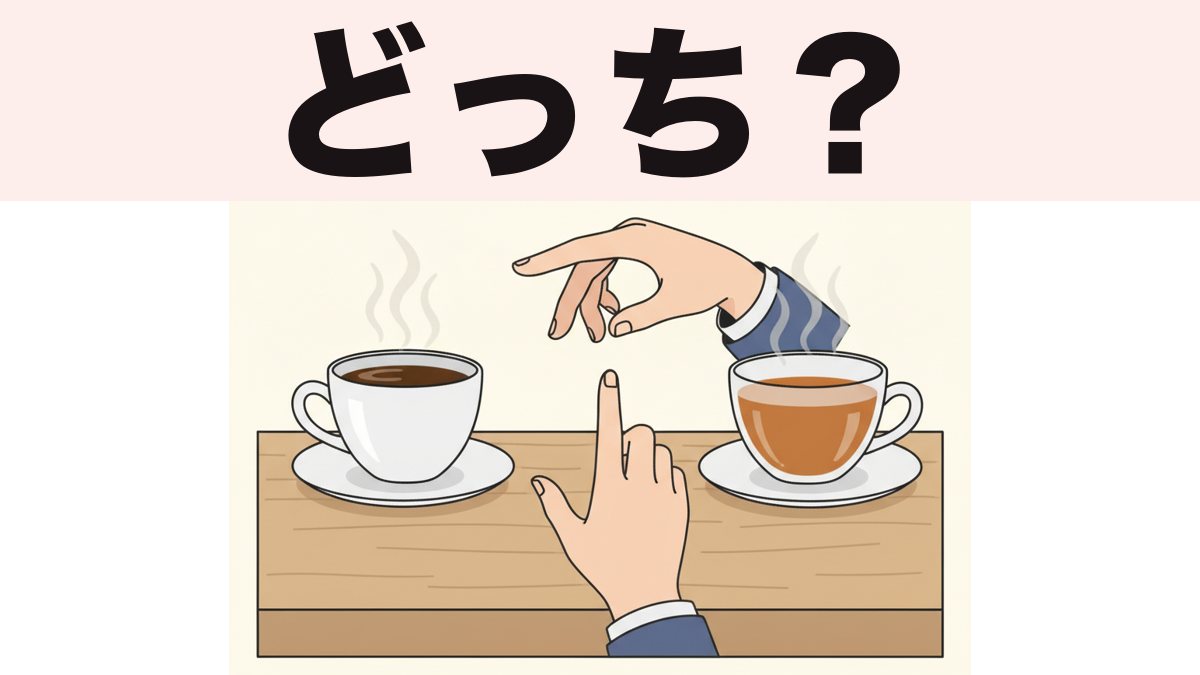
Or in Japanese: か vs それとも vs または (Which to Use)
Or in Japanese: か links alternatives, それとも introduces another option in a question, and または suits written text. Table and practice. Updated 2026.
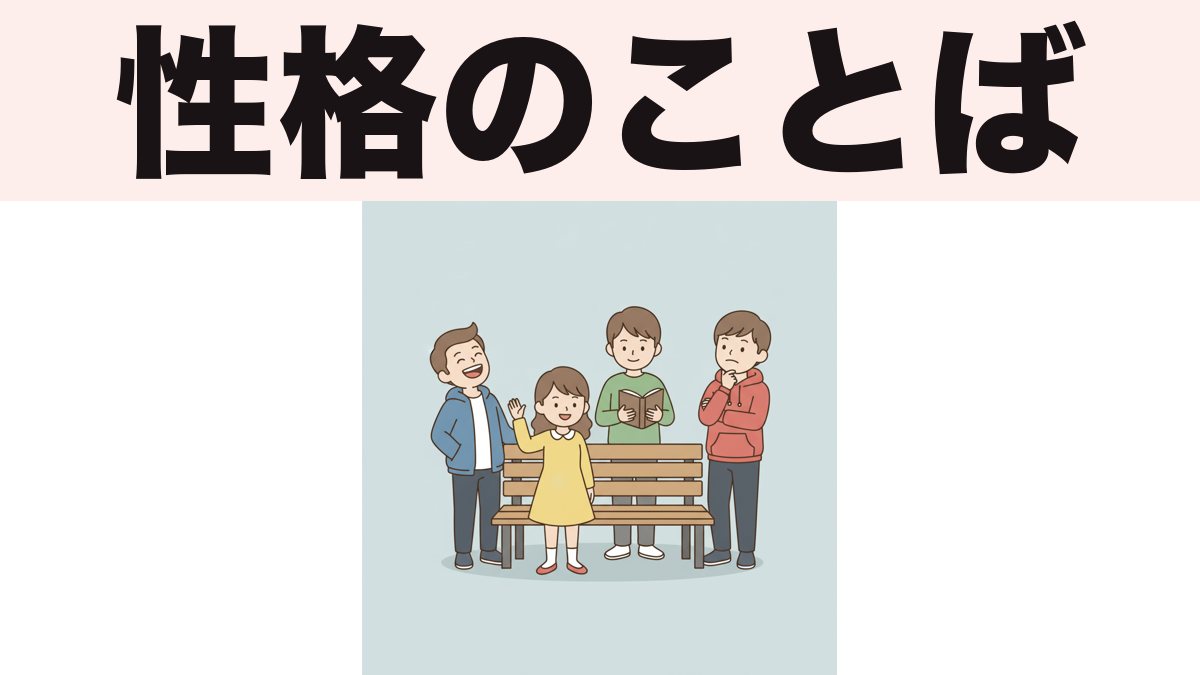
Japanese personality adjectives: how to describe someone without insulting them
Learn Japanese personality adjectives, from kind and serious to cheerful, and spot words that sound like compliments but can cause offense.
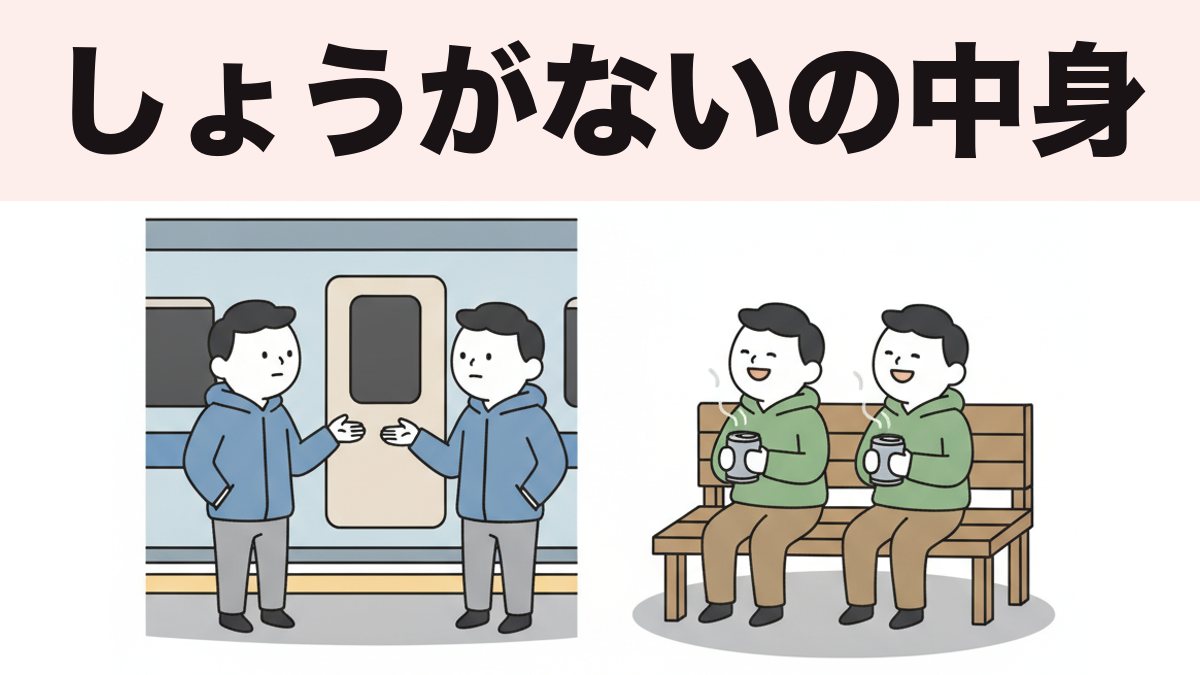
しかたがない and しょうがない: the Japanese shrug, and the two other things it does
Learn how shikata ga nai and shouganai express acceptance in Japanese, plus related patterns meaning there is no point or something is unbearable.
How to start reading in Japanese: 多読, graded readers, and the ふりがな shortcut nobody mentions
Extensive reading (多読) means reading far below your ceiling without a dictionary. How to pick a level and find furigana material for a real novel, early.
〜という: the grammar for naming, quoting, and defining things
〜という attaches a name or a piece of speech to a noun: 田中という人, 忙しいということ. Here is what the と is doing, the four jobs という does, and why っていう is the same word.
Both in Japanese: 両方 ryouhou vs どちらも dochiramo
Both in Japanese: 両方 (ryouhou), どちらも (dochiramo) or 〜とも. 2 comparison tables, 11 example sentences plus the trick that flips both into neither. 2026.
How to say "haircut" in Japanese: 切る, 刈る, 剃る and the sentence that means you did it yourself
Learn Japanese words for haircuts, trimming, and shaving, plus practical salon and barber phrases to explain how you want your hair cut.
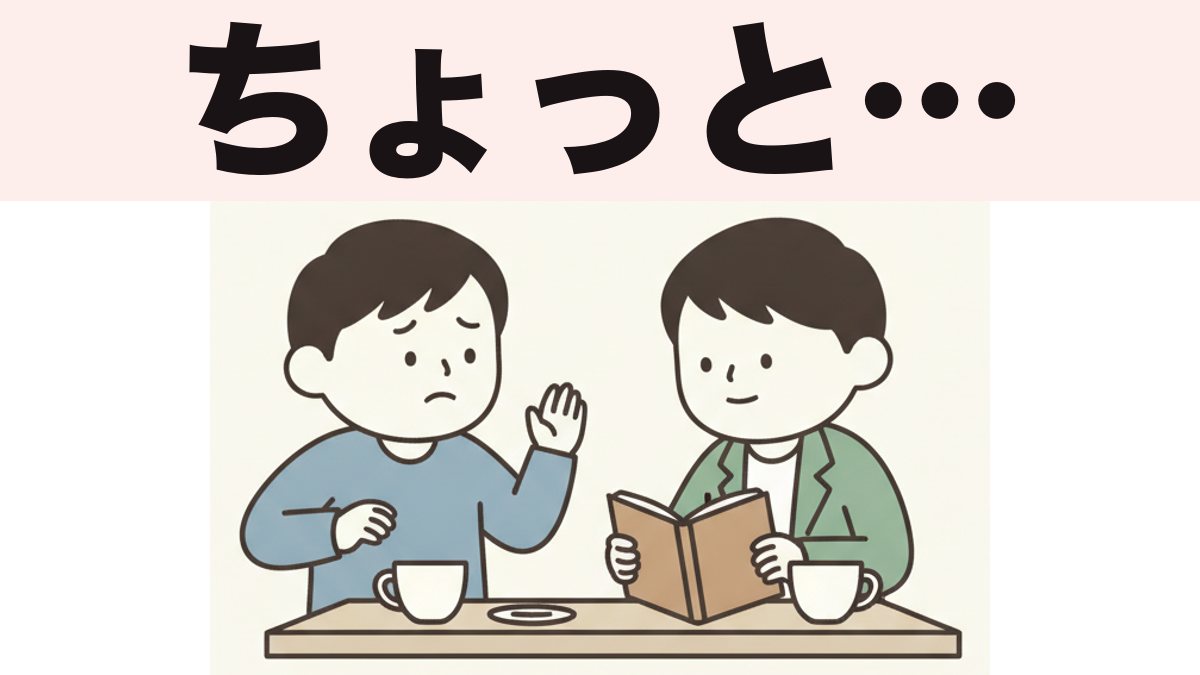
How to say no in Japanese: いいえ answers questions, it rarely refuses invitations
いいえ answers yes/no questions, but a bare いいえ is rarely how Japanese refuses. Here is how they actually refuse — ちょっと, 大丈夫です, 難しいです.
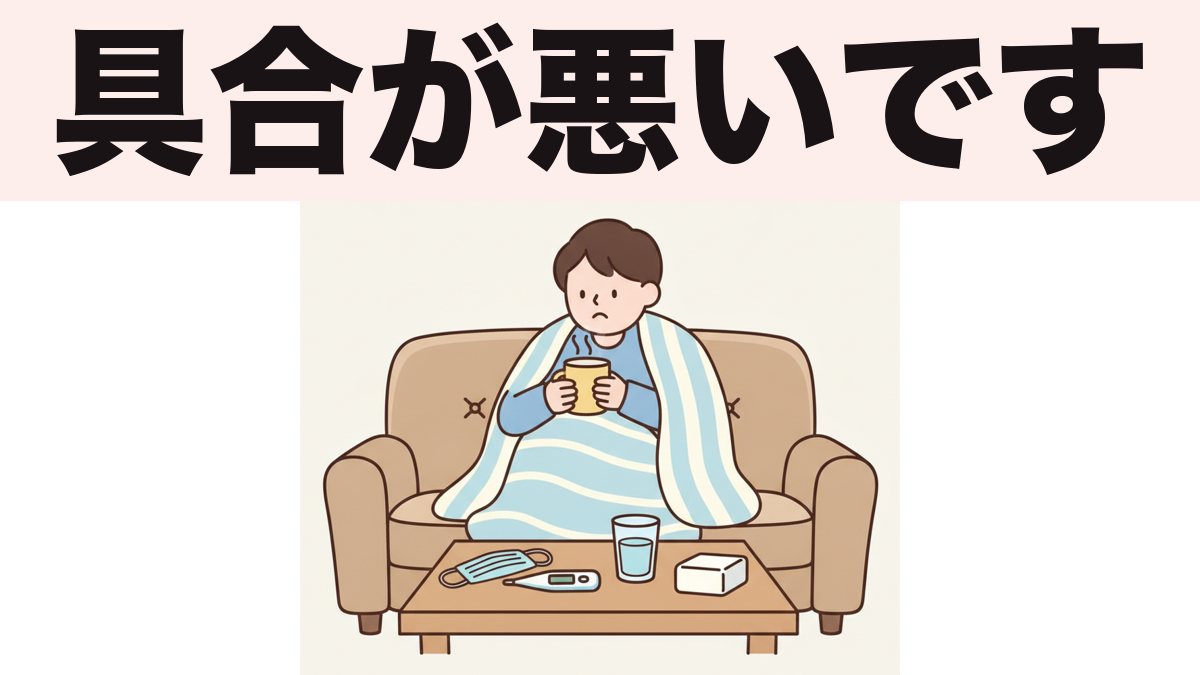
How to say "I'm sick" in Japanese — and why 病気です is usually the wrong one
Learn Japanese words for feeling sick, how to describe your symptoms, and practical phrases for telling your workplace you need a day off.
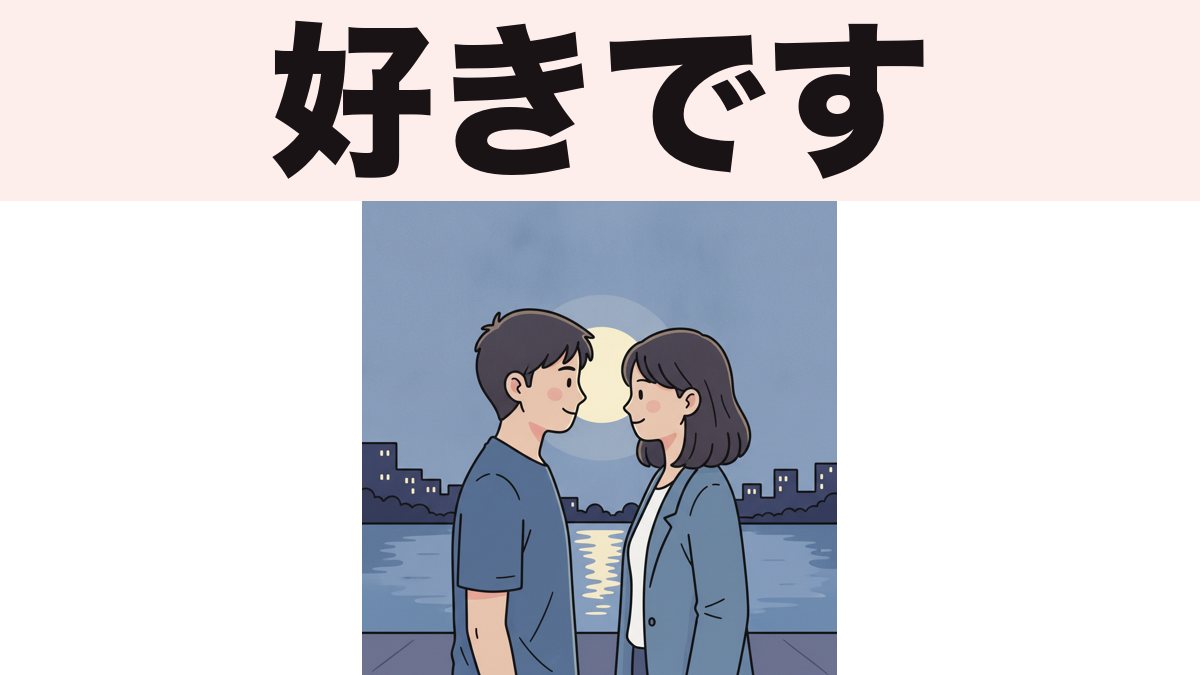
I love you in Japanese: 好き, 大好き, 愛してる and why the last one is almost never said
Learn why Japanese couples rarely say aishiteru, what suki communicates, why it uses ga, and how people express love in everyday conversation.
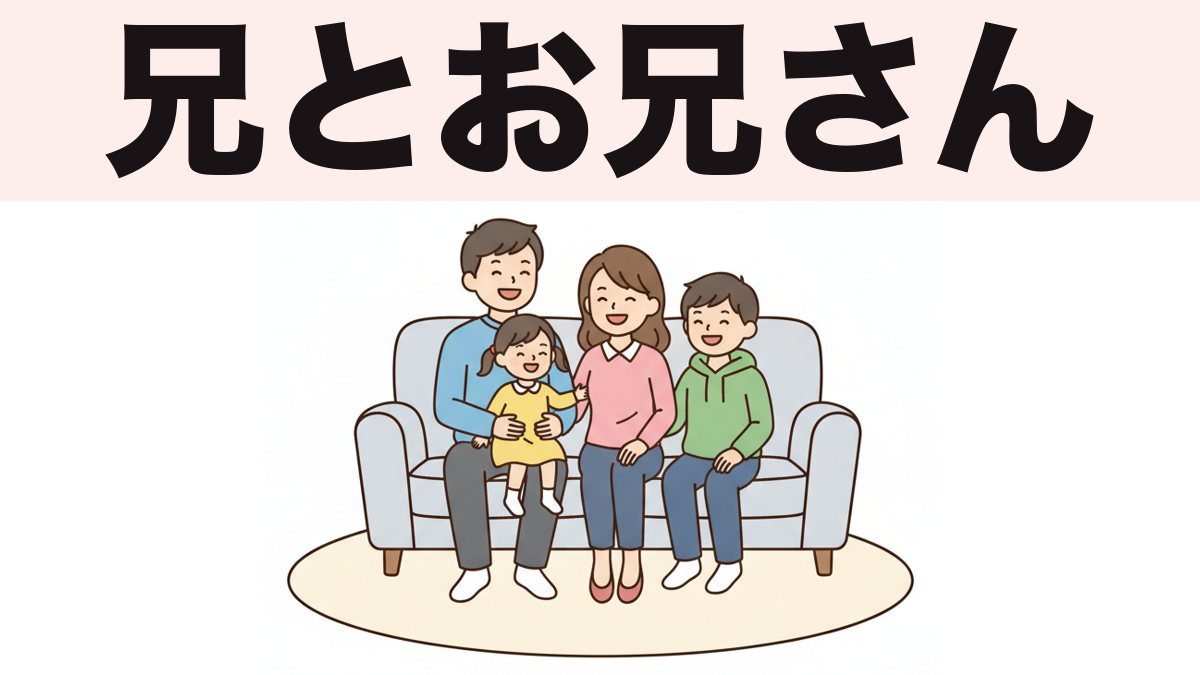
Brother in Japanese: 兄 ani vs お兄さん oniisan (family words)
Brother in Japanese is 兄 ani for your own and お兄さん oniisan for someone else's. 2 tables and 11 examples cover the family words you need and the uchi-soto rule.
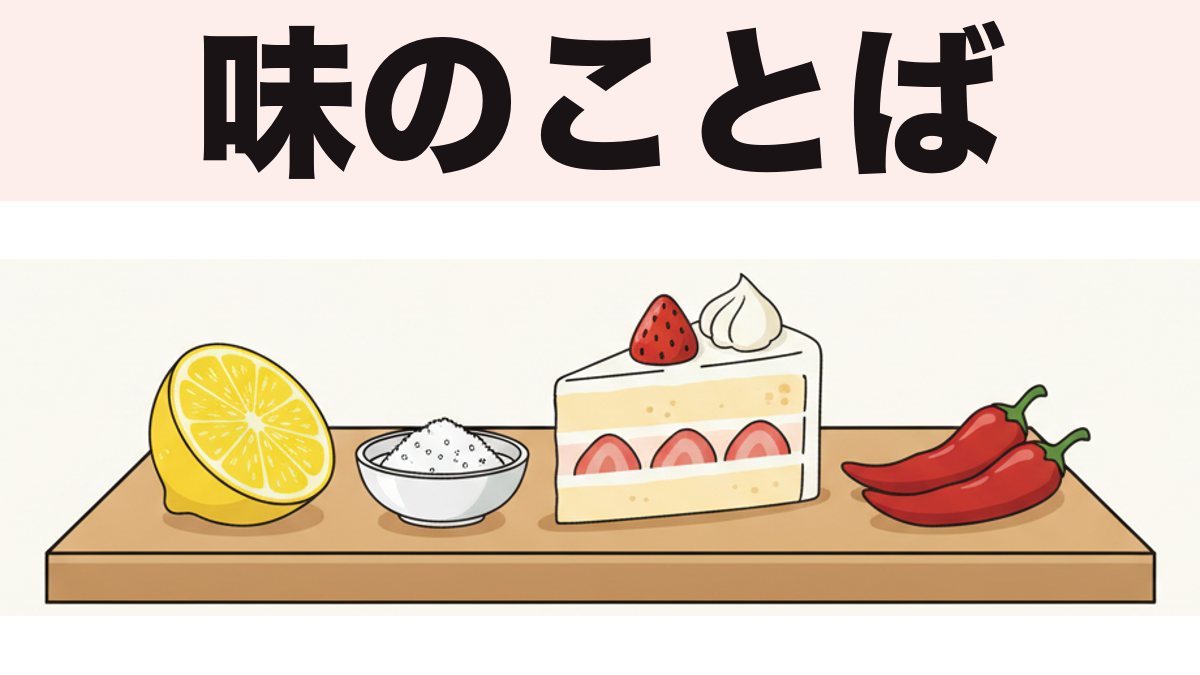
What Are Japanese Taste Words? 甘い, 酸っぱい, しょっぱい and More
Japanese taste words cover the same five basics as English — 甘い (sweet), 酸っぱい (sour), しょっぱい (salty), 苦い (bitter), 辛い (spicy) — plus texture words English lacks.
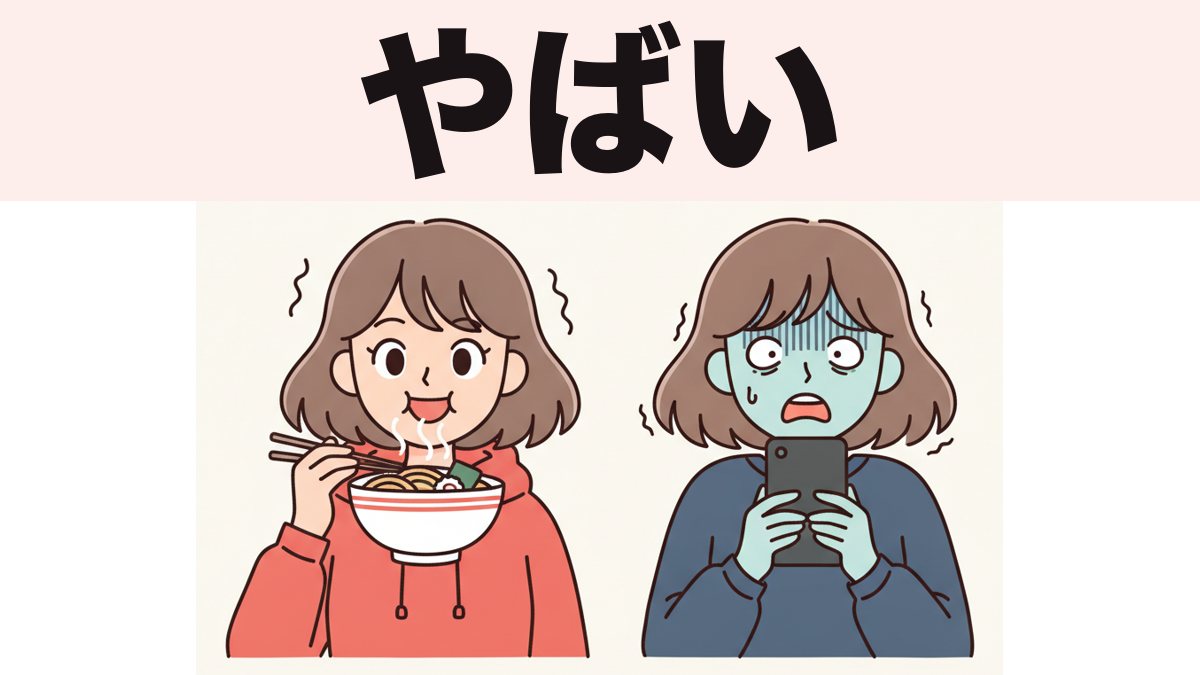
やばい meaning: the one word that covers "amazing", "terrible" and "I have to go"
Explore how yabai shifted from dangerous to a flexible Japanese slang word, learn to read its context, and discover terms like gachi and emoi.
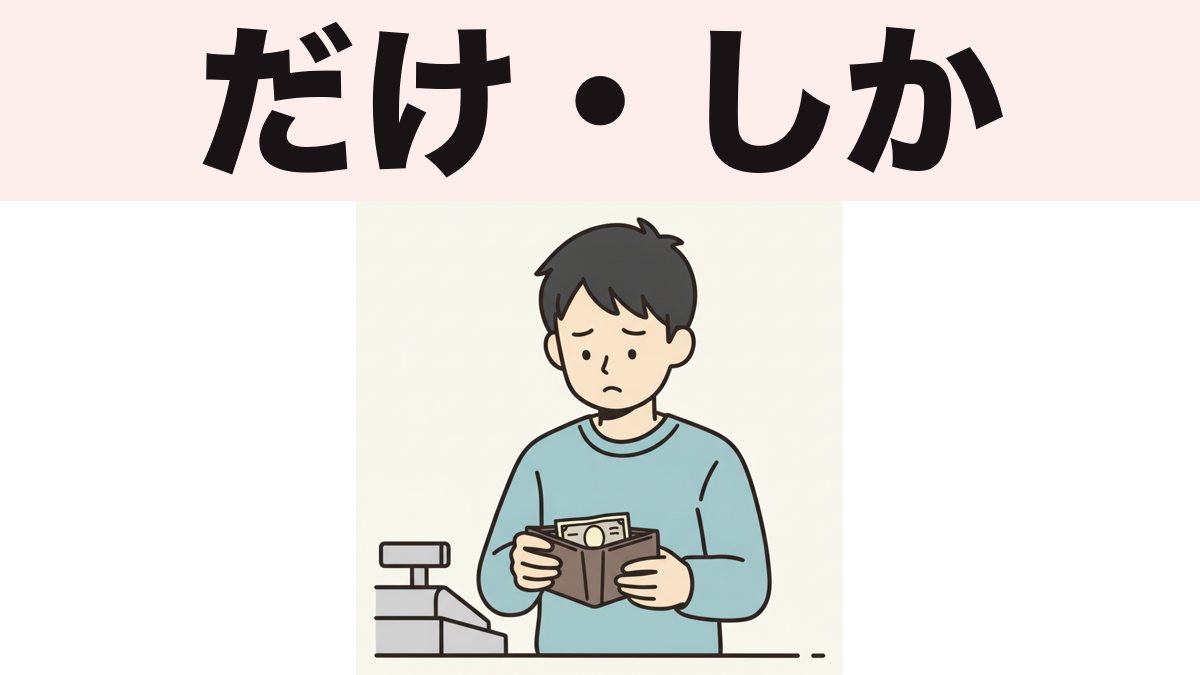
だけ vs しか: two words for "only," and one of them is a complaint
だけ states a fact. しか demands a negative verb and adds "and that is not enough." 1000円だけあります and 1000円しかありません are different feelings.
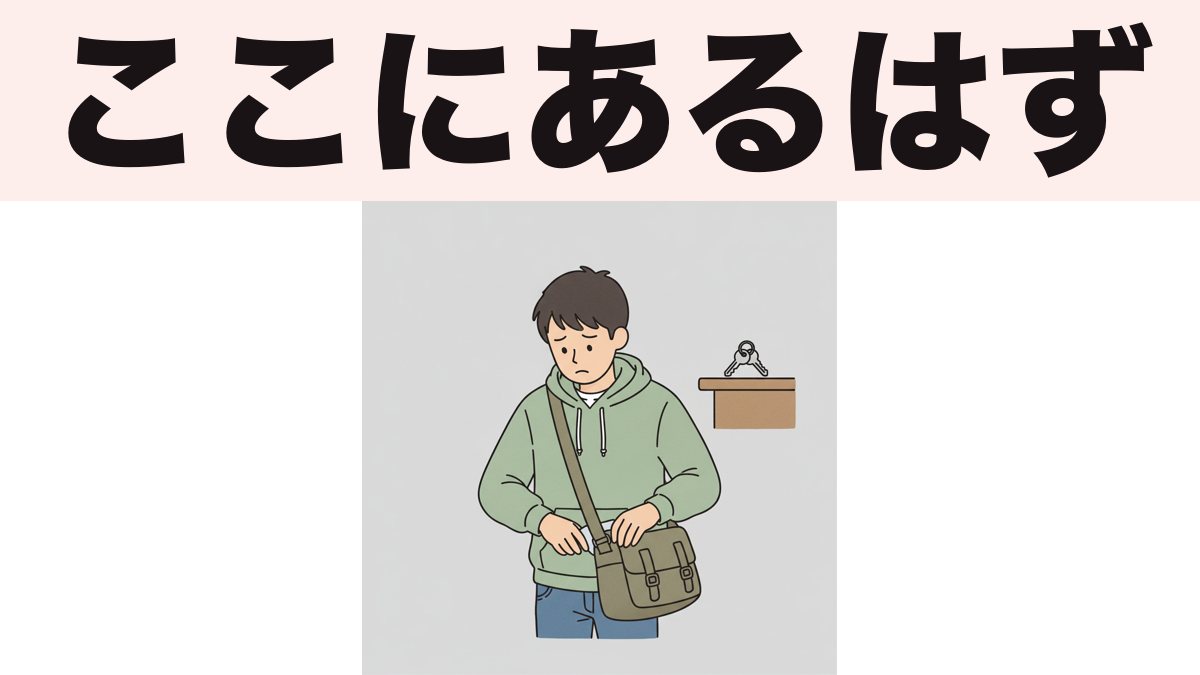
〜はず: the "should" that is a prediction, not an obligation
はず means "it should be so, based on what I know." It never means "you should do this" — that is べき, and English hides the difference behind one word.
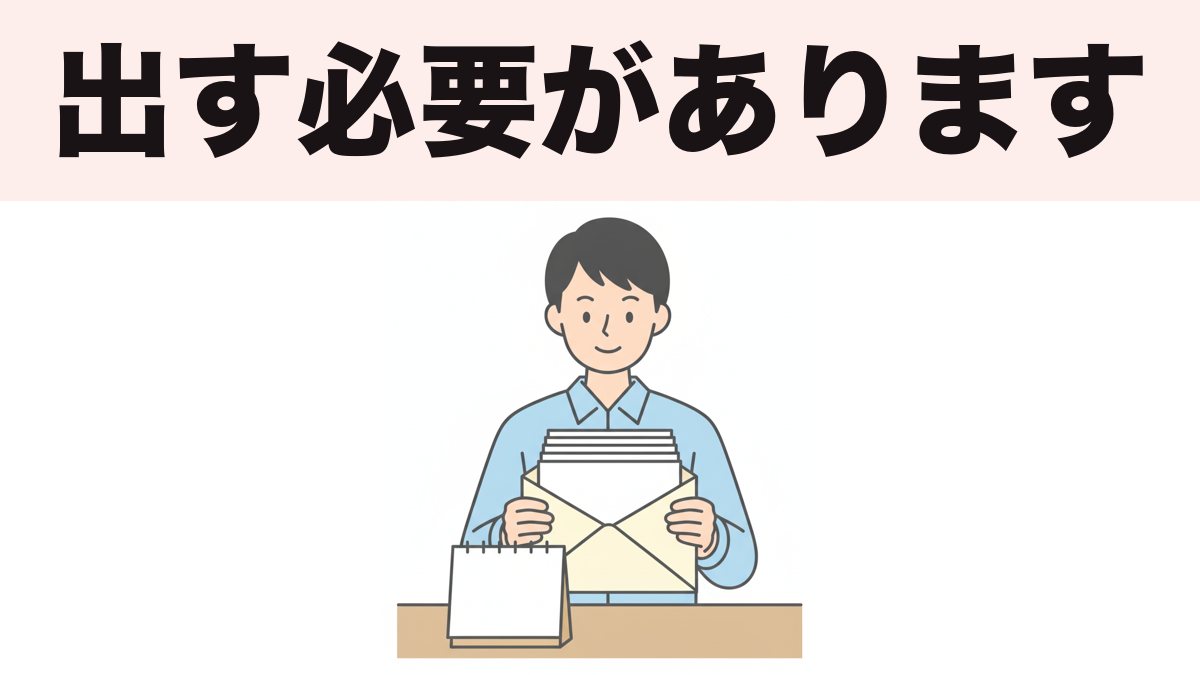
How Do You Say "Need To" in Japanese? 〜必要がある Explained
"Need to" in Japanese is 〜必要がある — it states a requirement as a fact rather than an obligation, and attaches with が, not です, where most learners go wrong.
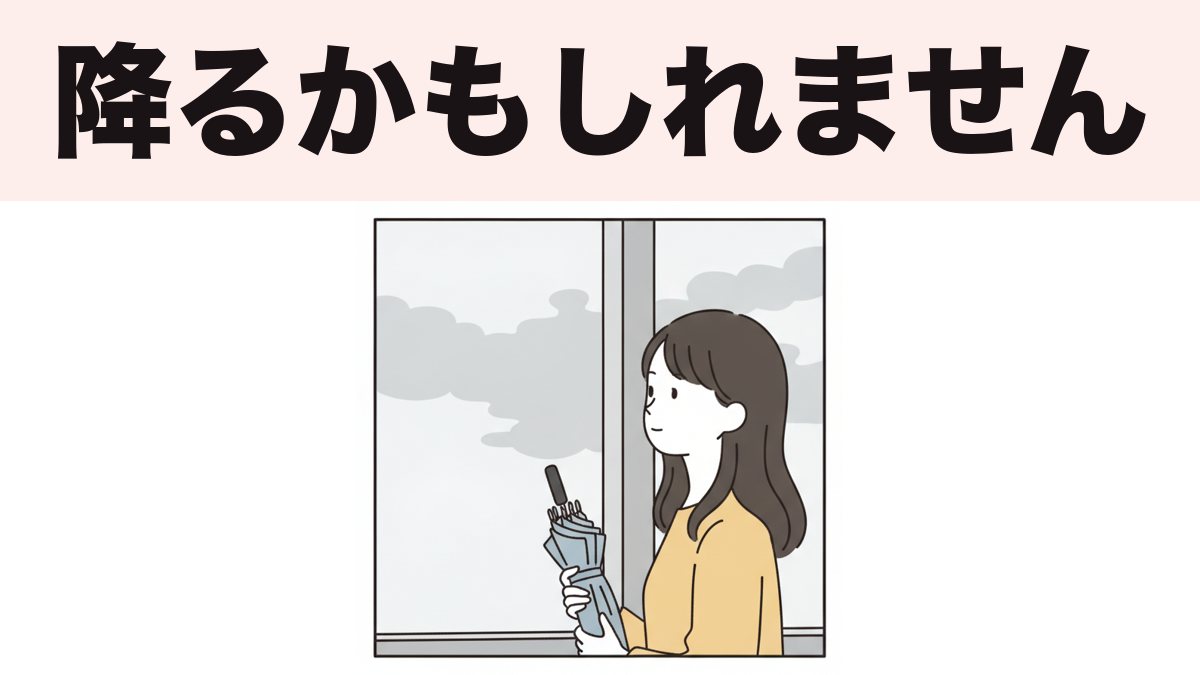
かもしれない: "maybe," and the だ you have to delete
かもしれない attaches to the plain form, but nouns and な-adjectives drop their だ first. 学生だかもしれない is wrong; 学生かもしれない is right.
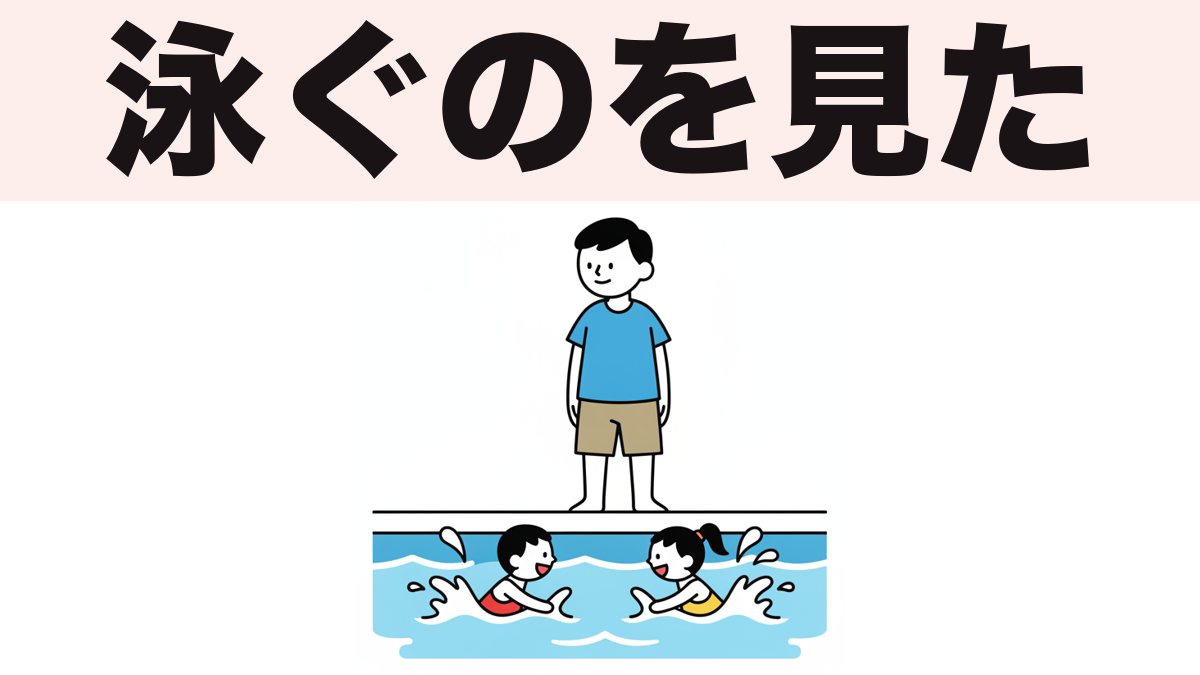
こと vs の: two ways to turn a verb into a noun
こと is for abstract facts, の for things you can see and hear. 泳ぐのを見た, never 泳ぐことを見た — and some verbs only accept one of them.
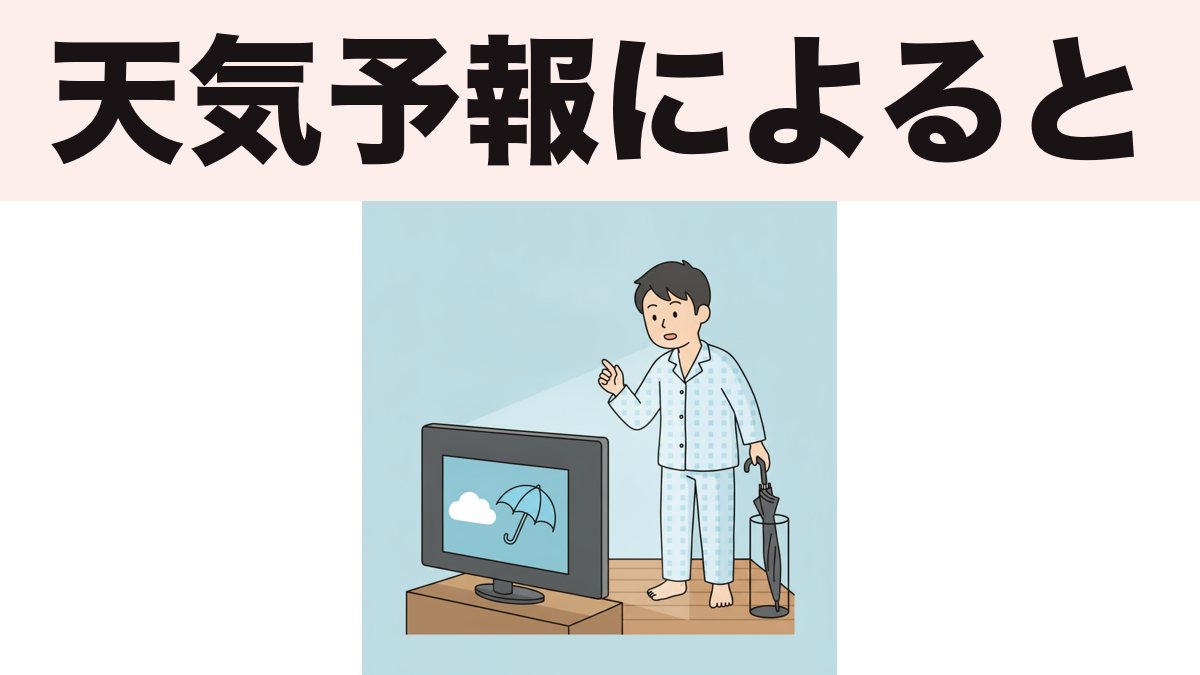
〜によると: "according to," and the そうです you must not drop
〜によると names your source, and the sentence has to end in そうです or らしいです. Ending it flatly turns reported information into your own claim.
〜すぎる: "too much," and the い you have to drop
すぎる attaches to a verb stem or a bare adjective: 高すぎる, not 高いすぎる. It becomes a Group 2 verb, and in casual speech it stops meaning "too" at all.
〜たり〜たり: the list that says "and other things like that"
〜たり〜たりする lists example actions and implies you left some out. It is built from the past form, and the sentence must end in する — the piece learners drop.
〜ておく: doing something now so future you does not have to
〜ておく means doing something in advance, or leaving it as it is. In speech it collapses to 〜とく, which is why 買っとく sounds like a word you never learned.
〜とき: why 行くとき and 行ったとき are two different moments
〜とき means "when," but the tense in front of it is relative, not absolute. 日本に行くとき happens before you arrive; 日本に行ったとき happens after.
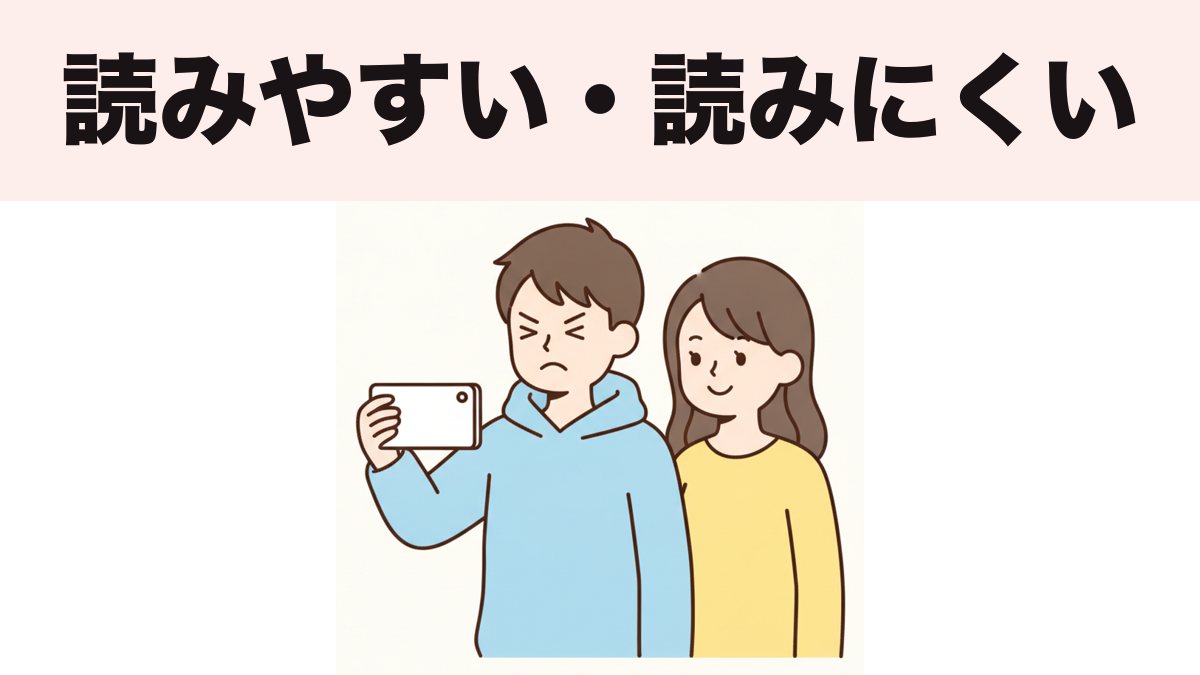
〜やすい and 〜にくい: easy to do, hard to do, and prone to happening
Add やすい or にくい to a verb stem and you get a new い-adjective. But やすい also means "tends to," which is a different idea hiding in the same ending.
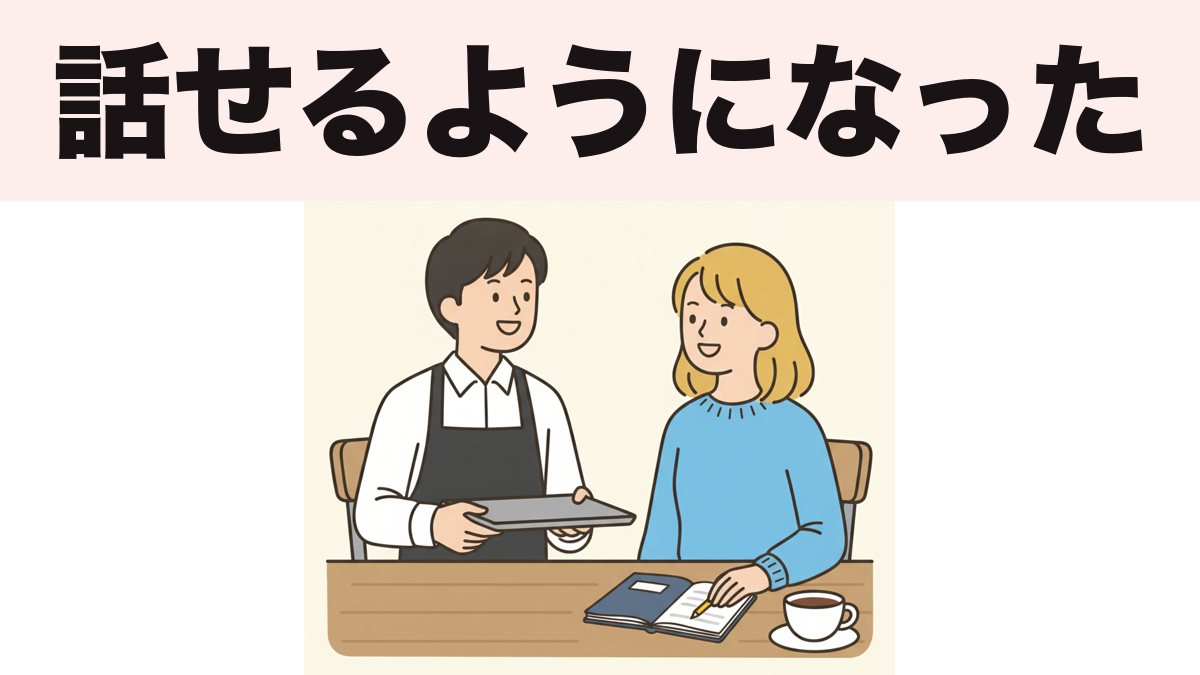
〜ようになる: the grammar for "I can do it now, and I could not before"
〜ようになる marks a change in ability or habit that happened gradually. It is the sentence every learner actually wants: 日本語が話せるようになりました.
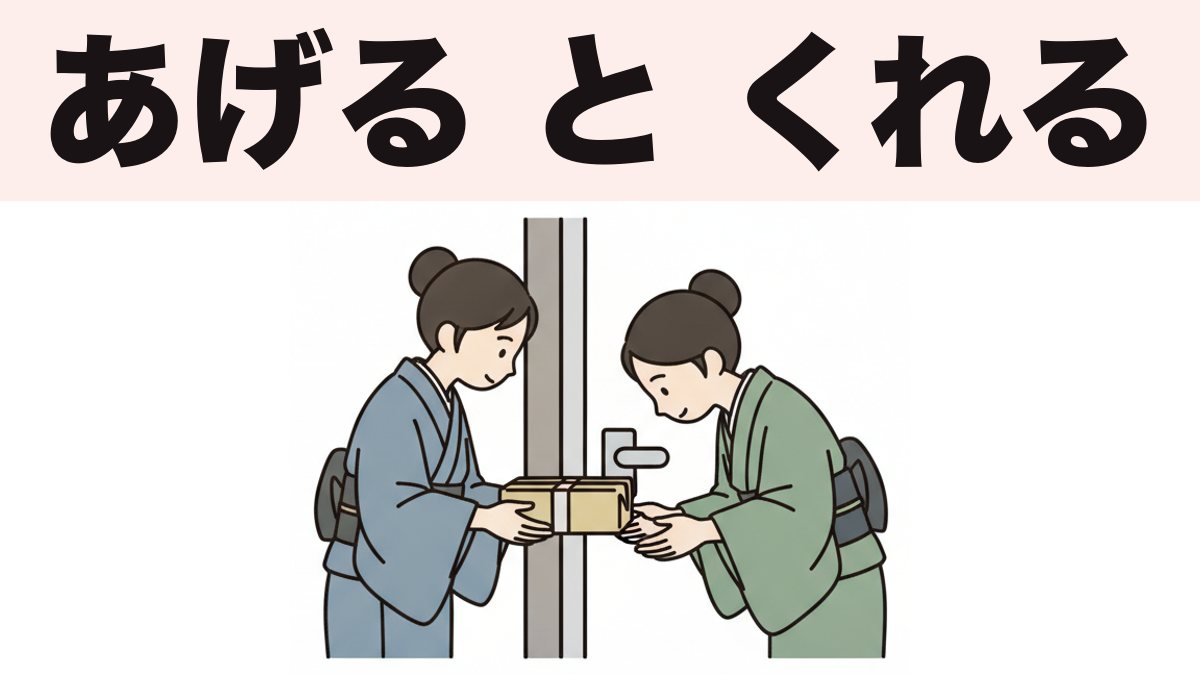
あげる, くれる, もらう: which way is the thing moving?
Japanese has two verbs for "give" because it tracks who the thing is moving toward. あげる goes away from you, くれる comes to you, もらう is you taking it.
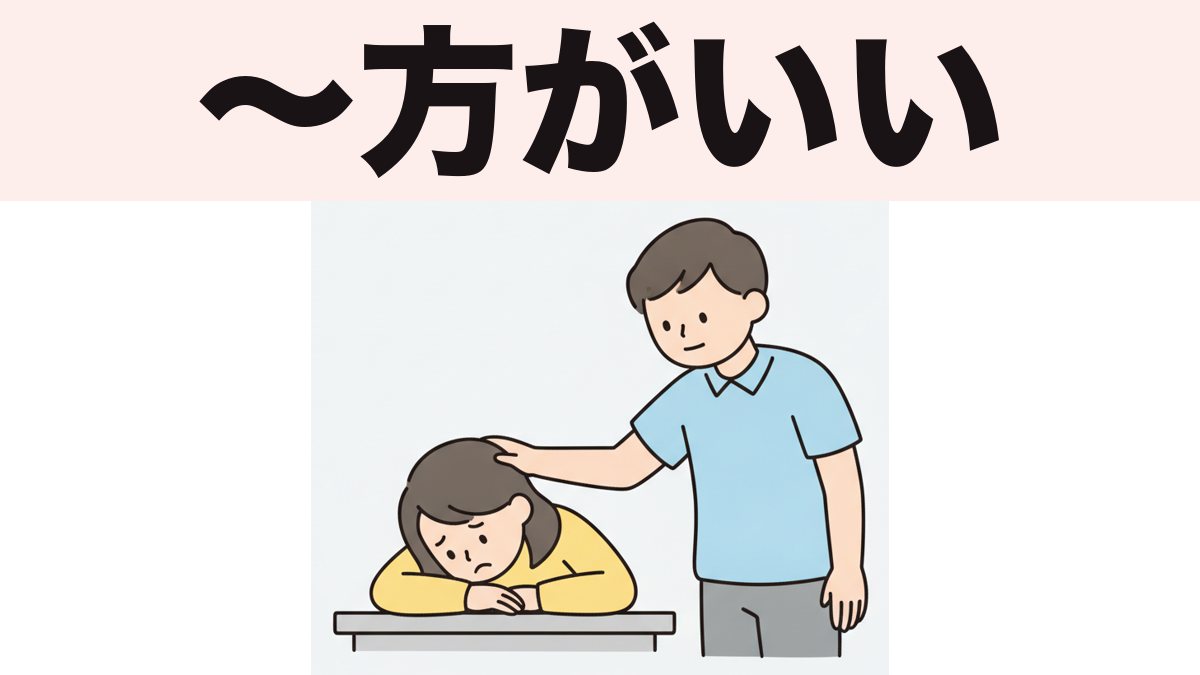
How Do You Give Advice in Japanese? 〜方がいい Explained
〜方がいい gives advice in Japanese by comparing two options — 行った方がいい means "you should go" — and it takes the past-tense verb even though it is about the future.
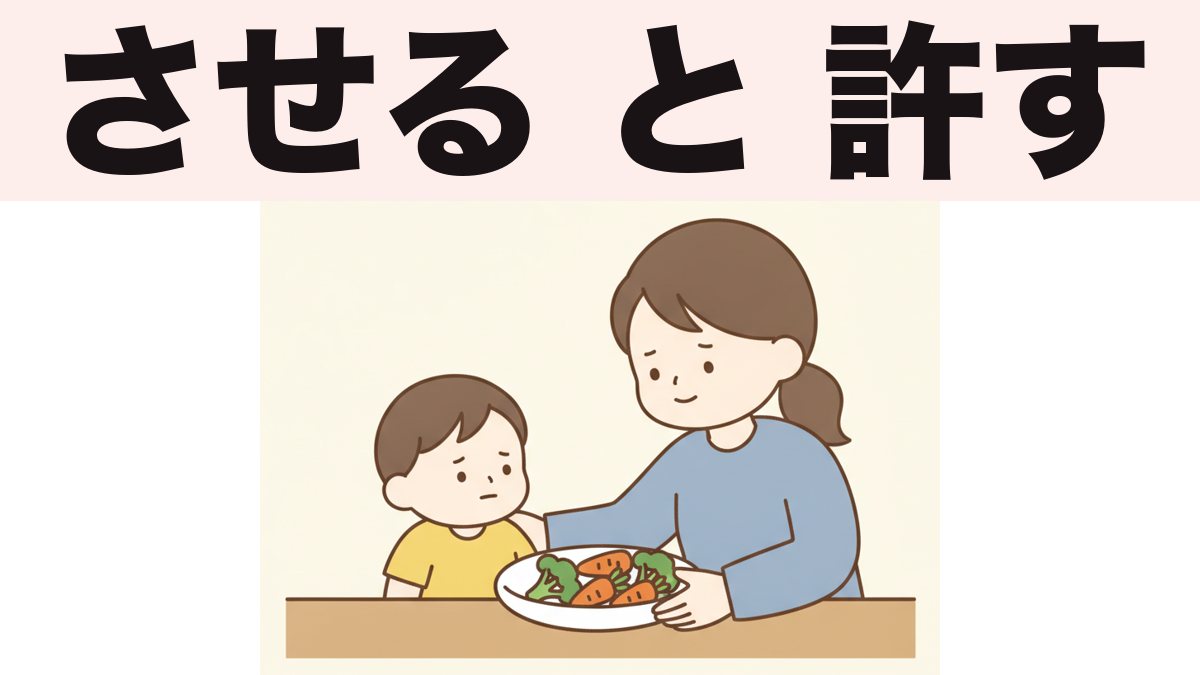
Japanese causative form: させる, せる, and who is making whom do what
The causative means both "make someone do it" and "let someone do it". How to conjugate させる, and why に or を decides who is doing what to whom.
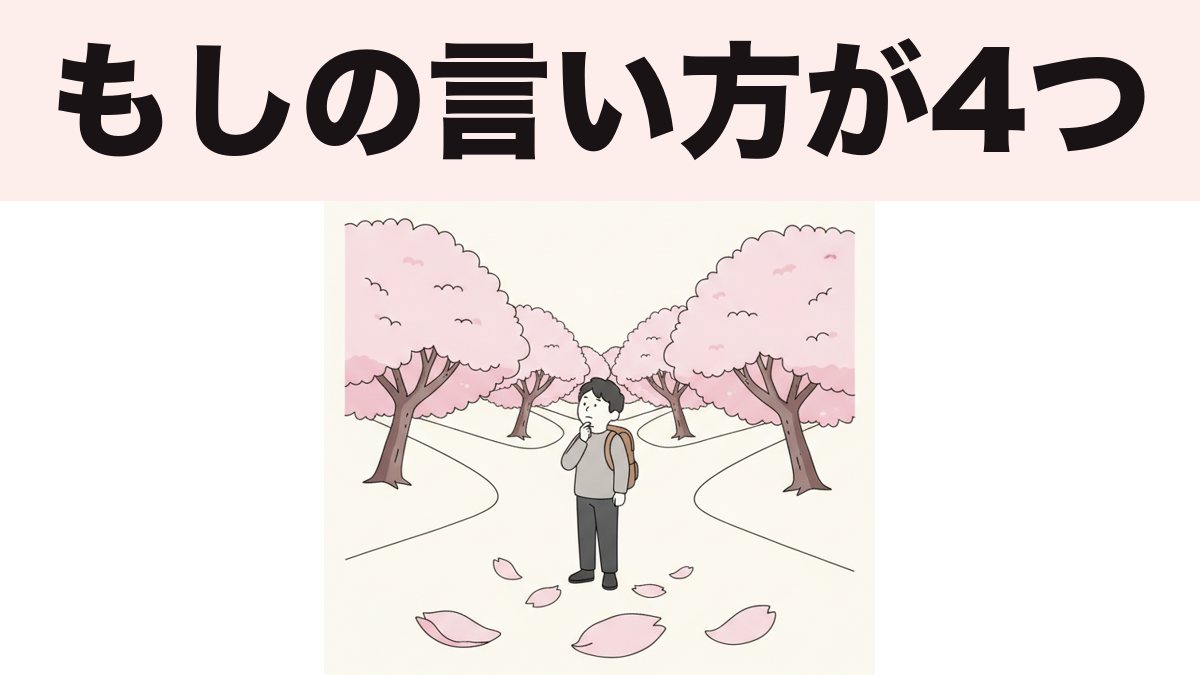
What Are the Four Japanese Conditionals? と, ば, たら, なら
Japanese has four ways to say "if": と means the result is automatic, ば is hypothetical, たら marks one specific event, and なら responds to what was just said.
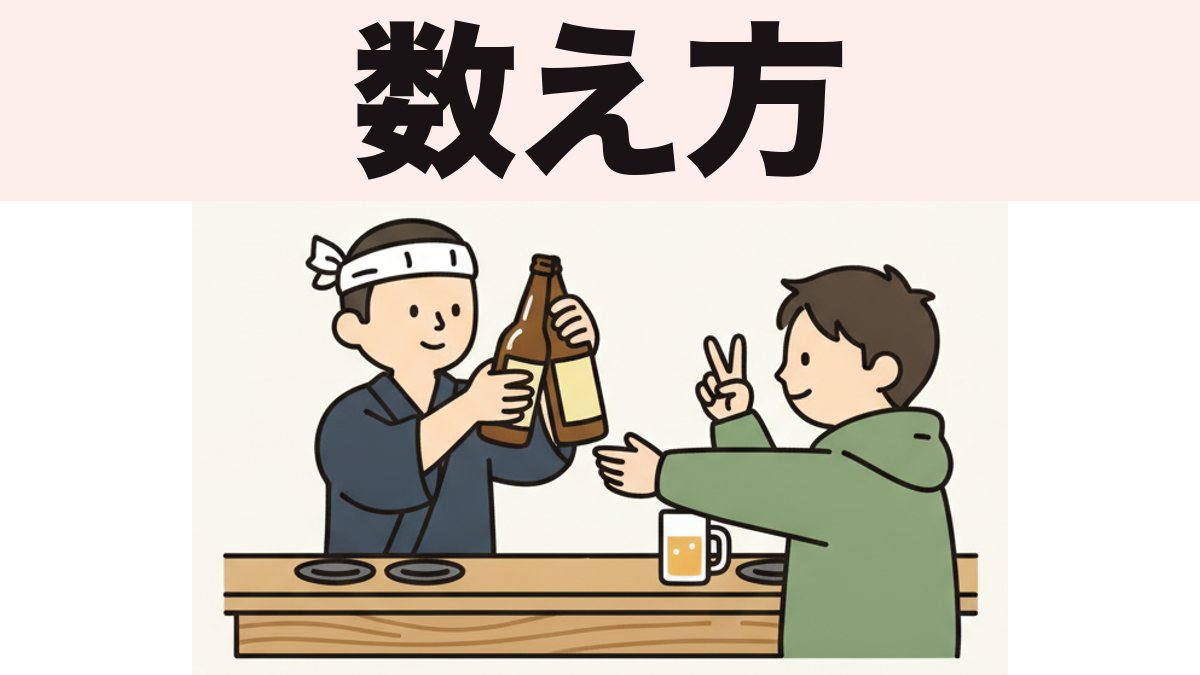
Japanese counters: the six you need and the escape hatch for everything else
You cannot say "two beers" in Japanese without a counter. Learn つ, 人, 本, 枚, 個 and 杯, the sound changes that break them, and what to do when you forget one.
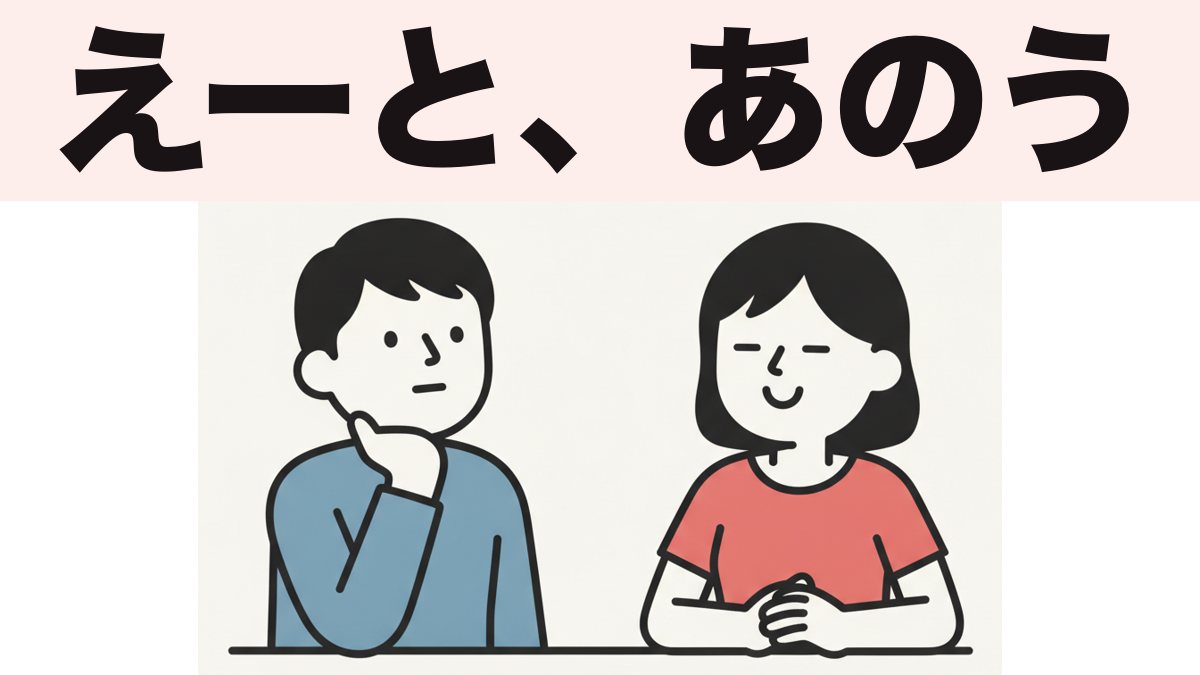
Japanese filler words: えーと, あの, なんか — and why silence is worse
えーと is thinking out loud, あの is aimed at the listener, なんか is "like". The fillers that buy you time, plus the あいづち that keep the other person talking.
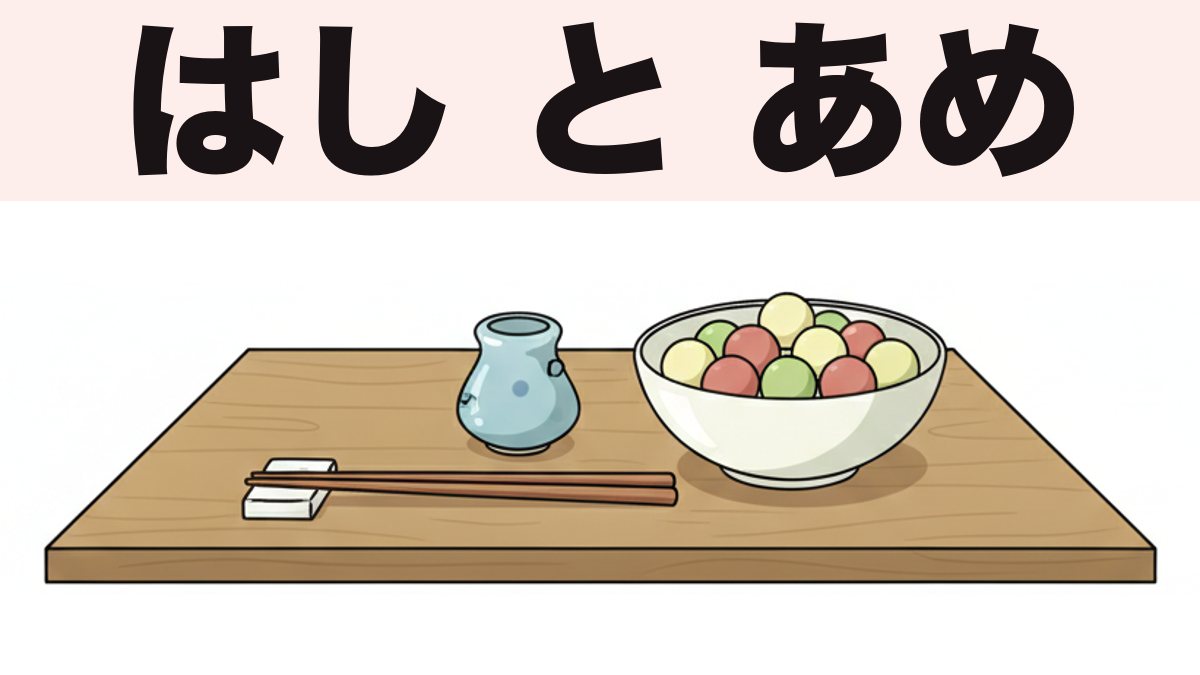
Japanese homophones: はし, あめ, かみ — and how anyone tells them apart
Japanese has many homophones because it has few sounds. Pitch separates some, kanji separates the rest, and speakers work around the ones that survive both.
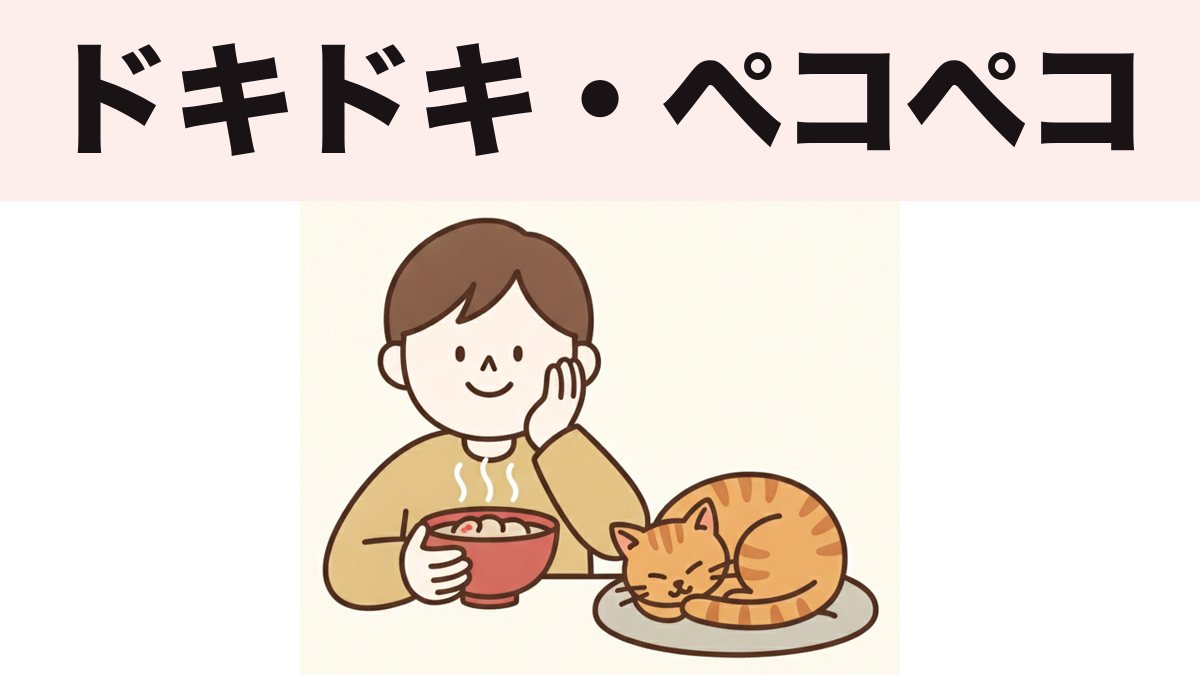
What Is Japanese Onomatopoeia? Giongo vs Gitaigo Explained
Japanese onomatopoeia splits into 擬音語 (giongo), actual sounds like ワンワン, and 擬態語 (gitaigo), states like ドキドキ or ワクワク — everyday adult words, not just comics.
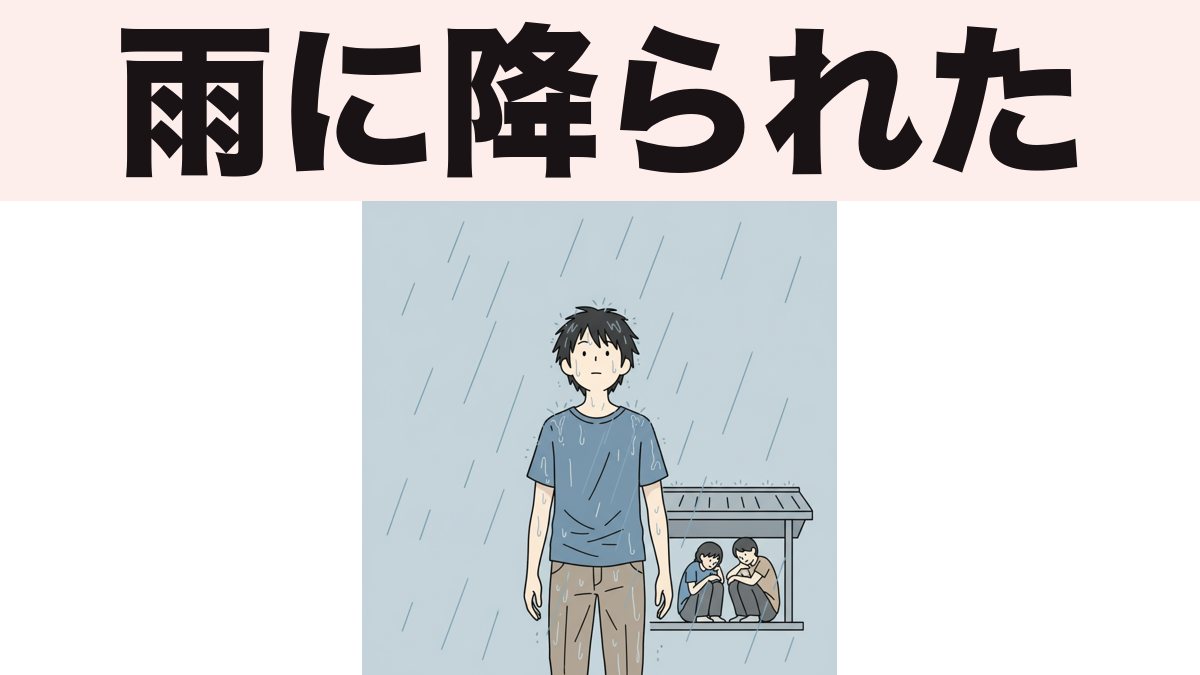
The Japanese passive 〜られる: including the one that means "and it annoyed me"
The passive is built from 〜れる/〜られる. Japanese also has a suffering passive — 雨に降られた, "I got rained on" — which English has no form for at all.
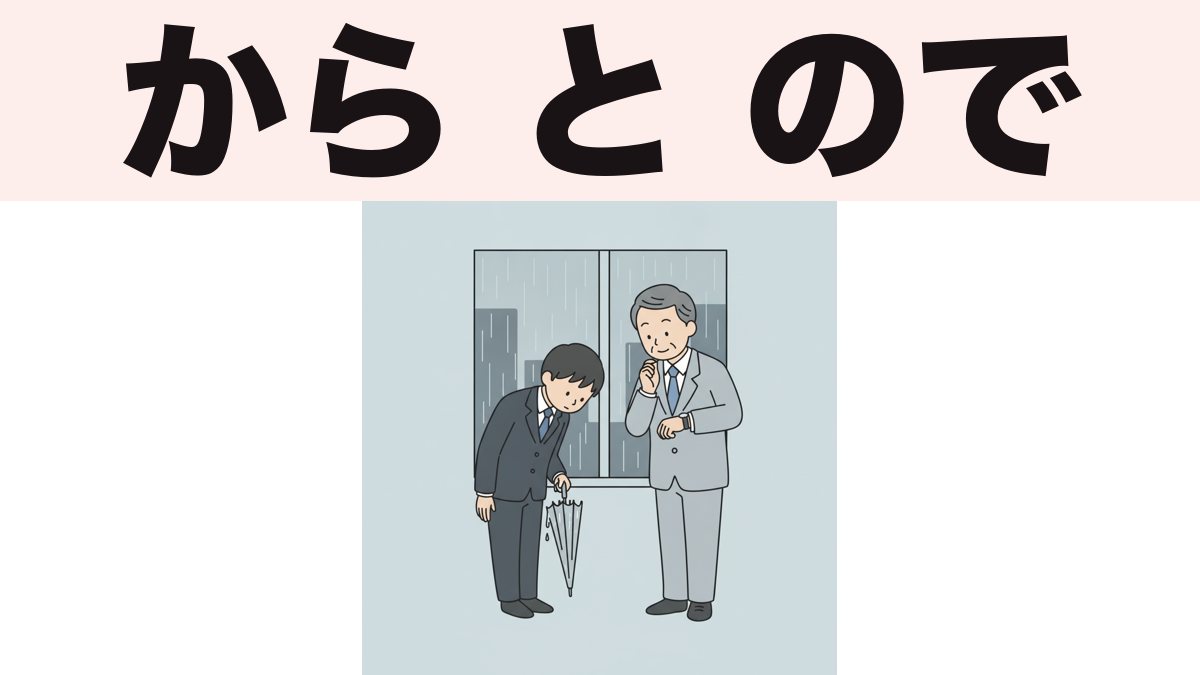
Because in Japanese: から kara vs ので node
から gives your own reason, ので just states how things are and reads softer in an apology. 18 example sentences show when to attach each one and why.
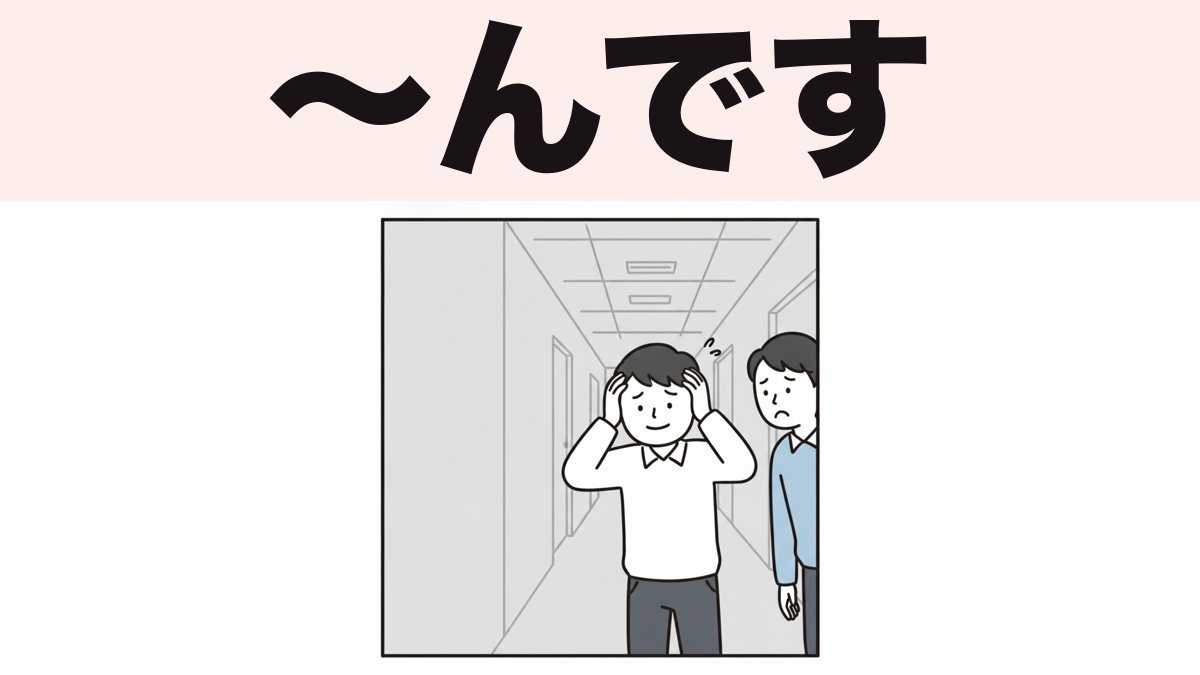
〜んです: the ending that connects your sentence to the situation
〜んです does not add meaning — it says "this explains something." How to build it, why 学生んです is wrong, and why too many んですか sounds like an interrogation.
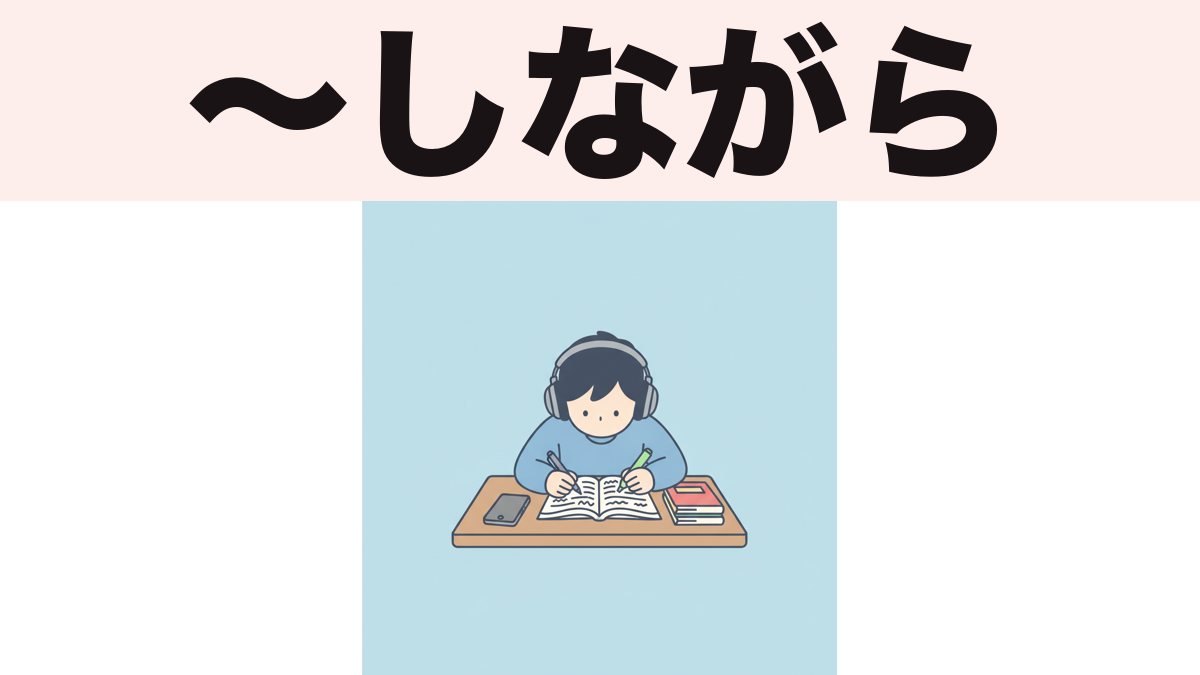
〜ながら: "while doing" — and why the second verb is the real one
〜ながら joins two actions by the same person, and the second one is the main action. How to build it, why 間に exists, and the literary ながら that means "although".
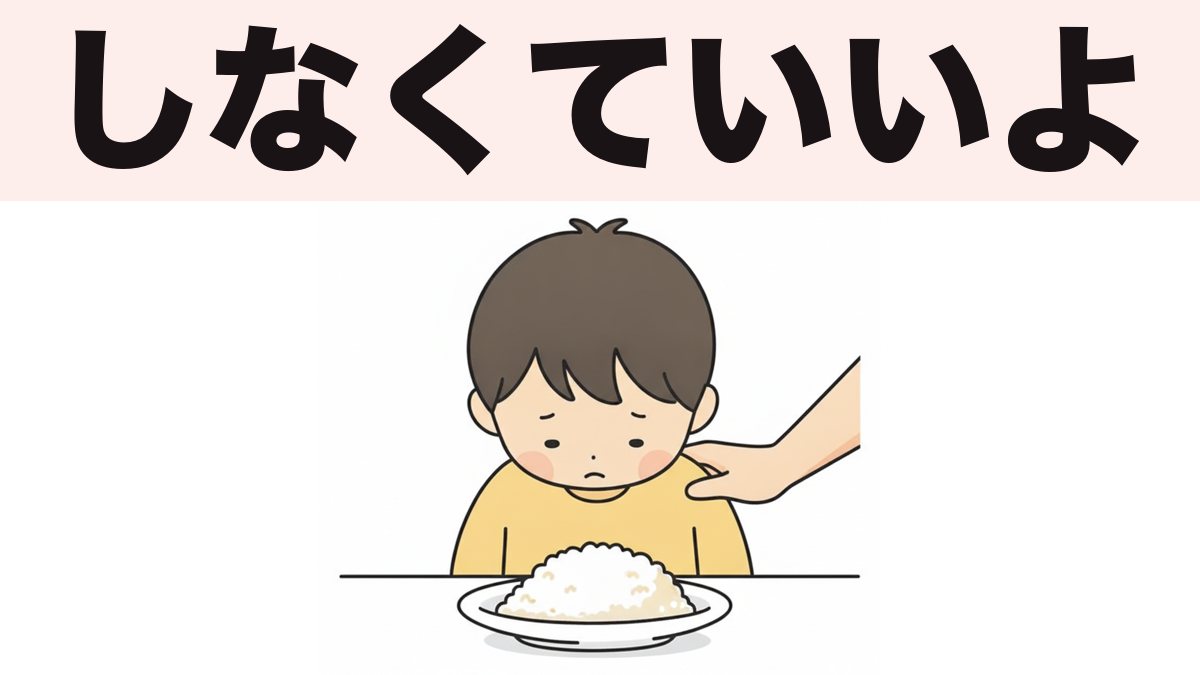
〜なくてもいい: how to say "you don't have to" in Japanese
〜なくてもいい comes from the negative te-form and literally means "even if you don't, it's fine." How to build it, and why も disappears in speech.
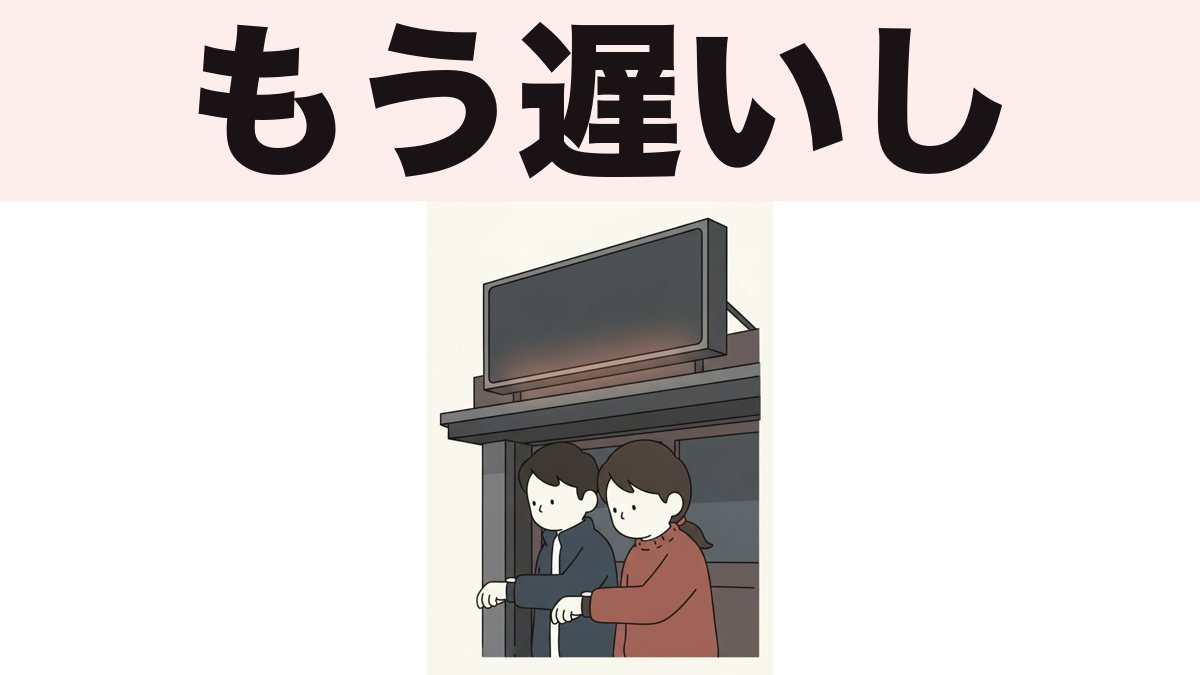
〜し: the "and" that means "and there's more where that came from"
〜し lists reasons and implies you have left some out. One し alone is enough, and it is why 疲れたし、帰ろう sounds so much more natural than 疲れたから.
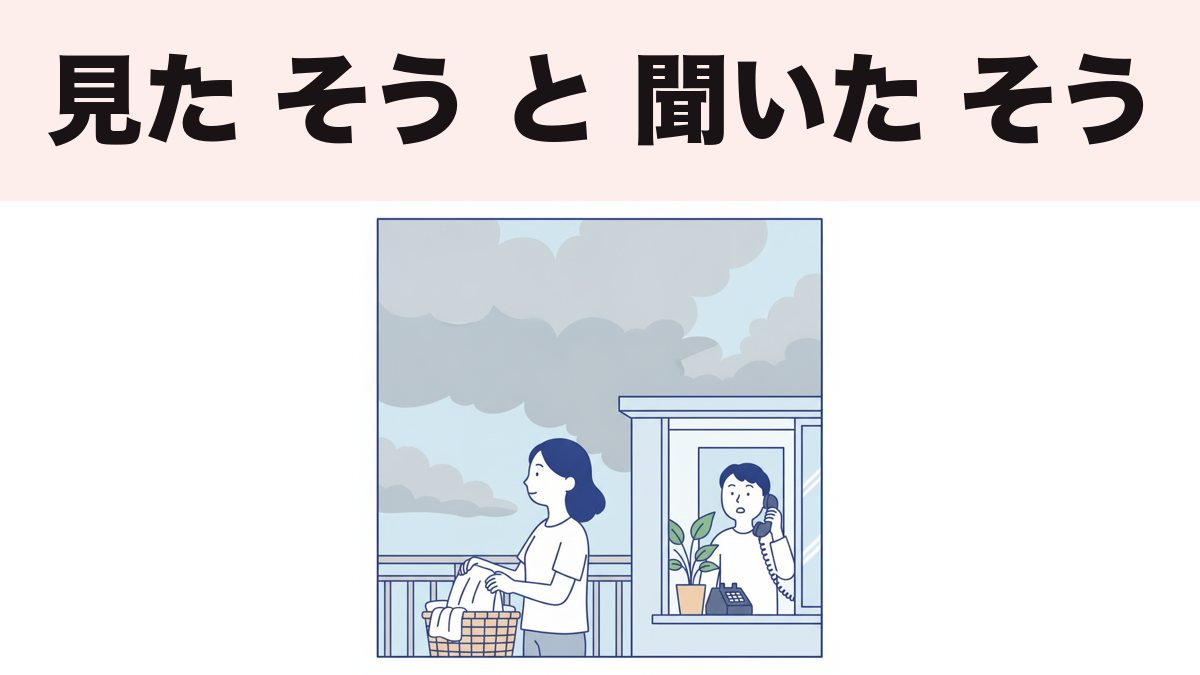
そうです has two meanings: "it looks like" and "I heard"
雨が降りそうです and 雨が降るそうです differ by one syllable and mean completely different things. How the two そう attach, and why よさそう is not いいそう.
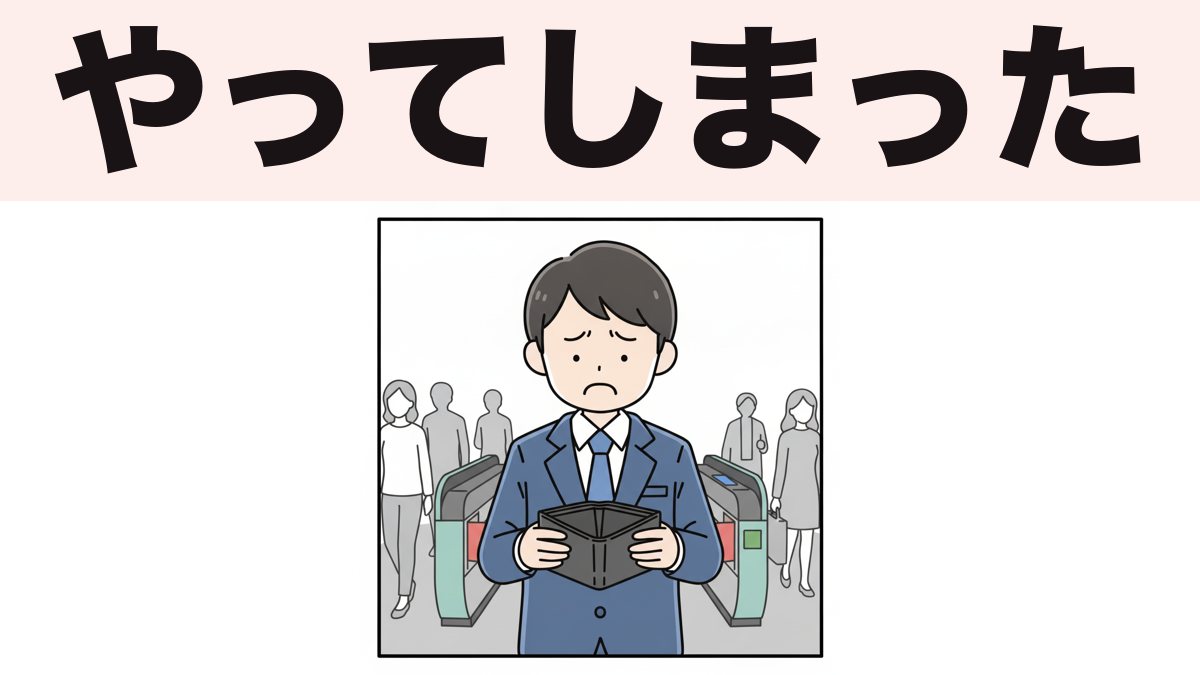
てしまう and ちゃった: the grammar of "oops, I did it"
てしまう does two jobs at once: it finishes an action completely, and it adds regret. Here is how to tell the two apart, and why ちゃった is everywhere in anime.
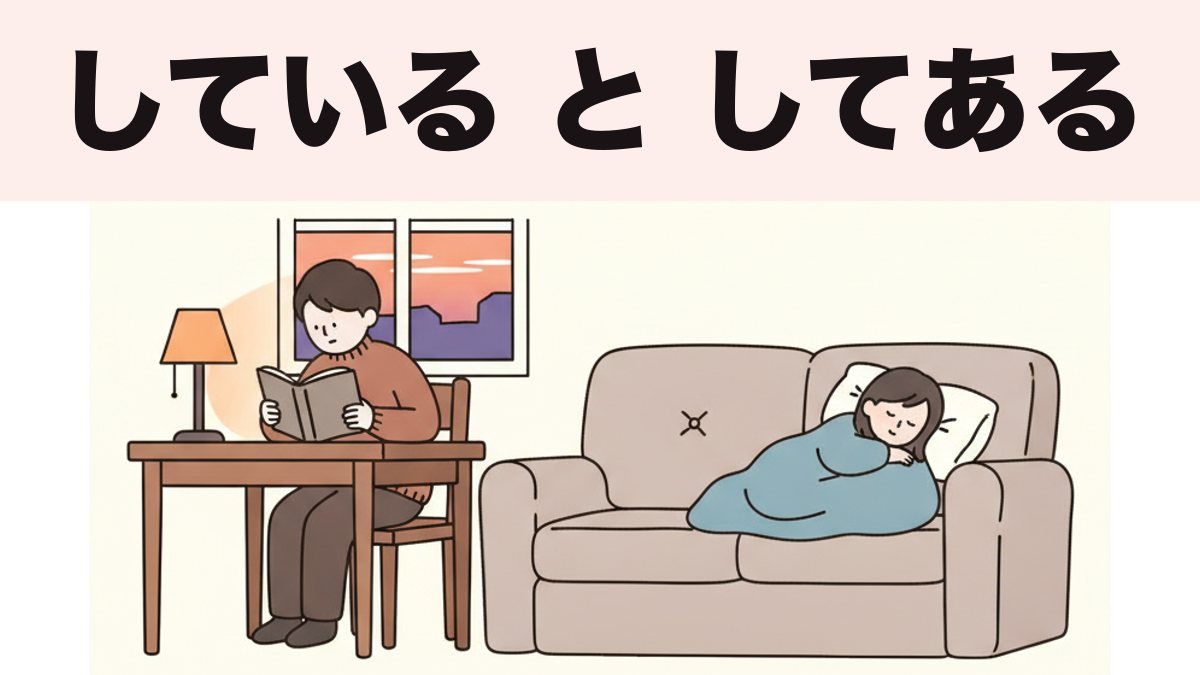
〜ている: why 知っている means "I know" and not "I am knowing"
〜ている has two meanings — an action in progress, and a state left behind. The verb decides which, and that is why 知っている is "I know" and 行っている is "has gone".
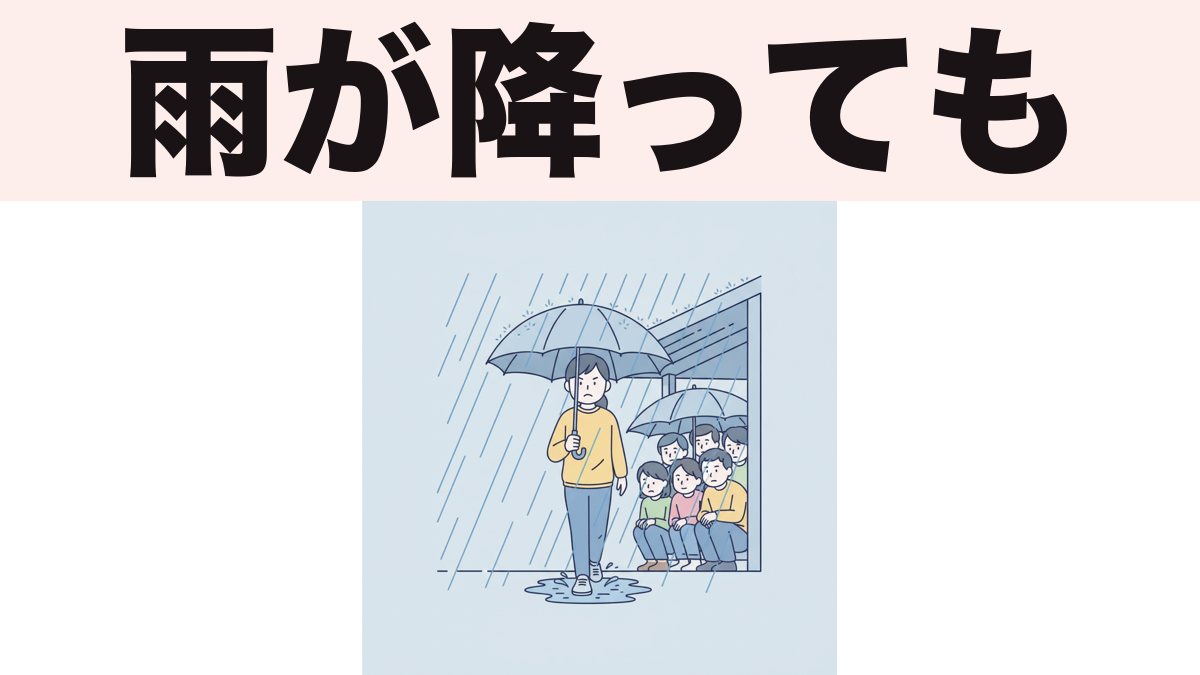
〜ても: "even if" — and the question words that turn it into "no matter what"
〜ても is the te-form plus も. It means "even if," and with a question word it becomes 何をしても — "no matter what I do." Plus when けど is right instead.
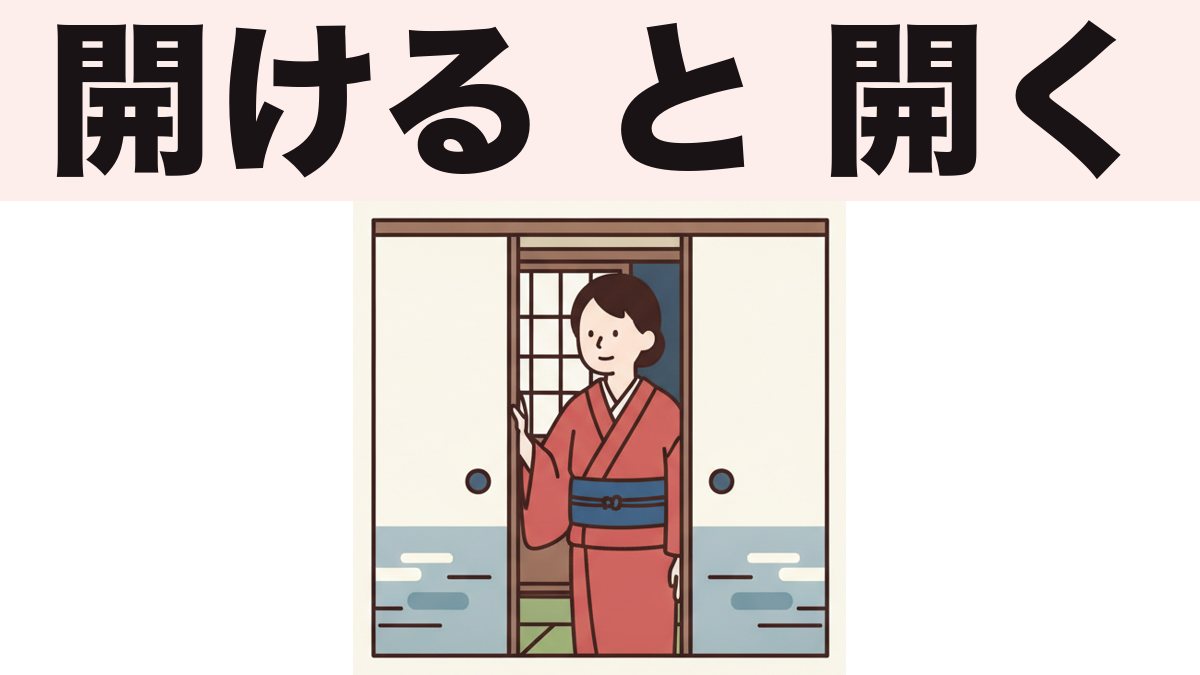
Transitive and intransitive verbs: 開ける vs 開く, and why Japanese prefers the second
Japanese has verb pairs where English has one word. 開ける takes を and names who did it; 開く takes が and does not. The endings that hint at which is which.
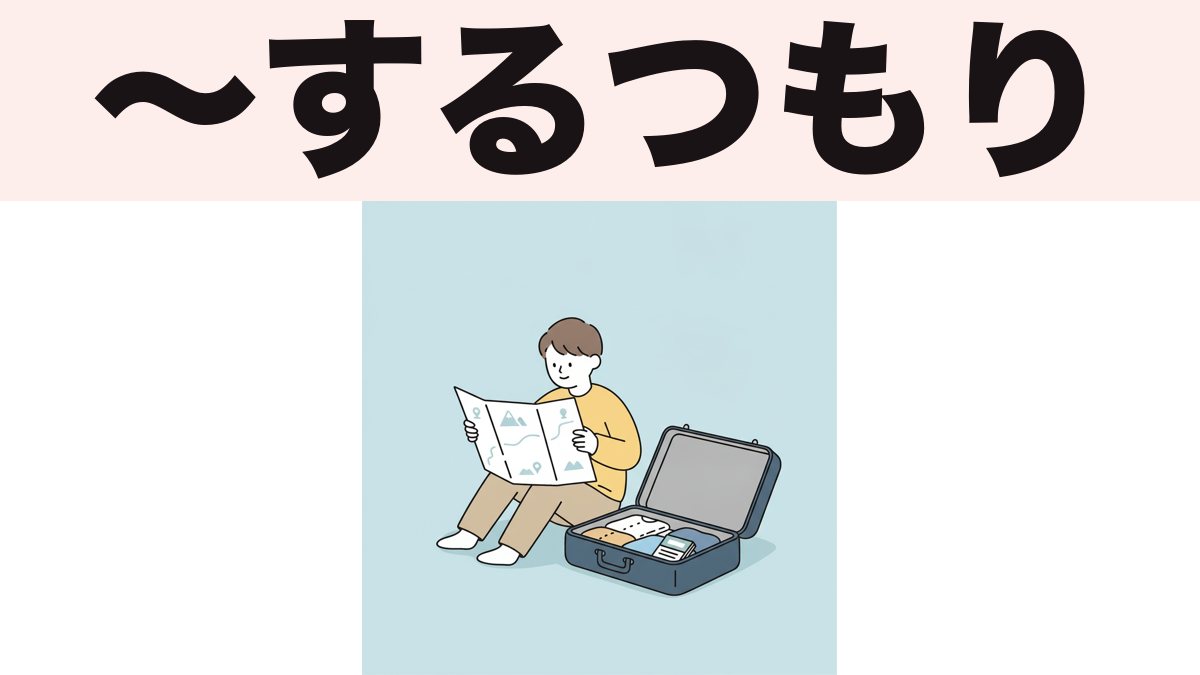
つもり: how to say what you intend to do — and the つもり that means you were wrong
つもり states a settled intention. 〜ないつもり and つもりはない are not the same strength, and 〜たつもり means you only thought you had done it.
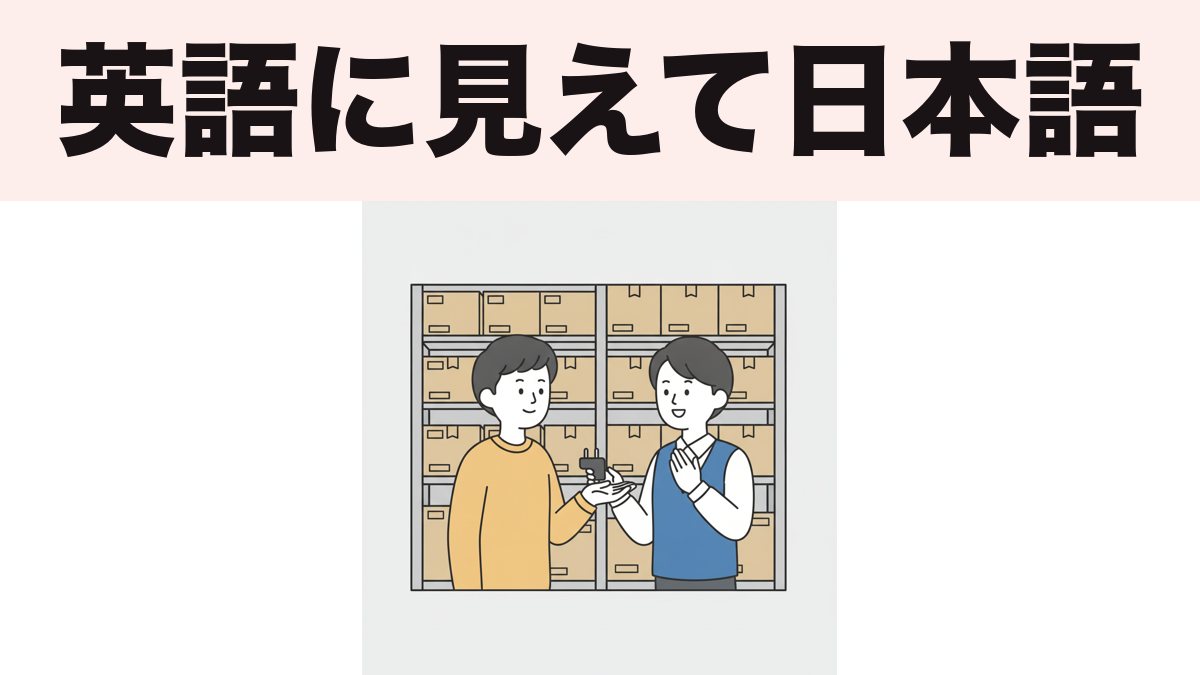
和製英語: the English words in Japanese that are not English
マンション is not a mansion and コンセント is not consent. A guide to 和製英語 — where these words come from, the four types, and why they are hardest for English speakers.
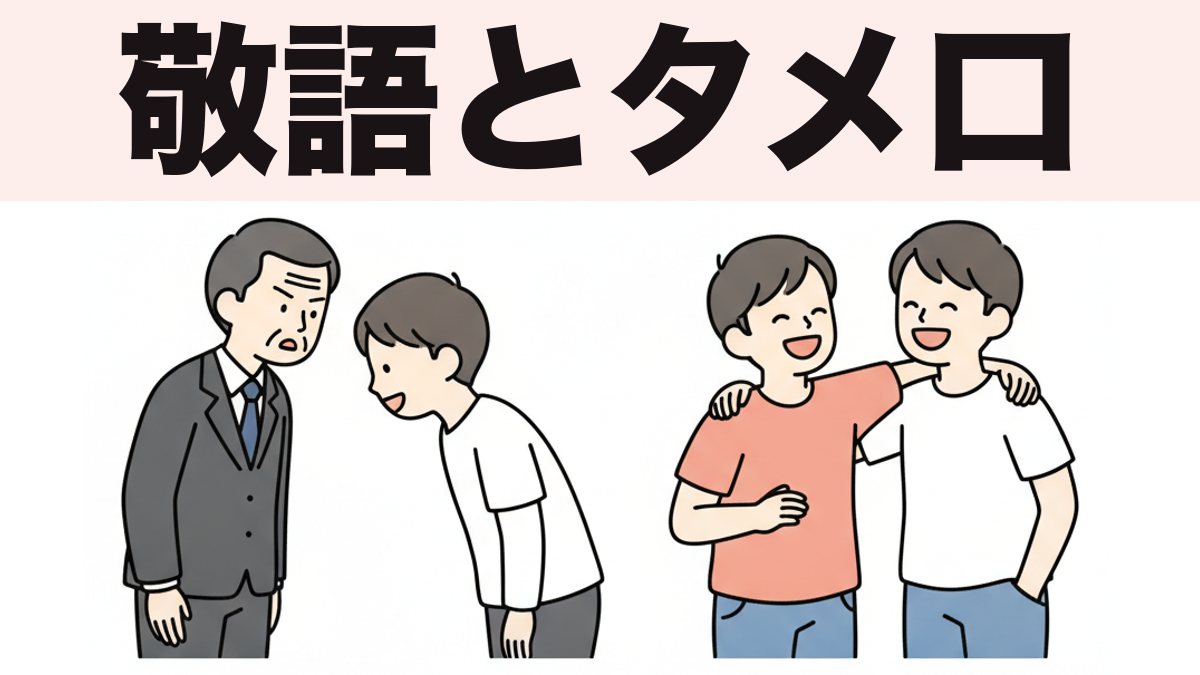
Keigo vs casual: how to know when to switch in Japanese
Keigo has five official categories, but three jobs matter first: polite, respectful and humble. Here is what each does and when speakers actually switch.
ことができる vs the potential form: two ways to say "I can" in Japanese
Japanese has two ways to say "I can" — 話せます and 話すことができます. Here is how to build both, and the particle that quietly changes between them.
Nakereba naranai: how do you say "must" in Japanese?
Nakereba naranai means "must" or "have to" in Japanese, expressing obligation. For example, 明日、早く起きなければなりません means "I have to get up early tomorrow."
Anime pilgrimage (seichi junrei): how to actually plan it
Seichi junrei (聖地巡礼) means visiting the real places an anime is set in — the topic of episode 48 of the NihonGO podcast. How to plan the trip, 5 FAQs and the Japanese you need.
たことがあります: how to say "I have done this before" in Japanese
たことがあります is not a past tense — it says a time exists when you did something. How to build it, and why it breaks if you use it for yesterday.
Why the Japanese you learned from anime sounds rude
Anime is full of real Japanese — spoken by characters who are allowed to be rude. Here is what to keep, what to soften, and how to tell which is which.
The best anime to learn Japanese from — and how to study a scene
Choose anime that builds useful Japanese, compare six shows, avoid copying character speech, and turn short scenes into everyday conversation practice.
How to watch anime with Japanese subtitles without burning out
Learn a manageable Japanese subtitle routine for anime: study one short scene, choose useful lines, and practise speaking without losing the fun.
What language apps cannot teach you about Japanese
Learn what Japanese app drills leave out, from choosing polite speech to repairing misunderstandings, and practice turning familiar words into conversation.
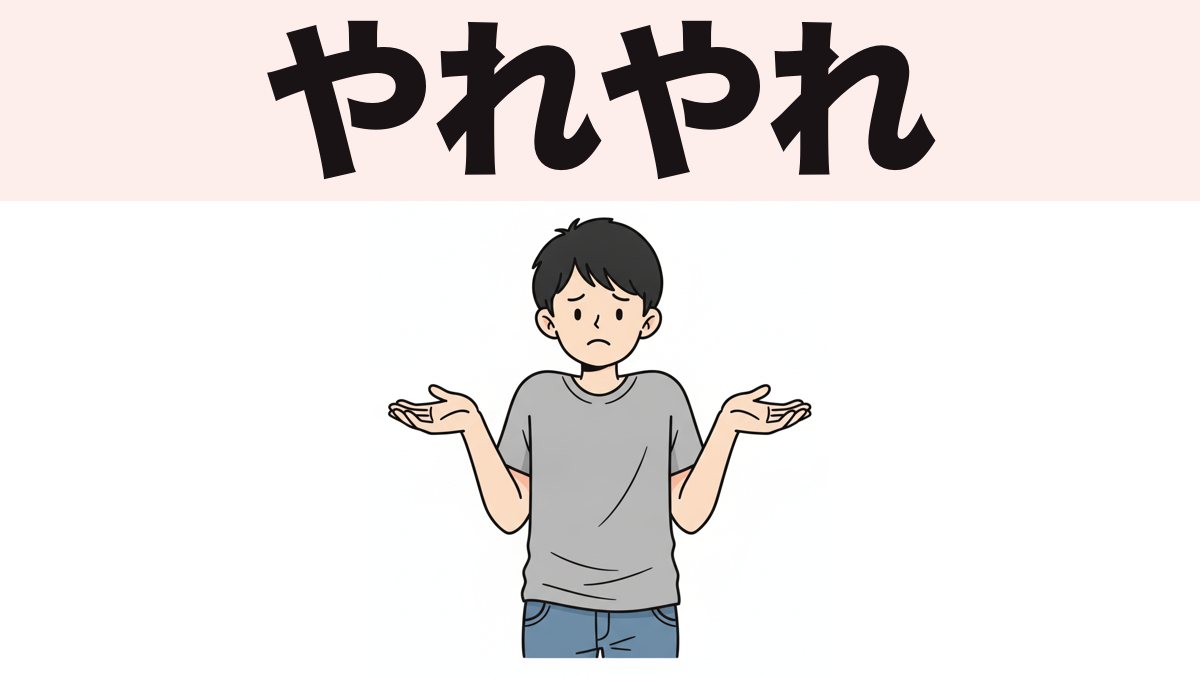
Yare yare meaning: what does this anime phrase mean?
Learn what yare yare means, how tone changes eight familiar anime phrases, and how to use them naturally in everyday Japanese conversations.
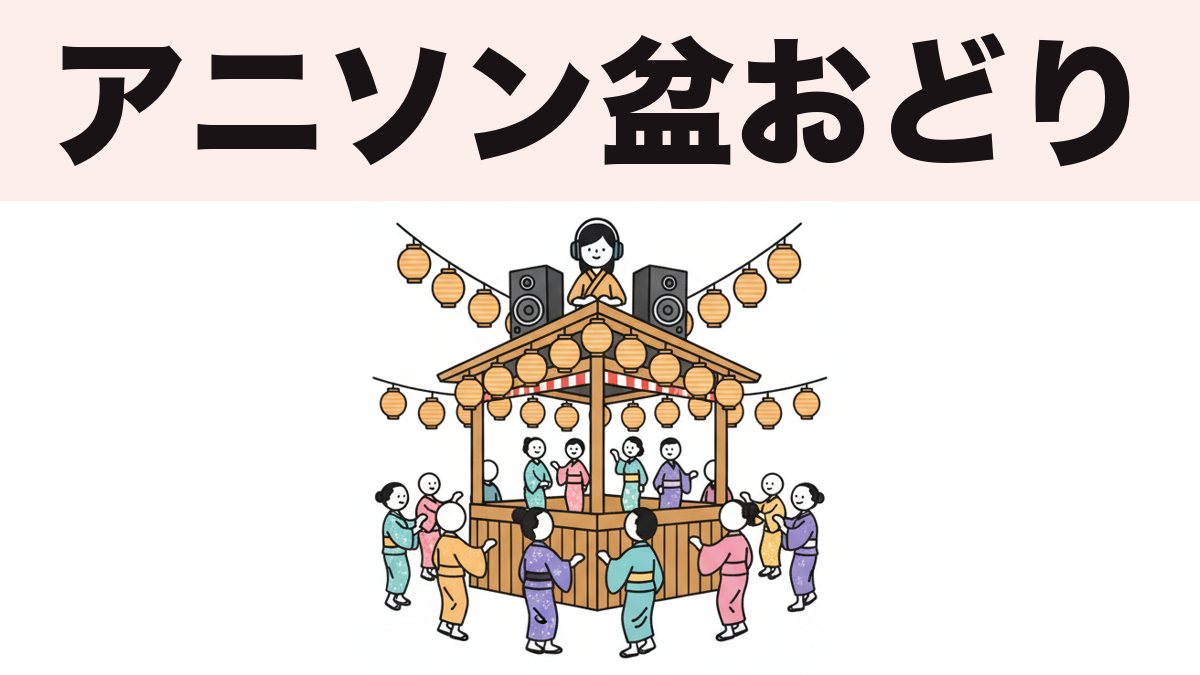
Anison bon-odori at an overseas anime convention — and what to say if you join
Discover how anime songs bring bon-odori to overseas conventions, and learn useful Japanese for joining the dance and talking with other fans.