TOPIC
Objects, Food & Daily Life in Japanese
Words for everyday objects, food, money and the things around the house — one word at a time.
26 articles
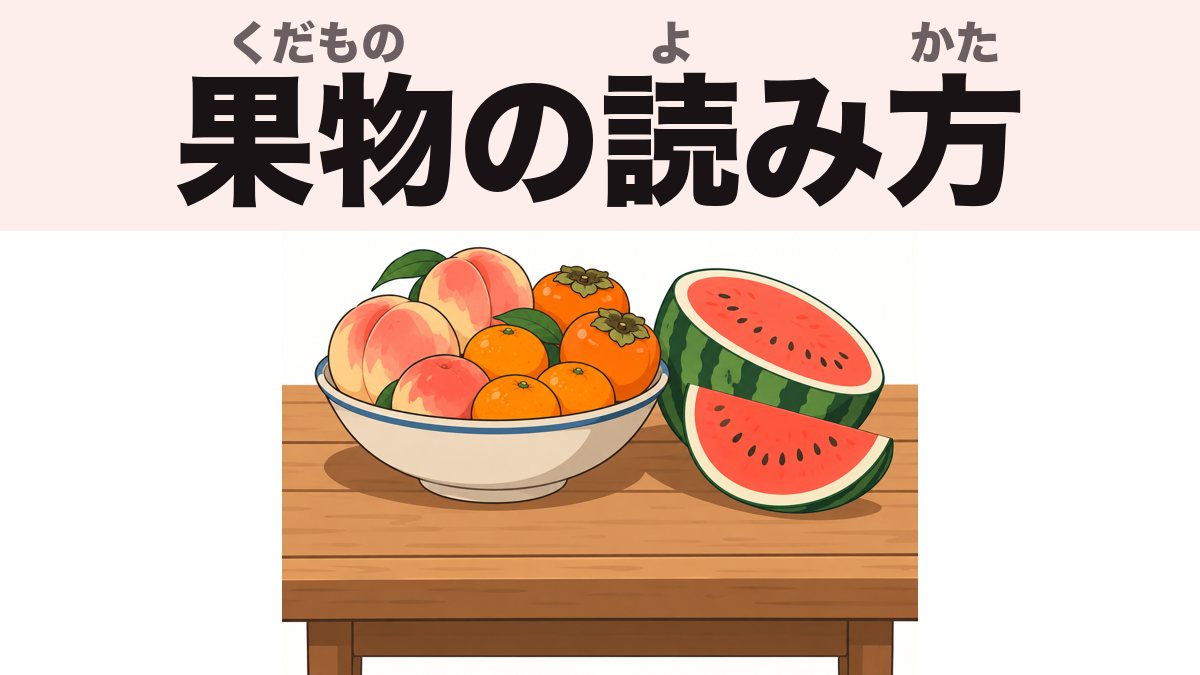
Fruit in Japanese: 果物 (kudamono) vs フルーツ, with names and kanji
Fruit in Japanese is 果物 (kudamono), with a reading learners rarely guess. See 果物 vs フルーツ, hiragana, katakana and kanji for common fruits, and 実がなる.
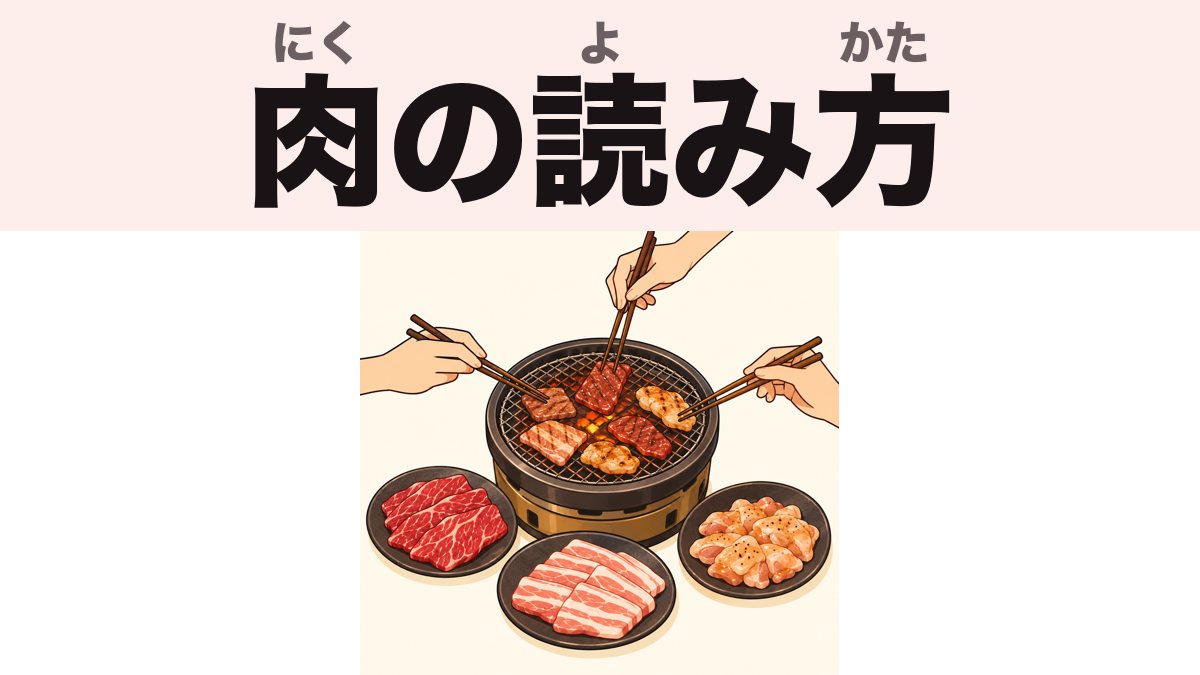
Meat in Japanese: how do you say and read 肉 and 牛肉, 豚肉, 鶏肉?
Meat in Japanese is 肉 (niku). Learn how to read 牛肉, 豚肉, 鶏肉, ひき肉 and 焼肉, why 牛肉 is not "ushi niku", and how to say you cannot eat meat.
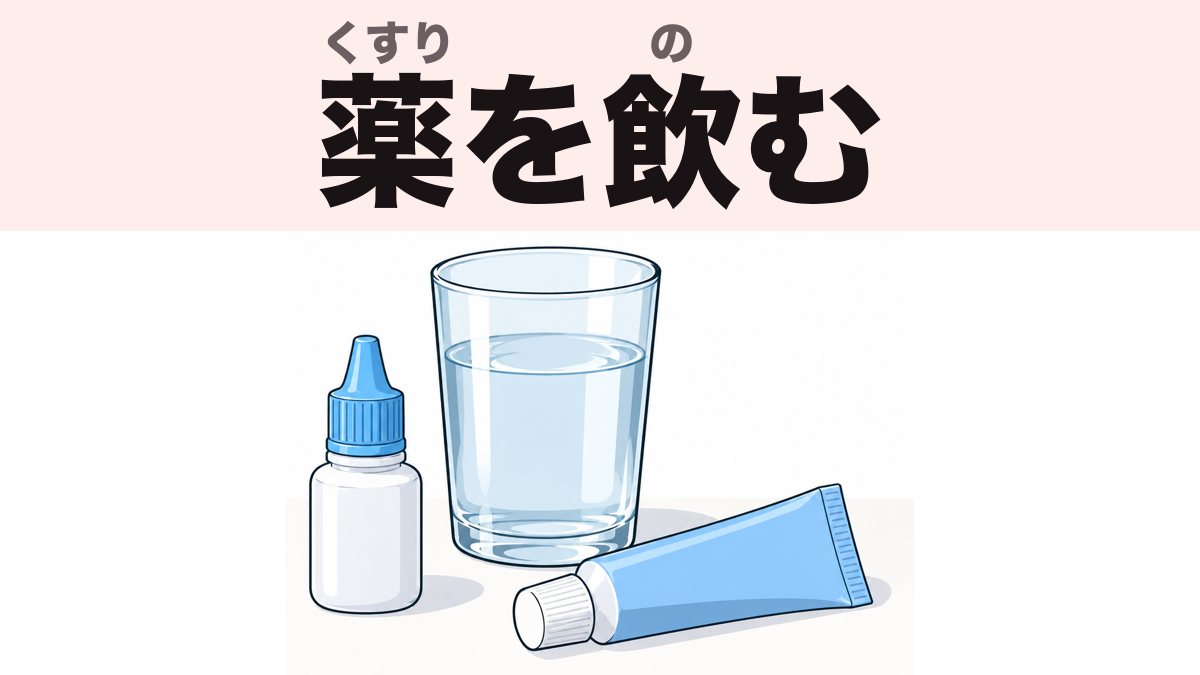
Medicine in Japanese: how do you say 薬 (kusuri) and use it with the right verb?
Medicine in Japanese is 薬 (kusuri), often お薬 when polite. Learn the verbs 飲む, 塗る and さす, pharmacy words, 医学 vs 薬, and anime potions.
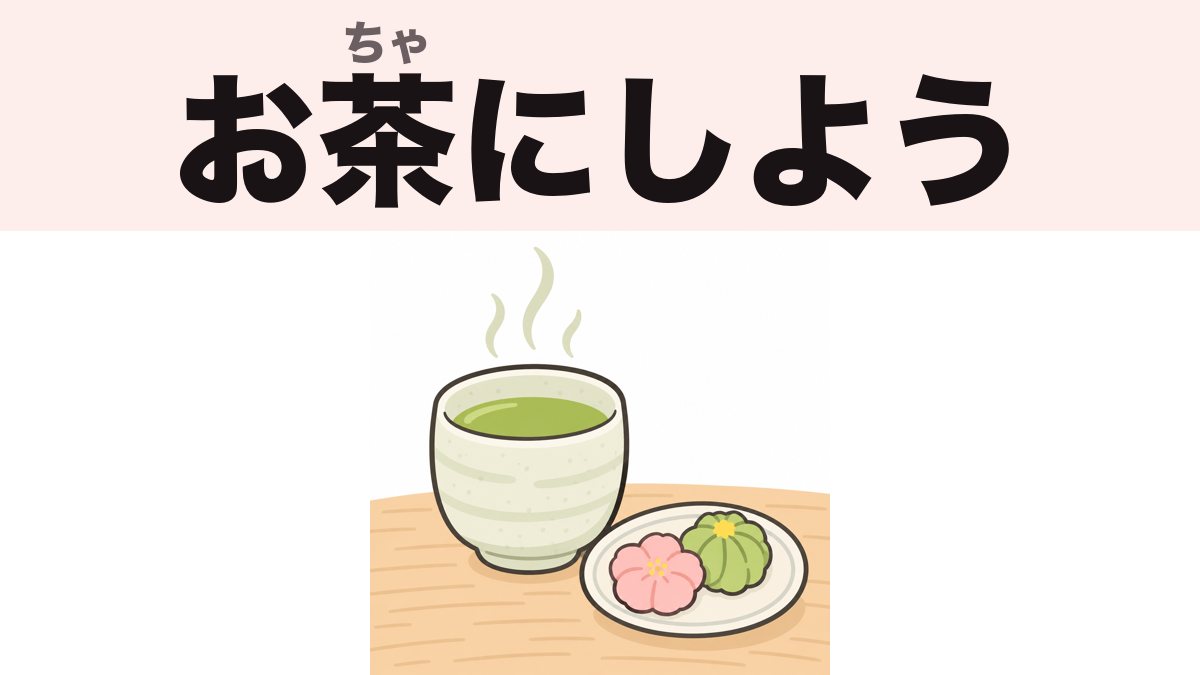
Tea in Japanese: how do you say お茶, 紅茶 and お茶する?
Tea in Japanese is お茶 (ocha), usually green tea. See why 茶 alone is rare, how 紅茶 means black tea, and what お茶する and お茶でもどう? really mean.
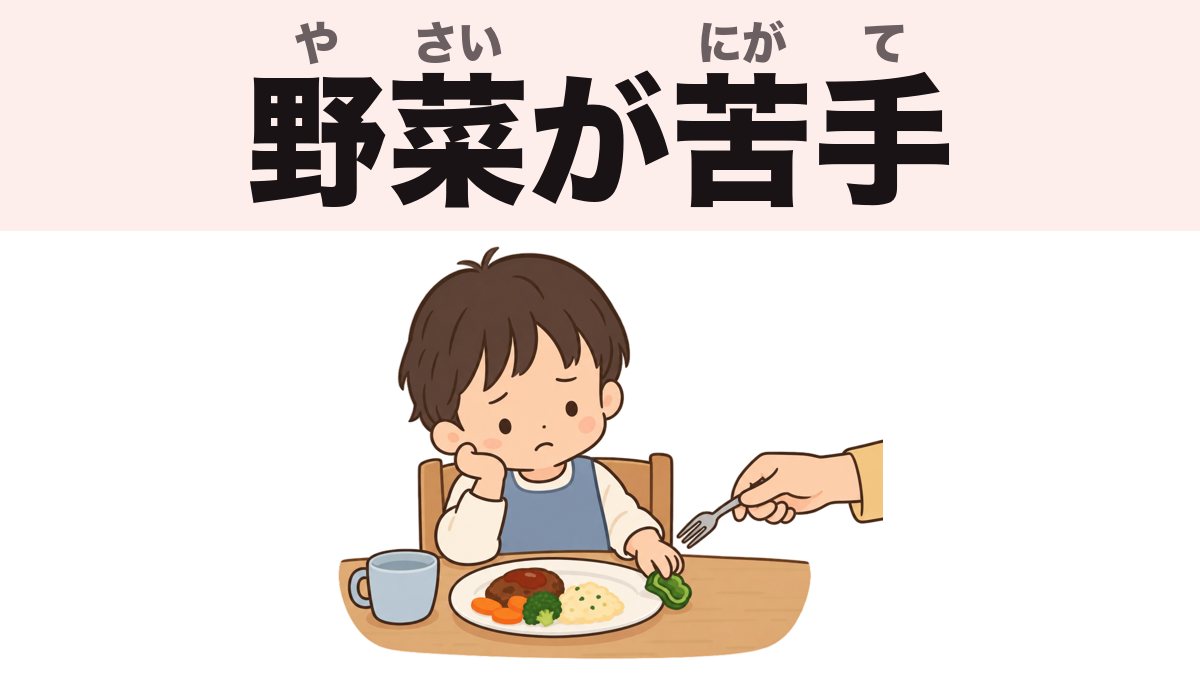
Vegetable in Japanese: how do you say 野菜 and name common vegetables?
Vegetable in Japanese is 野菜 (yasai). Learn the polite お野菜, menu words like 野菜炒め, nine common vegetable names, and how to say you do not eat meat.
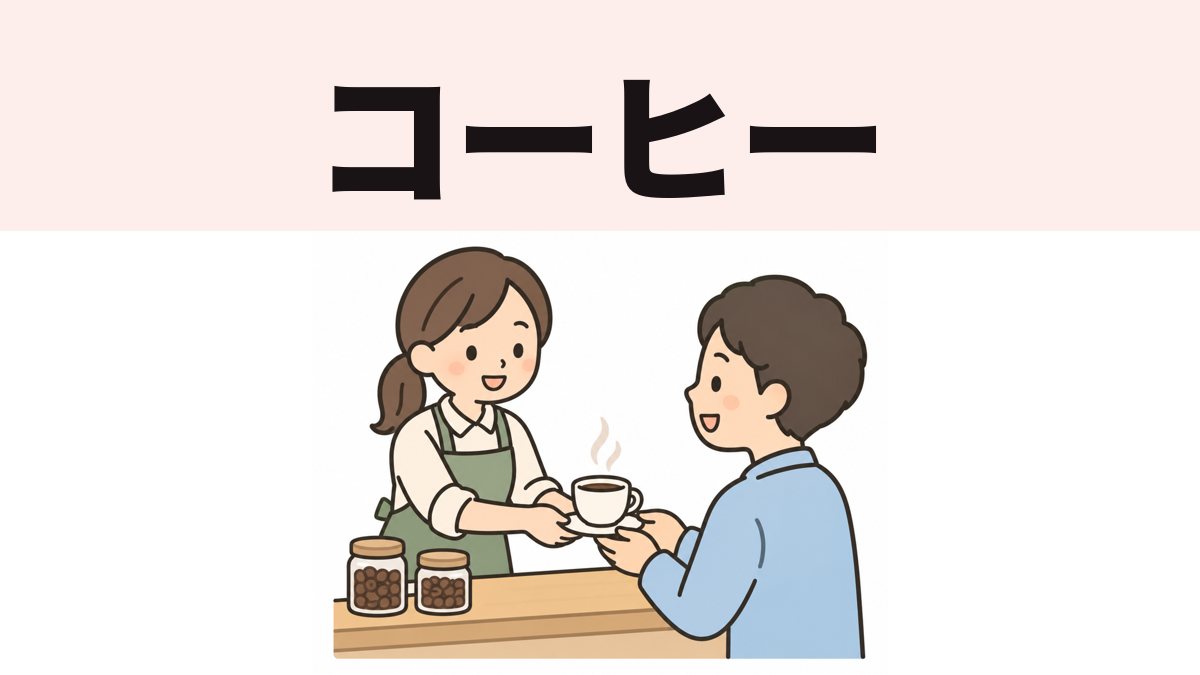
Coffee in Japanese: how do you say and order コーヒー?
Coffee in Japanese is コーヒー (koohii), written in katakana with a long ー. Learn 珈琲, kissaten vs cafe, how to order hot or iced, and common mistakes.
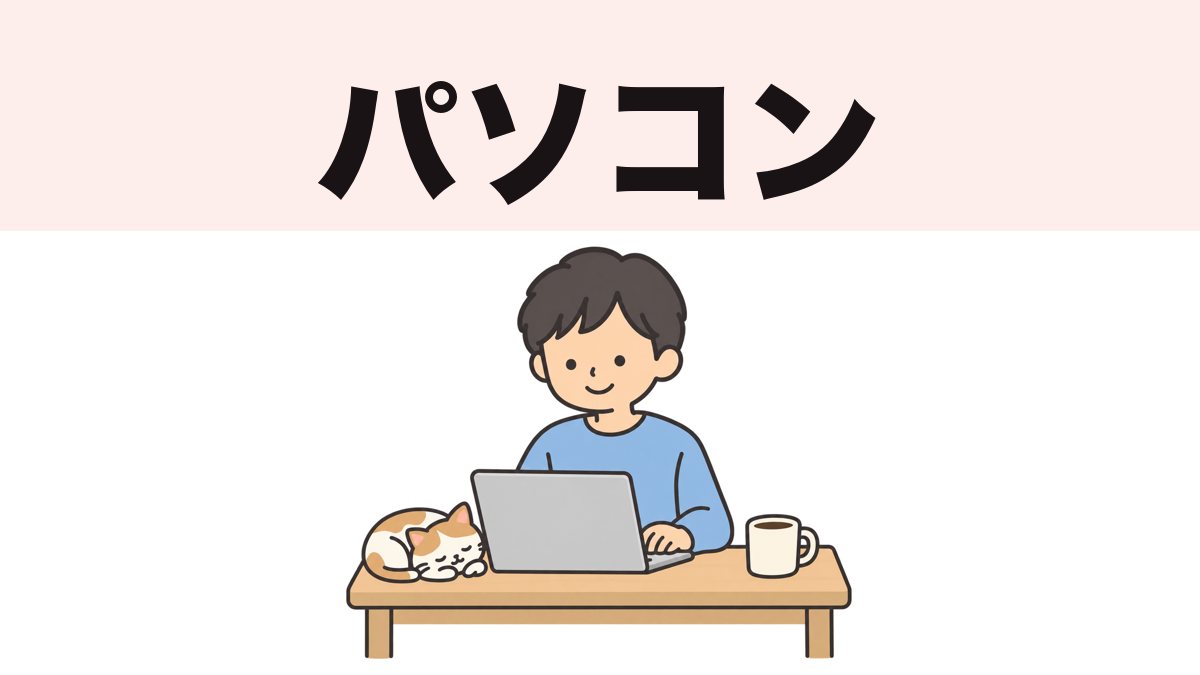
Computer in Japanese: pasokon, konpyūtā and dennō
Computer in Japanese is usually パソコン (pasokon) in daily life, コンピューター for the technology, and 電脳 for sci-fi. Here is when to use each, plus PC verbs.
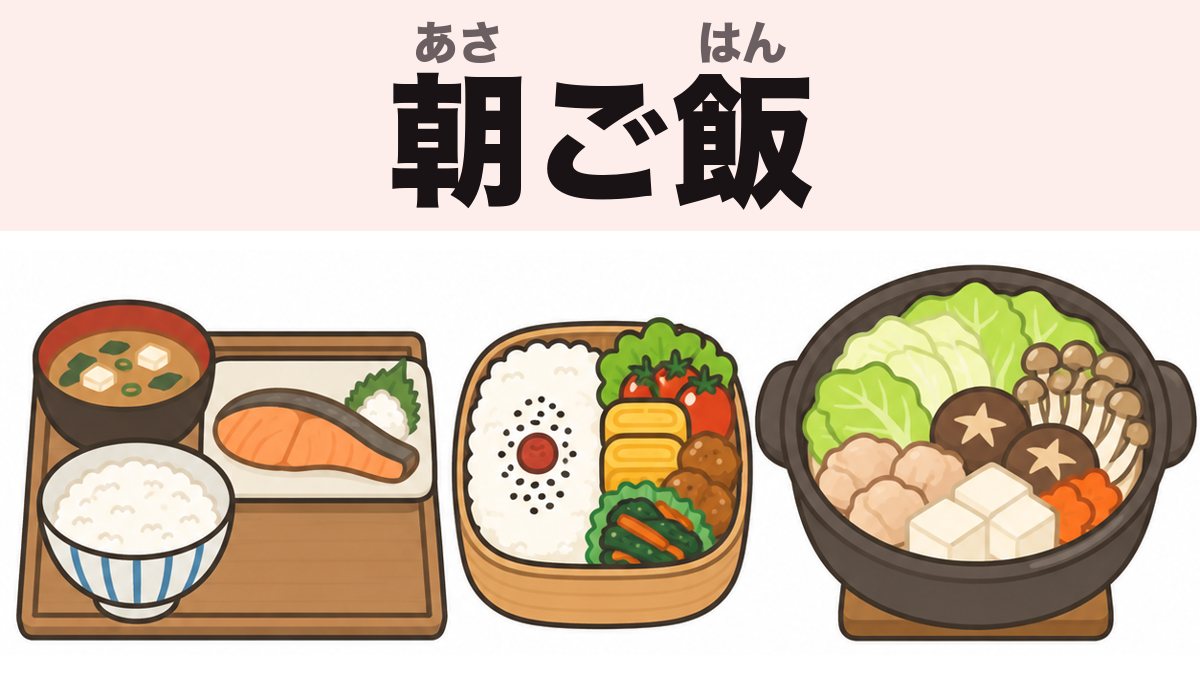
Breakfast, Lunch and Dinner in Japanese: 朝ご飯, 昼ご飯, 晩ご飯 and More
Breakfast, lunch and dinner in Japanese are 朝ご飯 (あさごはん), 昼ご飯 (ひるごはん) and 晩ご飯 (ばんごはん). Learn 朝食, 朝飯, ランチ, 夜ご飯 and when each one fits.
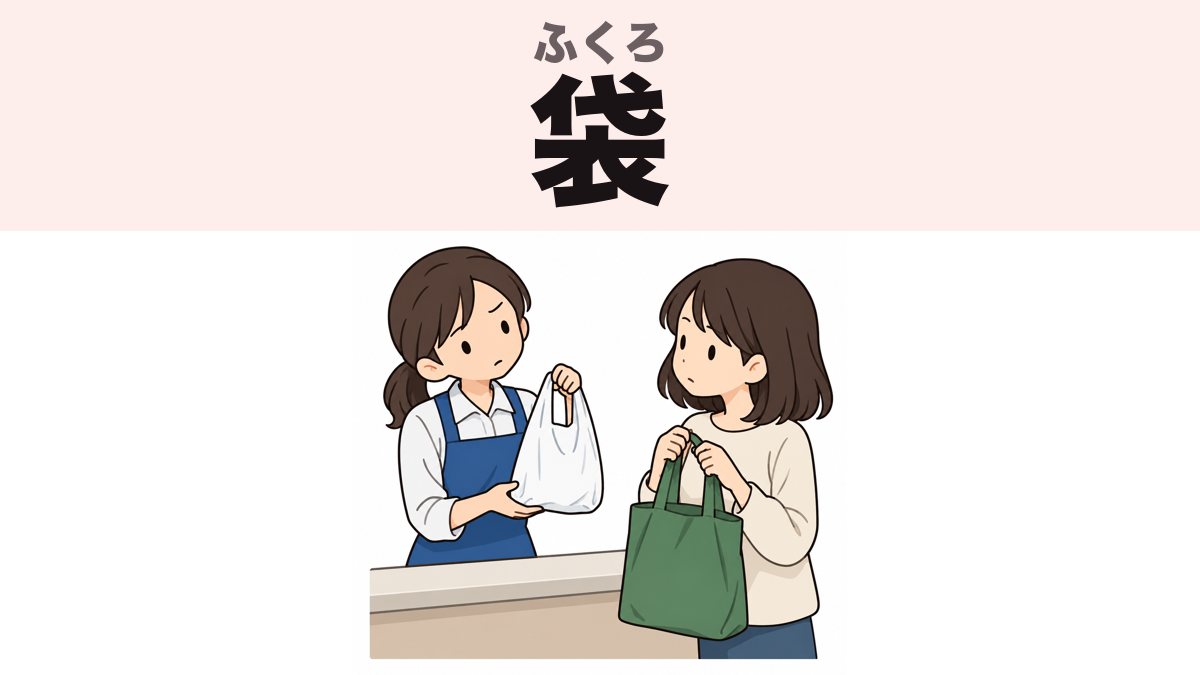
Bag in Japanese: かばん (kaban), バッグ and 袋 (fukuro)
Bag in Japanese is かばん or バッグ for a bag you carry, 袋 (ふくろ) for a shop bag. See how to answer 袋いりますか? at the konbini, plus リュック, エコバッグ and 紙袋.
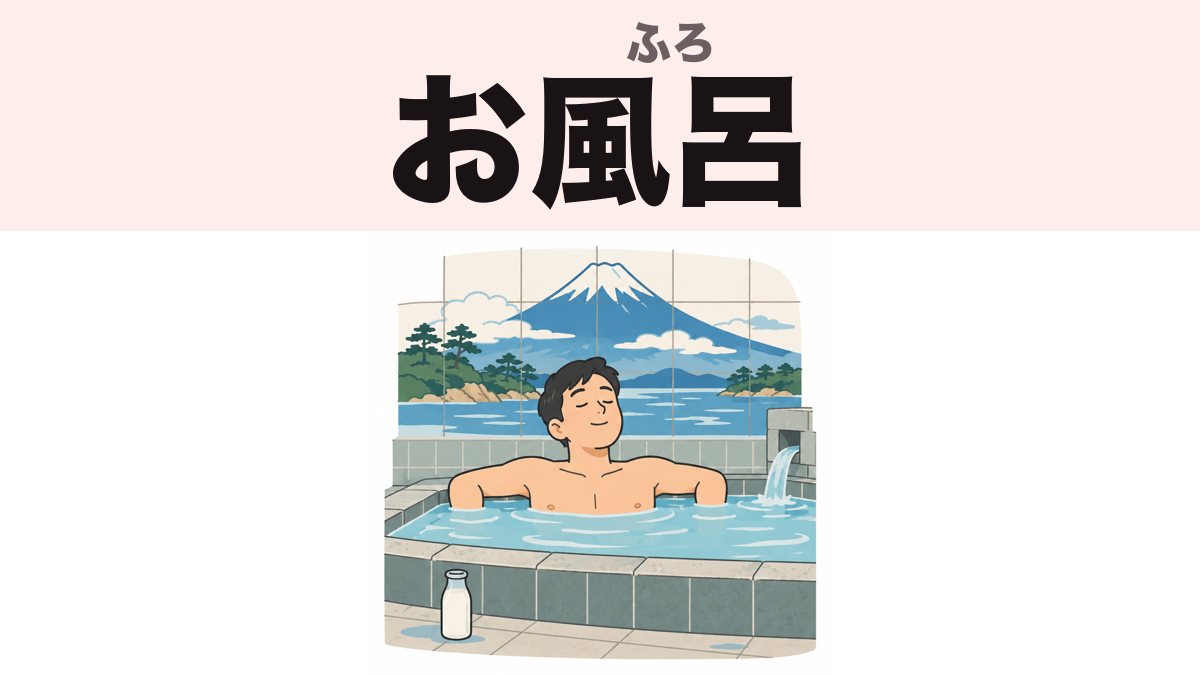
Bath in Japanese: お風呂 (おふろ), 風呂に入る, 湯船, 銭湯, and 風呂上がり
Bath in Japanese is お風呂 (おふろ), and taking a bath is お風呂に入る, "enter the bath". Learn シャワーを浴びる, 湯船, 銭湯 (public bath), 温泉, 長風呂, and 風呂上がり.
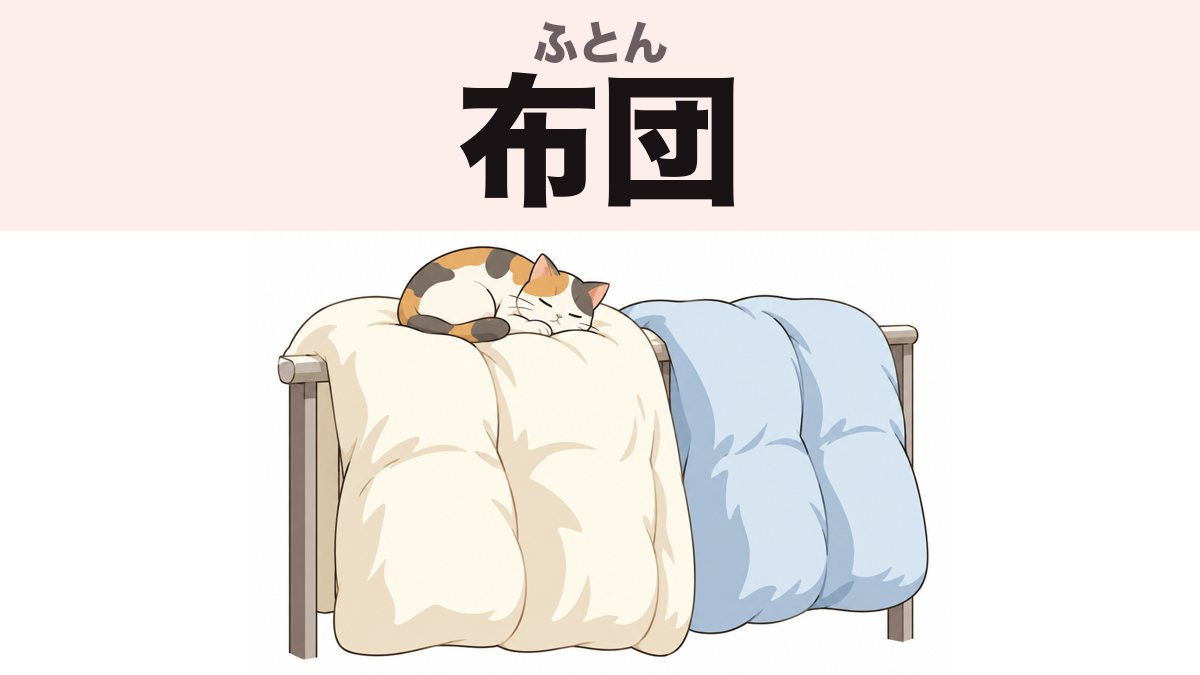
Bed in Japanese: ベッド, 布団 (ふとん), 布団を敷く, 布団を干す, and 枕
Bed in Japanese is ベッド, but many people sleep on a 布団 (ふとん) on the floor. Learn 布団を敷く, 布団をたたむ, 布団を干す, 枕 (pillow), 寝る, and 寝坊 (oversleeping).
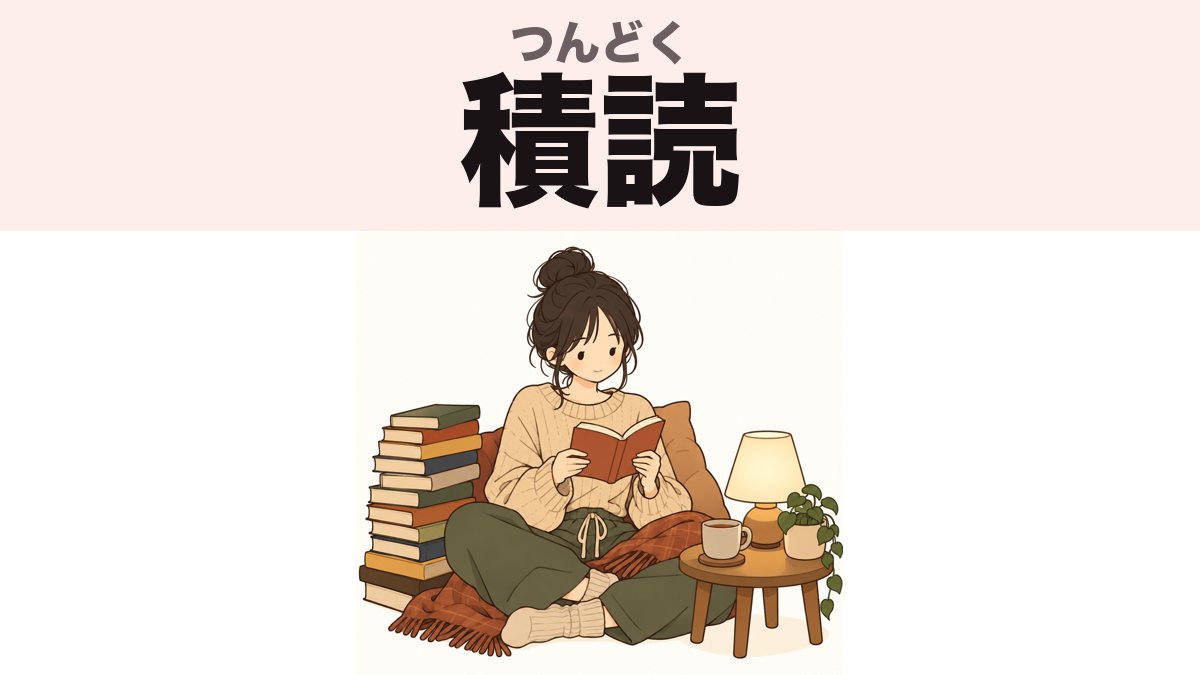
Book in Japanese: 本 (ほん), 冊, 文庫本, and the Japanese word for unread books, 積読
Book in Japanese is 本 (ほん, hon), counted with 冊. Learn 本屋 and 図書館, 小説, 文庫本 and 単行本, 立ち読み, the free bookstore cover, and 積読, a stack of books you never read.
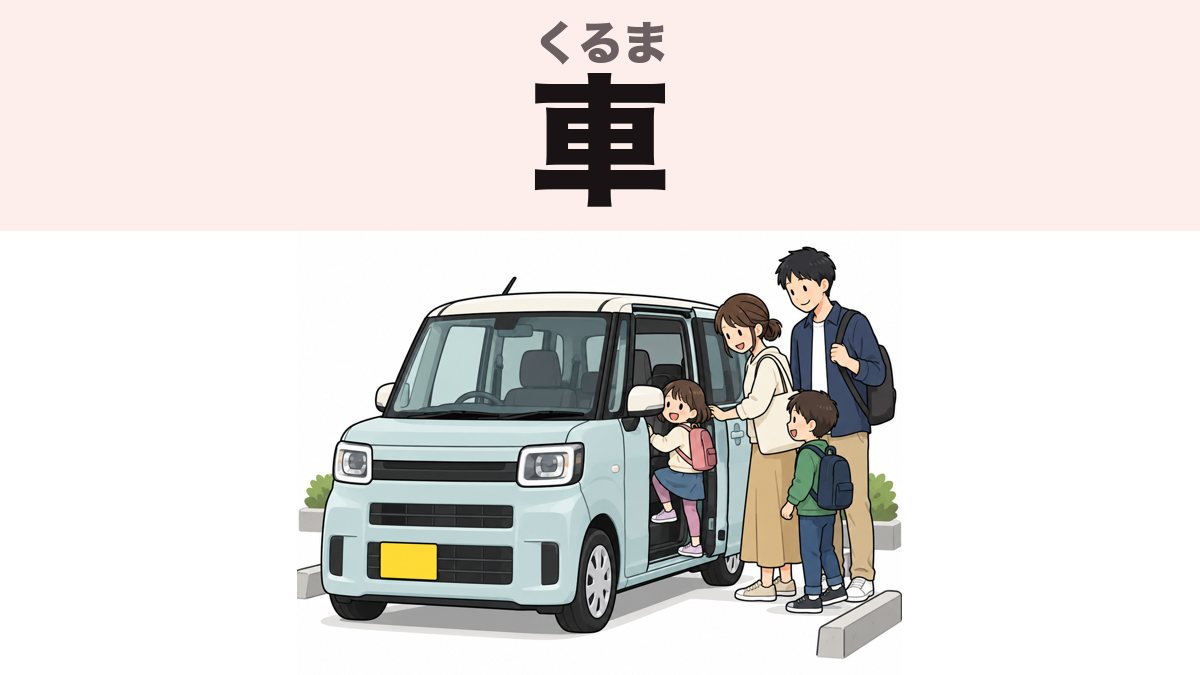
Car in Japanese: 車 (kuruma), 車に乗る, 駐車場 and 車酔い
Car in Japanese is 車 (くるま). Learn 車に乗る (get in a car), 車で行く, 自動車, 駐車場 (parking lot), 軽自動車 (mini car), 車酔い (carsickness), and counting cars with 台.
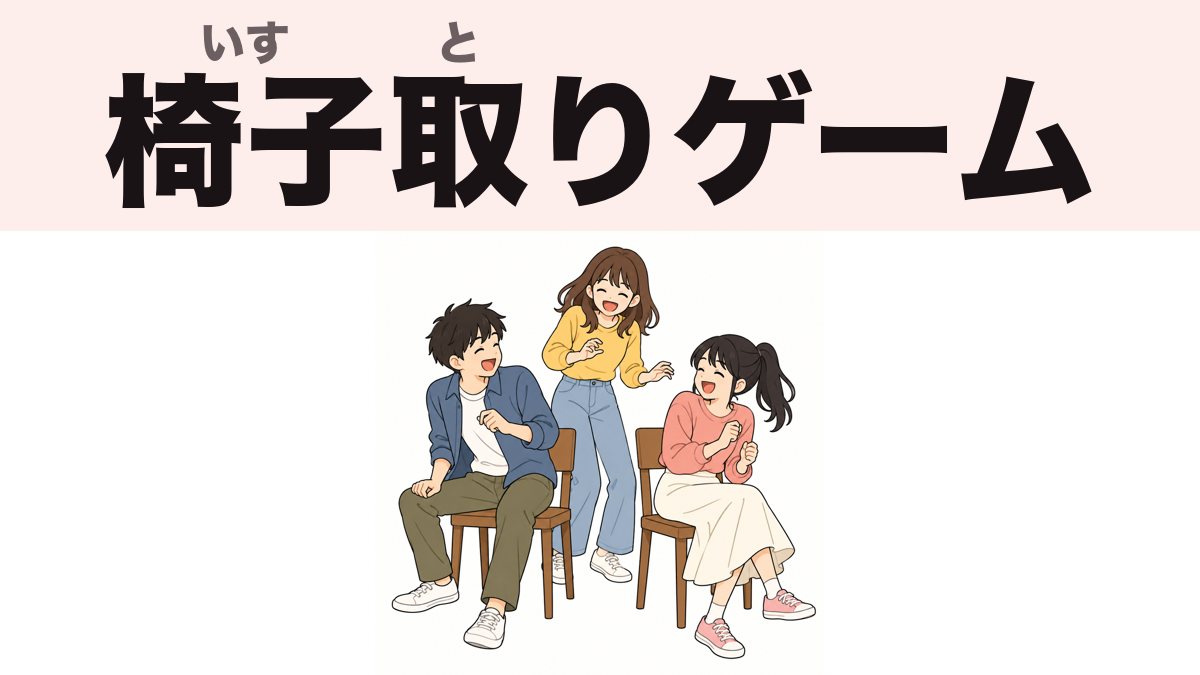
Chair in Japanese: 椅子 (いす), 座る, 席, and 椅子取りゲーム
Chair in Japanese is 椅子 (いす). Learn 座る, the difference between 椅子 and 席, 車椅子, 座布団, 正座, 椅子取りゲーム, and how to say "chairperson" with 議長.
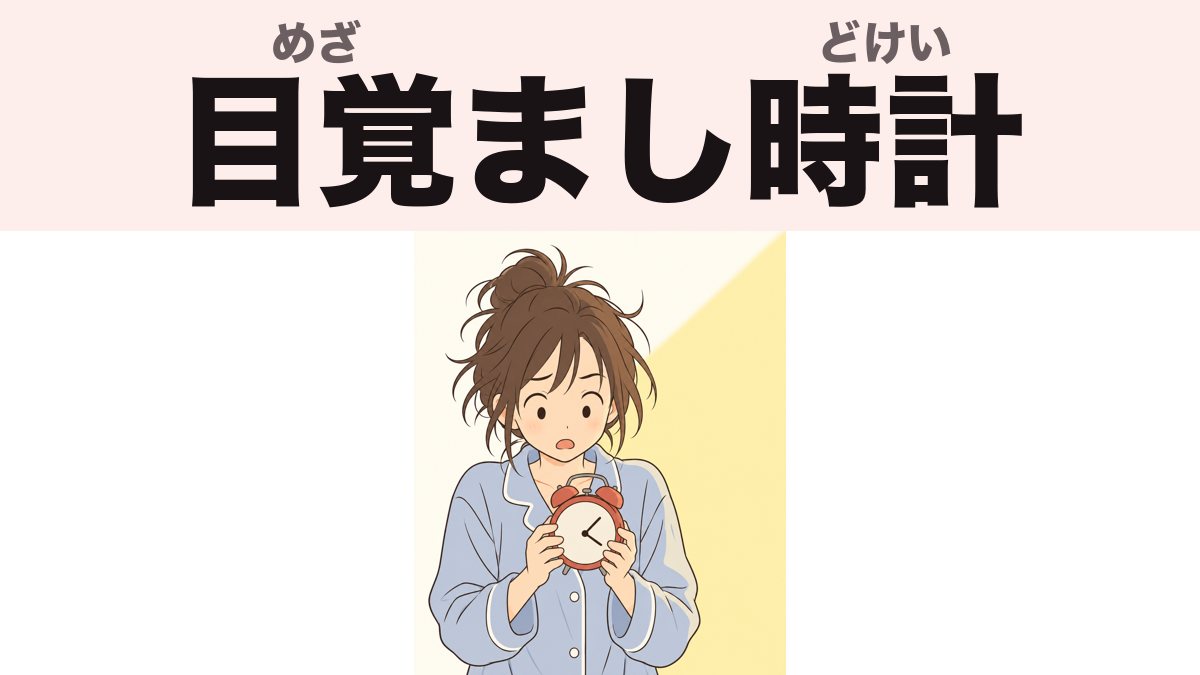
Clock in Japanese: 時計 (とけい), 腕時計, 目覚まし時計, and 時計回り
Clock in Japanese is 時計 (とけい). Learn 腕時計 (watch), 目覚まし時計 (alarm clock), 時計回り (clockwise), 体内時計, and how to say a clock is fast or slow.
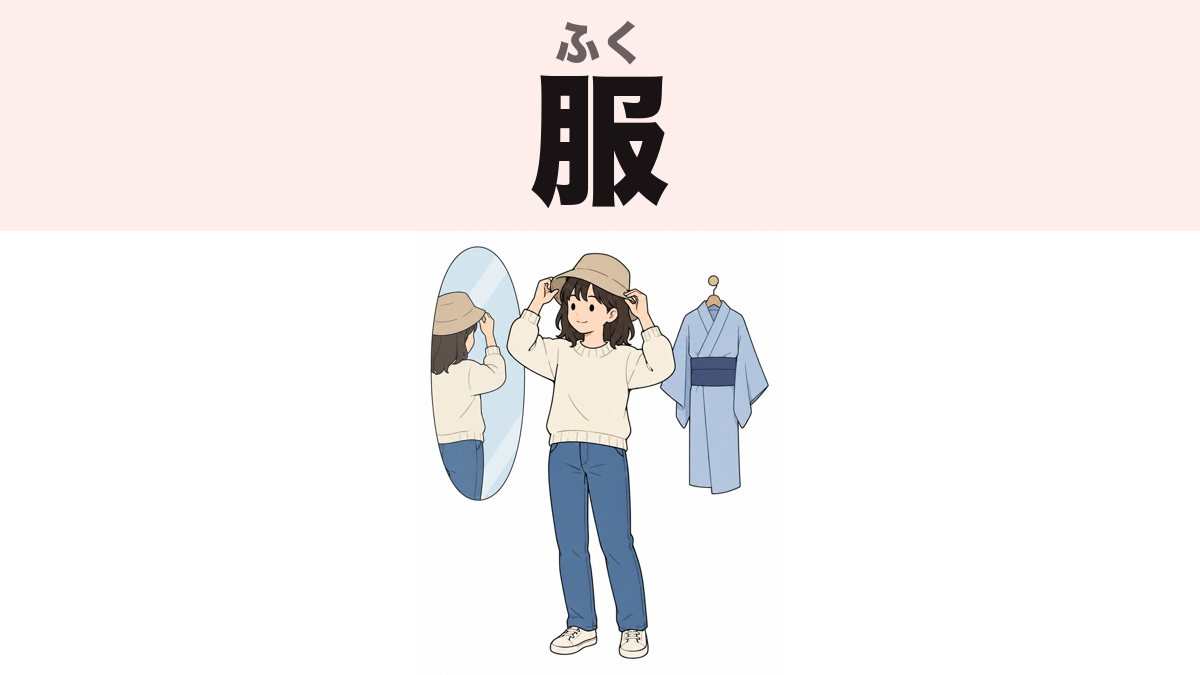
Clothes in Japanese: 服 (ふく), 着る vs はく, 着替える, 私服, and 着物
Clothes in Japanese is 服 (ふく). Learn why Japanese uses 着る for shirts but はく for pants and shoes, かぶる for hats, 脱ぐ, 着替える, 私服, and 着物.
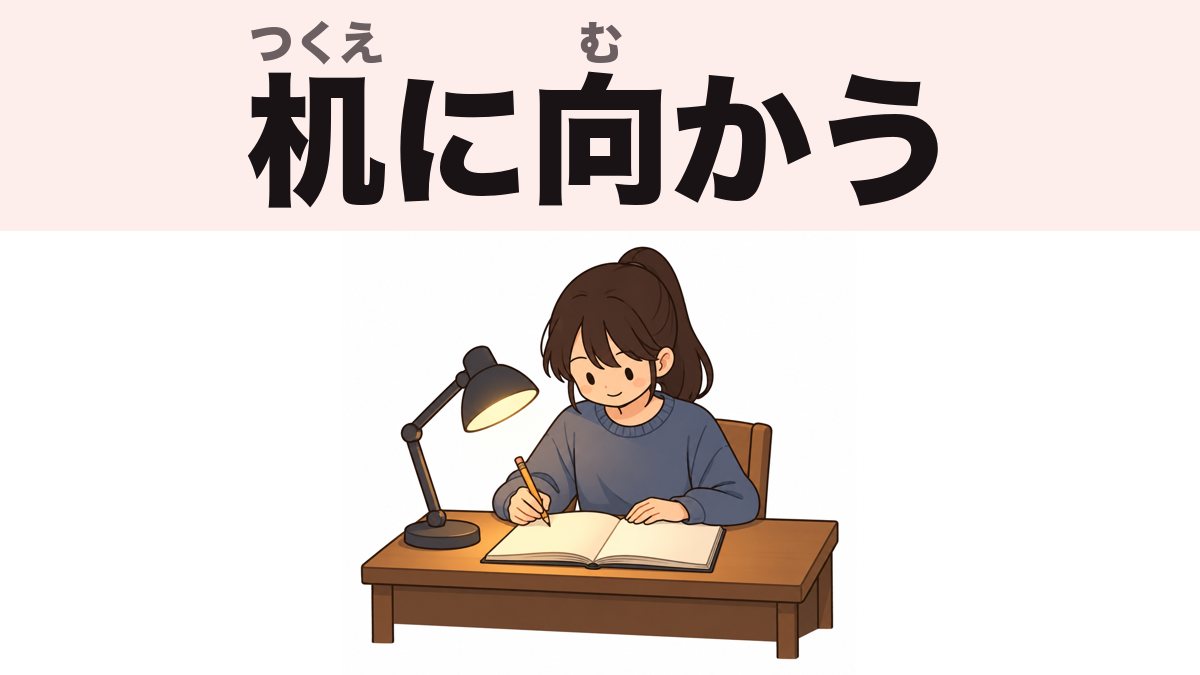
Desk in Japanese: 机 (つくえ), デスク, 机に向かう, and the front desk
Desk in Japanese is 机 (つくえ). Learn デスク, 勉強机, 机の上, the idiom 机に向かう, デスクワーク, and how to say "front desk" with 受付 and フロント.
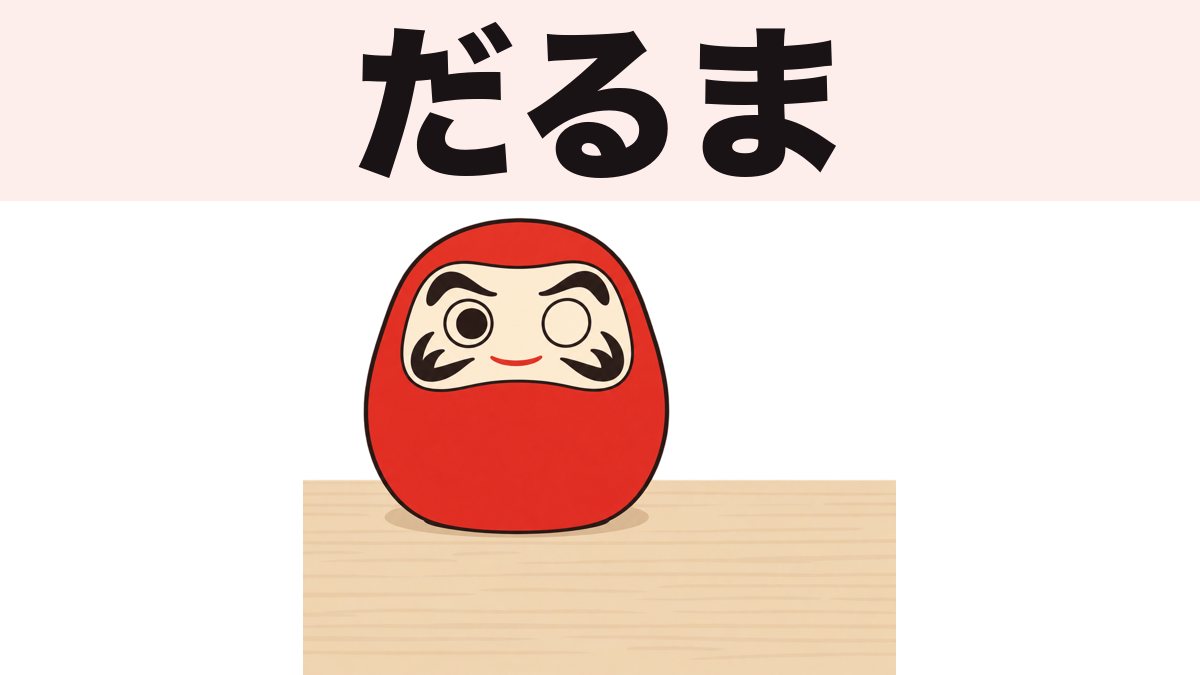
Doll in Japanese: 人形 (にんぎょう) plus ひな人形, だるま, こけし
Doll in Japanese is 人形 (にんぎょう). Learn ひな人形 for the Girls' Day festival, だるま, こけし, フィギュア, 人形みたい, and how ぬいぐるみ differs from 人形.
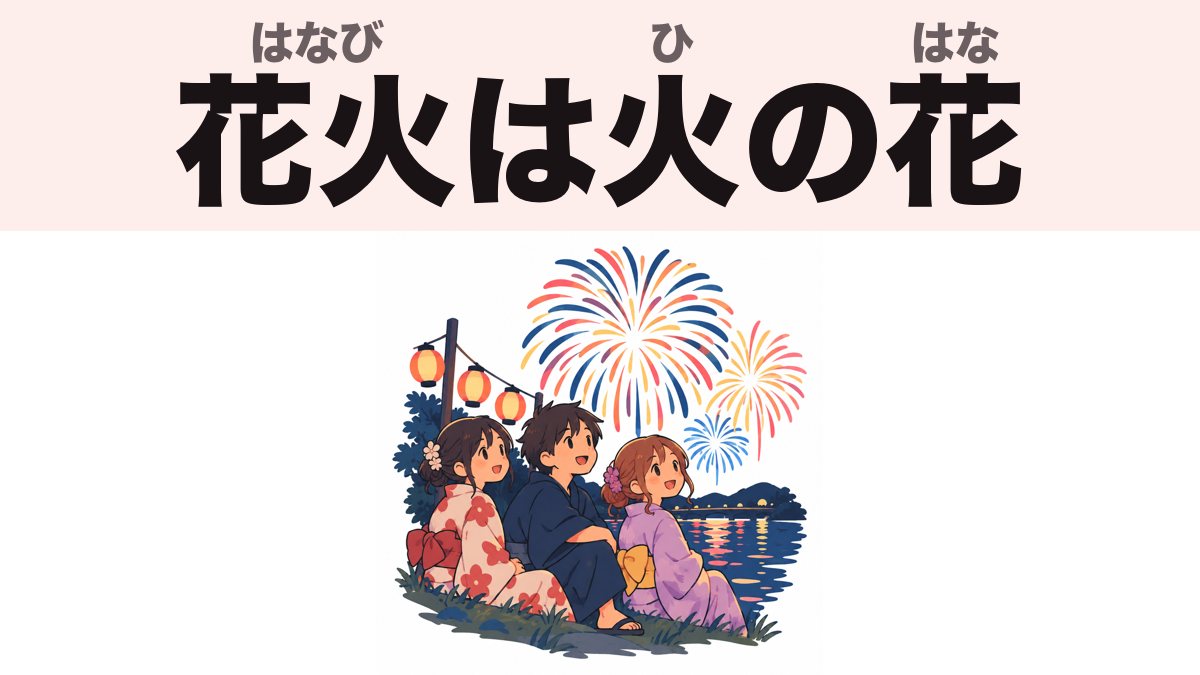
Fire in Japanese: 火 (ひ), 炎 (ほのお), 火事, and why a post can go 炎上
Fire in Japanese is 火 (ひ, hi); a flame is 炎 (ほのお) and a house fire is 火事 (かじ). Learn 花火 and 火山, 火をつける, 119, 火に油を注ぐ, and the internet word 炎上.
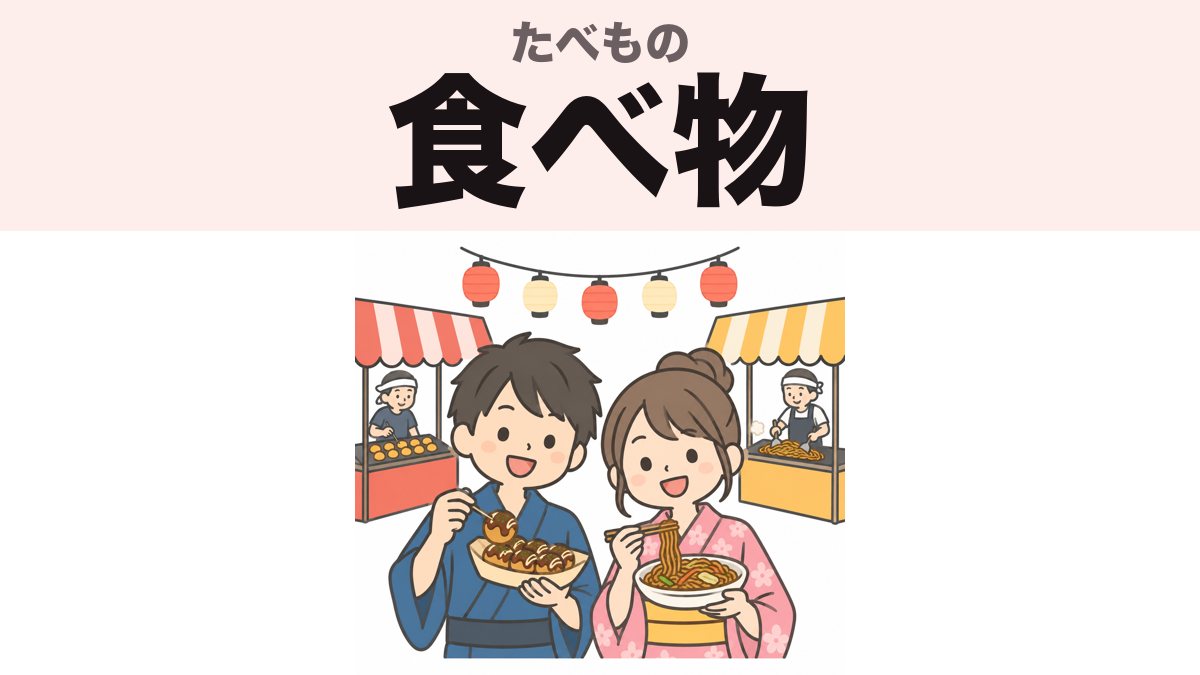
Food in Japanese: 食べ物 (たべもの), 料理, ご飯, 和食, and 食事
Food in Japanese is 食べ物 (たべもの). Learn 料理 (dish, cuisine), ご飯 (meal or rice), 食事, 和食 vs 洋食, ご飯行こう (let’s grab food), 屋台, and 好きな食べ物.
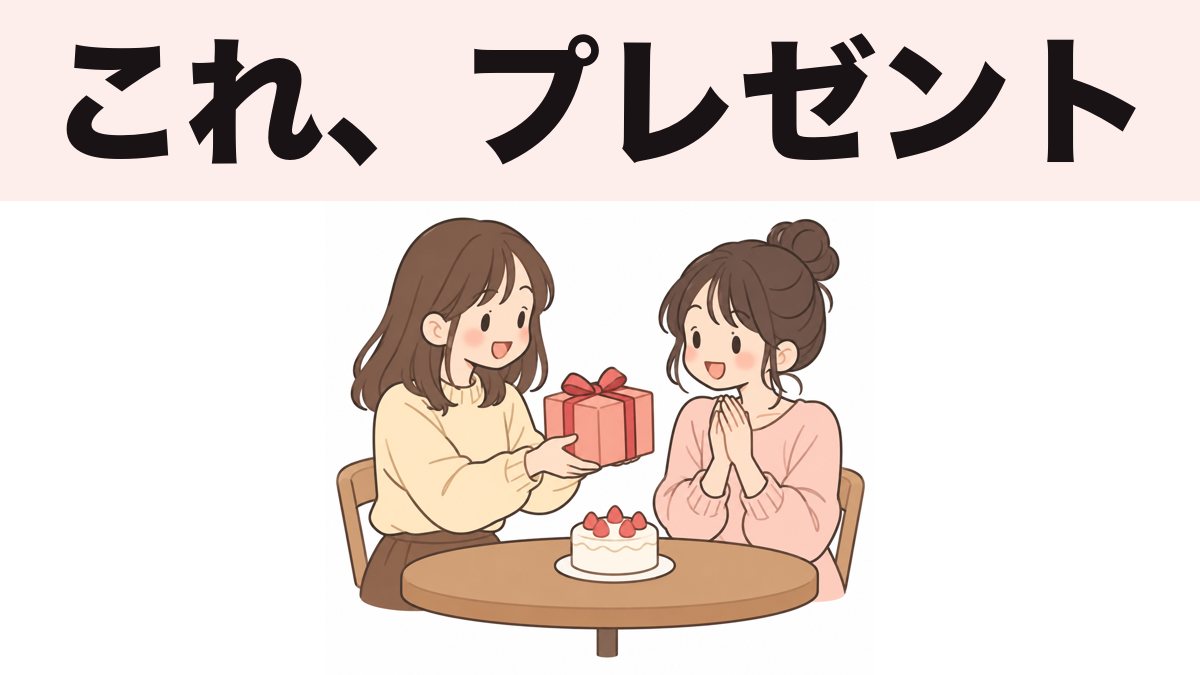
Gift in Japanese: プレゼント, 贈り物 and how to give one
Gift in Japanese is プレゼント in everyday speech and 贈り物 (おくりもの) in polite language. Learn 贈る, お祝い, お返し, 包む, 気持ちばかりですが, and how to accept a gift.
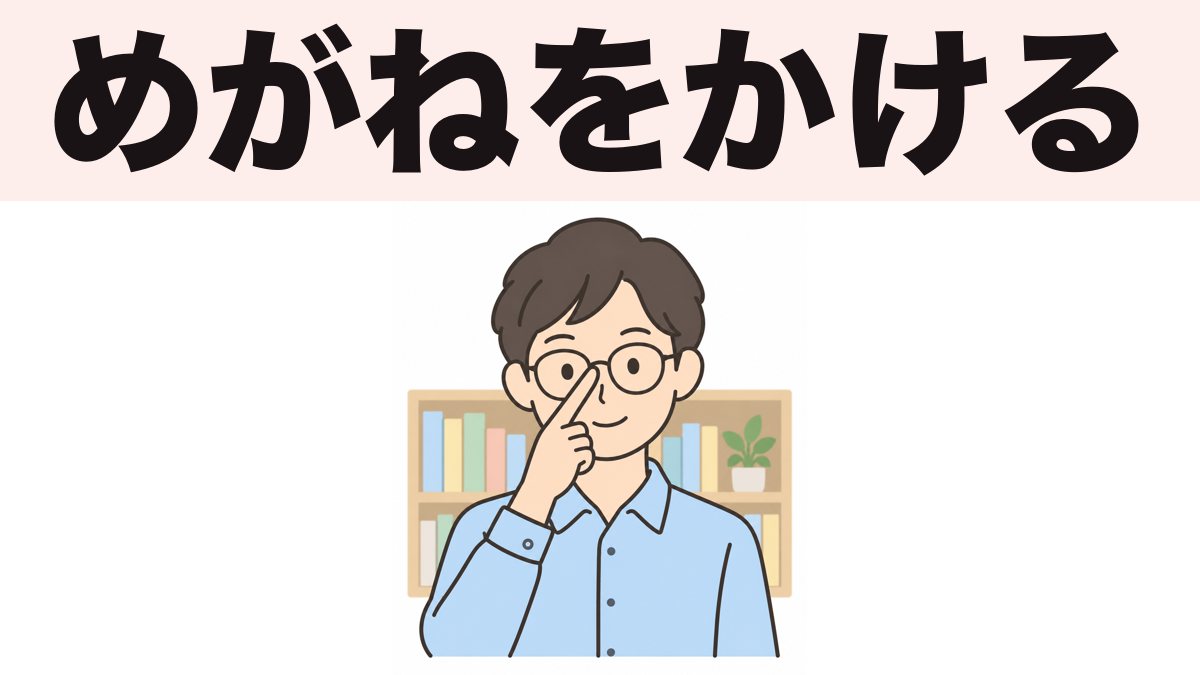
Glasses in Japanese: めがね (眼鏡), めがねをかける, and グラス vs ガラス
Glasses in Japanese is めがね (眼鏡). Learn めがねをかける (to wear glasses), サングラス, コンタクト, 老眼鏡, だてめがね, and how グラス and ガラス are different.
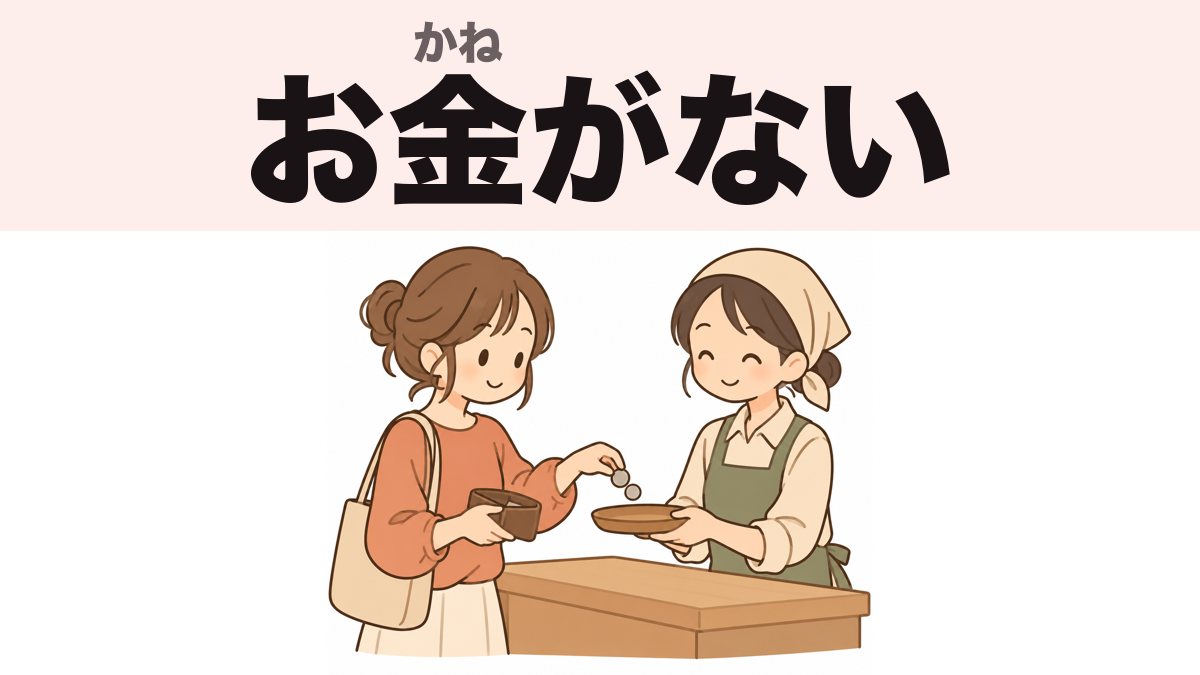
Money in Japanese: お金 (おかね), why the お is almost always there, and how to read 円
Money in Japanese is お金 (おかね). Learn why the お stays, what bare 金 sounds like, how 円 prices are read, and when to use 代, 料金 or 費.
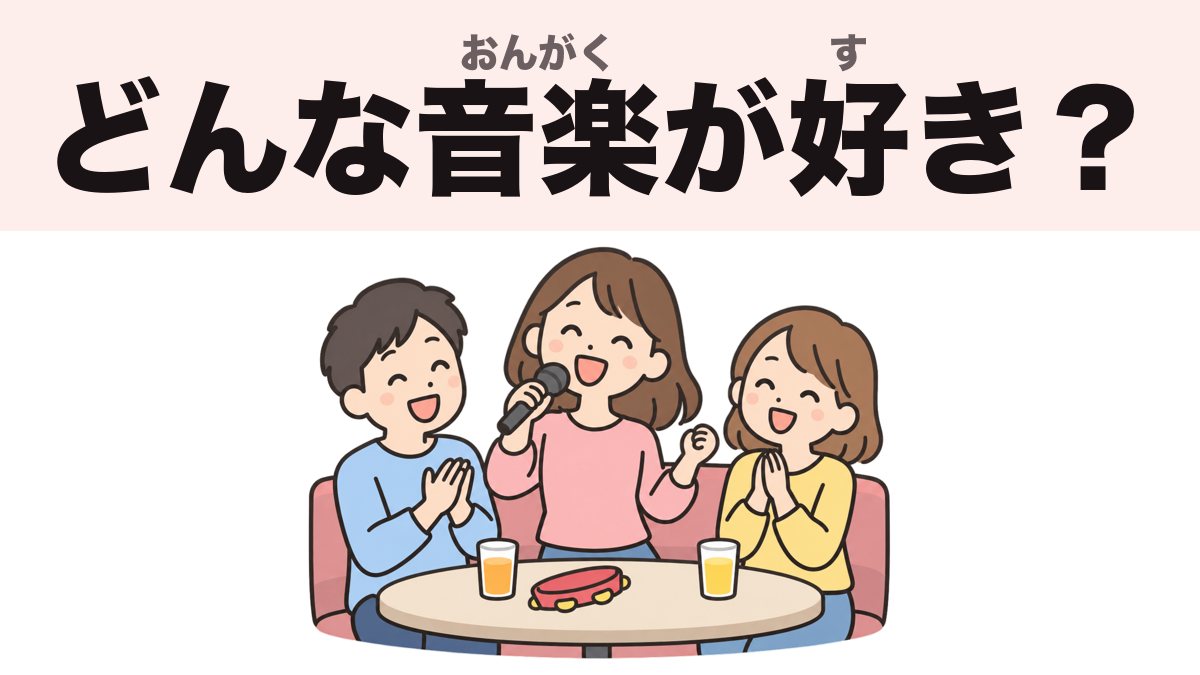
Music in Japanese: 音楽 (おんがく), 曲, 歌, and how to talk about the songs you love
Music in Japanese is 音楽 (おんがく, ongaku). Learn 曲 and 歌, 歌う and 聴く, 楽器, ライブ, 洋楽 vs 邦楽, アニソン, 音痴, and the phrases to talk about your favorite songs.
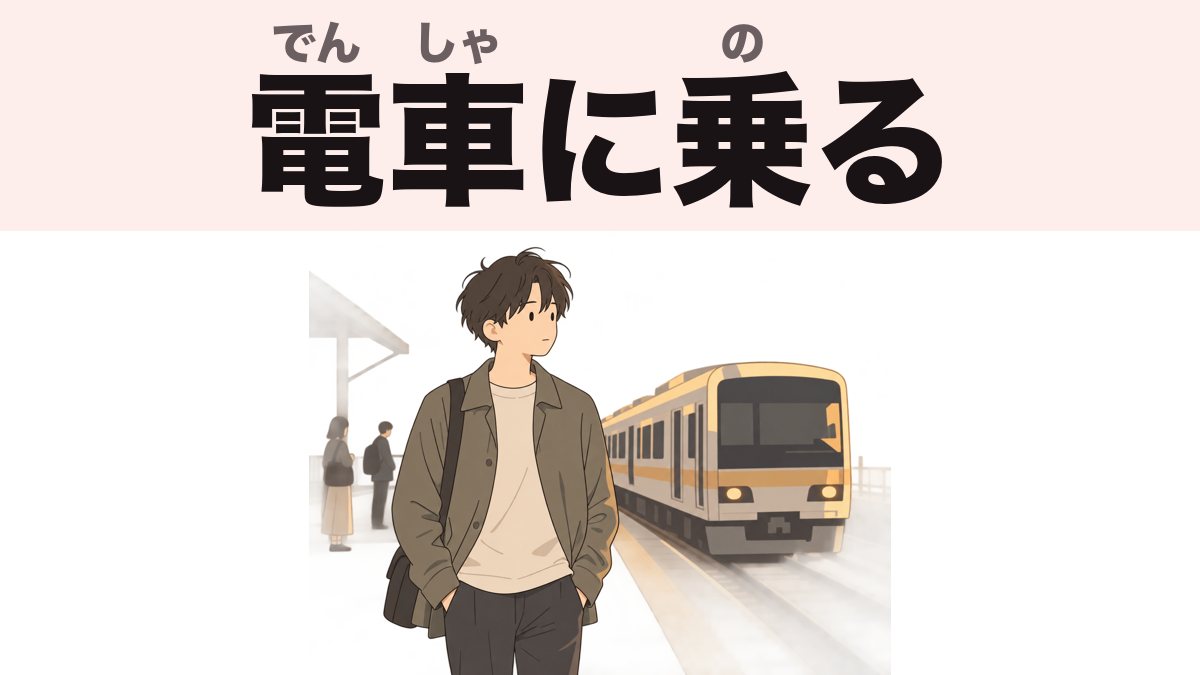
Train in Japanese: 電車 (でんしゃ), plus 列車, 新幹線 and the に particle
Train in Japanese is 電車 (でんしゃ) in daily speech. Learn 列車, 汽車, 新幹線, 地下鉄, 駅, 電車に乗る and 降りる, 乗り換え, 終電 and station announcements.
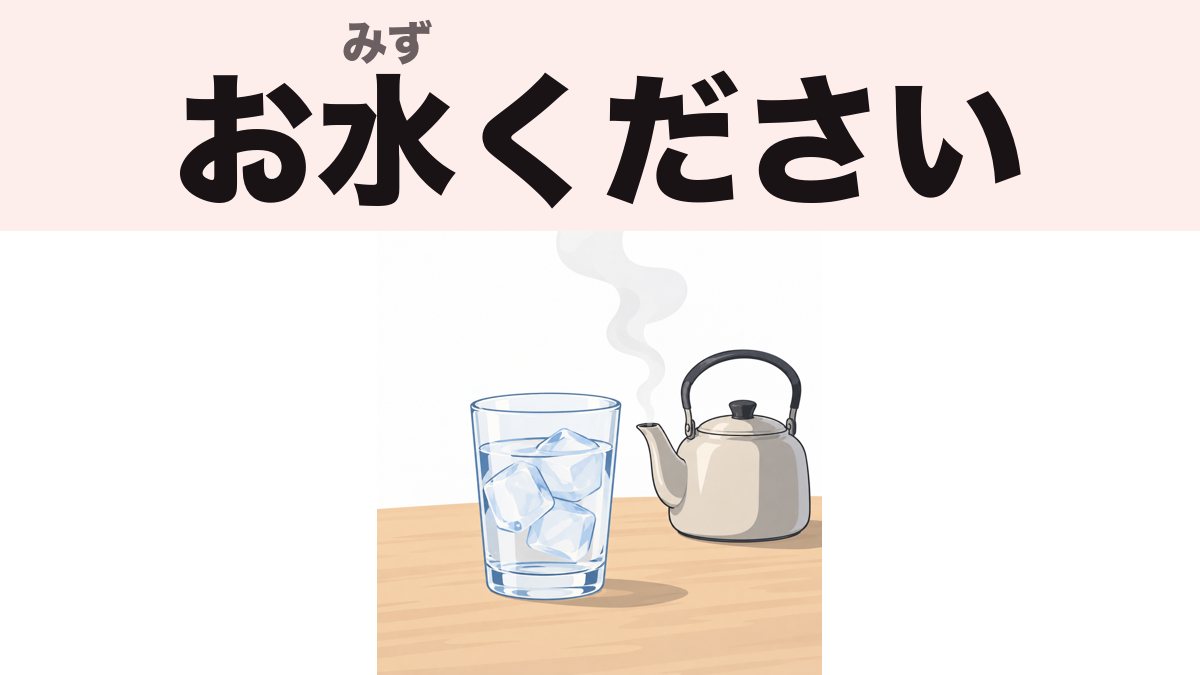
Water in Japanese: 水 (みず), お水, お冷 and お湯 explained
Water in Japanese is 水 (みず), or お水 when polite. Hot water is お湯, and restaurant water is お冷. Learn how to ask for water, plus 水曜日, 香水, 水着 and anime 水 moves.