TOPIC
How You Sound
Register, politeness and tone — how the same idea changes depending on who you're talking to and how casual or formal you want to be.
53 articles
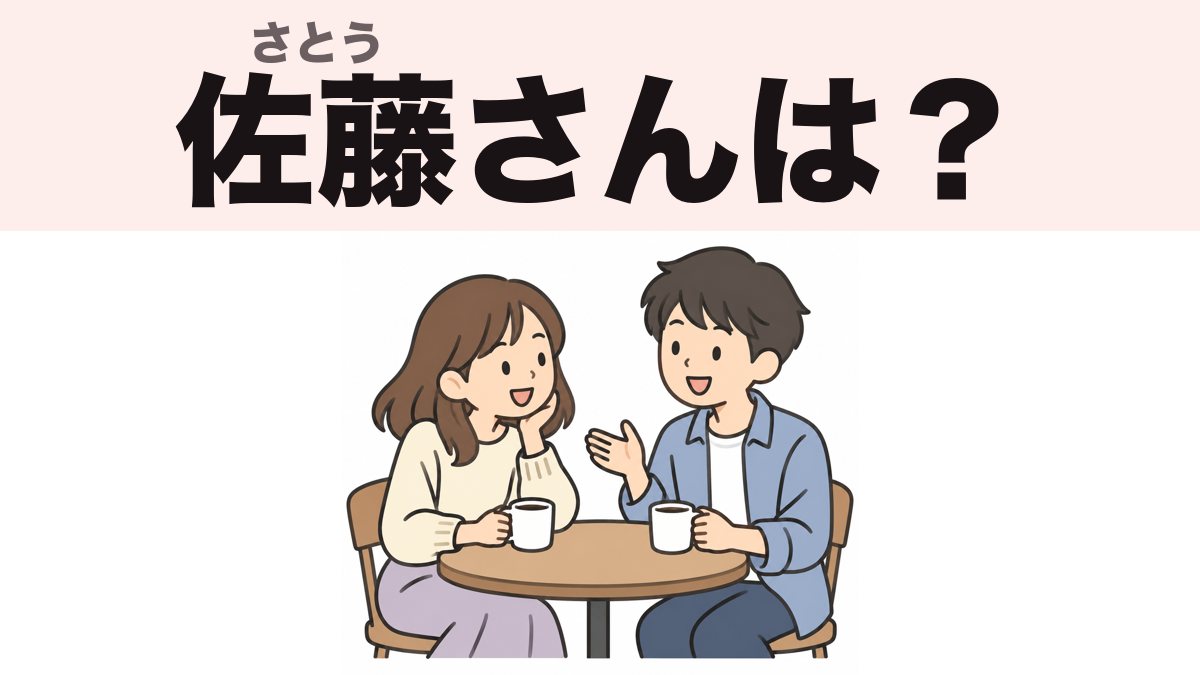
Anata meaning: あなた is "you", so why do Japanese people avoid saying it?
Anata (あなた) means "you", but saying it to someone can feel distant or rude. When あなた is natural, how 君 (kimi) differs, and what Japanese speakers say instead.
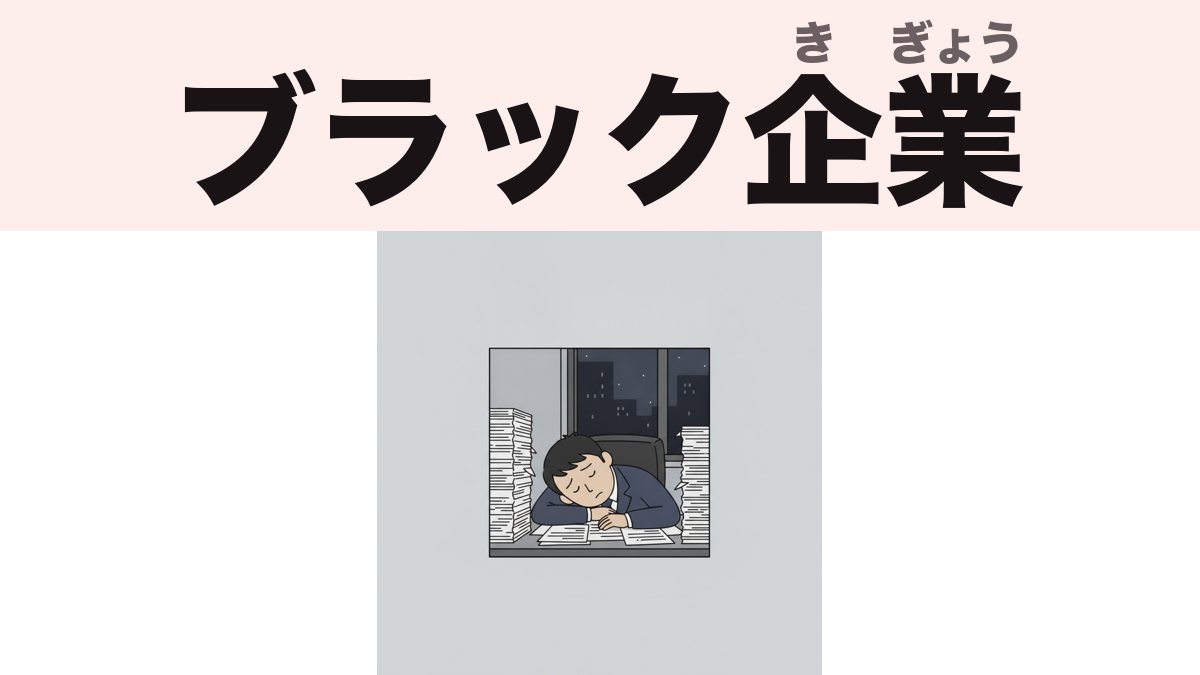
What does "black company" mean in Japanese? ブラック企業 explained
ブラック企業 (burakku kigyou) is slang for an exploitative employer — illegal overtime, harassment, no balance. Nothing to do with race. ホワイト企業 is its opposite.
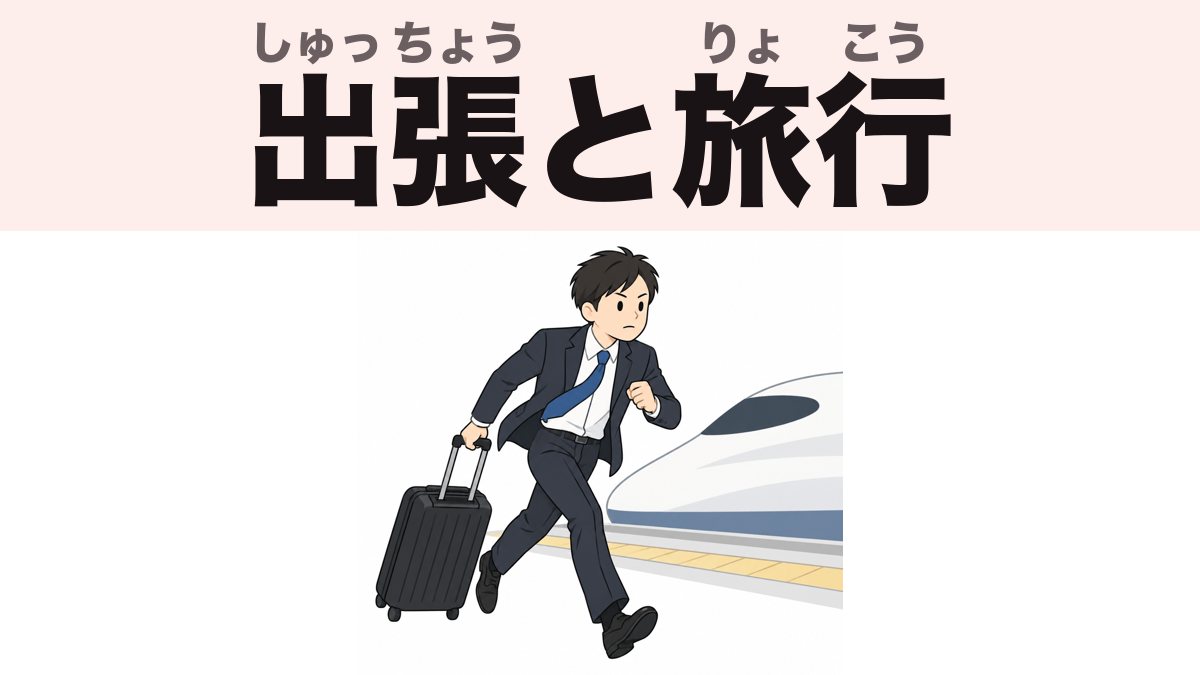
Business Trip in Japanese: 出張 (shutchou) vs 旅行 vs 遠征
出張 (shutchou) is a work trip your company sends you on. 旅行 (ryokou) is travel for fun. 遠征 (ensei) is an "expedition" — anime fans use it for pilgrimage trips.
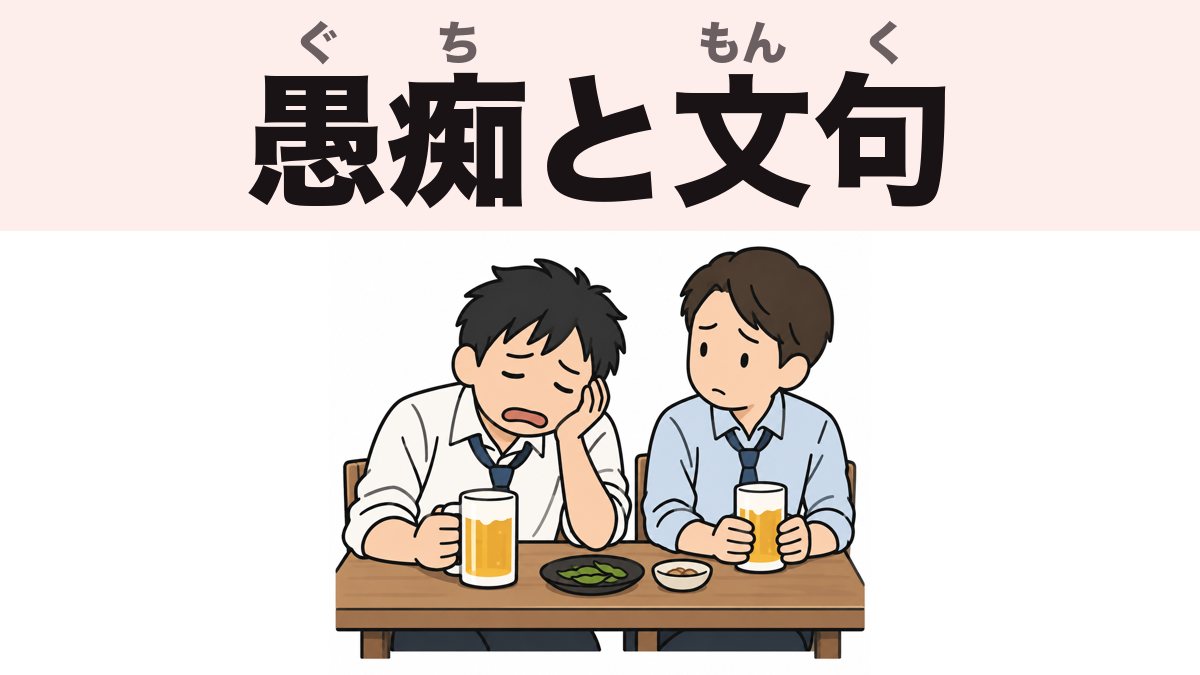
How to say "complain" in Japanese: 愚痴 vs 文句 (and クレーム)
愚痴 (guchi) is venting to a friend who listens. 文句 (monku) is complaining with an edge, to the person responsible. クレーム is a formal business complaint.
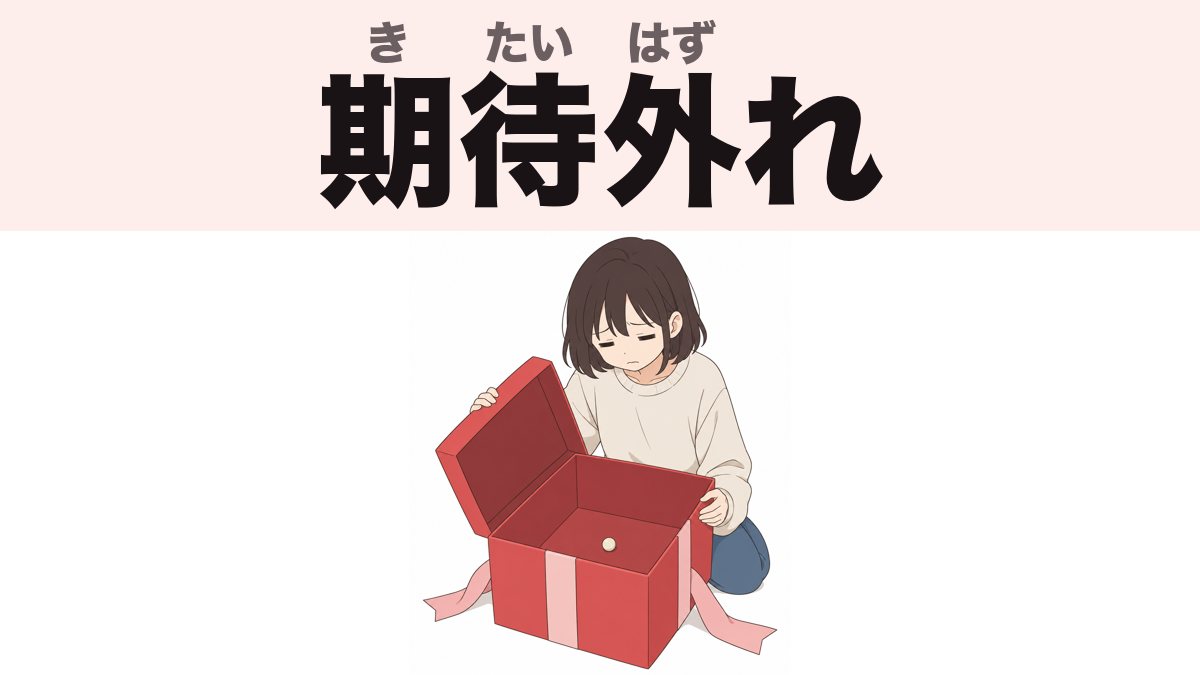
How to say "disappointing" in Japanese: 期待外れ, いまいち, 拍子抜け
がっかり is plain disappointment. 期待外れ is a thing that failed to meet expectations. いまいち is a mild "meh." 拍子抜け is letdown after built-up tension.
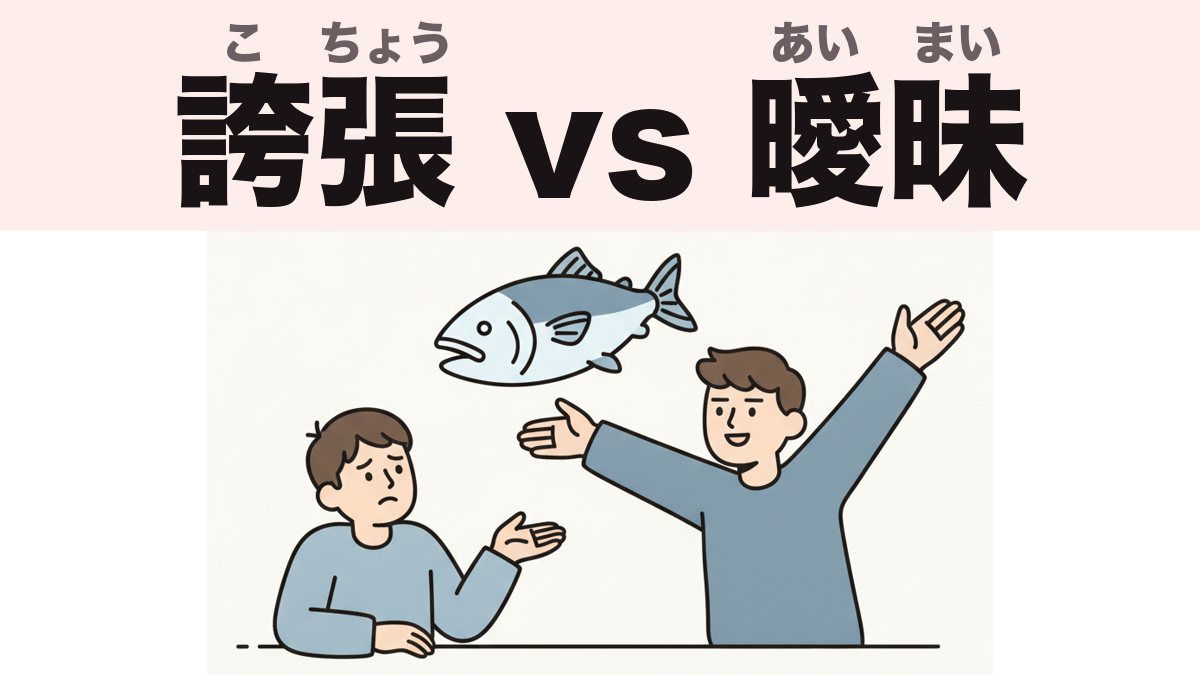
"Exaggerate" vs "vague" in Japanese: 誇張・大げさ vs 曖昧・ぼかす
誇張 (kochou) and 大げさ mean exaggerating — making something sound bigger than it is. 曖昧 (aimai) means vague or unclear. One inflates, the other blurs.
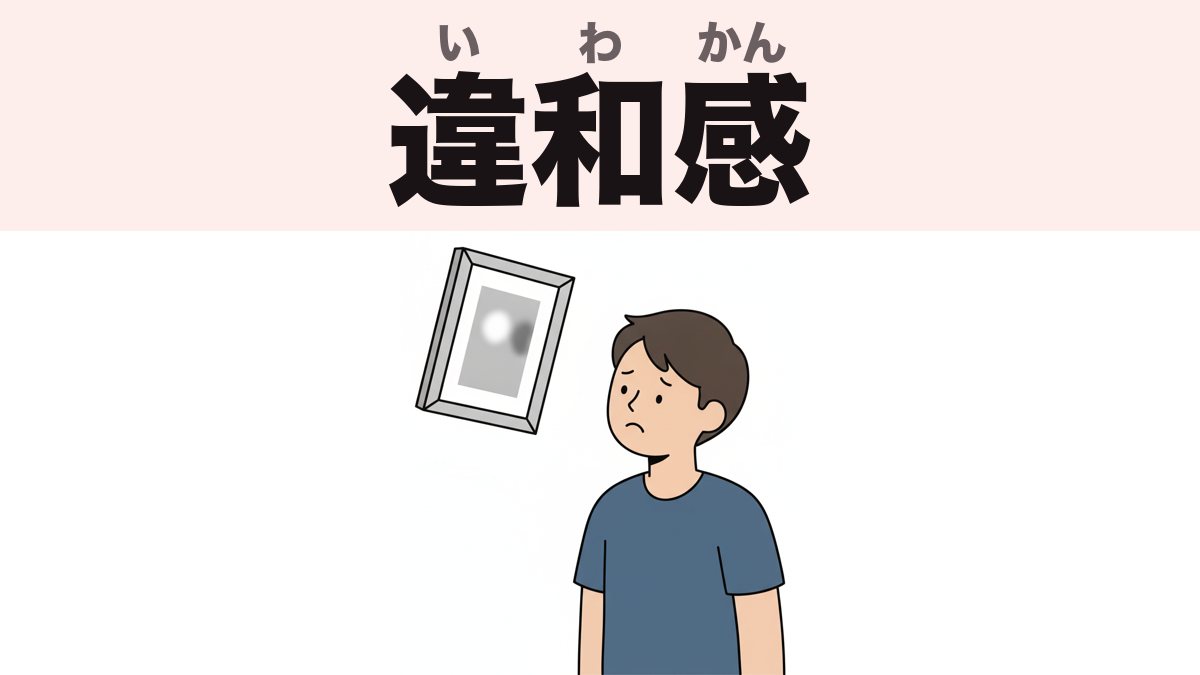
How to say "something feels off" in Japanese: 違和感 vs 不安 vs 心配
違和感 (iwakan) is the feeling something is off, not fear or worry. 不安 is anxiety about the future; 心配 is worry about someone specific. Uneasy blurs all three.
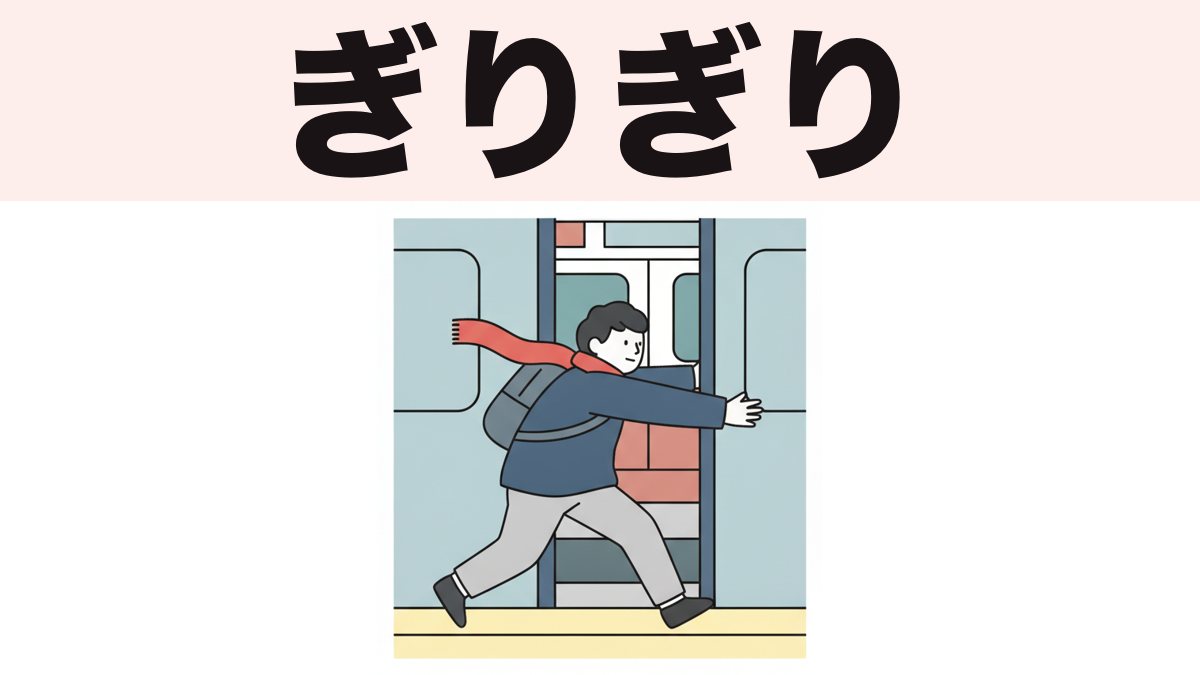
ぎりぎり (girigiri): "just barely, right at the edge" — and かろうじて, the formal version
ぎりぎり marks anything sitting right at a limit — time, money, a passing grade — with a casual, slightly breathless feel. かろうじて says the same thing formally.
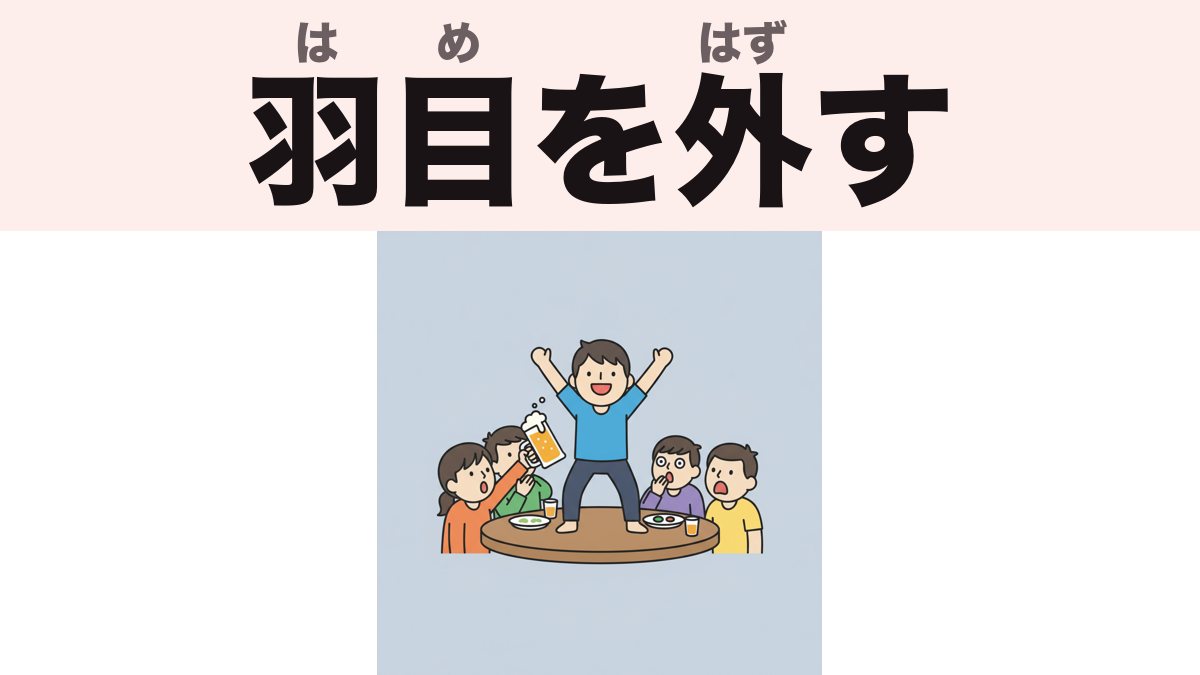
How to say "let loose" in Japanese: 羽目を外す vs 調子に乗る vs はしゃぐ
羽目を外す (hame wo hazusu) means to let loose or go overboard at a party. 調子に乗る is getting carried away or cocky. はしゃぐ is innocent excitement — three tones.
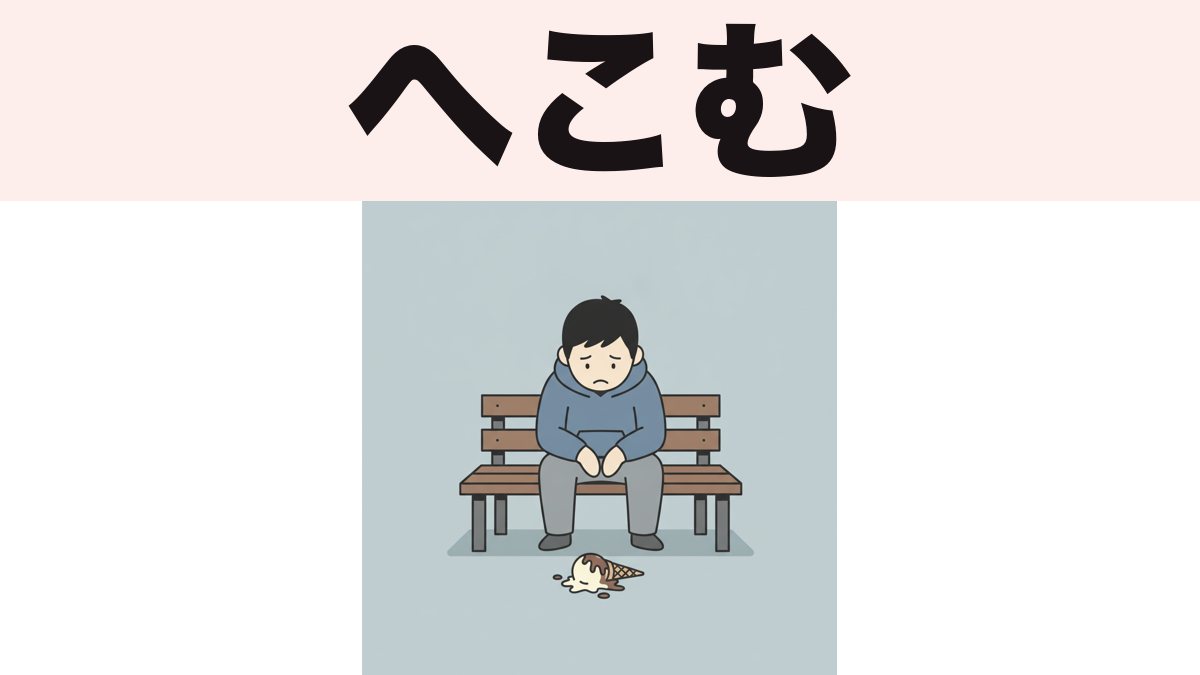
へこむ (hekomu): to feel down, deflated by something specific
へこむ (hekomu) literally means "to dent," and casually means feeling down after a specific setback. 落ち込む is more neutral and can describe deeper, longer sadness.
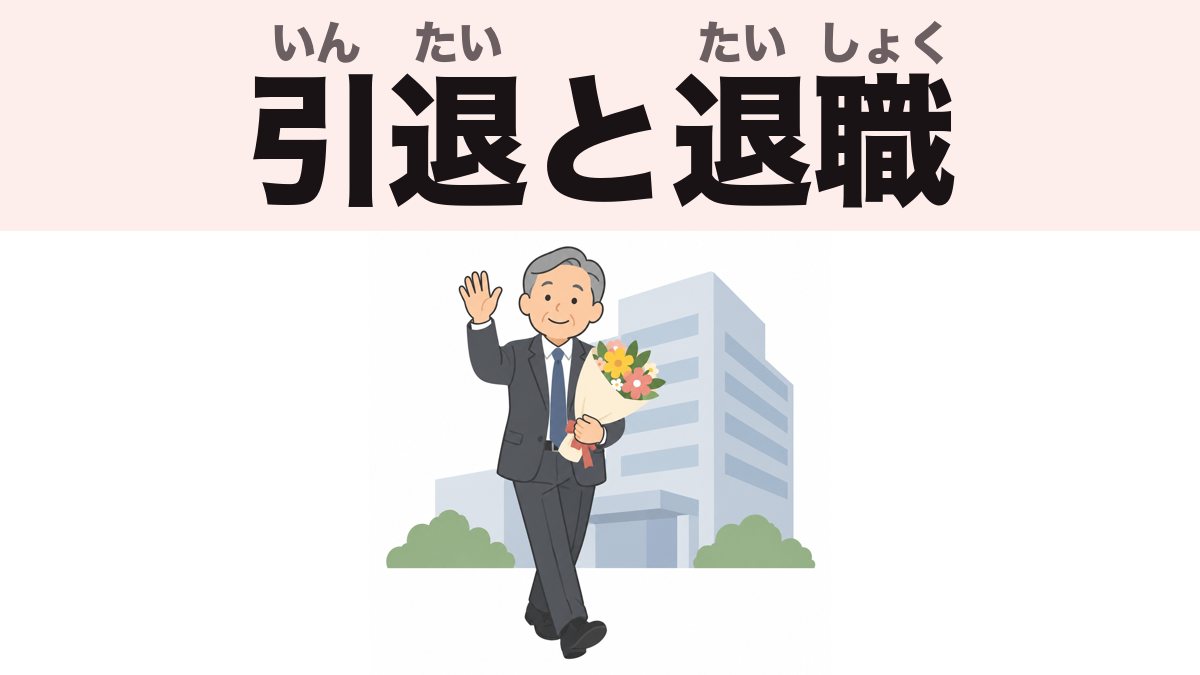
Retired in Japanese: 引退 vs 退職 (and Idol 卒業)
引退 (intai) is retiring from a career or sport for good. 退職 (taishoku) is leaving a company job. Idols use a third word entirely: 卒業.
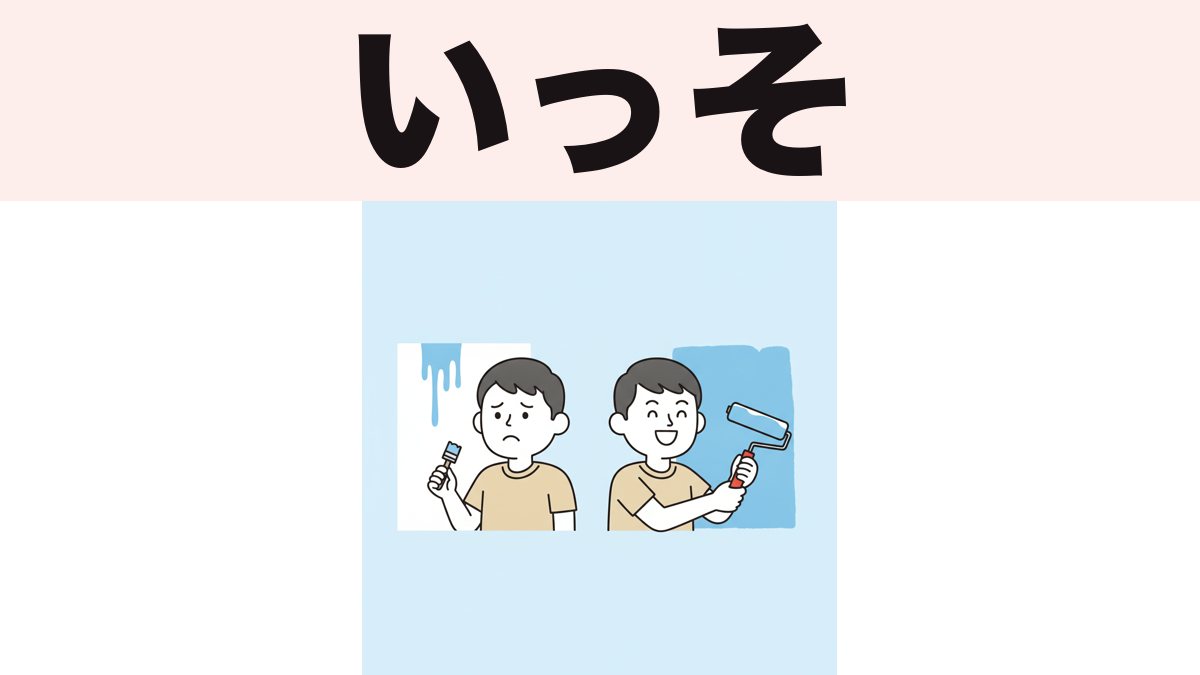
いっそ (isso): "might as well" go all the way
いっそ (isso) means giving up on a half-measure for a more drastic option — "might as well." どうせ is resignation; むしろ is a preference, not an escalation.
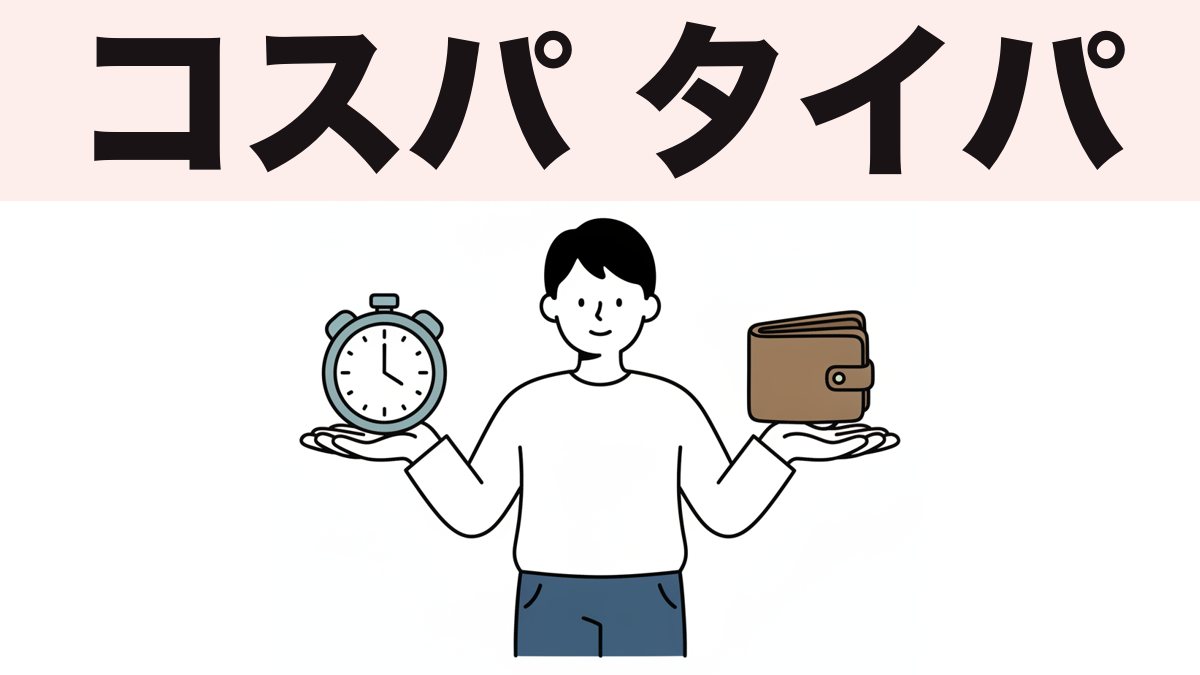
コスパ vs タイパ: "cost performance" and "time performance" in Japanese
コスパ (cost performance, value for money) and タイパ (time performance, value for time spent) are two of modern Japanese's most common efficiency buzzwords.
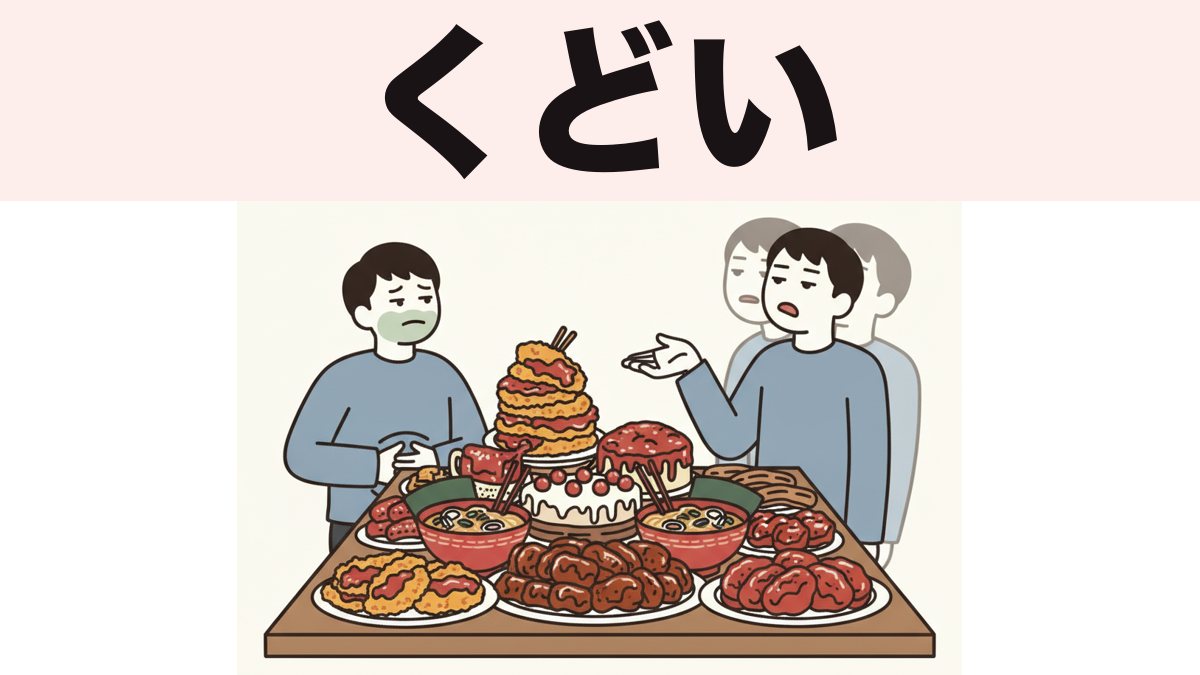
くどい (kudoi): too heavy, too long, too many times
くどい (kudoi) describes anything excessive and wearying: food too rich, a story too long-winded, a point made too many times. It always signals "enough already."
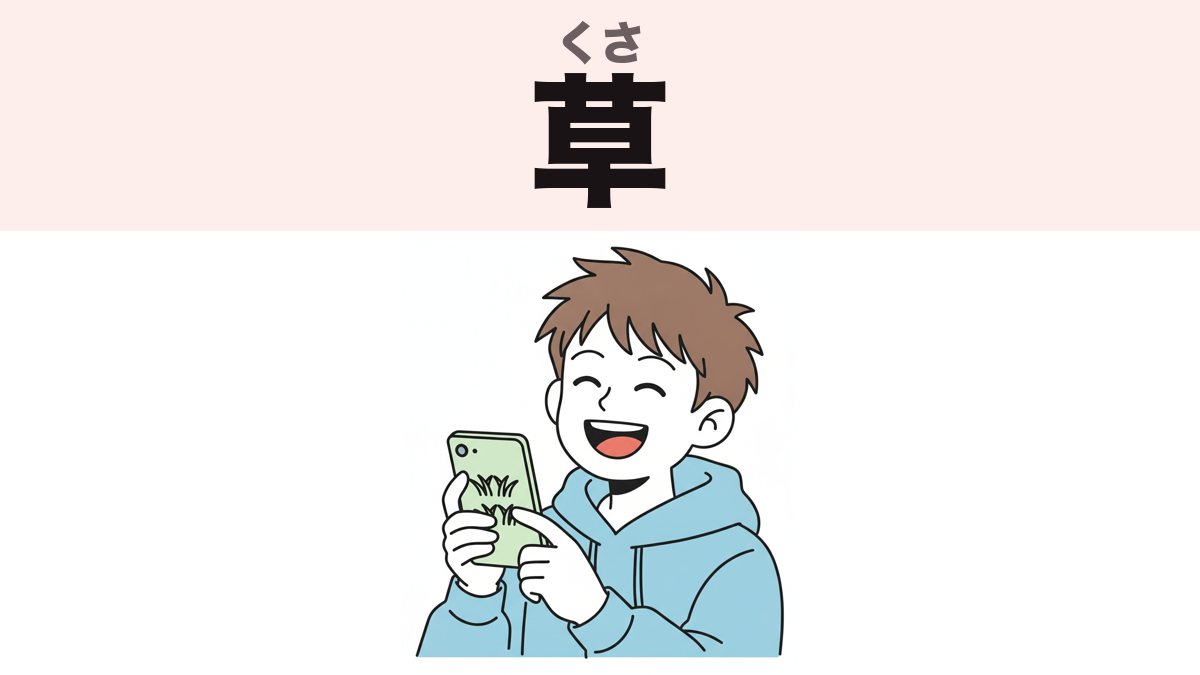
草 (kusa) and "w" in Japanese: why "grass" means "lol" online
草 (kusa, "grass") and the letter w are Japanese internet slang for laughing, born from stacking w after w until the row of w's started looking like grass.
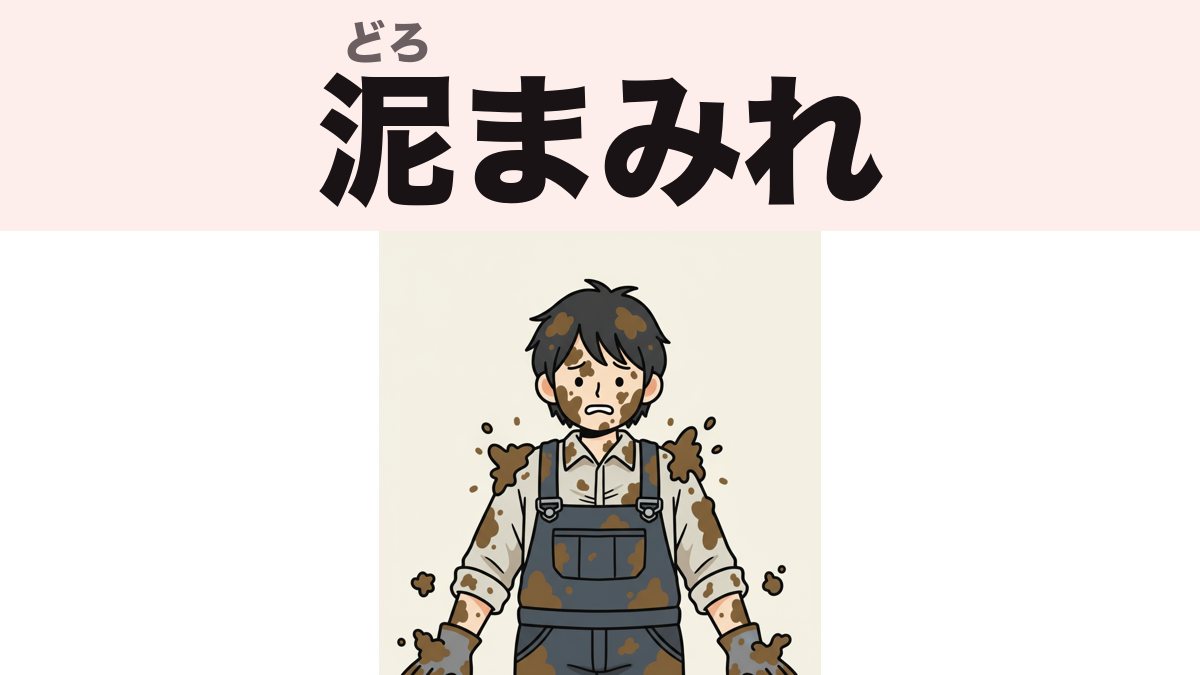
まみれ (mamire): covered in something messy, not just "a lot of it"
まみれ (mamire) attaches to a noun to mean physically covered or smeared in something messy — blood, mud, sweat, dust. だらけ covers abstract "full of" instead.
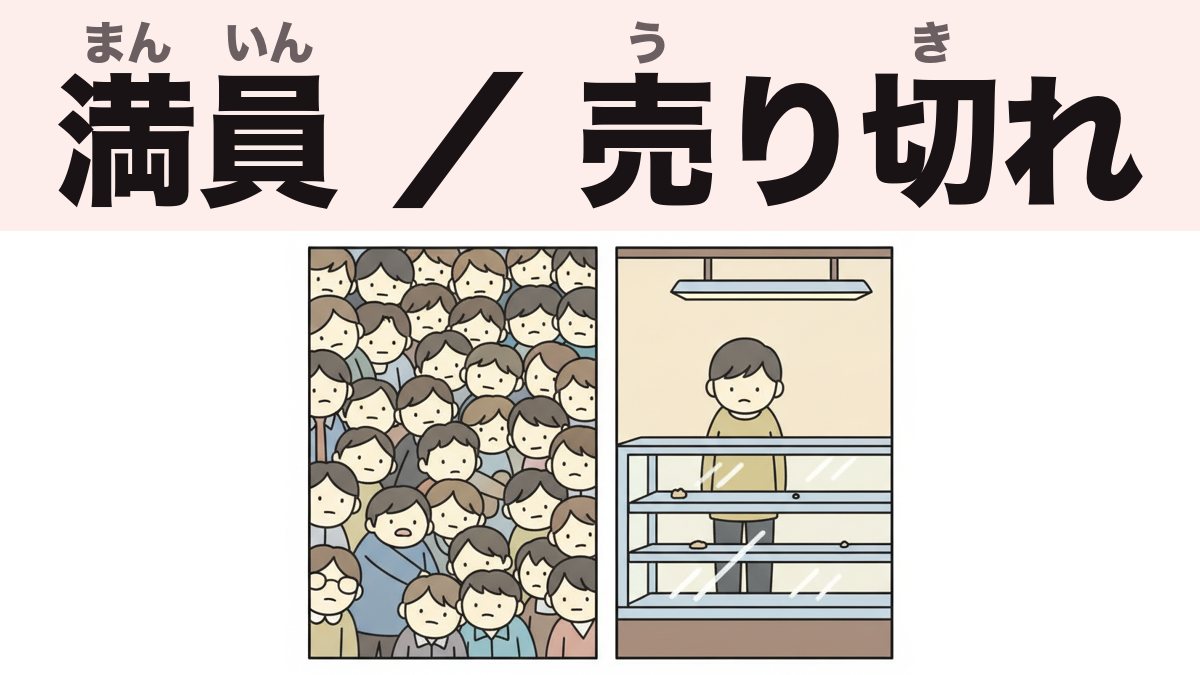
満員 vs 売り切れ: "full" of people, "sold out" of things
満員 (manin) means full of people — a packed train, a full venue. 売り切れ (urikire) means sold out of stock — no more tickets, food, or products left to sell.
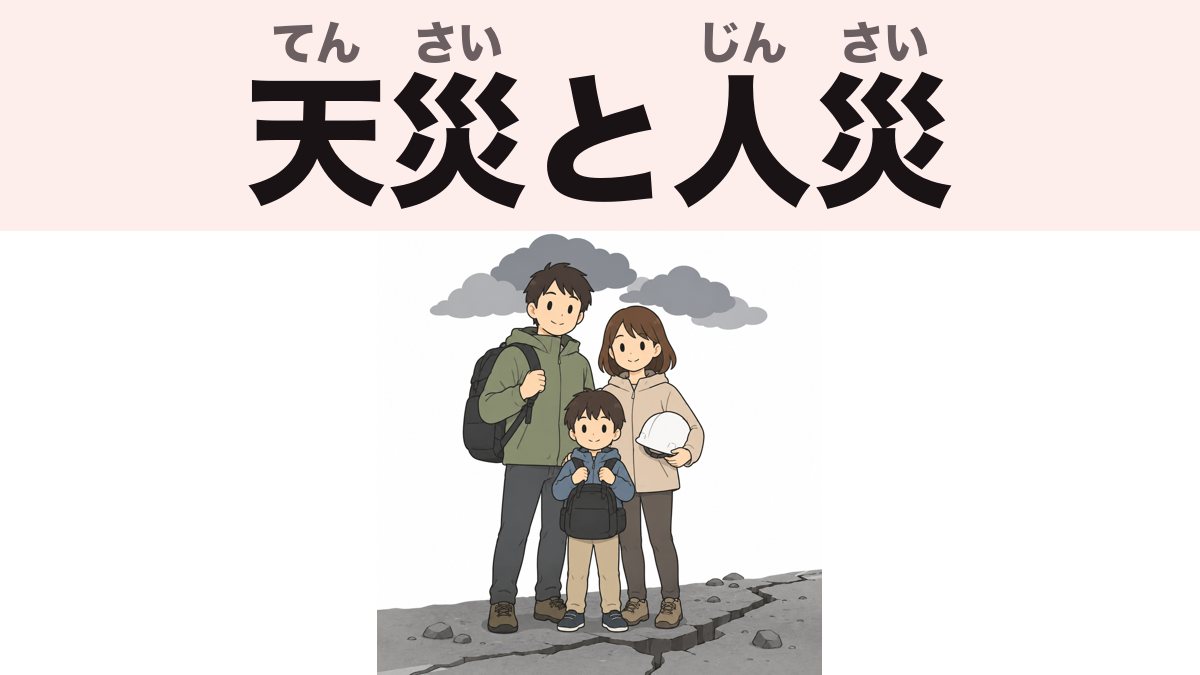
Natural disaster in Japanese: 天災 vs 人災 (and the genius trap)
天災 (tensai) is a natural disaster; 人災 (jinsai) is human-caused. 天災 is also a perfect homophone of 天才, "genius" — same sound, unrelated word.
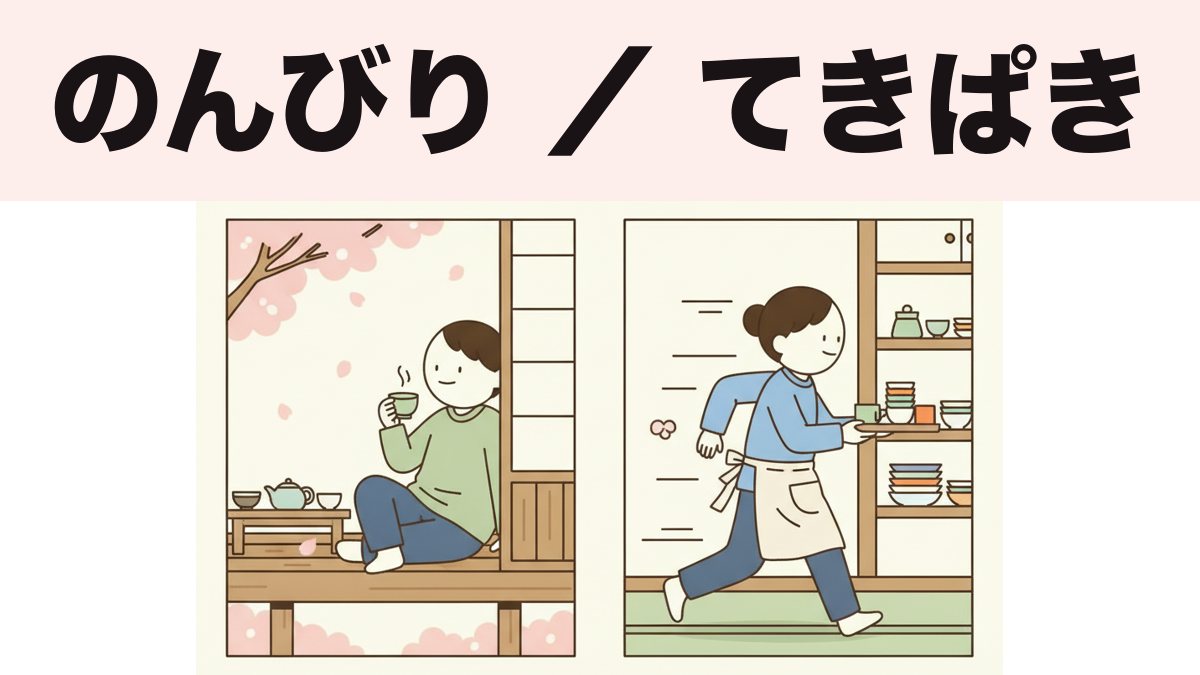
のんびり vs てきぱき: unhurried and brisk, both compliments
のんびり (nonbiri) describes a relaxed, unhurried pace. てきぱき (tekipaki) describes moving briskly and competently through tasks. Neither means lazy or careless.
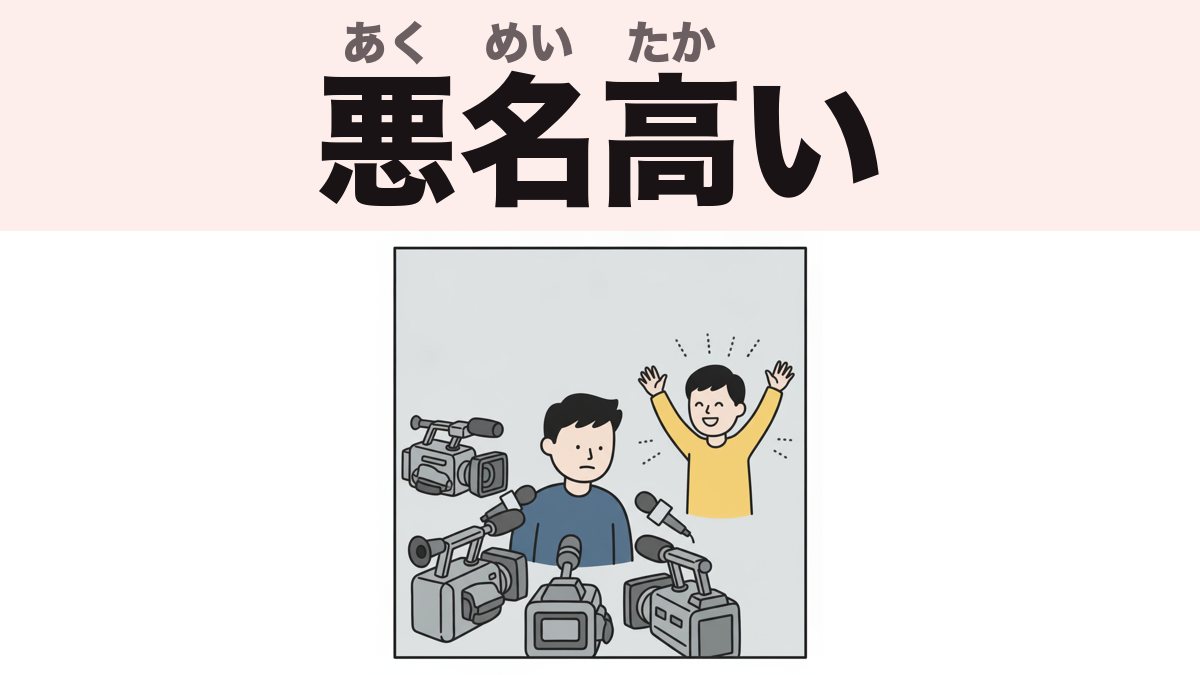
How to say "notorious" in Japanese: 悪名高い vs 評判がいい vs 有名
悪名高い (akumyou-dakai / akumei-dakai) is notorious — famous for something bad. 有名 is just famous, no judgment. 評判がいい/悪い is a milder good or bad reputation.
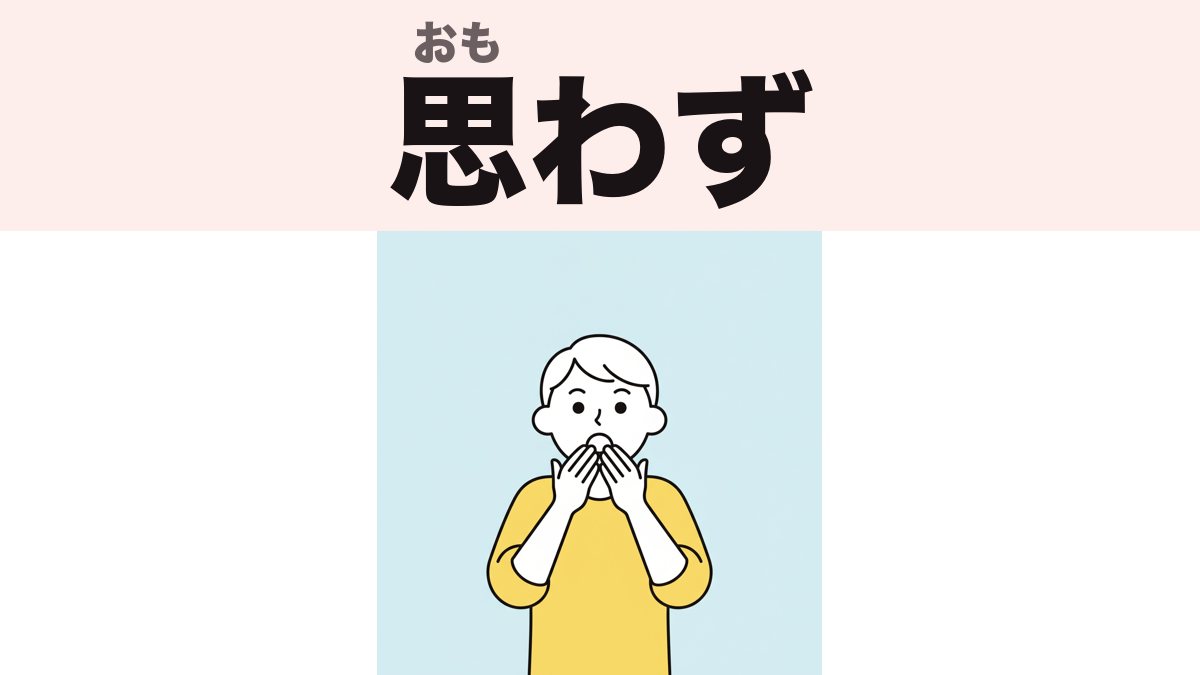
思わず (omowazu) vs つい (tsui): two ways to say "I couldn't help it"
思わず marks a sudden, involuntary reaction to something — a gasp, a laugh. つい marks a small, often repeated lapse in self-control, like eating one more snack.
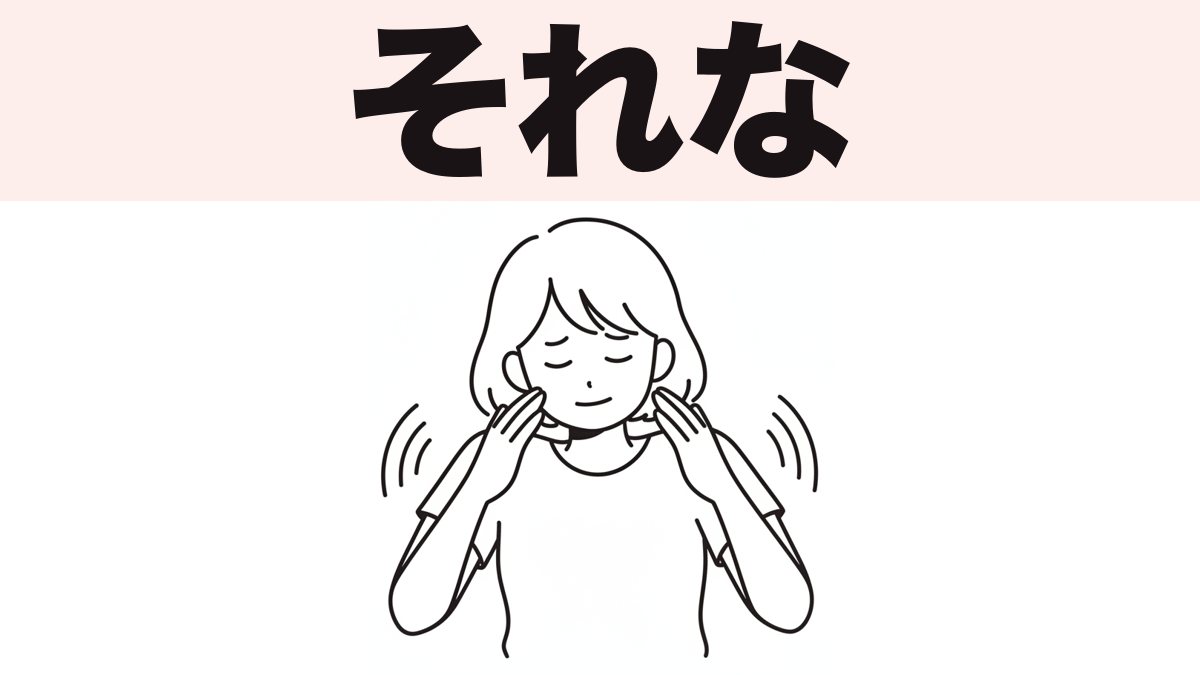
それな (sorena) meaning: "exactly," "same," "so true" — Japanese agreement slang
それな is casual Japanese slang for "exactly," "same," or "so true," used to agree enthusiastically with what someone just said, especially in texting.
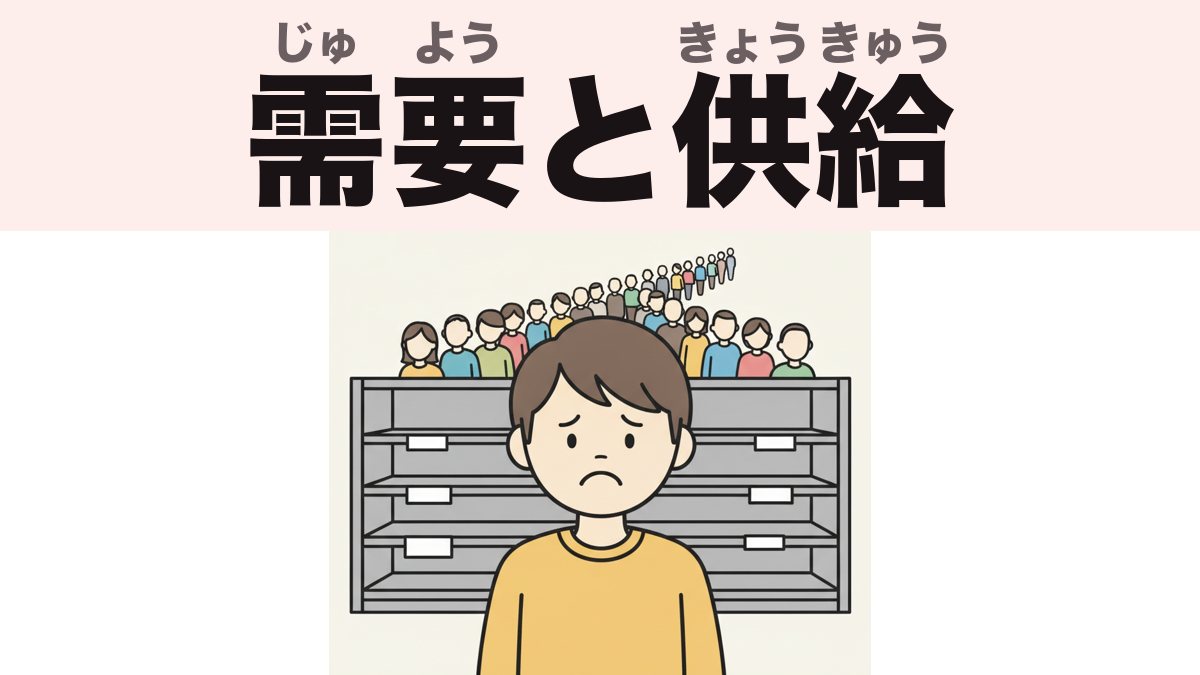
How to say "supply and demand" in Japanese: 需要と供給
需要 (juyou) is demand, 供給 (kyoukyuu) is supply — 需要と供給 reverses the English word order. 需給バランス is the balance; 品不足 is what happens when it breaks.
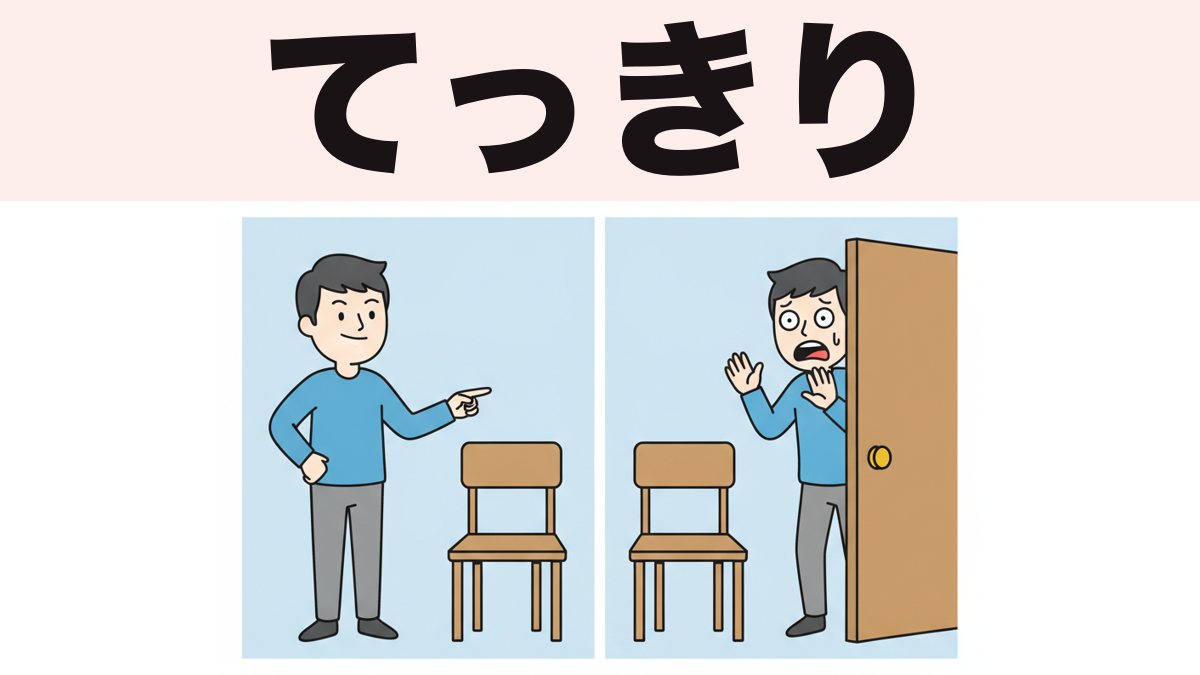
てっきり (tekkiri): "I was totally sure" — and I was wrong
てっきり (tekkiri) marks a confident assumption that turned out false, used with と思ったら. まさか is different: disbelief at something surprising, not a wrong guess.
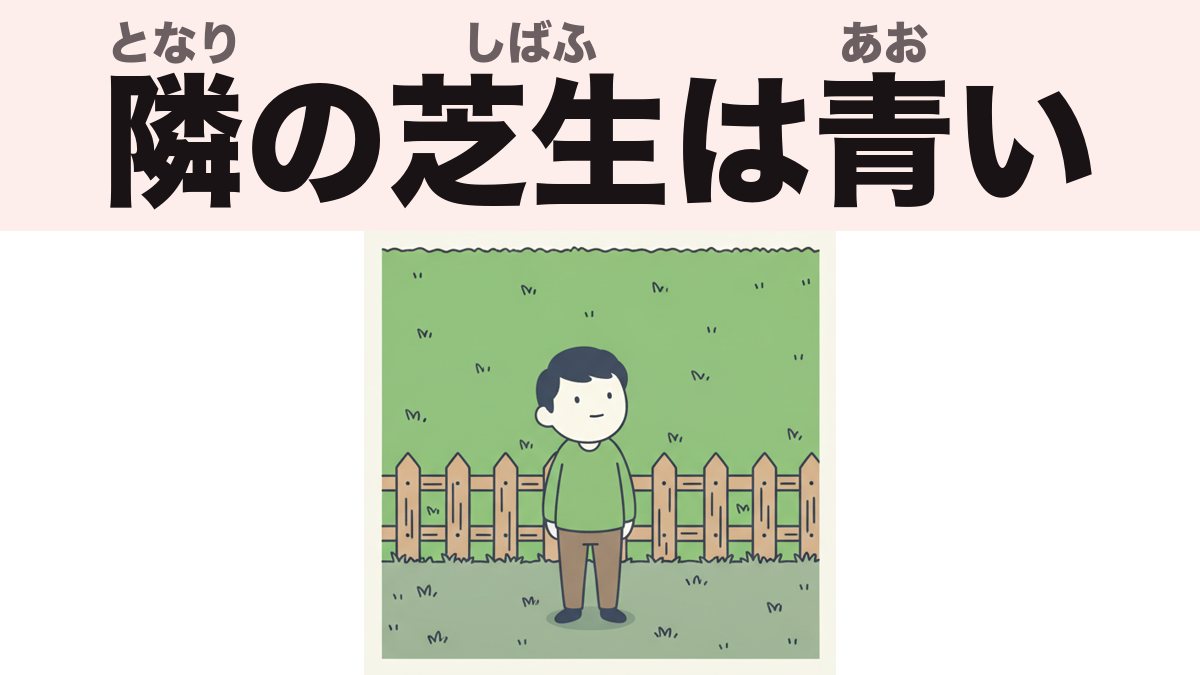
"The grass is greener" in Japanese: 隣の芝生は青い and related idioms
隣の芝生は青い (tonari no shibafu wa aoi) is Japanese for "the grass is greener." ないものねだり is wanting what you can't have; 足るを知る is being content instead.
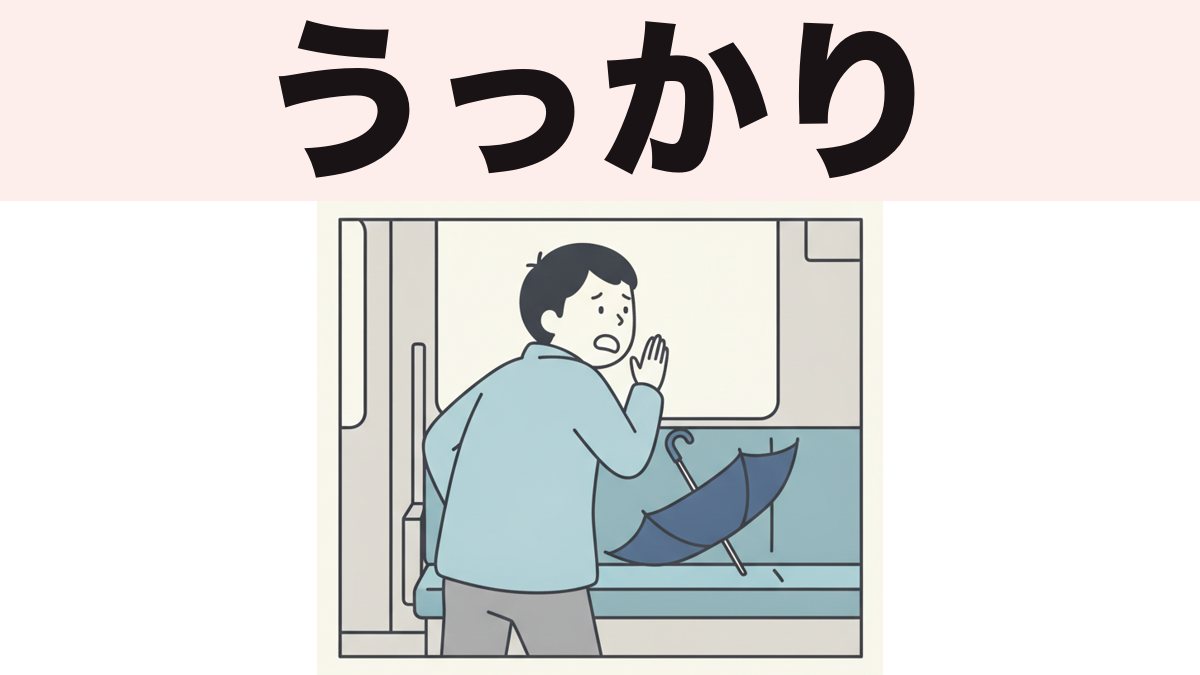
うっかり (ukkari) vs わざと (wazato): "by accident" and "on purpose"
うっかり marks a careless slip — forgetting, dropping, mixing up. わざと is the opposite: doing it on purpose. Swap them and you flip the meaning entirely.
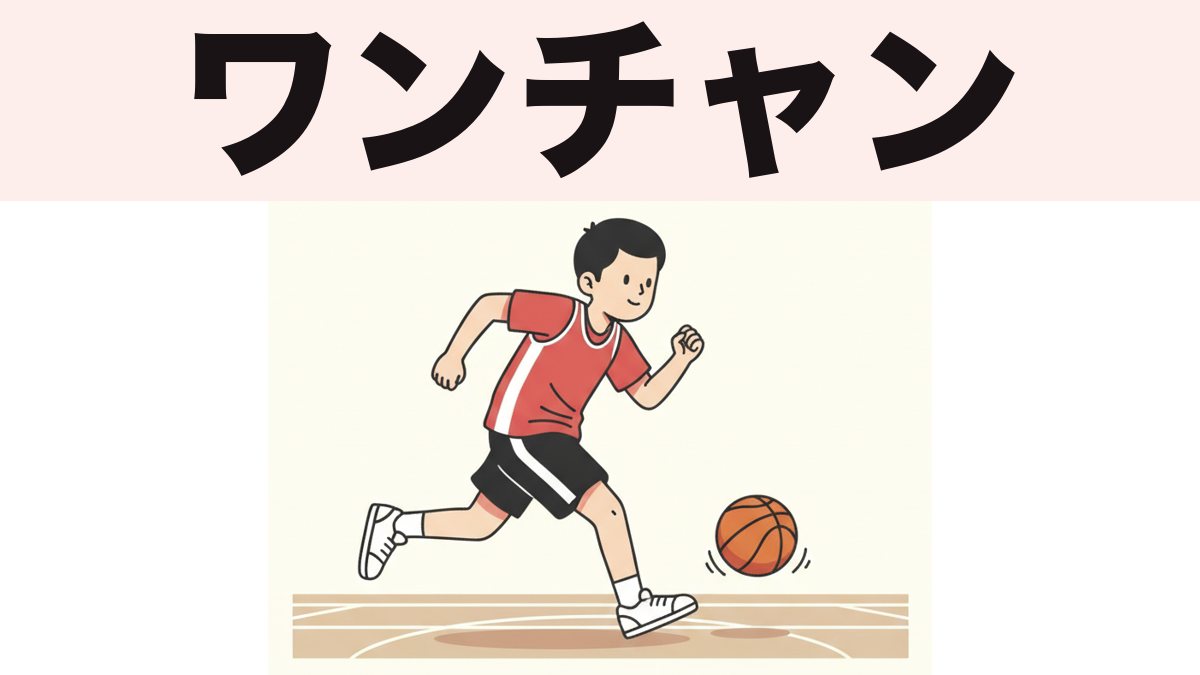
ワンチャン (wanchan) meaning: "maybe, there's a chance" — from ワンチャンス, one chance
Wanchan (ワンチャン) means "maybe, there's a chance" in casual Japanese. Short for ワンチャンス (one chance), it is often traced to mahjong slang.
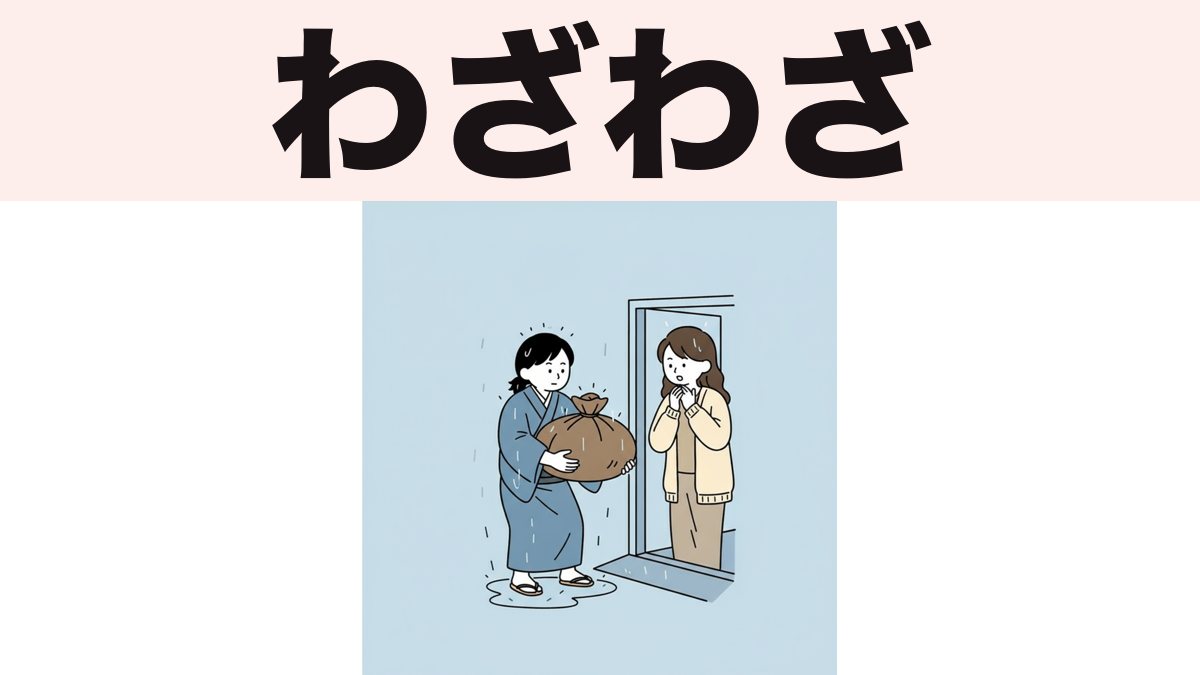
わざわざ (wazawaza): going out of your way, on purpose
わざわざ (wazawaza) means going out of your way, an effort beyond what was needed. It can express gratitude for the effort, or gently question why someone bothered.
Ki ni naru meaning: curious, bothered or interested in someone?
気になる means something caught your attention and will not let go: curious, bothered, or interested in someone. How it differs from 心配, 気にする and 気に入る.
Ukeru meaning: 受ける for classes and exams, ウケる for "that's hilarious"
受ける means to take a class or exam, or to receive something. Written ウケる, it is slang for "that's so funny." How one verb covers both, with examples.
Japanese abbreviations (略語): why so many words become four syllables
Japanese shortens long words by taking the first two sounds of each half — スマートフォン becomes スマホ, 就職活動 becomes 就活. Once you know the rule you can decode new ones.
ちょっと: "a little", "excuse me", and the polite no that never says no
ちょっと means "a little" — and also softens requests, gets attention, and refuses invitations. How to hear which one, and why 今日はちょっと… is a complete answer.
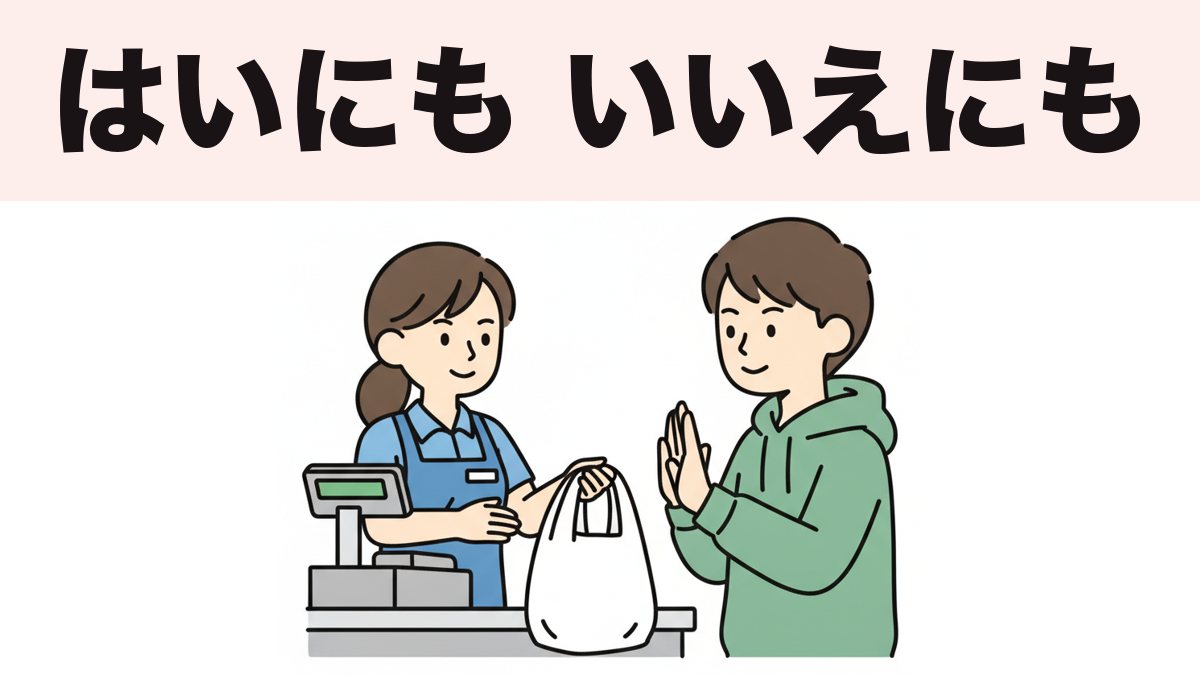
Okay in Japanese: 大丈夫 daijoubu, いいよ and the OK that means no
大丈夫 covers fine, safe, no problem, and at a shop counter it is usually a polite no thanks. 19 example sentences show which meaning you are hearing.
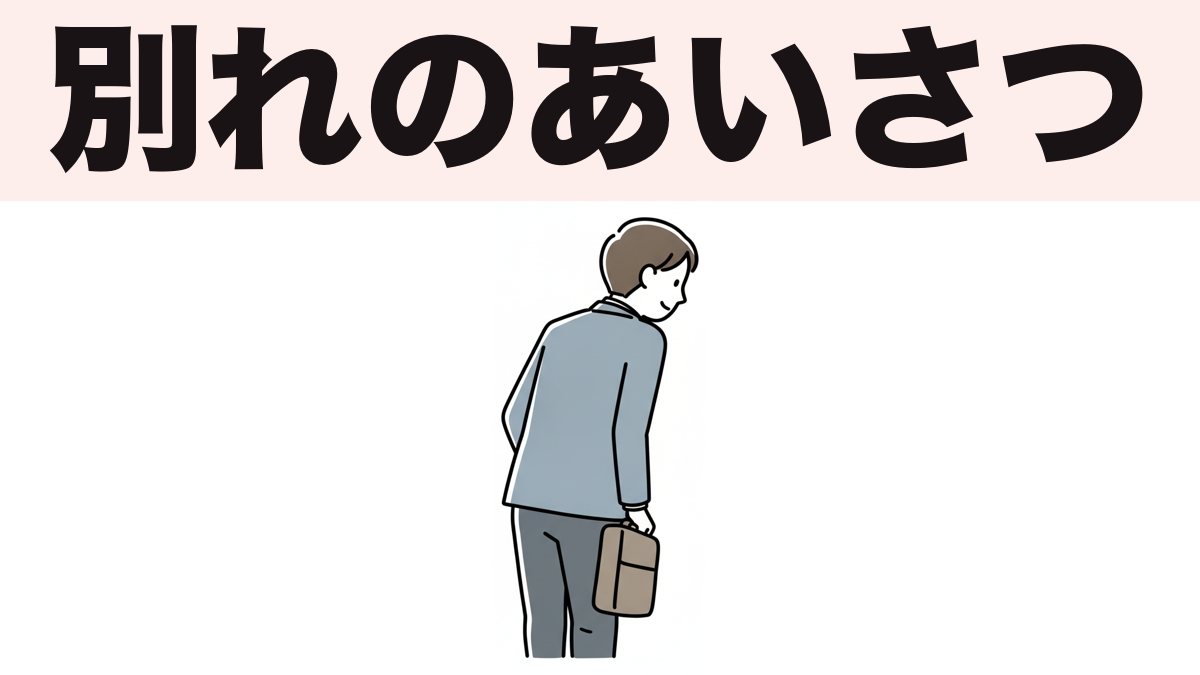
How to say goodbye in Japanese: さようなら is almost never the right one
さようなら sounds final and Japanese adults rarely say it. The goodbyes people actually use — お疲れさま, 失礼します, じゃあね, また明日 — and how to pick one by situation.
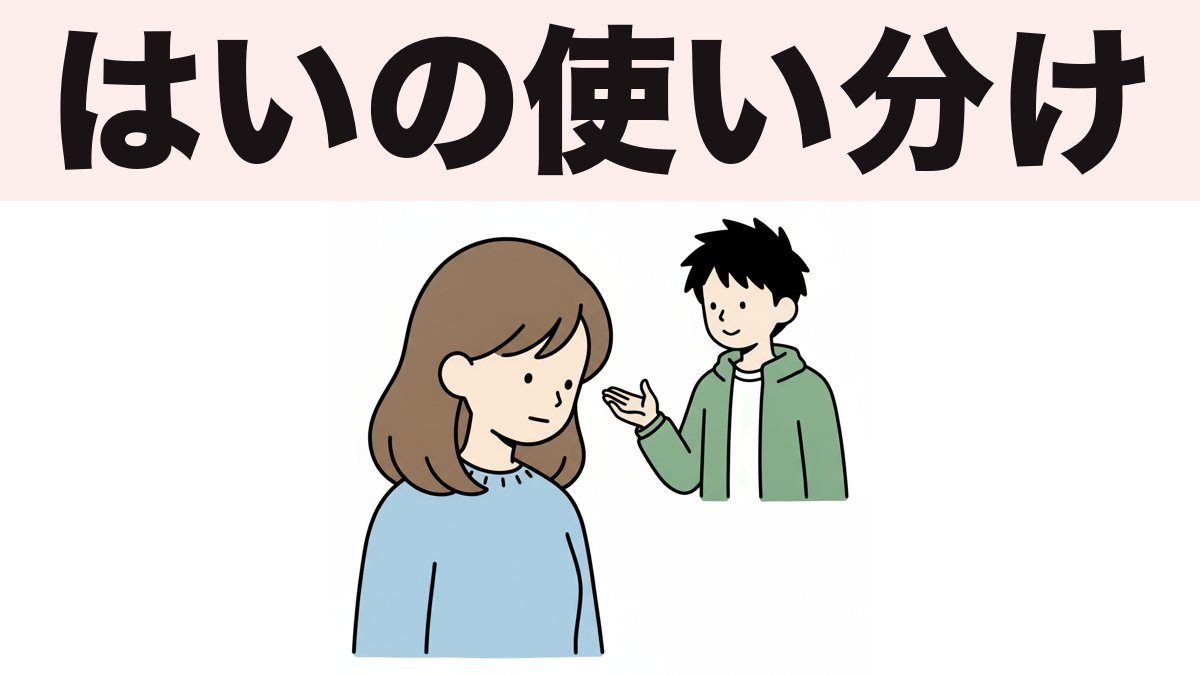
How to say yes in Japanese: はい is not only "yes"
はい, ええ, うん, そうです, わかりました — the Japanese words for yes, what each one really agrees to, and why はい to a negative question means the opposite of English.
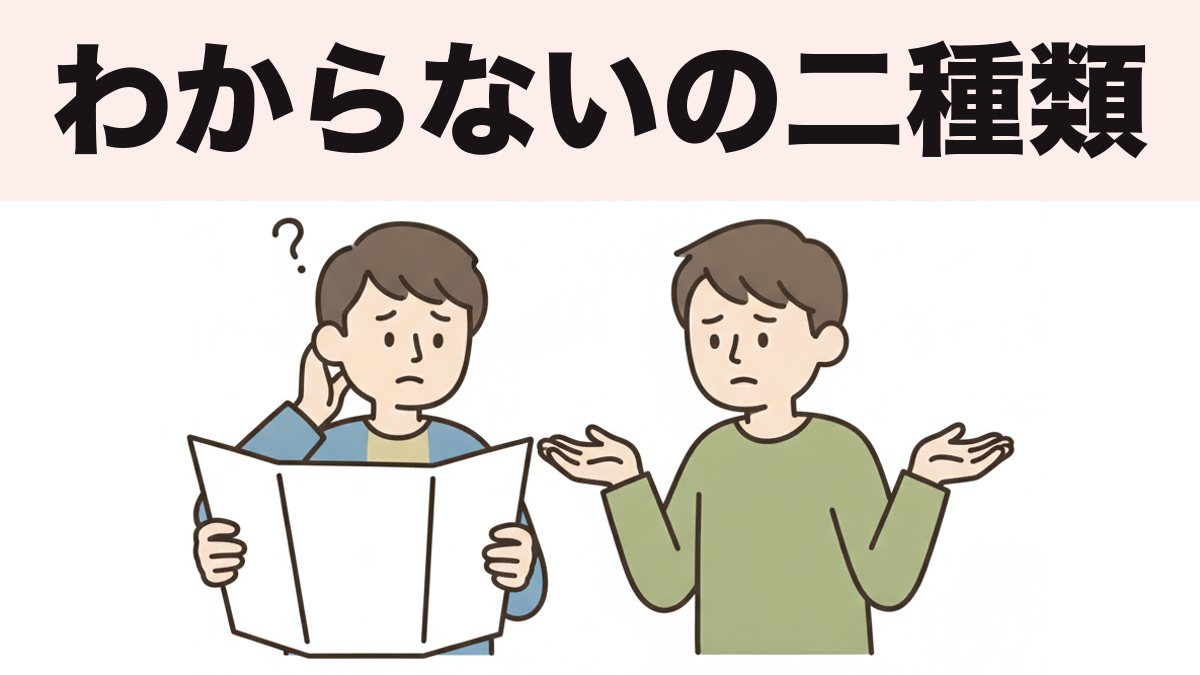
わからない vs 知らない: two ways to say "I don't know", one of them cold
分からない (can't work out) vs 知らない (never learned it) — 9 sections, 6 common mistakes, and 10 practice questions, including why 知っていません doesn't exist.
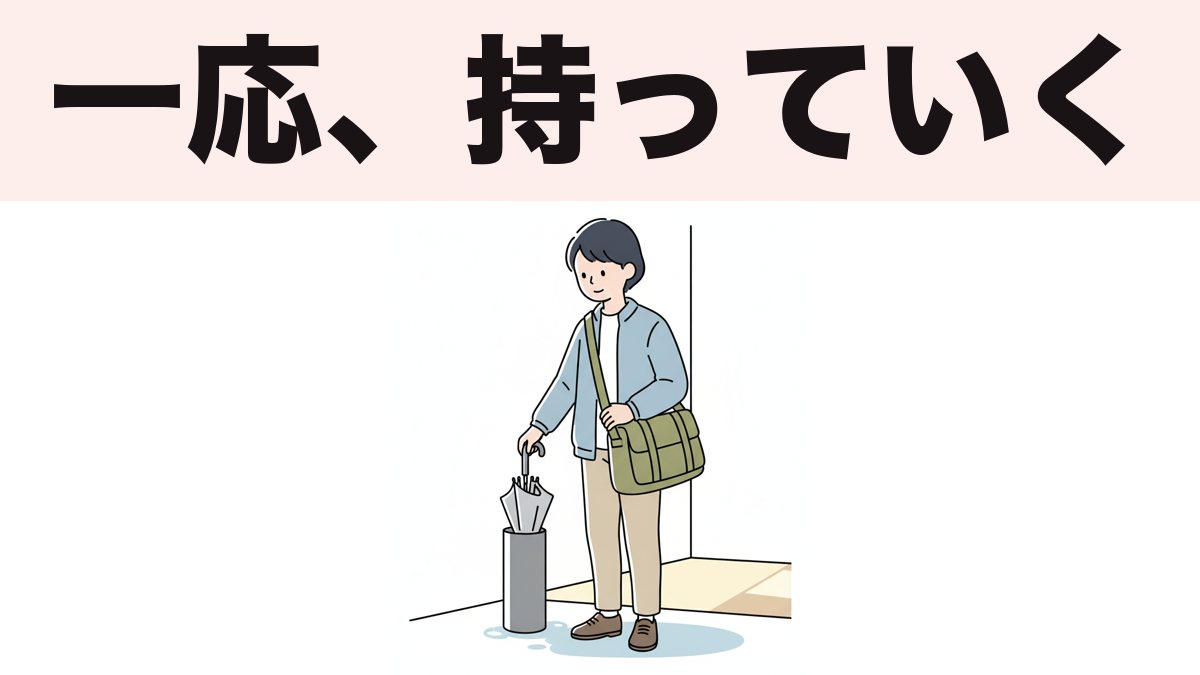
一応 (ichiou): the word Japanese uses to hedge almost anything
一応 means "just in case," "more or less," and "technically yes" — one word covering four jobs. Here is what it actually signals, and when it undersells you.
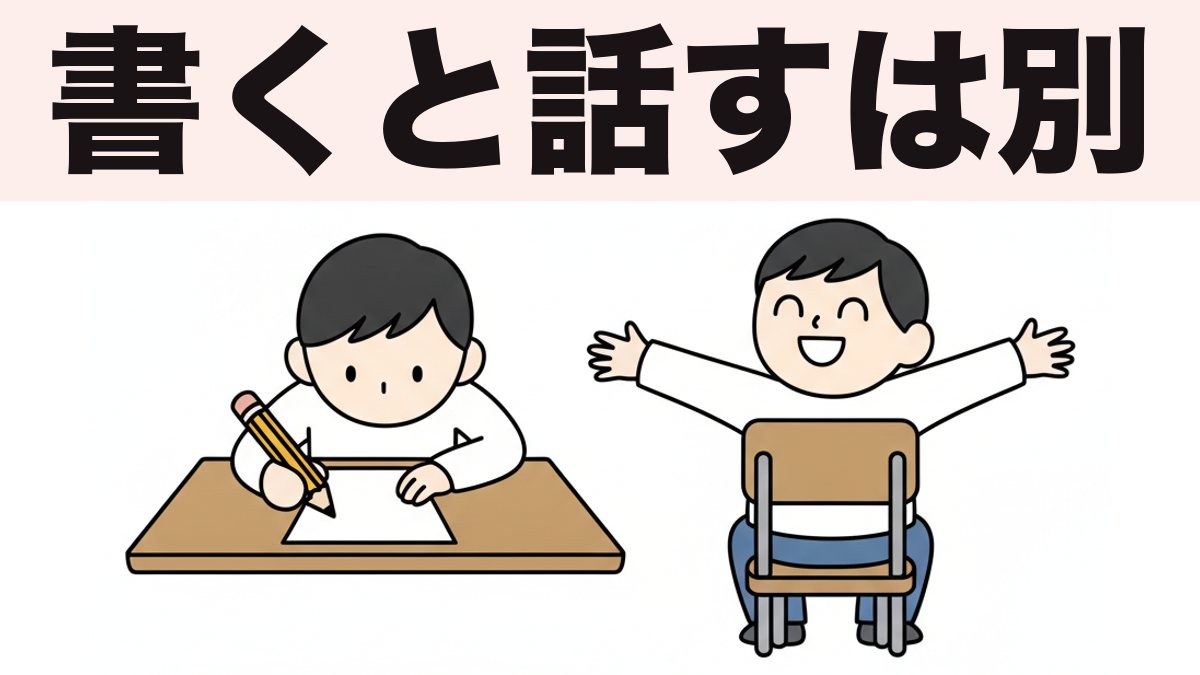
書き言葉 and 話し言葉: the Japanese you speak is not the Japanese you write
Written Japanese swaps けど for が, でも for しかし, and 〜てる for 〜ている. The full conversion list, plus the four habits that mark an essay as spoken out loud.
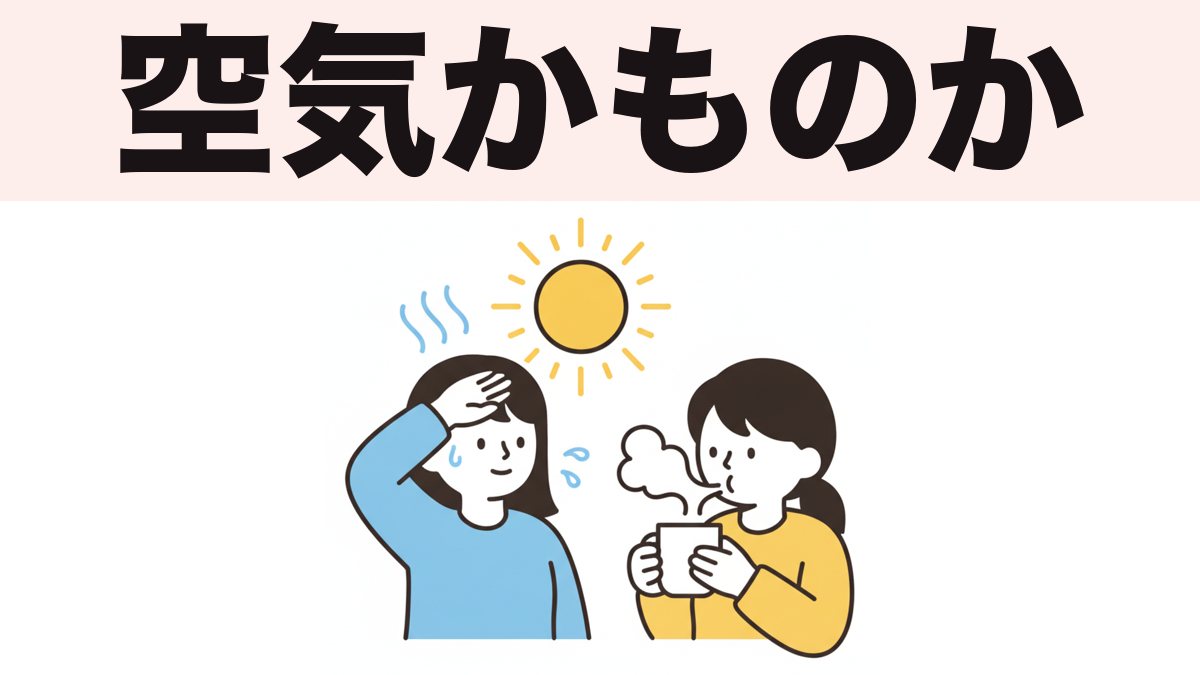
暑い, 熱い, 暖かい, 温かい: four temperature words, two pairs of homophones
Learn how Japanese distinguishes hot weather from hot objects and warm air from warm things, using different kanji for atsui and atatakai.
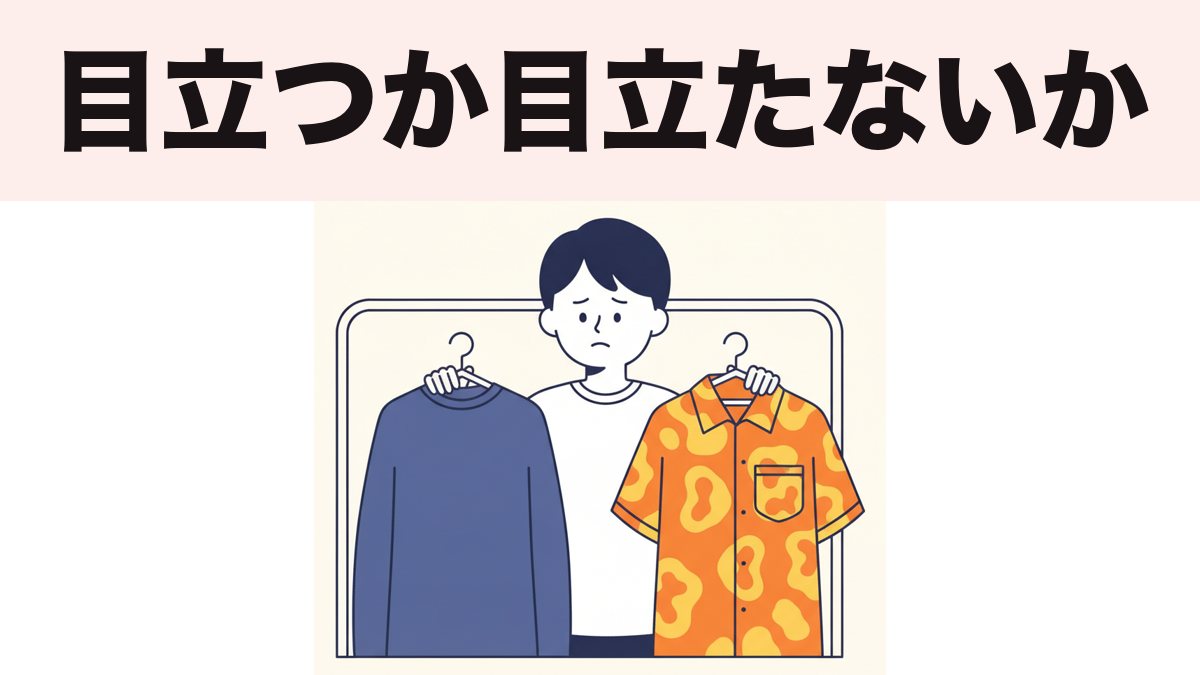
地味 and 派手: the Japanese pair that is not "boring" and "flashy"
地味 is usually translated as "plain" and 派手 as "flashy", and both translations are misleading. Here is what the pair actually means, and when 地味 is a compliment.
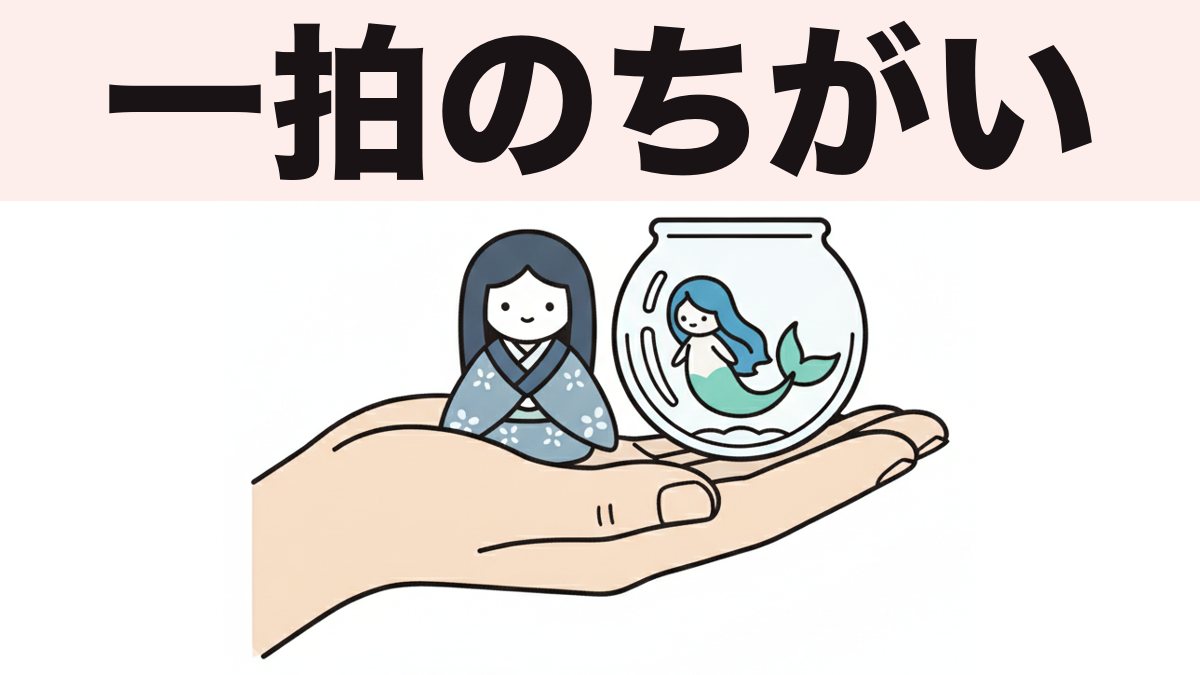
人魚 and 人形: how one extra beat changes the word completely
にんぎょ is a mermaid, にんぎょう is a doll — the only difference is one extra beat. How Japanese long vowels work, and how to hear them.
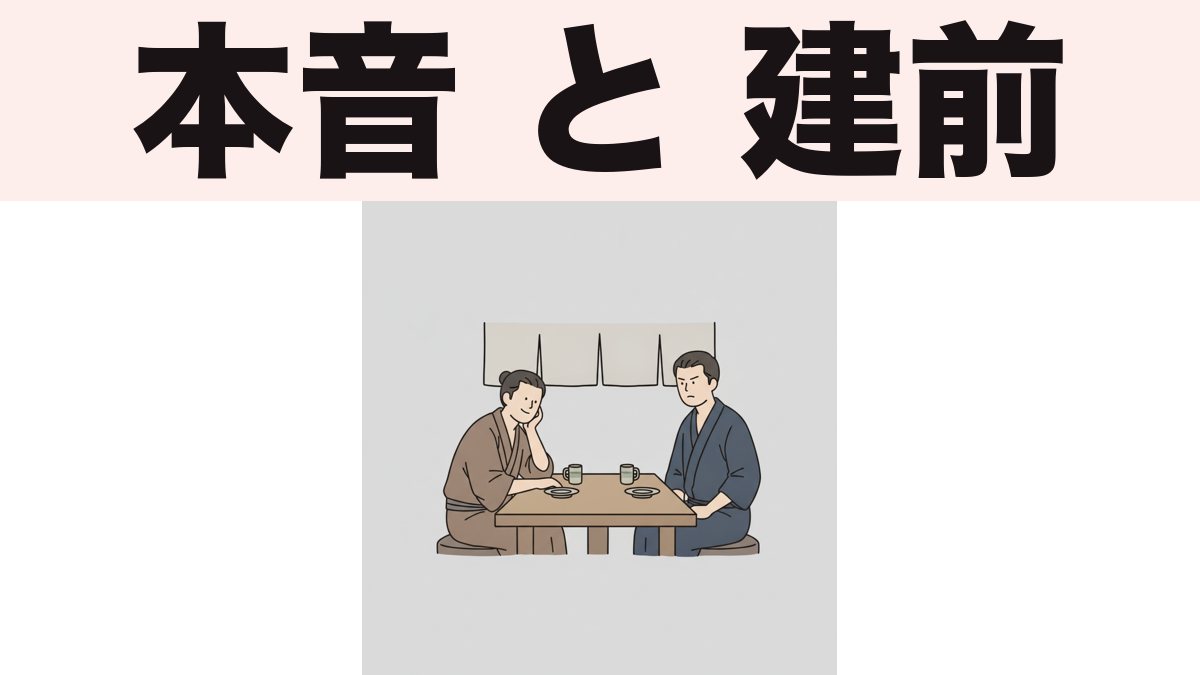
本音 and 建前: what they actually mean, and why it is not lying
Explore honne and tatemae in Japanese, from private thoughts to socially appropriate words, and learn why politeness is not simply dishonesty.
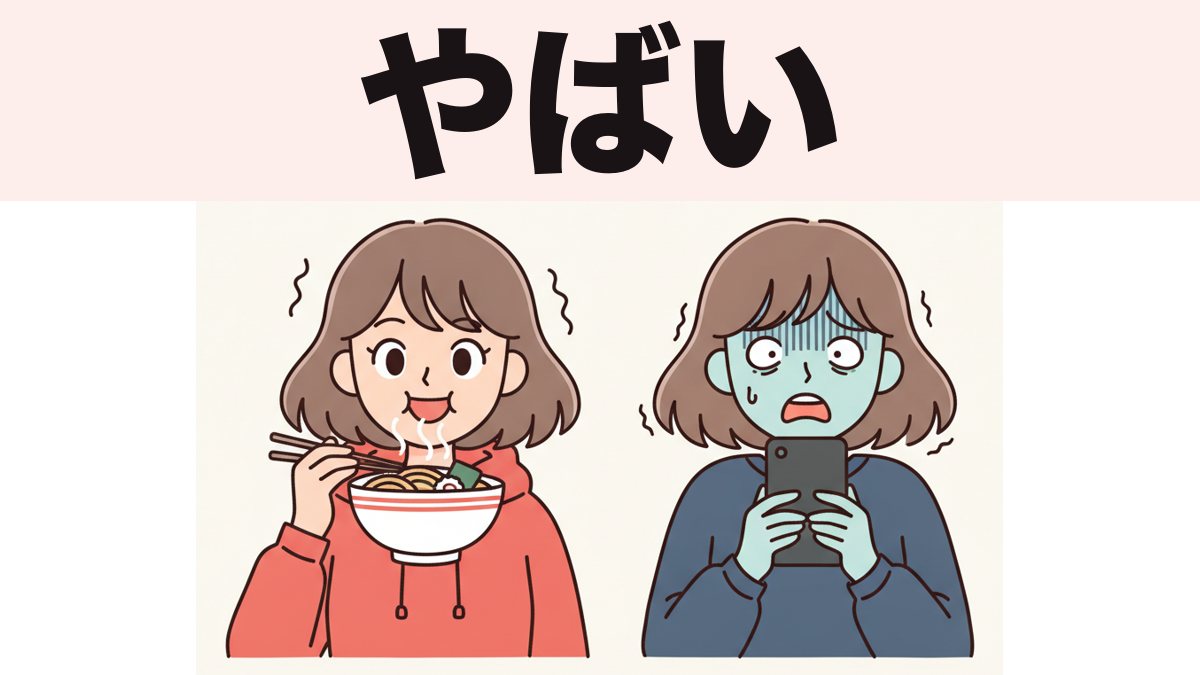
やばい meaning: the one word that covers "amazing", "terrible" and "I have to go"
Explore how yabai shifted from dangerous to a flexible Japanese slang word, learn to read its context, and discover terms like gachi and emoi.
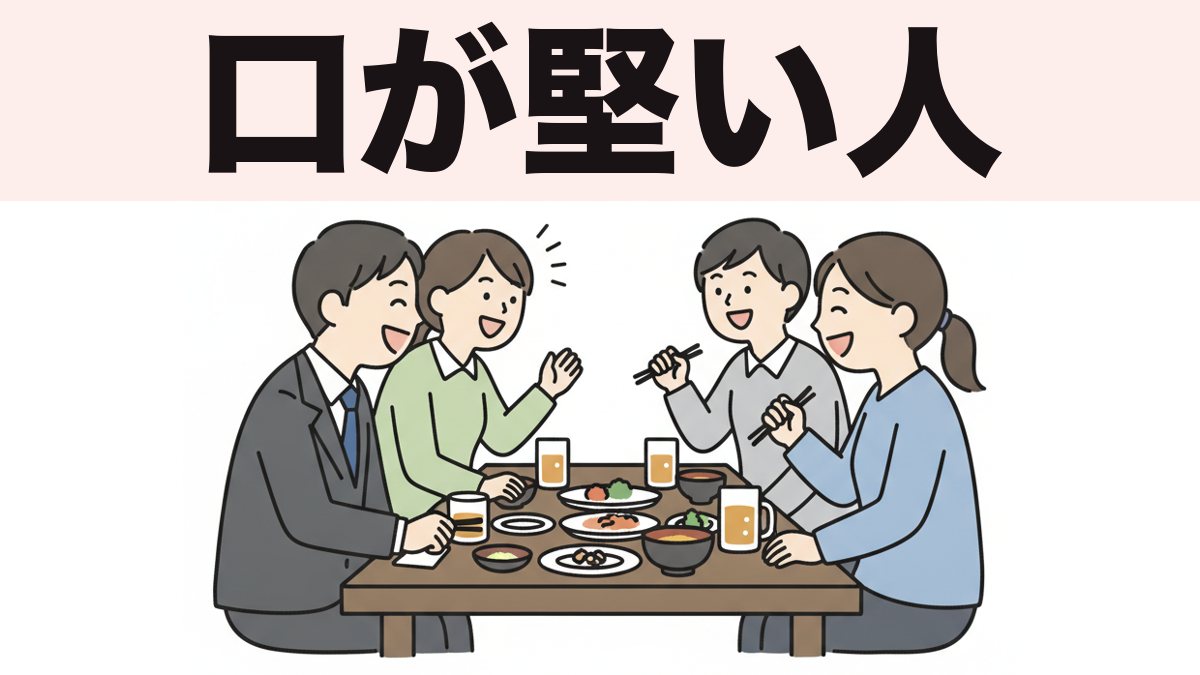
Japanese idioms: 15 慣用句 (and 10 proverbs) that actually come up in conversation
Most Japanese idioms are built from body parts, and a second family is built from other people's eyes. Both tell you something about how the language thinks.
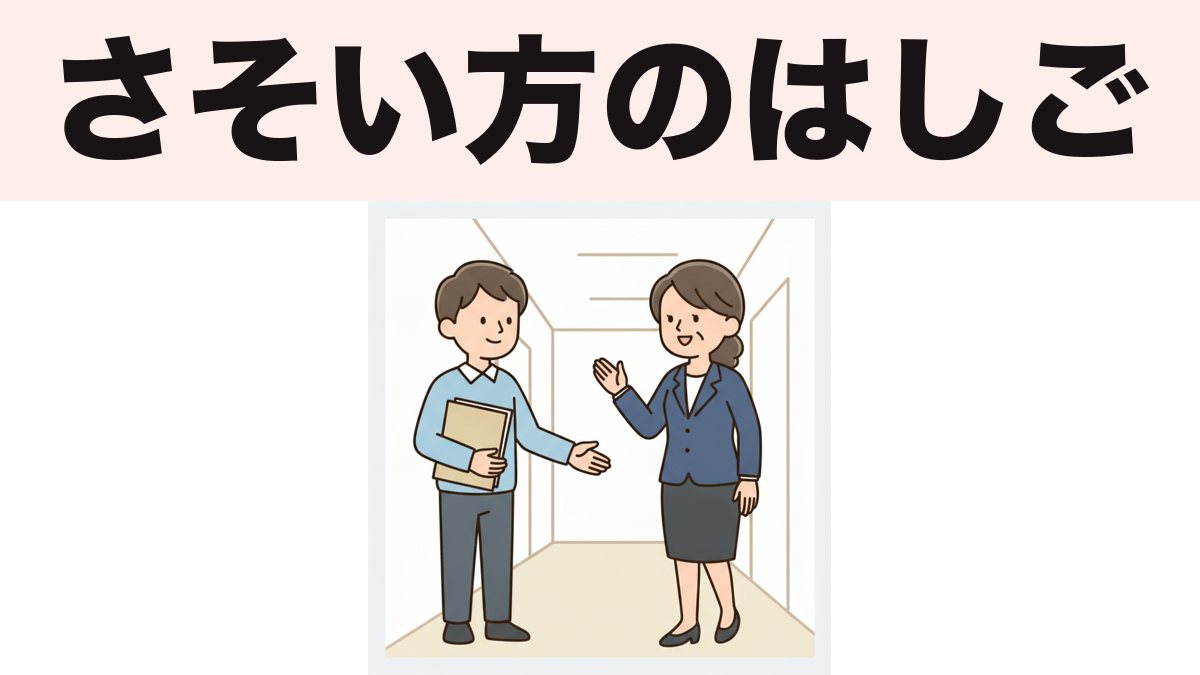
ましょう, ましょうか, ませんか: "let's", "shall I", and the invitation ladder
ましょう assumes you already agree, ませんか asks first, and ましょうか offers to do it for you. Which one to use, and why ましょう can sound pushy to a boss.
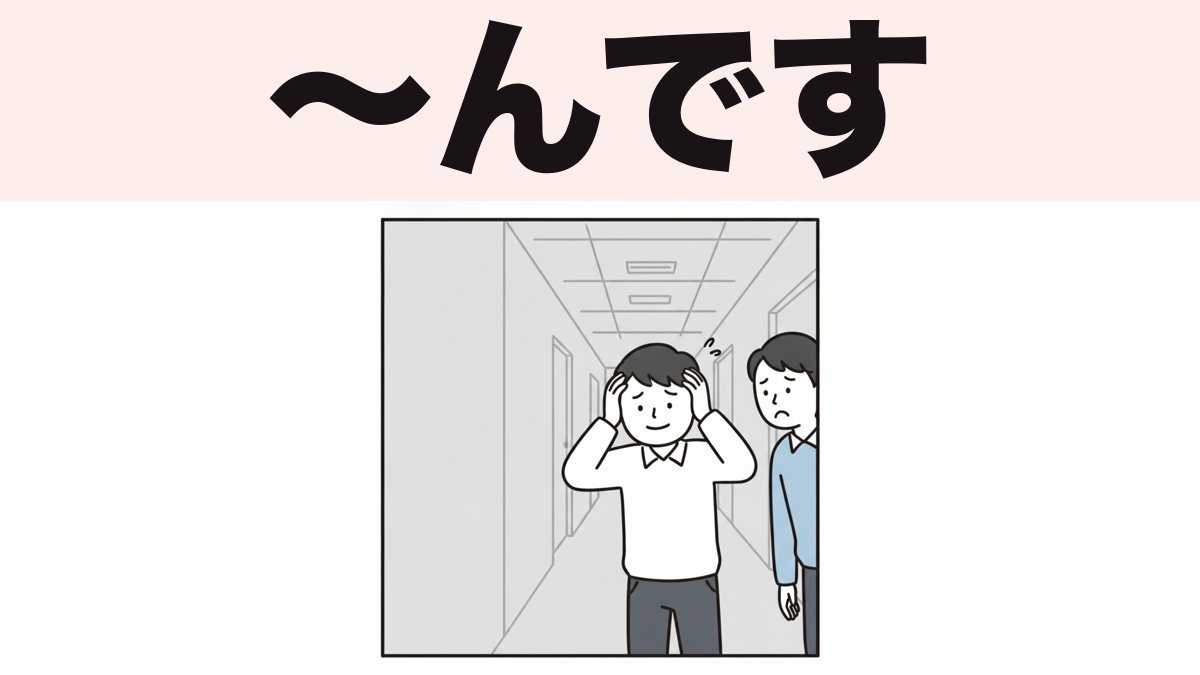
〜んです: the ending that connects your sentence to the situation
〜んです does not add meaning — it says "this explains something." How to build it, why 学生んです is wrong, and why too many んですか sounds like an interrogation.
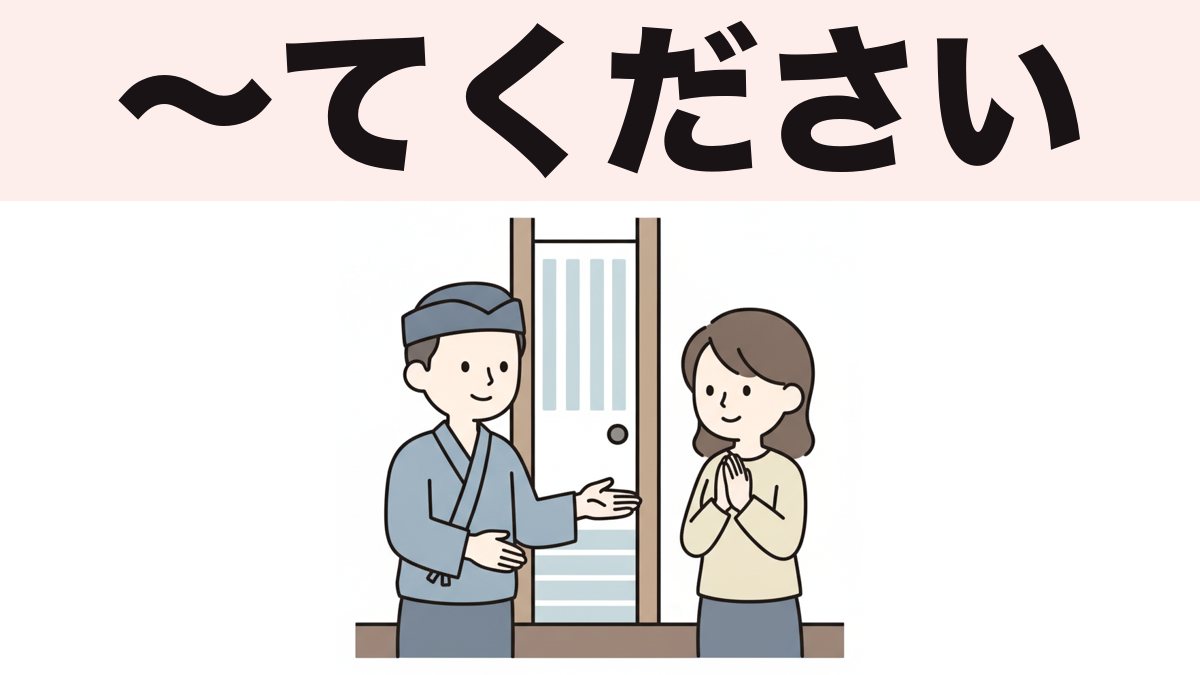
〜てください: polite, but not as polite as you think
〜てください is an instruction with a please on it. How to build it, the negative 〜ないでください, and the four rungs above it for when you need to actually ask.
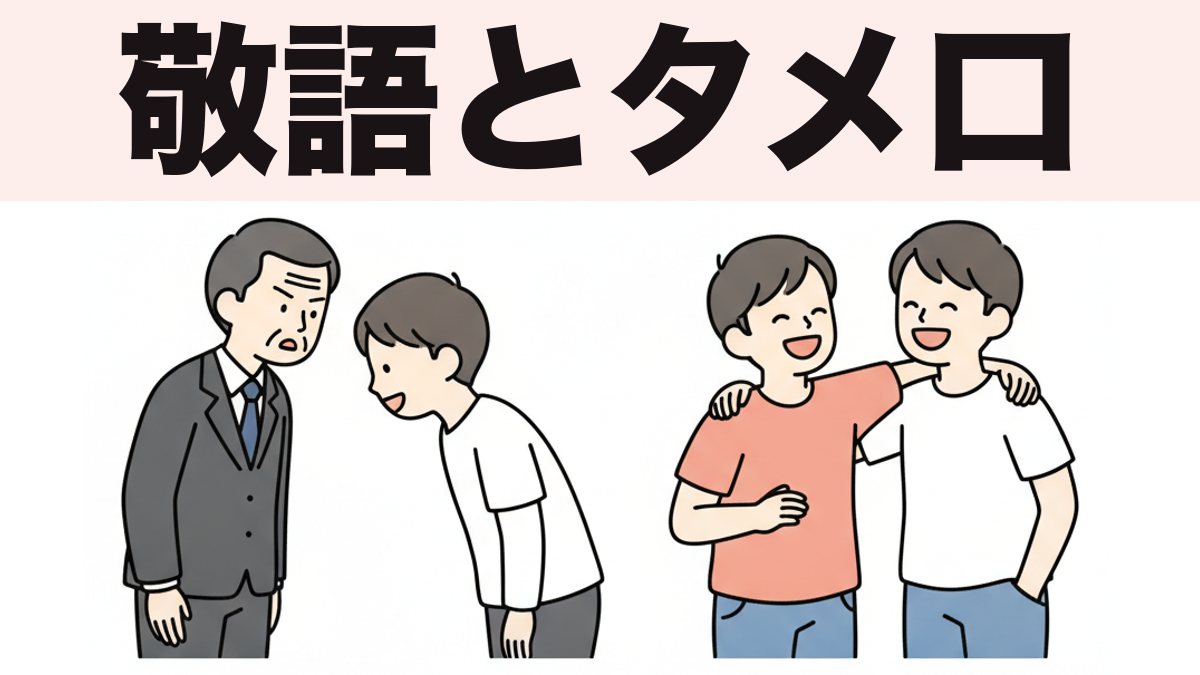
Keigo vs casual: how to know when to switch in Japanese
Keigo has five official categories, but three jobs matter first: polite, respectful and humble. Here is what each does and when speakers actually switch.
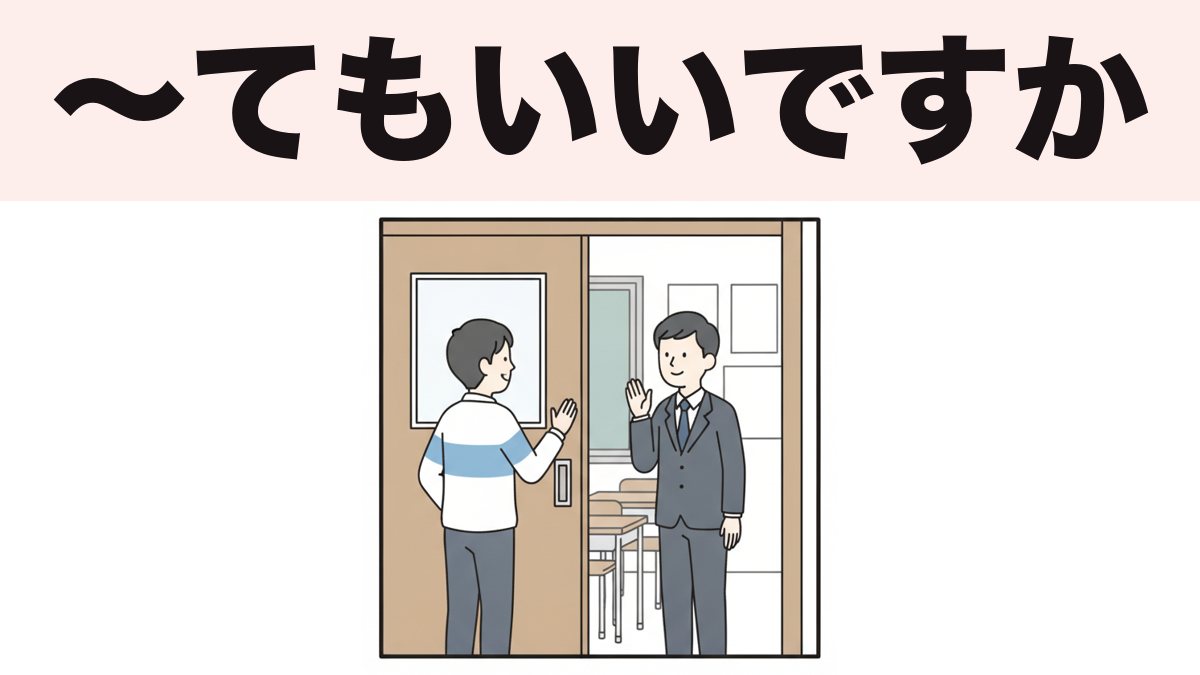
Te mo ii desu ka: how do you ask "can I" in Japanese?
Te mo ii desu ka means "may I" or "can I" in Japanese, asking permission to do something. For example, 写真を撮ってもいいですか means "May I take a photo?"
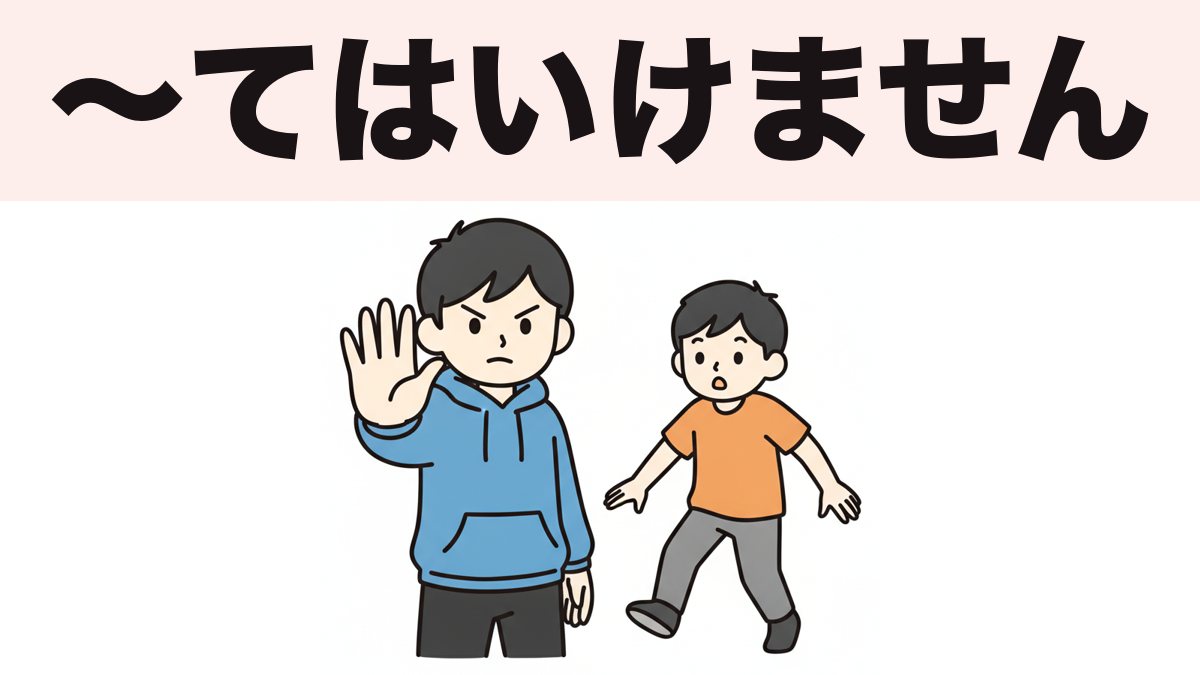
てはいけません: how strong is "you must not" in Japanese?
てはいけません states a rule, not a request. Here is how it differs from だめ, ないでください, and the anime shout んじゃない, with a strength ladder.
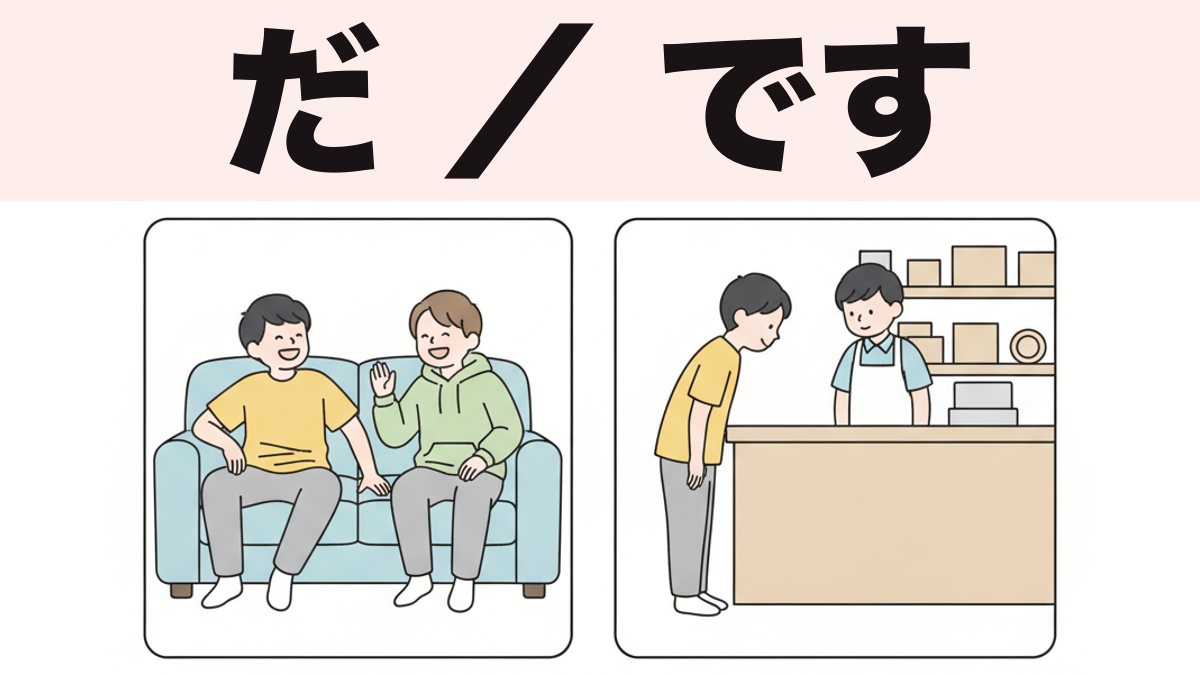
だ or です: the one decision that changes how you sound
Learn when to use だ and です, how verbs and adjectives change, and why plain forms belong inside polite sentences, with examples and practice.
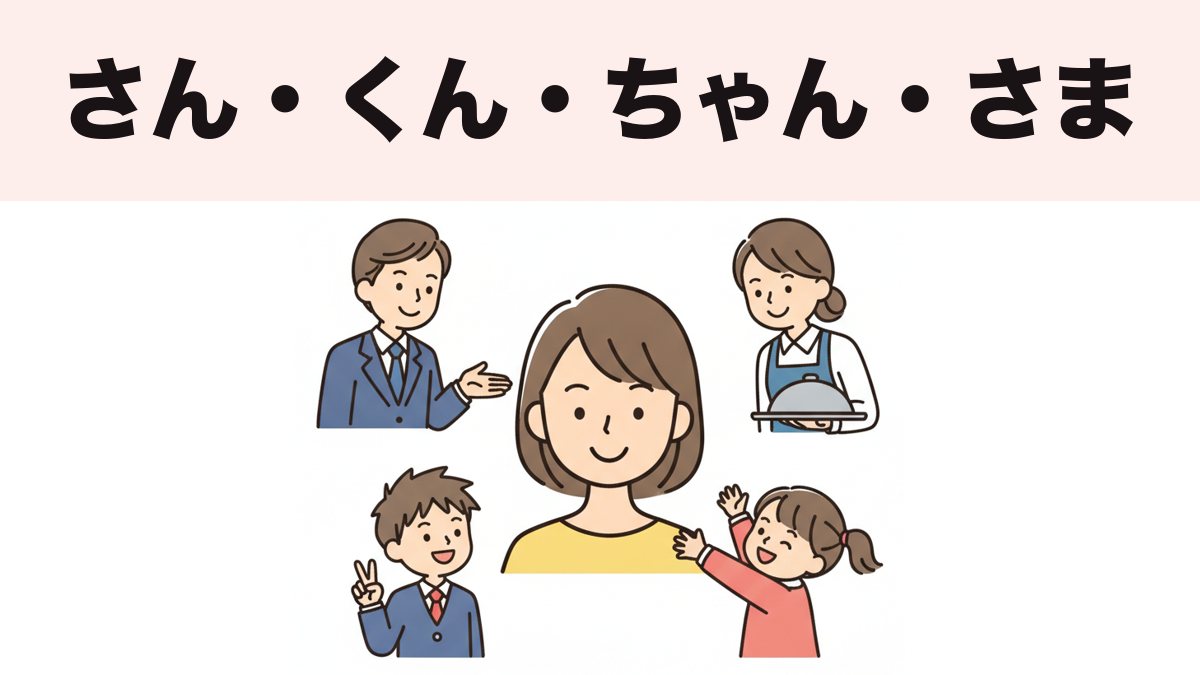
San, kun, chan, sama: how Japanese honorifics work
Learn what san, kun, chan, and sama signal about relationships, how to choose a name, and when dropping an honorific can sound too familiar.
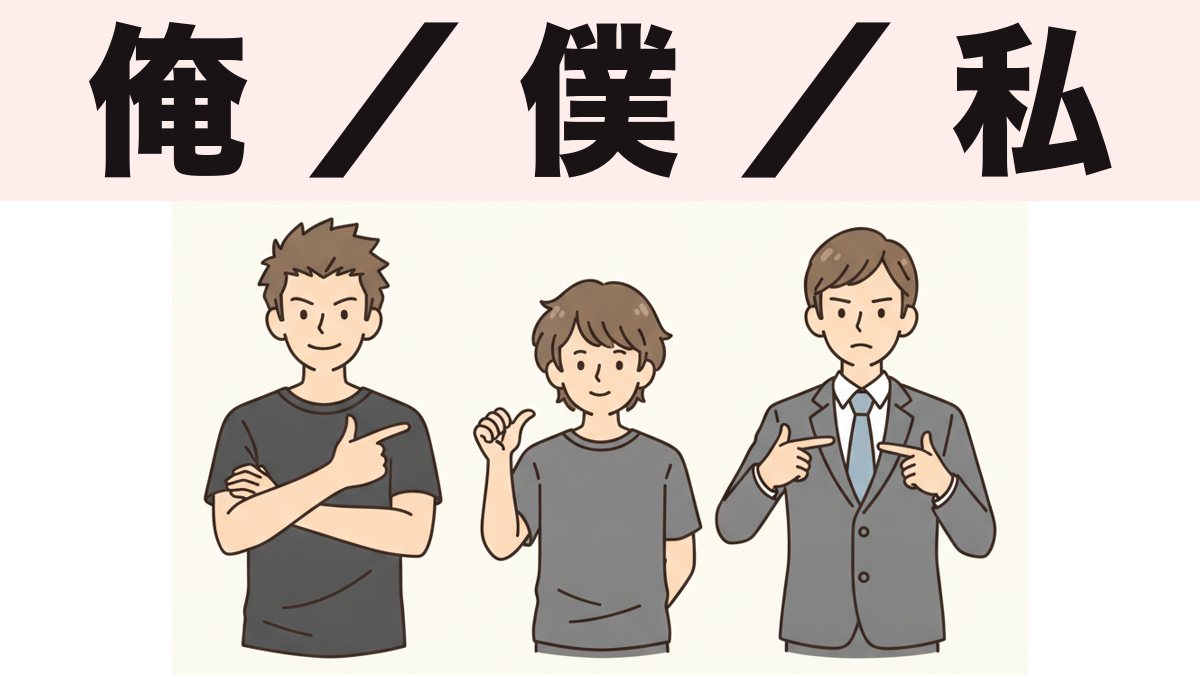
How Do You Say "I" in Japanese? Ore, Boku, Watashi Compared
"I" in Japanese depends on who is speaking: わたし is the safe, neutral default, ぼく is soft and used by men, and おれ is blunt, for men with close friends only.