JLPT LEVEL
JLPT N5 articles
Grammar and vocabulary articles tagged N5 (first steps).
247 articles
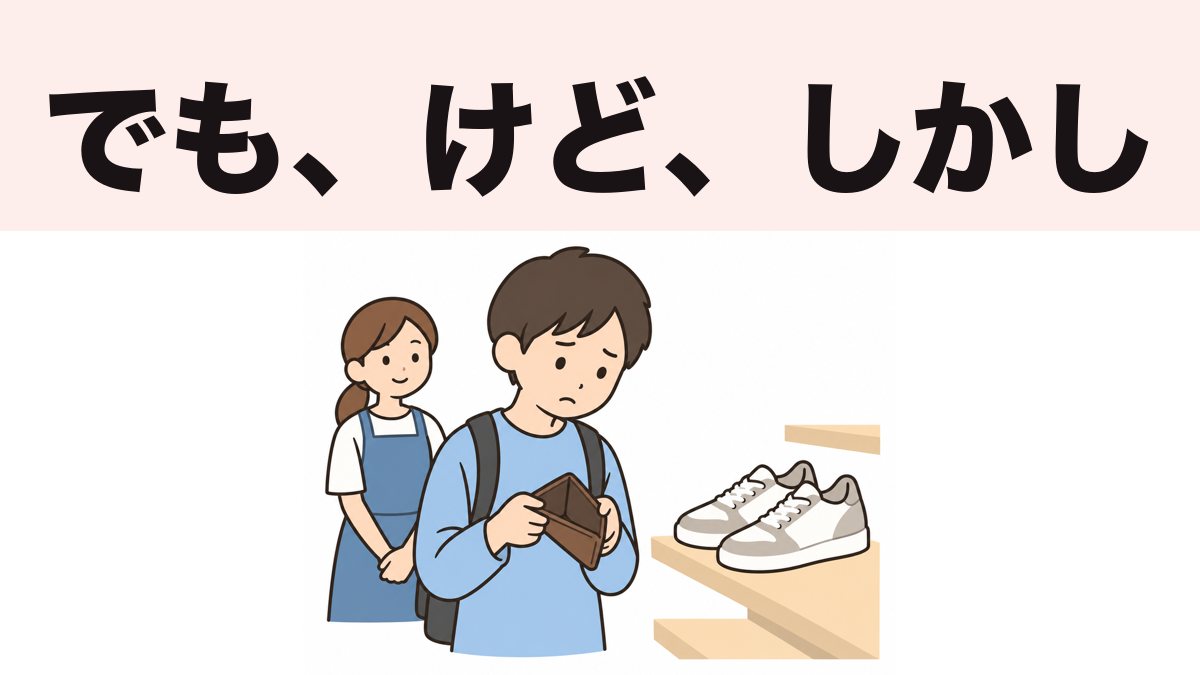
But in Japanese: でも, けど, が, しかし — which one goes where
In the basic "but" use, でも opens a new sentence, けど and が join two clauses, and しかし is the formal opener. Plus the other でも, as in お茶でも.
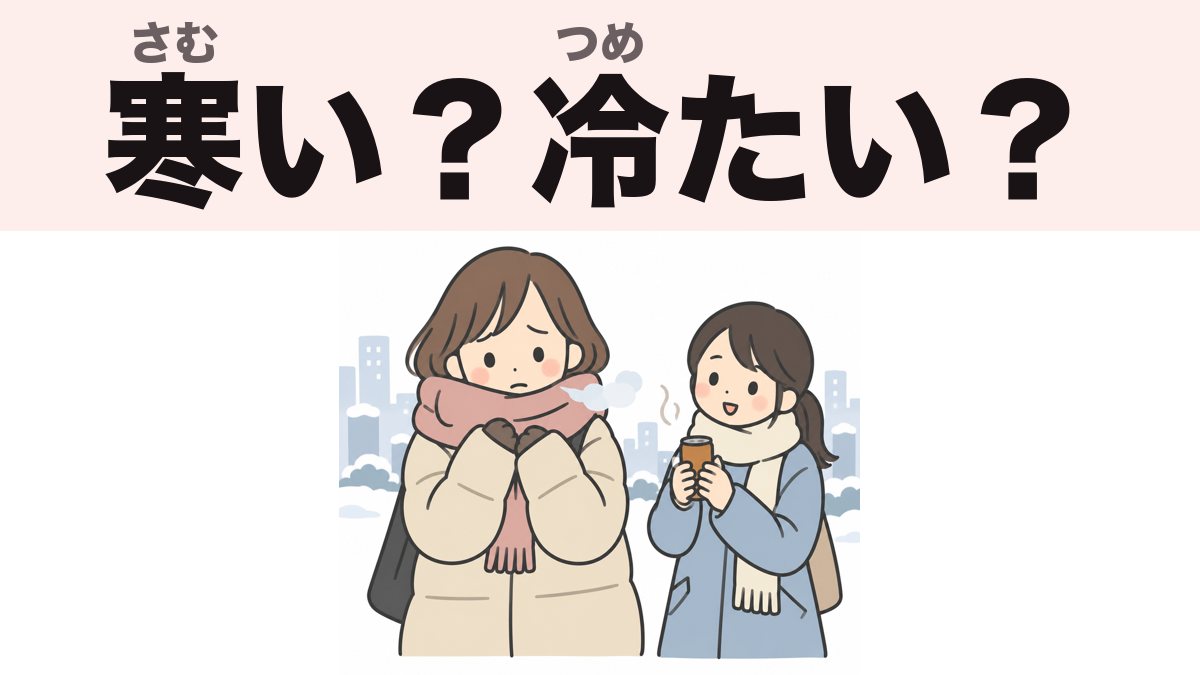
Cold in Japanese: 寒い (samui) for the air, 冷たい (tsumetai) for things you touch
Cold in Japanese is 寒い (samui) for weather and how you feel, 冷たい (tsumetai) for things you touch. Plus 風邪, 冷える, 冷める and 寒がり.
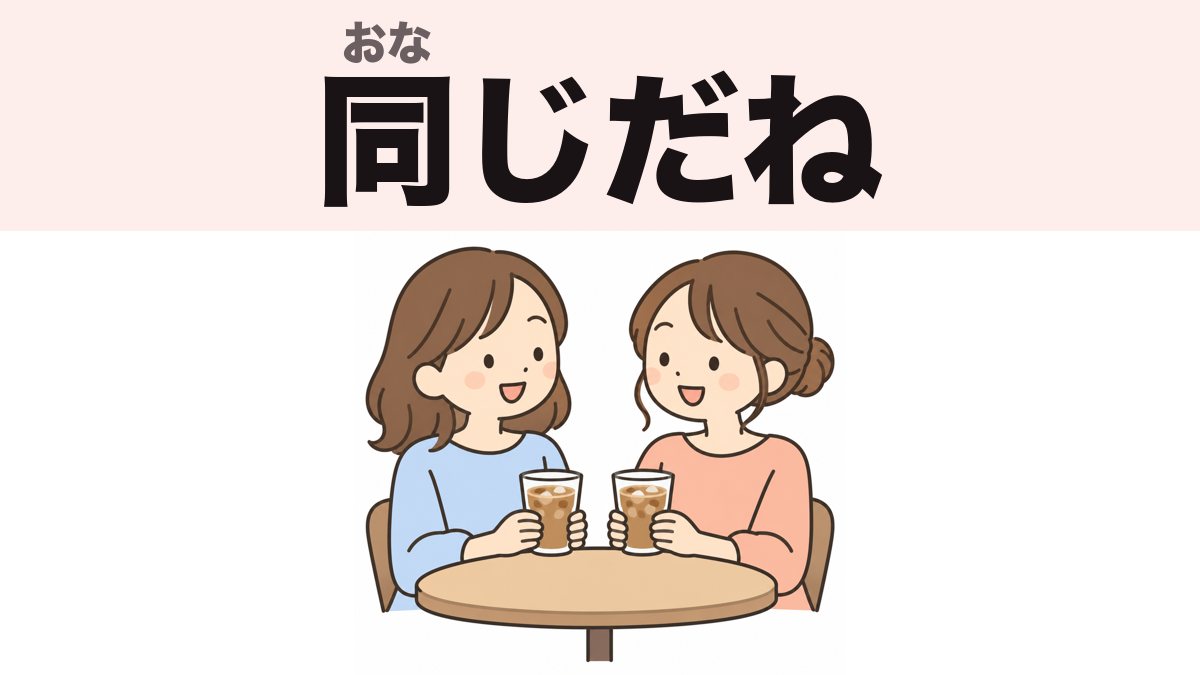
Same in Japanese: 同じ (onaji) takes no な, and 一緒 is not always "same"
"Same" in Japanese is 同じ (onaji): no な or の before a noun (同じ店), and "same as X" is Xと同じ. Plus when 一緒 means "together," and 同じくらい vs 同じように.
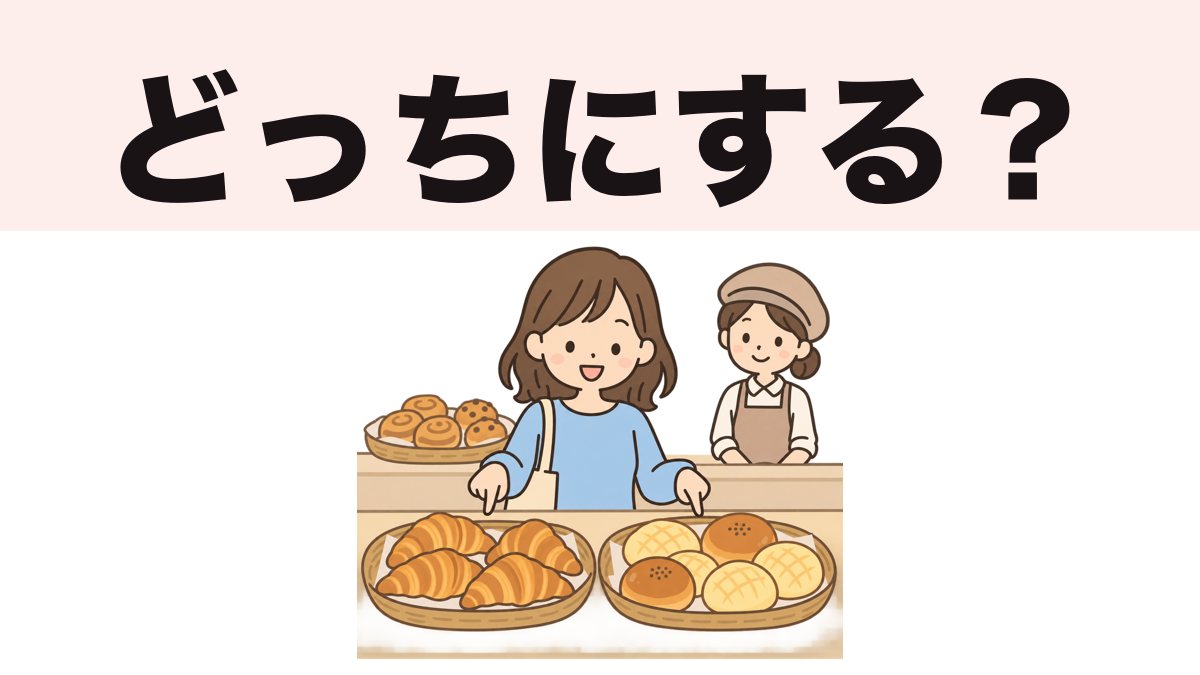
Which in Japanese: dore, dotchi, dochira and dono explained
Which in Japanese usually depends on how many options you have: どっち/どちら for two, どれ for three or more, どの before a noun. Plus どちら様 and どちらでも.
Why in Japanese: なんで vs どうして vs なぜ
Why in Japanese: なんで (casual), どうして (neutral), なぜ (formal). Polite forms, why questions that sound like blame, and how to answer.
Beer in Japanese: ビール (biiru), 生ビール, とりあえず and how to order one
Beer in Japanese is ビール (biiru), with a long ii. Learn 生ビール, とりあえず生, 乾杯, counters like 一杯 and 一本, and how to order at an izakaya.
Animal in Japanese: 動物 vs 生き物, plus names, kanji and counters
Animal in Japanese is 動物 (doubutsu). Learn how it differs from 生き物, ペット and 獣, common animal names with kanji, 匹/頭/羽 counters, and anime foxes and tanuki.
Enjoy in Japanese: 楽しむ, 楽しい and 楽しみ explained
Enjoy in Japanese is 楽しむ (tanoshimu), but "I enjoyed it" is usually 楽しかった. Learn 楽しむ vs 楽しい vs 楽しみ, "enjoy your trip", and common mistakes.
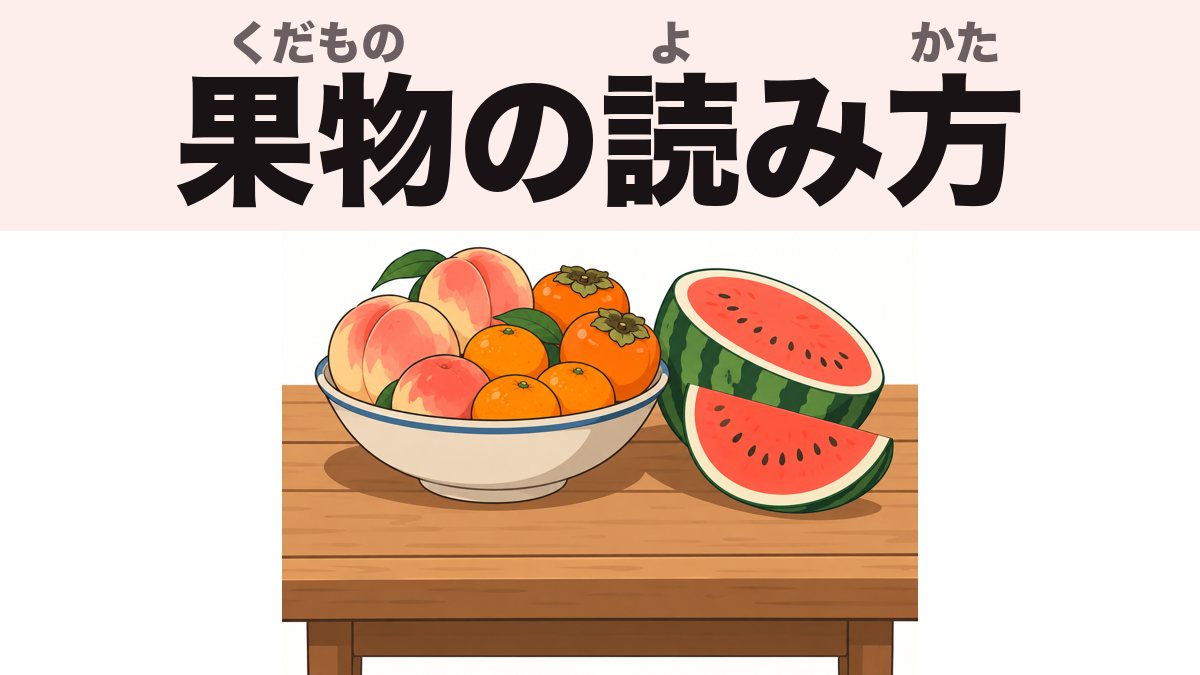
Fruit in Japanese: 果物 (kudamono) vs フルーツ, with names and kanji
Fruit in Japanese is 果物 (kudamono), with a reading learners rarely guess. See 果物 vs フルーツ, hiragana, katakana and kanji for common fruits, and 実がなる.
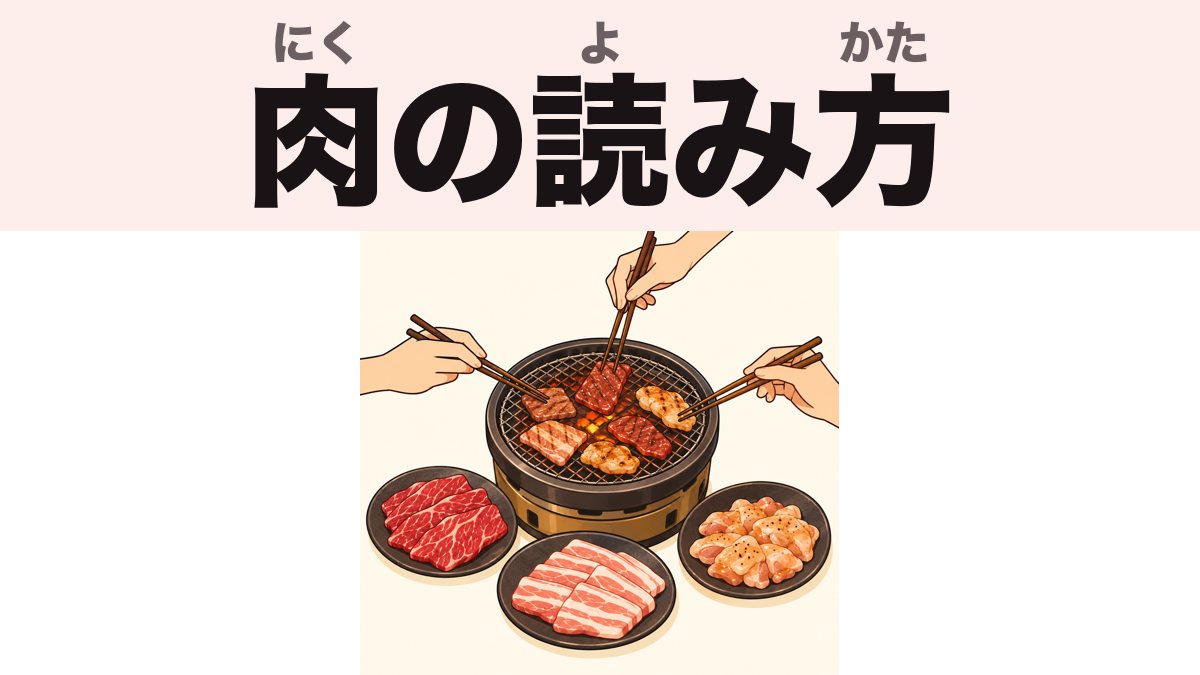
Meat in Japanese: how do you say and read 肉 and 牛肉, 豚肉, 鶏肉?
Meat in Japanese is 肉 (niku). Learn how to read 牛肉, 豚肉, 鶏肉, ひき肉 and 焼肉, why 牛肉 is not "ushi niku", and how to say you cannot eat meat.
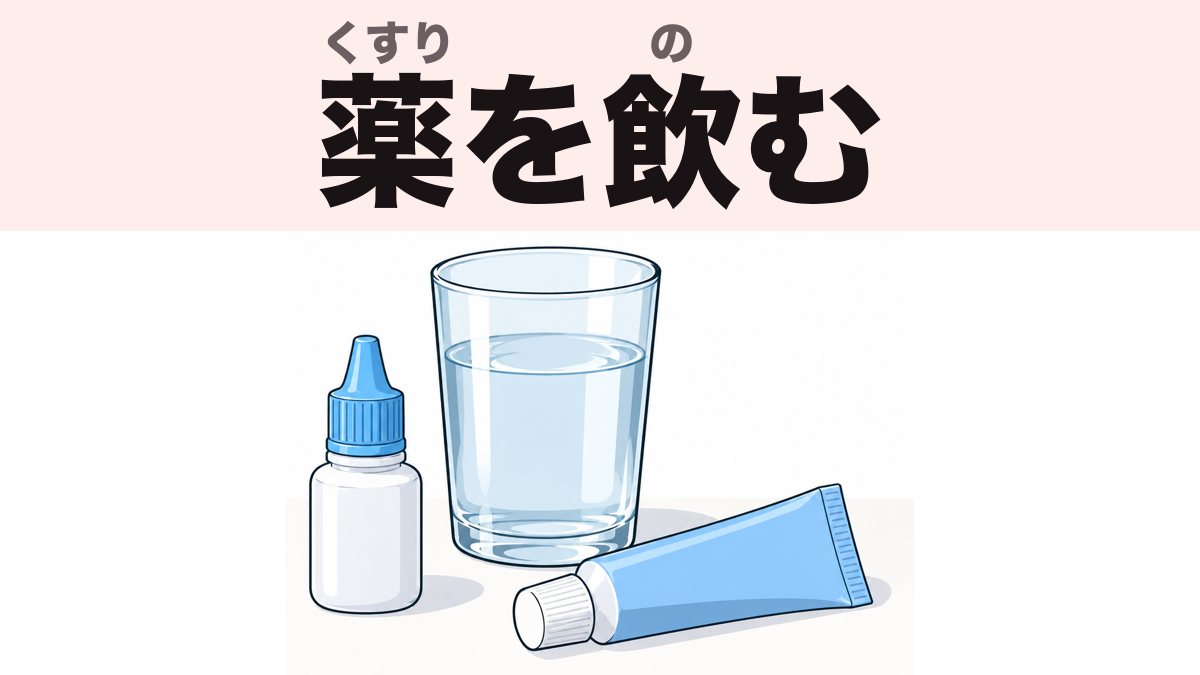
Medicine in Japanese: how do you say 薬 (kusuri) and use it with the right verb?
Medicine in Japanese is 薬 (kusuri), often お薬 when polite. Learn the verbs 飲む, 塗る and さす, pharmacy words, 医学 vs 薬, and anime potions.
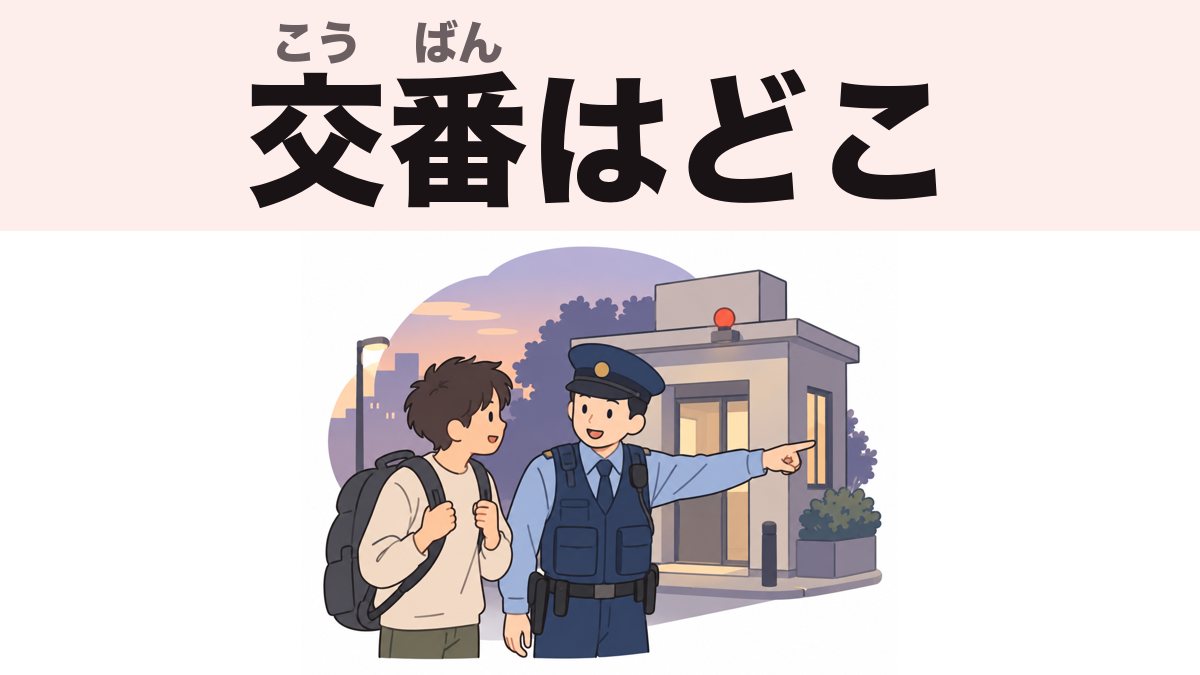
Police in Japanese: 警察, 警察官, お巡りさん and 交番 explained
Police in Japanese is 警察 (keisatsu) for the organization, 警察官 for the officer, お巡りさん in speech. Learn 交番, 110 vs 119, 刑事, and what to say.
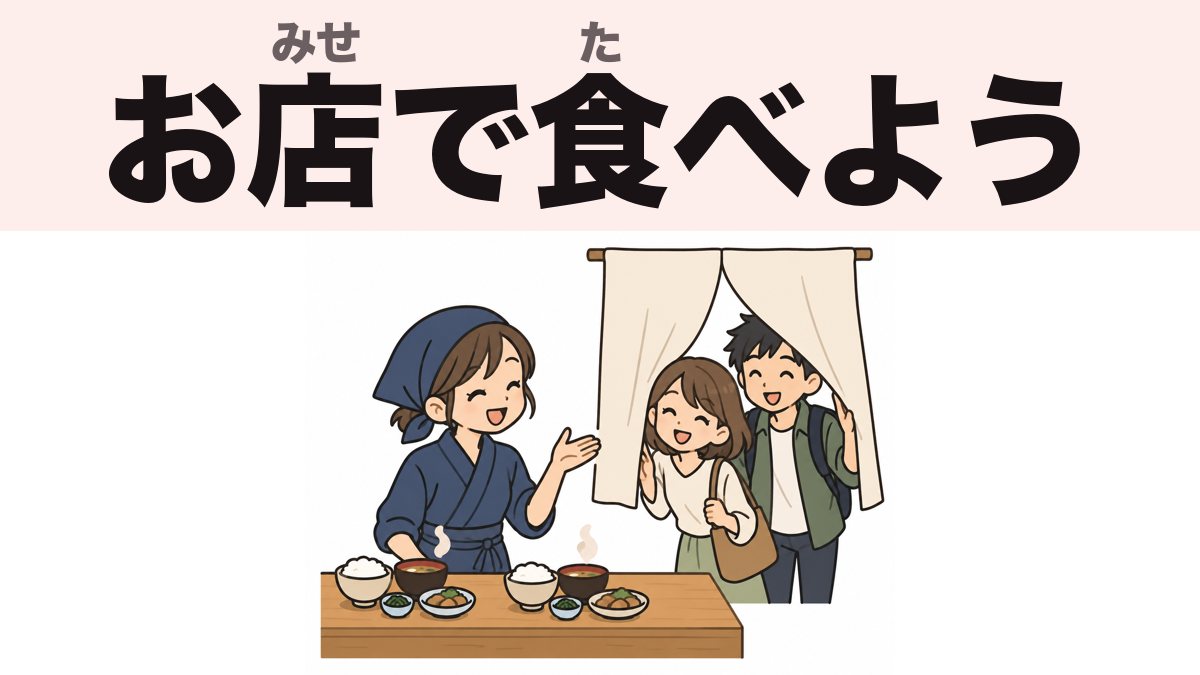
Restaurant in Japanese: レストラン, お店, 食堂 and how to eat out
Restaurant in Japanese is レストラン (resutoran), but it sounds Western. Learn 店, 食堂, 居酒屋, ファミレス, plus what to say when you enter, order, pay and leave.
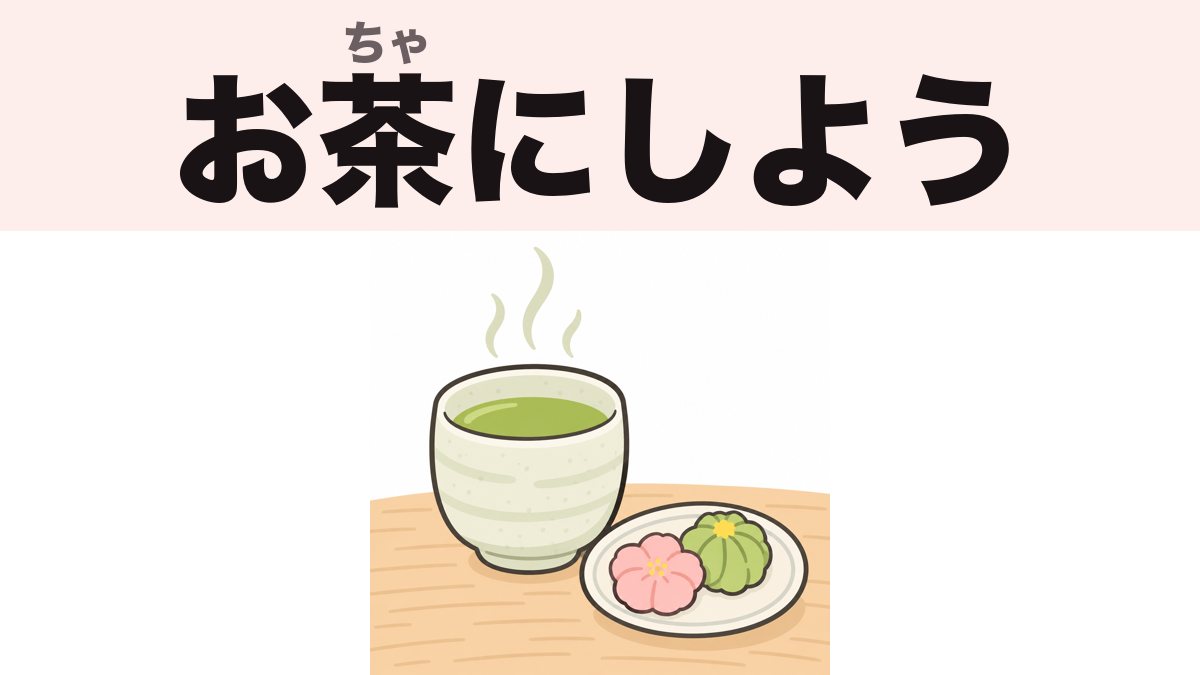
Tea in Japanese: how do you say お茶, 紅茶 and お茶する?
Tea in Japanese is お茶 (ocha), usually green tea. See why 茶 alone is rare, how 紅茶 means black tea, and what お茶する and お茶でもどう? really mean.
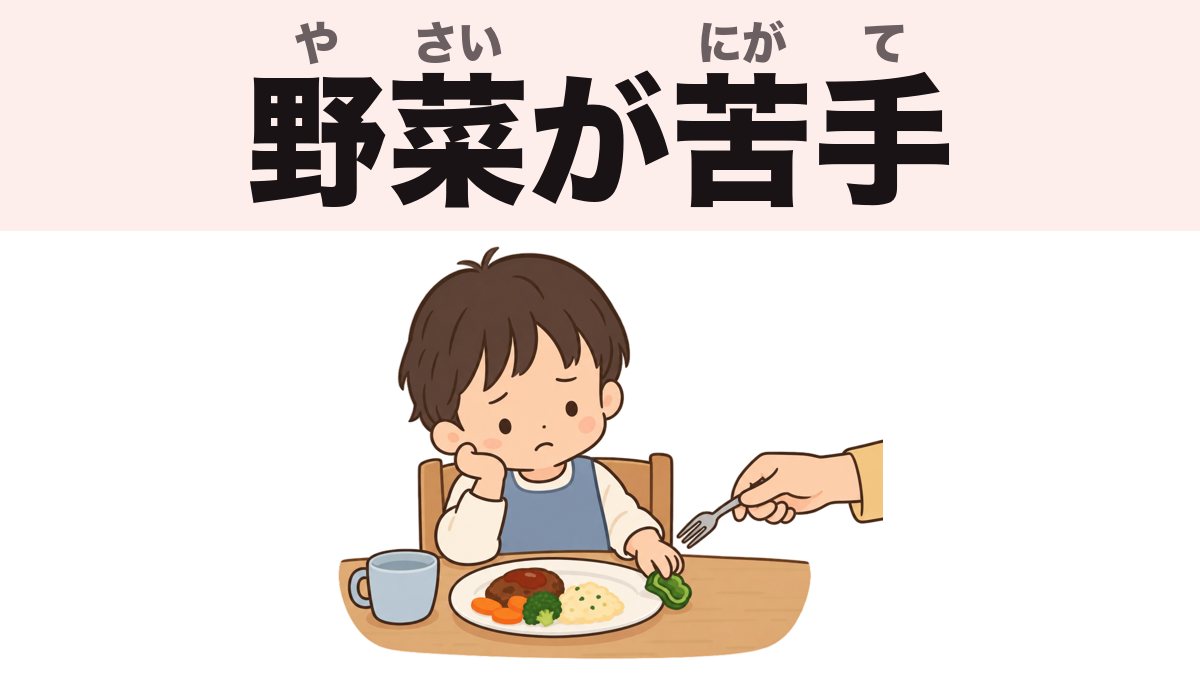
Vegetable in Japanese: how do you say 野菜 and name common vegetables?
Vegetable in Japanese is 野菜 (yasai). Learn the polite お野菜, menu words like 野菜炒め, nine common vegetable names, and how to say you do not eat meat.
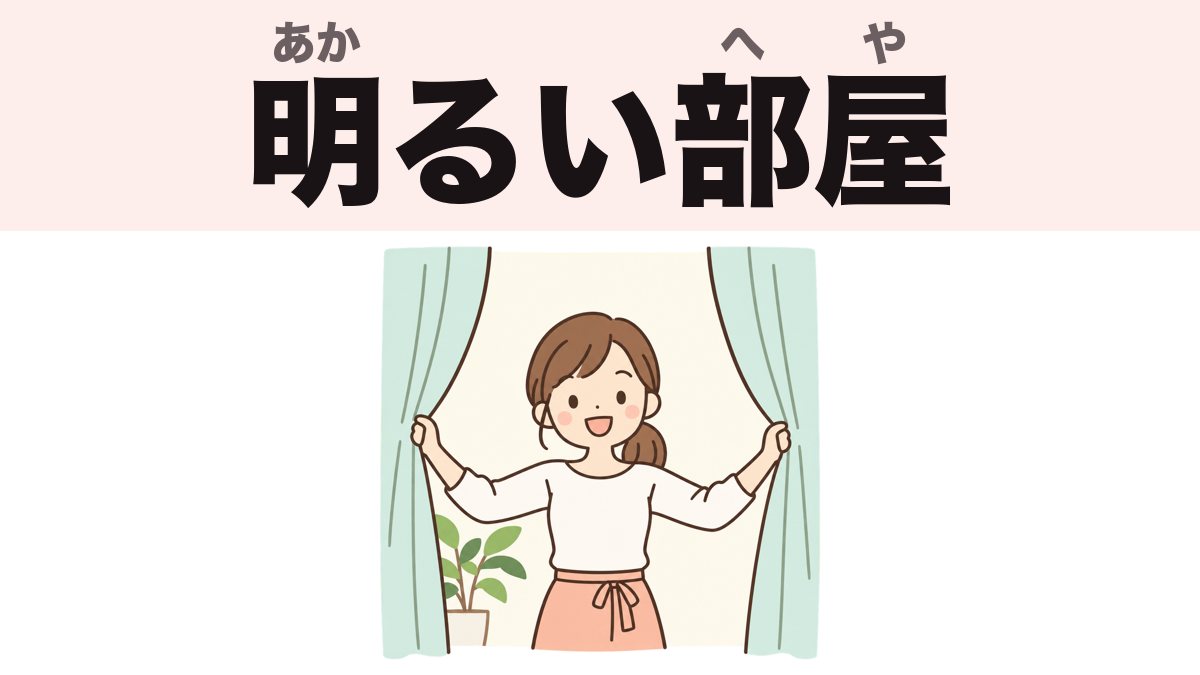
Bright in Japanese: how do you use 明るい (akarui)?
Akarui means bright in Japanese: a bright room, a cheerful person, a bright color. 部屋が明るい means "The room is bright." Here is how it behaves.
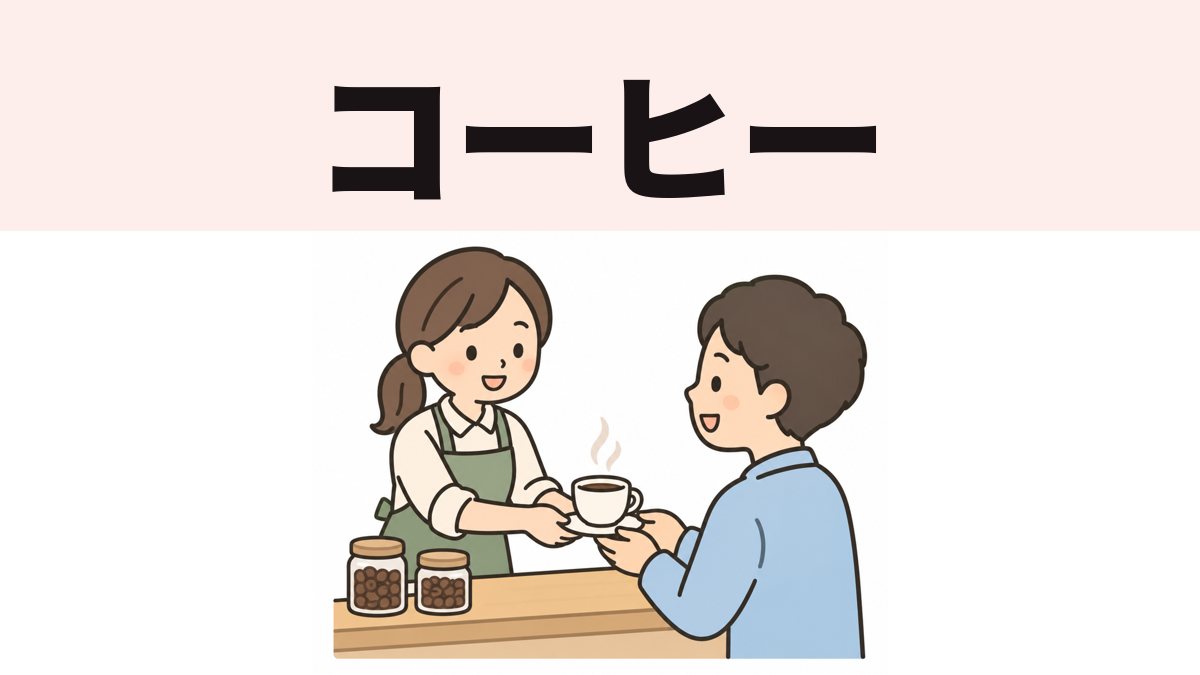
Coffee in Japanese: how do you say and order コーヒー?
Coffee in Japanese is コーヒー (koohii), written in katakana with a long ー. Learn 珈琲, kissaten vs cafe, how to order hot or iced, and common mistakes.
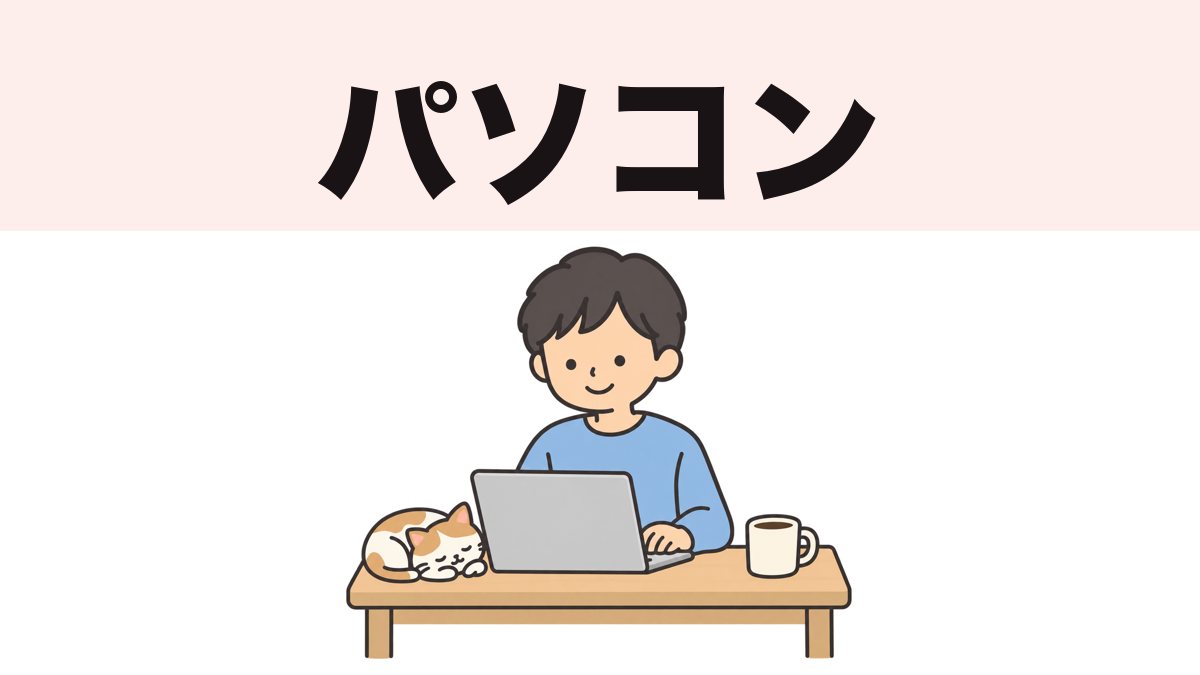
Computer in Japanese: pasokon, konpyūtā and dennō
Computer in Japanese is usually パソコン (pasokon) in daily life, コンピューター for the technology, and 電脳 for sci-fi. Here is when to use each, plus PC verbs.
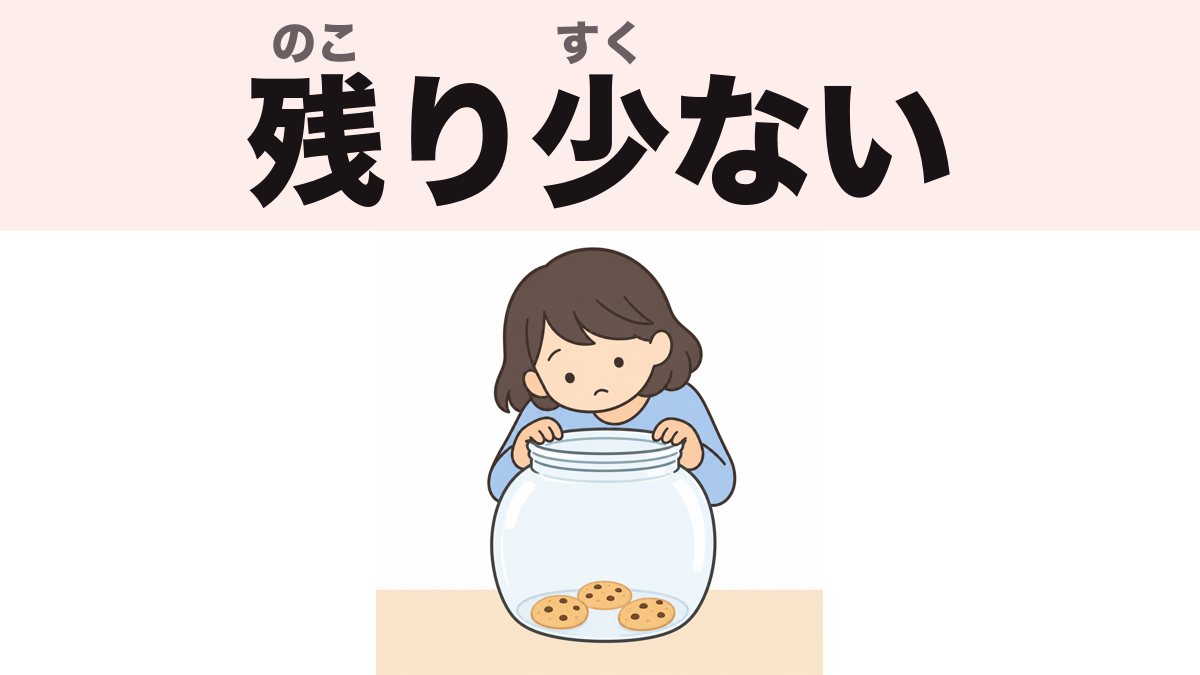
Few in Japanese: how do you say "few" and "a little" with 少ない and 少し?
Few in Japanese is 少ない (sukunai) for "not many / not much", and 少し (sukoshi) for "a little". 人が少ない means "there are few people". Here is how to use both.
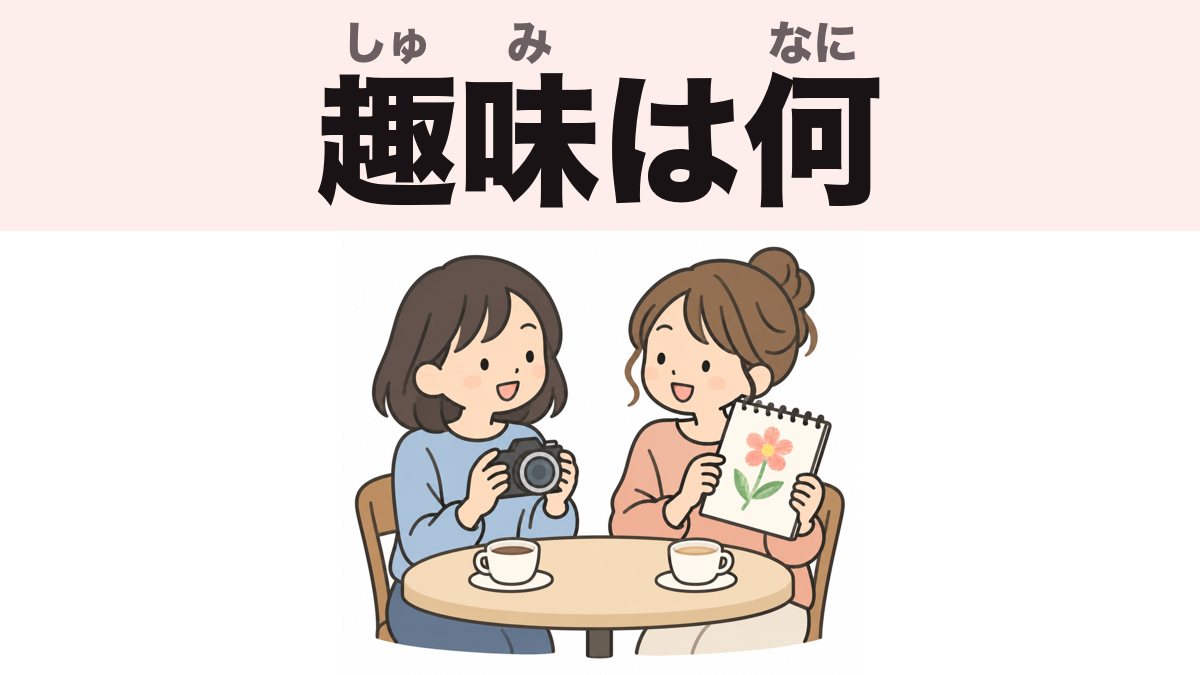
Hobby in Japanese: how do you say 趣味 (shumi) and talk about yours?
Hobby in Japanese is 趣味 (しゅみ, shumi). Say 趣味は〜ことです ("My hobby is doing ~"), and 趣味は本を読むことです means "My hobby is reading books."
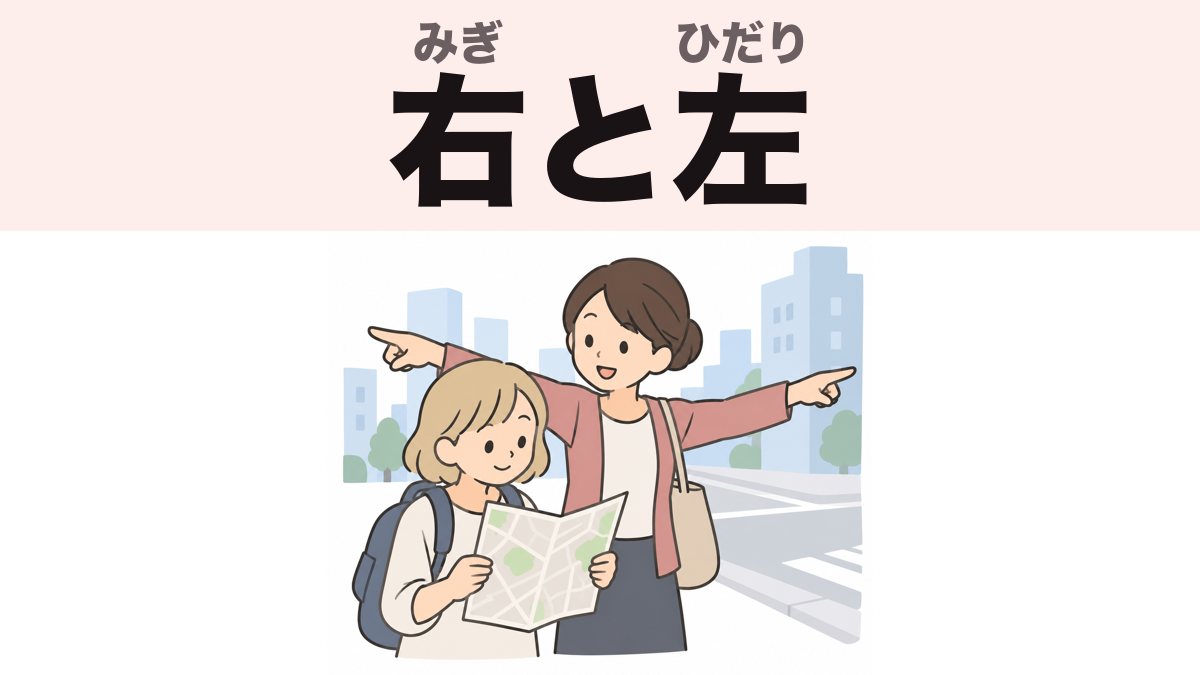
Left in Japanese: how do you say left and right (左 hidari, 右 migi)?
Left in Japanese is 左 (hidari) and right is 右 (migi). For example, 左に曲がってください means "Please turn left." Learn the kanji, 左右, and the left-over trap.
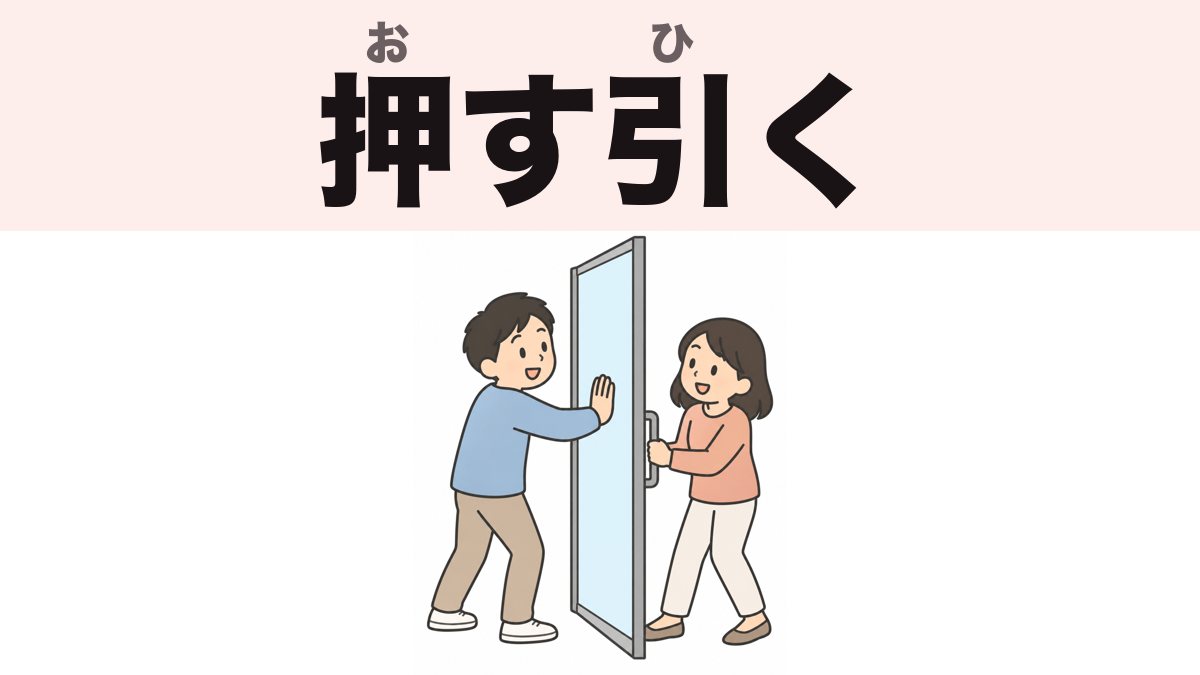
Push and pull in Japanese: 押す (osu) and 引く (hiku)
Push in Japanese is 押す (osu) and pull is 引く (hiku). Learn the door signs 押 and 引, the particles, and why hiku also means to catch a cold or draw a gacha.
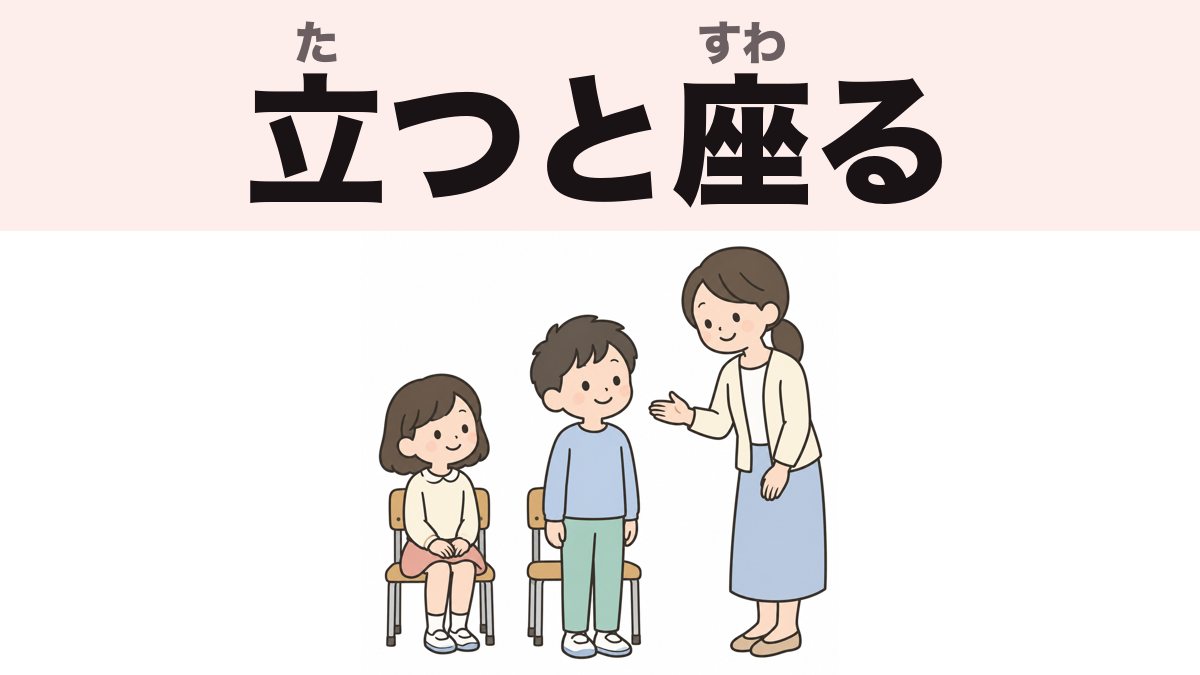
How do you say "stand" and "sit" in Japanese? 立つ and 座る
Stand in Japanese is 立つ (tatsu) and sit is 座る (suwaru). 立ってください means "please stand," and the ている form tells you if someone is already standing or sitting.
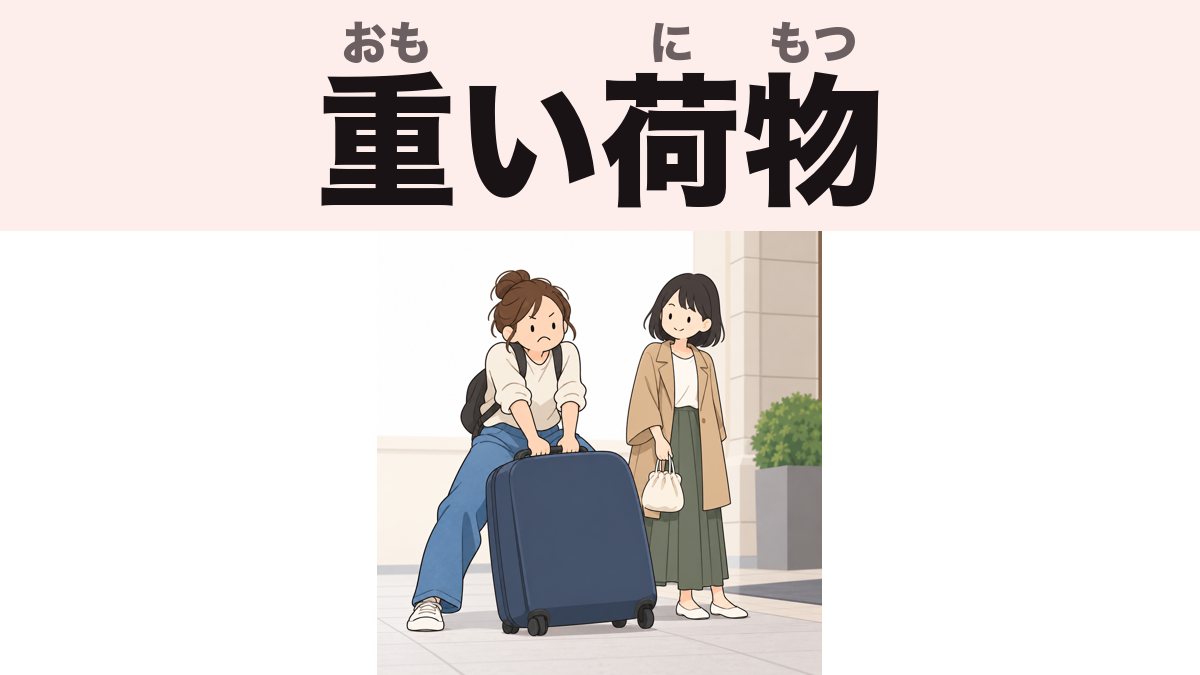
Heavy in Japanese: how do you say 重い (omoi) and its opposite 軽い?
Heavy in Japanese is 重い (omoi), written おもい in hiragana. Its opposite is 軽い (karui). Learn the conjugations, idioms, and how to ask about weight.
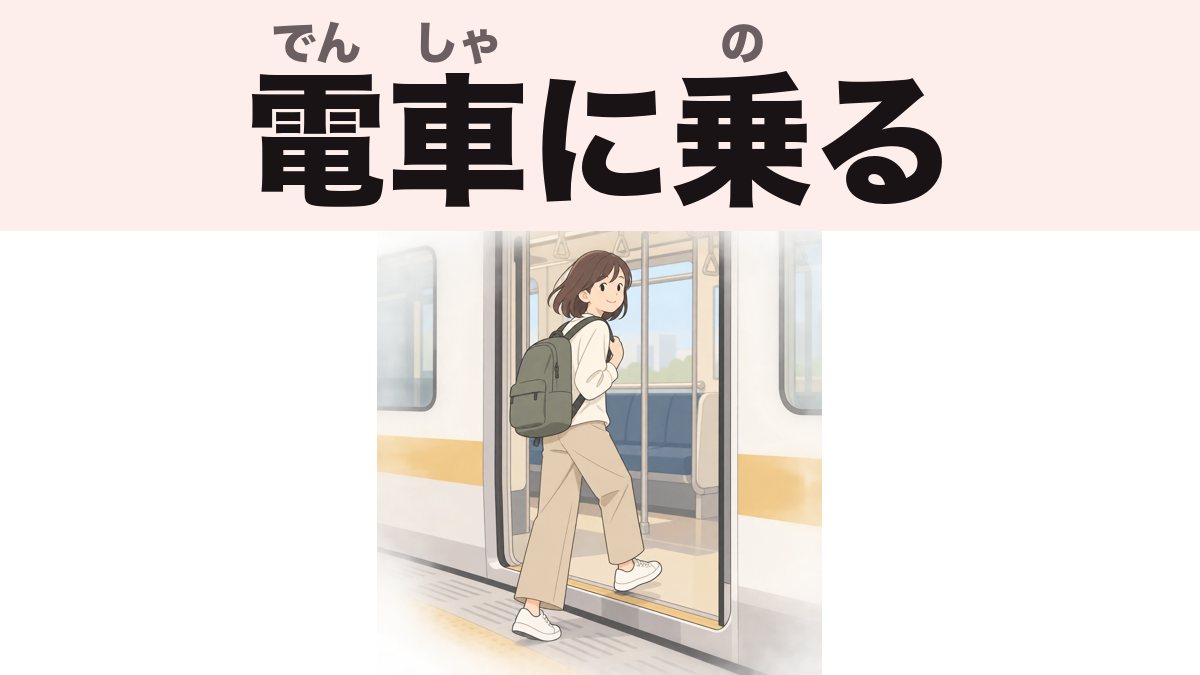
How do you say "ride" in Japanese? 乗る and the に particle
To ride in Japanese is 乗る (noru), and it takes に, not を: 電車に乗る means "ride the train." Plus 乗り換える, 降りる, 乗せる and idioms like 調子に乗る.
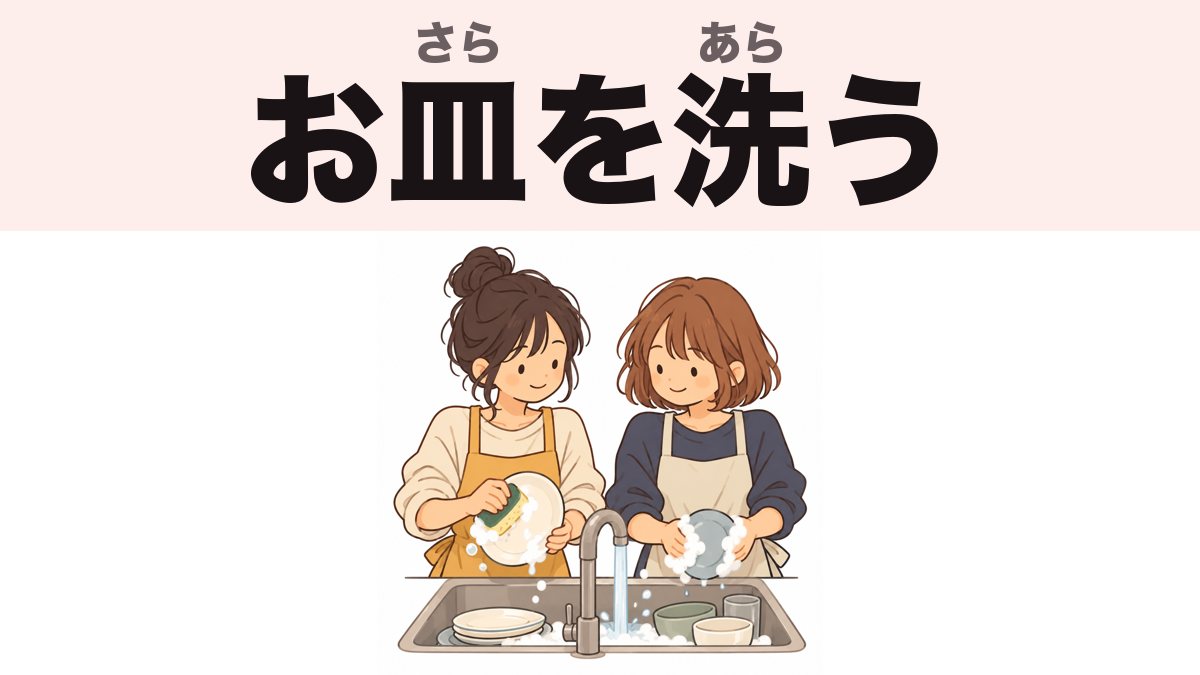
Wash in Japanese: how do you say 洗う, 洗濯する, and お手洗い?
Wash in Japanese is 洗う (あらう): 手を洗う, 顔を洗う, 皿を洗う. Clothes use 洗濯する, teeth use 磨く, and お手洗い is a polite word for the toilet. Masu form: 洗います.
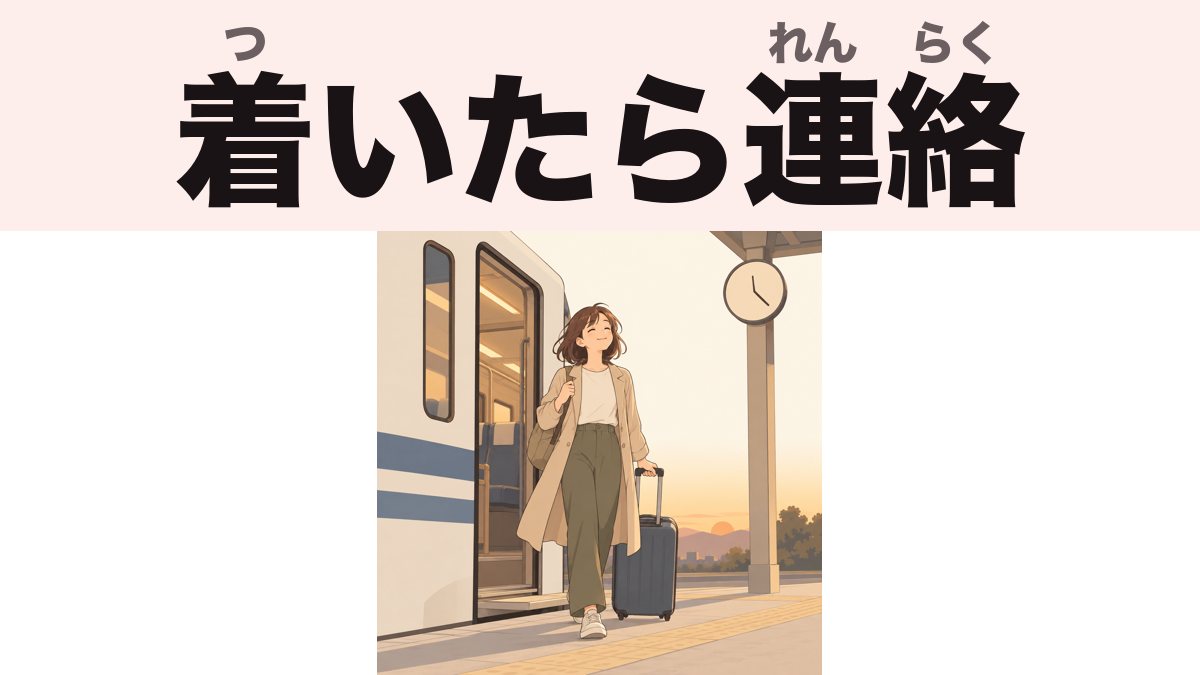
Arrive in Japanese: 着く (tsuku), 到着する, 届く and which one to use
Arrive in Japanese is 着く (tsuku) for people, 届く (todoku) for packages. Learn 到着する, 来る, 帰る and 間に合う, and why it is 駅に着く, not 駅で着く.
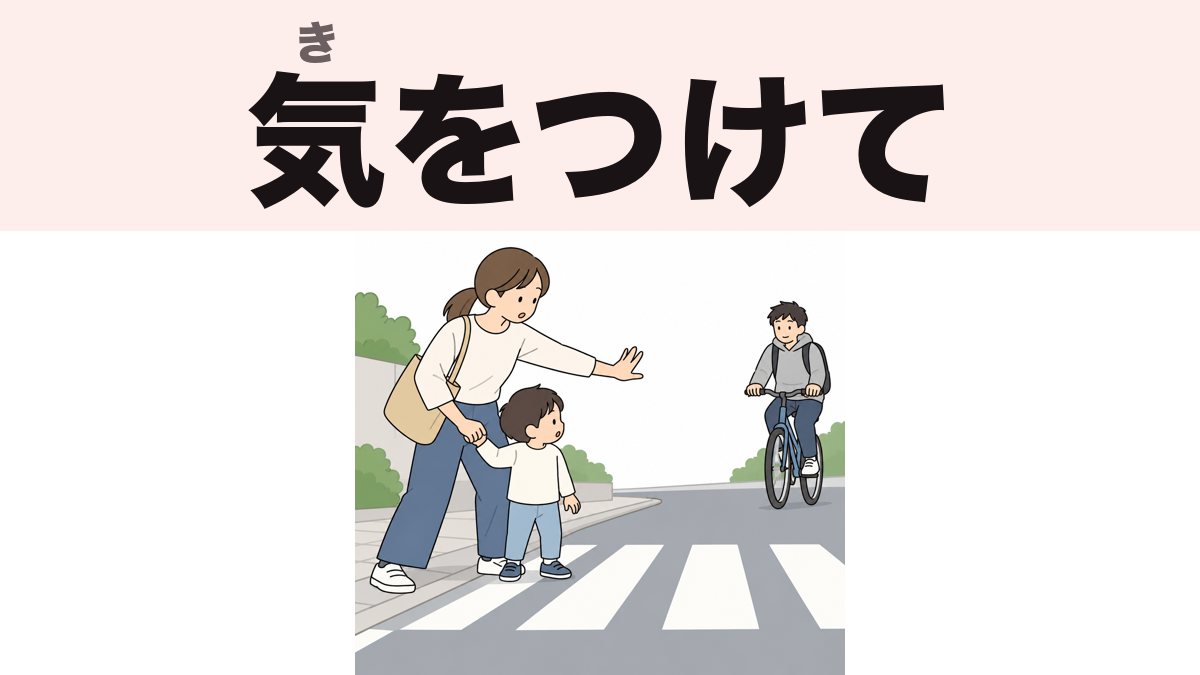
Be careful in Japanese: 気をつけて (ki wo tsukete) and the other ways to say it
Be careful in Japanese is usually 気をつけて (ki wo tsukete). Learn when to say 危ない, 注意して, 慎重に or 無理しないで instead, and why お大事に is not "take care".
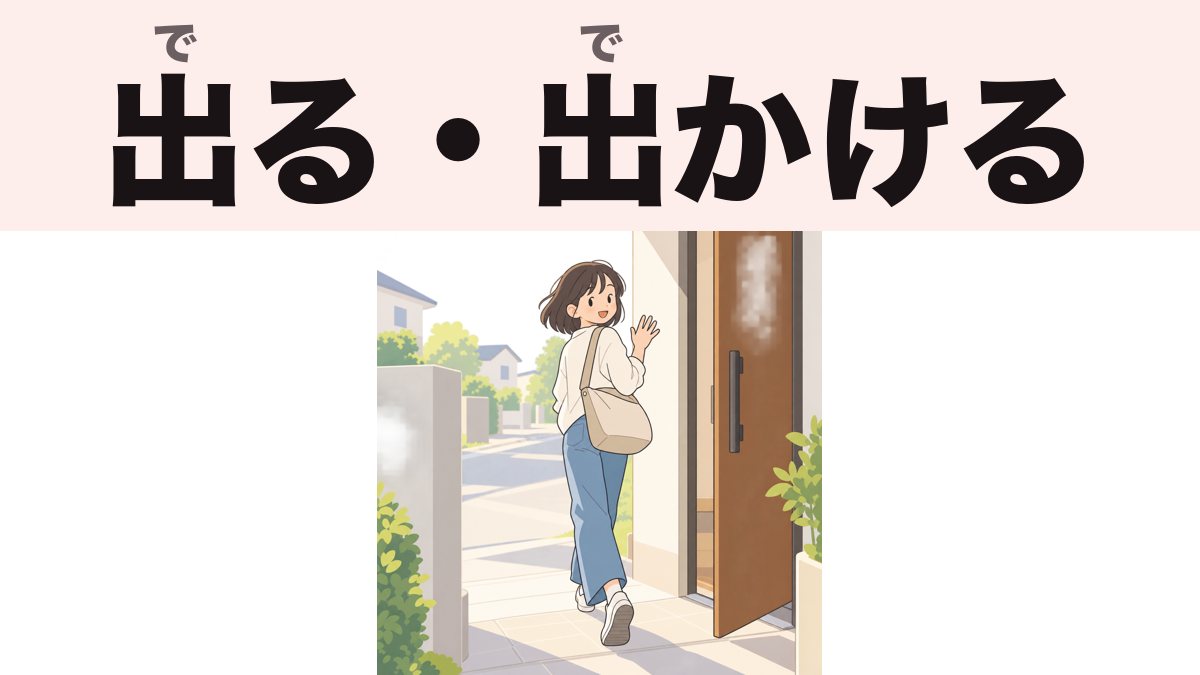
Leave in Japanese: 出る (deru), 出かける (dekakeru), 帰る (kaeru) and more — which one do you need?
Leave in Japanese is not one word: 出る for exiting a place, 帰る for heading home, 置いていく for leaving behind, やめる for quitting. Learn which verb fits.
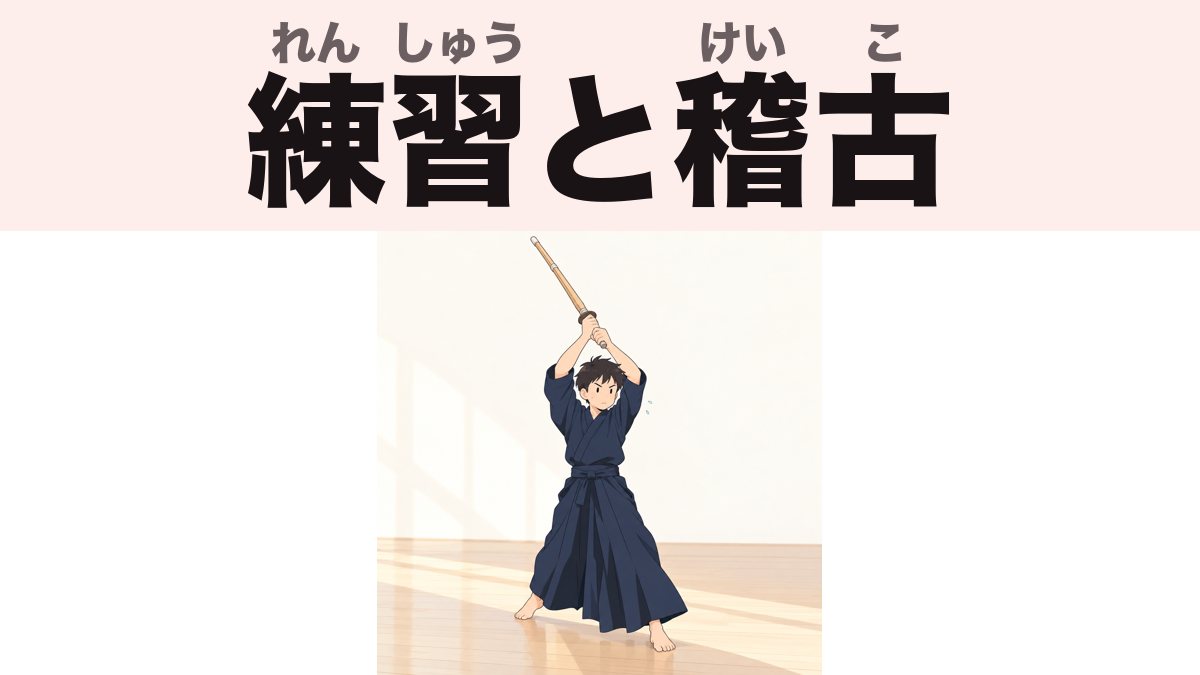
Practice in Japanese: 練習 (renshuu), 稽古, 訓練 and which one to use
Practice in Japanese is usually 練習 (renshuu), and 練習する is the verb. But 稽古, トレーニング, 訓練, 実践 and 習慣 cover the other meanings of "practice."
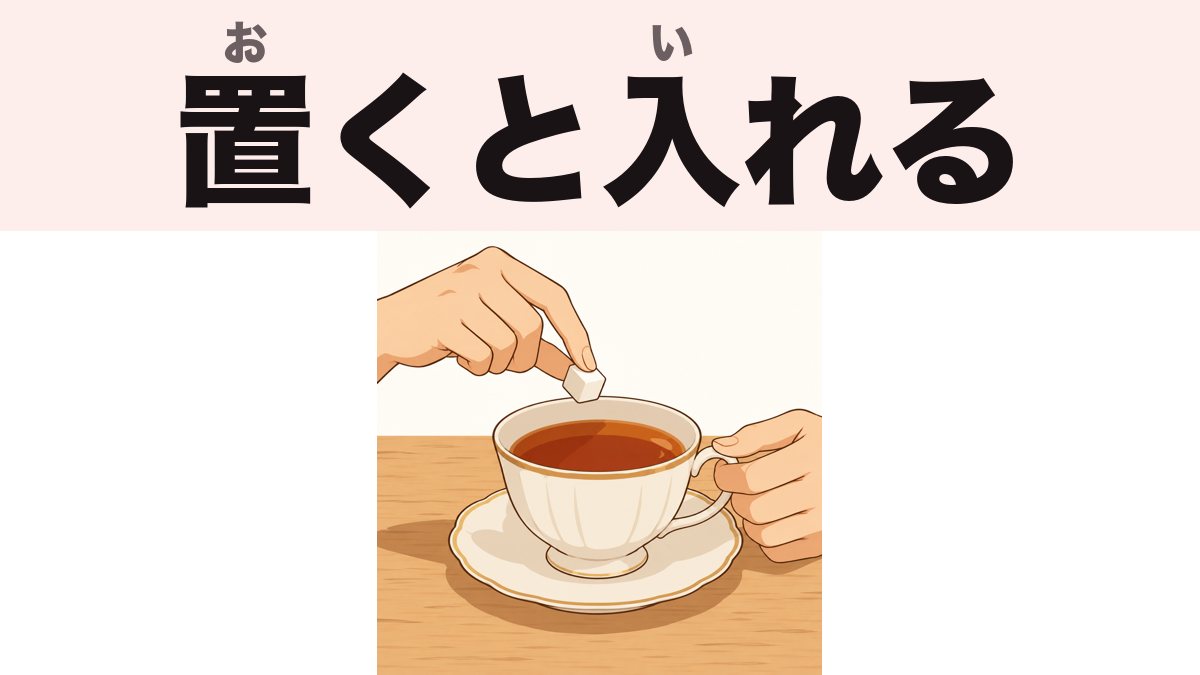
Put in Japanese: 置く (oku), 入れる (ireru) and the verbs English hides inside "put"
Put in Japanese depends on where the thing ends up: 置く for a surface, 入れる for inside, 着る for clothes, 貼る for stickers. Here is the full set with examples.
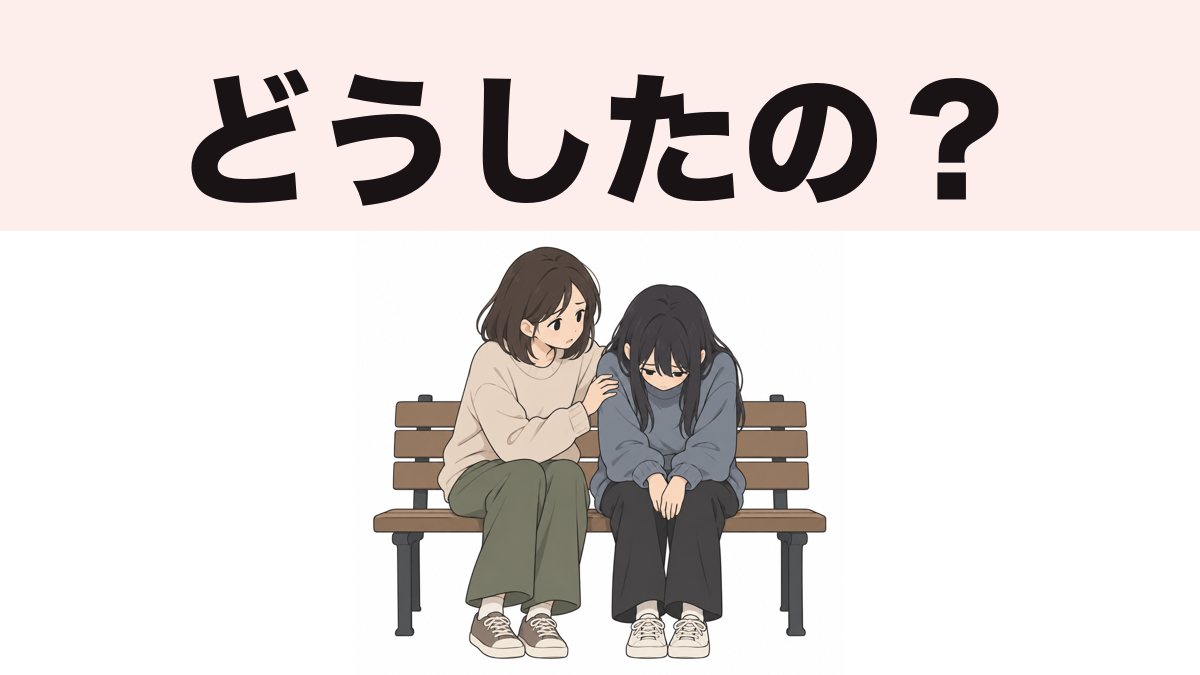
What's wrong in Japanese: どうしたの (doushita no), and why 何が悪い sounds angry
What's wrong in Japanese is どうしたの (doushita no), not the word-for-word 何が悪い, which sounds like a challenge. Polite, casual and anime versions explained.
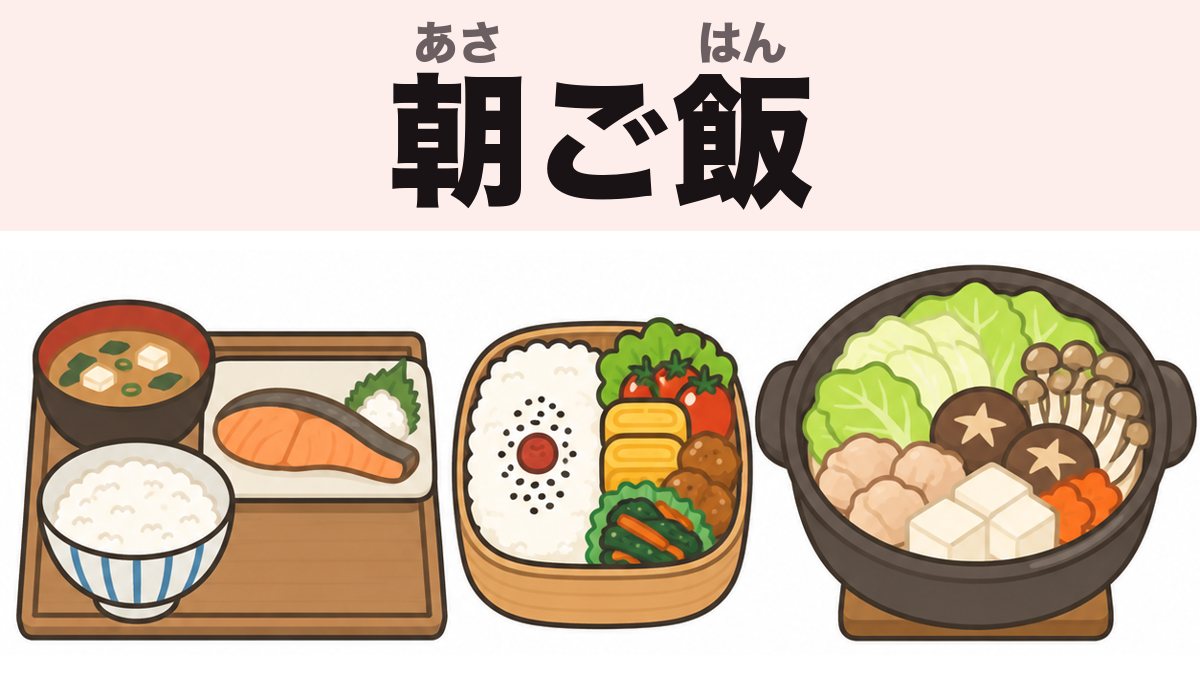
Breakfast, Lunch and Dinner in Japanese: 朝ご飯, 昼ご飯, 晩ご飯 and More
Breakfast, lunch and dinner in Japanese are 朝ご飯 (あさごはん), 昼ご飯 (ひるごはん) and 晩ご飯 (ばんごはん). Learn 朝食, 朝飯, ランチ, 夜ご飯 and when each one fits.
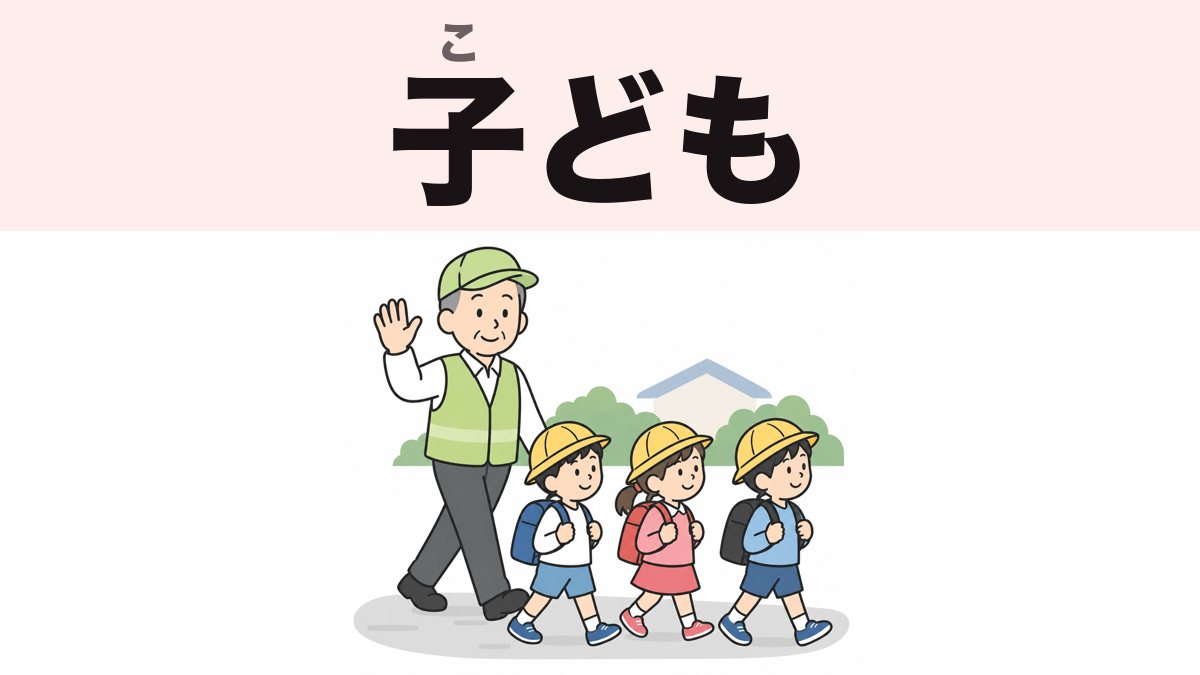
Child in Japanese: 子ども (こども), 子, お子さん, 子どもっぽい, and 子どもらしい
Child in Japanese is 子ども (こども), also written 子供. Learn 子, うちの子 vs お子さん (your kid vs theirs), 子どもっぽい vs 子どもらしい, the rude ガキ, and こどもの日.
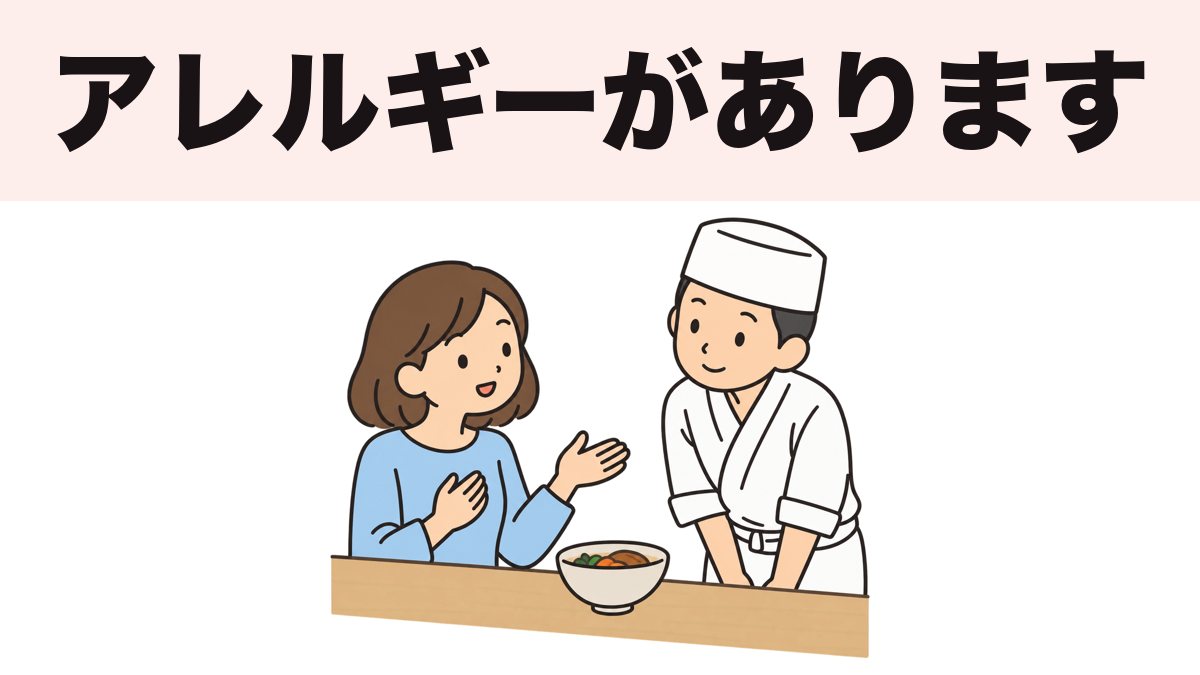
Allergy in Japanese: アレルギー, 〜アレルギーがあります, and 花粉症
Allergy in Japanese is アレルギー. Learn 卵アレルギーがあります, 〜は入っていますか, 〜抜きでお願いします, 乳製品, 小麦, 花粉症, and how to explain an allergy clearly at a restaurant.
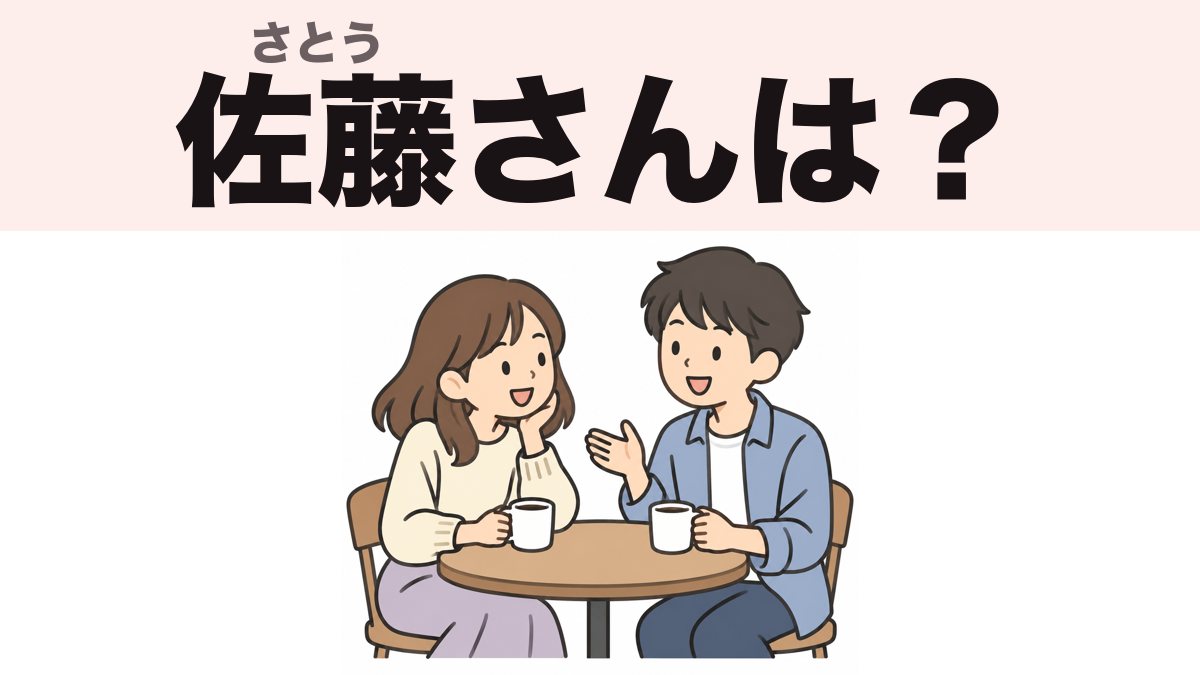
Anata meaning: あなた is "you", so why do Japanese people avoid saying it?
Anata (あなた) means "you", but saying it to someone can feel distant or rude. When あなた is natural, how 君 (kimi) differs, and what Japanese speakers say instead.
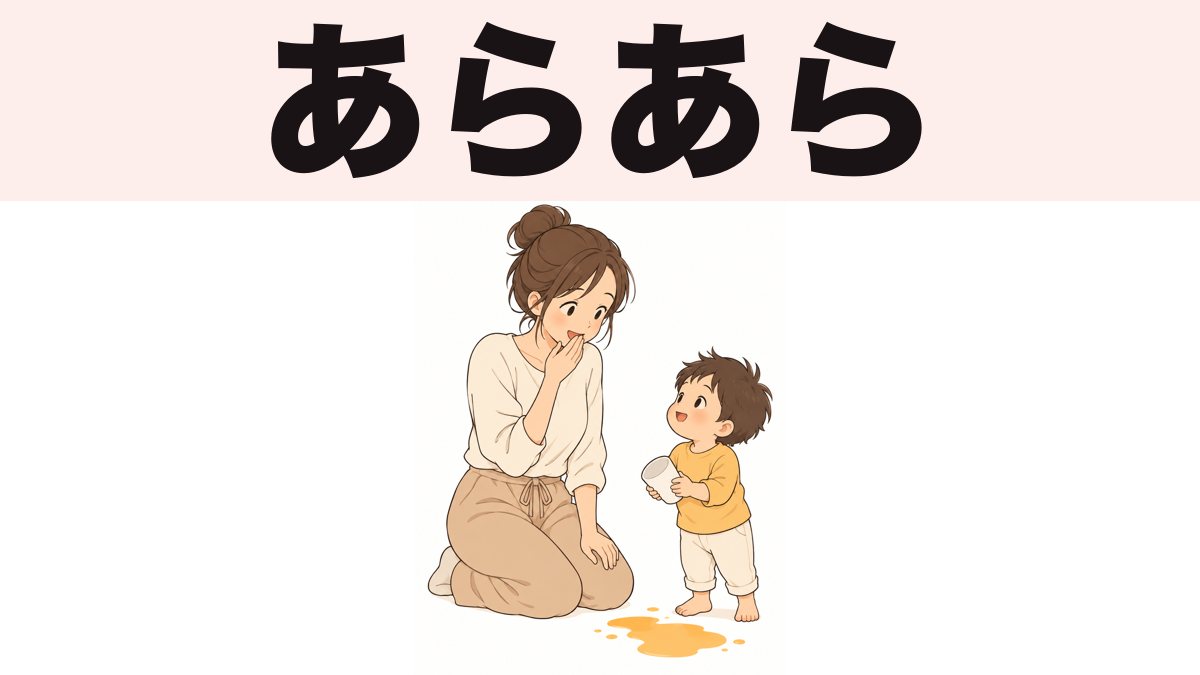
Ara ara meaning: what あらあら really says, and who actually says it
Ara ara (あらあら) means "oh my" or "my, my": a soft sound of surprise, mostly used by women. Why anime gave it a teasing image, plus あら, あらら, おやおや and まあまあ.
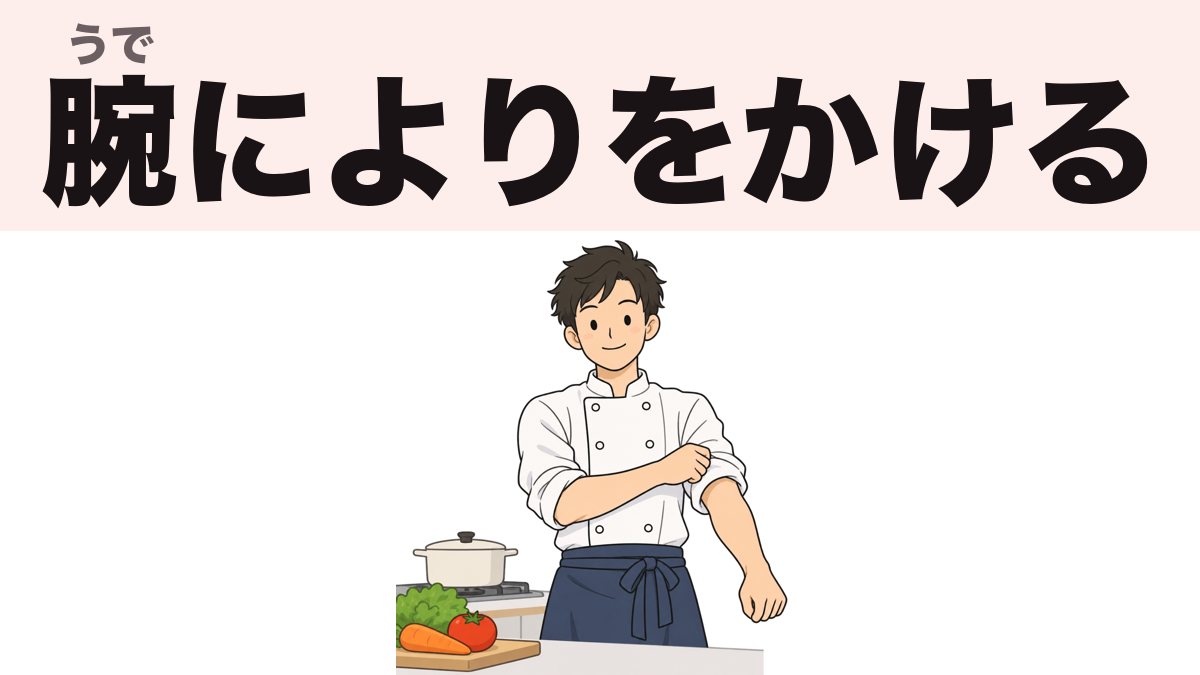
Arm in Japanese: 腕 (うで), 腕がいい, 腕を組む, and 腕によりをかける
Arm in Japanese is 腕 (うで). Learn 腕を組む, 腕立て伏せ, 二の腕, and how 腕 also means skill in phrases like 腕がいい, 腕を上げる, 腕前, and 腕によりをかける, with practice.
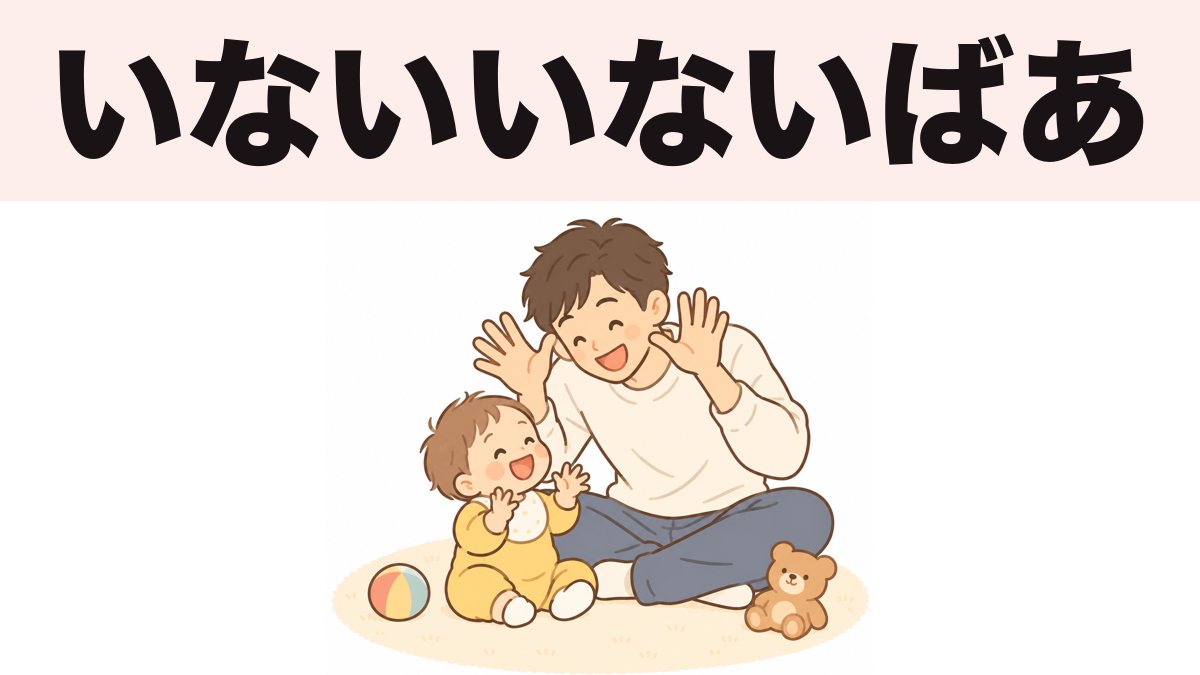
Baby in Japanese: 赤ちゃん (あかちゃん), 抱っこ, いないいないばあ, and the ベビーカー
Baby in Japanese is 赤ちゃん (あかちゃん, akachan). Learn 赤ん坊 and 新生児, 抱っこ and おんぶ, ハイハイ, いないいないばあ, how to congratulate a new parent, and why a stroller is a ベビーカー.
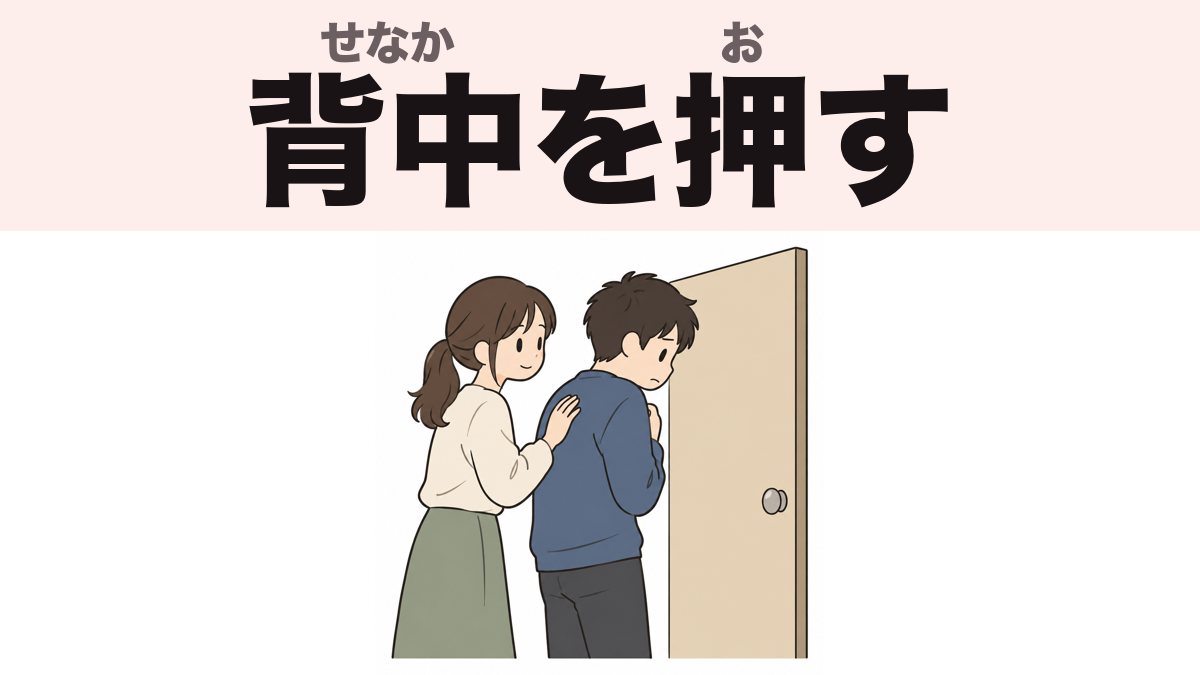
Back in Japanese: 背中 (せなか), 腰, 後ろ, 戻る, and 背中を押す
Back in Japanese is 背中 (せなか) for the body part. Learn 腰 for the lower back, 後ろ for behind, 戻る for coming back, 裏 for the reverse side, and 背中を押す.
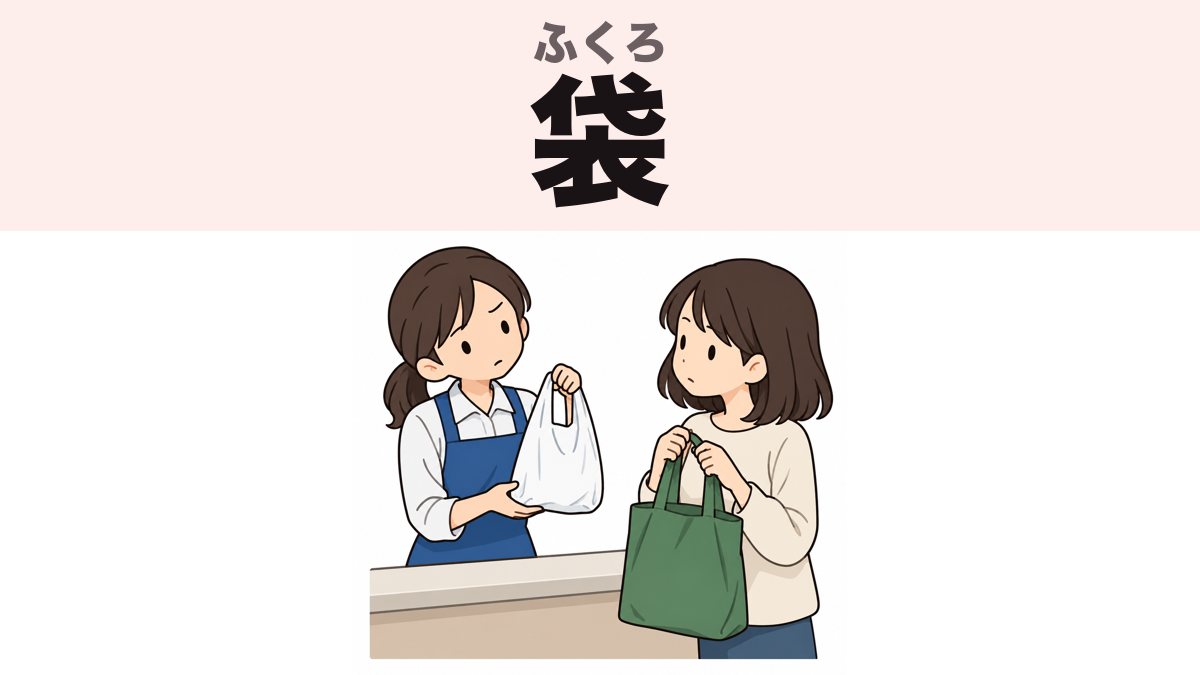
Bag in Japanese: かばん (kaban), バッグ and 袋 (fukuro)
Bag in Japanese is かばん or バッグ for a bag you carry, 袋 (ふくろ) for a shop bag. See how to answer 袋いりますか? at the konbini, plus リュック, エコバッグ and 紙袋.
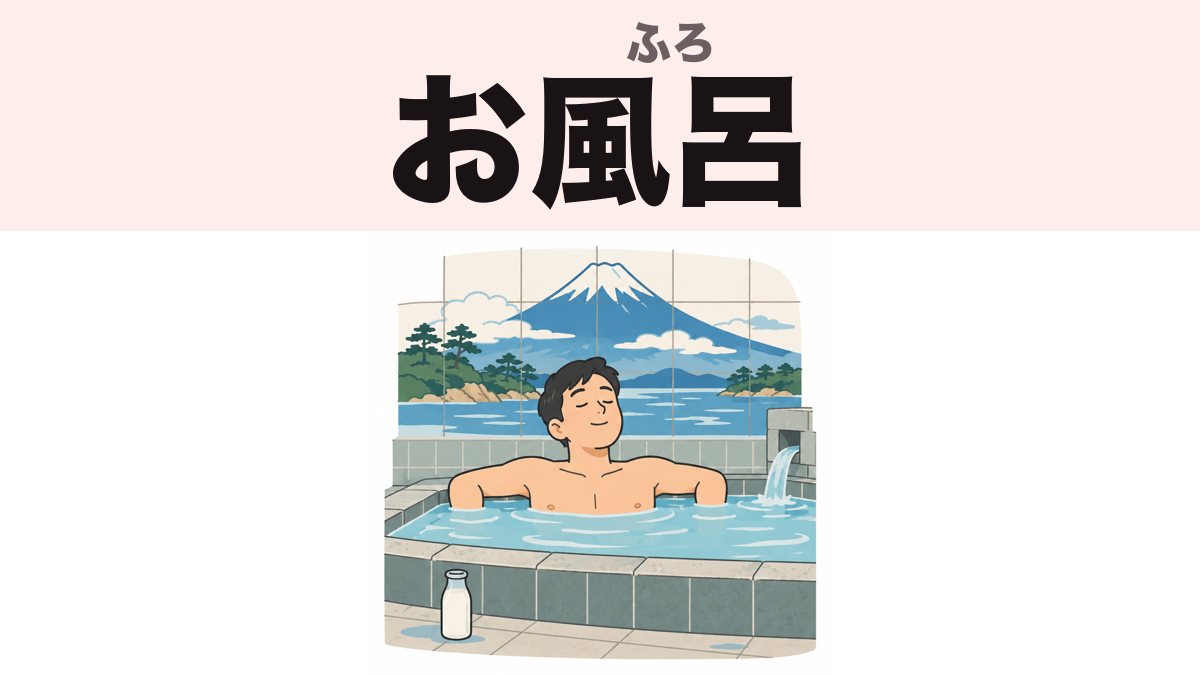
Bath in Japanese: お風呂 (おふろ), 風呂に入る, 湯船, 銭湯, and 風呂上がり
Bath in Japanese is お風呂 (おふろ), and taking a bath is お風呂に入る, "enter the bath". Learn シャワーを浴びる, 湯船, 銭湯 (public bath), 温泉, 長風呂, and 風呂上がり.
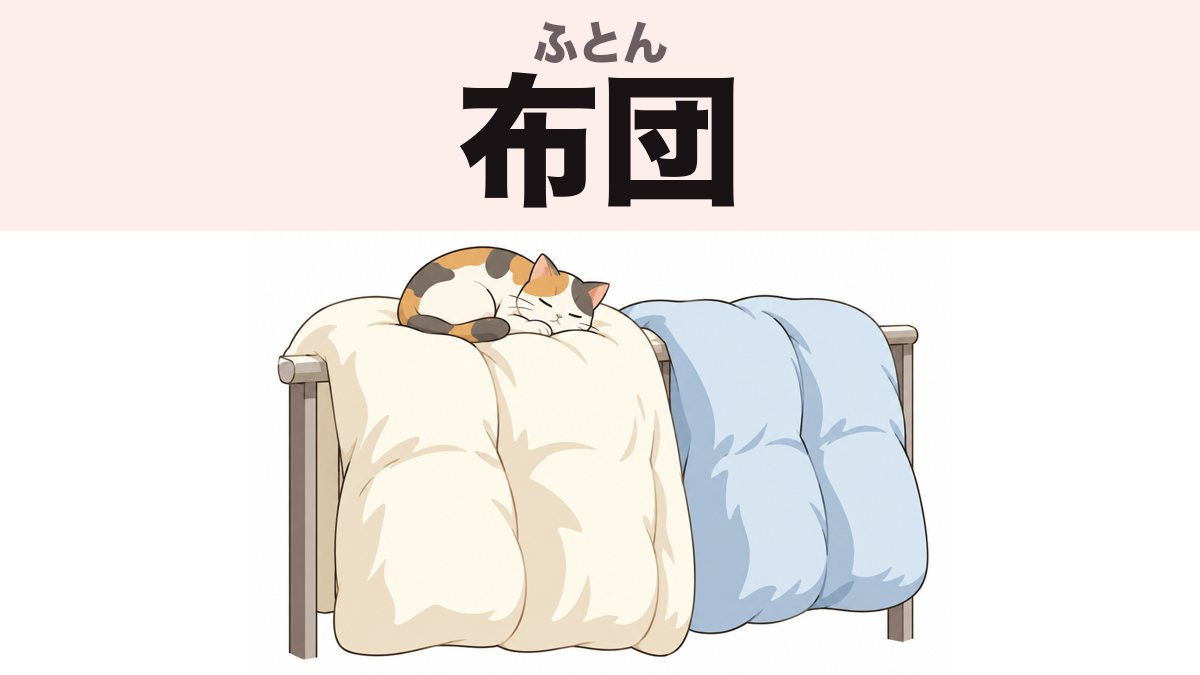
Bed in Japanese: ベッド, 布団 (ふとん), 布団を敷く, 布団を干す, and 枕
Bed in Japanese is ベッド, but many people sleep on a 布団 (ふとん) on the floor. Learn 布団を敷く, 布団をたたむ, 布団を干す, 枕 (pillow), 寝る, and 寝坊 (oversleeping).
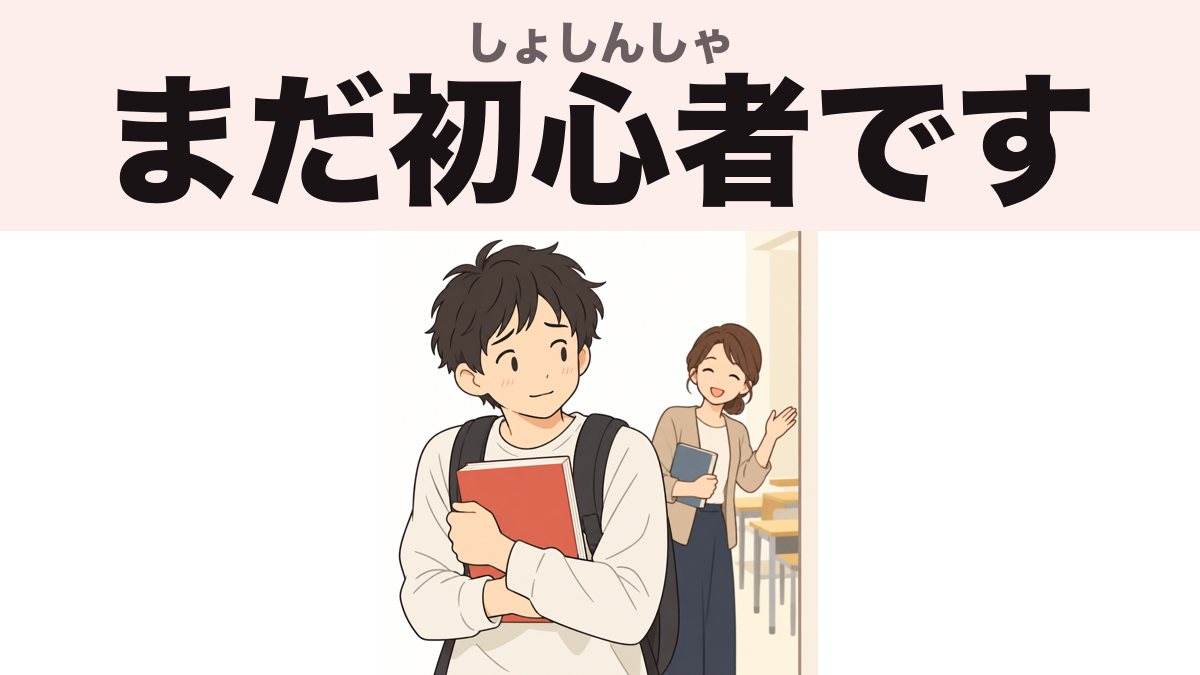
Beginner in Japanese: 初心者 (しょしんしゃ), 初級, 素人, and how to say "I'm still a beginner"
Beginner in Japanese is 初心者 (しょしんしゃ). Learn まだ初心者です, 初級 vs 入門 for classes, 初心者向け, 新人 at work, 素人 vs プロ, and gaming words like 初見.
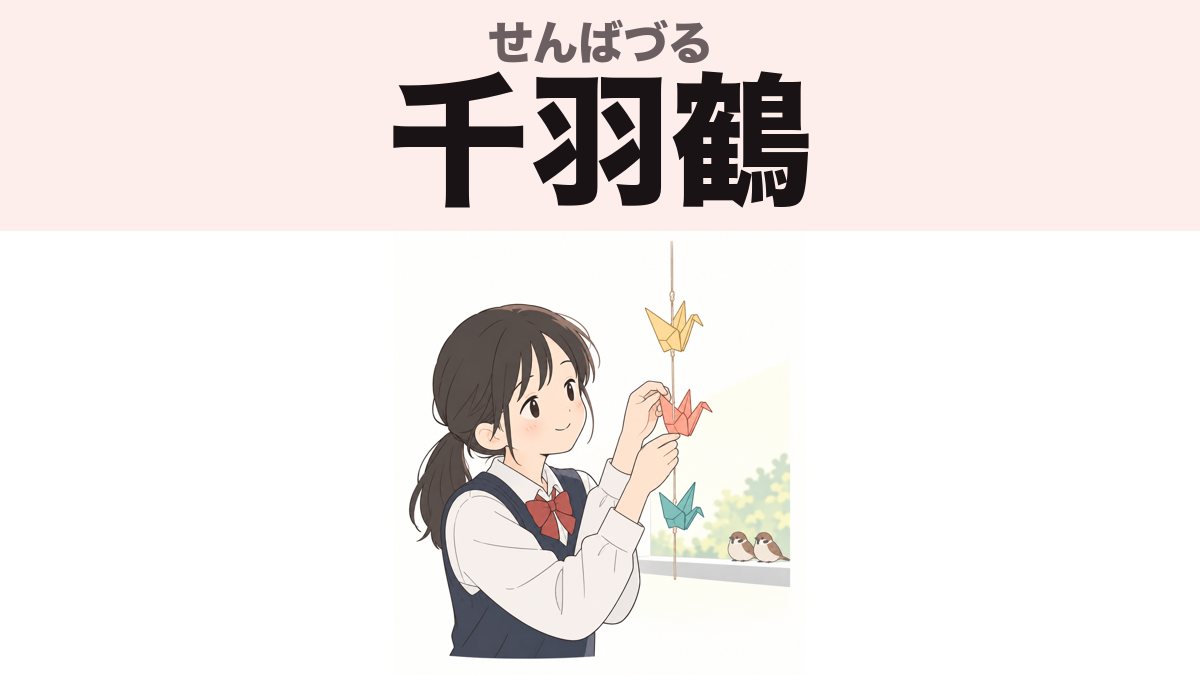
Bird in Japanese: 鳥 (とり), 鳥肌, 一石二鳥, and why 焼き鳥 is chicken
Bird in Japanese is 鳥 (とり, tori). Learn 小鳥 and 鶏, why 焼き鳥 means chicken, 鳥肌 for goosebumps, 一石二鳥, 立つ鳥跡を濁さず, the paper crane, and bird sounds like チュンチュン.
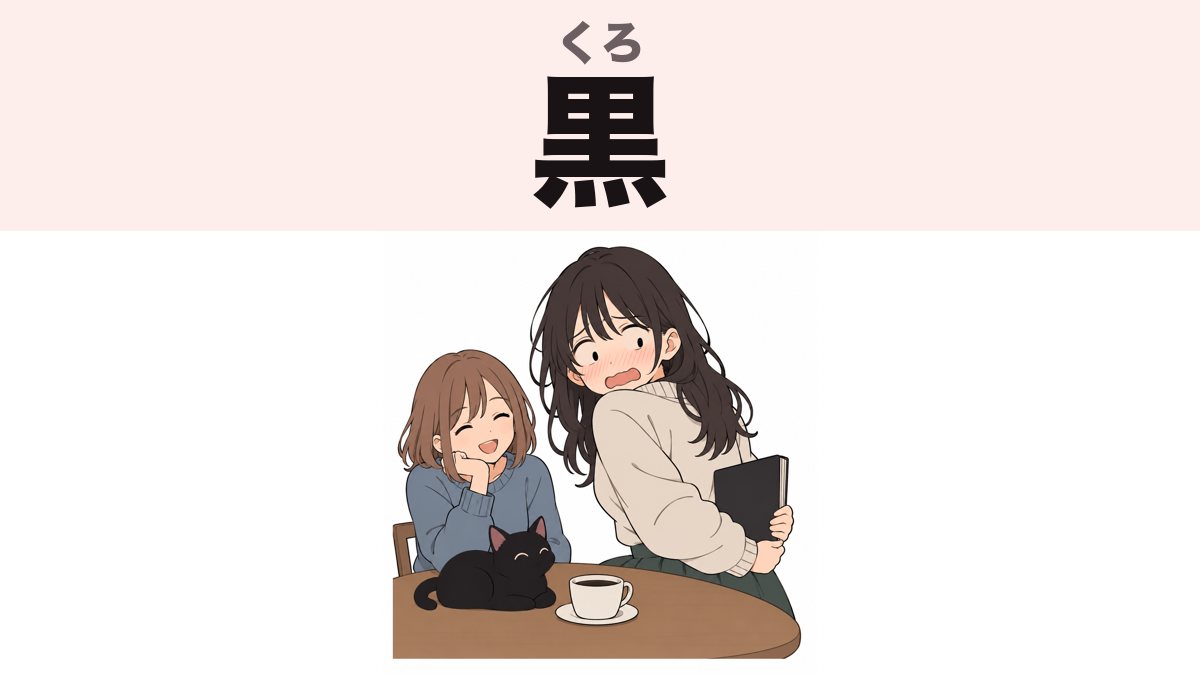
黒い (くろい) means black in Japanese: 真っ黒, 腹黒い, 黒歴史
Black in Japanese is 黒 (くろ), or 黒い as an adjective. Learn 真っ黒, 黒字 (profit), 腹黒い (scheming), 白黒つける, ブラック for black coffee, and the slang 黒歴史.
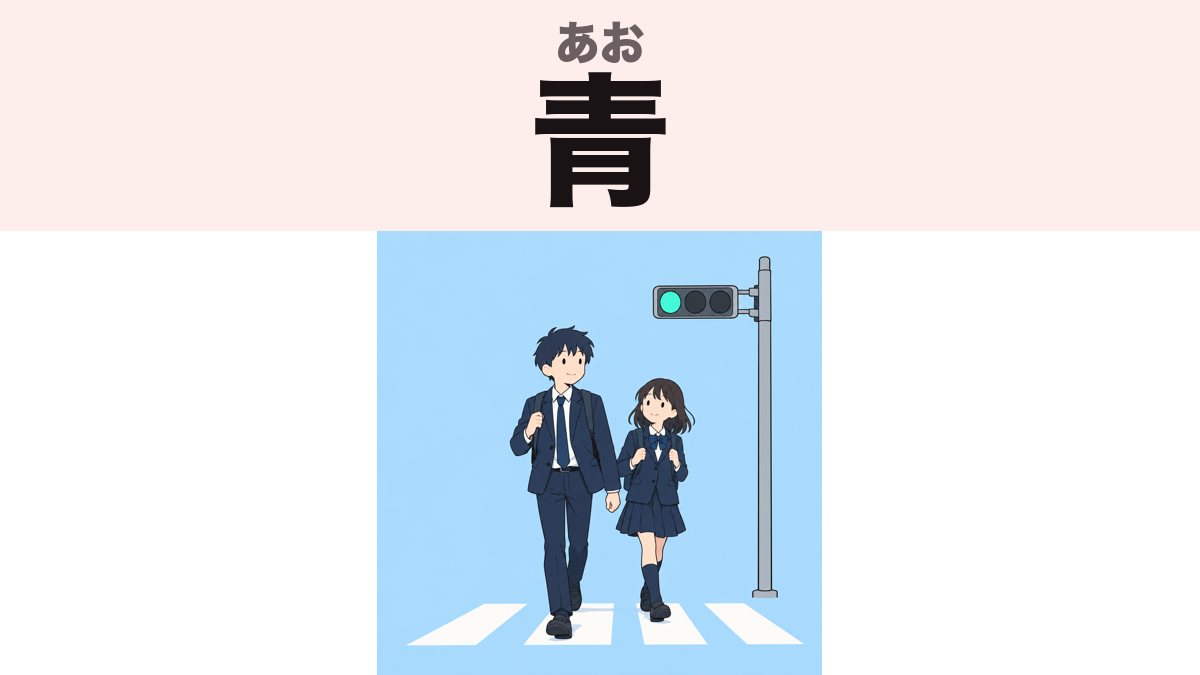
Blue in Japanese: 青 (ao), 青い (aoi), 真っ青 and 青信号
Blue in Japanese is 青 (あお), or 青い as an adjective. Learn why a green light is 青信号, 真っ青 (deep blue or pale), 水色 (light blue), 紺 (navy), 青春 (youth), and 青二才.
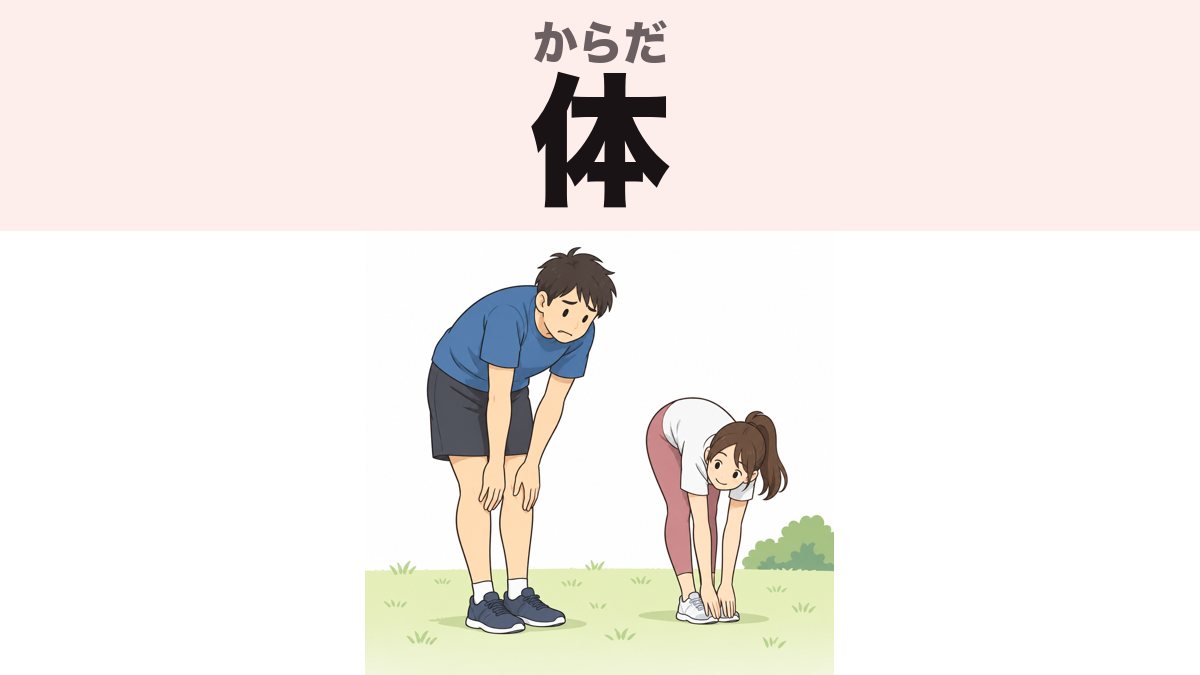
Body in Japanese: 体 (からだ), 体調, 体力, 体重, and 体が硬い
Body in Japanese is 体 (からだ). Learn 体にいい (good for you), 体調 (physical condition), 体力 (stamina), 体重 (weight), 体が硬い (stiff), and お体に気をつけて (take care).
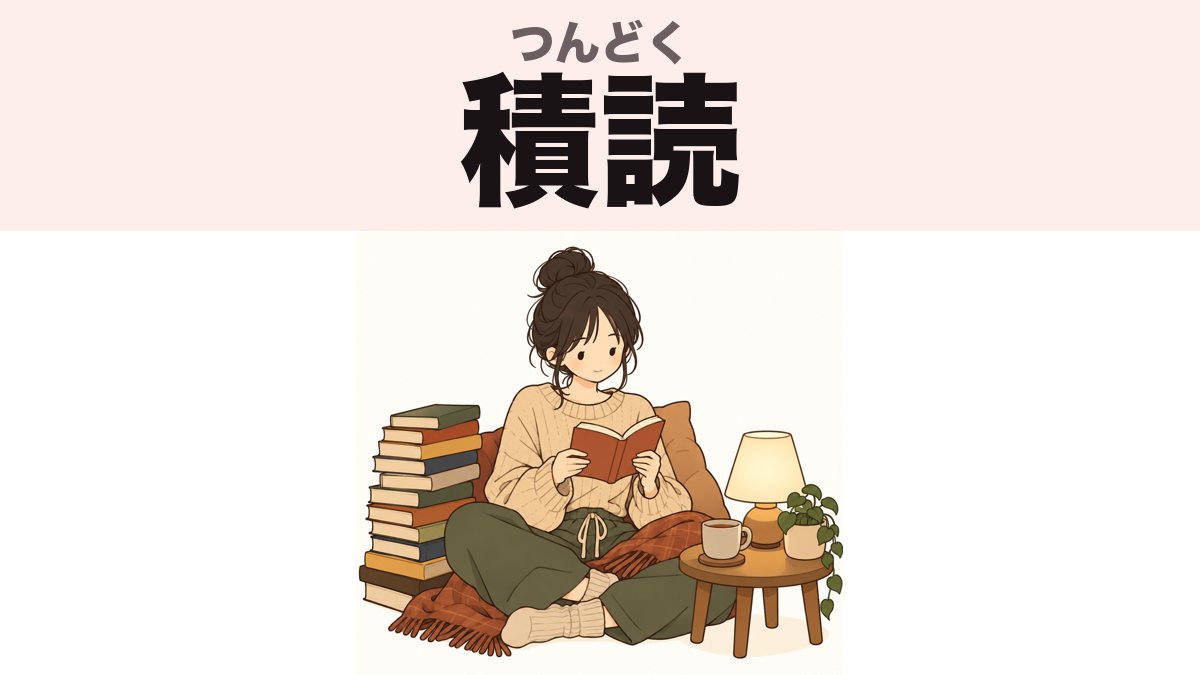
Book in Japanese: 本 (ほん), 冊, 文庫本, and the Japanese word for unread books, 積読
Book in Japanese is 本 (ほん, hon), counted with 冊. Learn 本屋 and 図書館, 小説, 文庫本 and 単行本, 立ち読み, the free bookstore cover, and 積読, a stack of books you never read.
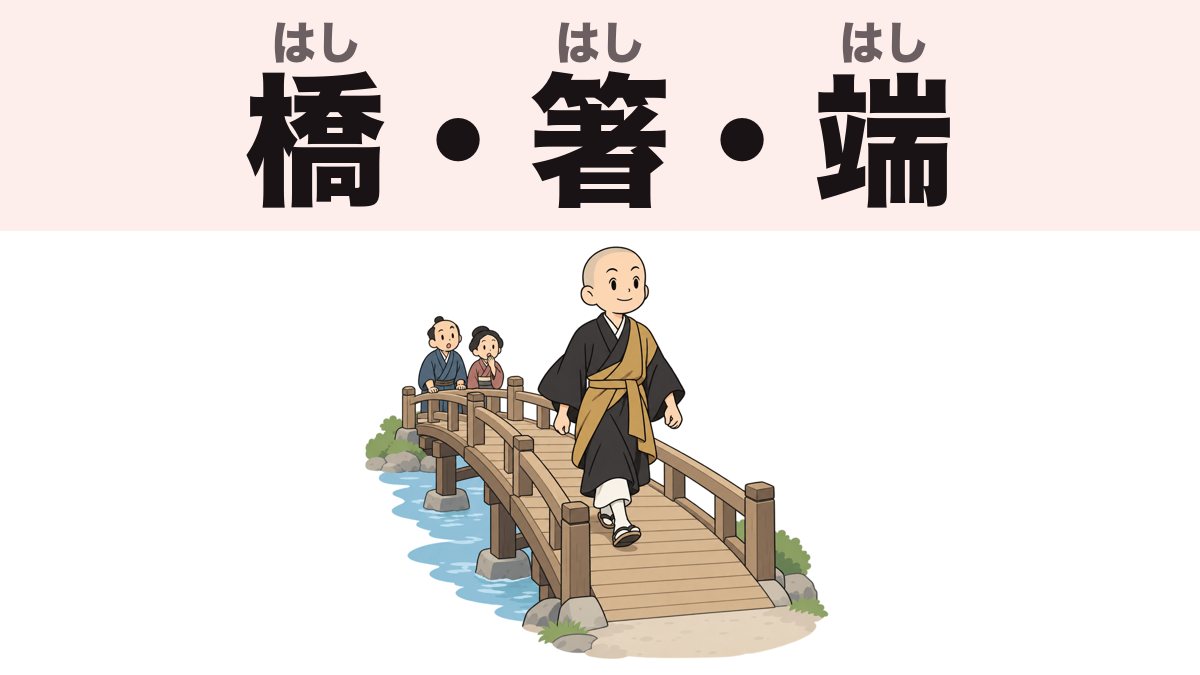
Bridge in Japanese: 橋 (はし), 箸 vs 端, 橋渡し, and 危ない橋を渡る
Bridge in Japanese is 橋 (はし). Learn how it differs from 箸 (chopsticks) and 端 (edge), 歩道橋, つり橋, 橋渡し, and the idiom 危ない橋を渡る, with practice.
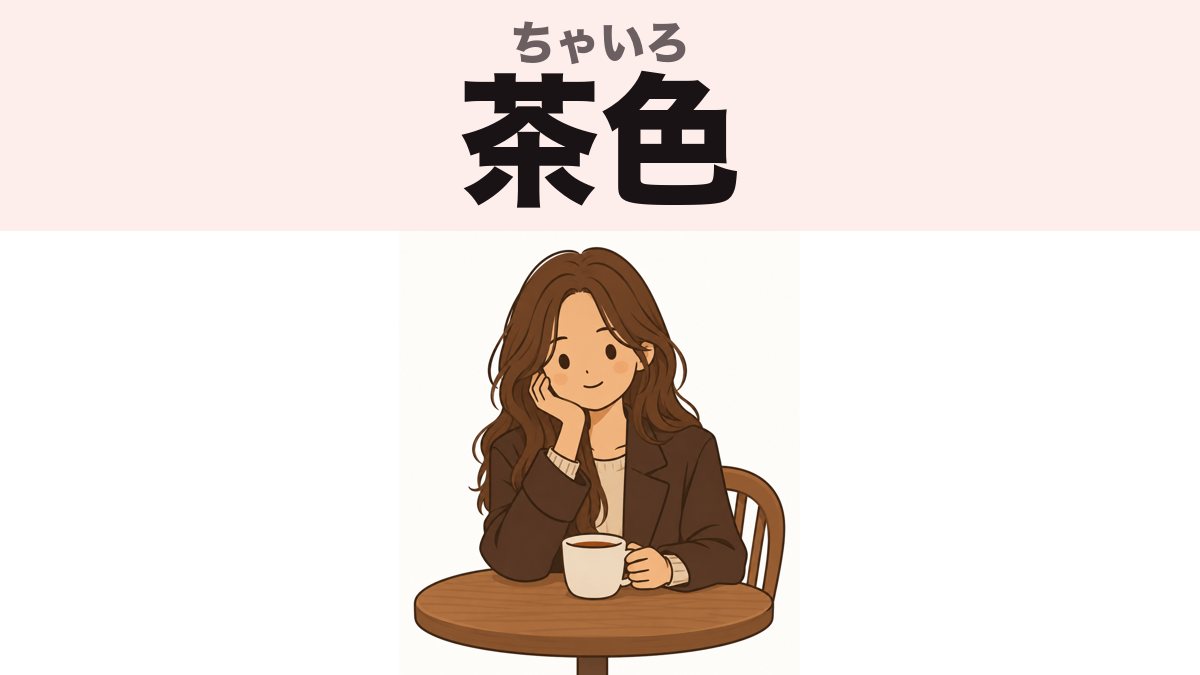
Brown in Japanese: 茶色 (chairo), 茶色い, 茶髪 and こげ茶
Brown in Japanese is 茶色 (ちゃいろ), "tea color", or 茶色い as an adjective. Learn 茶髪 (dyed brown hair), こげ茶 (dark brown), ベージュ, ブラウン, and 小麦色 for tanned skin.
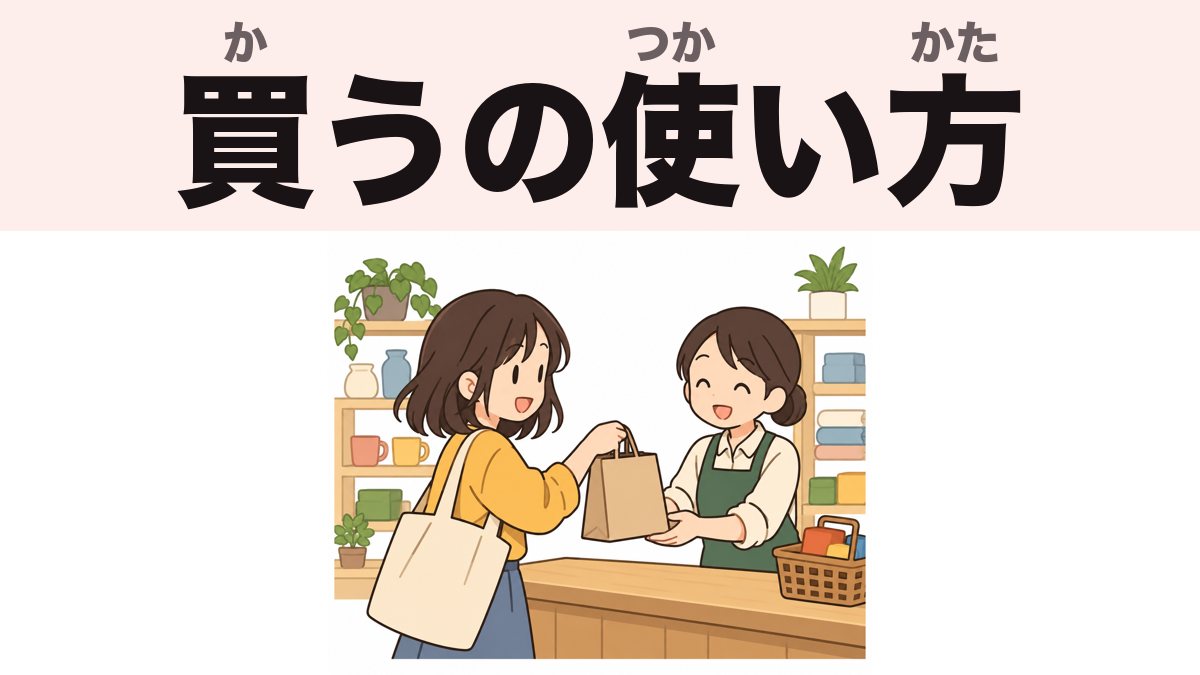
Buy in Japanese: 買う (kau) and What You Say at a Shop
Buy in Japanese is 買う (かう), a godan verb: 買います, 買った, 買って. Learn 買い物, 買ってくる, これをください, 買える, 購入 and 売る (sell) with examples.
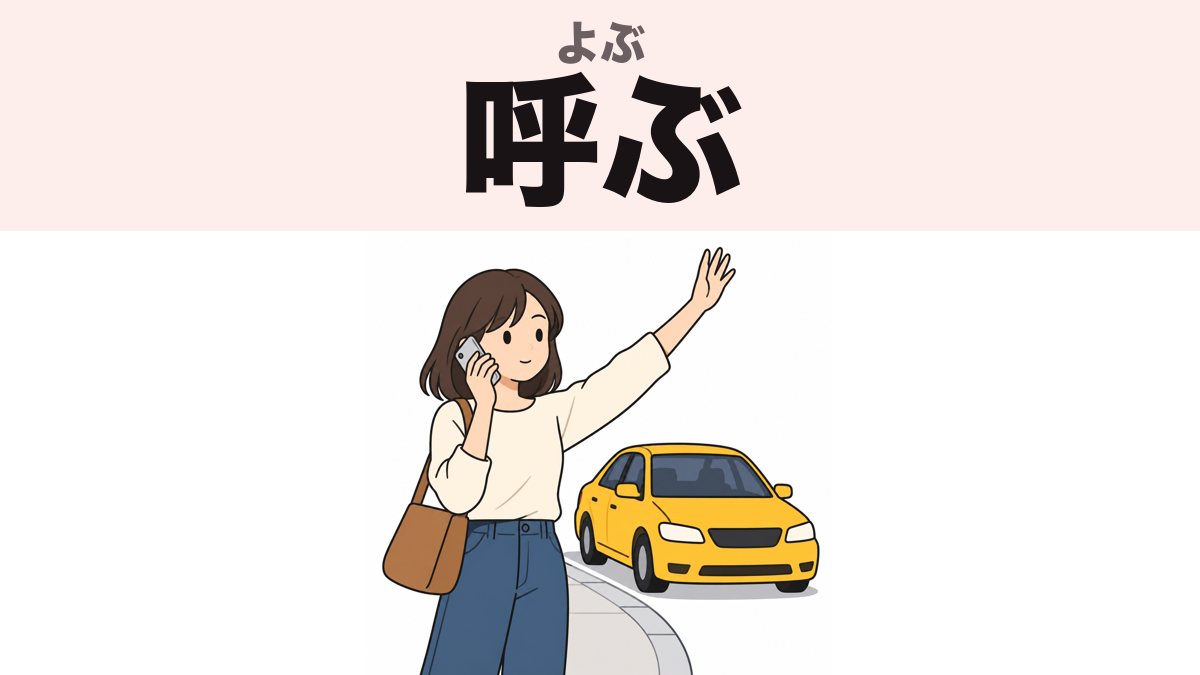
Call in Japanese: 電話する, 呼ぶ (よぶ), 〜と呼ぶ, and 折り返す
Call in Japanese is 電話する (でんわする) for a phone call and 呼ぶ (よぶ) for calling someone over or calling them a name. Learn 電話をかける, タクシーを呼ぶ, 〜と呼ぶ, and 折り返し電話.
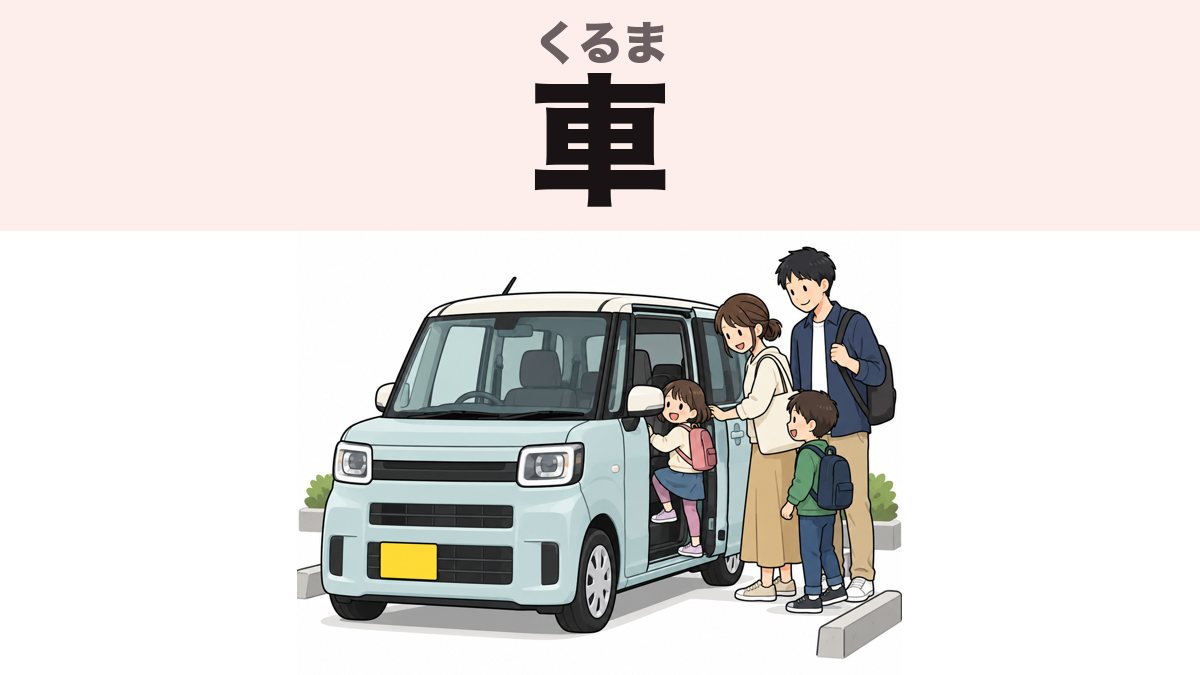
Car in Japanese: 車 (kuruma), 車に乗る, 駐車場 and 車酔い
Car in Japanese is 車 (くるま). Learn 車に乗る (get in a car), 車で行く, 自動車, 駐車場 (parking lot), 軽自動車 (mini car), 車酔い (carsickness), and counting cars with 台.
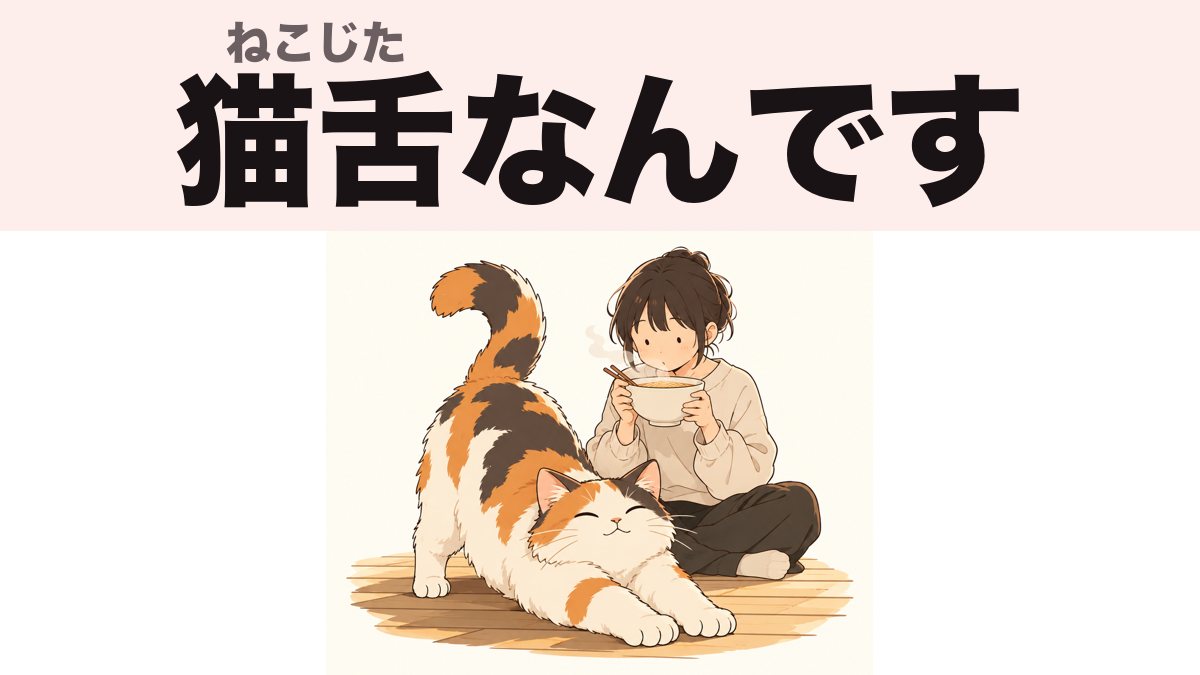
Cat in Japanese: 猫 (ねこ), ニャー, and the idioms only cat people get
Cat in Japanese is 猫 (ねこ, neko). Learn kitten, stray cat and calico, how to count cats with 匹, what ニャー and ゴロゴロ mean, and idioms like 猫舌 and 猫をかぶる.
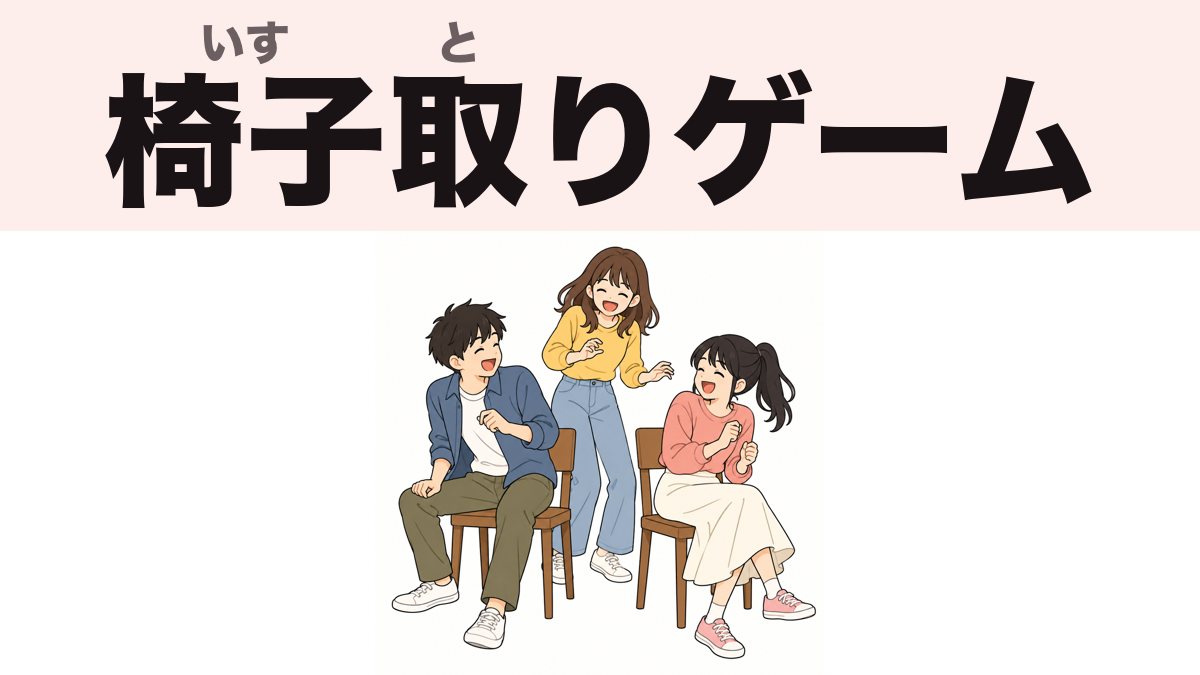
Chair in Japanese: 椅子 (いす), 座る, 席, and 椅子取りゲーム
Chair in Japanese is 椅子 (いす). Learn 座る, the difference between 椅子 and 席, 車椅子, 座布団, 正座, 椅子取りゲーム, and how to say "chairperson" with 議長.
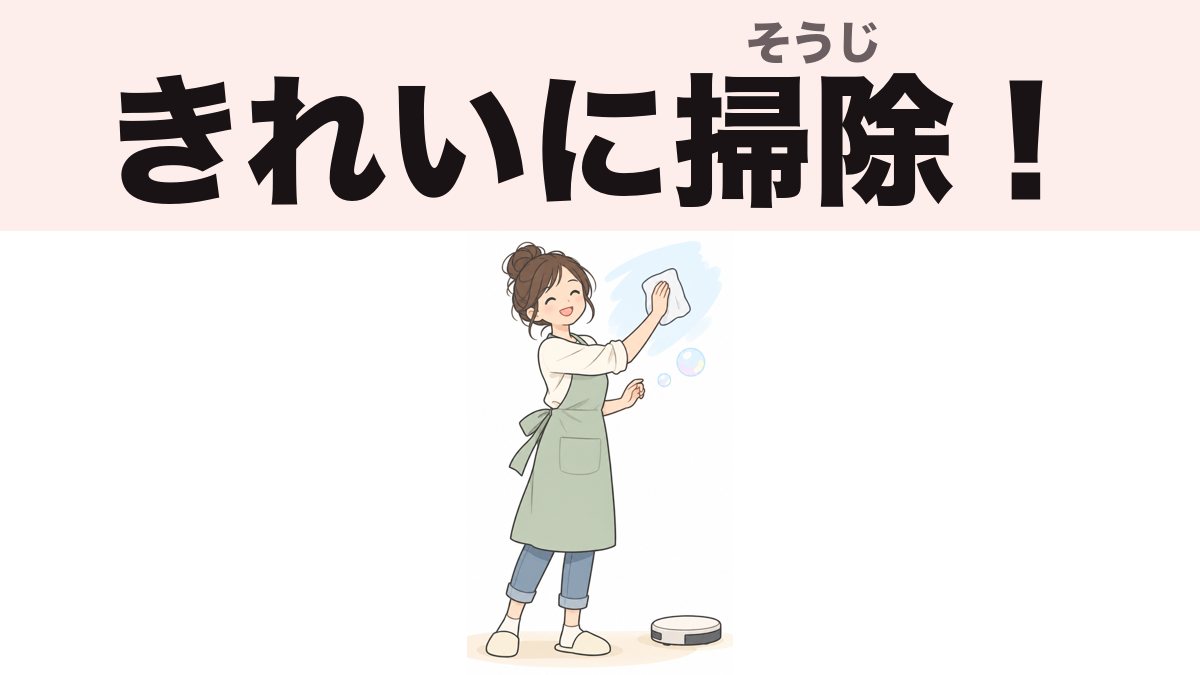
Clean in Japanese: きれい (kirei), 掃除 (souji), and the な-adjective trap
Clean in Japanese is きれい (kirei) for "clean/pretty" and 掃除する (souji suru) for "to clean". きれい looks like an い-adjective but is a な-adjective.
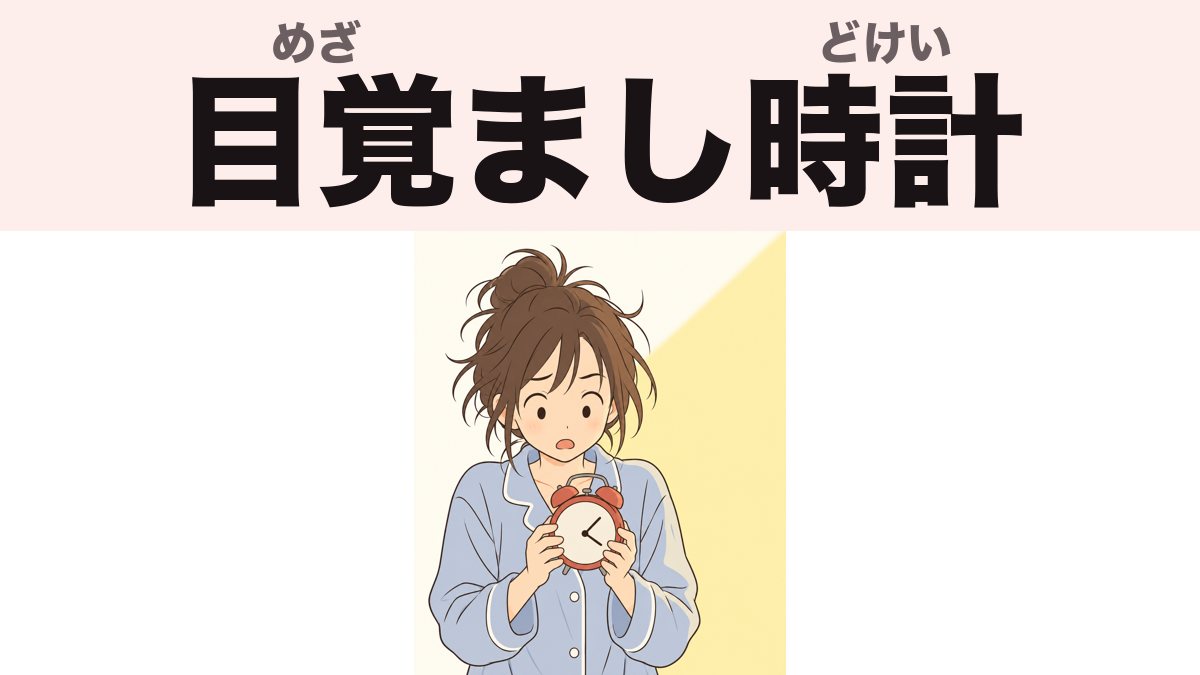
Clock in Japanese: 時計 (とけい), 腕時計, 目覚まし時計, and 時計回り
Clock in Japanese is 時計 (とけい). Learn 腕時計 (watch), 目覚まし時計 (alarm clock), 時計回り (clockwise), 体内時計, and how to say a clock is fast or slow.
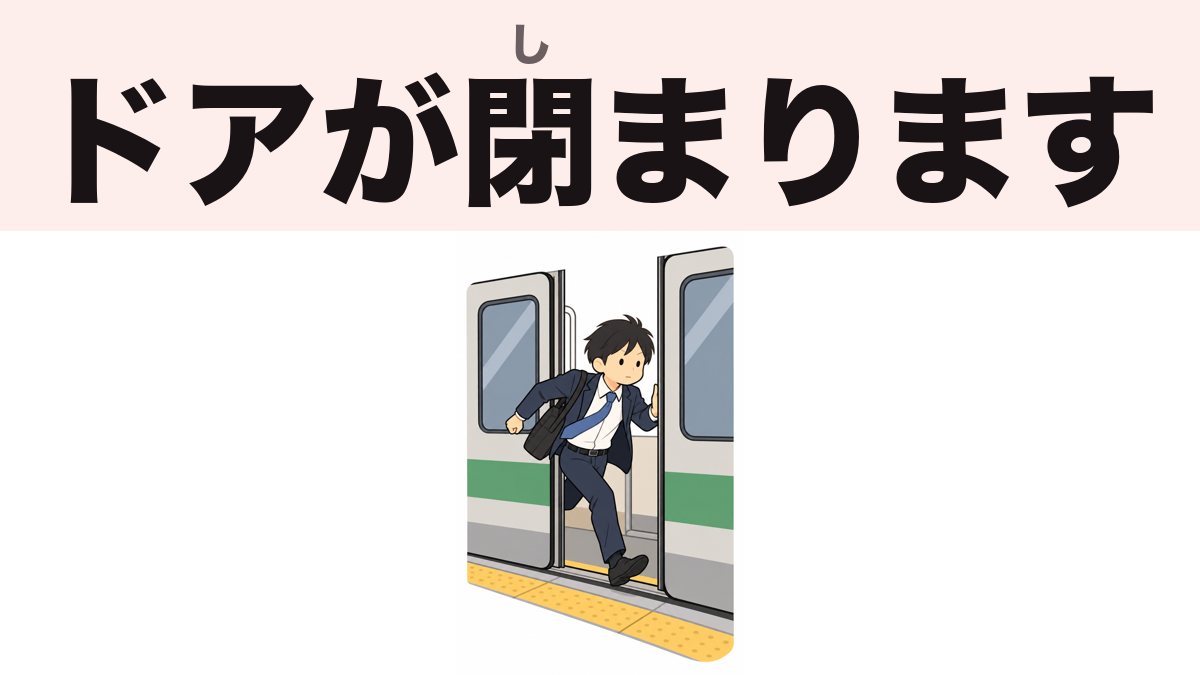
Close in Japanese: 閉める vs 閉まる vs 閉じる, plus 近い and 親しい
Close in Japanese is 閉める (shimeru) for a door or window. Learn 閉まる, 閉じる, 閉店, and the other "close" words: 近い for near and 親しい for close friends.
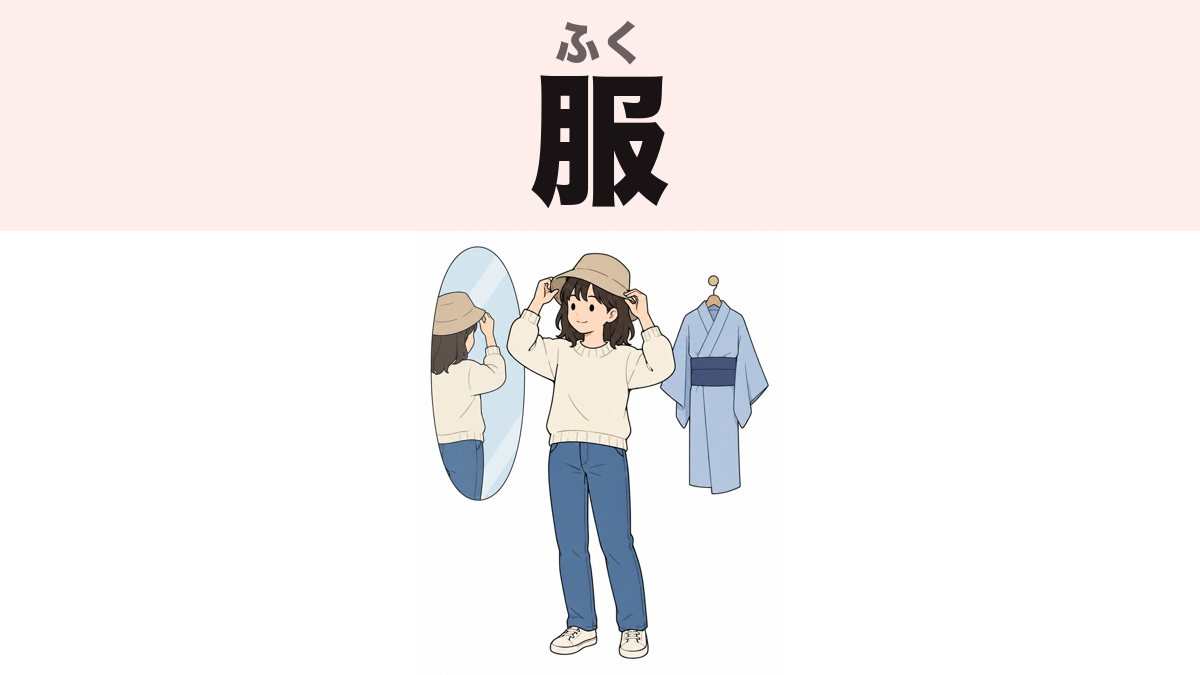
Clothes in Japanese: 服 (ふく), 着る vs はく, 着替える, 私服, and 着物
Clothes in Japanese is 服 (ふく). Learn why Japanese uses 着る for shirts but はく for pants and shoes, かぶる for hats, 脱ぐ, 着替える, 私服, and 着物.
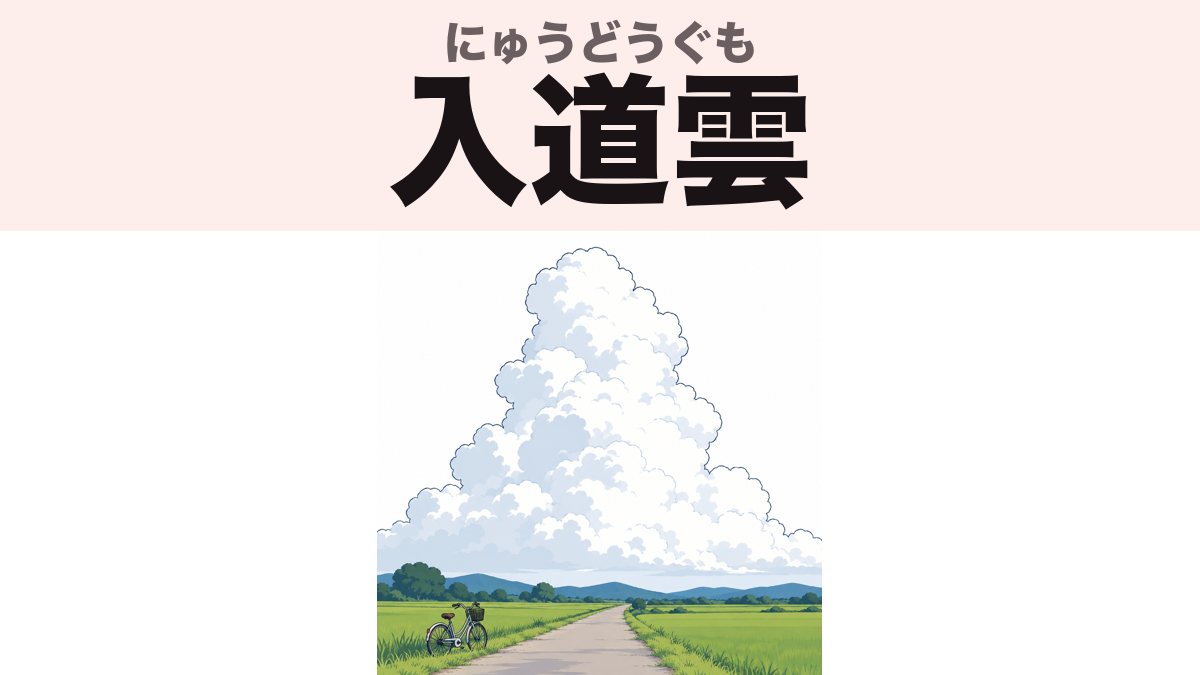
Cloud in Japanese: 雲 (くも), 曇り, 入道雲, and 雲の上の人
Cloud in Japanese is 雲 (くも). Learn 曇り (cloudy), 雲一つない, 入道雲, うろこ雲, idioms like 雲行きが怪しい and 雲の上の人, and クラウド for cloud storage.
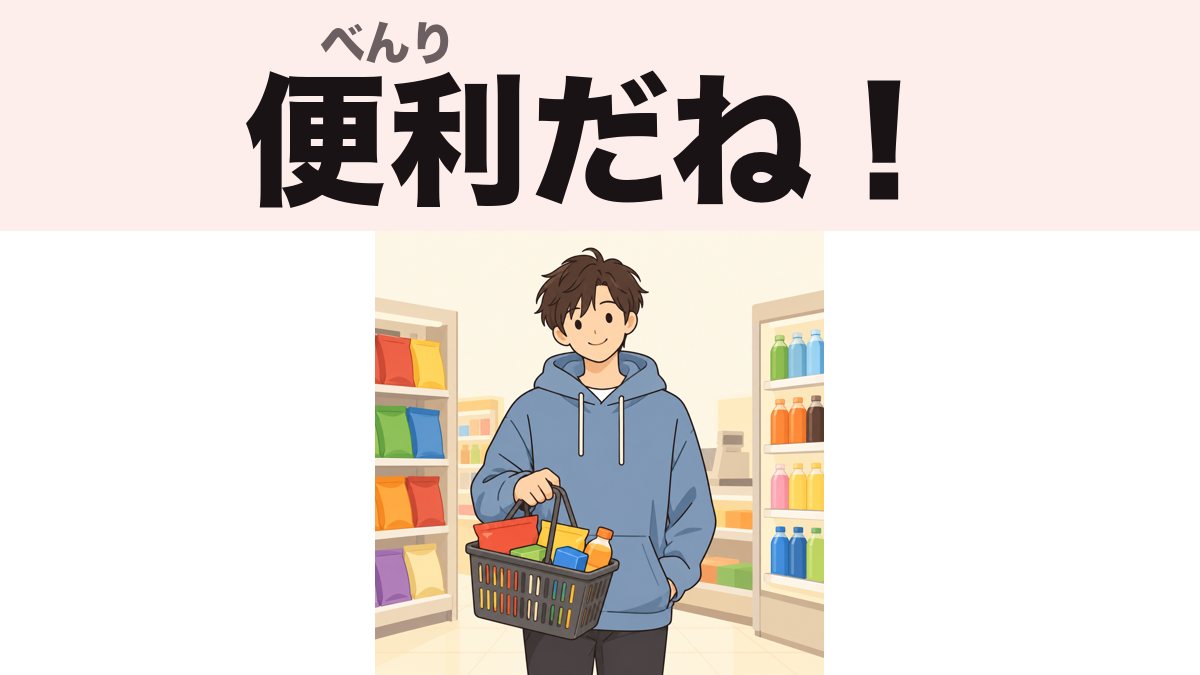
Convenient in Japanese: 便利 (べんり), and why 都合 is a different word
Convenient in Japanese is 便利 (べんり), a な-adjective for things and places. For schedules, use 都合. Learn 不便, 都合がいい, コンビニ, 楽 and 使いやすい with examples.
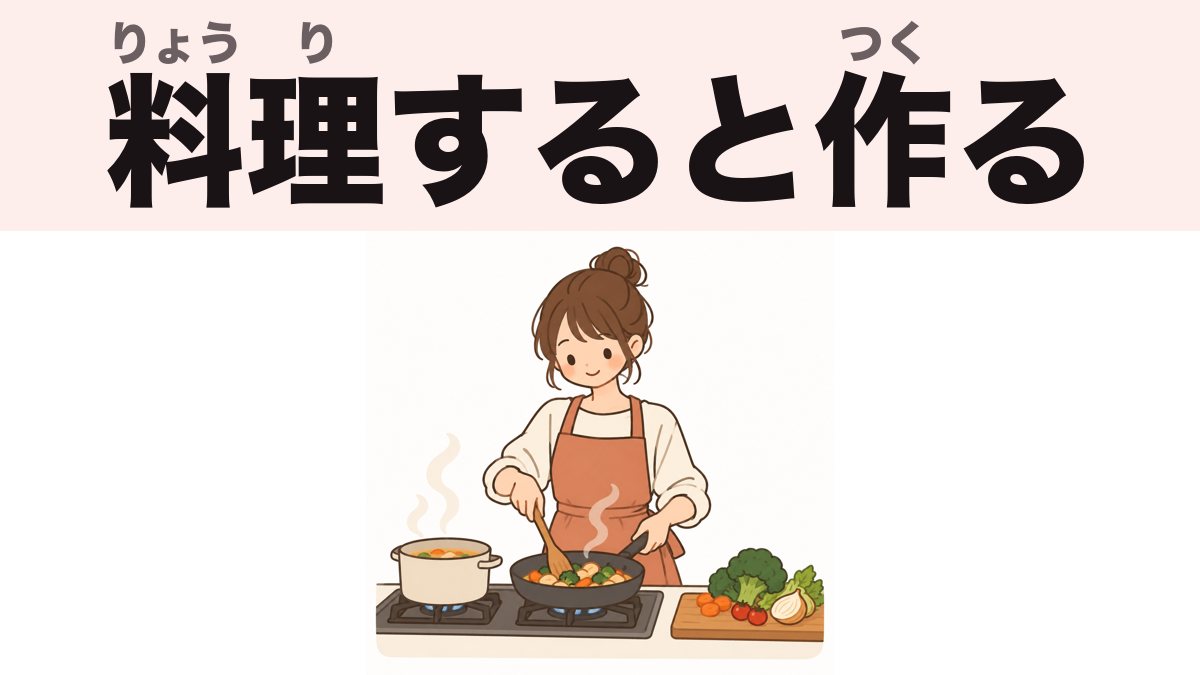
Cook in Japanese: 料理する (りょうりする), 作る, and what people actually say
To cook in Japanese is 料理する (りょうりする), but people usually say ご飯を作る. Learn 自炊, 煮る・焼く・炒める・揚げる・茹でる, 料理人 and how to say you cook well.
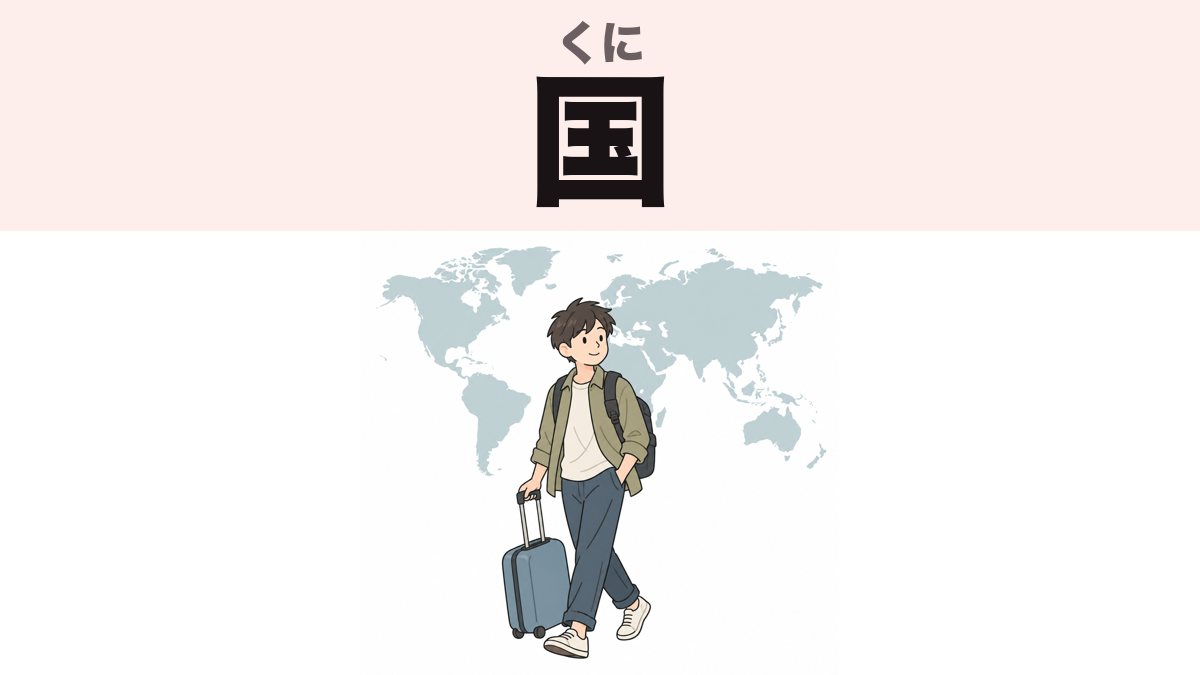
Country in Japanese: 国 (くに), 外国, 海外, 国際, and 〜か国
Country in Japanese is 国 (くに). Learn お国はどちらですか, 外国 vs 海外, 国内 (domestic), 母国 (home country), 国際 (international), and counting countries with 〜か国.
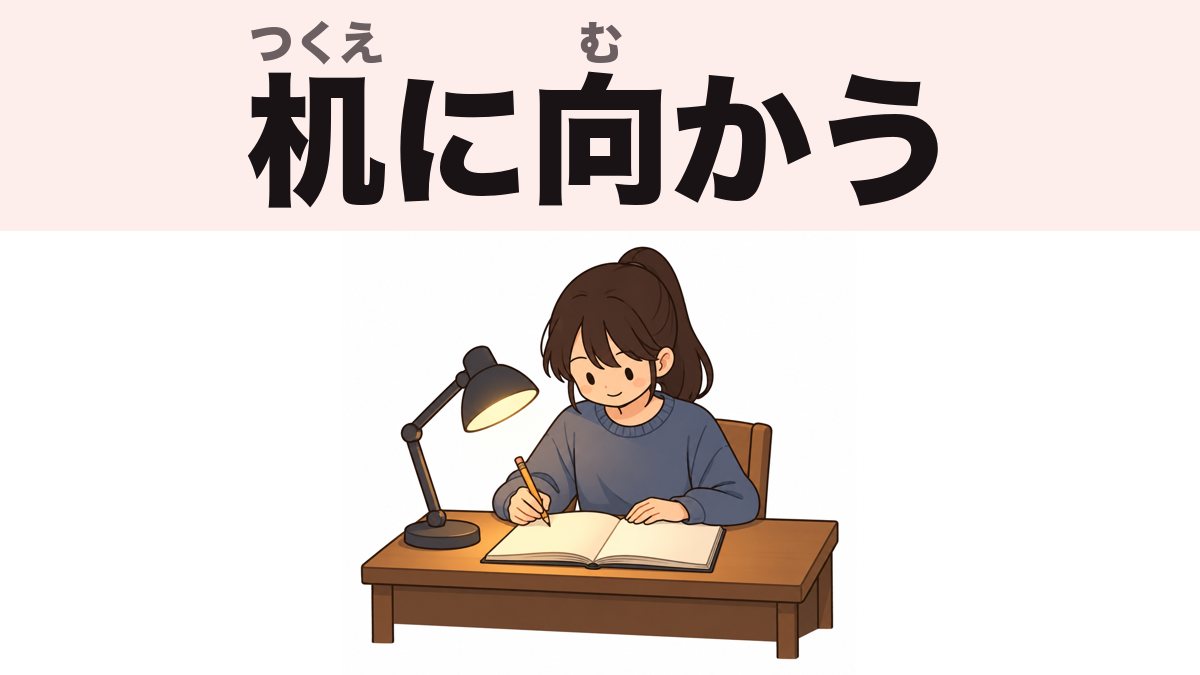
Desk in Japanese: 机 (つくえ), デスク, 机に向かう, and the front desk
Desk in Japanese is 机 (つくえ). Learn デスク, 勉強机, 机の上, the idiom 机に向かう, デスクワーク, and how to say "front desk" with 受付 and フロント.
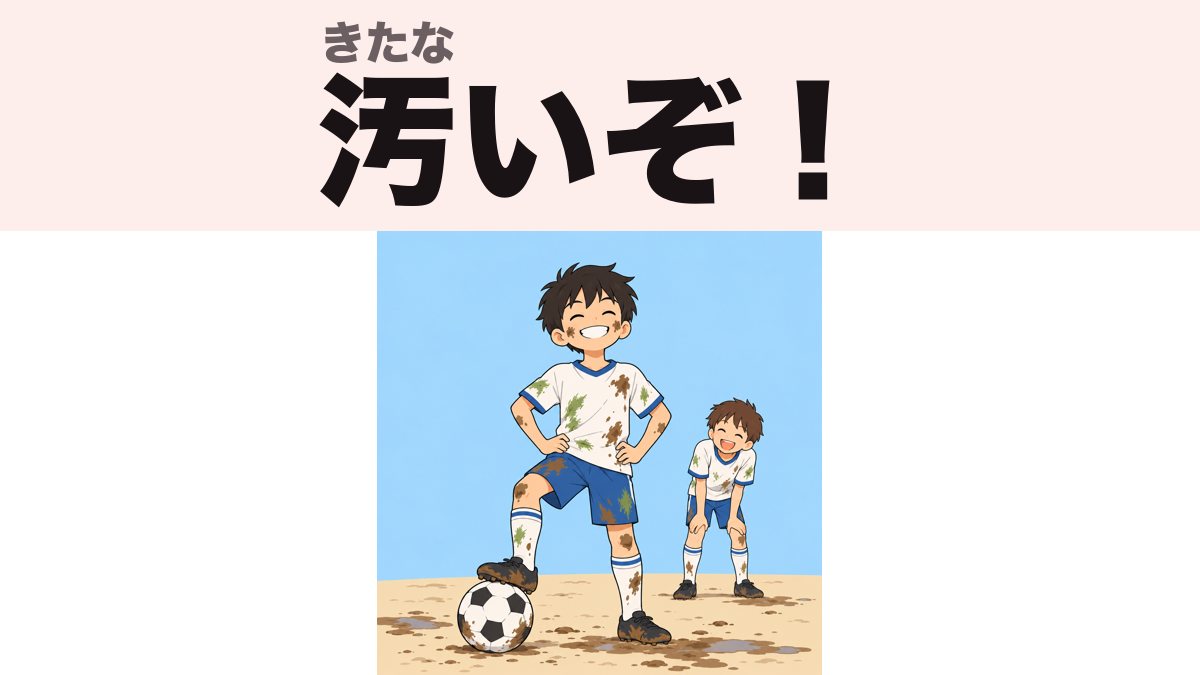
Dirty in Japanese: 汚い (きたない), 汚れる vs 汚す, and why 汚いぞ! means "unfair"
Dirty in Japanese is 汚い (きたない), an い-adjective. Learn 汚れる vs 汚す, 汚れ, 散らかっている, 不潔, ずるい, and why anime heroes shout 汚いぞ! at cheaters.
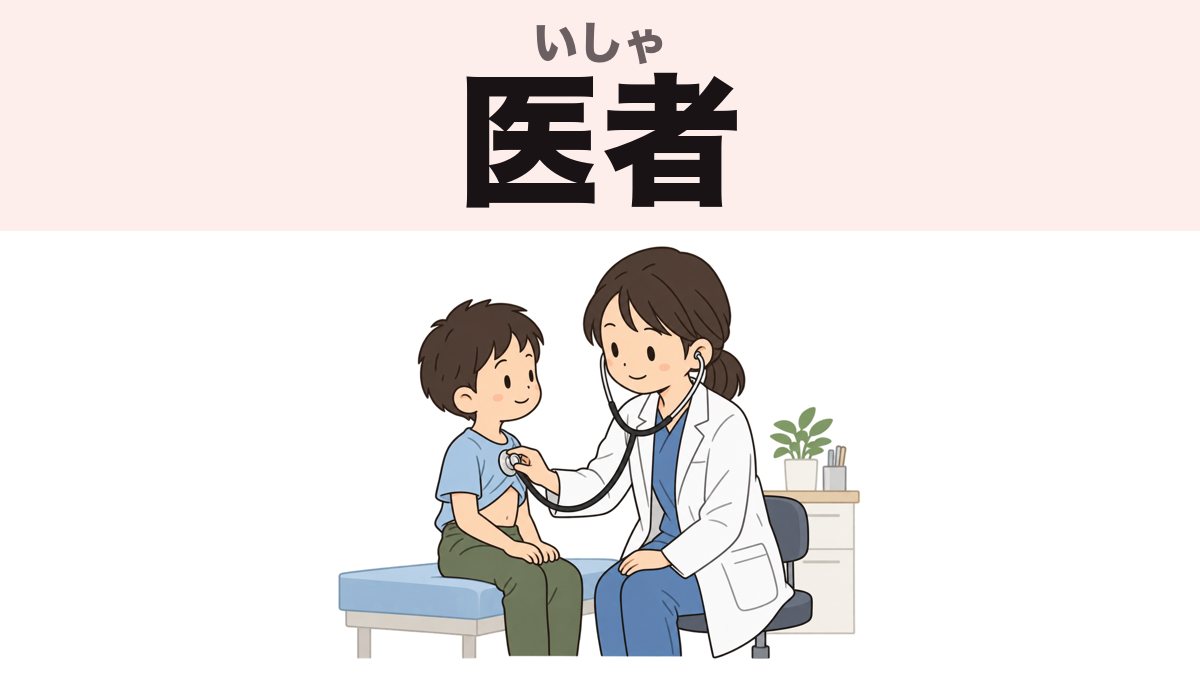
Doctor in Japanese: 医者 (いしゃ), お医者さん and 先生
Doctor in Japanese is 医者 (いしゃ), politely お医者さん, and you call a doctor 先生. Learn 医師, 診てもらう (to see a doctor), and clinic departments like 内科, 外科, and 皮膚科.
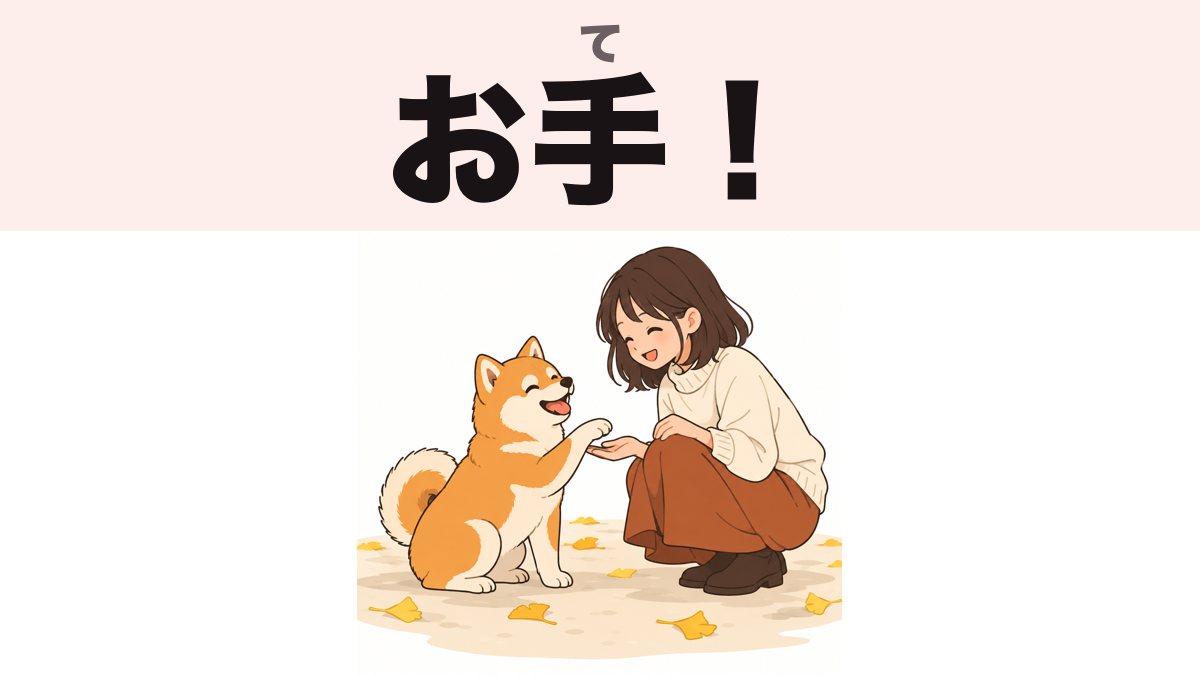
Dog in Japanese: 犬 (いぬ), ワンワン, お手, and the loyal dog ハチ公
Dog in Japanese is 犬 (いぬ, inu). Learn puppy, Shiba and Akita, the bark ワンワン, dog commands like お手 and おすわり, idioms like 犬猿の仲 and 負け犬, and ハチ公.
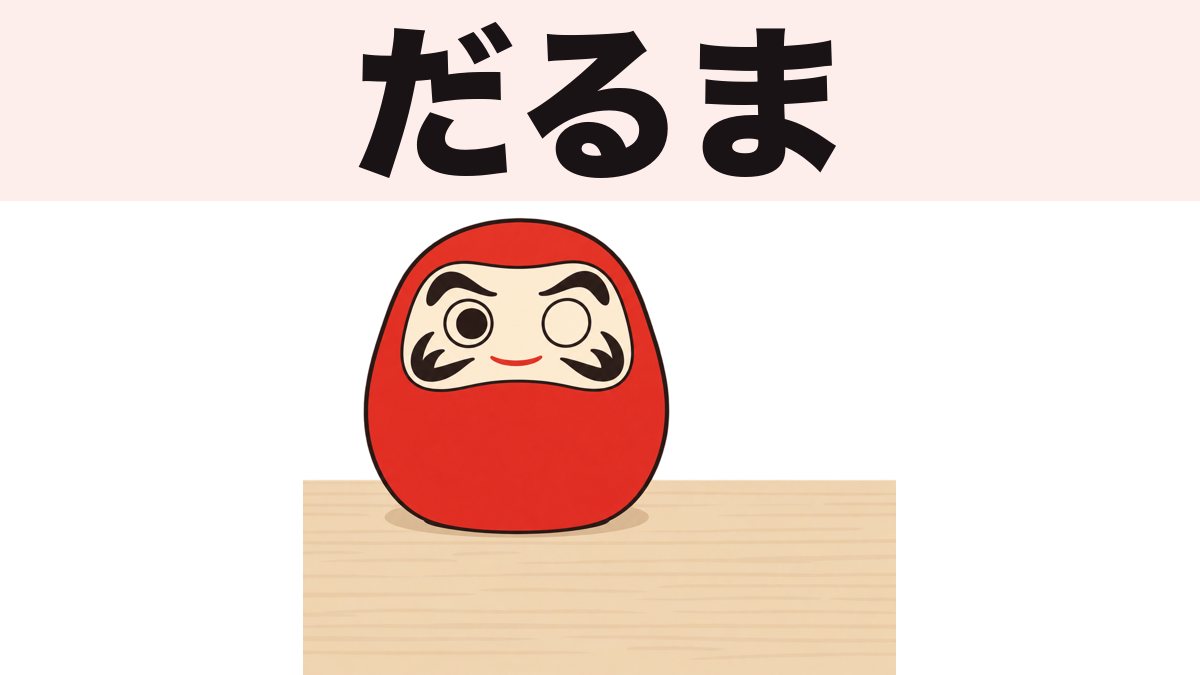
Doll in Japanese: 人形 (にんぎょう) plus ひな人形, だるま, こけし
Doll in Japanese is 人形 (にんぎょう). Learn ひな人形 for the Girls' Day festival, だるま, こけし, フィギュア, 人形みたい, and how ぬいぐるみ differs from 人形.
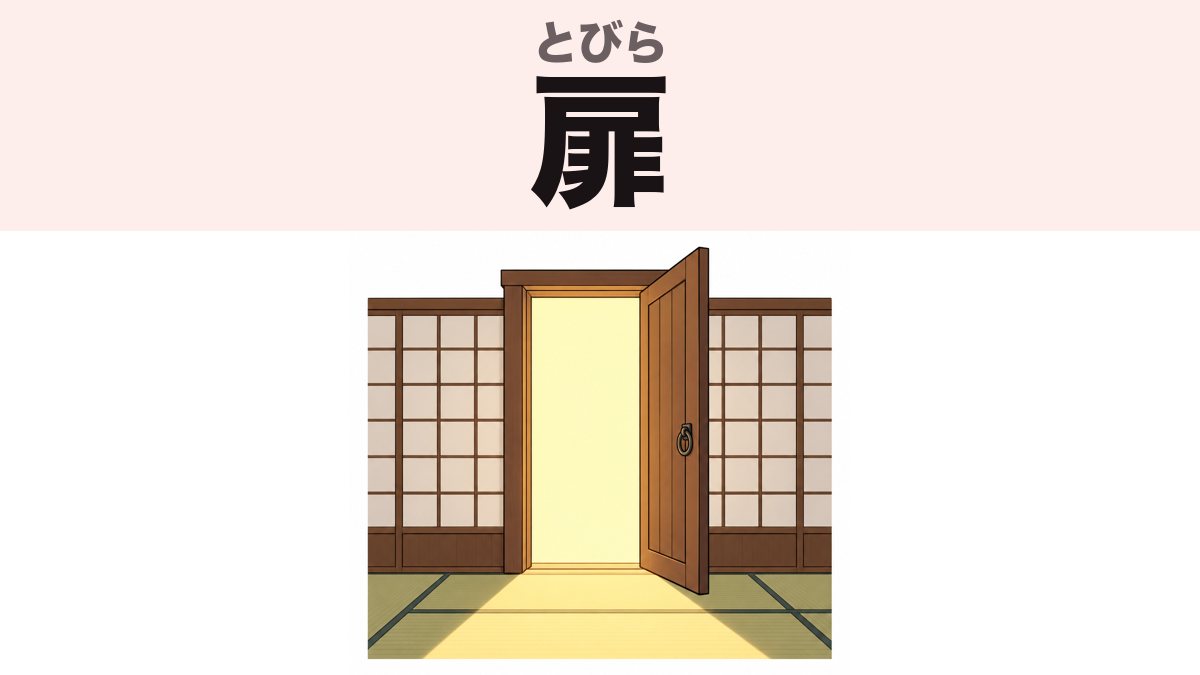
Door in Japanese: ドア, 扉 (とびら), 戸, 引き戸, and ドアが閉まります
Door in Japanese is ドア, with 扉 (とびら) for grand or fantasy doors and 戸 (と) for traditional ones. Learn 引き戸, 自動ドア, ノック, and train door announcements.
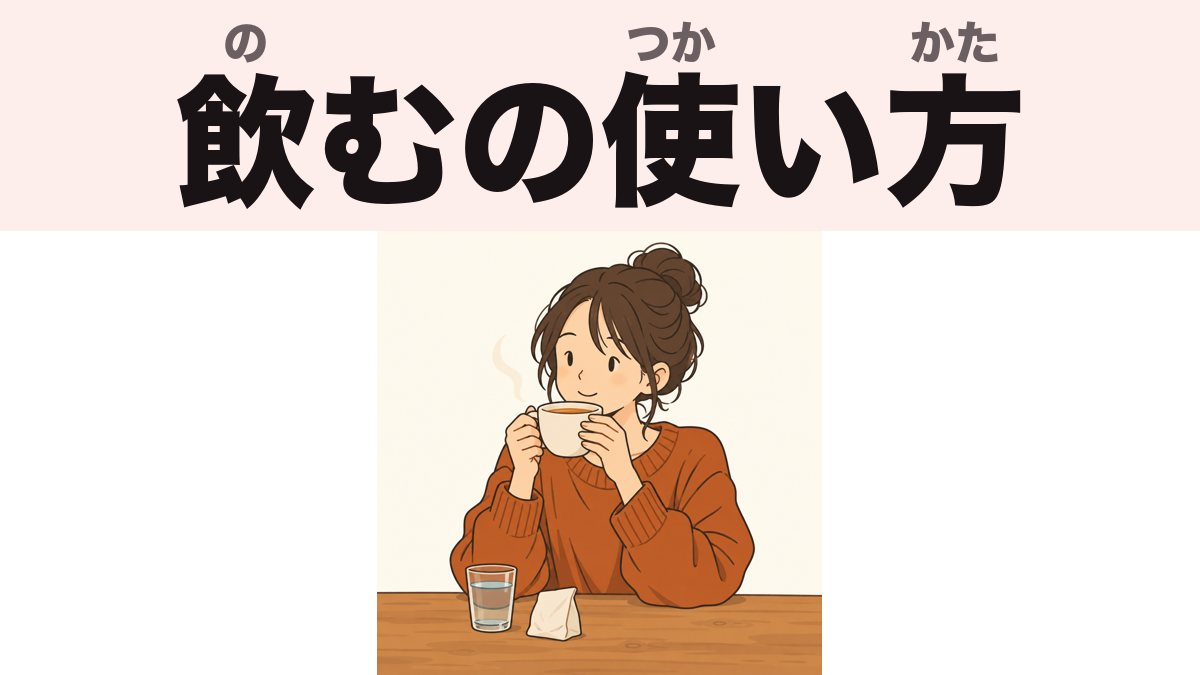
Drink in Japanese: 飲む (のむ), 飲み物, and why you "drink" medicine
Drink in Japanese is 飲む (のむ), a verb that also covers medicine and soup. Learn 飲み物, 飲みに行く, お酒, 飲めない and how to politely say you do not drink.
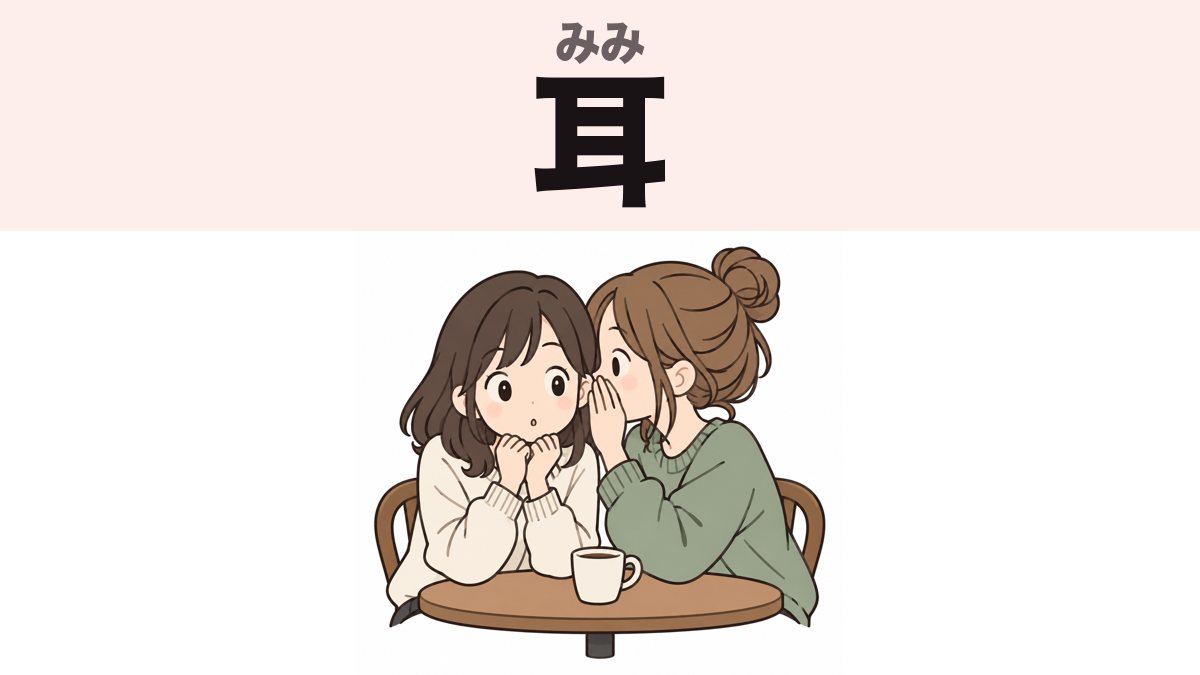
Ear in Japanese: 耳 (みみ), 初耳, 耳が痛い, and 耳が遠い
Ear in Japanese is 耳 (みみ). Learn 初耳 (news to me), 耳が痛い (it stings to hear), 耳にする (to happen to hear), 耳が遠い (hard of hearing), 耳を傾ける, and 耳打ち (whisper).
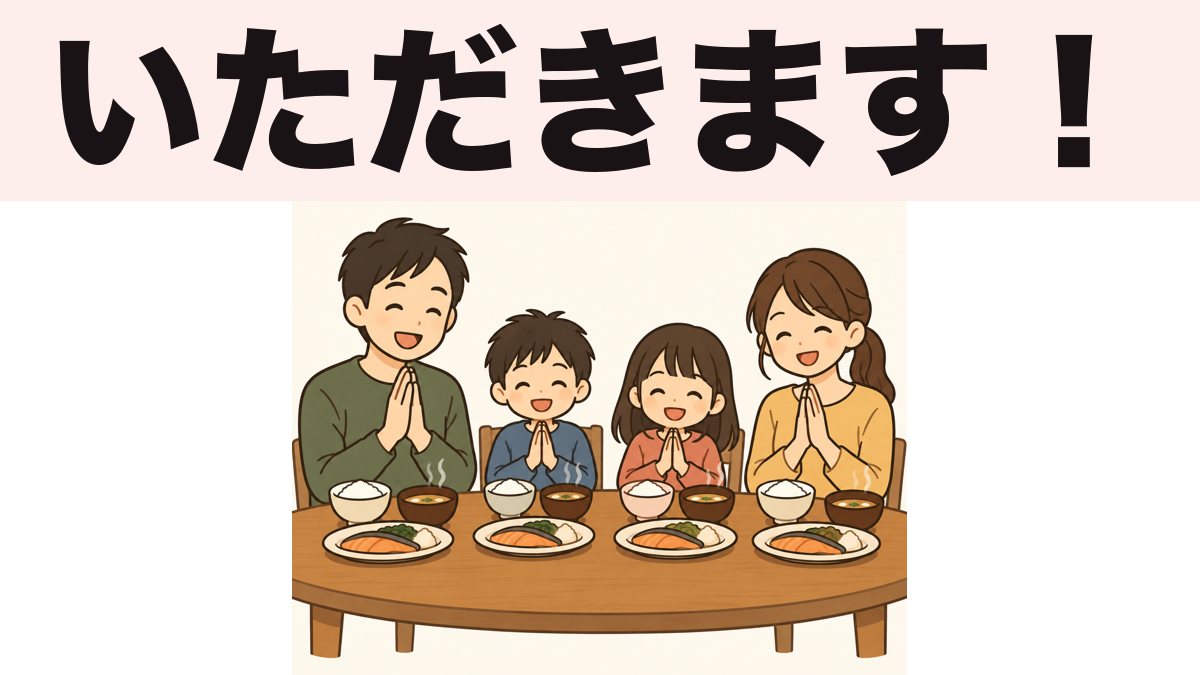
Eat in Japanese: 食べる (たべる), 食う, 召し上がる, and "let's eat"
Eat in Japanese is 食べる (taberu). Learn its forms, "let's eat" with 食べよう, the rough 食う, polite 召し上がる, why soup is "drunk", and words like 食べ放題.
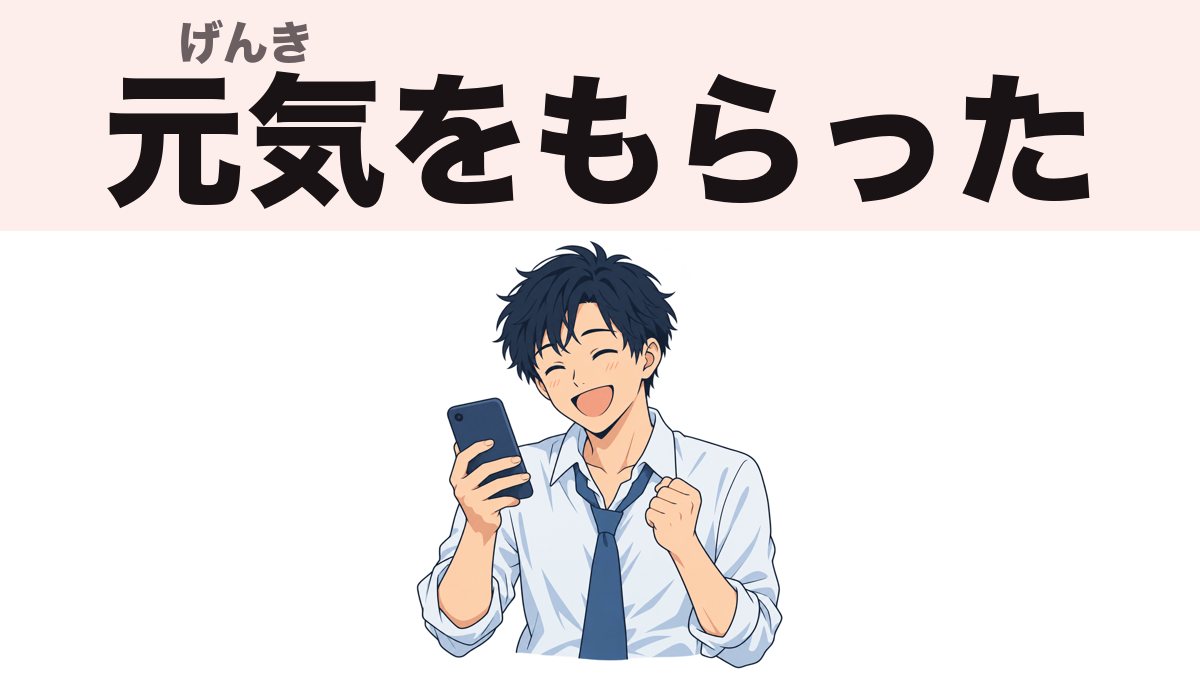
Energy in Japanese: 元気 (げんき), エネルギー, 体力, and 元気をもらう
Energy in Japanese is 元気 (げんき) for a person and エネルギー for power. Learn 体力, 気力, テンション, 元気が出る, 元気をもらう, and エナジードリンク, with practice.
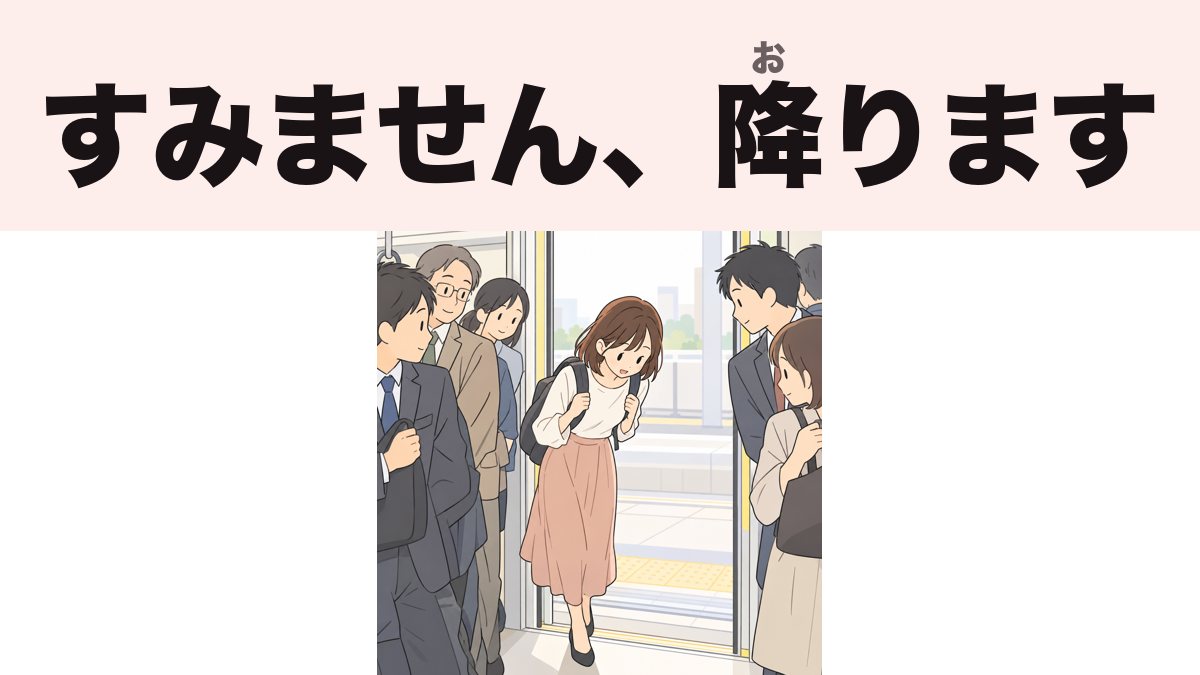
Excuse me in Japanese: すみません, 失礼します, and the one you need on a crowded train
Excuse me in Japanese is usually すみません (sumimasen). Which phrase to use to get attention, squeeze past people, enter a room, ask a stranger, or call a waiter.
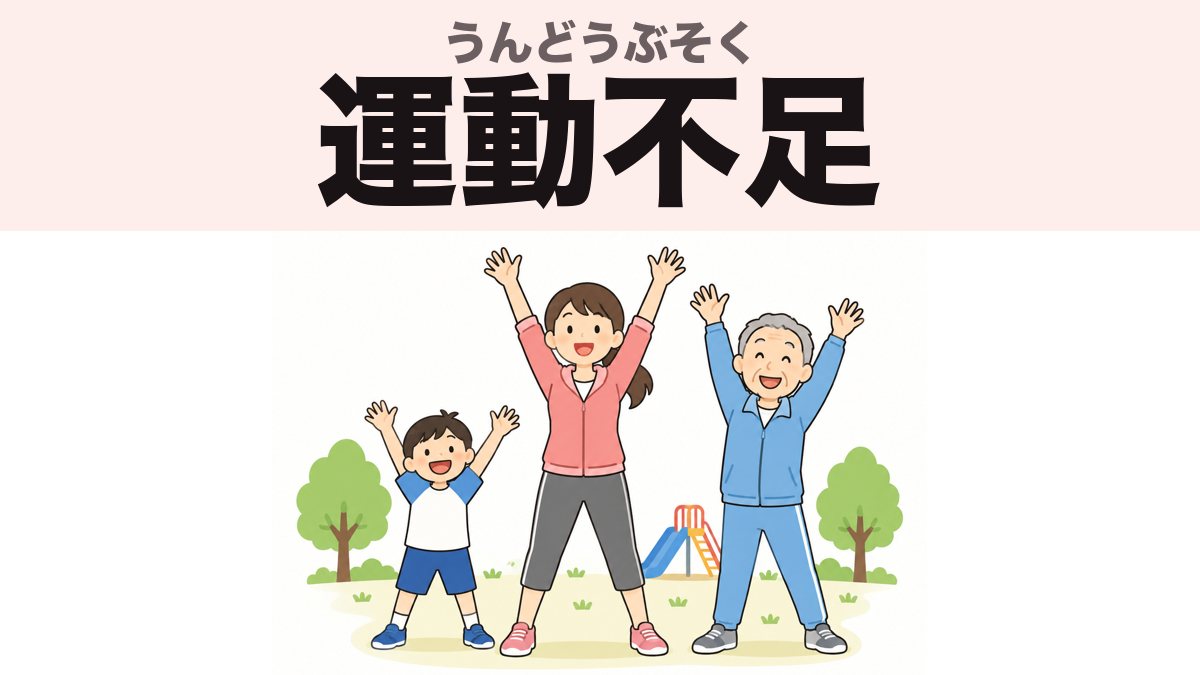
Exercise in Japanese: 運動 (うんどう), 運動不足, 筋トレ, and ラジオ体操
Exercise in Japanese is 運動 (うんどう). Learn 運動する, 運動不足, 筋トレ, ジムに行く, 体を動かす, ラジオ体操, and 練習問題 for the other kind of "exercise".
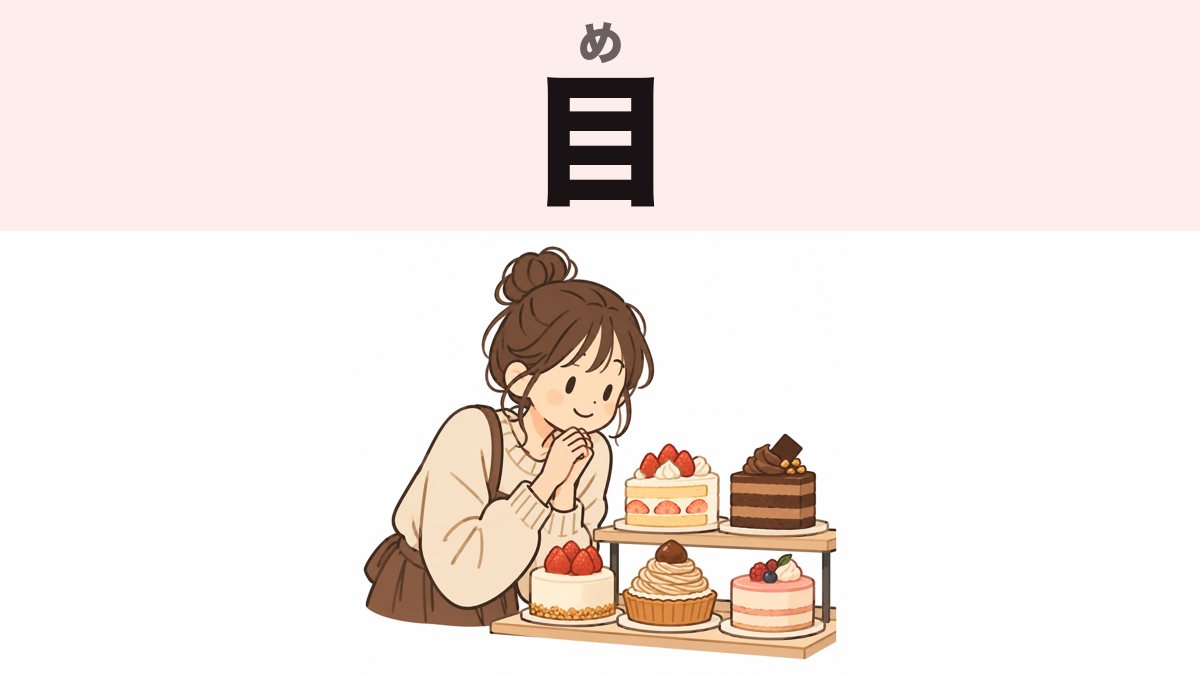
Eye in Japanese: 目 (め), 目がない, 目立つ, and 一目惚れ
Eye in Japanese is 目 (め). Learn 目がいい (good eyesight), 目が覚める (to wake up), 目がない (to be crazy about), 目立つ, 目を通す, 一目惚れ (love at first sight), and 目薬.
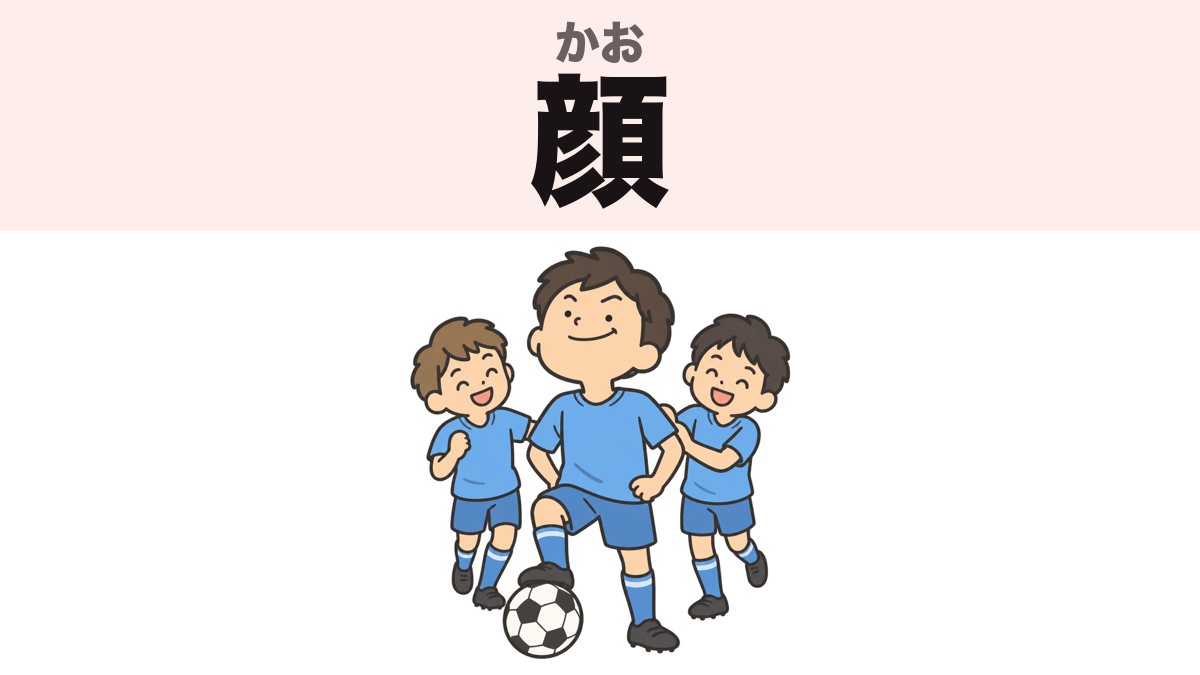
Face in Japanese: 顔 (かお), 顔が広い, 顔を出す, ドヤ顔, and 顔文字
Face in Japanese is 顔 (かお). Learn 顔を洗う, 顔色 (complexion), 顔に出る, 顔が広い (well-connected), 顔を出す (to show up), ドヤ顔 (smug face), and 顔文字 (kaomoji).
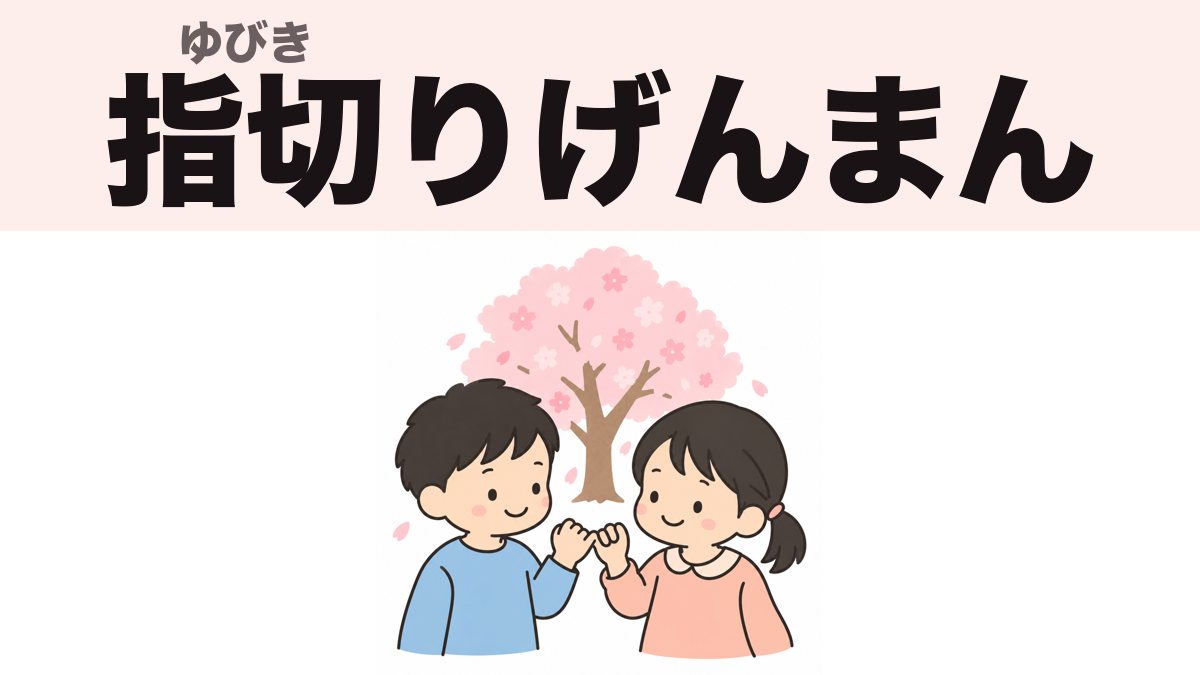
Finger in Japanese: 指 (ゆび), 親指 to 小指, 指輪, and 指切りげんまん
Finger in Japanese is 指 (ゆび). Learn all five finger names from 親指 to 小指, 指輪, 指をさす, the pinky promise 指切りげんまん, and 後ろ指をさされる.
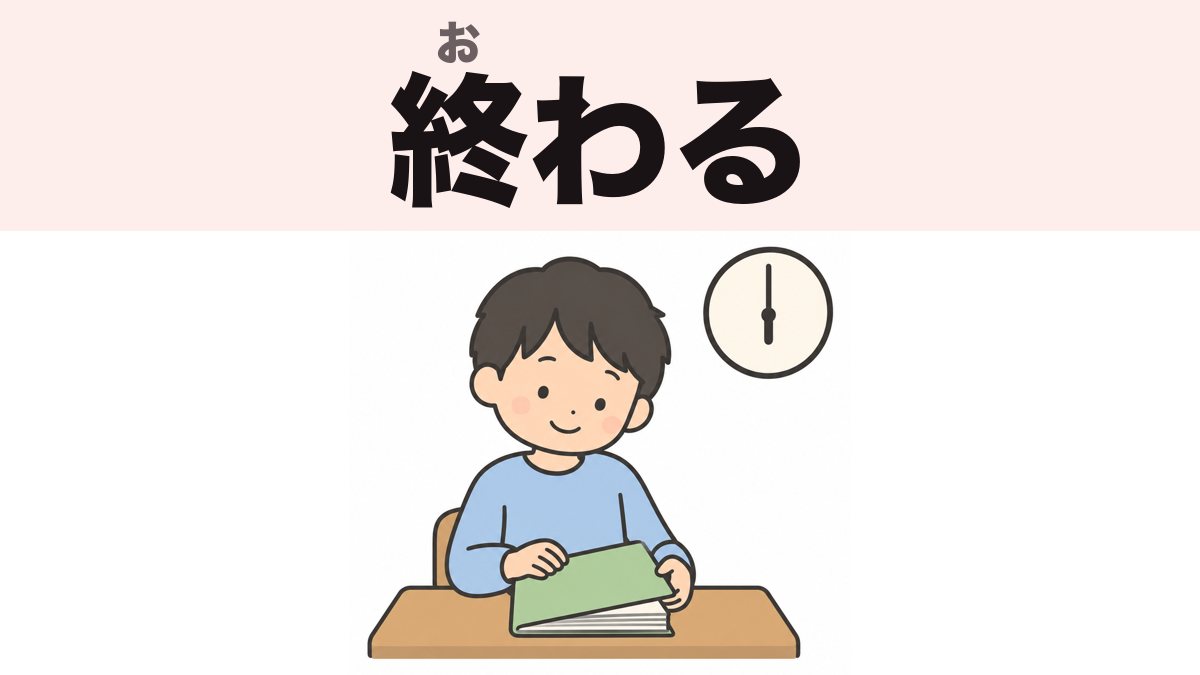
Finish in Japanese: 終わる vs 終える, 〜終わる, 済む, 終了, and おしまい
Finish in Japanese is 終わる (おわる) when something ends and 終える (おえる) when you finish something. Learn 〜終わる (finish doing), 済む, 終了, 完成, and おしまい.
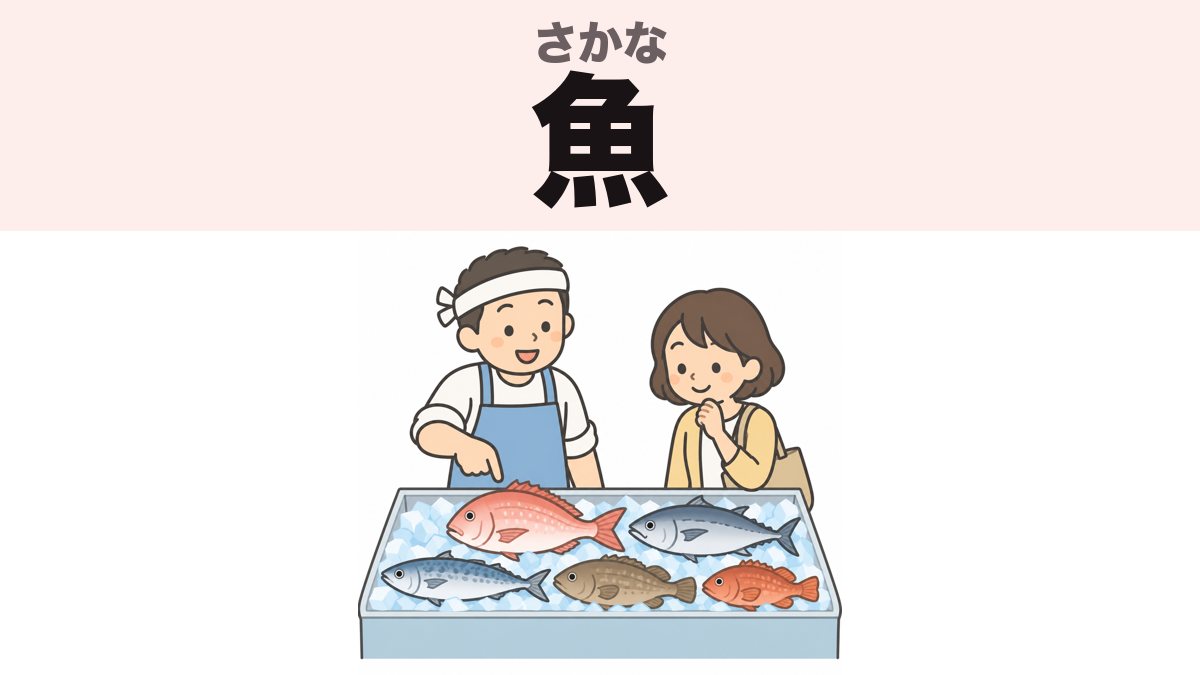
Fish in Japanese: 魚 (さかな), 釣り, 刺身, and 骨が多い
Fish in Japanese is 魚 (さかな). Learn 焼き魚, 生魚, 刺身, 魚屋, 金魚, 釣り (fishing), 魚介類 (seafood), 骨 (bones), and the kanji 魚 inside fish names like 鮭 and 鯛.
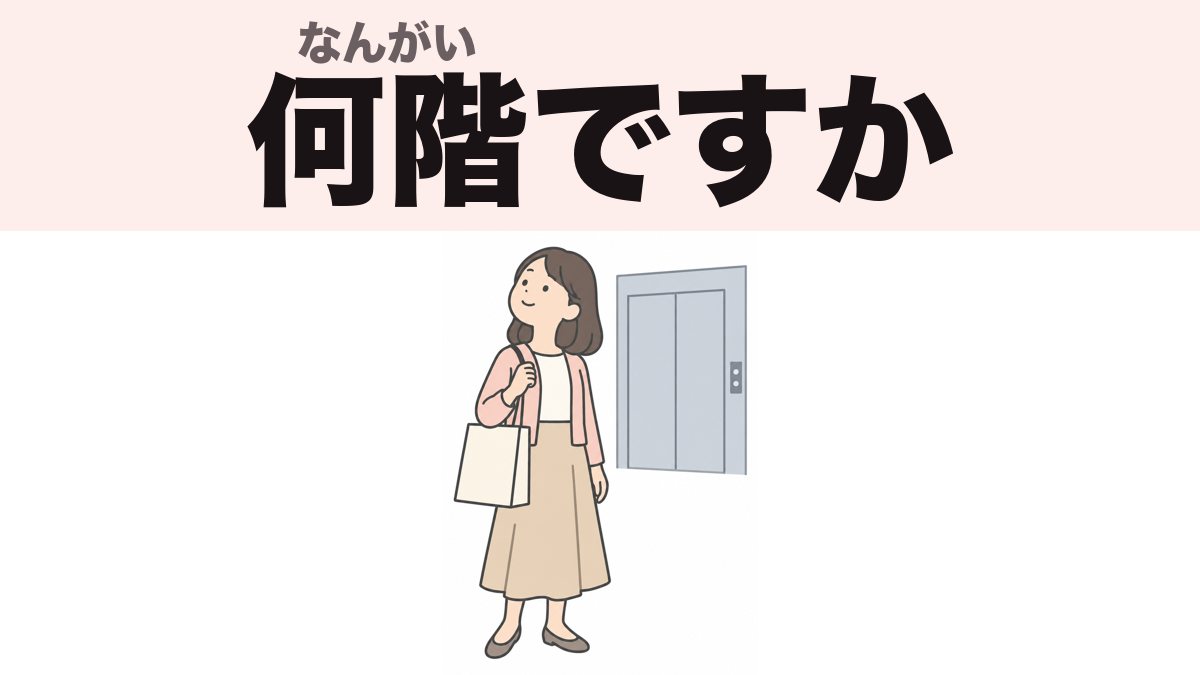
Floor in Japanese: 床 (ゆか) vs 階 (かい), 一階 to 三階, and 床暖房
Floor in Japanese is 床 (ゆか) for the surface you stand on and 階 (かい) for a building level. Learn 一階, 二階, 三階, 何階, 地下, 床暖房, and the 床 in 床屋.
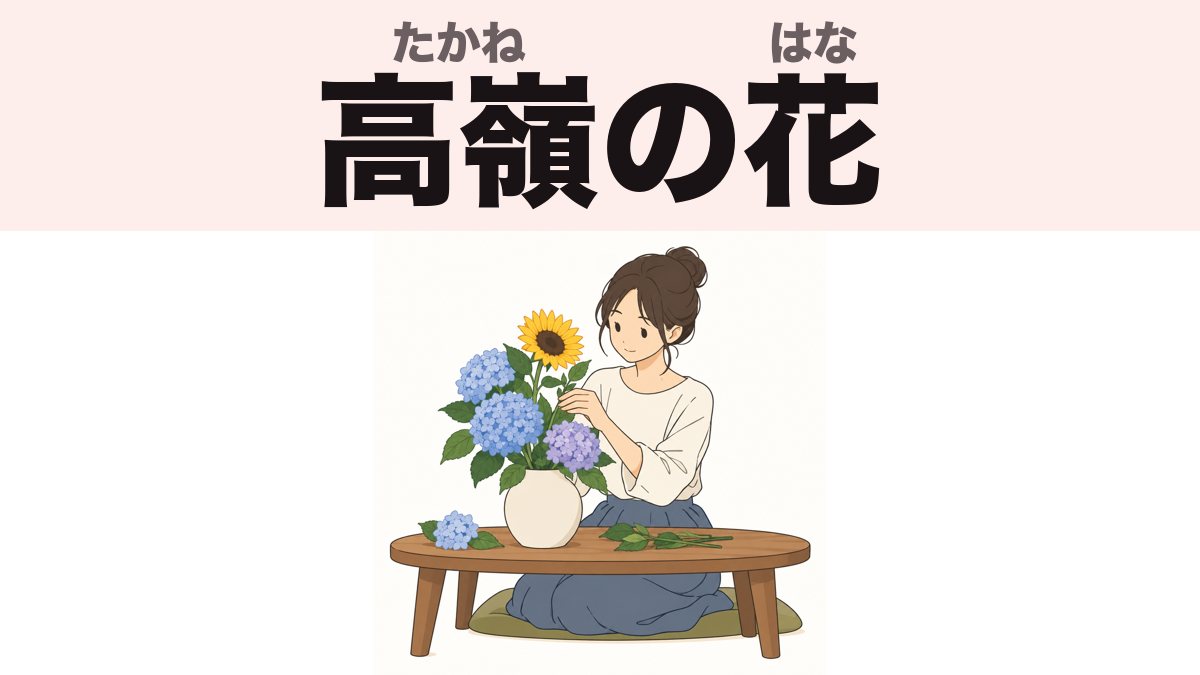
Flower in Japanese: 花 (はな), 高嶺の花, 花を持たせる, and the nose that sounds the same
Flower in Japanese is 花 (はな, hana). Learn 花びら and 花束, seasonal flowers, idioms like 高嶺の花, 両手に花 and 花を持たせる, 華がある, and the homophone 鼻 (nose).
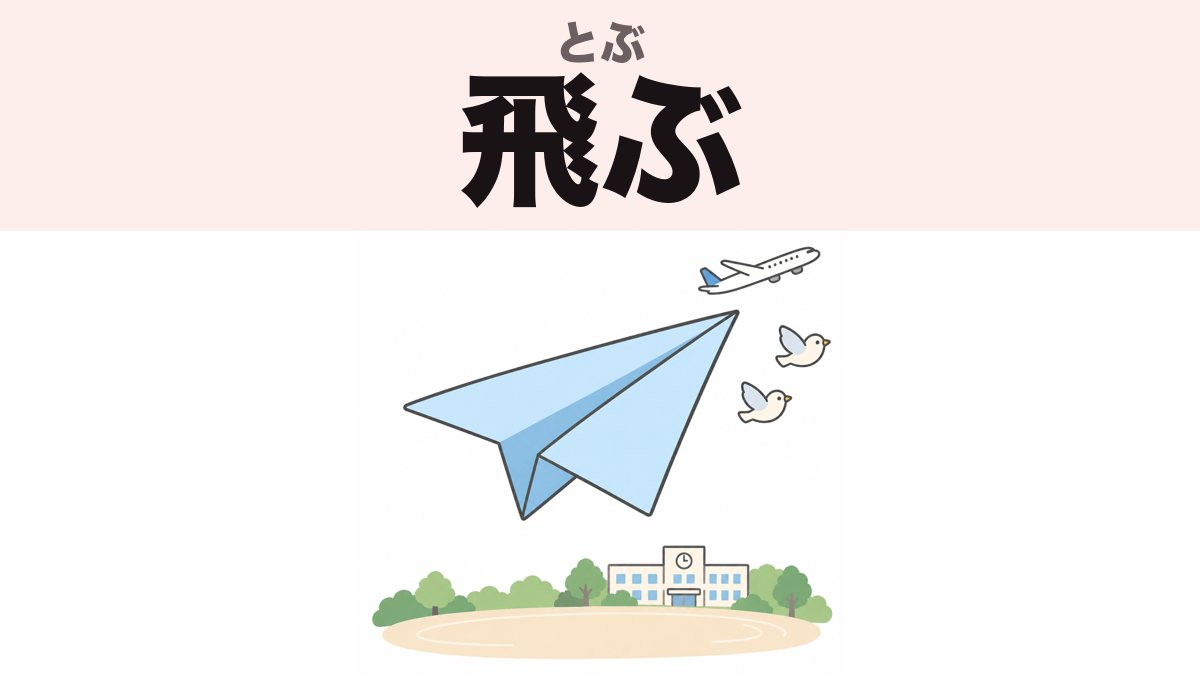
Fly in Japanese: 飛ぶ (とぶ), 飛べ, 飛行機, and 時間が経つのが早い
Fly in Japanese is 飛ぶ (とぶ). Learn 飛んで, the command 飛べ!, 飛行機で行く (to fly somewhere), 飛び立つ, 跳ぶ for jumping, and how to say "time flies" in Japanese.
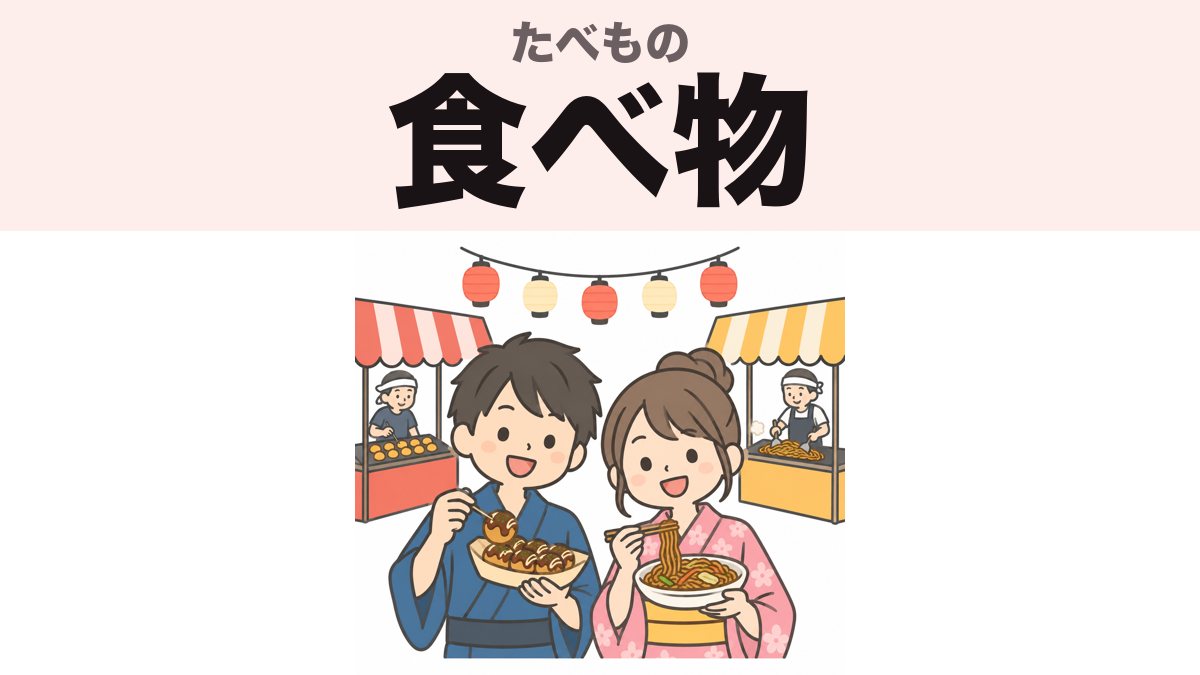
Food in Japanese: 食べ物 (たべもの), 料理, ご飯, 和食, and 食事
Food in Japanese is 食べ物 (たべもの). Learn 料理 (dish, cuisine), ご飯 (meal or rice), 食事, 和食 vs 洋食, ご飯行こう (let’s grab food), 屋台, and 好きな食べ物.
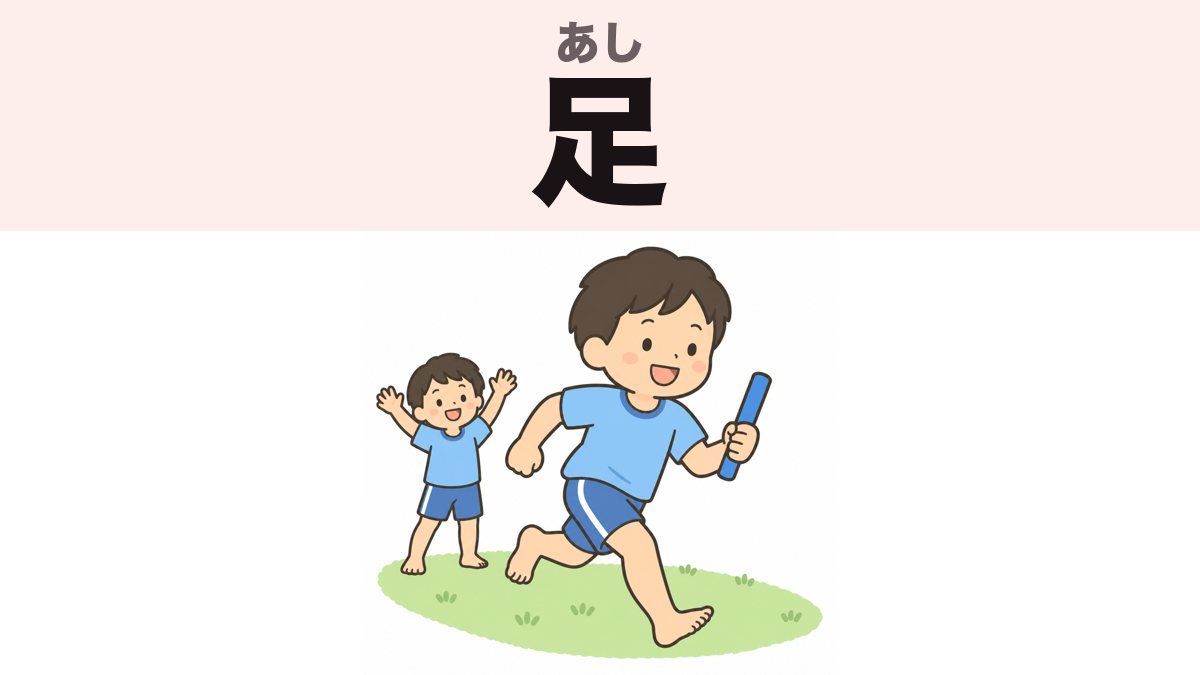
Foot in Japanese: 足 (あし), 足が速い, 足を引っ張る, and 裸足
Foot in Japanese is 足 (あし), which covers both foot and leg. Learn 足が速い, 足元に気をつけて, 裸足 (barefoot), and idioms like 足を洗う, 足が出る, and 足を引っ張る.
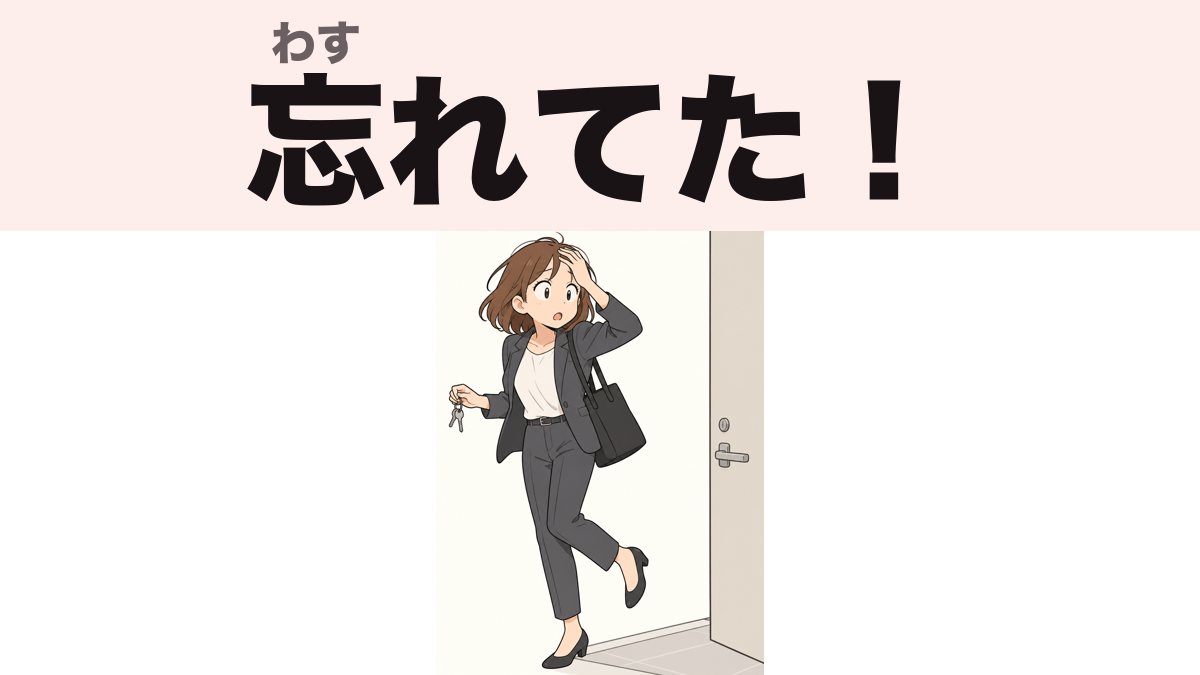
Forget in Japanese: 忘れる (わすれる), 忘れた vs 忘れてた, and 忘れ物
Forget in Japanese is 忘れる (わすれる). Learn 忘れました vs 忘れていました, 忘れないで, 忘れ物 for things left behind, 忘れっぽい, ど忘れ, 置き忘れる and 忘れられない.
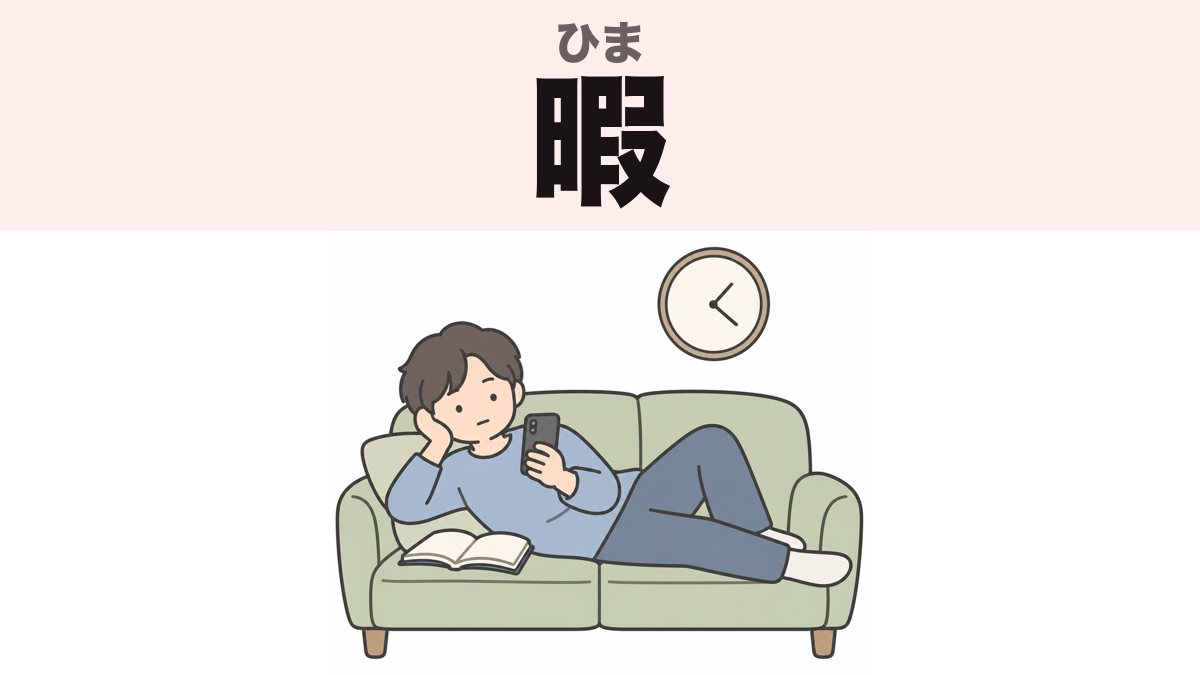
Free time in Japanese: 暇 (ひま), 空き時間, 暇つぶし, and 手が空く
Free time in Japanese is 暇 (ひま) or 時間がある. Learn 暇な時 (in your spare time), 空き時間 (a gap in your day), 暇つぶし (killing time), 余暇, and how to ask "are you free?".
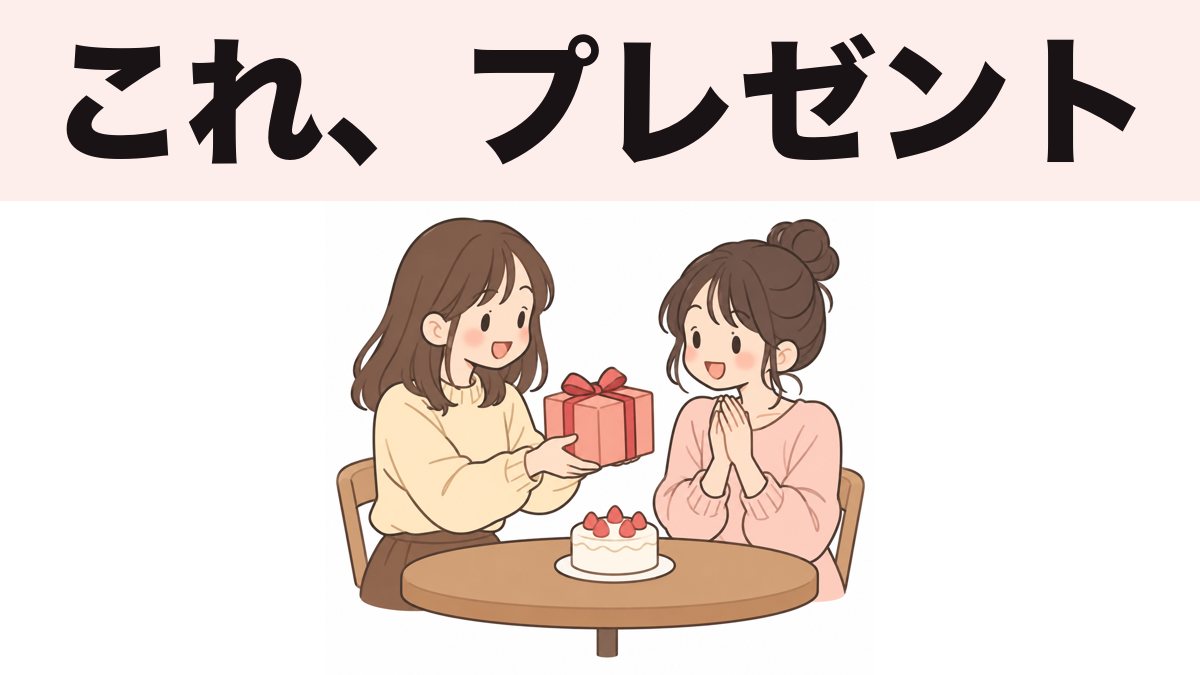
Gift in Japanese: プレゼント, 贈り物 and how to give one
Gift in Japanese is プレゼント in everyday speech and 贈り物 (おくりもの) in polite language. Learn 贈る, お祝い, お返し, 包む, 気持ちばかりですが, and how to accept a gift.
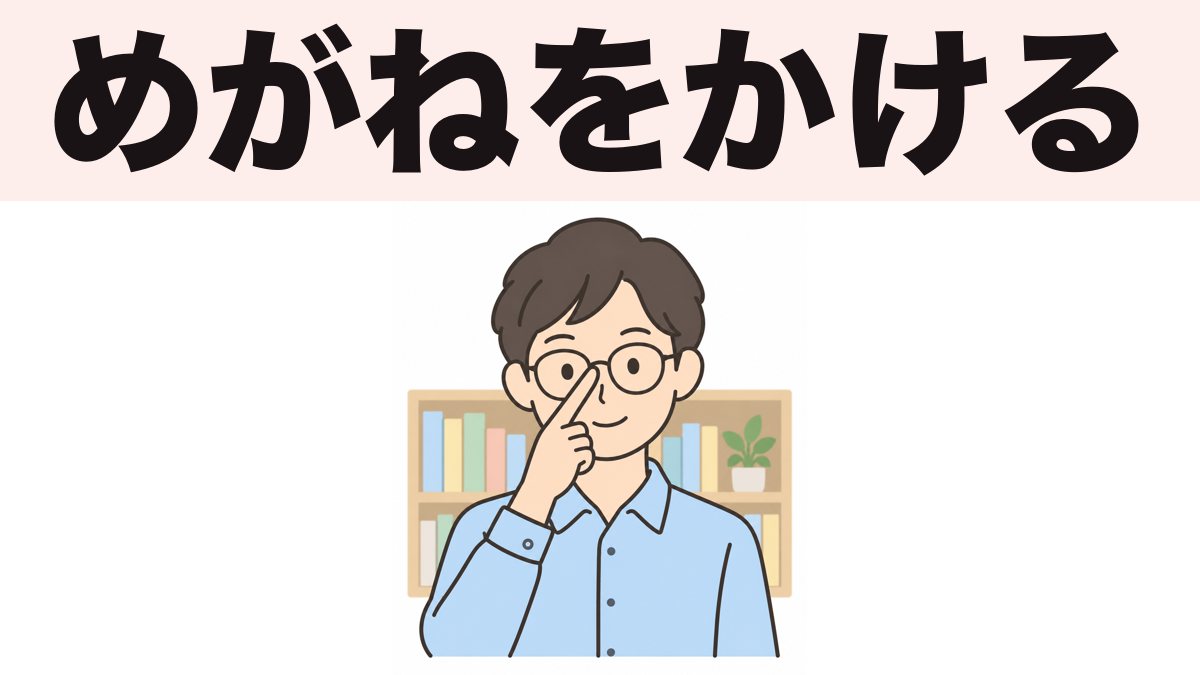
Glasses in Japanese: めがね (眼鏡), めがねをかける, and グラス vs ガラス
Glasses in Japanese is めがね (眼鏡). Learn めがねをかける (to wear glasses), サングラス, コンタクト, 老眼鏡, だてめがね, and how グラス and ガラス are different.
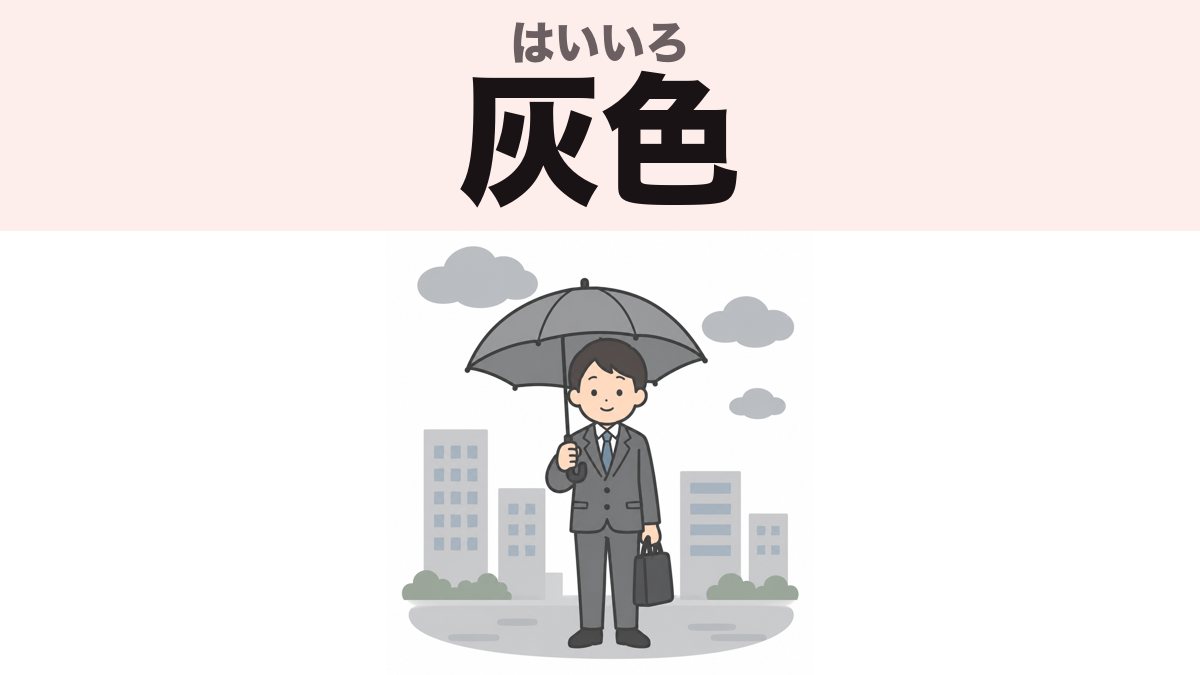
Gray in Japanese: 灰色 (はいいろ), グレー, ねずみ色, and グレーゾーン
Gray in Japanese is 灰色 (はいいろ), "ash color", or the loanword グレー. Learn ねずみ色 (mouse gray), 灰色の空, グレーゾーン (gray area), 白髪 for gray hair, and 灰 (ash).
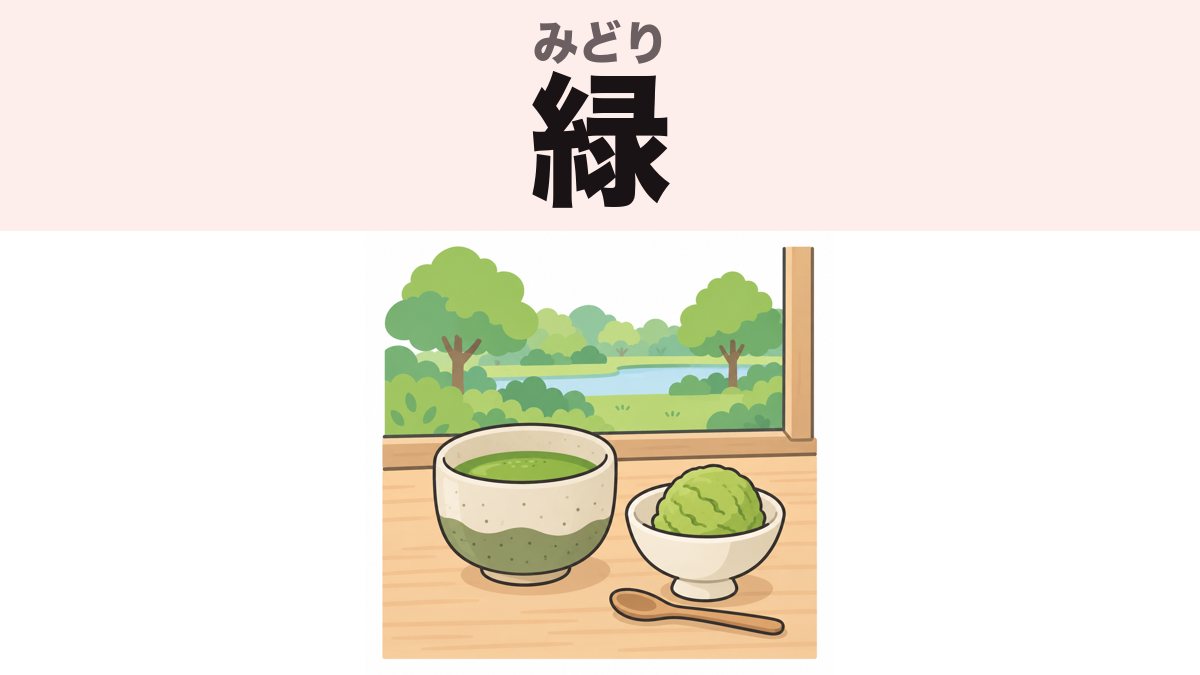
Green in Japanese: 緑 (みどり), 緑色, 緑茶, グリーン車, and みどりの日
Green in Japanese is 緑 (みどり), and since there is no 緑い, you say 緑の or 緑色の. Learn 黄緑, 緑茶, 抹茶, 緑が多い (leafy), グリーン車 on trains, and when Japanese calls green 青.
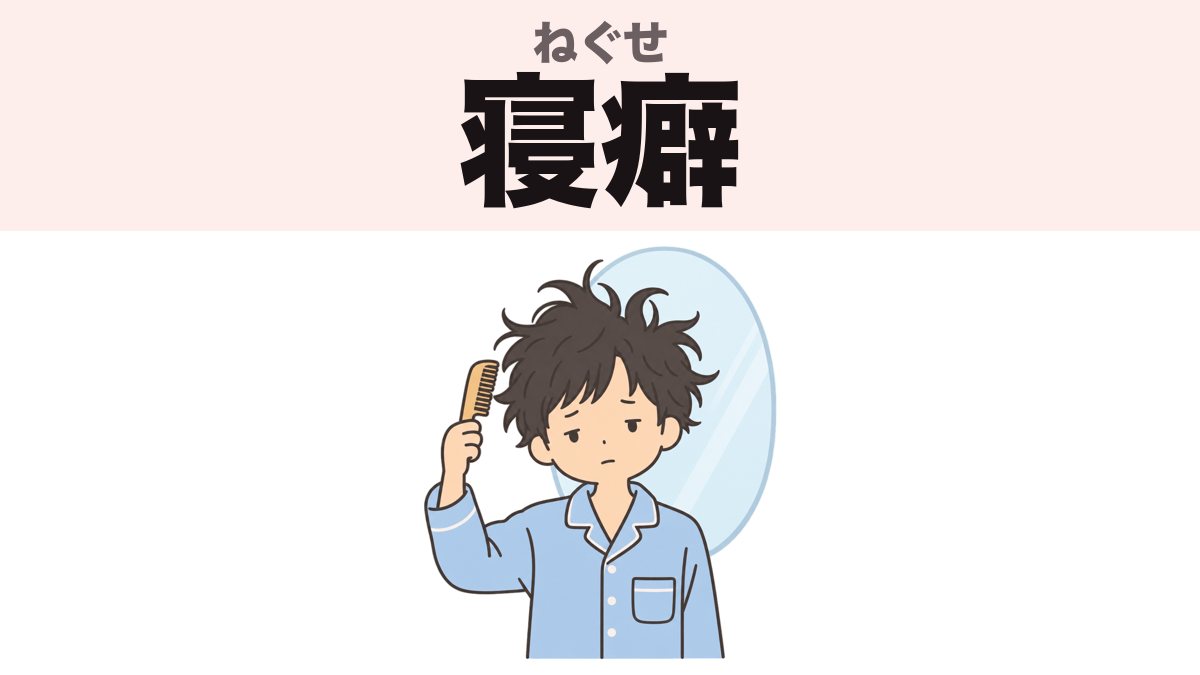
Hair in Japanese: 髪 (かみ), 髪の毛, 毛, 前髪, 白髪, and 寝癖
Hair in Japanese is 髪 (かみ) or 髪の毛 for the hair on your head, and 毛 (け) for body hair and fur. Learn 前髪 (bangs), 白髪 (gray hair), 寝癖 (bed head), くせ毛, and 髪を結ぶ.
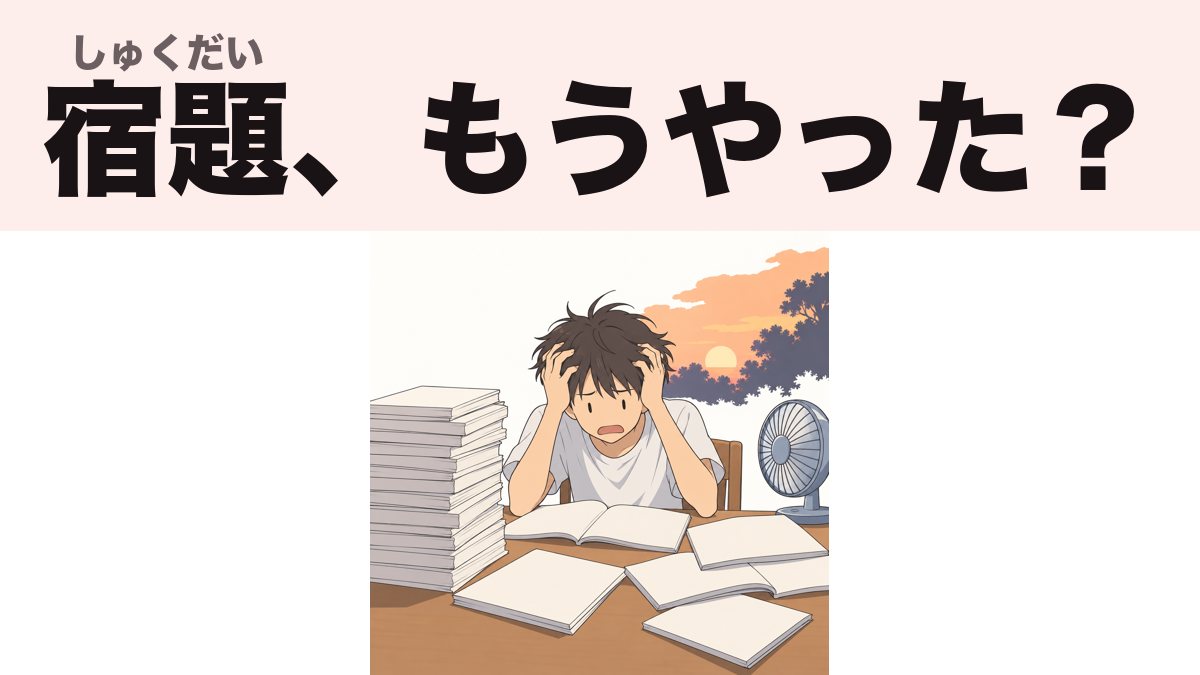
Homework in Japanese: 宿題 (しゅくだい), 宿題を出す, and the business 宿題
Homework in Japanese is 宿題 (しゅくだい). Learn 宿題をする, why teachers 宿題を出す, 提出, 課題 and レポート, summer homework, and the business phrase 宿題にさせてください.
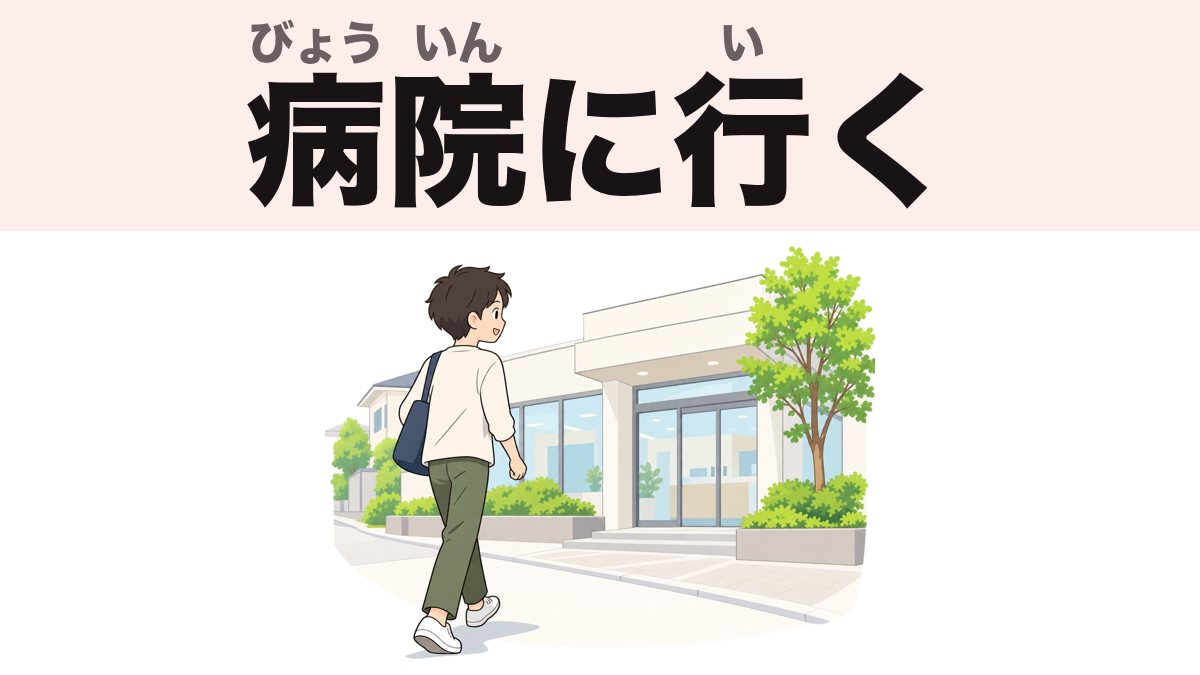
Hospital in Japanese: 病院 (びょういん), and the 美容院 (びよういん) trap
Hospital in Japanese is 病院 (びょういん). Do not mix it up with 美容院 (びよういん), a hair salon. Also clinic, doctor, 入院, 救急車 and 薬局, with practice.
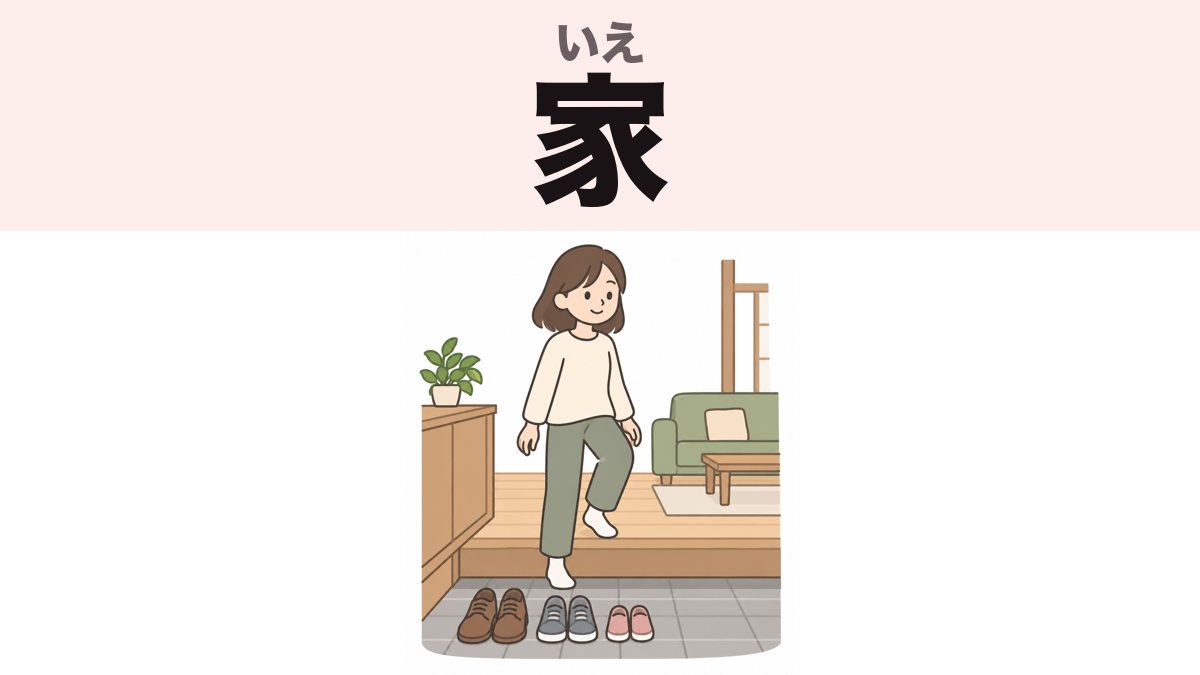
House in Japanese: 家 (いえ) vs うち, 実家, 一軒家, and マンション
House in Japanese is 家 (いえ), but home is often うち. Learn 実家 (your parents’ home), 自宅, 一軒家 (detached house), マンション vs アパート, 玄関, and 家に帰る.
How to memorize kanji: learn words, see the parts, and stop collecting readings
How to memorize kanji: learn each one inside a word, break it into parts, use the sound hints, and review with spaced repetition. 10 practice questions.
Japanese lessons in Akihabara: your options, and what to learn before you go
Japanese lessons for Akihabara: schools, short courses, tutors or online prep? Compare them, then learn the tag words that matter: 中古, 買取, ジャンク, 税込.
To Listen in Japanese: 聞く (きく) also means hear and ask
To listen in Japanese, say 聞く (kiku): 音楽を聞く is "listen to music". The same verb also means "hear" and "ask". Here is how to tell the three apart.
Married in Japanese: 結婚しています, not 結婚します (and why と, not を)
Married in Japanese is 結婚しています. Learn why 結婚します means "will marry", why you marry someone with と, and the words 独身, 既婚, 婚約, 新婚, 離婚 and 俺の嫁.
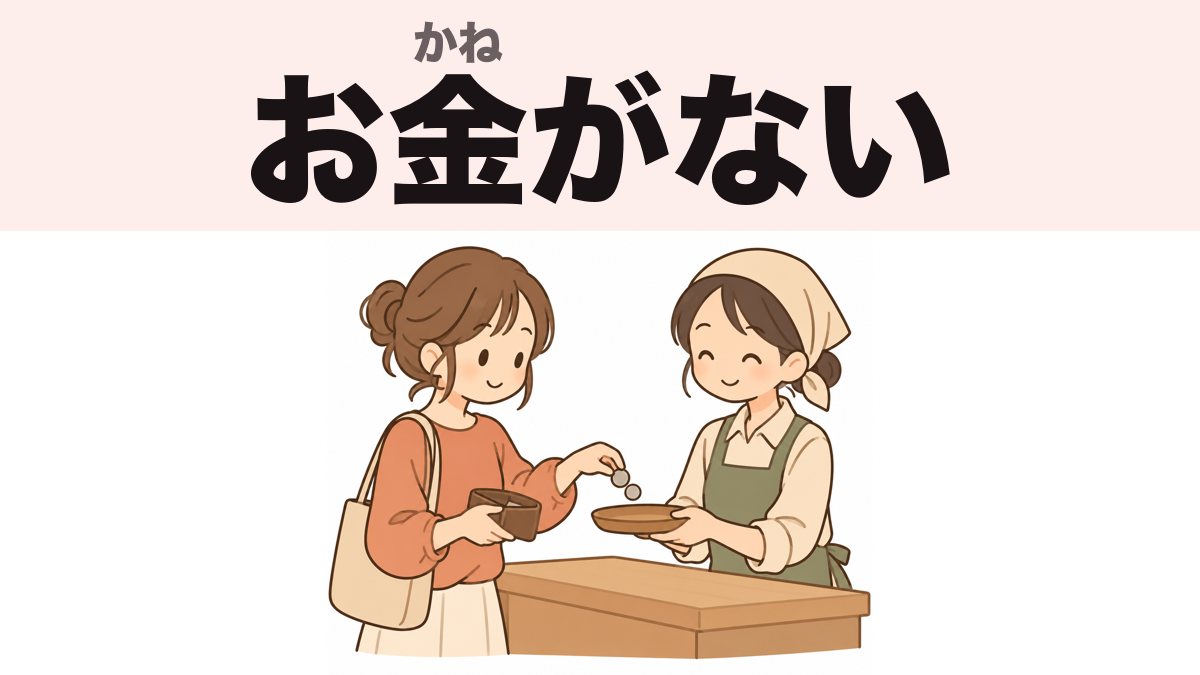
Money in Japanese: お金 (おかね), why the お is almost always there, and how to read 円
Money in Japanese is お金 (おかね). Learn why the お stays, what bare 金 sounds like, how 円 prices are read, and when to use 代, 料金 or 費.
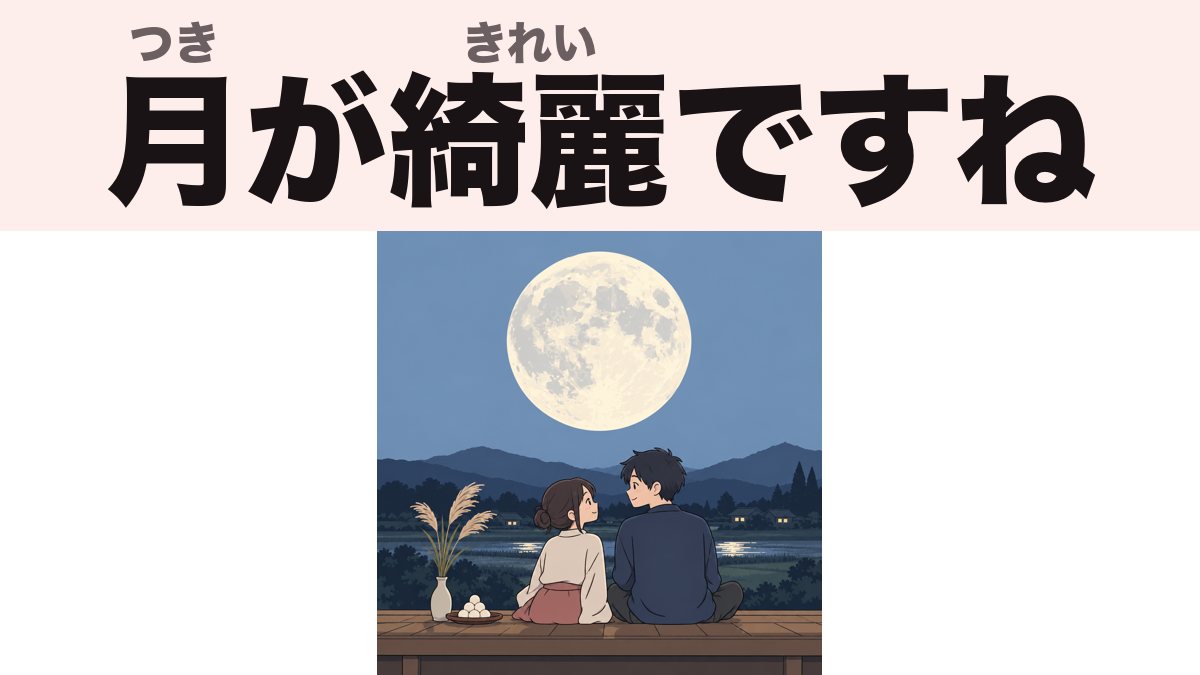
Moon in Japanese: 月 (つき), 満月, and what 月が綺麗ですね really means
Moon in Japanese is 月 (つき, tsuki). Learn full moon, crescent and moon viewing, why 月 also means month and Monday, the moon rabbit, and the famous 月が綺麗ですね line.
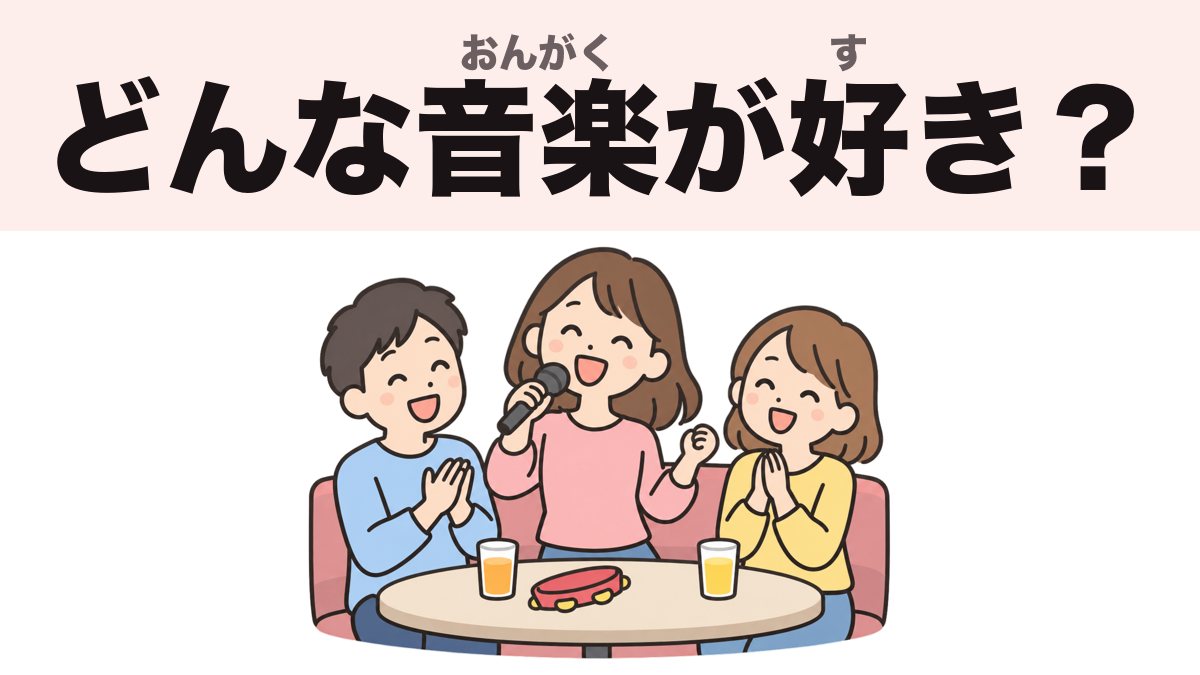
Music in Japanese: 音楽 (おんがく), 曲, 歌, and how to talk about the songs you love
Music in Japanese is 音楽 (おんがく, ongaku). Learn 曲 and 歌, 歌う and 聴く, 楽器, ライブ, 洋楽 vs 邦楽, アニソン, 音痴, and the phrases to talk about your favorite songs.
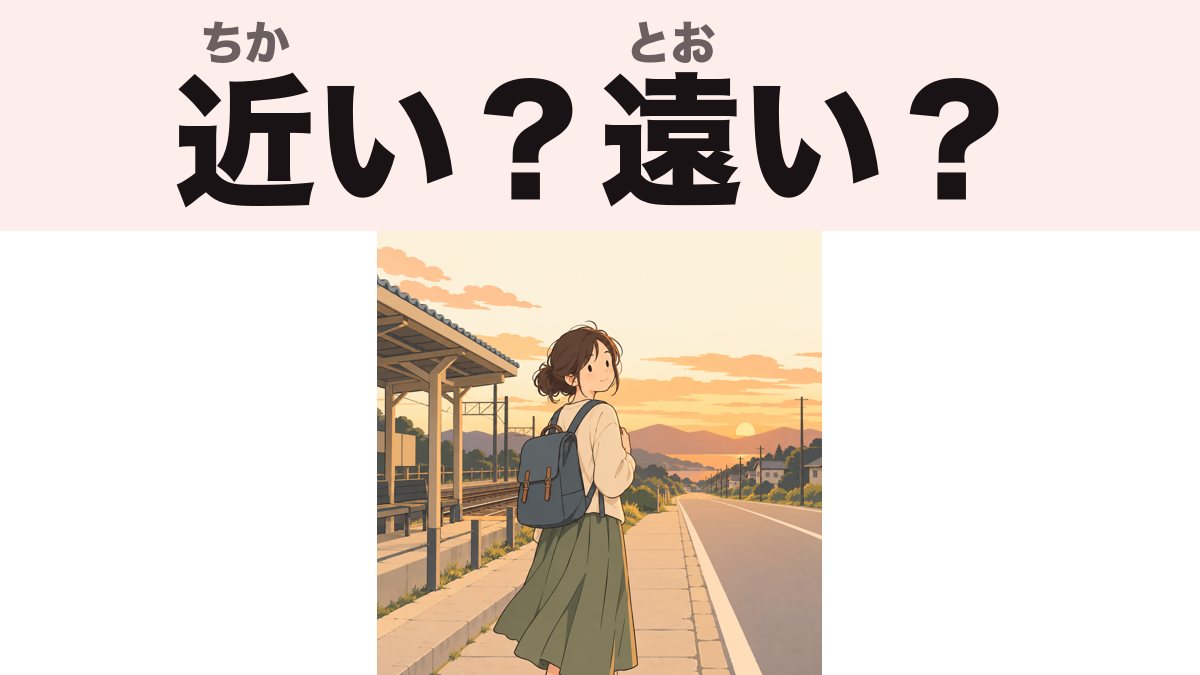
Near and far in Japanese: 近い (ちかい) and 遠い (とおい), and the に / から trap
Near in Japanese is 近い (ちかい), far is 遠い (とおい). Learn 駅に近い vs 駅から遠い, 近く, 近所, そば, 隣, 歩いて5分, and how anime uses 遠い for distance of the heart.
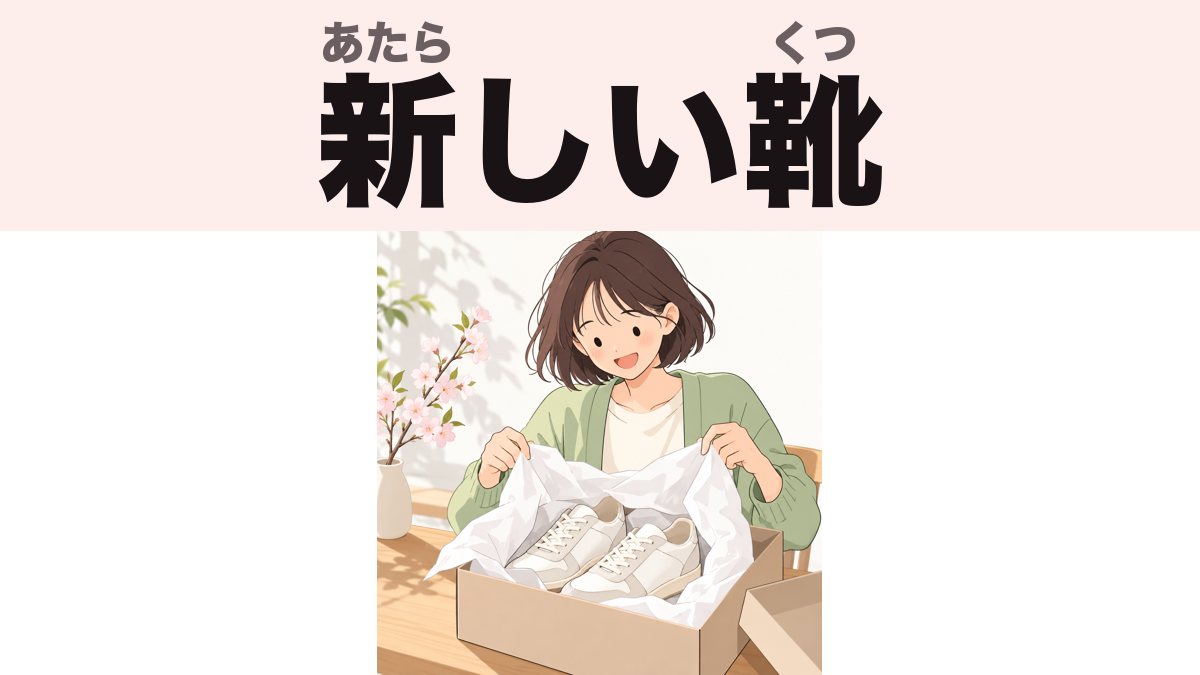
New in Japanese: 新しい (あたらしい), 新 words, and 新品 vs 中古
New in Japanese is 新しい (あたらしい), an い-adjective. Learn 新品, 新鮮, 最新, 新作, 新学期 and how to ask "anything new?" with 最近どう? and 何か新しいこと?
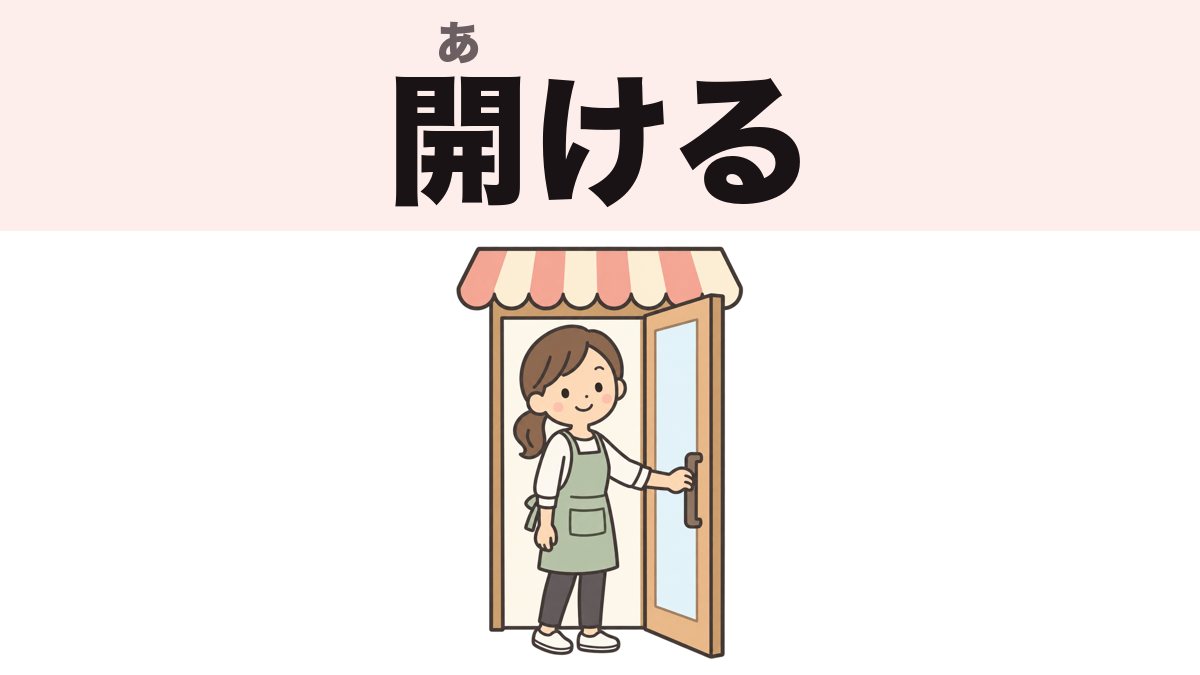
Open in Japanese: 開ける vs 開く, ひらく, 営業中, and 心を開く
Open in Japanese is 開ける (あける) when you open something and 開く (あく) when you describe something open or opening. Learn ひらく, 営業中, オープン and 心を開く.
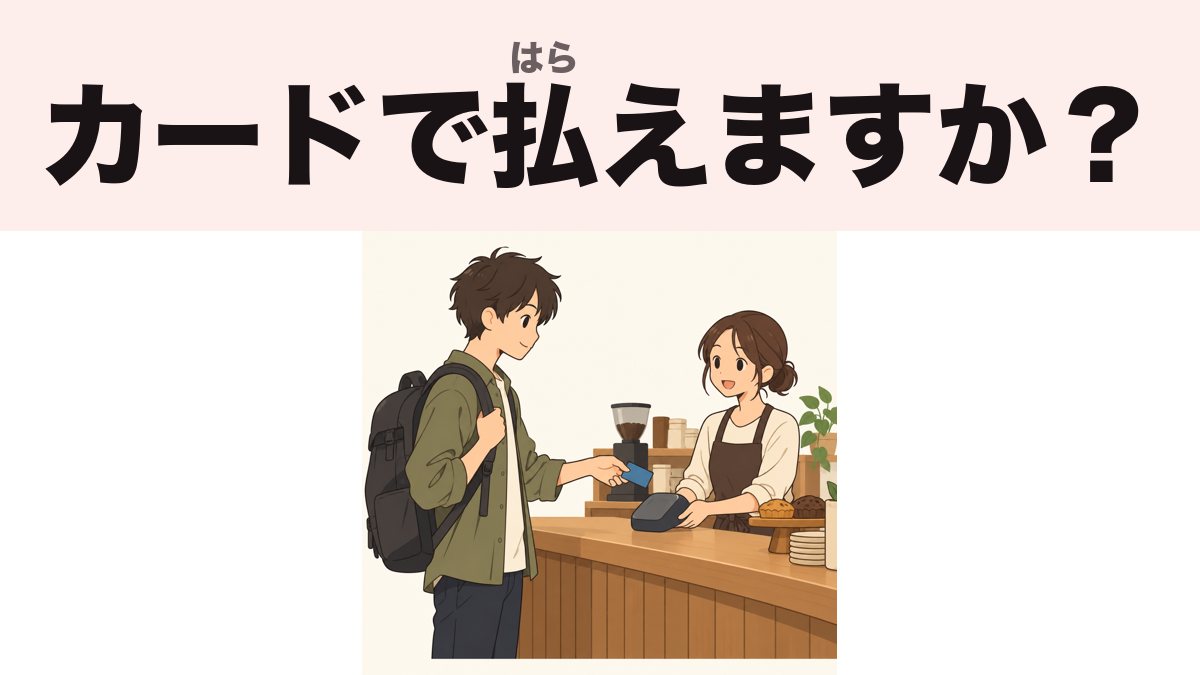
Pay in Japanese: 払う (はらう), 支払い, おごる, and "pay attention" too
Pay in Japanese is 払う (はらう). Learn 払います and 払わない, how to ask カードで払えますか, what 一括 means at the register, おごる for "my treat", 払い戻し and 注意を払う.
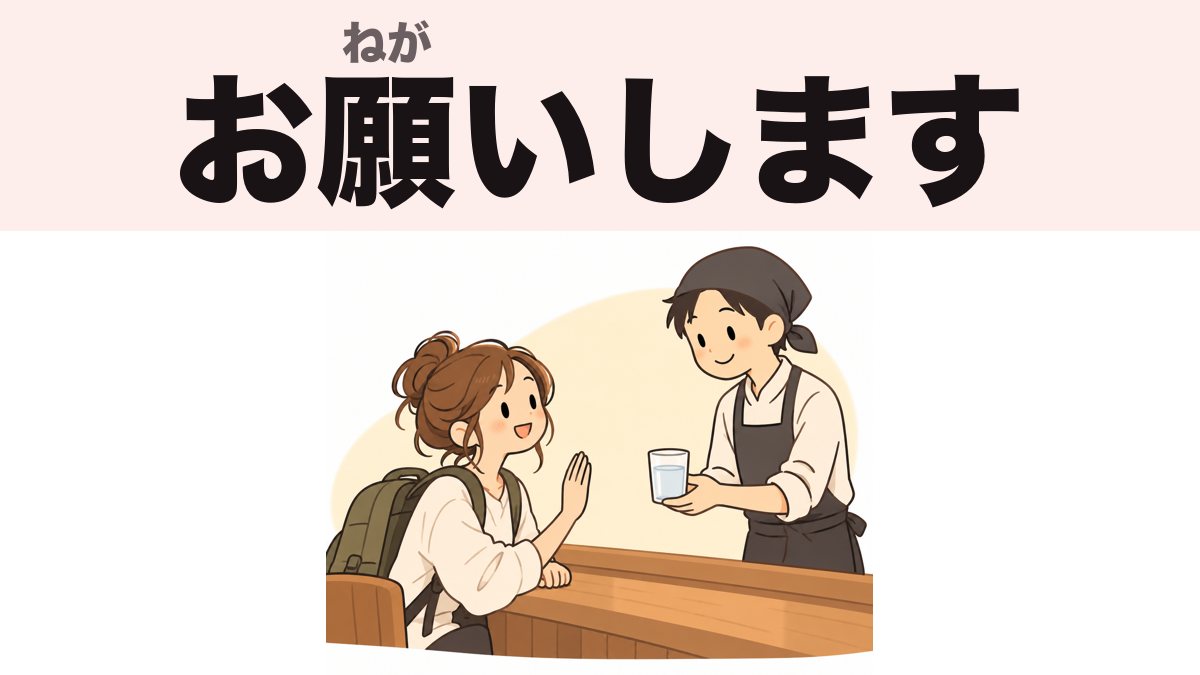
Please in Japanese: ください, お願いします, and the どうぞ trap
Please in Japanese is ください (kudasai) or お願いします (onegaishimasu) when you ask, and どうぞ (douzo) when you offer. Which to use, casual forms, and anime lines.
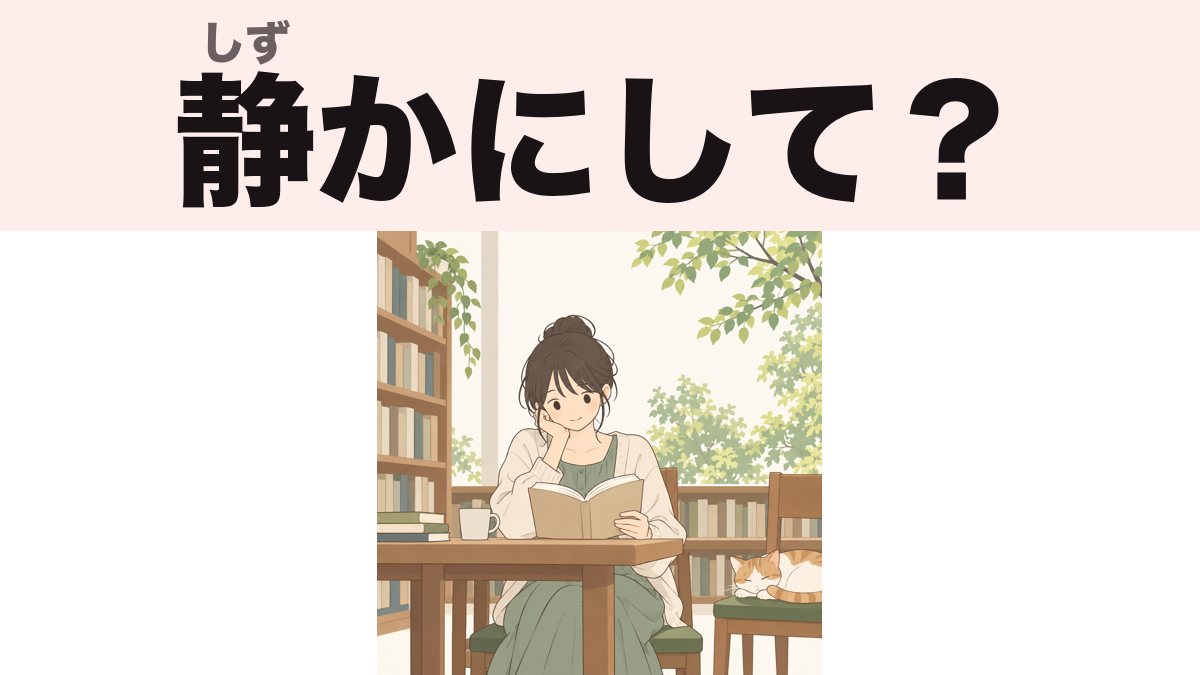
Quiet in Japanese: 静か (しずか), and why 静かにして! sounds blunt
Quiet in Japanese is 静か (しずか), a な-adjective. Learn 静かな場所, 静かにしてください, 大人しい, 無口, and how うるさい and 黙れ really sound in anime.
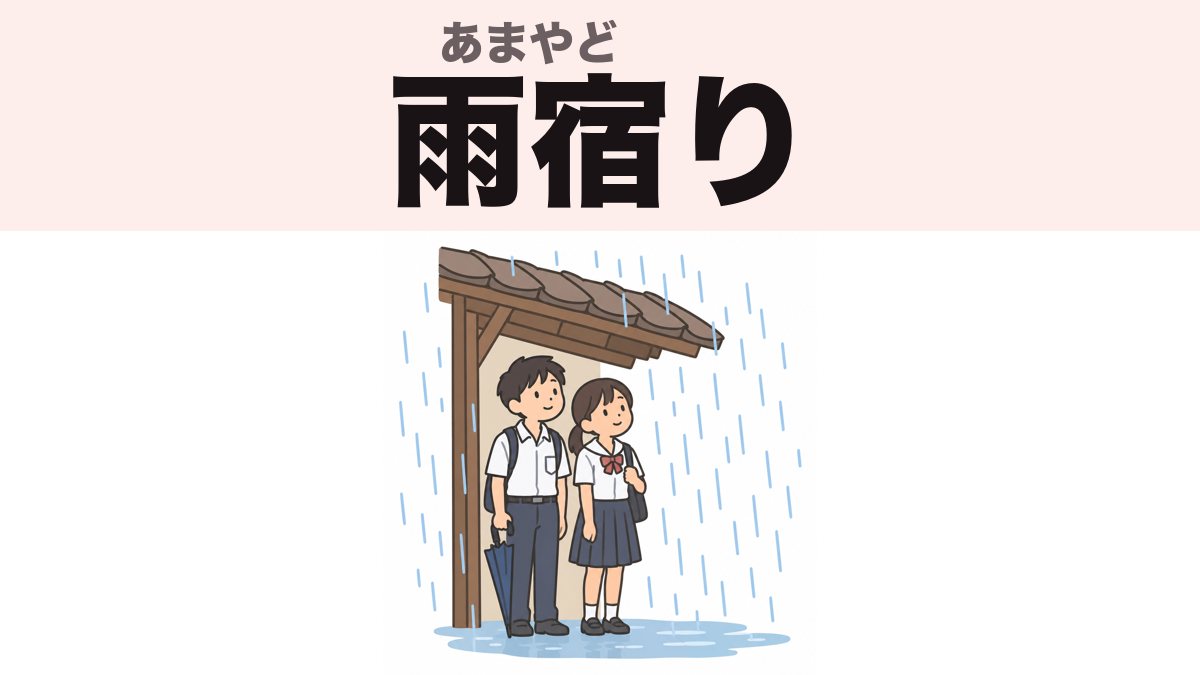
Rain in Japanese: 雨 (あめ), 梅雨, ザーザー and しとしと, and the 雨男 who brings it
Rain in Japanese is 雨 (あめ, ame); "it rains" is 雨が降る. Learn 大雨 and 小雨, the rainy season 梅雨, rain sounds ザーザー and しとしと, 雨宿り, and the 雨男 who brings rain.
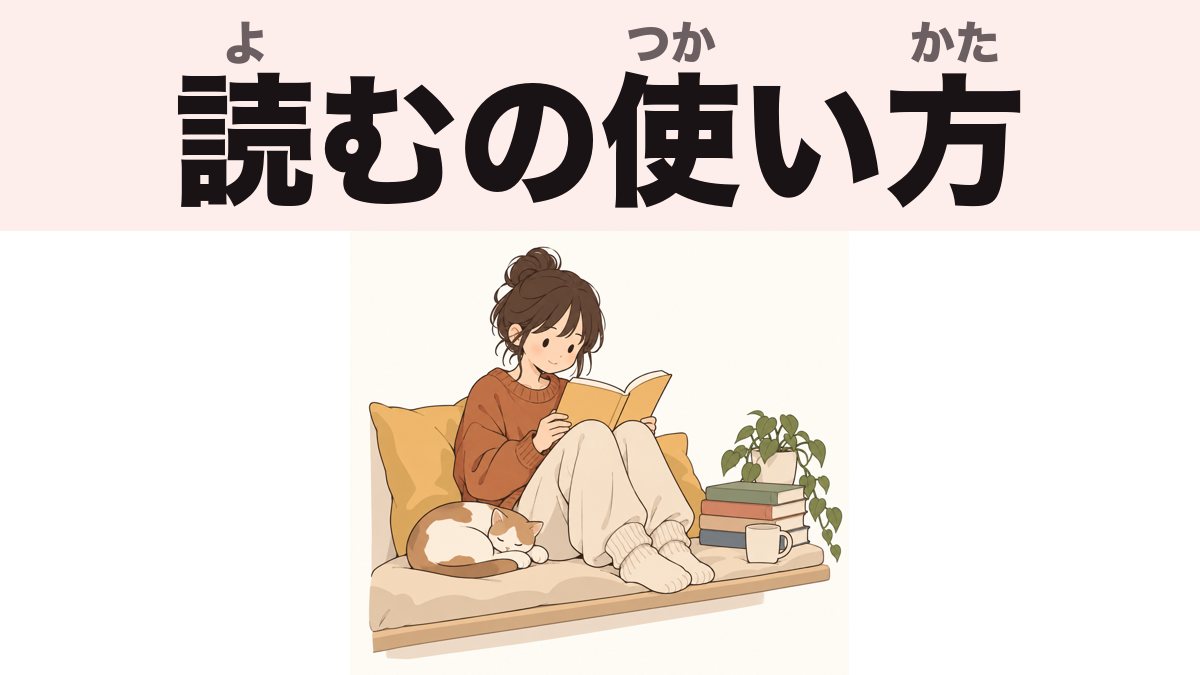
Read in Japanese: 読む (よむ), 読めない, 読み方, and how to "read the room"
Read in Japanese is 読む (よむ), a む-verb. Learn 読みます, 読んで, 読める vs 読めない, 読み方 (how to read a kanji), 音読, 読書, and 空気を読む (read the room).
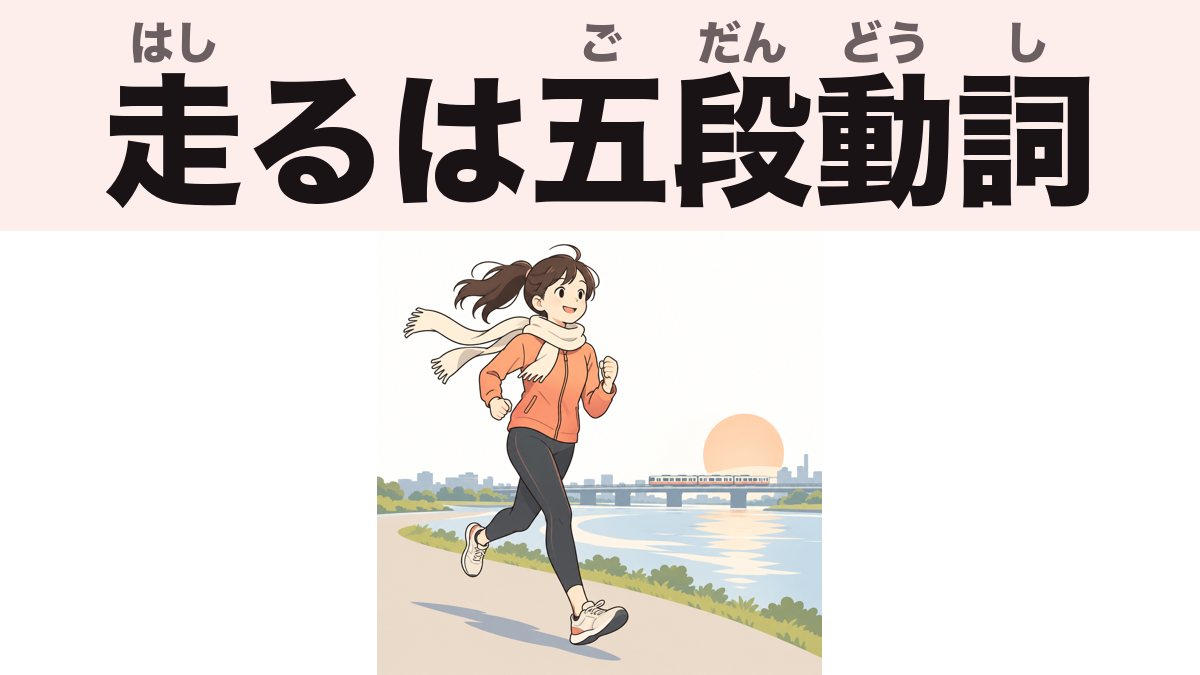
Run in Japanese: 走る (はしる), the verb that looks easy but is not
Run in Japanese is 走る (はしる), a godan verb that looks like an ichidan one: 走ります, 走って, 走った. Plus 逃げる, ジョギング, and why "run a business" is not 走る.
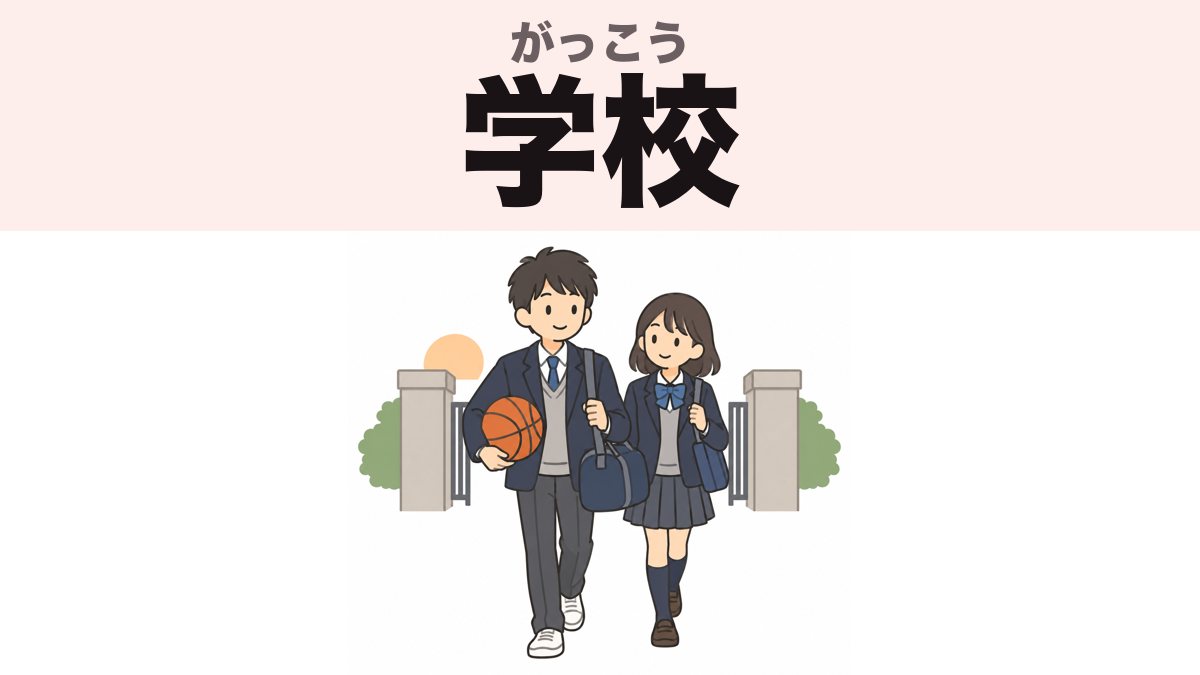
School in Japanese: 学校 (がっこう), 小学校 to 大学, 部活, and 放課後
School in Japanese is 学校 (がっこう). Learn 小学校, 中学校, 高校, 大学, 学校に通う, 塾 (cram school), 部活 (club activities), 放課後 (after school), and 制服.
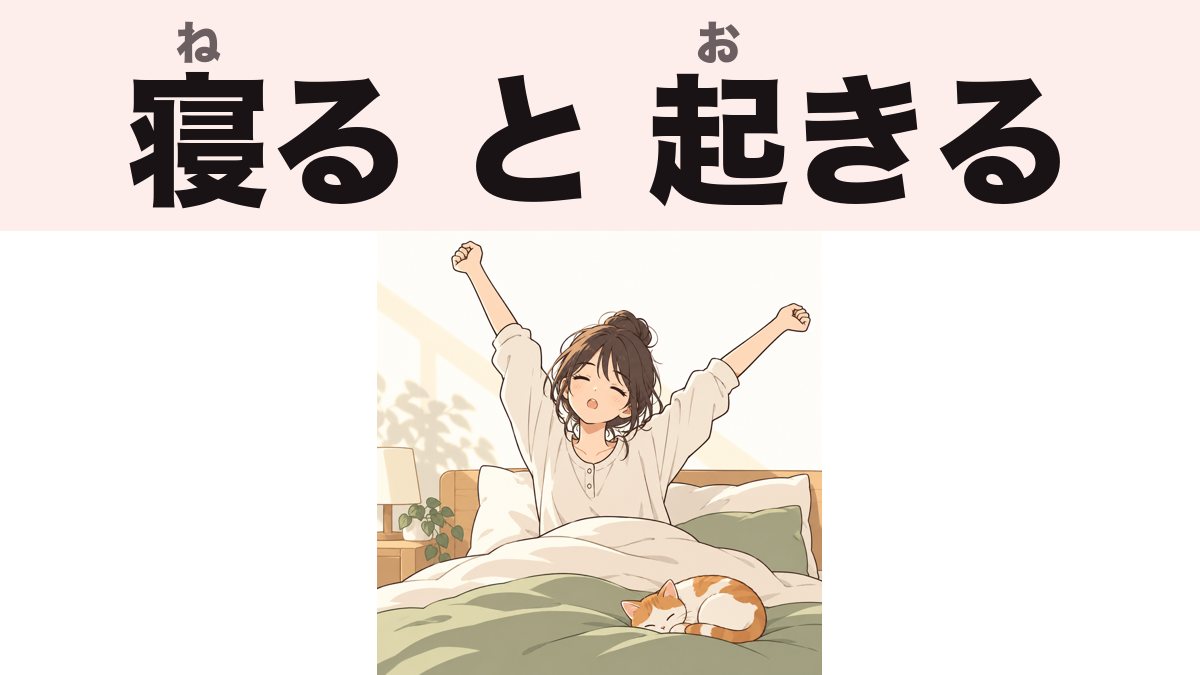
Sleep and wake up in Japanese: 寝る, 眠る, 起きる and 目が覚める
Sleep in Japanese is 寝る (neru) and wake up is 起きる (okiru). Learn 眠る, 目が覚める, 起こす, おやすみ, 寝坊, 昼寝 and why 寝ている means "is asleep".
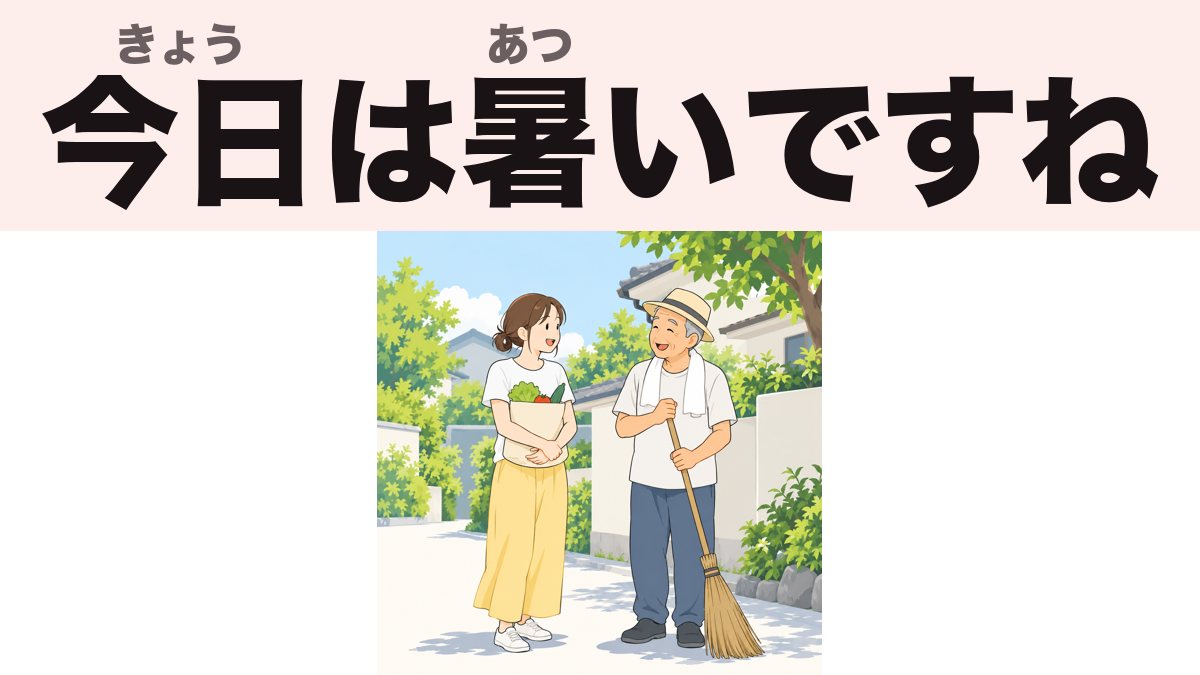
Small talk in Japanese: 世間話, 雑談, and the openers that actually work
Small talk in Japanese is 世間話 (せけんばなし) or 雑談 (ざつだん). Learn the weather openers, the ね that invites agreement, safe topics, aizuchi and polite closers.
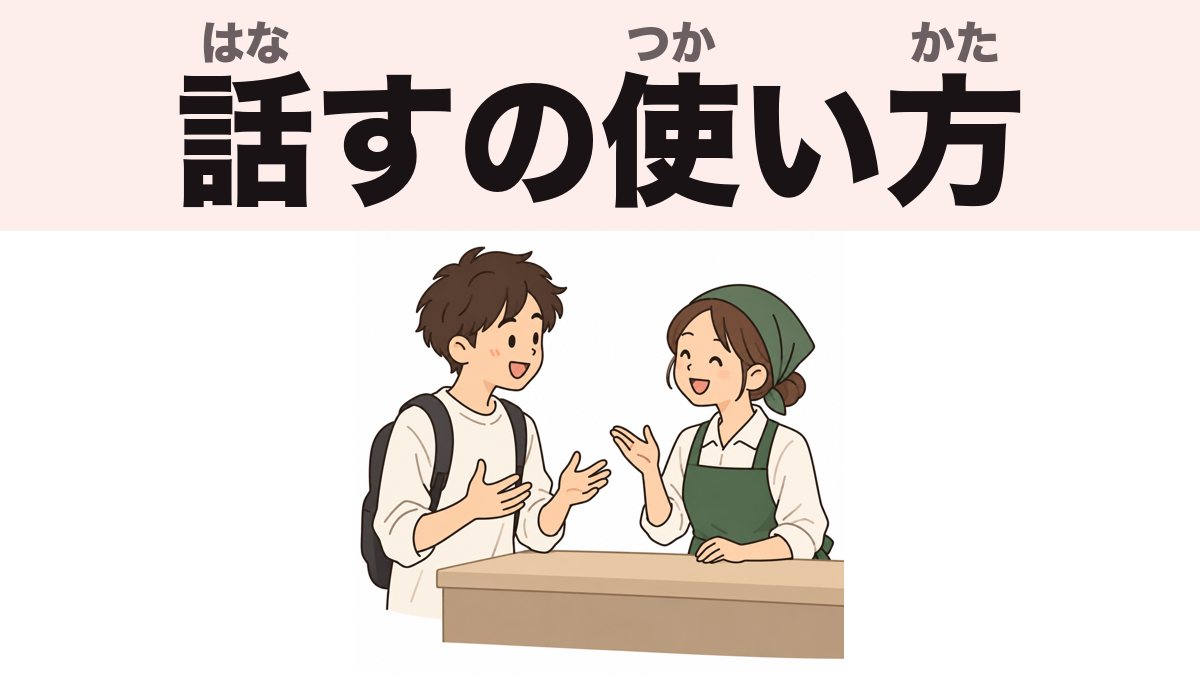
Speak in Japanese: 話す (はなす), and why you say 日本語が話せます
To speak in Japanese, use 話す (はなす). Learn 日本語が話せます vs 日本語を話す, 少し話せます, and how 話す differs from 言う and しゃべる, with practice.
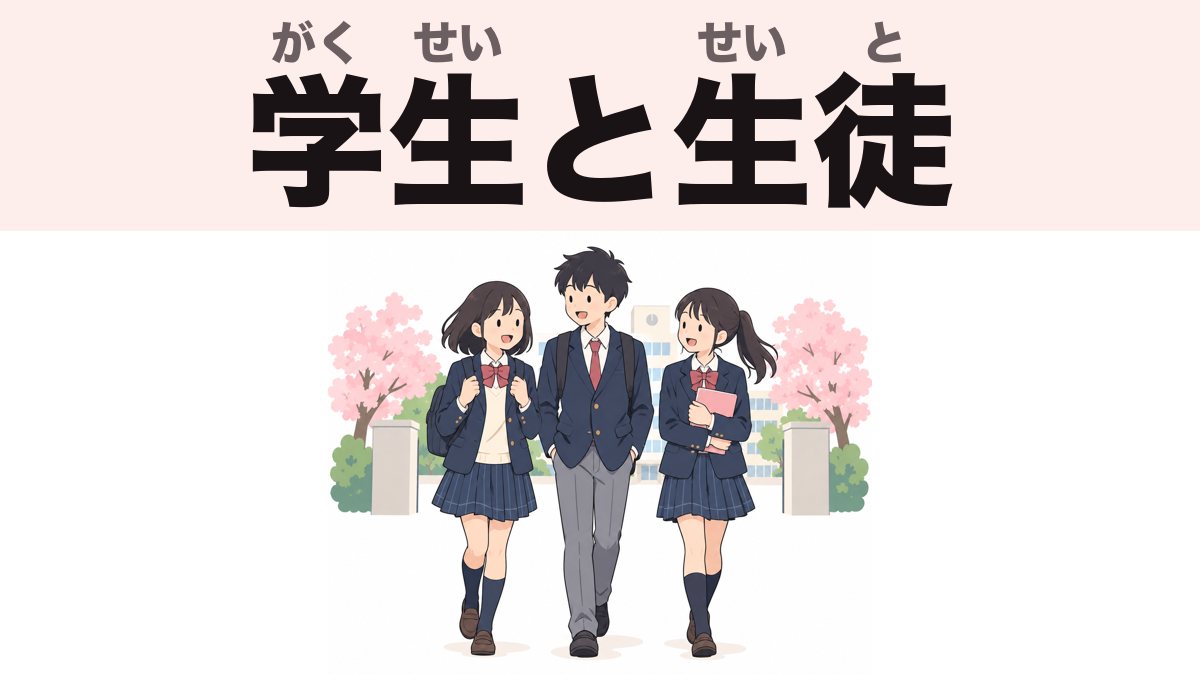
Students in Japanese: 学生 (gakusei) vs 生徒 (seito) vs 児童 (jidou)
The word student in Japanese is 学生 (gakusei) for university students and 生徒 (seito) for middle and high school pupils. Learn 児童, 留学生, 生徒会 and more.
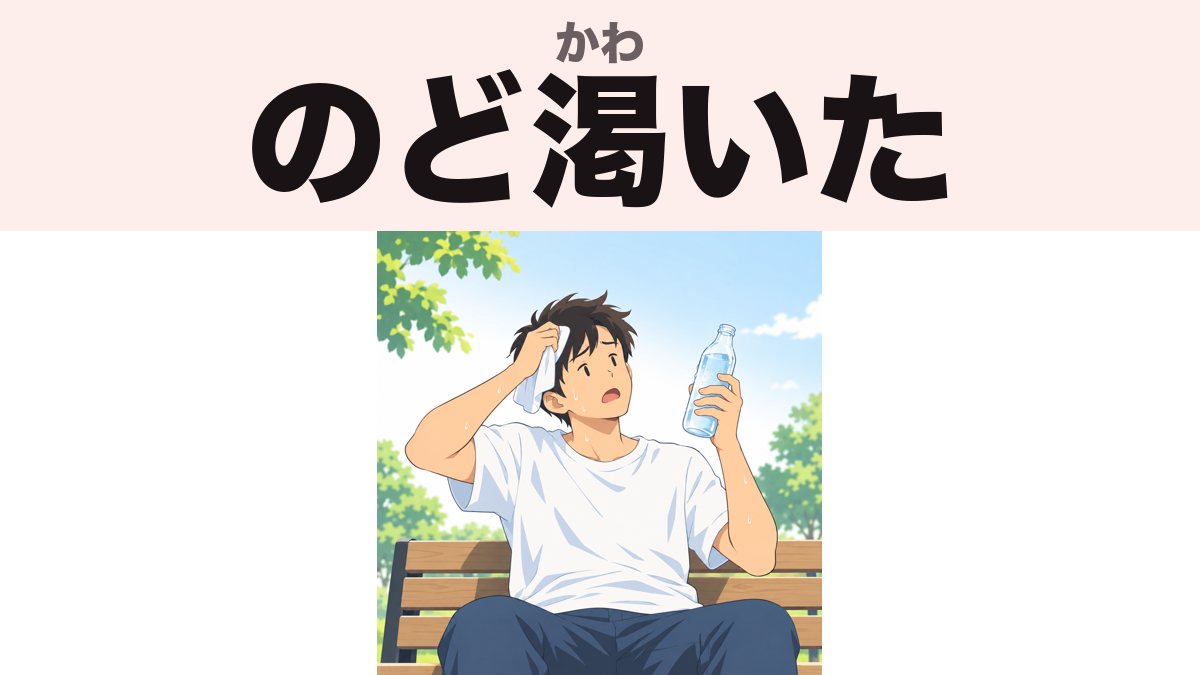
Thirsty in Japanese: のどが渇いた (nodo ga kawaita) and why it is past tense
Thirsty in Japanese is のどが渇いた (nodo ga kawaita), literally "my throat has dried." Learn why it uses past tense, plus casual forms and 何か飲みたい.
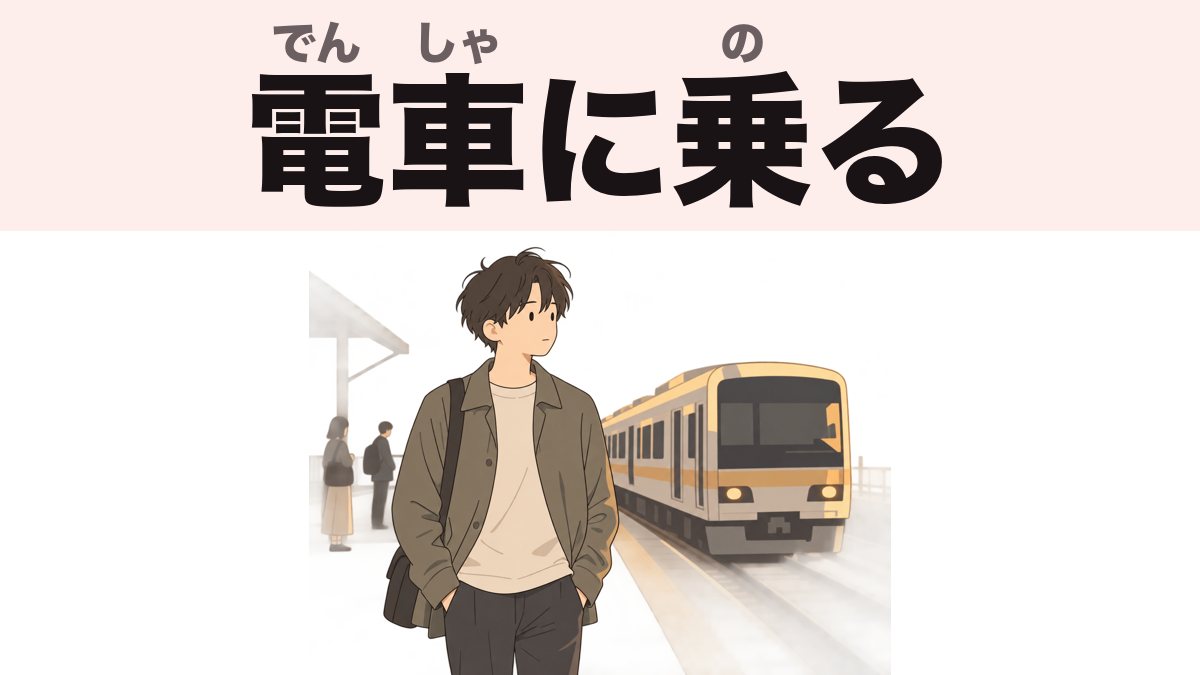
Train in Japanese: 電車 (でんしゃ), plus 列車, 新幹線 and the に particle
Train in Japanese is 電車 (でんしゃ) in daily speech. Learn 列車, 汽車, 新幹線, 地下鉄, 駅, 電車に乗る and 降りる, 乗り換え, 終電 and station announcements.
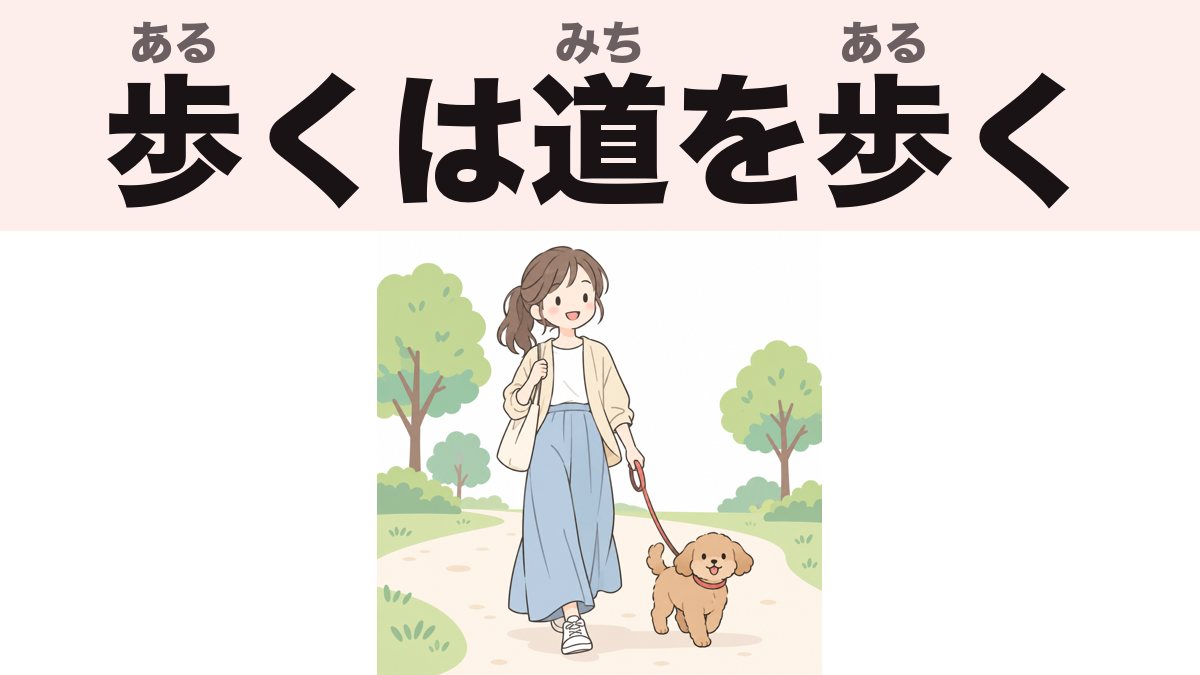
Walk in Japanese: 歩く (aruku), 歩いて行く, 散歩 and 徒歩 explained
Walk in Japanese is 歩く (aruku). Learn 歩いて行く, why you walk 道を not 道で, plus 散歩, 徒歩5分, 歩ける and 歩きスマホ, with practice and anime lines.
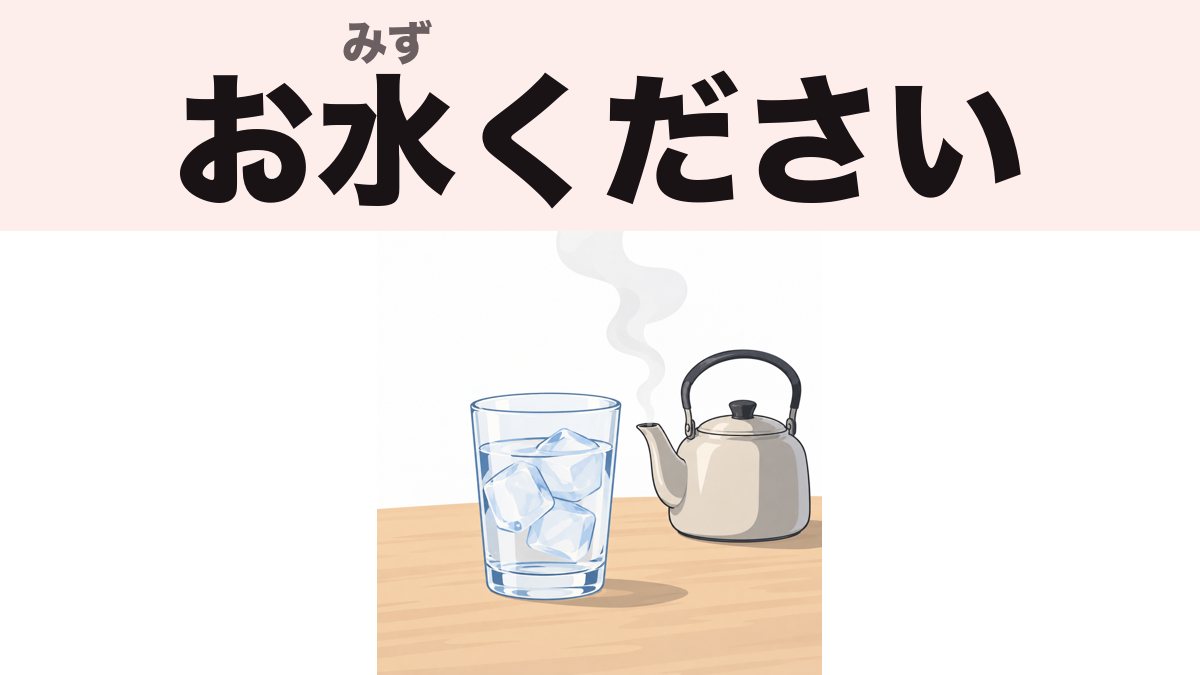
Water in Japanese: 水 (みず), お水, お冷 and お湯 explained
Water in Japanese is 水 (みず), or お水 when polite. Hot water is お湯, and restaurant water is お冷. Learn how to ask for water, plus 水曜日, 香水, 水着 and anime 水 moves.
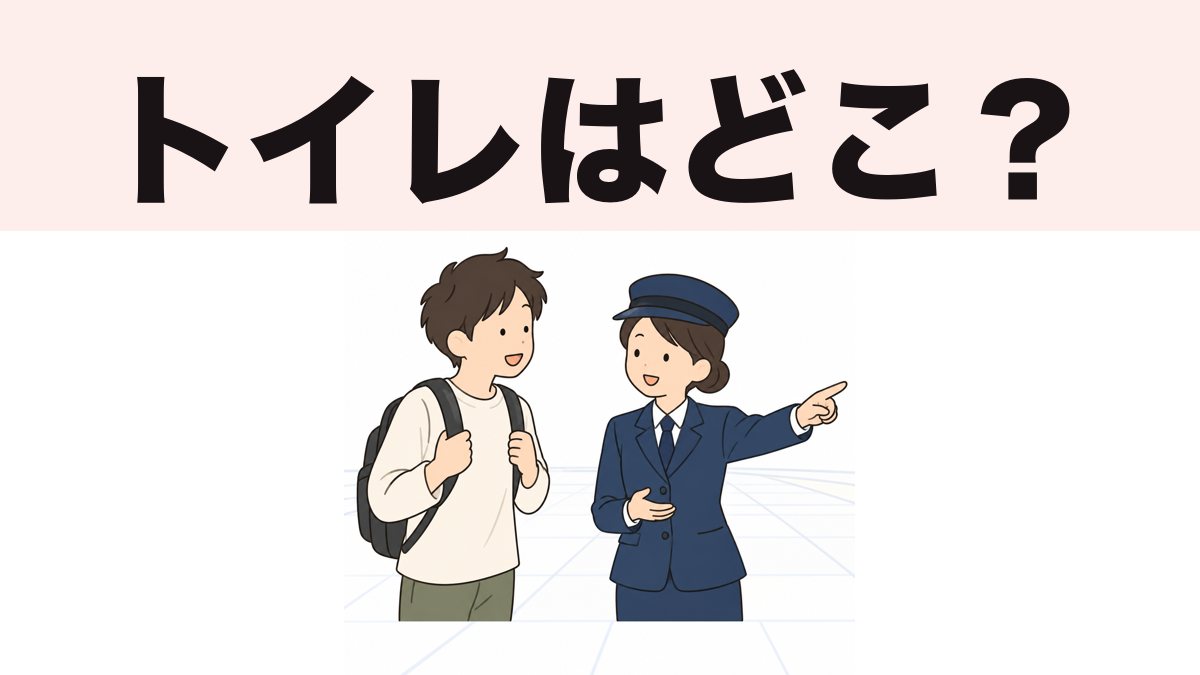
Where is the bathroom in Japanese: トイレはどこですか, and why "bathroom" is the wrong word
Where is the bathroom in Japanese? Say トイレはどこですか. Learn why トイレ, お手洗い and お風呂 are different rooms, plus how to ask to borrow one and read signs.
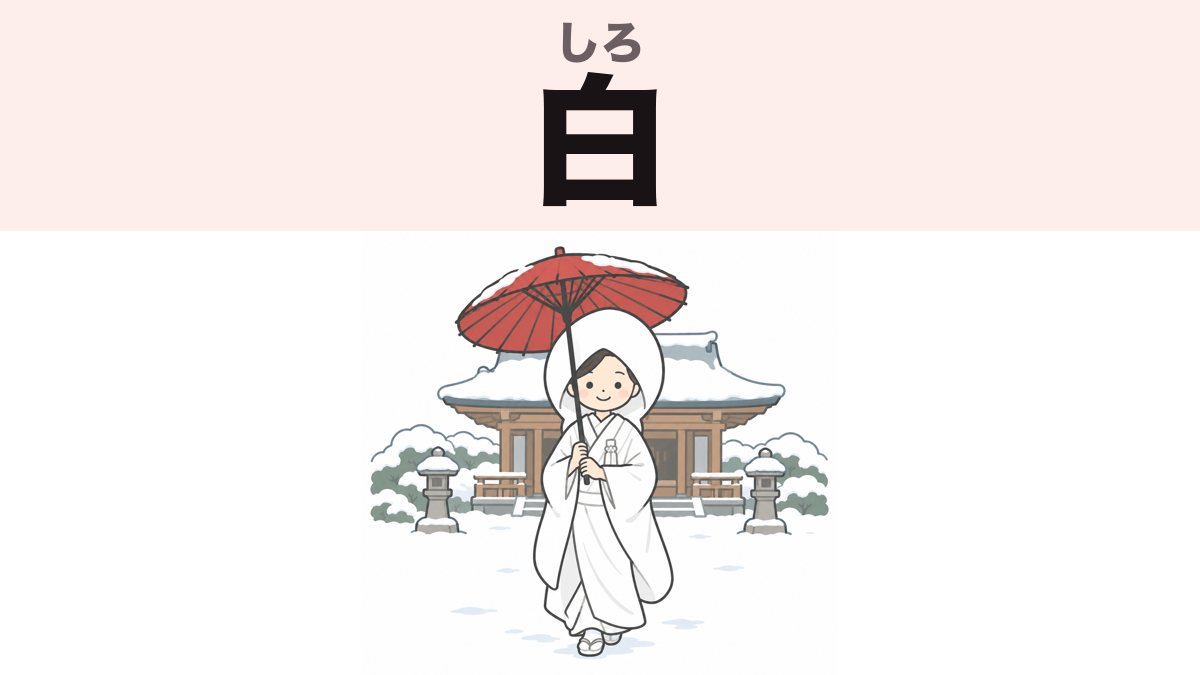
White in Japanese: 白 (しろ), 白い, 真っ白, 白紙, and 白状する
White in Japanese is 白 (しろ), or 白い as an adjective. Learn 真っ白 (pure white), 頭が真っ白になる (mind goes blank), 白紙に戻す, 白状する, 白い目, and ホワイト企業.
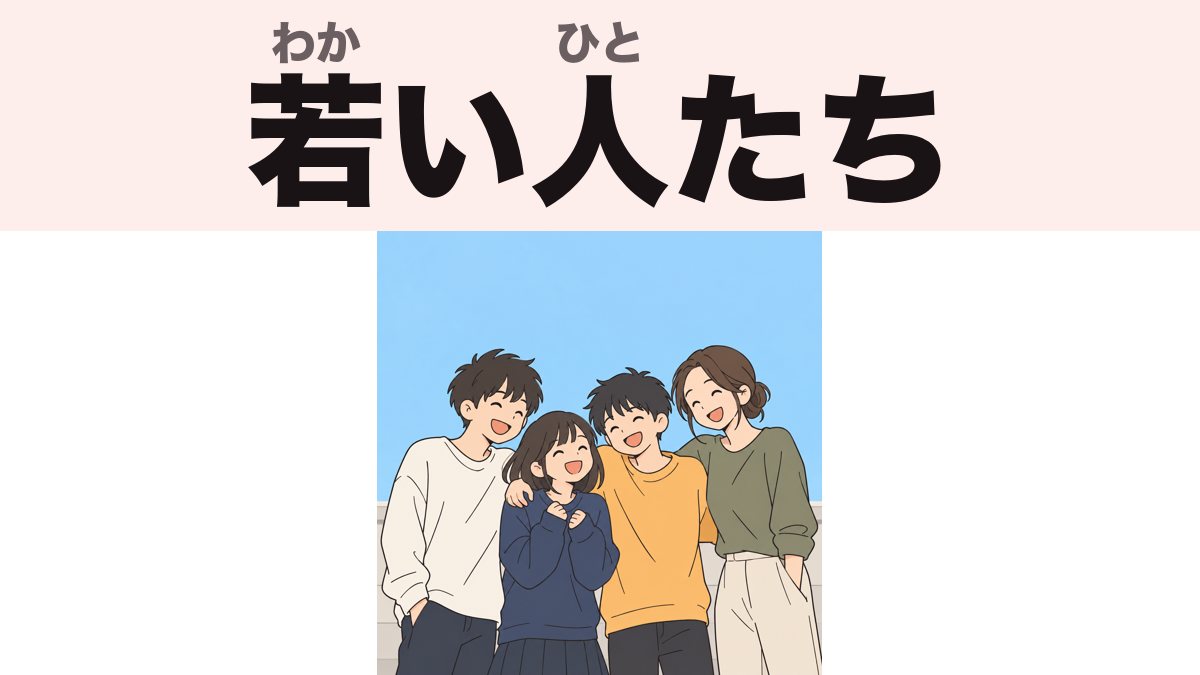
Young in Japanese: 若い (わかい), 若者, 年下 and how to compliment someone
Young in Japanese is 若い (わかい), an い-adjective. Learn 若者, 年下, 若手, 少年, 若く見える and 若造, plus when "you look young" is a safe compliment.
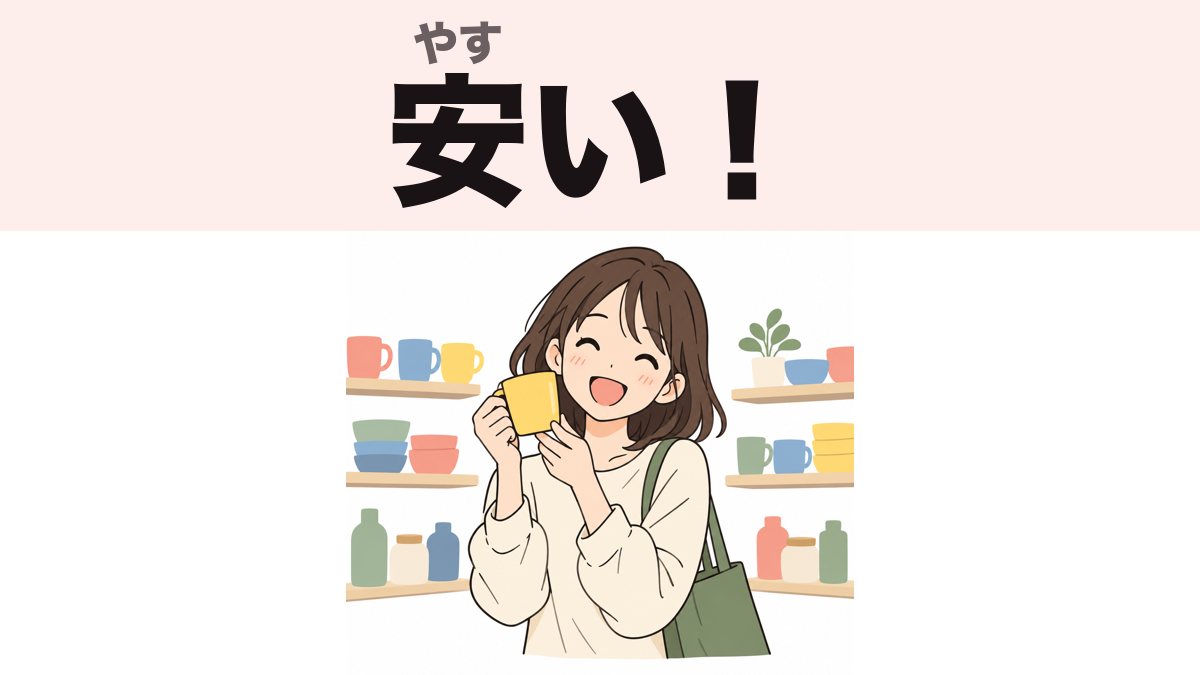
Cheap in Japanese: 安い (やすい), and the "easy" words it gets mixed up with
Cheap in Japanese is 安い (やすい), an い-adjective. It sounds like 〜やすい (easy to do) and 易しい (easy). Learn 安い, お得, 安っぽい, 格安 and how to haggle politely.
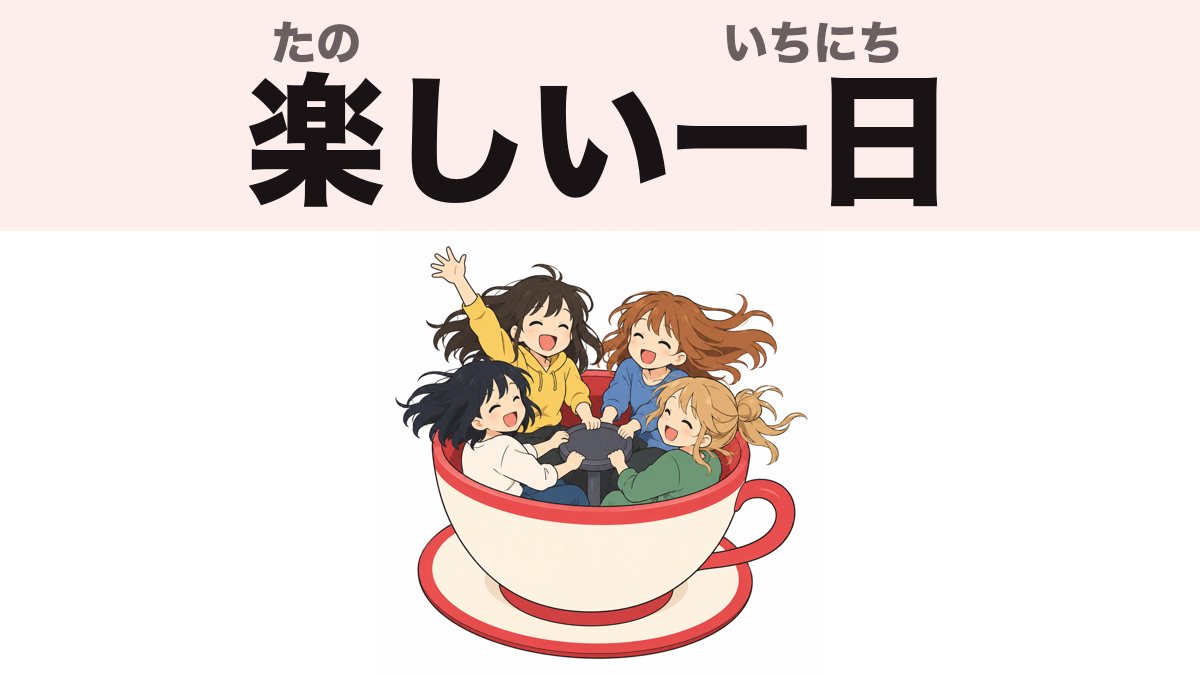
Fun in Japanese: 楽しい vs 面白い, and the 楽しみ that means "looking forward to"
Fun in Japanese is 楽しい (tanoshii). Learn 楽しい vs 面白い, 楽しかった, 楽しみにしています and 楽しんで!, plus 遊ぶ and 盛り上がる, with anime examples.
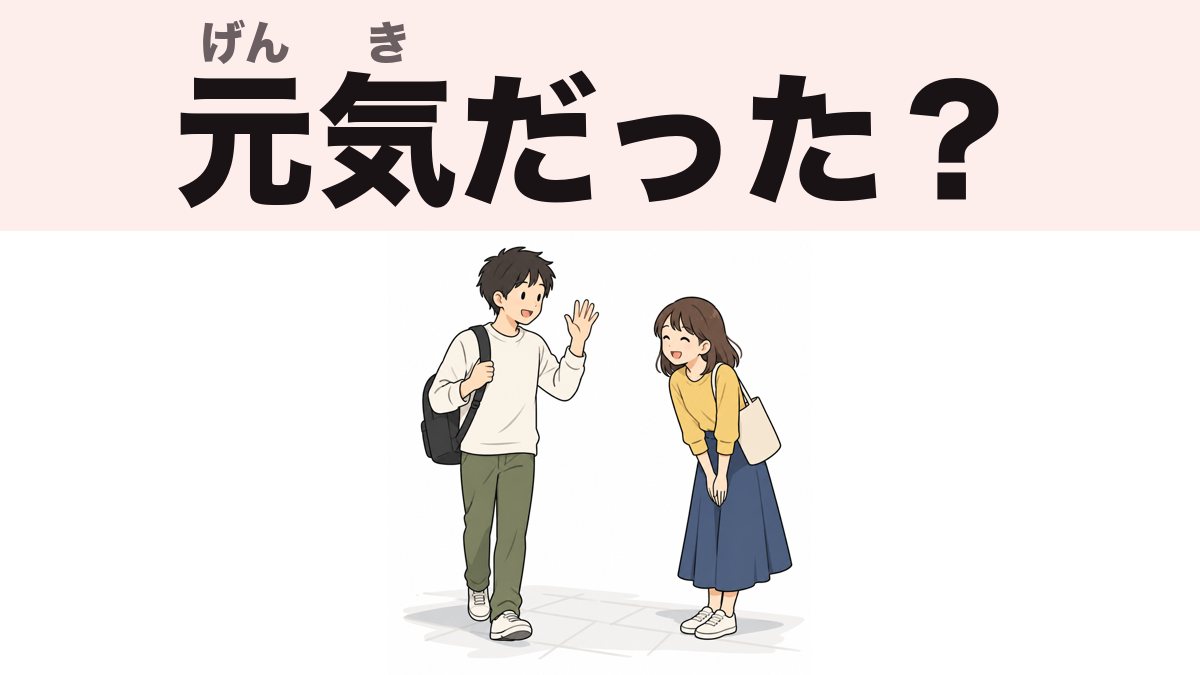
How Are You in Japanese: 元気? and Why Nobody Asks It Daily
How are you in Japanese? 元気? is casual and お元気ですか is formal, but Japanese people rarely ask either one the way English speakers do.
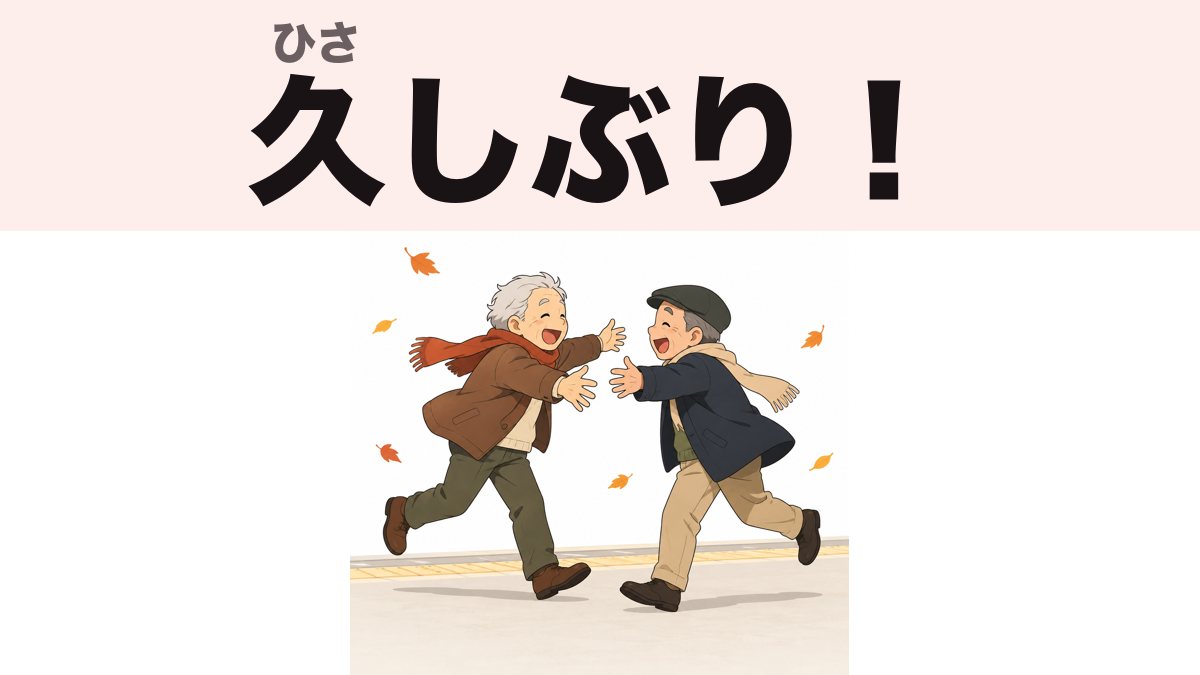
Long Time No See in Japanese: 久しぶり and the three endings that change who you can say it to
Long time no see in Japanese is 久しぶり with friends, お久しぶりです when polite, and ご無沙汰しております in business. Learn who gets which, and how to reply.
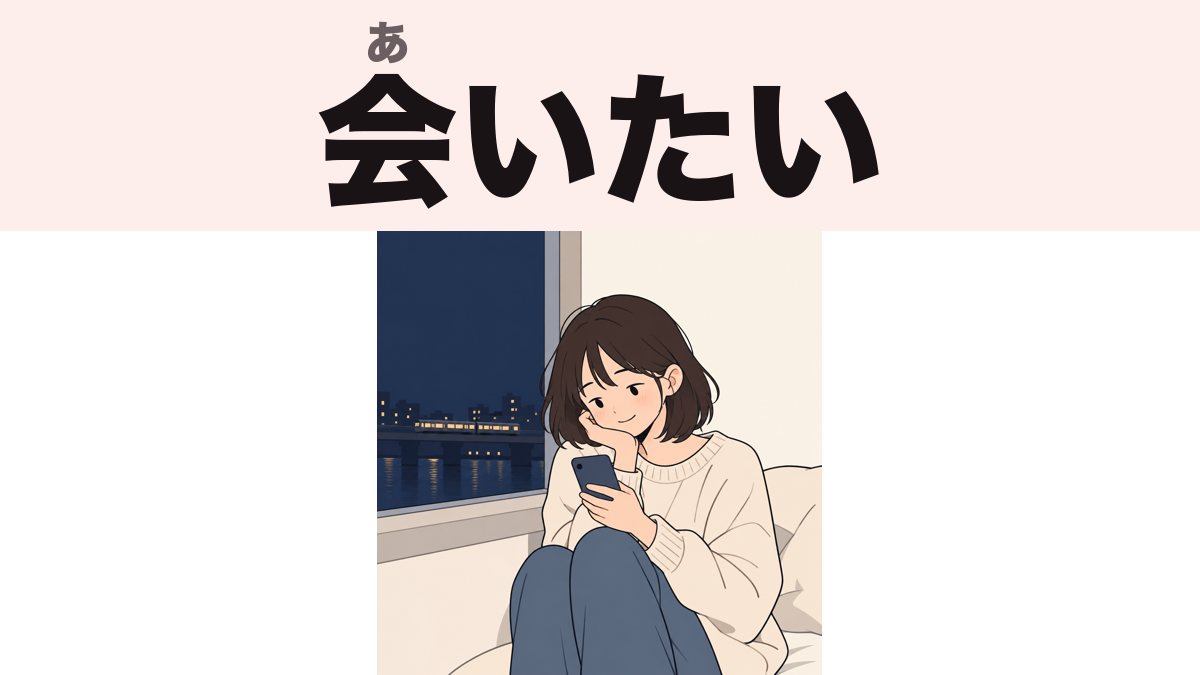
I Miss You in Japanese: Why There Is No One Word, and the 会いたい People Actually Text
Japanese has no single verb for "miss." Say 会いたい to miss a person, 寂しい when you feel lonely, 恋しい for home. Texts, anime lines and mistakes.
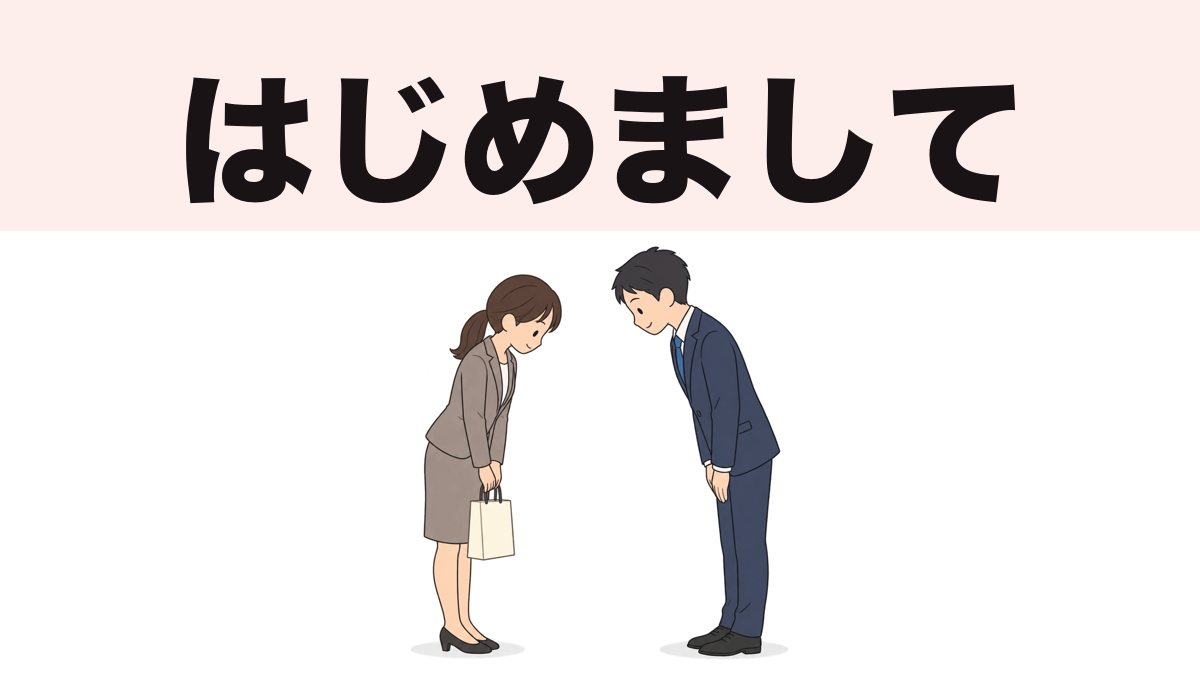
Nice to Meet You in Japanese: はじめまして is only half of it
Nice to meet you in Japanese is はじめまして, your name, then よろしくお願いします. Formal, casual, hiragana and kanji forms, plus how to reply.
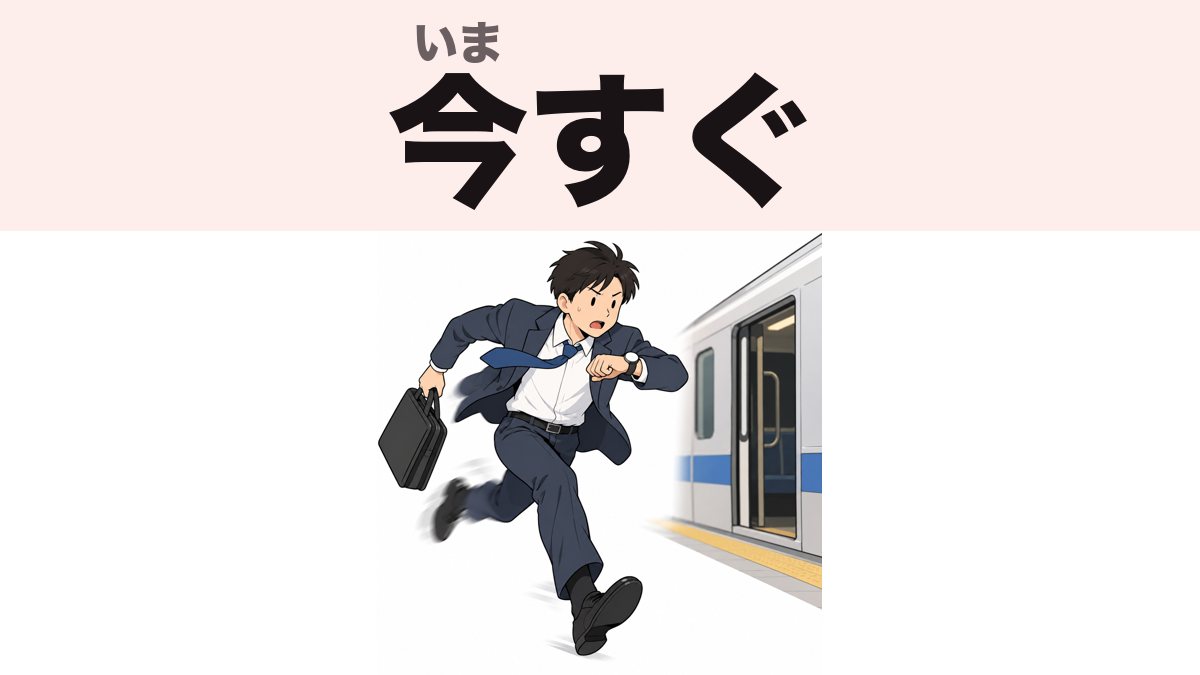
Now in Japanese: 今 (ima), 今すぐ, and the "now" that isn't 今
Now in Japanese is 今 (いま, ima). Learn 今すぐ, 今から, 今まで, たった今, and why English "now, ..." is さて or じゃあ, plus how anime says 今だ!
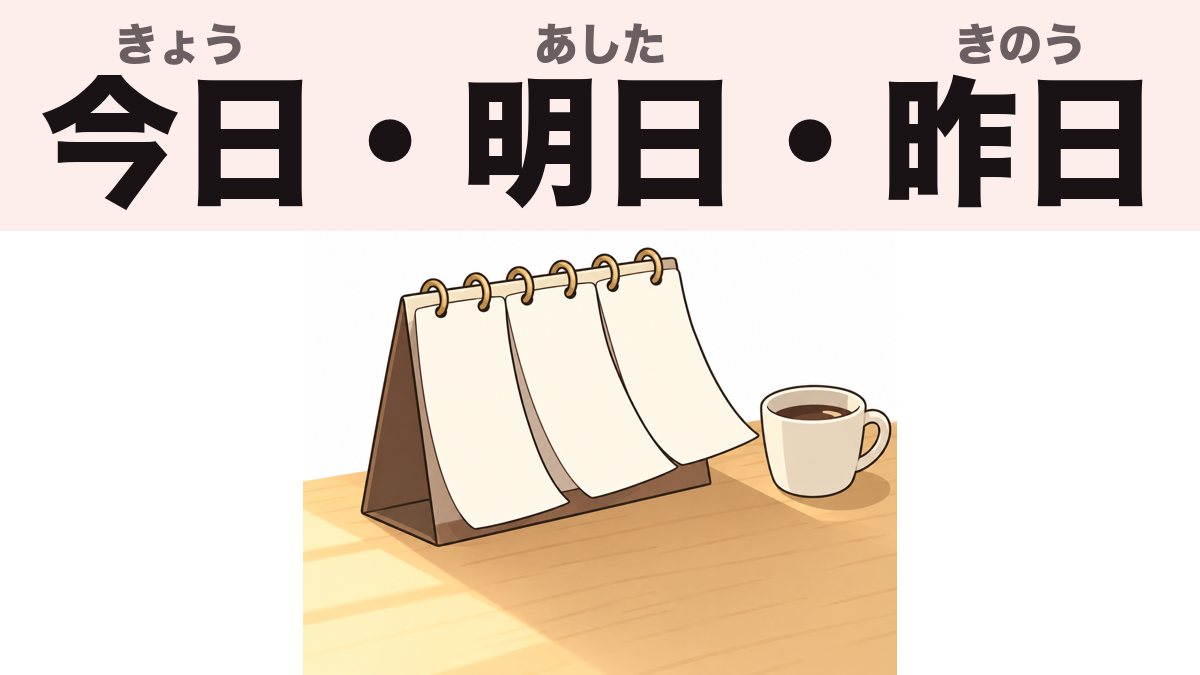
Today, Tomorrow and Yesterday in Japanese: 今日・明日・昨日 and why the kanji don't match the sounds
Today, tomorrow and yesterday in Japanese are 今日 kyou, 明日 ashita and 昨日 kinou. Readings, formal forms, and why no に follows them.
You're Welcome in Japanese: Why どういたしまして Is the Textbook Answer Nobody Gives
You're welcome in Japanese is どういたしまして, but people rarely say it. Learn いえいえ, とんでもないです, 気にしないで and when to say nothing at all.
Cheers in Japanese: Kanpai or Kampai? 乾杯 (かんぱい)
Cheers in Japanese is 乾杯 (kanpai), said as everyone lifts a glass. Learn かんぱーい, 〜に乾杯, glass etiquette, and why it is not "thanks".
Cute in Japanese: かわいい, かわいらしい, and the かわいそう trap
Cute in Japanese is かわいい (可愛い, kawaii), an i-adjective used for people, pets and objects. Learn the variants, the かわいそう trap and how to compliment safely.
Favorite in Japanese: 一番好き, お気に入り, 推し and when to use each
Favorite in Japanese is usually 一番好き (most liked), as in 一番好きなアニメは〜です. Learn when to use お気に入り, 大好き, 好物 and 推し, with kanji and hiragana.
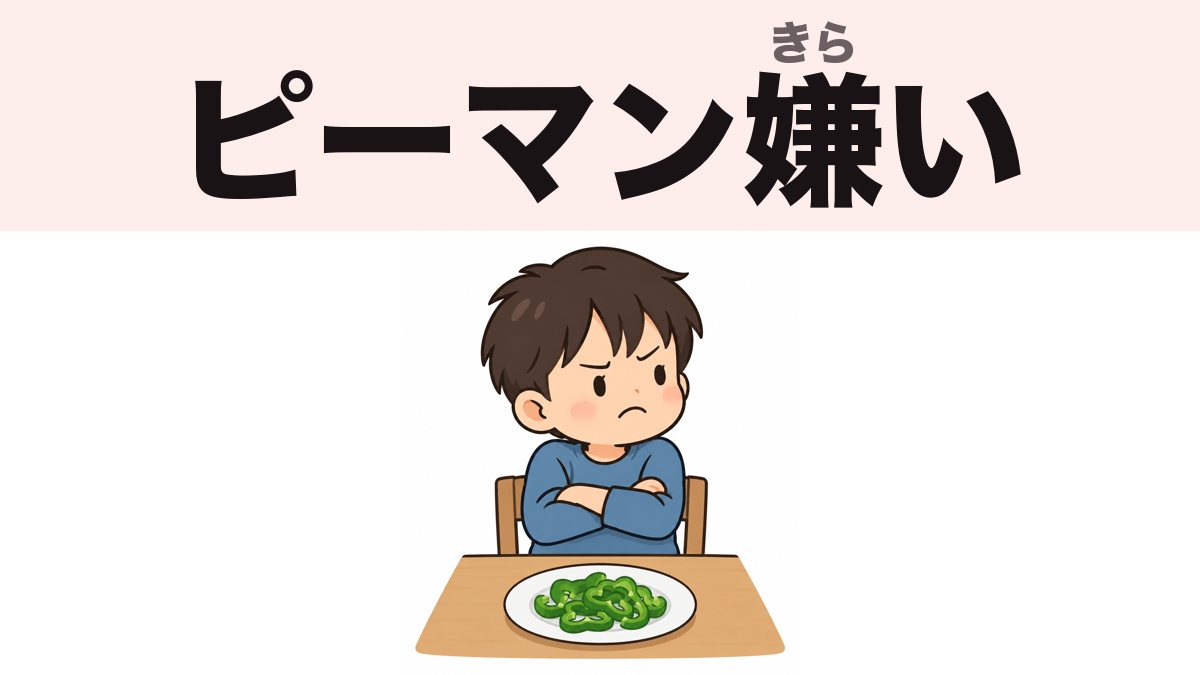
Hate in Japanese: 嫌い, 大嫌い, 嫌 and the softer options
Hate in Japanese is 嫌い (きらい), as in 〜が嫌い, and 大嫌い is the strong form. Learn 嫌, 苦手 and あまり好きじゃない, plus when each one is rude.
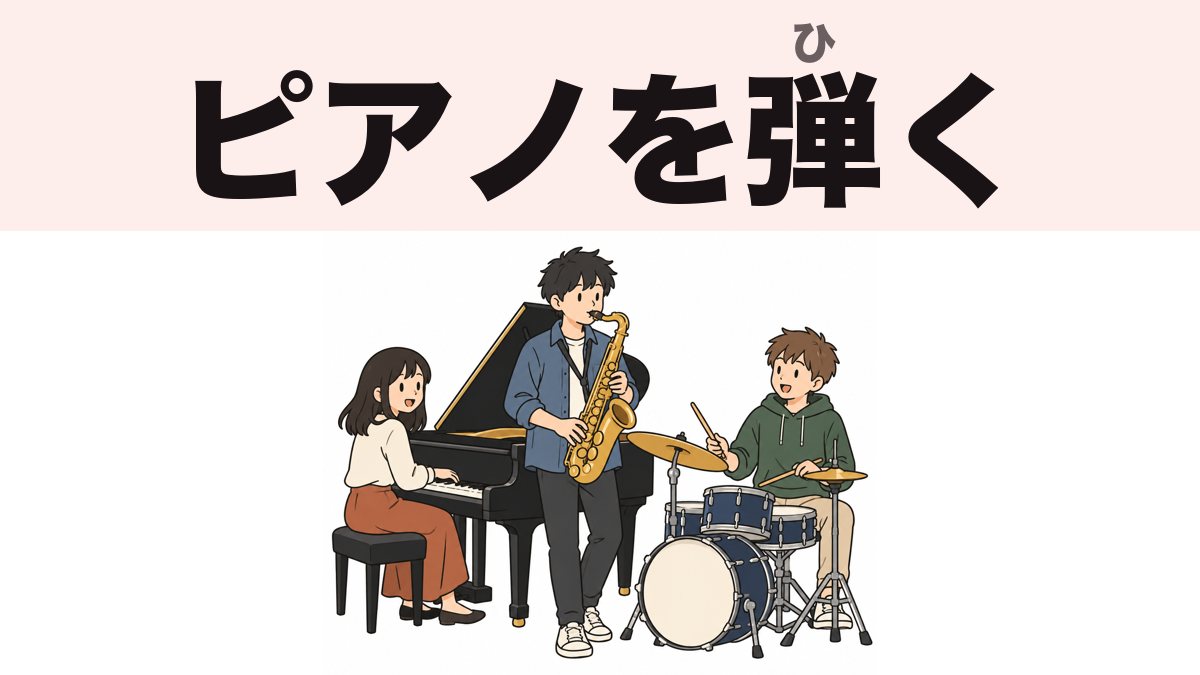
Play Piano in Japanese: 弾く, 吹く, 叩く and Why There Is No Single "Play"
Japanese uses 弾く (hiku) for strings/keys (piano, guitar), 吹く (fuku) for wind instruments (flute, harmonica), and 叩く (tataku) for drums and percussion.
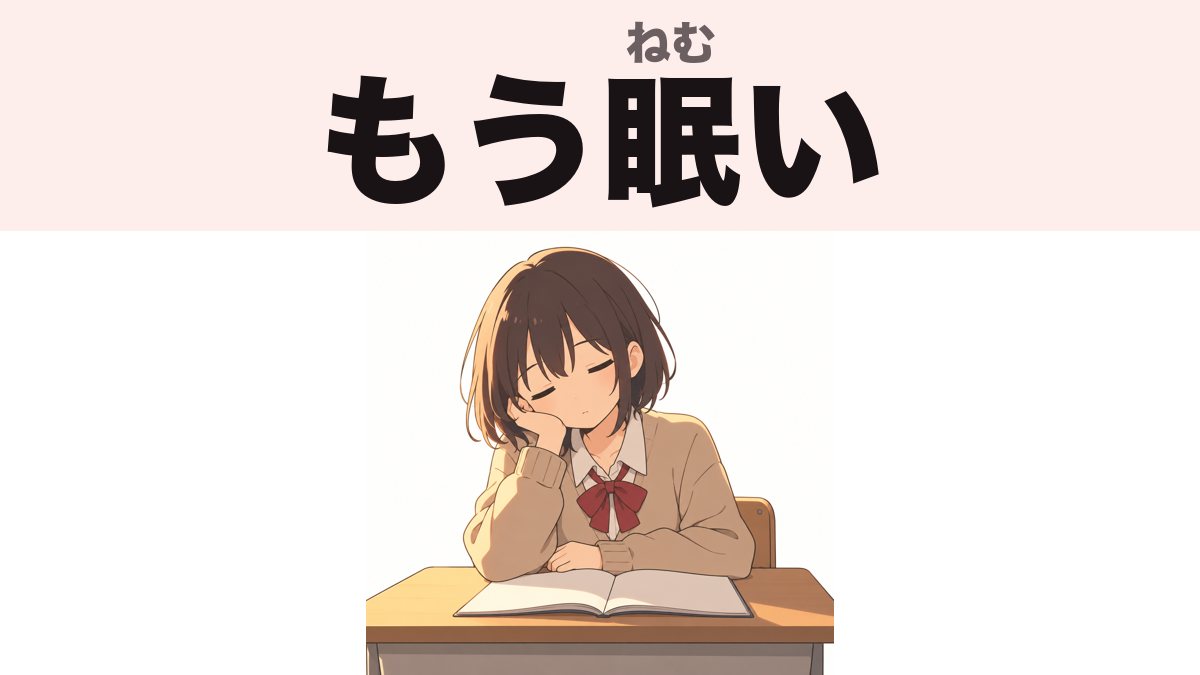
Sleepy in Japanese: how do you say 眠い (nemui) and its relatives?
Sleepy in Japanese is 眠い (ねむい, nemui), as in 眠いです, "I am sleepy." Learn ねみー, 眠くなる, 眠そう, 眠たい, 眠気 and うとうと, plus when each one fits.
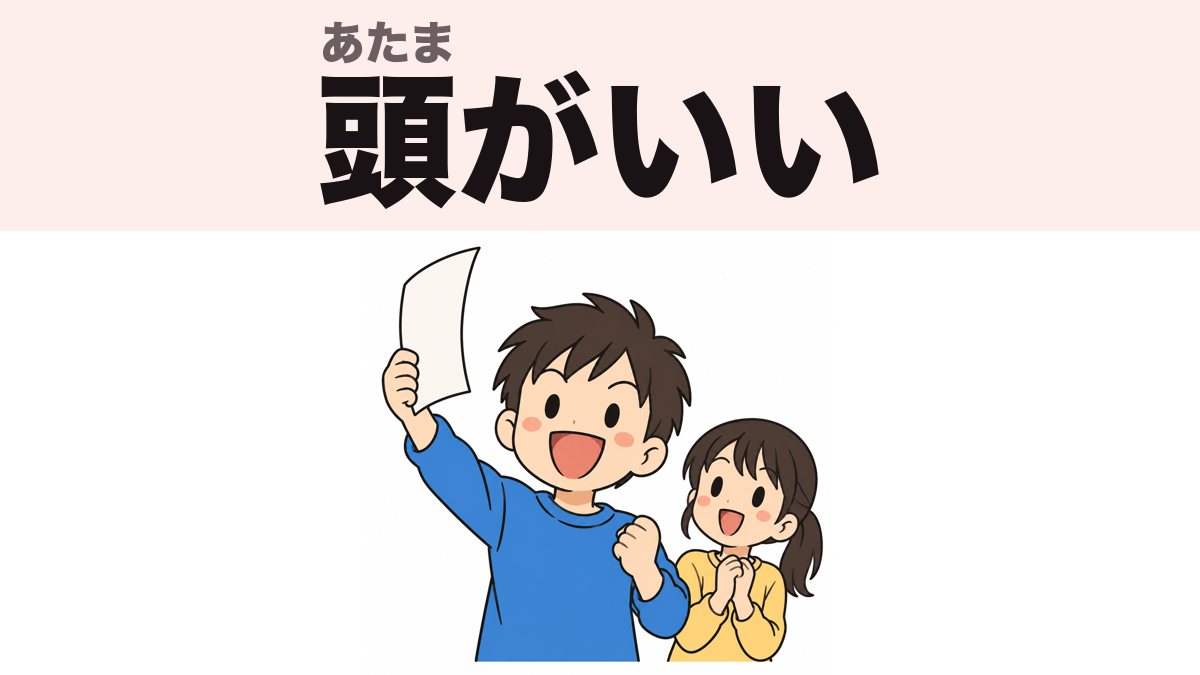
Smart in Japanese: 頭がいい, 賢い, and which one to say
Smart in Japanese is usually 頭がいい (atama ga ii), "good head." Learn 賢い, 頭が切れる, 優秀 and 天才, plus why スマート means slim, not smart.
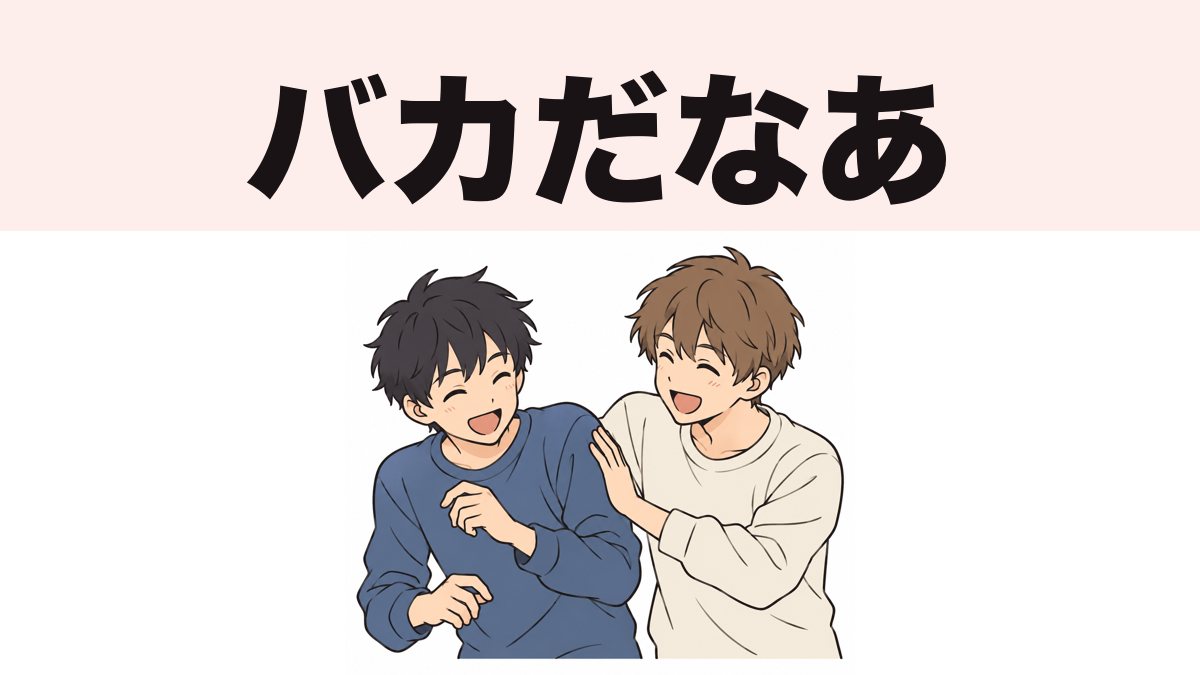
Stupid in Japanese: baka, aho and the words that sit around them
Stupid in Japanese is バカ (馬鹿, baka) in Tokyo and アホ (aho) in Kansai. Learn how they differ, softer and harsher alternatives, and when to never say them.
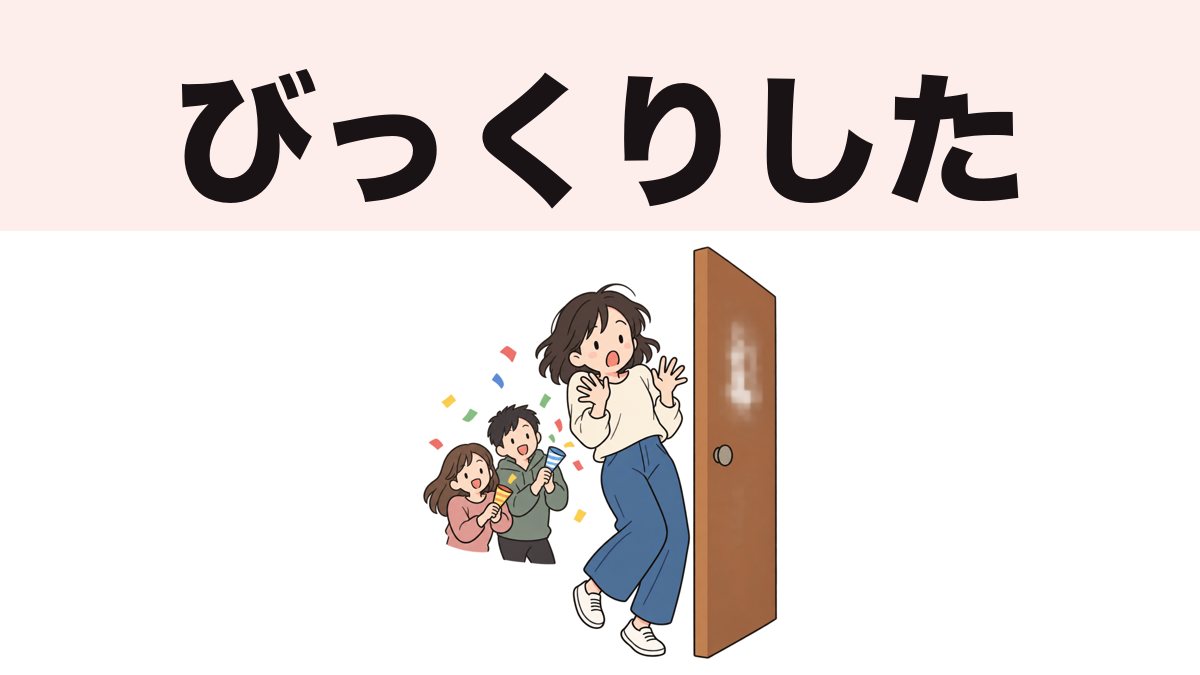
Surprised in Japanese: びっくりした, 驚いた and how people actually react
Surprised in Japanese is びっくりした (everyday) or 驚いた (neutral, written). Learn the past-tense trap, the に particle, えっ and うそ, and 驚かせる.
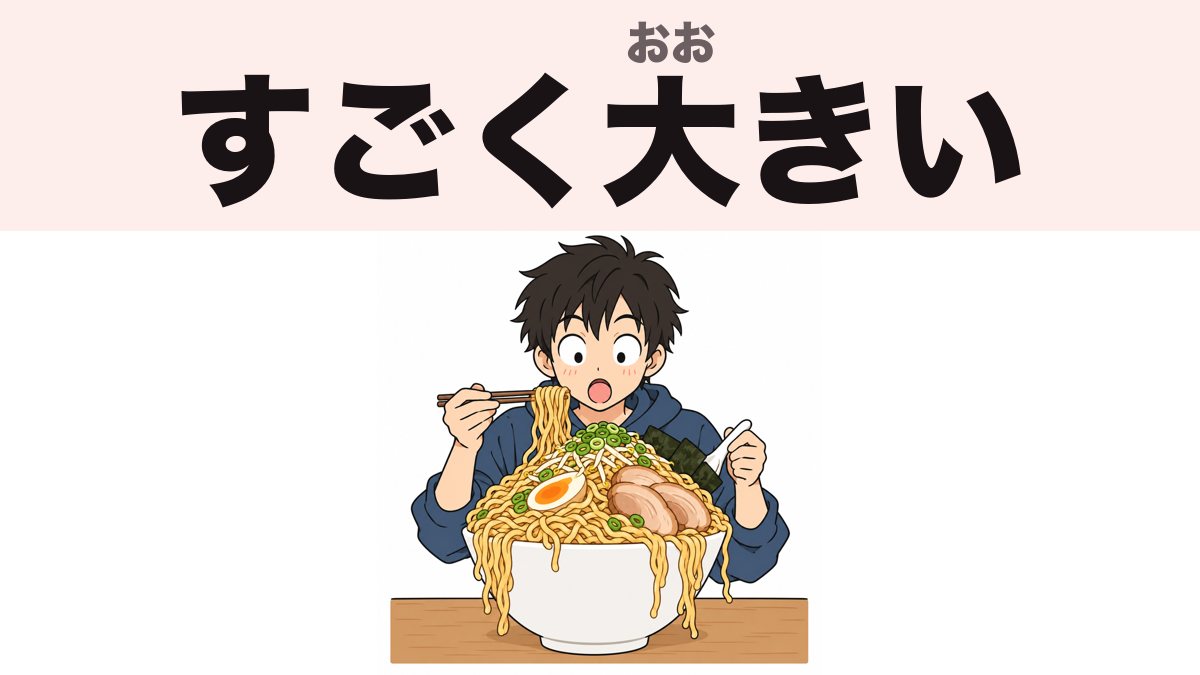
Very in Japanese: とても, すごく, 非常に, めっちゃ and when to use each
Very in Japanese is とても in neutral speech, すごく in casual speech, and 非常に in formal writing. Here is how めっちゃ, 超, かなり and あまり fit in.
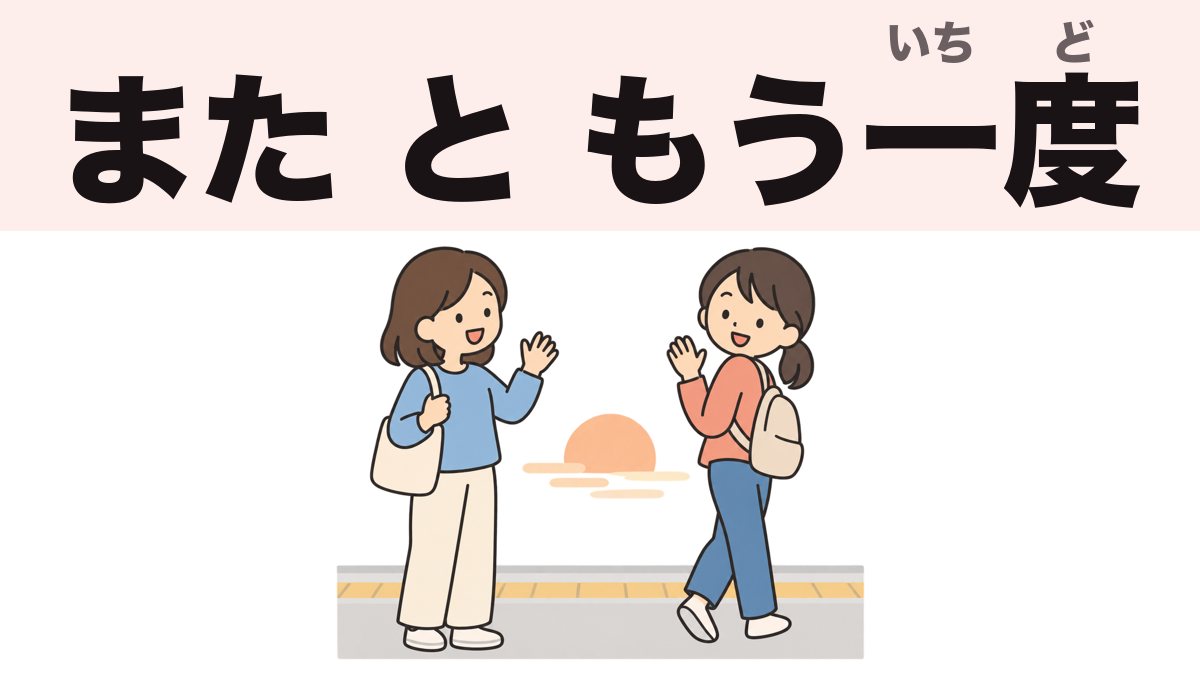
Again in Japanese: また vs もう一度, and when 再び belongs
Again in Japanese has three main words. また means again or see you later, もう一度 means one more time, and 再び is formal and written. Here is which to use.
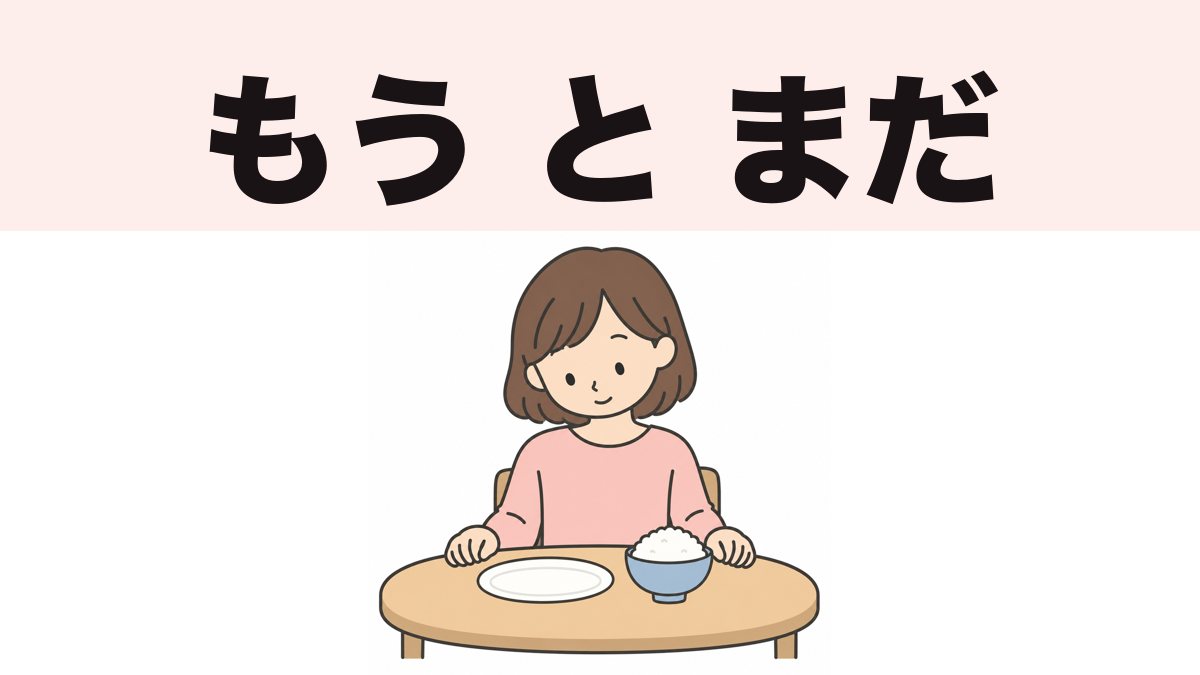
Already and still in Japanese: もう vs まだ, and the negative that flips both
もう is "already" or "no longer," まだ is "still" or "not yet." Learn how negatives flip both words, how to answer もう食べましたか, and how anime uses もういい and まだまだ.
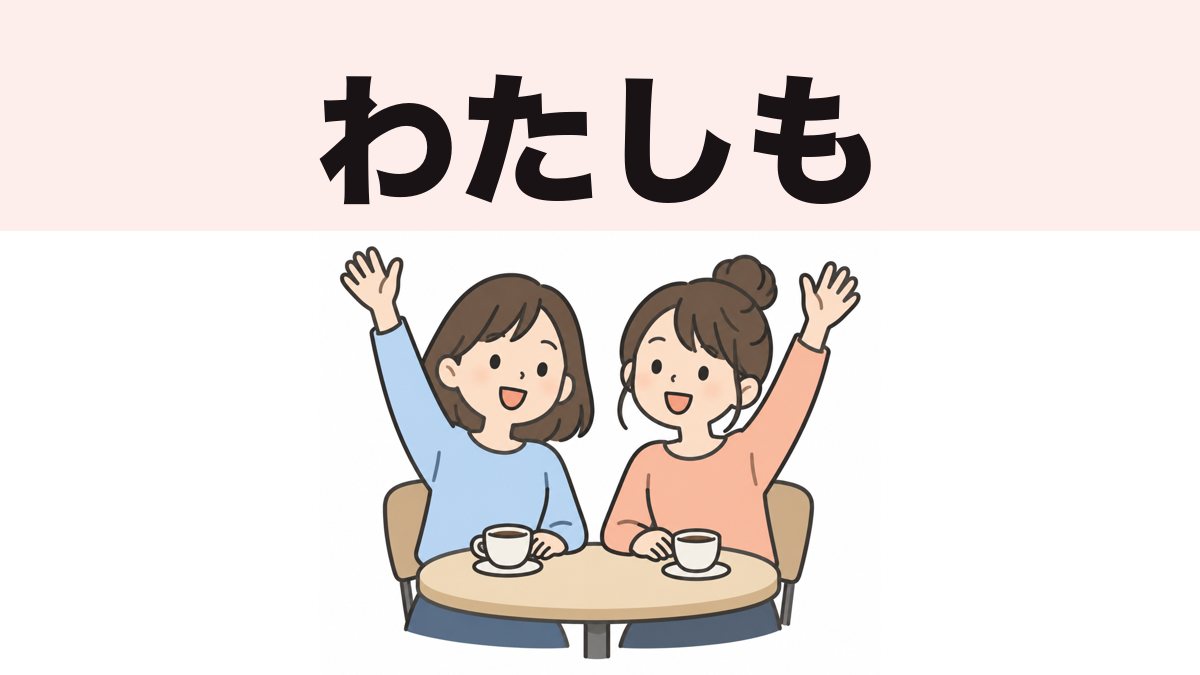
Also in Japanese: the particle も, and which particles it replaces
The main way to say "also" or "too" in Japanese is the particle も. It replaces は, が and を, but attaches after に, で and と. Learn the rules and the traps.
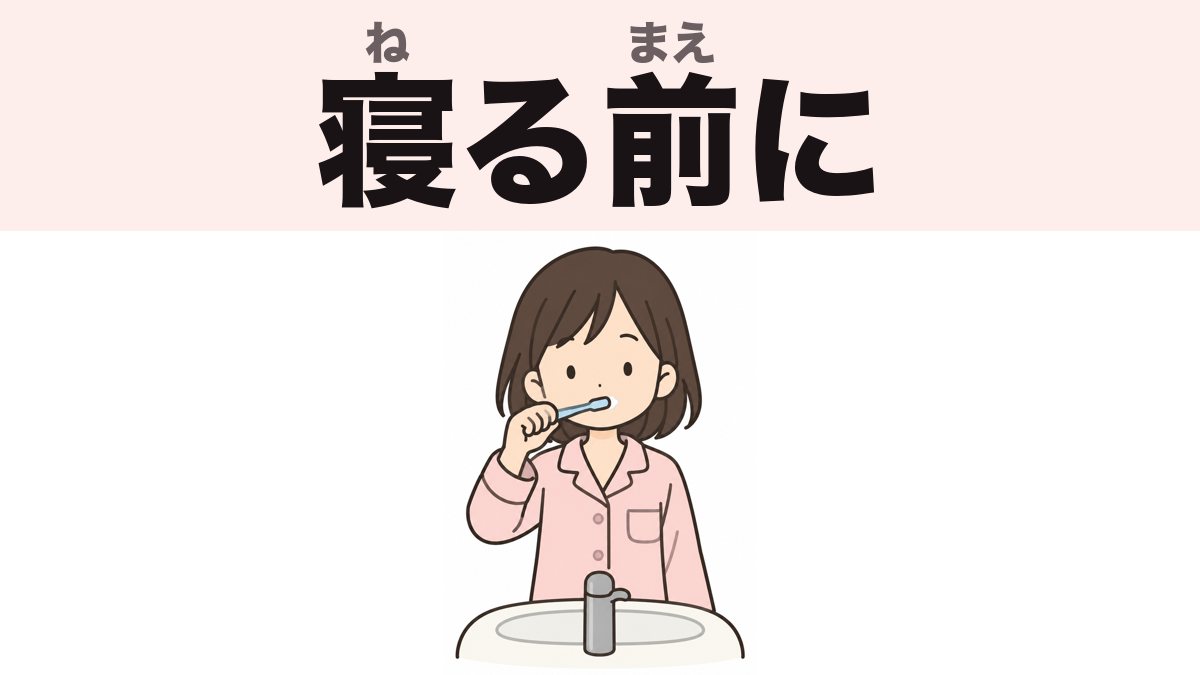
Before and after in Japanese: 〜前に takes the dictionary form, 〜後で takes た
Before in Japanese is 前に after the dictionary form (寝る前に). After is 後で after the た-form (食べた後で). Learn the tense trap and the noun pattern with examples.
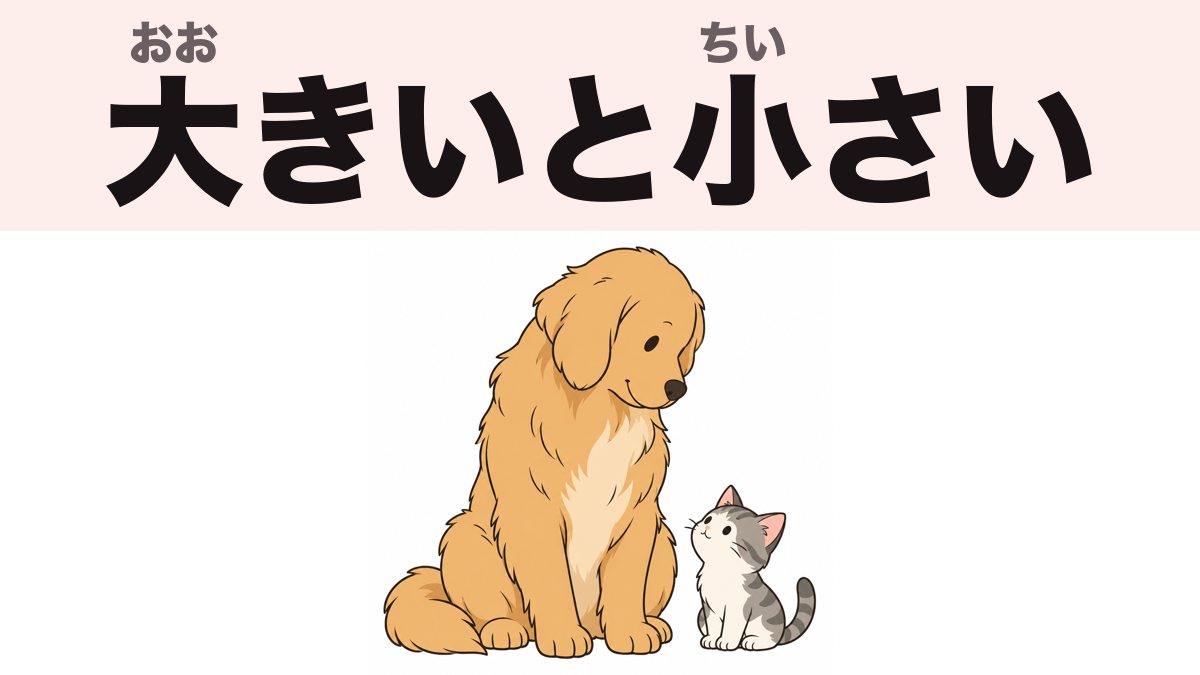
Big and small in Japanese: 大きい vs 大きな, and when big means 広い
Big in Japanese is 大きい (ookii) and small is 小さい (chiisai). But 大きな works only before a noun, and a big room is usually 広い, not 大きい.
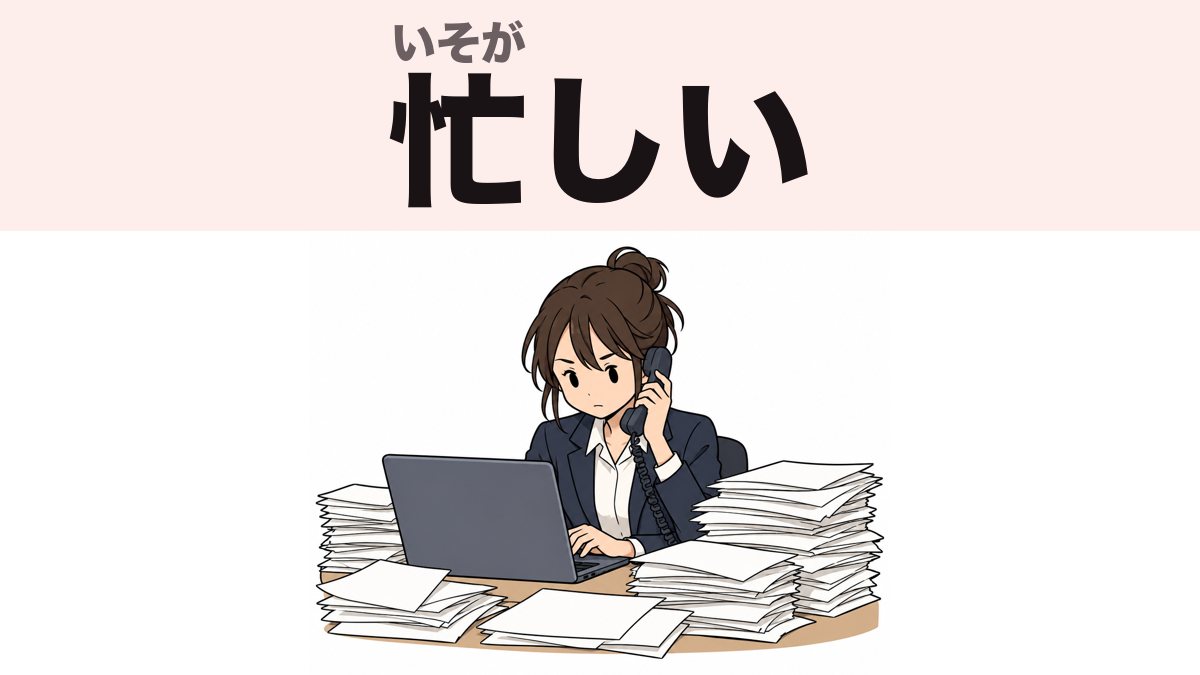
Busy in Japanese: 忙しい, バタバタ, and why a busy shop is 混んでいる
Busy in Japanese is 忙しい (isogashii) for people and schedules, but 混んでいる for crowded places and 話し中 for a phone line. Here is which one to use.
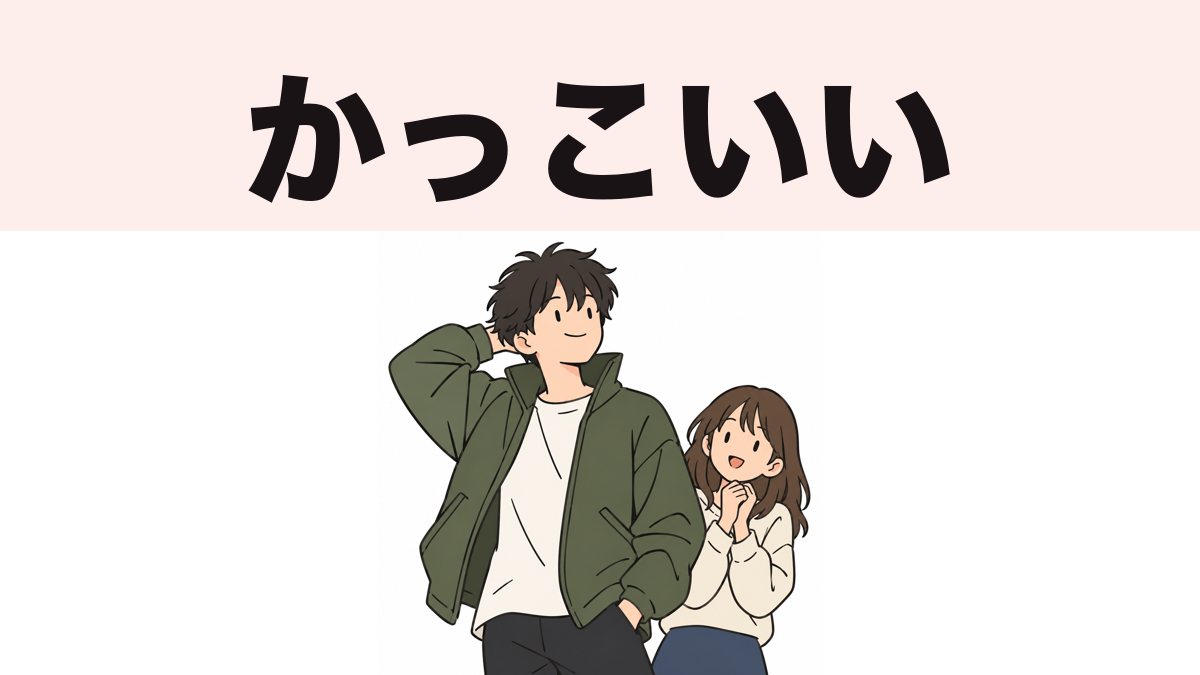
Cool in Japanese: かっこいい, クール, 涼しい and 冷たい — four different 'cool's
Cool in Japanese is not one word. かっこいい is stylish, 涼しい is a cool breeze, 冷たい is cold to the touch, and being cool with something is いいよ. Here is which to use.
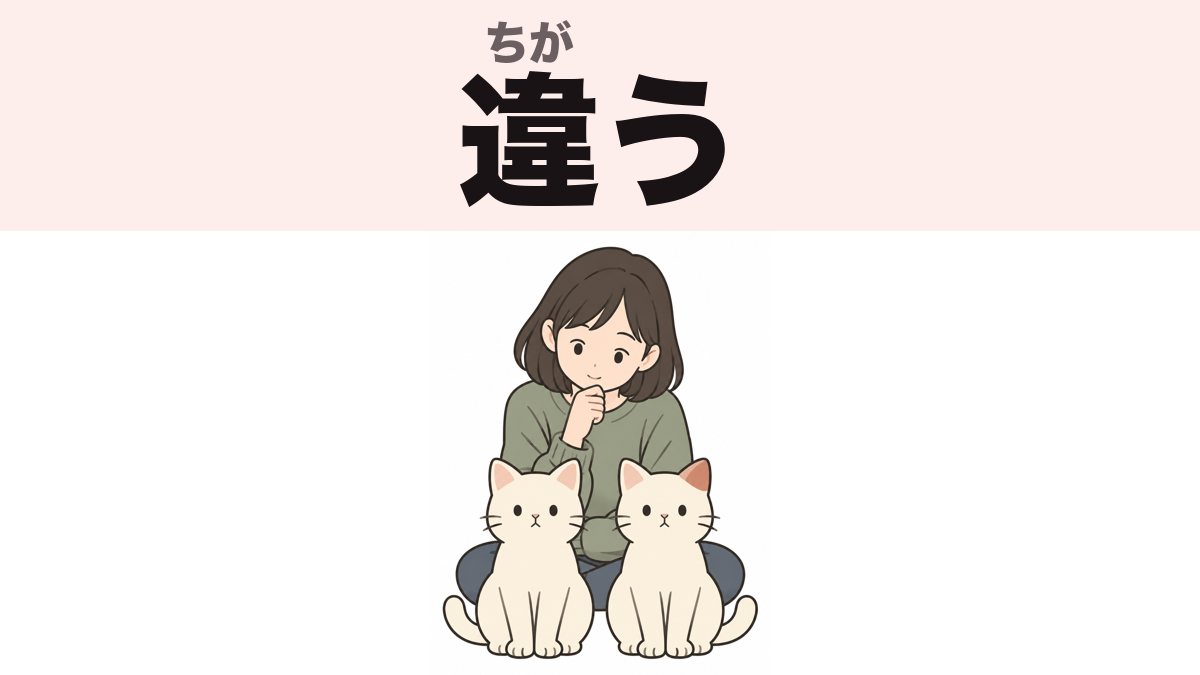
Different in Japanese: 違う is a verb, and 同じ breaks the な rule
"Different" in Japanese is 違う (chigau), a verb, not an adjective. "Same" is 同じ (onaji), a な-adjective that drops な before nouns. Plus 別, 異なる and 様々.
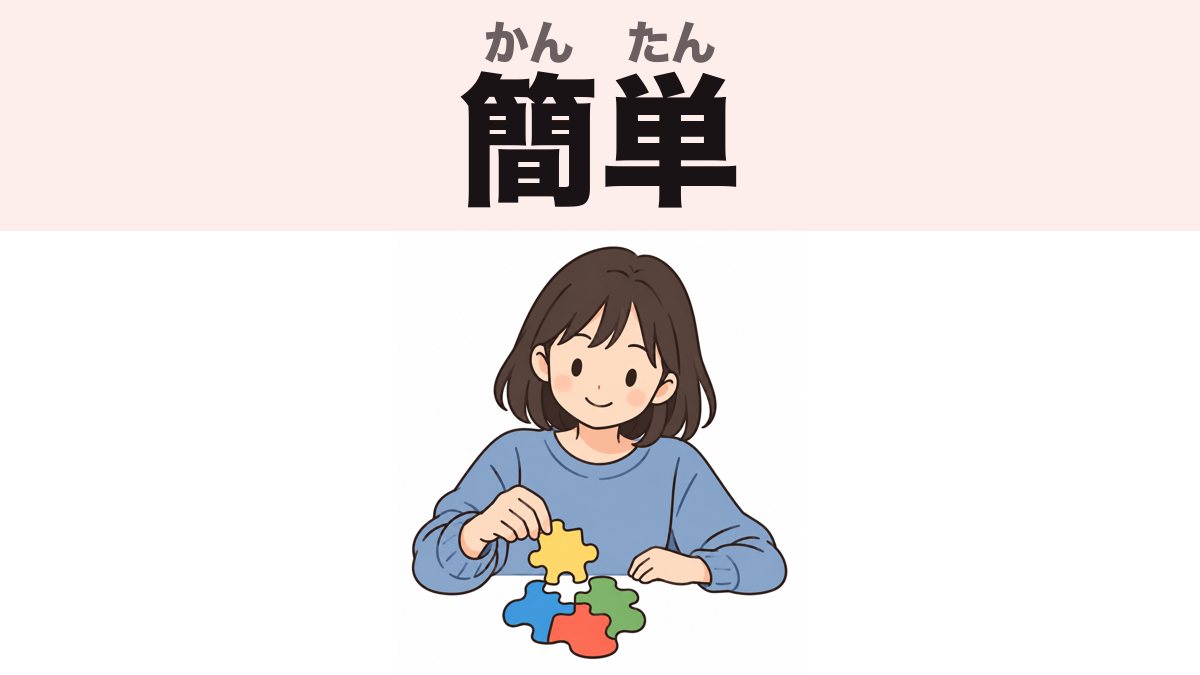
Easy in Japanese: 簡単, 易しい, 楽 — and the 優しい that isn't about difficulty
Easy in Japanese is 簡単 for simple steps, 易しい for low-level problems, and 楽 for effortless or comfortable. Here is how to pick, plus the 優しい trap.
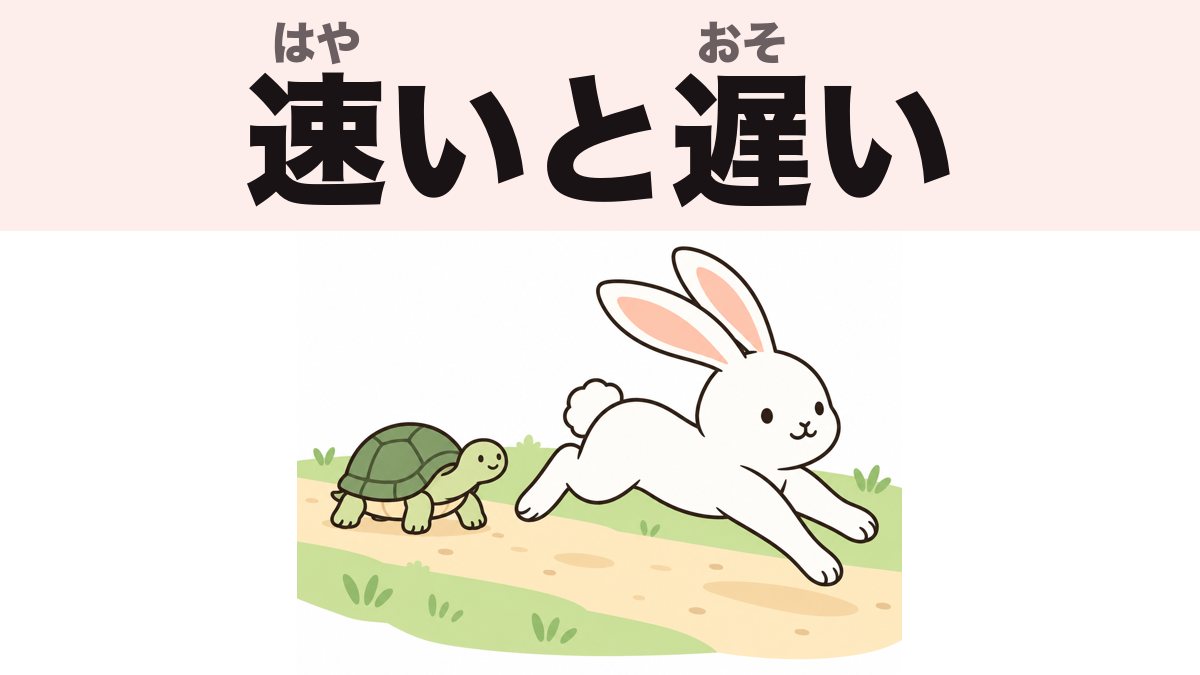
Fast, early, slow and late in Japanese: 早い vs 速い, and one 遅い for both
Fast in Japanese is 速い, early is 早い, and both are read はやい. 遅い covers slow and late. Plus 遅れる, 早め, ゆっくり and the risky 手が早い.
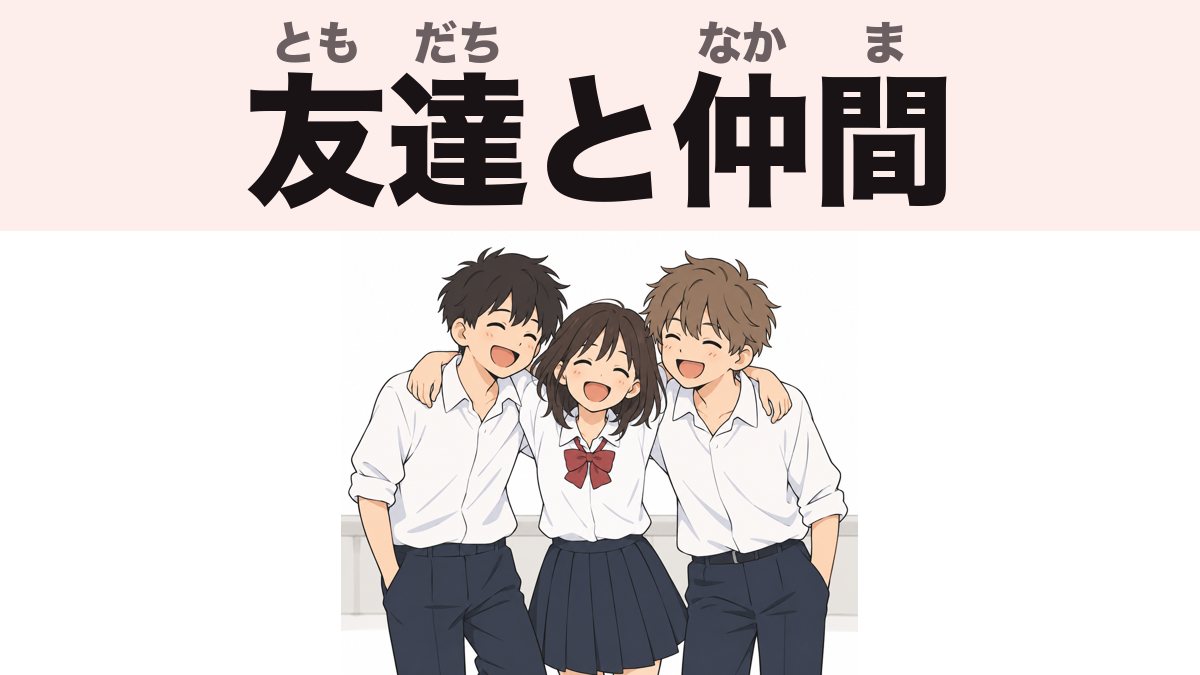
Friend in Japanese: 友達, 親友, 仲間 — and the one anime can't stop saying
Friend in Japanese is 友達 (tomodachi), but 友人, 親友, 仲間, 知り合い and 幼なじみ each mean something different. Learn which word fits which relationship.
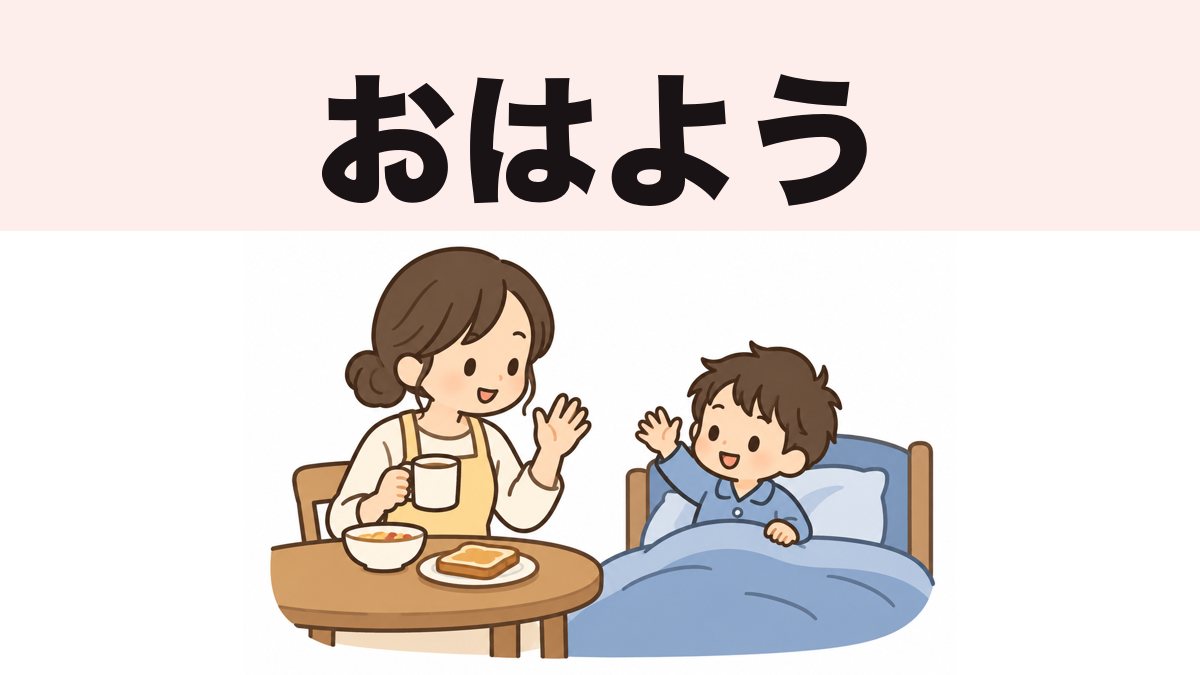
Good morning and good night in Japanese: おはよう, おやすみ and the evening greeting in between
Good morning in Japanese is おはよう (casual) or おはようございます (polite). Good night is おやすみ, but only when someone is going to bed. Here is what to say in between.
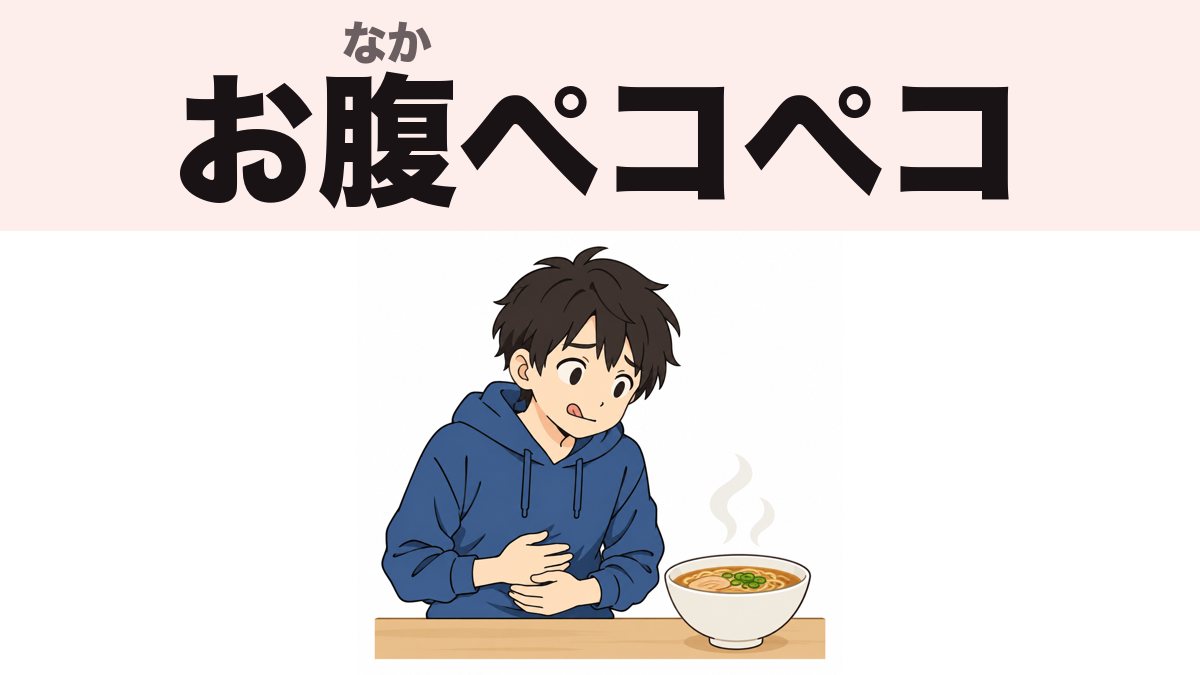
Hungry in Japanese: お腹が空いた, ペコペコ and 腹減った
Hungry in Japanese is お腹が空いた (onaka ga suita). Learn why it uses the past tense, what it means for right now, plus ペコペコ, 腹減った, 小腹が空いた and お腹いっぱい.
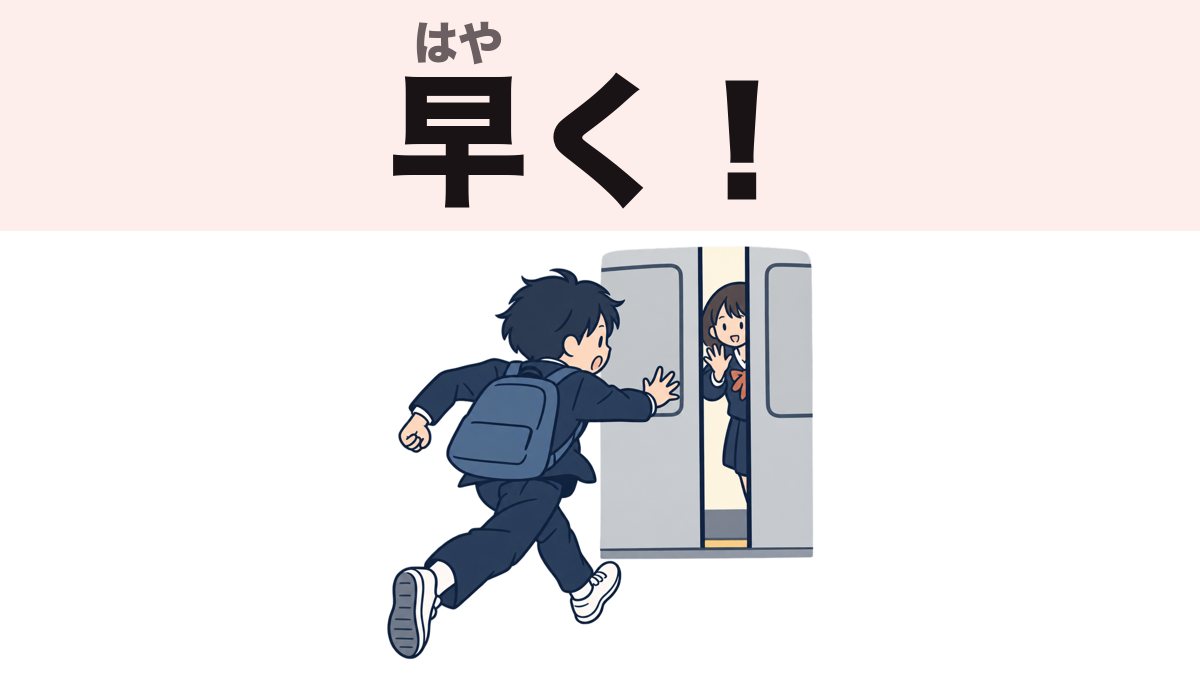
Hurry up in Japanese: 急いで, 早く and the さっさと you don't want to hear
Hurry up in Japanese: 急いで asks someone to speed up, 早く urges them to do it soon, and さっさと is the irritated version. Learn which to use and to whom.
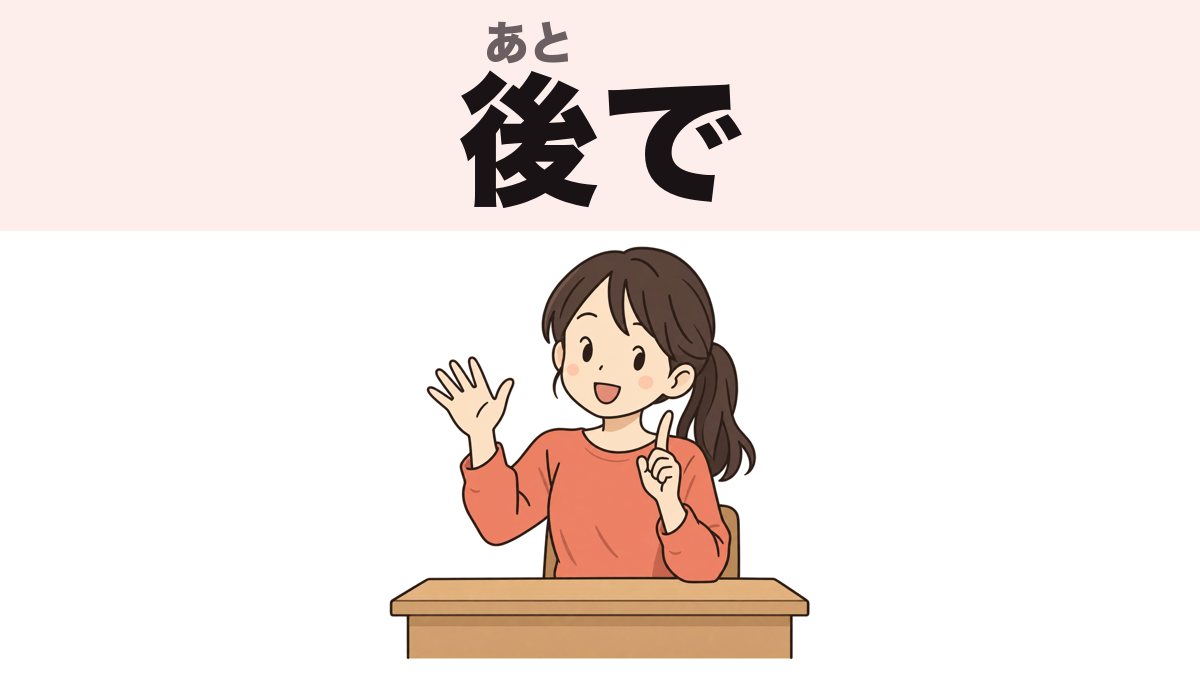
Later and soon in Japanese: 後で, もうすぐ, すぐ and the そのうち that may never come
Later in Japanese is 後で (ato de) for plain "later", のちほど for formal, もうすぐ and まもなく for "soon", すぐ for "right away". Here is how they differ.
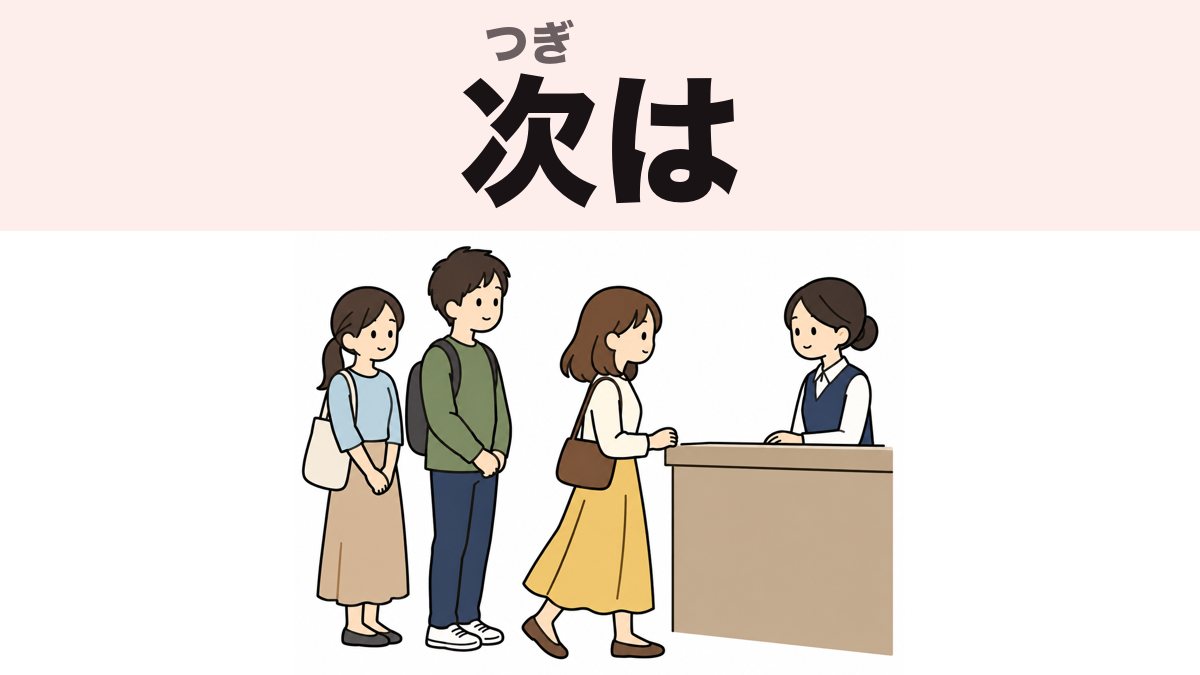
Next in Japanese: 次, 今度, 来週 — and the 今度 that can mean "this"
Next in Japanese depends on the kind of next: 次 for order, 来週 for the coming week, 今度 for next time, 隣 for beside. Here is how to pick the right one.
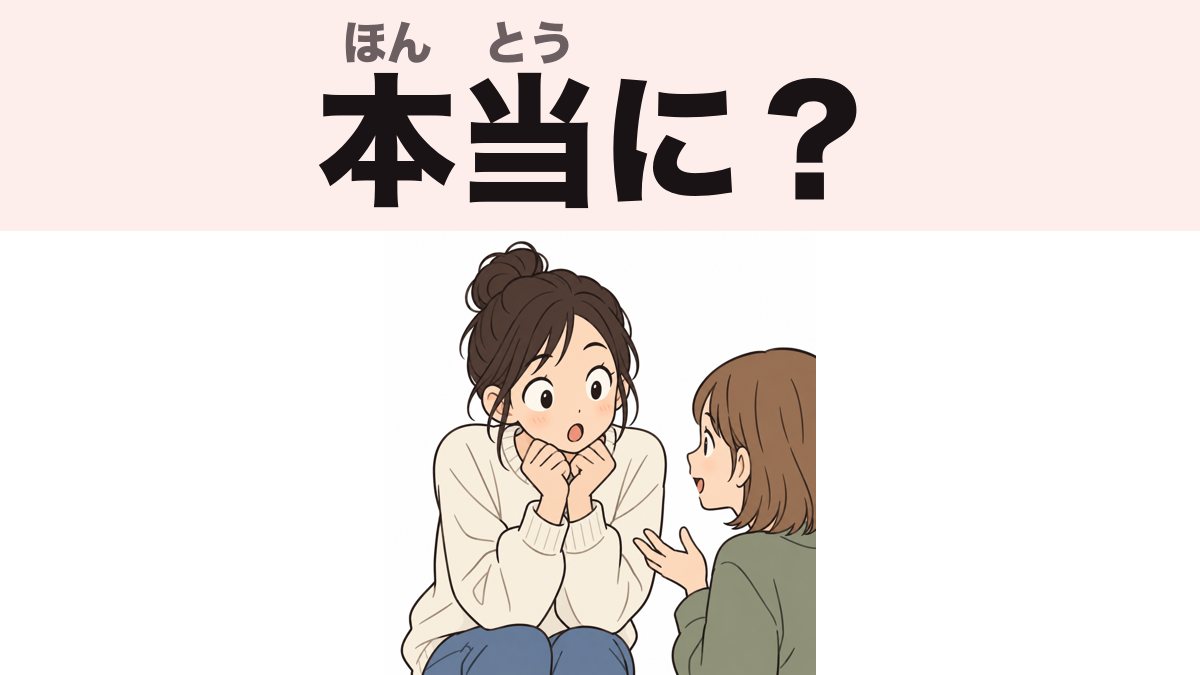
Really in Japanese: 本当に, ほんと?, マジ? — the reaction and the intensifier
Really in Japanese is two different words: ほんと?/本当? as a reaction, and 本当に/すごく/めっちゃ as an intensifier. Here is how to pick by job and politeness.
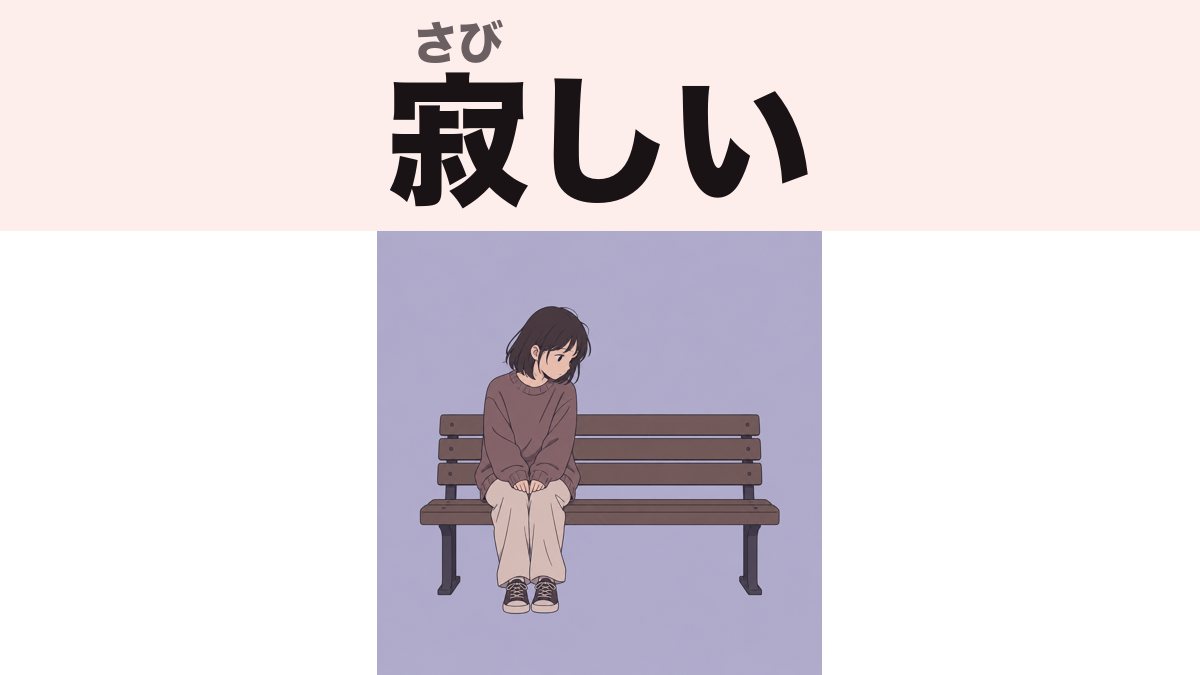
Sad and lonely in Japanese: 悲しい vs 寂しい, and 切ない in between
Sad in Japanese is 悲しい when something happened, 寂しい when someone or something is missing. Learn 切ない, 落ち込む, 悲しむ, 寂しがる and 泣ける with examples.
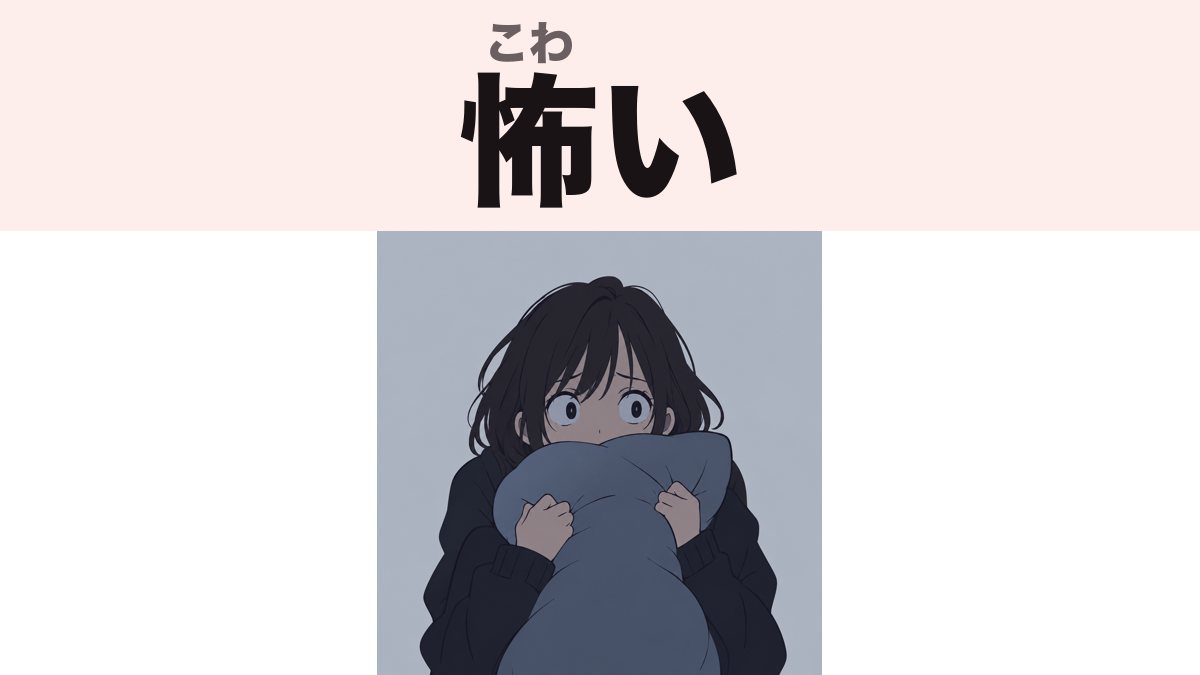
Scary in Japanese: 怖い means both scary and scared
Scary in Japanese is 怖い (kowai), and the same word also means scared. Learn how to tell the two apart, plus 怖がる, 恐ろしい, ゾッとする, ビビる and 苦手.
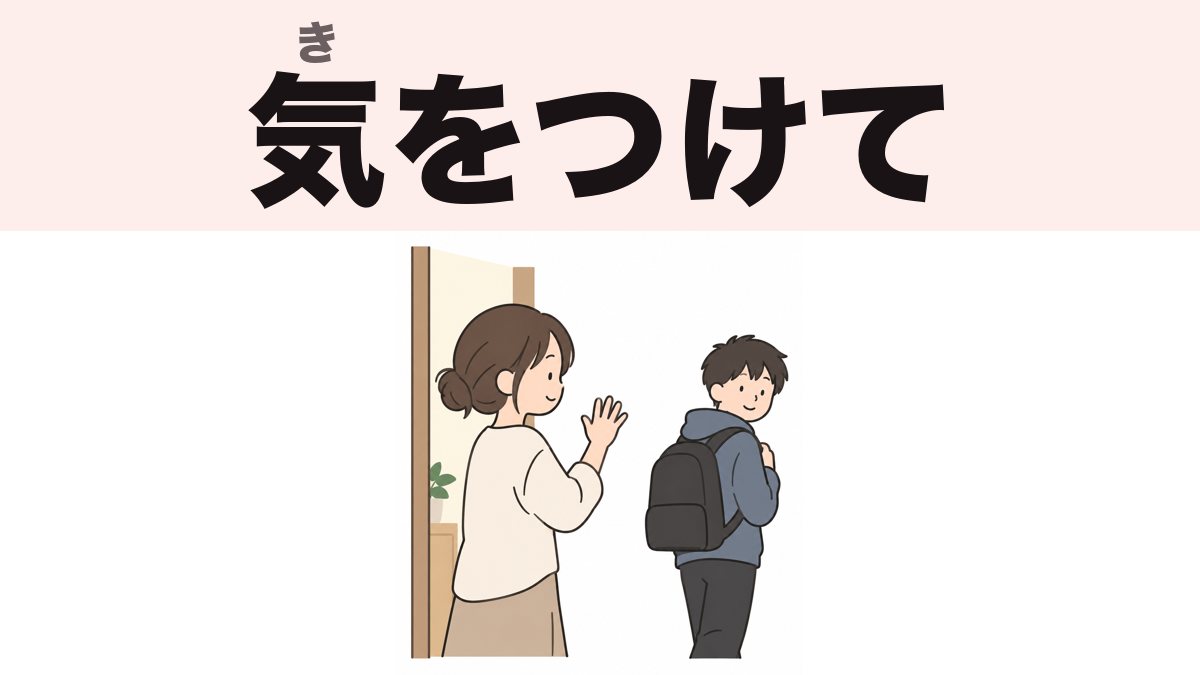
Take care in Japanese: 気をつけて, お大事に, and which one fits the goodbye
There is no single "take care" in Japanese. Use 気をつけて when someone heads out, お大事に when they are sick, お元気で for long goodbyes, ご自愛ください in writing.
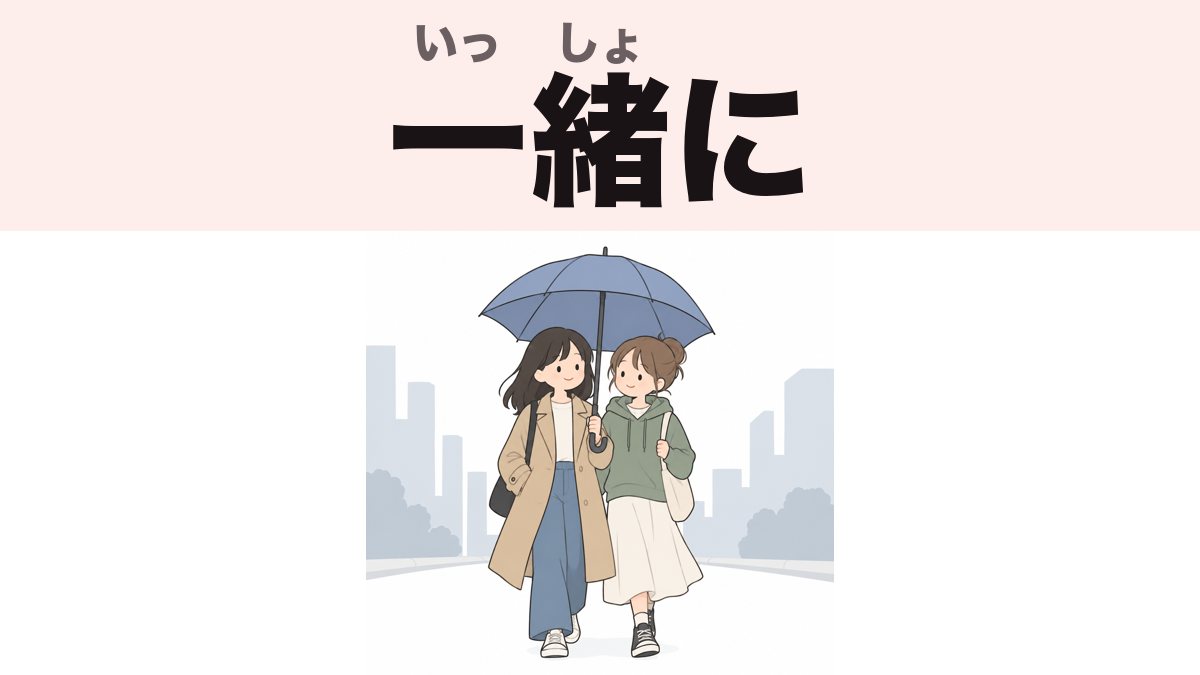
Together in Japanese: 一緒に, みんなで and 共に
Together in Japanese is usually 一緒に, as in 友達と一緒に行く, "go with a friend." But みんなで, 共に and plain と also carry "together." Here is which to use.
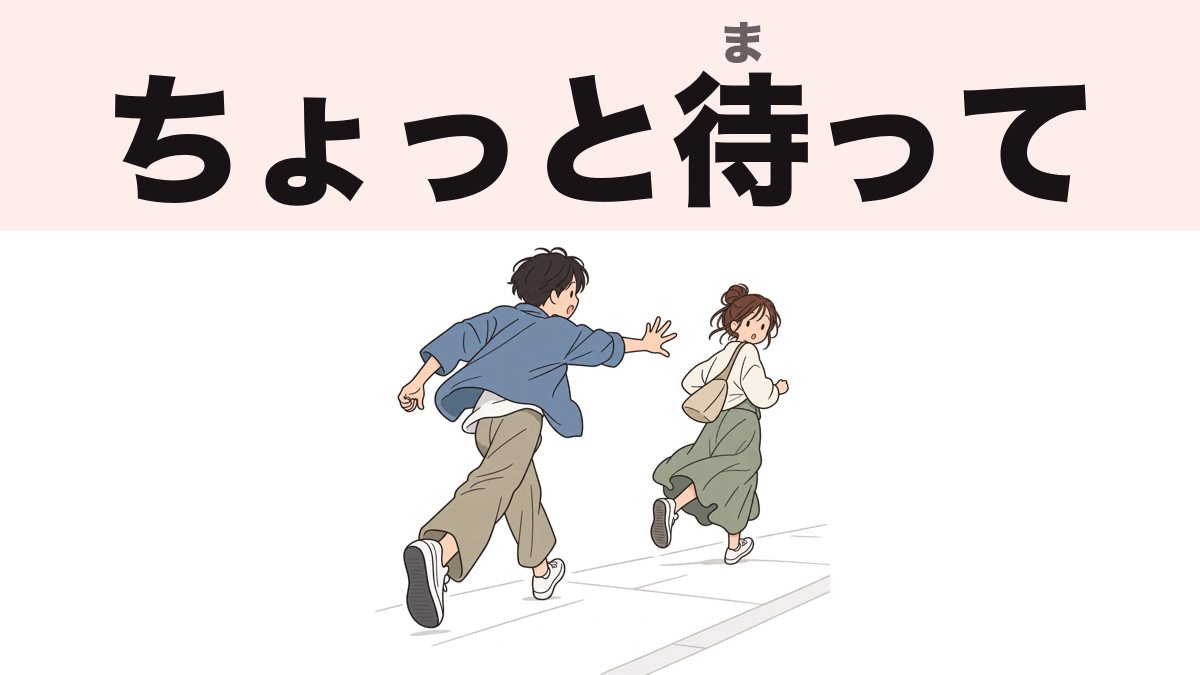
Wait in Japanese: 待って, 待ってください and お待ちください
Wait in Japanese is 待つ (matsu). 待って is casual, 待ってください is polite, and 少々お待ちください is what shops say. Here is when each one fits, with examples.
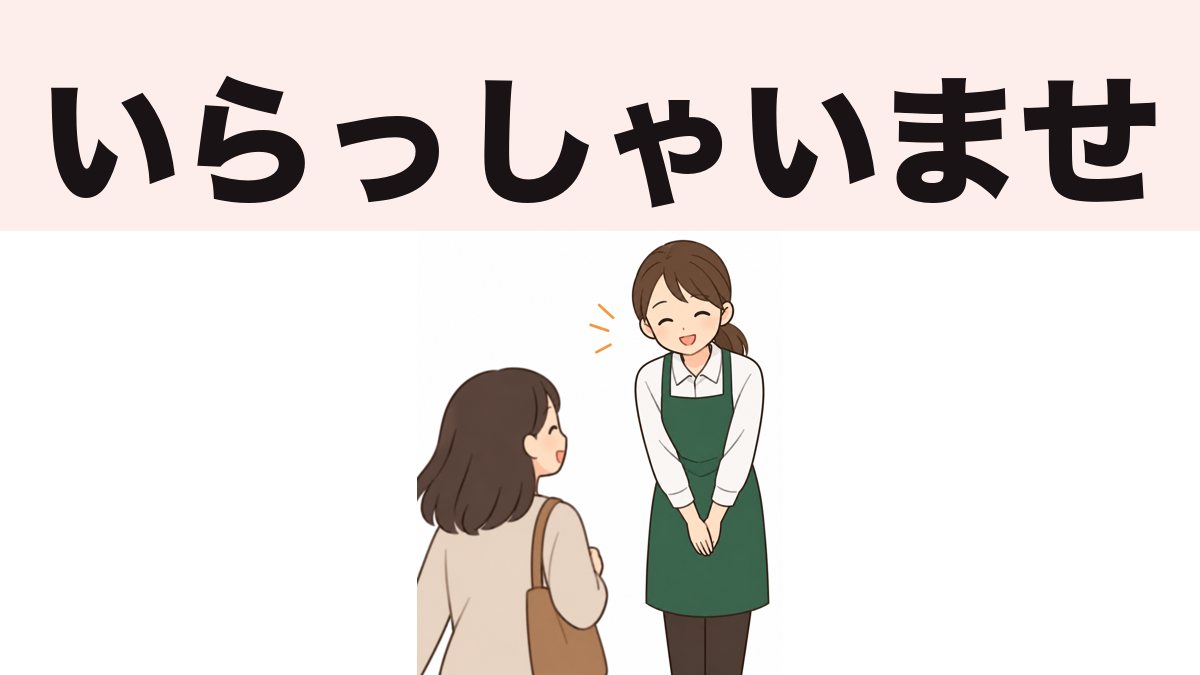
Welcome in Japanese: ようこそ, いらっしゃいませ — and "you're welcome" is a different word
Welcome in Japanese is ようこそ when you greet a guest, いらっしゃいませ in shops, and どういたしまして for "you're welcome". Here is which one to use and when.
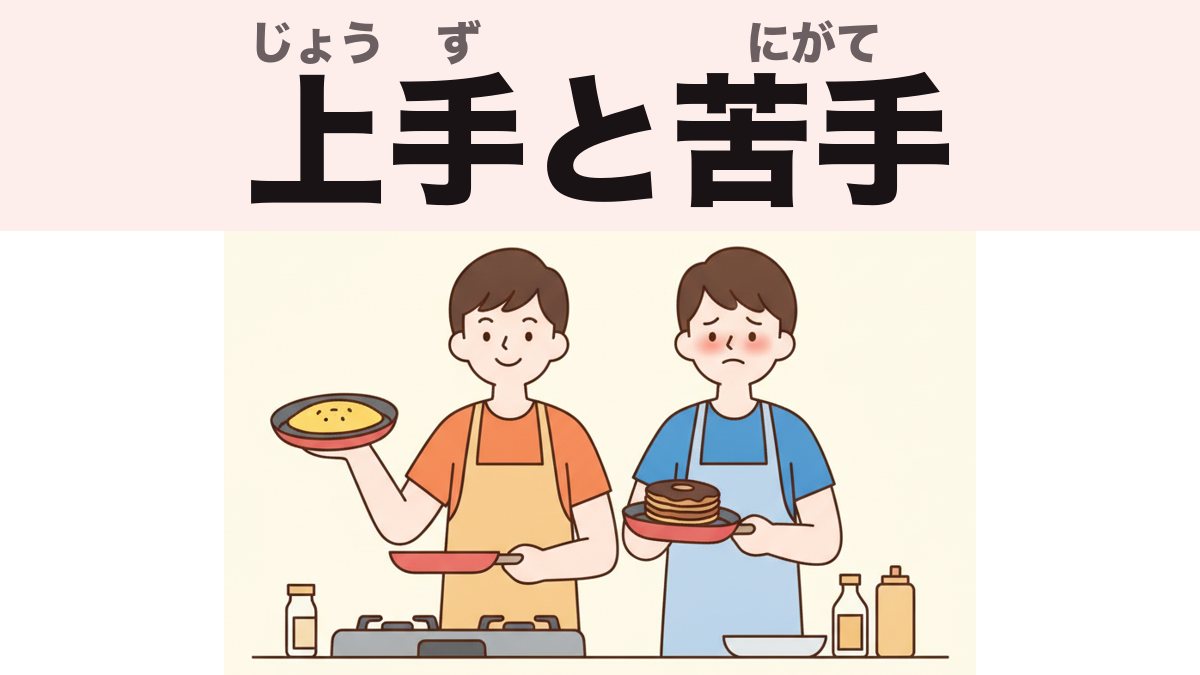
Good at and bad at in Japanese: 上手, 得意, 下手, 苦手
Good at in Japanese is 上手 (jouzu) or 得意 (tokui); bad at is 下手 (heta) or 苦手 (nigate). 上手 and 下手 judge skill, 得意 and 苦手 are about you. Do not brag with 上手.
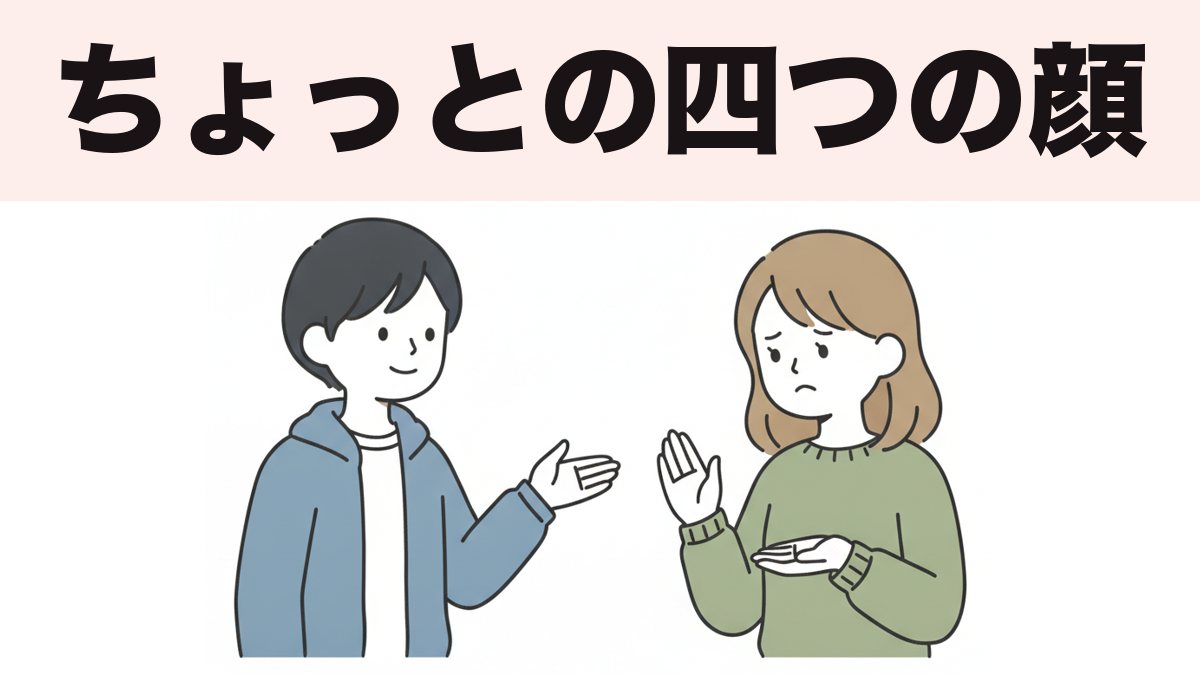
ちょっと: "a little", "excuse me", and the polite no that never says no
ちょっと means "a little" — and also softens requests, gets attention, and refuses invitations. How to hear which one, and why 今日はちょっと… is a complete answer.
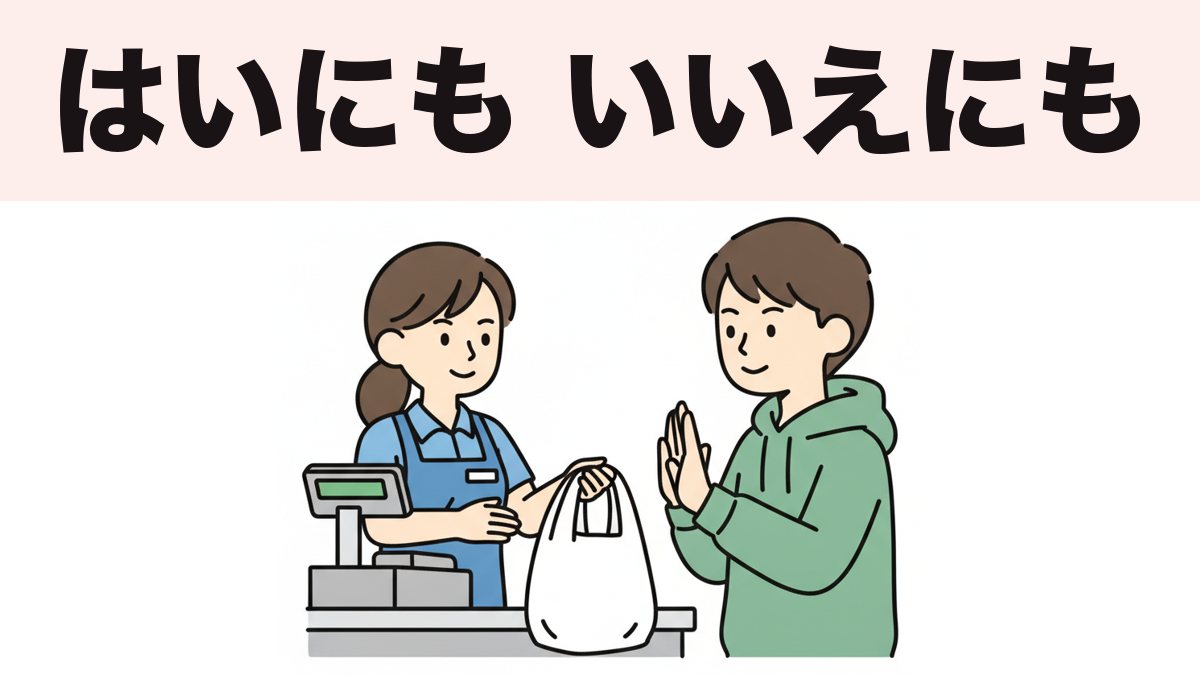
Okay in Japanese: 大丈夫 daijoubu, いいよ and the OK that means no
大丈夫 covers fine, safe, no problem, and at a shop counter it is usually a polite no thanks. 19 example sentences show which meaning you are hearing.
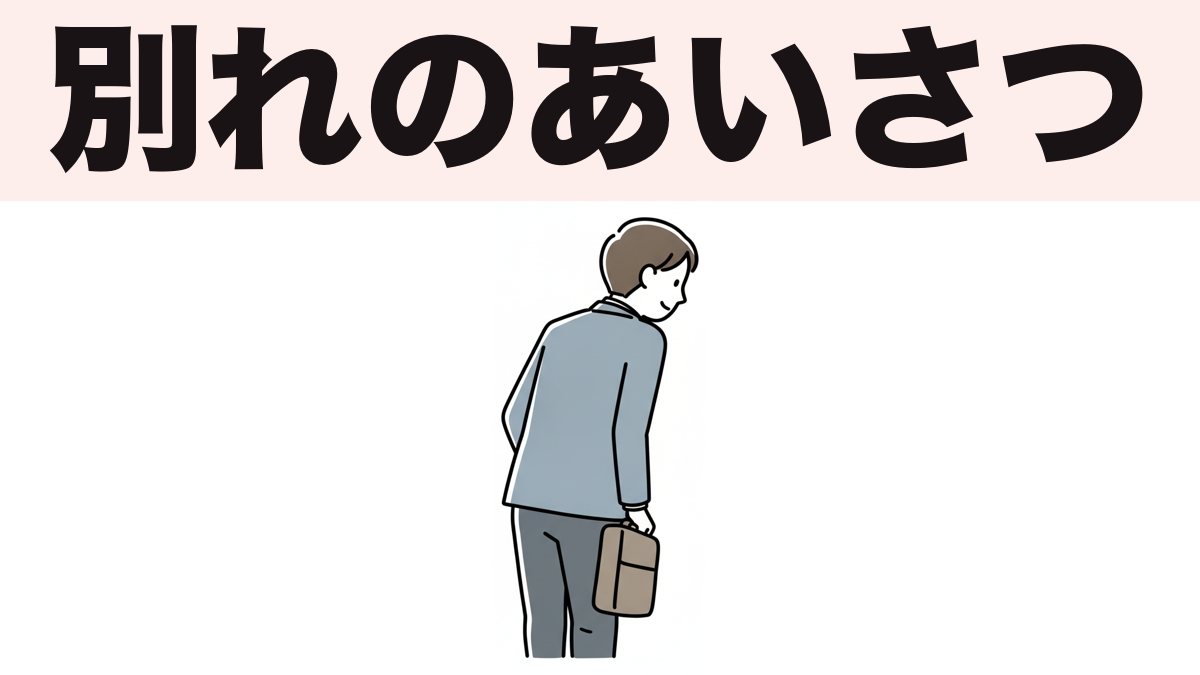
How to say goodbye in Japanese: さようなら is almost never the right one
さようなら sounds final and Japanese adults rarely say it. The goodbyes people actually use — お疲れさま, 失礼します, じゃあね, また明日 — and how to pick one by situation.
How to say yes in Japanese: はい is not only "yes"
はい, ええ, うん, そうです, わかりました — the Japanese words for yes, what each one really agrees to, and why はい to a negative question means the opposite of English.
How to type in Japanese: the IME, the space bar, and the っ nobody can find
Set up Japanese input on Mac, Windows, iPhone and Android, then learn the four keystrokes that trip everyone up: ん, っ, ー and choosing the right kanji.
How to write your name in Japanese: katakana, sound by sound
Foreign names go in katakana and follow the sound, not the spelling. How to convert your name, the rules that decide ー and ッ, and why kanji names are a trap.
Japanese past tense: 〜ました, 〜た, and the form that is not about the past
How to make the Japanese past tense: ます→ました, the plain 〜た built from the te-form, the negative 〜ませんでした — and the た that means "it just happened".
Japanese word order: the verb goes last, and the rest is negotiable
Japanese is subject-object-verb, but particles do the real work, so the middle of a sentence reorders freely. What stays fixed, and why you must hear the end.
JLPT levels explained: N5 to N1, the pass marks, and which one to take
What N5 through N1 certify, the official pass marks and section minimums, and how to pick the level worth sitting — from a teacher who preps students.
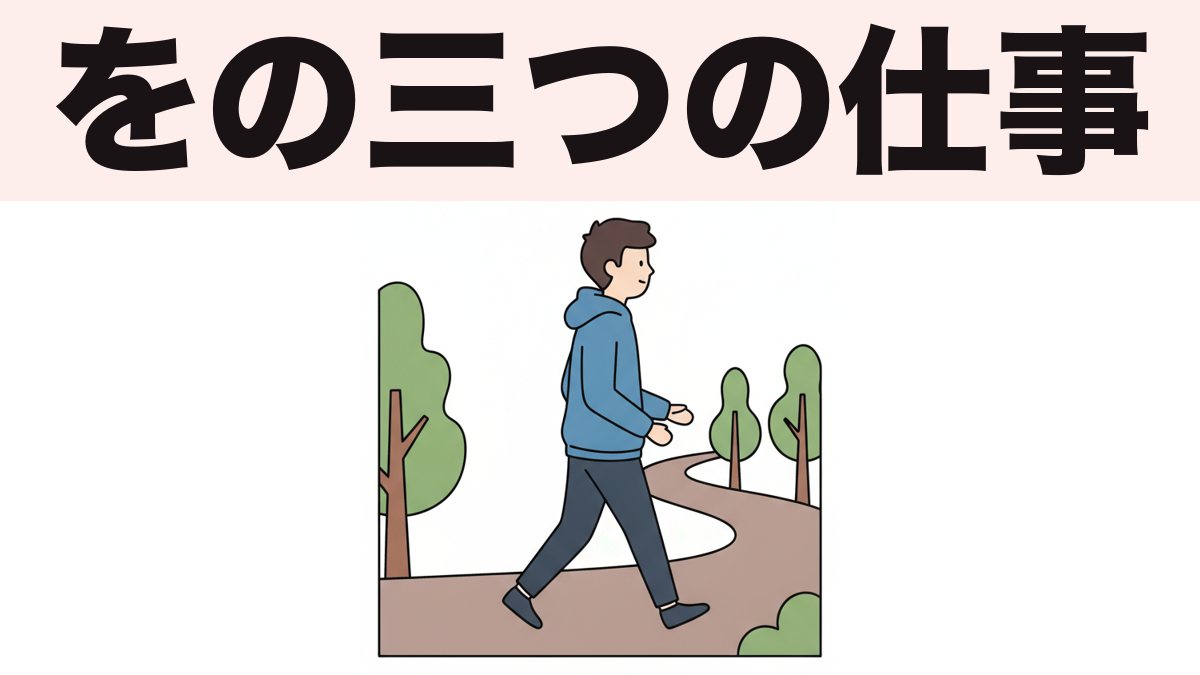
The particle を: the object marker that also means "through" and "out of"
を marks what a verb acts on — but it also marks the space you move through and the place you leave. Why it is written を and read "o", and when を becomes が.
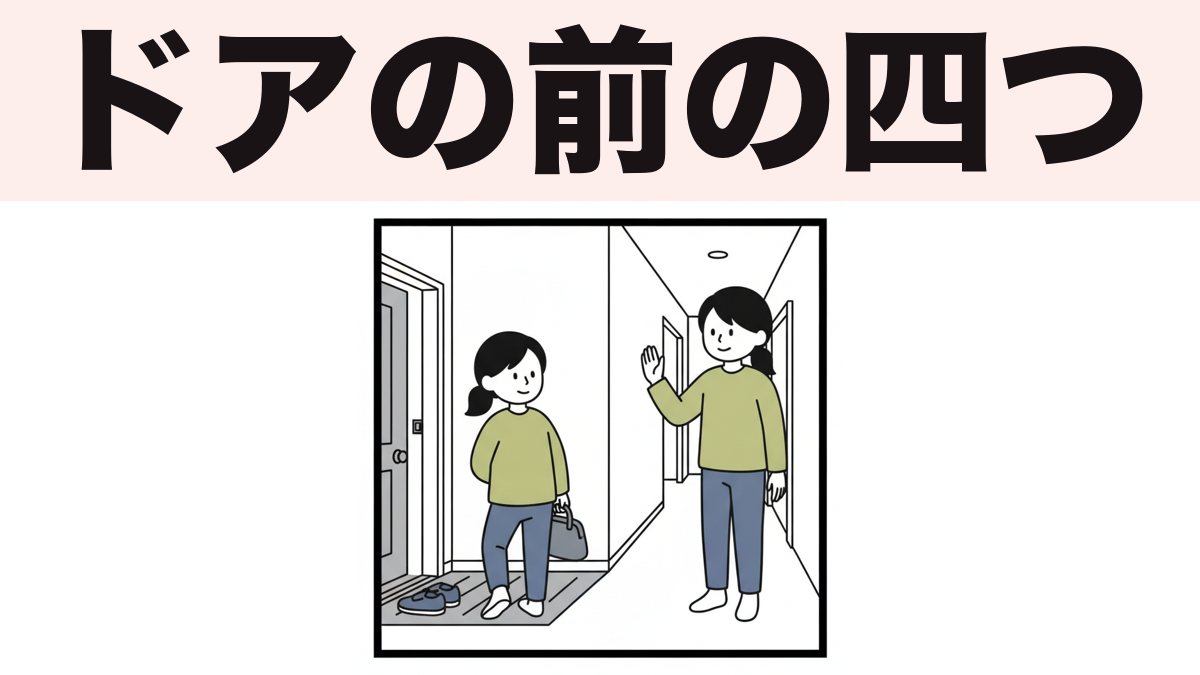
ただいま and おかえり: the four greetings a Japanese home runs on
ただいま means "I am back" and おかえり means "welcome back" — two halves of one exchange. Here are all four door greetings, plus why anime wives say おかえりなさい、あなた.
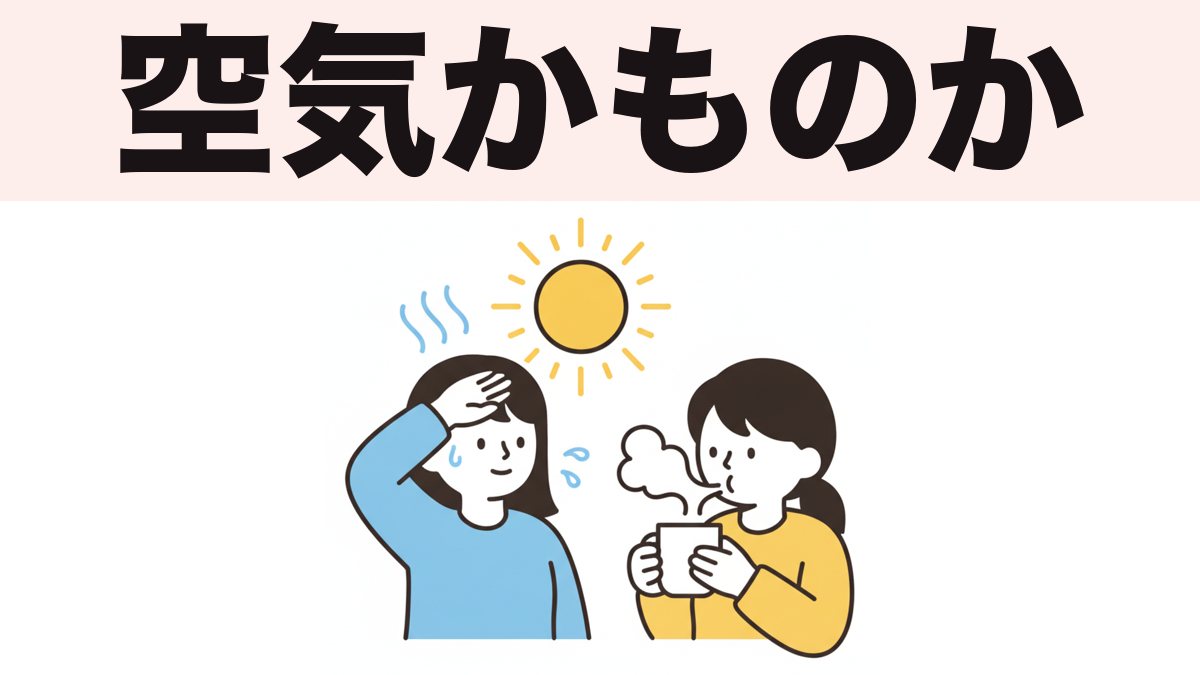
暑い, 熱い, 暖かい, 温かい: four temperature words, two pairs of homophones
Learn how Japanese distinguishes hot weather from hot objects and warm air from warm things, using different kanji for atsui and atatakai.
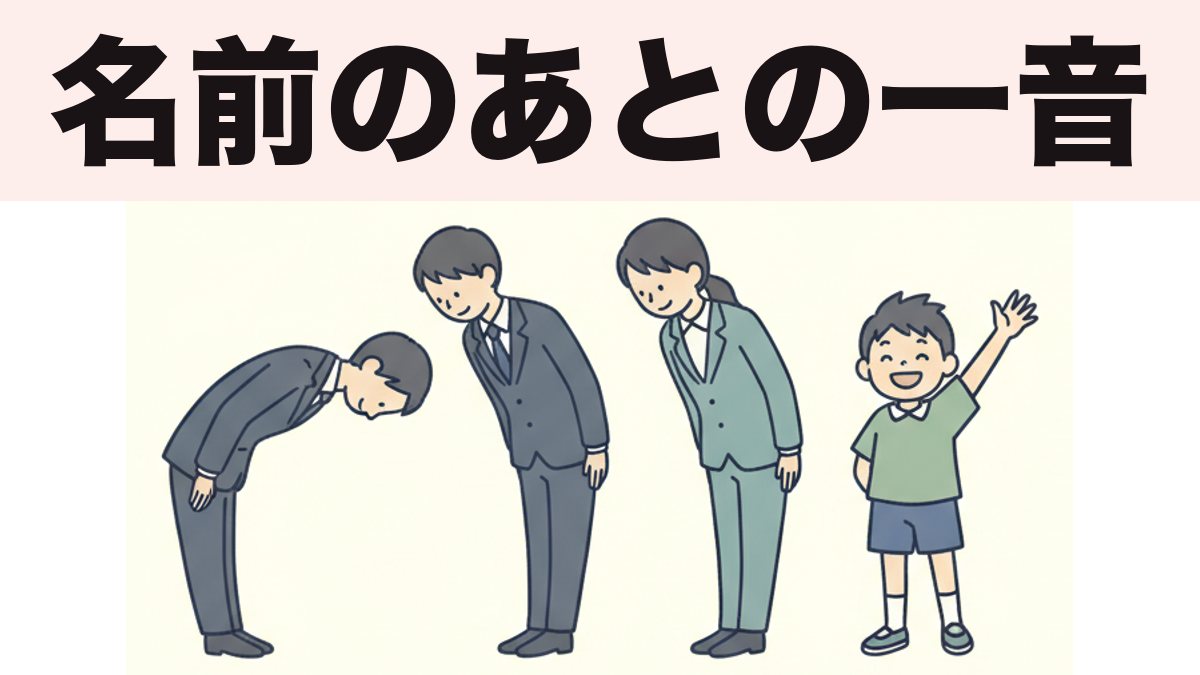
Japanese honorifics: さん, くん, ちゃん, さま and when to use nothing at all
さん is the safe default, くん and ちゃん are warmth with a direction, さま is distance upward — dropping all of them is its own loud statement. How the set works.
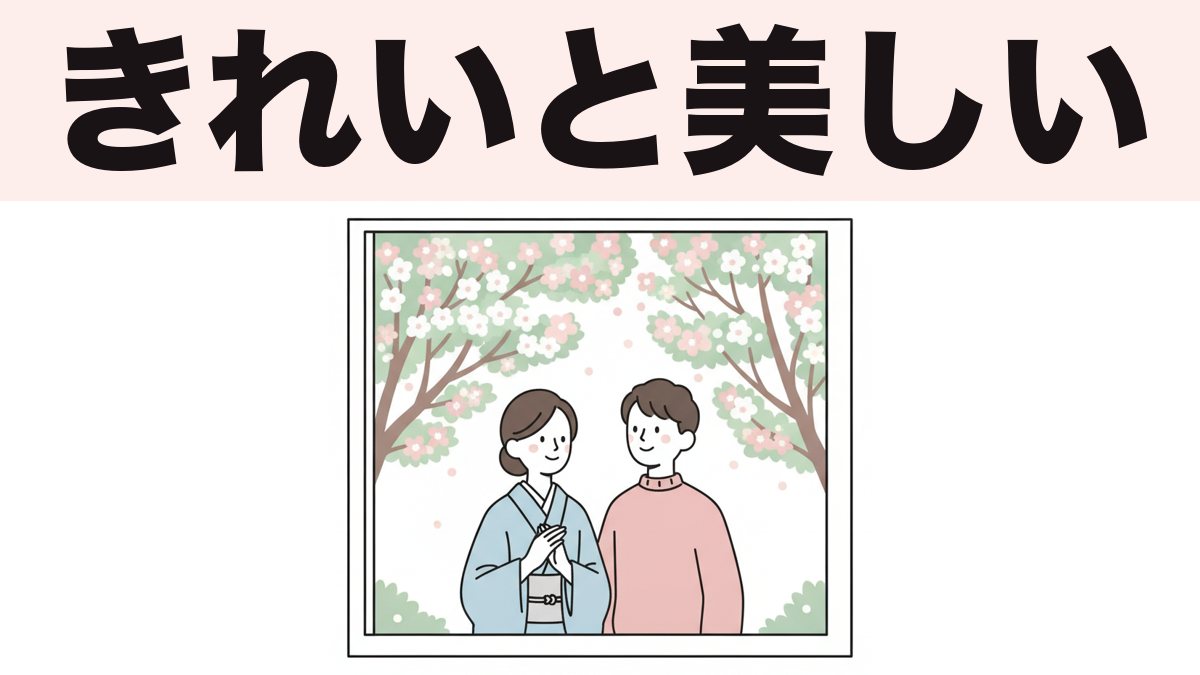
Japanese words for beautiful: きれい, 美しい, かわいい and what each one claims
きれい is the everyday word and also means clean. 美しい is beauty with distance. かわいい is not "beautiful" at all. What each word actually claims.
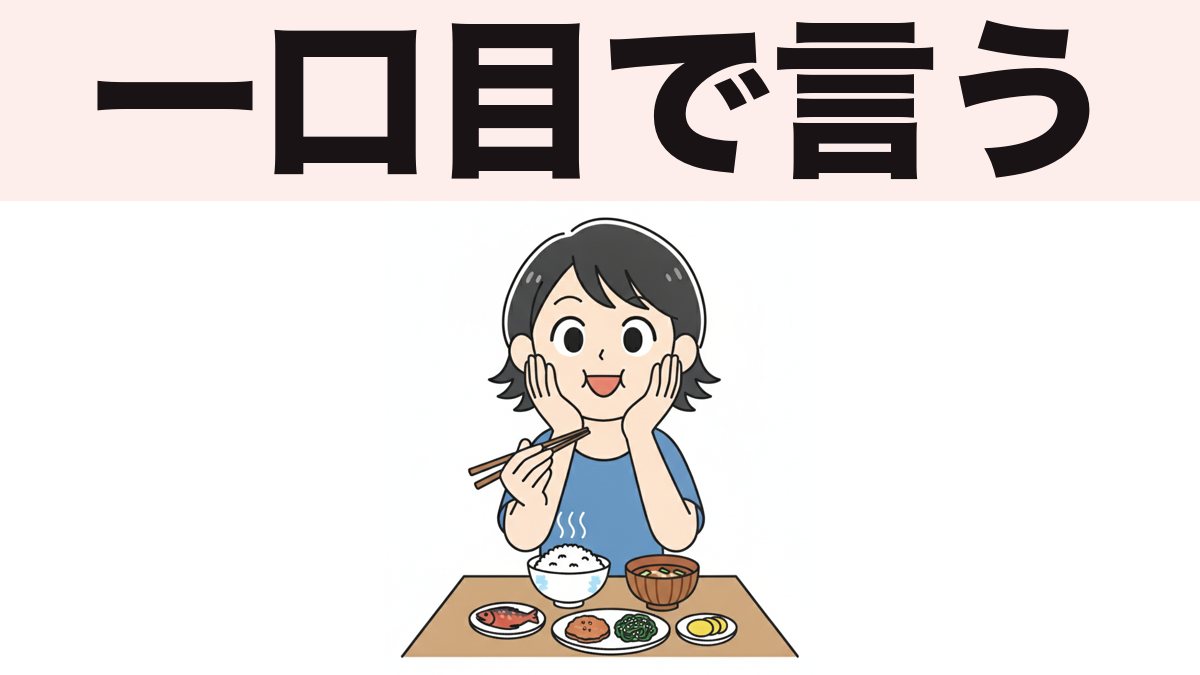
What Is "Delicious" in Japanese? 美味しい, うまい, 絶品 Compared
"Delicious" in Japanese is 美味しい (oishii) — polite anywhere. うまい means the same but sounds blunt and male-coded; 絶品 is for truly outstanding food only.
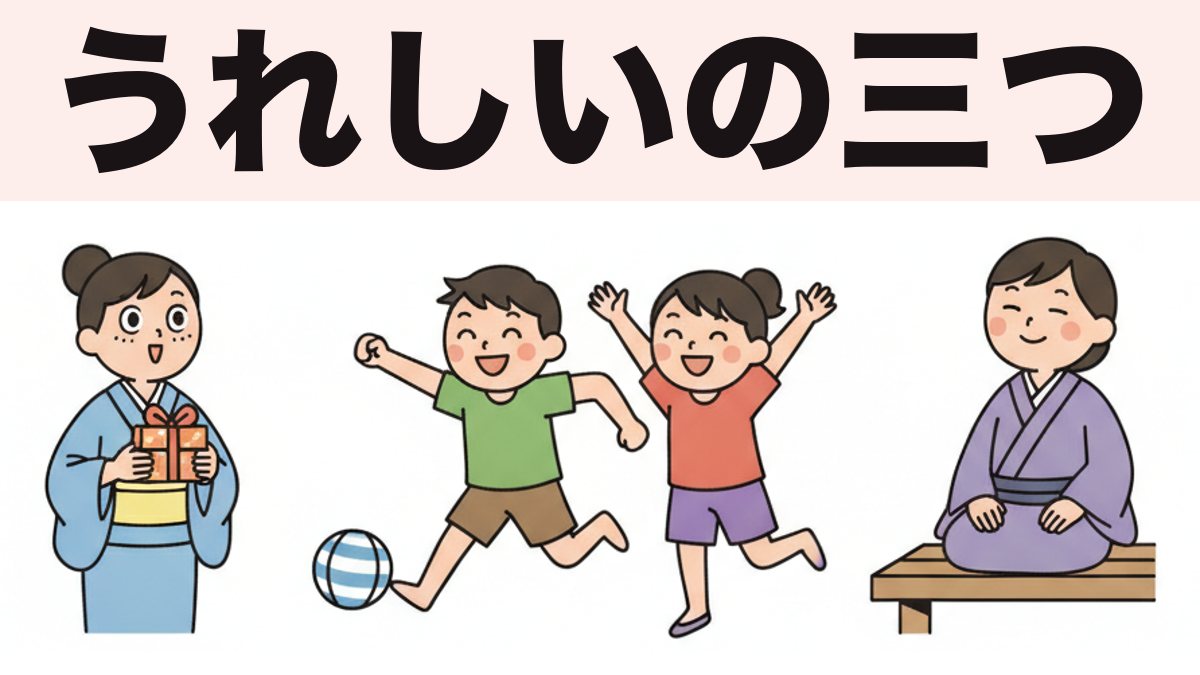
What Is "Happy" in Japanese? 嬉しい, 楽しい, and 幸せ Compared
"Happy" in Japanese splits three ways: 嬉しい reacts to something that happened, 楽しい describes an enjoyable activity, and 幸せ is the settled happiness of a life.
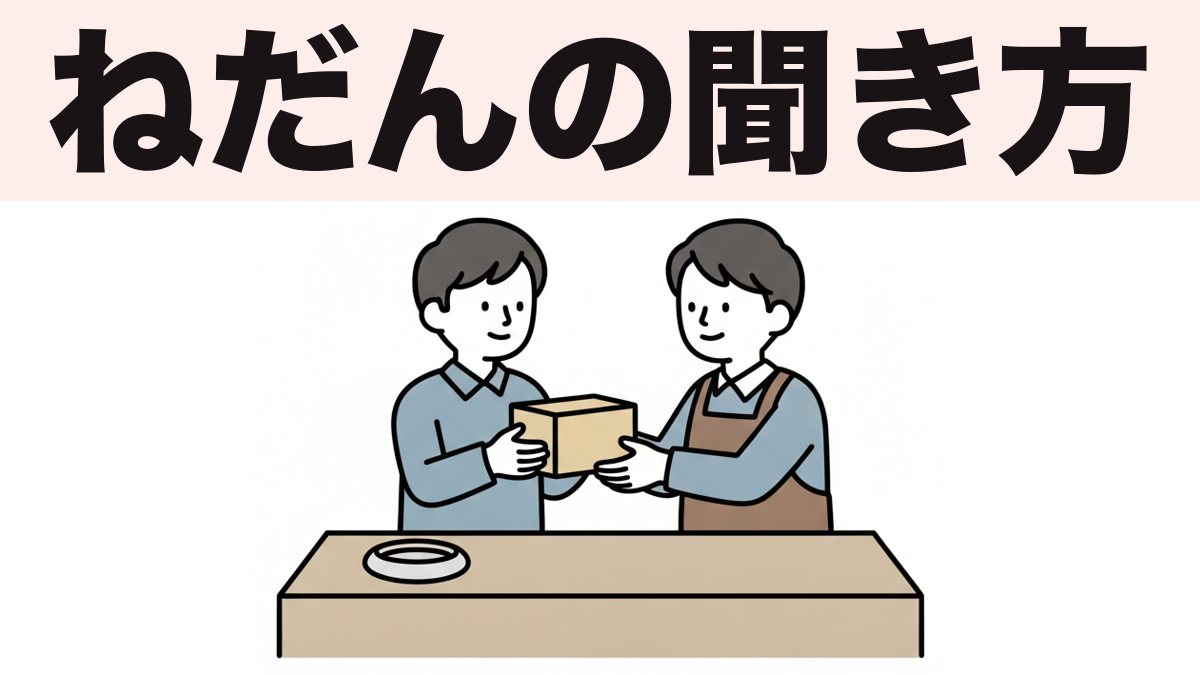
いくらですか: asking how much something costs, and understanding the answer
Learn to ask prices with ikura desu ka, handle fast replies with useful follow-up questions, and read Japanese price tags before you ask.
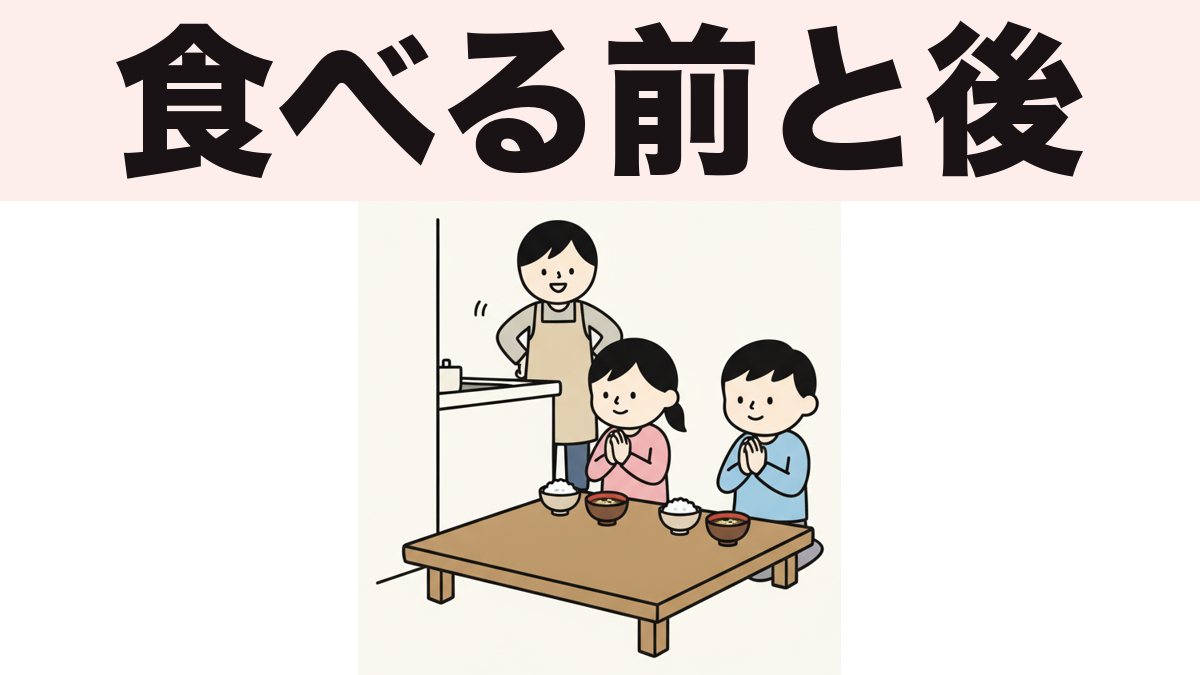
What Do いただきます and ごちそうさま Mean in Japanese?
いただきます is said before eating in Japanese — the humble form of "to receive." ごちそうさまでした is said after, thanking whoever prepared or provided the meal.
Two Days Ago in Japanese: おととい ototoi vs 二日前 futsuka mae
Two days ago in Japanese is おととい ototoi when counted from today and 二日前 futsuka mae from any other moment. 3 tables, plus weeks, months and years.
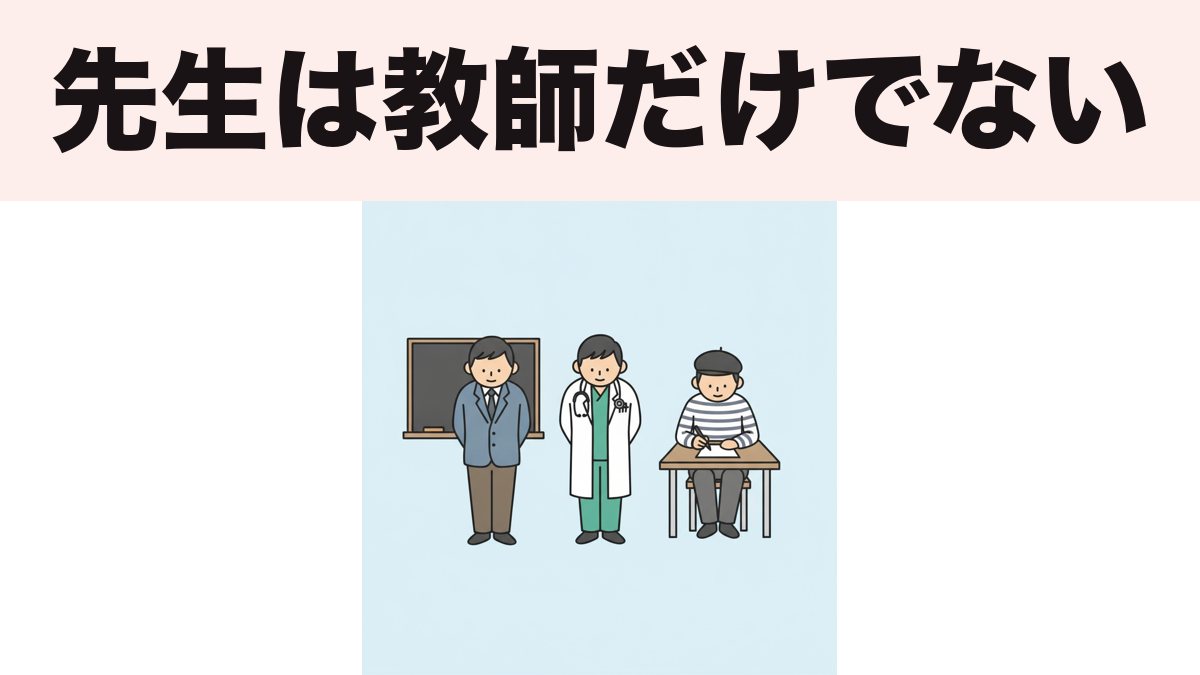
Sensei meaning: 先生 is not quite "teacher," and you never call yourself one
先生 literally means "born before" — someone further along a path. It covers doctors, politicians and artists, and is the one title you cannot apply to yourself.
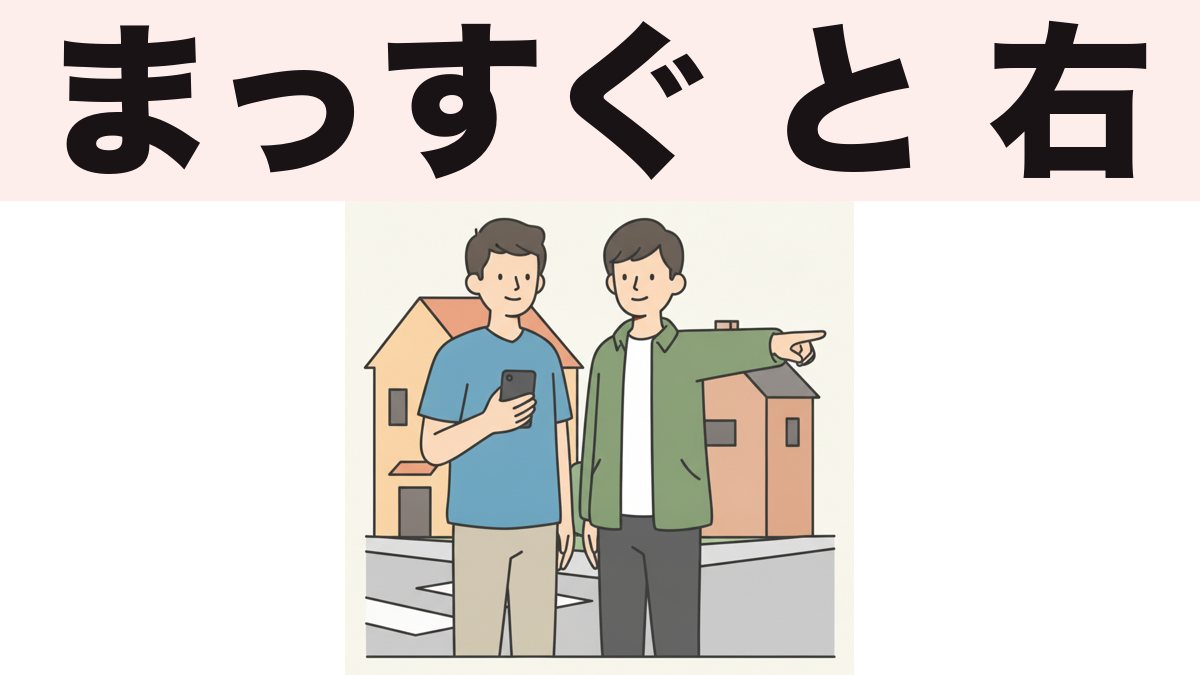
Asking for directions in Japanese: 一番近い駅, and the four words in the answer
すみません、駅はどこですか gets you a direction; understanding the answer needs まっすぐ, 右, 左 and 曲がる. Here is the full exchange, plus 最寄り駅 and how to check you understood.
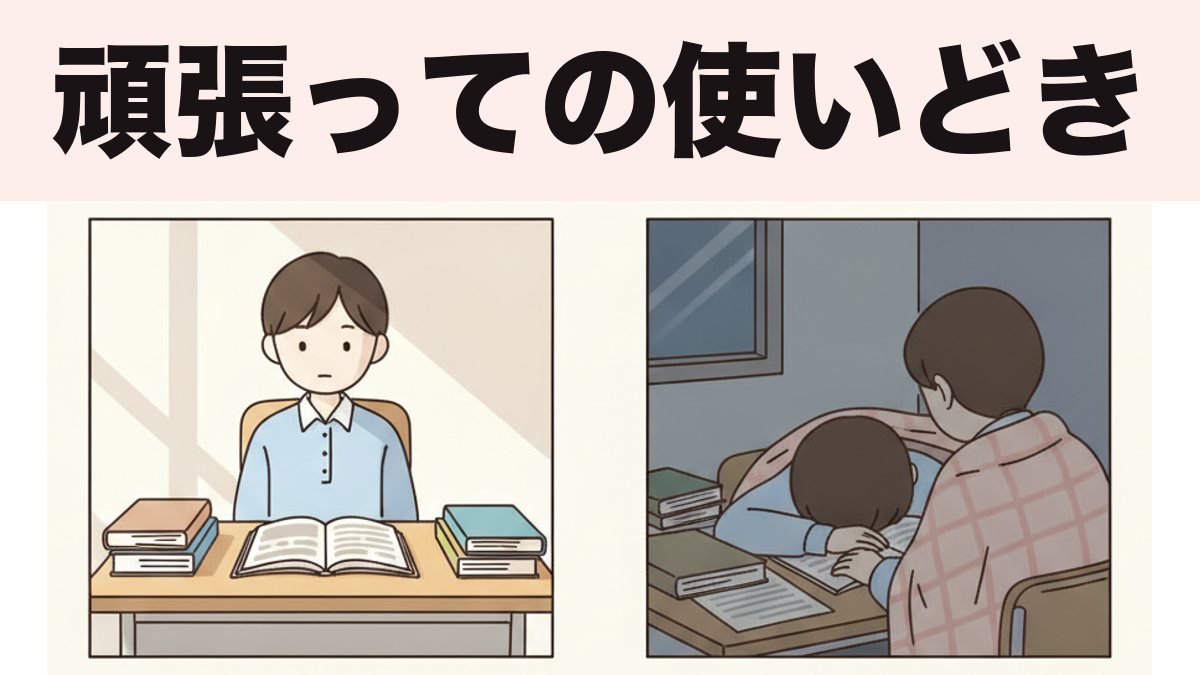
Good Luck in Japanese: 頑張って ganbatte and why it is not luck
頑張って and 頑張れ both push someone to try harder, which backfires on a person already trying their hardest. 13 example sentences show the safer alternative.
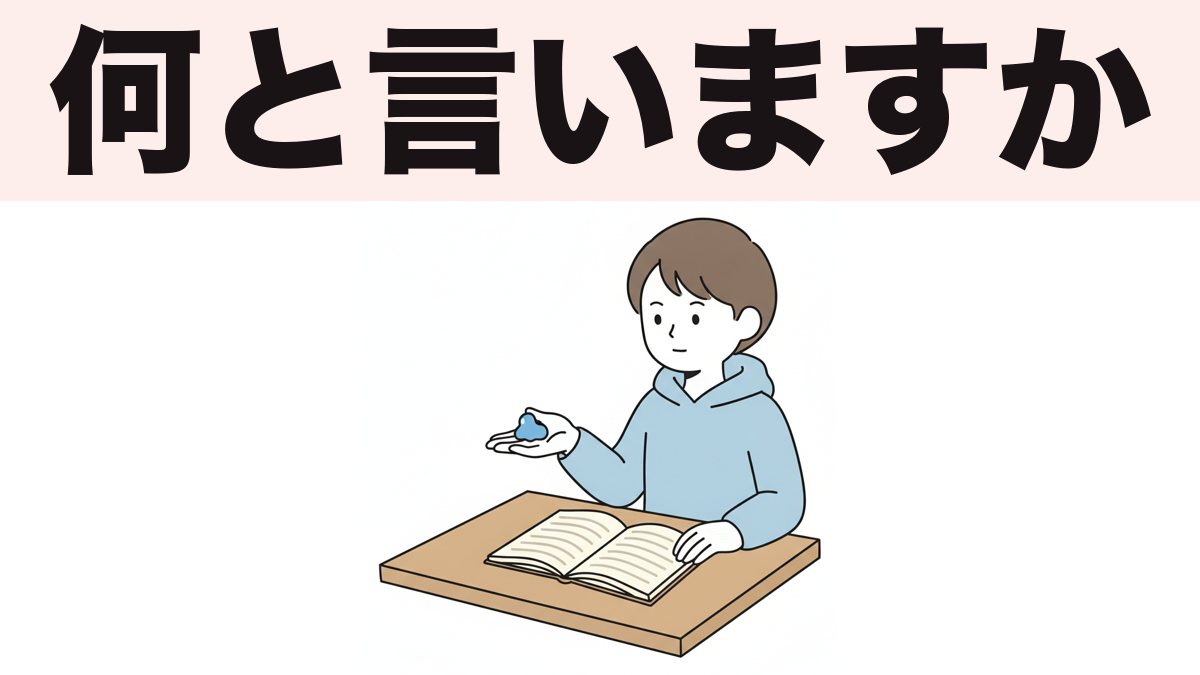
How do you say "how do you say...?" in Japanese?
Learn how to ask what something is called in Japanese, use shorter everyday phrases, and ask for a word even when you do not know it in English.
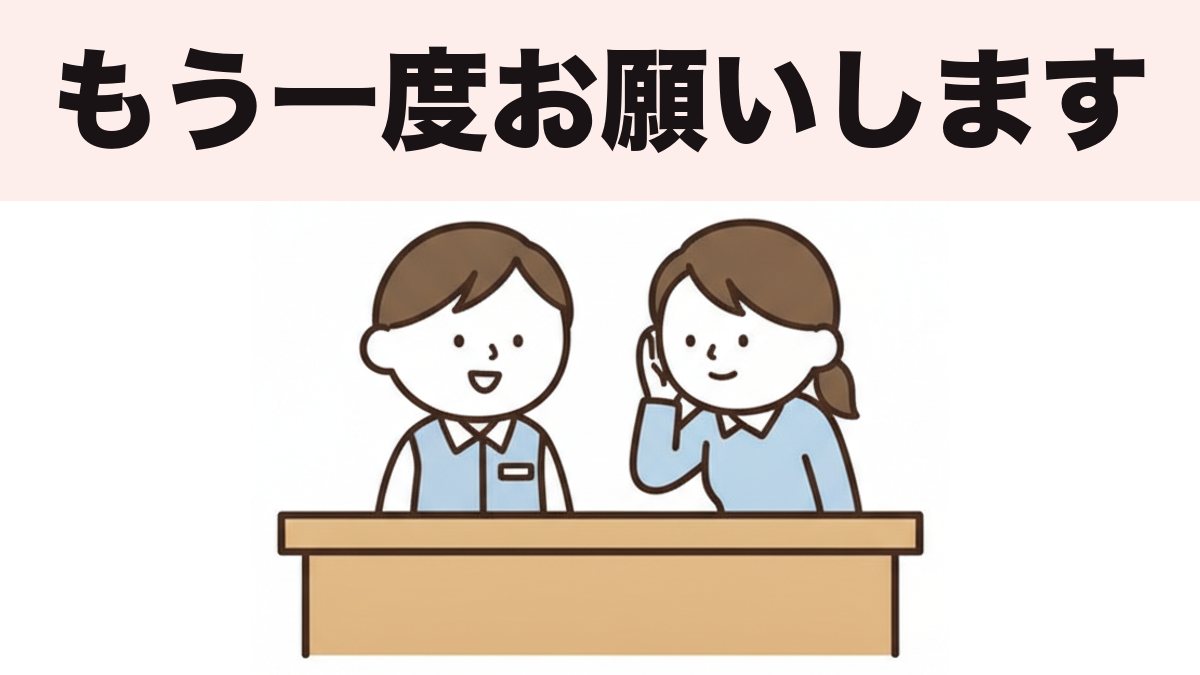
Repeat in Japanese: もう一度お願いします mou ichido onegaishimasu
To ask someone to repeat in Japanese, say すみません、もう一度お願いします (sumimasen, mou ichido onegaishimasu). 21 example lines add slower speech and simpler words.
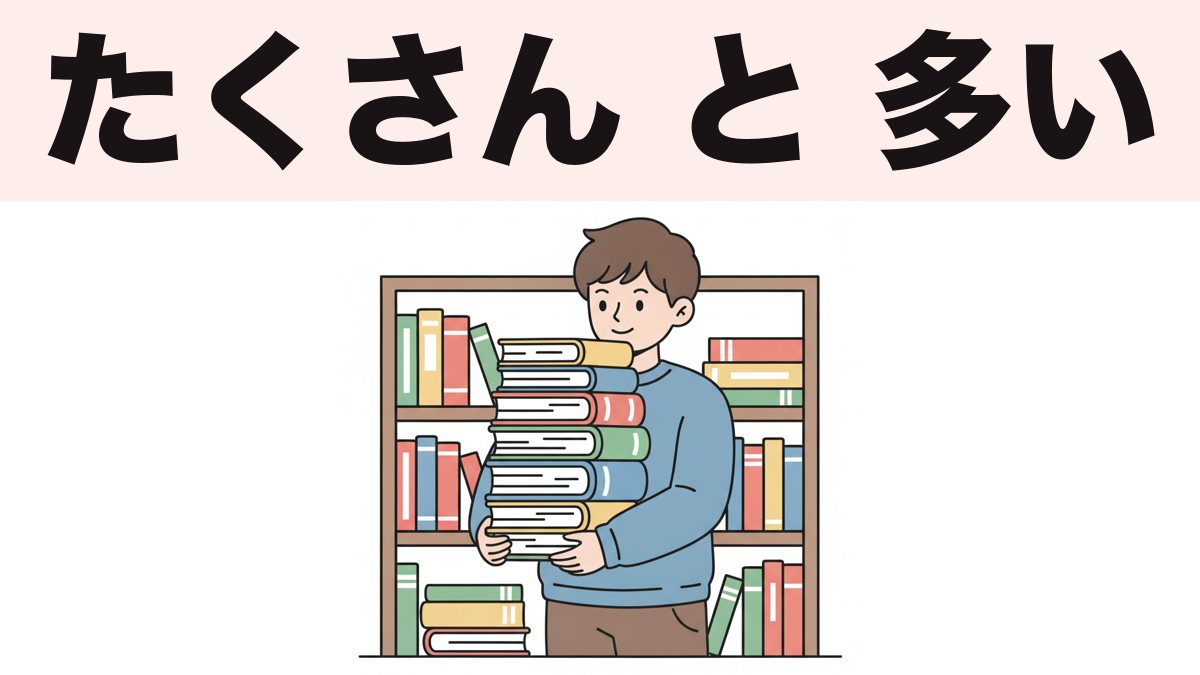
A Lot in Japanese: たくさん vs いっぱい vs 多い
A lot in Japanese is たくさん or いっぱい — but not 多い, which cannot sit before a noun. Comparison table shows where each word goes. Updated 2026.
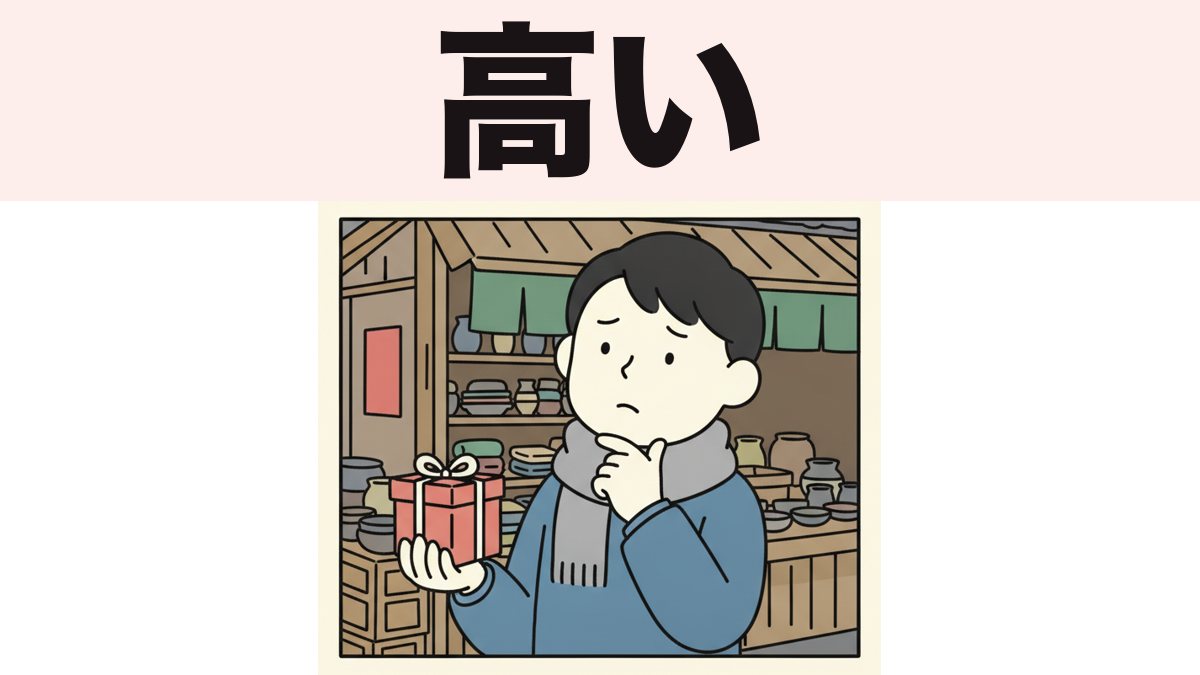
Expensive in Japanese: How to Say 高い (takai) Politely
Expensive in Japanese is 高い (takai). Say 高いですね politely, 高すぎます for "too expensive," 安い for cheap, and how to turn down a price without sounding rude.
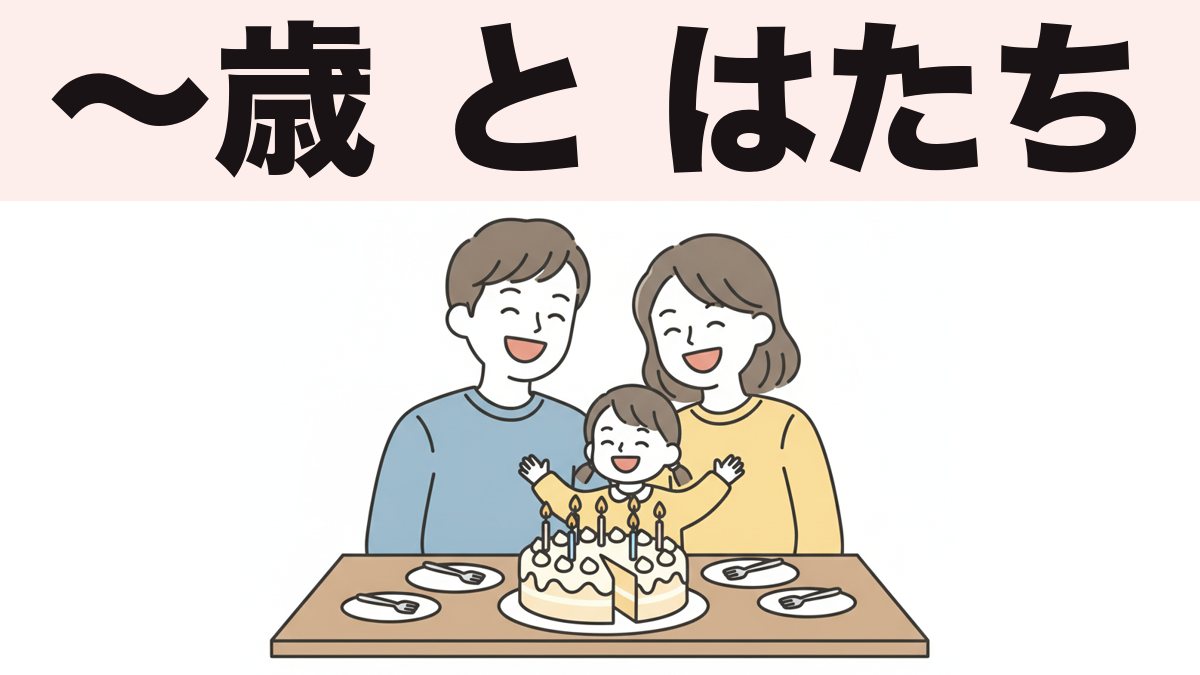
How to say your age in Japanese: 〜歳, the four readings that break, and 二十歳
Ages take the counter 歳: 三十歳 is さんじゅっさい. Four numbers change the reading, and 20 has its own word — 二十歳 is はたち. Here is the full set plus how to ask politely.
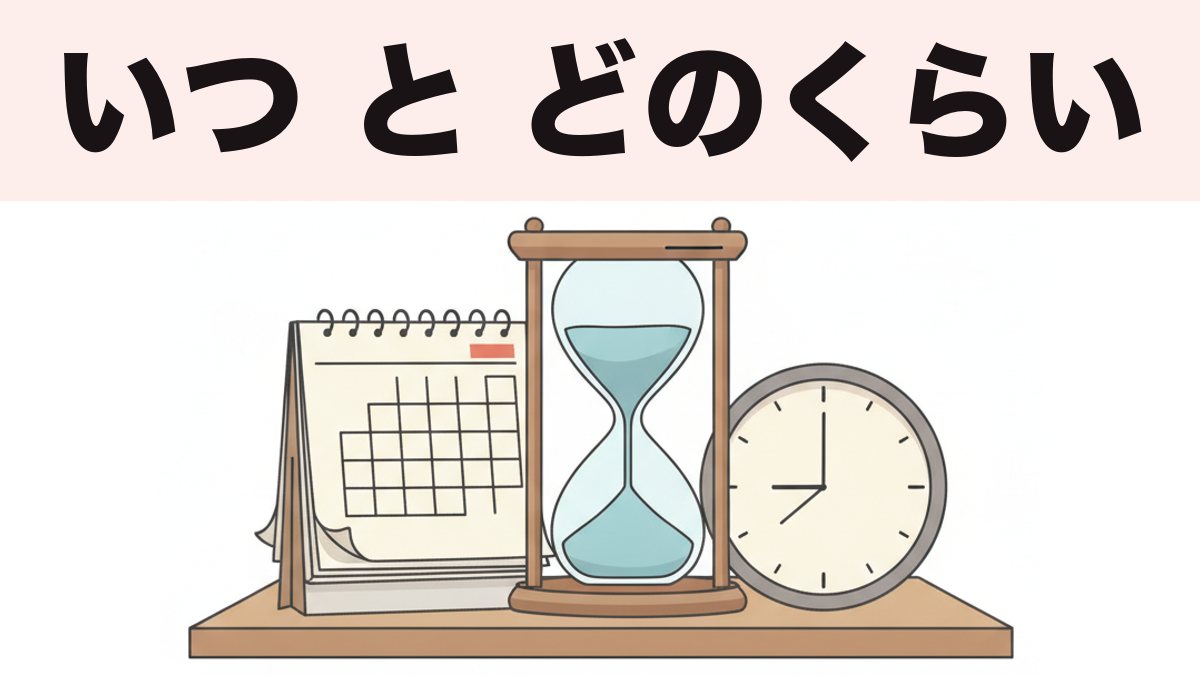
Japanese duration counters: 時間, 日間, ヶ月 — and why 二月 is not "two months"
Learn how Japanese distinguishes clock times and calendar dates from durations, with counters for hours and months and tricky readings explained.
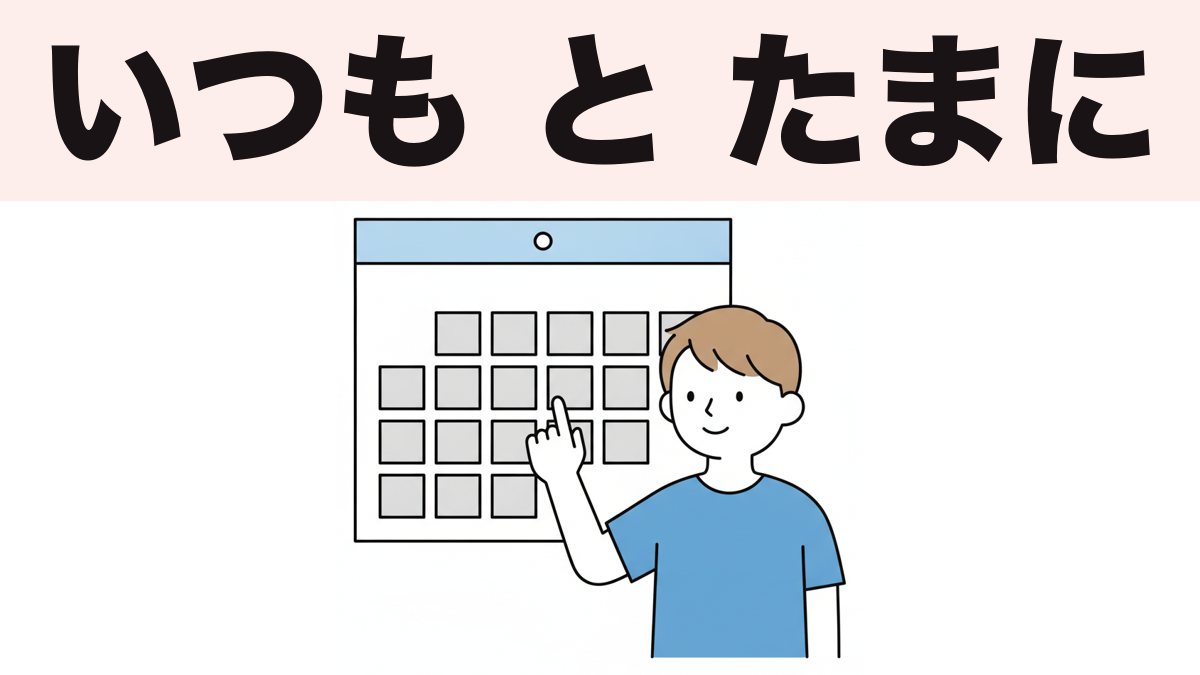
Always, Sometimes, Never in Japanese: いつも, よく, ときどき and the Full Frequency Scale
Always in Japanese is いつも, sometimes is ときどき. See the full frequency scale and why あまり and ぜんぜん only work with a negative verb.
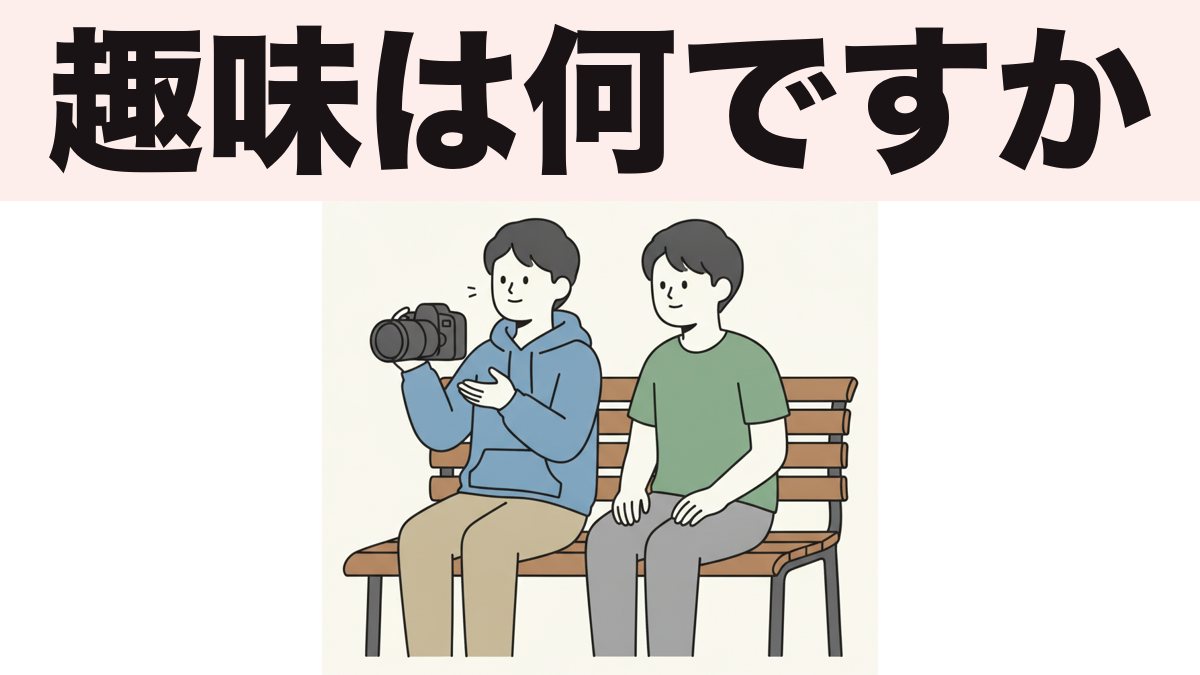
Talking about hobbies in Japanese: 趣味は何ですか, and the answer that sounds natural
趣味は何ですか is easy to ask and surprisingly hard to answer well. Here is the vocabulary, the 〜ことです and 〜のが好きです patterns, and why a bare noun often sounds flat.
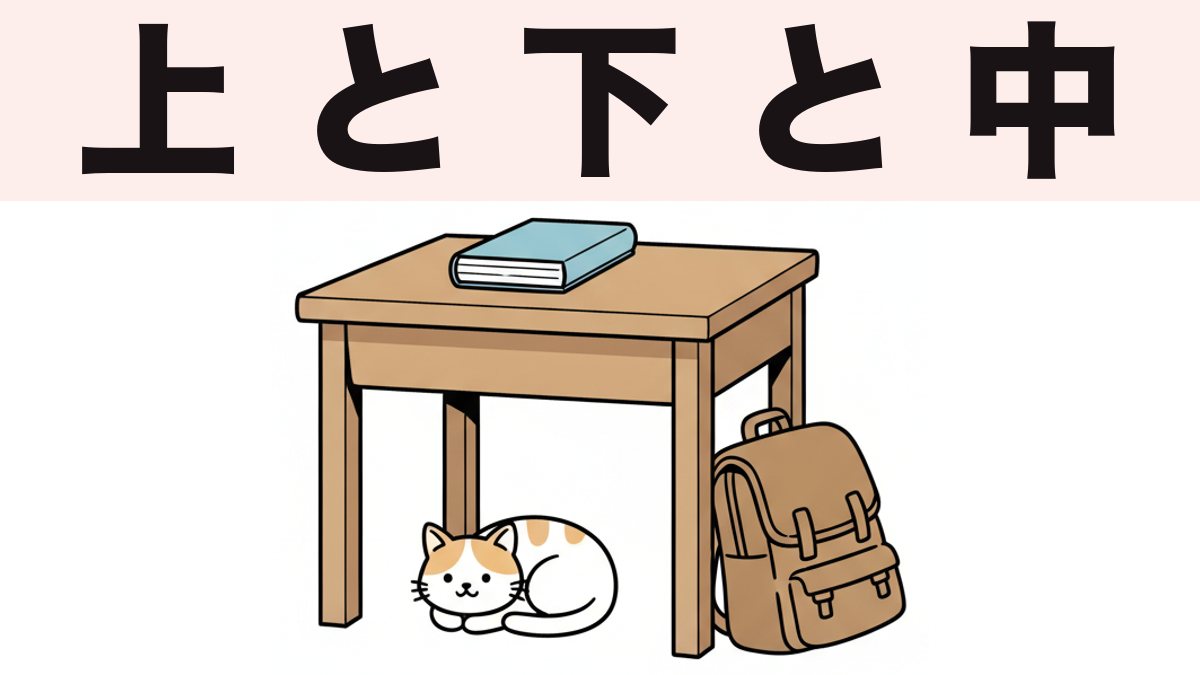
Japanese position words: 上, 下, 中, 前, 後ろ — and the の you cannot drop
Learn Japanese position words, how no connects them to nouns, and how choosing ni or de changes what you say about a location or activity.
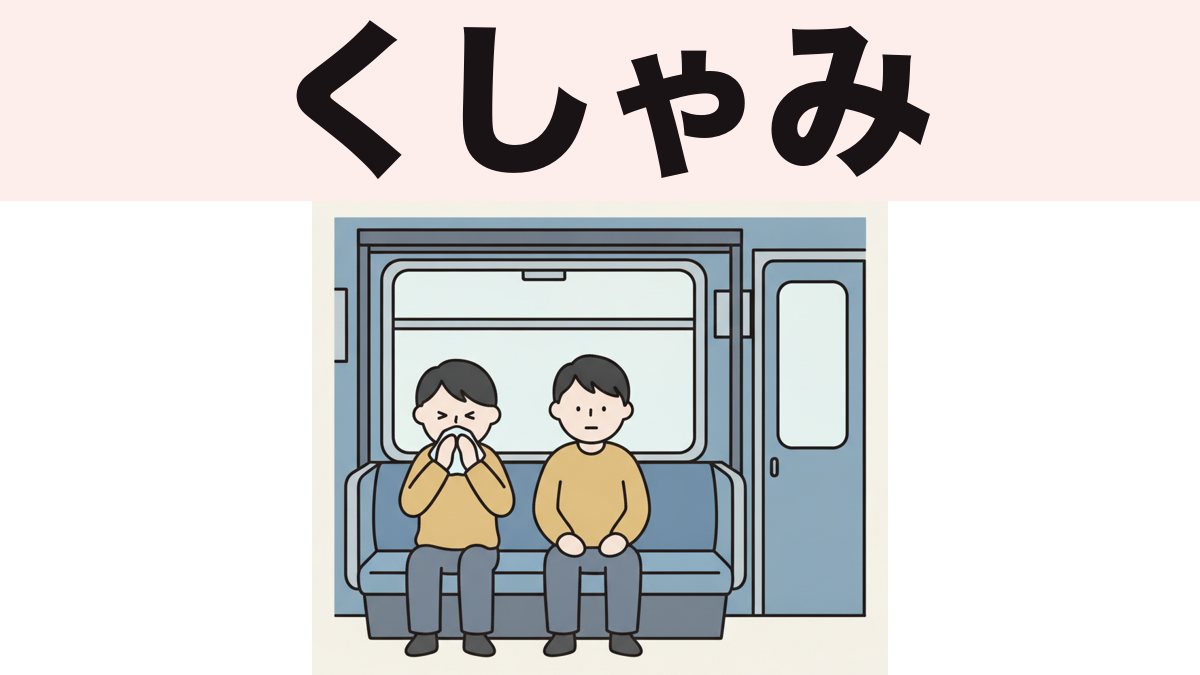
What Do You Say When Someone Sneezes in Japanese?
Japanese has no everyday equivalent of "bless you" — the normal response to a sneeze is silence. If someone keeps sneezing and looks unwell, say 大丈夫ですか or お大事に.
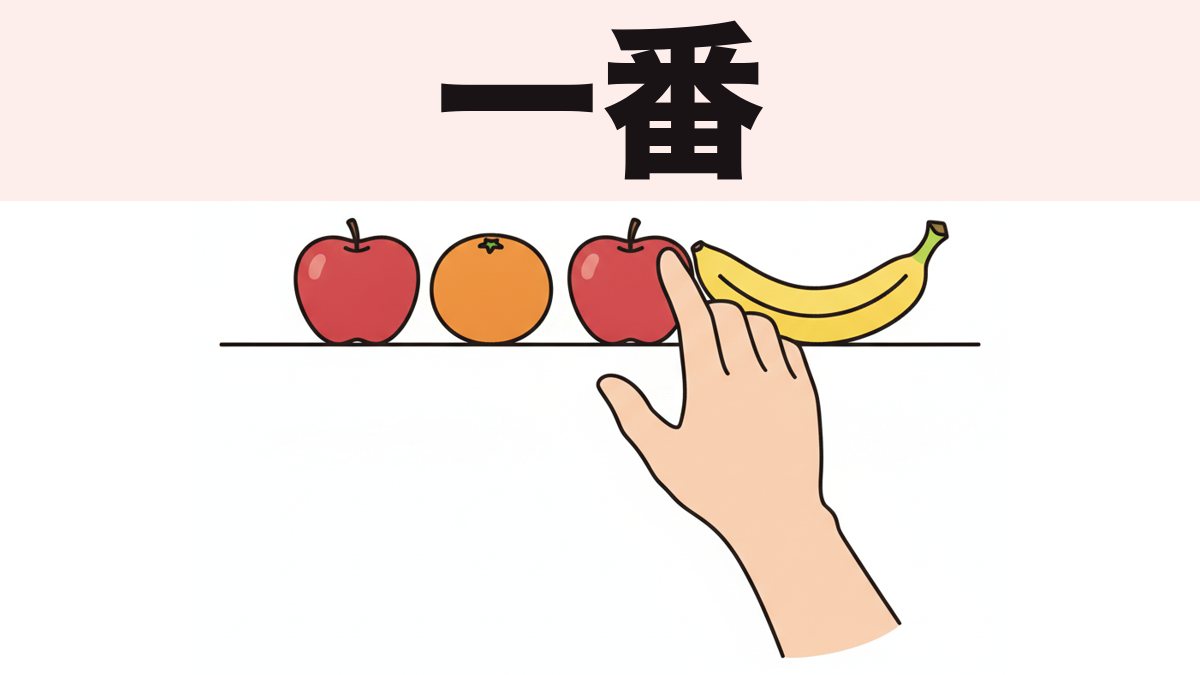
Japanese superlatives: 一番, 最も, and the の中で that makes them work
Learn how to form Japanese superlatives with ichiban, compare it with mottomo, and ask which option is best using natural question patterns.
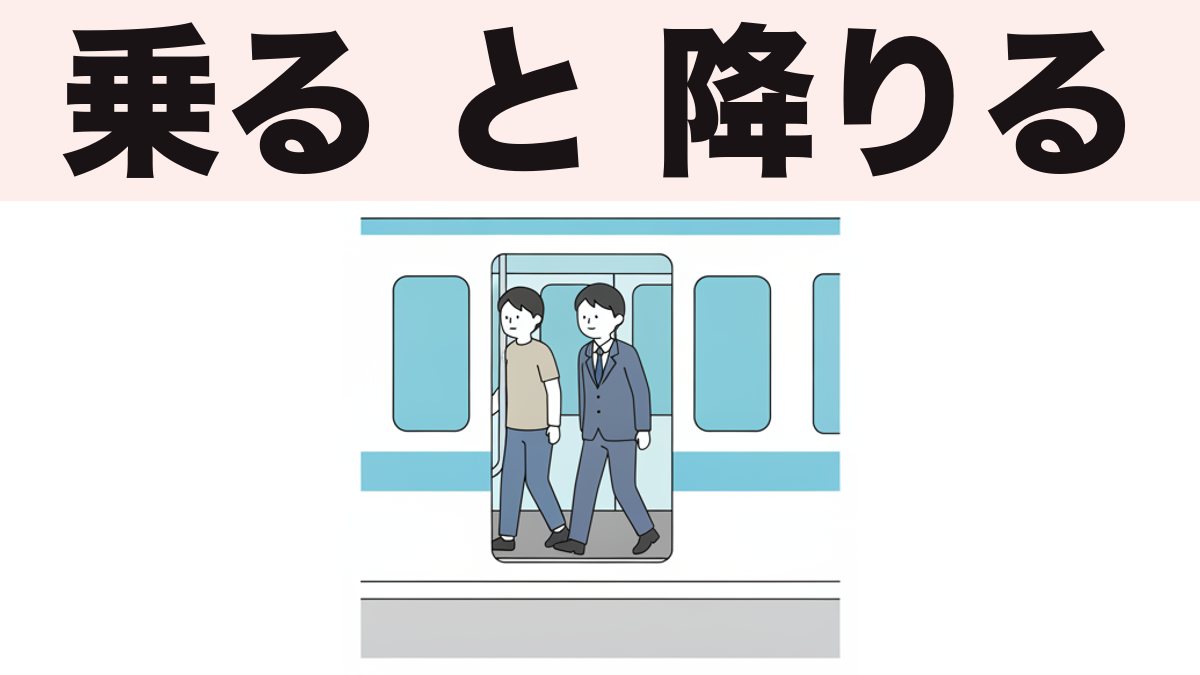
Japanese transportation vocabulary: the words, and the particle that surprises everyone
Learn Japanese transportation vocabulary and the particles used with noru and oriru, so you can talk about getting on and off vehicles correctly.
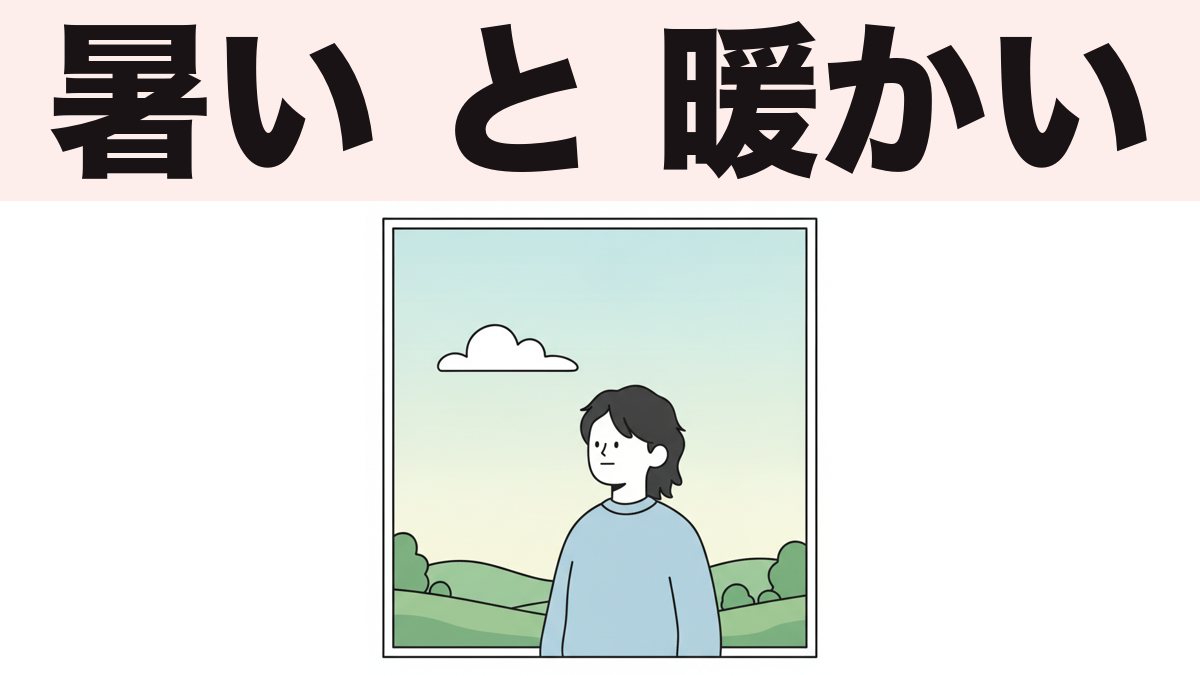
How Do You Talk About the Weather in Japanese? 暑い vs 暖かい
Japanese weather words split by whether you like the temperature: 暑い is unpleasantly hot, 暖かい is pleasantly warm, same split covers 寒い and 涼しい.
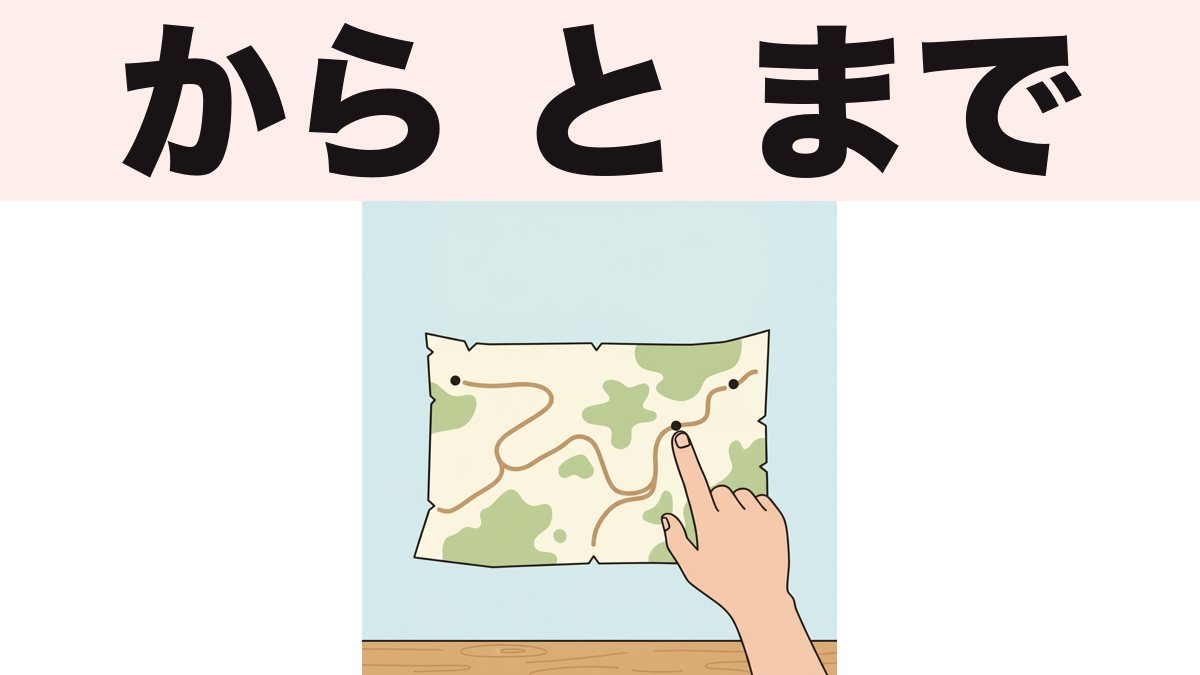
〜から〜まで: "from" and "to," and the one extra syllable that changes everything
Learn how kara and made mark starting and ending points in Japanese time and place, and why made ni changes until into a deadline meaning by.
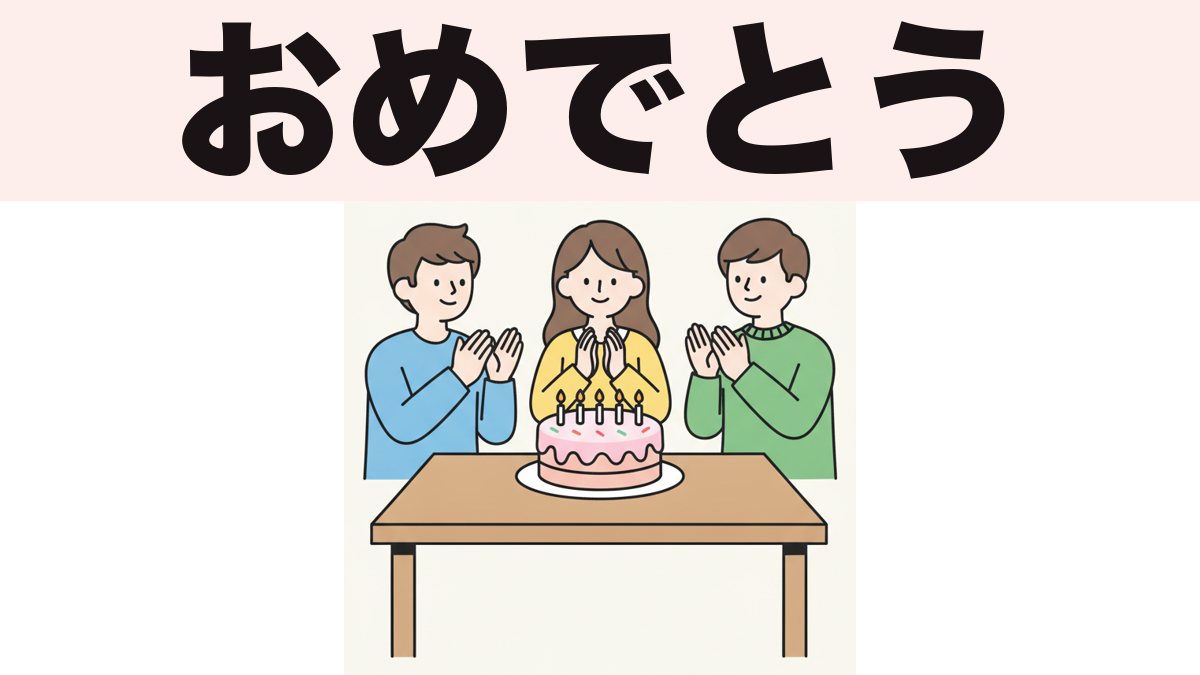
Congratulations in Japanese: おめでとう, and when not to say it
Learn how to say congratulations in Japanese for birthdays, weddings, graduations, and New Year, plus casual forms and when to avoid them.
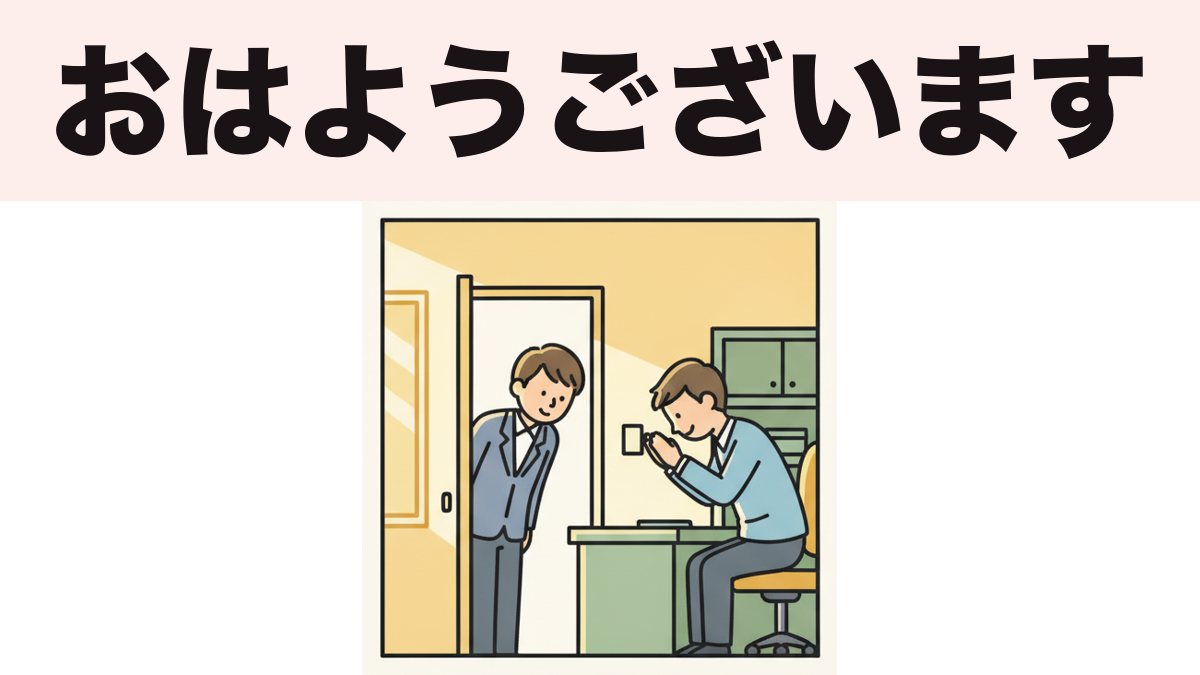
How to say hello in Japanese: こんにちは is not the default you think it is
Japanese greetings depend on time of day and relationship, and several have no English equivalent — おはよう, こんにちは, お疲れ様, ただいま — and when each one fires.
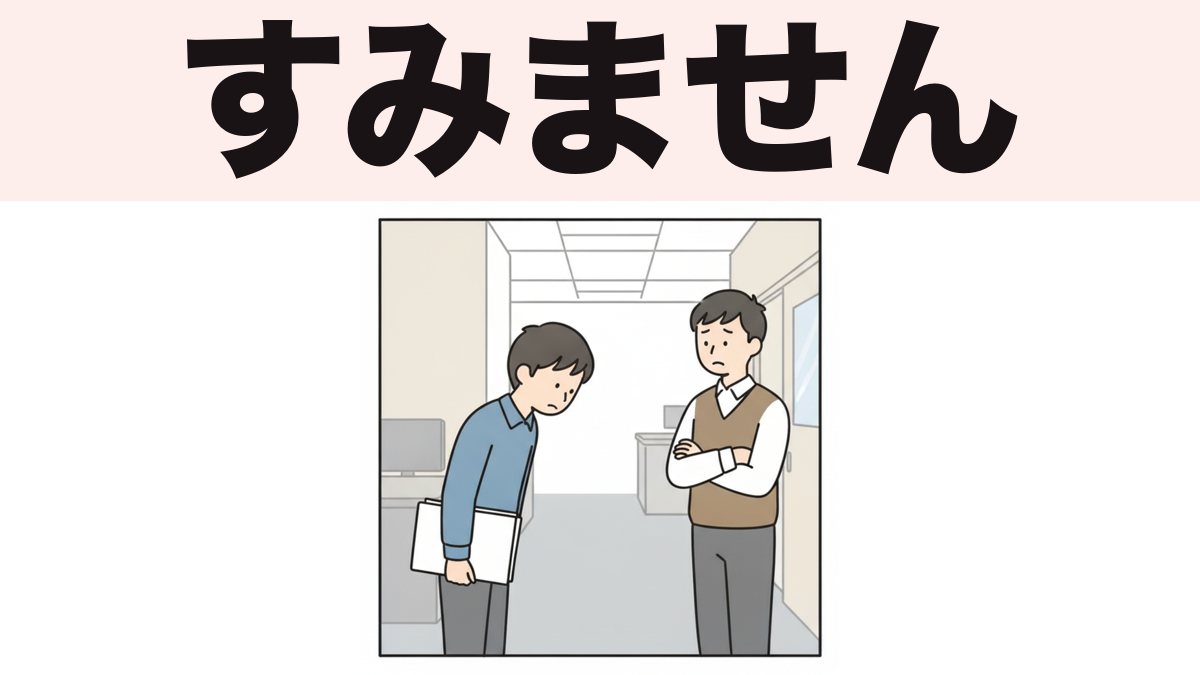
すみません Meaning: When to Use It vs ごめん and 申し訳ありません
すみません is the middle rung of the Japanese apology ladder: ごめん for friends, 申し訳ありません at work. Which fits, why すみません also means thank you, and how to reply.
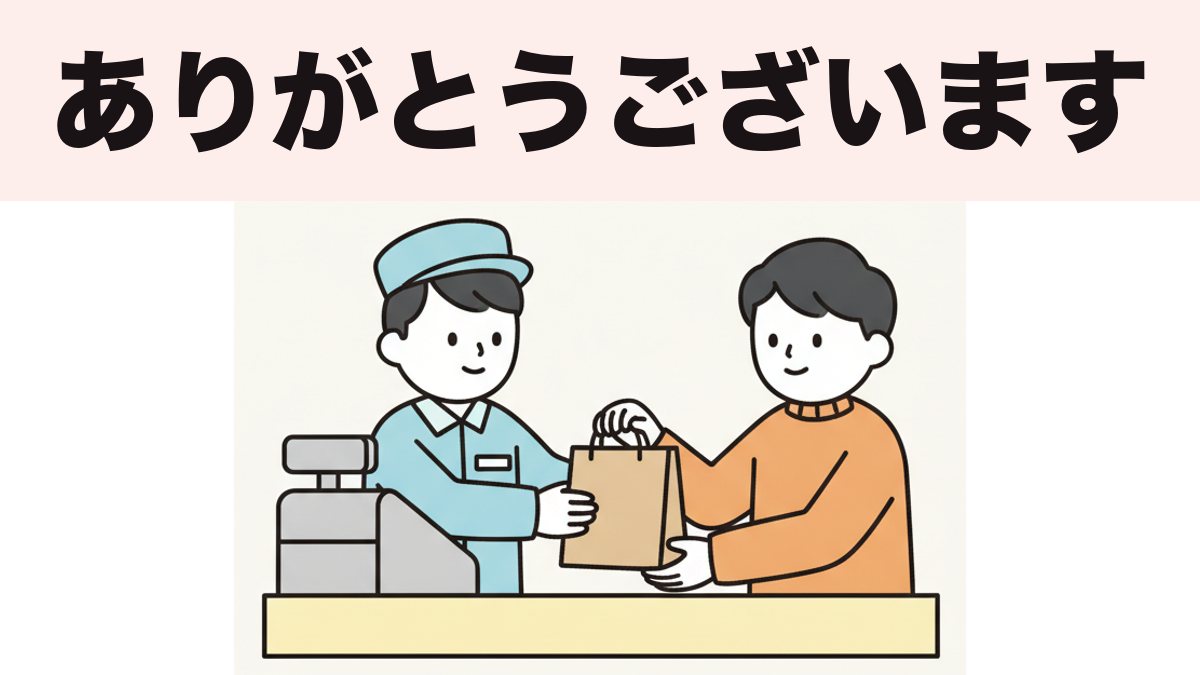
ありがとうございます Meaning and Use: Thank You in Japanese
ありがとうございます is thank you for now; ありがとうございました closes the whole thing. The full ladder from ありがとう to 助かりました and おかげさまで, plus what to reply.
How to study Japanese by yourself: what actually works, from a teacher who watches it fail
Build a practical Japanese self-study routine with kana, grammar, listening, and speaking exercises, plus ways to spot gaps and get useful feedback.
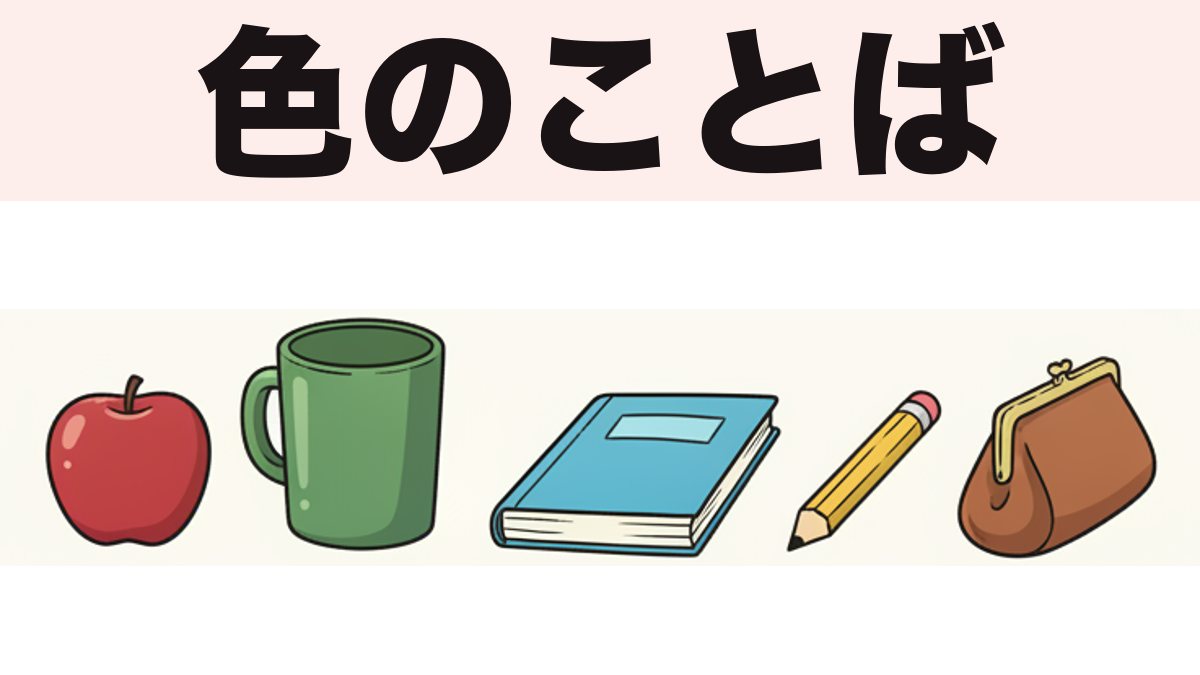
Why Is 赤い a Japanese Adjective But 緑 Is Not?
赤い, 青い, 白い, 黒い, 黄色い and 茶色い are い-adjectives; every other colour, including 緑 (green), is a noun that needs の before another noun — 緑の車, not 緑い車.
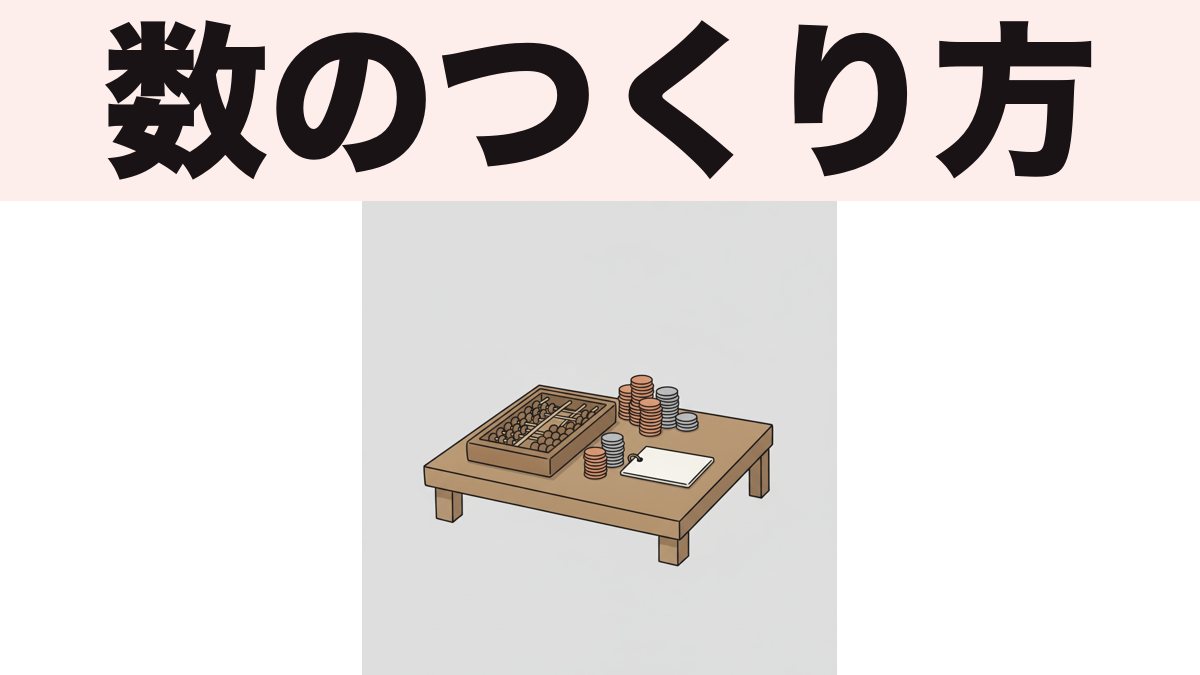
Japanese numbers 1–100: the building rule, and the three numbers that have two readings
Learn to build Japanese numbers from 1 to 100, handle alternate readings for 4, 7, and 9, understand the 10,000 unit, and start counting objects.
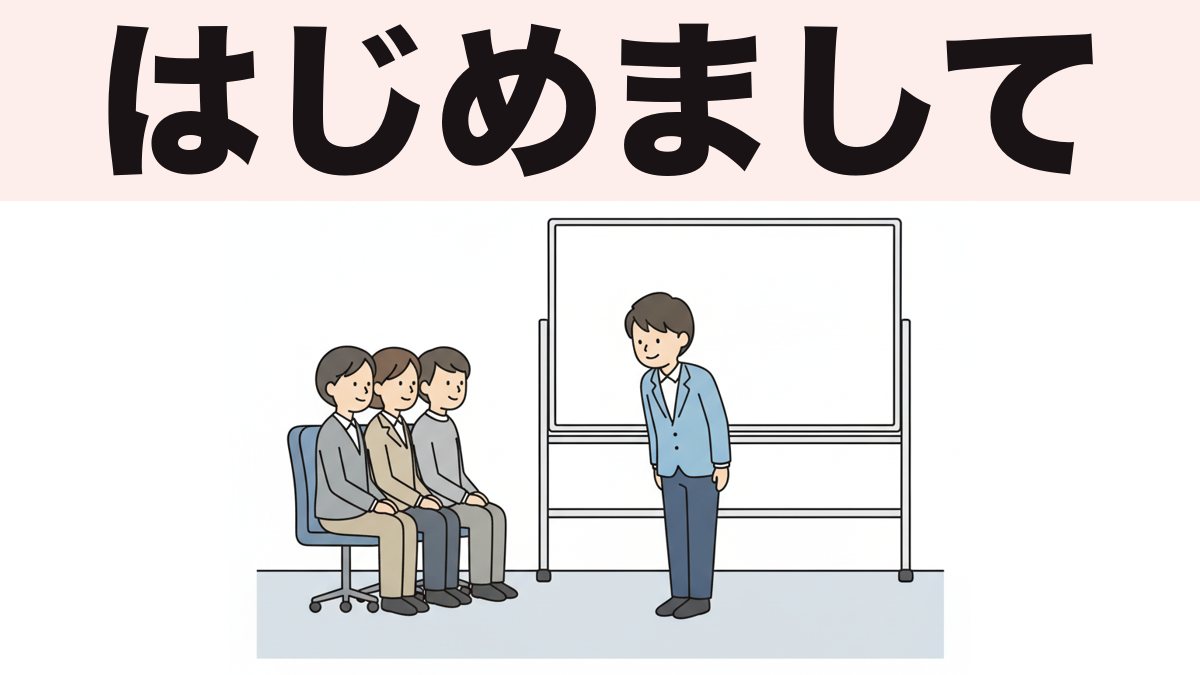
How Do You Introduce Yourself in Japanese? 自己紹介 Template
A Japanese 自己紹介 (jikoshoukai) follows a fixed five-part shape: greeting, name, where you are from, one detail, and closing — the same template every time.
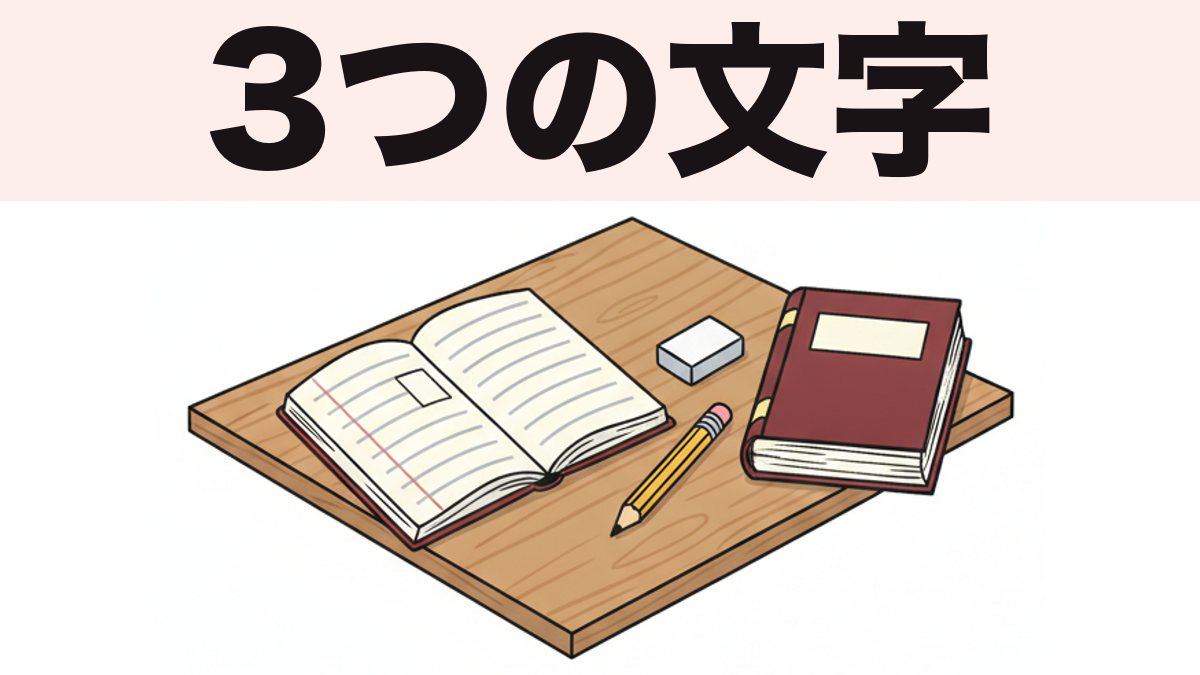
Japanese writing systems: why three scripts, and what each one is telling you
Hiragana, katakana, and kanji each do a different job inside one sentence. Learn what every script signals and how to start reading Japanese today.
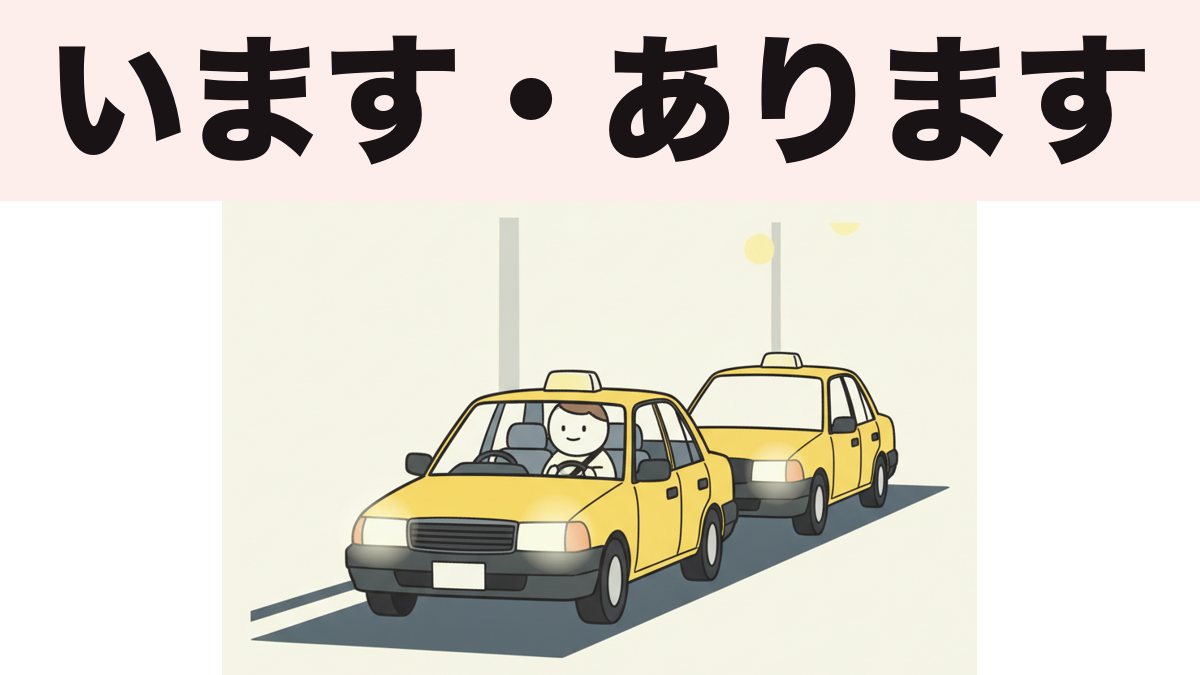
ある vs いる (Aru vs Iru): Which "There Is" Verb Japanese Uses
ある vs いる both mean "there is": いる for things that move under their own power, ある for everything else, plants and events included. Negative of ある is ない.
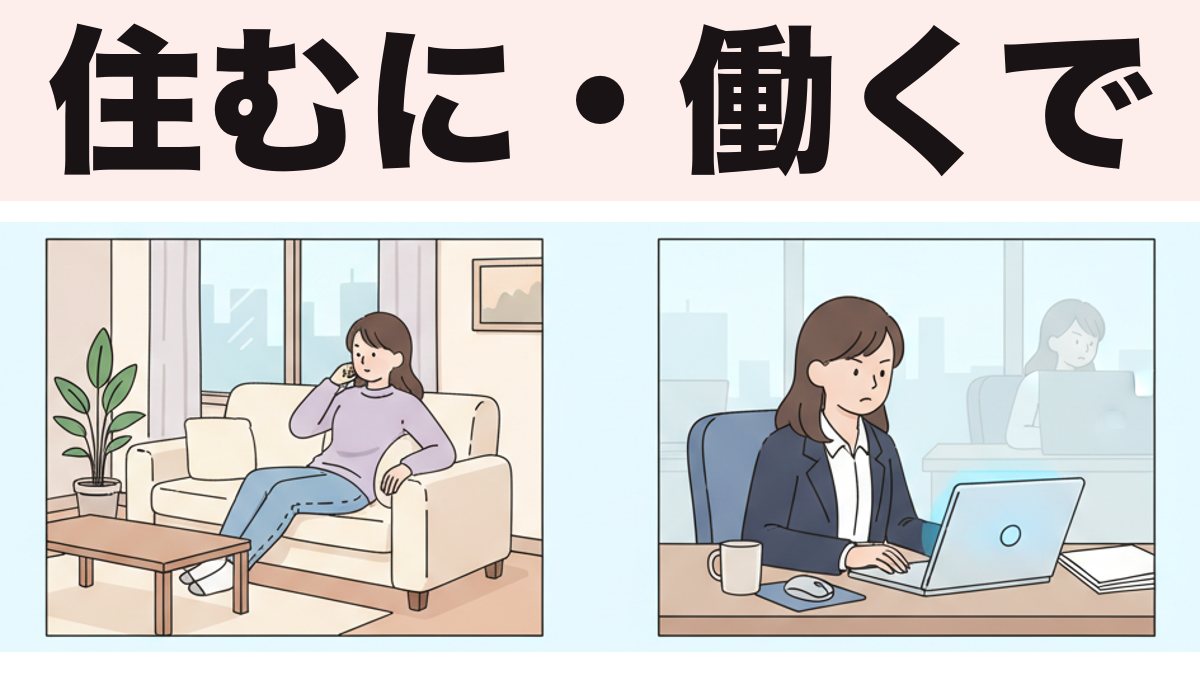
で vs に: the particle pair that decides whether you live or work somewhere
に marks a point — a destination, a location of existence, a time. で marks where an action happens. 東京に住む but 東京で働く, and the verb decides.
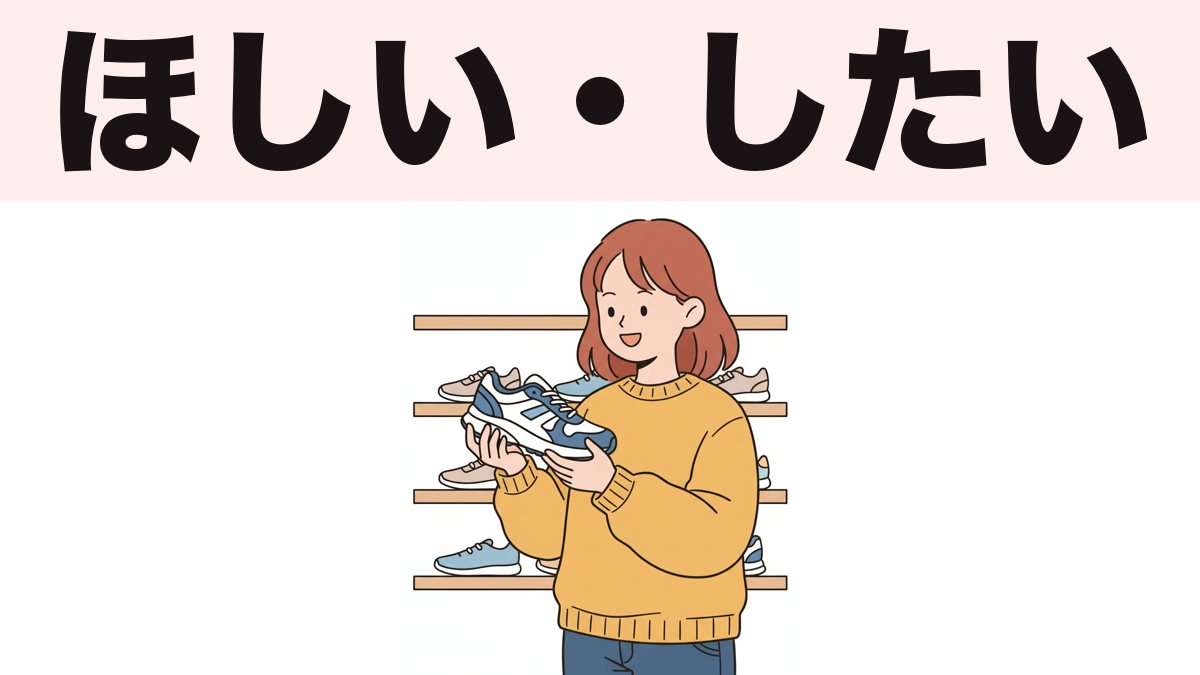
ほしい vs たい: wanting a thing, wanting to do, and wanting someone else to
ほしい wants a noun, たい wants a verb, and neither can be used about another person. 彼は行きたいです is wrong — it has to be 行きたがっています.
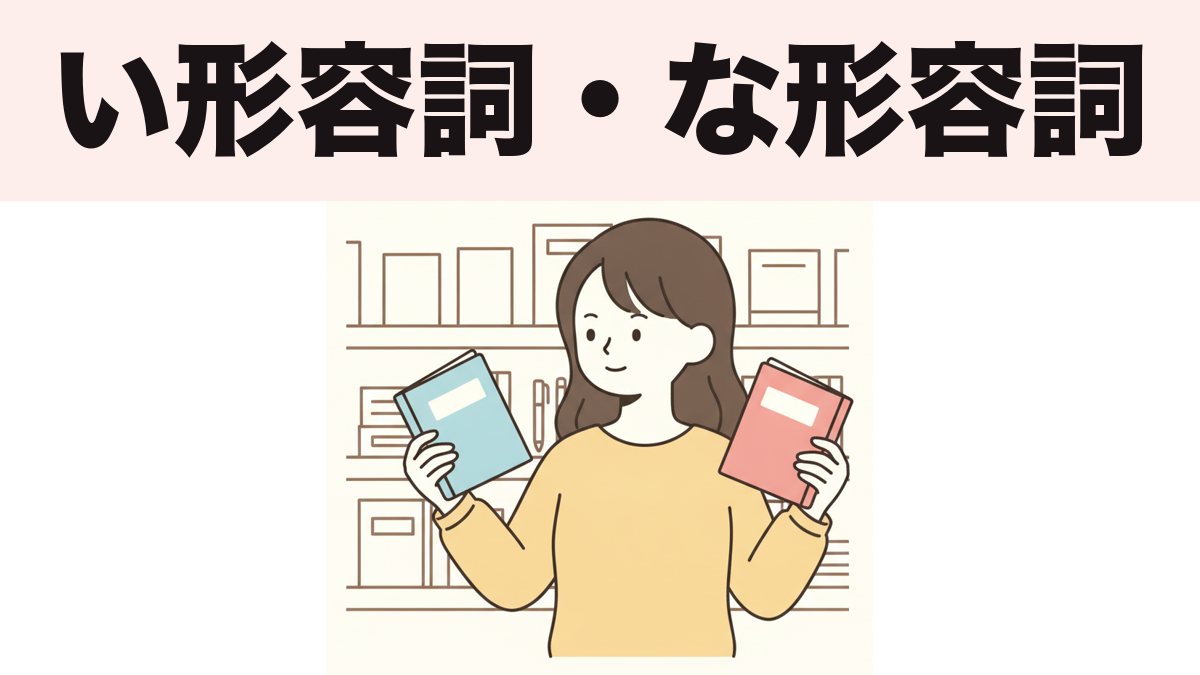
い-adjectives vs な-adjectives: the split, and the words that lie about it
い-adjectives conjugate themselves; な-adjectives behave like nouns. きれい and 嫌い end in い and belong to the second group, which is where everyone gets caught.
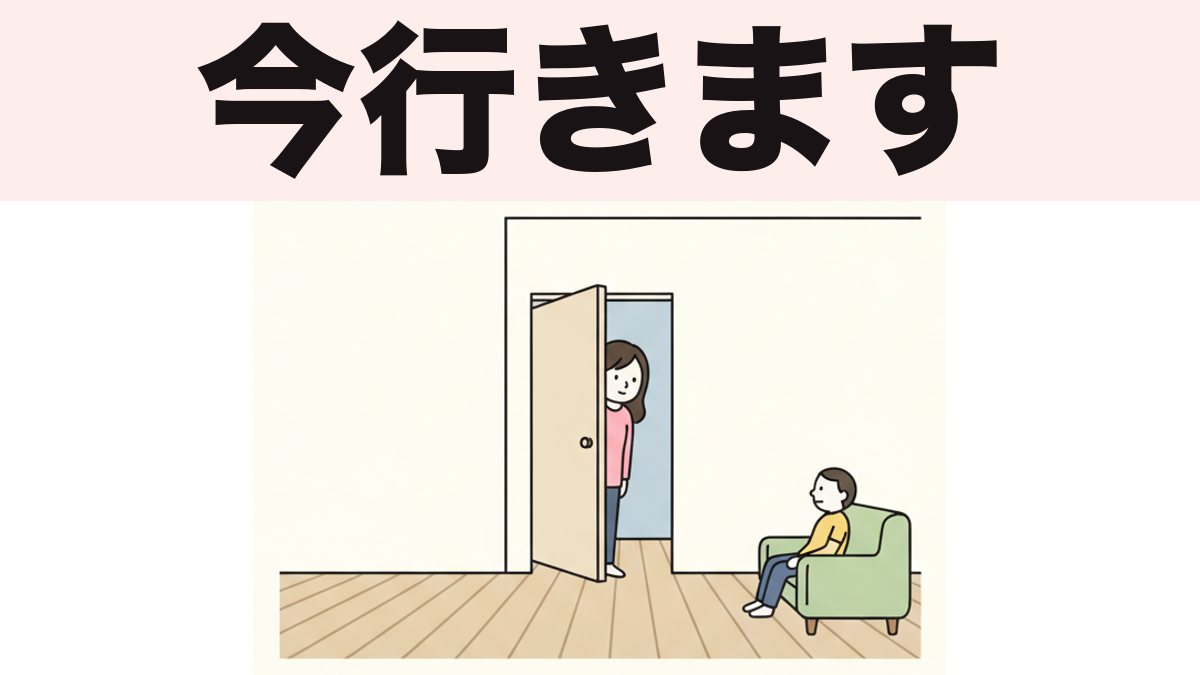
What Is the Difference Between 行く and 来る in Japanese?
行く and 来る in Japanese both anchor to the speaker: 来る means moving toward the speaker, so answering a call with 今行きます ("I'm going") is correct, not 来ます.
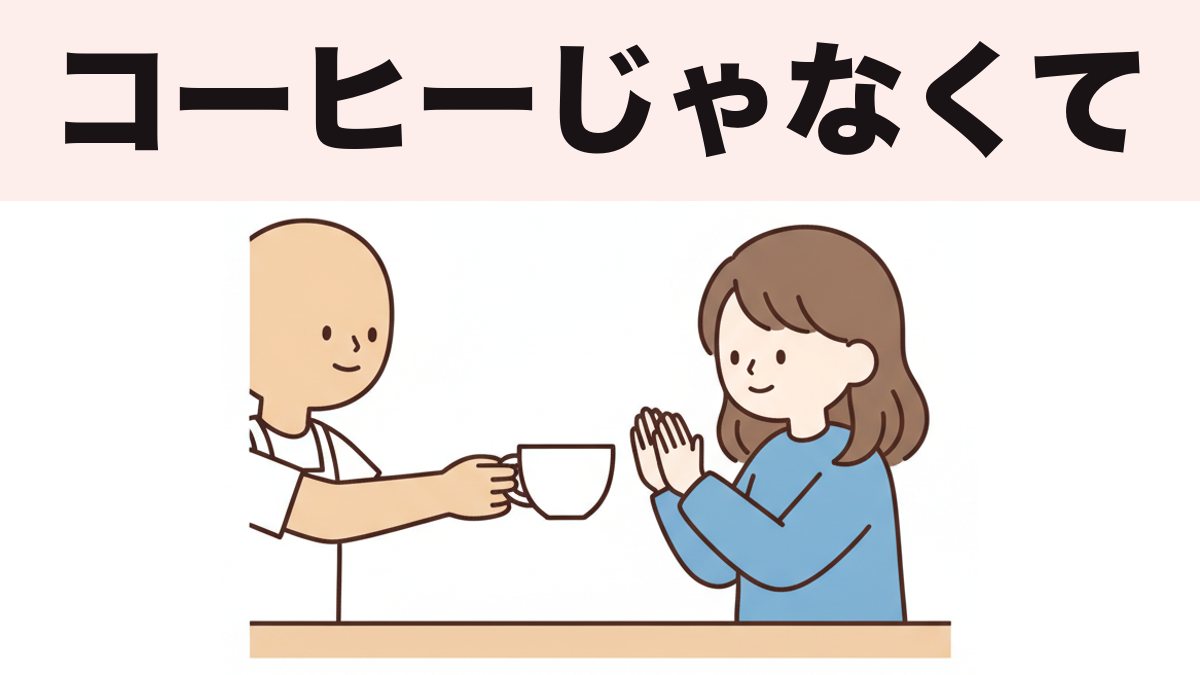
〜じゃなくて: how to say "not this, but that"
じゃなくて is the connecting negative for nouns: 学生じゃなくて、先生です. い-adjectives take くなくて, and verbs split between なくて and ないで depending on meaning.
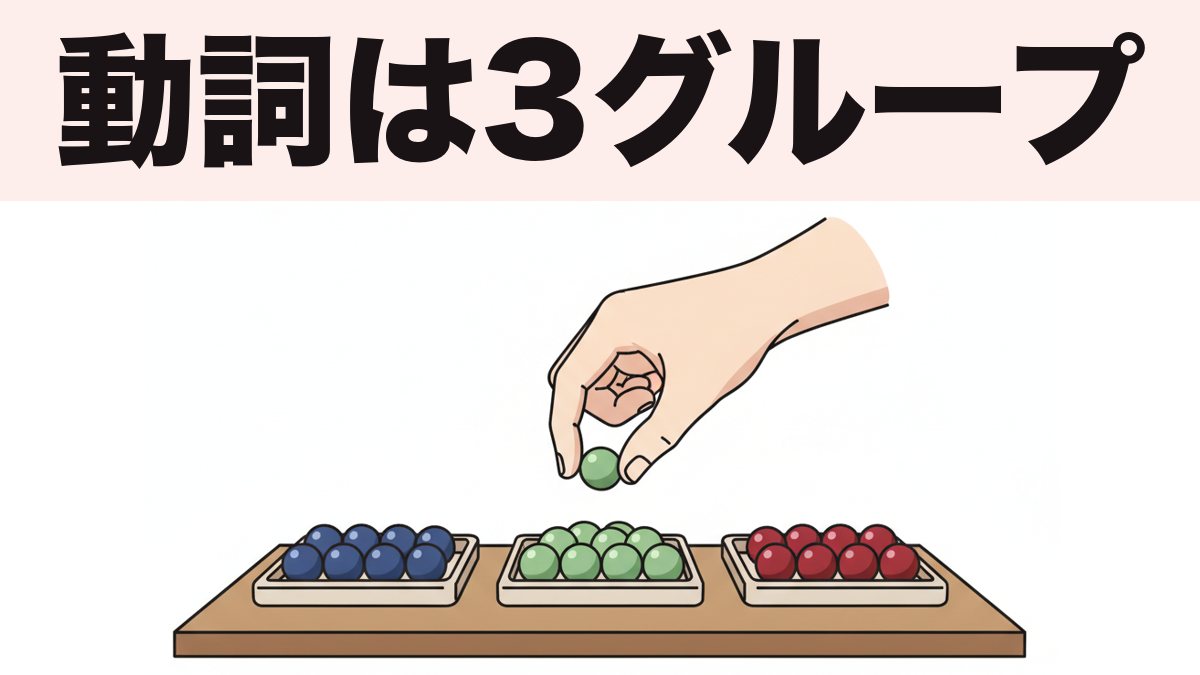
Japanese verb groups: the three-way split every conjugation depends on
Group 1, Group 2 and the two irregulars. Some Group 1 verbs end in る too — 帰る, 走る, 知る — and the negative form is the test that never lies.
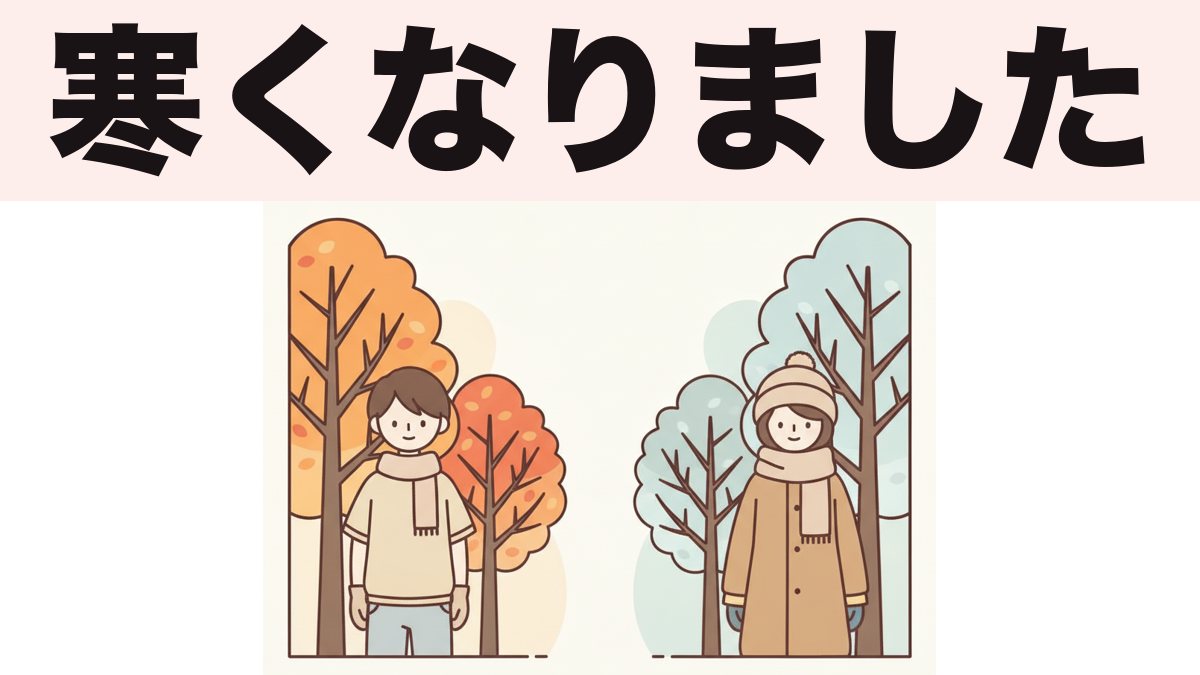
〜くなる and 〜になる: how Japanese says "become"
い-adjectives take く, な-adjectives and nouns take に, and then both take なる. 忙しいになる is the error almost every beginner makes at least once.
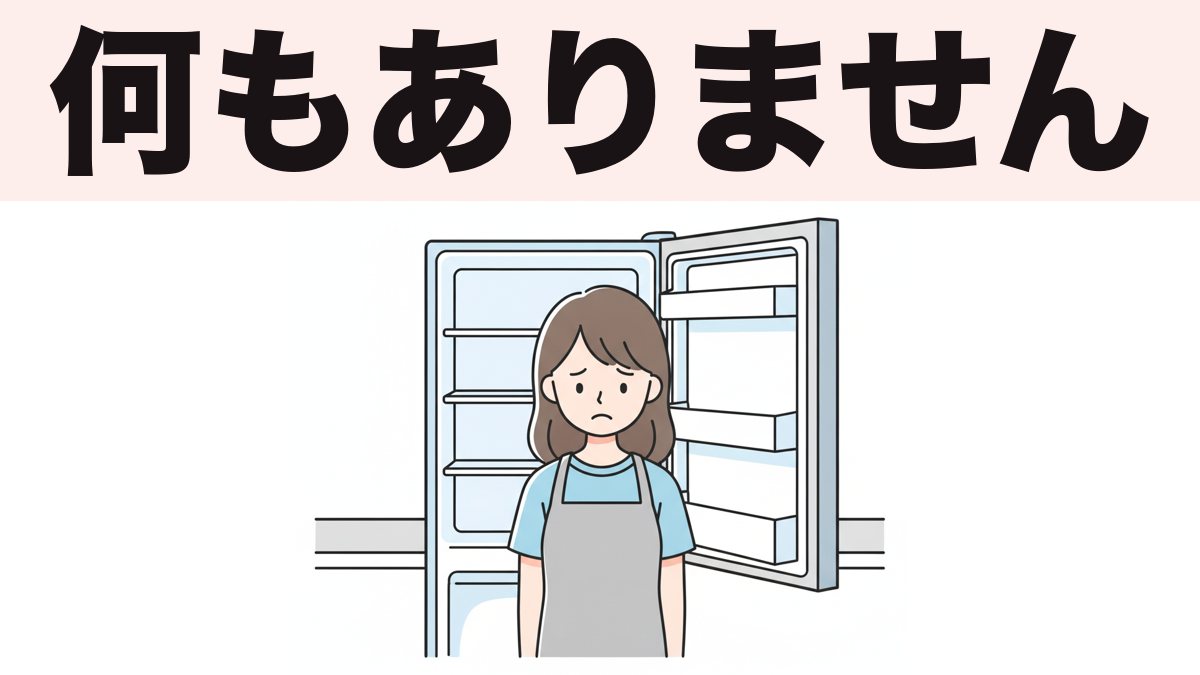
Nothing in Japanese (Casual Too): 何も, 何もない, 何でもない
Nothing in Japanese is 何も + a negative form. Casually: 何もない, 何もしてない, 何でもない, 別に. Examples, a casual-reply table and practice.
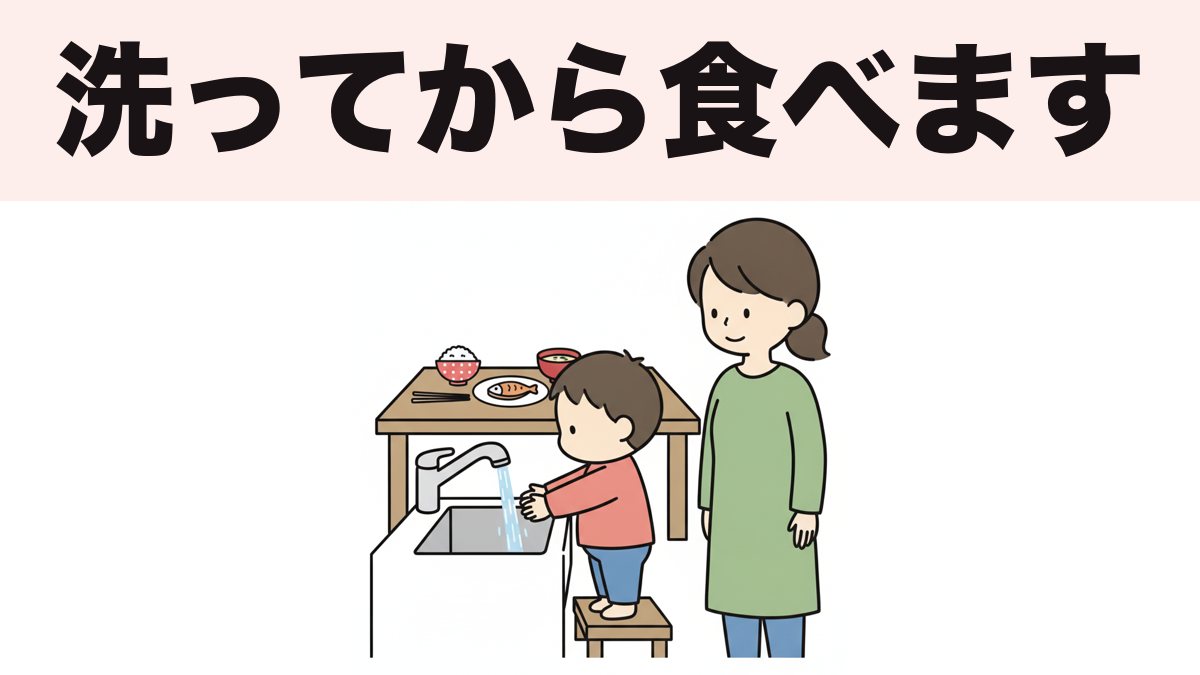
〜てから: "after doing," and why 食べたから means something completely different
〜てから says one action must finish before the next begins. Swap the て for a た and you get 食べたから — "because I ate" — which is a different sentence entirely.
〜と思います: the quotation particle, and why です never goes in front of it
と quotes a whole sentence, and what it quotes must be in plain form. 高いですと思います is wrong; 高いと思います is right. The politeness lives on 思います.
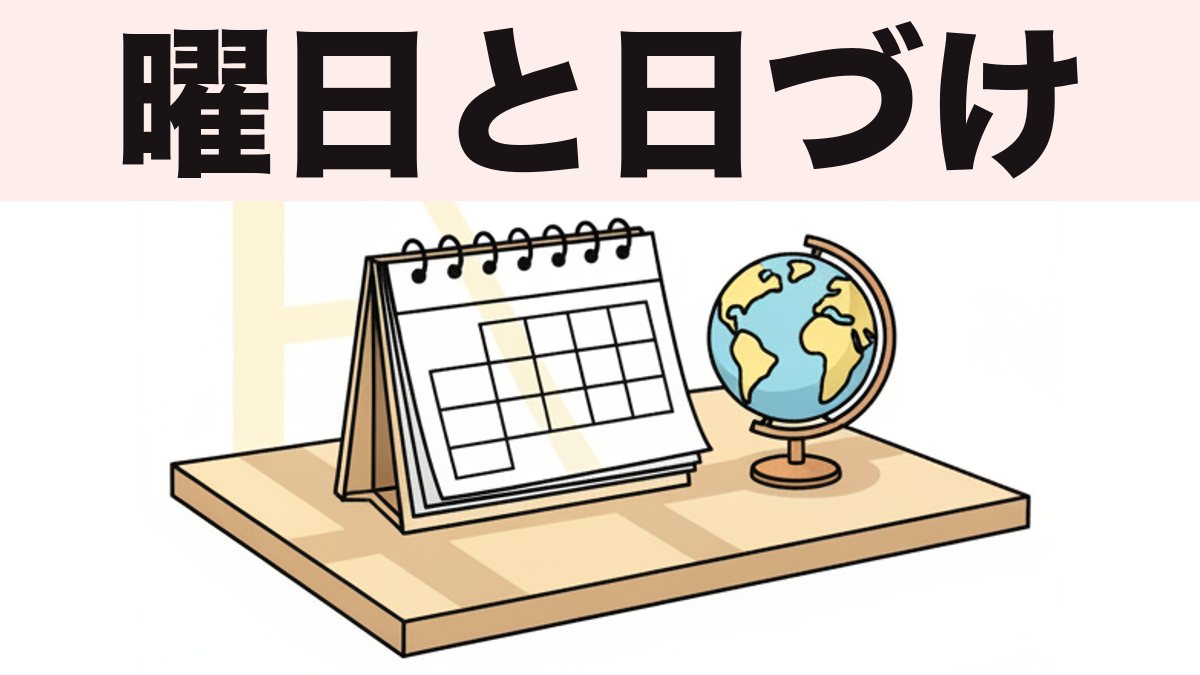
Days of the week and dates in Japanese — and the planets hiding in them
The seven weekday kanji are the same seven planets behind Tuesday and Saturday in English. Plus the irregular dates: ついたち, はつか, しがつ, くがつ.
How Do You Ask "What Does This Mean?" in Japanese?
Ask どういう意味ですか for a word's meaning, 何と言いますか to say it, 何と読みますか for a kanji. A 6-row cheat sheet and 10 practice questions.
How to tell time in Japanese: 時, 分, and the readings that break
4時 is よじ, 9時 is くじ, and 3時 and 3時間 mean completely different things. The irregular readings, the に rule, and where 午前 goes.
Japanese Adjective Past Tense: い-adj かった vs な-adj だった
Japanese い-adjectives carry their own past tense: 高い becomes 高かった, never 高いでした. な-adjectives and nouns take でした. One 7-row card, 10 practice questions.
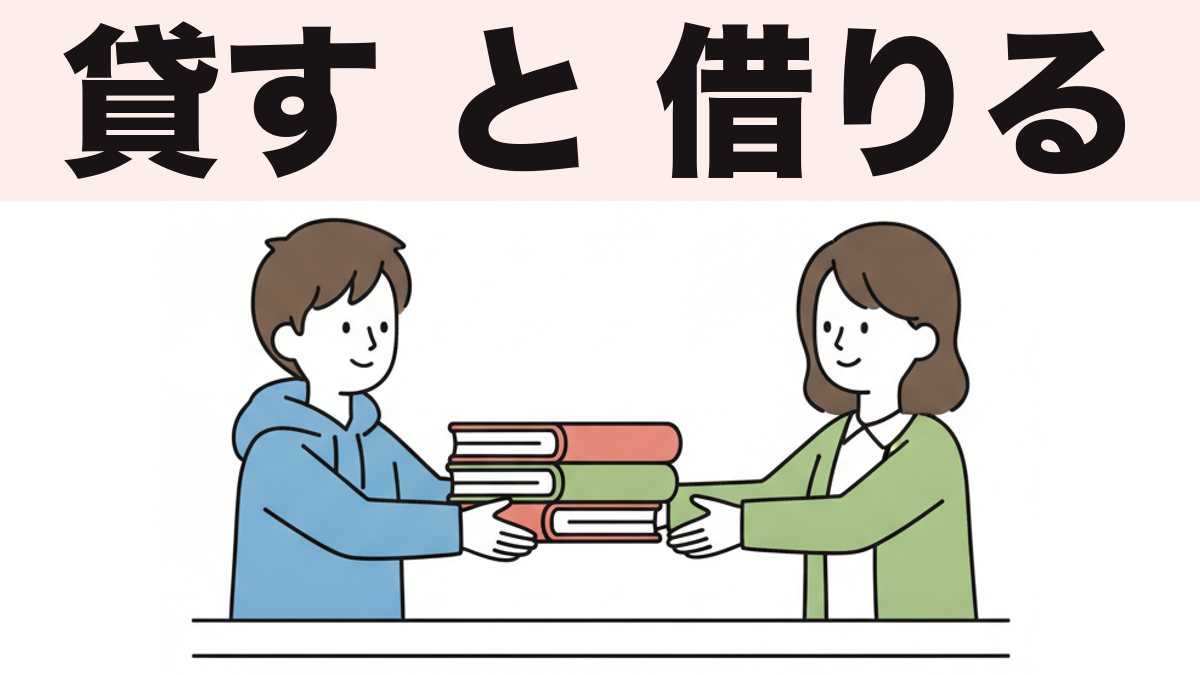
How Do You Say "Lend" or "Borrow" in Japanese? 貸す vs 借りる
"Lend" in Japanese is 貸す (kasu); "borrow" is 借りる (kariru) — the particle に does not tell you which, only the verb does. Pattern and examples here.
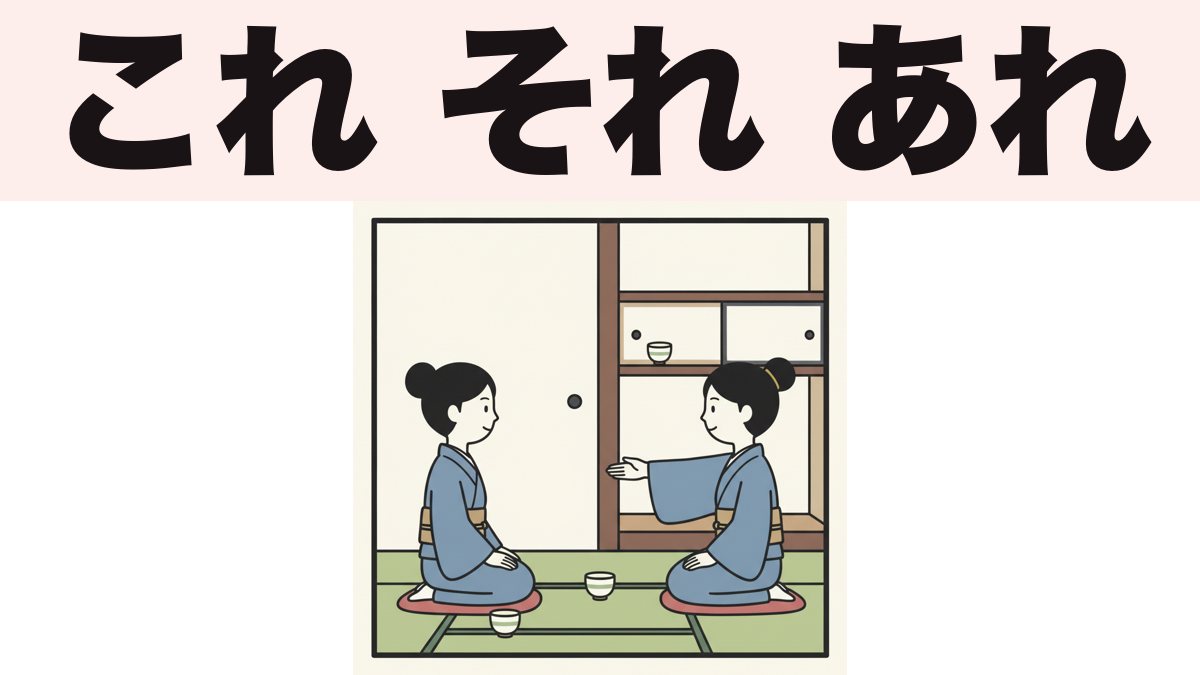
これ, それ, あれ, どれ: the こそあど grid and how to read it
これ and この are not interchangeable, そ belongs to the listener, and あ is for things you both already know. One grid covers all twenty words.
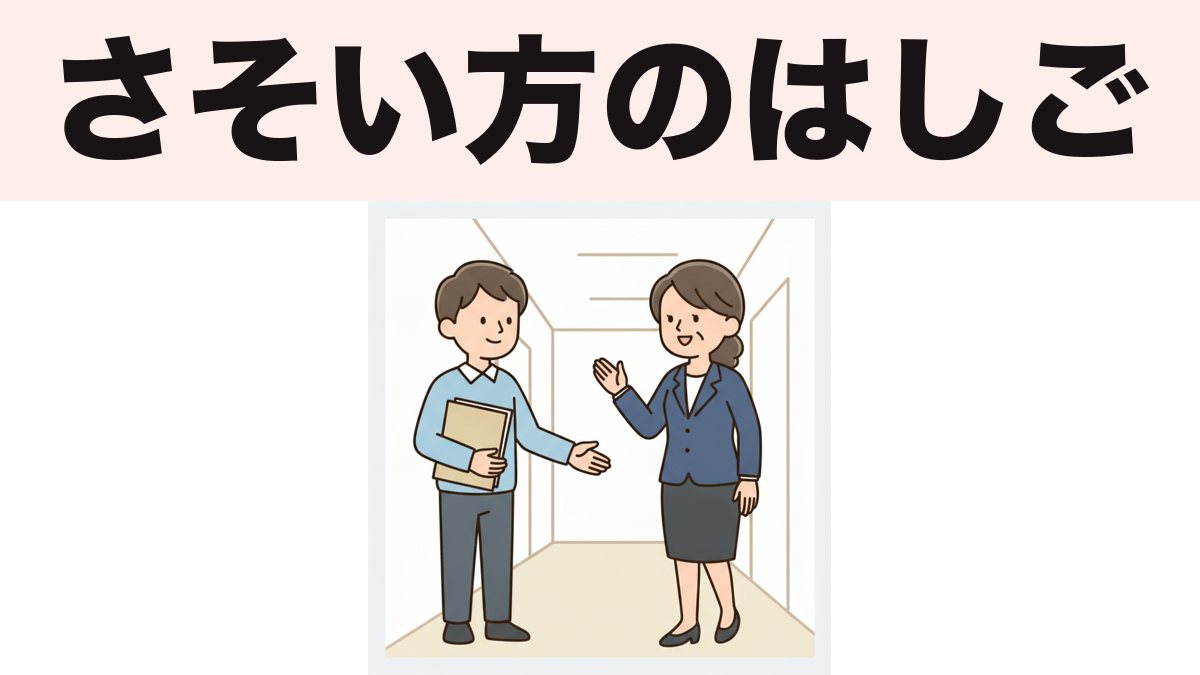
ましょう, ましょうか, ませんか: "let's", "shall I", and the invitation ladder
ましょう assumes you already agree, ませんか asks first, and ましょうか offers to do it for you. Which one to use, and why ましょう can sound pushy to a boss.
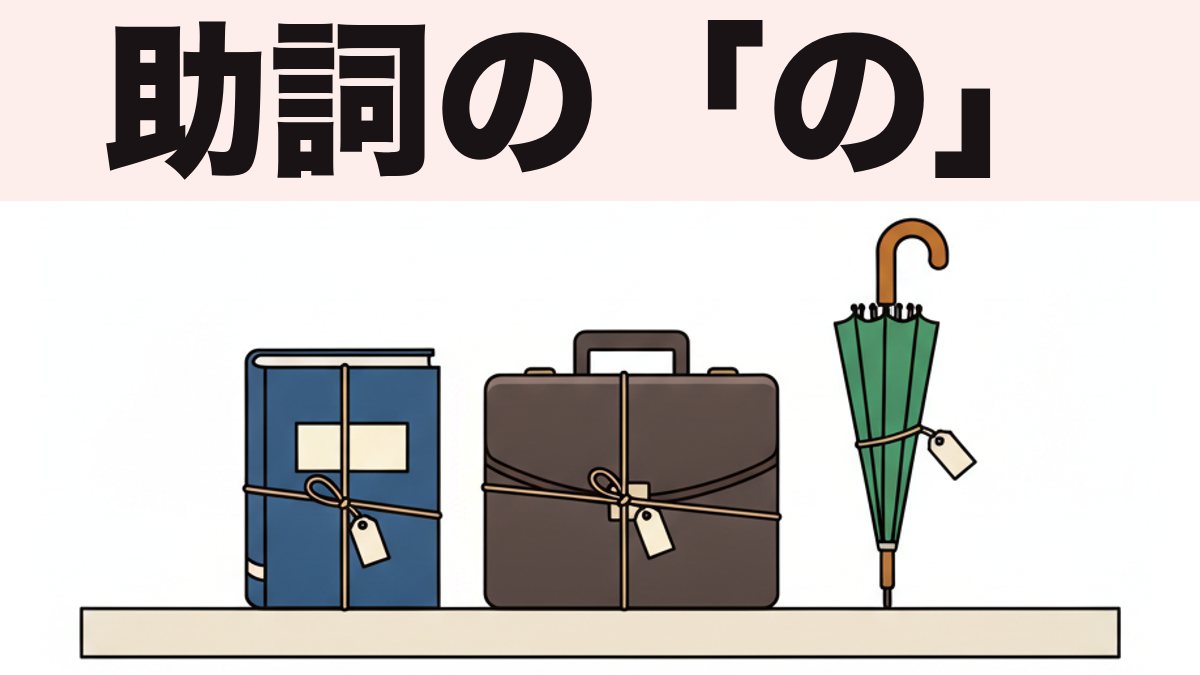
The particle の: five jobs, and only one of them is "of"
の links nouns, replaces a noun you already know, turns verbs into nouns, and ends casual questions. Why 高いの本 is wrong and 赤いの is right.
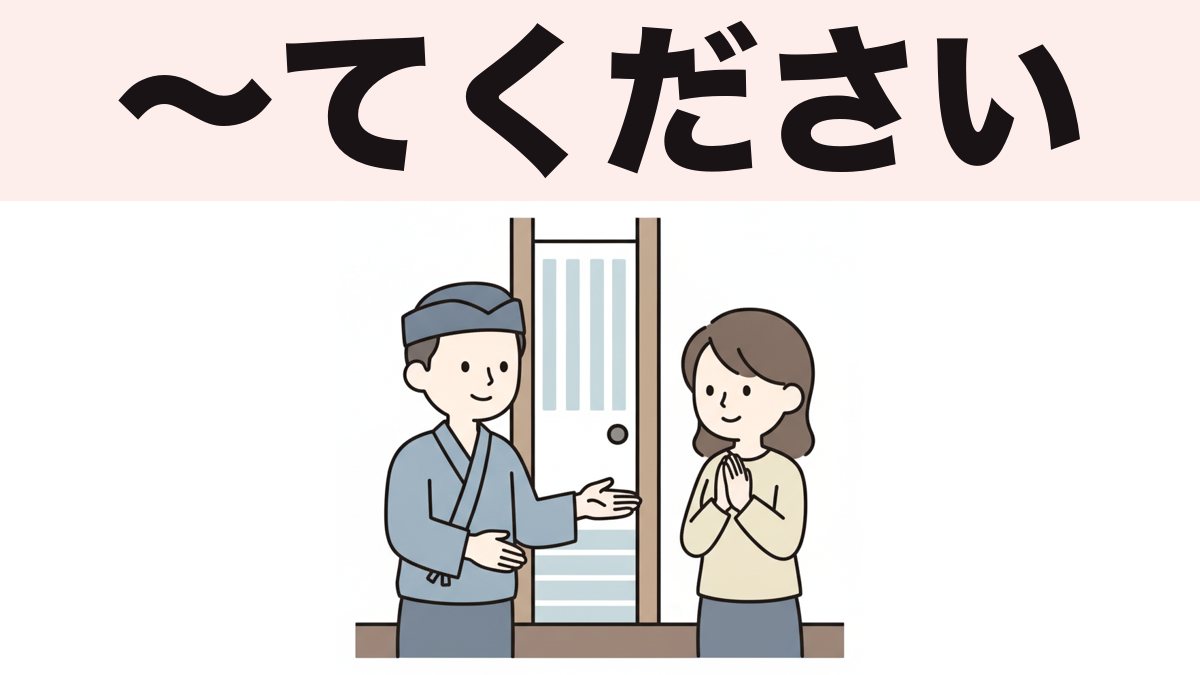
〜てください: polite, but not as polite as you think
〜てください is an instruction with a please on it. How to build it, the negative 〜ないでください, and the four rungs above it for when you need to actually ask.
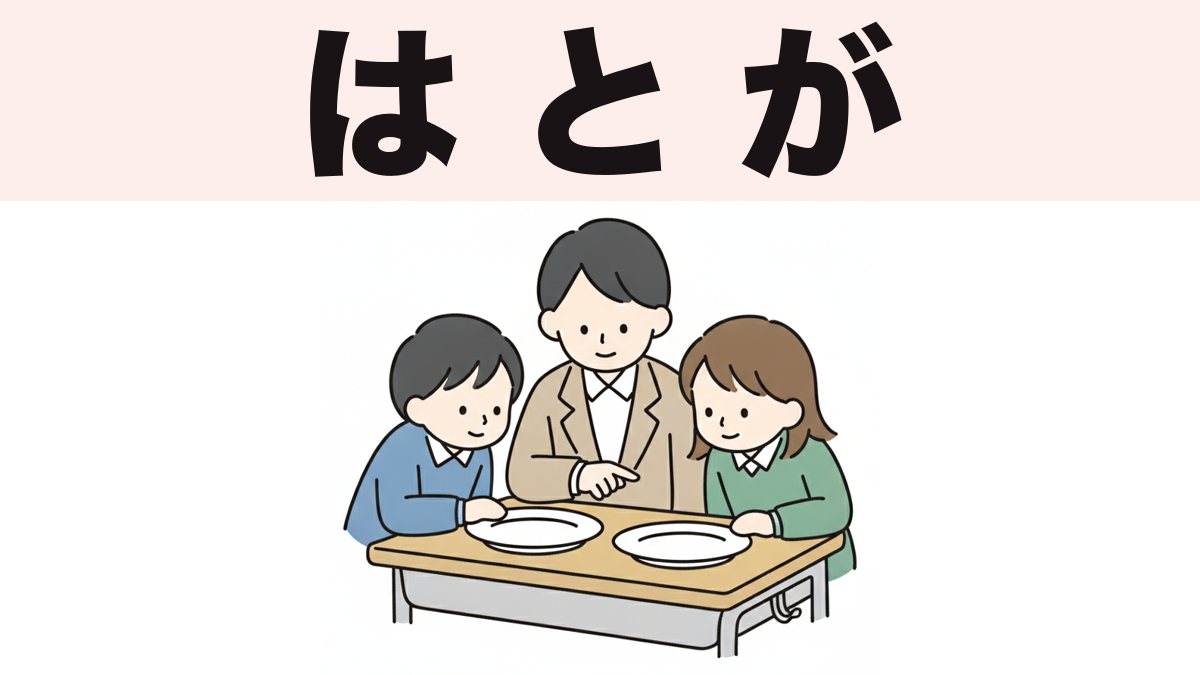
は vs が: the rule that is never broken, and four that usually hold
は sets the topic, が points at the subject. Start with the question-word rule — 誰が, never 誰は — and the rest of は vs が follows from it.
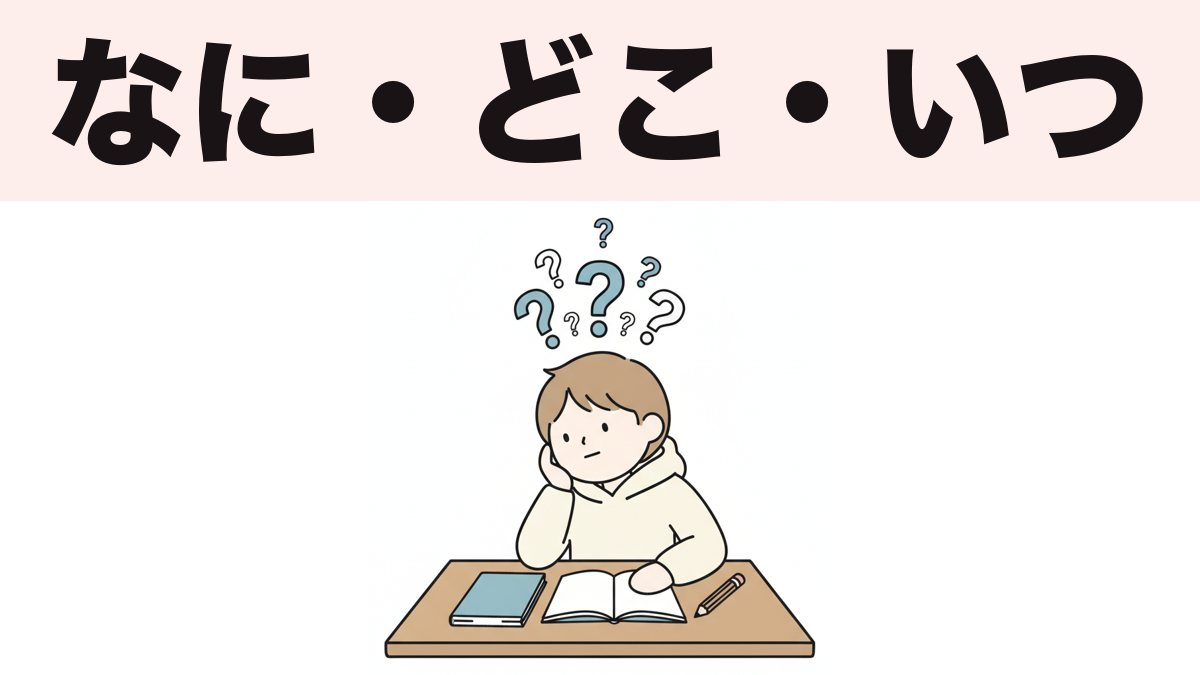
What Are Japanese Question Words? 何, どこ, いつ and More
Japanese question words — 何 (what), どこ (where), いつ (when), 誰 (who), どう (how), なぜ (why) — slot into the sentence where the answer goes, then add か to ask.
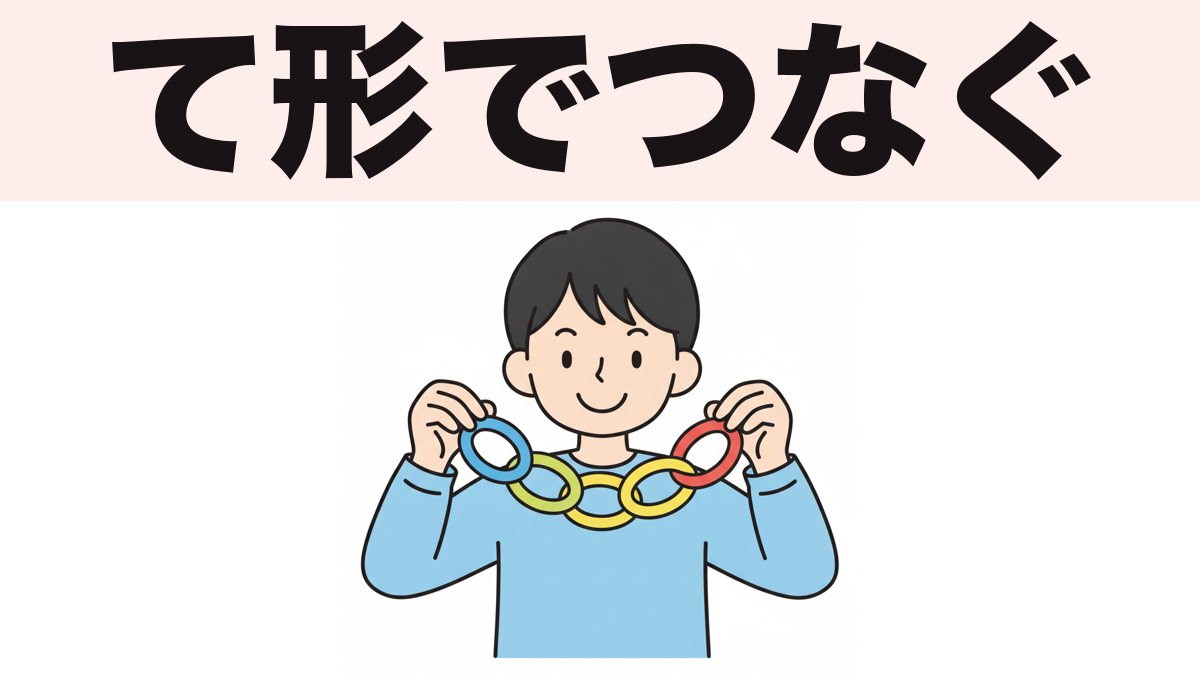
Te Form Japanese: How to Make the て-Form for Every Verb
The te-form connects a verb to what follows without ending the sentence: drop -u, add -te (or -de) — the exact rule depends on the verb group, below.
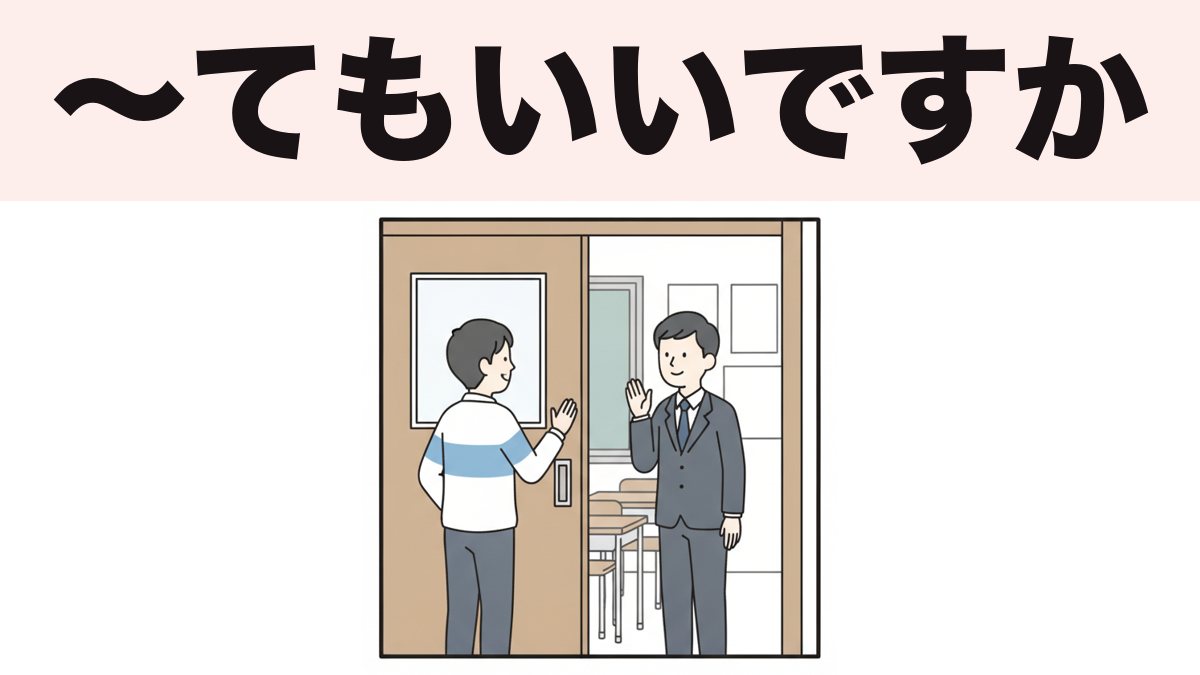
Te mo ii desu ka: how do you ask "can I" in Japanese?
Te mo ii desu ka means "may I" or "can I" in Japanese, asking permission to do something. For example, 写真を撮ってもいいですか means "May I take a photo?"
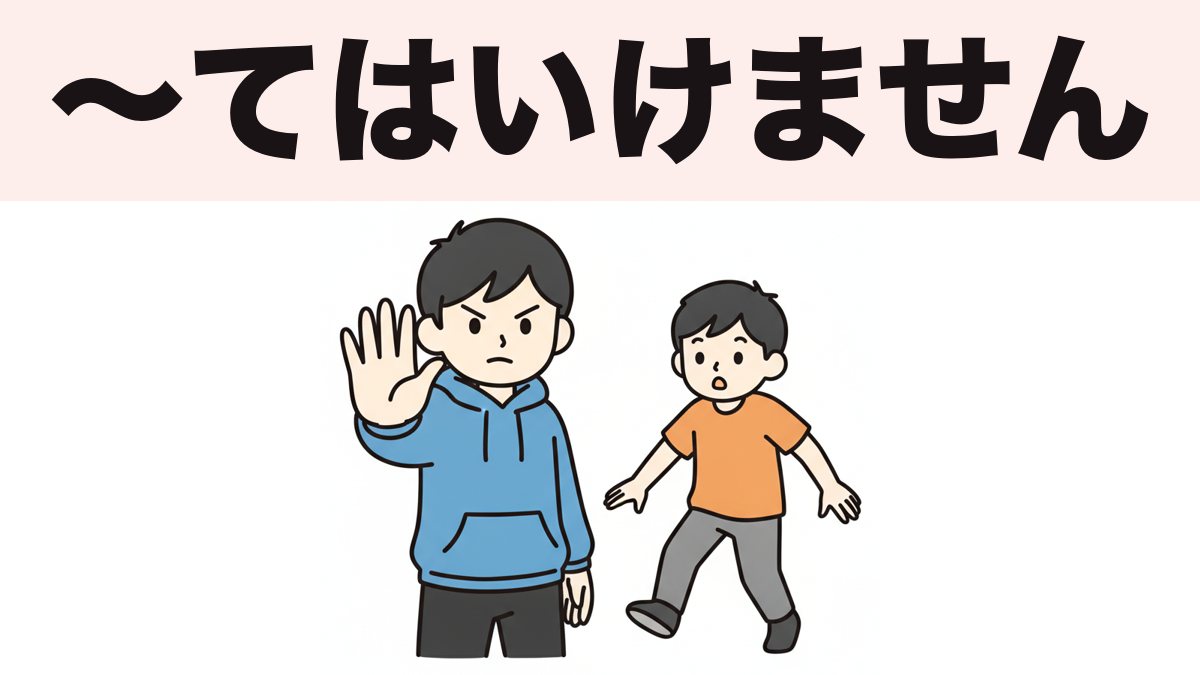
てはいけません: how strong is "you must not" in Japanese?
てはいけません states a rule, not a request. Here is how it differs from だめ, ないでください, and the anime shout んじゃない, with a strength ladder.
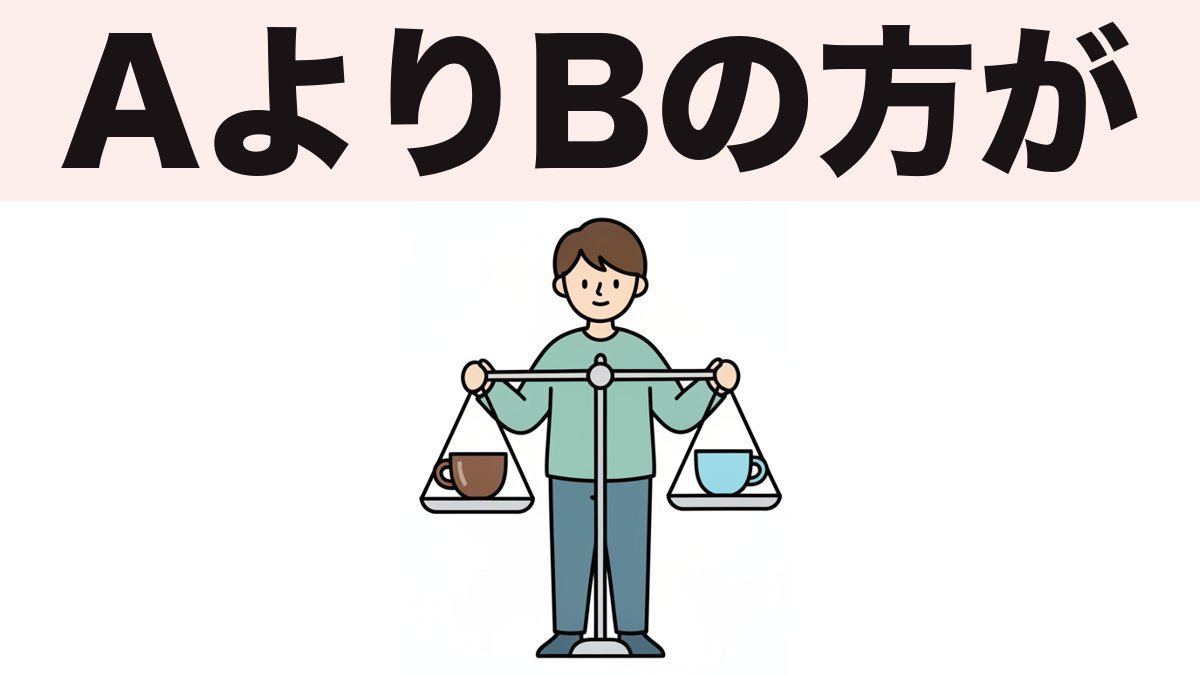
〜より〜の方が: how comparisons actually work in Japanese
AよりBの方が puts the winner right before の方が. The other basic shape, AはBより, puts it first. The full comparison set, including ほど and 一番.
Japanese shopping phrases: how do you ask for a price?
Ten Japanese shopping phrases for Akihabara: これ、いくらですか? (How much is this?), what staff will say to you, and the one question that finds the item you came for.
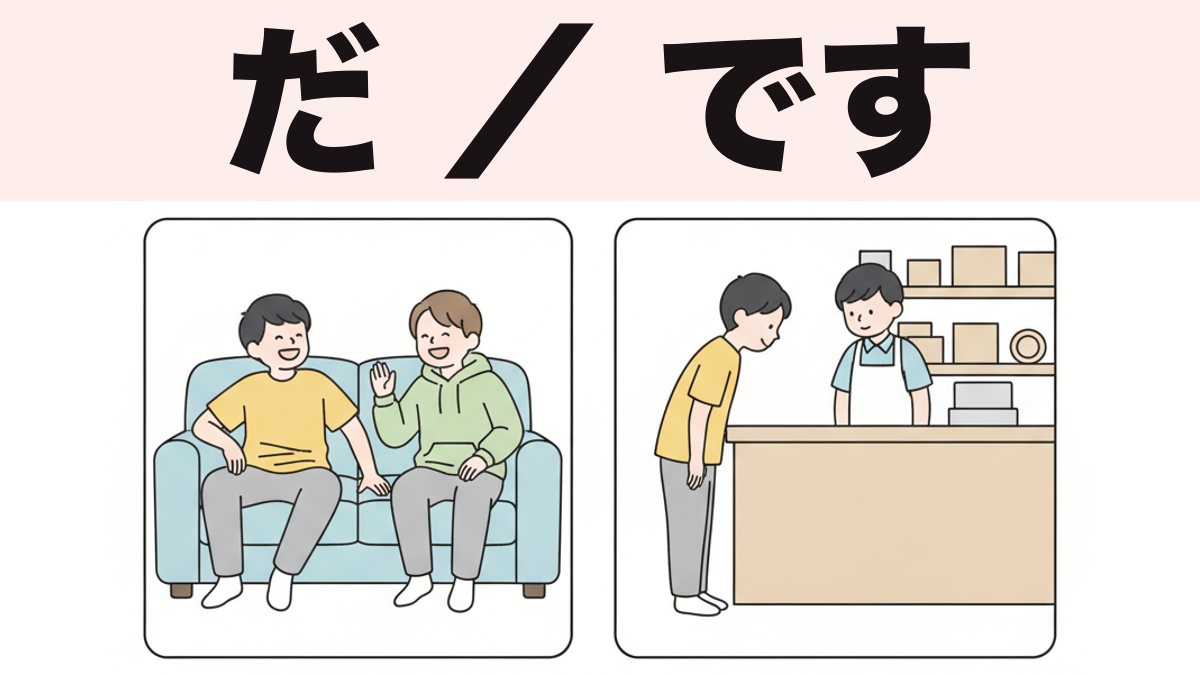
だ or です: the one decision that changes how you sound
Learn when to use だ and です, how verbs and adjectives change, and why plain forms belong inside polite sentences, with examples and practice.
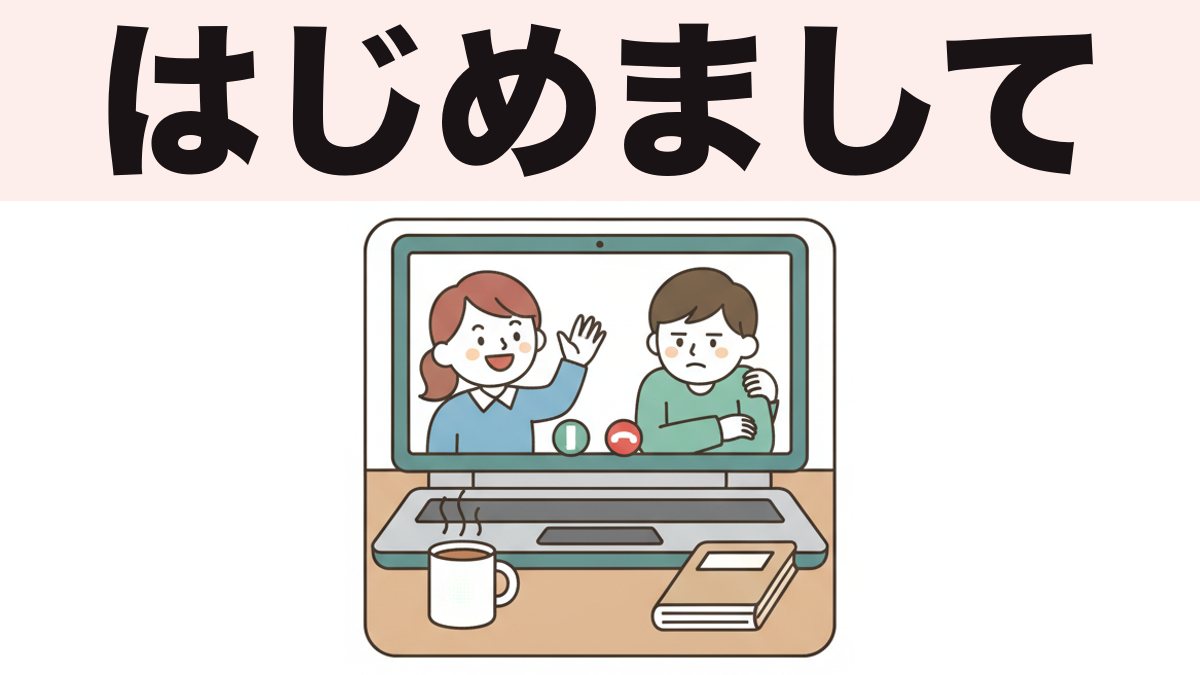
What actually happens in a first Japanese lesson
See what happens in a first Japanese lesson, from introductions to speaking practice, with useful phrases and a clear plan for your next step.
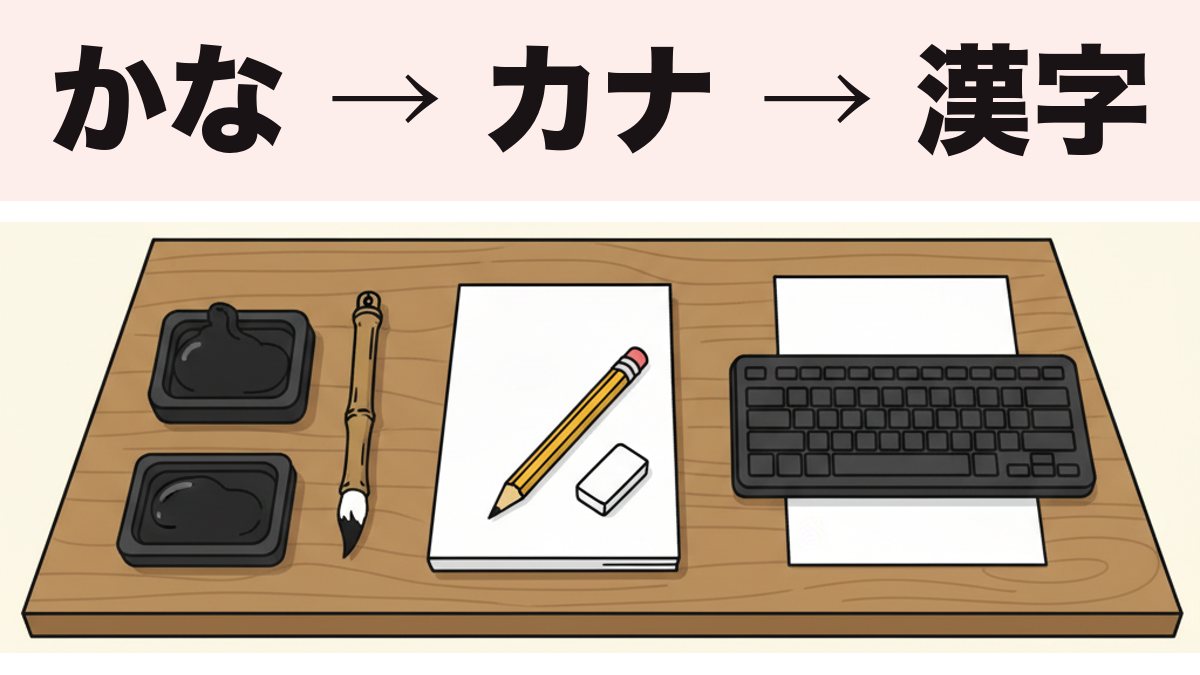
Hiragana, katakana, kanji: which to learn first, and how long each takes
Learn hiragana first, katakana next, and kanji through useful words. I explain the order, study-time estimates, common mistakes, and reading practice.
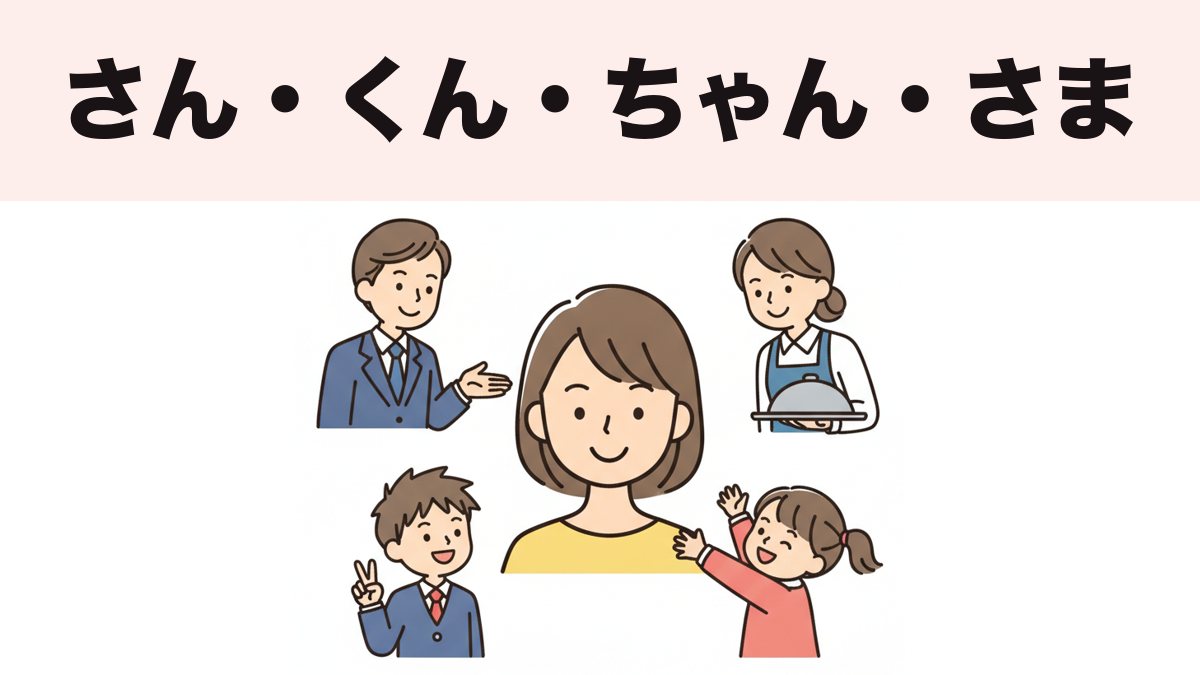
San, kun, chan, sama: how Japanese honorifics work
Learn what san, kun, chan, and sama signal about relationships, how to choose a name, and when dropping an honorific can sound too familiar.
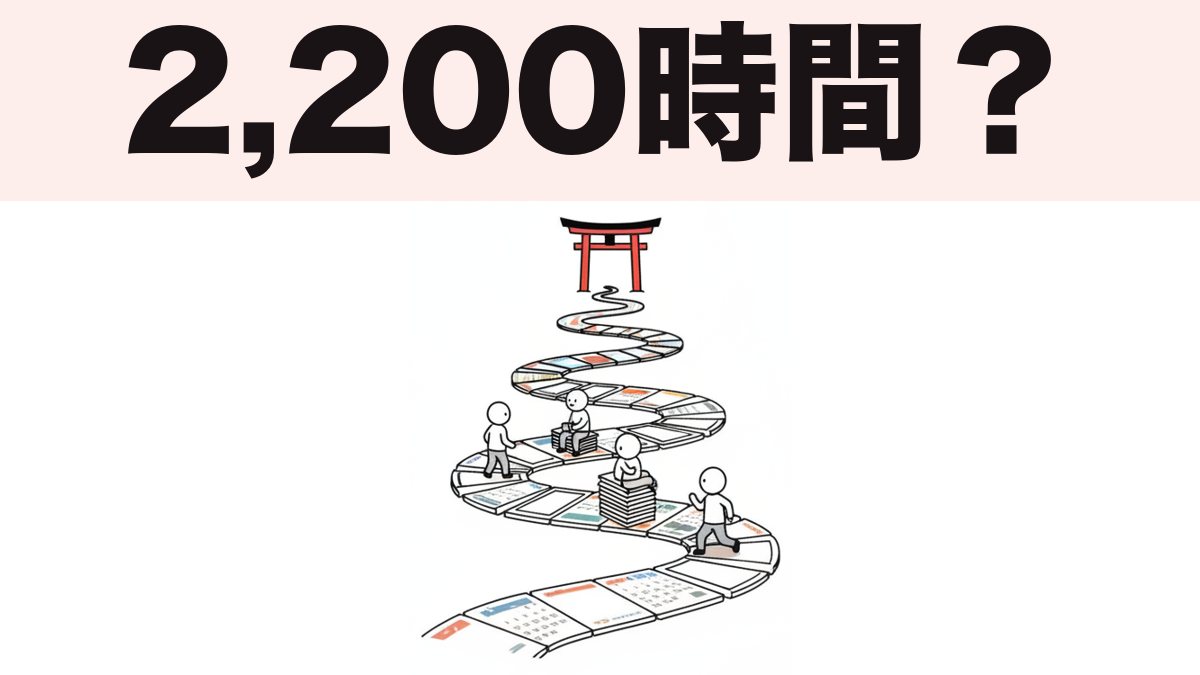
How long does it really take to learn Japanese?
The Foreign Service Institute number is 2200 hours, but ordinary conversation arrives far sooner. See what each stage costs and how to reach it faster.
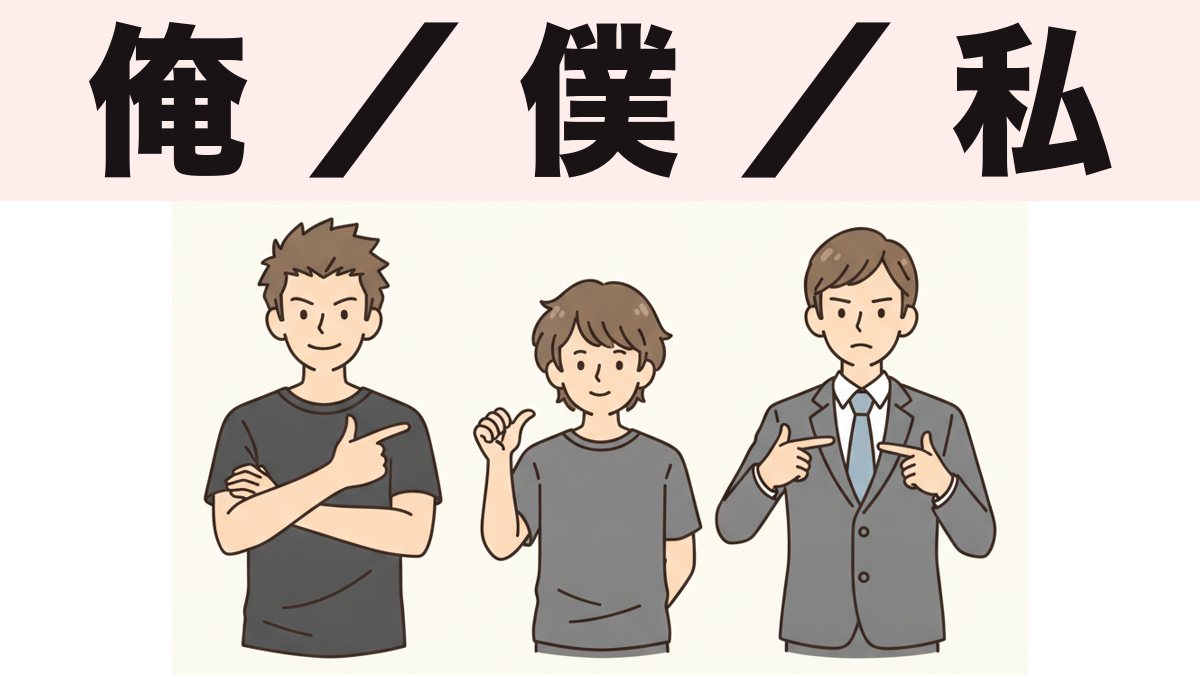
How Do You Say "I" in Japanese? Ore, Boku, Watashi Compared
"I" in Japanese depends on who is speaking: わたし is the safe, neutral default, ぼく is soft and used by men, and おれ is blunt, for men with close friends only.
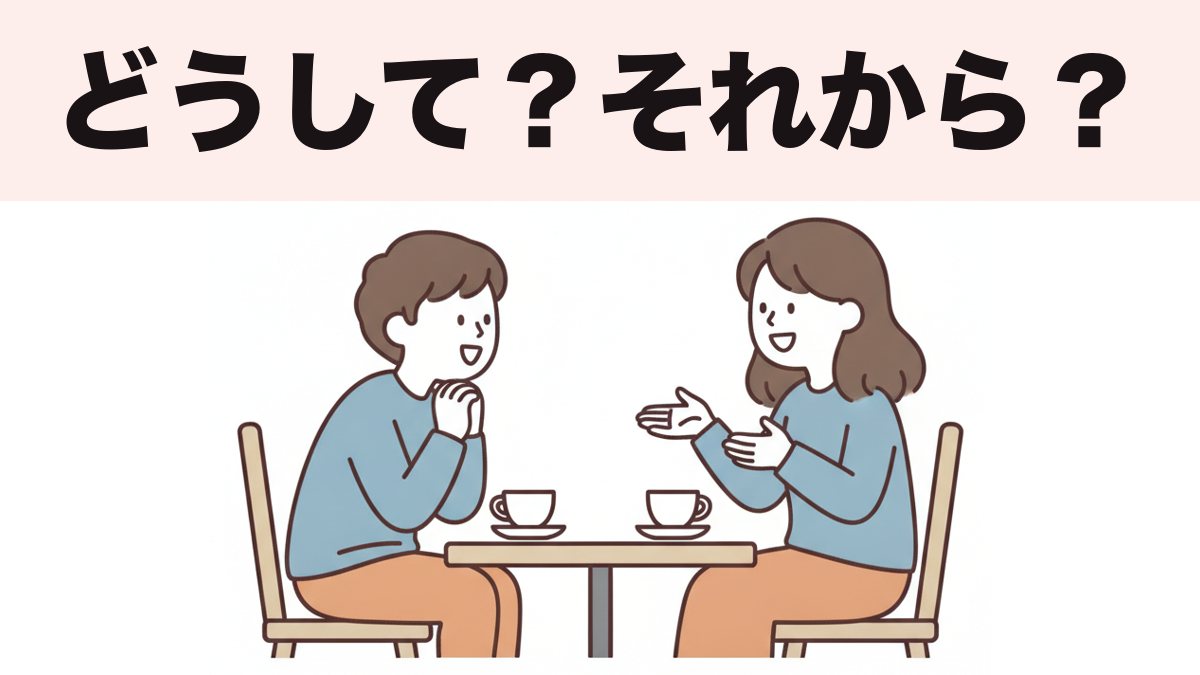
The two questions that keep a Japanese conversation alive
Learn two simple Japanese questions for asking about meaning and finding missing words, then practise using the answers to keep a conversation going.
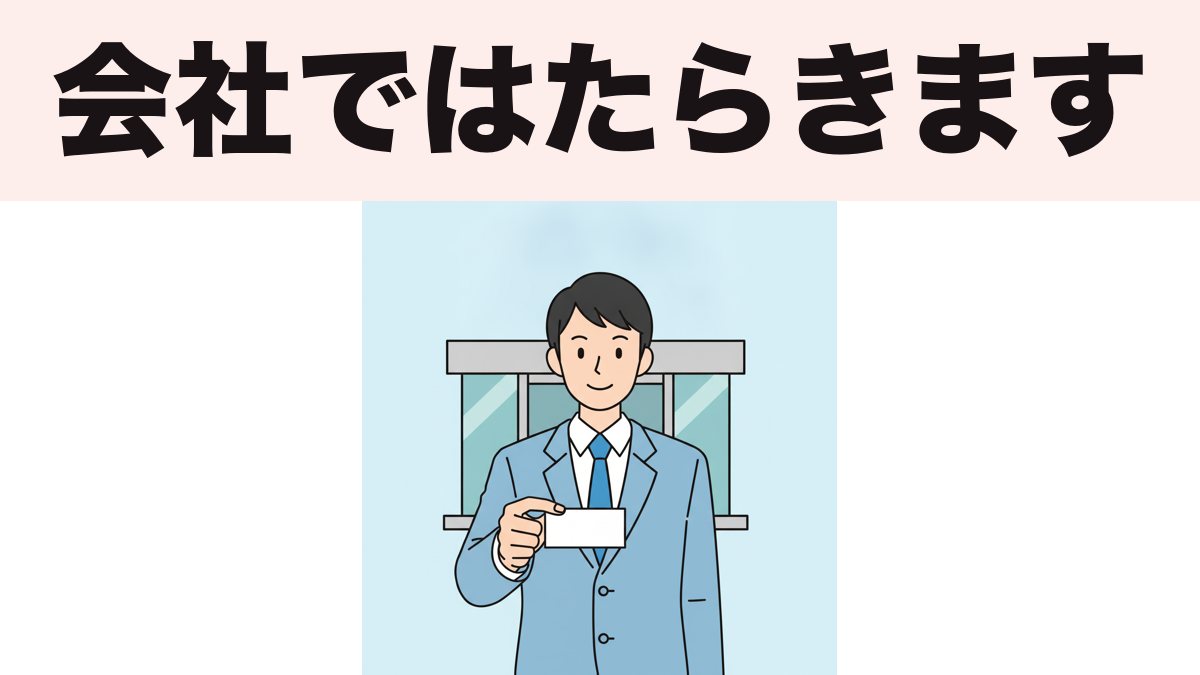
Talking about your job in Japanese — the one particle that trips everyone
Learn to describe your job and workplace in Japanese, choose the right particle, and answer everyday work questions with clear examples.