TOPIC
Action Words: Japanese Verbs One at a Time
Common verbs explained one at a time, with example sentences for how they're actually used.
51 articles
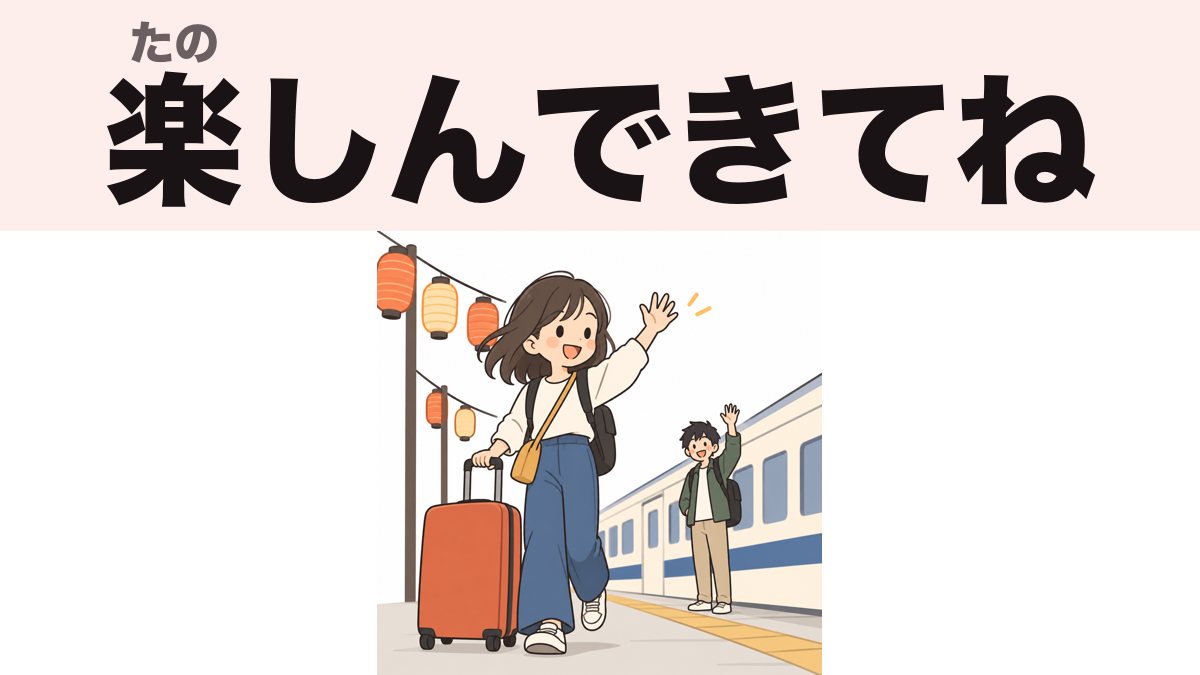
Enjoy in Japanese: 楽しむ, 楽しい and 楽しみ explained
Enjoy in Japanese is 楽しむ (tanoshimu), but "I enjoyed it" is usually 楽しかった. Learn 楽しむ vs 楽しい vs 楽しみ, "enjoy your trip", and common mistakes.
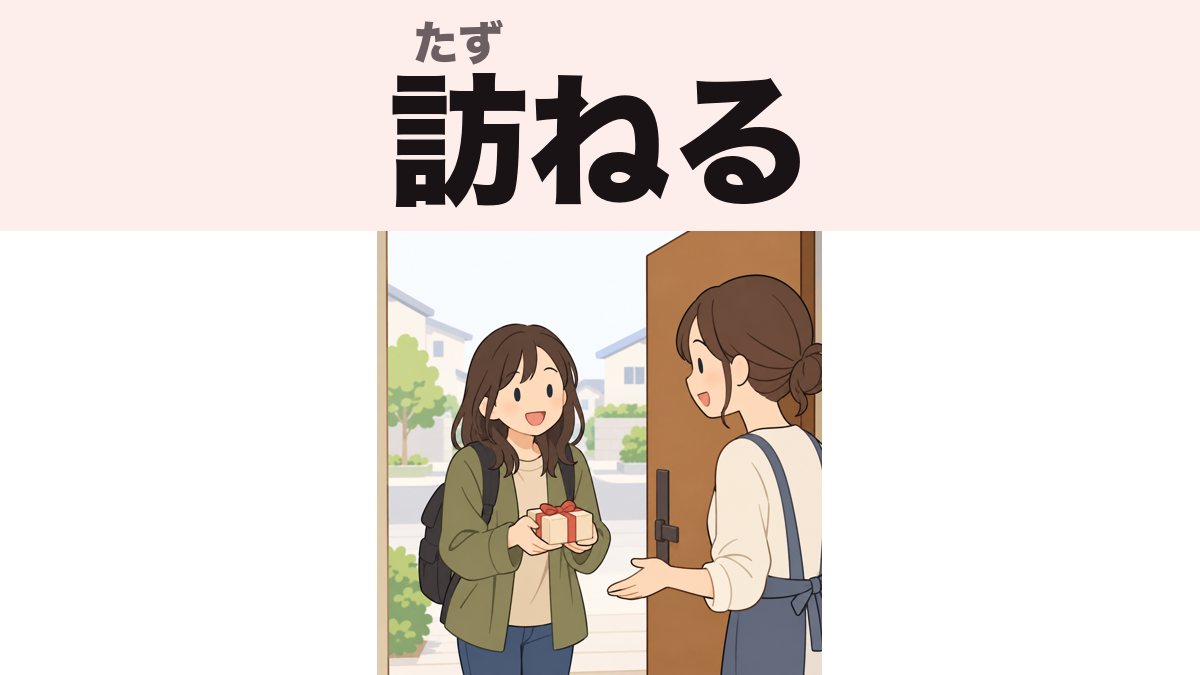
Visit in Japanese: 行く, 訪ねる, 訪れる, 訪問する or 伺う?
Visit in Japanese is usually 行く or 遊びに行く in conversation. Learn when 訪問する, 訪ねる, 訪れる and 伺う fit, how formal each is, and the mistakes to avoid.
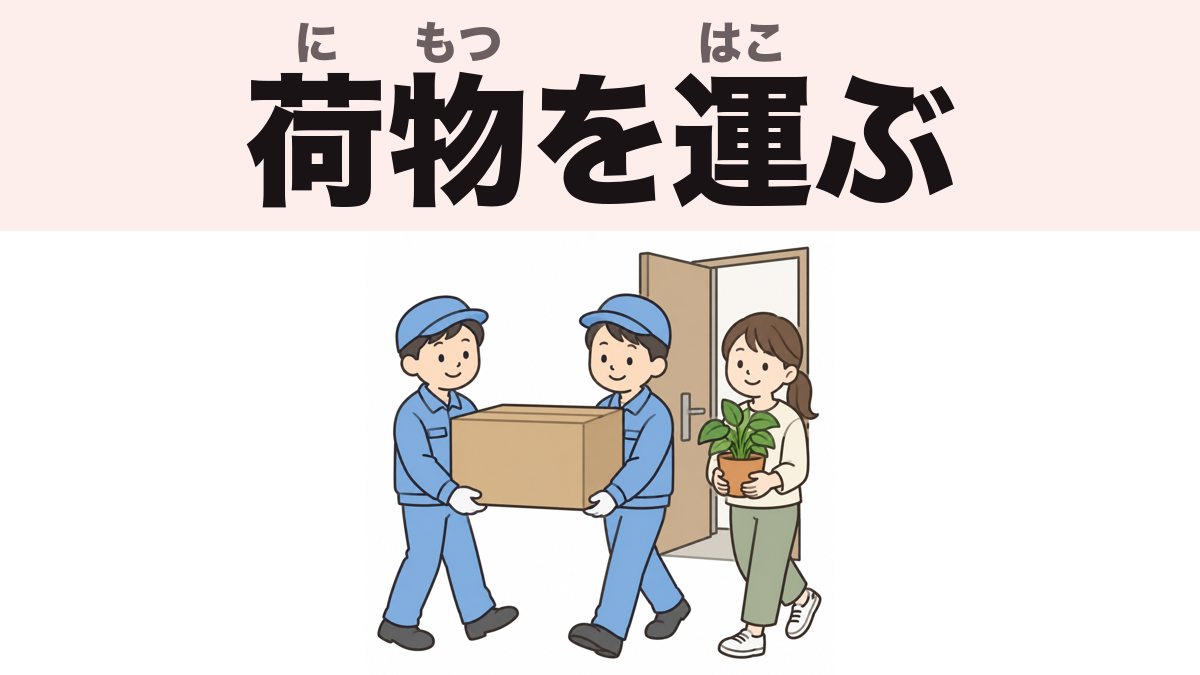
Carry in Japanese: 運ぶ vs 持つ and the verbs that mean "carry"
Carry in Japanese is 運ぶ when you move something from A to B and 持つ when you hold it. Plus 持ち歩く (carry around), 背負う (on the back), 抱える (in the arms) and 持ち込み.
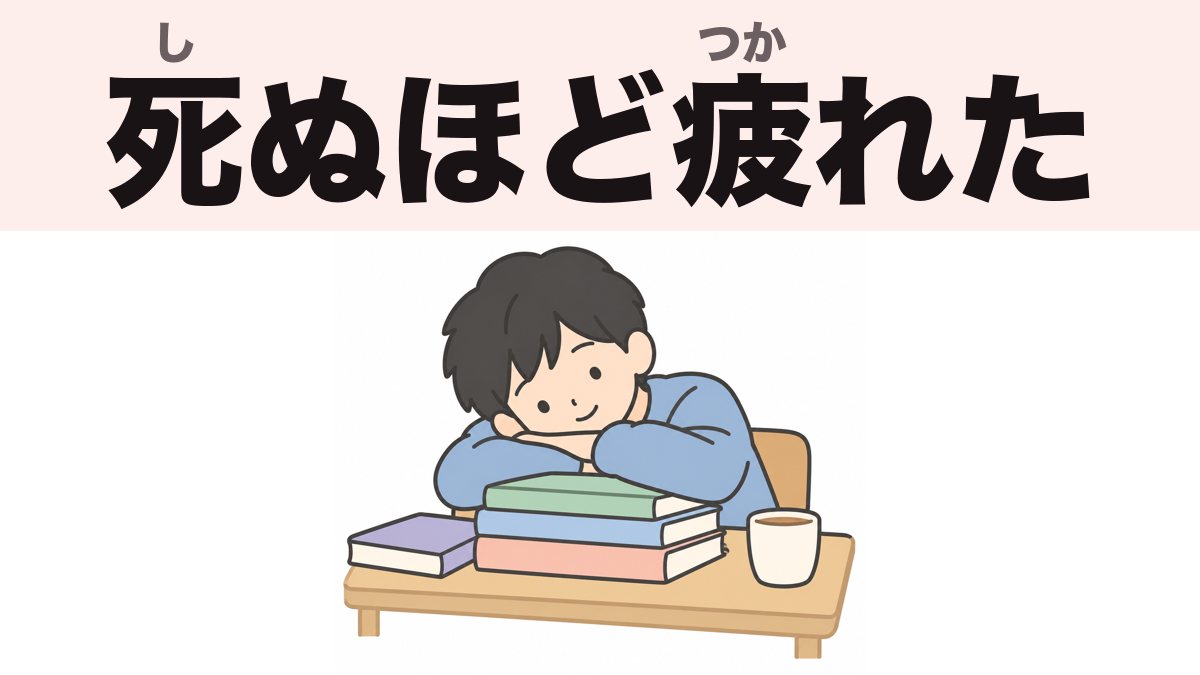
Die in Japanese: 死ぬ, 亡くなる and why 死ね is not a joke
Die in Japanese is 死ぬ (しぬ), but for a real person who has passed away you say 亡くなる. Learn 死んだ, 死にます, 死ね, 死ぬほど and the anime and game phrases.
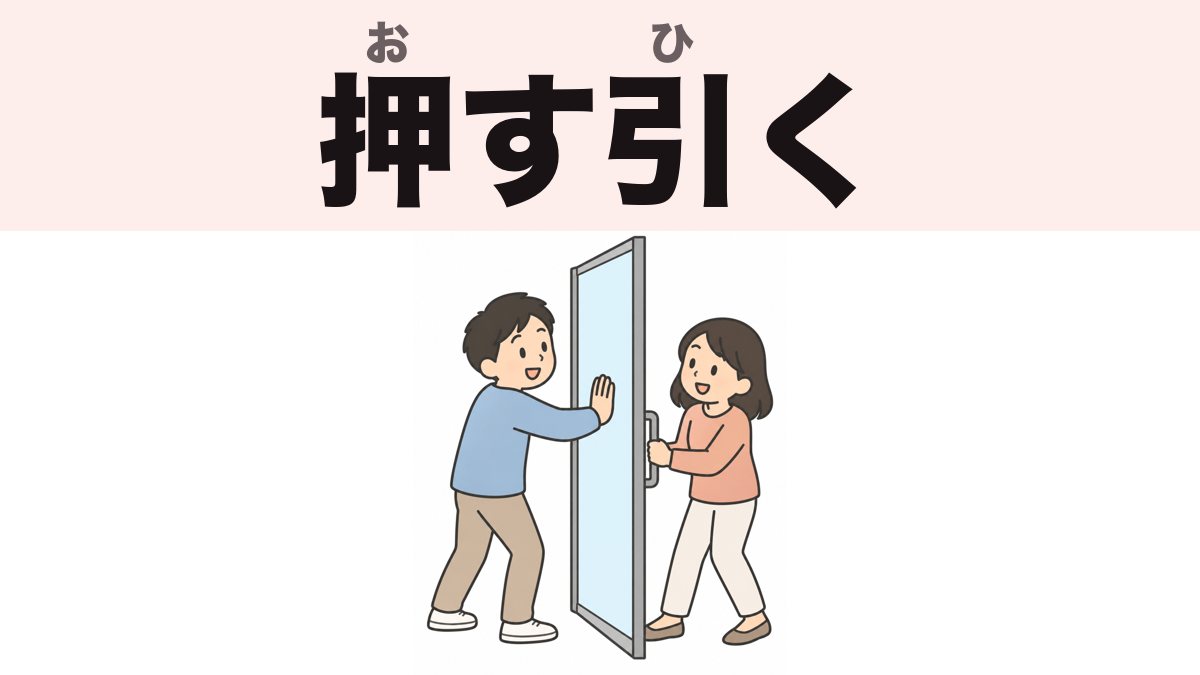
Push and pull in Japanese: 押す (osu) and 引く (hiku)
Push in Japanese is 押す (osu) and pull is 引く (hiku). Learn the door signs 押 and 引, the particles, and why hiku also means to catch a cold or draw a gacha.
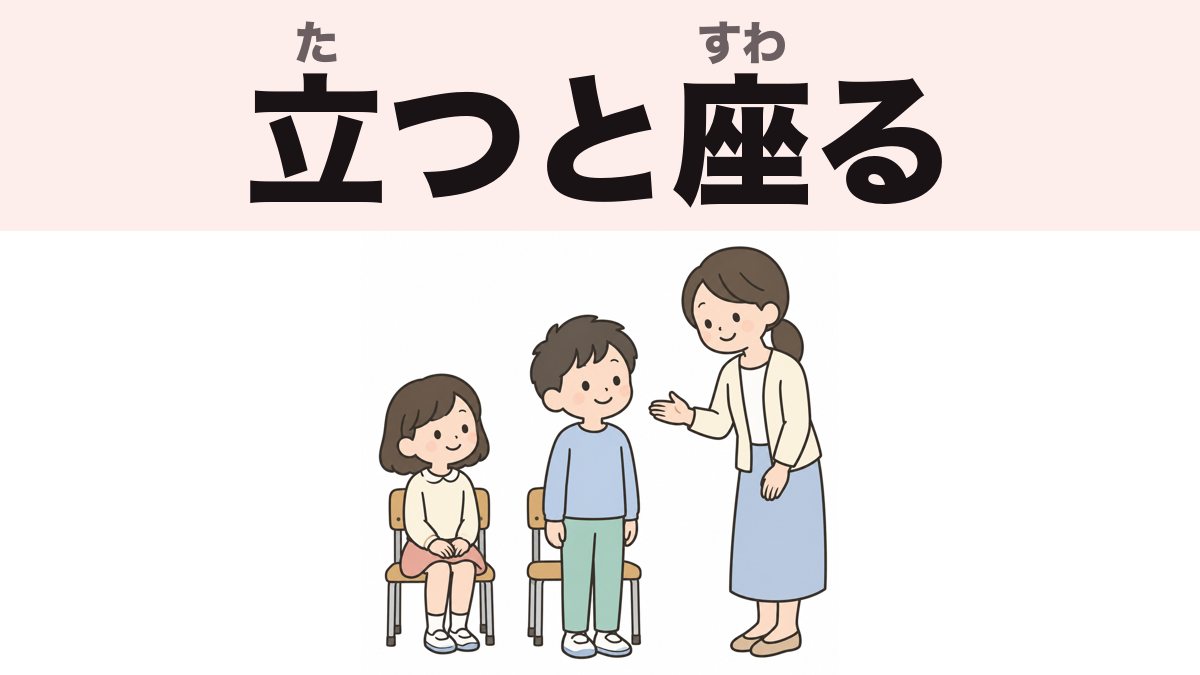
How do you say "stand" and "sit" in Japanese? 立つ and 座る
Stand in Japanese is 立つ (tatsu) and sit is 座る (suwaru). 立ってください means "please stand," and the ている form tells you if someone is already standing or sitting.
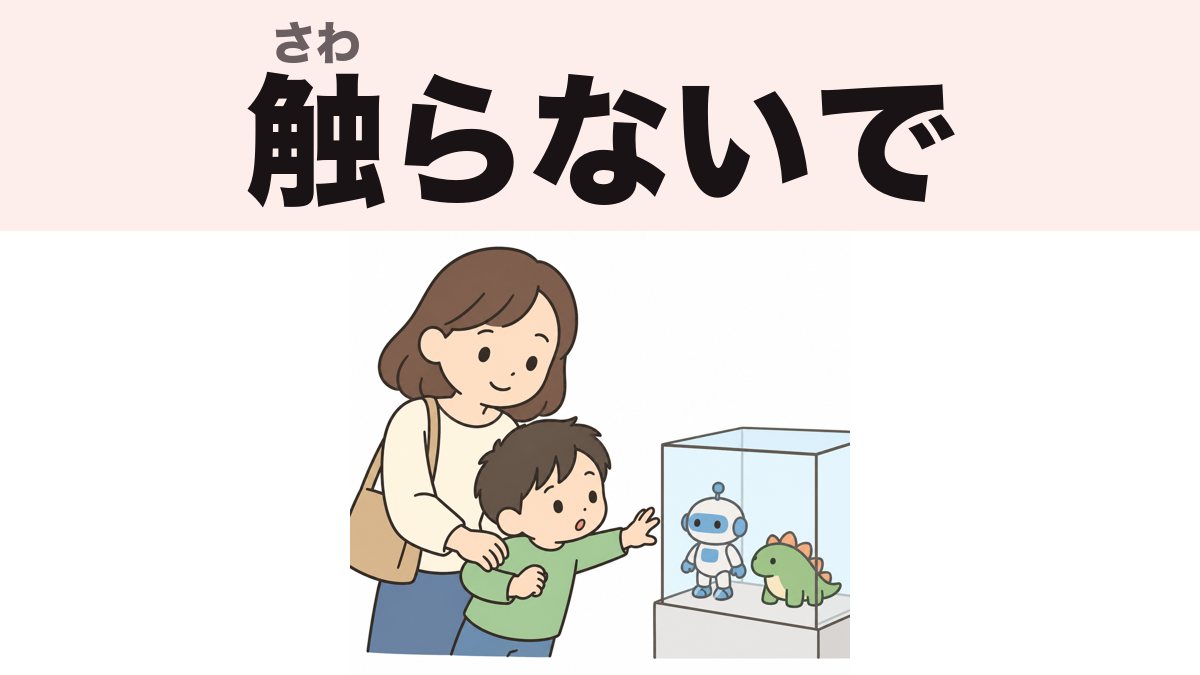
Touch in Japanese: 触る, 触れる, and "keep in touch"
Touch in Japanese is 触る (さわる) for putting a hand on something, 触れる (ふれる) for a light touch, and 連絡する for "keep in touch". Signs and examples.
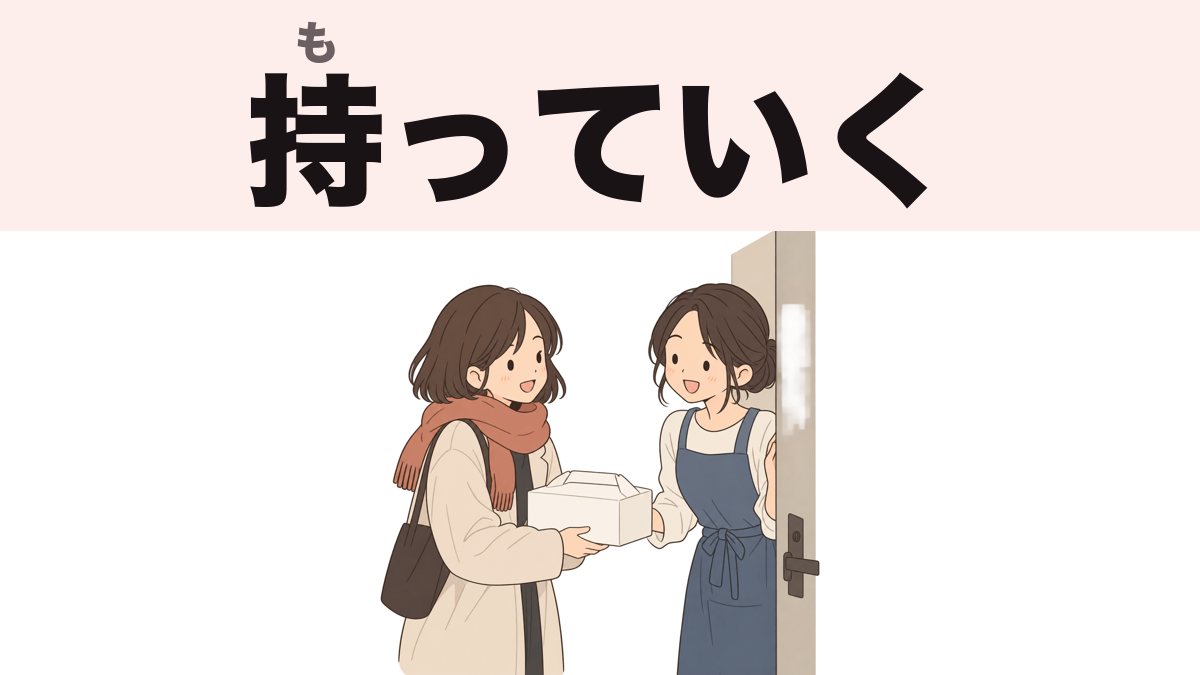
Bring in Japanese: 持ってくる (motte kuru) vs 持っていく (motte iku)
Bring in Japanese is 持ってくる when the thing comes toward you and 持っていく when it goes away. Plus 連れてくる for people and 持参 for formal Japanese.
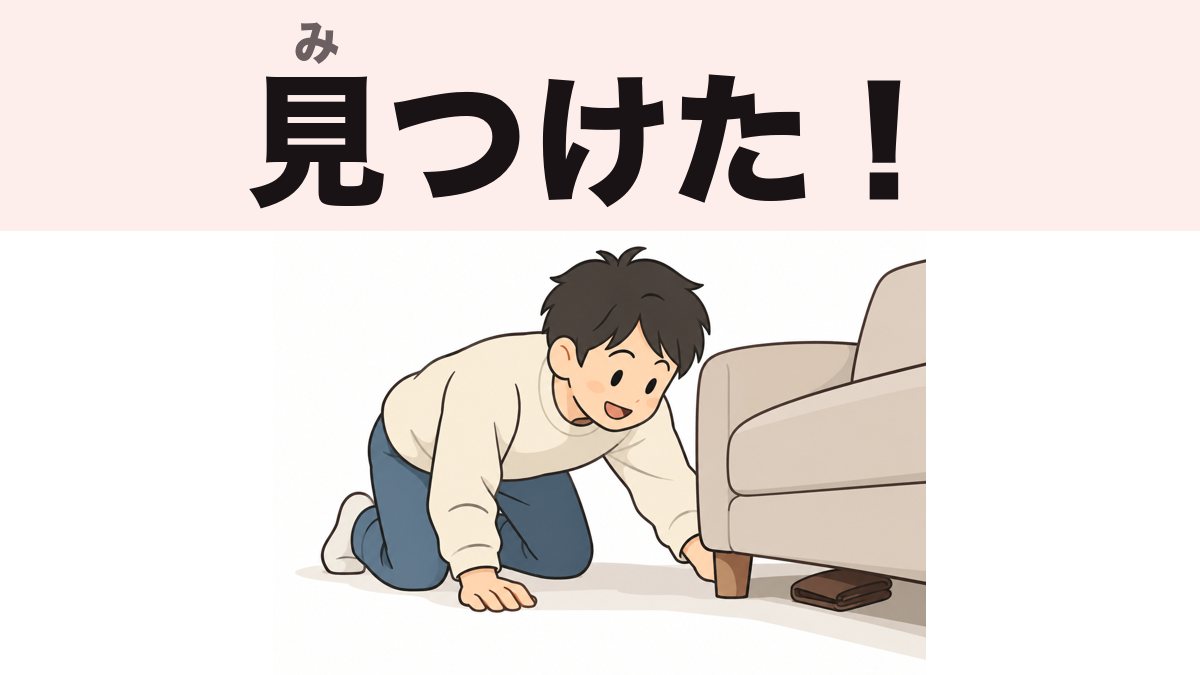
Find in Japanese: 見つける, 見つかる, and 探す explained
Find in Japanese is 見つける when you spot something and 見つかる when it turns up. 探す is to look for it. Plus how to say "find out" and "I find it fun".
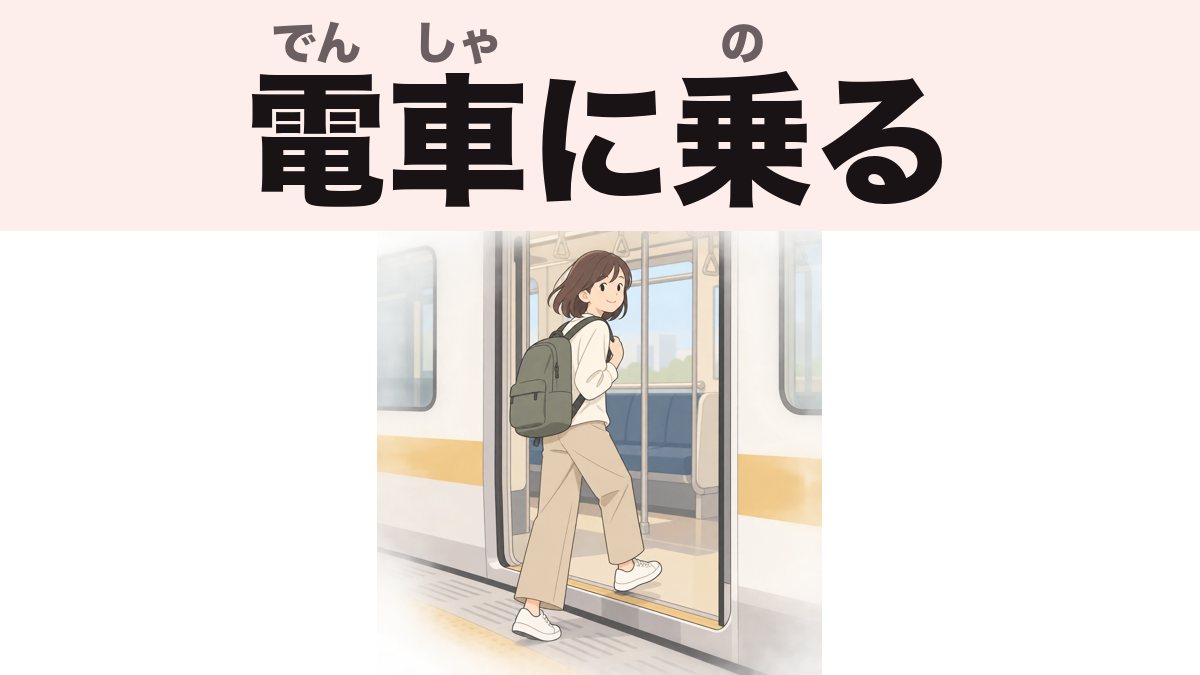
How do you say "ride" in Japanese? 乗る and the に particle
To ride in Japanese is 乗る (noru), and it takes に, not を: 電車に乗る means "ride the train." Plus 乗り換える, 降りる, 乗せる and idioms like 調子に乗る.
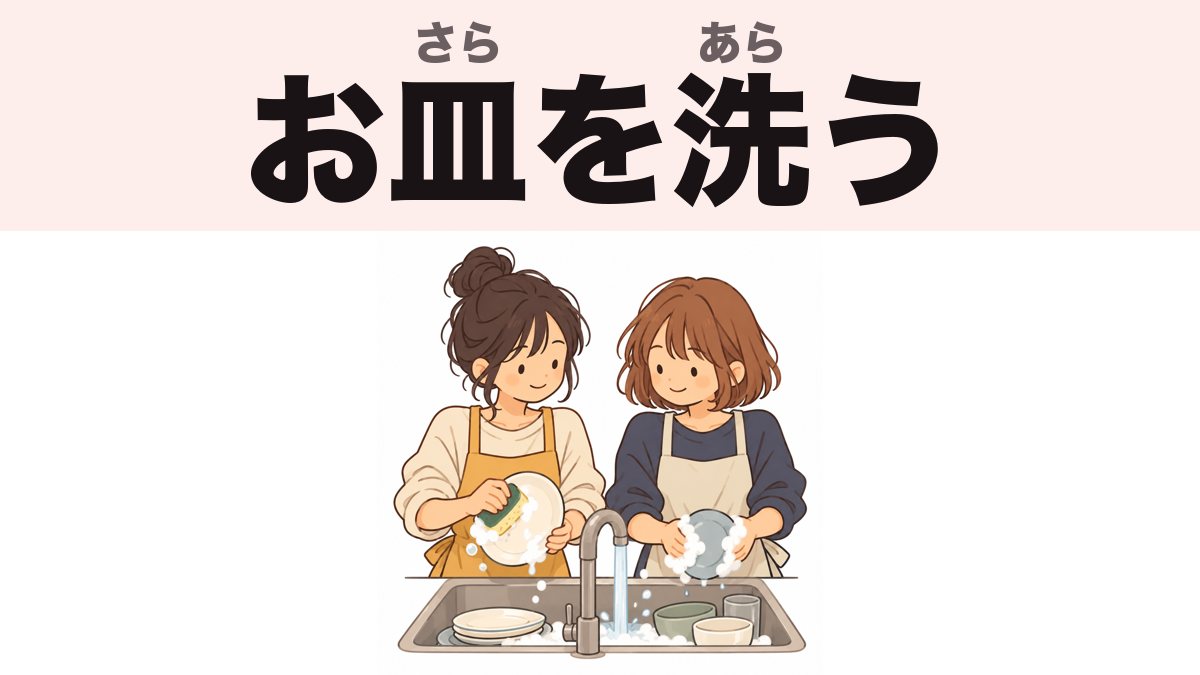
Wash in Japanese: how do you say 洗う, 洗濯する, and お手洗い?
Wash in Japanese is 洗う (あらう): 手を洗う, 顔を洗う, 皿を洗う. Clothes use 洗濯する, teeth use 磨く, and お手洗い is a polite word for the toilet. Masu form: 洗います.
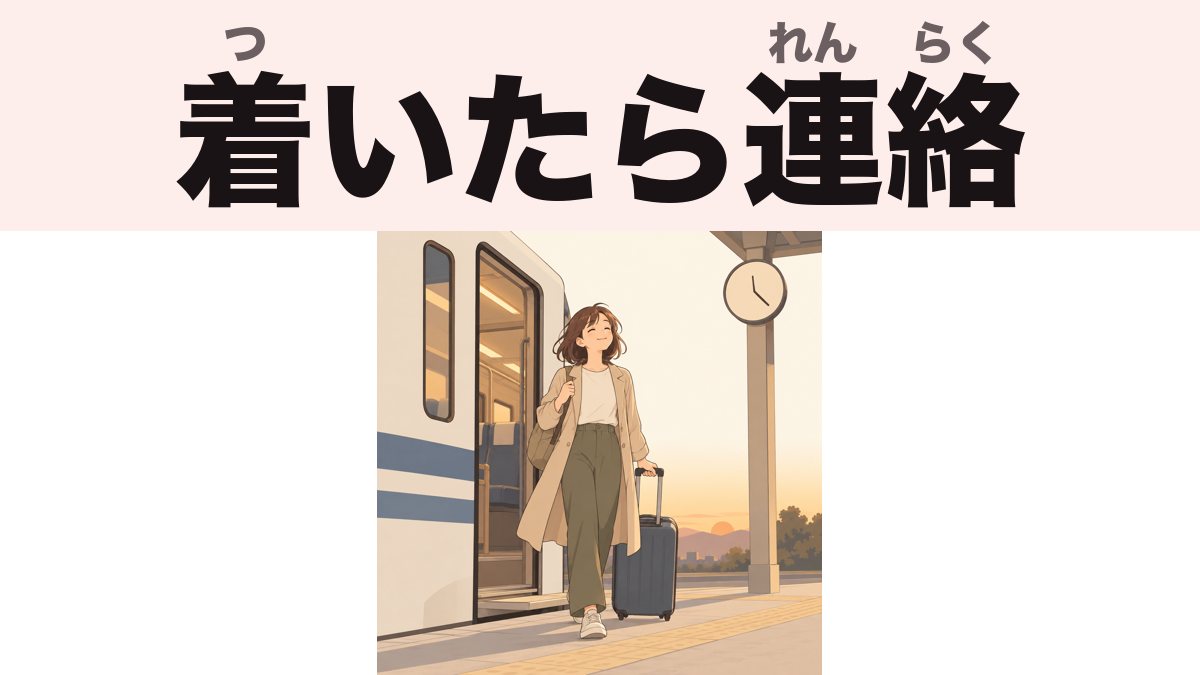
Arrive in Japanese: 着く (tsuku), 到着する, 届く and which one to use
Arrive in Japanese is 着く (tsuku) for people, 届く (todoku) for packages. Learn 到着する, 来る, 帰る and 間に合う, and why it is 駅に着く, not 駅で着く.
Calm Down in Japanese: 落ち着いて (Ochitsuite) and 7 More Ways
Calm down in Japanese is 落ち着いて (ochitsuite). Learn 落ち着け, 冷静に, まあまあ, 焦らないで and 深呼吸して, plus who you can safely say each one to.
Continue in Japanese: 続ける (tsuzukeru) vs 続く (tsuzuku) and how to say "keep going"
Continue in Japanese is 続ける (tsuzukeru) when you do the continuing and 続く (tsuzuku) when something just goes on. Plus 〜続ける, 続き, 継続する and 引き続き.
Decide in Japanese: 決める (kimeru) vs 決まる (kimaru) vs ことにする
To decide in Japanese you pick between 決める (I decide it), 決まる (it gets decided) and ことにする (I decided to). Here is how they differ, with anime examples.
Leave in Japanese: 出る (deru), 出かける (dekakeru), 帰る (kaeru) and more — which one do you need?
Leave in Japanese is not one word: 出る for exiting a place, 帰る for heading home, 置いていく for leaving behind, やめる for quitting. Learn which verb fits.
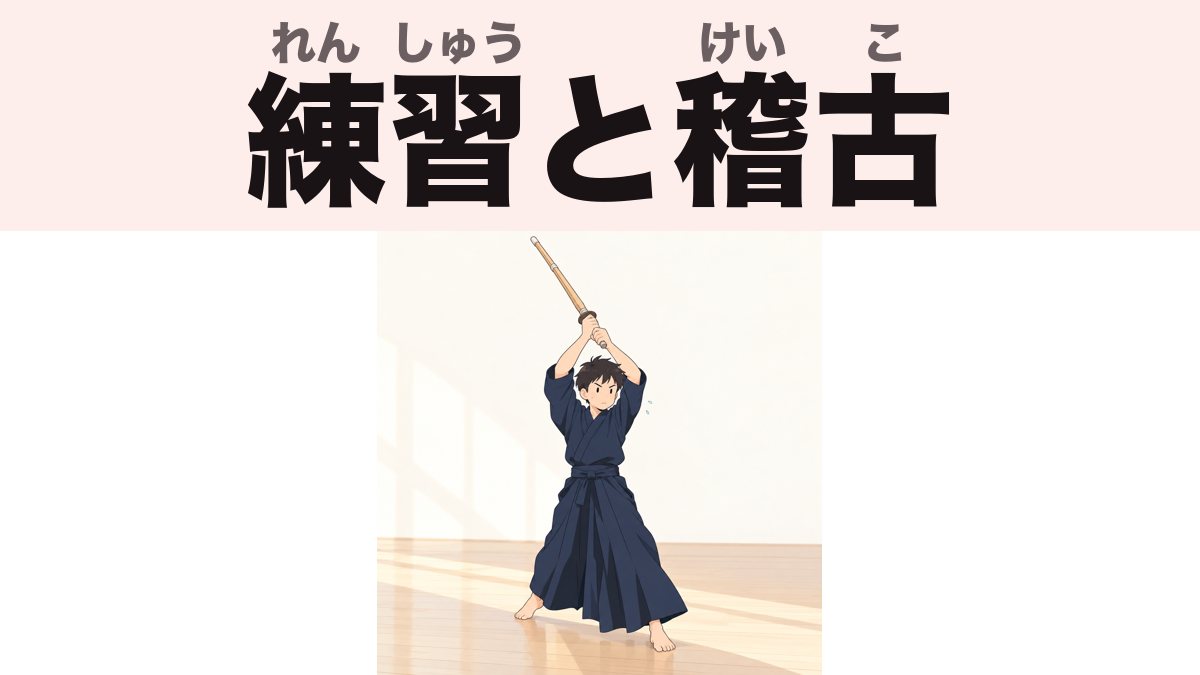
Practice in Japanese: 練習 (renshuu), 稽古, 訓練 and which one to use
Practice in Japanese is usually 練習 (renshuu), and 練習する is the verb. But 稽古, トレーニング, 訓練, 実践 and 習慣 cover the other meanings of "practice."
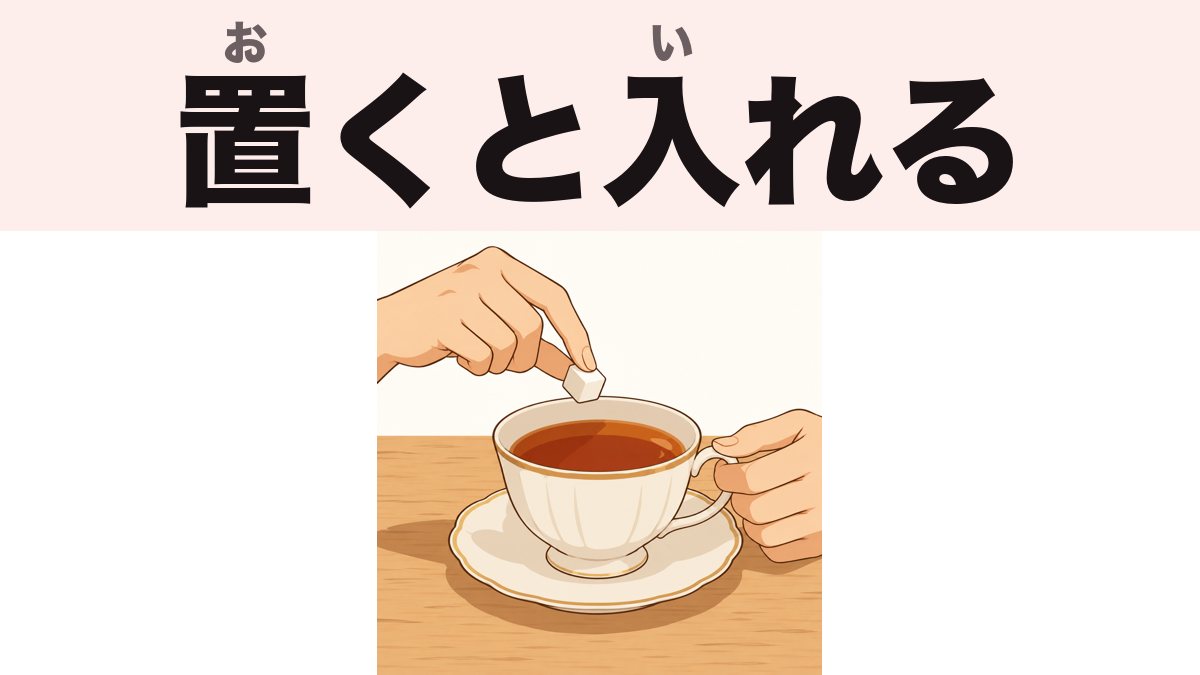
Put in Japanese: 置く (oku), 入れる (ireru) and the verbs English hides inside "put"
Put in Japanese depends on where the thing ends up: 置く for a surface, 入れる for inside, 着る for clothes, 貼る for stickers. Here is the full set with examples.
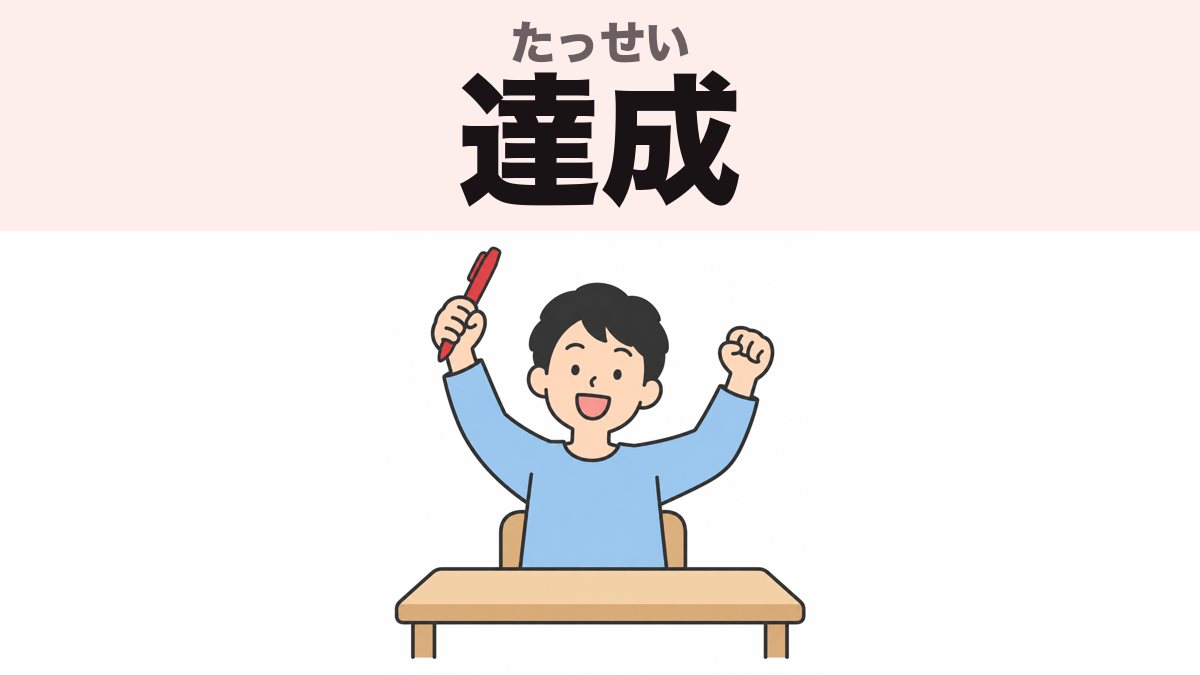
Achieve in Japanese: 達成 (たっせい), 叶える, 実現, and 達成感
Achieve in Japanese is 達成する (たっせいする), as in 目標を達成する. Learn 達成感 (sense of accomplishment), 夢を叶える, 実現する, やり遂げる, 成し遂げる, and when to use each one.
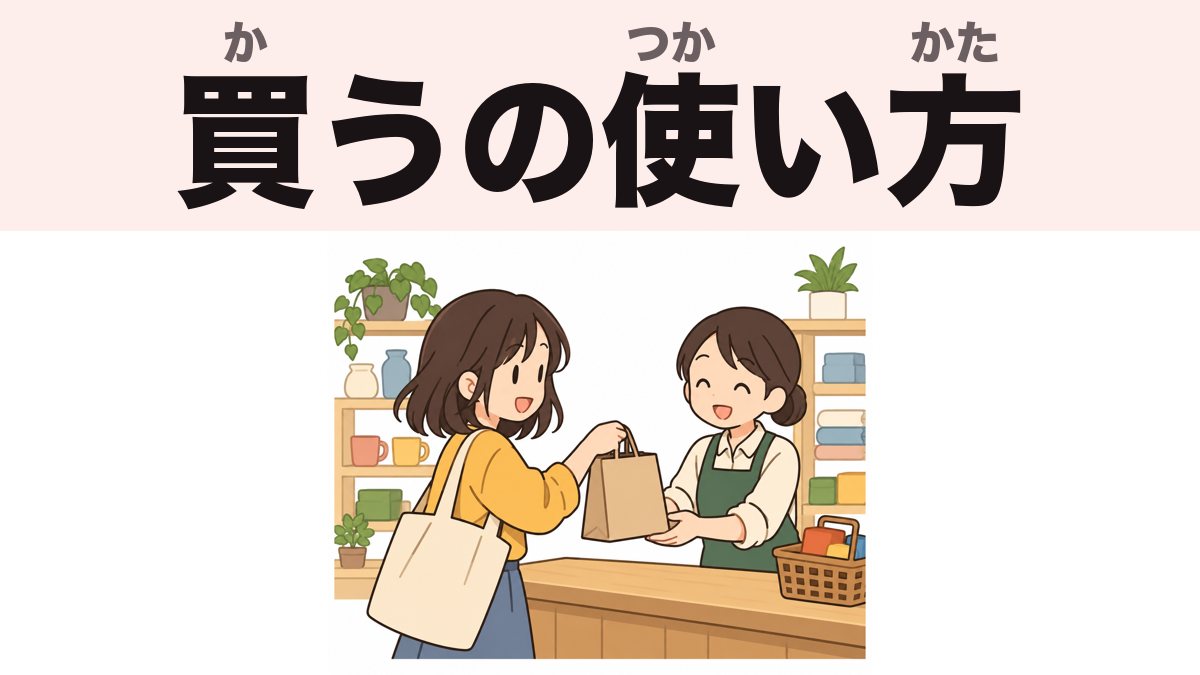
Buy in Japanese: 買う (kau) and What You Say at a Shop
Buy in Japanese is 買う (かう), a godan verb: 買います, 買った, 買って. Learn 買い物, 買ってくる, これをください, 買える, 購入 and 売る (sell) with examples.
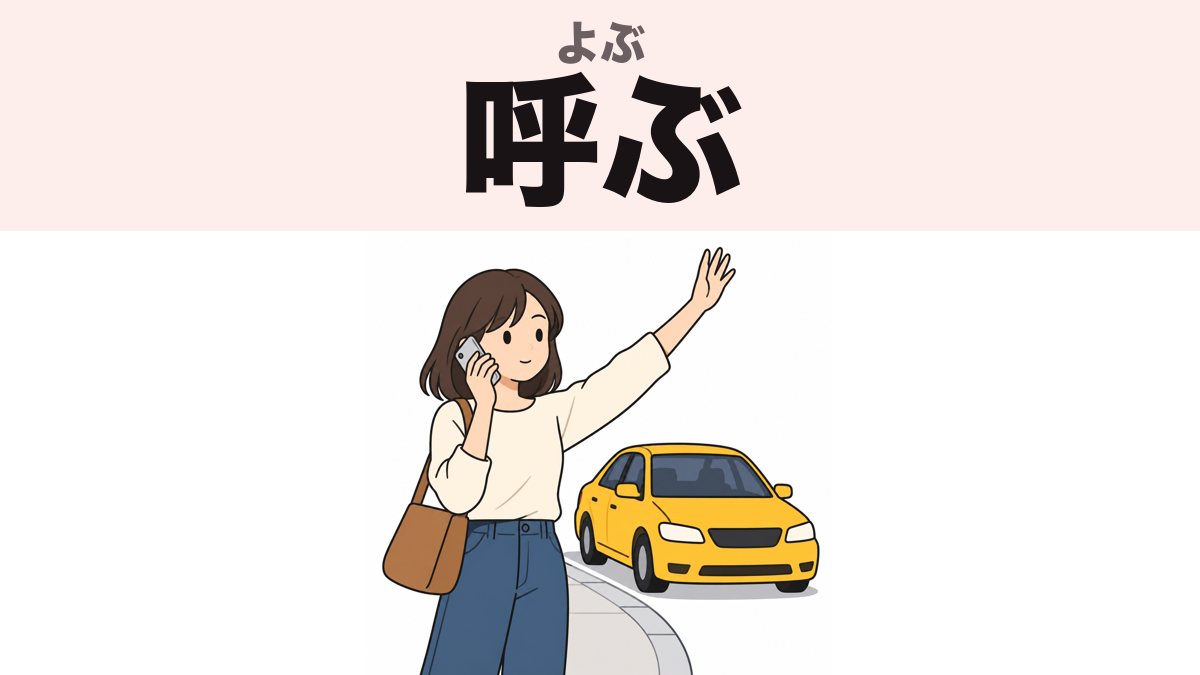
Call in Japanese: 電話する, 呼ぶ (よぶ), 〜と呼ぶ, and 折り返す
Call in Japanese is 電話する (でんわする) for a phone call and 呼ぶ (よぶ) for calling someone over or calling them a name. Learn 電話をかける, タクシーを呼ぶ, 〜と呼ぶ, and 折り返し電話.
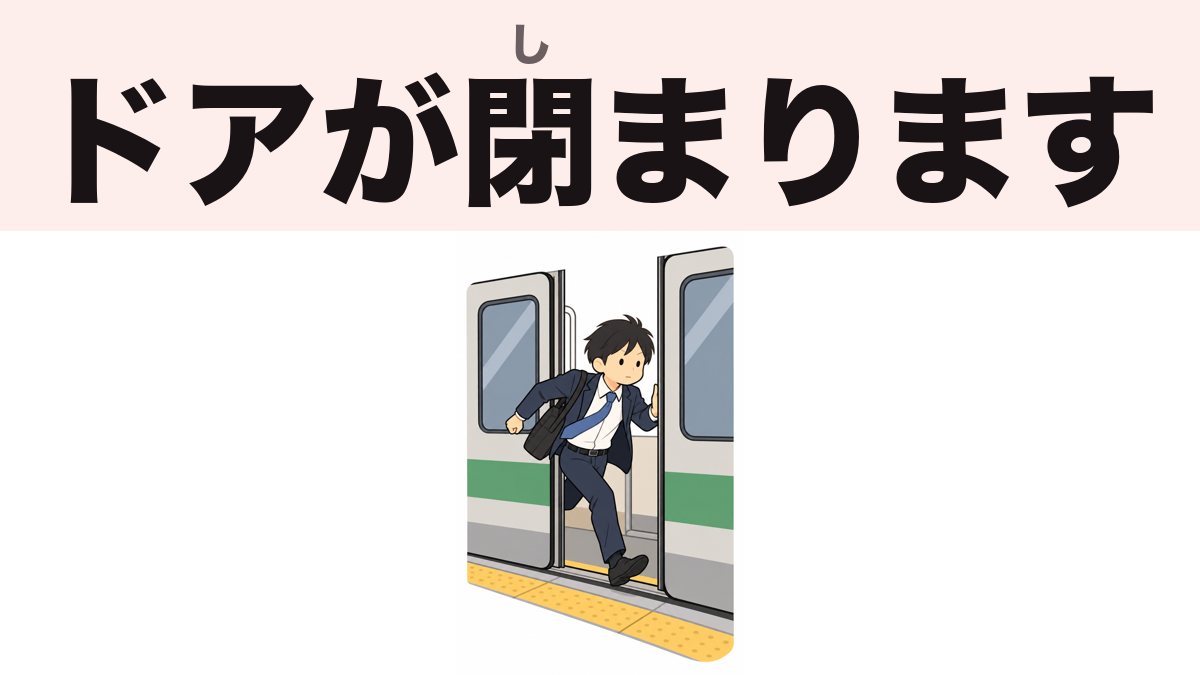
Close in Japanese: 閉める vs 閉まる vs 閉じる, plus 近い and 親しい
Close in Japanese is 閉める (shimeru) for a door or window. Learn 閉まる, 閉じる, 閉店, and the other "close" words: 近い for near and 親しい for close friends.
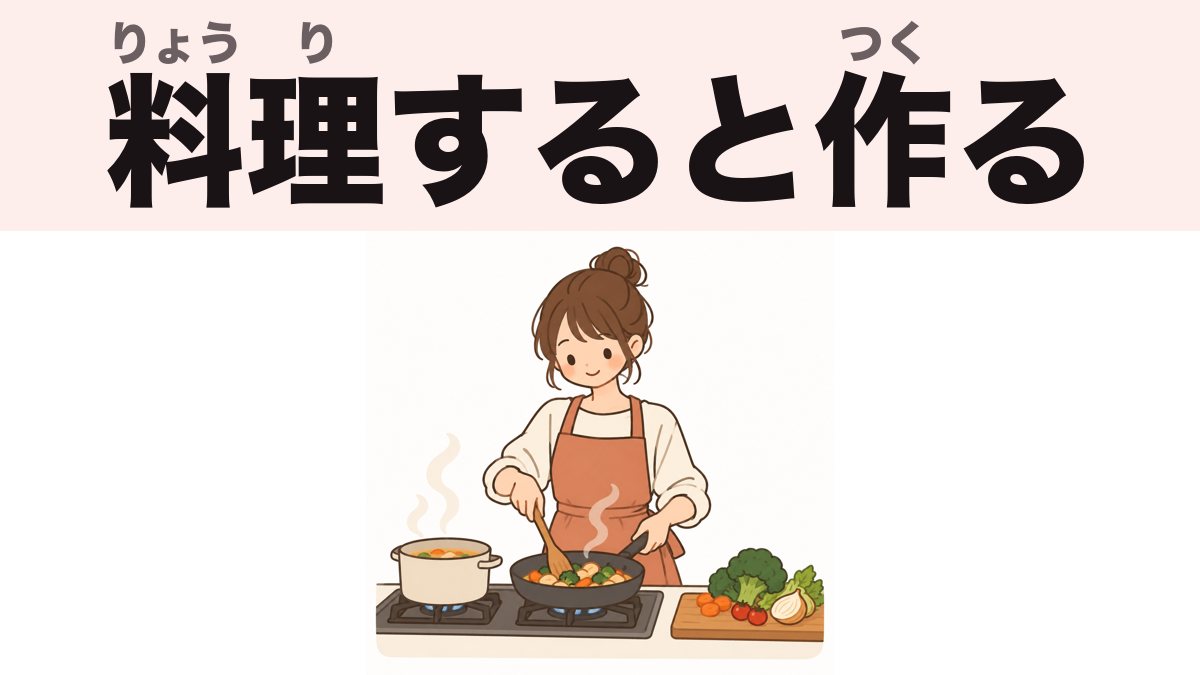
Cook in Japanese: 料理する (りょうりする), 作る, and what people actually say
To cook in Japanese is 料理する (りょうりする), but people usually say ご飯を作る. Learn 自炊, 煮る・焼く・炒める・揚げる・茹でる, 料理人 and how to say you cook well.
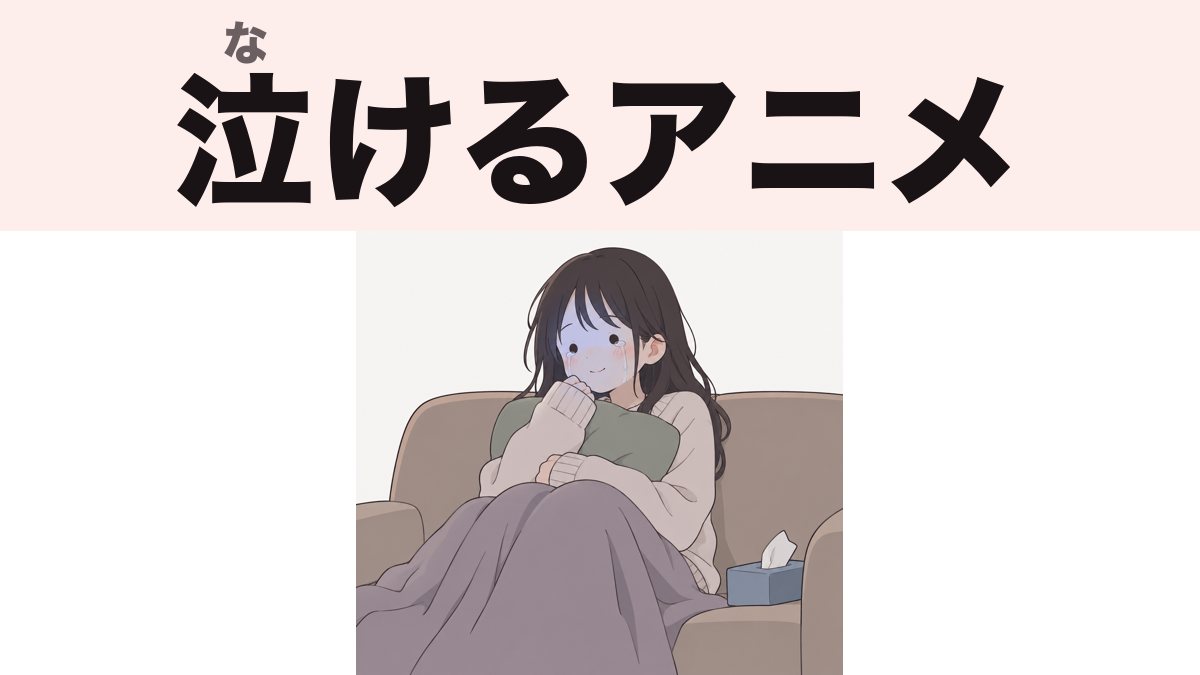
Cry in Japanese: 泣く (なく), 涙 (なみだ), 泣き虫, and why a movie can be 泣ける
Cry in Japanese is 泣く (なく, naku), and tears are 涙 (なみだ). Learn 泣き虫, 号泣, 嬉し泣き, 泣ける for a moving story, sounds like うるうる and しくしく, and 鳴く for animals.
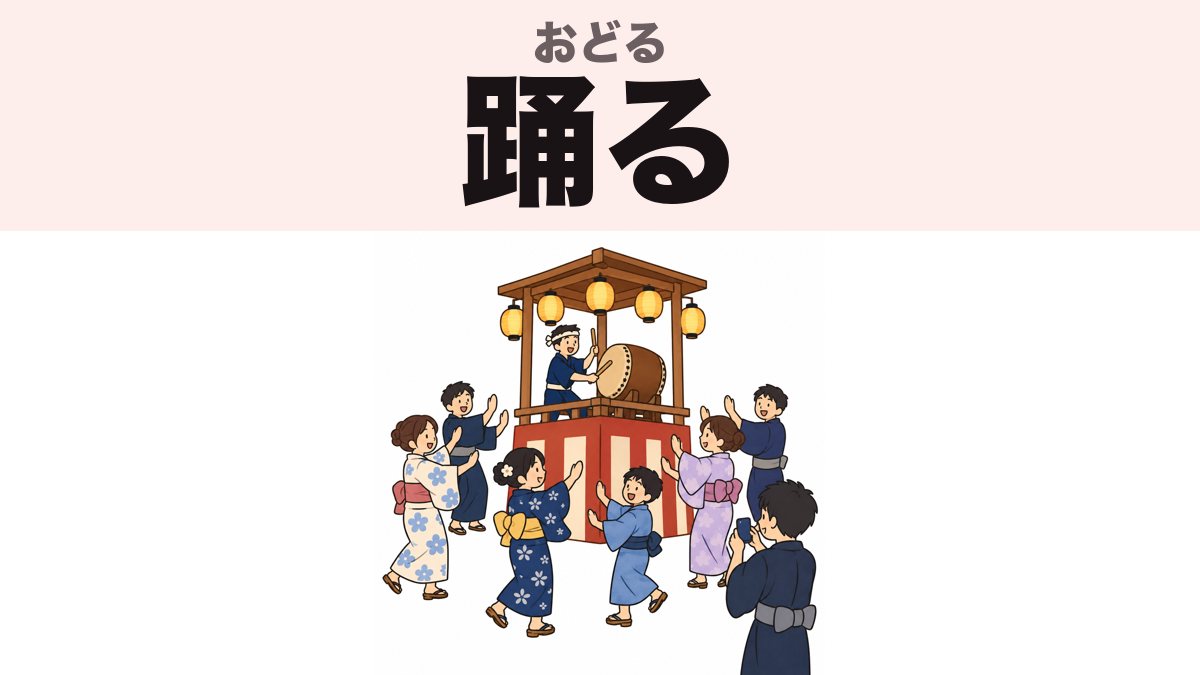
Dance in Japanese: 踊る (おどる), ダンス, 盆踊り, and 踊ってみた
Dance in Japanese is 踊る (おどる) as a verb and ダンス or 踊り as a noun. Learn ダンスを踊る, 振り付け (choreography), 盆踊り, 舞う, and the 踊ってみた video genre.
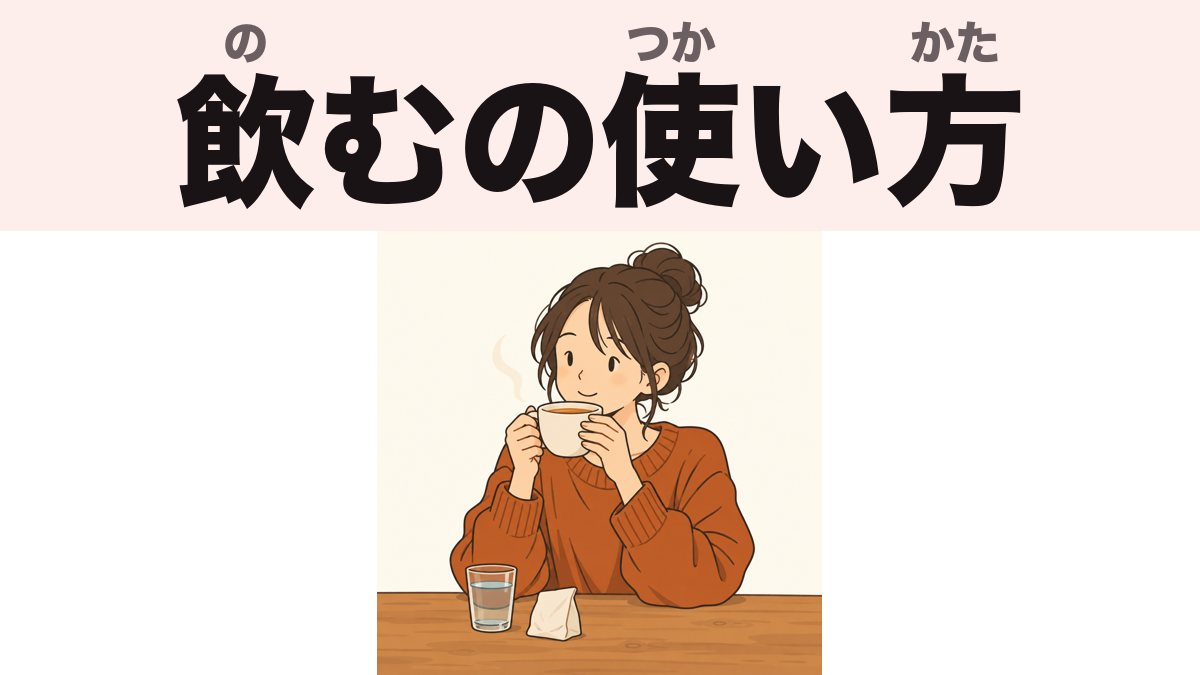
Drink in Japanese: 飲む (のむ), 飲み物, and why you "drink" medicine
Drink in Japanese is 飲む (のむ), a verb that also covers medicine and soup. Learn 飲み物, 飲みに行く, お酒, 飲めない and how to politely say you do not drink.
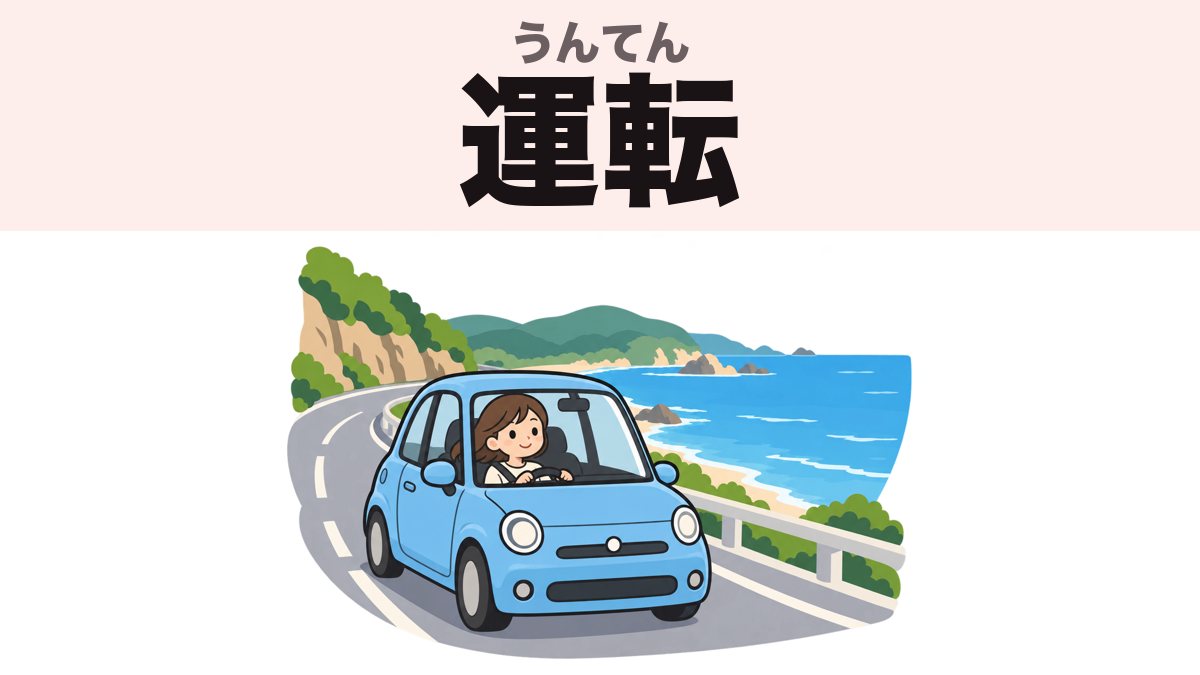
Drive in Japanese: 運転する (うんてん), ドライブ, 免許, and ペーパードライバー
Drive in Japanese is 運転する (うんてんする). Learn ドライブ (a pleasure drive), 運転免許 (driver’s license), 運転手, 左側通行, 安全運転, and the wasei-eigo ペーパードライバー.
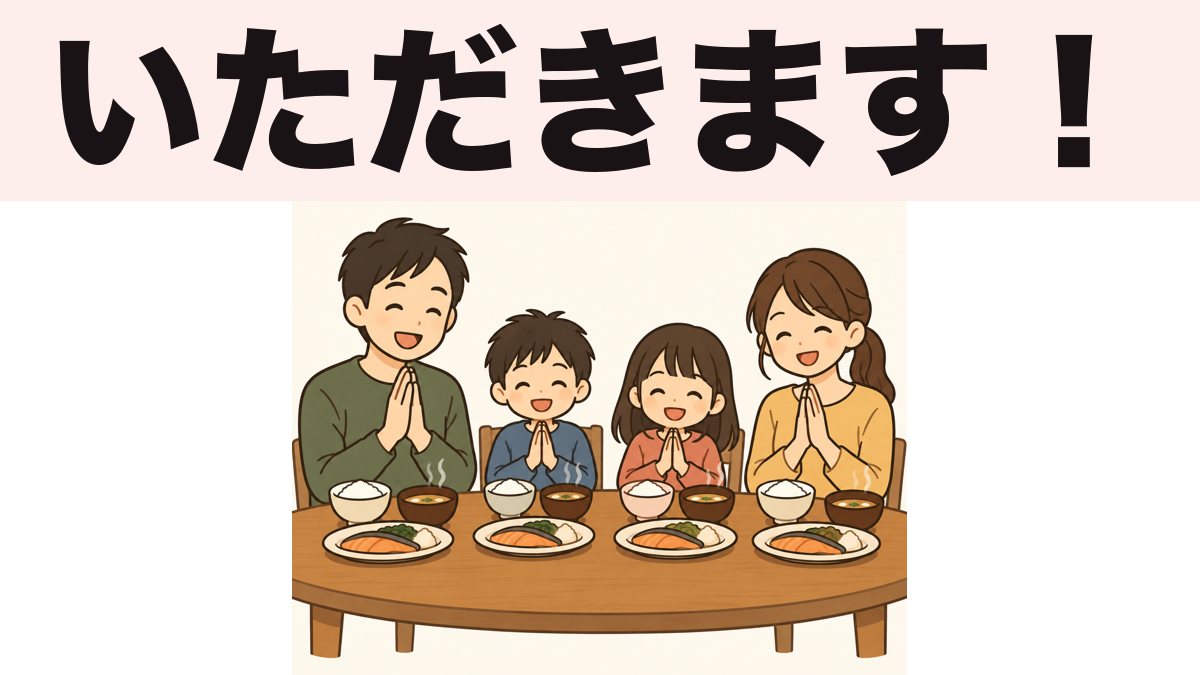
Eat in Japanese: 食べる (たべる), 食う, 召し上がる, and "let's eat"
Eat in Japanese is 食べる (taberu). Learn its forms, "let's eat" with 食べよう, the rough 食う, polite 召し上がる, why soup is "drunk", and words like 食べ放題.
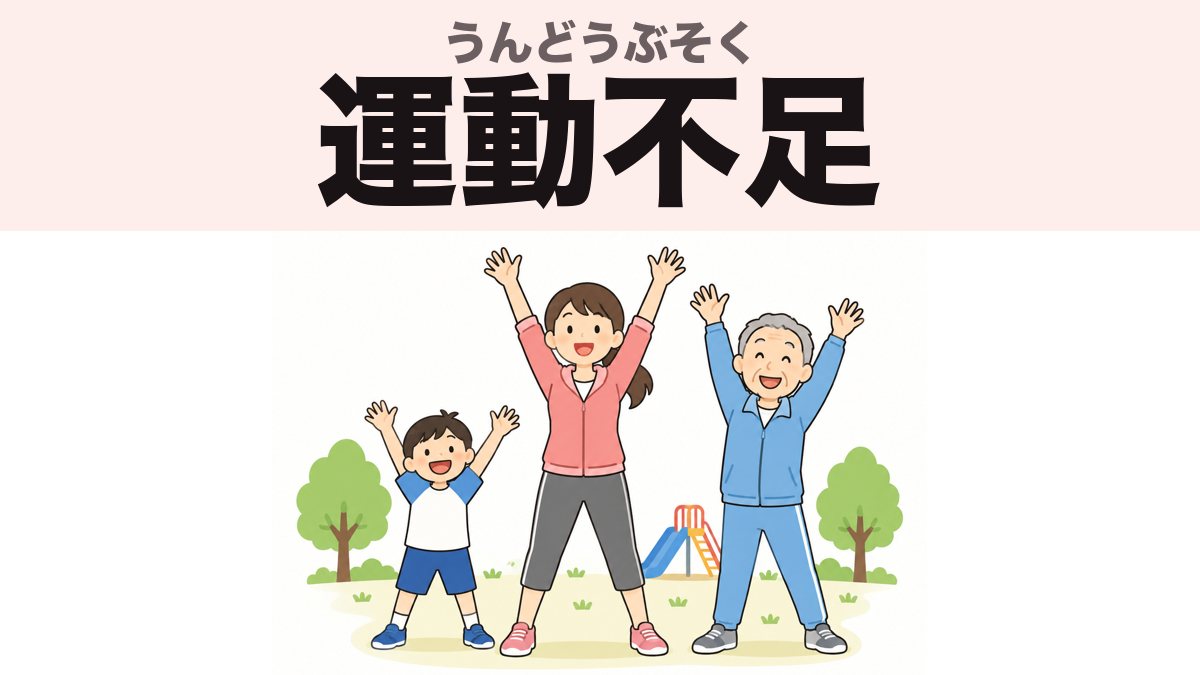
Exercise in Japanese: 運動 (うんどう), 運動不足, 筋トレ, and ラジオ体操
Exercise in Japanese is 運動 (うんどう). Learn 運動する, 運動不足, 筋トレ, ジムに行く, 体を動かす, ラジオ体操, and 練習問題 for the other kind of "exercise".
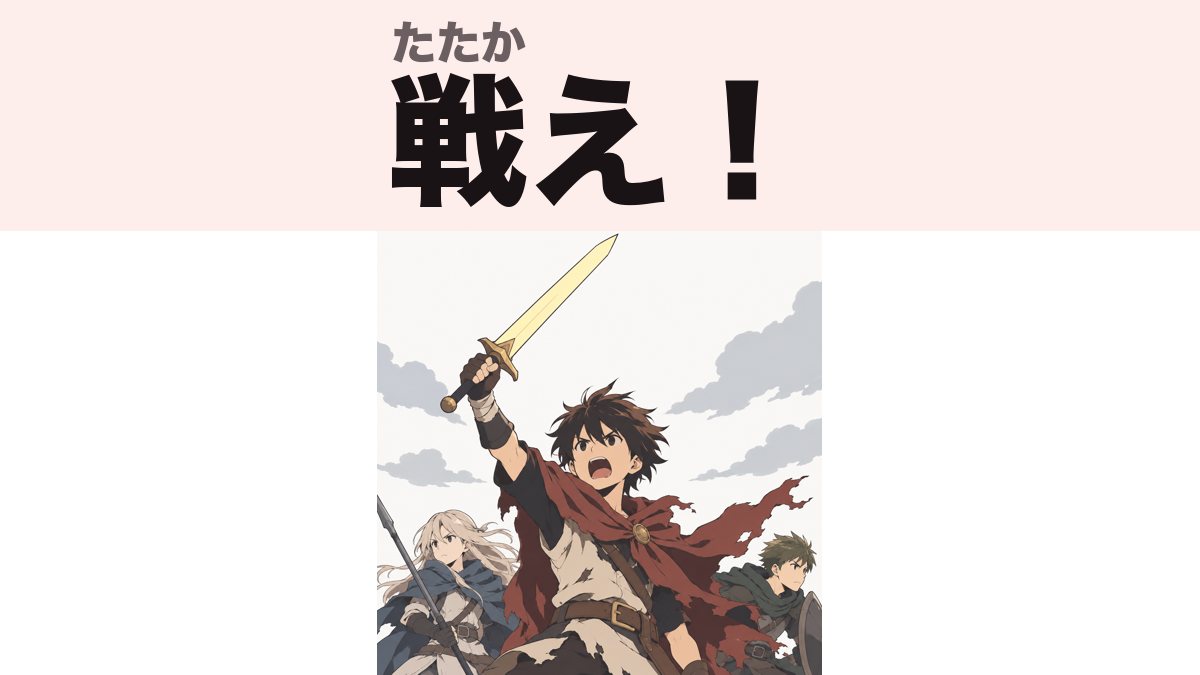
Fight in Japanese: 戦う (たたかう), 喧嘩 (けんか), and the anime cry 戦え!
Fight in Japanese is 戦う (たたかう) for battles and 喧嘩 (けんか) for arguments and brawls. Learn 戦え, 喧嘩する, 争う, 闘う vs 戦う, 口喧嘩, and ファイト as "you can do it".
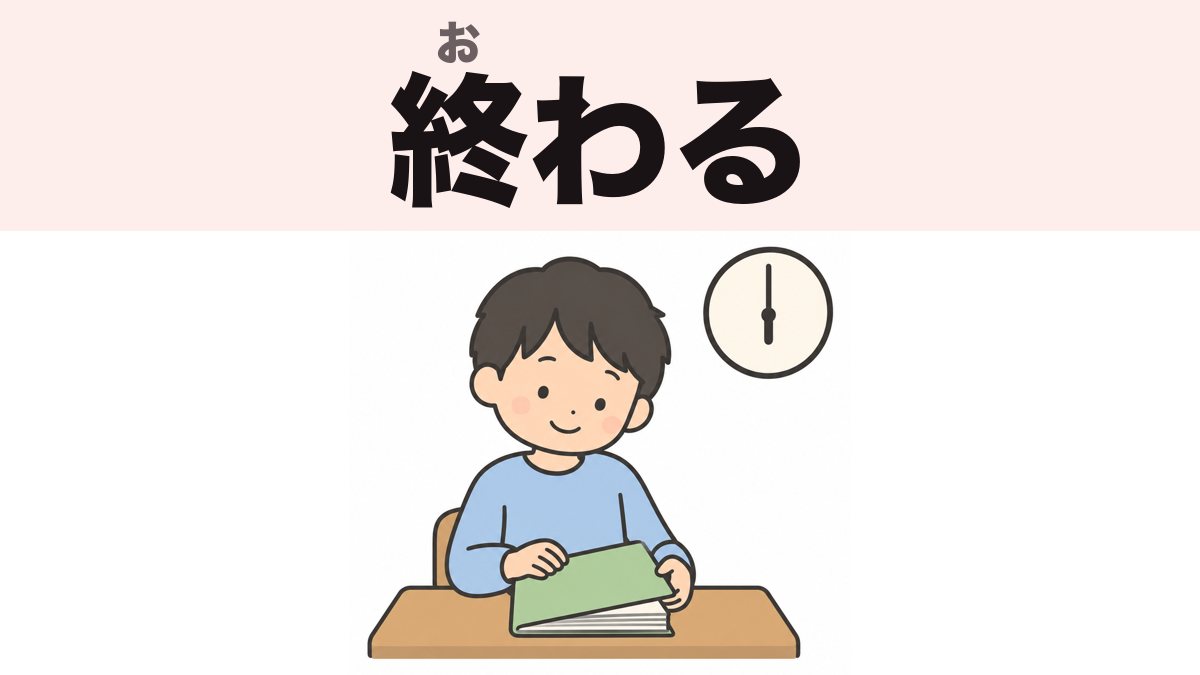
Finish in Japanese: 終わる vs 終える, 〜終わる, 済む, 終了, and おしまい
Finish in Japanese is 終わる (おわる) when something ends and 終える (おえる) when you finish something. Learn 〜終わる (finish doing), 済む, 終了, 完成, and おしまい.
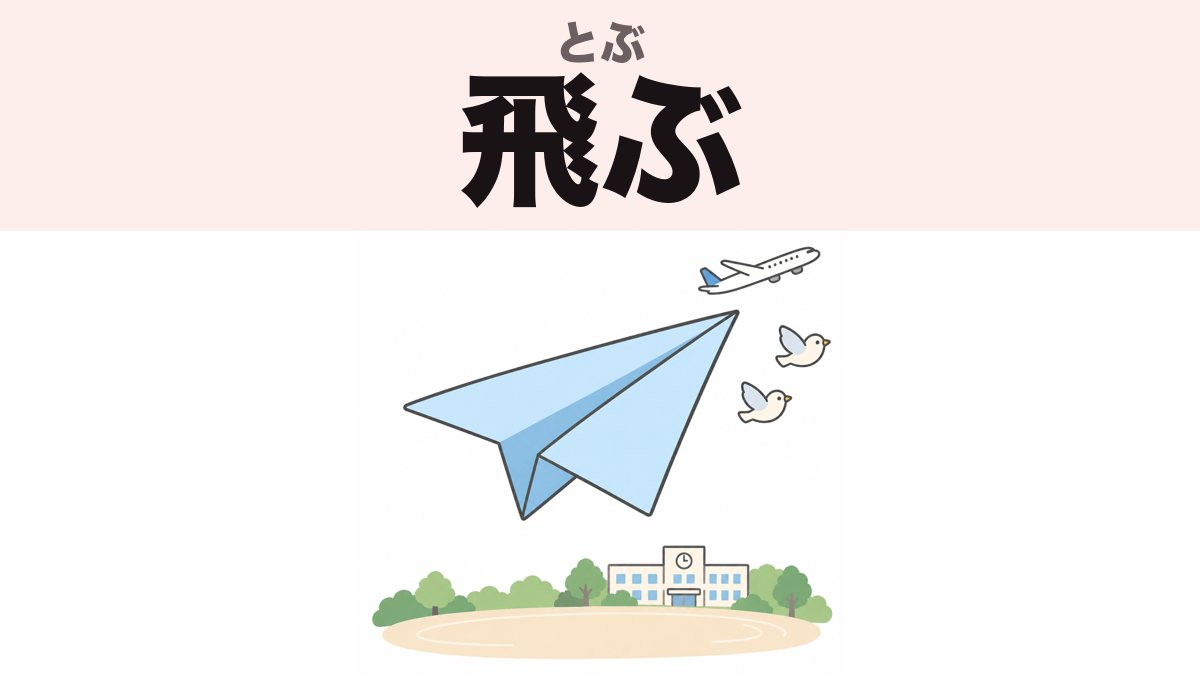
Fly in Japanese: 飛ぶ (とぶ), 飛べ, 飛行機, and 時間が経つのが早い
Fly in Japanese is 飛ぶ (とぶ). Learn 飛んで, the command 飛べ!, 飛行機で行く (to fly somewhere), 飛び立つ, 跳ぶ for jumping, and how to say "time flies" in Japanese.
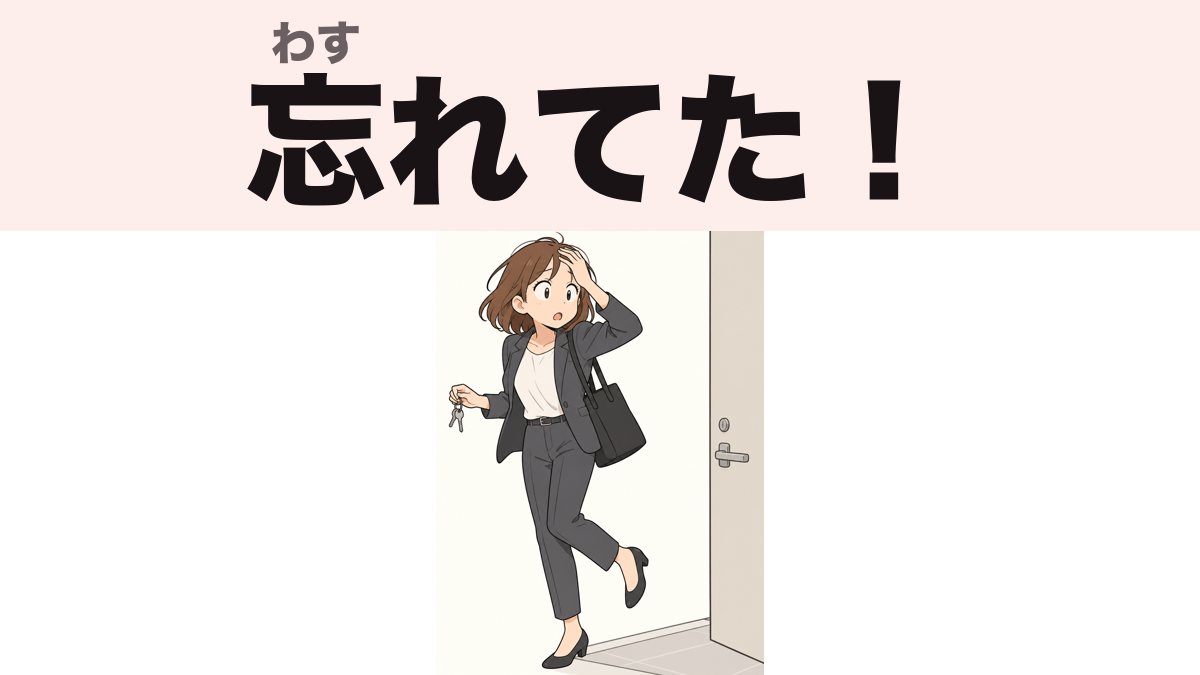
Forget in Japanese: 忘れる (わすれる), 忘れた vs 忘れてた, and 忘れ物
Forget in Japanese is 忘れる (わすれる). Learn 忘れました vs 忘れていました, 忘れないで, 忘れ物 for things left behind, 忘れっぽい, ど忘れ, 置き忘れる and 忘れられない.
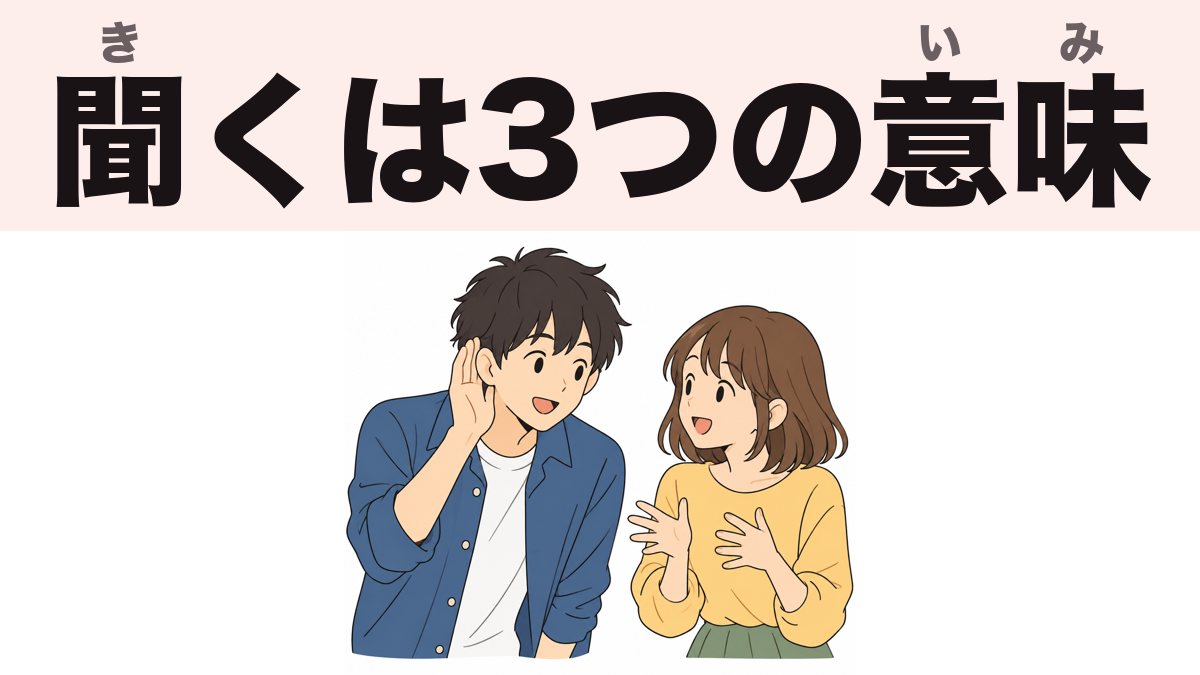
To Listen in Japanese: 聞く (きく) also means hear and ask
To listen in Japanese, say 聞く (kiku): 音楽を聞く is "listen to music". The same verb also means "hear" and "ask". Here is how to tell the three apart.
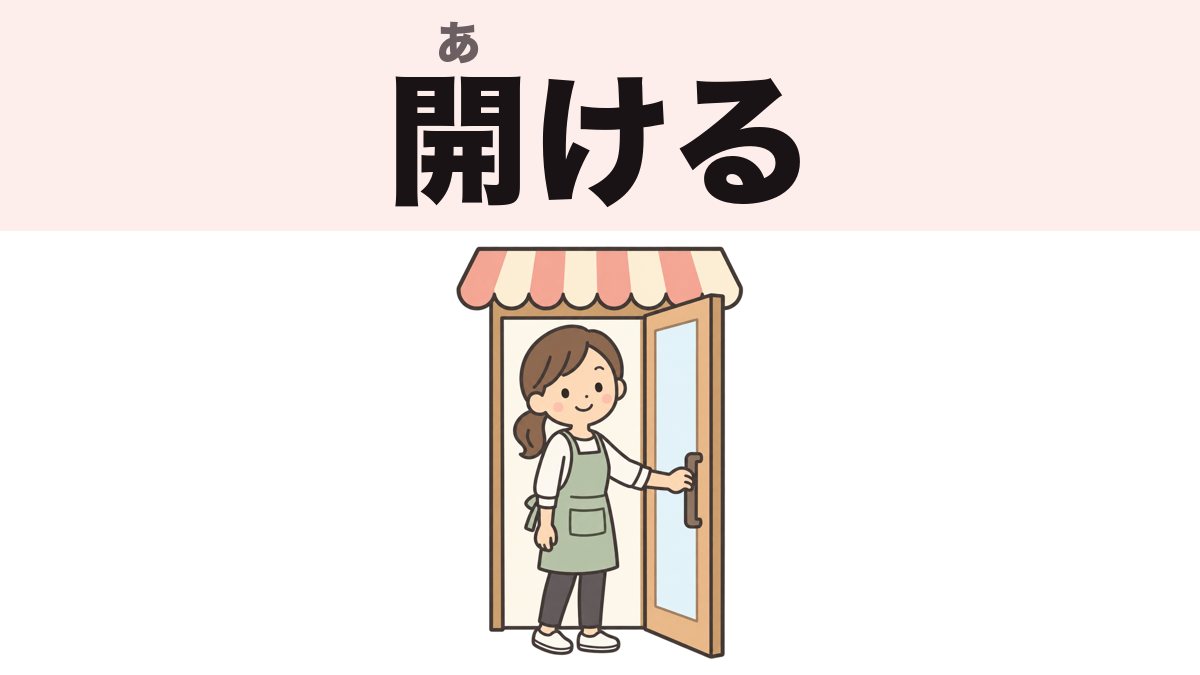
Open in Japanese: 開ける vs 開く, ひらく, 営業中, and 心を開く
Open in Japanese is 開ける (あける) when you open something and 開く (あく) when you describe something open or opening. Learn ひらく, 営業中, オープン and 心を開く.
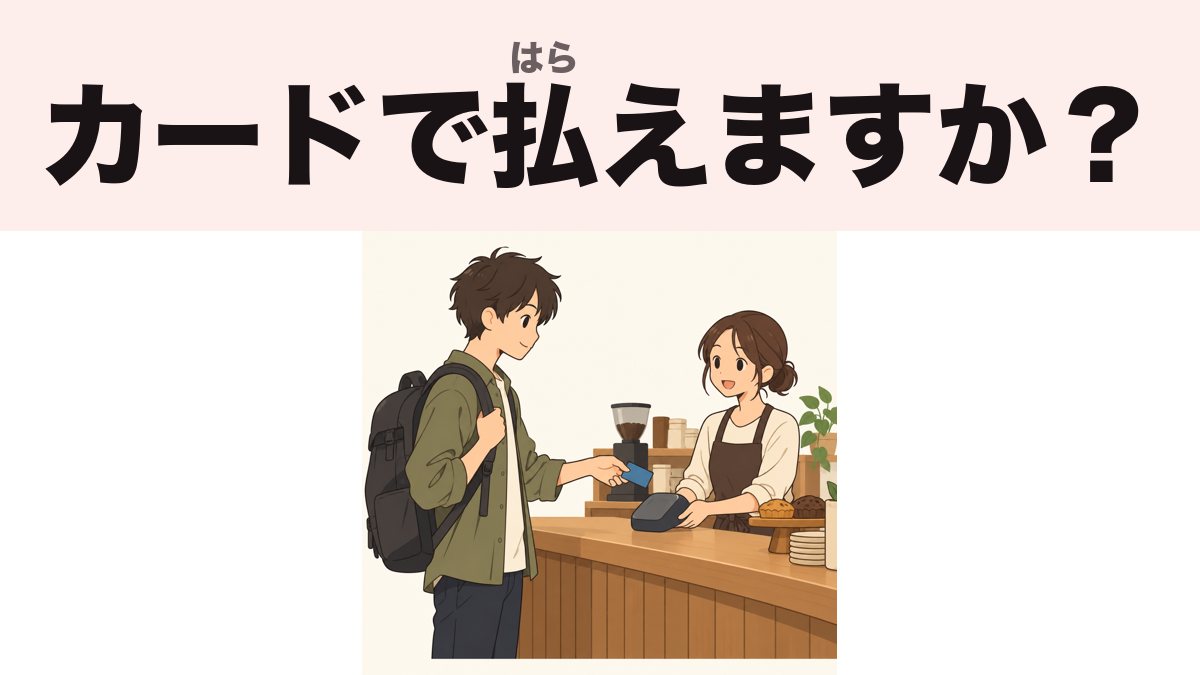
Pay in Japanese: 払う (はらう), 支払い, おごる, and "pay attention" too
Pay in Japanese is 払う (はらう). Learn 払います and 払わない, how to ask カードで払えますか, what 一括 means at the register, おごる for "my treat", 払い戻し and 注意を払う.
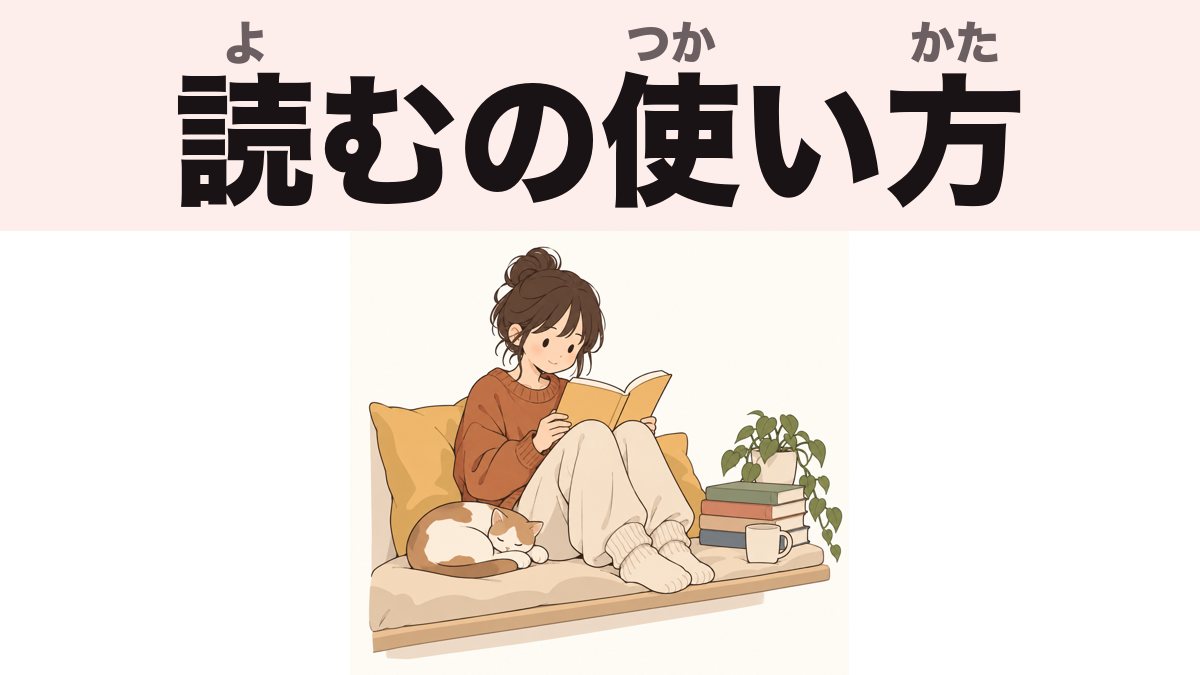
Read in Japanese: 読む (よむ), 読めない, 読み方, and how to "read the room"
Read in Japanese is 読む (よむ), a む-verb. Learn 読みます, 読んで, 読める vs 読めない, 読み方 (how to read a kanji), 音読, 読書, and 空気を読む (read the room).
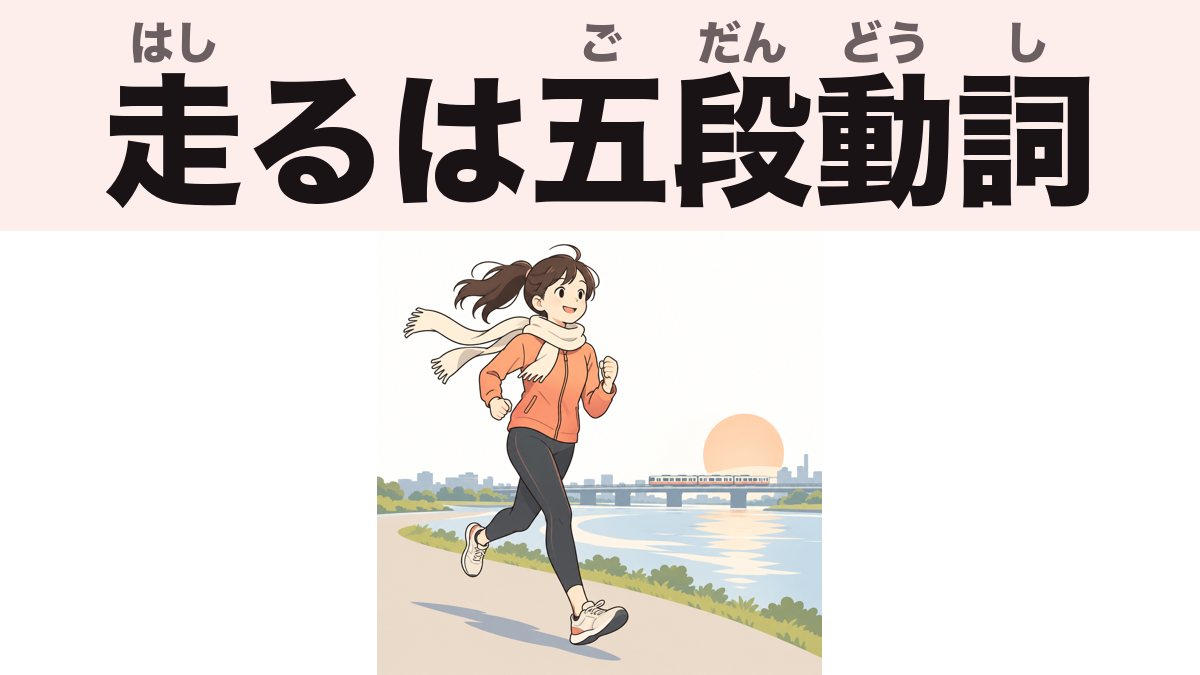
Run in Japanese: 走る (はしる), the verb that looks easy but is not
Run in Japanese is 走る (はしる), a godan verb that looks like an ichidan one: 走ります, 走って, 走った. Plus 逃げる, ジョギング, and why "run a business" is not 走る.
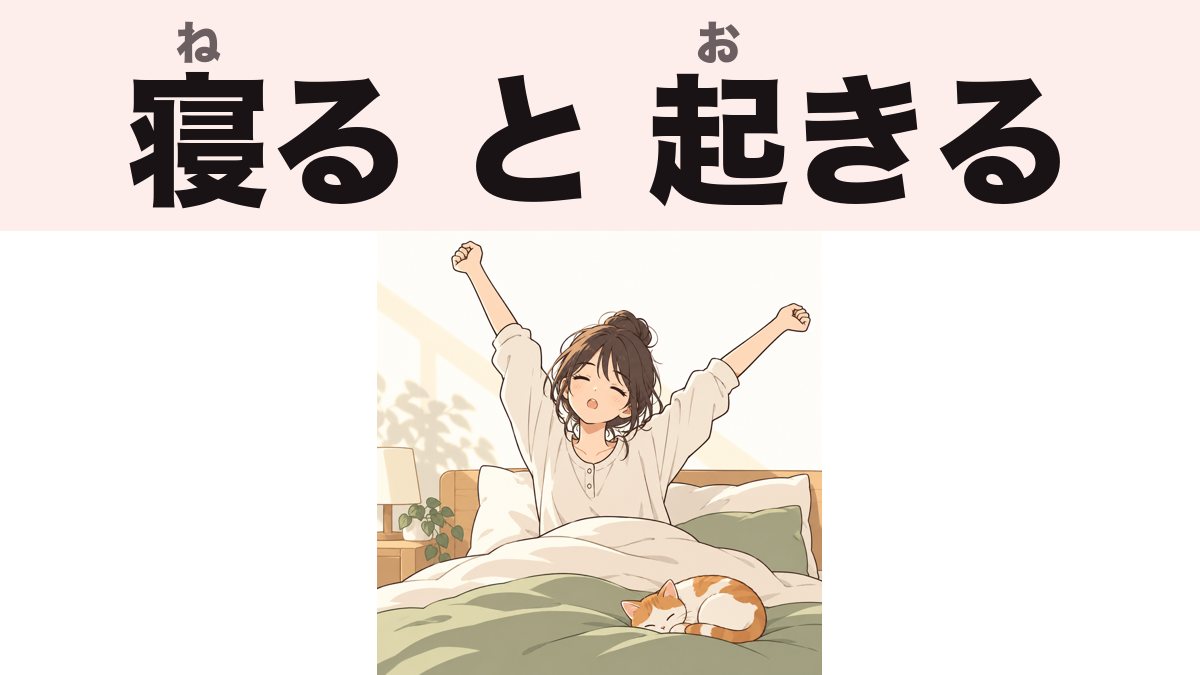
Sleep and wake up in Japanese: 寝る, 眠る, 起きる and 目が覚める
Sleep in Japanese is 寝る (neru) and wake up is 起きる (okiru). Learn 眠る, 目が覚める, 起こす, おやすみ, 寝坊, 昼寝 and why 寝ている means "is asleep".
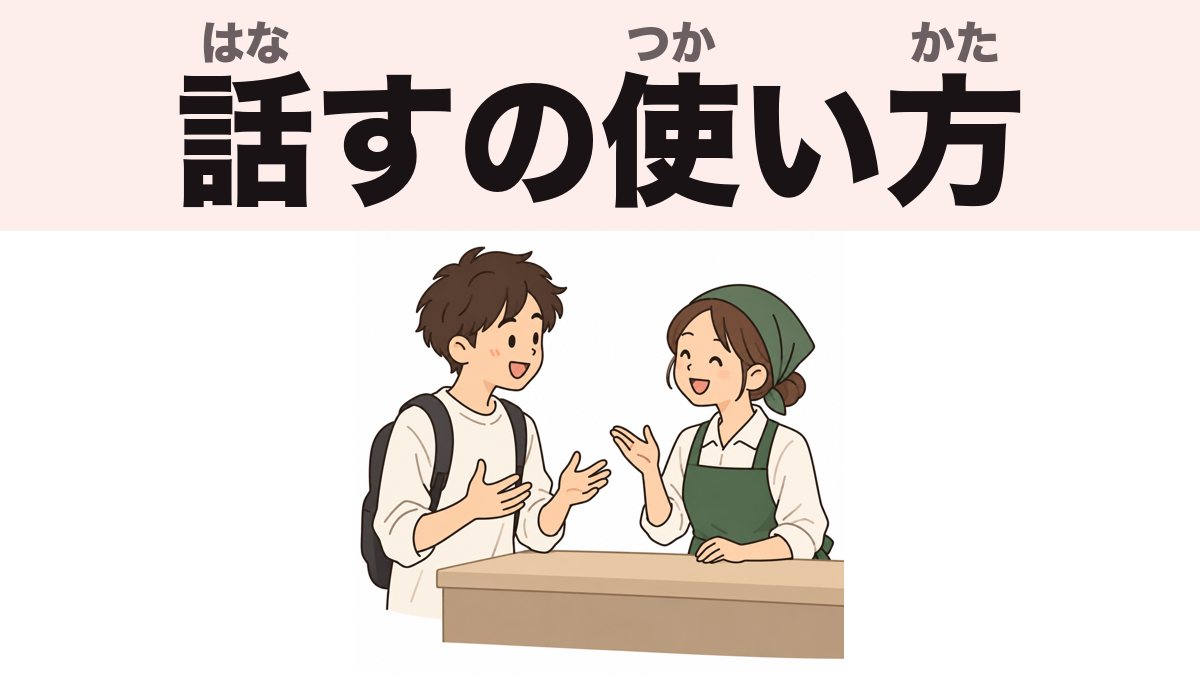
Speak in Japanese: 話す (はなす), and why you say 日本語が話せます
To speak in Japanese, use 話す (はなす). Learn 日本語が話せます vs 日本語を話す, 少し話せます, and how 話す differs from 言う and しゃべる, with practice.
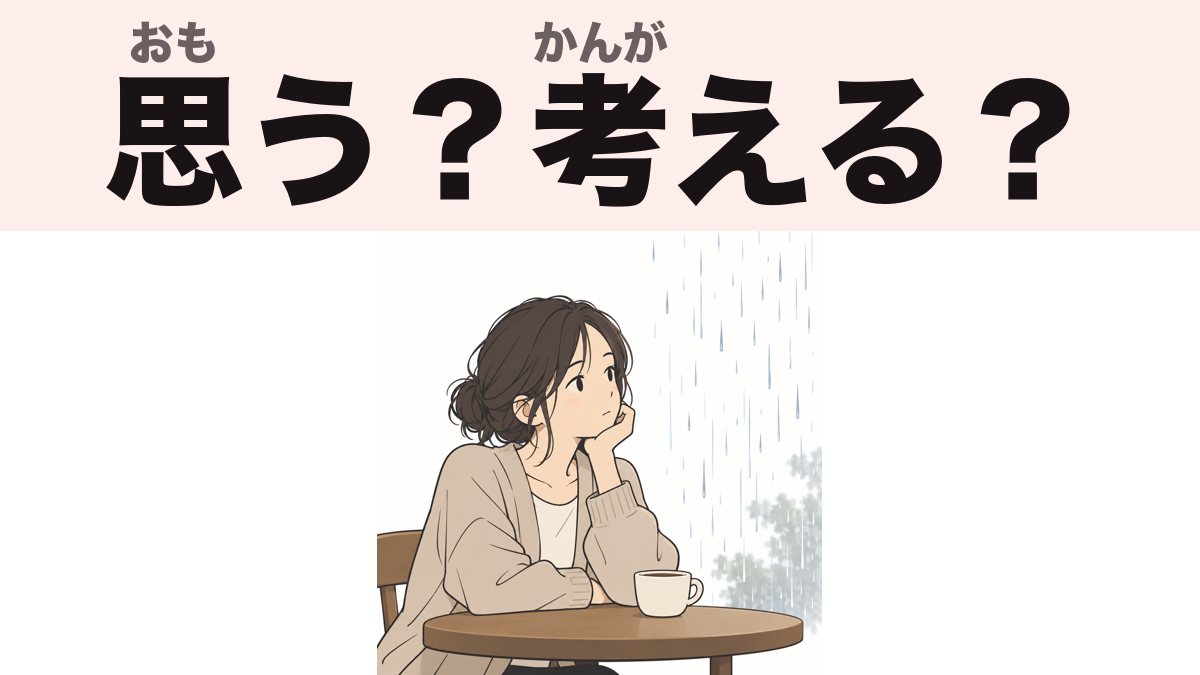
Think in Japanese: 思う vs 考える, and why "I think" softens every sentence
Think in Japanese is 思う (omou) for opinions and feelings, 考える (kangaeru) for deliberate thinking. Learn と思います, ようと思う, 思いつく, and how "I think" softens speech.
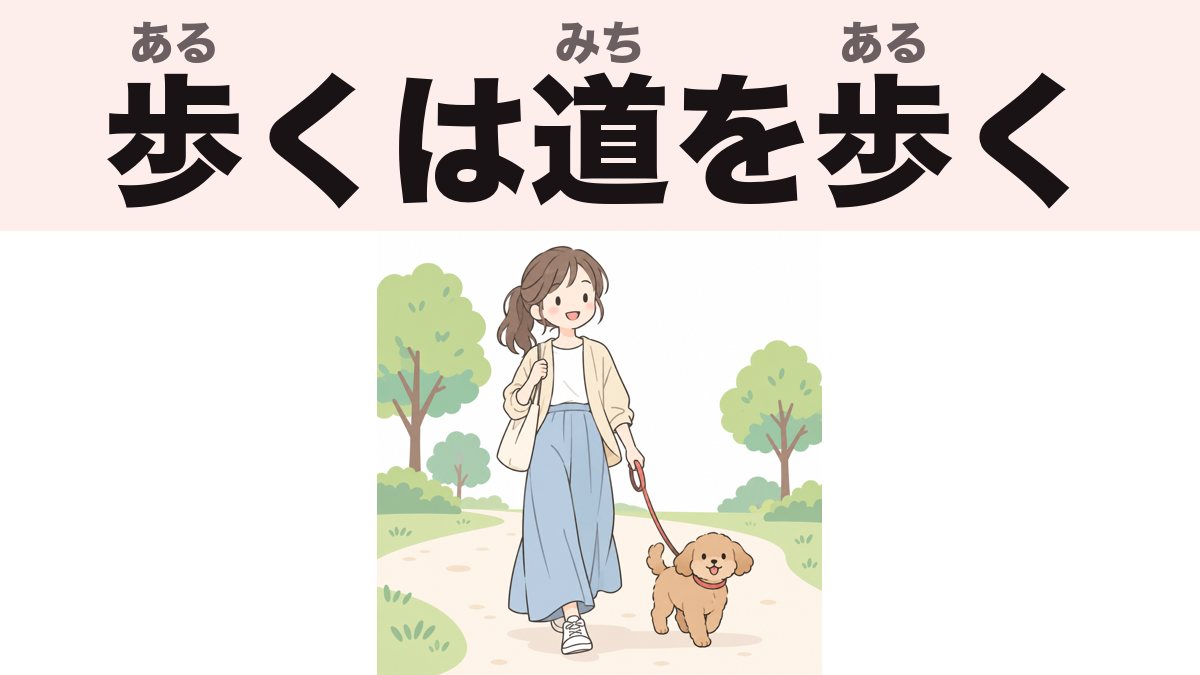
Walk in Japanese: 歩く (aruku), 歩いて行く, 散歩 and 徒歩 explained
Walk in Japanese is 歩く (aruku). Learn 歩いて行く, why you walk 道を not 道で, plus 散歩, 徒歩5分, 歩ける and 歩きスマホ, with practice and anime lines.
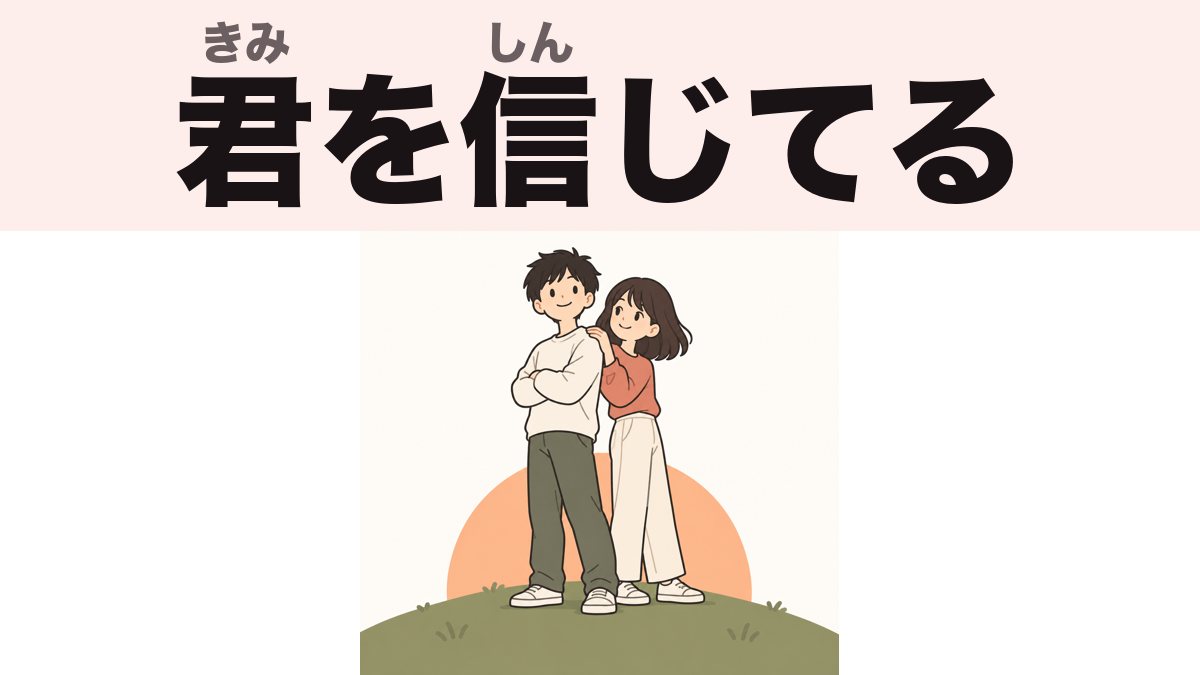
Believe in Japanese: how to say 信じる, "I believe in you" and "I can't believe it"
Believe in Japanese is 信じる (shinjiru). 君を信じてる means "I believe in you", and 信じられない means "I can't believe it". Plus 信用 vs 信頼 vs 思う.
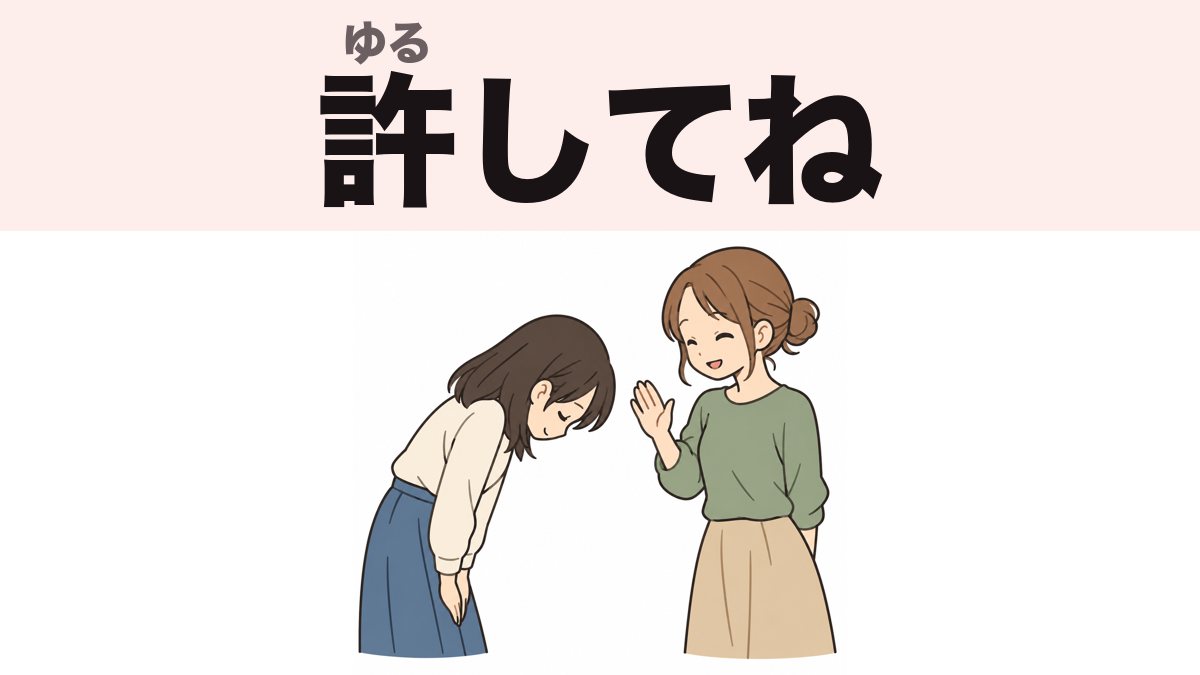
Forgive in Japanese: How to Say "Forgive Me" (許す, 許して, 勘弁して)
Forgive in Japanese is 許す (yurusu). 許してください means "please forgive me", but daily life usually calls for ごめん or すみません. Learn when each fits.
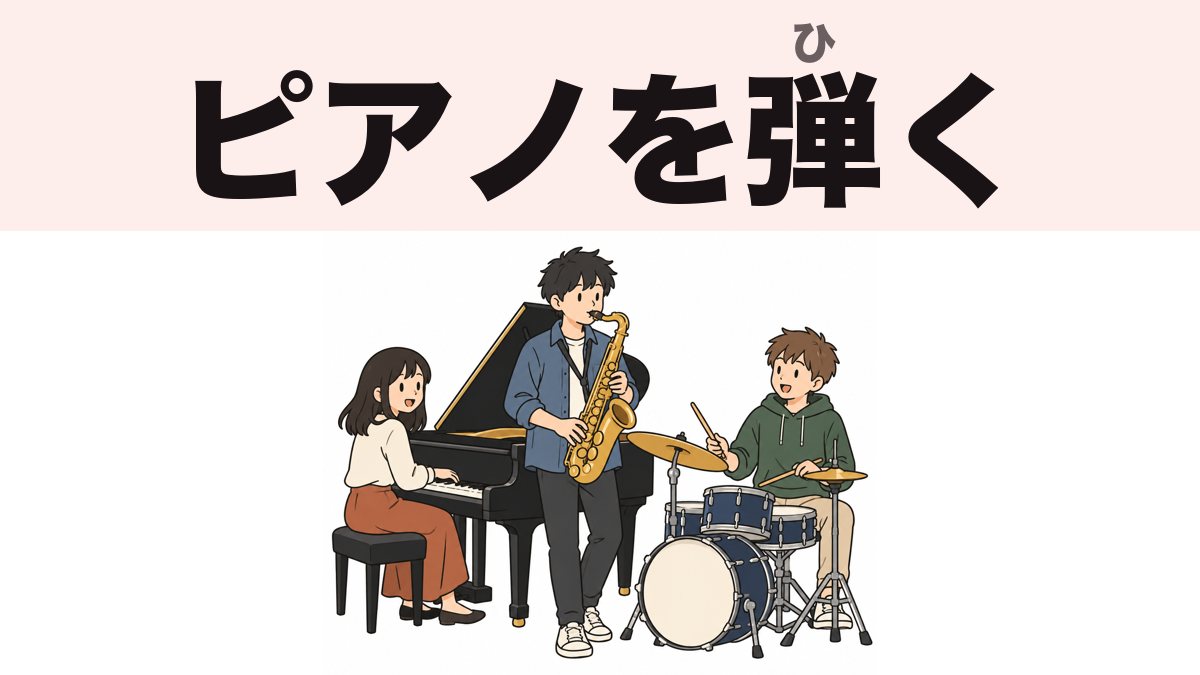
Play Piano in Japanese: 弾く, 吹く, 叩く and Why There Is No Single "Play"
Japanese uses 弾く (hiku) for strings/keys (piano, guitar), 吹く (fuku) for wind instruments (flute, harmonica), and 叩く (tataku) for drums and percussion.
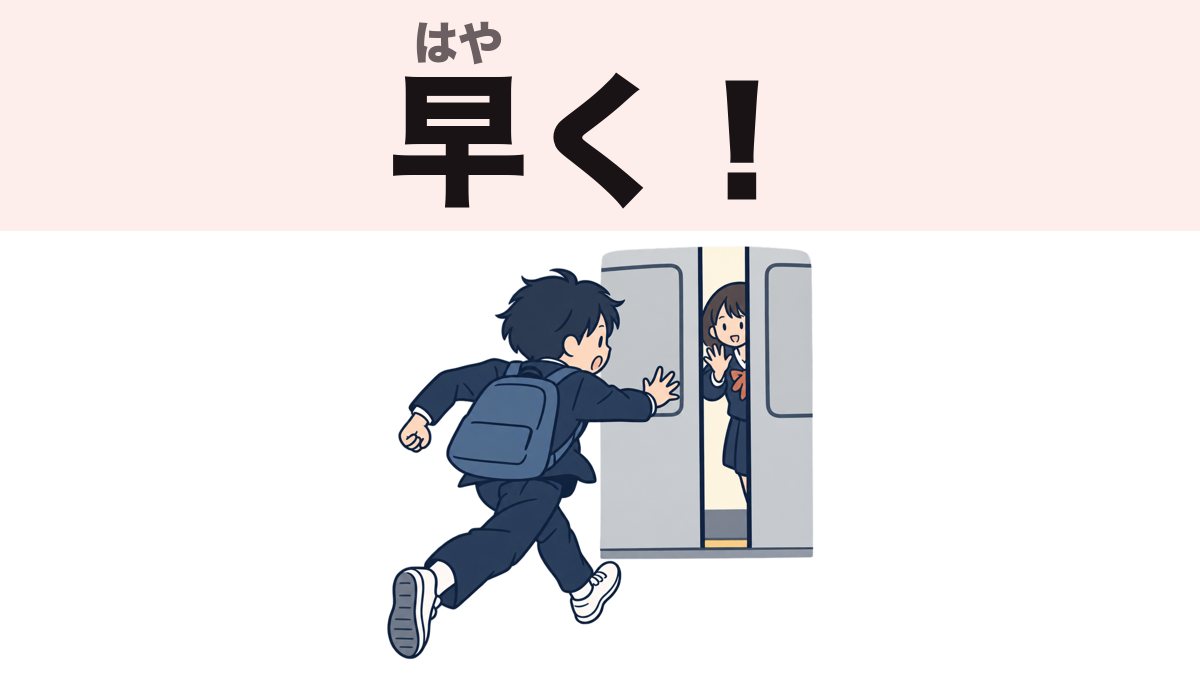
Hurry up in Japanese: 急いで, 早く and the さっさと you don't want to hear
Hurry up in Japanese: 急いで asks someone to speed up, 早く urges them to do it soon, and さっさと is the irritated version. Learn which to use and to whom.
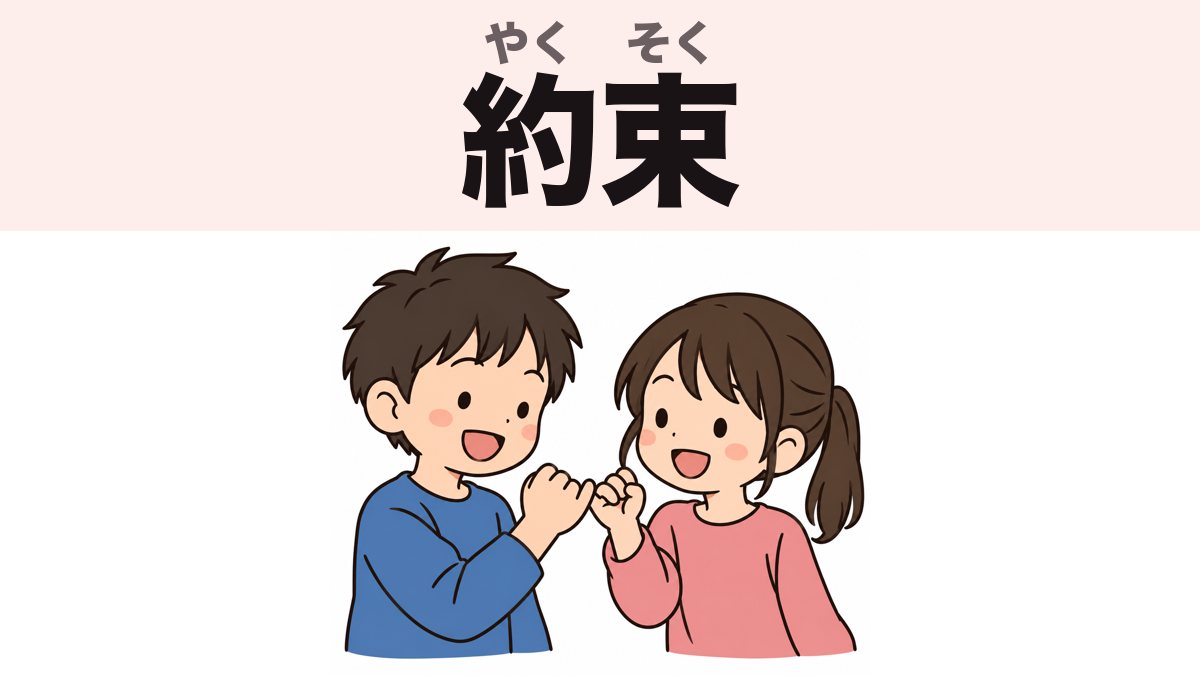
Promise in Japanese: 約束, keeping it, breaking it, and when it just means 'plans'
Promise in Japanese is 約束 (yakusoku). Learn 約束する, 約束を守る and 約束を破る, 約束だよ, 指切りげんまん, and why 約束がある can also mean "I have plans."
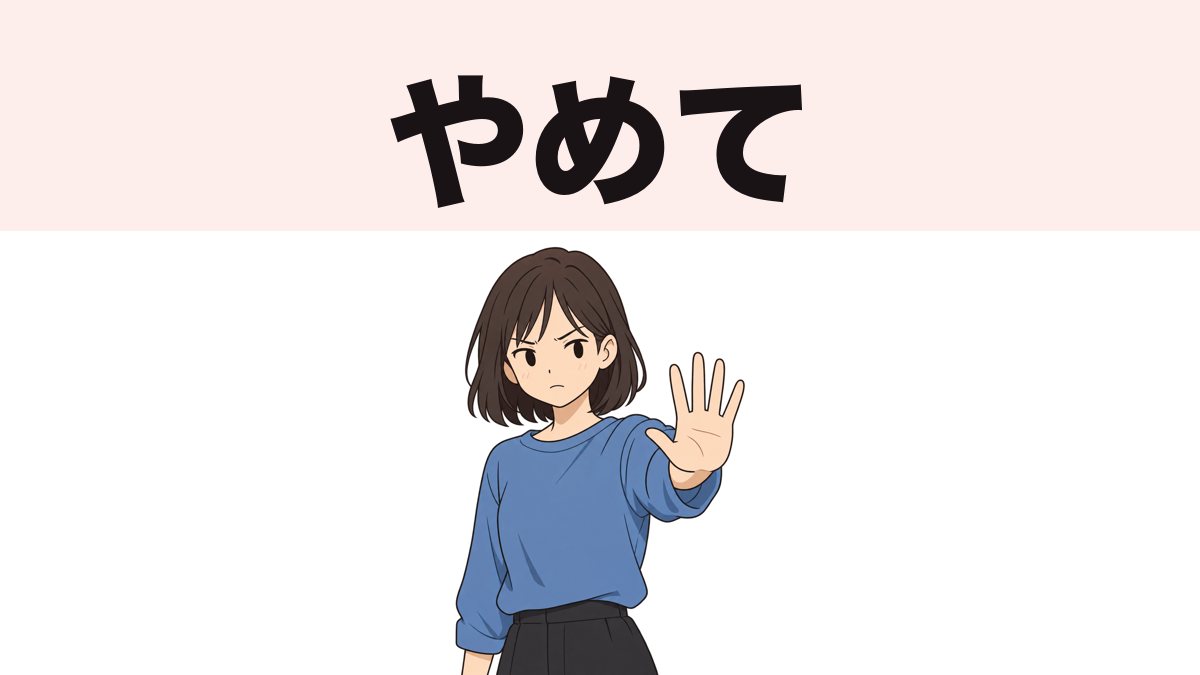
Stop in Japanese: やめて vs 止まって — quitting and halting are different verbs
Stop in Japanese has three main verbs: やめる (quit doing something), 止まる (something halts) and 止める (you halt it). See which one fits, with examples.
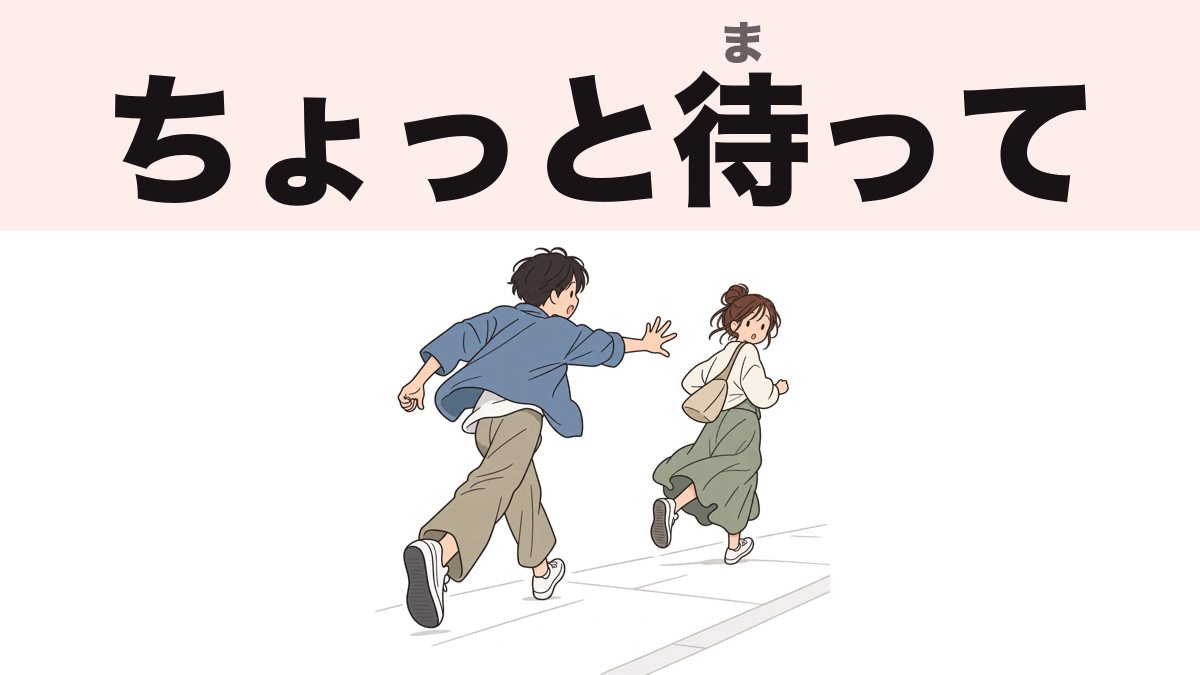
Wait in Japanese: 待って, 待ってください and お待ちください
Wait in Japanese is 待つ (matsu). 待って is casual, 待ってください is polite, and 少々お待ちください is what shops say. Here is when each one fits, with examples.
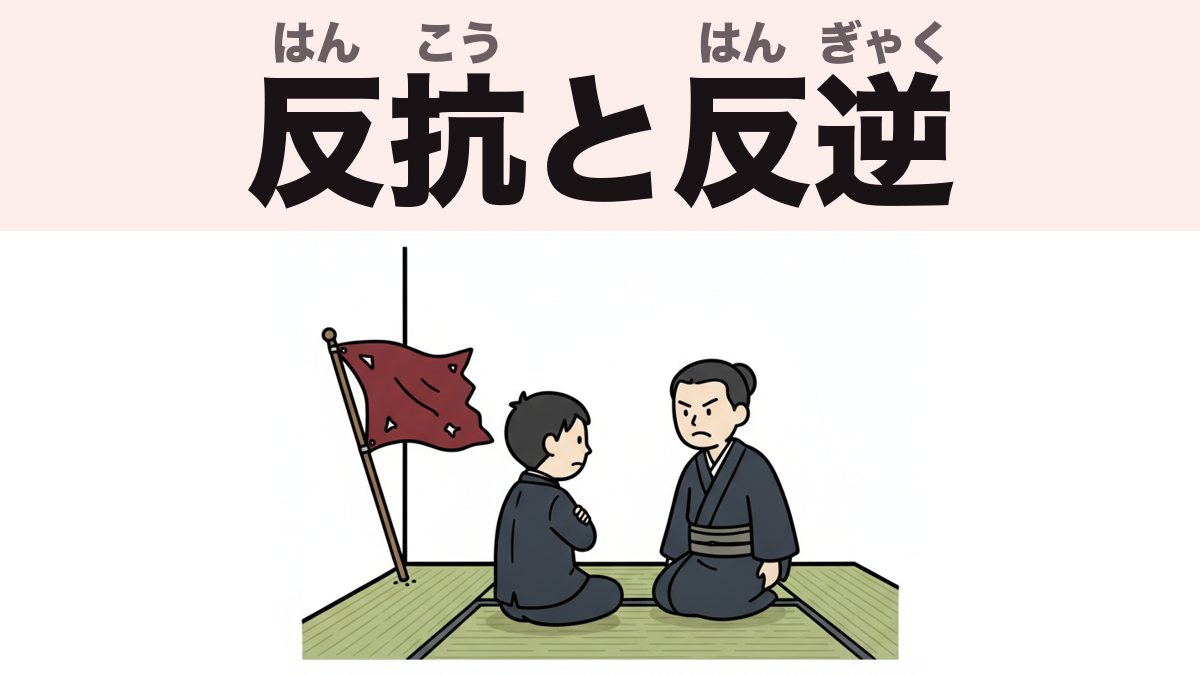
Rebel in Japanese: 反抗する, 反逆, 反乱 and 反旗を翻す
To rebel in Japanese is usually 反抗する. 反逆 is rebellion against a ruler, 反乱 is an armed uprising, and 反旗を翻す is the idiom. 反旗 is a noun, not a verb.
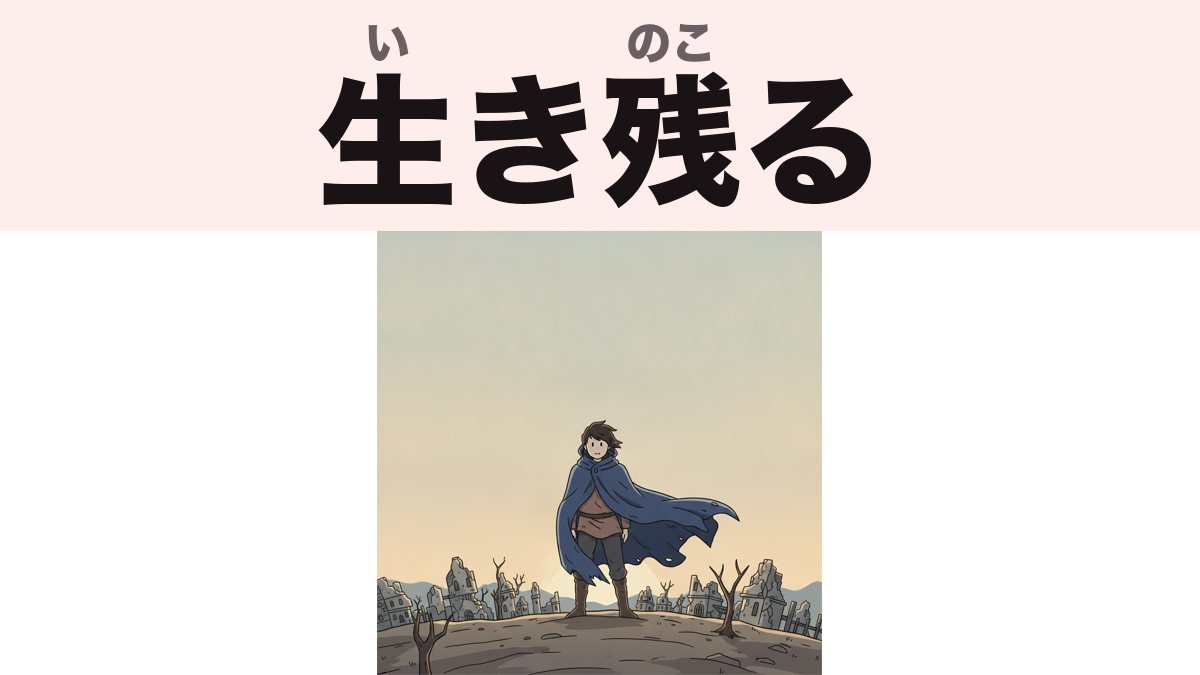
Survive in Japanese: 生き残る, 生き延びる and 乗り切る
Survive in Japanese is 生き残る (ikinokoru) when others did not make it, 生き延びる when you get through danger, and 乗り切る for surviving a hard week. Not 生き残す.