TOPIC
Grammar, One Piece at a Time
Japanese grammar patterns explained one at a time: what the form is, how it shrinks in casual speech, and the mistakes learners actually make.
133 articles
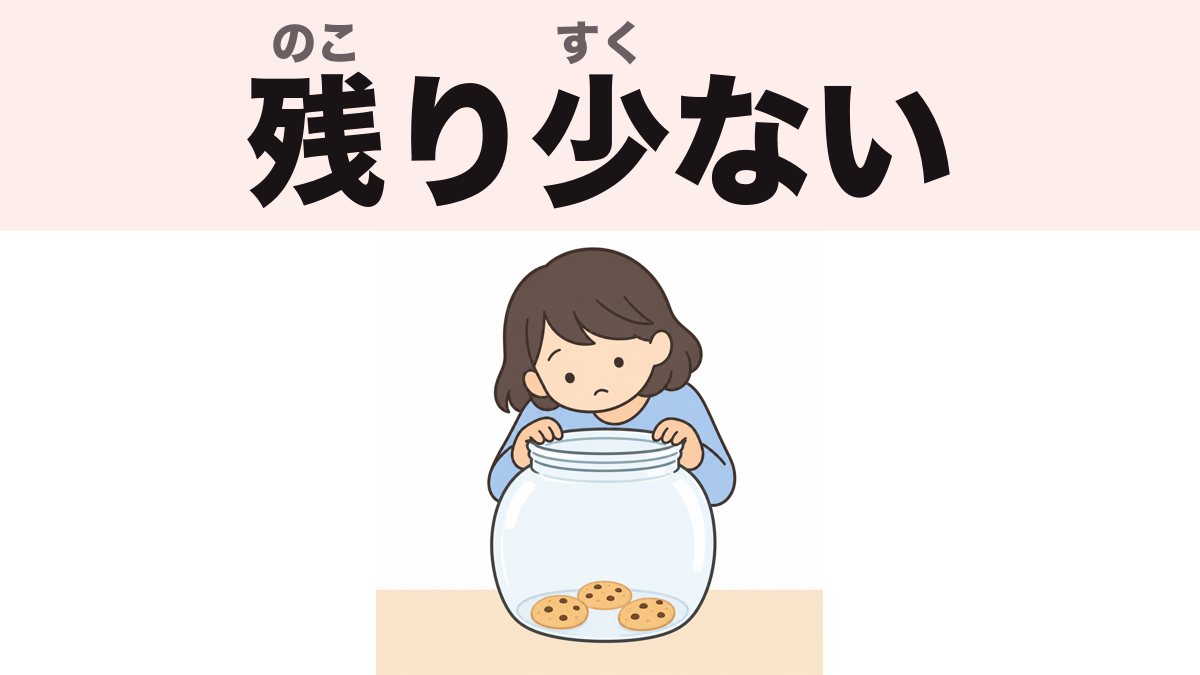
Few in Japanese: how do you say "few" and "a little" with 少ない and 少し?
Few in Japanese is 少ない (sukunai) for "not many / not much", and 少し (sukoshi) for "a little". 人が少ない means "there are few people". Here is how to use both.
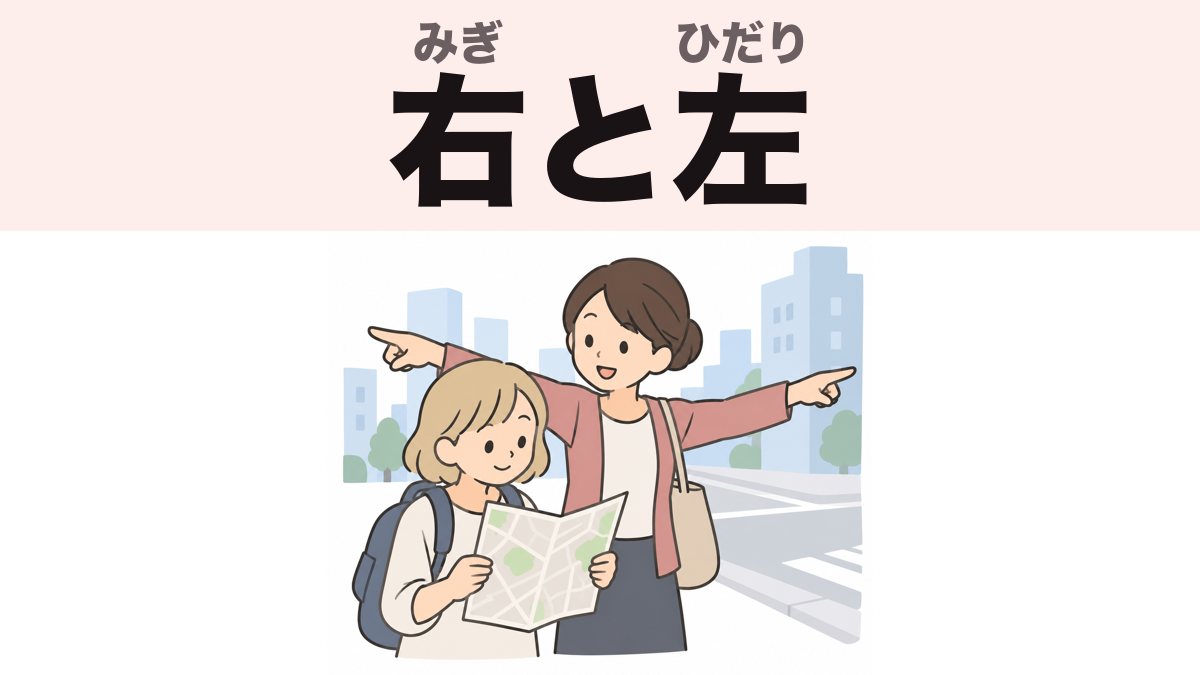
Left in Japanese: how do you say left and right (左 hidari, 右 migi)?
Left in Japanese is 左 (hidari) and right is 右 (migi). For example, 左に曲がってください means "Please turn left." Learn the kanji, 左右, and the left-over trap.
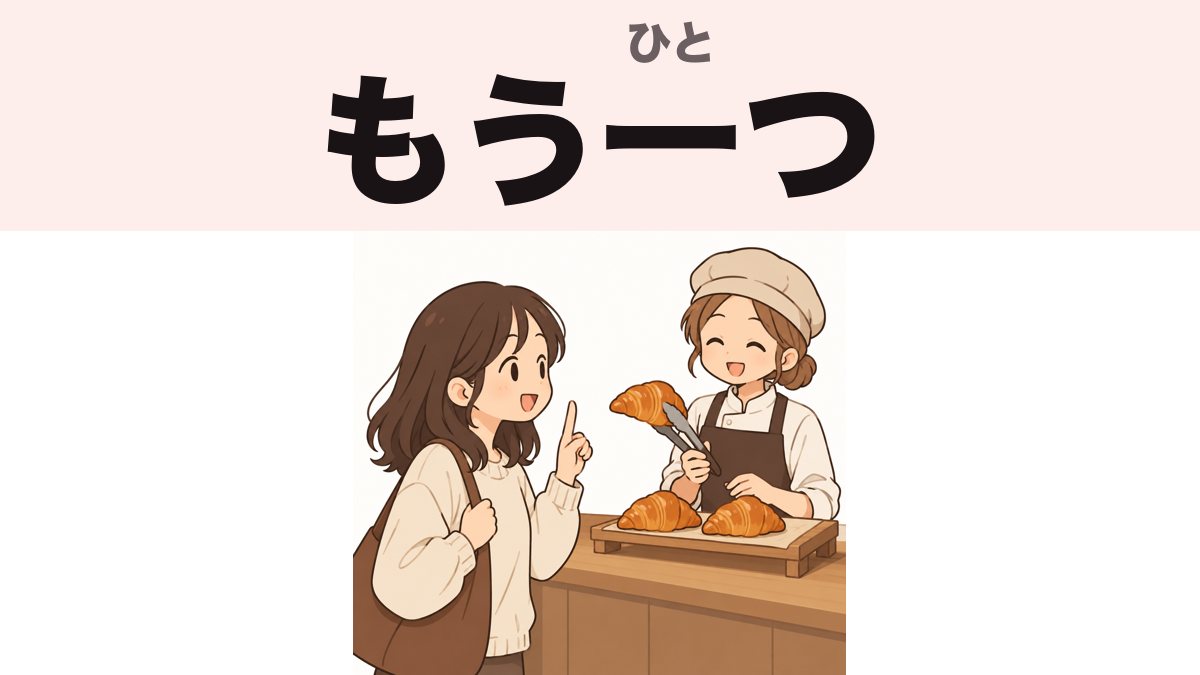
Another in Japanese: もう一つ, 他の, or 別の?
Another in Japanese depends on what you want: もう一つ is one more of the same, 他の and 別の mean a different one. Learn which to use when you order or shop.
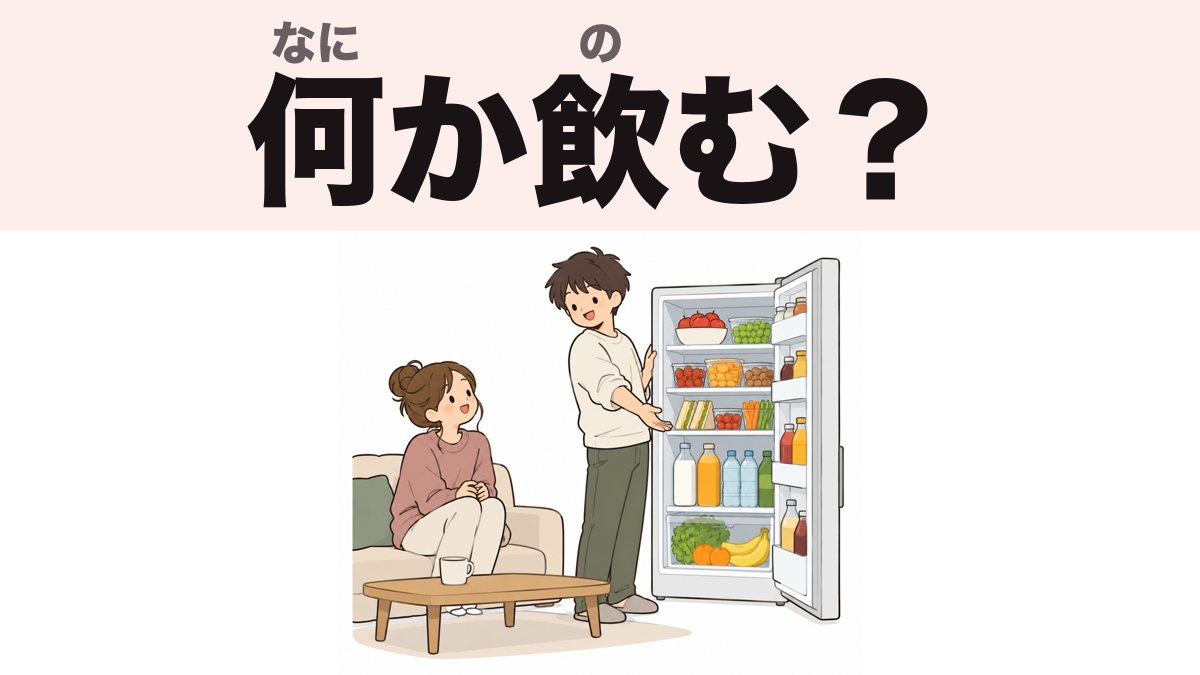
Anything in Japanese: 何か (nanika), 何でも (nandemo) or 何も (nanimo)?
Anything in Japanese is 何か in questions (何か食べますか), 何でも for "whatever" (何でもいい), and 何も plus a negative for "not anything." Here is how to pick.
Exactly in Japanese: そのとおり, ちょうど, まさに (and which one you mean)
Exactly in Japanese is そのとおり or そうそう when you agree, ちょうど for exact amounts and times, and まさに for emphasis. Here is how each one sounds, and the rude trap.
By the way in Japanese: ところで (tokorode) vs ちなみに (chinamini) and when to use each
By the way in Japanese is ところで (tokorode) for a new topic and ちなみに (chinamini) for related extra info. Learn そういえば, 余談ですが and how anime says them.
Forever in Japanese: 永遠 (えいえん), ずっと, いつまでも, and ズッ友
Forever in Japanese is 永遠に (えいえんに) in songs and vows, and ずっと in everyday speech. Learn いつまでも, 永久, 一生, the slang ズッ友, and which one sounds natural.
Future in Japanese: 未来 (みらい) vs 将来 (しょうらい), 今後, and これから
Future in Japanese is 未来 (みらい) or 将来 (しょうらい). Learn when to use each, 将来の夢, 今後, これから, 近い将来, and how Japanese talks about the future without a future tense.
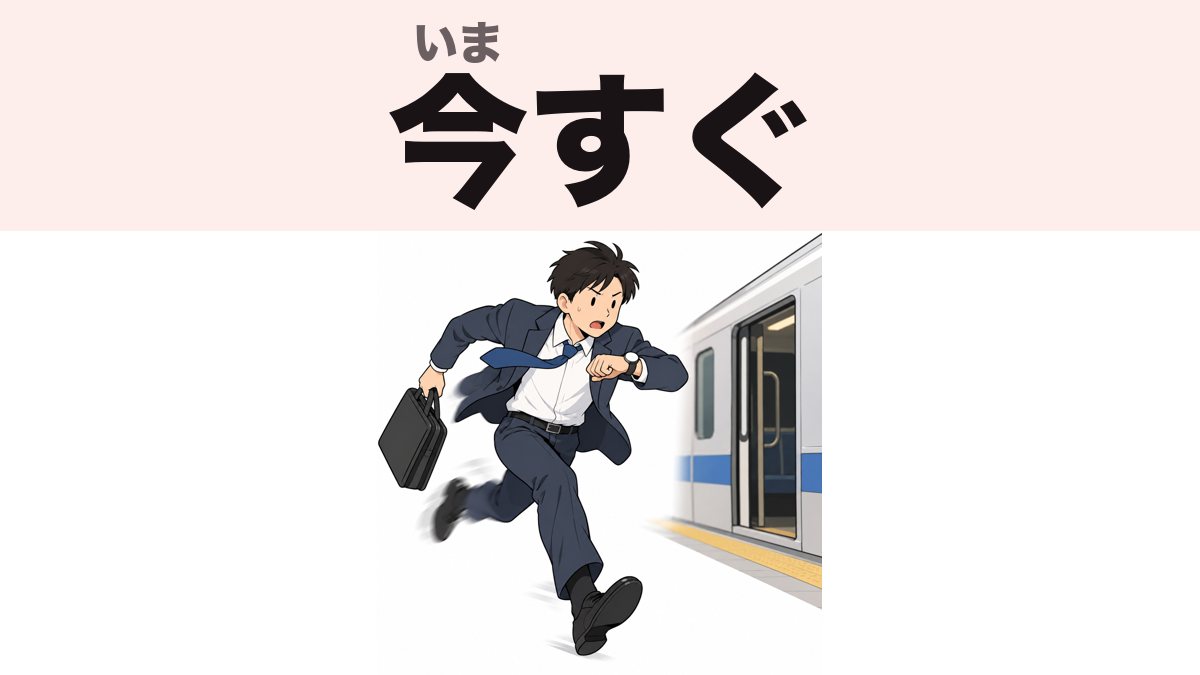
Now in Japanese: 今 (ima), 今すぐ, and the "now" that isn't 今
Now in Japanese is 今 (いま, ima). Learn 今すぐ, 今から, 今まで, たった今, and why English "now, ..." is さて or じゃあ, plus how anime says 今だ!
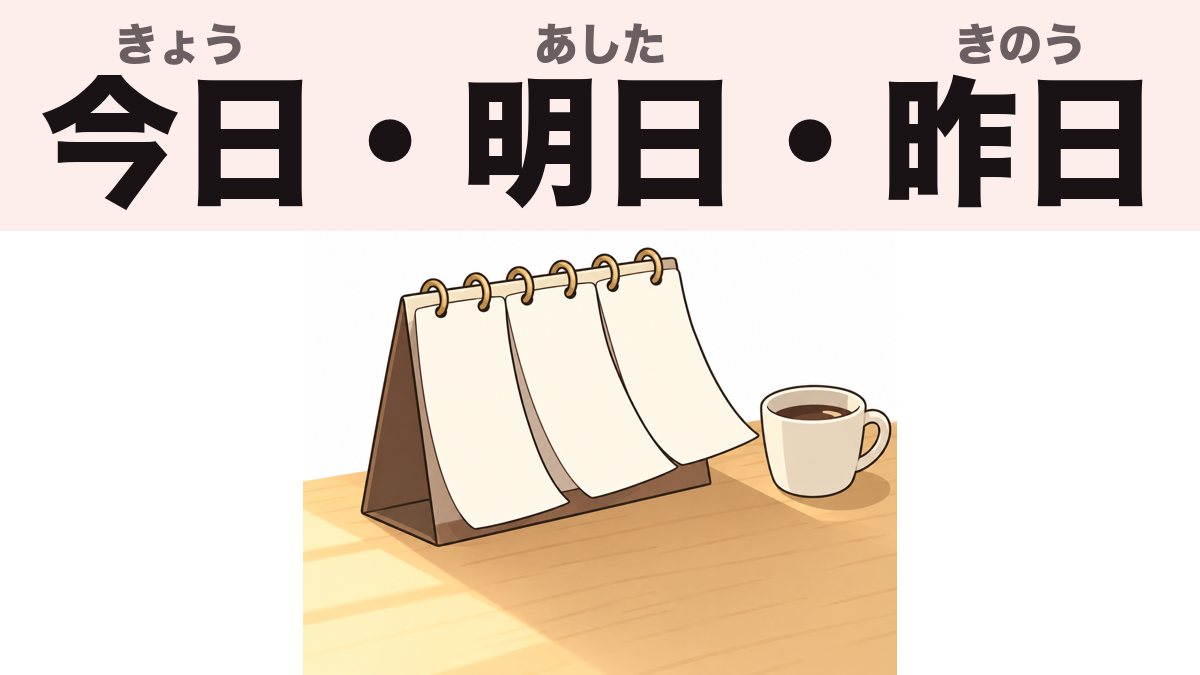
Today, Tomorrow and Yesterday in Japanese: 今日・明日・昨日 and why the kanji don't match the sounds
Today, tomorrow and yesterday in Japanese are 今日 kyou, 明日 ashita and 昨日 kinou. Readings, formal forms, and why no に follows them.
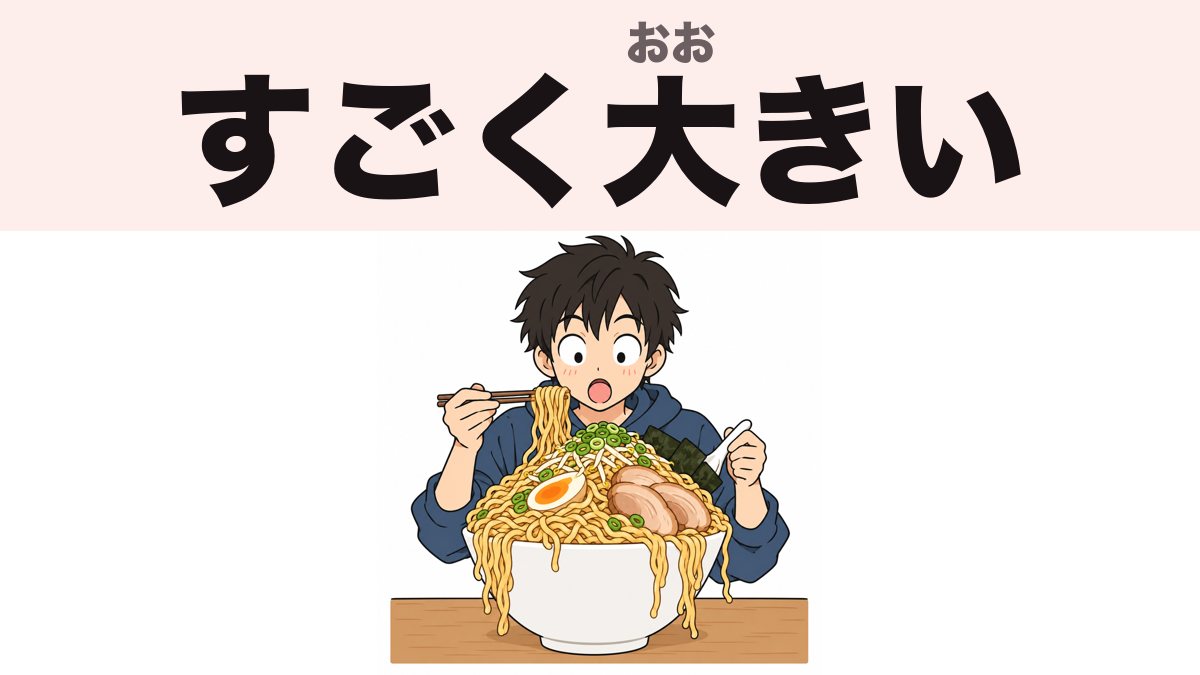
Very in Japanese: とても, すごく, 非常に, めっちゃ and when to use each
Very in Japanese is とても in neutral speech, すごく in casual speech, and 非常に in formal writing. Here is how めっちゃ, 超, かなり and あまり fit in.
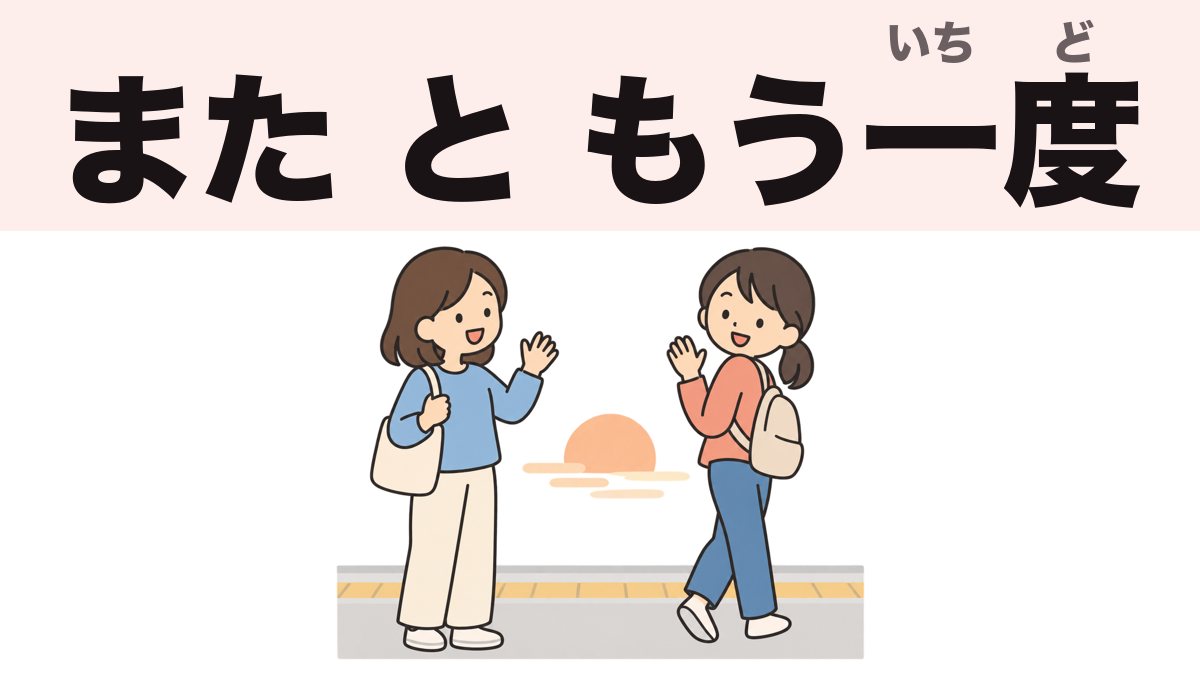
Again in Japanese: また vs もう一度, and when 再び belongs
Again in Japanese has three main words. また means again or see you later, もう一度 means one more time, and 再び is formal and written. Here is which to use.
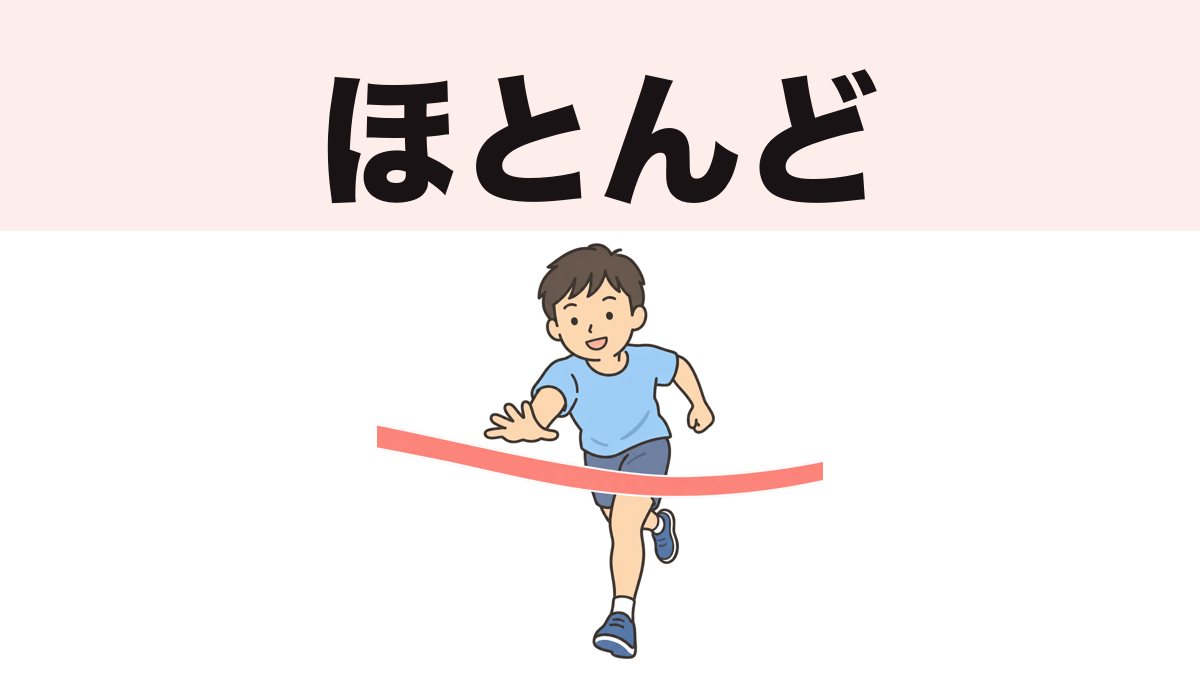
Almost in Japanese: ほとんど (hotondo), ほぼ (hobo) and もう少しで
Almost in Japanese is three different words: ほとんど and ほぼ for "nearly all," そうになった for near misses, もうすぐ for "almost there." Which to use, when.
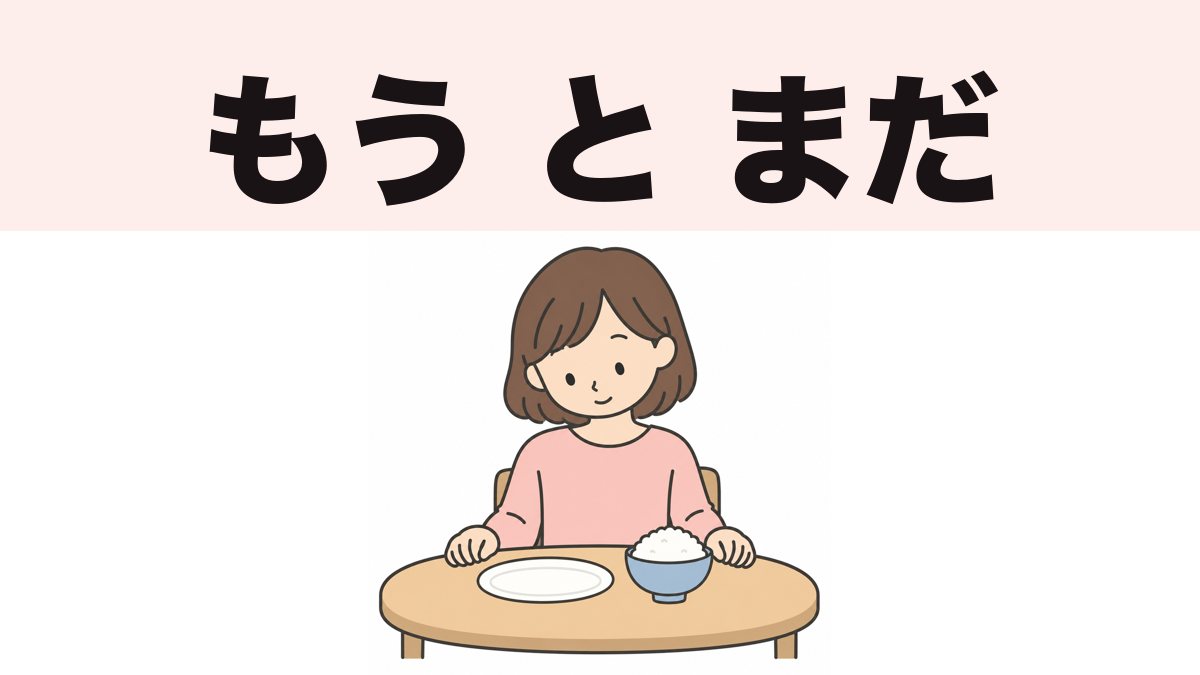
Already and still in Japanese: もう vs まだ, and the negative that flips both
もう is "already" or "no longer," まだ is "still" or "not yet." Learn how negatives flip both words, how to answer もう食べましたか, and how anime uses もういい and まだまだ.
Also in Japanese: the particle も, and which particles it replaces
The main way to say "also" or "too" in Japanese is the particle も. It replaces は, が and を, but attaches after に, で and と. Learn the rules and the traps.
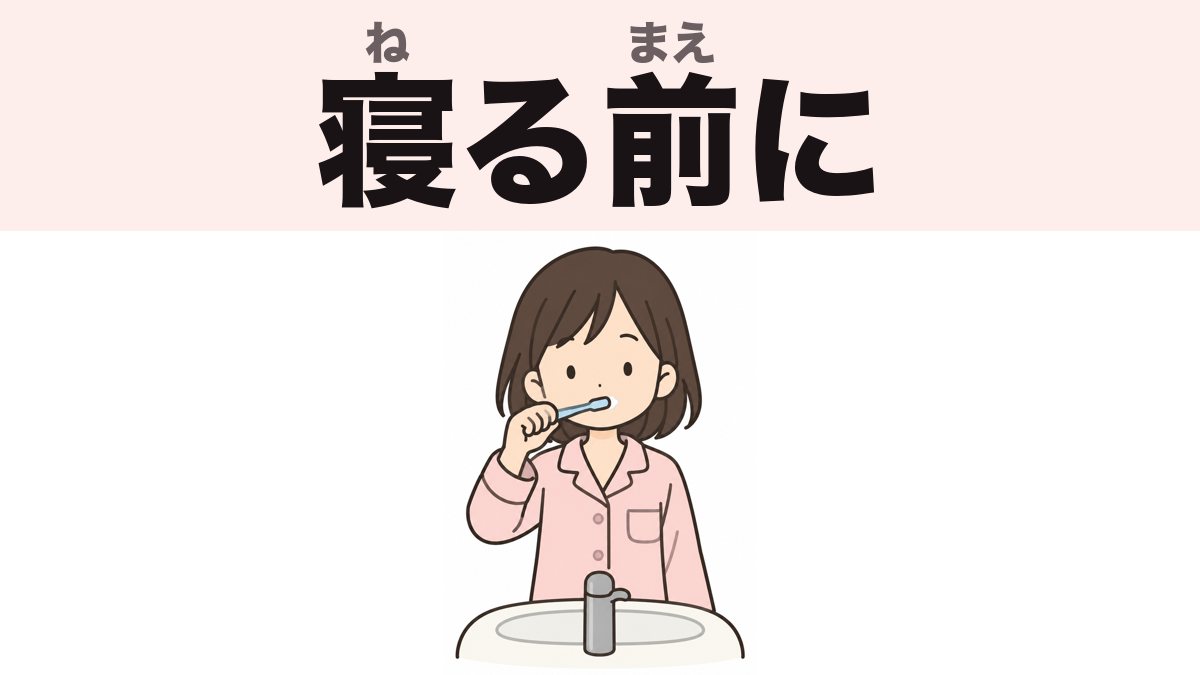
Before and after in Japanese: 〜前に takes the dictionary form, 〜後で takes た
Before in Japanese is 前に after the dictionary form (寝る前に). After is 後で after the た-form (食べた後で). Learn the tense trap and the noun pattern with examples.
Definitely and never in Japanese: 絶対, 必ず, 決して — which ones can go negative
Definitely in Japanese is 絶対 or 必ず, but only 絶対 also works with a negative (絶対行かない). Learn 必ず, 決して, 一度も, 全然 and 二度と, with examples and a chart.
Later and soon in Japanese: 後で, もうすぐ, すぐ and the そのうち that may never come
Later in Japanese is 後で (ato de) for plain "later", のちほど for formal, もうすぐ and まもなく for "soon", すぐ for "right away". Here is how they differ.
Next in Japanese: 次, 今度, 来週 — and the 今度 that can mean "this"
Next in Japanese depends on the kind of next: 次 for order, 来週 for the coming week, 今度 for next time, 隣 for beside. Here is how to pick the right one.
Probably in Japanese: たぶん, でしょう, おそらく — and where きっと sits
Probably in Japanese is たぶん in conversation, おそらく in the news, and でしょう at the end of a sentence. きっと is stronger, かもしれない is weaker.
Really in Japanese: 本当に, ほんと?, マジ? — the reaction and the intensifier
Really in Japanese is two different words: ほんと?/本当? as a reaction, and 本当に/すごく/めっちゃ as an intensifier. Here is how to pick by job and politeness.
Should have in Japanese: 〜ばよかった, the grammar of regret
"Should have" in Japanese is usually 〜ばよかった: 早く予約すればよかった means "I should have booked earlier." Learn how to build it and how it differs from 〜べきだった.
Together in Japanese: 一緒に, みんなで and 共に
Together in Japanese is usually 一緒に, as in 友達と一緒に行く, "go with a friend." But みんなで, 共に and plain と also carry "together." Here is which to use.
〜どころか: "far from X, actually Y" — the pattern that overturns the whole sentence
どころか rejects a modest idea outright and replaces it with something far more extreme in the same direction. "Far from X" — the truth goes well beyond it.
どうやら (douyara): "it seems, from what I can tell" — and きっと, the confident guess
どうやら marks an inference from clues you noticed. きっと is a confident personal prediction, with or without evidence. Different questions, same "probably."
〜からといって: "just because X" does not mean Y follows
からといって names a reason people assume leads to a conclusion, then denies that conclusion. "Just because X" is true, but Y does not automatically follow.
結局 (kekkyoku) vs とうとう (toutou): "in the end" and "finally, at last"
結局 sums up the final outcome after twists and turns, sometimes despite effort. とうとう marks the exact moment a long-awaited or long-dreaded thing arrives.
〜ことにする vs 〜ことになる: the decision you made, and the one that just happened to you
ことにする marks a decision you made yourself. ことになる marks an outcome, arrangement, or rule that came about without you deciding it. Same こと, opposite direction.
に vs へ: the direction particle you can almost always swap, and the one time you cannot
に and へ both mark direction, and are usually interchangeable. に also marks the exact arrival point, existence, and time — jobs へ simply cannot do.
〜にもかかわらず: "despite that" for a fact that should have changed everything, and did not
にもかかわらず means "despite" or "in spite of" — it names a strong fact that should block an outcome, then reports the outcome happened anyway.
たまたま (tamatama) vs 偶然 (guuzen): two ways to say "by chance"
たまたま is an adverb for your own circumstance happening by chance. 偶然 names the coincidence itself and can stand alone as a noun. Both mean "by chance."
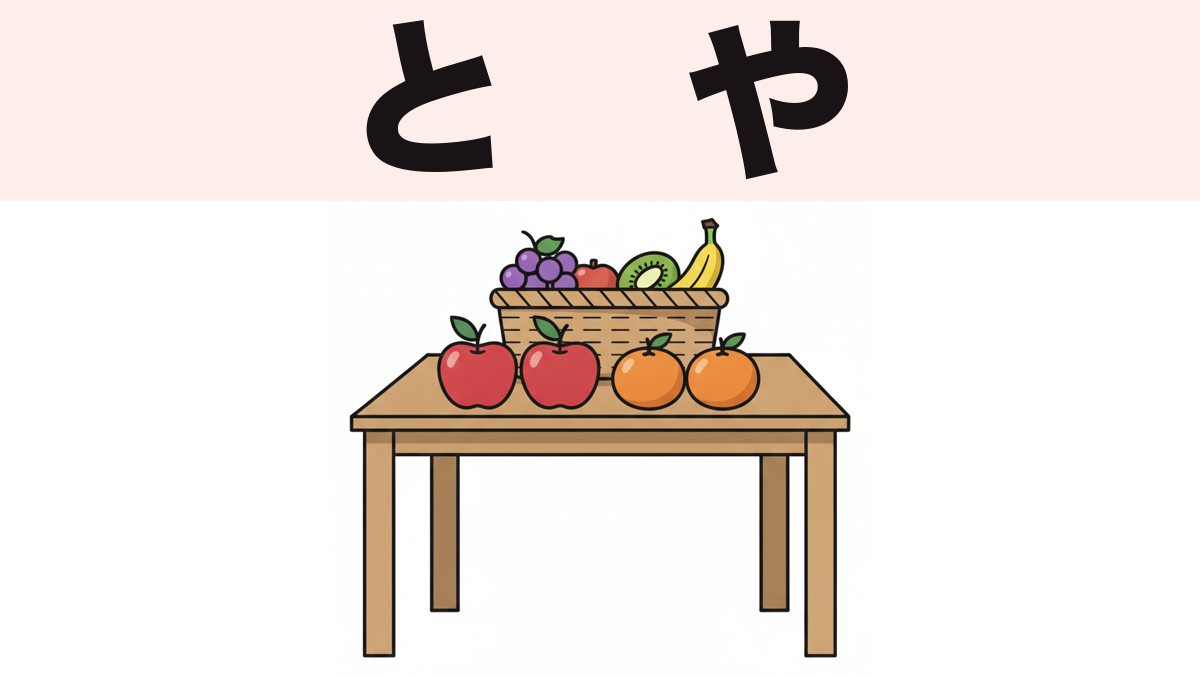
と vs や: the complete list, and the list that is just some examples
と links nouns into a complete, closed list — nothing else exists. や links nouns into a partial list, leaving items unnamed. One word changes the promise.
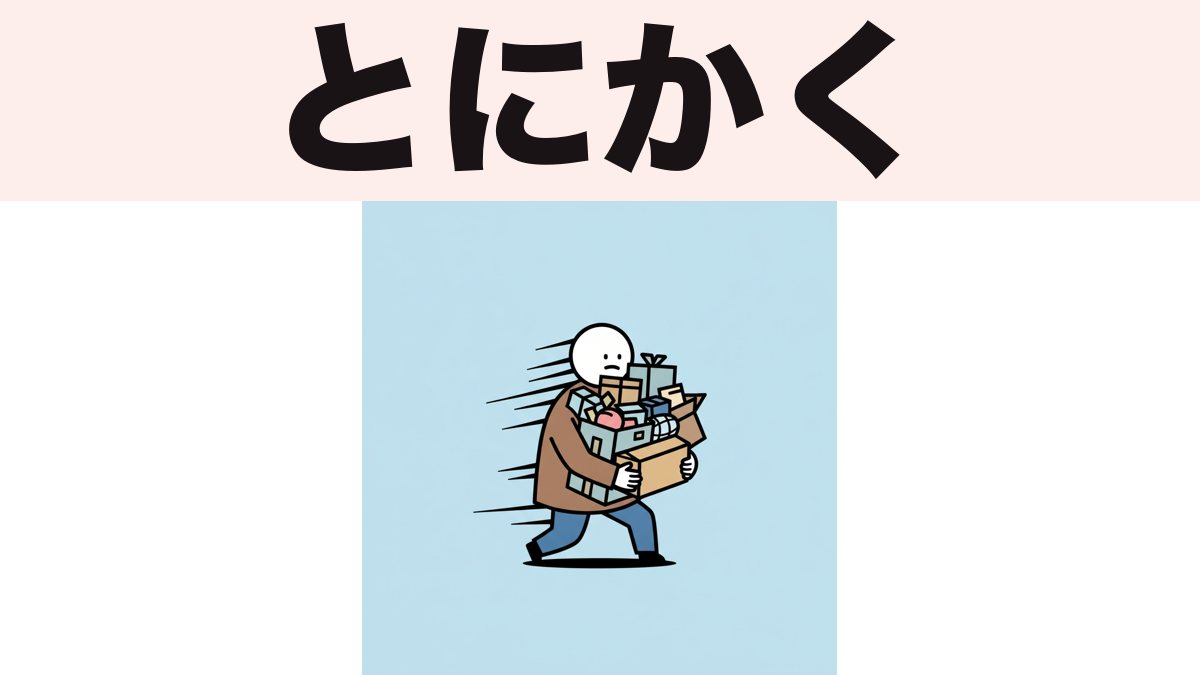
とにかく (tonikaku) vs ともかく (tomokaku): "anyway" — and the one that also means "extremely"
とにかく means "anyway, just do it" and doubles as a casual intensifier for "extremely." ともかく is its more literary cousin, mainly used to set something aside.
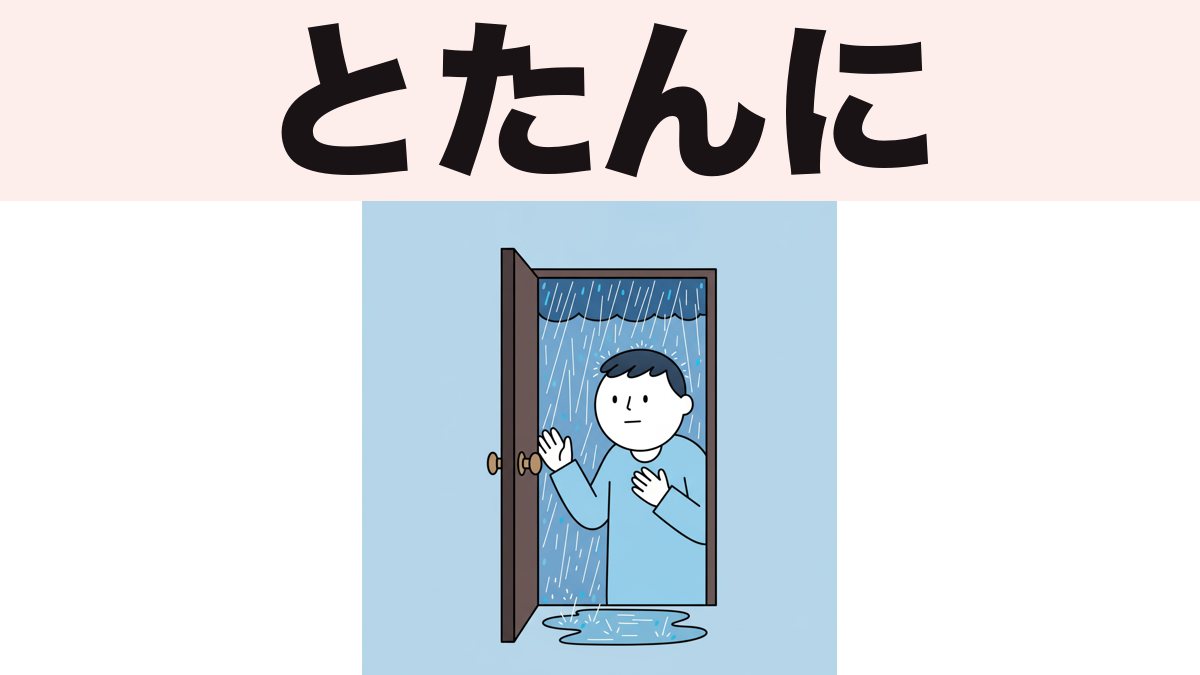
〜たとたん(に): the instant one thing happens, the other one does too
たとたんに means "the instant X happened, Y happened" — a sudden, unplanned event triggered right after the first. It only ever describes the past.
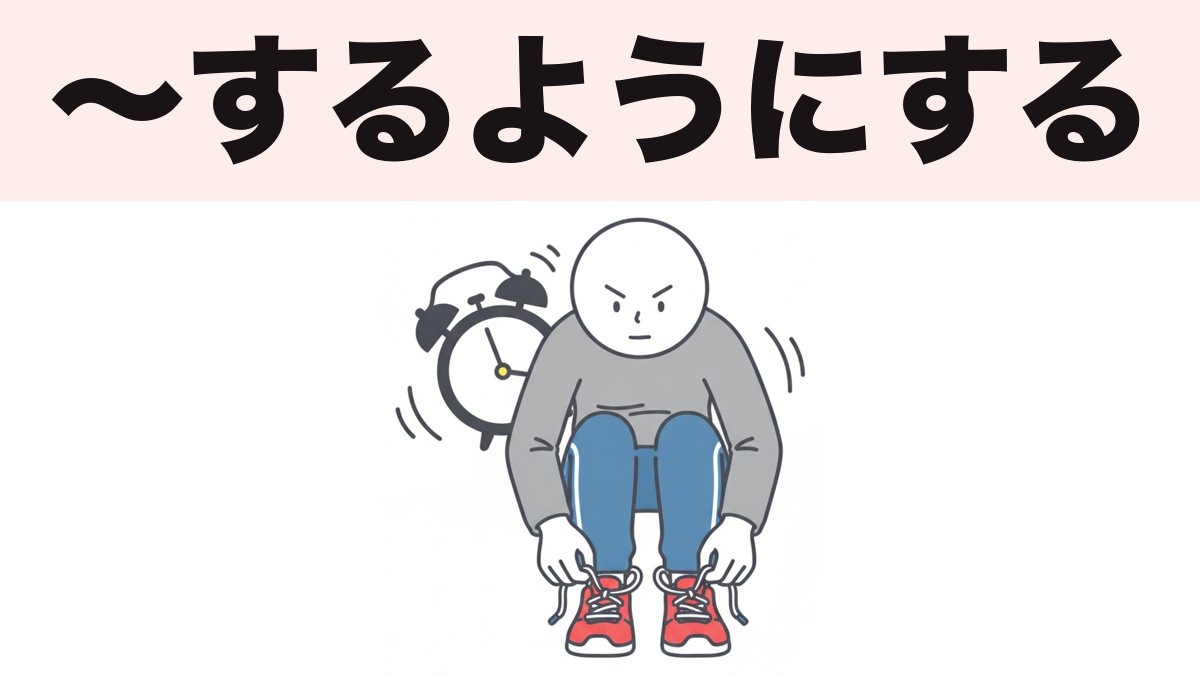
〜ようにする vs 〜ようになる: making an effort to, and ending up able to
ようにする means making an effort to do something, an intention you act on. ようになる means a change happened over time — you now can, or now do. Effort vs result.
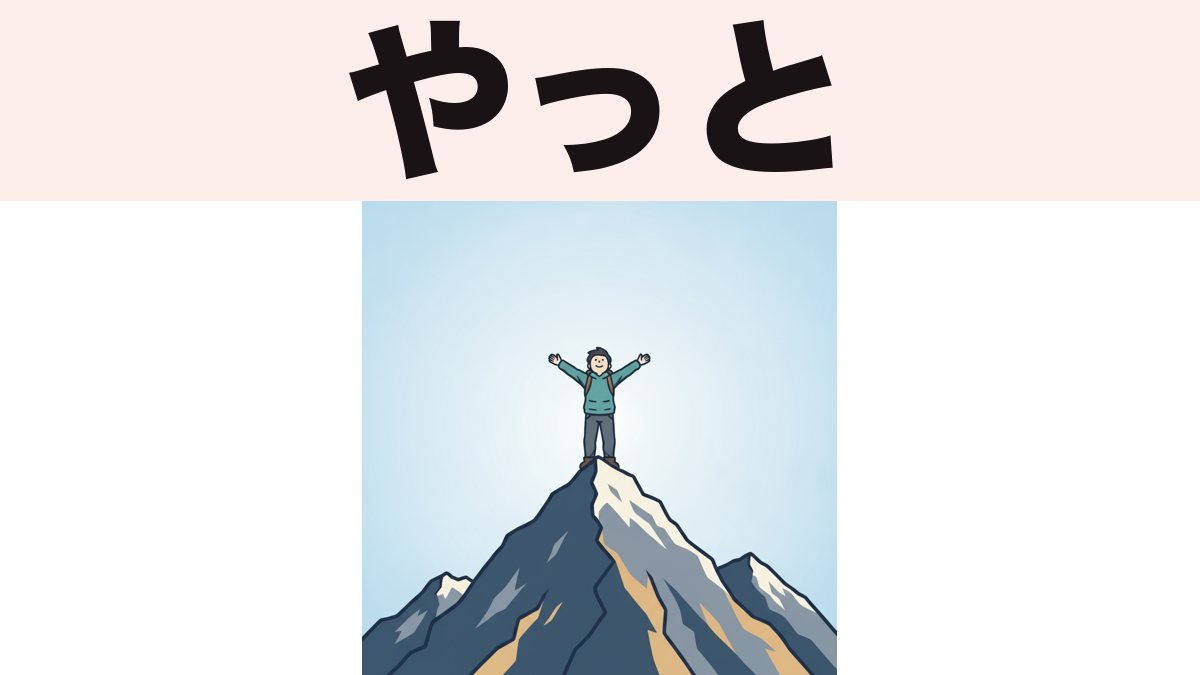
ようやく (youyaku) vs やっと (yatto): two "finally"s, one formal and one personal
ようやく is the neutral, slightly formal "finally," comfortable in writing and gradual change. やっと is the personal, relieved "finally!" of everyday speech.
Ni watatte grammar: 〜にわたって vs 〜にかけて, "over" a period
〜にわたって means "over the whole span" of a time, place or range: 三日間にわたって. 〜にかけて means "from around A to around B." Here is how to tell them apart.
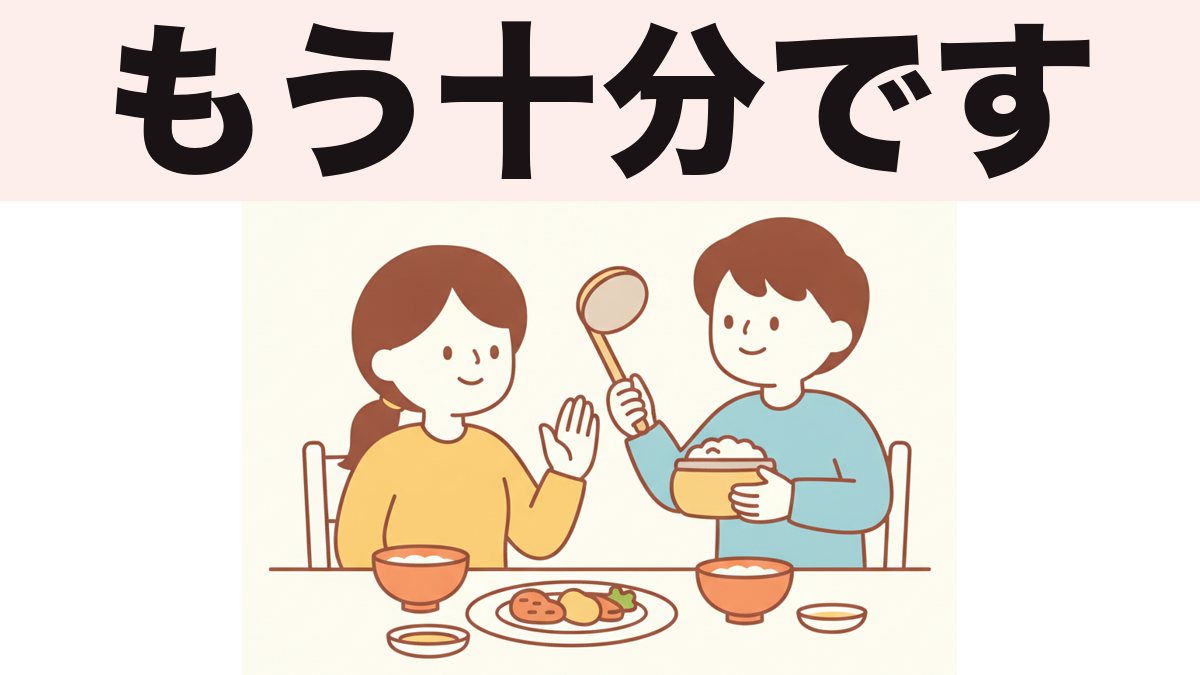
Enough in Japanese: 十分 juubun vs 足りる tariru vs もういい
Enough in Japanese: 十分 means plenty, 足りる means it just covers the need, and もういい means stop. Clear examples, readings and common mistakes.
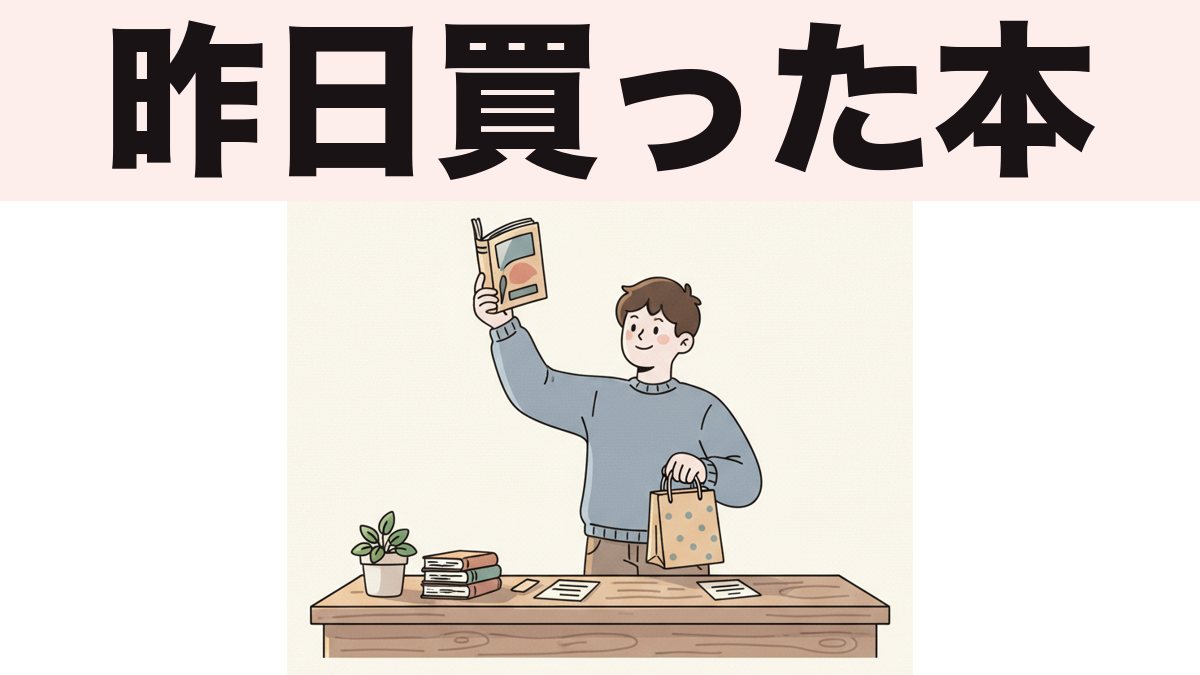
Japanese relative clauses: how to say "the book that I bought"
Japanese has no word for "that" or "who". Put the whole clause in front of the noun: 昨日買った本 is "the book I bought yesterday." How it works, with examples.
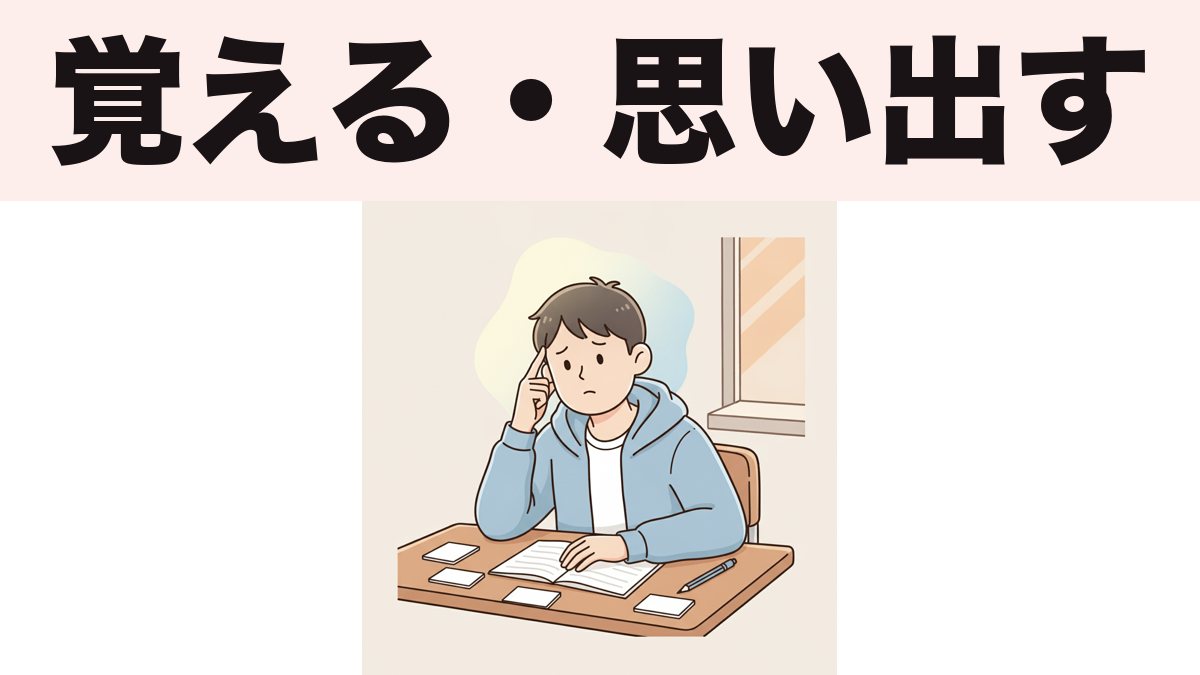
Remember in Japanese: 覚える oboeru vs 思い出す omoidasu
English remember maps to 3 Japanese expressions: 覚える oboeru (memorize), 覚えている oboete iru (remember) and 思い出す omoidasu (recall). One table, nine drills.
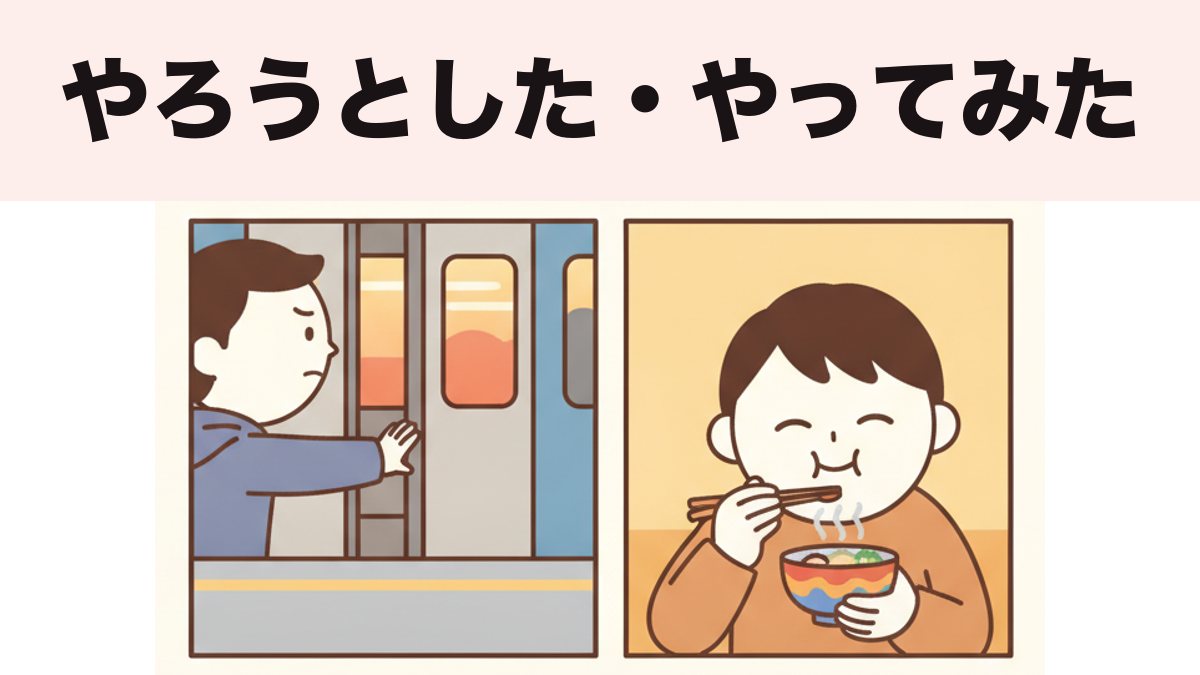
ようとする vs てみる: two ways to say "try" in Japanese
ようとする is "try to" when the attempt is interrupted or fails; てみる is "try it and see" when you actually do it. 開けようとした vs 開けてみた — same English, opposite result.
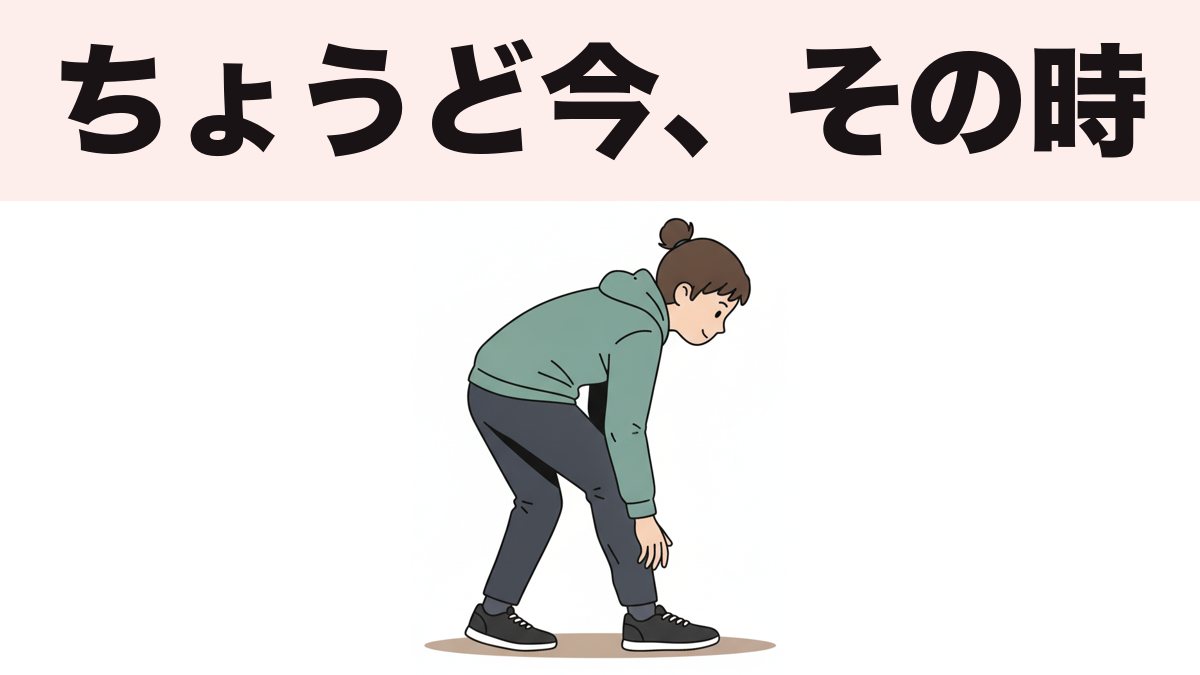
ところ: how Japanese says "about to", "in the middle of" and "just did"
ところ turns a verb into a point on a timeline. 食べるところ is about to eat, 食べているところ is mid-meal, 食べたところ is just finished — three tenses, one word.
Japanese past tense: 〜ました, 〜た, and the form that is not about the past
How to make the Japanese past tense: ます→ました, the plain 〜た built from the te-form, the negative 〜ませんでした — and the た that means "it just happened".
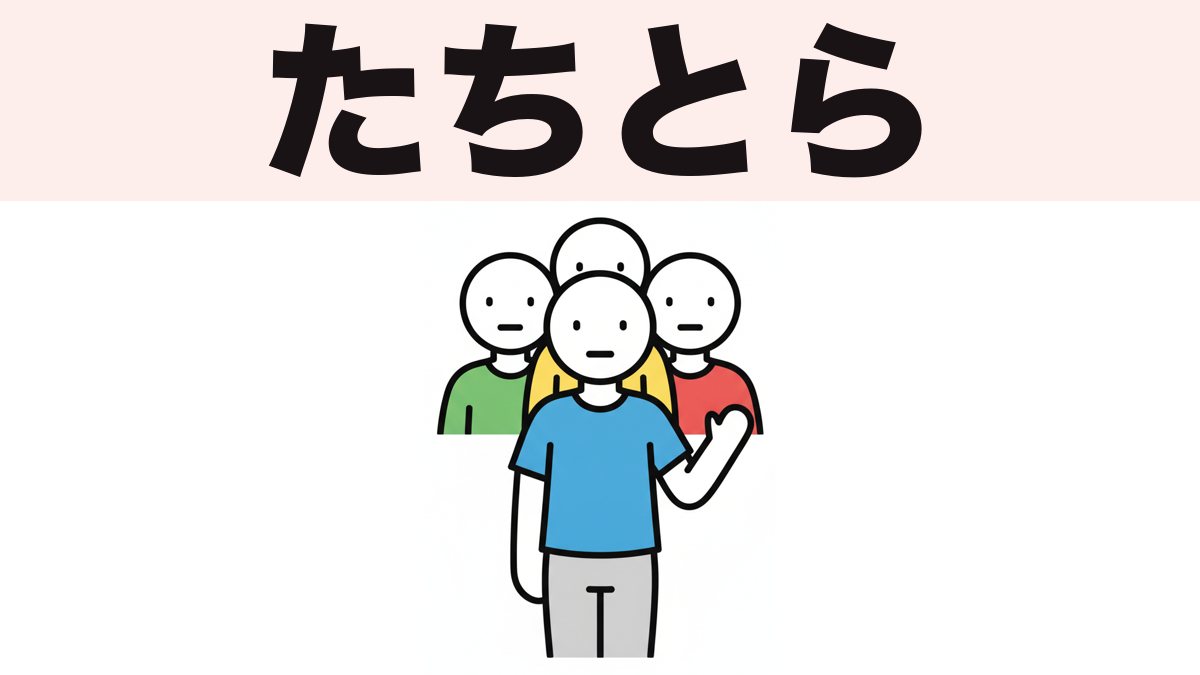
Japanese plurals: 〜たち, 〜ら, 〜がた — and why 本 means both book and books
Japanese nouns do not mark number. What 〜たち, 〜ら, 〜がた and 〜ども actually do, why 本たち is wrong, and how 田中さんたち means "Tanaka and the others".
Japanese word order: the verb goes last, and the rest is negotiable
Japanese is subject-object-verb, but particles do the real work, so the middle of a sentence reorders freely. What stays fixed, and why you must hear the end.
The particle を: the object marker that also means "through" and "out of"
を marks what a verb acts on — but it also marks the space you move through and the place you leave. Why it is written を and read "o", and when を becomes が.
中 as じゅう and ちゅう: "all day" versus "in the middle of"
一日中 (いちにちじゅう) is all day long; 会議中 (かいぎちゅう) is in the middle of a meeting. One kanji, two readings, two completely different meanings.
〜がち, 〜ぎみ, 〜っぽい: saying someone "tends to" in Japanese
〜がち marks a bad habit that repeats, 〜ぎみ marks a slight lean in that direction, and 〜やすい marks something that happens easily. And why 成功しがち is wrong.
なぜか, なんだか, なんとなく: three ways to say "for some reason"
なぜか marks something outside you that has no explanation, なんだか marks a feeling inside you, and なんとなく means you did it with no reason at all.
〜にとって: the Japanese way to say "for me, this matters"
〜にとって marks whose point of view a judgement comes from — 私にとって大切です. It only works with evaluations, which is why 私にとって勉強します is wrong.
限る: 〜に限る, 〜とは限らない and the difference one negative makes
限る means "to limit". 〜に限る says this is the best option, 〜とは限らない says it is not necessarily so, and 〜限り sets a boundary. Here is the whole family.
くらい or ぐらい: which one, and why nobody can give you a rule
Learn why kurai and gurai are usually interchangeable in Japanese, where the choice is fixed, and how their uses extend beyond meaning about.
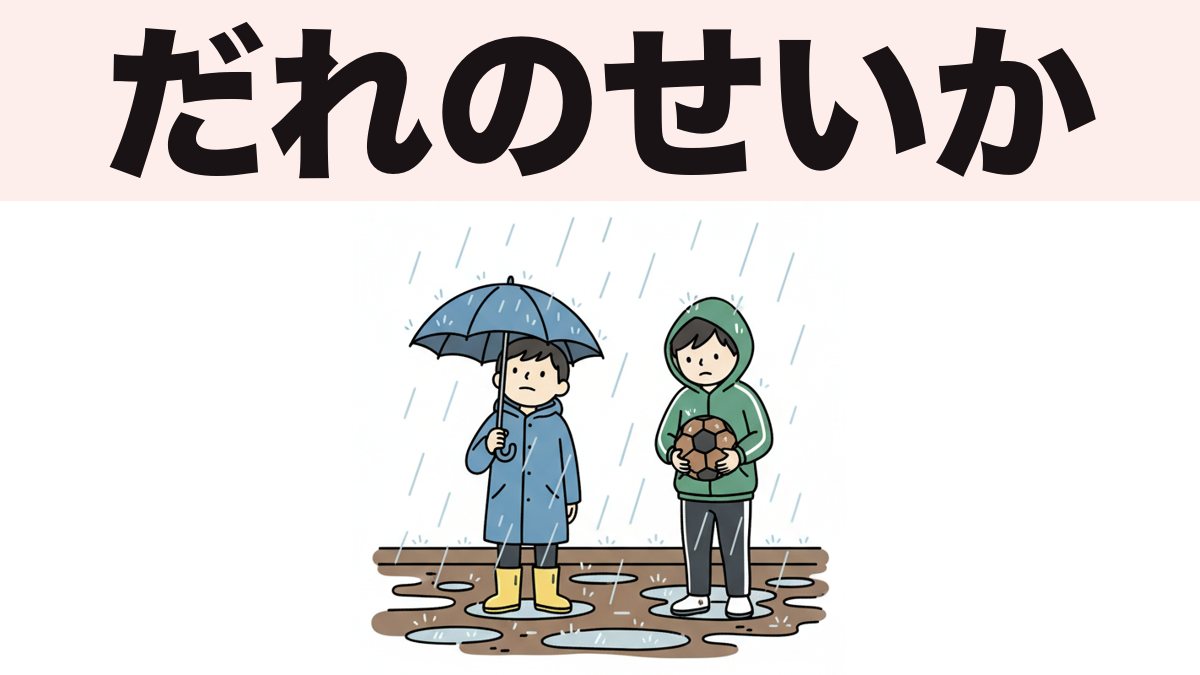
のせいで and のおかげで: the two Japanese words for "because of you"
Learn how no sei de assigns blame and no okage de gives credit in Japanese, how to build both forms, and when the ending changes from de to da.
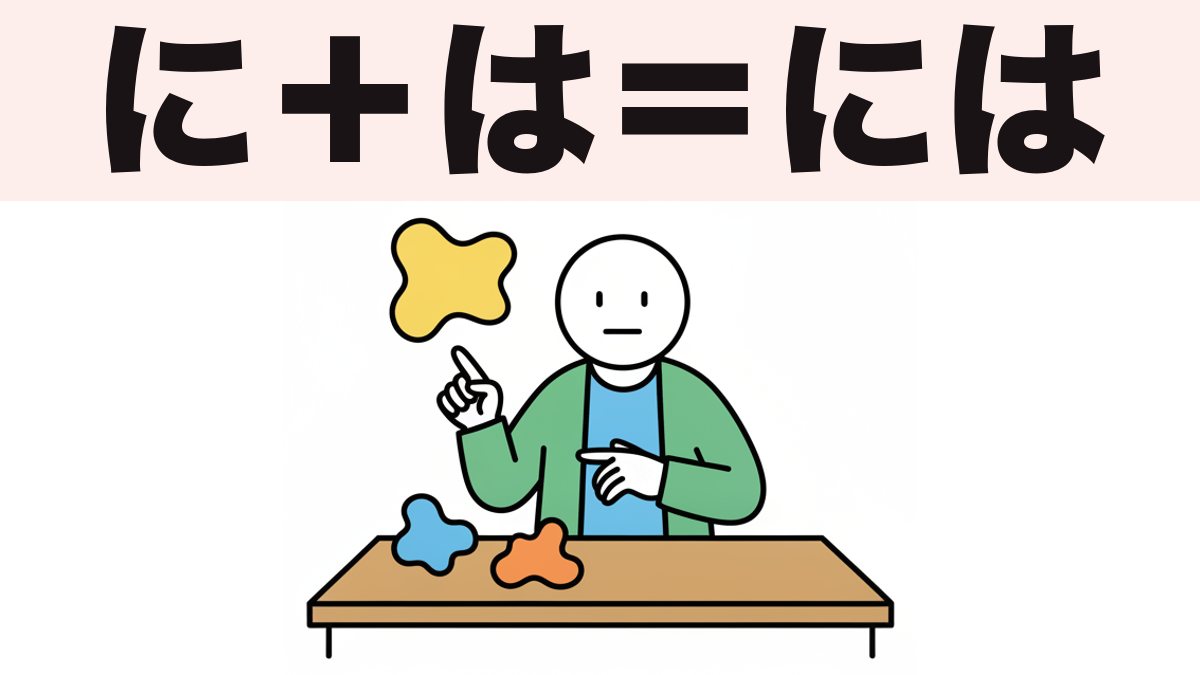
には: not one particle but two, and why learners sprinkle it everywhere
には is に plus は. Once you can see the two jobs separately — target and topic — you know when to use it, and when the plain は you already had was enough.
Two Days Ago in Japanese: おととい ototoi vs 二日前 futsuka mae
Two days ago in Japanese is おととい ototoi when counted from today and 二日前 futsuka mae from any other moment. 3 tables, plus weeks, months and years.
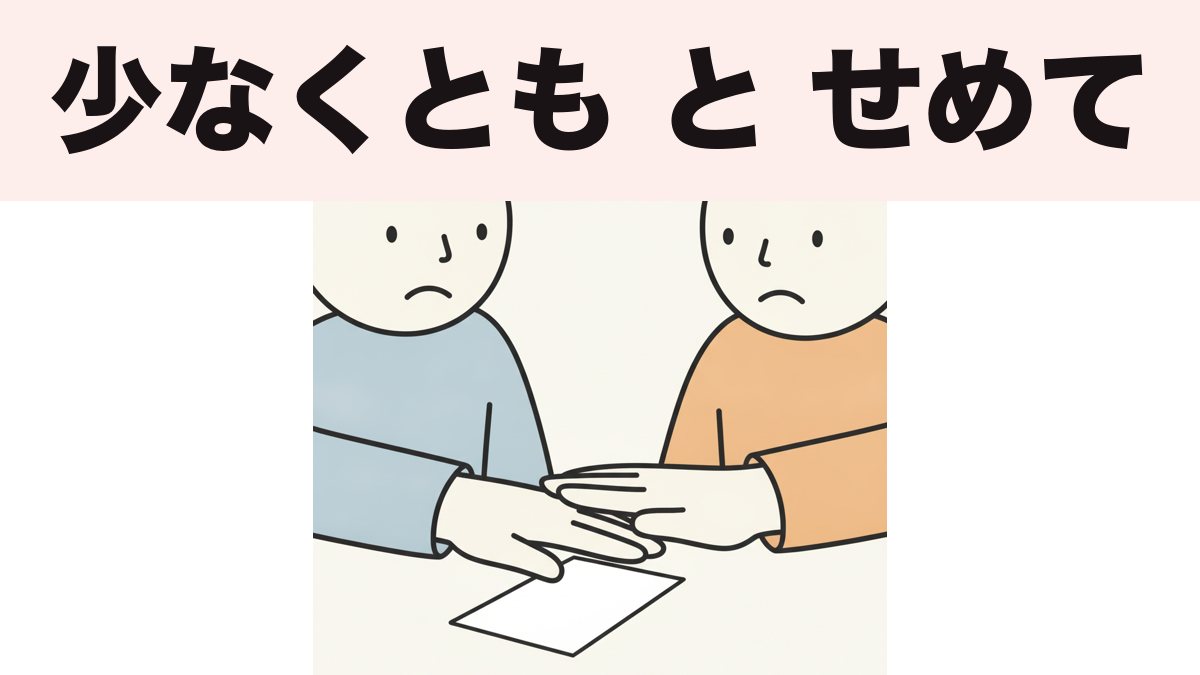
How Do You Say "At Least" in Japanese? 少なくとも, せめて, 最低でも
"At least" in Japanese depends on intent: 少なくとも states a minimum, せめて makes a wish ("at least let me pay"), and 最低でも sets a hard floor like a deadline.
〜場合: the "if" that belongs on a sign, not in a chat
Learn how to use baai wa for formal conditions in Japanese, how it differs from tara and toki, and why it can sound stiff among friends.
How in Japanese: どうやって vs どう vs どうすれば
How in Japanese splits into どうやって (method), どう (state), and どうすればいいですか (advice). Comparison table showing which one fits. Updated 2026.
初めて, 最初に, 始めて: three words for "first," and only one is about doing it for the first time
Learn the difference between hajimete for a first experience, saisho ni for sequence, and the similar verb form meaning to begin in Japanese.
A Lot in Japanese: たくさん vs いっぱい vs 多い
A lot in Japanese is たくさん or いっぱい — but not 多い, which cannot sit before a noun. Comparison table shows where each word goes. Updated 2026.
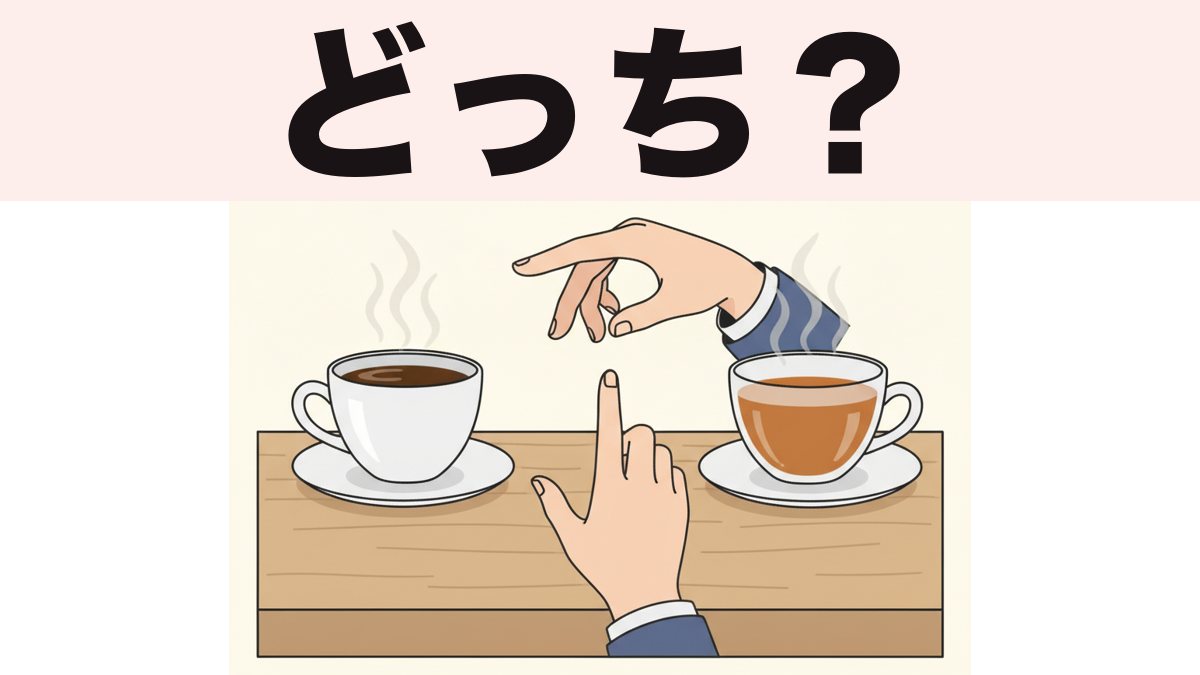
Or in Japanese: か vs それとも vs または (Which to Use)
Or in Japanese: か links alternatives, それとも introduces another option in a question, and または suits written text. Table and practice. Updated 2026.
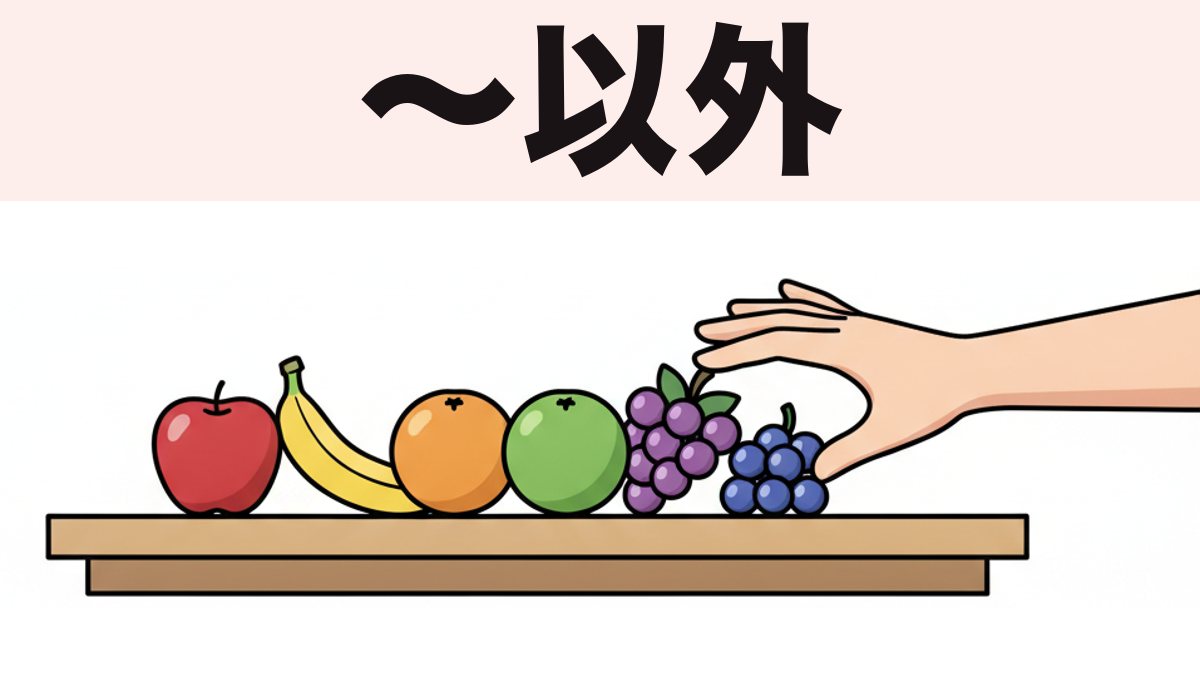
〜以外: "other than," "except" — and the two opposite answers it can produce
Learn how igai means other than in Japanese, how positive and negative verbs change its effect, and how it compares with hoka ni and o nozoite.
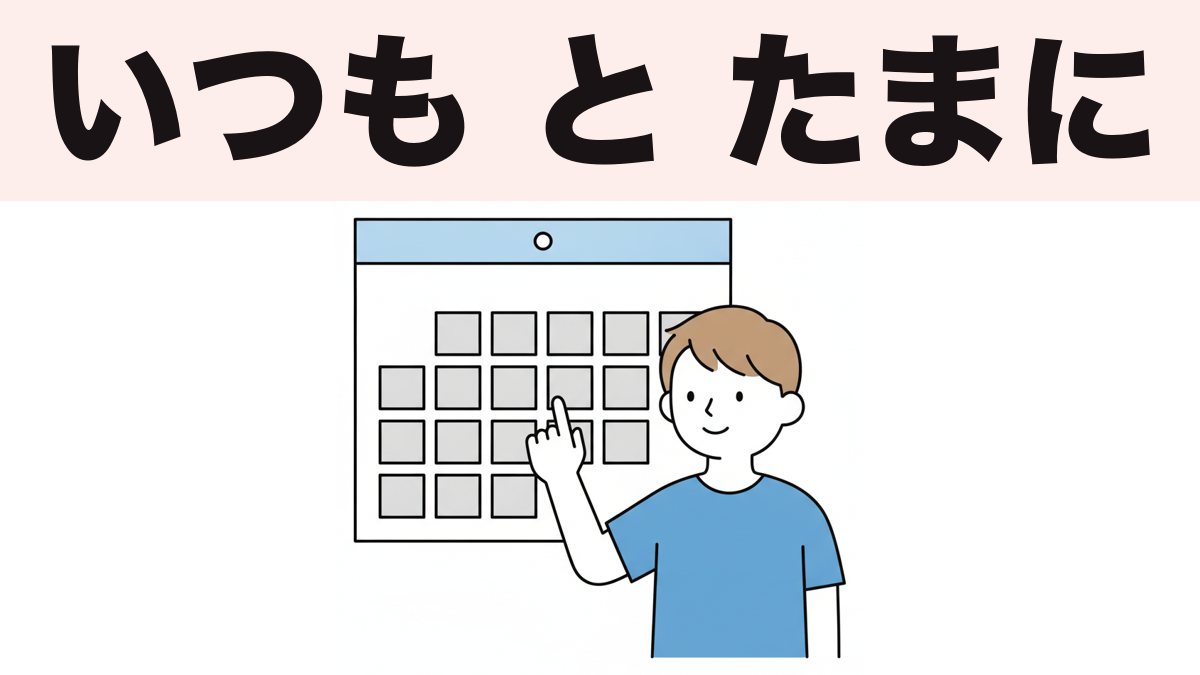
Always, Sometimes, Never in Japanese: いつも, よく, ときどき and the Full Frequency Scale
Always in Japanese is いつも, sometimes is ときどき. See the full frequency scale and why あまり and ぜんぜん only work with a negative verb.
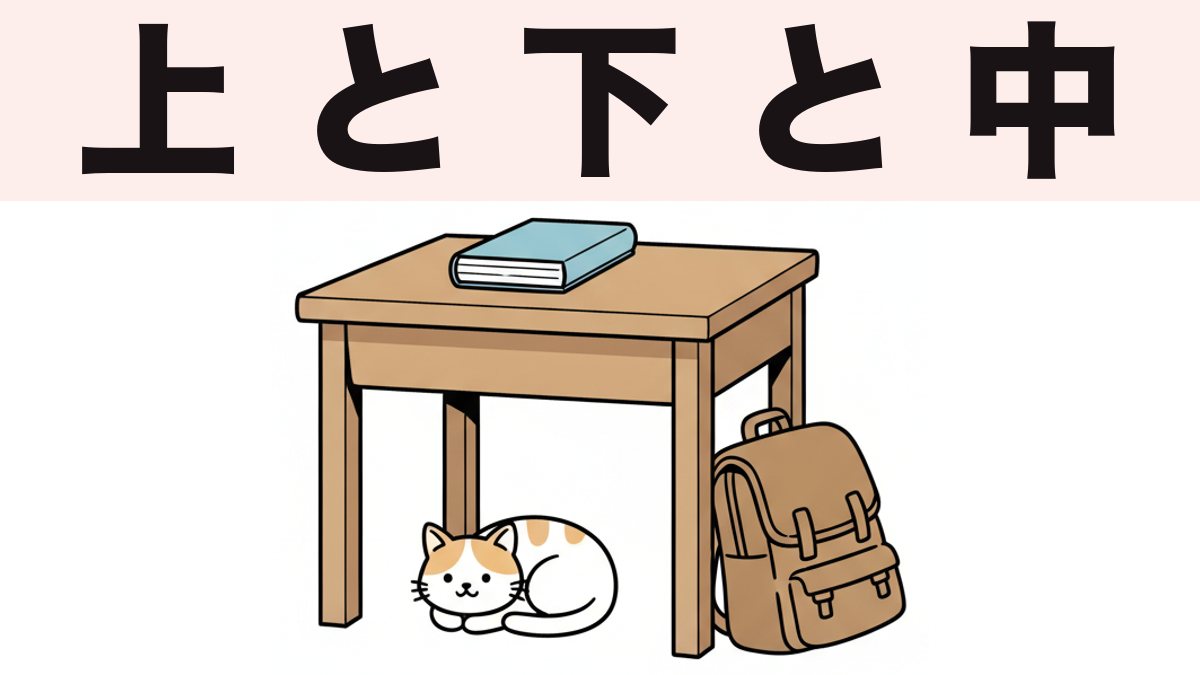
Japanese position words: 上, 下, 中, 前, 後ろ — and the の you cannot drop
Learn Japanese position words, how no connects them to nouns, and how choosing ni or de changes what you say about a location or activity.
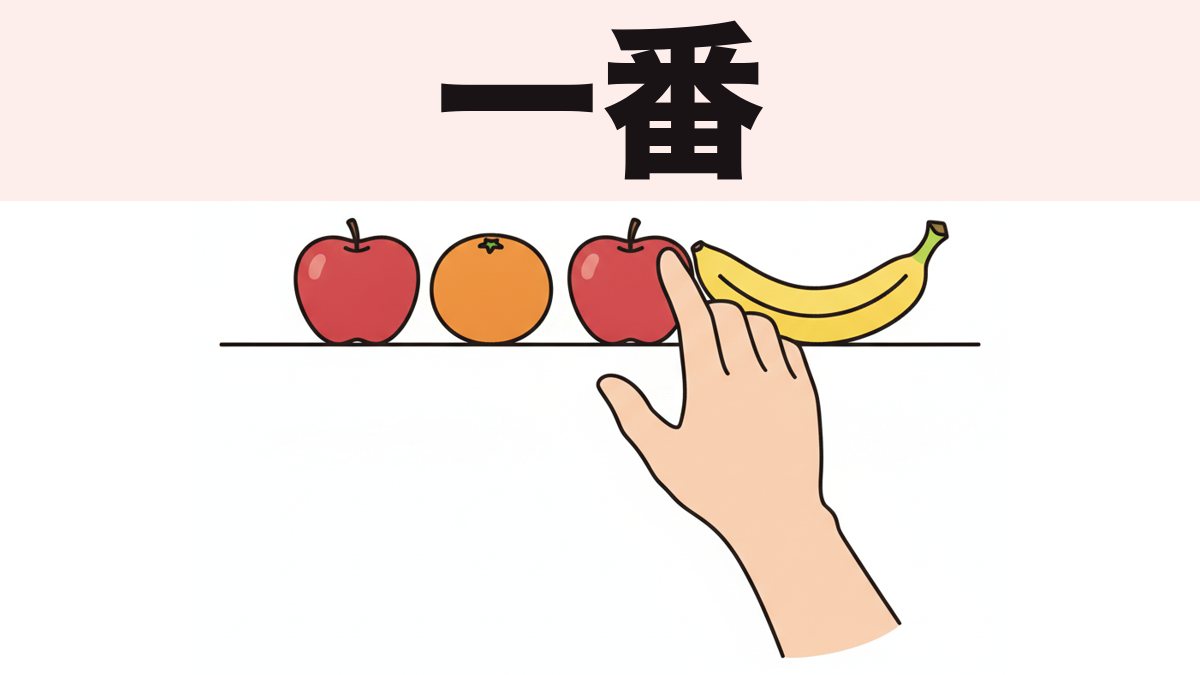
Japanese superlatives: 一番, 最も, and the の中で that makes them work
Learn how to form Japanese superlatives with ichiban, compare it with mottomo, and ask which option is best using natural question patterns.
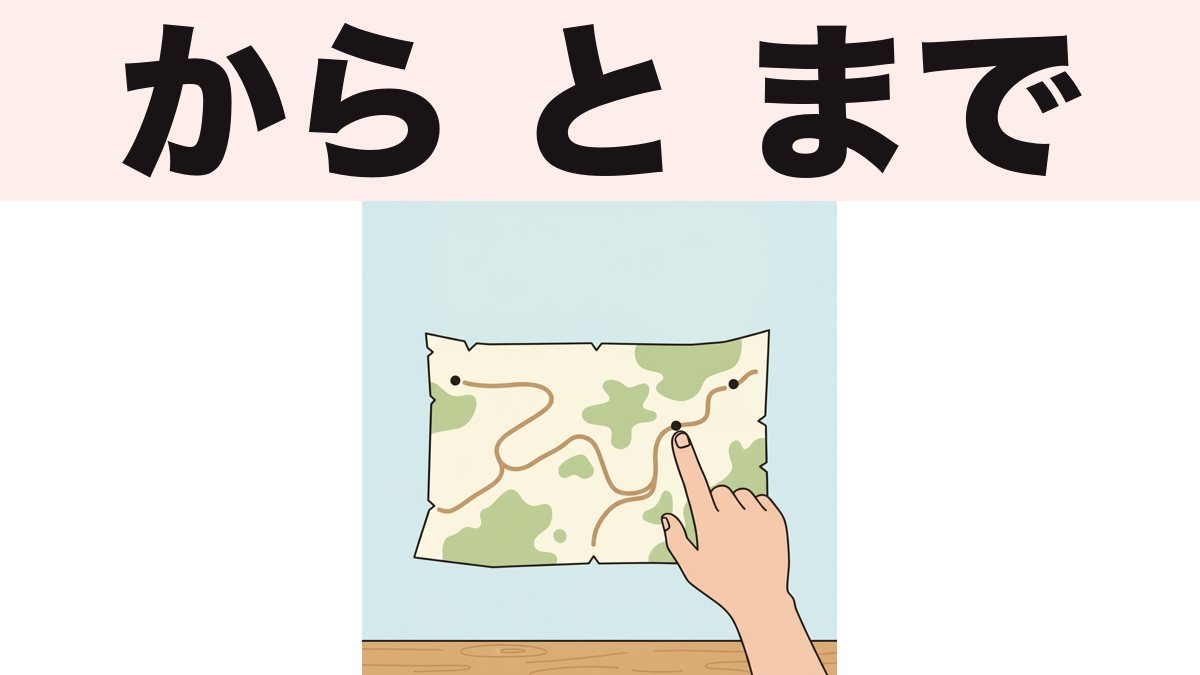
〜から〜まで: "from" and "to," and the one extra syllable that changes everything
Learn how kara and made mark starting and ending points in Japanese time and place, and why made ni changes until into a deadline meaning by.
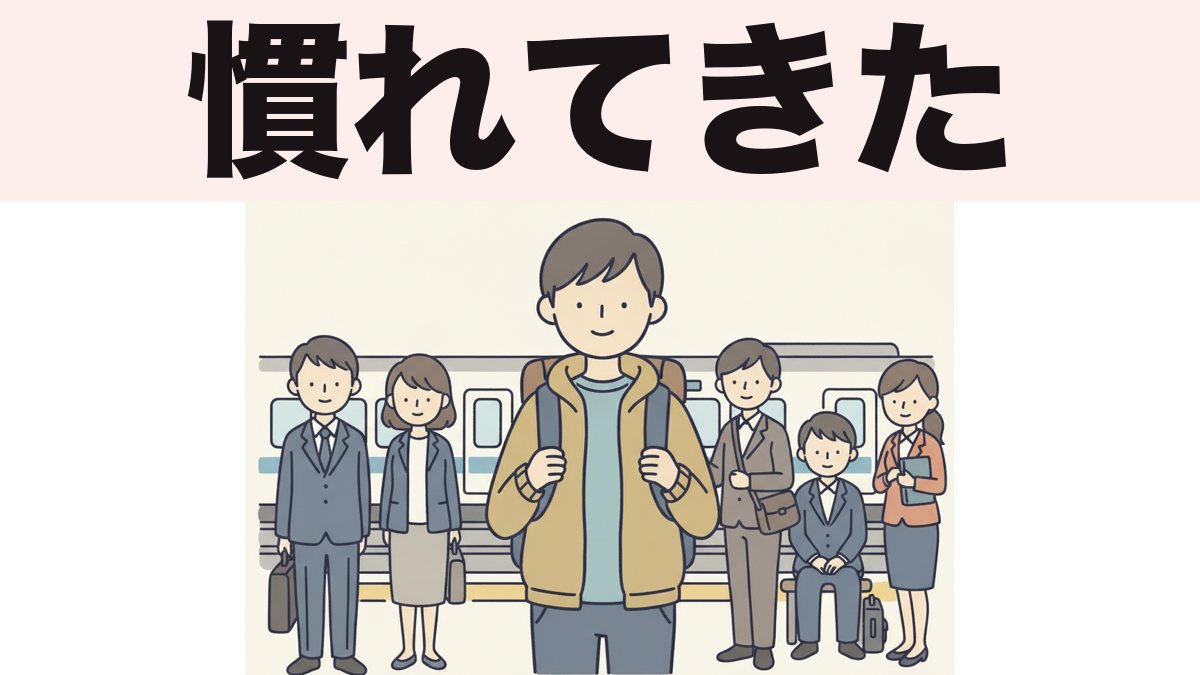
Get Used To in Japanese: 慣れる — takes に, not を
Get used to in Japanese is 慣れる, and it takes に, not を. Comparison table of 慣れました, 慣れています and related forms. Updated 2026.
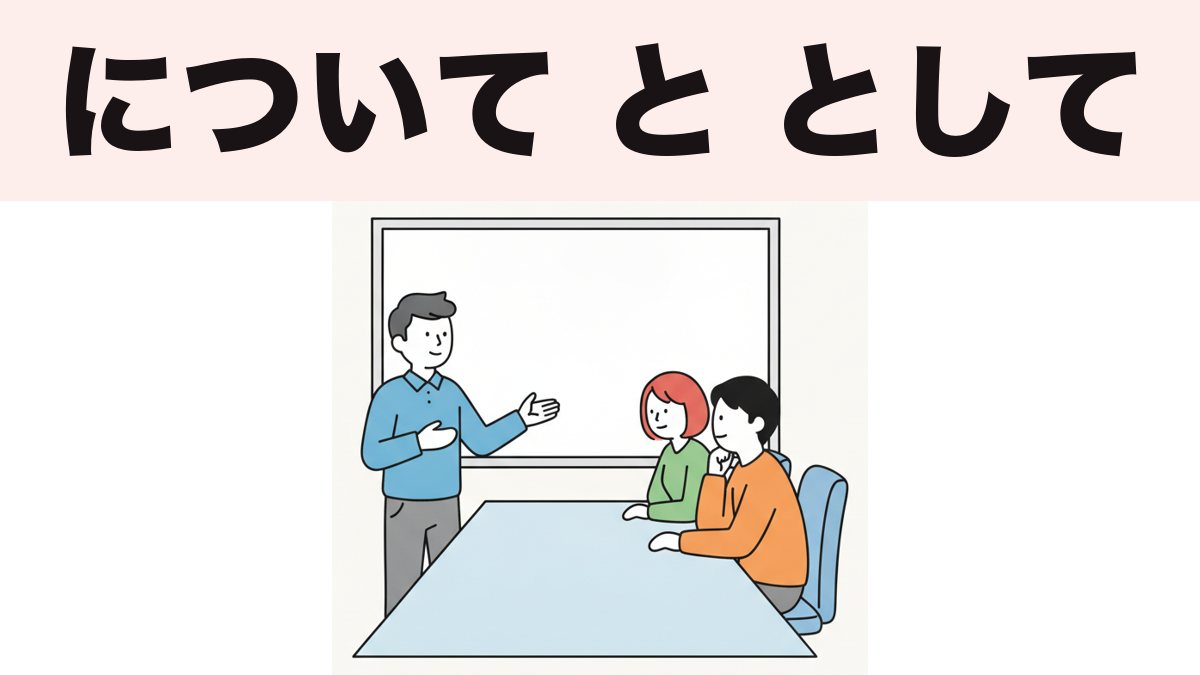
〜について vs 〜として: "about" and "as", and why swapping them changes the sentence
Learn how ni tsuite marks a topic and to shite marks a role in Japanese, plus how ni taishite differs and how to use the noun form ni tsuite no.
〜という: the grammar for naming, quoting, and defining things
〜という attaches a name or a piece of speech to a noun: 田中という人, 忙しいということ. Here is what the と is doing, the four jobs という does, and why っていう is the same word.
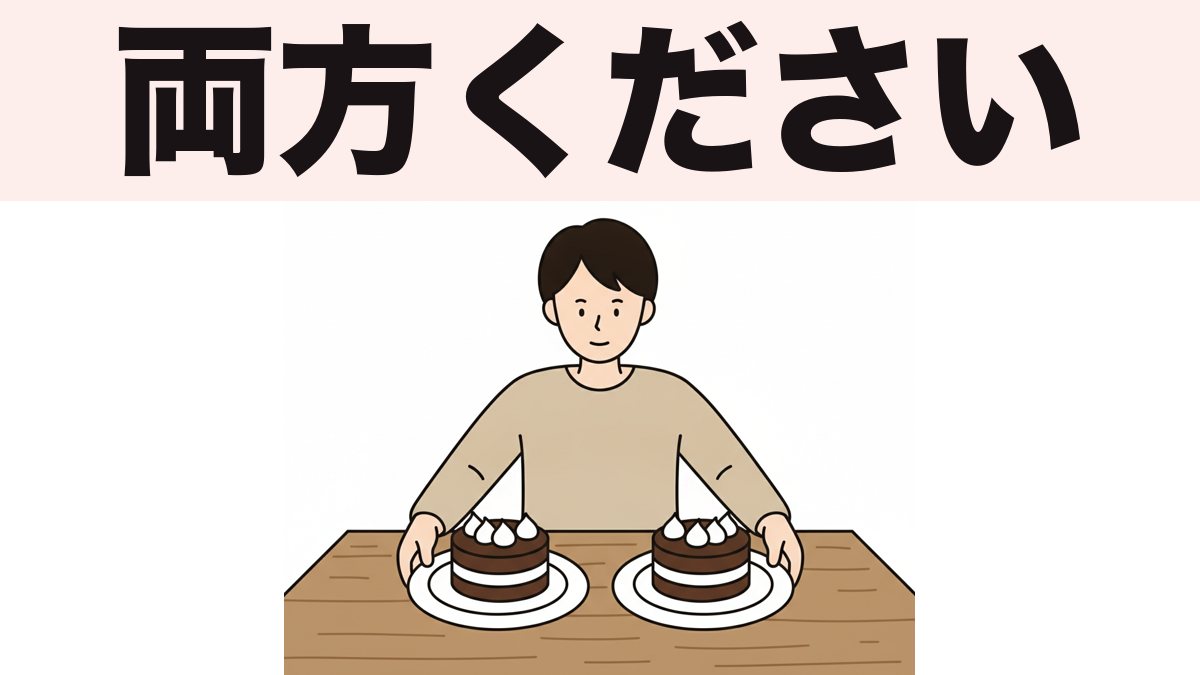
Both in Japanese: 両方 ryouhou vs どちらも dochiramo
Both in Japanese: 両方 (ryouhou), どちらも (dochiramo) or 〜とも. 2 comparison tables, 11 example sentences plus the trick that flips both into neither. 2026.
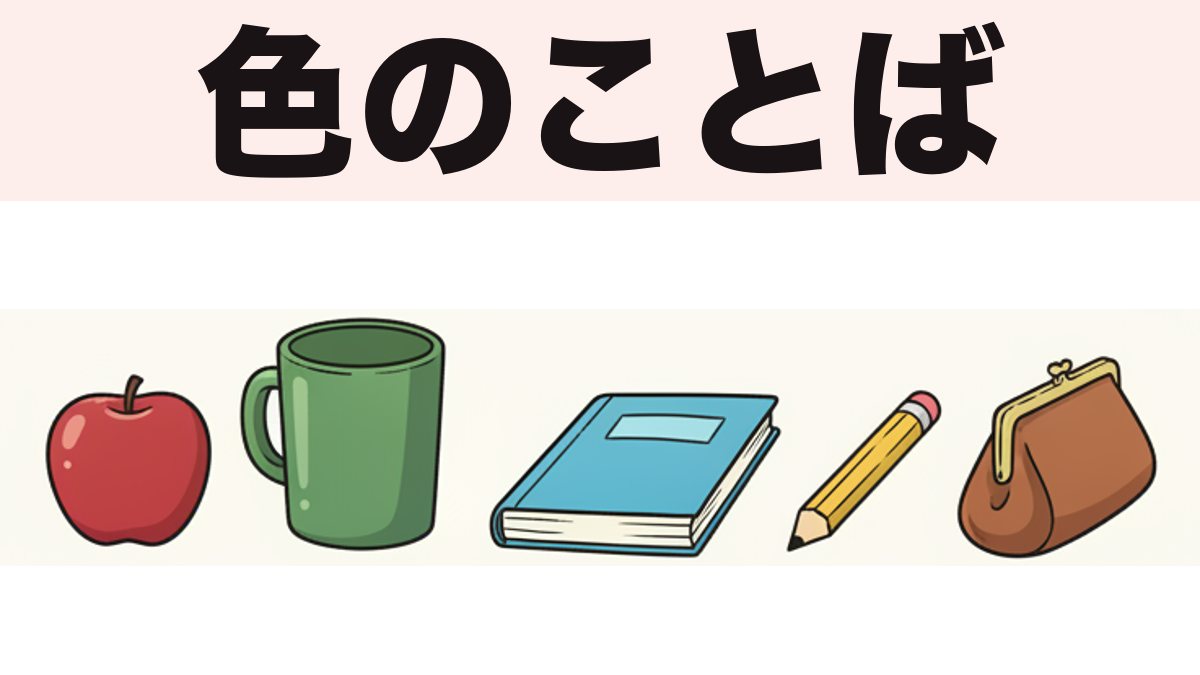
Why Is 赤い a Japanese Adjective But 緑 Is Not?
赤い, 青い, 白い, 黒い, 黄色い and 茶色い are い-adjectives; every other colour, including 緑 (green), is a noun that needs の before another noun — 緑の車, not 緑い車.
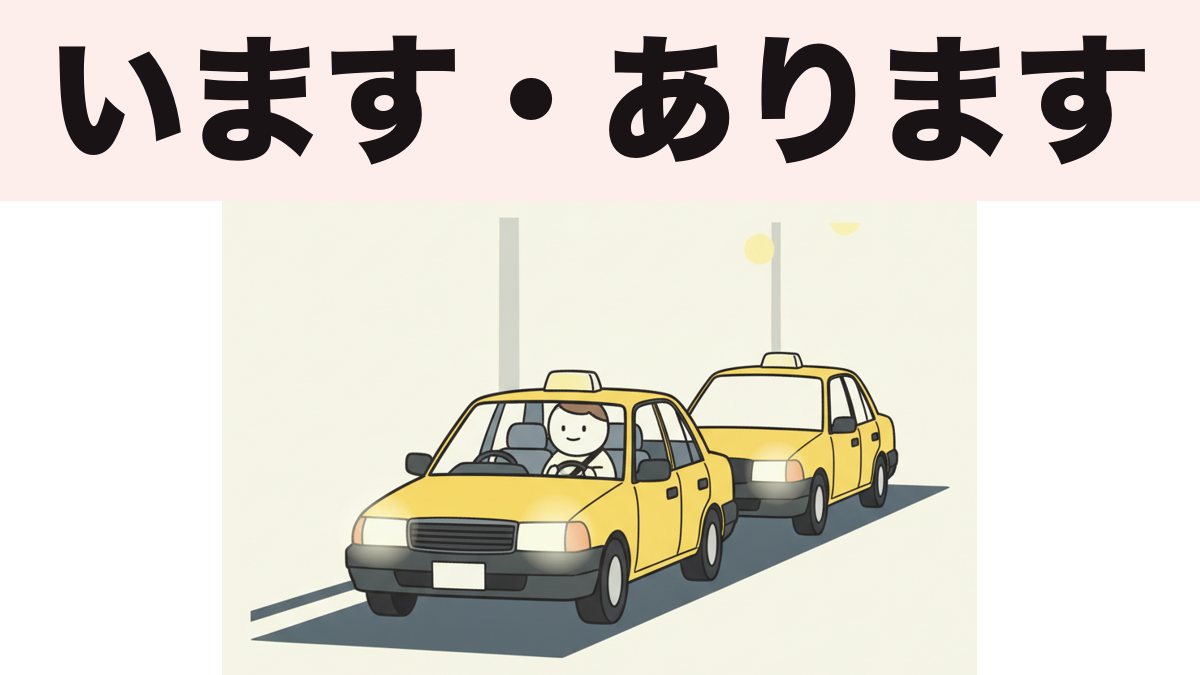
ある vs いる (Aru vs Iru): Which "There Is" Verb Japanese Uses
ある vs いる both mean "there is": いる for things that move under their own power, ある for everything else, plants and events included. Negative of ある is ない.
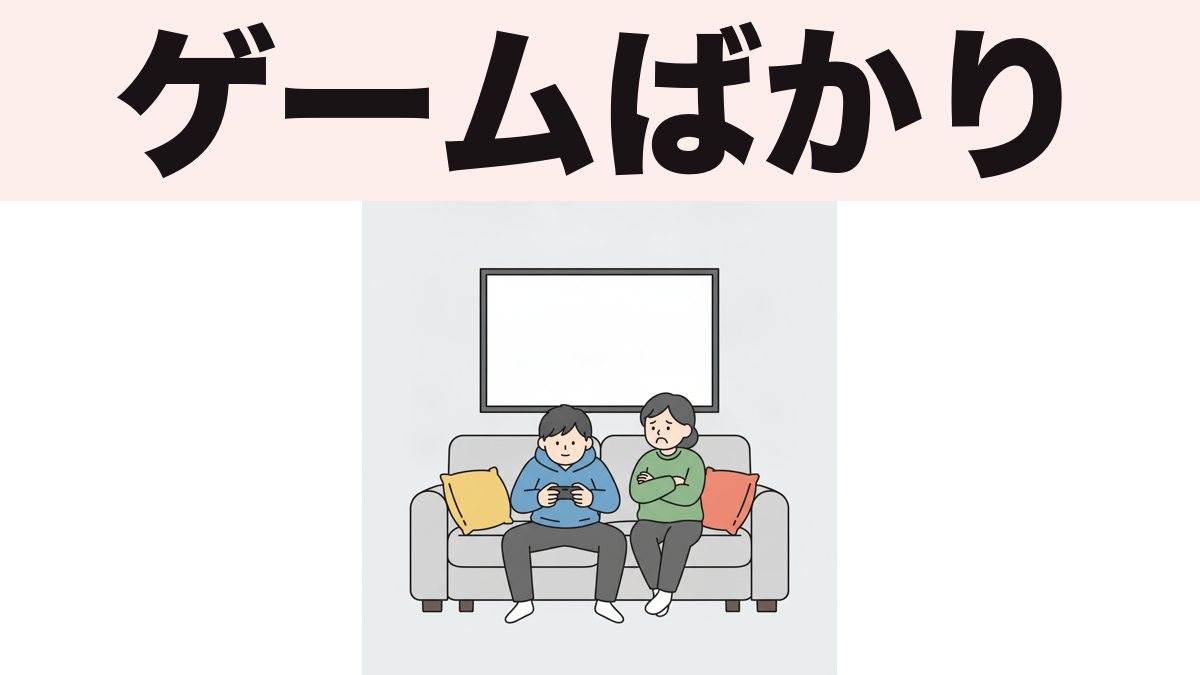
〜ばかり: "nothing but," "just did," and the complaint hiding in both
ばかり after a noun means "nothing but" and usually criticises. After a past verb it means "just did." Same word, two jobs, and the た version is subjective.
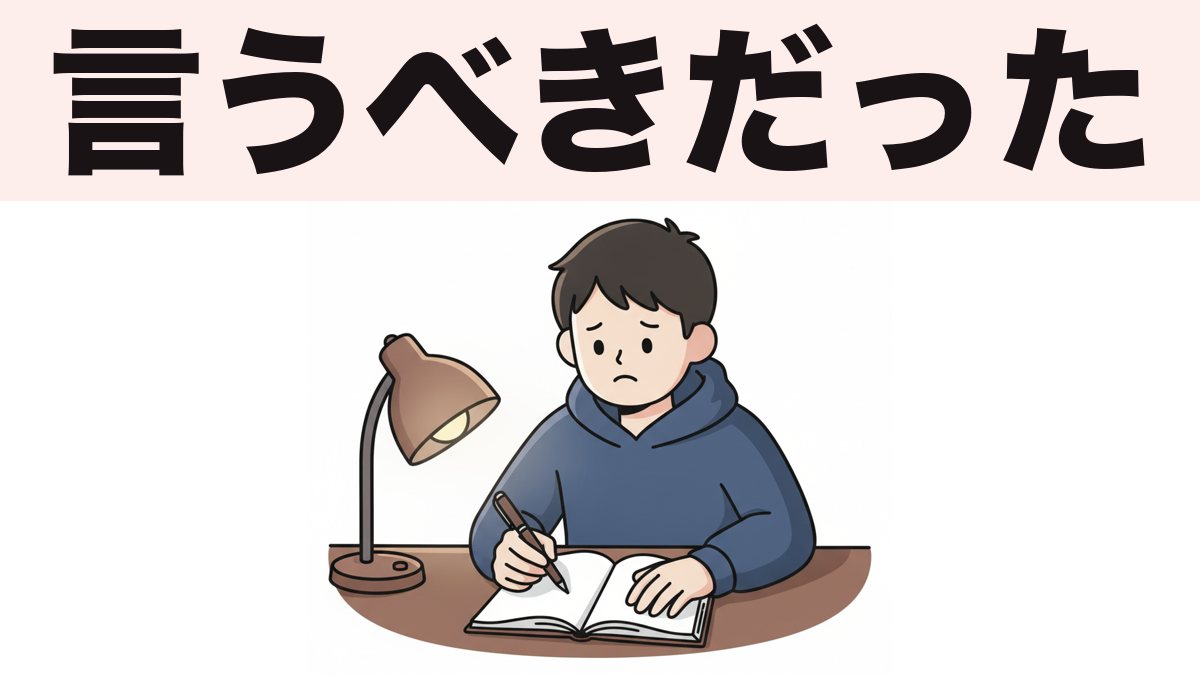
〜べき: the "should" that judges, and when not to use it
べき is a moral should — what is right, not what is advisable. Pointed at a person it sounds preachy, which is why ほうがいい exists.
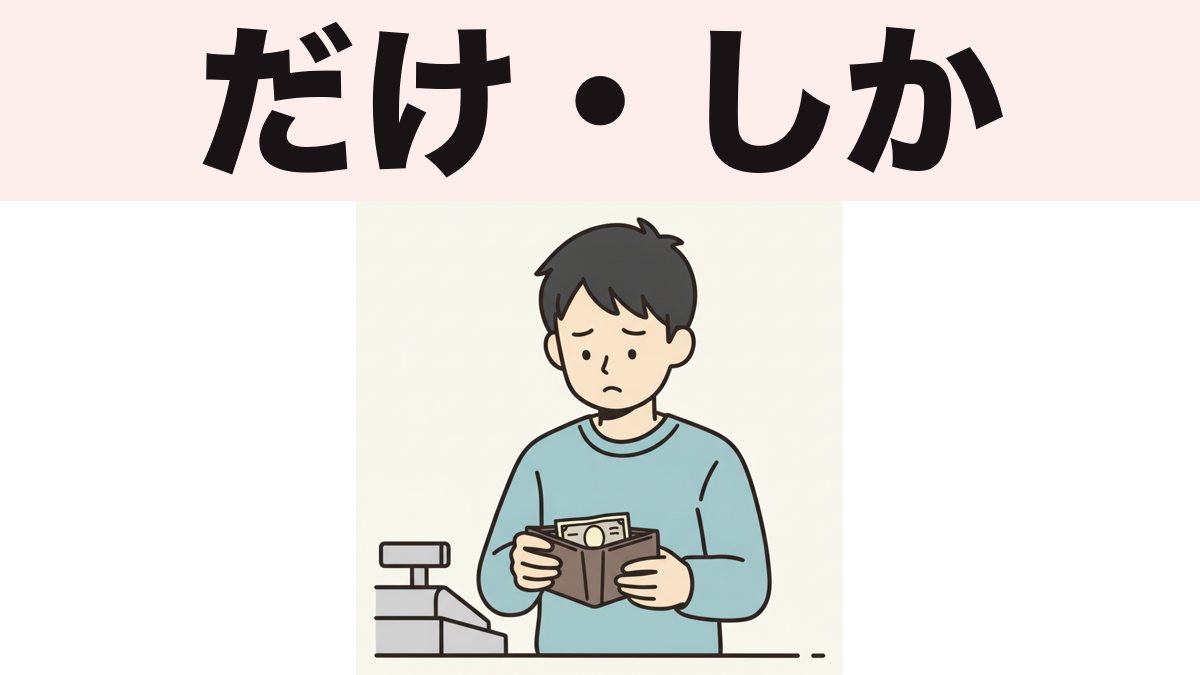
だけ vs しか: two words for "only," and one of them is a complaint
だけ states a fact. しか demands a negative verb and adds "and that is not enough." 1000円だけあります and 1000円しかありません are different feelings.
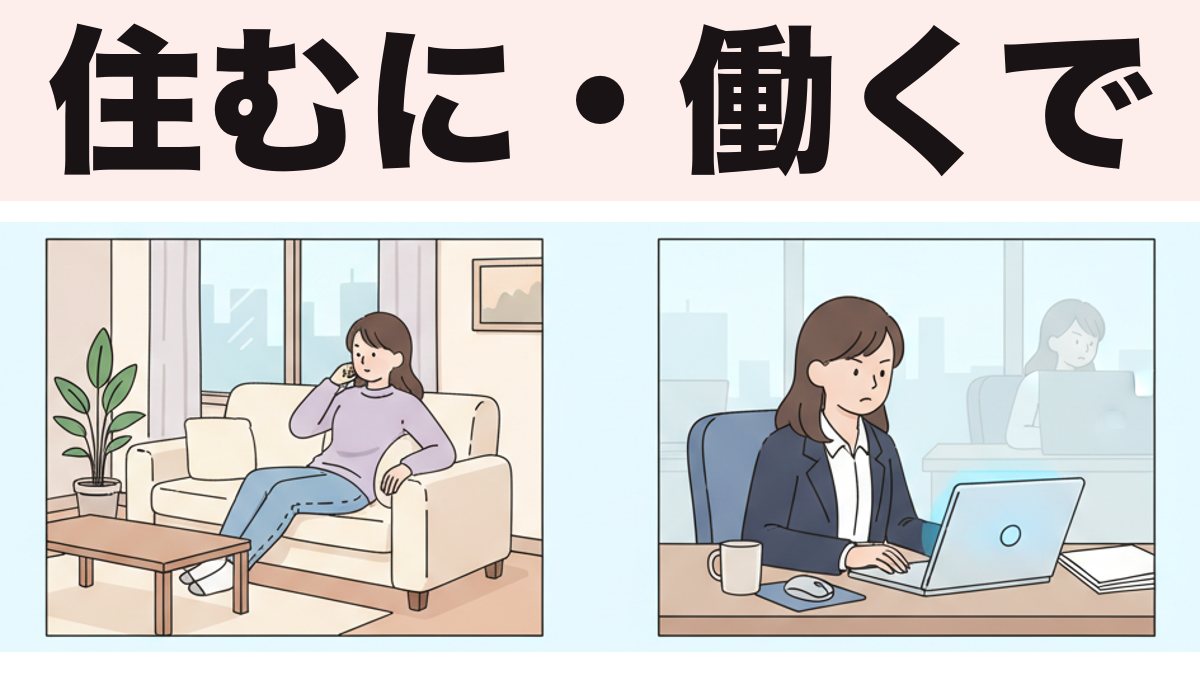
で vs に: the particle pair that decides whether you live or work somewhere
に marks a point — a destination, a location of existence, a time. で marks where an action happens. 東京に住む but 東京で働く, and the verb decides.
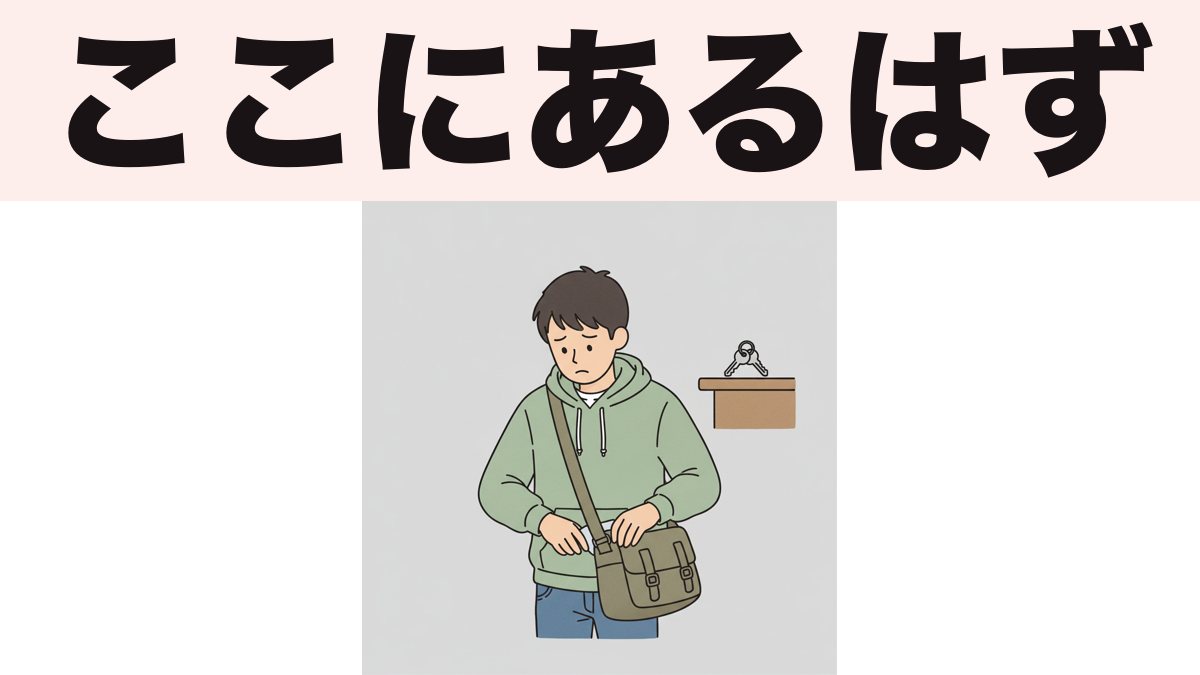
〜はず: the "should" that is a prediction, not an obligation
はず means "it should be so, based on what I know." It never means "you should do this" — that is べき, and English hides the difference behind one word.
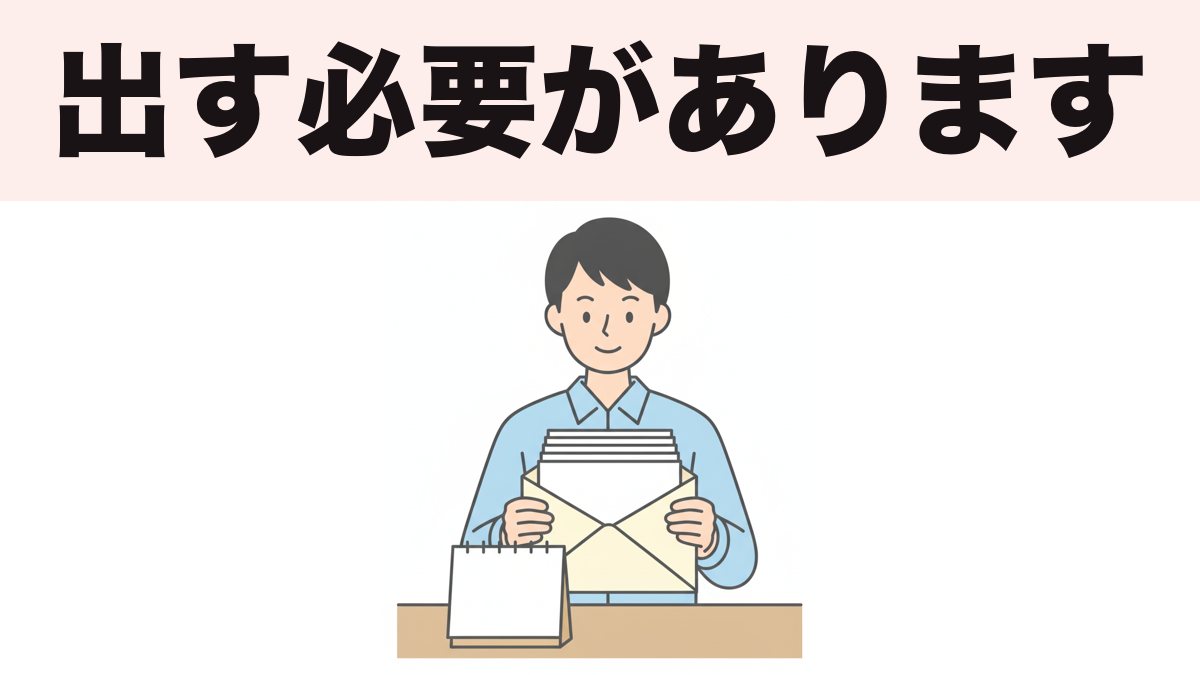
How Do You Say "Need To" in Japanese? 〜必要がある Explained
"Need to" in Japanese is 〜必要がある — it states a requirement as a fact rather than an obligation, and attaches with が, not です, where most learners go wrong.
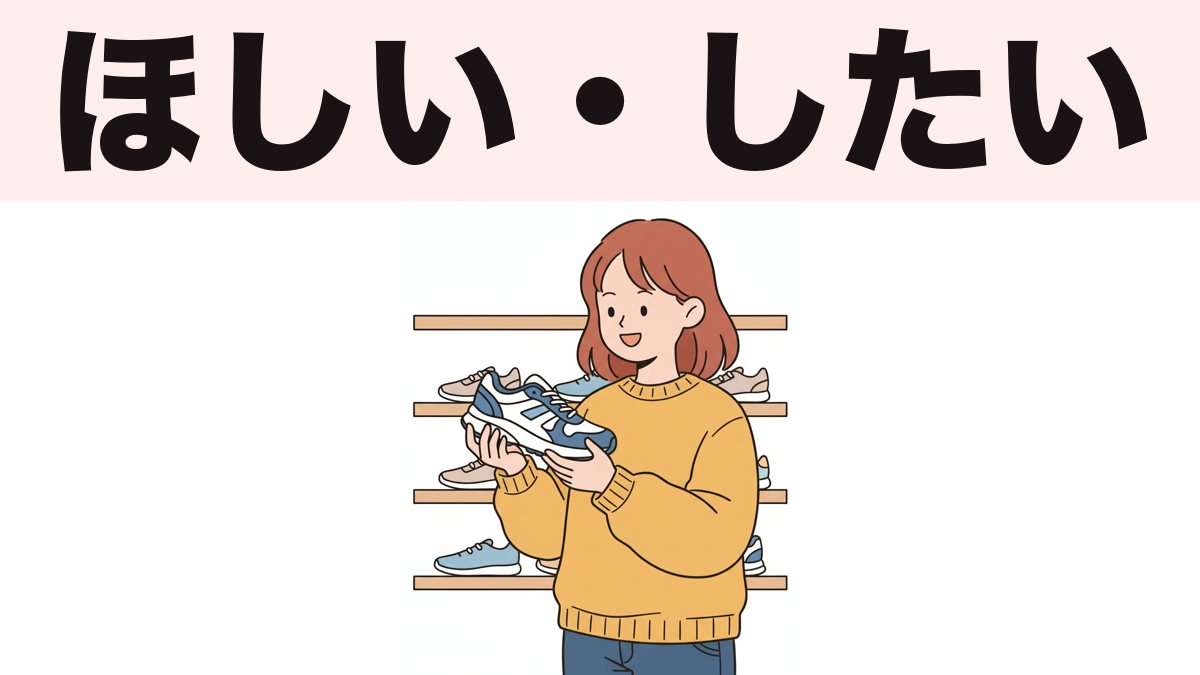
ほしい vs たい: wanting a thing, wanting to do, and wanting someone else to
ほしい wants a noun, たい wants a verb, and neither can be used about another person. 彼は行きたいです is wrong — it has to be 行きたがっています.
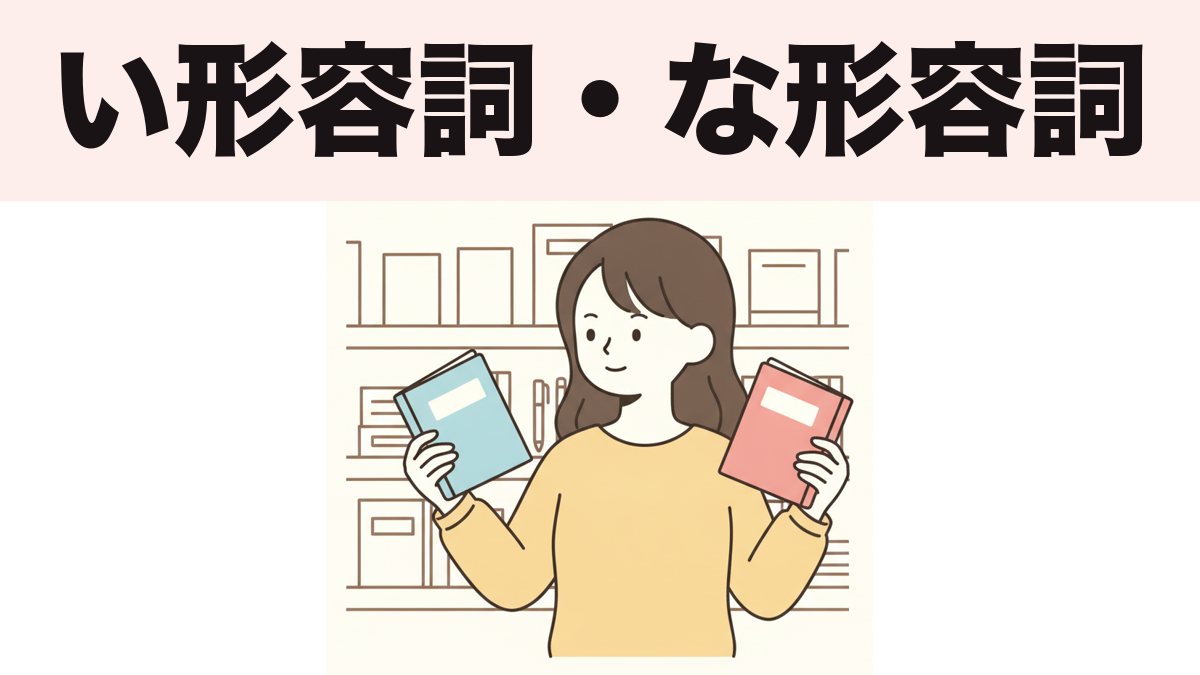
い-adjectives vs な-adjectives: the split, and the words that lie about it
い-adjectives conjugate themselves; な-adjectives behave like nouns. きれい and 嫌い end in い and belong to the second group, which is where everyone gets caught.
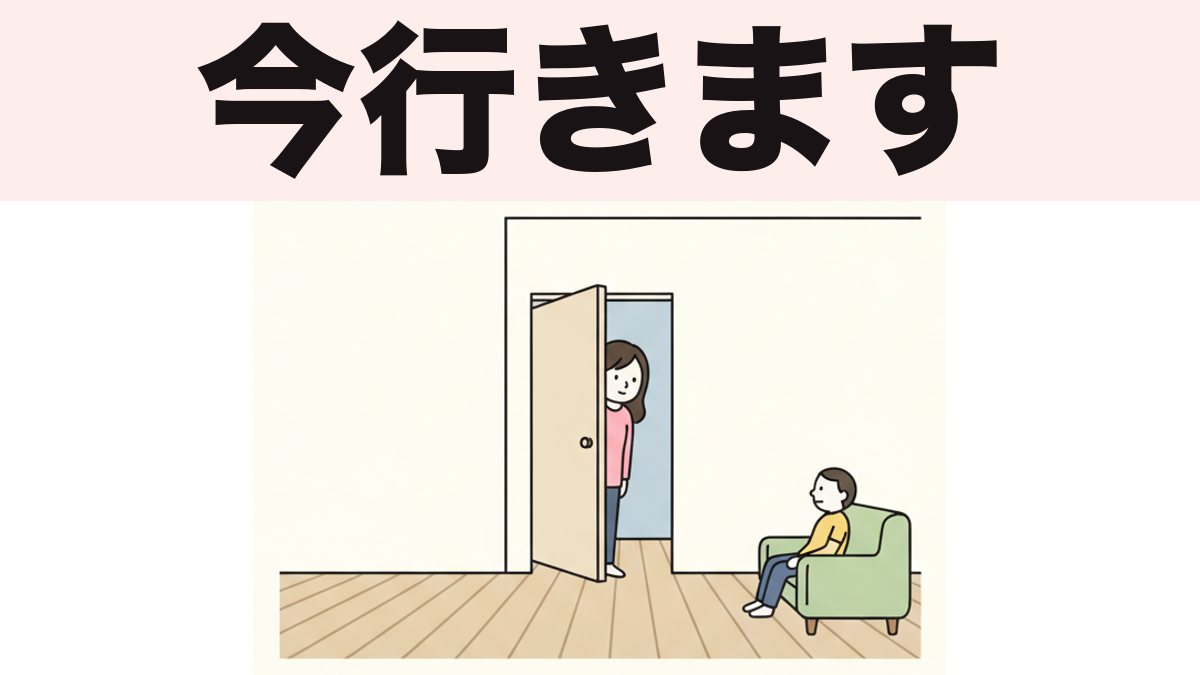
What Is the Difference Between 行く and 来る in Japanese?
行く and 来る in Japanese both anchor to the speaker: 来る means moving toward the speaker, so answering a call with 今行きます ("I'm going") is correct, not 来ます.
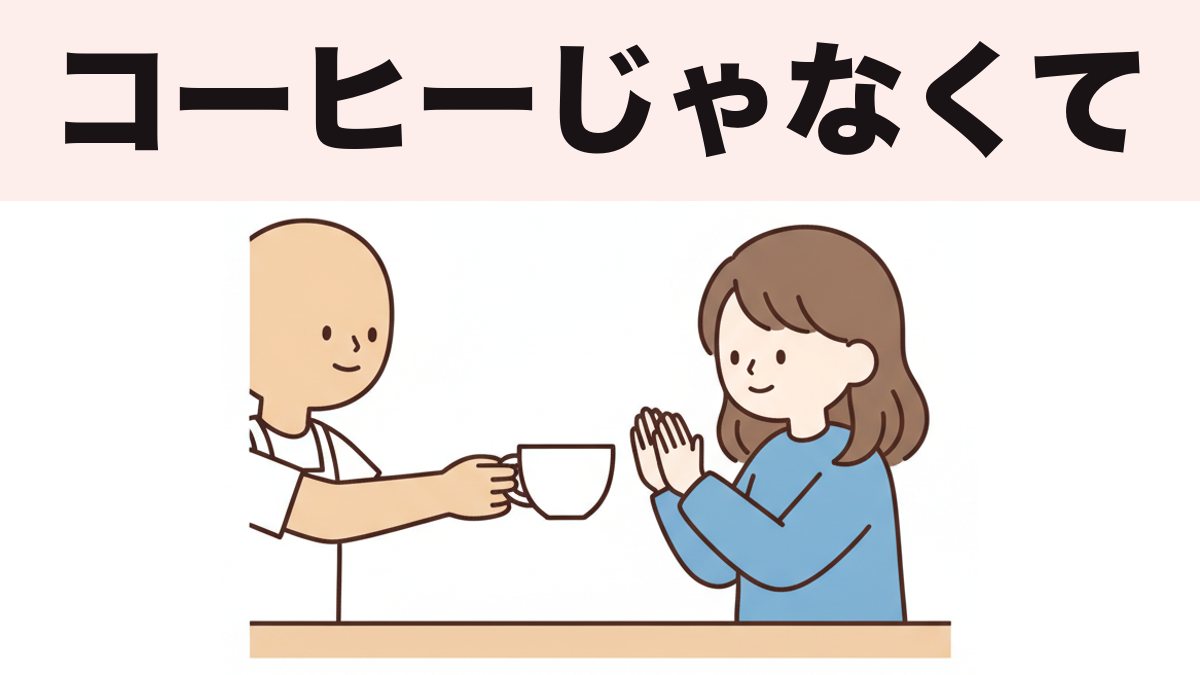
〜じゃなくて: how to say "not this, but that"
じゃなくて is the connecting negative for nouns: 学生じゃなくて、先生です. い-adjectives take くなくて, and verbs split between なくて and ないで depending on meaning.
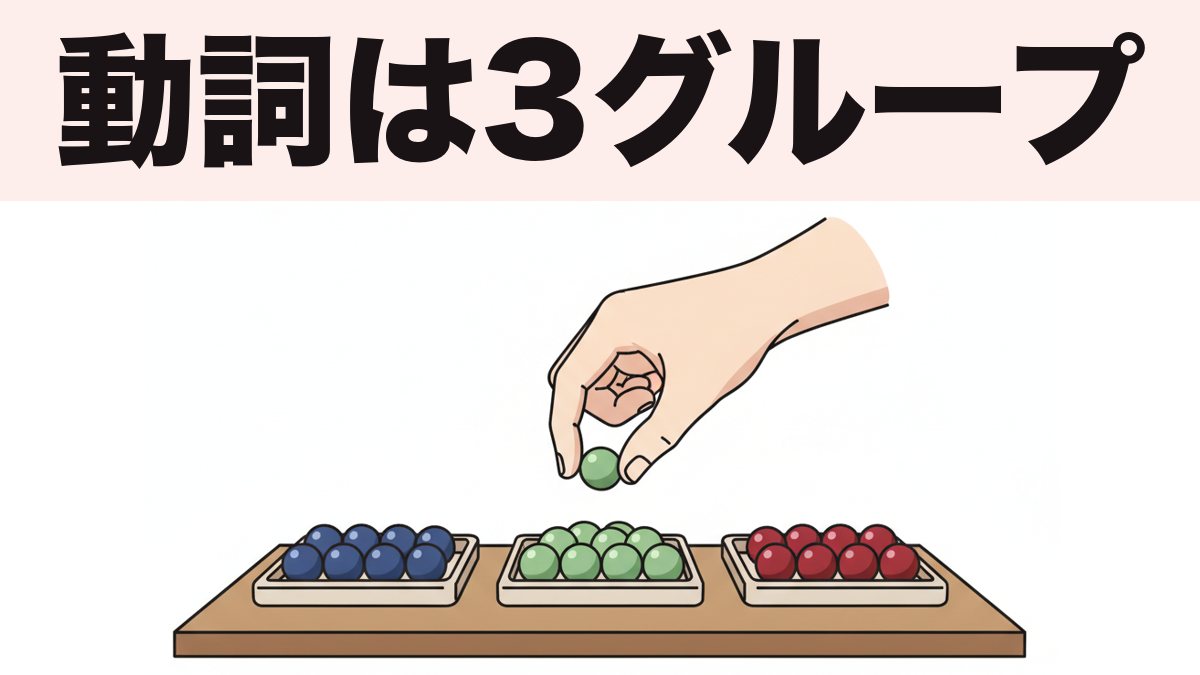
Japanese verb groups: the three-way split every conjugation depends on
Group 1, Group 2 and the two irregulars. Some Group 1 verbs end in る too — 帰る, 走る, 知る — and the negative form is the test that never lies.
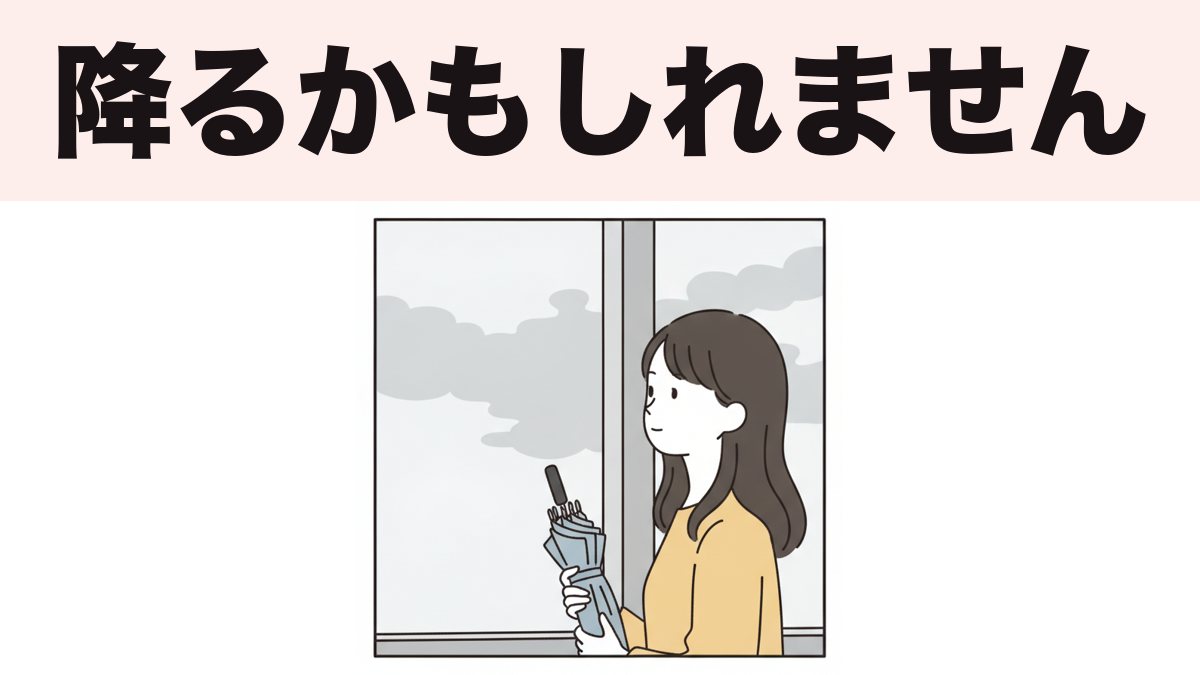
かもしれない: "maybe," and the だ you have to delete
かもしれない attaches to the plain form, but nouns and な-adjectives drop their だ first. 学生だかもしれない is wrong; 学生かもしれない is right.
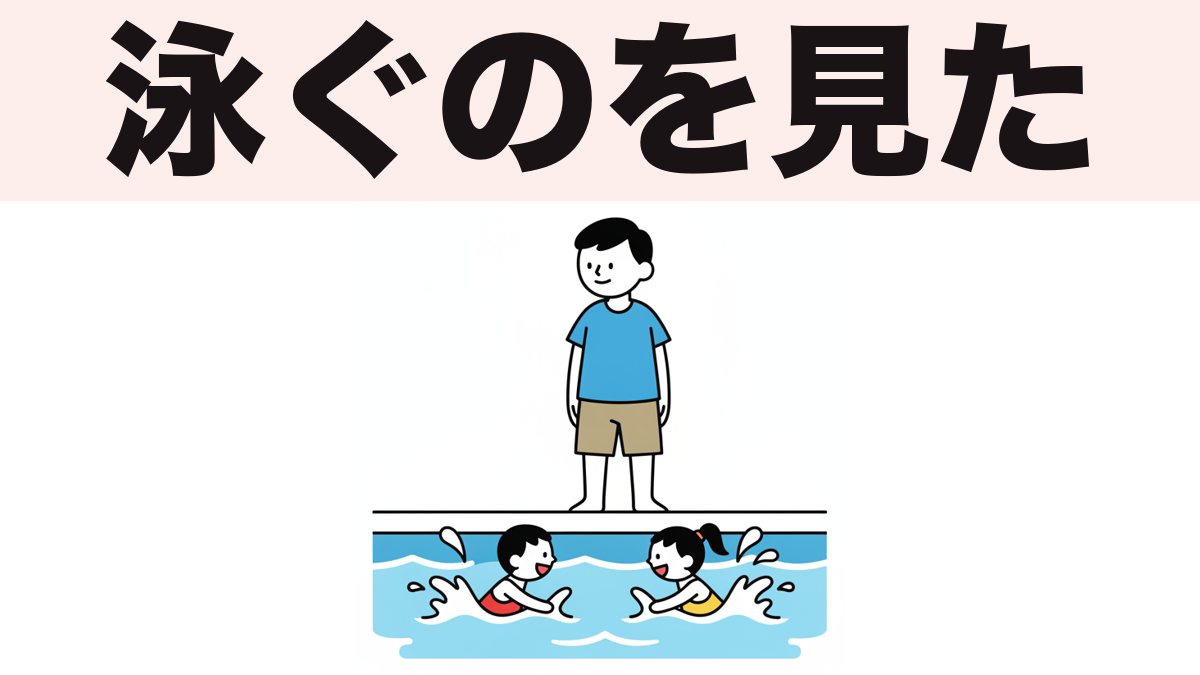
こと vs の: two ways to turn a verb into a noun
こと is for abstract facts, の for things you can see and hear. 泳ぐのを見た, never 泳ぐことを見た — and some verbs only accept one of them.
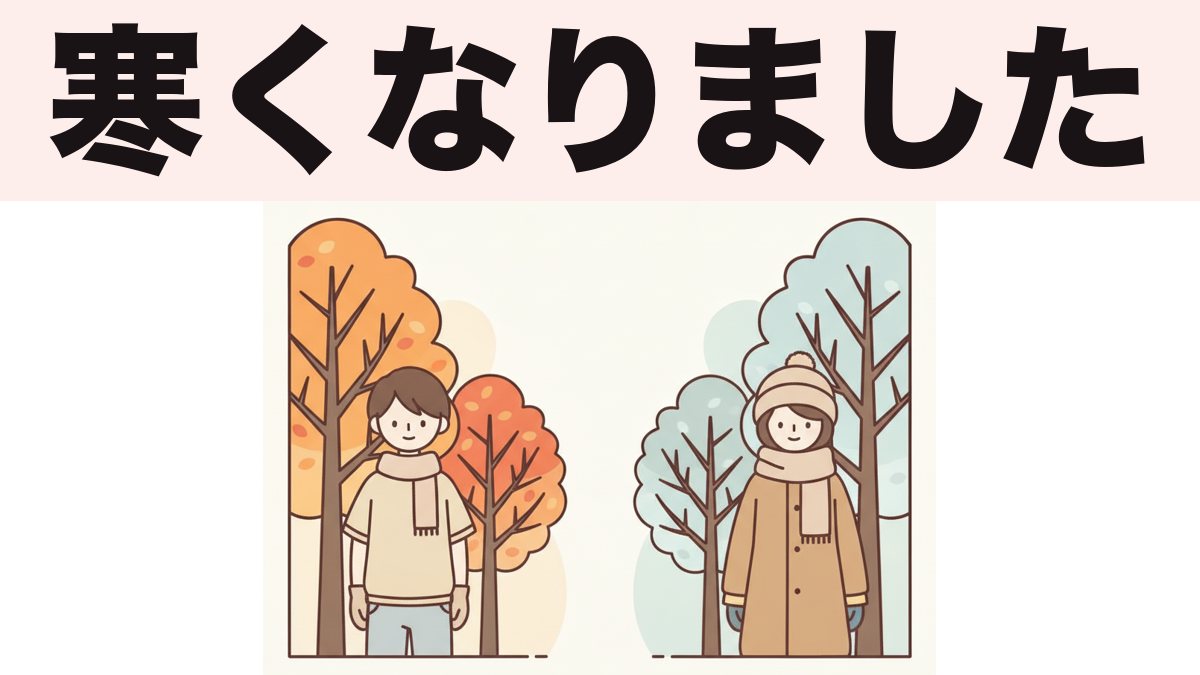
〜くなる and 〜になる: how Japanese says "become"
い-adjectives take く, な-adjectives and nouns take に, and then both take なる. 忙しいになる is the error almost every beginner makes at least once.
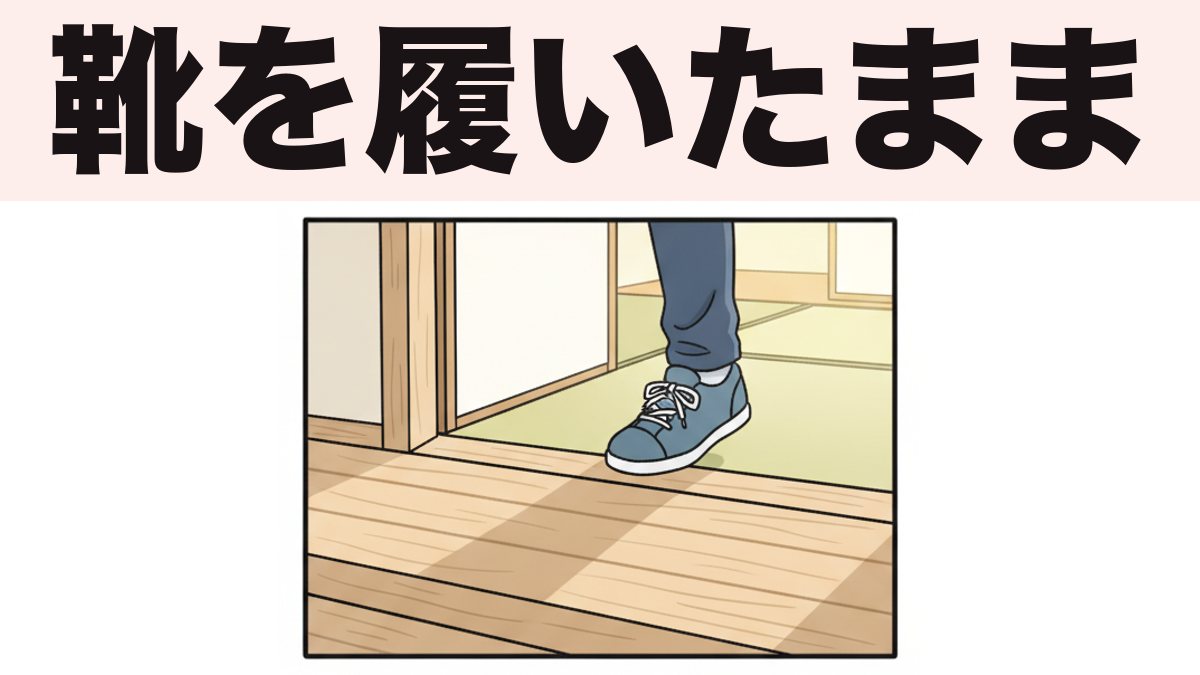
〜まま: "as it is," and why it takes the past form
まま describes a state left unchanged. It takes the past form for verbs — 靴を履いたまま, never 履くまま — and そのまま is the phrase you will use most.
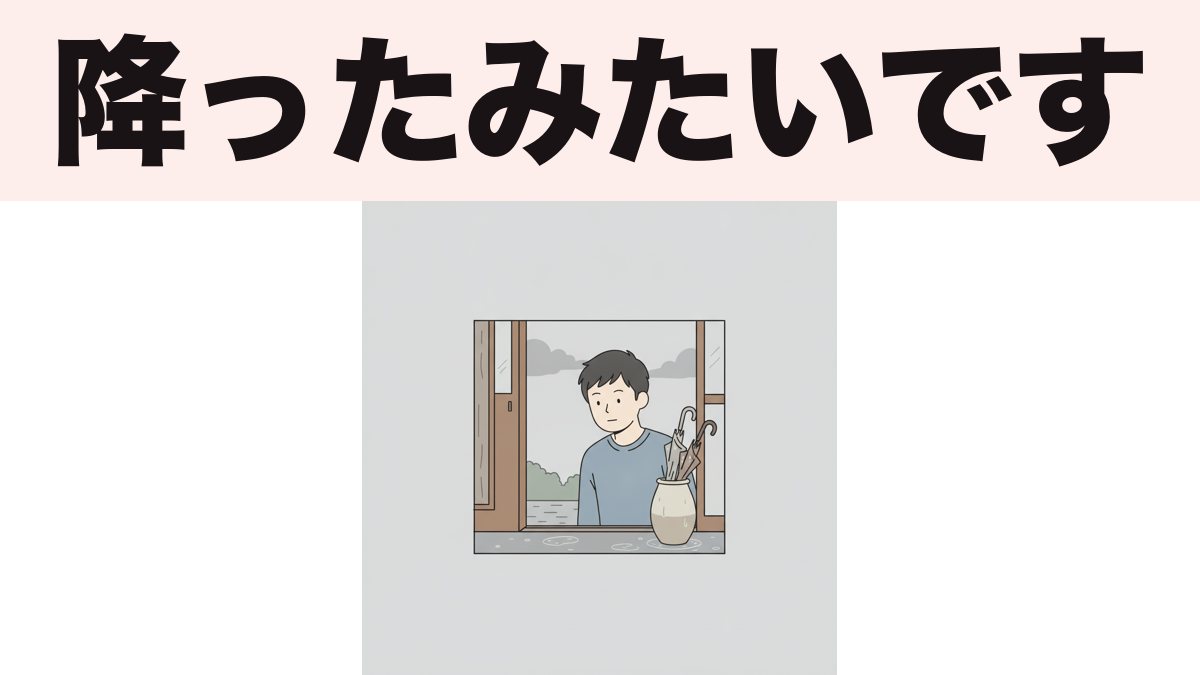
みたい, らしい, ようだ: three ways to say "apparently," and who told you
ようだ is your own judgement, みたい is its casual twin, and らしい means you heard it somewhere. The attachment rules differ too, which is where it gets messy.
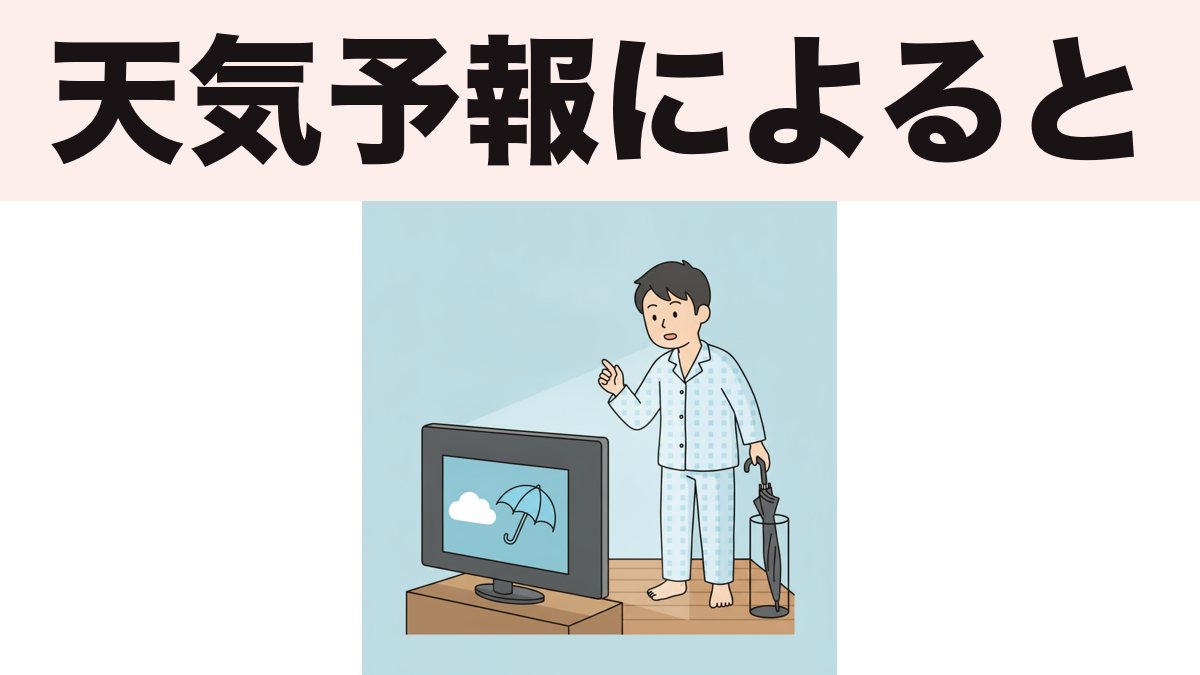
〜によると: "according to," and the そうです you must not drop
〜によると names your source, and the sentence has to end in そうです or らしいです. Ending it flatly turns reported information into your own claim.
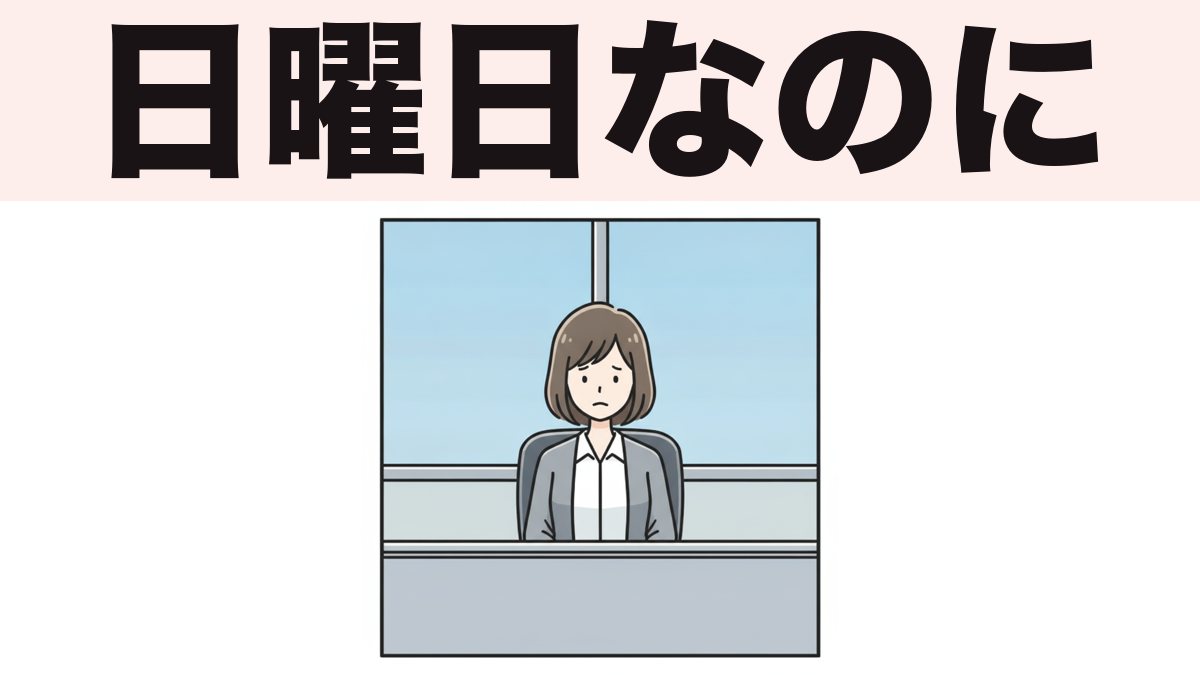
〜のに: "even though," with a complaint built in
のに means "even though" and adds disappointment or surprise. けど is the neutral version. If you would not roll your eyes saying it, use けど.
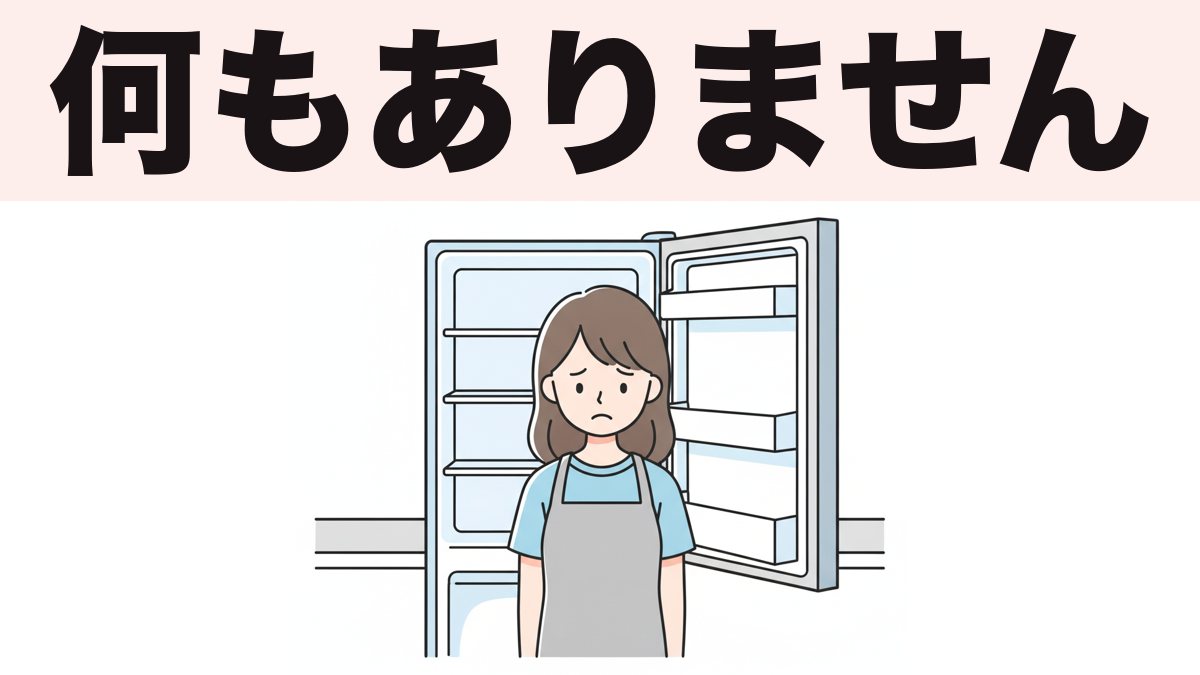
Nothing in Japanese (Casual Too): 何も, 何もない, 何でもない
Nothing in Japanese is 何も + a negative form. Casually: 何もない, 何もしてない, 何でもない, 別に. Examples, a casual-reply table and practice.
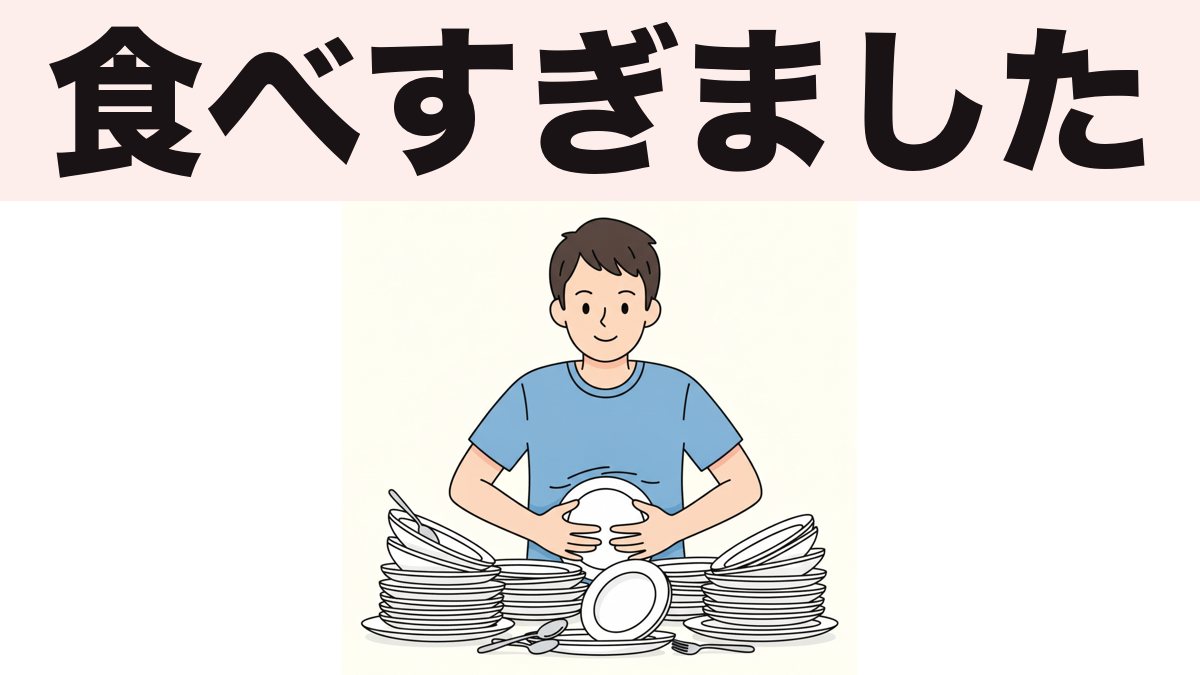
〜すぎる: "too much," and the い you have to drop
すぎる attaches to a verb stem or a bare adjective: 高すぎる, not 高いすぎる. It becomes a Group 2 verb, and in casual speech it stops meaning "too" at all.
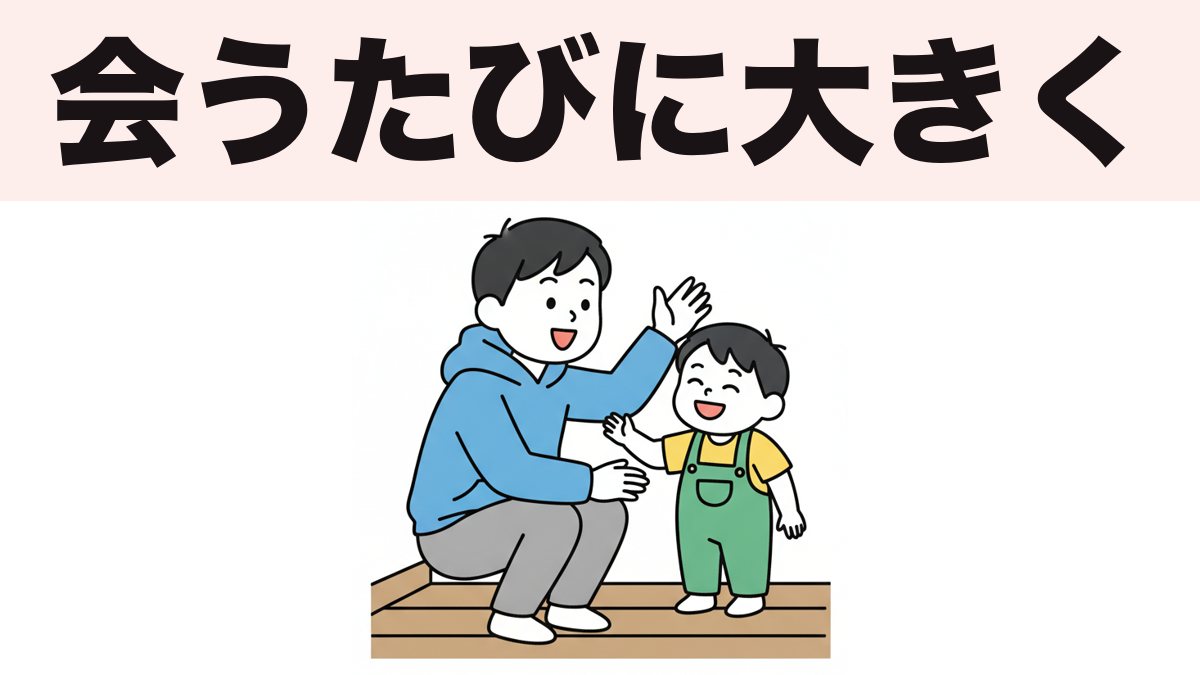
〜たびに: "every time," and why 3日たびに is wrong
〜たびに needs an occasion, not a clock. Every time you meet someone is 会うたびに; every three days is 3日ごとに. The two are not interchangeable.
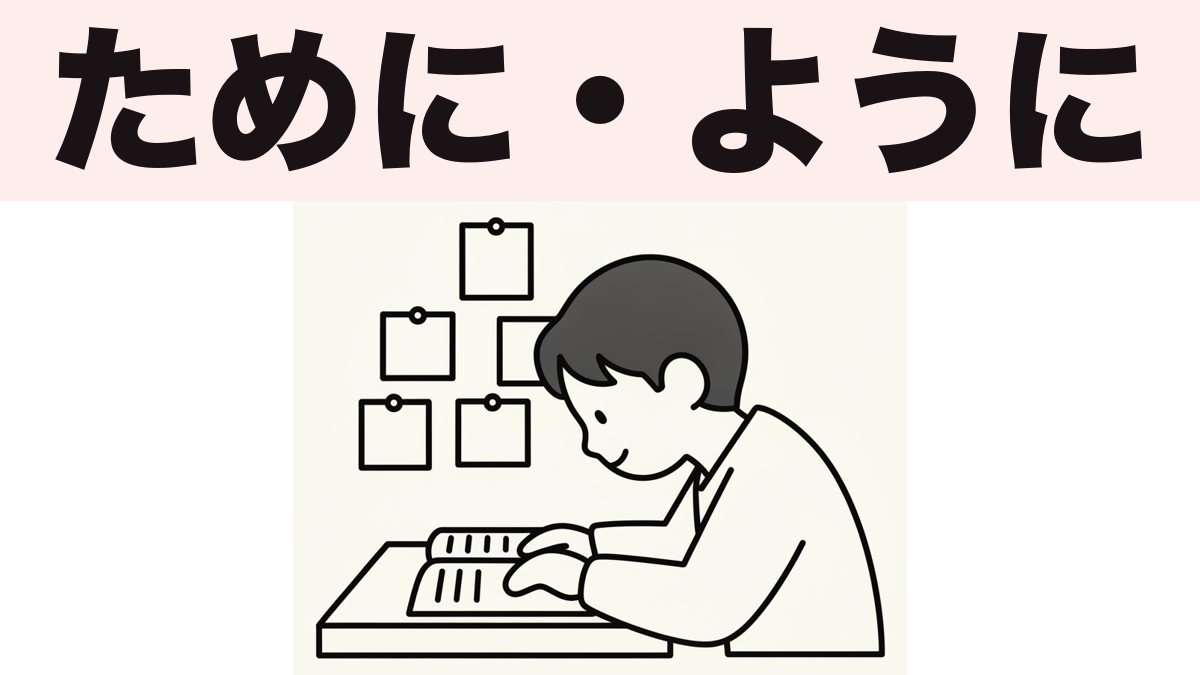
ために vs ように: two ways to say "in order to," and only one is right
ために needs a verb you control; ように needs one you do not. That single test decides which to use, and it explains why 忘れないために is wrong.
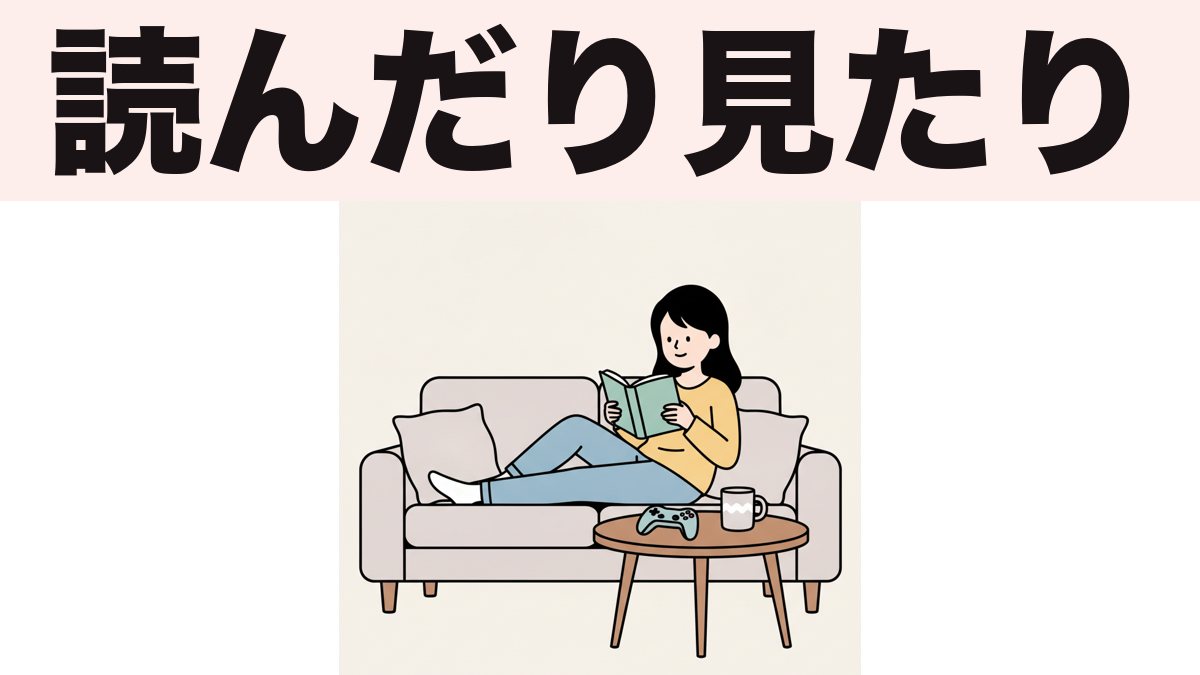
〜たり〜たり: the list that says "and other things like that"
〜たり〜たりする lists example actions and implies you left some out. It is built from the past form, and the sentence must end in する — the piece learners drop.
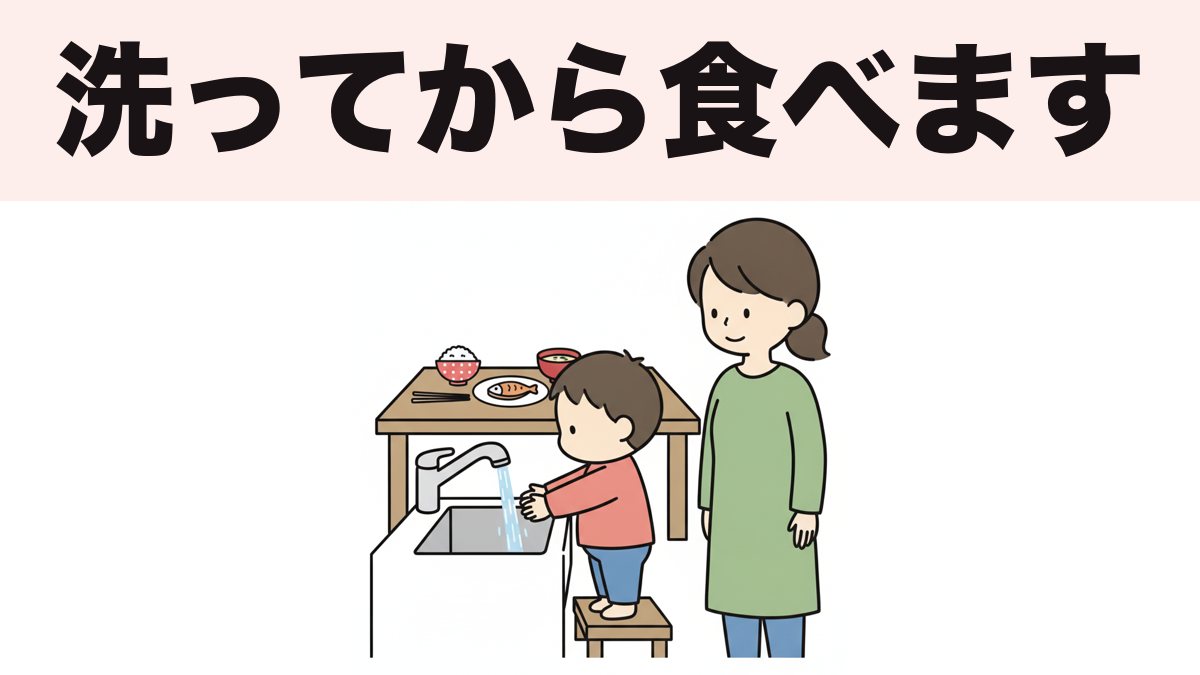
〜てから: "after doing," and why 食べたから means something completely different
〜てから says one action must finish before the next begins. Swap the て for a た and you get 食べたから — "because I ate" — which is a different sentence entirely.
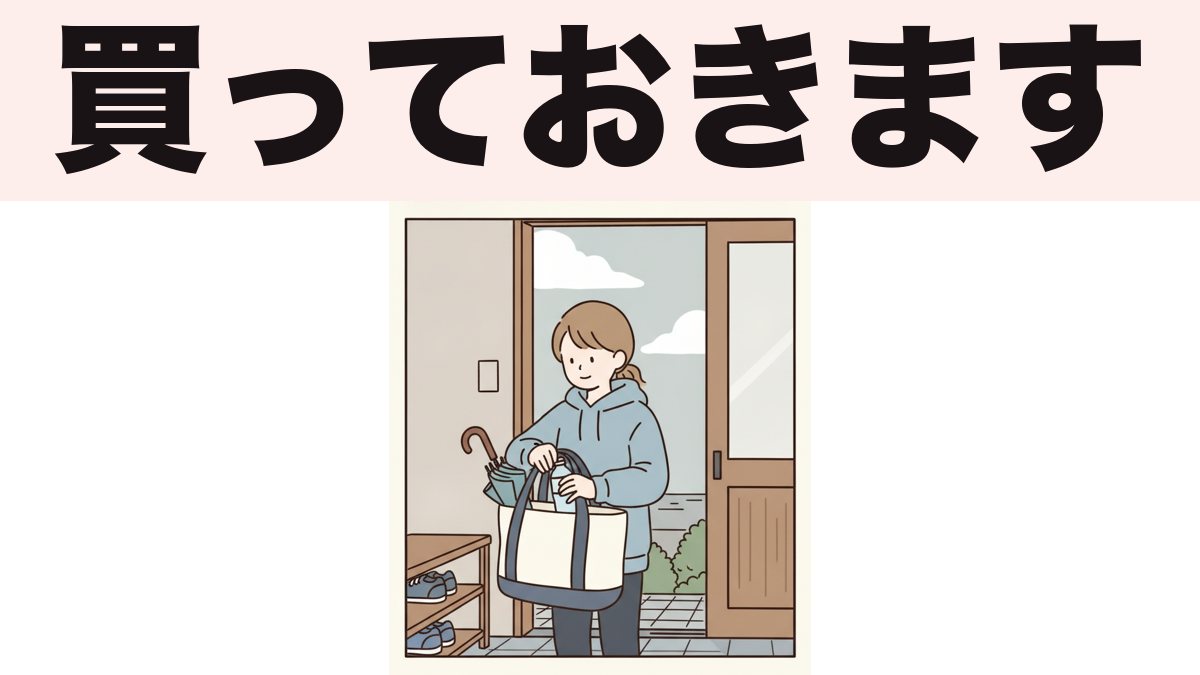
〜ておく: doing something now so future you does not have to
〜ておく means doing something in advance, or leaving it as it is. In speech it collapses to 〜とく, which is why 買っとく sounds like a word you never learned.
〜と思います: the quotation particle, and why です never goes in front of it
と quotes a whole sentence, and what it quotes must be in plain form. 高いですと思います is wrong; 高いと思います is right. The politeness lives on 思います.
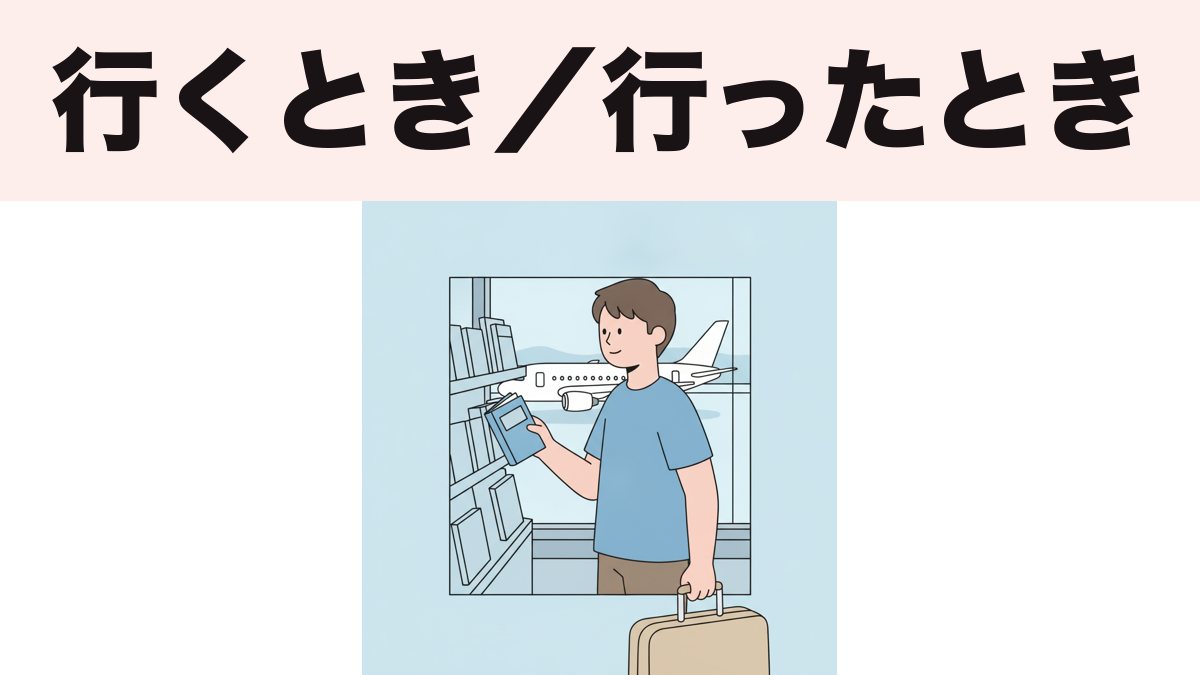
〜とき: why 行くとき and 行ったとき are two different moments
〜とき means "when," but the tense in front of it is relative, not absolute. 日本に行くとき happens before you arrive; 日本に行ったとき happens after.
わけ: わけだ, わけではない, わけがない, わけにはいかない
One noun, four grammar points. わけではない is a partial denial, わけがない is a flat impossibility, and mixing them up makes you sound much harsher than you meant.
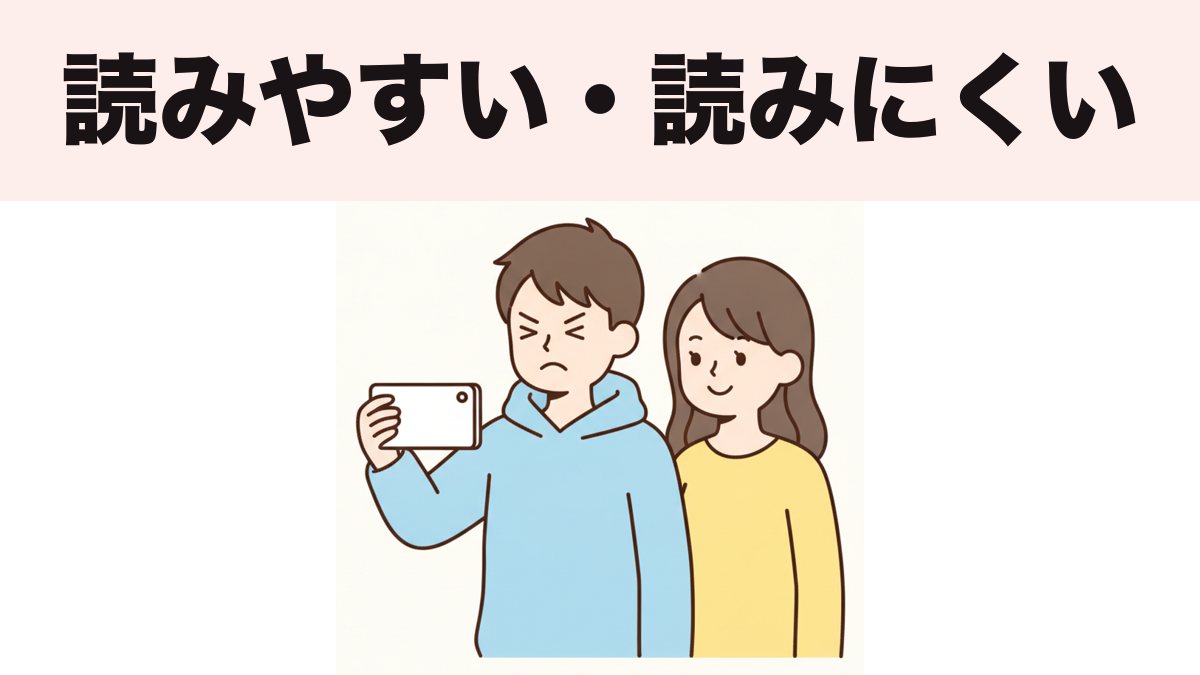
〜やすい and 〜にくい: easy to do, hard to do, and prone to happening
Add やすい or にくい to a verb stem and you get a new い-adjective. But やすい also means "tends to," which is a different idea hiding in the same ending.
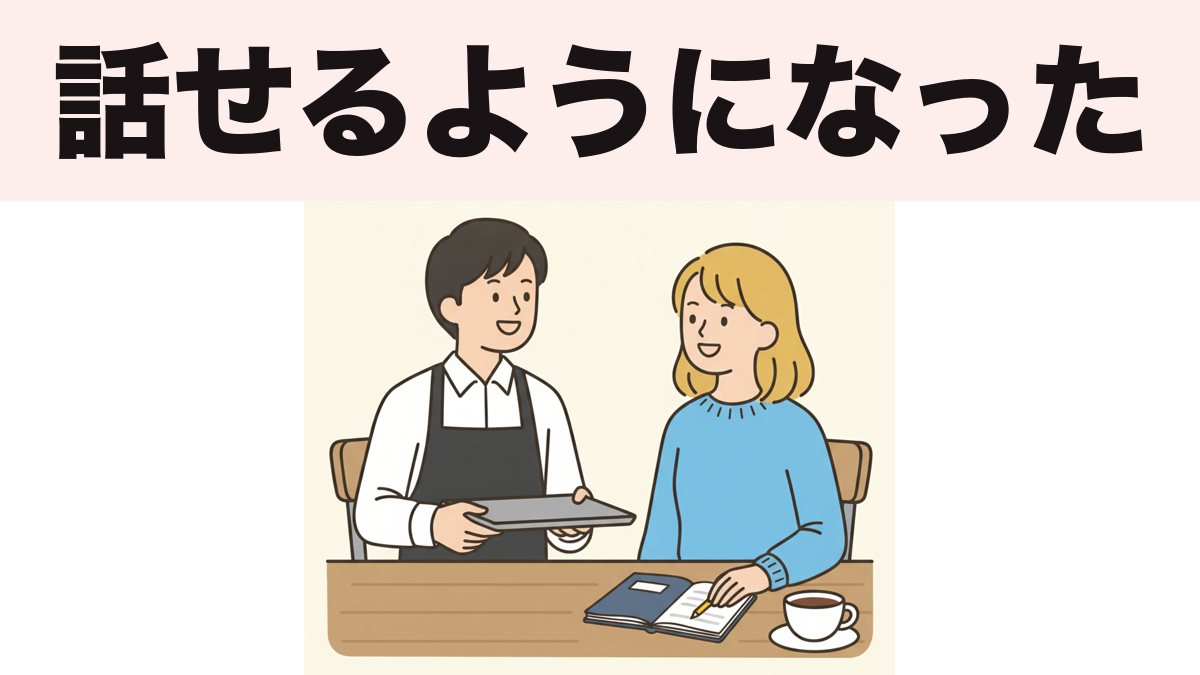
〜ようになる: the grammar for "I can do it now, and I could not before"
〜ようになる marks a change in ability or habit that happened gradually. It is the sentence every learner actually wants: 日本語が話せるようになりました.
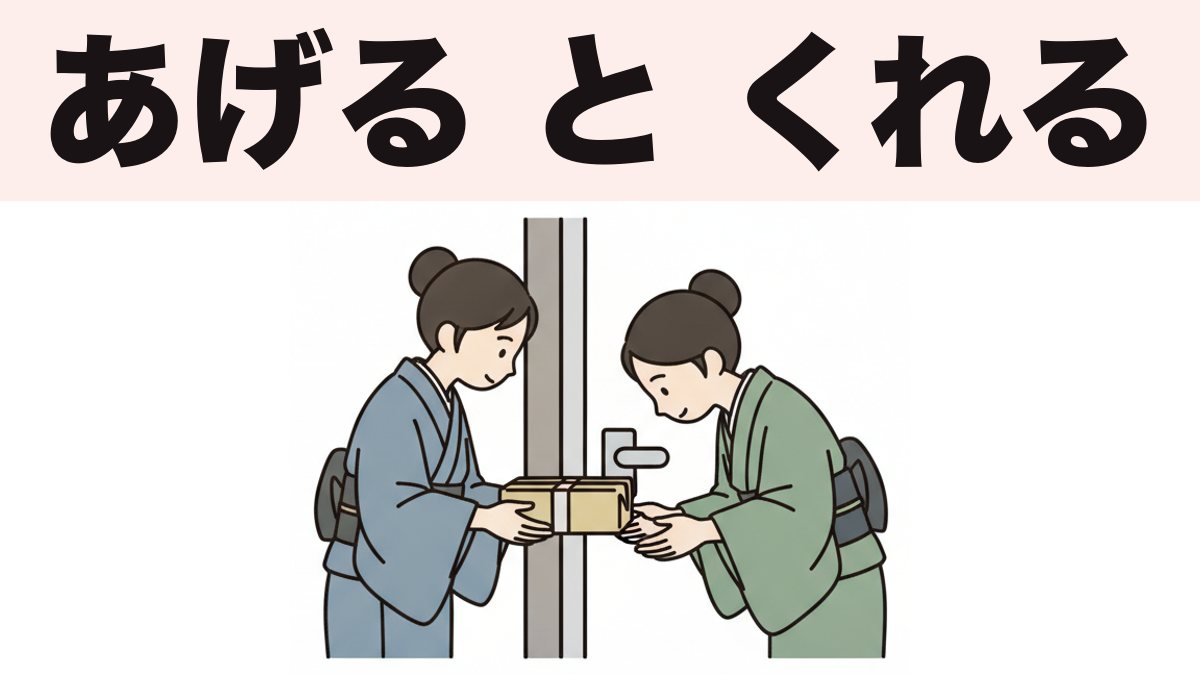
あげる, くれる, もらう: which way is the thing moving?
Japanese has two verbs for "give" because it tracks who the thing is moving toward. あげる goes away from you, くれる comes to you, もらう is you taking it.
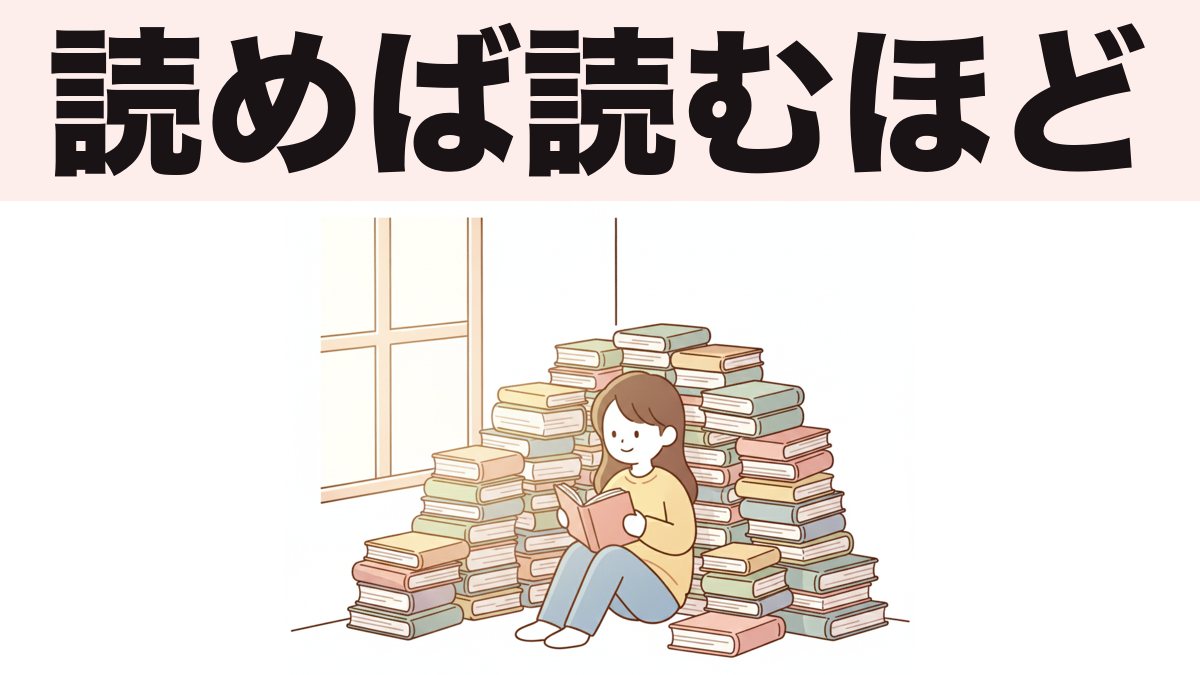
〜ば〜ほど: how to say "the more, the more" in Japanese
読めば読むほど means "the more you read, the more…". The verb appears twice — once in the ば form, once plain — and that repetition is the whole grammar point.
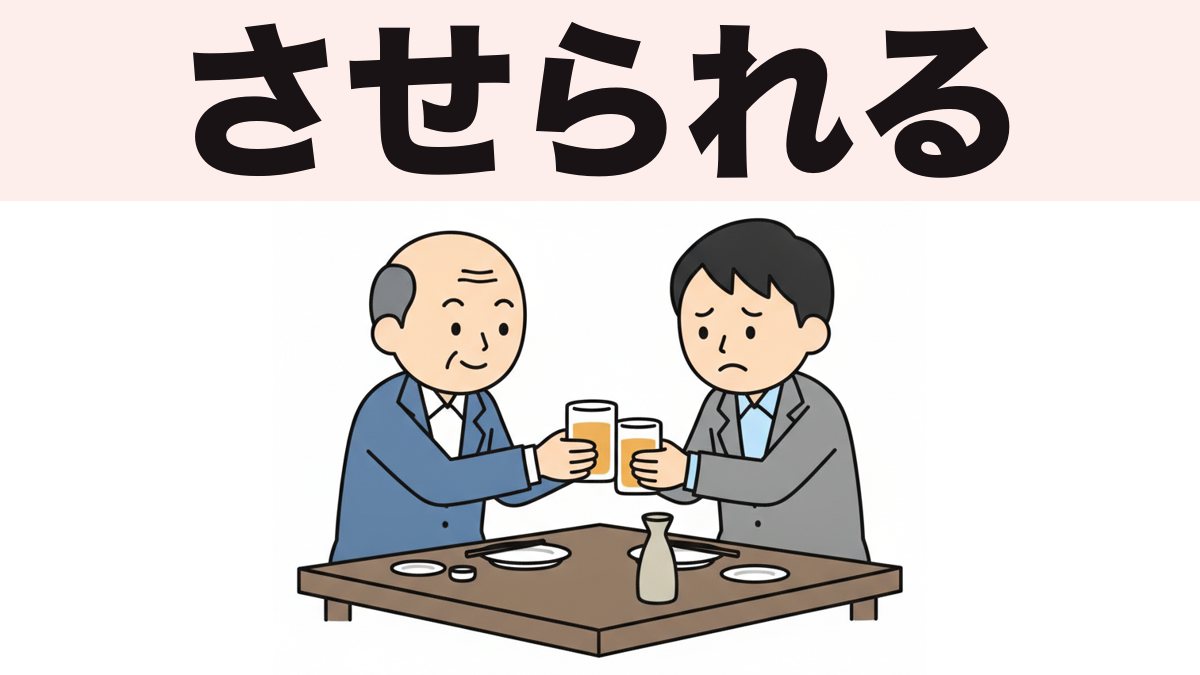
Causative-passive させられる: the form for being made to do things
させられる stacks the causative and the passive to mean "I was made to do it," and with action verbs it carries a complaint. Plus the contraction nobody teaches.
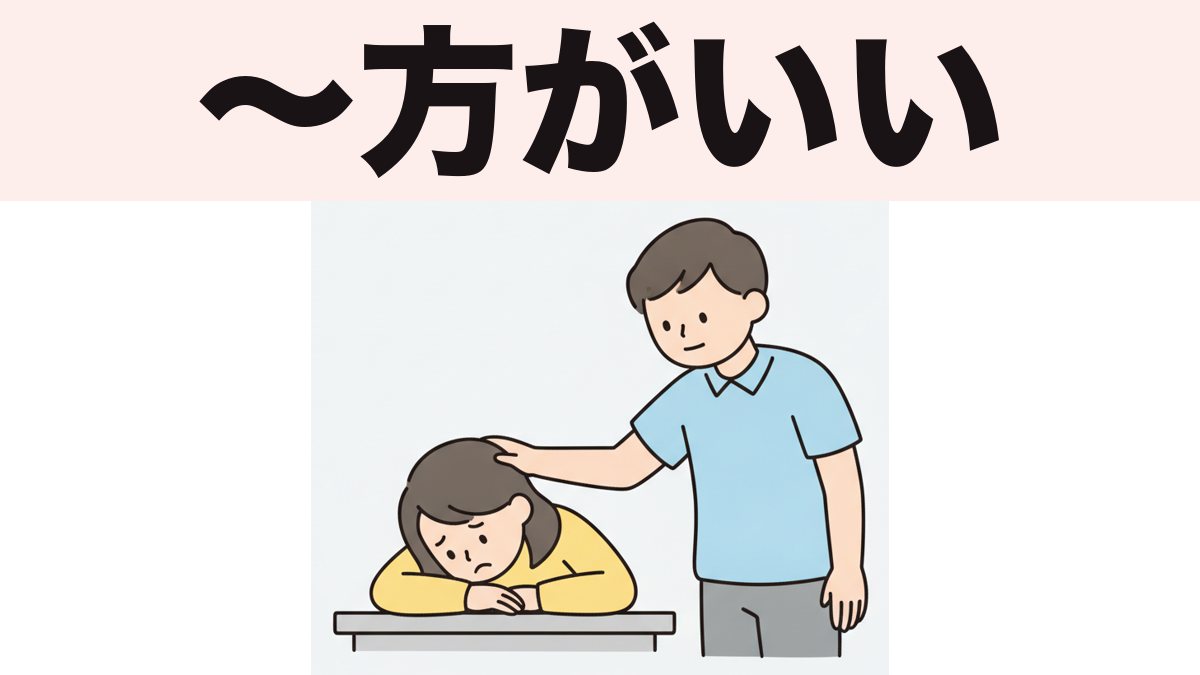
How Do You Give Advice in Japanese? 〜方がいい Explained
〜方がいい gives advice in Japanese by comparing two options — 行った方がいい means "you should go" — and it takes the past-tense verb even though it is about the future.
Japanese Adjective Past Tense: い-adj かった vs な-adj だった
Japanese い-adjectives carry their own past tense: 高い becomes 高かった, never 高いでした. な-adjectives and nouns take でした. One 7-row card, 10 practice questions.
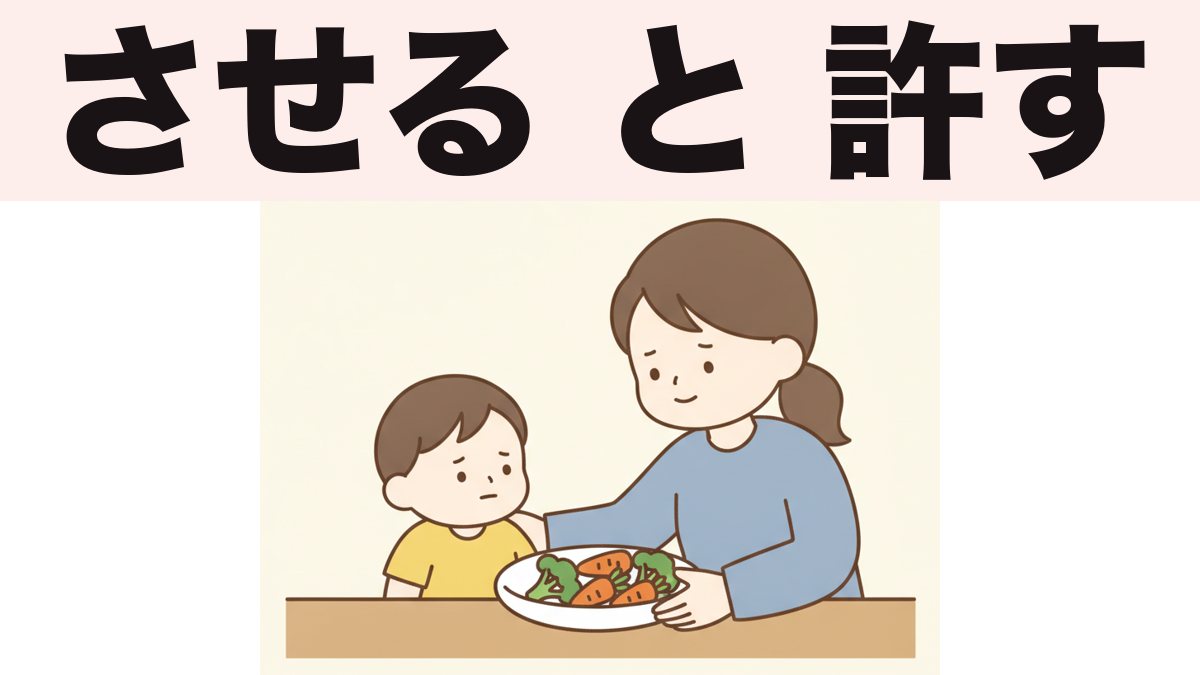
Japanese causative form: させる, せる, and who is making whom do what
The causative means both "make someone do it" and "let someone do it". How to conjugate させる, and why に or を decides who is doing what to whom.
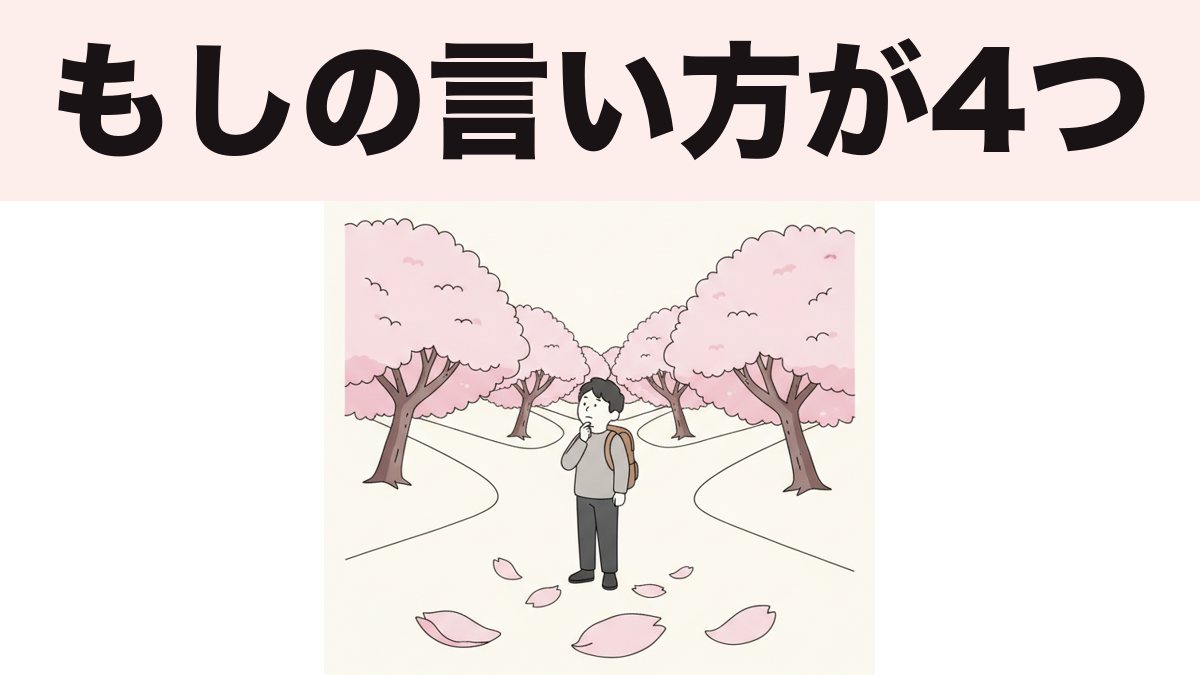
What Are the Four Japanese Conditionals? と, ば, たら, なら
Japanese has four ways to say "if": と means the result is automatic, ば is hypothetical, たら marks one specific event, and なら responds to what was just said.
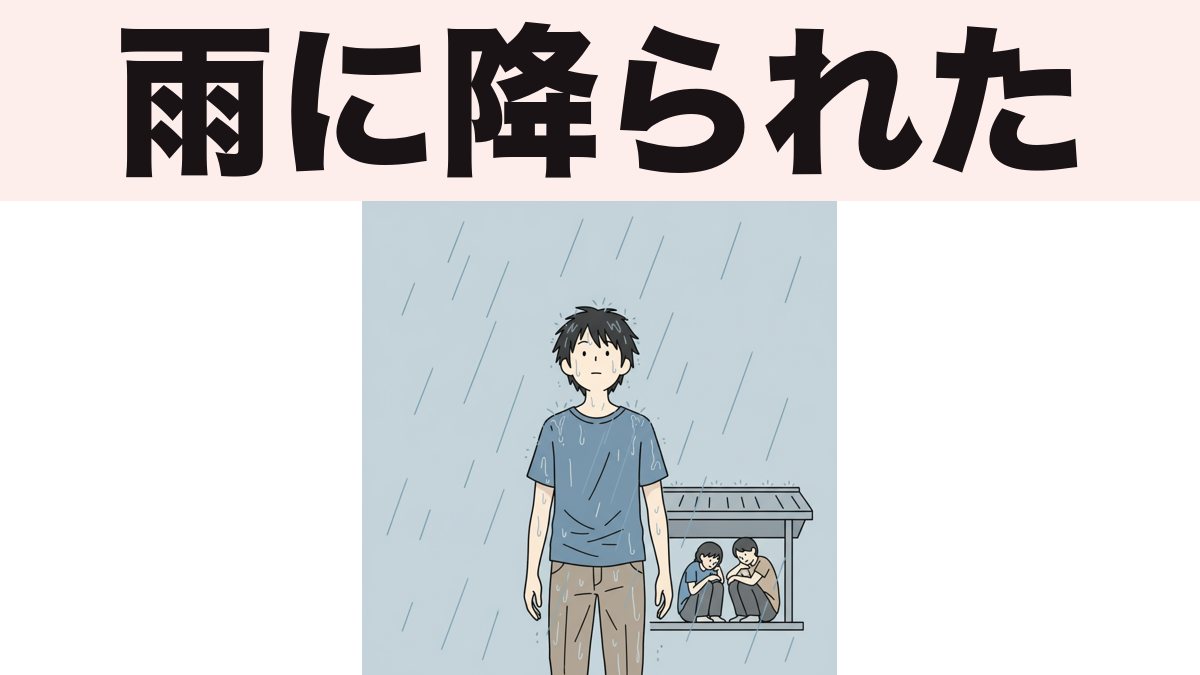
The Japanese passive 〜られる: including the one that means "and it annoyed me"
The passive is built from 〜れる/〜られる. Japanese also has a suffering passive — 雨に降られた, "I got rained on" — which English has no form for at all.
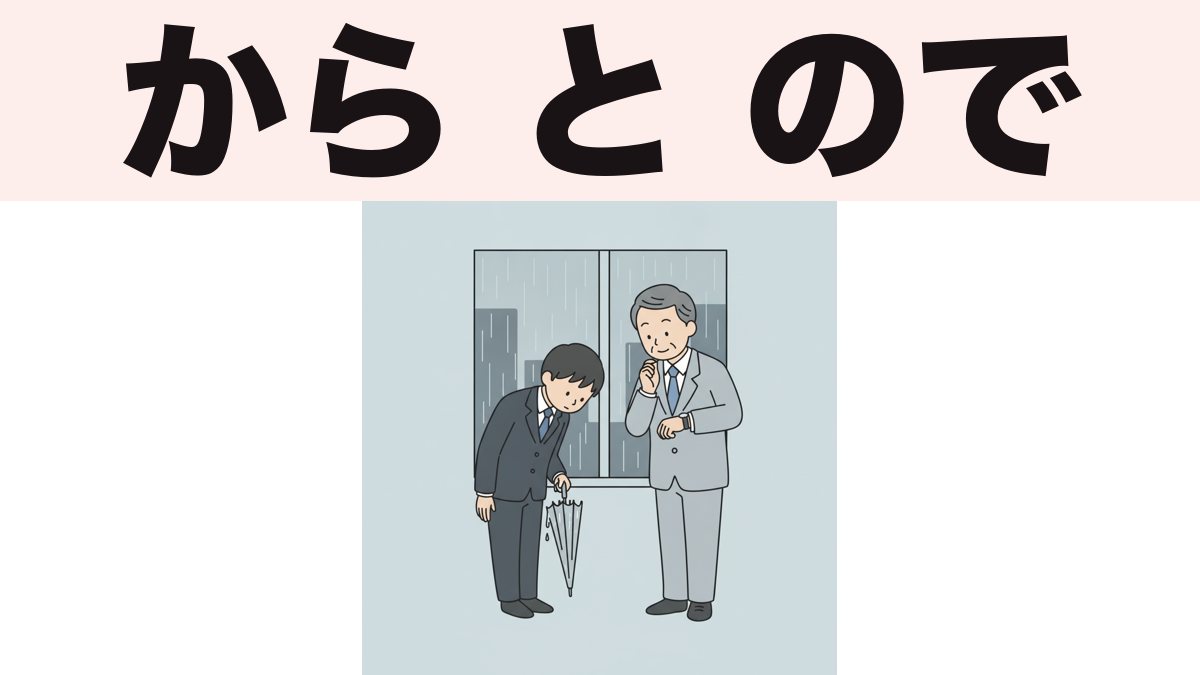
Because in Japanese: から kara vs ので node
から gives your own reason, ので just states how things are and reads softer in an apology. 18 example sentences show when to attach each one and why.
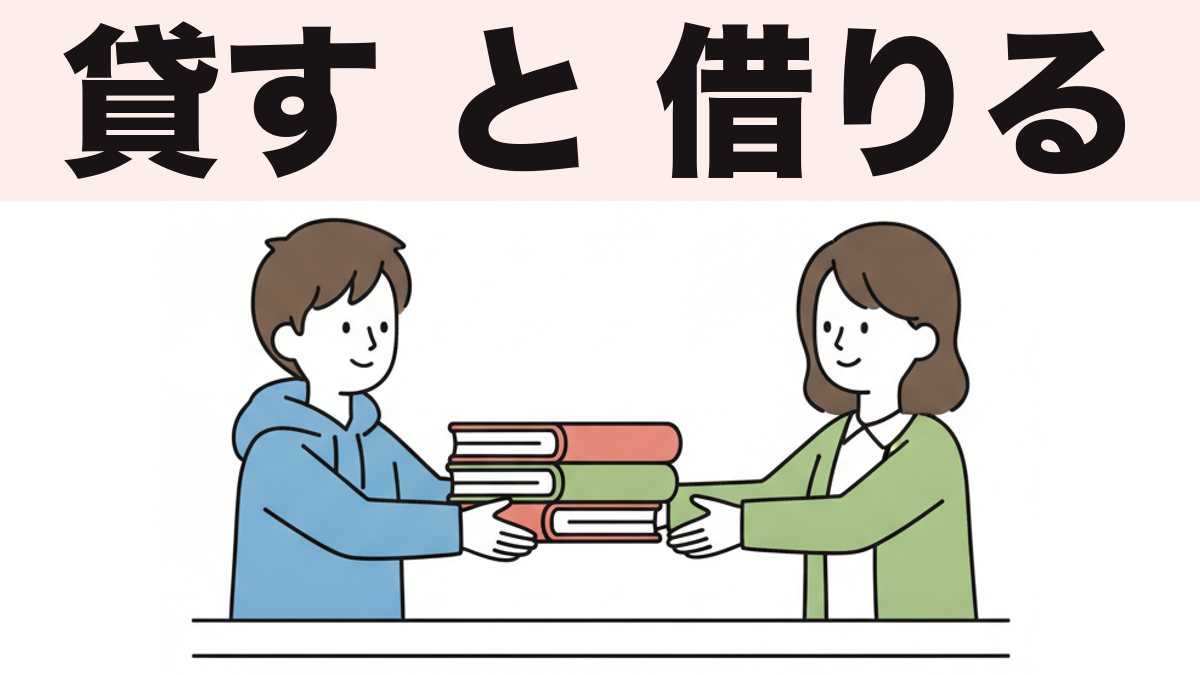
How Do You Say "Lend" or "Borrow" in Japanese? 貸す vs 借りる
"Lend" in Japanese is 貸す (kasu); "borrow" is 借りる (kariru) — the particle に does not tell you which, only the verb does. Pattern and examples here.
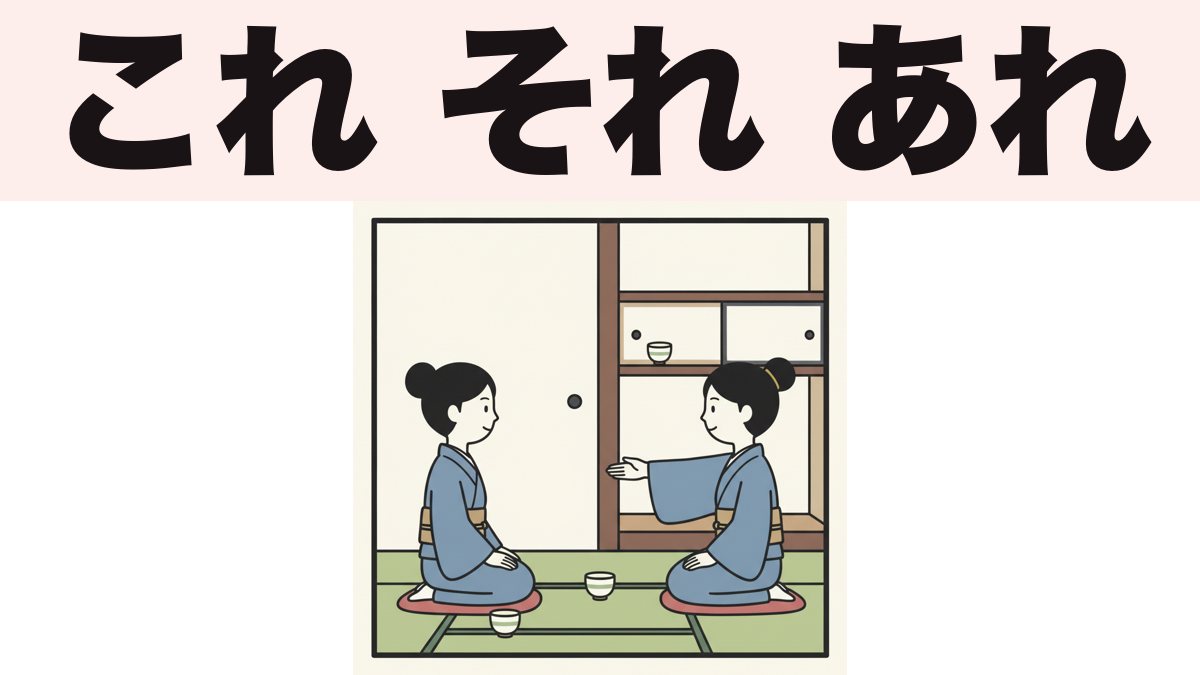
これ, それ, あれ, どれ: the こそあど grid and how to read it
これ and この are not interchangeable, そ belongs to the listener, and あ is for things you both already know. One grid covers all twenty words.
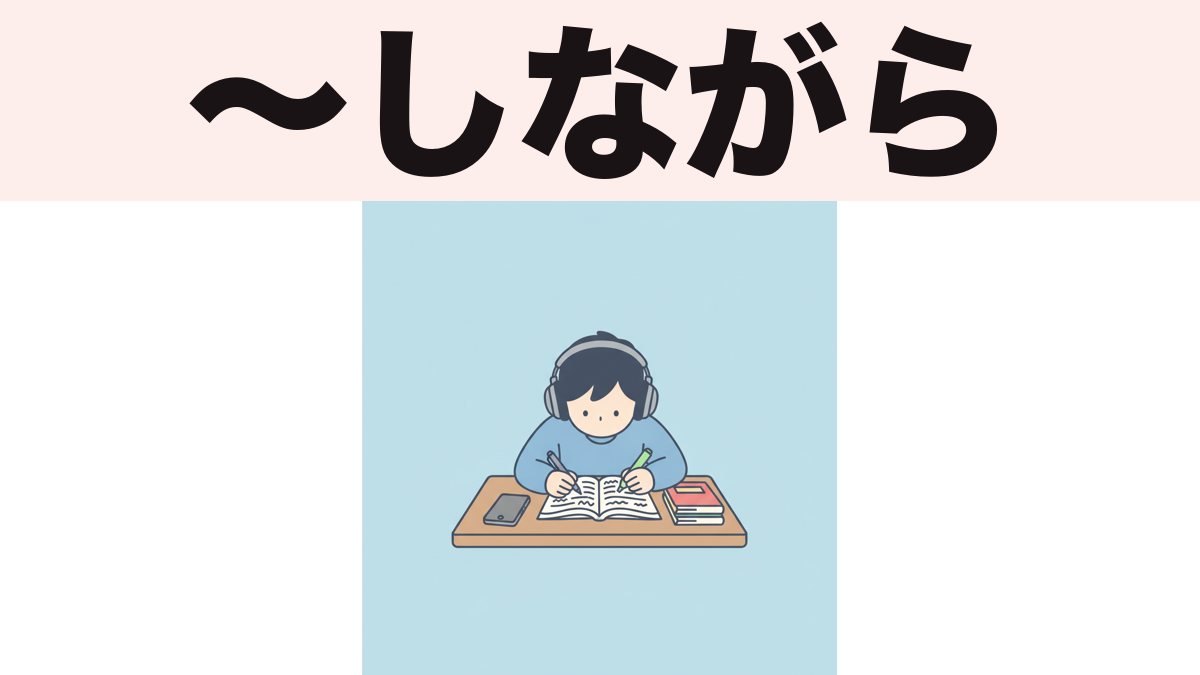
〜ながら: "while doing" — and why the second verb is the real one
〜ながら joins two actions by the same person, and the second one is the main action. How to build it, why 間に exists, and the literary ながら that means "although".
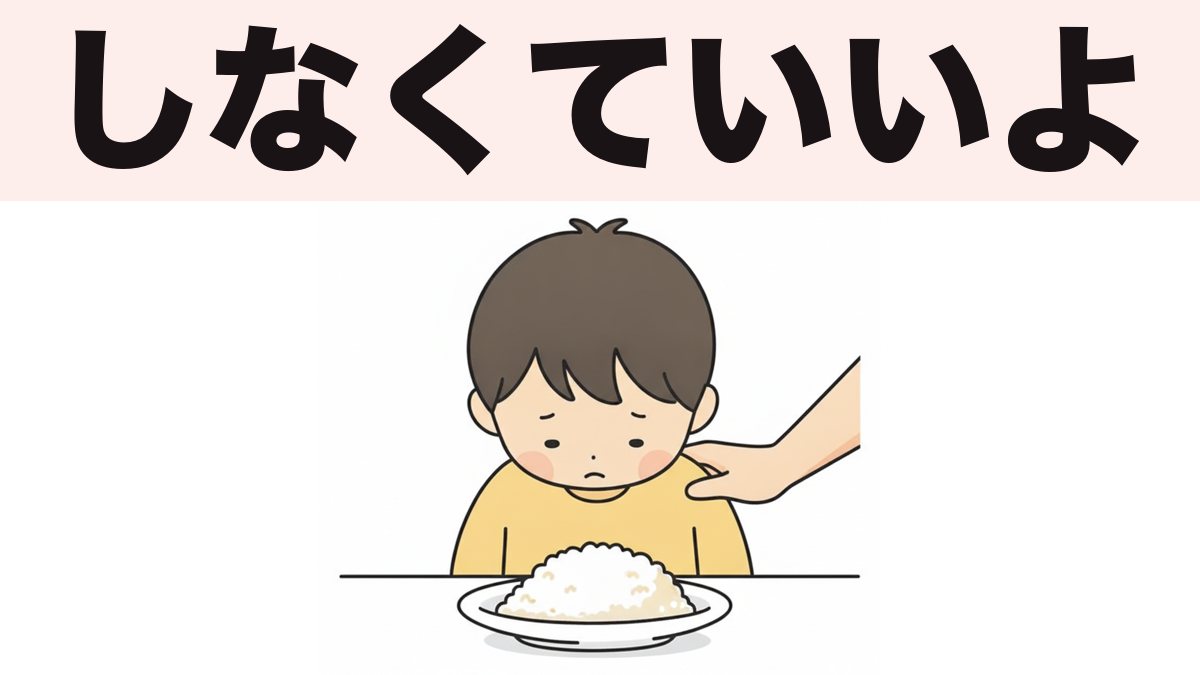
〜なくてもいい: how to say "you don't have to" in Japanese
〜なくてもいい comes from the negative te-form and literally means "even if you don't, it's fine." How to build it, and why も disappears in speech.
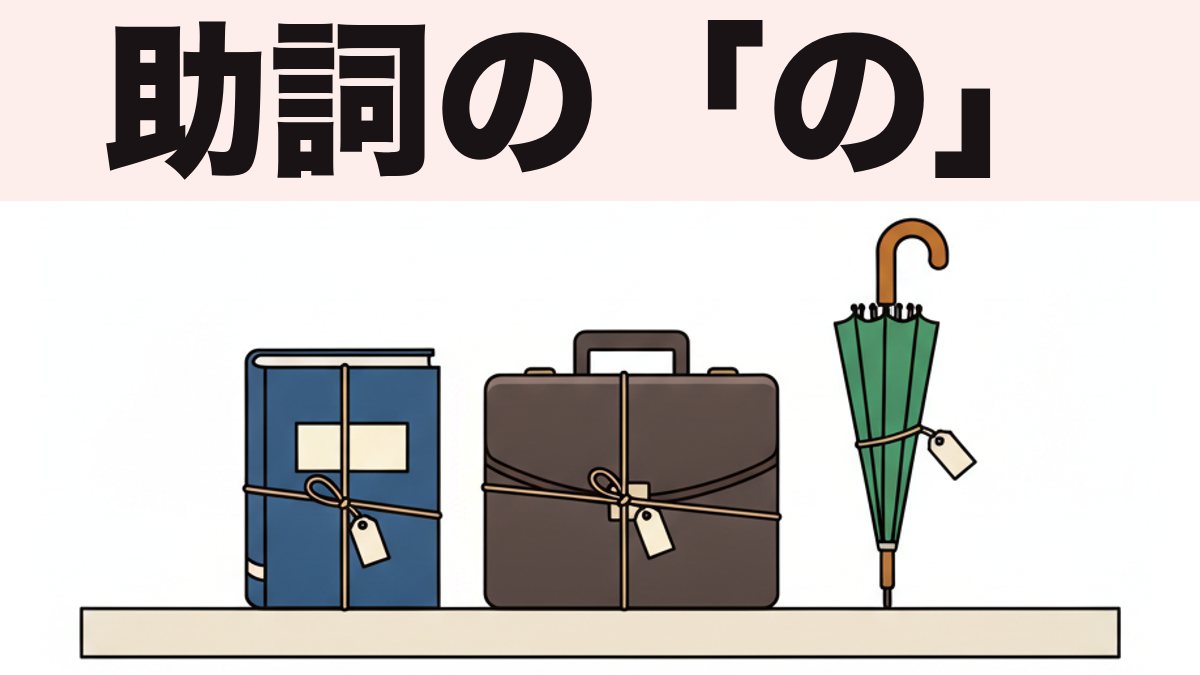
The particle の: five jobs, and only one of them is "of"
の links nouns, replaces a noun you already know, turns verbs into nouns, and ends casual questions. Why 高いの本 is wrong and 赤いの is right.
さえ: the "even" that sets a floor, and the 〜さえ〜ば that means "if only"
さえ picks the least likely example to make a point, and 〜さえ〜ば means "if only that one thing". How it eats を and が, and why すら is its bookish twin.
〜し: the "and" that means "and there's more where that came from"
〜し lists reasons and implies you have left some out. One し alone is enough, and it is why 疲れたし、帰ろう sounds so much more natural than 疲れたから.
次第: "as soon as", "it depends on", and the business email version
次第 does three different jobs: 着き次第 means "as soon as", 天気次第 means "depends on the weather", and 〜次第です closes business emails. How to tell them apart.
そうです has two meanings: "it looks like" and "I heard"
雨が降りそうです and 雨が降るそうです differ by one syllable and mean completely different things. How the two そう attach, and why よさそう is not いいそう.
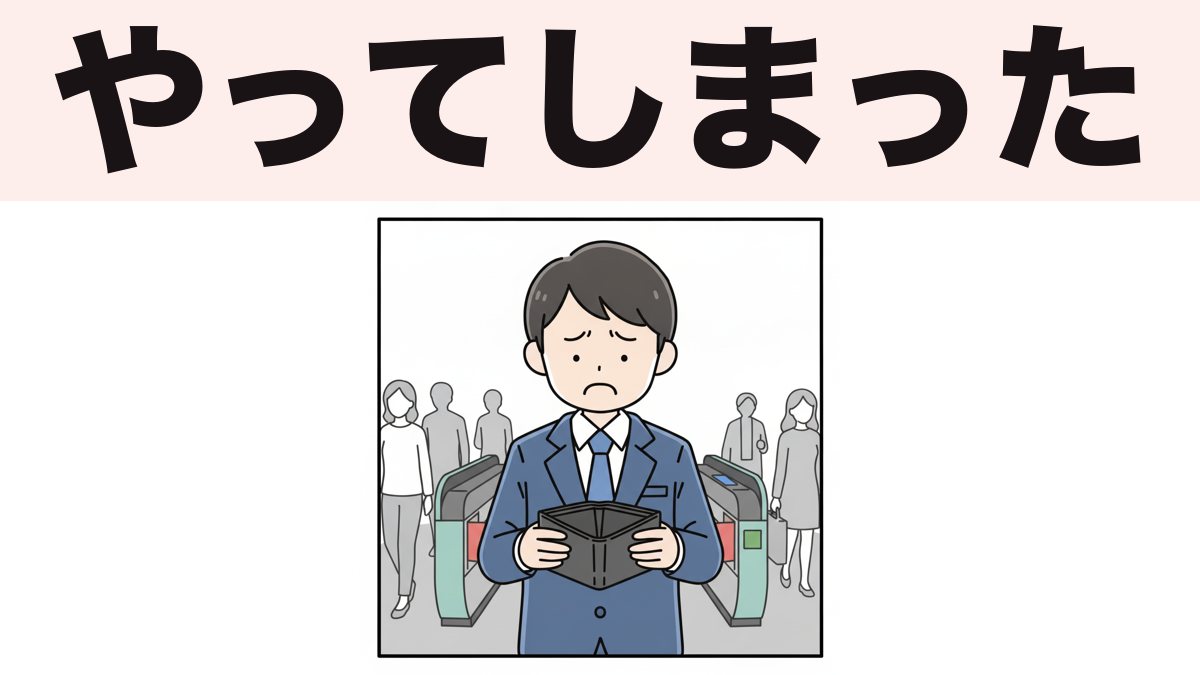
てしまう and ちゃった: the grammar of "oops, I did it"
てしまう does two jobs at once: it finishes an action completely, and it adds regret. Here is how to tell the two apart, and why ちゃった is everywhere in anime.
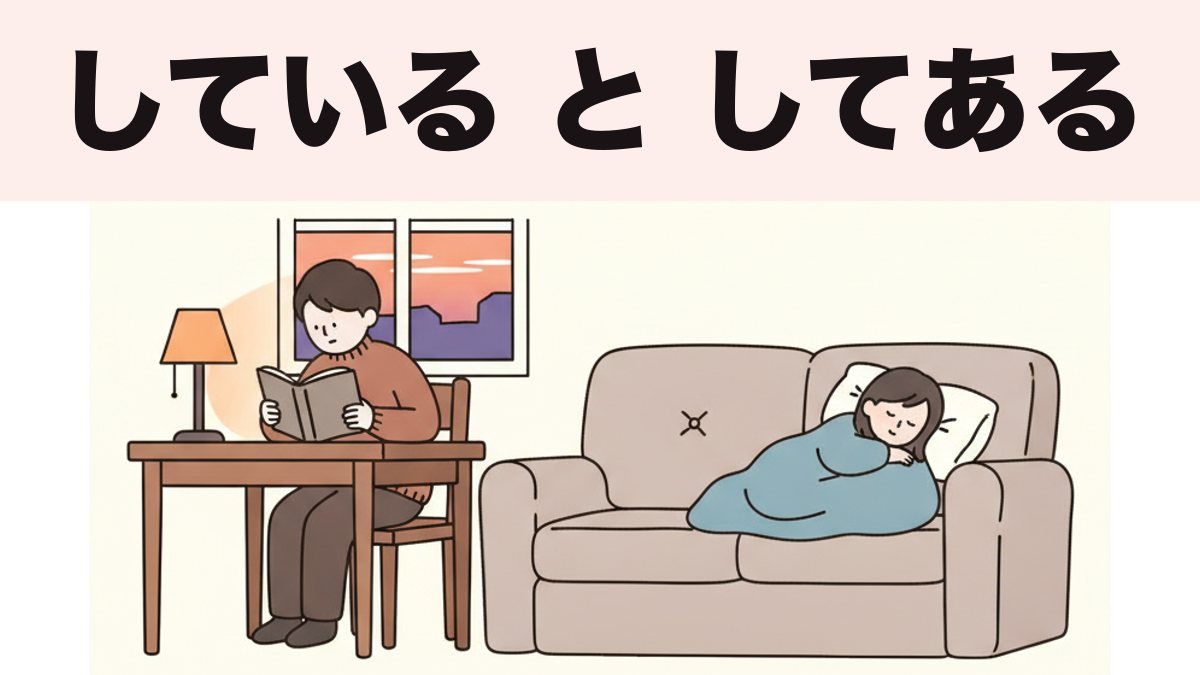
〜ている: why 知っている means "I know" and not "I am knowing"
〜ている has two meanings — an action in progress, and a state left behind. The verb decides which, and that is why 知っている is "I know" and 行っている is "has gone".
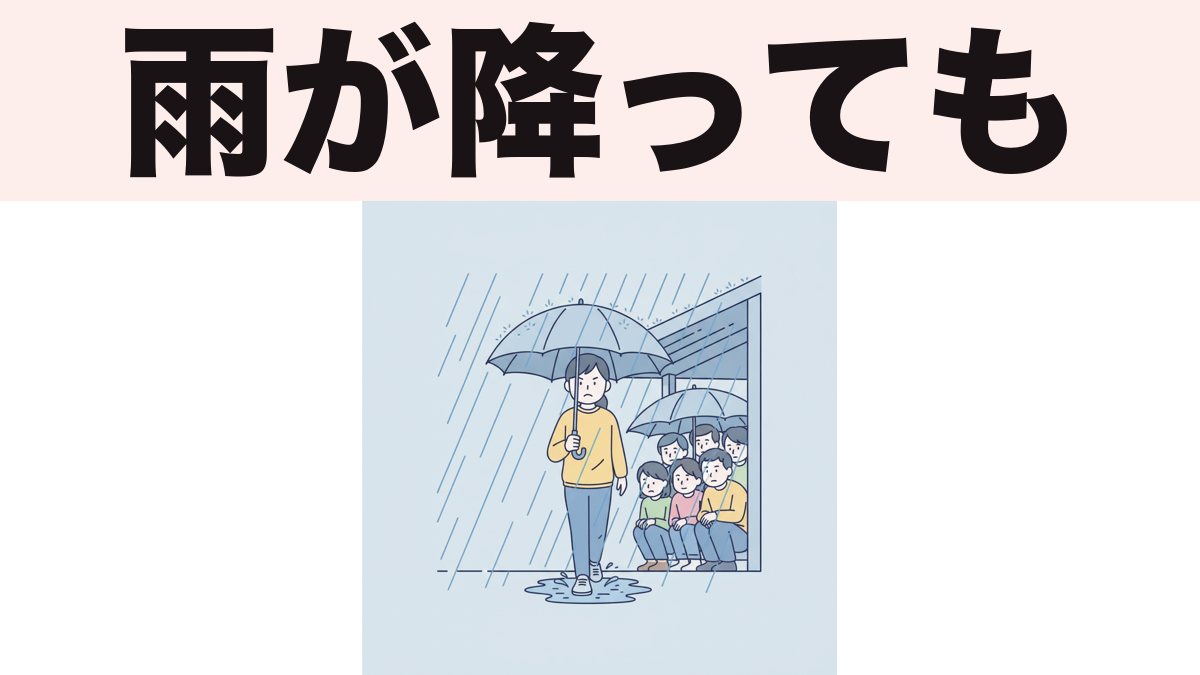
〜ても: "even if" — and the question words that turn it into "no matter what"
〜ても is the te-form plus も. It means "even if," and with a question word it becomes 何をしても — "no matter what I do." Plus when けど is right instead.
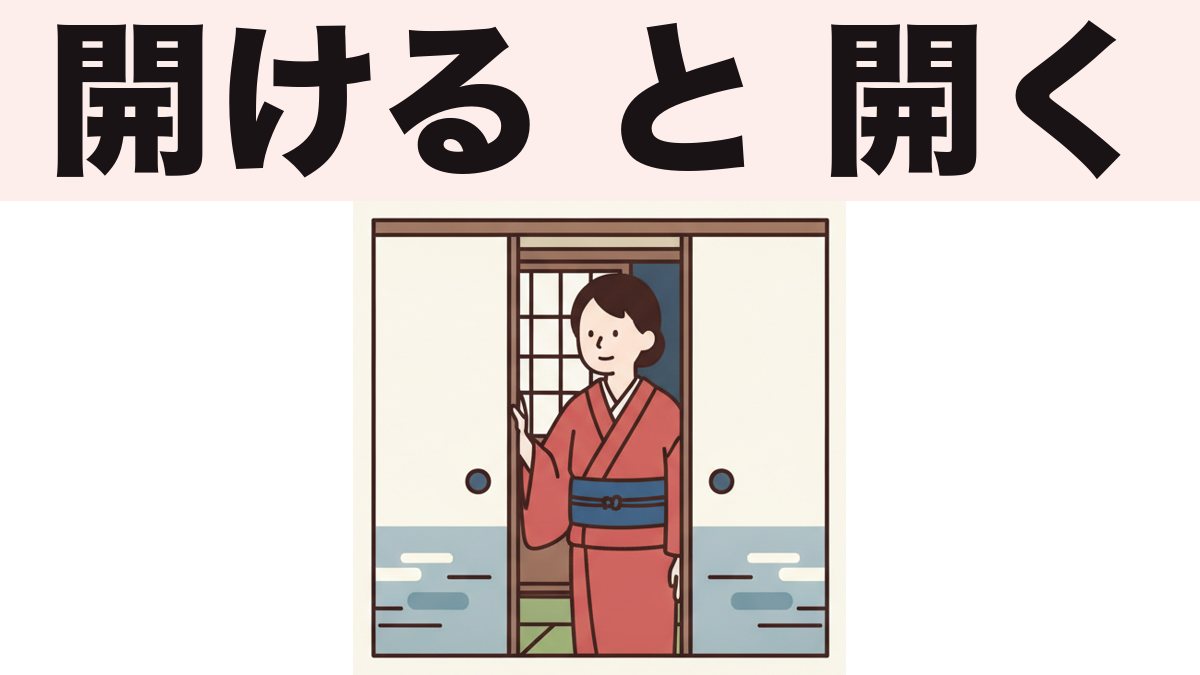
Transitive and intransitive verbs: 開ける vs 開く, and why Japanese prefers the second
Japanese has verb pairs where English has one word. 開ける takes を and names who did it; 開く takes が and does not. The endings that hint at which is which.
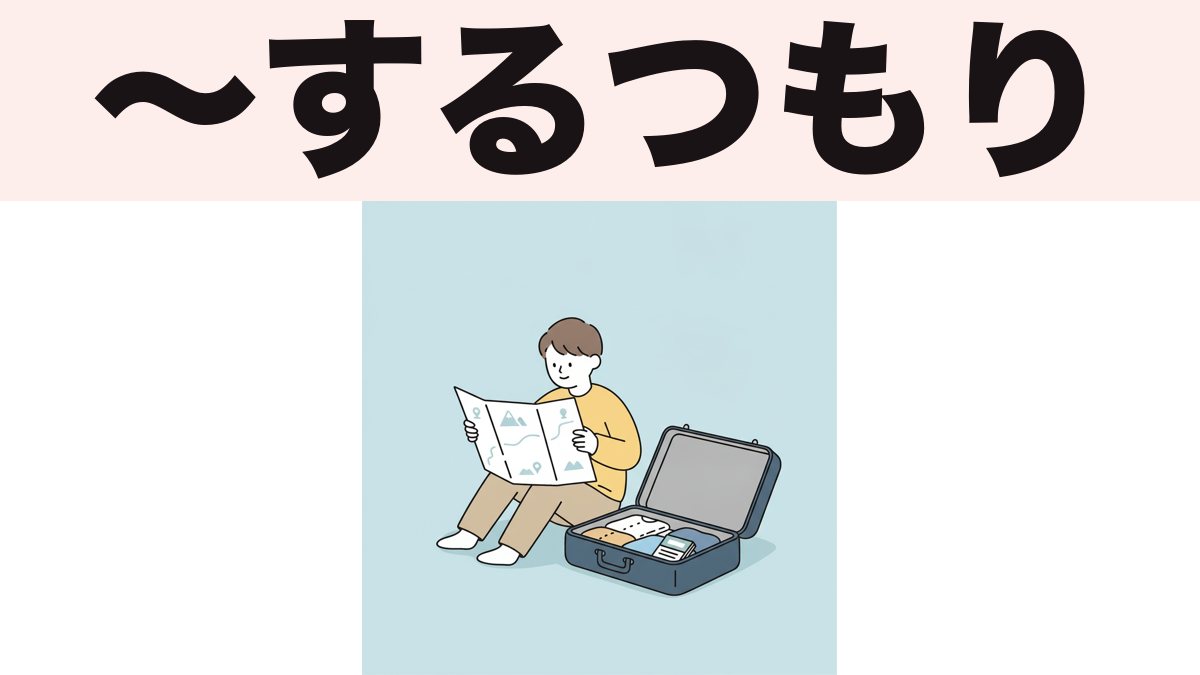
つもり: how to say what you intend to do — and the つもり that means you were wrong
つもり states a settled intention. 〜ないつもり and つもりはない are not the same strength, and 〜たつもり means you only thought you had done it.
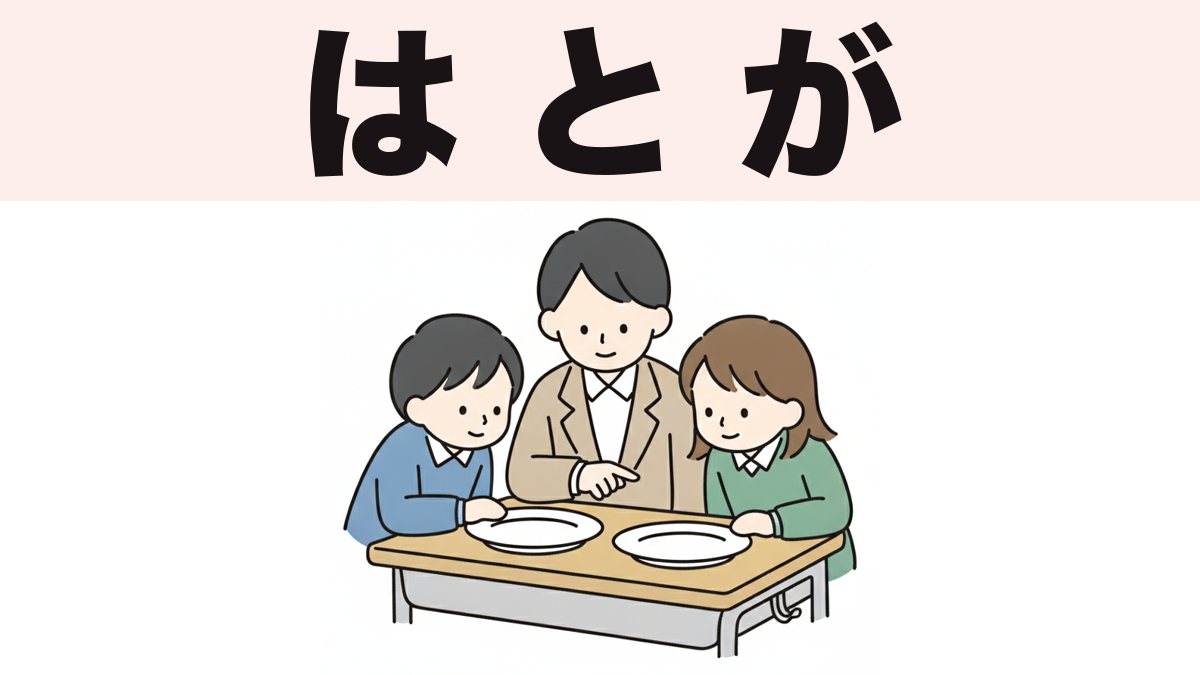
は vs が: the rule that is never broken, and four that usually hold
は sets the topic, が points at the subject. Start with the question-word rule — 誰が, never 誰は — and the rest of は vs が follows from it.
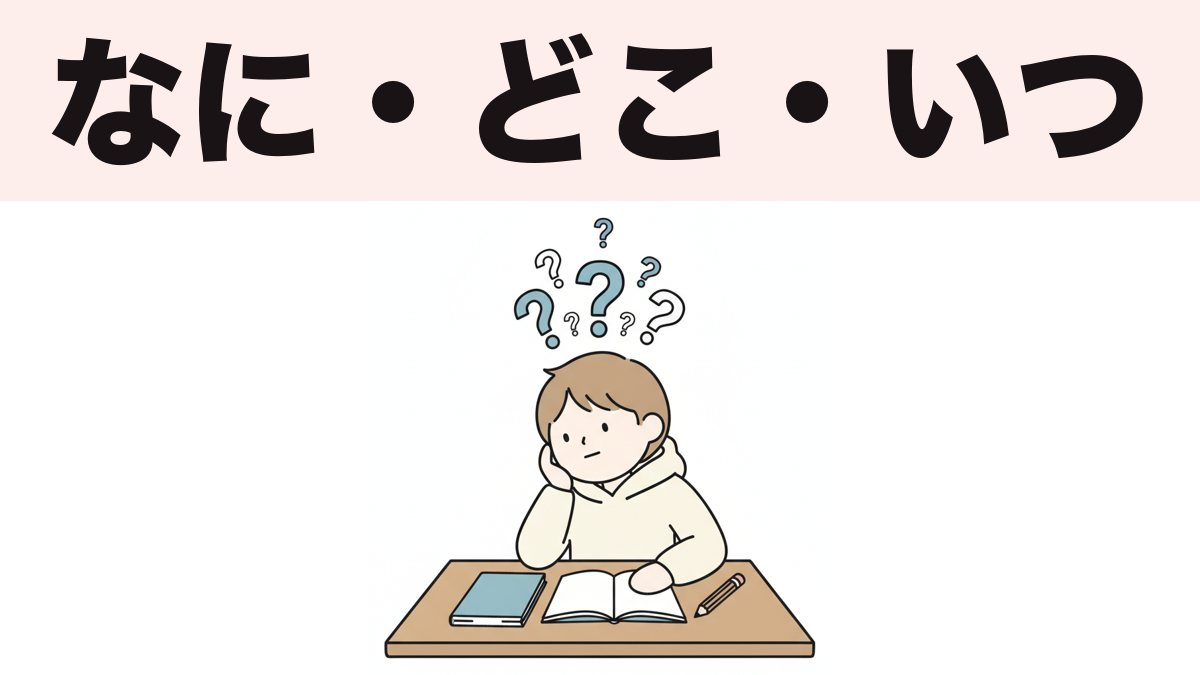
What Are Japanese Question Words? 何, どこ, いつ and More
Japanese question words — 何 (what), どこ (where), いつ (when), 誰 (who), どう (how), なぜ (why) — slot into the sentence where the answer goes, then add か to ask.
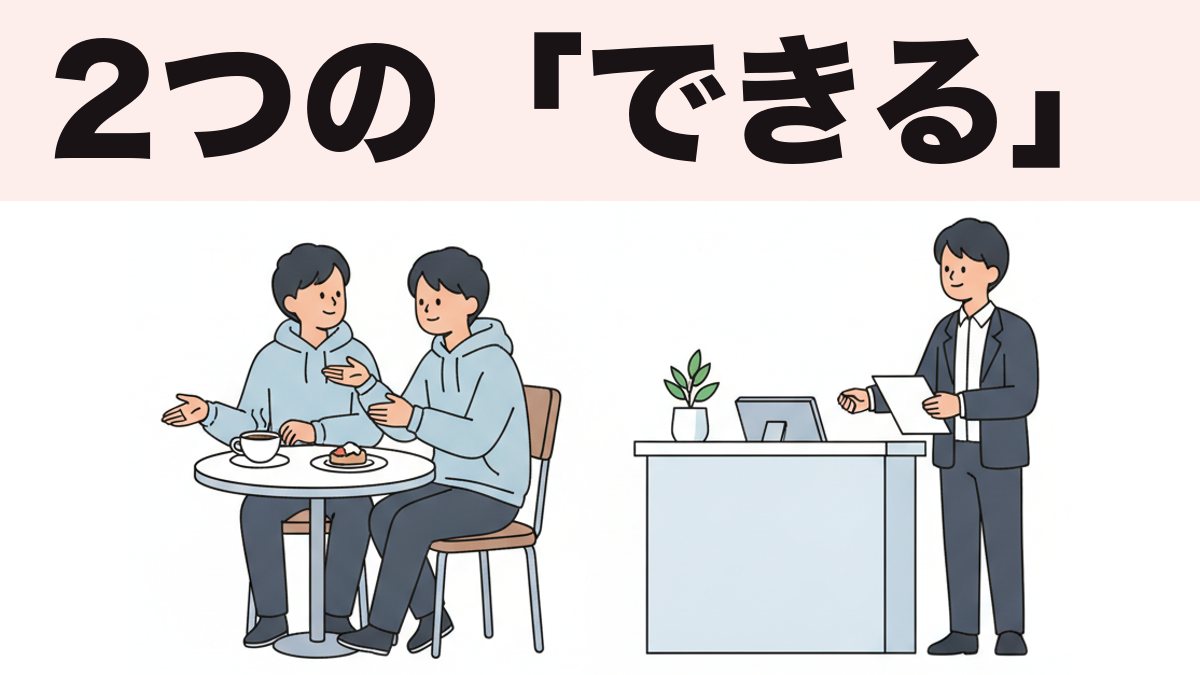
ことができる vs the potential form: two ways to say "I can" in Japanese
Japanese has two ways to say "I can" — 話せます and 話すことができます. Here is how to build both, and the particle that quietly changes between them.
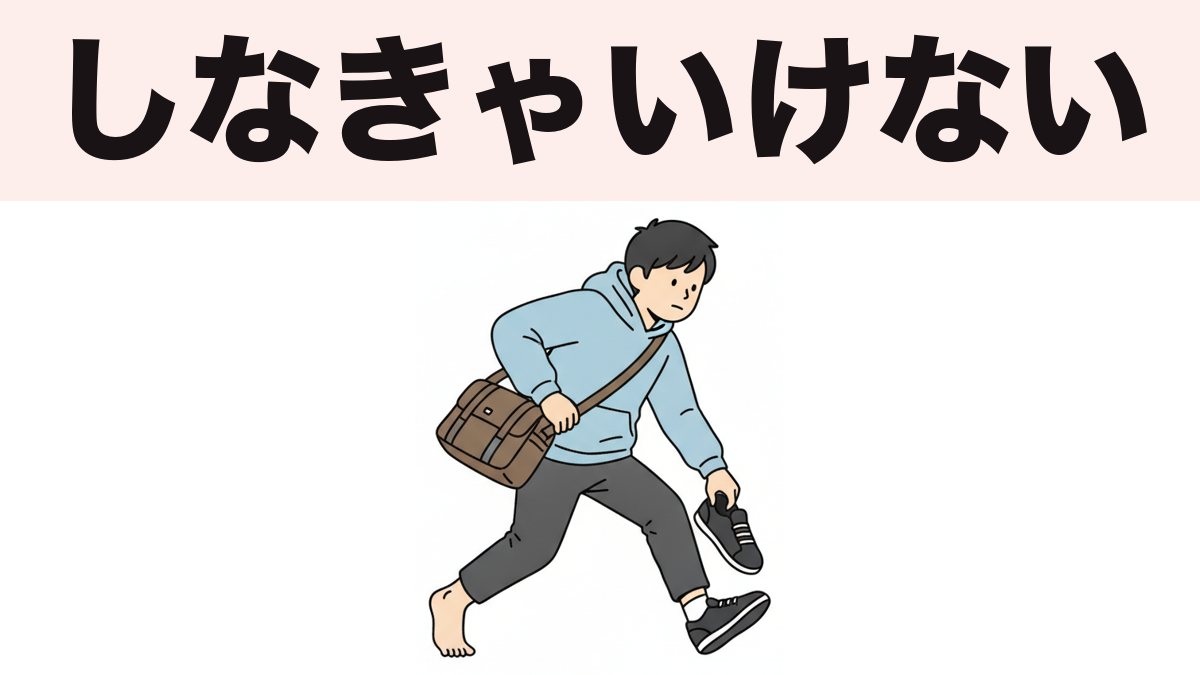
Nakereba naranai: how do you say "must" in Japanese?
Nakereba naranai means "must" or "have to" in Japanese, expressing obligation. For example, 明日、早く起きなければなりません means "I have to get up early tomorrow."
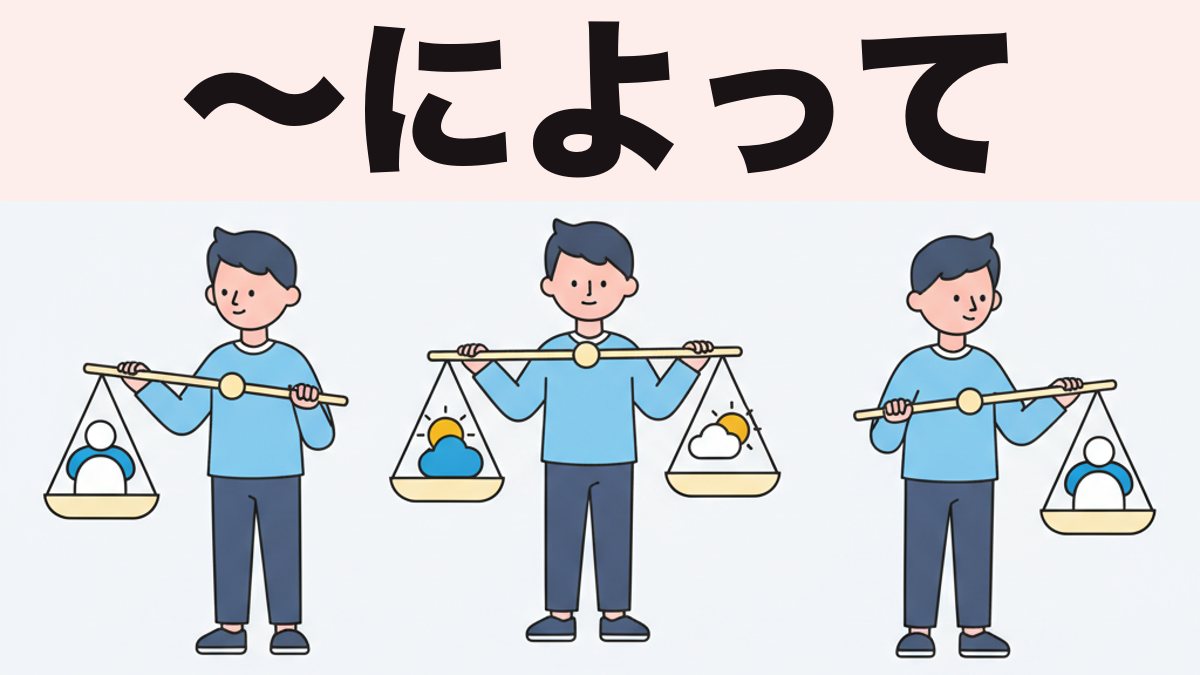
It Depends in Japanese: 場合による and によって
It depends in Japanese: reply 場合によります on its own, and use 〜によって plus 違う or 変わる inside a sentence. Compare 次第, により and によりけり.
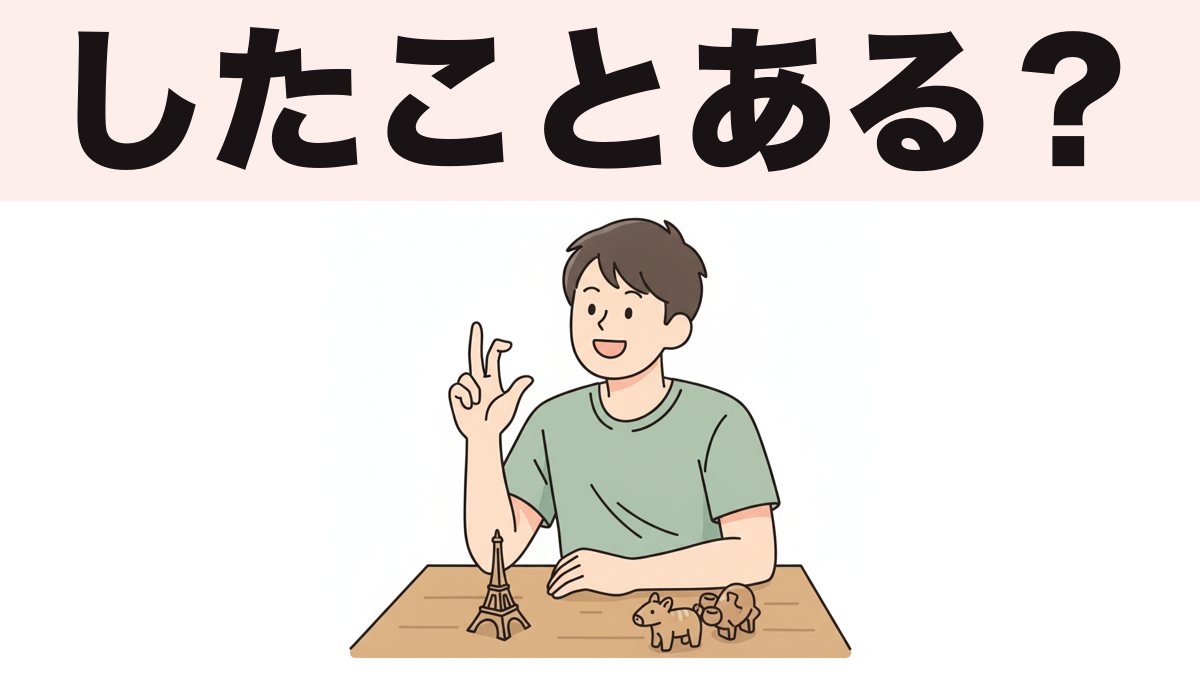
たことがあります: how to say "I have done this before" in Japanese
たことがあります is not a past tense — it says a time exists when you did something. How to build it, and why it breaks if you use it for yesterday.
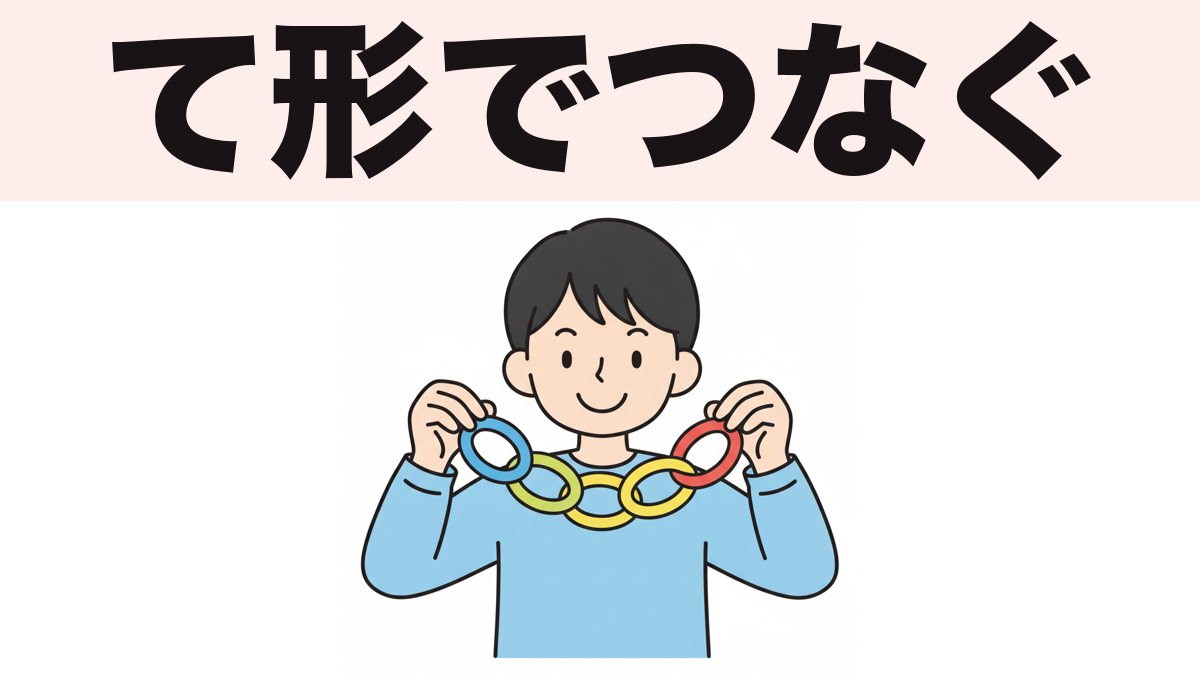
Te Form Japanese: How to Make the て-Form for Every Verb
The te-form connects a verb to what follows without ending the sentence: drop -u, add -te (or -de) — the exact rule depends on the verb group, below.
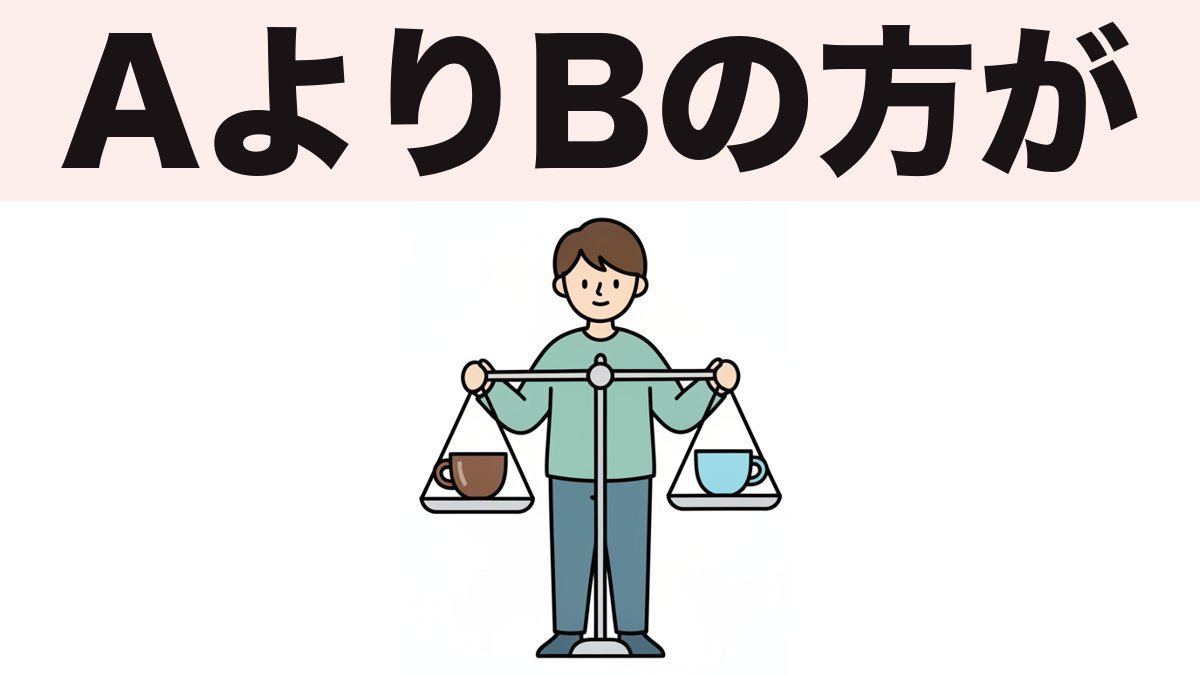
〜より〜の方が: how comparisons actually work in Japanese
AよりBの方が puts the winner right before の方が. The other basic shape, AはBより, puts it first. The full comparison set, including ほど and 一番.