JLPT LEVEL
JLPT N3 articles
Grammar and vocabulary articles tagged N3 (intermediate).
106 articles
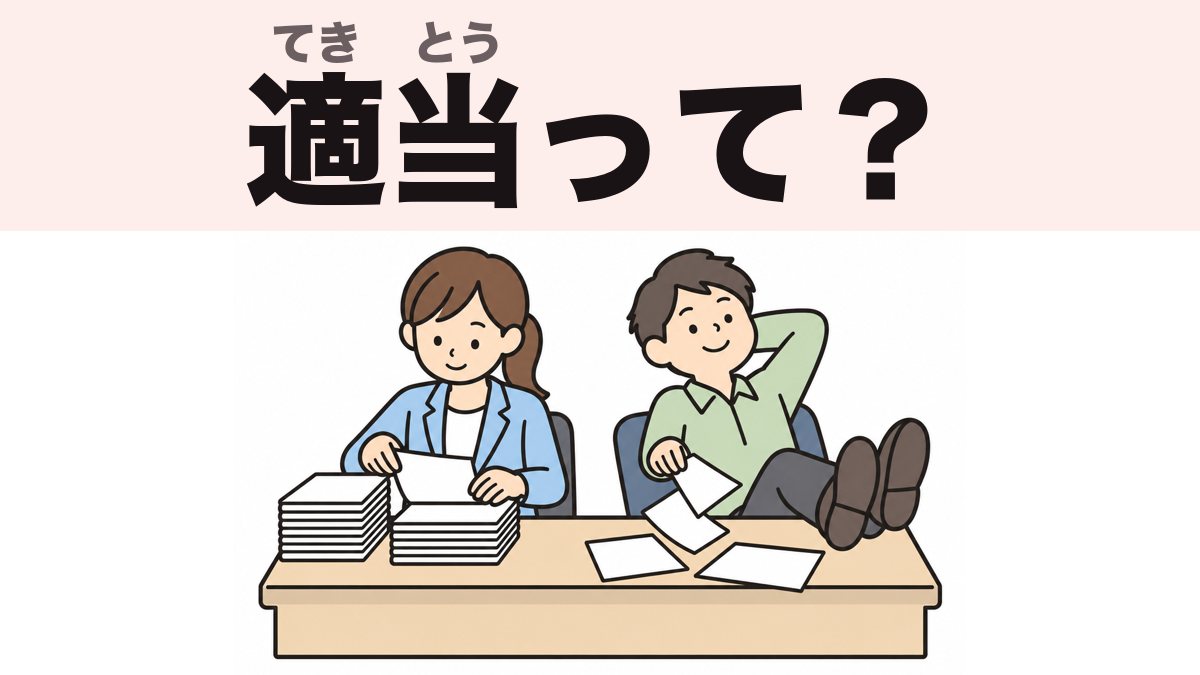
適当 (tekitou) means both "just right" and "sloppy": how to tell which one you just heard
Tekitou (適当) can mean "suitable," "a reasonable amount," or "careless." The situation tells you which, more than whether you hear 適当な or 適当に.
Achieve in Japanese: 達成 (たっせい), 叶える, 実現, and 達成感
Achieve in Japanese is 達成する (たっせいする), as in 目標を達成する. Learn 達成感 (sense of accomplishment), 夢を叶える, 実現する, やり遂げる, 成し遂げる, and when to use each one.
Cliché in Japanese: ありきたり, ベタ, お約束, 王道, and 定番
Cliché in Japanese is ありきたり (unoriginal) or ベタ (corny, predictable). Learn ベタな展開, お約束 (an expected trope), 王道, 定番 (a staple), テンプレ, and マンネリ.
Discrimination in Japanese: 差別 (さべつ) vs 区別 (くべつ), and 差別化
Discrimination in Japanese is 差別 (さべつ), unfair treatment. 区別 (くべつ) is neutral "telling things apart". Learn 差別される, 人種差別, 区別がつかない, 見分ける, and business 差別化.
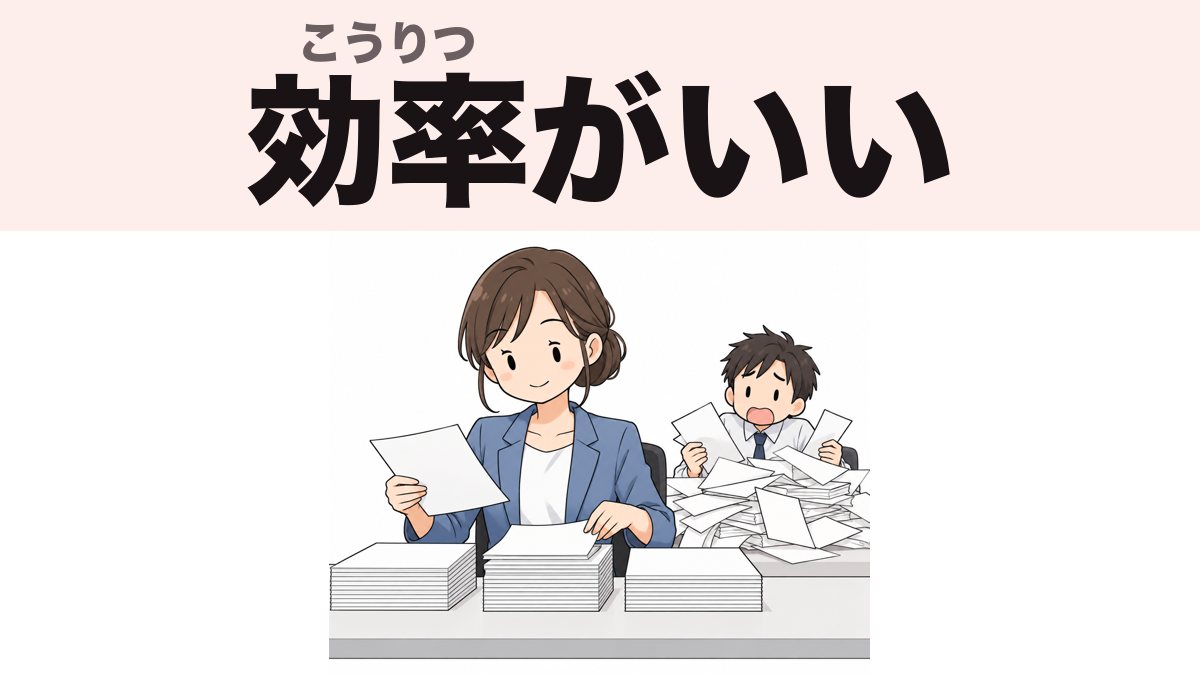
Efficient in Japanese: 効率がいい, 効率的, and why it is 非効率, not 不効率
Efficient in Japanese is 効率がいい or 効率的 (こうりつてき). Learn 効率よく, 非効率 (not 不効率), 効率化, 要領がいい, 手際がいい, and how 効率 relates to タイパ.
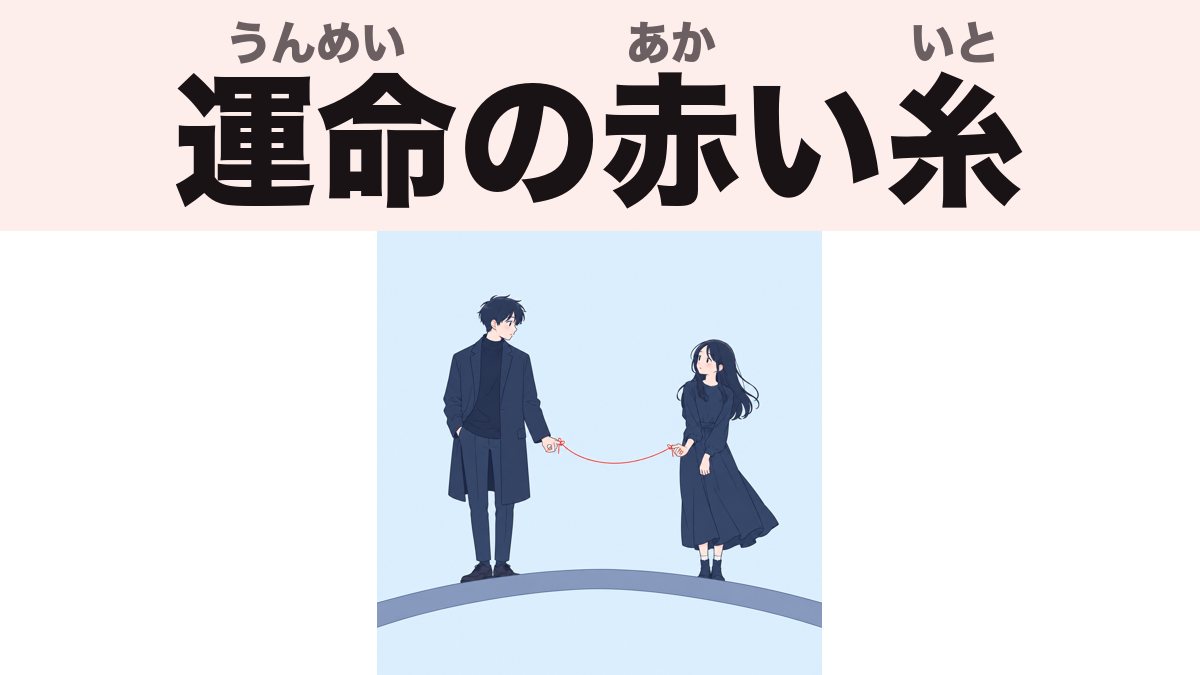
Fate in Japanese: 運命 (うんめい), 宿命, 縁, and the red string of fate
Fate in Japanese is 運命 (うんめい). Learn 運命の人, 運命に逆らう, how 宿命 and さだめ differ, 縁 for meant-to-be connections, 赤い糸, and 自分の運命は自分で決める.
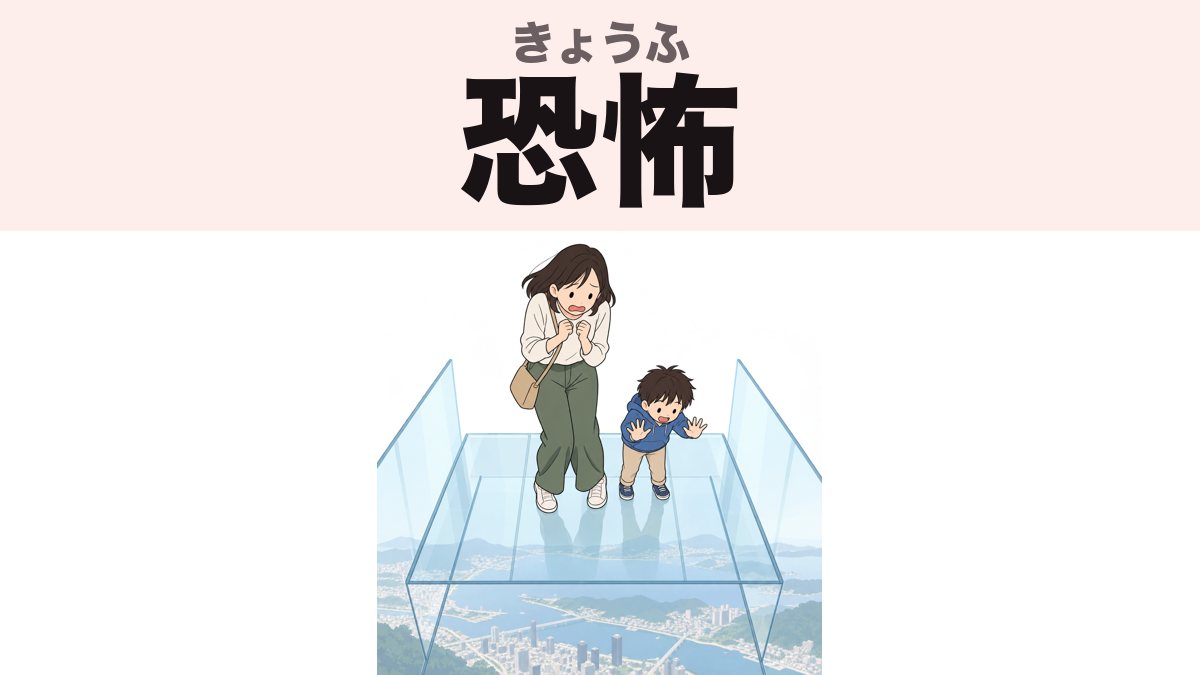
Fear in Japanese: 恐怖 (きょうふ), 怖さ, 怖がる, 〜恐怖症, and ビビる
Fear in Japanese is 恐怖 (きょうふ) for terror and 怖さ for the scariness of something. Learn 恐れ, 怖がる, phobias like 高所恐怖症, 不安 (anxiety), 恐ろしい, and the slang ビビる.
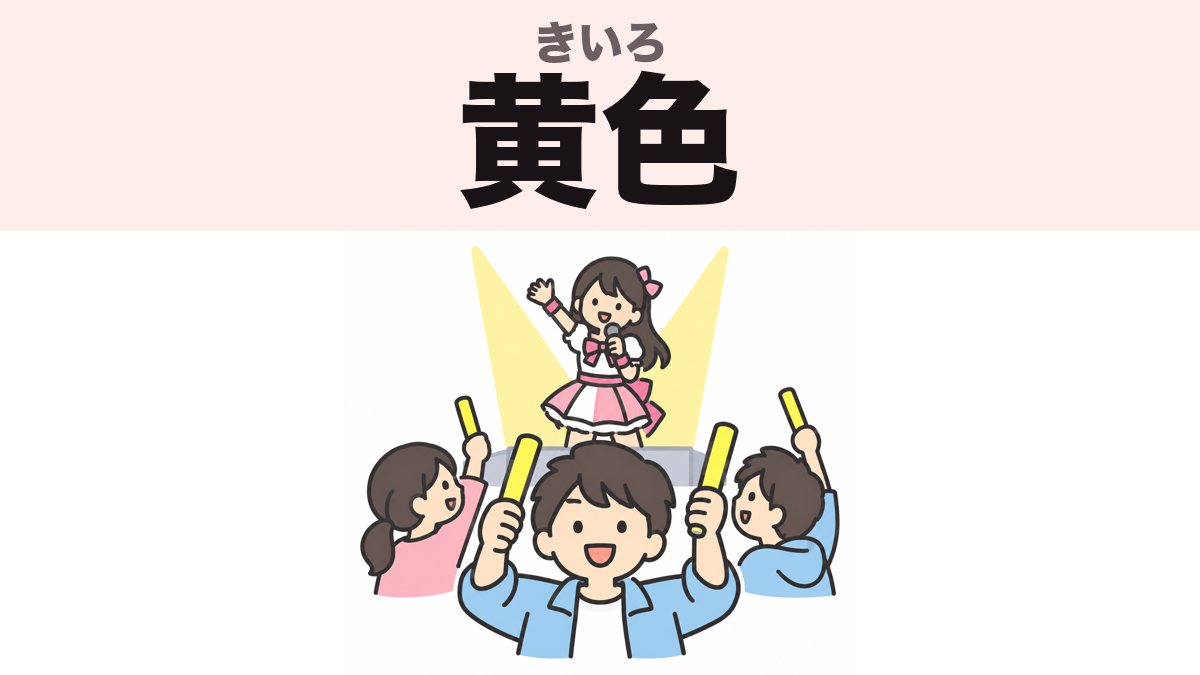
Yellow in Japanese: 黄色 (きいろ), 黄色い, 黄色い声, 黄信号, and 黄身
Yellow in Japanese is 黄色 (きいろ), or 黄色い as an adjective. Learn 黄色い声 (excited squeals), 黄信号 (a warning sign), 黄身 (egg yolk), 黄金, and the idiom くちばしが黄色い.
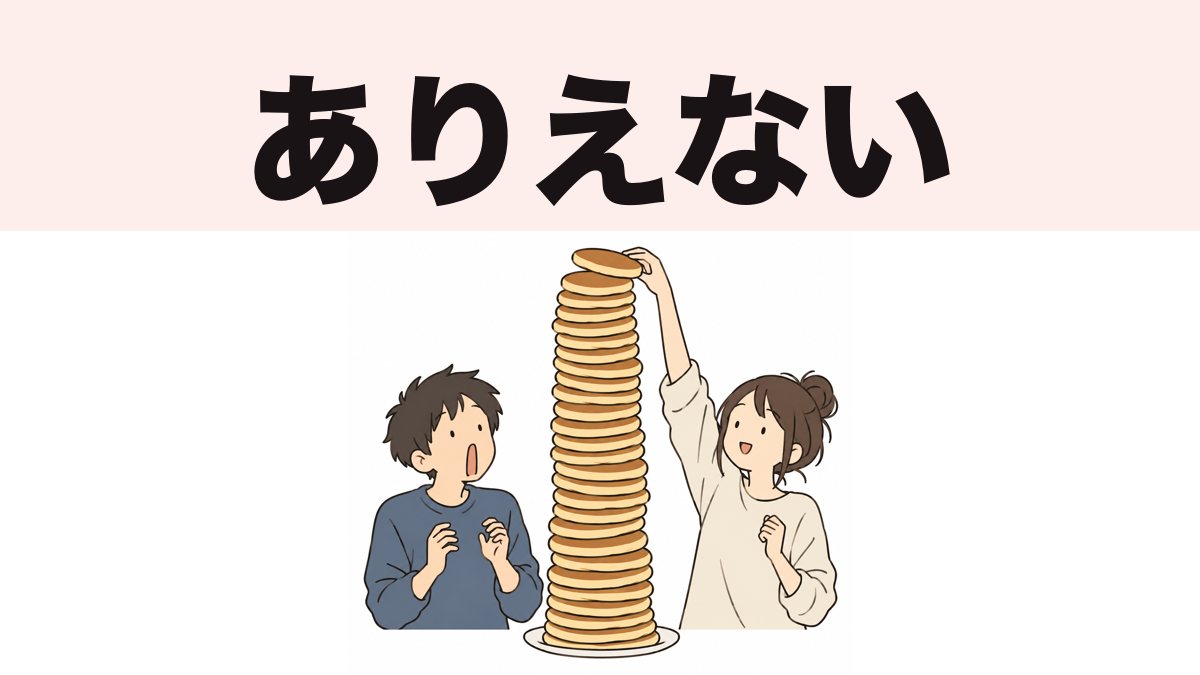
Crazy in Japanese: やばい, 頭おかしい, 狂ってる and what each one really says
Crazy in Japanese is やばい, 頭おかしい, 狂ってる or クレイジー, but each one hits differently. Learn which are safe, which are rude, and what to say instead.
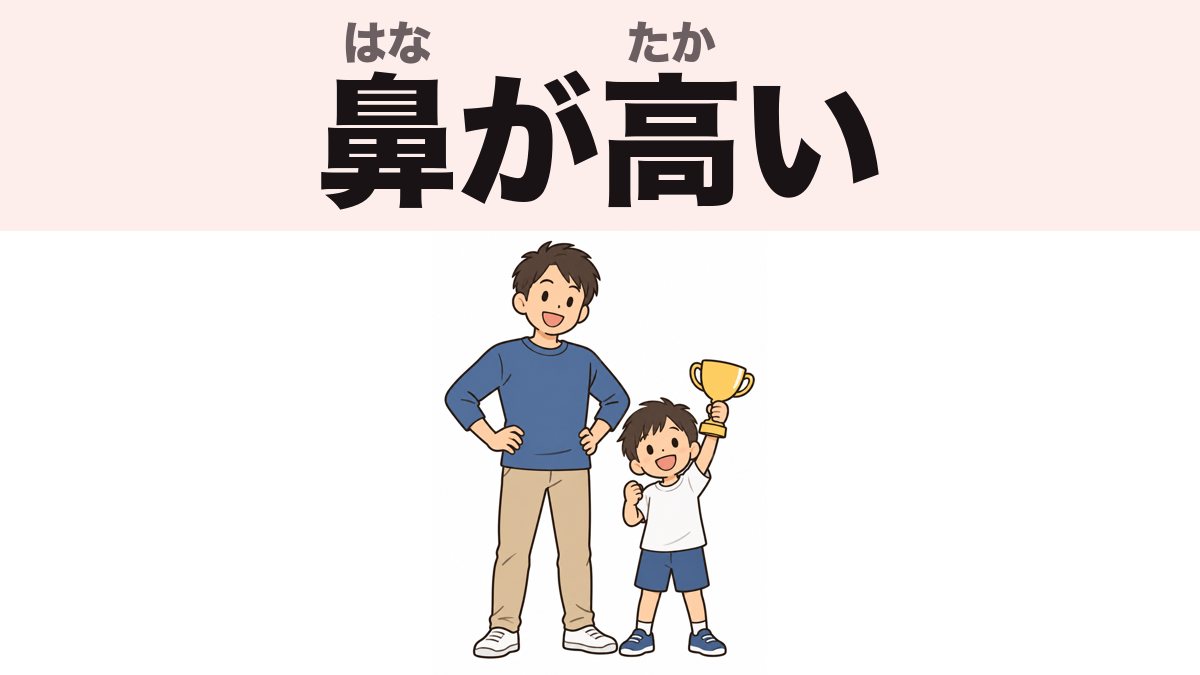
Proud in Japanese: 誇り, 誇らしい, 自慢 and why "I'm proud of you" sounds odd
Proud in Japanese is 誇らしい or 誇りに思う for pride, 自慢 for something you show off, and 鼻が高い for a close person. Here is what to say instead of "I'm proud of you."
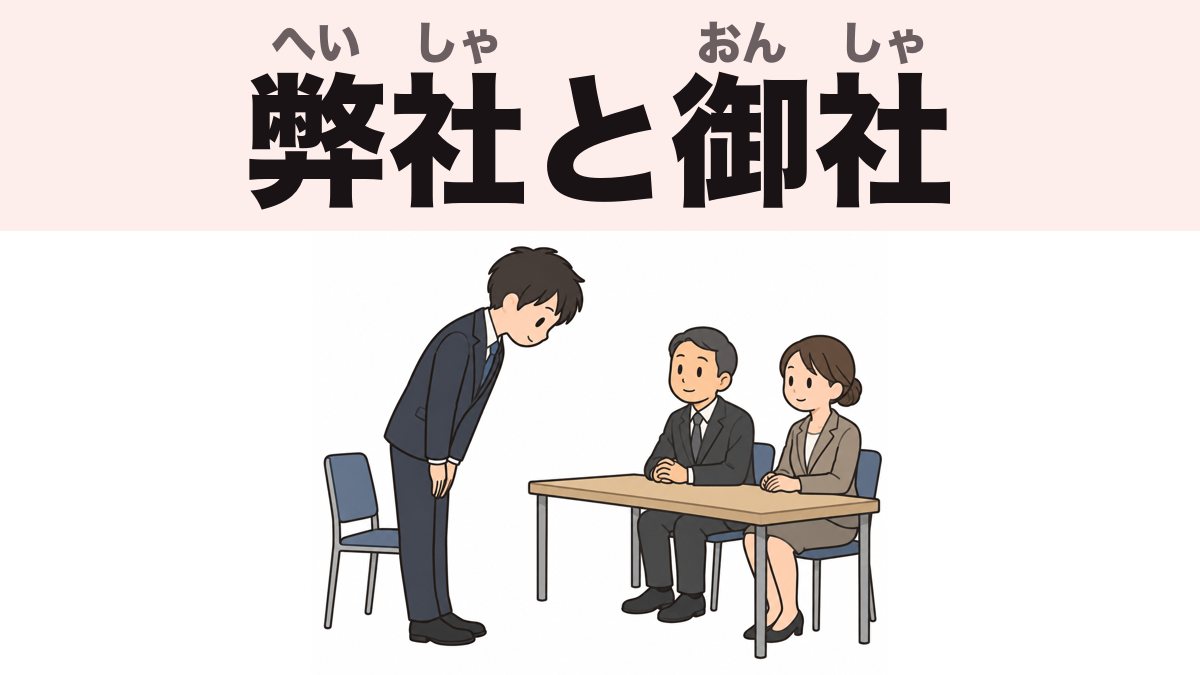
Heisha and onsha meaning: 弊社, 御社, 貴社 — whose company is it?
Heisha (弊社) means "our company" in humble Japanese; onsha (御社) means "your company." Learn 貴社, 当社 and うち, and which one to use in an interview.
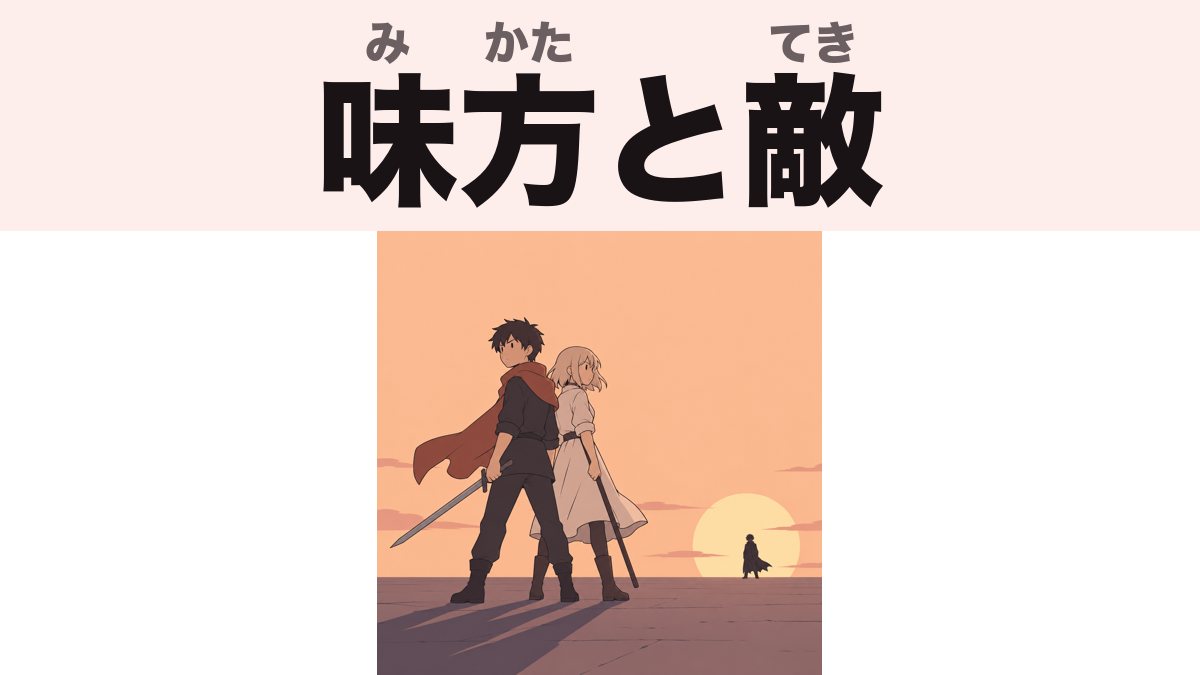
Mikata meaning: how do you say "ally" and "enemy" in Japanese?
Mikata (味方) means "ally" or "someone on your side" in Japanese, and its opposite is teki (敵), "enemy". Learn 味方をする, 肩を持つ, and the anime phrases.
垢 (aka) meaning: Japanese internet slang for "account" — 裏垢, 鍵垢, and 垢バレ
垢 (aka) is internet slang short for アカウント (account), the base for compounds like 裏垢 (secret account) and 鍵垢 (locked, private account).
甘える (amaeru): leaning on someone's kindness — and 甘やかす, spoiling them back
甘える is acting sweetly dependent, leaning on someone's kindness. 甘やかす is the other side — indulging or spoiling that person. Here is how the verb pair works.
What does "black company" mean in Japanese? ブラック企業 explained
ブラック企業 (burakku kigyou) is slang for an exploitative employer — illegal overtime, harassment, no balance. Nothing to do with race. ホワイト企業 is its opposite.
How to say "complain" in Japanese: 愚痴 vs 文句 (and クレーム)
愚痴 (guchi) is venting to a friend who listens. 文句 (monku) is complaining with an edge, to the person responsible. クレーム is a formal business complaint.
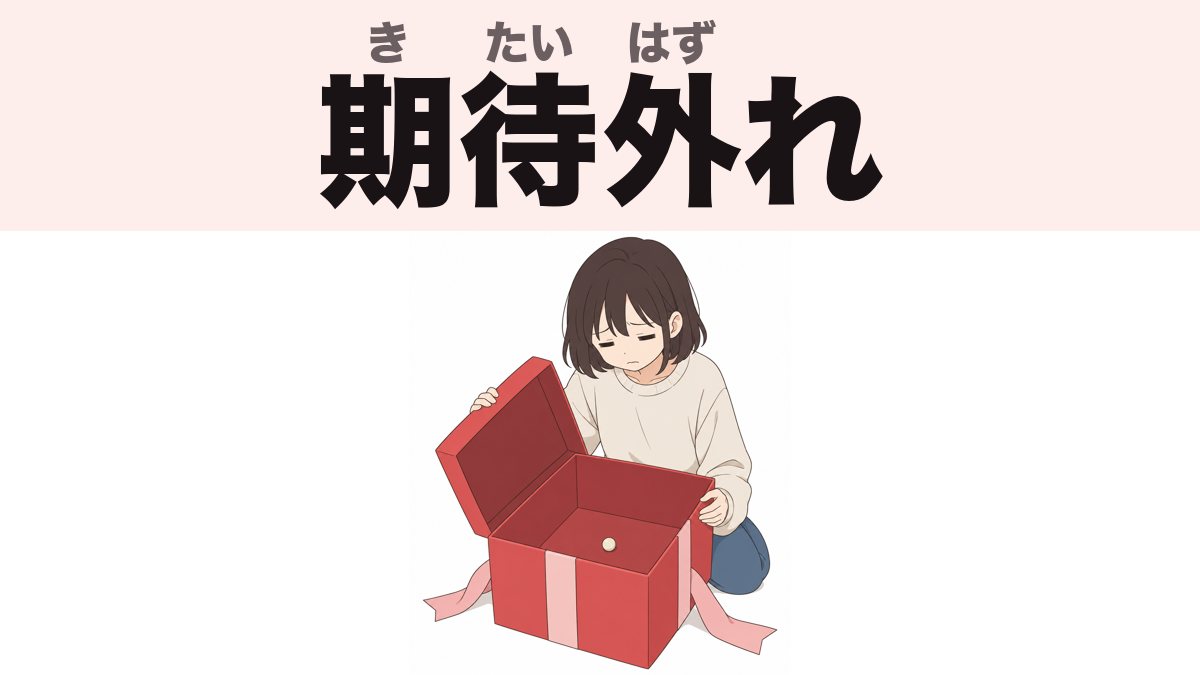
How to say "disappointing" in Japanese: 期待外れ, いまいち, 拍子抜け
がっかり is plain disappointment. 期待外れ is a thing that failed to meet expectations. いまいち is a mild "meh." 拍子抜け is letdown after built-up tension.
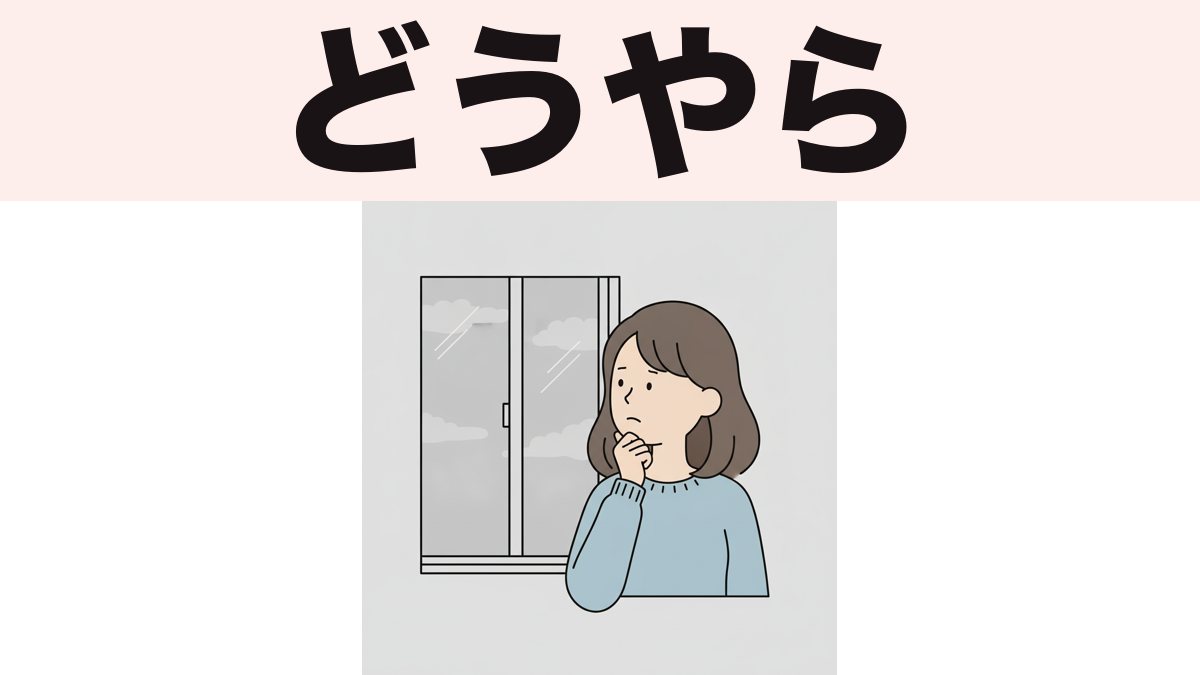
どうやら (douyara): "it seems, from what I can tell" — and きっと, the confident guess
どうやら marks an inference from clues you noticed. きっと is a confident personal prediction, with or without evidence. Different questions, same "probably."
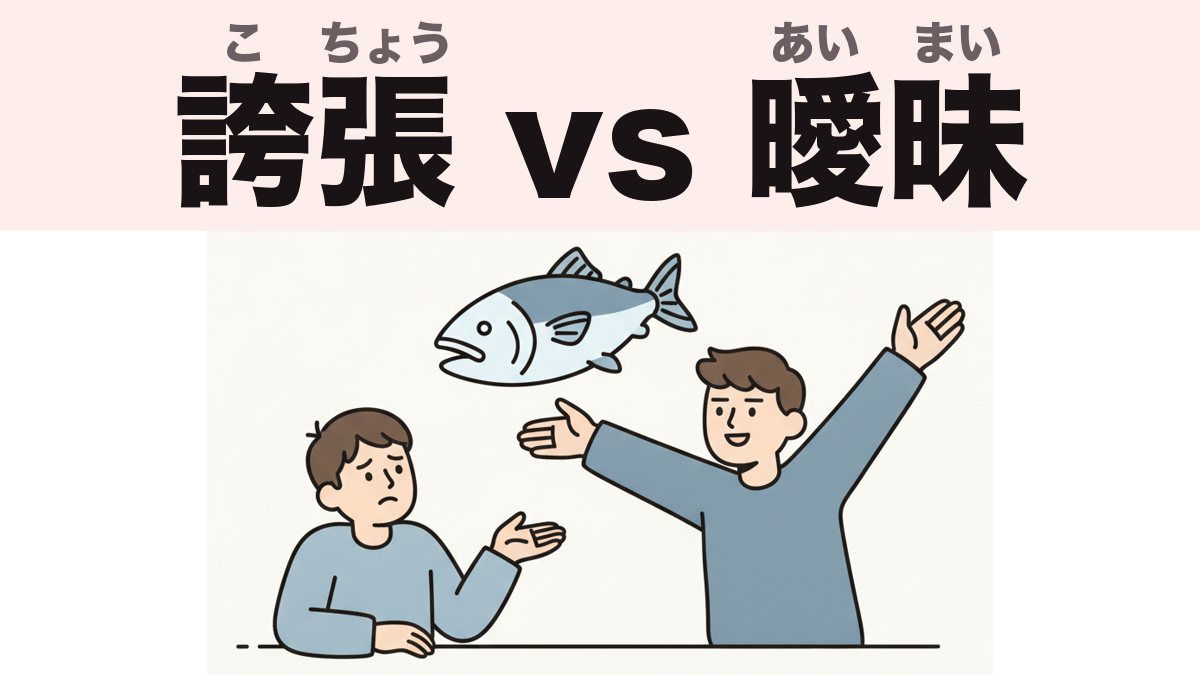
"Exaggerate" vs "vague" in Japanese: 誇張・大げさ vs 曖昧・ぼかす
誇張 (kochou) and 大げさ mean exaggerating — making something sound bigger than it is. 曖昧 (aimai) means vague or unclear. One inflates, the other blurs.
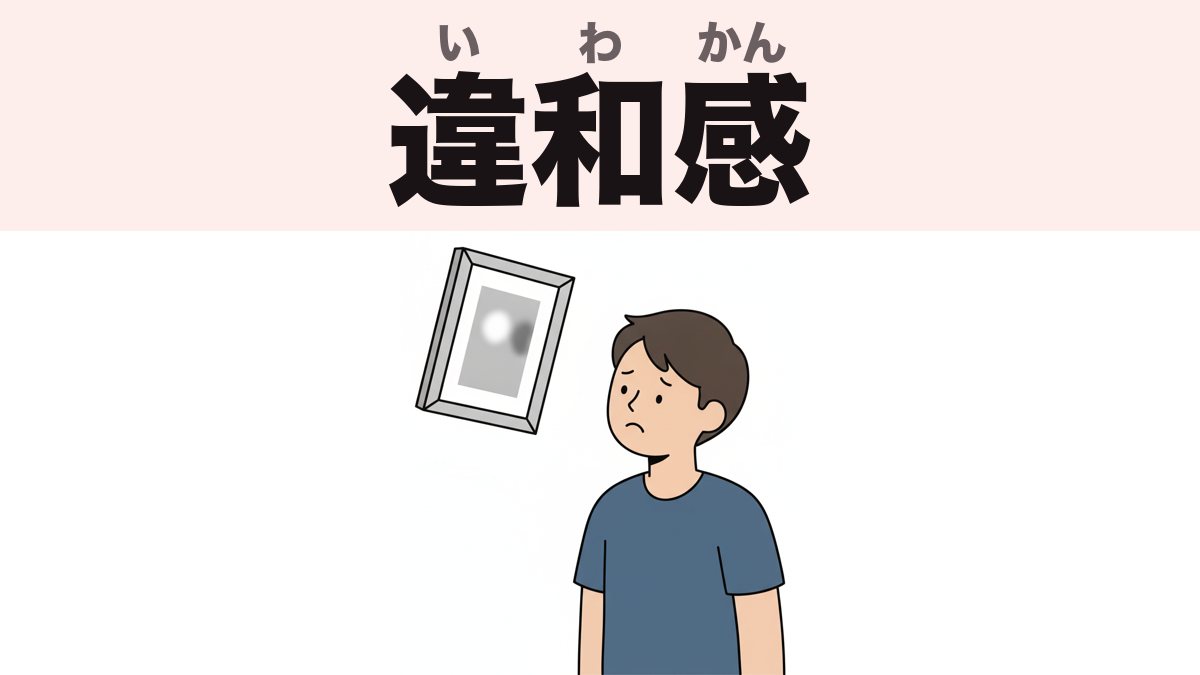
How to say "something feels off" in Japanese: 違和感 vs 不安 vs 心配
違和感 (iwakan) is the feeling something is off, not fear or worry. 不安 is anxiety about the future; 心配 is worry about someone specific. Uneasy blurs all three.
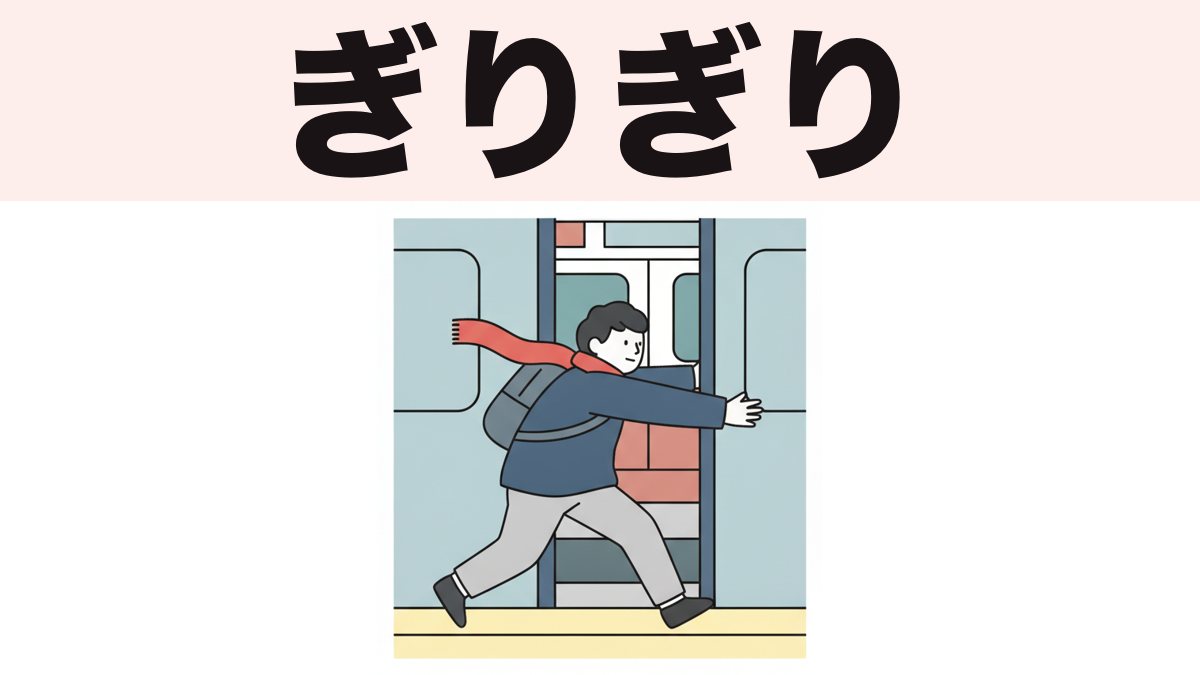
ぎりぎり (girigiri): "just barely, right at the edge" — and かろうじて, the formal version
ぎりぎり marks anything sitting right at a limit — time, money, a passing grade — with a casual, slightly breathless feel. かろうじて says the same thing formally.
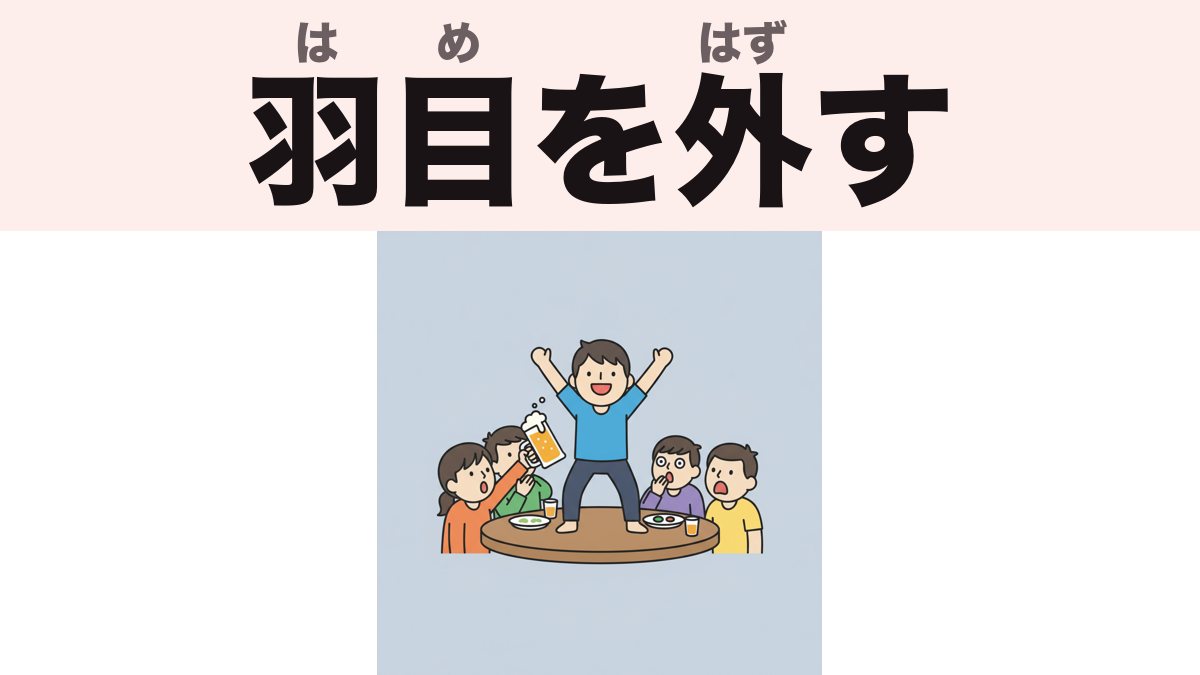
How to say "let loose" in Japanese: 羽目を外す vs 調子に乗る vs はしゃぐ
羽目を外す (hame wo hazusu) means to let loose or go overboard at a party. 調子に乗る is getting carried away or cocky. はしゃぐ is innocent excitement — three tones.
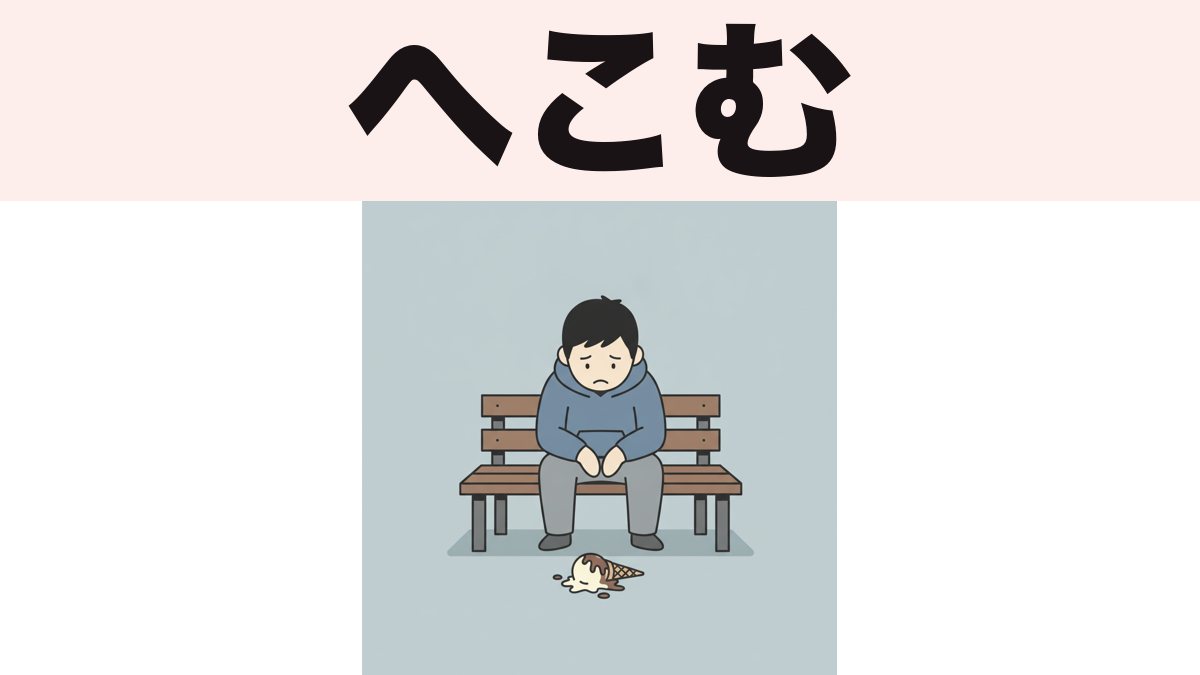
へこむ (hekomu): to feel down, deflated by something specific
へこむ (hekomu) literally means "to dent," and casually means feeling down after a specific setback. 落ち込む is more neutral and can describe deeper, longer sadness.
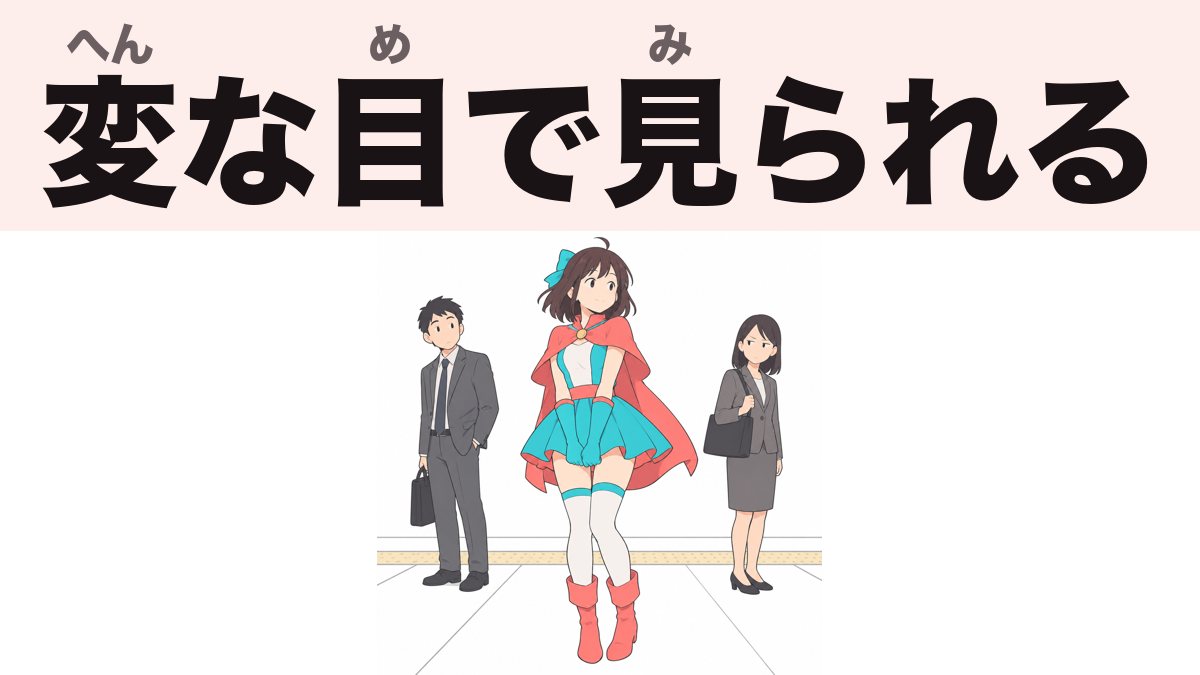
Getting a weird look in Japanese: 変な目で見られる and 白い目で見られる
To get a weird look in Japanese is 変な目で見られる, literally to be seen with strange eyes. 白い目で見られる is a colder, disapproving look. Examples and mistakes.
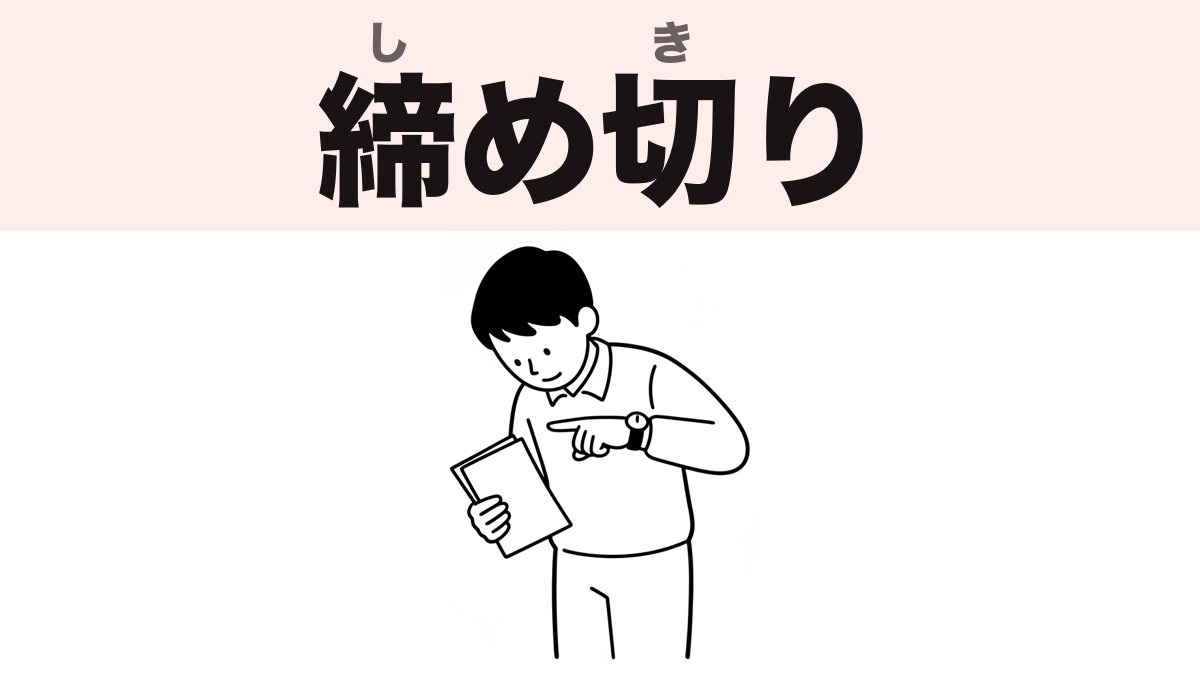
How to ask for a deadline extension in Japanese: always with your own new date
Asking for more time in Japanese pairs an apology with a specific new date you can commit to — 〇日まで延ばしていただけますか — never an open-ended "more time."
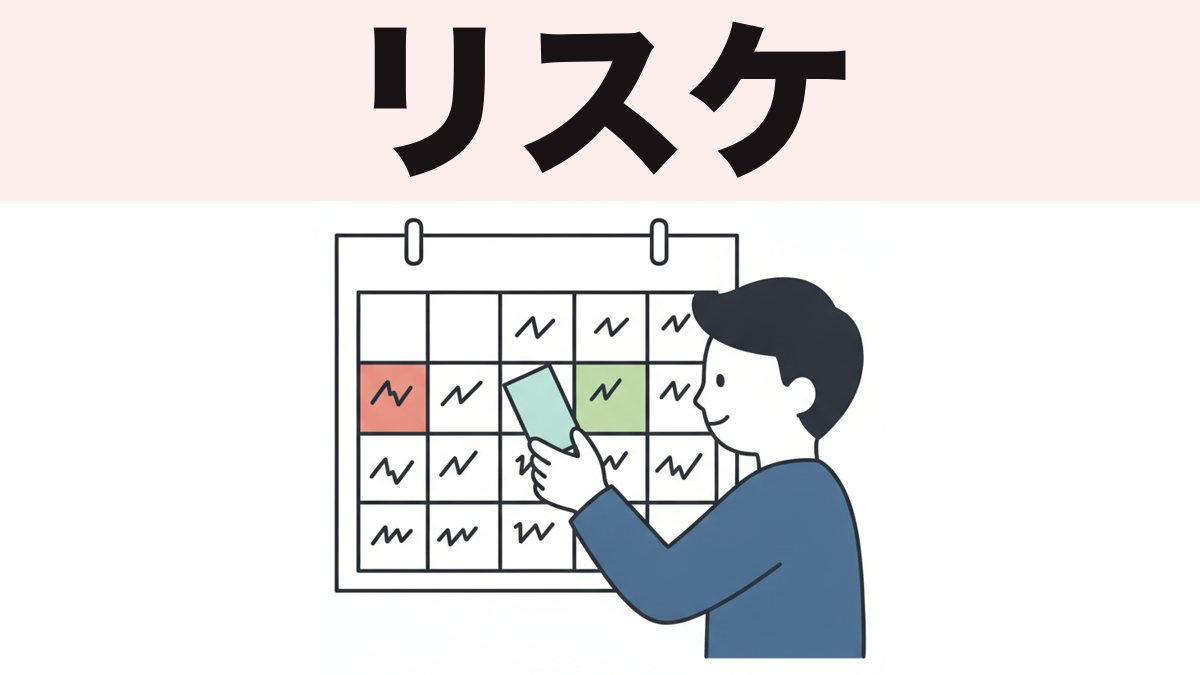
How to reschedule in Japanese: リスケ, and the request that has to come with it
リスケ (resuke) is shorthand for rescheduling, but the word alone is not the request — it needs a proposed new date or a question about theirs attached.
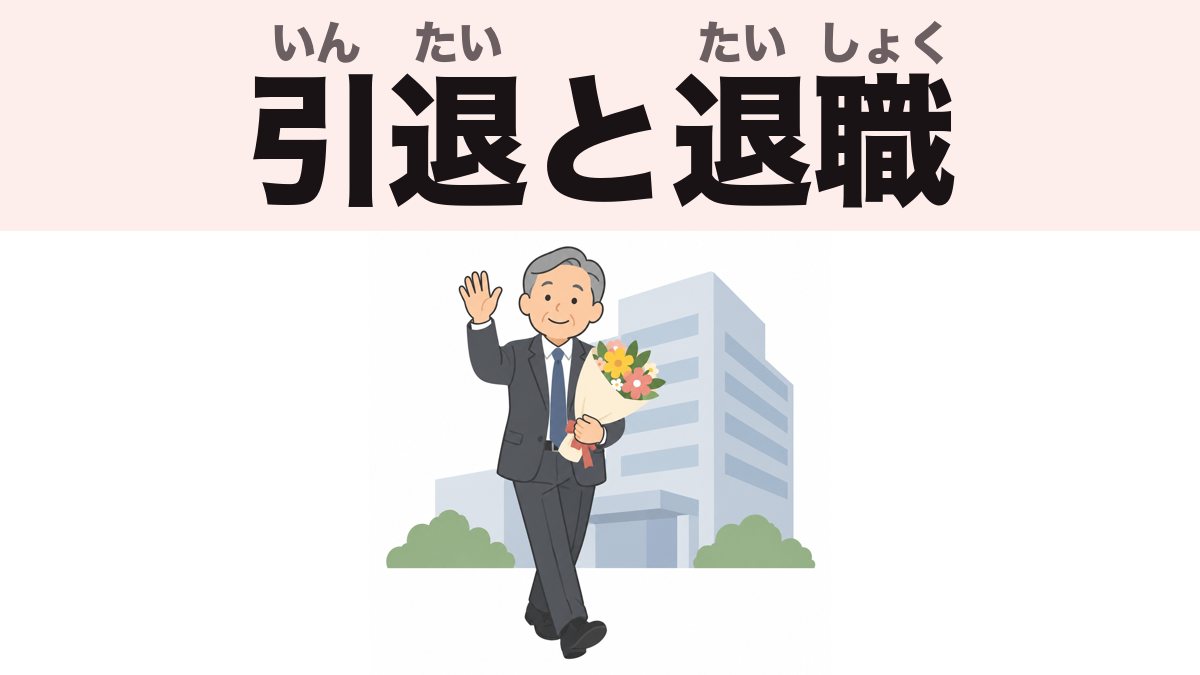
Retired in Japanese: 引退 vs 退職 (and Idol 卒業)
引退 (intai) is retiring from a career or sport for good. 退職 (taishoku) is leaving a company job. Idols use a third word entirely: 卒業.
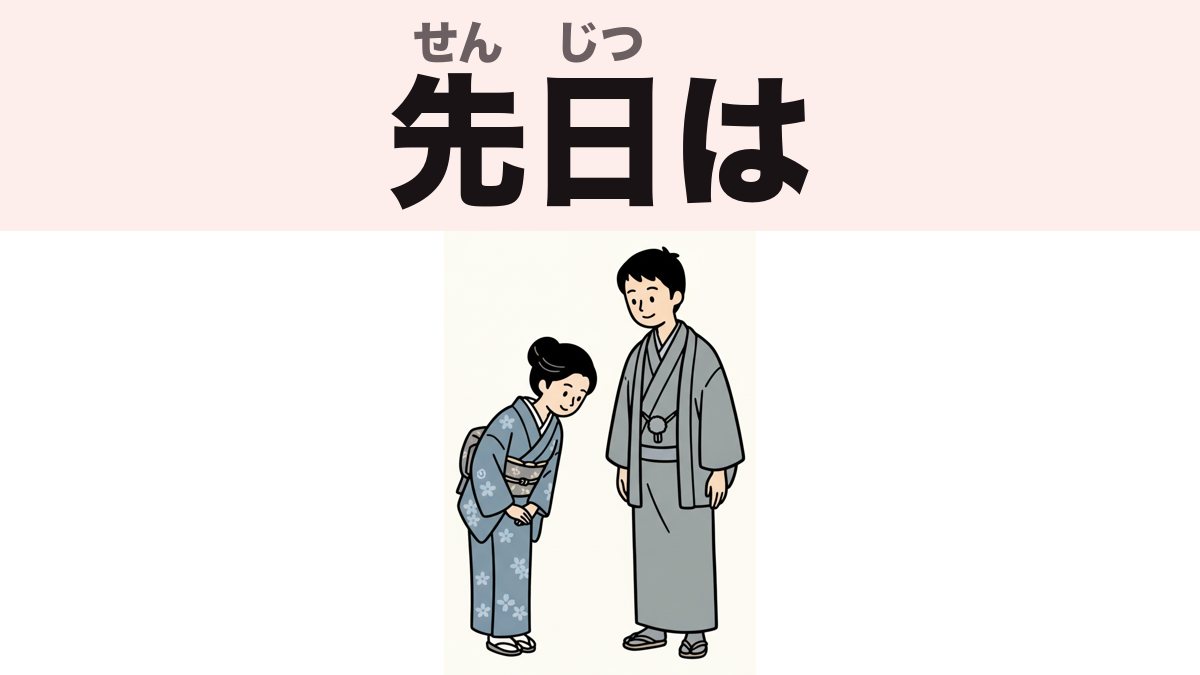
How to say thank you again later in Japanese: 先日は, 先ほどは, その節は
Japanese re-thanks people days after the fact. 先日は covers a few days ago, 先ほどは covers minutes, and その節は is for one big favor, formally.
How to send a polite reminder in Japanese: 催促 without sounding like a complaint
A Japanese reminder softens with 念のため (just in case) and 行き違いでしたら (if we crossed messages) so it never reads as an accusation, even for money or deadlines.
Innate in Japanese: 生まれつき, 先天的, and 後天的 for what you learn
Innate in Japanese is 生まれつき (umaretsuki) in everyday speech and 先天的 (sententeki) in formal or medical talk. Its opposite, acquired, is 後天的.
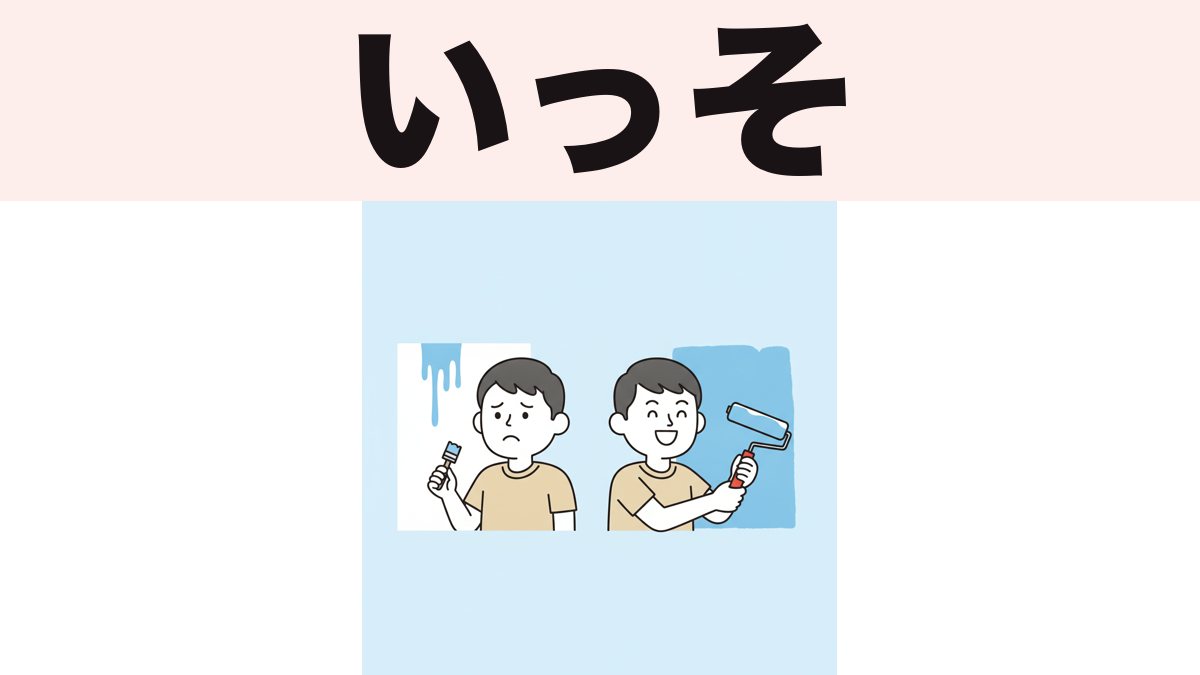
いっそ (isso): "might as well" go all the way
いっそ (isso) means giving up on a half-measure for a more drastic option — "might as well." どうせ is resignation; むしろ is a preference, not an escalation.
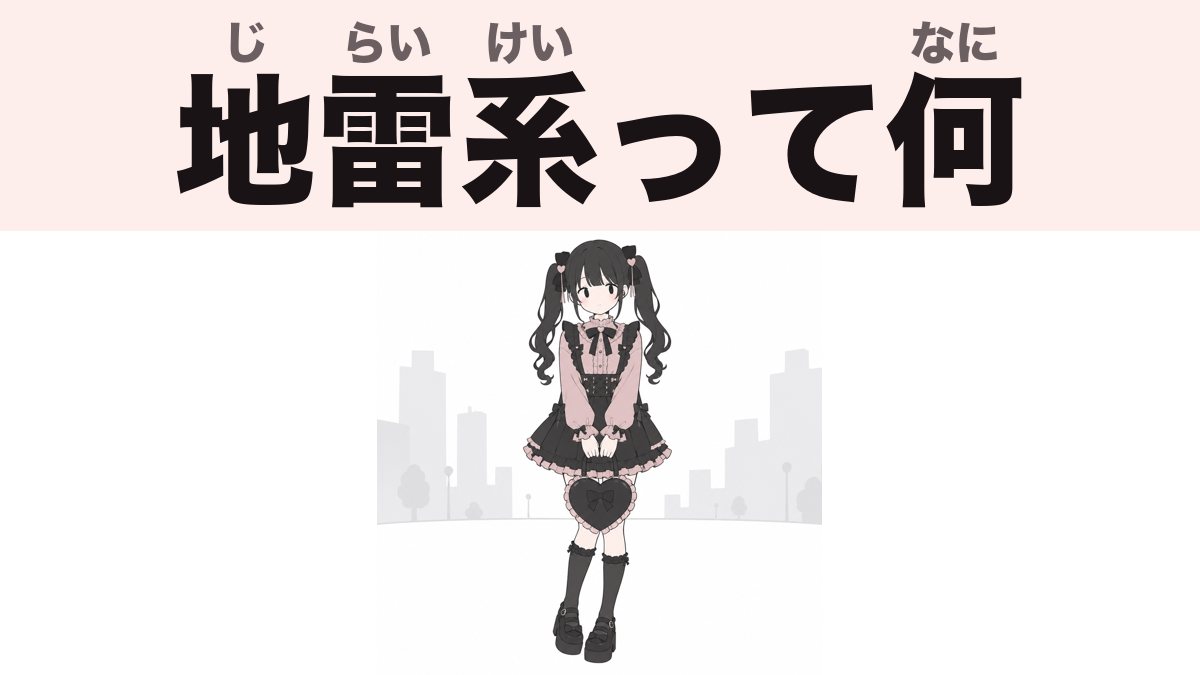
What does 地雷系 (jirai-kei) mean? A Japanese teacher explains the slang
地雷系 (jirai-kei), literally "landmine type," names a fashion style — pink, frilly, gothic, sickly-sweet — and a personality type people warn you about.
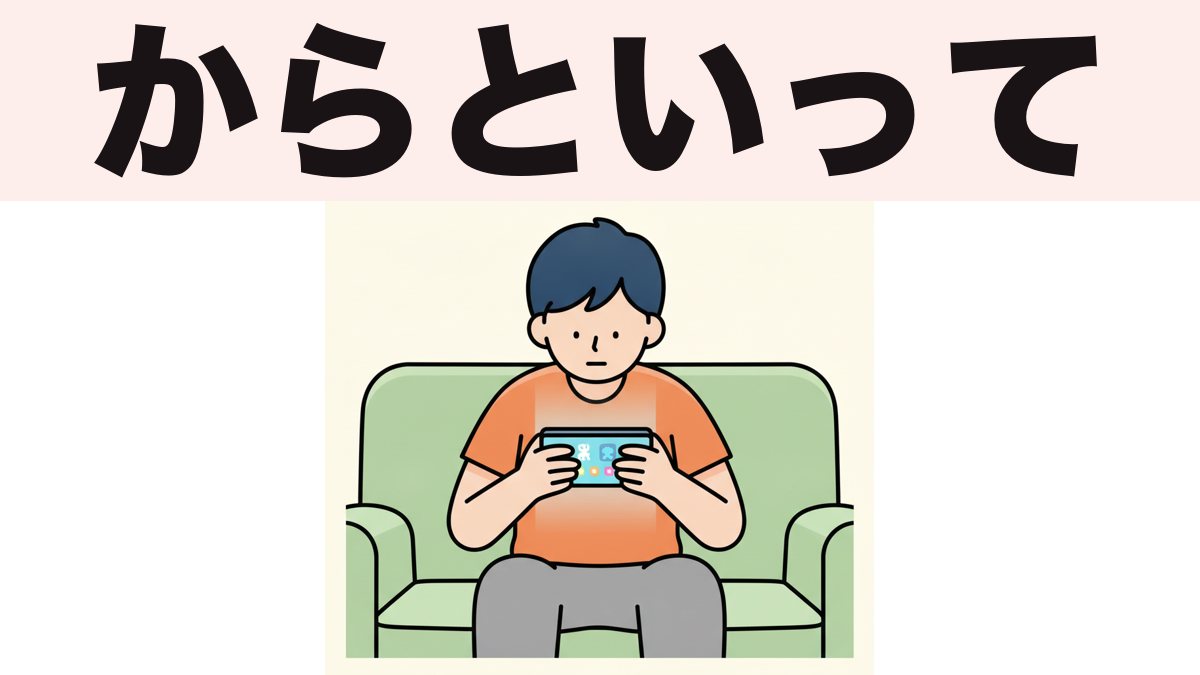
〜からといって: "just because X" does not mean Y follows
からといって names a reason people assume leads to a conclusion, then denies that conclusion. "Just because X" is true, but Y does not automatically follow.
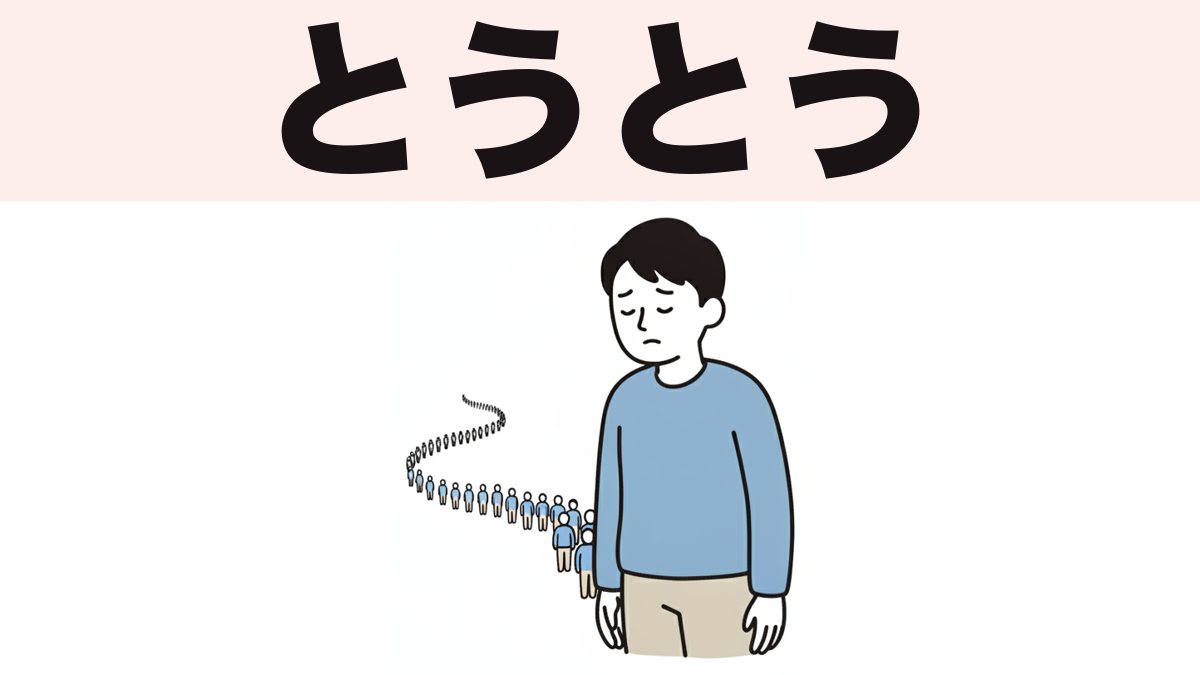
結局 (kekkyoku) vs とうとう (toutou): "in the end" and "finally, at last"
結局 sums up the final outcome after twists and turns, sometimes despite effort. とうとう marks the exact moment a long-awaited or long-dreaded thing arrives.
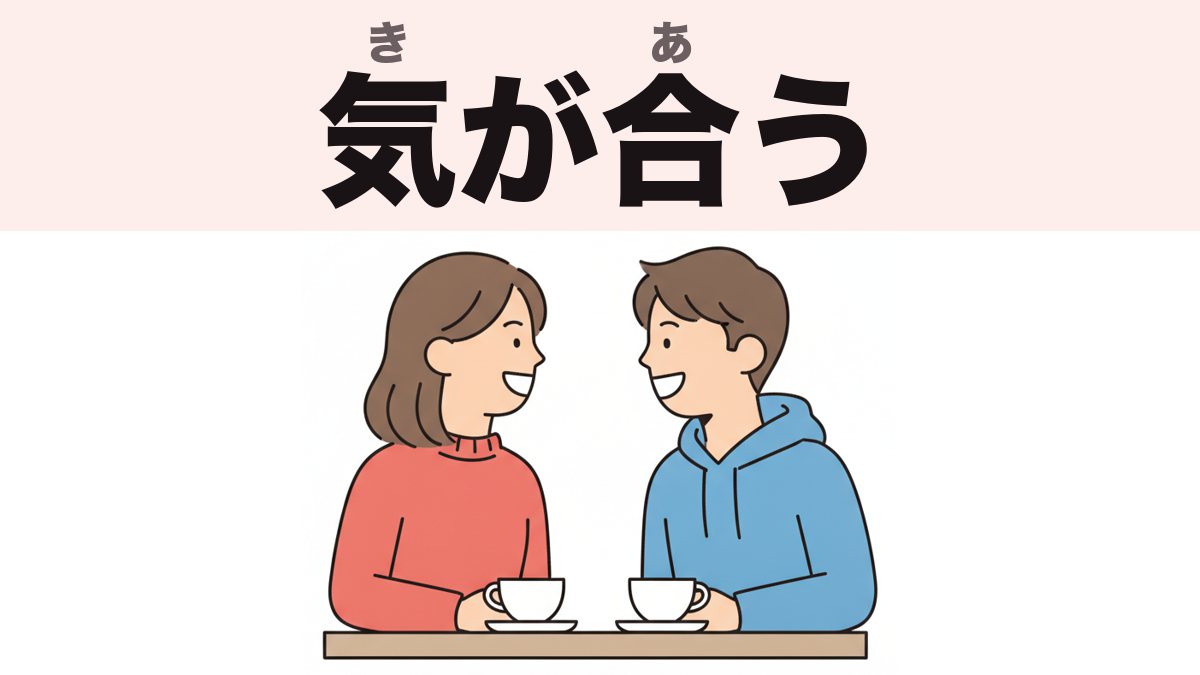
気が合う (ki ga au): clicking with someone — and 馬が合う, the horse idiom for the same thing
気が合う means clicking with someone effortlessly, same wavelength, same sense of humor. 馬が合う is an idiom about a horse and rider that means exactly the same thing.
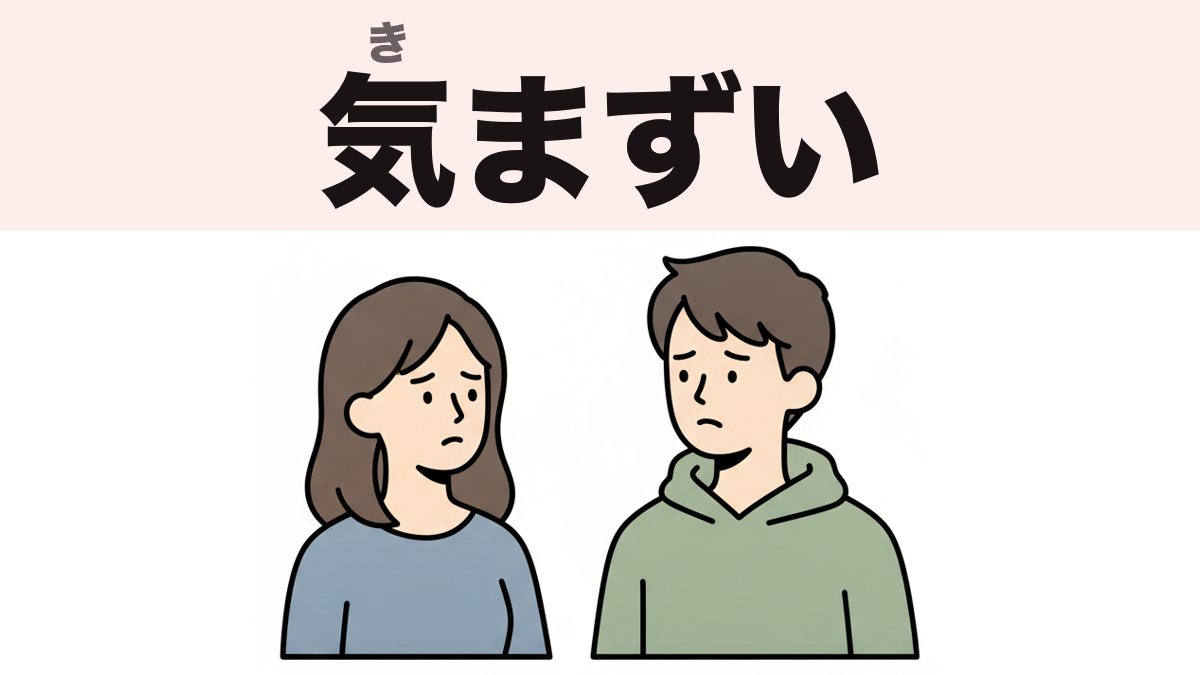
気まずい (kimazui): an awkward atmosphere — and 微妙, when something is just unclear
気まずい is the tension you actually feel around someone after something happened. 微妙 is when a relationship, opinion, or situation is simply hard to classify.
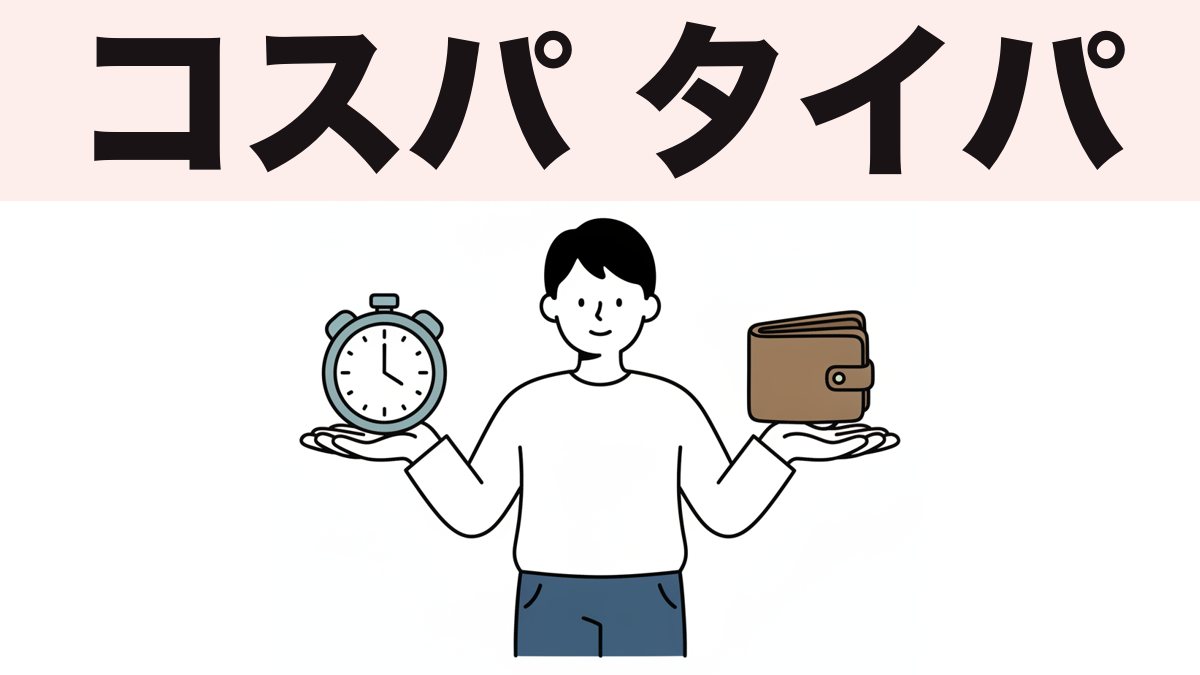
コスパ vs タイパ: "cost performance" and "time performance" in Japanese
コスパ (cost performance, value for money) and タイパ (time performance, value for time spent) are two of modern Japanese's most common efficiency buzzwords.
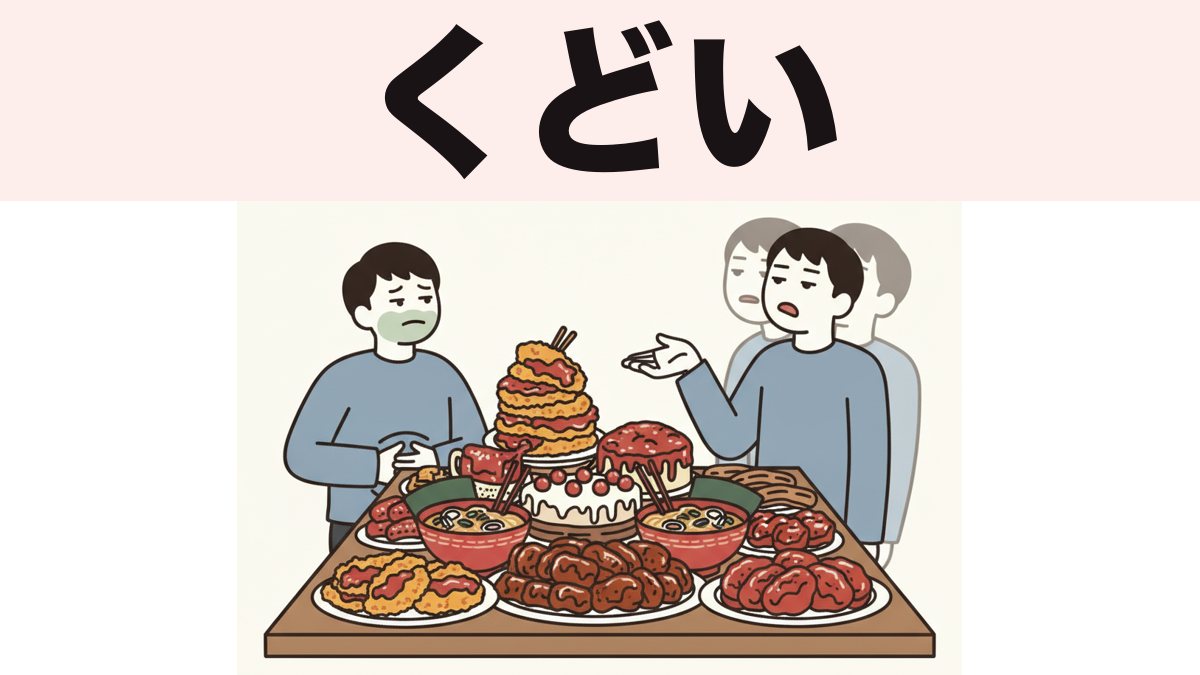
くどい (kudoi): too heavy, too long, too many times
くどい (kudoi) describes anything excessive and wearying: food too rich, a story too long-winded, a point made too many times. It always signals "enough already."
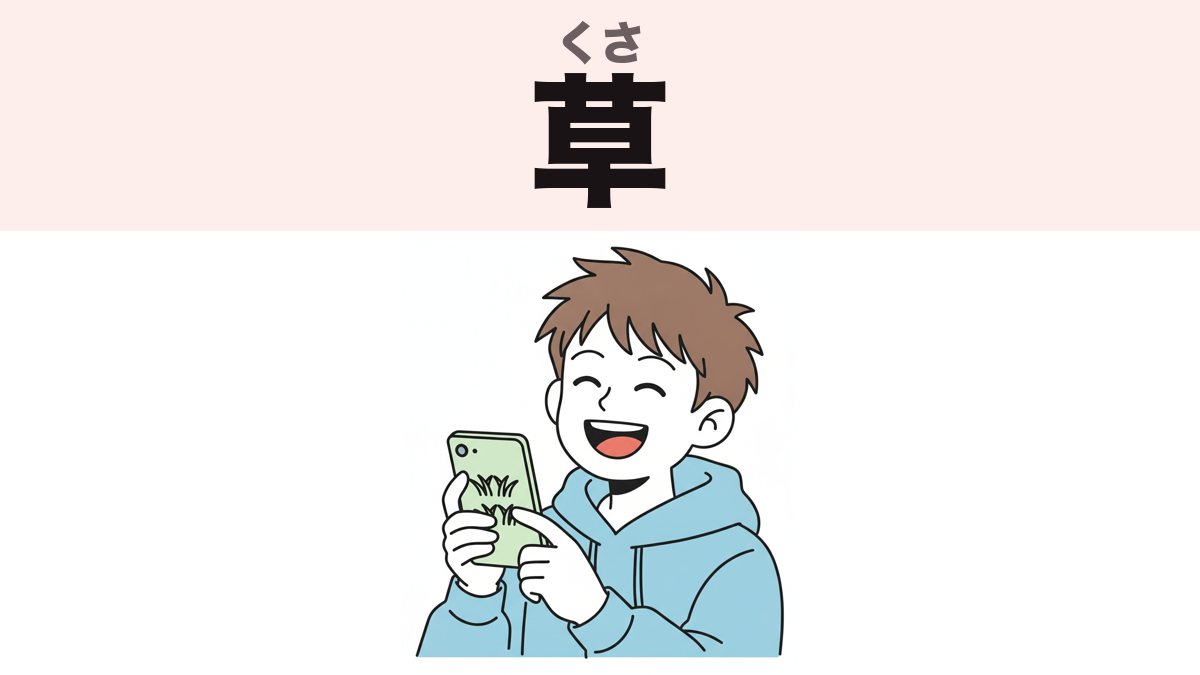
草 (kusa) and "w" in Japanese: why "grass" means "lol" online
草 (kusa, "grass") and the letter w are Japanese internet slang for laughing, born from stacking w after w until the row of w's started looking like grass.
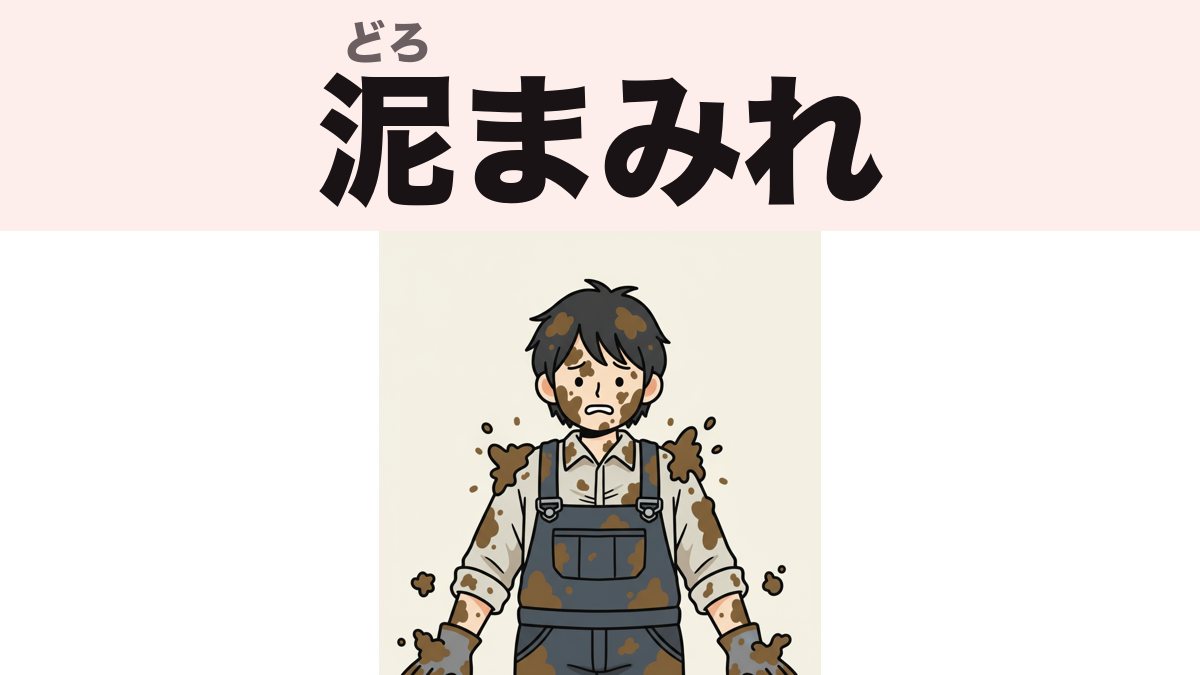
まみれ (mamire): covered in something messy, not just "a lot of it"
まみれ (mamire) attaches to a noun to mean physically covered or smeared in something messy — blood, mud, sweat, dust. だらけ covers abstract "full of" instead.
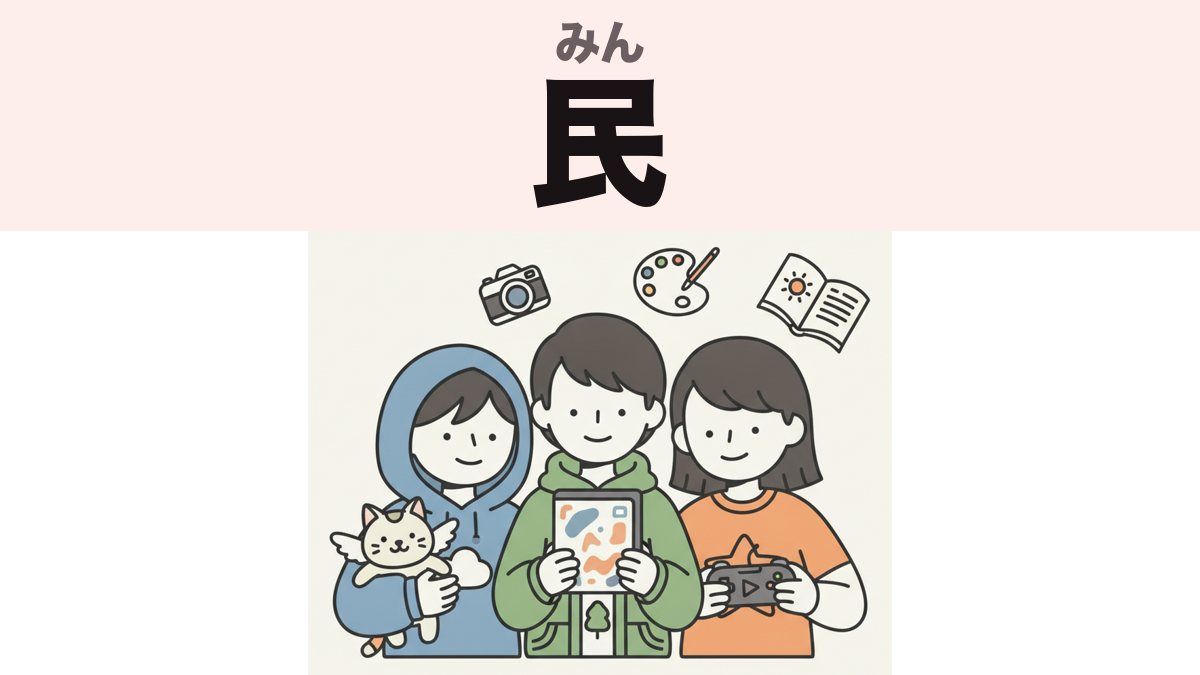
〜民 (min) suffix: how Japanese internet slang turns any group into "-ites"
The suffix 〜民 (min), literally "citizen" or "people," attaches to almost any noun online to mean "the people of X" — Twitter民, ジブリ民, and more.
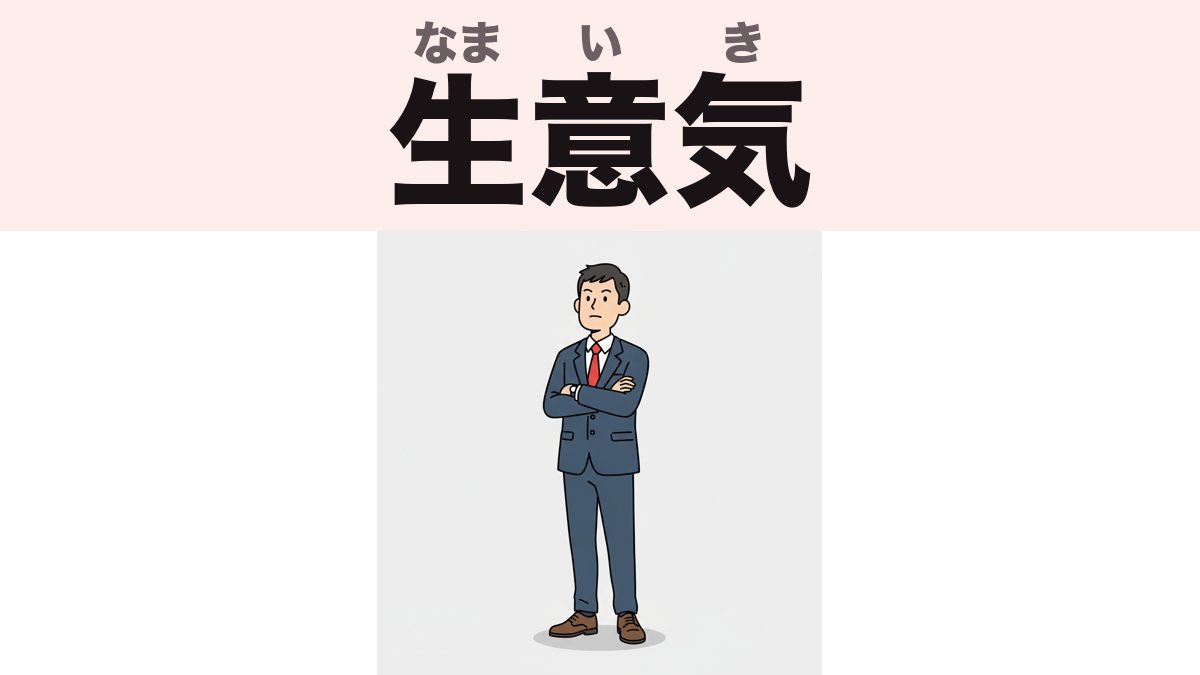
生意気 (namaiki): cocky for your rank — and 図々しい, shameless for anyone
生意気 criticizes someone for acting above their station — a junior talking back to a senior. 図々しい criticizes boldness regardless of rank. Here is the difference.
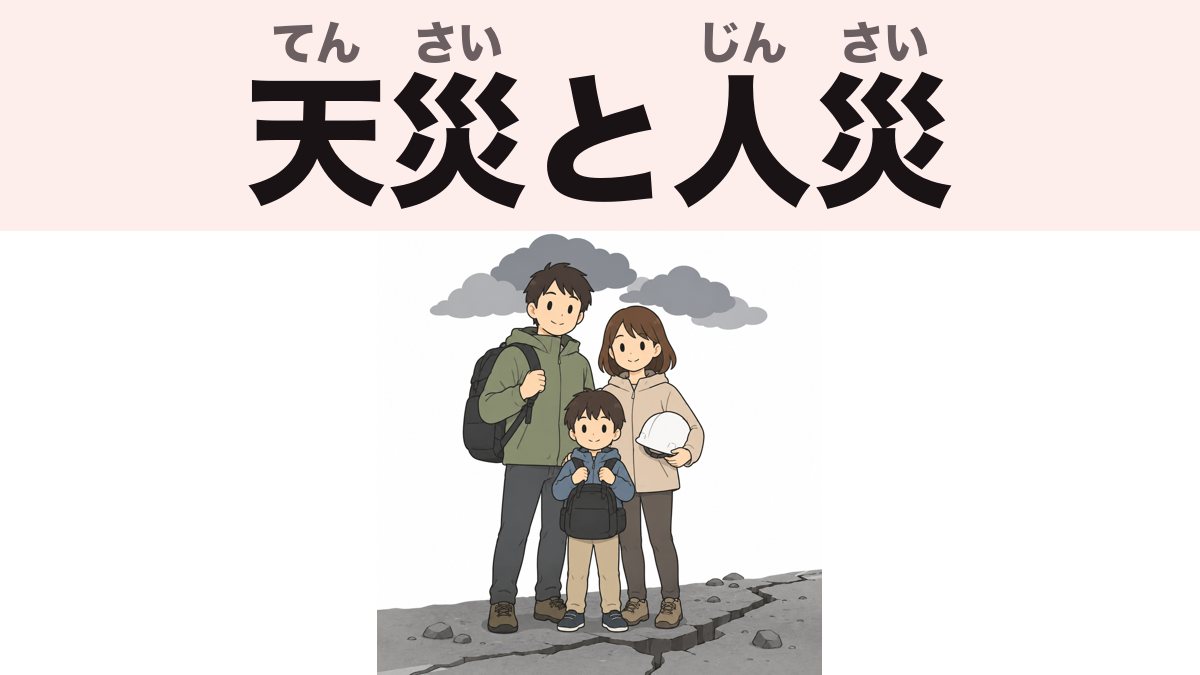
Natural disaster in Japanese: 天災 vs 人災 (and the genius trap)
天災 (tensai) is a natural disaster; 人災 (jinsai) is human-caused. 天災 is also a perfect homophone of 天才, "genius" — same sound, unrelated word.
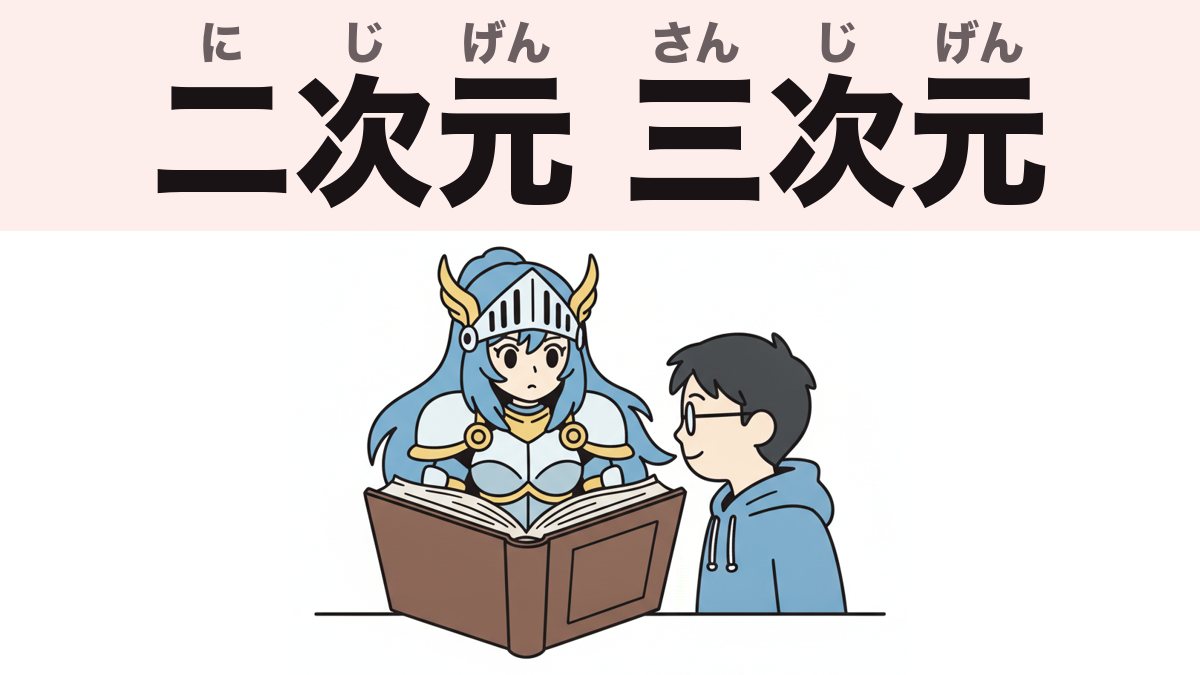
二次元 vs 三次元 (nijigen vs sanjigen): "2D" fiction and "3D" reality in otaku Japanese
二次元 (2D) means fictional anime, manga, and game characters; 三次元 (3D) means the real, physical world — a dividing line fandom culture jokes about constantly.
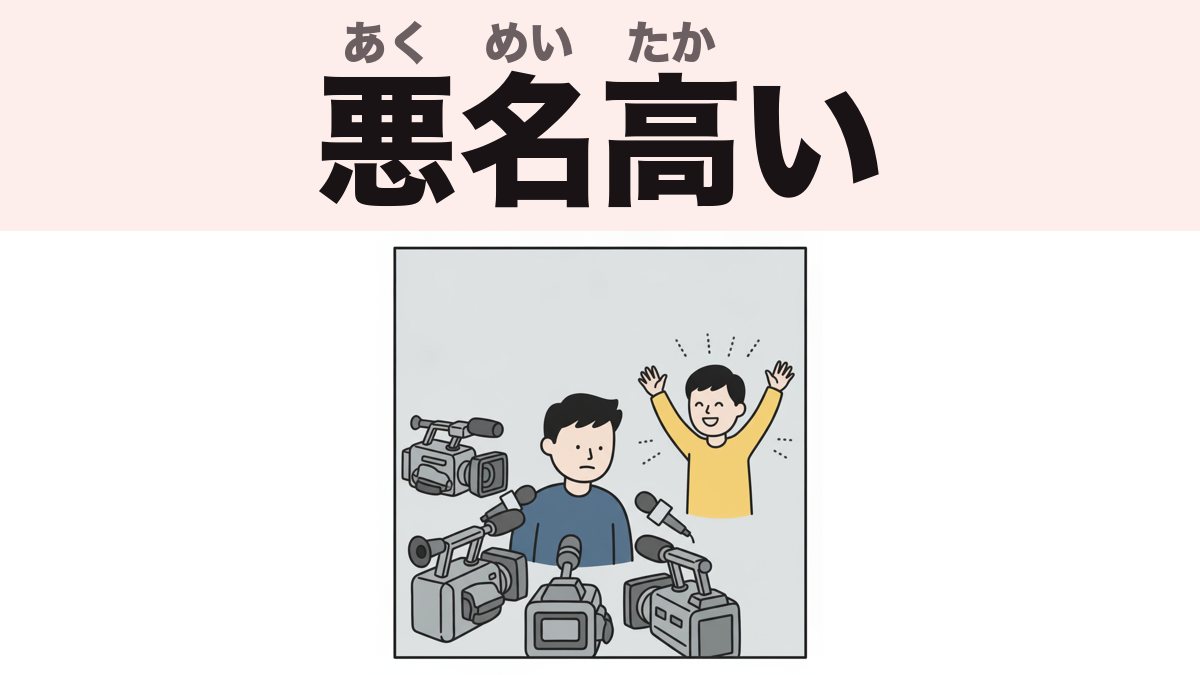
How to say "notorious" in Japanese: 悪名高い vs 評判がいい vs 有名
悪名高い (akumyou-dakai / akumei-dakai) is notorious — famous for something bad. 有名 is just famous, no judgment. 評判がいい/悪い is a milder good or bad reputation.
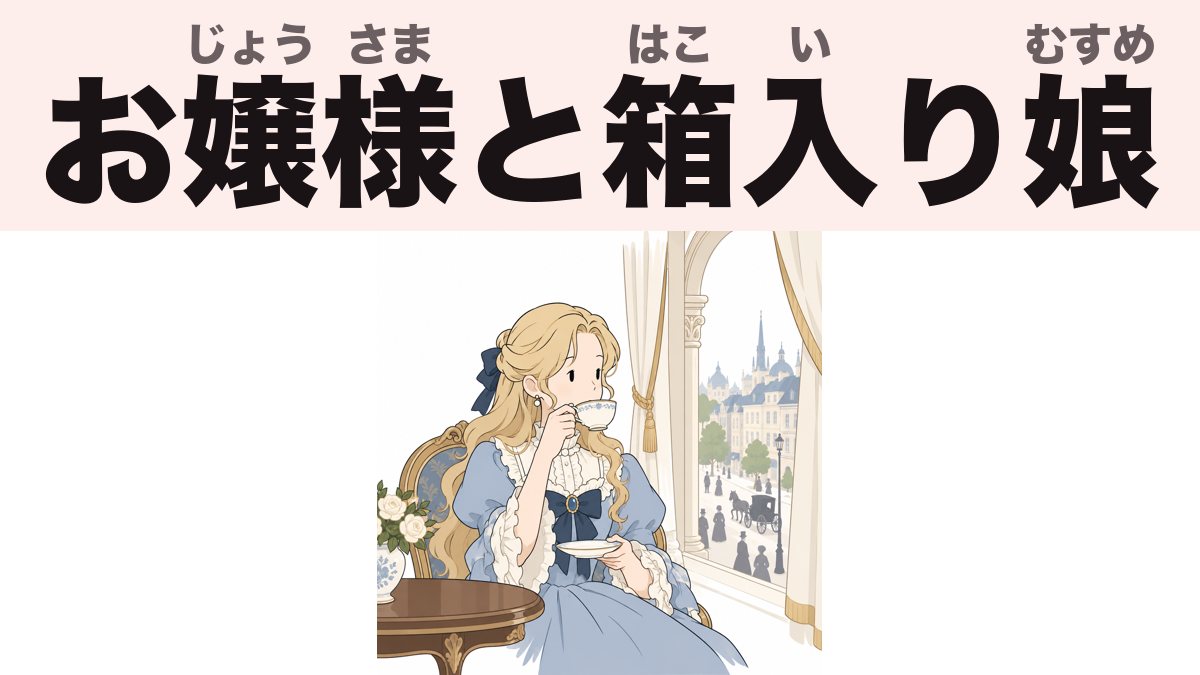
Ojousama meaning: お嬢様, 箱入り娘, and the rich girl in anime
Ojousama (お嬢様) means a young lady from a wealthy or well-bred family, or a polite word for someone else's daughter. 箱入り娘 is a sheltered daughter.
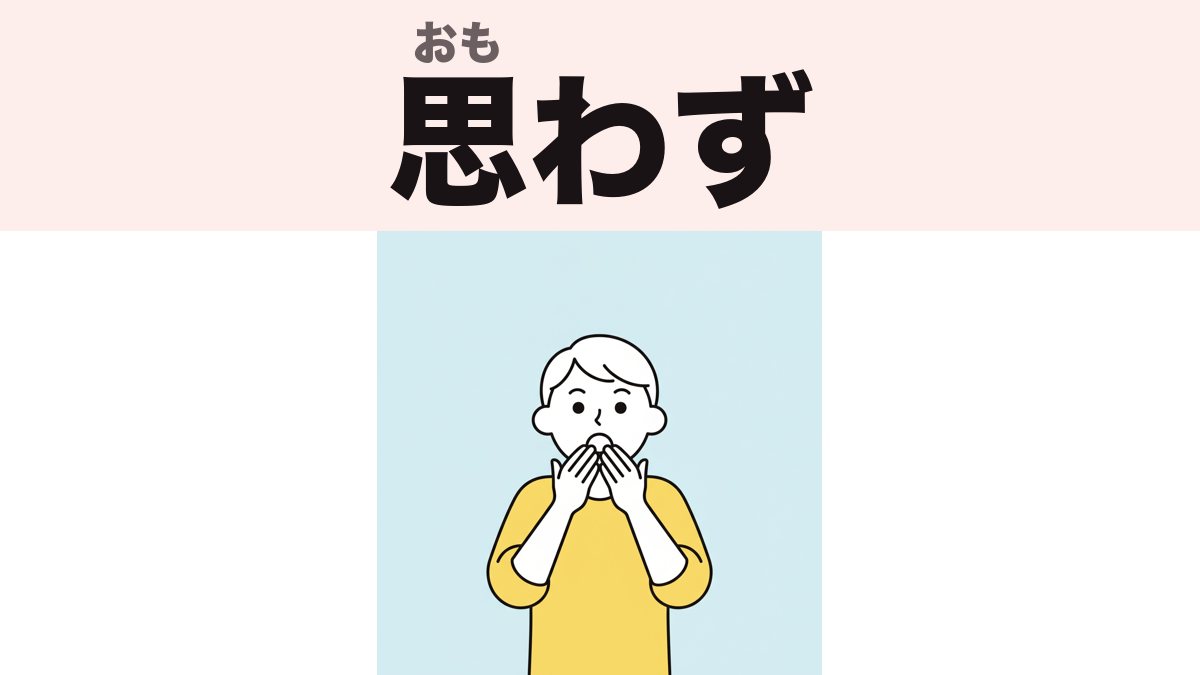
思わず (omowazu) vs つい (tsui): two ways to say "I couldn't help it"
思わず marks a sudden, involuntary reaction to something — a gasp, a laugh. つい marks a small, often repeated lapse in self-control, like eating one more snack.
それな (sorena) meaning: "exactly," "same," "so true" — Japanese agreement slang
それな is casual Japanese slang for "exactly," "same," or "so true," used to agree enthusiastically with what someone just said, especially in texting.
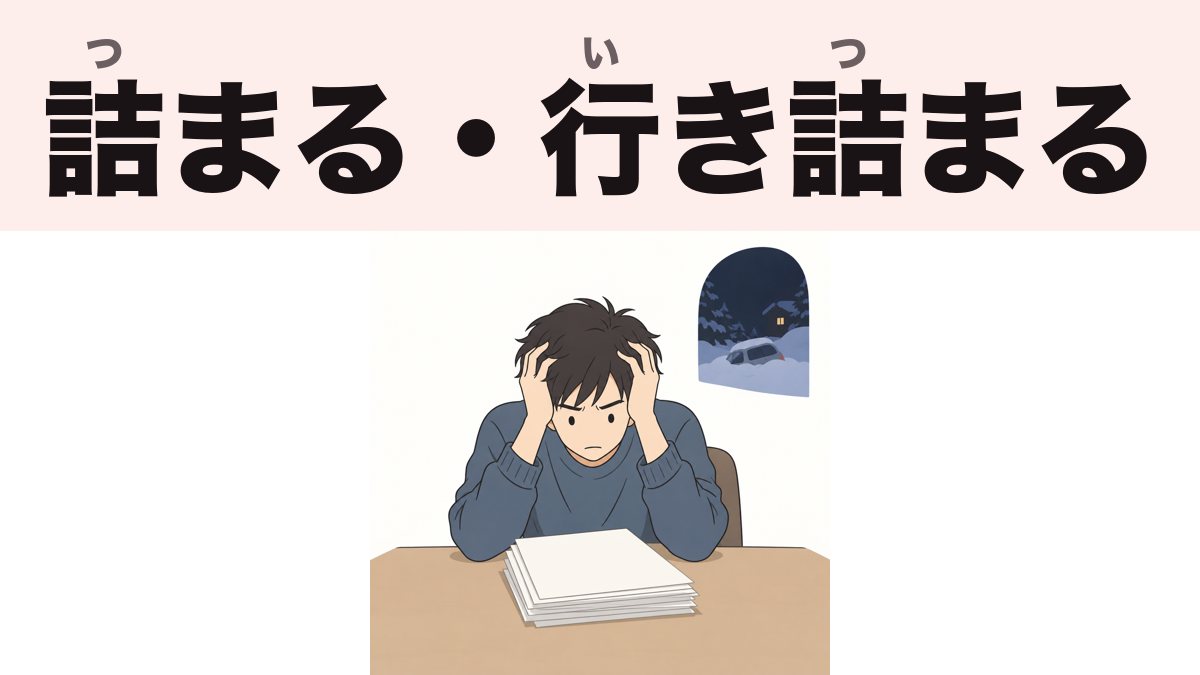
Stuck in Japanese: 詰まる, 行き詰まる, and the other ways to be stuck
Stuck in Japanese depends on what is stuck: 詰まる for a blocked pipe or a word you cannot get out, 行き詰まる for a plan going nowhere, and 挟まる for a trapped finger.
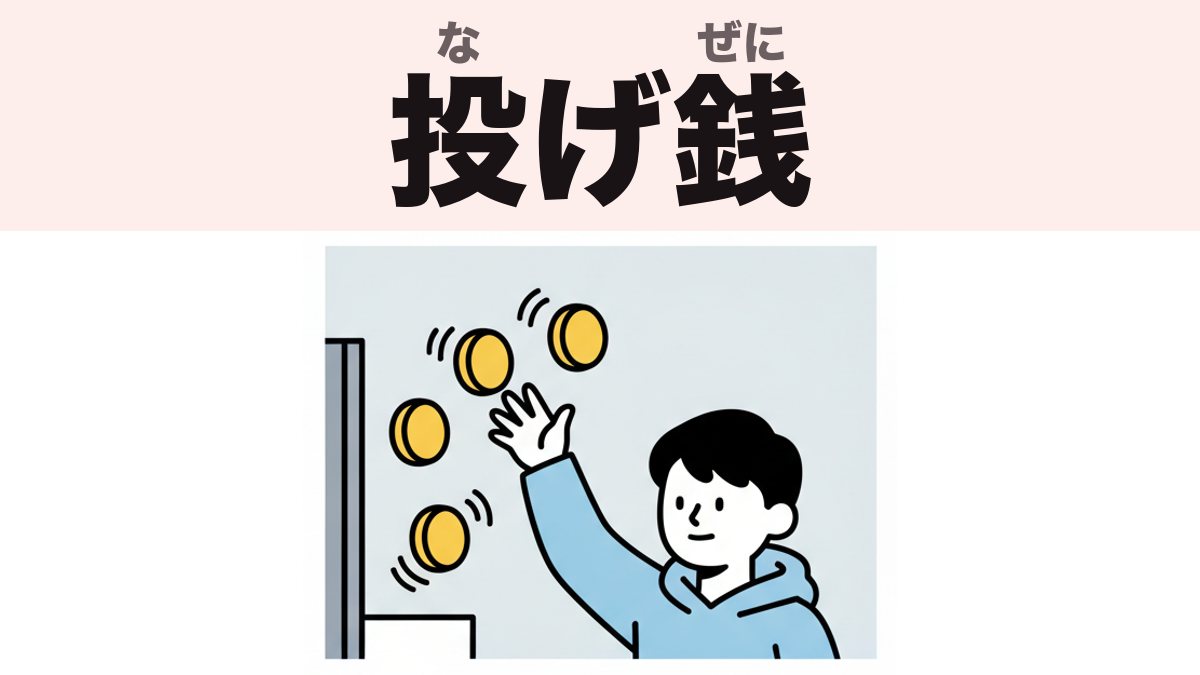
スパチャ and 投げ銭: how Japanese livestream tipping culture works
スパチャ (super chat) is YouTube's paid highlighted comment; 投げ銭 (nagesen, "throwing money") is the broader Japanese word for tipping any streamer.
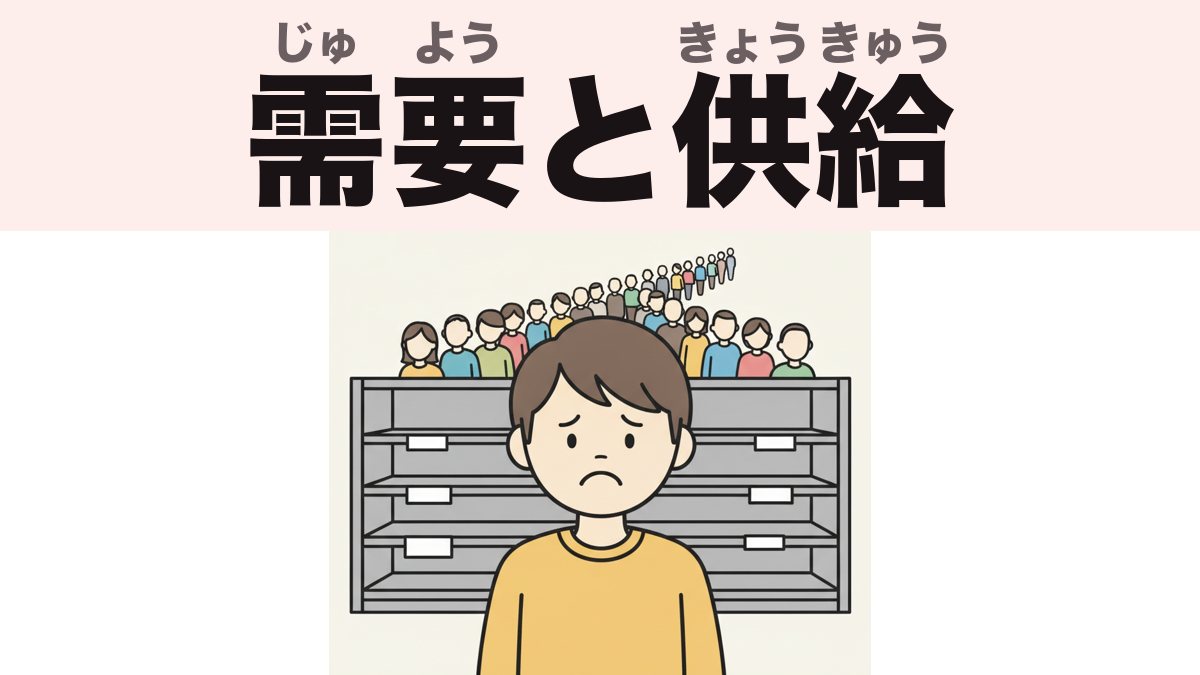
How to say "supply and demand" in Japanese: 需要と供給
需要 (juyou) is demand, 供給 (kyoukyuu) is supply — 需要と供給 reverses the English word order. 需給バランス is the balance; 品不足 is what happens when it breaks.
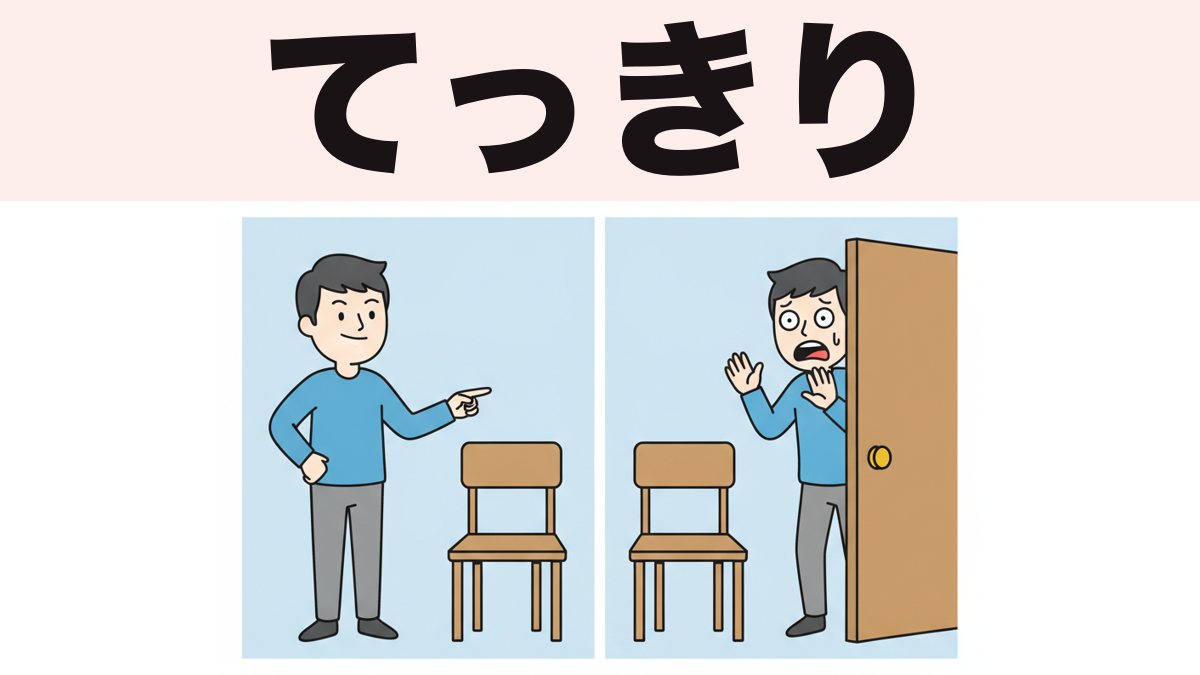
てっきり (tekkiri): "I was totally sure" — and I was wrong
てっきり (tekkiri) marks a confident assumption that turned out false, used with と思ったら. まさか is different: disbelief at something surprising, not a wrong guess.
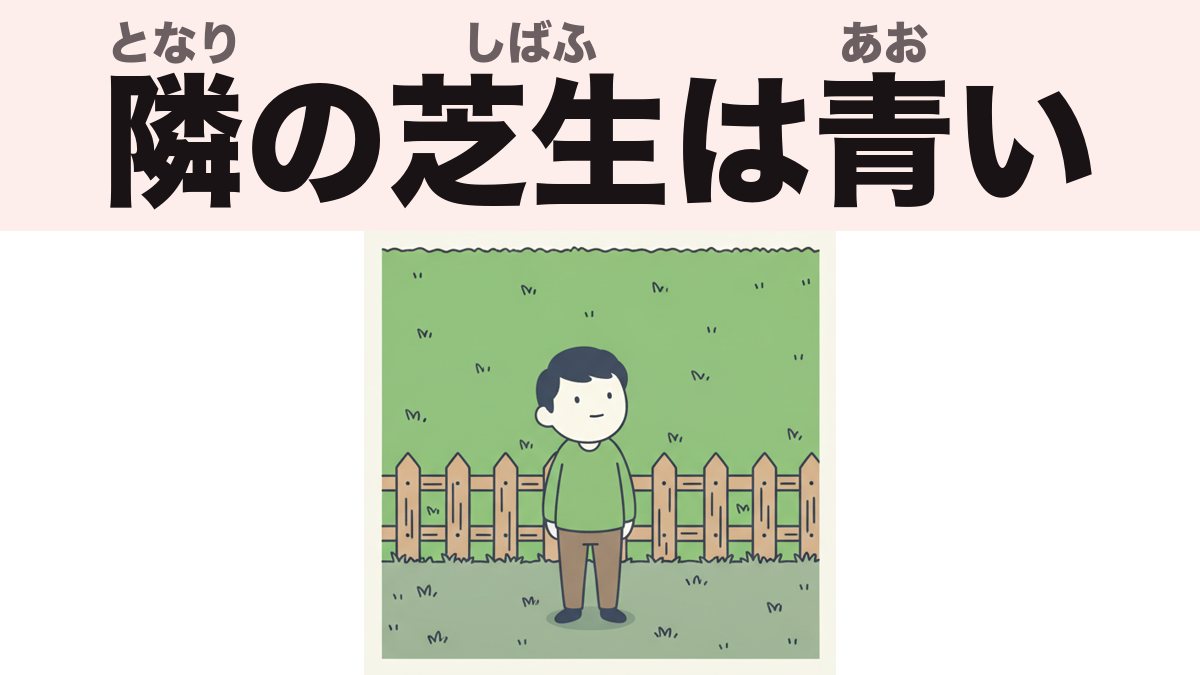
"The grass is greener" in Japanese: 隣の芝生は青い and related idioms
隣の芝生は青い (tonari no shibafu wa aoi) is Japanese for "the grass is greener." ないものねだり is wanting what you can't have; 足るを知る is being content instead.
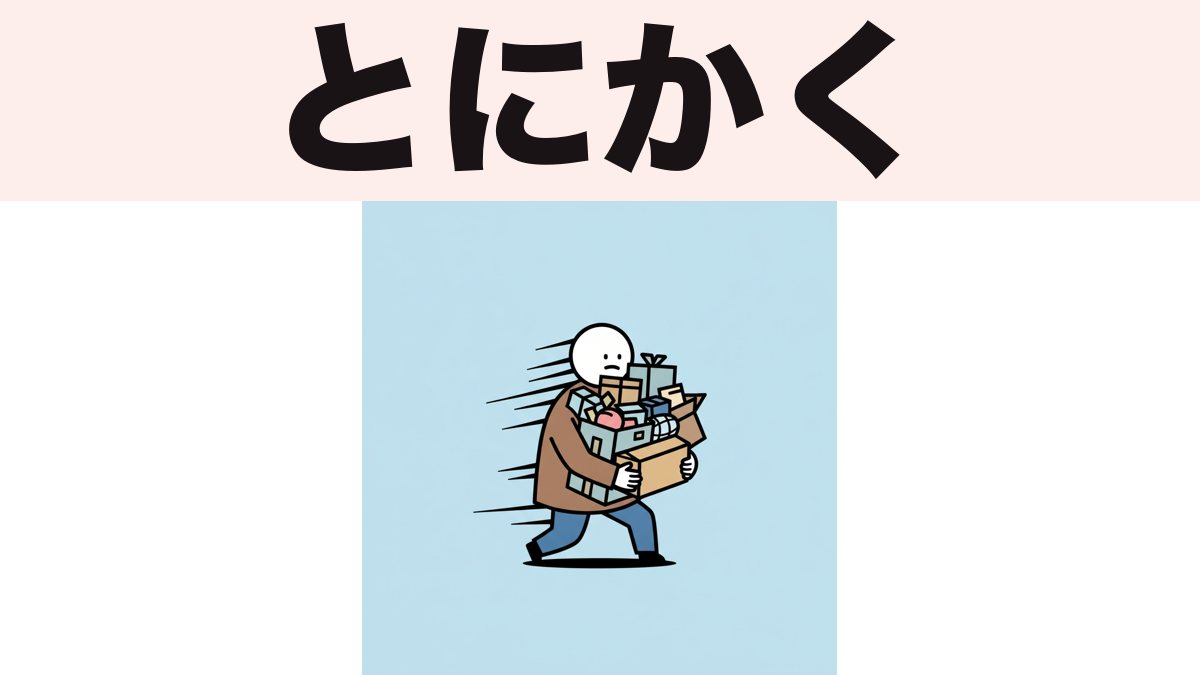
とにかく (tonikaku) vs ともかく (tomokaku): "anyway" — and the one that also means "extremely"
とにかく means "anyway, just do it" and doubles as a casual intensifier for "extremely." ともかく is its more literary cousin, mainly used to set something aside.
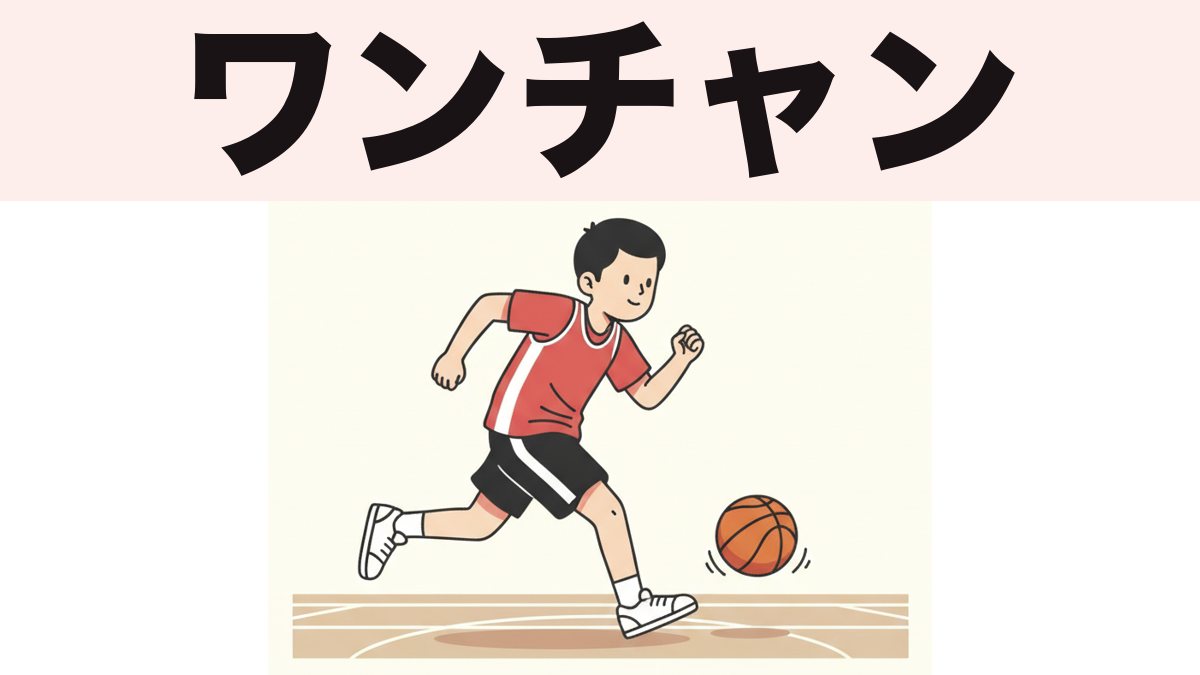
ワンチャン (wanchan) meaning: "maybe, there's a chance" — from ワンチャンス, one chance
Wanchan (ワンチャン) means "maybe, there's a chance" in casual Japanese. Short for ワンチャンス (one chance), it is often traced to mahjong slang.
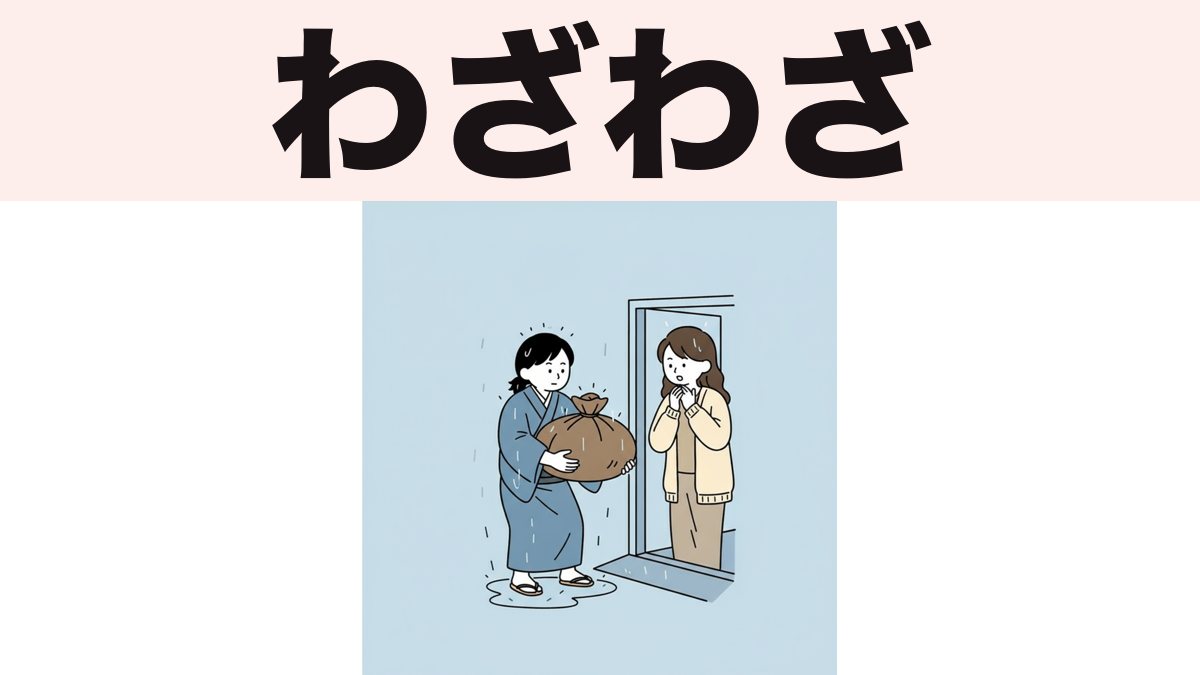
わざわざ (wazawaza): going out of your way, on purpose
わざわざ (wazawaza) means going out of your way, an effort beyond what was needed. It can express gratitude for the effort, or gently question why someone bothered.
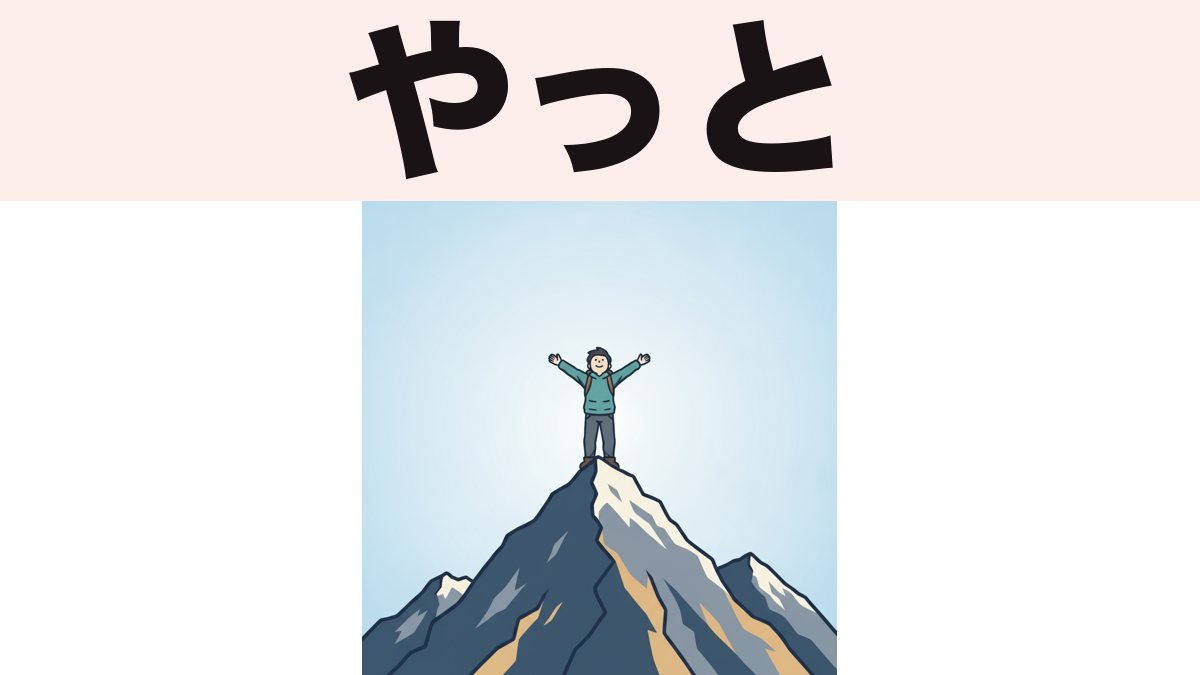
ようやく (youyaku) vs やっと (yatto): two "finally"s, one formal and one personal
ようやく is the neutral, slightly formal "finally," comfortable in writing and gradual change. やっと is the personal, relieved "finally!" of everyday speech.
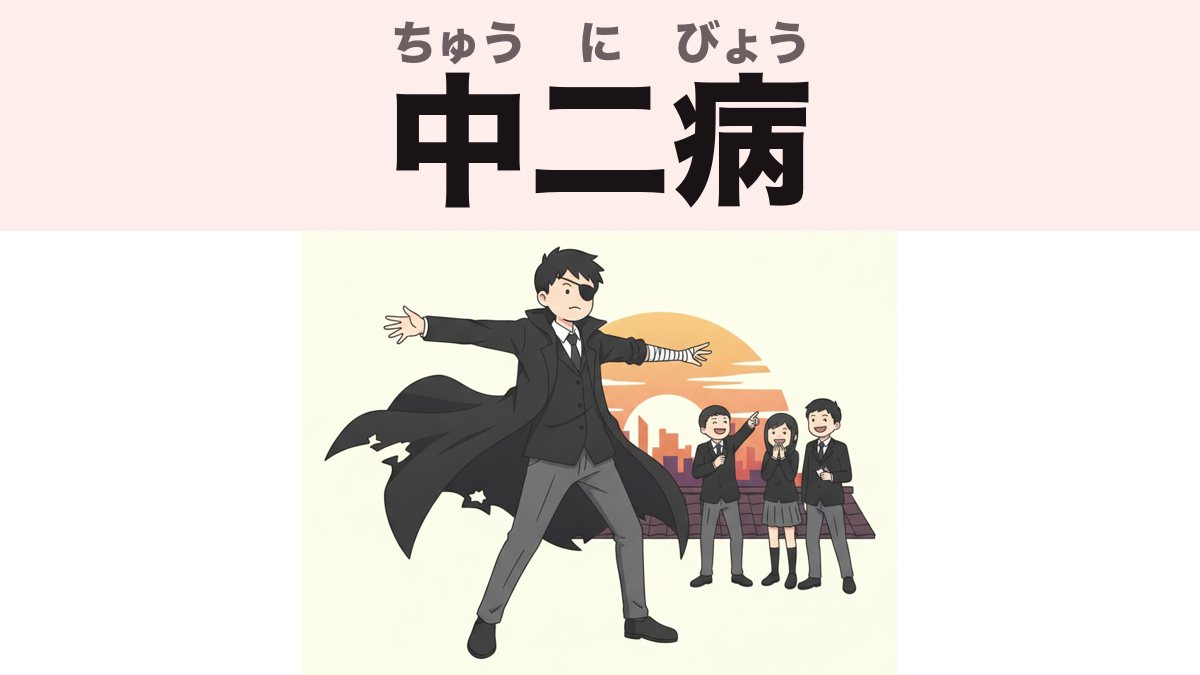
Chuunibyou meaning: what 中二病 really means in Japanese
Chuunibyou (中二病) means "eighth-grader syndrome": acting as if you have secret powers or a dark destiny. It is a teasing label, not an illness.
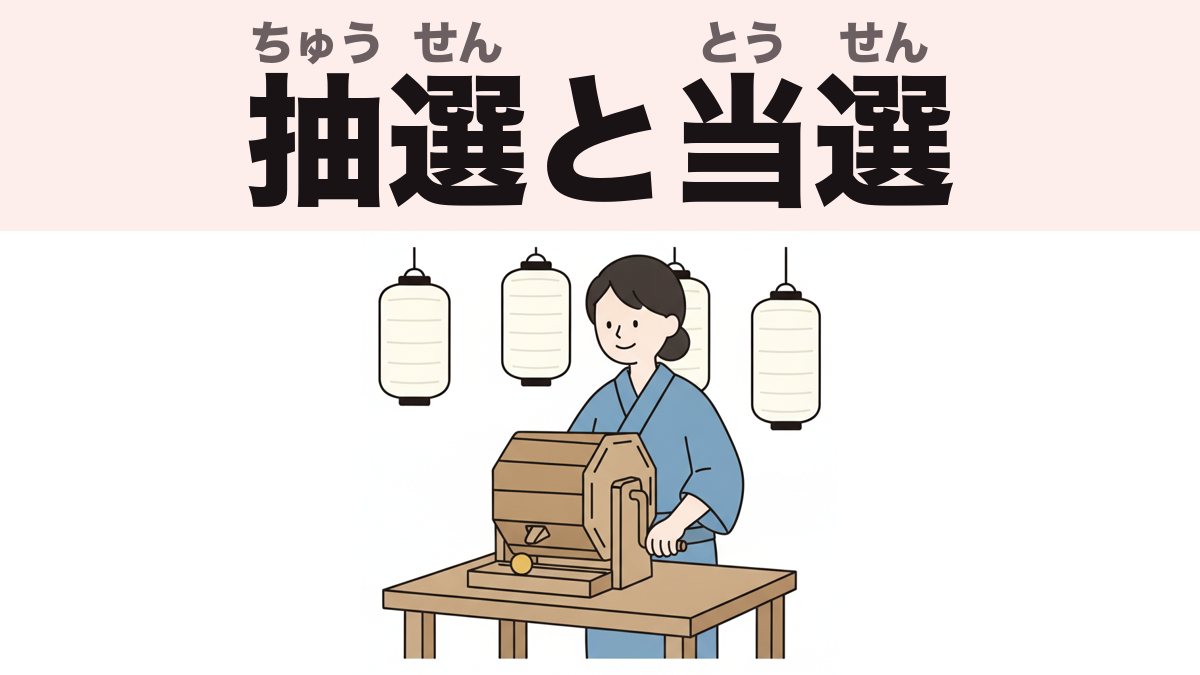
Lottery in Japanese: 宝くじ, 抽選 and how to say you won
Lottery in Japanese is 宝くじ for tickets and 抽選 for a draw, like concert tickets. You win with 当たる or 当選する, and lose with 外れる or 落選する.
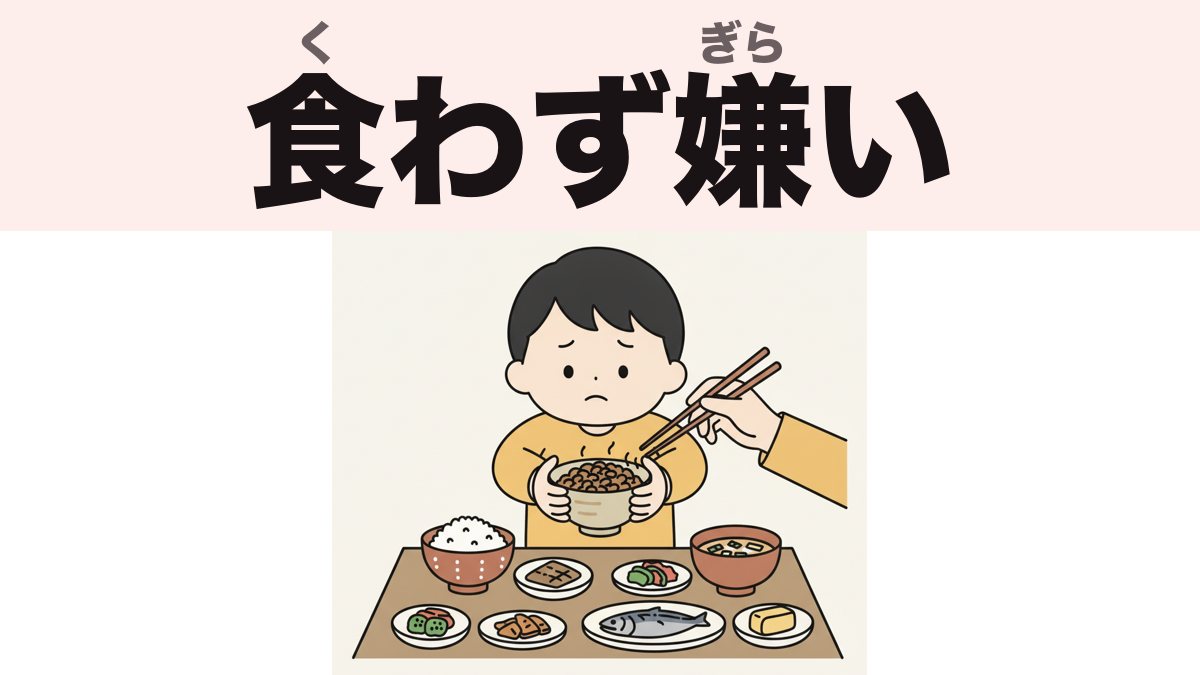
Picky eater in Japanese: 好き嫌いが多い, 偏食 and 食わず嫌い
A picky eater in Japanese is 好き嫌いが多い人. 食わず嫌い means refusing food you have never tried, and it is also used for anything you dismiss without trying.
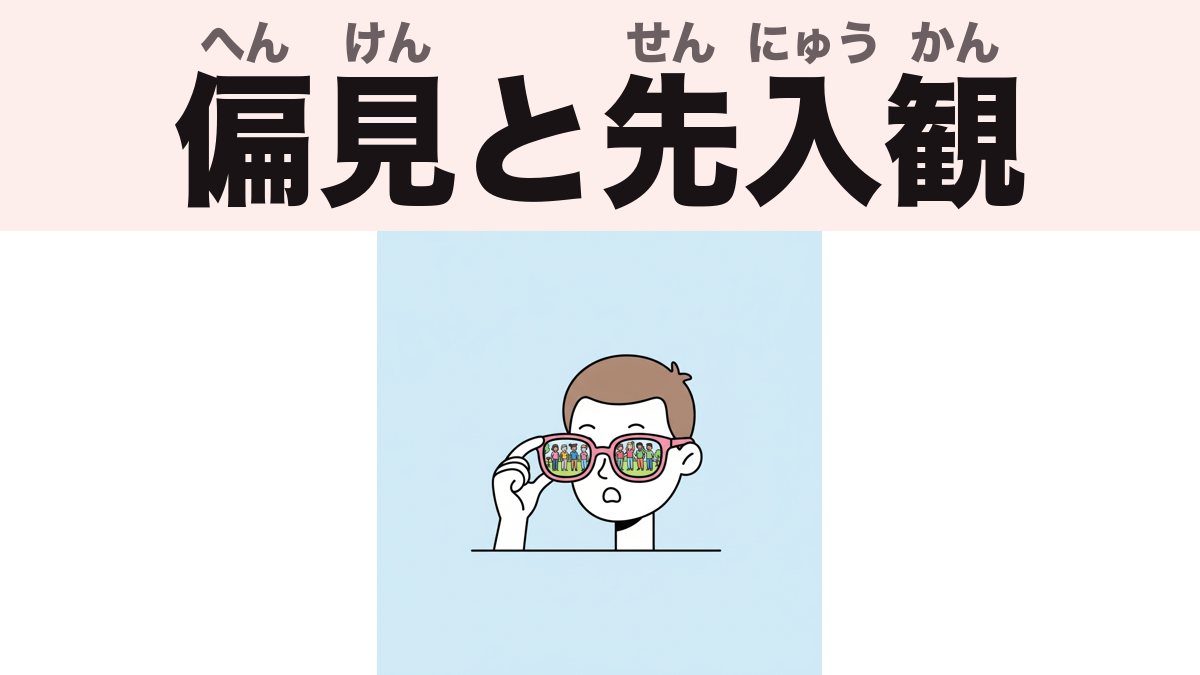
Prejudice in Japanese: 偏見, 先入観 and 決めつける
Prejudice in Japanese is 偏見 (henken). 先入観 is a preconception you had before you knew anything, and 決めつける means jumping to a conclusion about someone.
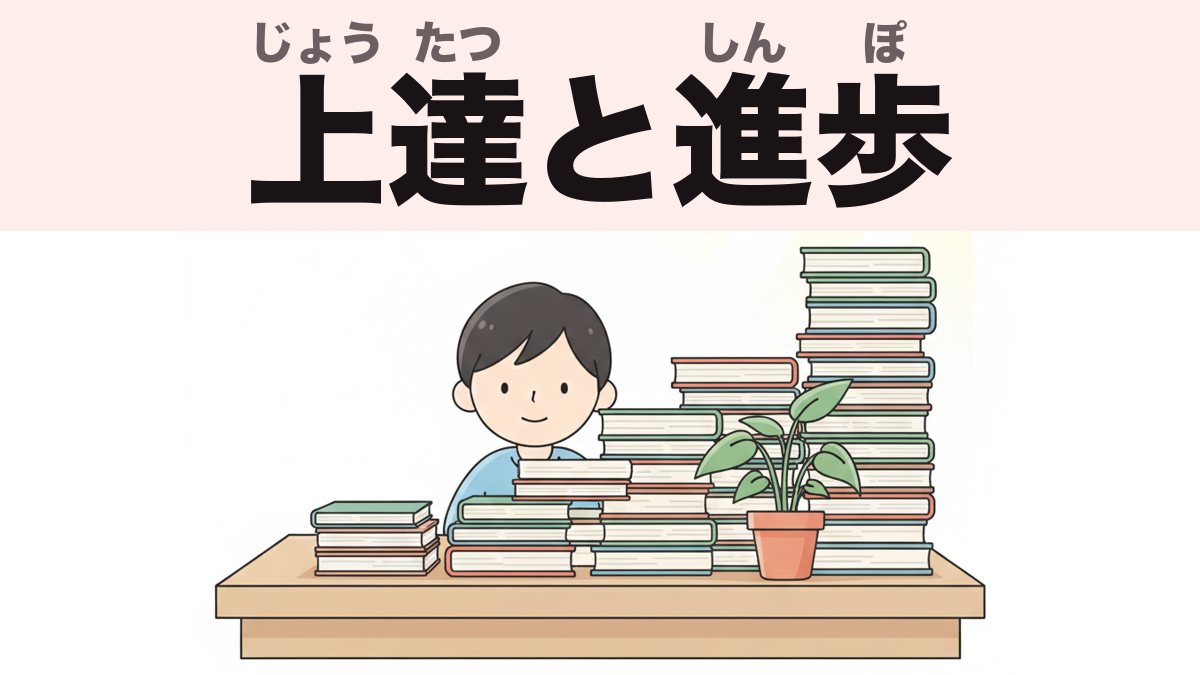
Progress in Japanese: 上達, 進歩 and 進捗 are three different words
Progress in Japanese depends on what is moving. A skill improving is 上達, society or technology advancing is 進歩, and a task moving forward is 進捗.
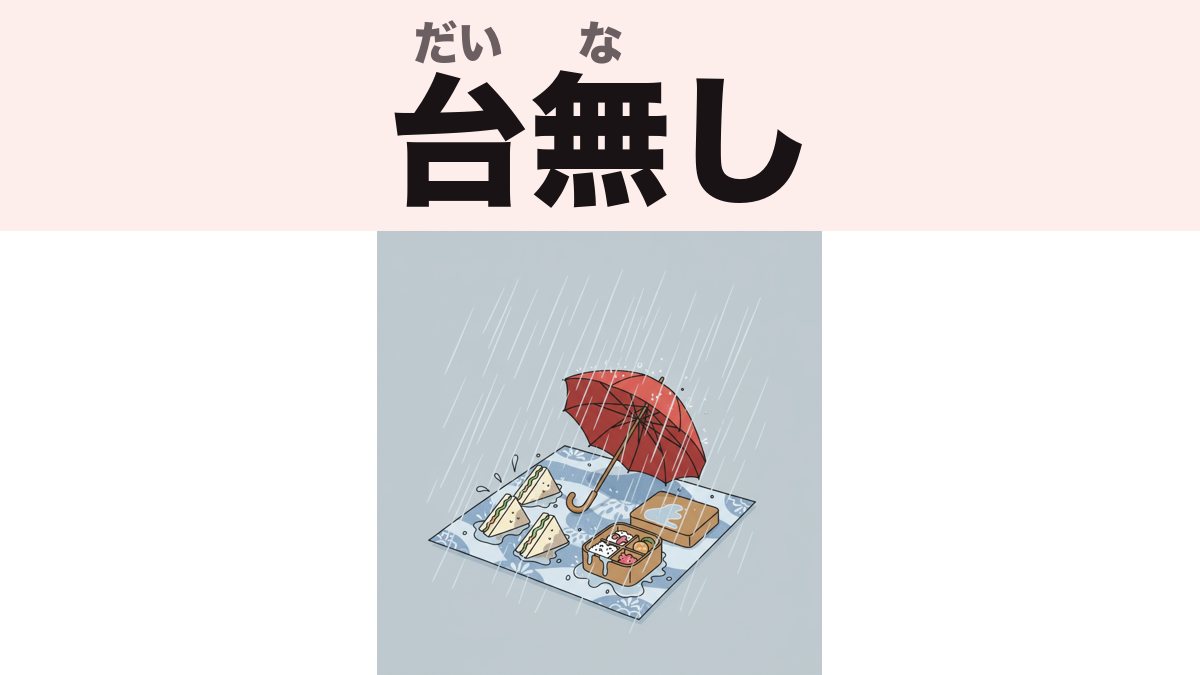
Ruined in Japanese: 台無し, だめになる and 水の泡
Ruined in Japanese is usually 台無し (dainashi): 台無しになる when it gets ruined, 台無しにする when someone ruins it. Here is when to use だめ, 壊す or 水の泡.
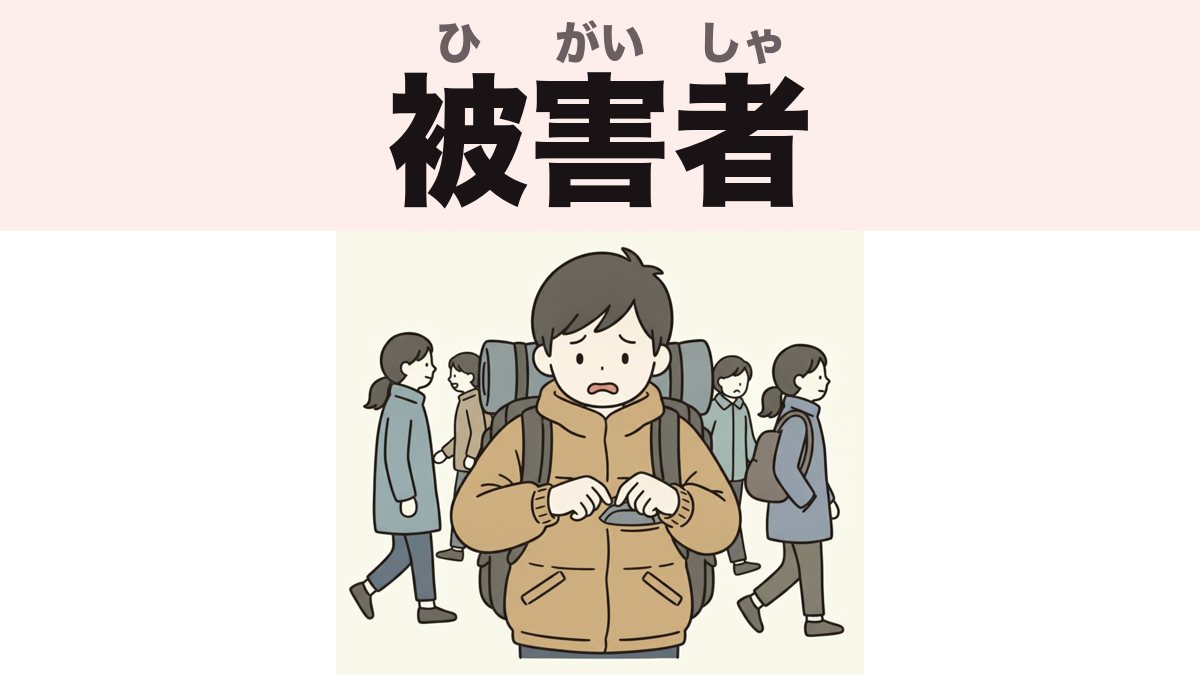
Victim in Japanese: 被害者, 犠牲者, 被災者 and 被害者ヅラ
Victim in Japanese is usually 被害者 (higaisha). 犠牲者 is a victim who died, 被災者 is a disaster victim, and 被害者ヅラ means playing the victim.
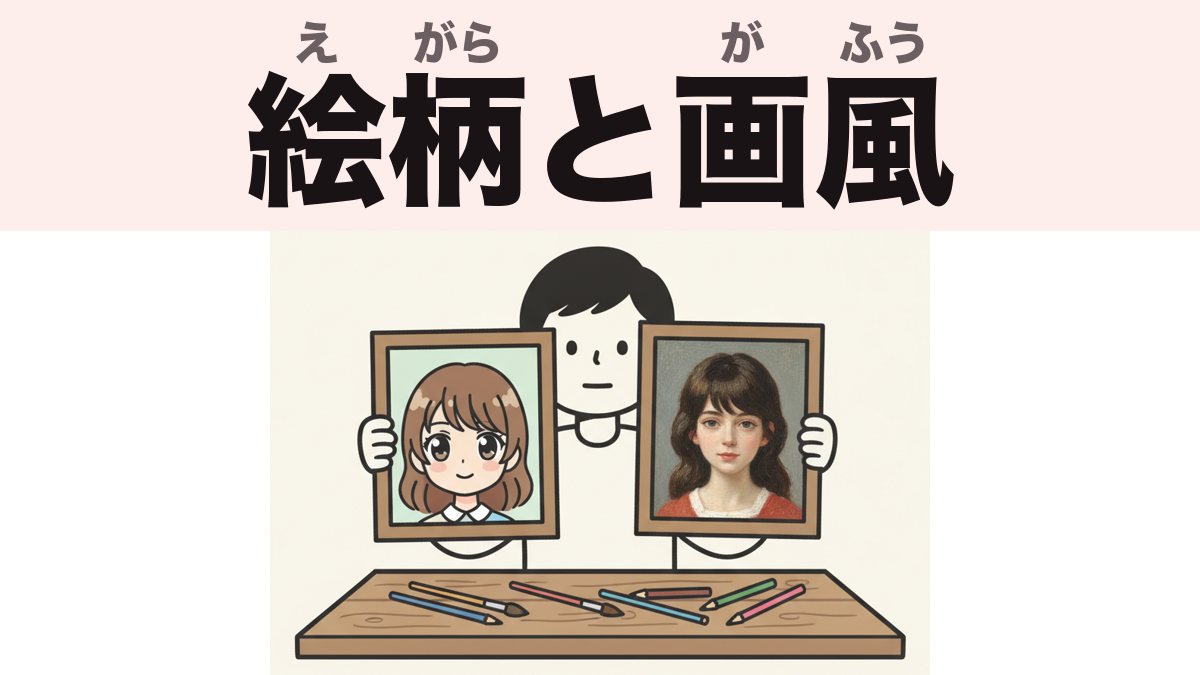
Art style in Japanese (画風 英語): 絵柄, 画風, 作風 and 作画
Art style in Japanese is 絵柄 (egara) for manga and anime drawings, 画風 for a painter, 作風 for a creator's whole style including story, and 作画 for animation.
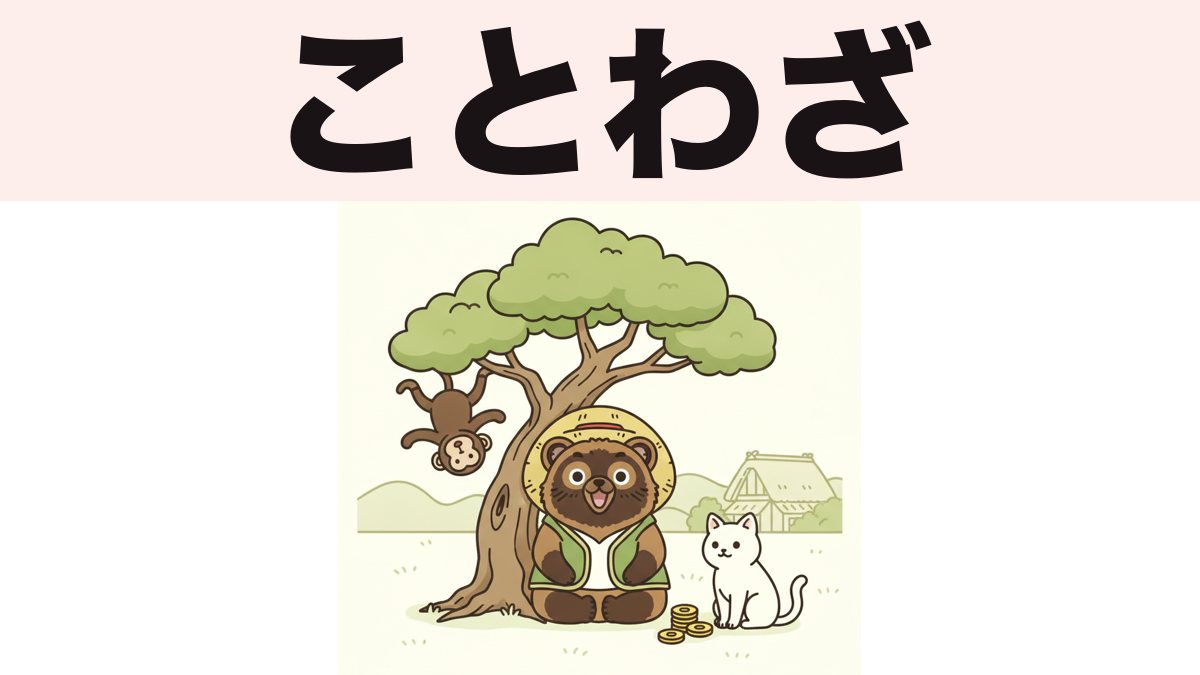
Japanese proverbs (ことわざ) people still actually say
Japanese proverbs are called ことわざ (kotowaza). Here are the ones people still use, grouped by money, perseverance and life, and how they sound in conversation.
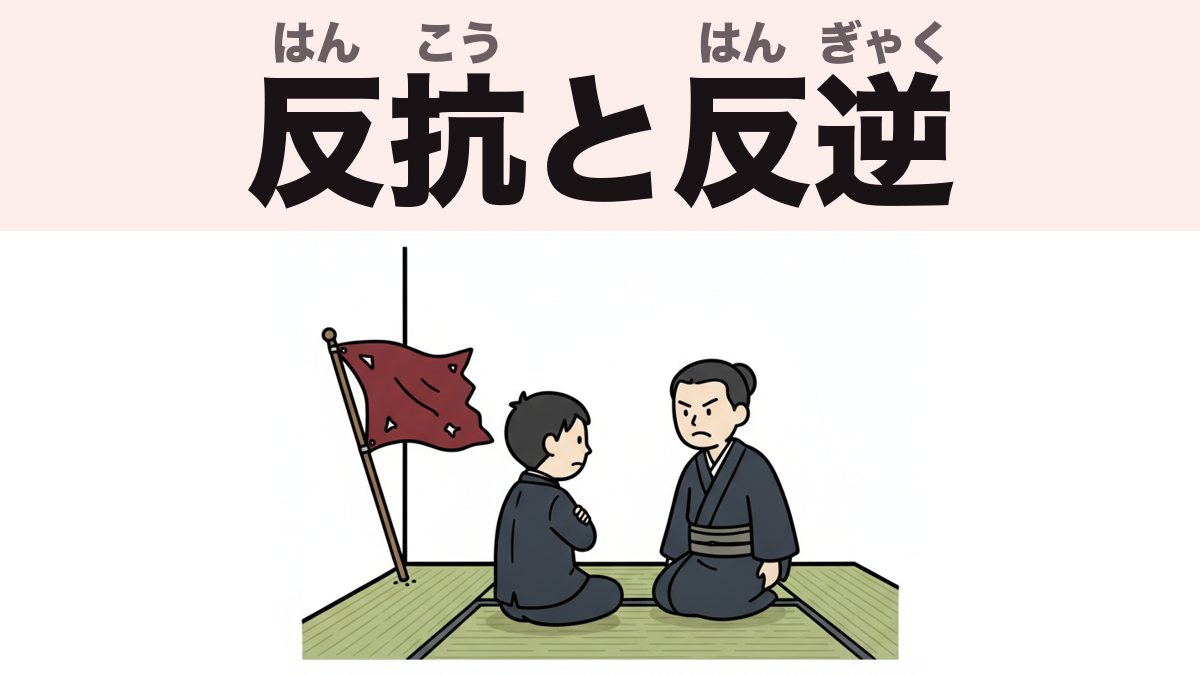
Rebel in Japanese: 反抗する, 反逆, 反乱 and 反旗を翻す
To rebel in Japanese is usually 反抗する. 反逆 is rebellion against a ruler, 反乱 is an armed uprising, and 反旗を翻す is the idiom. 反旗 is a noun, not a verb.
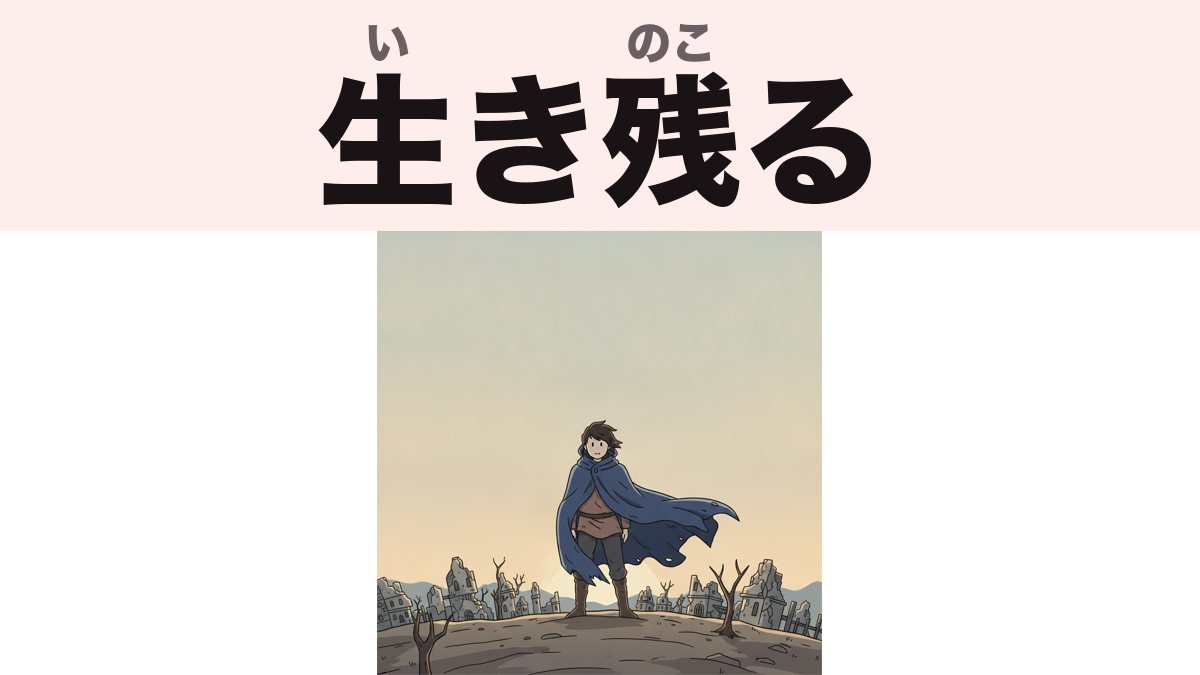
Survive in Japanese: 生き残る, 生き延びる and 乗り切る
Survive in Japanese is 生き残る (ikinokoru) when others did not make it, 生き延びる when you get through danger, and 乗り切る for surviving a hard week. Not 生き残す.
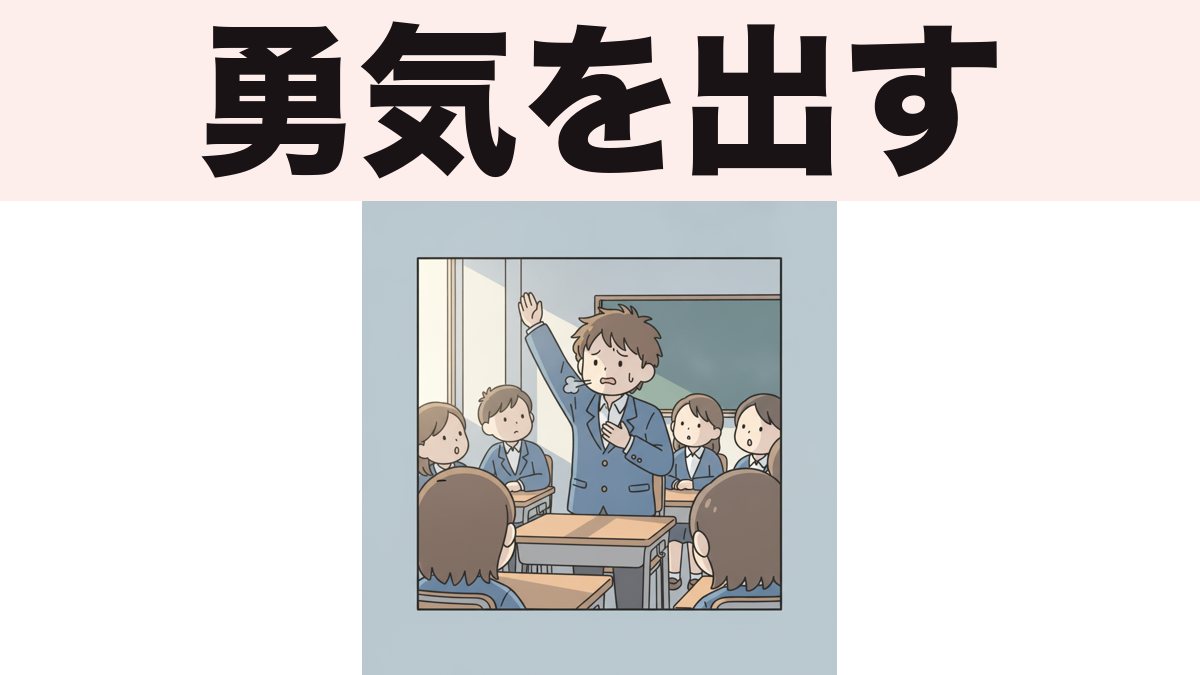
Courage in Japanese: 勇気 (yuuki) and the verbs that go with it
Courage in Japanese is 勇気 (yuuki). You 勇気を出す to find courage, and something 勇気が要る when it takes courage — not 勇気がかかる. Plus 度胸, 根性 and 勇者.
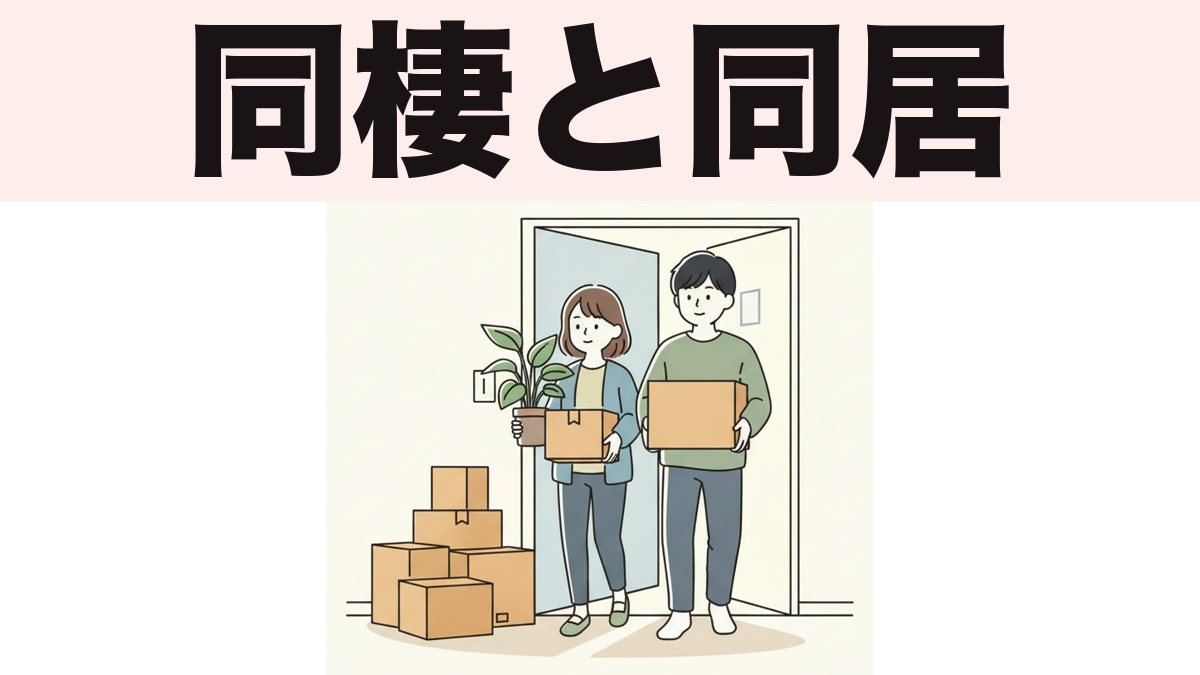
Dousei vs doukyo: how do you say "living together" in Japanese?
同棲 (dousei) is a couple living together before marriage; 同居 (doukyo) is sharing a home with family. How to pick the right word, and the neutral way to say it.
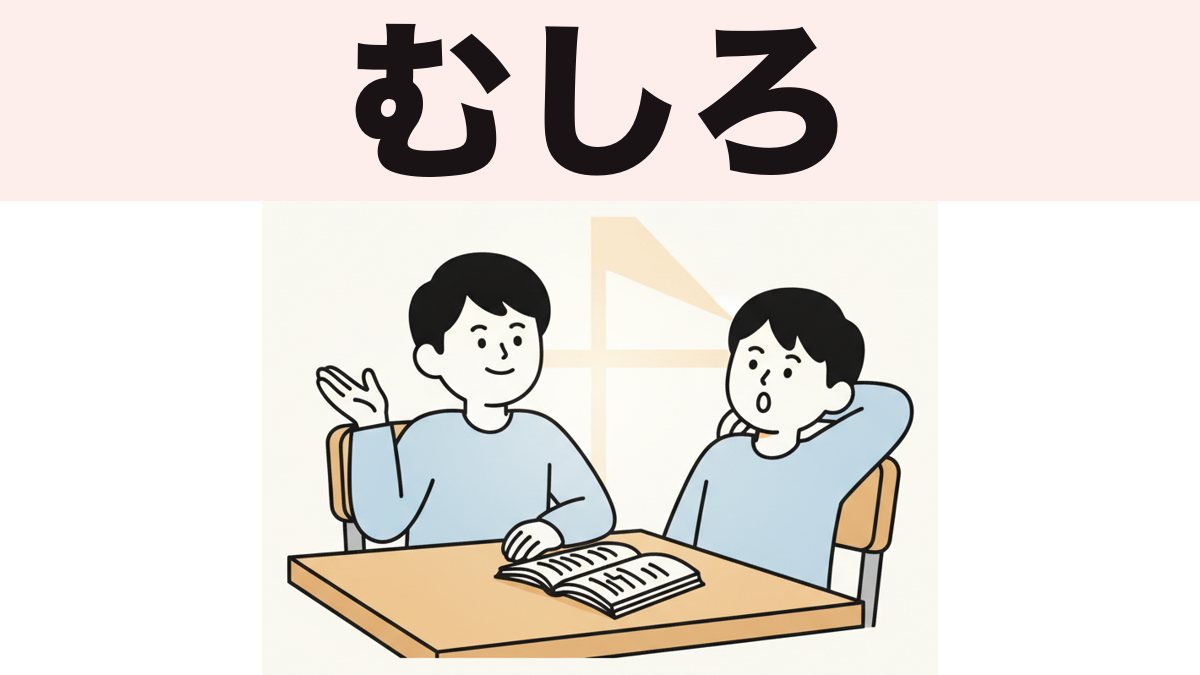
Mushiro meaning: how does むしろ flip a sentence in Japanese?
むしろ (mushiro) means "rather" or "if anything": the opposite of what someone expected is closer to the truth. How to use it, and how it differs from かえって.
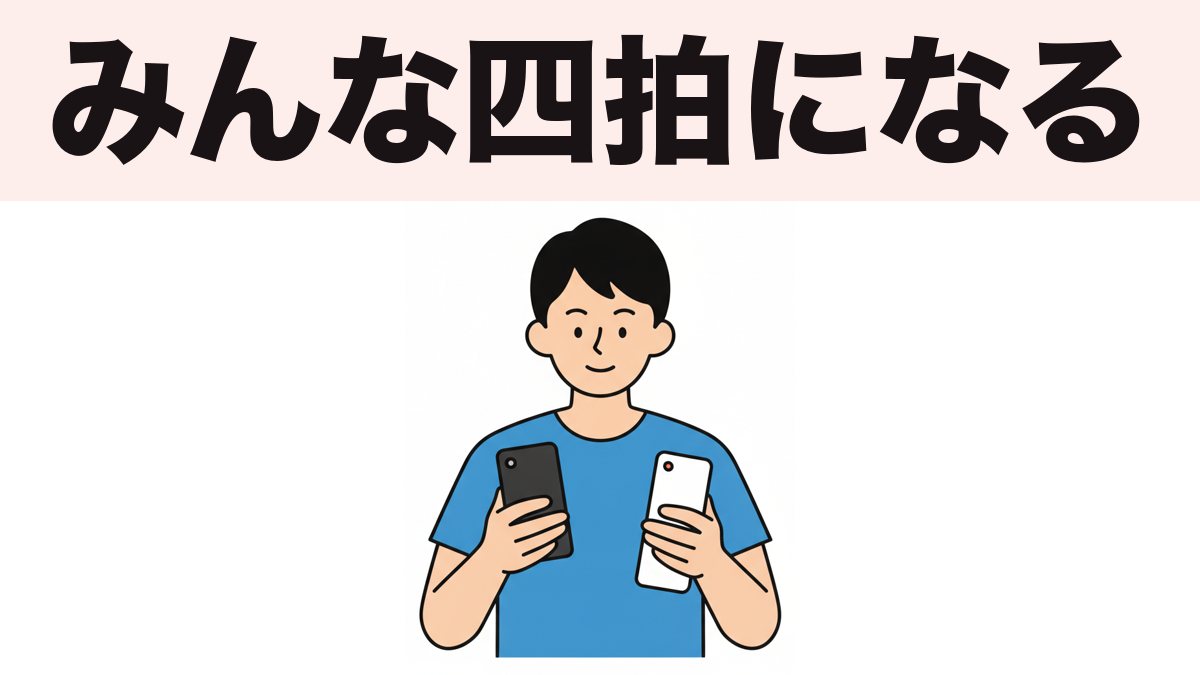
Japanese abbreviations (略語): why so many words become four syllables
Japanese shortens long words by taking the first two sounds of each half — スマートフォン becomes スマホ, 就職活動 becomes 就活. Once you know the rule you can decode new ones.
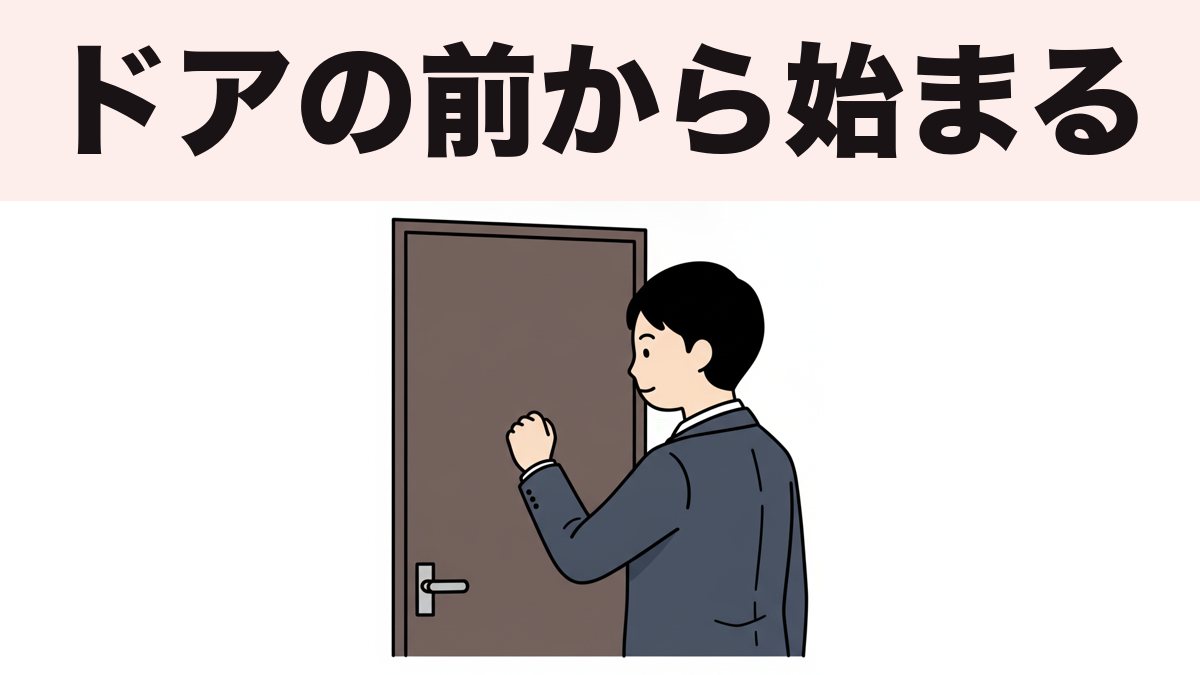
Japanese job interview phrases: what to say from the door to the bow
The set phrases a Japanese interview runs on, in order: 失礼します at the door, 御社 for their company, 申します for your name, and the question to ask at the end.
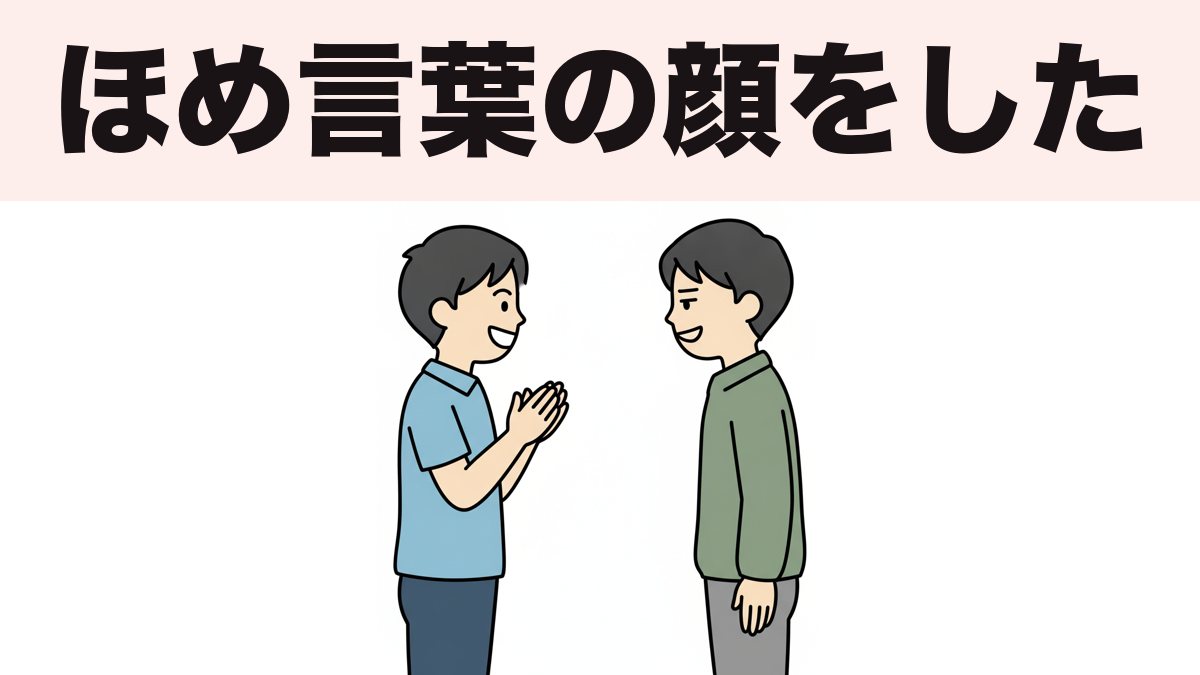
Japanese sarcasm: 皮肉, 嫌味, and why "すごいですね" can be an insult
Japanese sarcasm is not delivered by tone of voice. It arrives as excessive politeness, over-praise or a stated obvious fact — why learners miss it entirely.
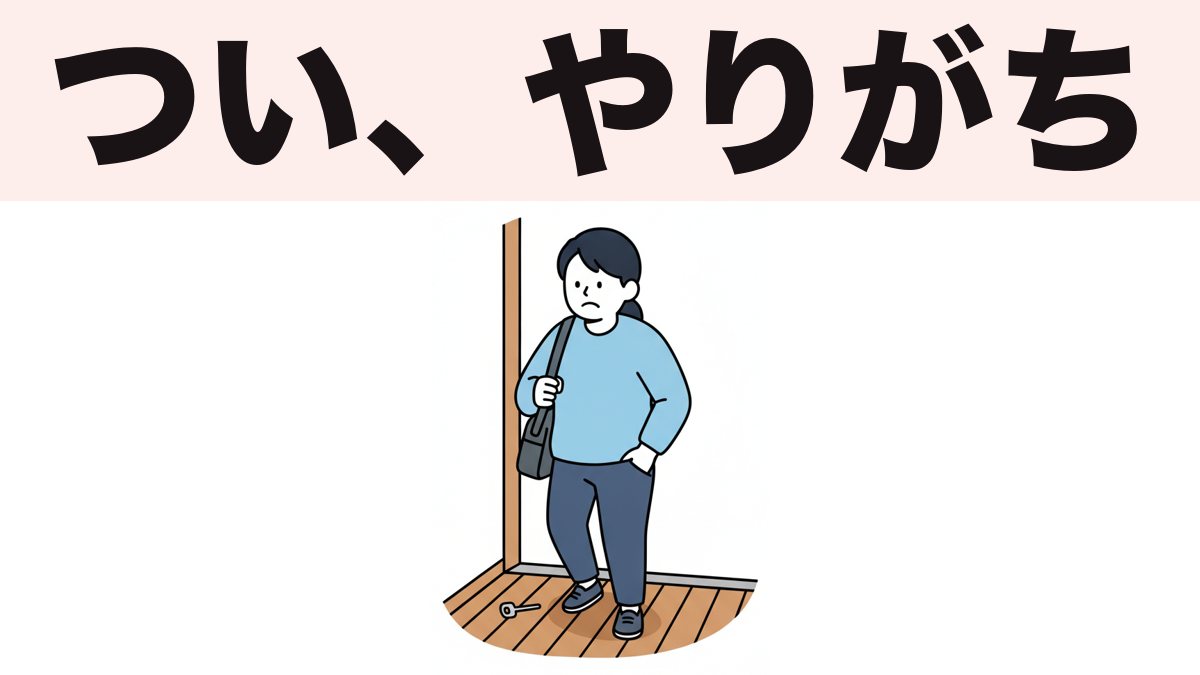
〜がち, 〜ぎみ, 〜っぽい: saying someone "tends to" in Japanese
〜がち marks a bad habit that repeats, 〜ぎみ marks a slight lean in that direction, and 〜やすい marks something that happens easily. And why 成功しがち is wrong.
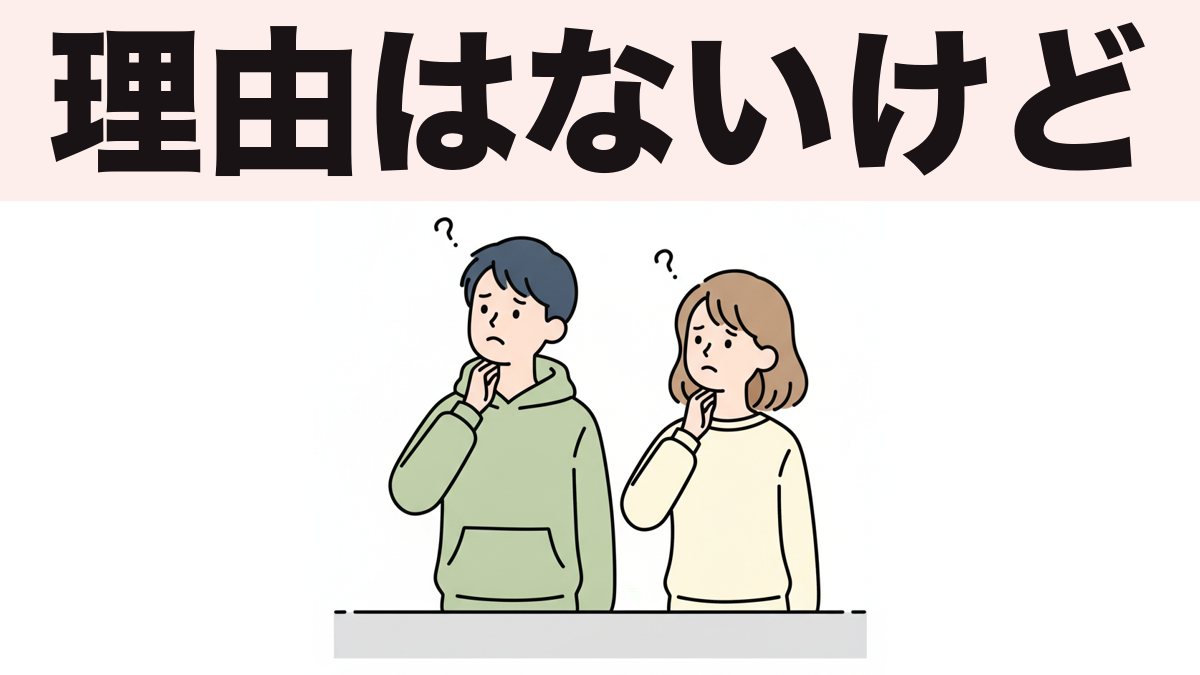
なぜか, なんだか, なんとなく: three ways to say "for some reason"
なぜか marks something outside you that has no explanation, なんだか marks a feeling inside you, and なんとなく means you did it with no reason at all.
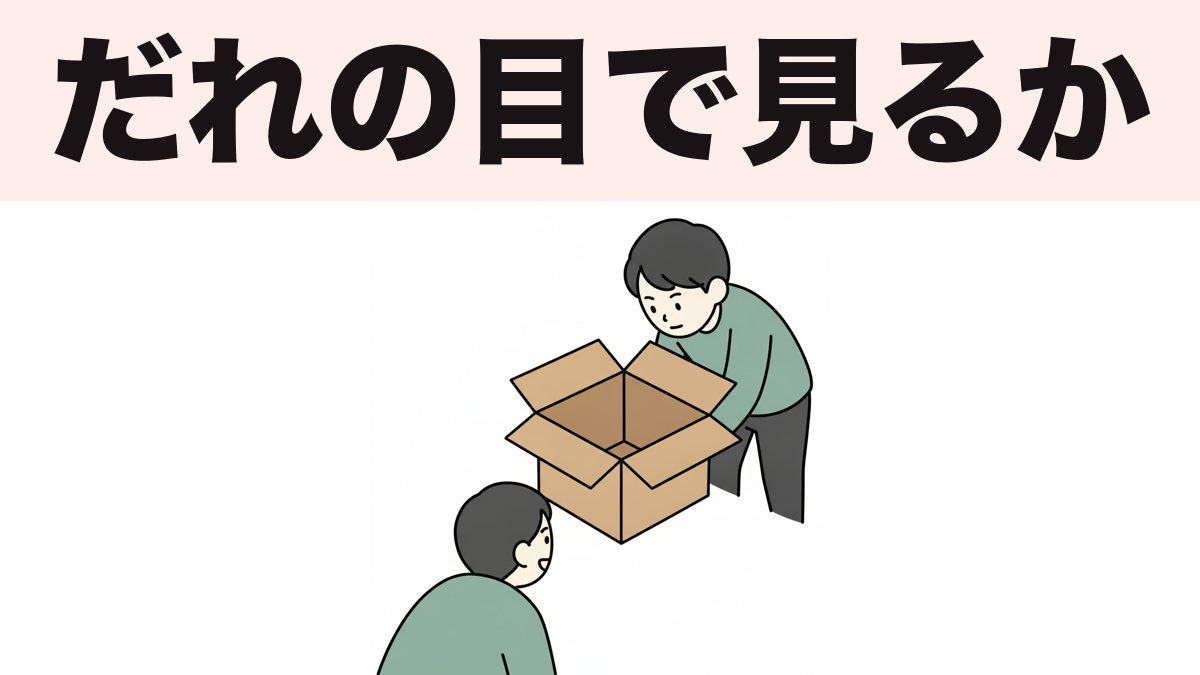
〜にとって: the Japanese way to say "for me, this matters"
〜にとって marks whose point of view a judgement comes from — 私にとって大切です. It only works with evaluations, which is why 私にとって勉強します is wrong.
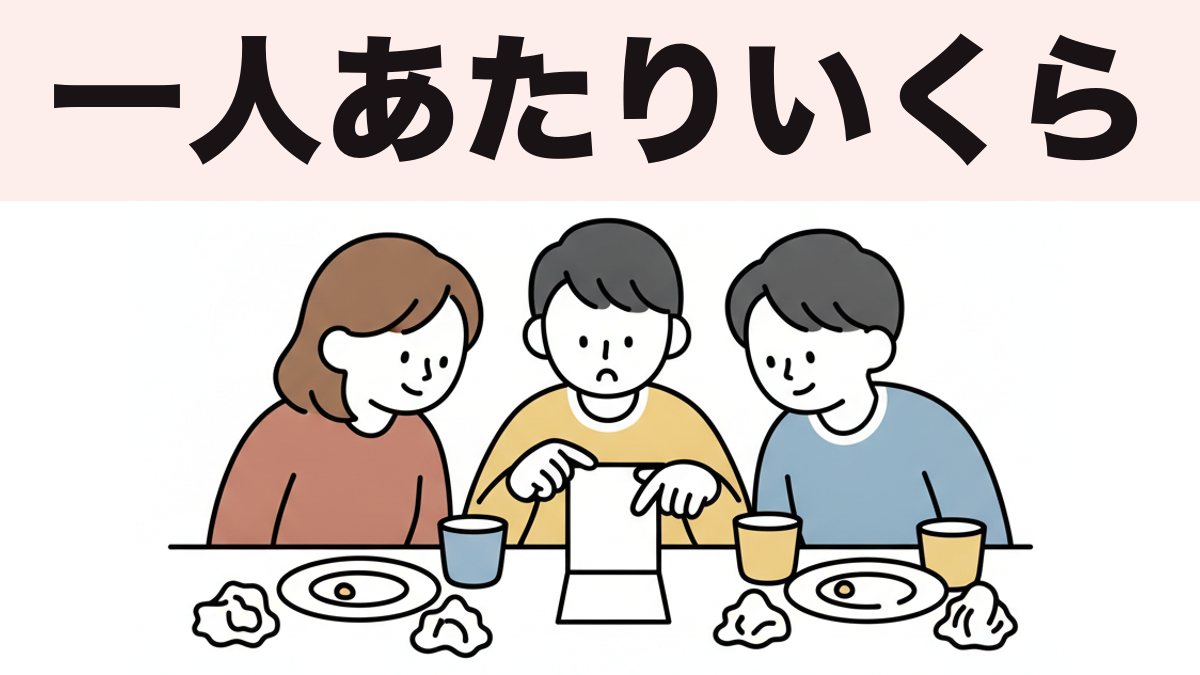
〜あたり and 〜につき: how to say "per person" in Japanese
一人あたり is "per person" for calculations, お一人様につき is "per person" for rules, and 一人ずつ is "one at a time" — three phrases English collapses into one word.
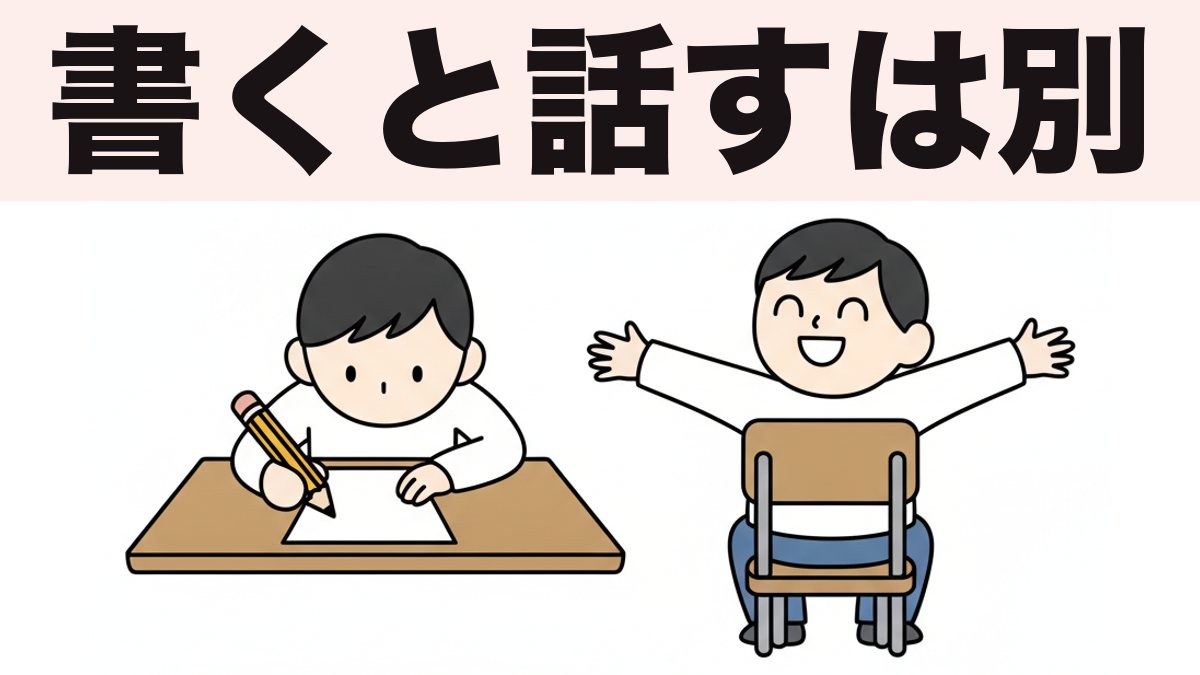
書き言葉 and 話し言葉: the Japanese you speak is not the Japanese you write
Written Japanese swaps けど for が, でも for しかし, and 〜てる for 〜ている. The full conversion list, plus the four habits that mark an essay as spoken out loud.
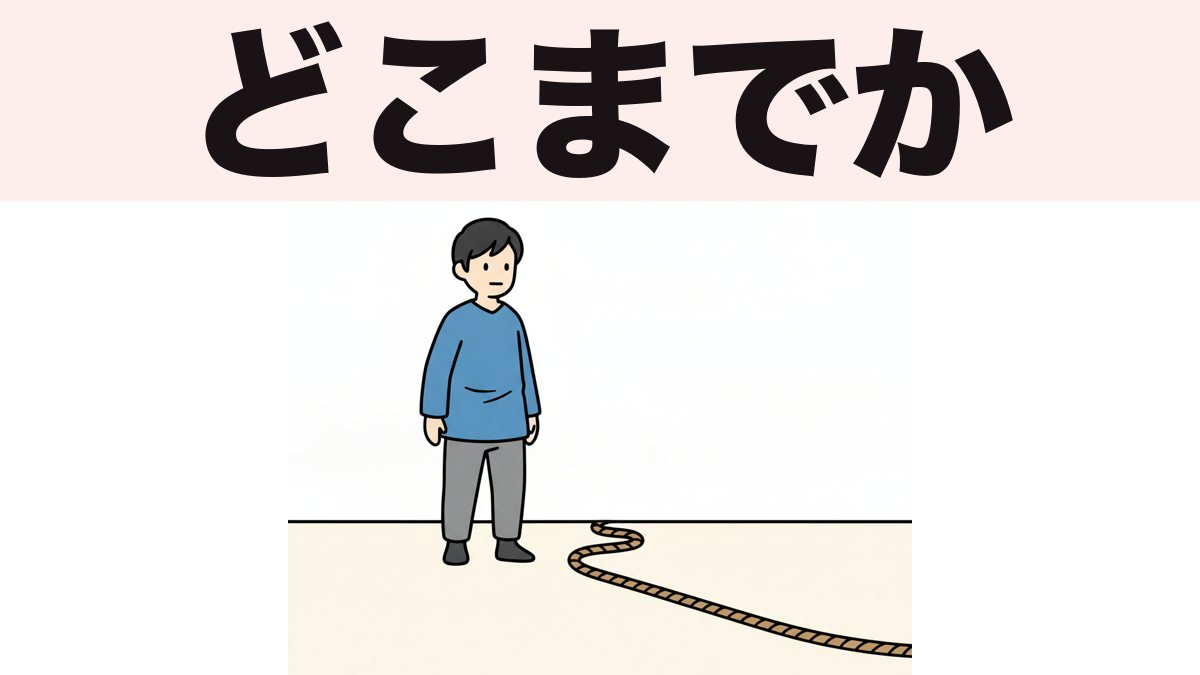
限る: 〜に限る, 〜とは限らない and the difference one negative makes
限る means "to limit". 〜に限る says this is the best option, 〜とは限らない says it is not necessarily so, and 〜限り sets a boundary. Here is the whole family.
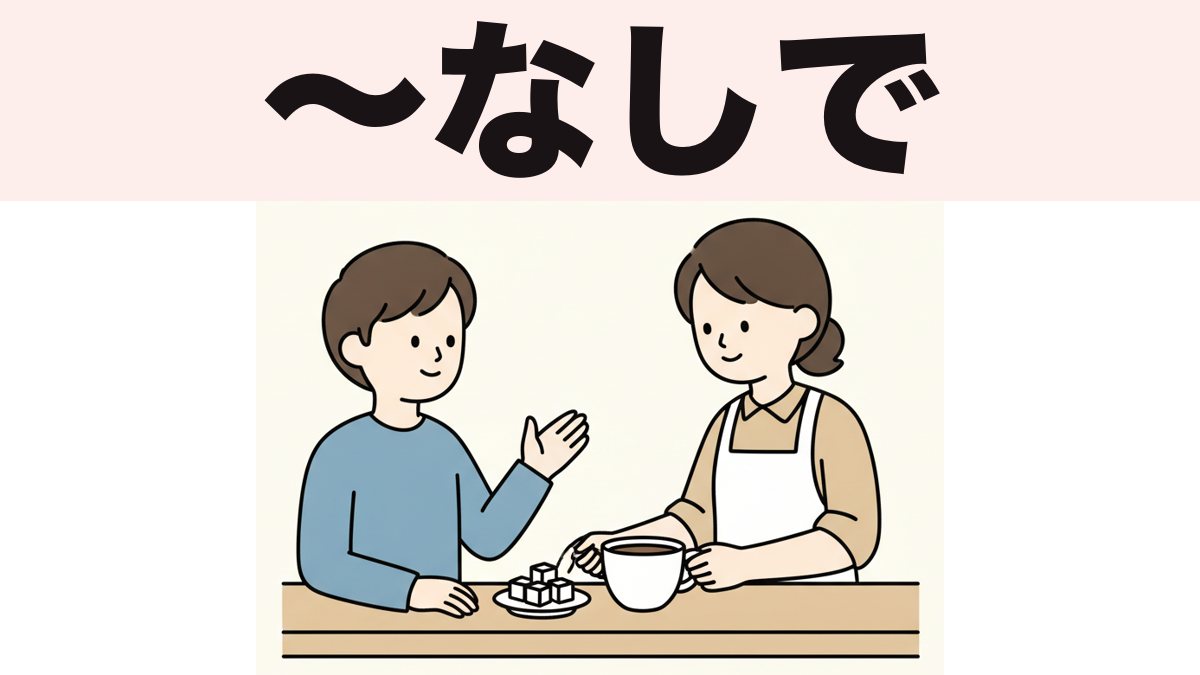
〜なし: the short, hard way to say "without" in Japanese
なし is the noun form of ない, and it ends sentences with a flatness that ありません cannot. Here is なし, なしで, なしに, ぬきで, and why anime uses the short one.
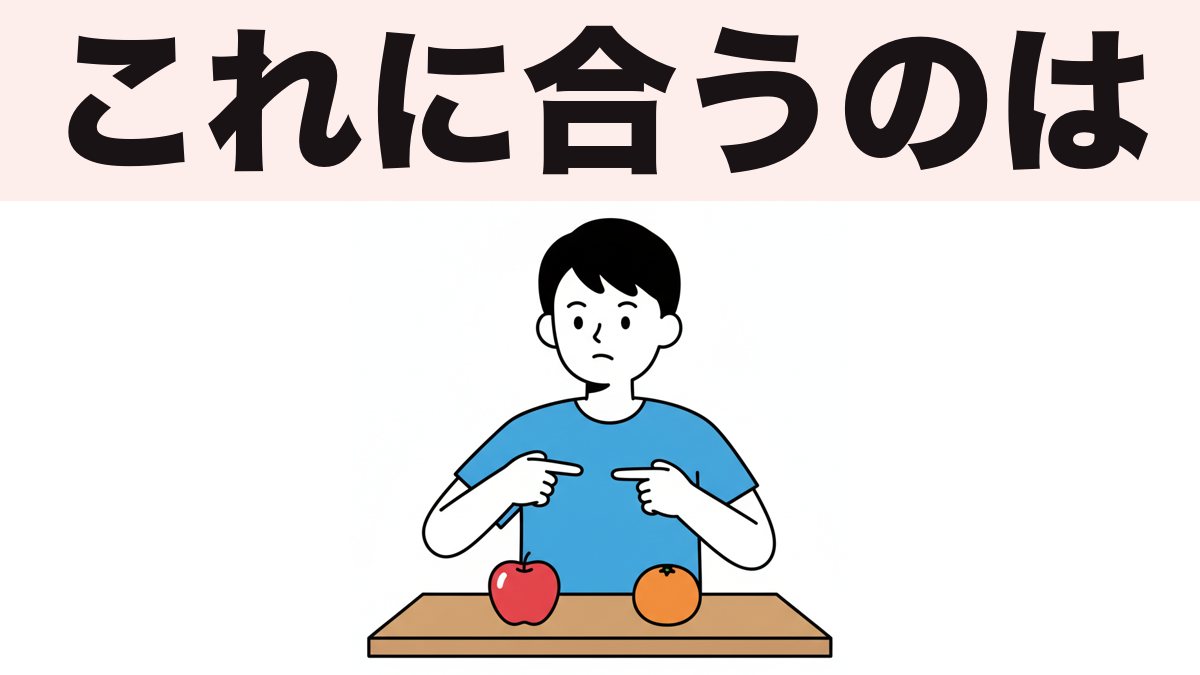
〜にあたる: the word you need when two languages do not line up
Learn how ni ataru expresses equivalents, dates, and matching relationships in Japanese, and how its meaning differs from ni atatte.
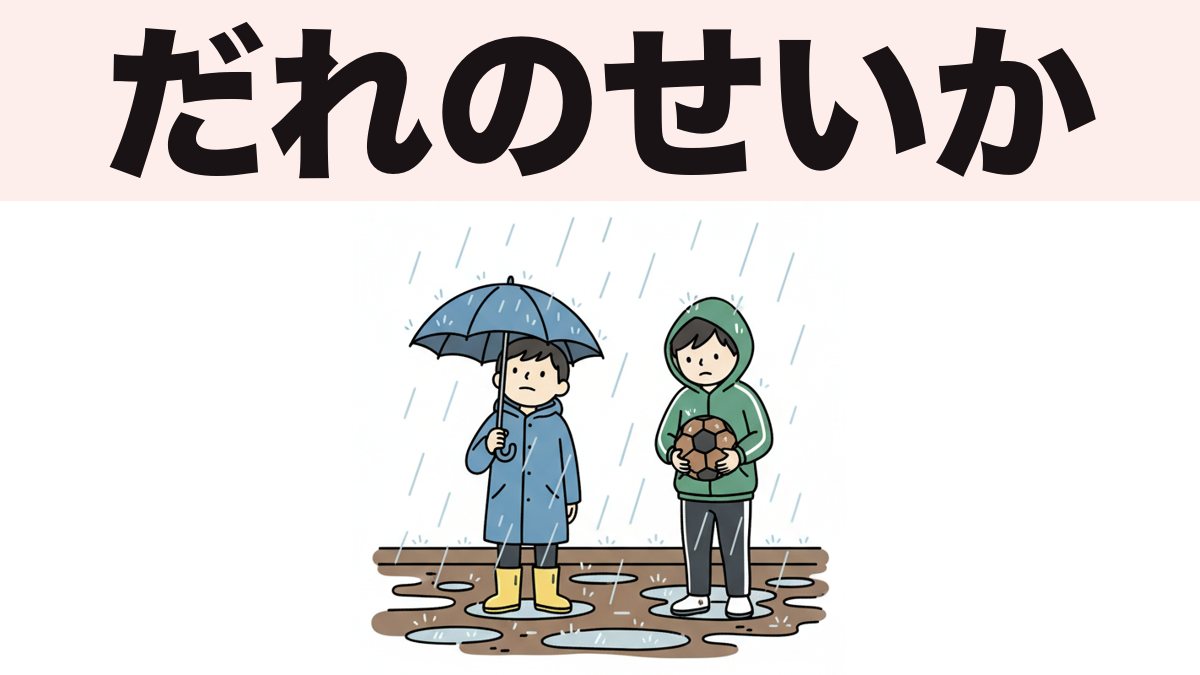
のせいで and のおかげで: the two Japanese words for "because of you"
Learn how no sei de assigns blame and no okage de gives credit in Japanese, how to build both forms, and when the ending changes from de to da.
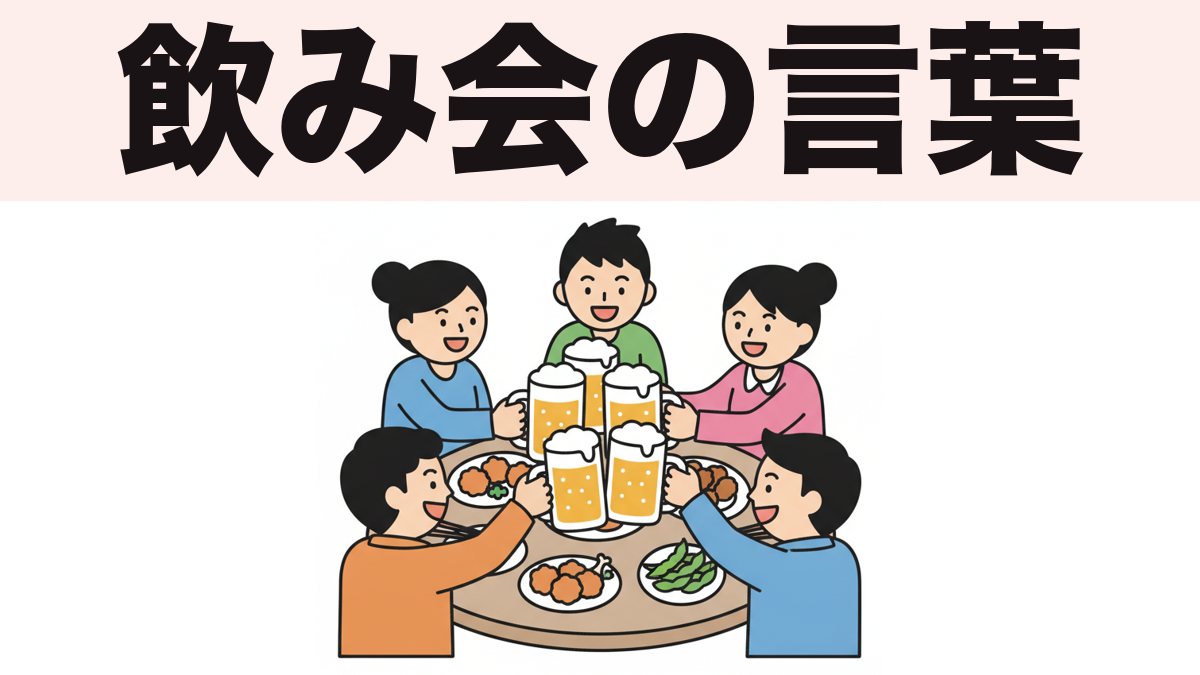
飲み会 and 無礼講: the words you need at a Japanese drinking party
Explore Japanese drinking party vocabulary, what happens at a nomikai, and why a bureikou announcement does not always erase workplace rank.
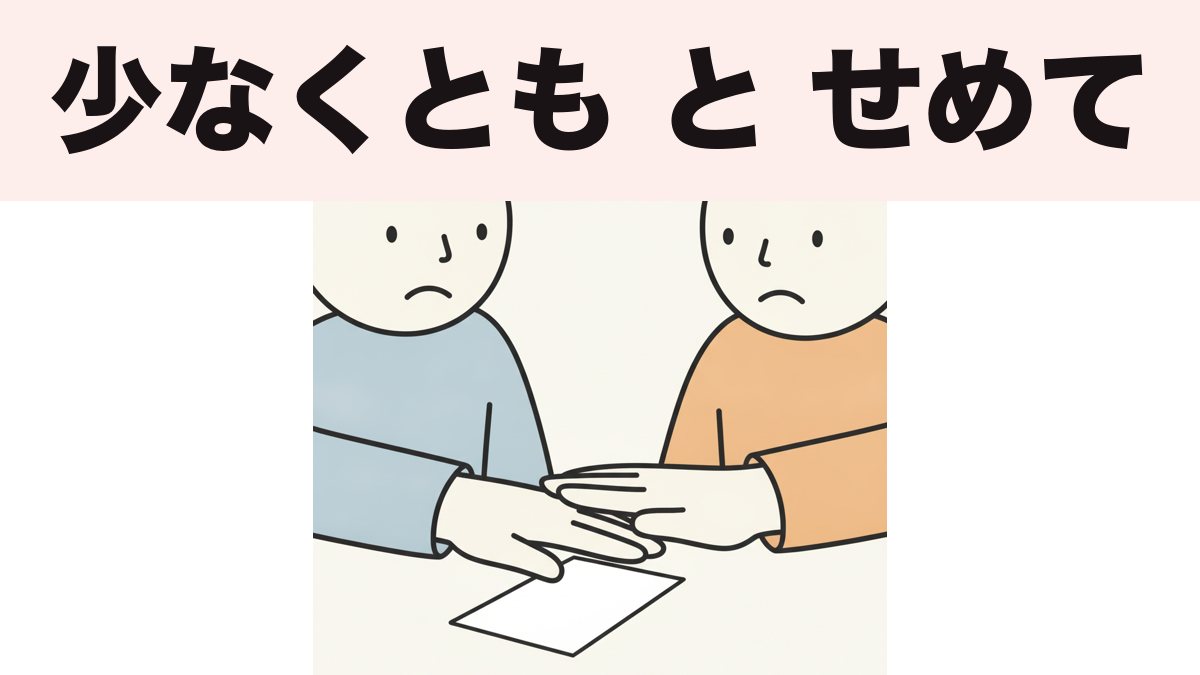
How Do You Say "At Least" in Japanese? 少なくとも, せめて, 最低でも
"At least" in Japanese depends on intent: 少なくとも states a minimum, せめて makes a wish ("at least let me pay"), and 最低でも sets a hard floor like a deadline.
〜場合: the "if" that belongs on a sign, not in a chat
Learn how to use baai wa for formal conditions in Japanese, how it differs from tara and toki, and why it can sound stiff among friends.
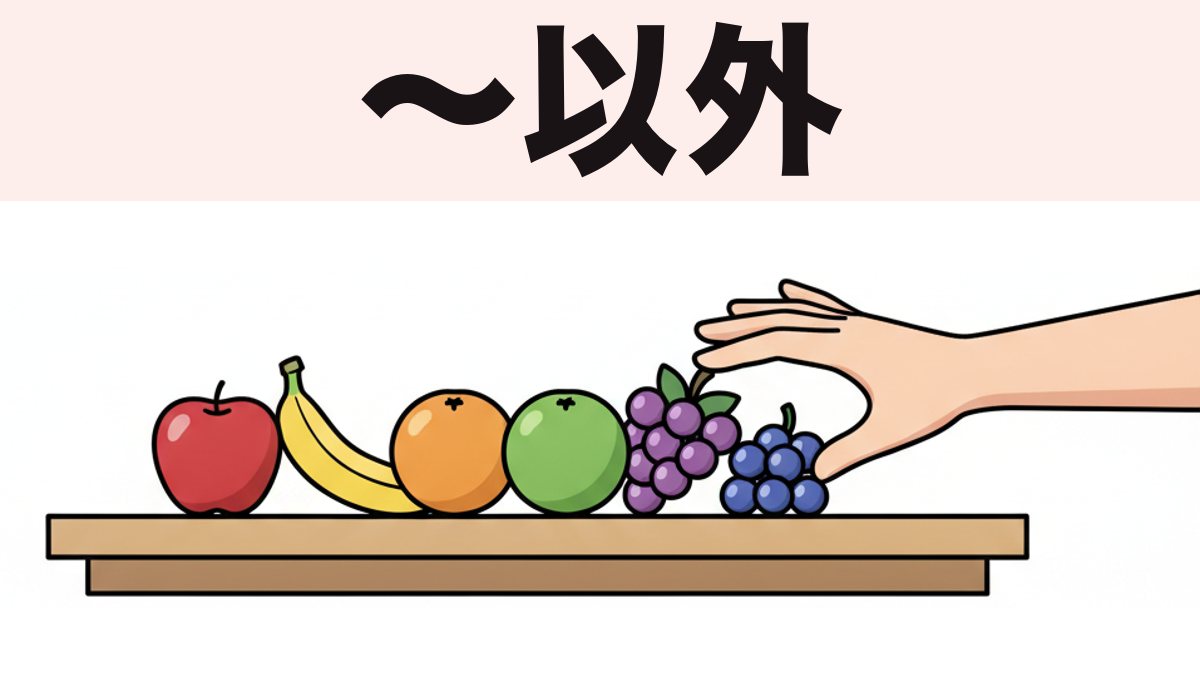
〜以外: "other than," "except" — and the two opposite answers it can produce
Learn how igai means other than in Japanese, how positive and negative verbs change its effect, and how it compares with hoka ni and o nozoite.
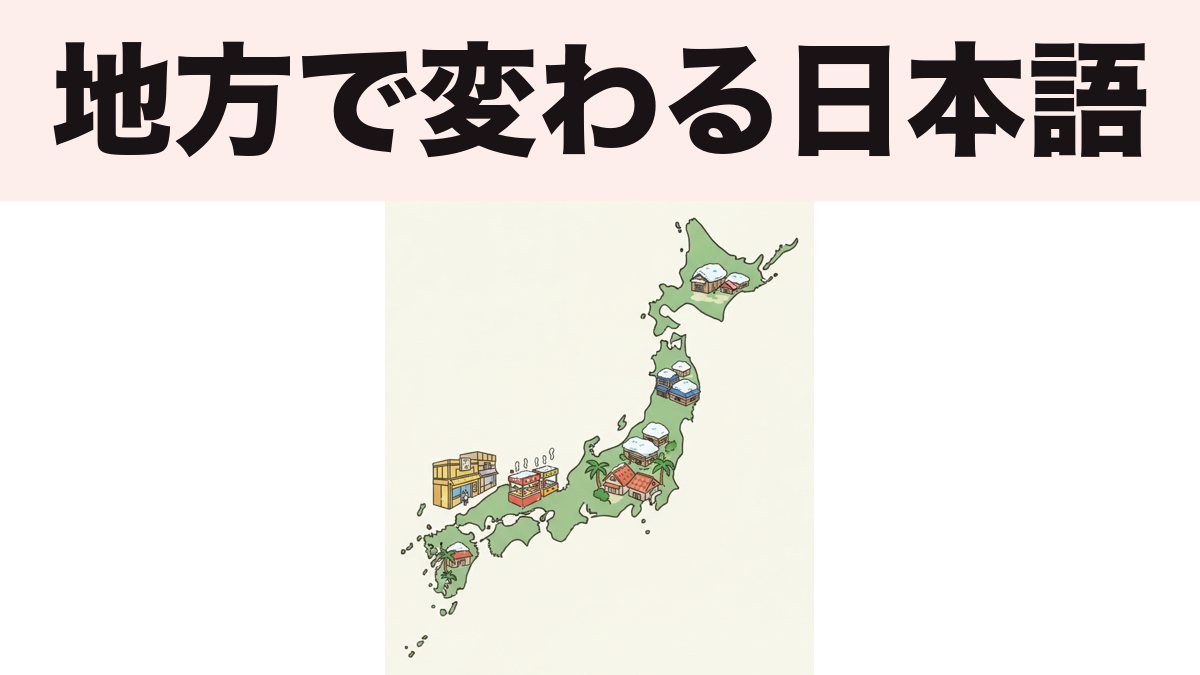
Japanese dialects: 関西弁, 博多弁, 津軽弁 — and why standard Japanese is only about 150 years old
Japanese dialects differ in copula, negation, vocabulary and pitch. Here is what 方言 changes, the main regional groups, and why some get subtitles on TV.
熟字訓: the kanji compounds whose reading is attached to the whole word
Discover how jukujikun gives a whole kanji compound one reading, why kyou is read as a unit, and how these readings differ from ateji in Japanese.
Get Used To in Japanese: 慣れる — takes に, not を
Get used to in Japanese is 慣れる, and it takes に, not を. Comparison table of 慣れました, 慣れています and related forms. Updated 2026.
〜について vs 〜として: "about" and "as", and why swapping them changes the sentence
Learn how ni tsuite marks a topic and to shite marks a role in Japanese, plus how ni taishite differs and how to use the noun form ni tsuite no.
でございます: the です you hear in every Japanese shop, and what it is doing
でございます is the extra-formal version of です. Here is when it is used, how it differs from ございます and いらっしゃいます, and why 〜になります on a coffee cup is a famous mistake.
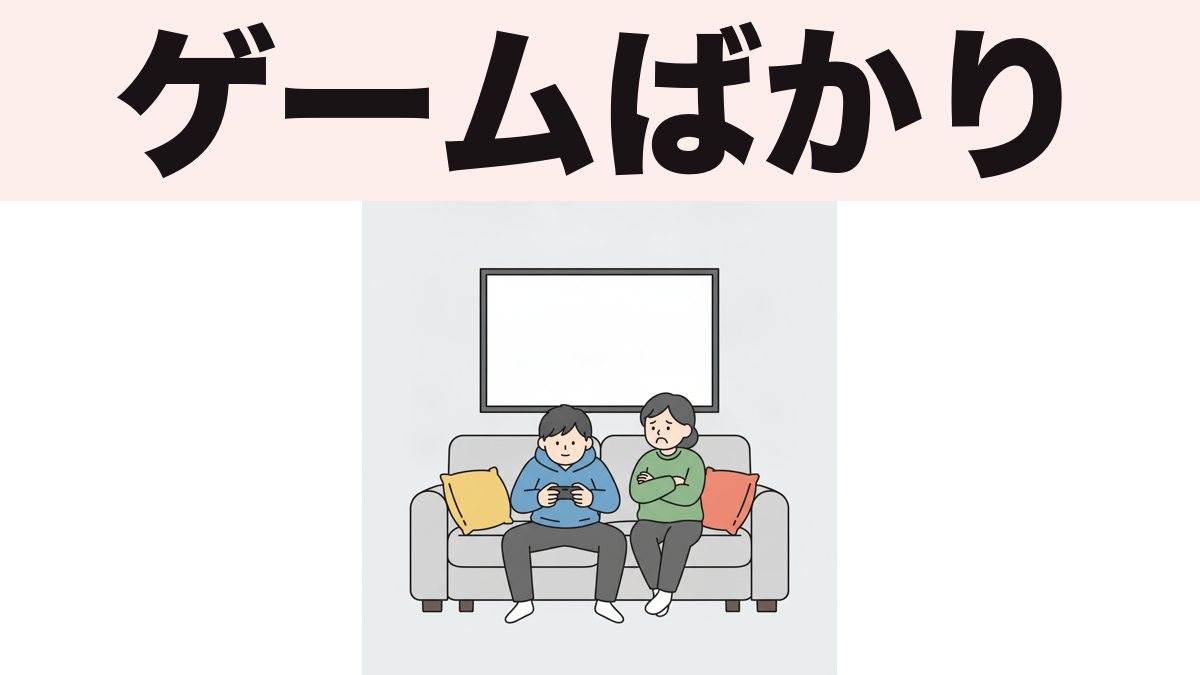
〜ばかり: "nothing but," "just did," and the complaint hiding in both
ばかり after a noun means "nothing but" and usually criticises. After a past verb it means "just did." Same word, two jobs, and the た version is subjective.
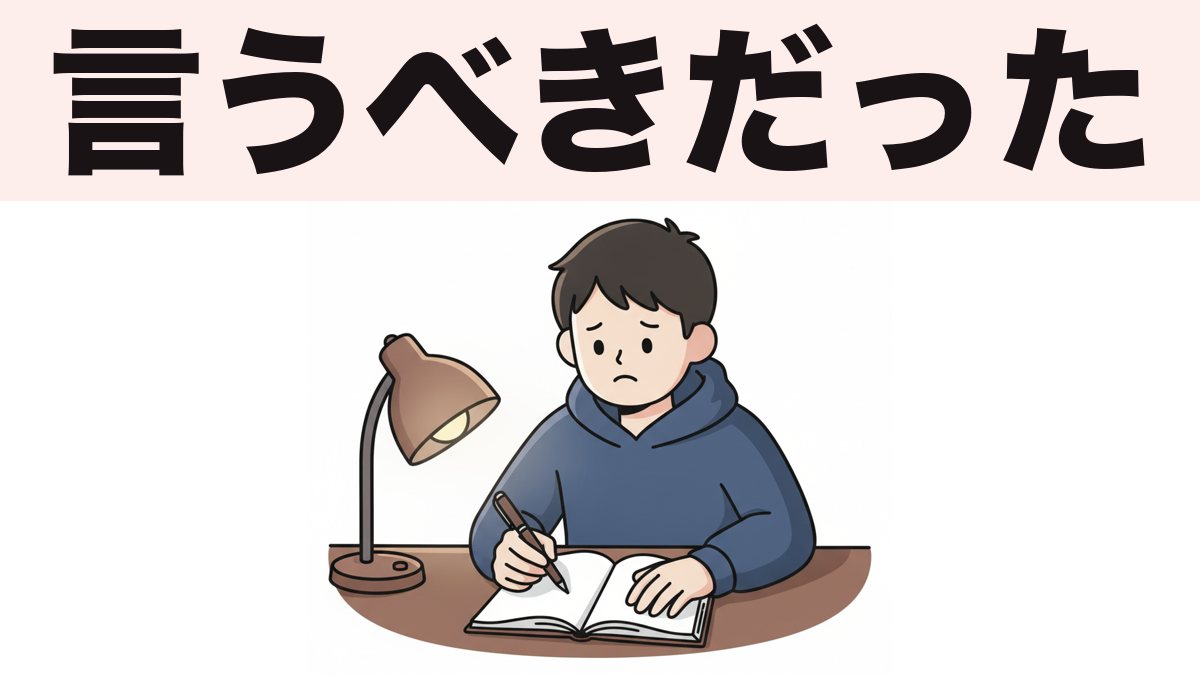
〜べき: the "should" that judges, and when not to use it
べき is a moral should — what is right, not what is advisable. Pointed at a person it sounds preachy, which is why ほうがいい exists.
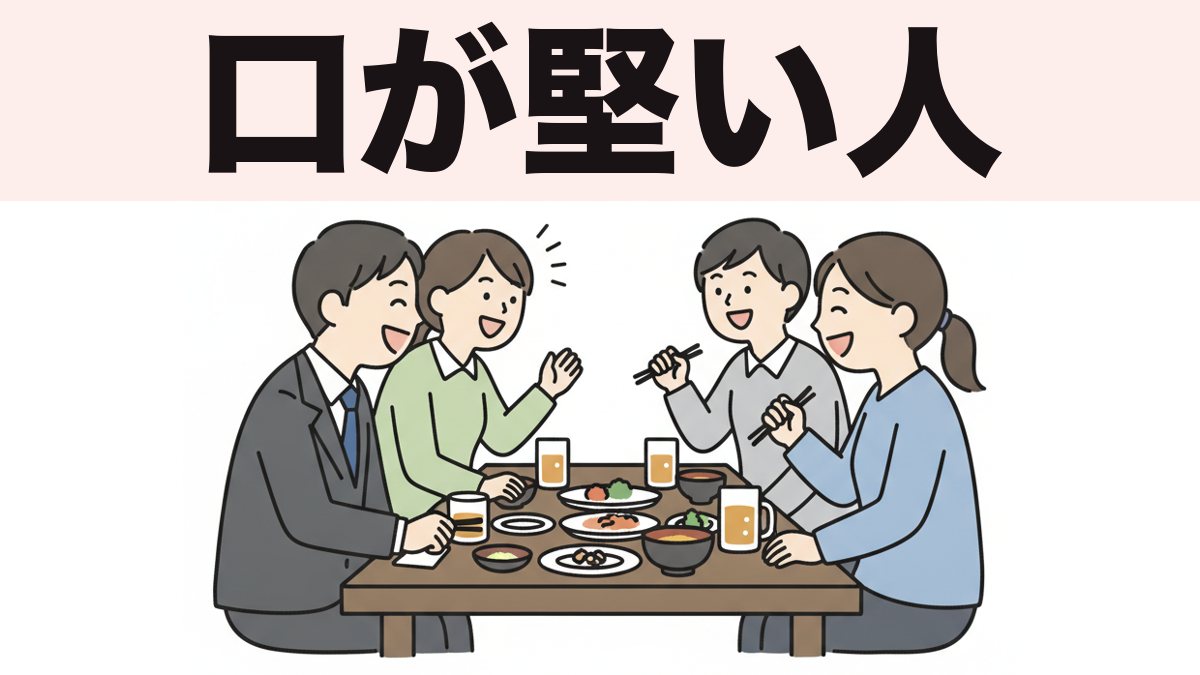
Japanese idioms: 15 慣用句 (and 10 proverbs) that actually come up in conversation
Most Japanese idioms are built from body parts, and a second family is built from other people's eyes. Both tell you something about how the language thinks.
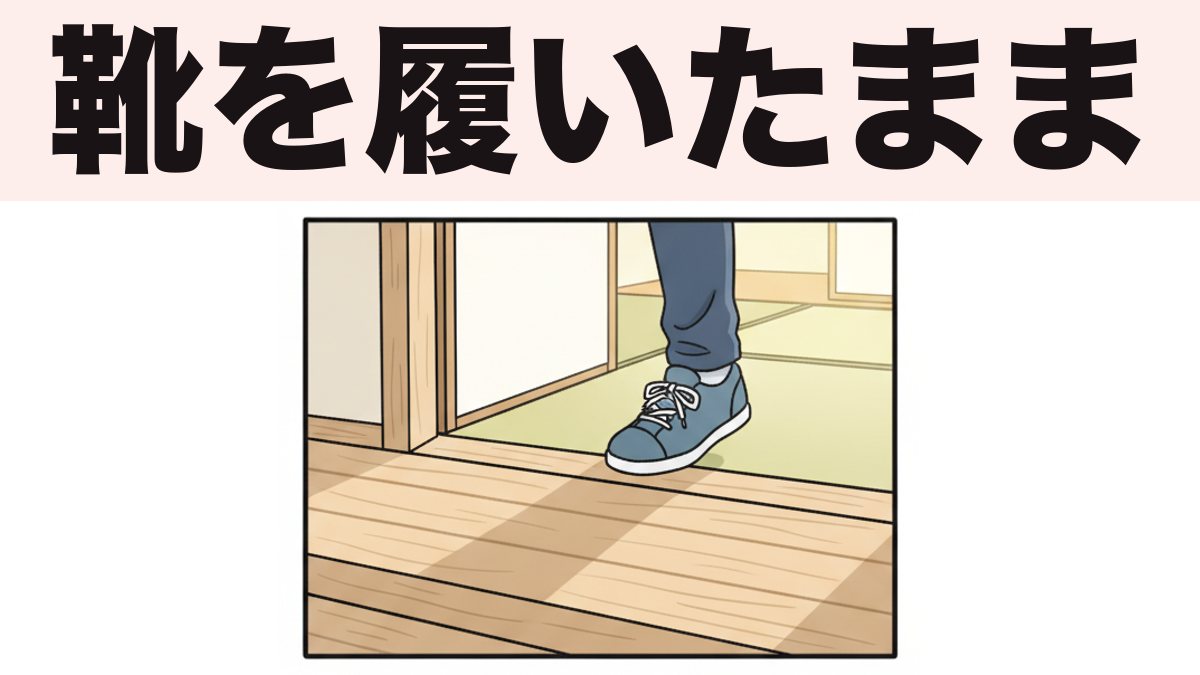
〜まま: "as it is," and why it takes the past form
まま describes a state left unchanged. It takes the past form for verbs — 靴を履いたまま, never 履くまま — and そのまま is the phrase you will use most.
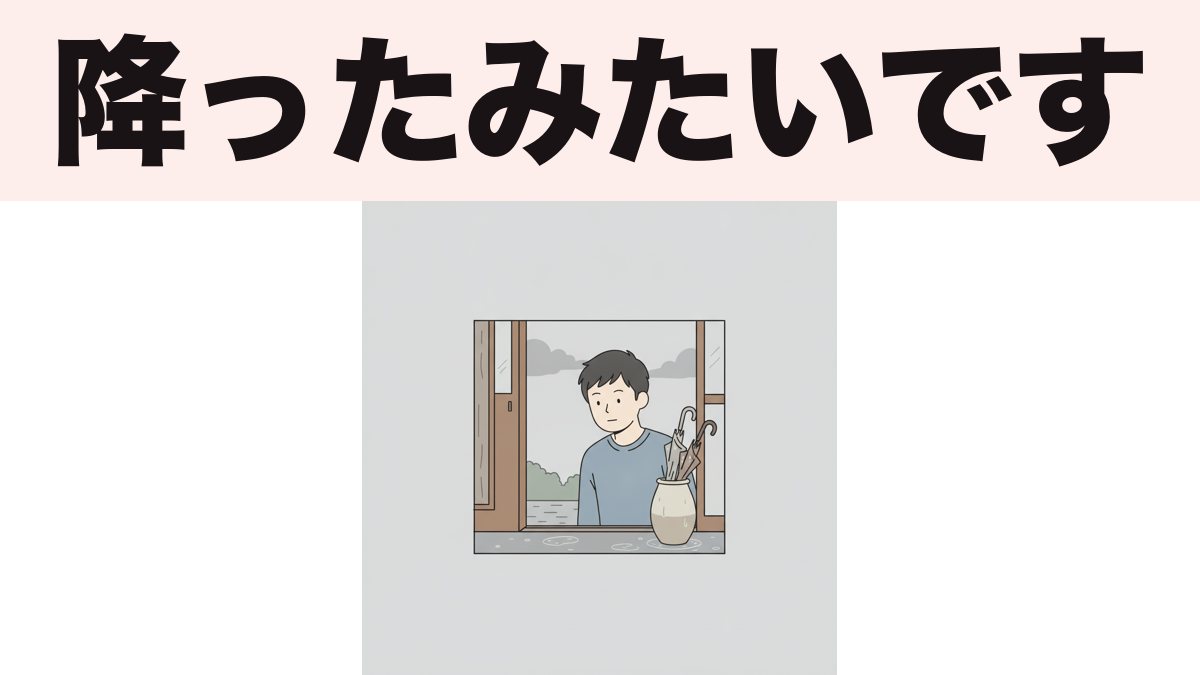
みたい, らしい, ようだ: three ways to say "apparently," and who told you
ようだ is your own judgement, みたい is its casual twin, and らしい means you heard it somewhere. The attachment rules differ too, which is where it gets messy.
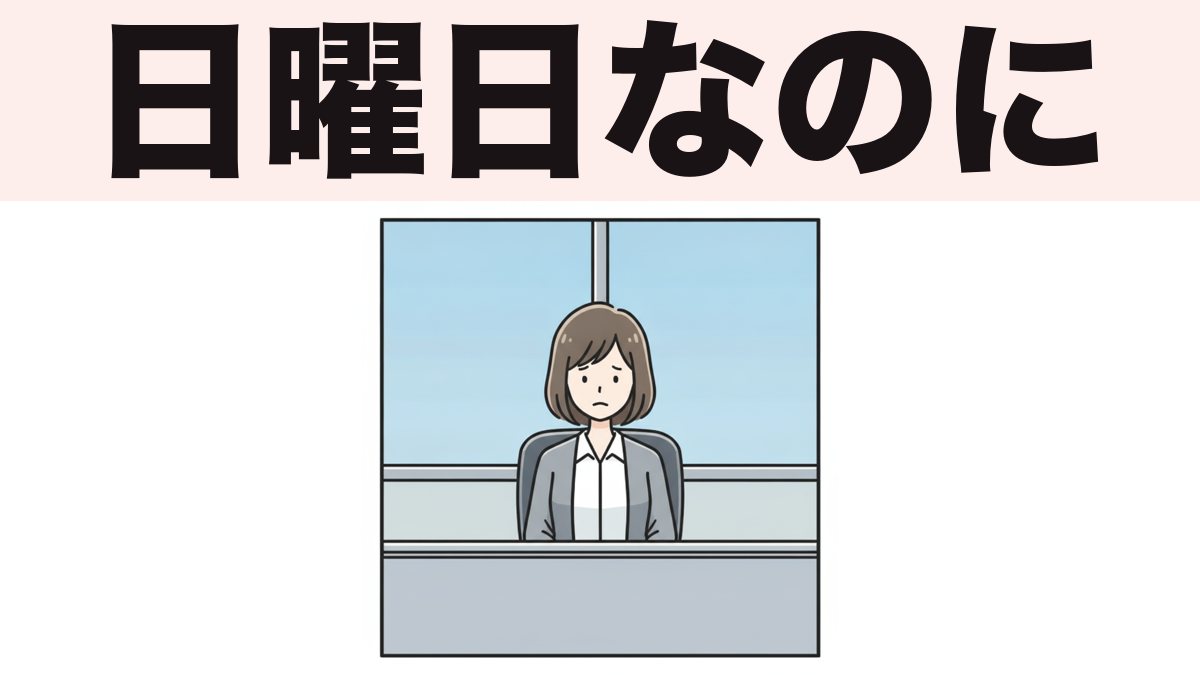
〜のに: "even though," with a complaint built in
のに means "even though" and adds disappointment or surprise. けど is the neutral version. If you would not roll your eyes saying it, use けど.
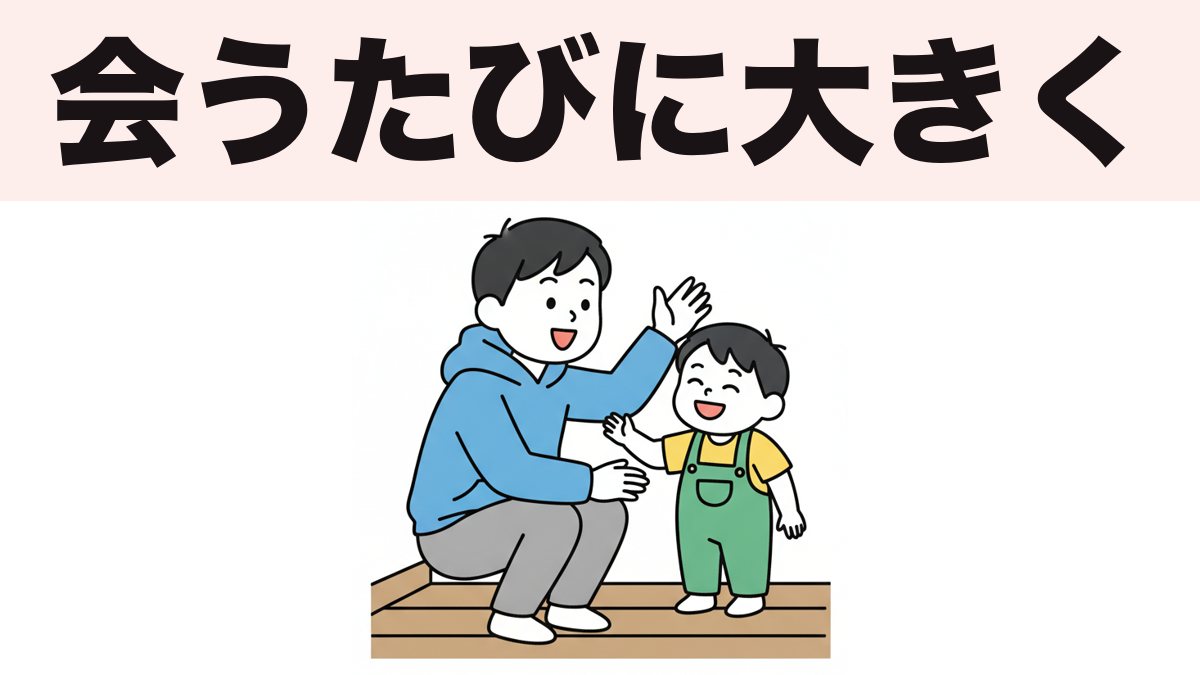
〜たびに: "every time," and why 3日たびに is wrong
〜たびに needs an occasion, not a clock. Every time you meet someone is 会うたびに; every three days is 3日ごとに. The two are not interchangeable.
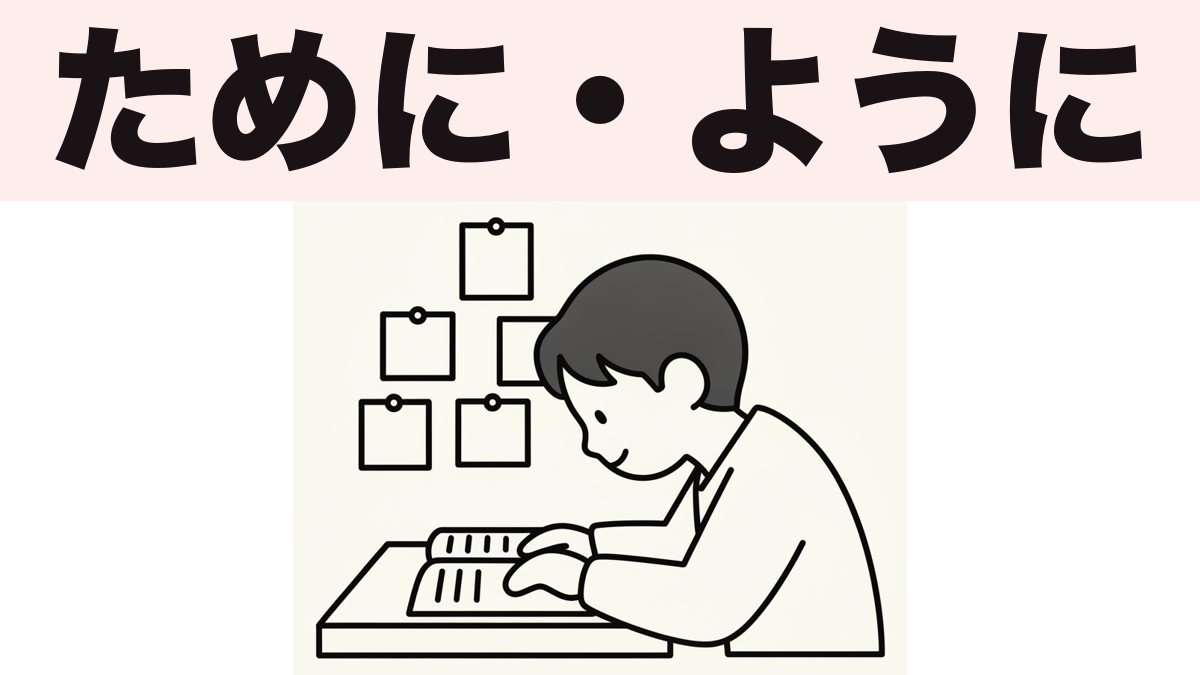
ために vs ように: two ways to say "in order to," and only one is right
ために needs a verb you control; ように needs one you do not. That single test decides which to use, and it explains why 忘れないために is wrong.
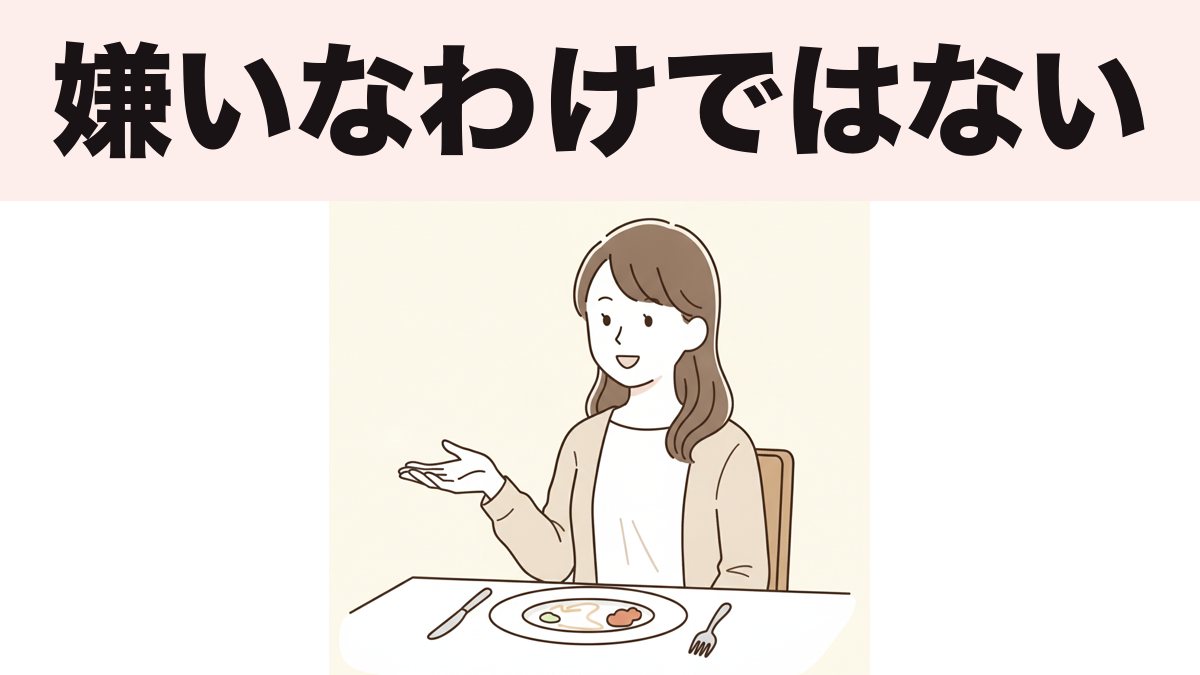
わけ: わけだ, わけではない, わけがない, わけにはいかない
One noun, four grammar points. わけではない is a partial denial, わけがない is a flat impossibility, and mixing them up makes you sound much harsher than you meant.
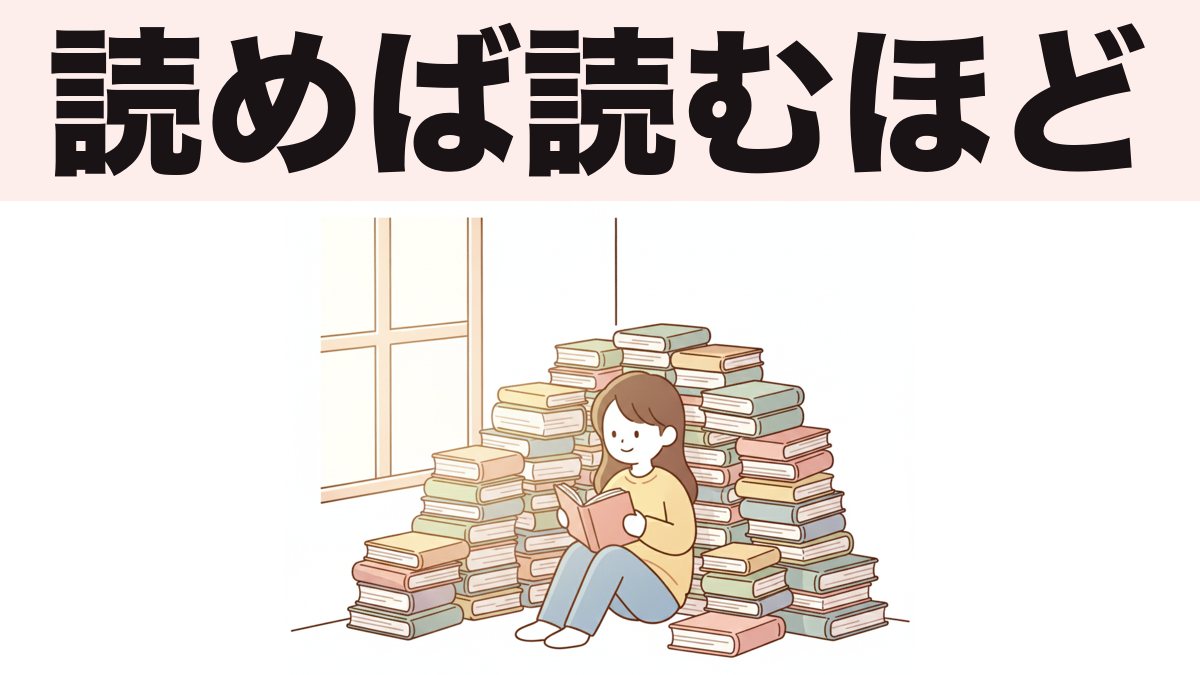
〜ば〜ほど: how to say "the more, the more" in Japanese
読めば読むほど means "the more you read, the more…". The verb appears twice — once in the ば form, once plain — and that repetition is the whole grammar point.
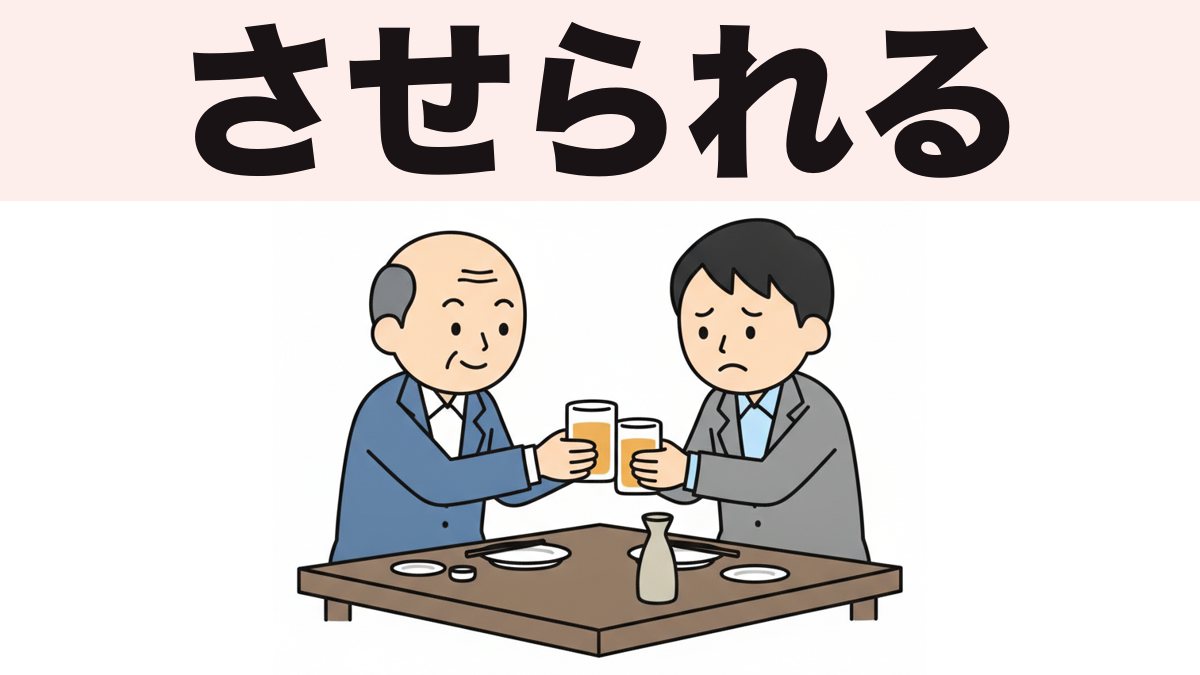
Causative-passive させられる: the form for being made to do things
させられる stacks the causative and the passive to mean "I was made to do it," and with action verbs it carries a complaint. Plus the contraction nobody teaches.
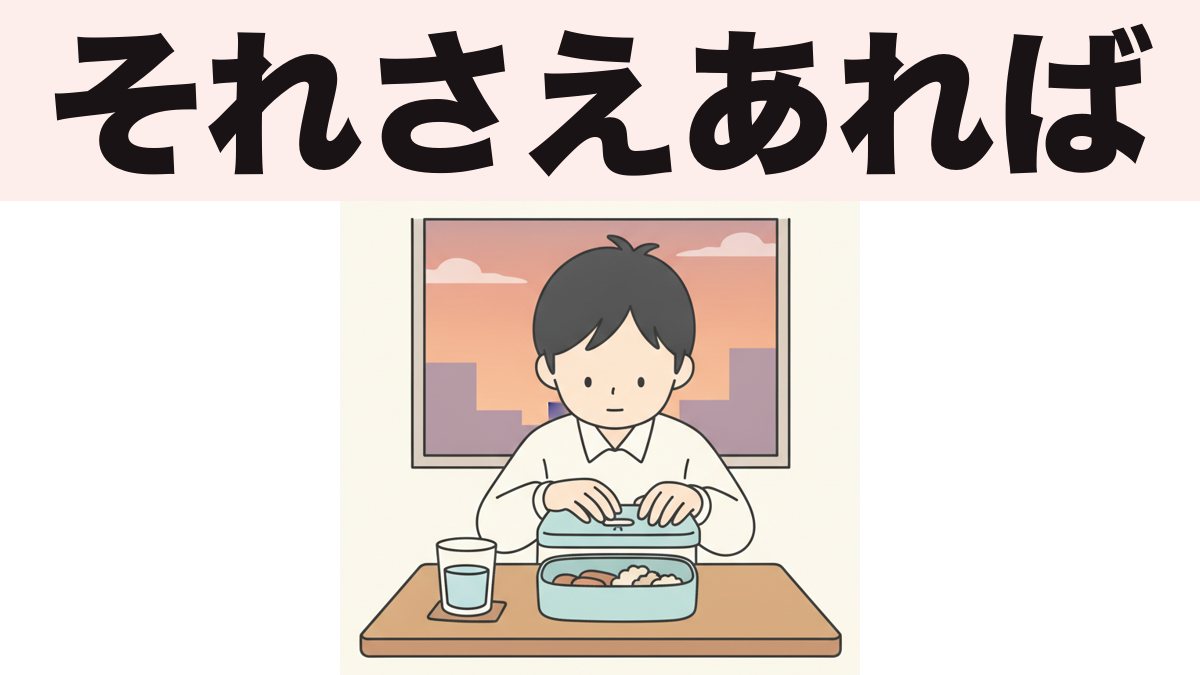
さえ: the "even" that sets a floor, and the 〜さえ〜ば that means "if only"
さえ picks the least likely example to make a point, and 〜さえ〜ば means "if only that one thing". How it eats を and が, and why すら is its bookish twin.
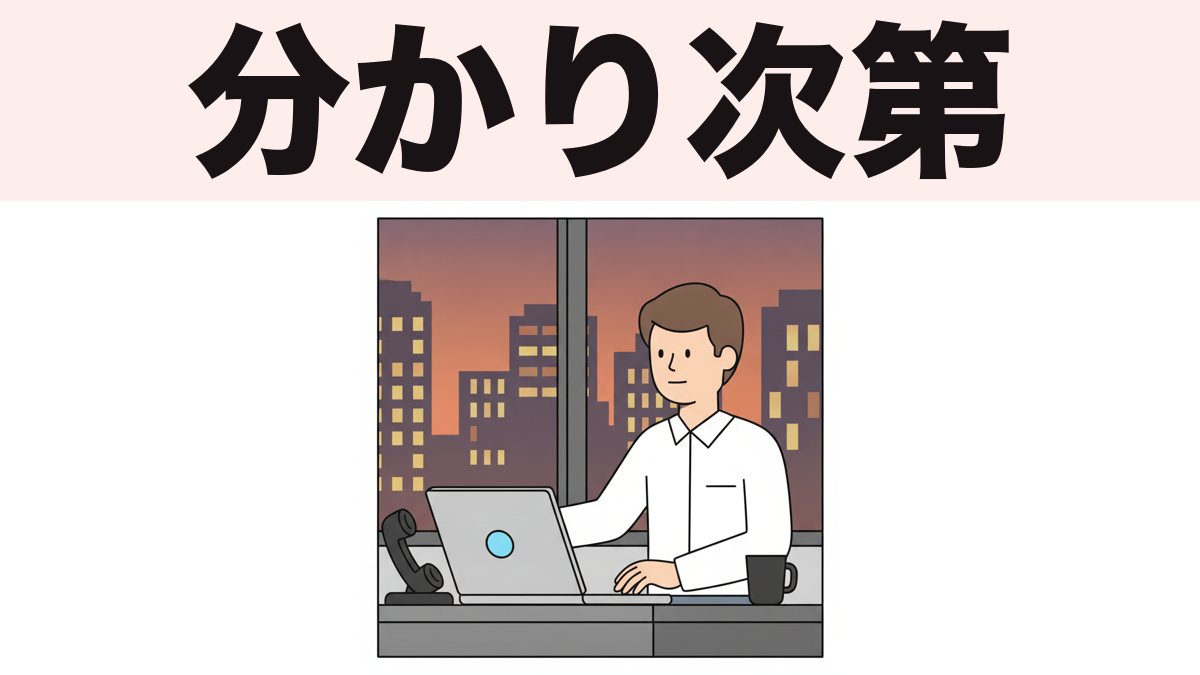
次第: "as soon as", "it depends on", and the business email version
次第 does three different jobs: 着き次第 means "as soon as", 天気次第 means "depends on the weather", and 〜次第です closes business emails. How to tell them apart.
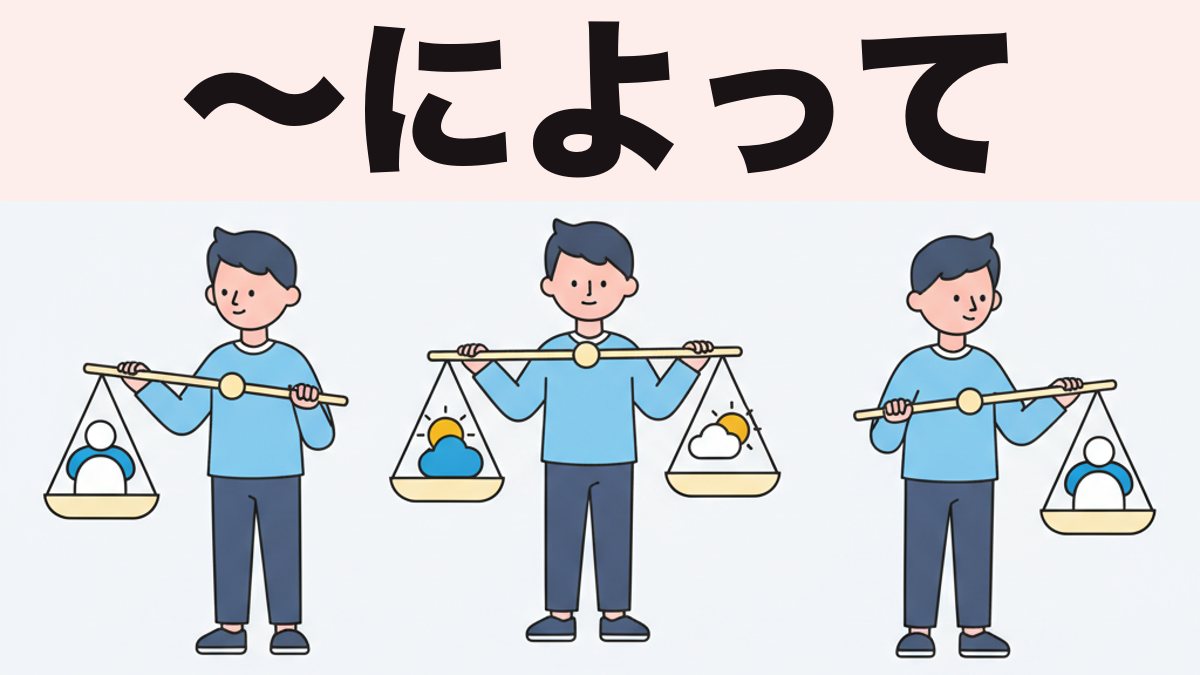
It Depends in Japanese: 場合による and によって
It depends in Japanese: reply 場合によります on its own, and use 〜によって plus 違う or 変わる inside a sentence. Compare 次第, により and によりけり.