TOPIC
Japanese Concepts You Can't Quite Translate
Words and phrases that don't have a clean one-word English equivalent, explained in context.
24 articles
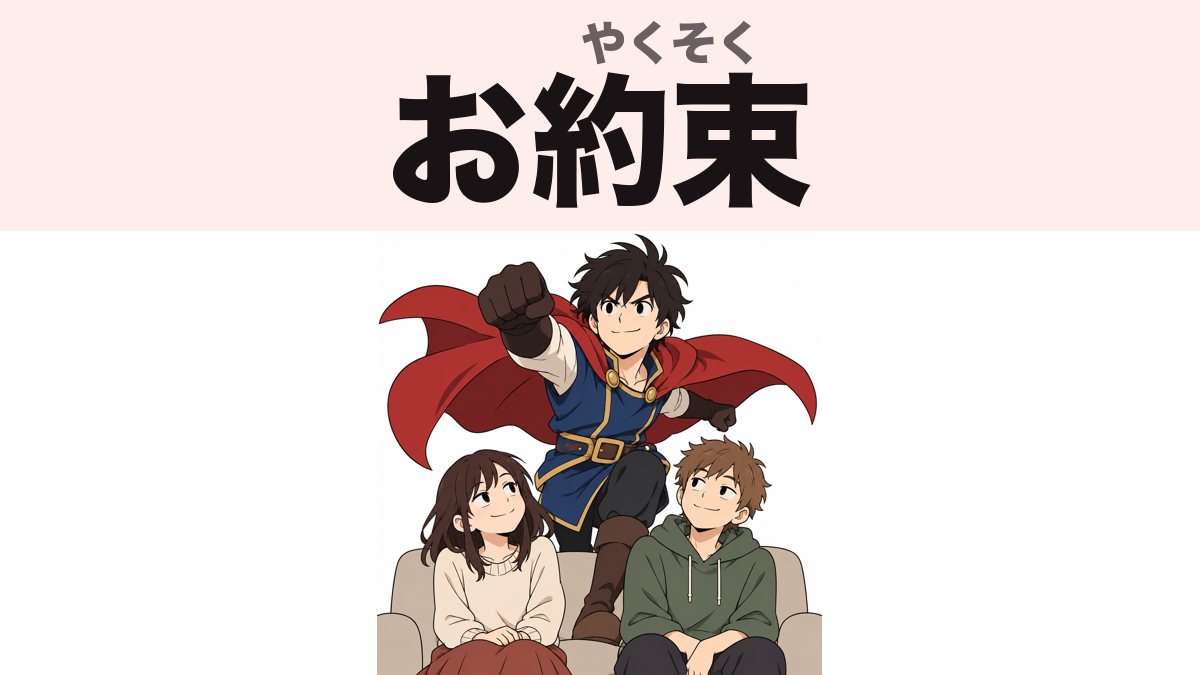
Cliché in Japanese: ありきたり, ベタ, お約束, 王道, and 定番
Cliché in Japanese is ありきたり (unoriginal) or ベタ (corny, predictable). Learn ベタな展開, お約束 (an expected trope), 王道, 定番 (a staple), テンプレ, and マンネリ.
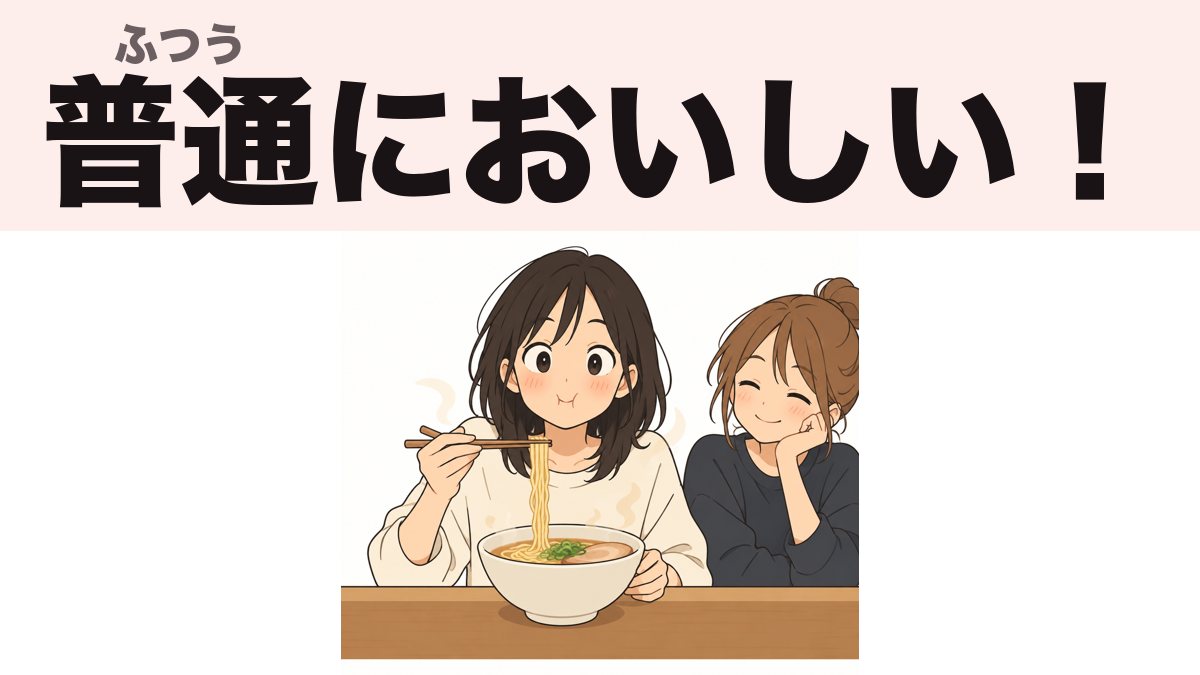
普通 (futsuu) meaning: "normal", and the slang 普通に that means "actually, genuinely"
Futsuu (普通) means normal, usual or ordinary. Learn 普通の, 普通は, the slang 普通においしい ("actually good"), 普通電車, 普通預金 at the bank, and when 普通 is an insult.
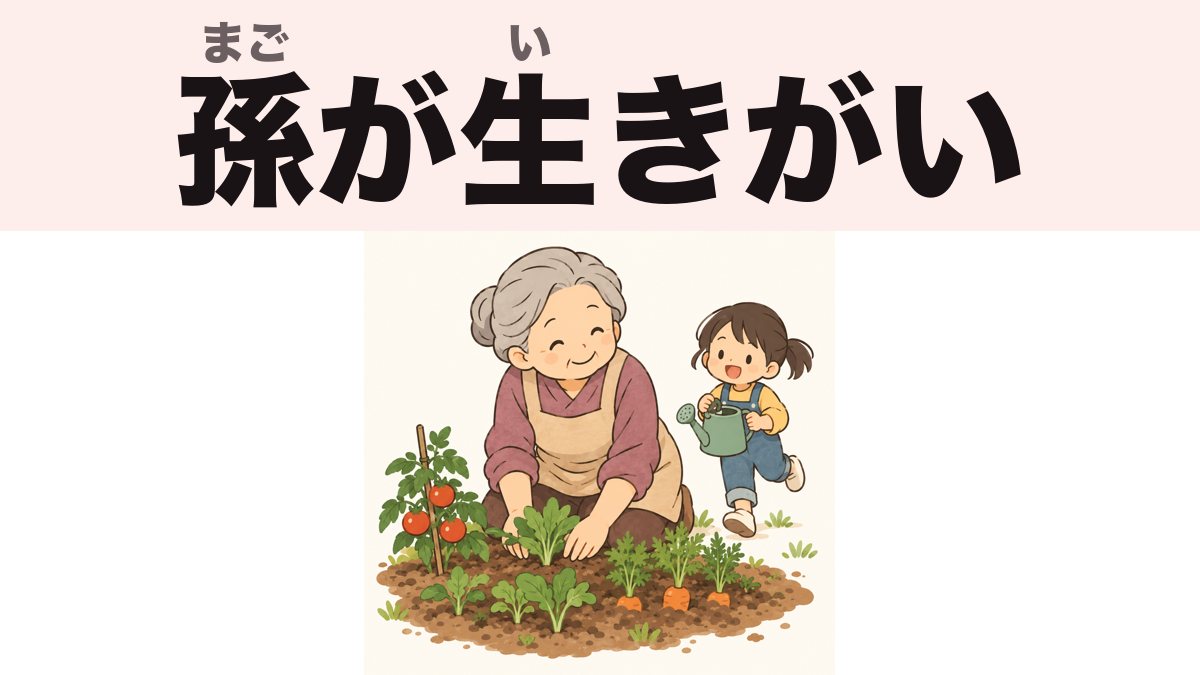
Ikigai meaning: what 生きがい means to Japanese speakers (it is smaller than the diagram)
Ikigai (生きがい) means "something that makes life worth living". How Japanese people really use it, why the four-circle diagram is Western, and words like やりがい.
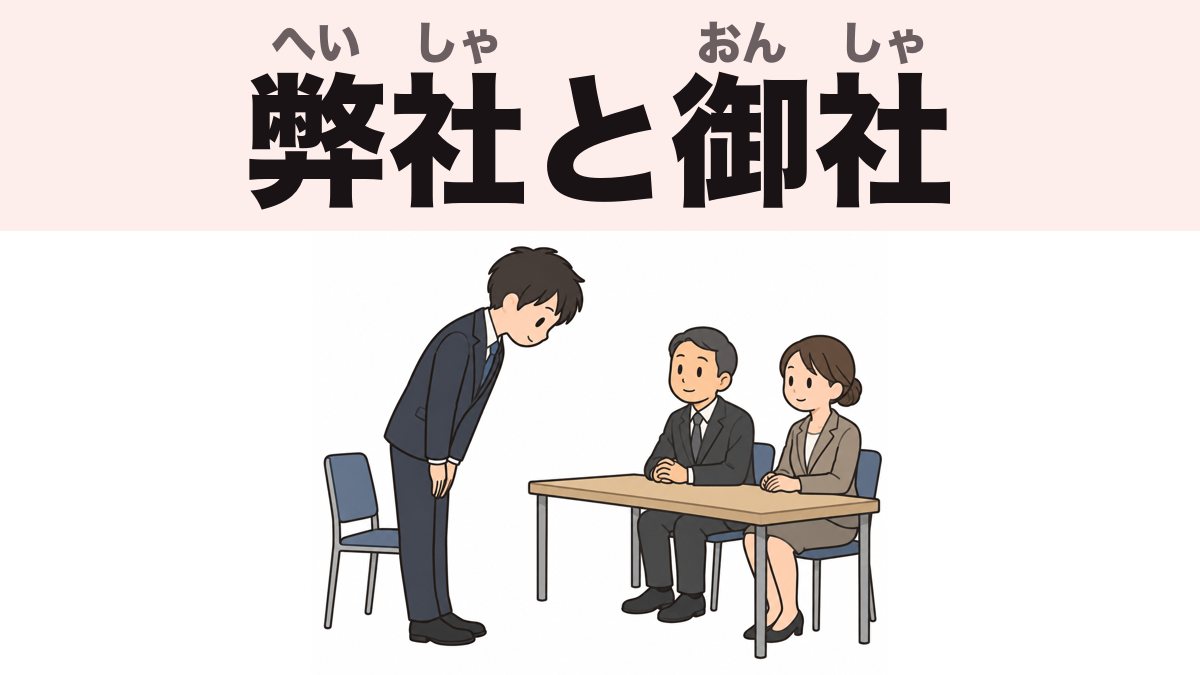
Heisha and onsha meaning: 弊社, 御社, 貴社 — whose company is it?
Heisha (弊社) means "our company" in humble Japanese; onsha (御社) means "your company." Learn 貴社, 当社 and うち, and which one to use in an interview.
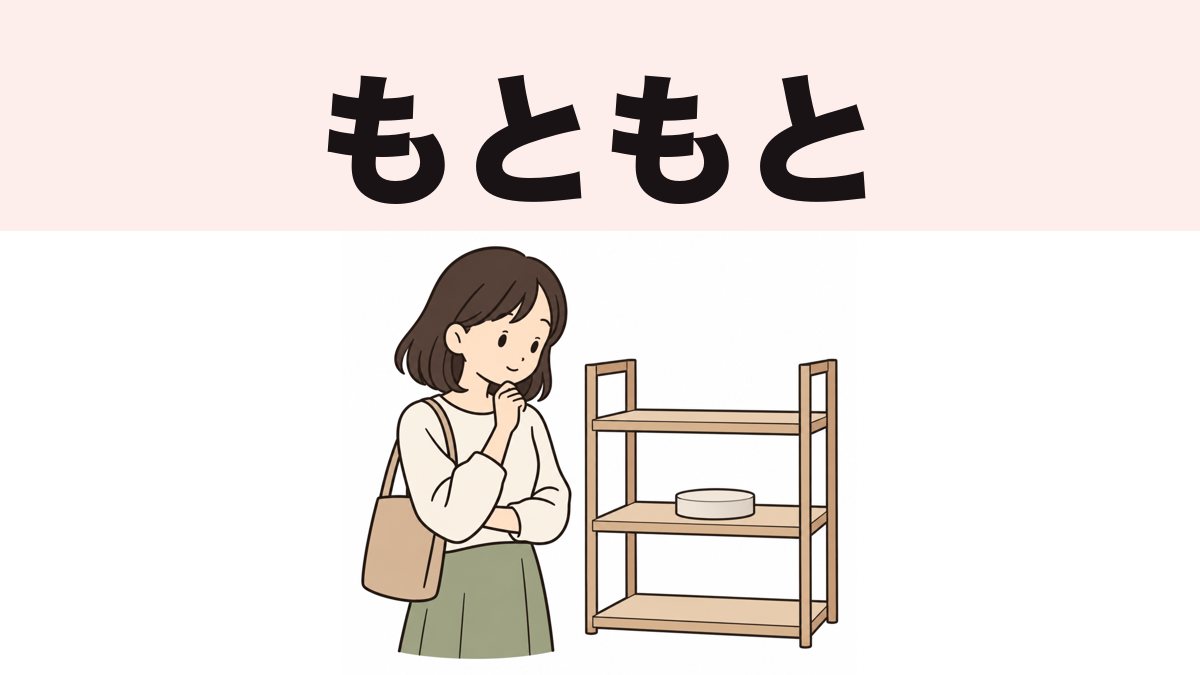
Motomoto meaning: もともと, 'originally' — and why it's not もっと
Motomoto (もともと) means originally, to begin with, or by nature. Learn how it differs from もっと (more), 最初から, 本来 and 元来, with examples and practice.
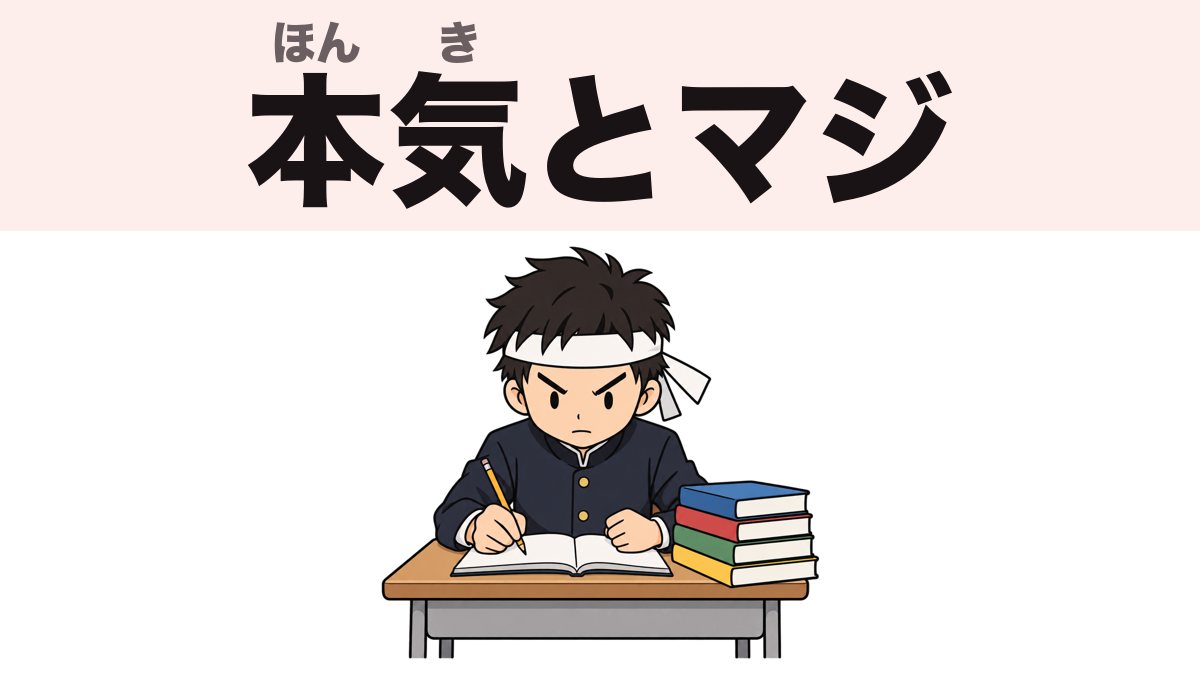
Honki (本気) meaning: "serious" in Japanese and the four other words for it
Honki (本気) means "in earnest" or "for real". Learn how it differs from 真剣, 真面目, 深刻 and マジ, the other Japanese words for "serious", with anime examples.
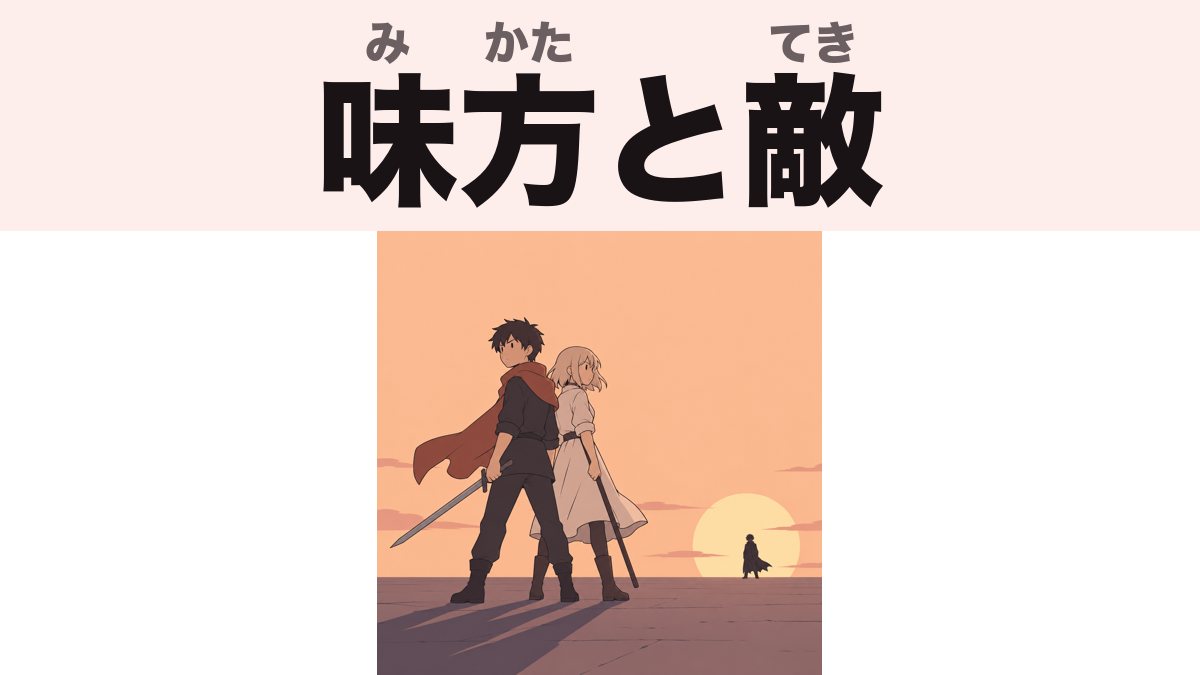
Mikata meaning: how do you say "ally" and "enemy" in Japanese?
Mikata (味方) means "ally" or "someone on your side" in Japanese, and its opposite is teki (敵), "enemy". Learn 味方をする, 肩を持つ, and the anime phrases.
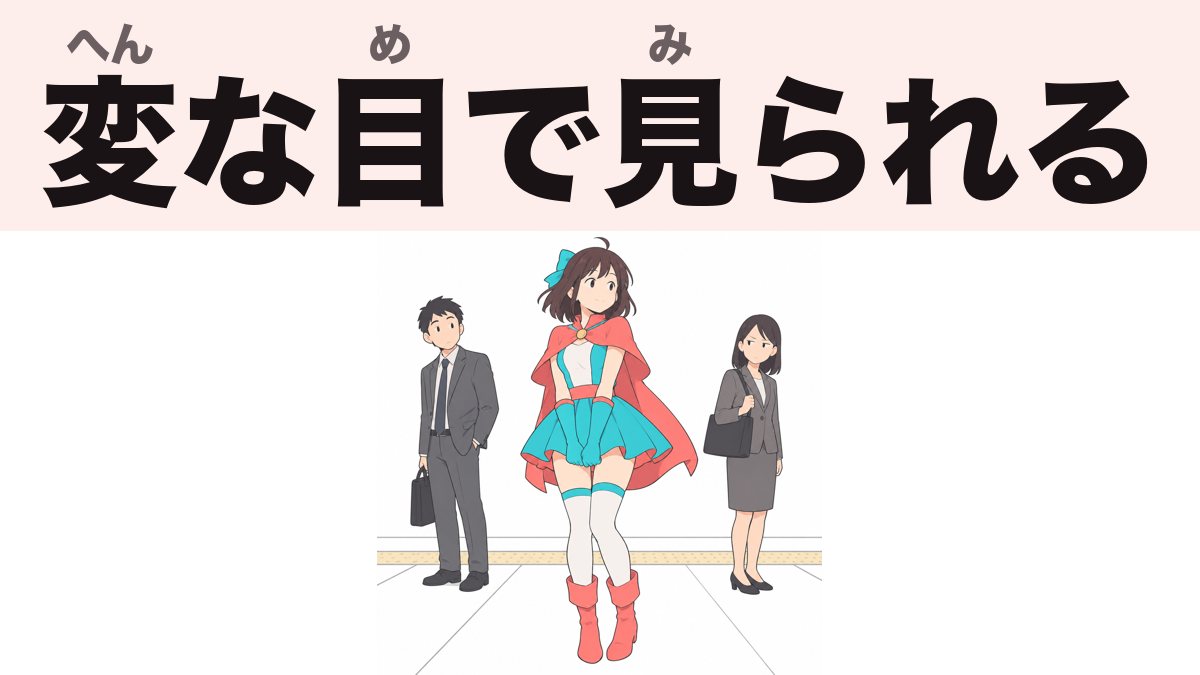
Getting a weird look in Japanese: 変な目で見られる and 白い目で見られる
To get a weird look in Japanese is 変な目で見られる, literally to be seen with strange eyes. 白い目で見られる is a colder, disapproving look. Examples and mistakes.
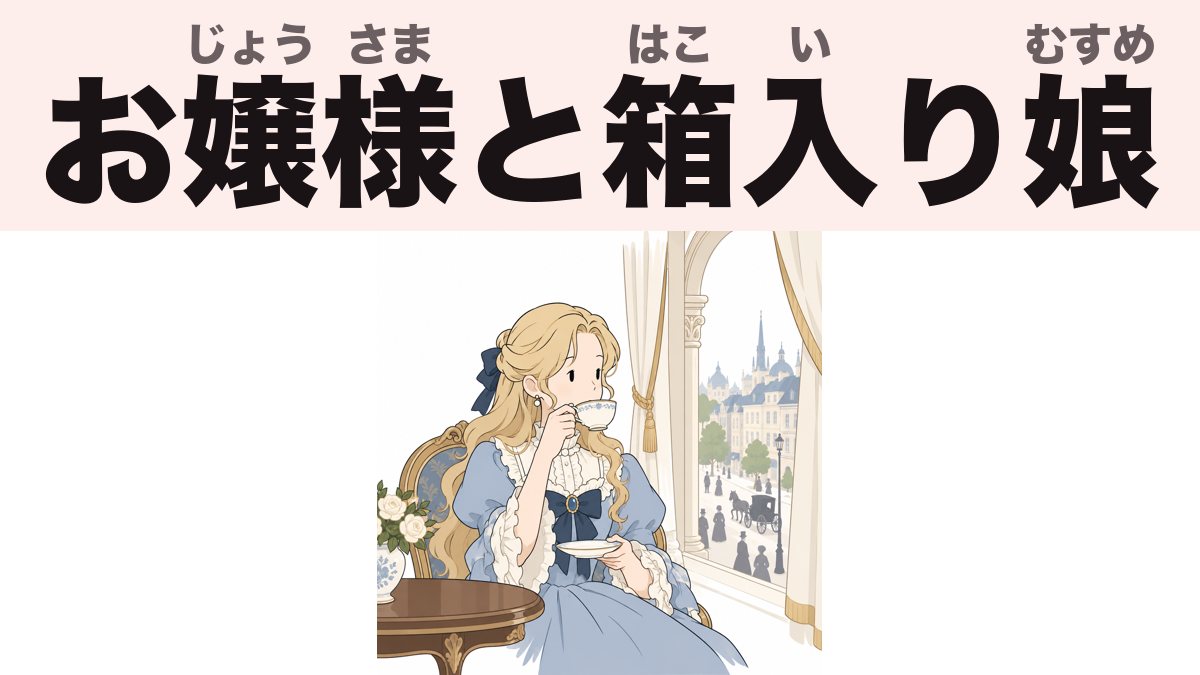
Ojousama meaning: お嬢様, 箱入り娘, and the rich girl in anime
Ojousama (お嬢様) means a young lady from a wealthy or well-bred family, or a polite word for someone else's daughter. 箱入り娘 is a sheltered daughter.
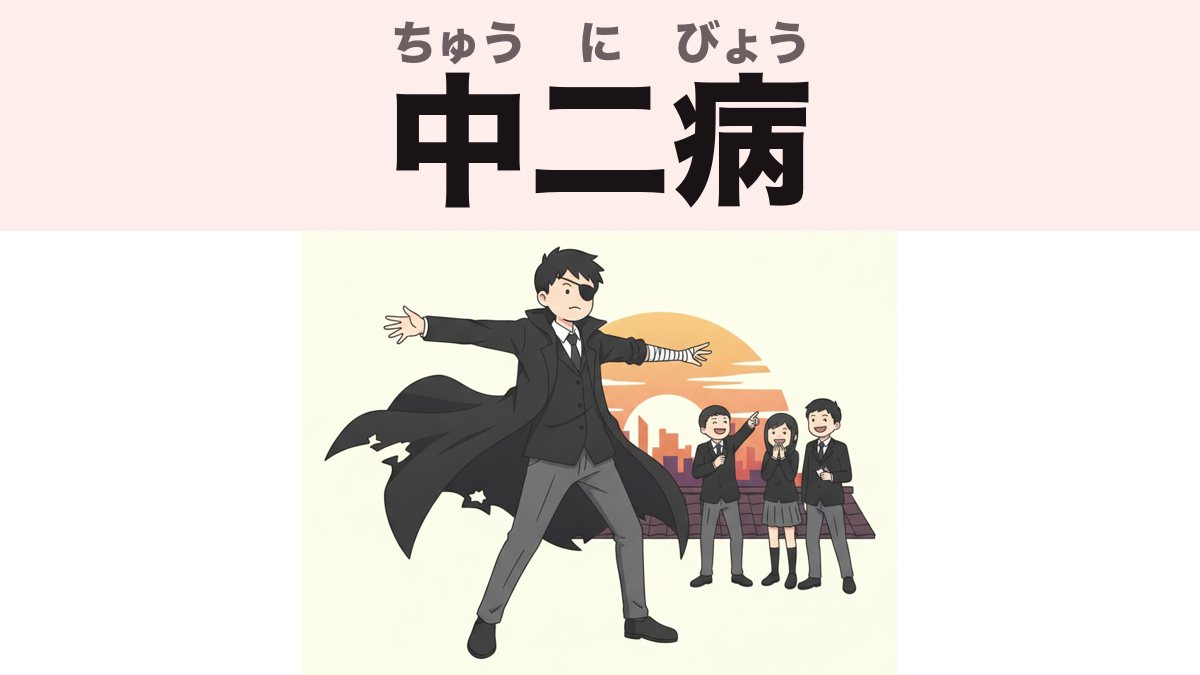
Chuunibyou meaning: what 中二病 really means in Japanese
Chuunibyou (中二病) means "eighth-grader syndrome": acting as if you have secret powers or a dark destiny. It is a teasing label, not an illness.
Japanese gaming terms: 死にゲー, 格ゲー, クソゲー and the slang gamers use
Japanese gaming terms gamers really say: genre slang like 死にゲー, 音ゲー and 格ゲー, verdicts like 神ゲー and クソゲー, plus クリア, 詰む, 課金 and ネタバレ, with examples.
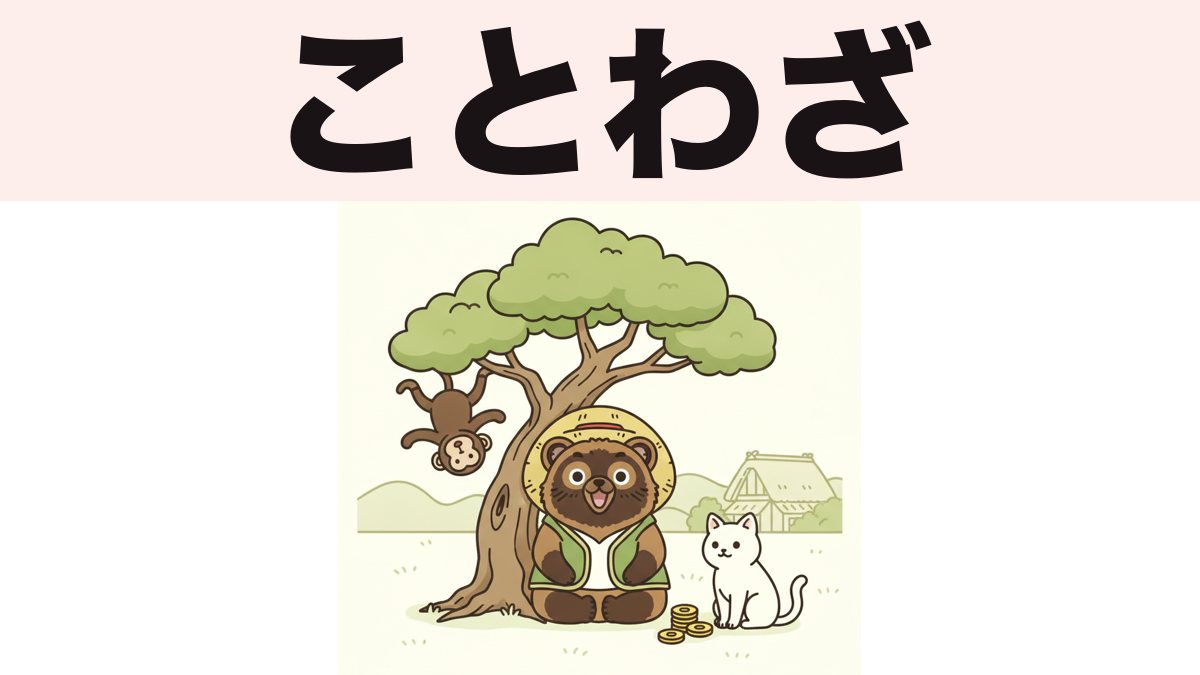
Japanese proverbs (ことわざ) people still actually say
Japanese proverbs are called ことわざ (kotowaza). Here are the ones people still use, grouped by money, perseverance and life, and how they sound in conversation.
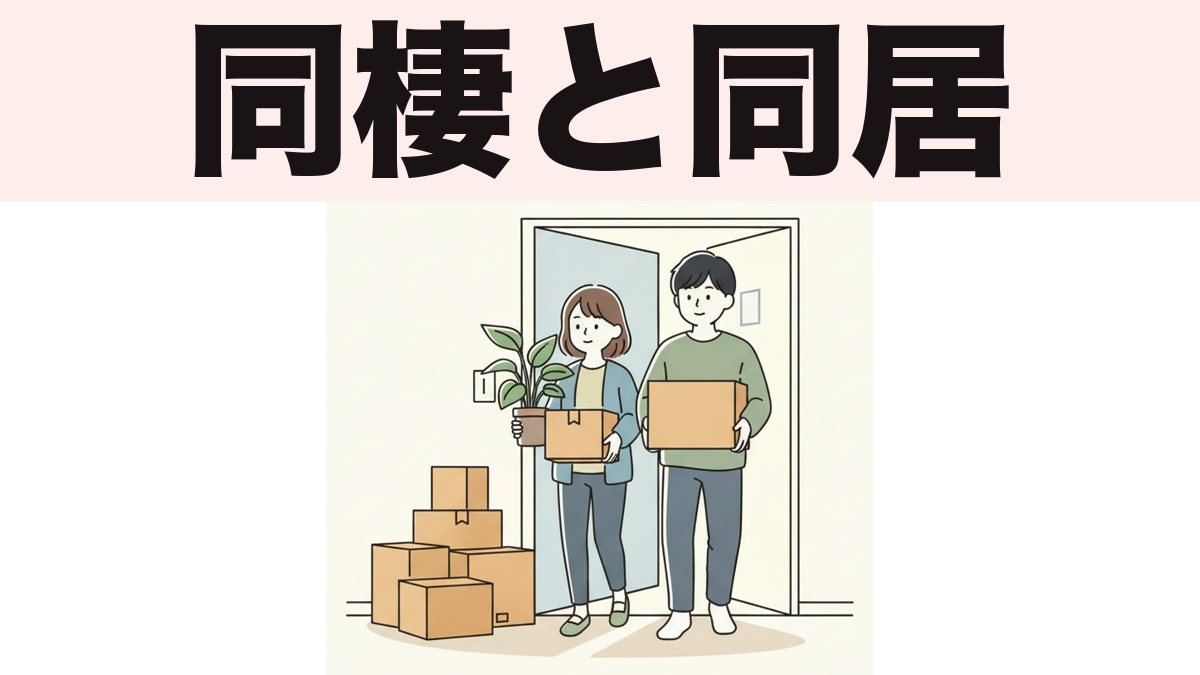
Dousei vs doukyo: how do you say "living together" in Japanese?
同棲 (dousei) is a couple living together before marriage; 同居 (doukyo) is sharing a home with family. How to pick the right word, and the neutral way to say it.
Mushiro meaning: how does むしろ flip a sentence in Japanese?
むしろ (mushiro) means "rather" or "if anything": the opposite of what someone expected is closer to the truth. How to use it, and how it differs from かえって.
けど: "but" is only half its job — the other half is softening
Learn how kedo means but between Japanese clauses and softens requests, refusals, and introductions when it appears at the end of a sentence.
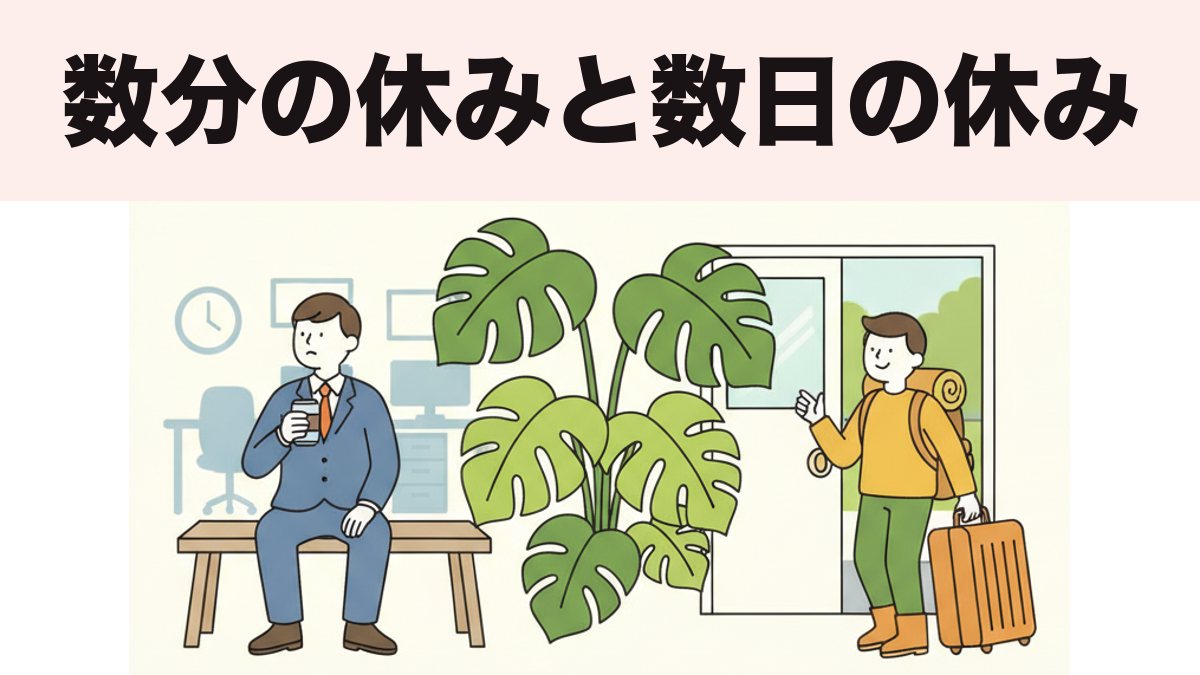
休憩, 休暇, 休み: three words for a break, and one of them is not a verb
Learn how kyuukei, kyuuka, and yasumi describe breaks and leave in Japanese, and why taking leave uses the verb toru instead of suru.
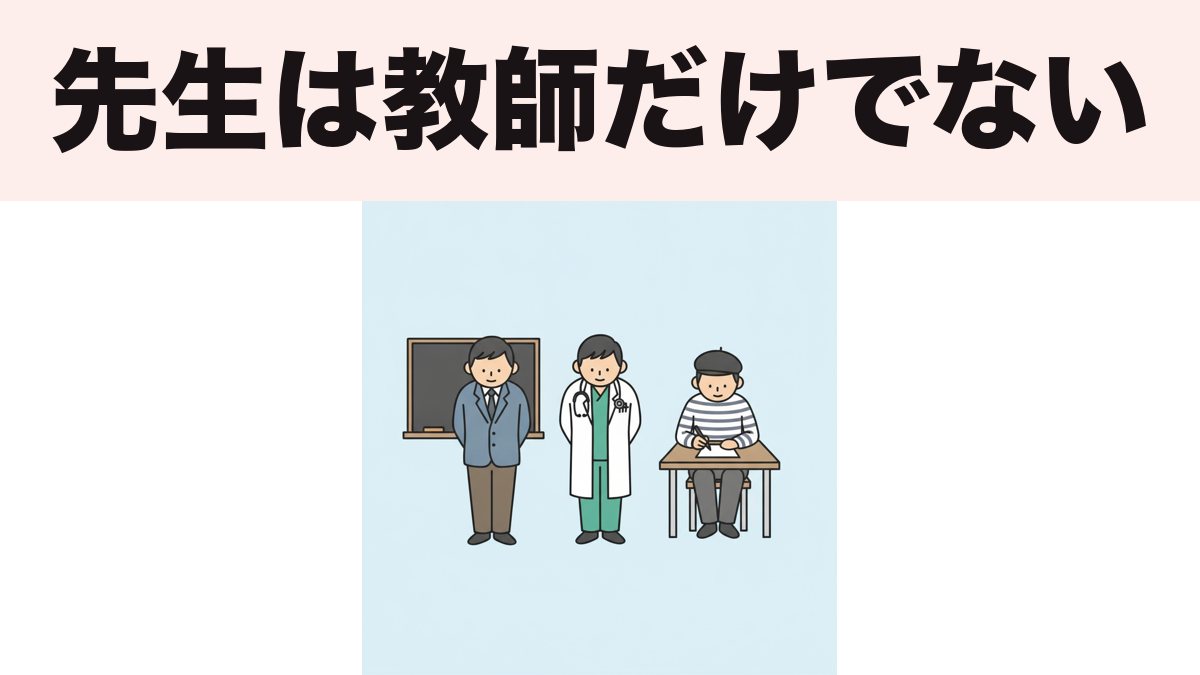
Sensei meaning: 先生 is not quite "teacher," and you never call yourself one
先生 literally means "born before" — someone further along a path. It covers doctors, politicians and artists, and is the one title you cannot apply to yourself.
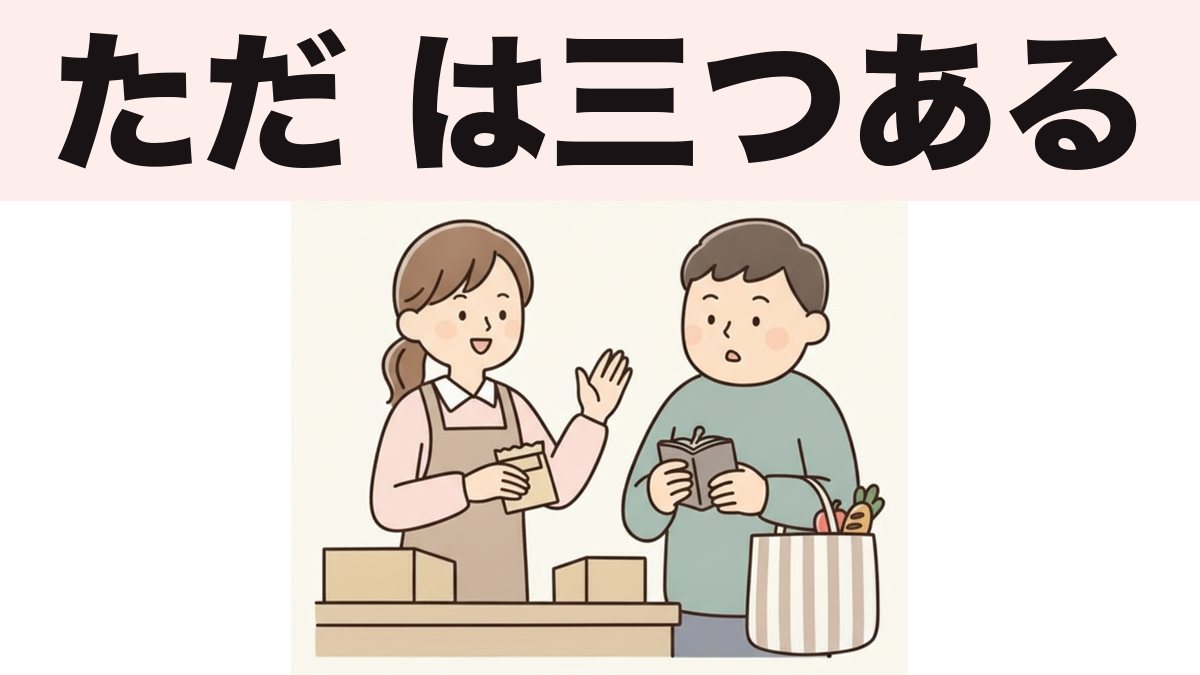
ただ: "free," "merely," and "but" — three words sharing one sound
Learn how tada can mean free of charge, nothing more than, or but in Japanese, and use its position in a sentence to work out the intended meaning.
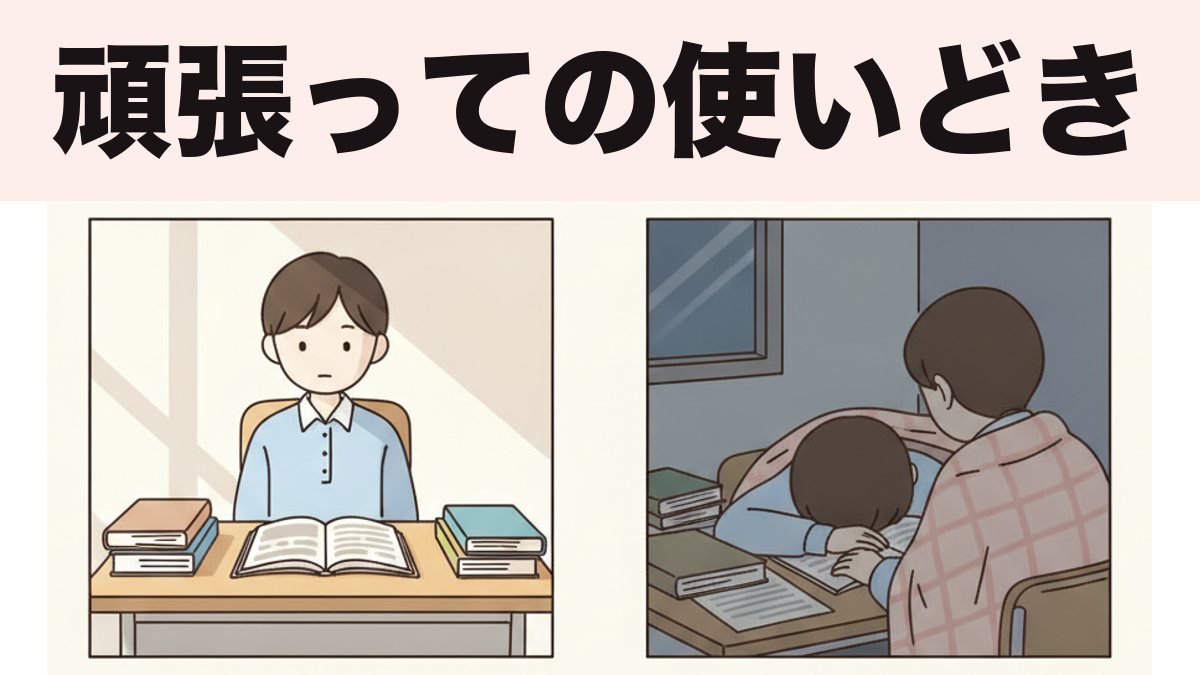
Good Luck in Japanese: 頑張って ganbatte and why it is not luck
頑張って and 頑張れ both push someone to try harder, which backfires on a person already trying their hardest. 13 example sentences show the safer alternative.
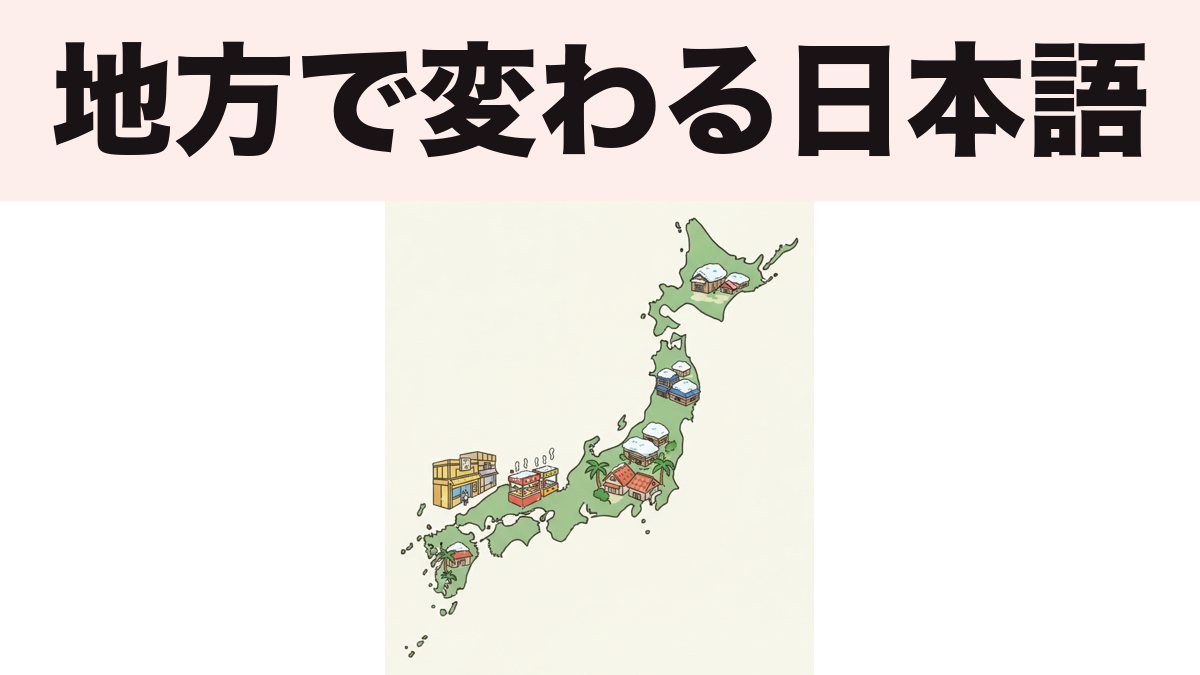
Japanese dialects: 関西弁, 博多弁, 津軽弁 — and why standard Japanese is only about 150 years old
Japanese dialects differ in copula, negation, vocabulary and pitch. Here is what 方言 changes, the main regional groups, and why some get subtitles on TV.
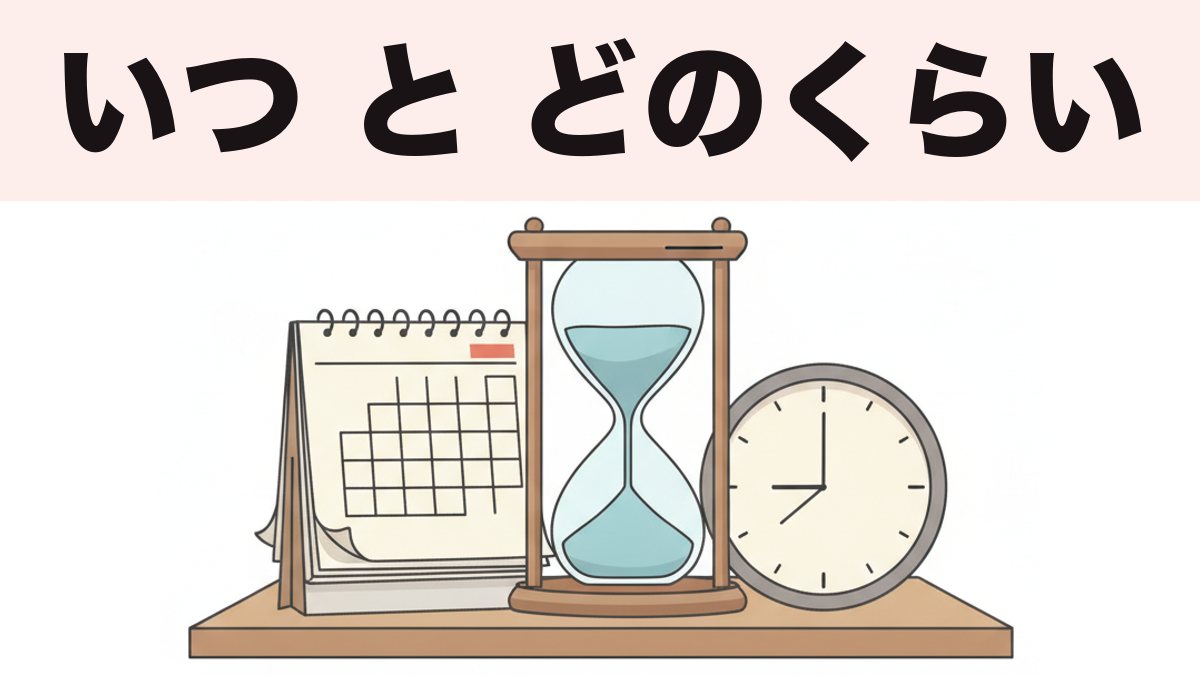
Japanese duration counters: 時間, 日間, ヶ月 — and why 二月 is not "two months"
Learn how Japanese distinguishes clock times and calendar dates from durations, with counters for hours and months and tricky readings explained.
熟字訓: the kanji compounds whose reading is attached to the whole word
Discover how jukujikun gives a whole kanji compound one reading, why kyou is read as a unit, and how these readings differ from ateji in Japanese.
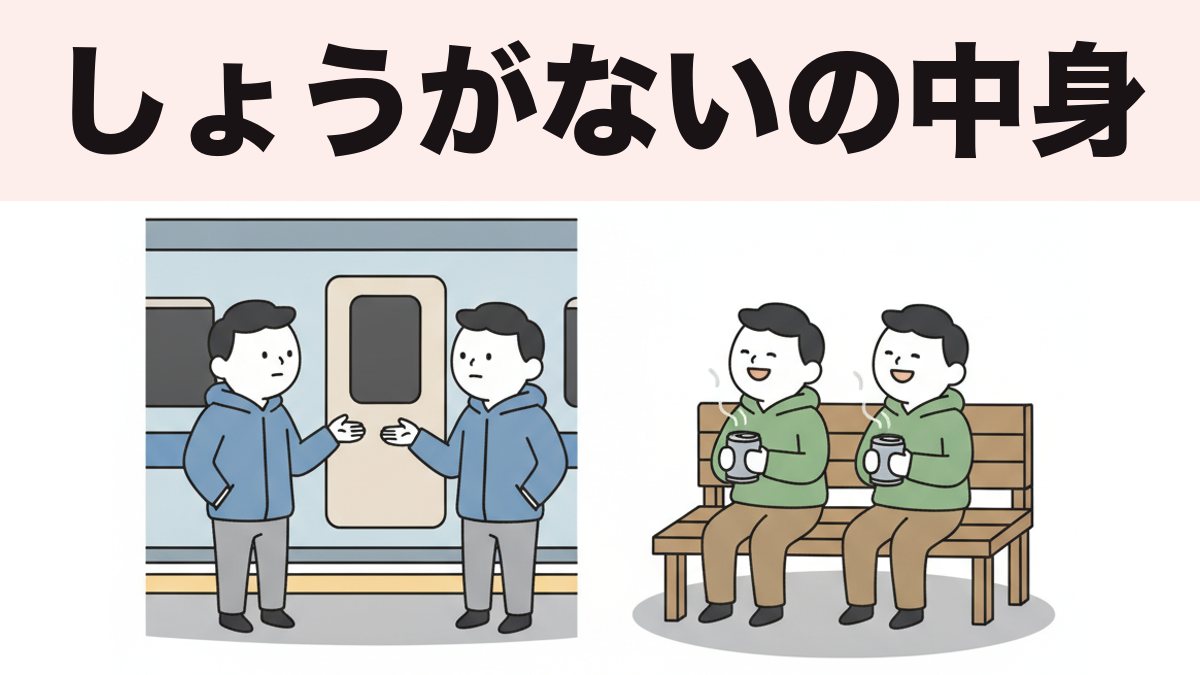
しかたがない and しょうがない: the Japanese shrug, and the two other things it does
Learn how shikata ga nai and shouganai express acceptance in Japanese, plus related patterns meaning there is no point or something is unbearable.
How to start reading in Japanese: 多読, graded readers, and the ふりがな shortcut nobody mentions
Extensive reading (多読) means reading far below your ceiling without a dictionary. How to pick a level and find furigana material for a real novel, early.