TOPIC
Describing Things: Japanese Adjectives & Opposites
Adjectives, opposite pairs and colors — how to describe things in Japanese, one word at a time.
49 articles
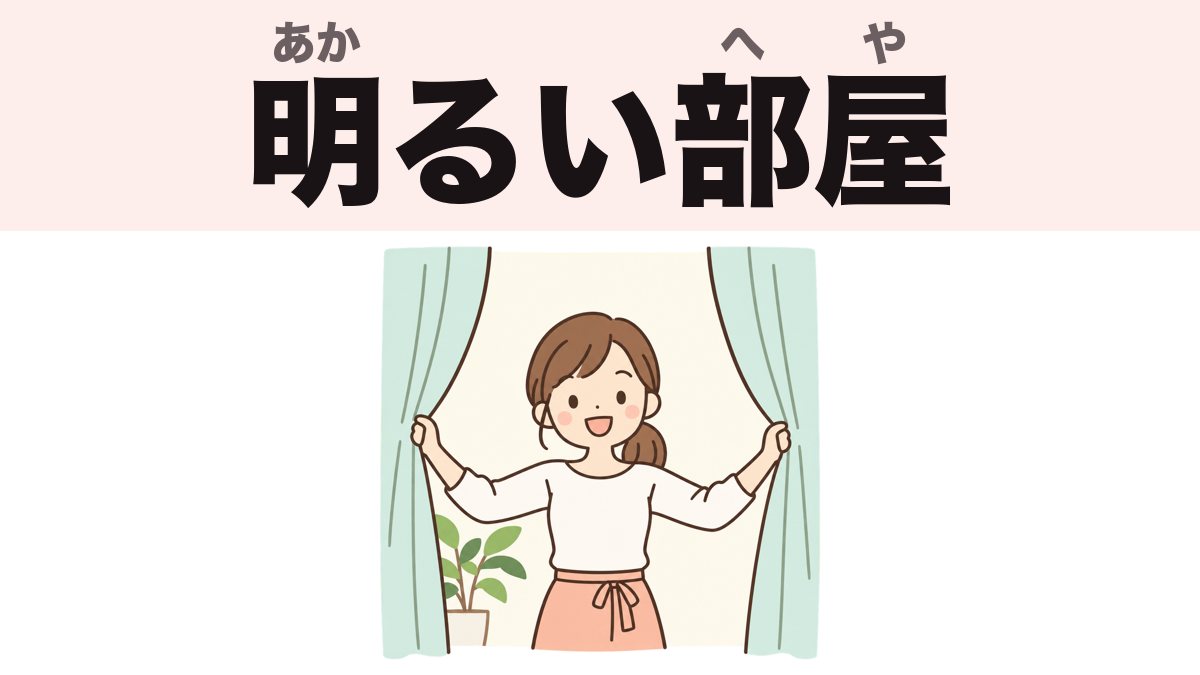
Bright in Japanese: how do you use 明るい (akarui)?
Akarui means bright in Japanese: a bright room, a cheerful person, a bright color. 部屋が明るい means "The room is bright." Here is how it behaves.
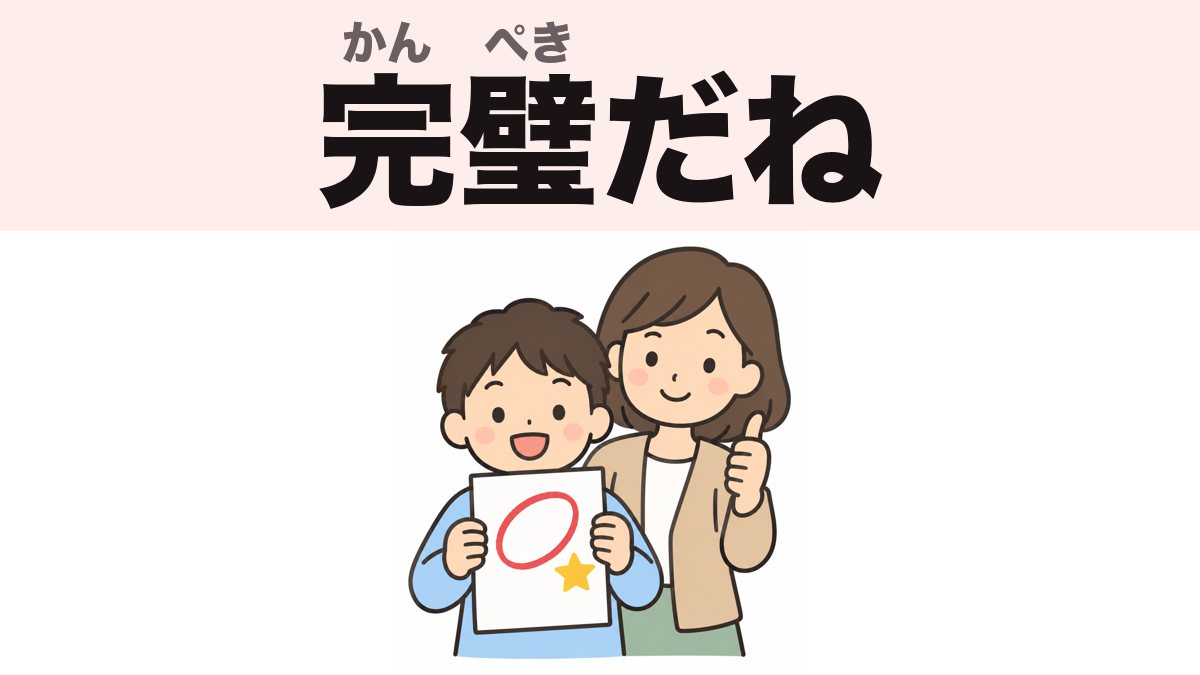
Perfect in Japanese: how do you say it with 完璧 (kanpeki)?
Perfect in Japanese is 完璧 (かんぺき, kanpeki), a na-adjective: 完璧な計画, 完璧に覚えた. See the kanji, hiragana, パーフェクト, 完全, and ばっちり.
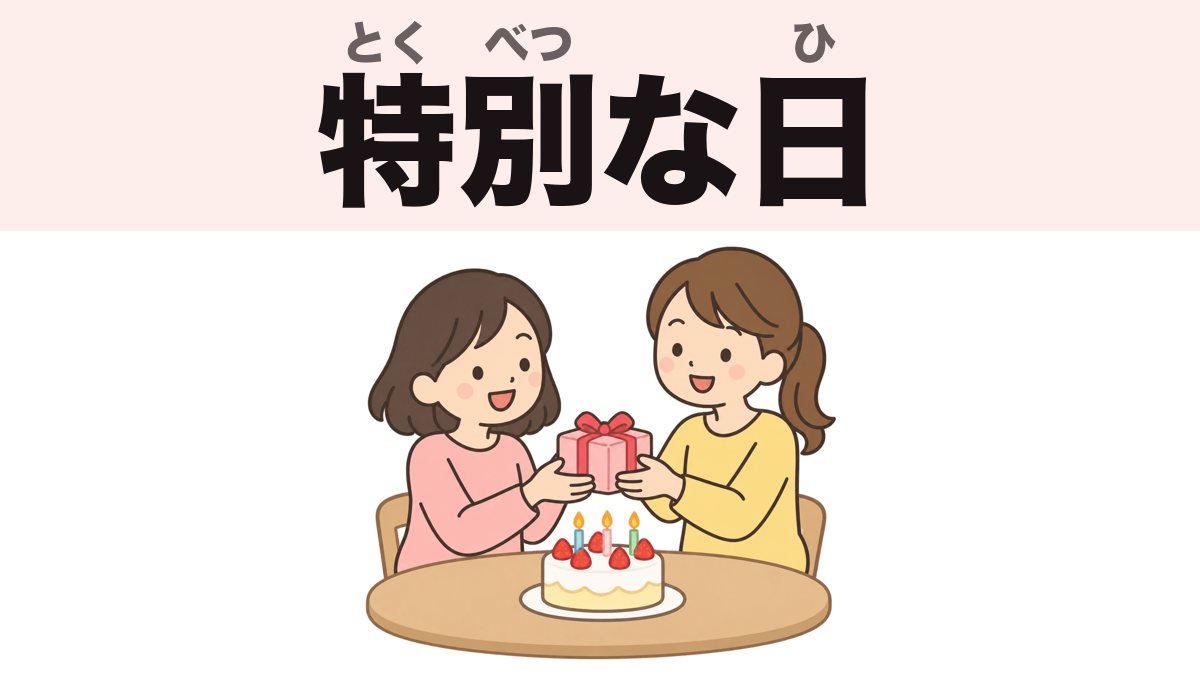
Special in Japanese: how do you say it with 特別 (tokubetsu)?
Special in Japanese is 特別 (とくべつ, tokubetsu): 特別な日, 特別に教える. See the kanji, hiragana, スペシャル, 特に, 特殊, and 限定 so you pick the right one.
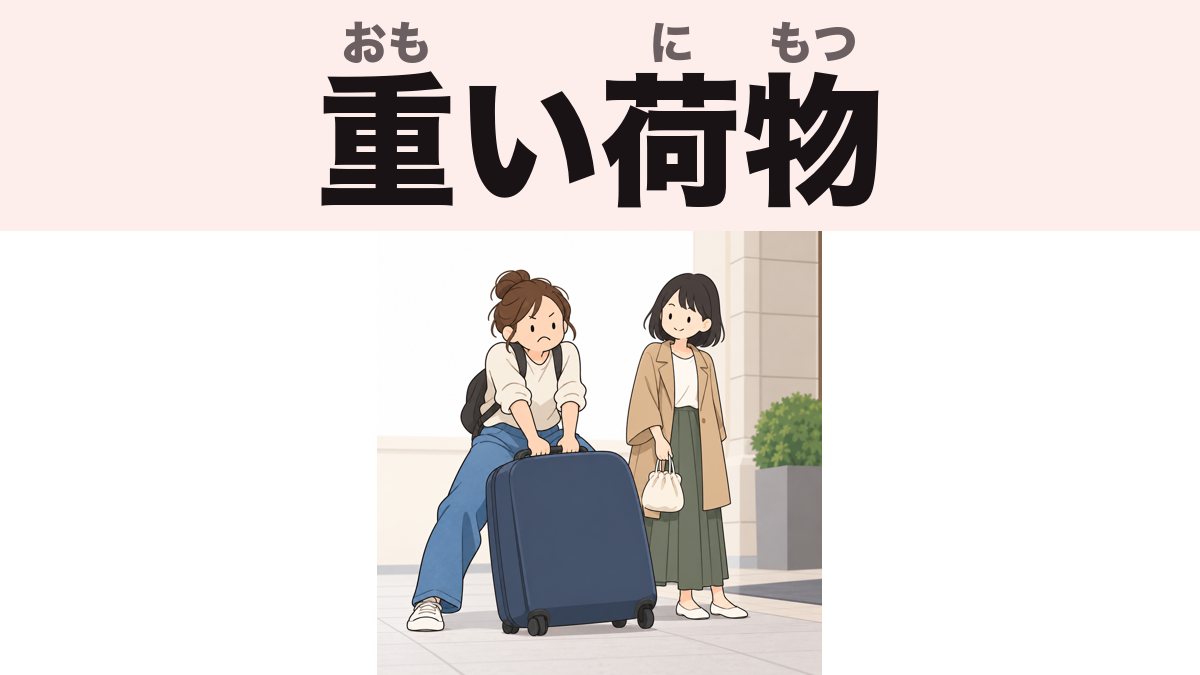
Heavy in Japanese: how do you say 重い (omoi) and its opposite 軽い?
Heavy in Japanese is 重い (omoi), written おもい in hiragana. Its opposite is 軽い (karui). Learn the conjugations, idioms, and how to ask about weight.
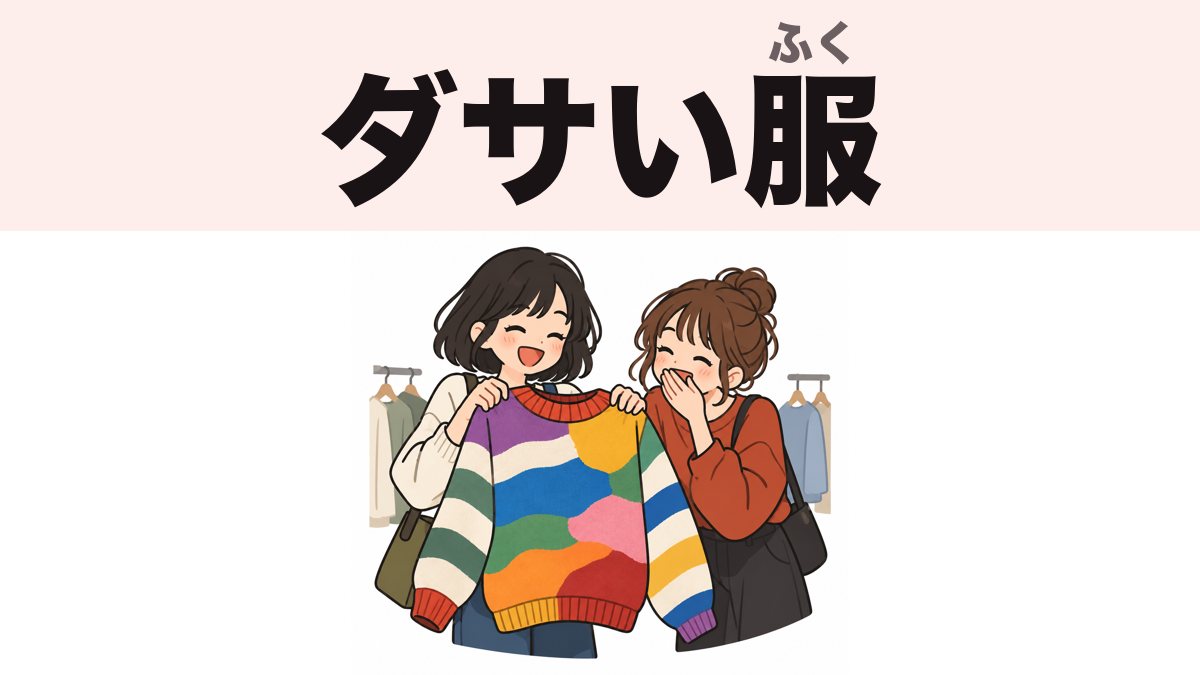
Ugly in Japanese: 醜い, ブサイク, ダサい, and which one is safe to say
Ugly in Japanese is 醜い in writing, ブサイク for faces, ダサい for uncool clothes or taste, and 汚い for dirty things. Here is which one is safe and which one hurts.
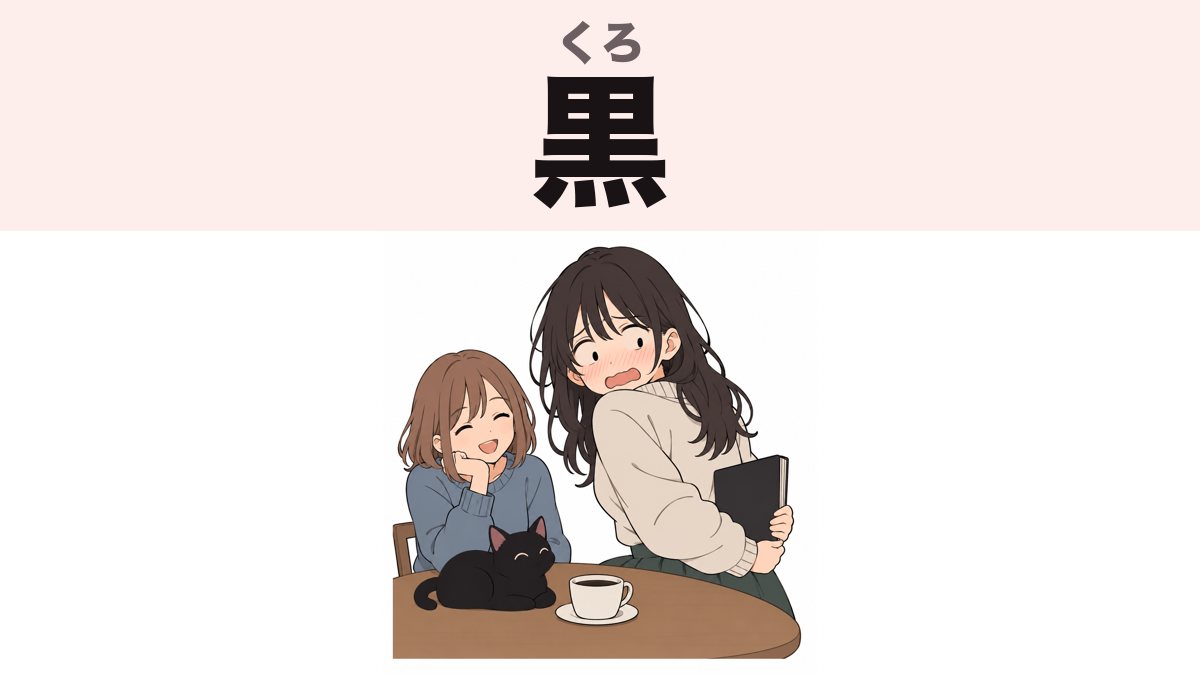
黒い (くろい) means black in Japanese: 真っ黒, 腹黒い, 黒歴史
Black in Japanese is 黒 (くろ), or 黒い as an adjective. Learn 真っ黒, 黒字 (profit), 腹黒い (scheming), 白黒つける, ブラック for black coffee, and the slang 黒歴史.
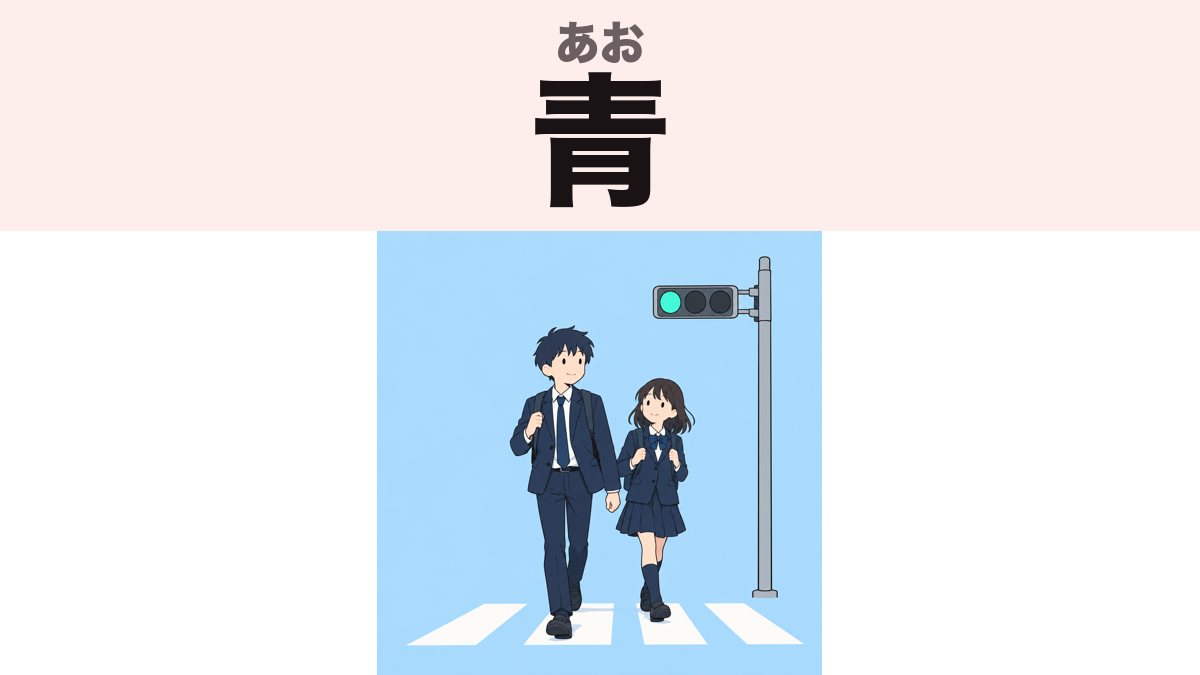
Blue in Japanese: 青 (ao), 青い (aoi), 真っ青 and 青信号
Blue in Japanese is 青 (あお), or 青い as an adjective. Learn why a green light is 青信号, 真っ青 (deep blue or pale), 水色 (light blue), 紺 (navy), 青春 (youth), and 青二才.
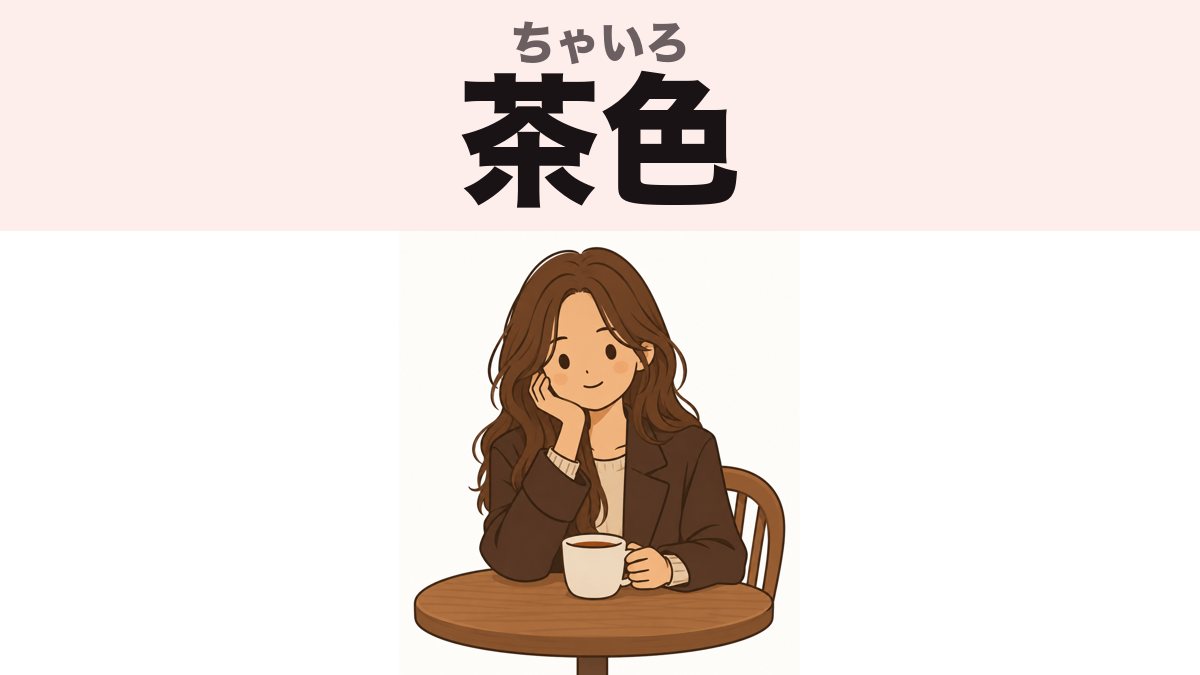
Brown in Japanese: 茶色 (chairo), 茶色い, 茶髪 and こげ茶
Brown in Japanese is 茶色 (ちゃいろ), "tea color", or 茶色い as an adjective. Learn 茶髪 (dyed brown hair), こげ茶 (dark brown), ベージュ, ブラウン, and 小麦色 for tanned skin.
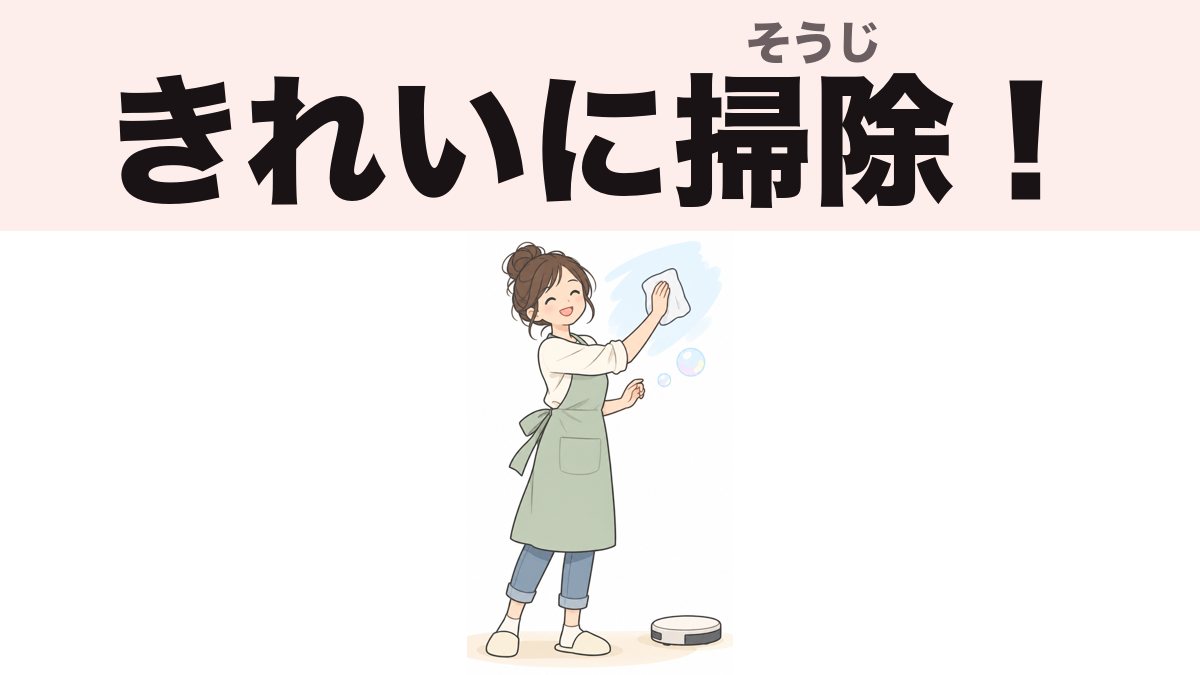
Clean in Japanese: きれい (kirei), 掃除 (souji), and the な-adjective trap
Clean in Japanese is きれい (kirei) for "clean/pretty" and 掃除する (souji suru) for "to clean". きれい looks like an い-adjective but is a な-adjective.
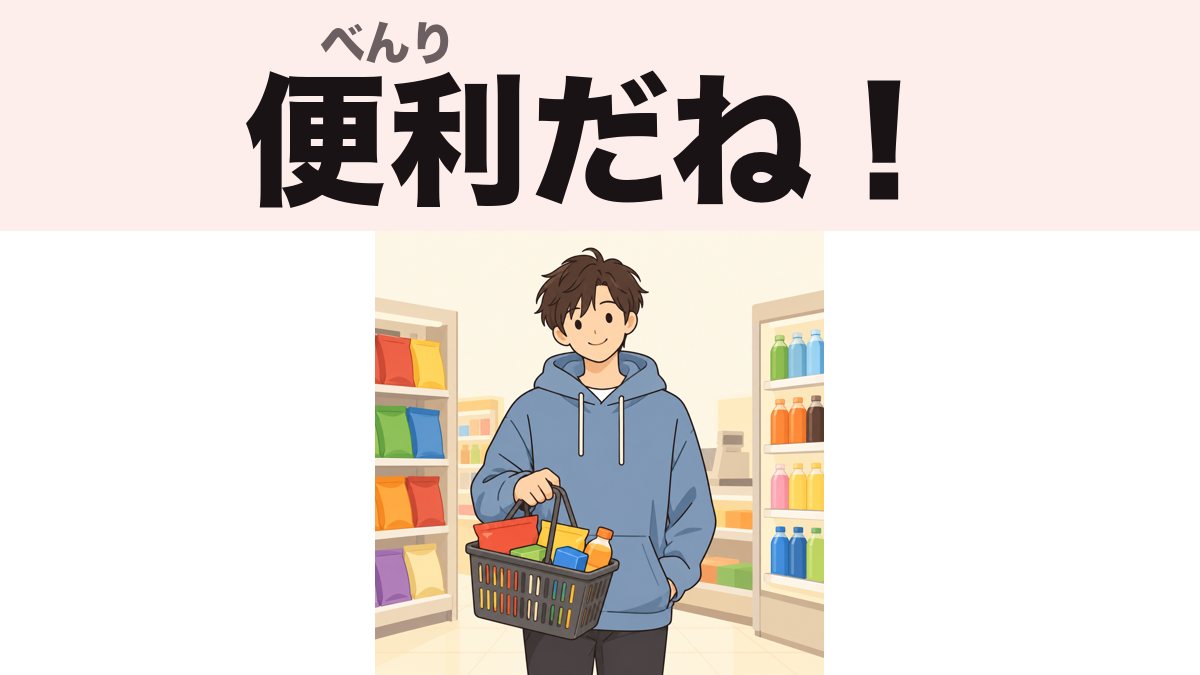
Convenient in Japanese: 便利 (べんり), and why 都合 is a different word
Convenient in Japanese is 便利 (べんり), a な-adjective for things and places. For schedules, use 都合. Learn 不便, 都合がいい, コンビニ, 楽 and 使いやすい with examples.
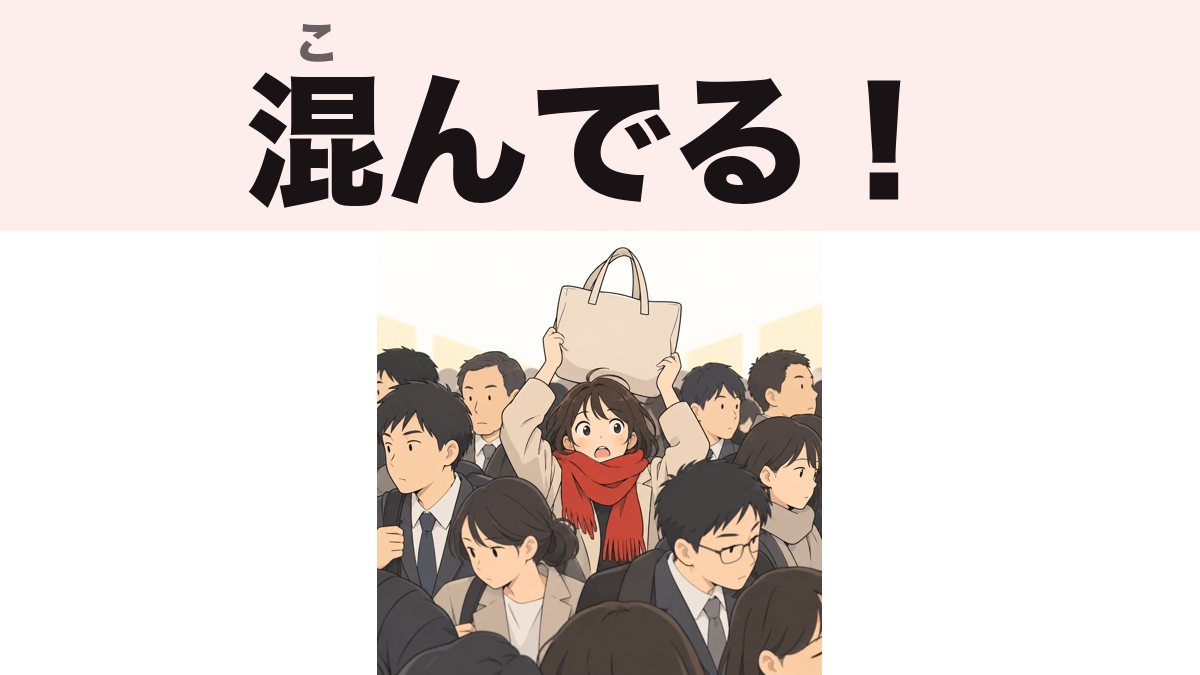
Crowded in Japanese: 混んでる (こんでる) and 空いてる
Crowded in Japanese is 混んでいる, said 混んでる in speech. Learn 空いてる (not crowded), 混雑, 満員, ぎゅうぎゅう, and how to ask 混んでますか at a restaurant.
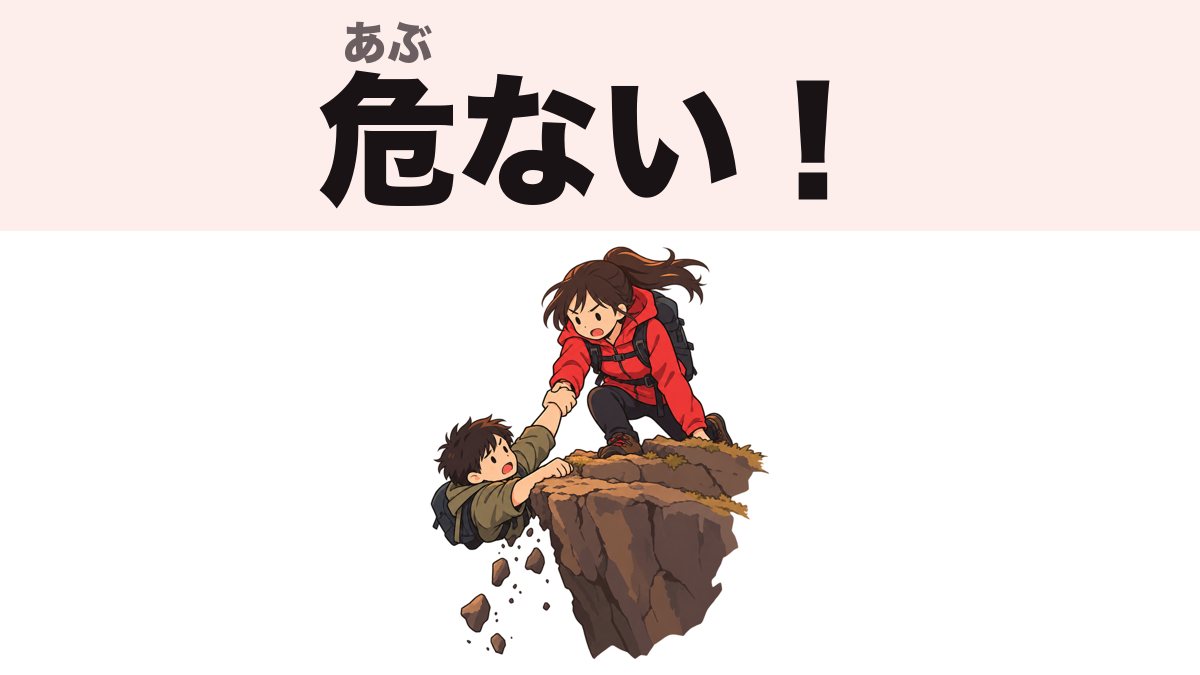
Dangerous in Japanese: 危ない (あぶない) vs 危険 (きけん), and the shout "Look out!"
Dangerous in Japanese is 危ない (あぶない) in speech and 危険 (きけん) on signs. Learn the shouted 危ない!, 危なかった, やばい, 気をつけて and how 怖い differs.
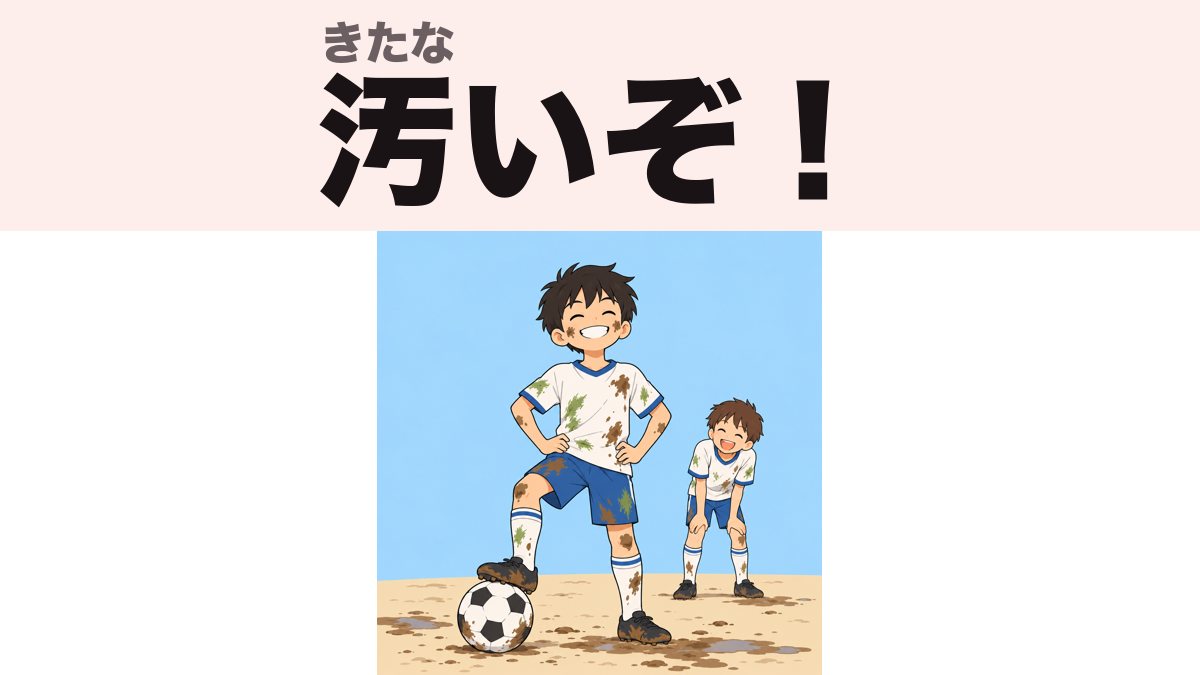
Dirty in Japanese: 汚い (きたない), 汚れる vs 汚す, and why 汚いぞ! means "unfair"
Dirty in Japanese is 汚い (きたない), an い-adjective. Learn 汚れる vs 汚す, 汚れ, 散らかっている, 不潔, ずるい, and why anime heroes shout 汚いぞ! at cheaters.
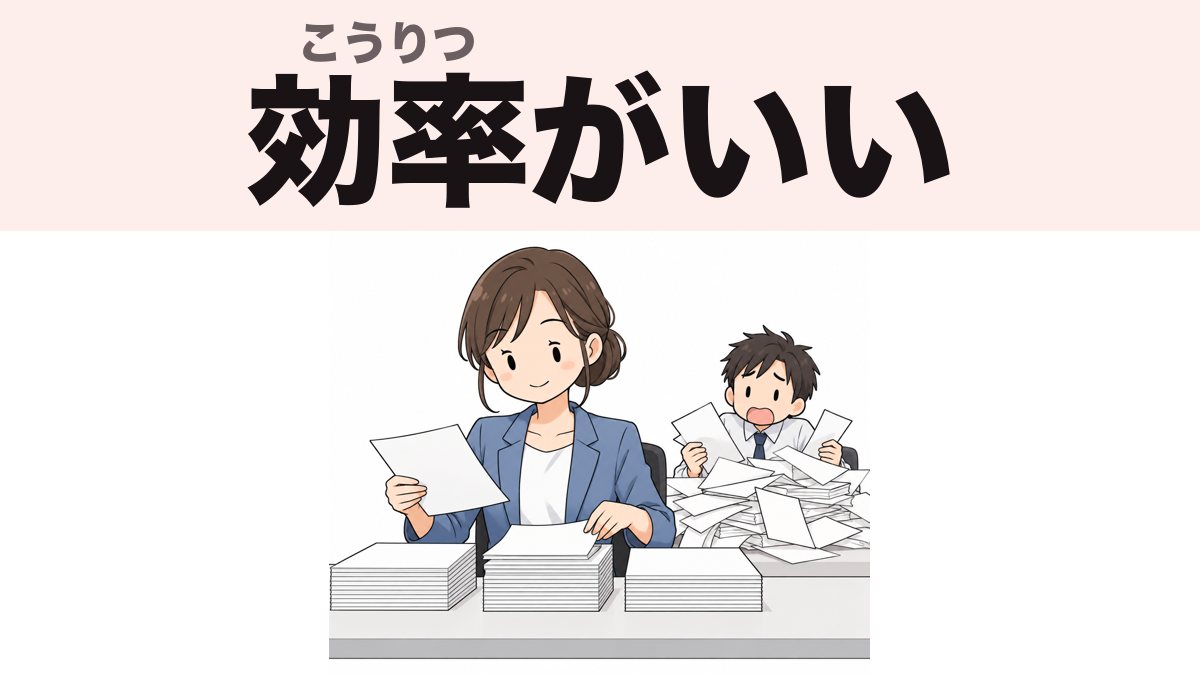
Efficient in Japanese: 効率がいい, 効率的, and why it is 非効率, not 不効率
Efficient in Japanese is 効率がいい or 効率的 (こうりつてき). Learn 効率よく, 非効率 (not 不効率), 効率化, 要領がいい, 手際がいい, and how 効率 relates to タイパ.
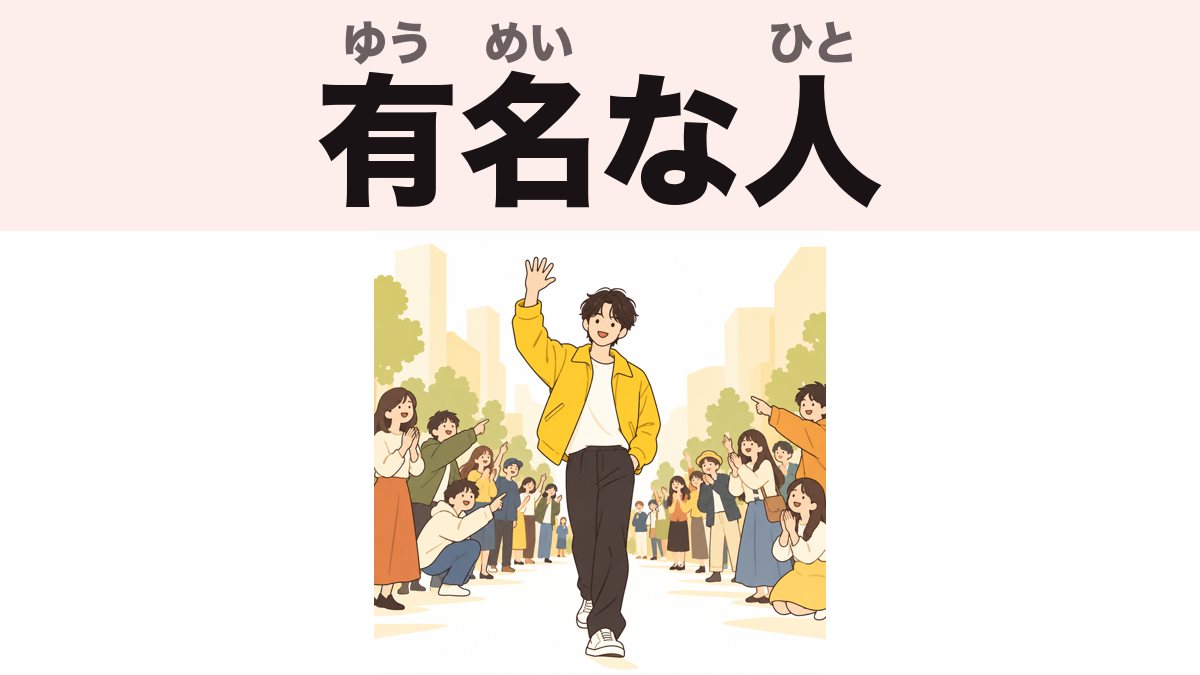
Famous in Japanese: 有名 (ゆうめい), and how it differs from 人気 (popular)
Famous in Japanese is 有名 (ゆうめい), a な-adjective. Learn 有名な人, 〜で有名, and the key contrast with 人気 (popular), plus 名物, 話題, 有名人 and 超有名.
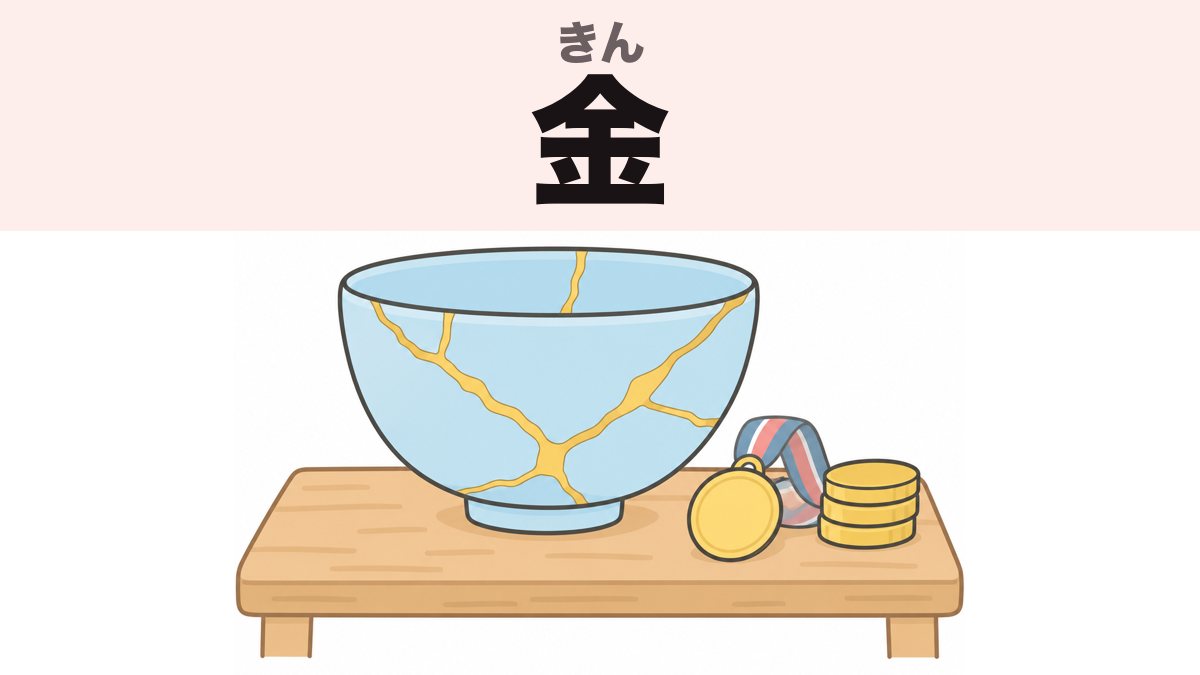
Gold in Japanese: 金 (きん), 金色, 金メダル, 金継ぎ, and 沈黙は金
Gold in Japanese is 金 (きん), and the color is 金色 (きんいろ). Learn 金メダル, 金髪 (blond), 金継ぎ (gold-repaired pottery), 黄金, and why the same kanji means money and Friday.
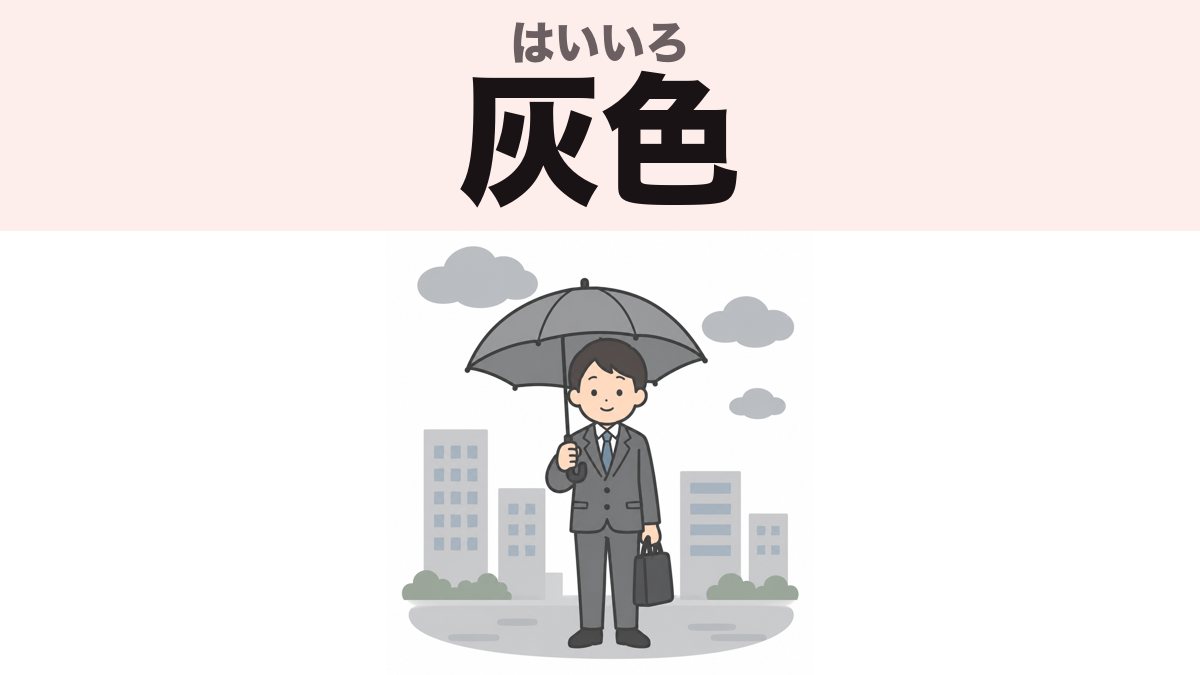
Gray in Japanese: 灰色 (はいいろ), グレー, ねずみ色, and グレーゾーン
Gray in Japanese is 灰色 (はいいろ), "ash color", or the loanword グレー. Learn ねずみ色 (mouse gray), 灰色の空, グレーゾーン (gray area), 白髪 for gray hair, and 灰 (ash).
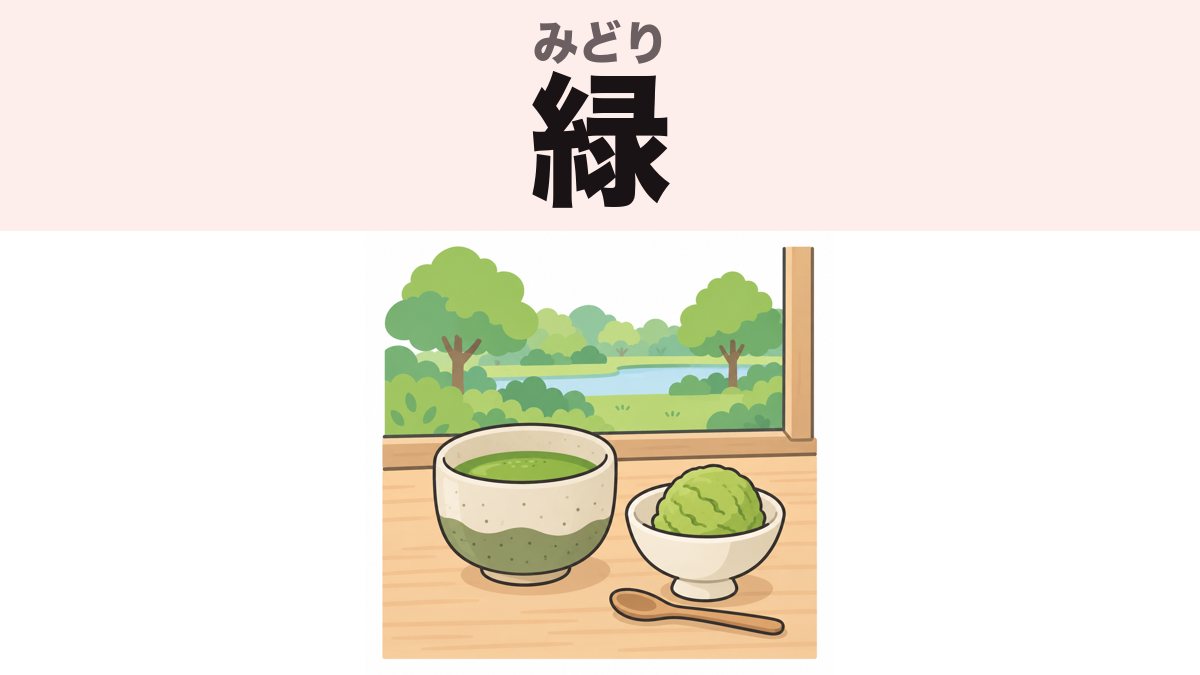
Green in Japanese: 緑 (みどり), 緑色, 緑茶, グリーン車, and みどりの日
Green in Japanese is 緑 (みどり), and since there is no 緑い, you say 緑の or 緑色の. Learn 黄緑, 緑茶, 抹茶, 緑が多い (leafy), グリーン車 on trains, and when Japanese calls green 青.
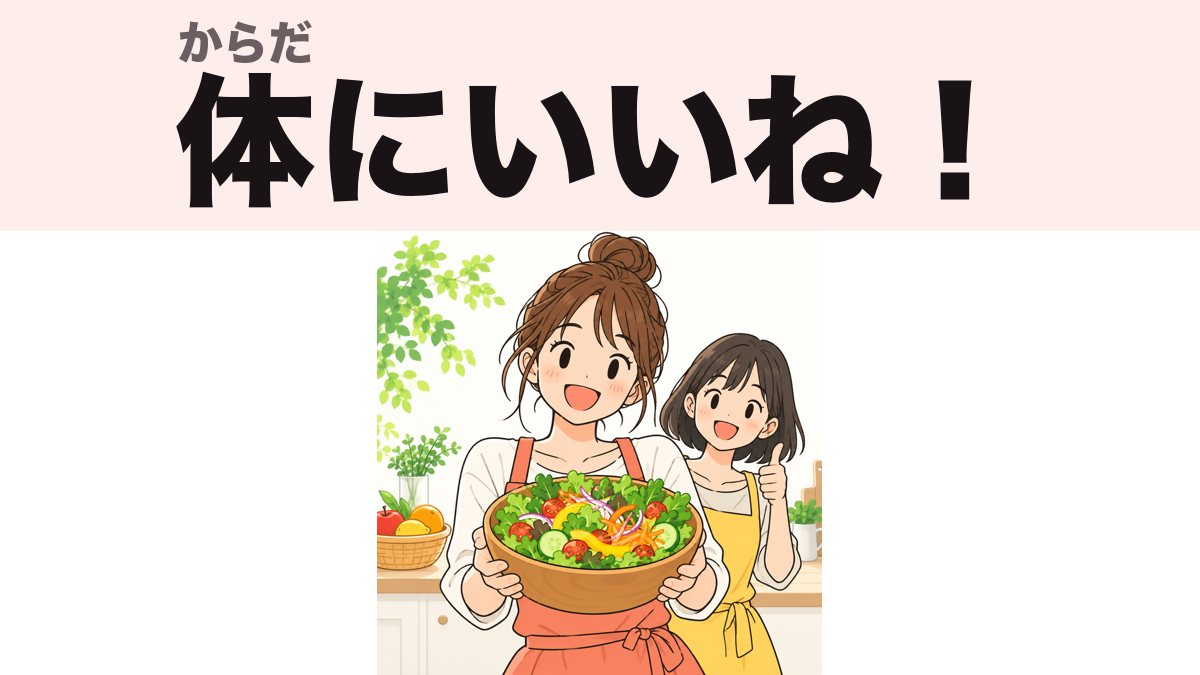
Healthy in Japanese: 健康, 元気 or ヘルシー? Which one to use
Healthy in Japanese is 健康 (けんこう) for body condition, 元気 (げんき) for energy, ヘルシー for low-calorie food. Learn which to use, plus 体にいい and 丈夫.
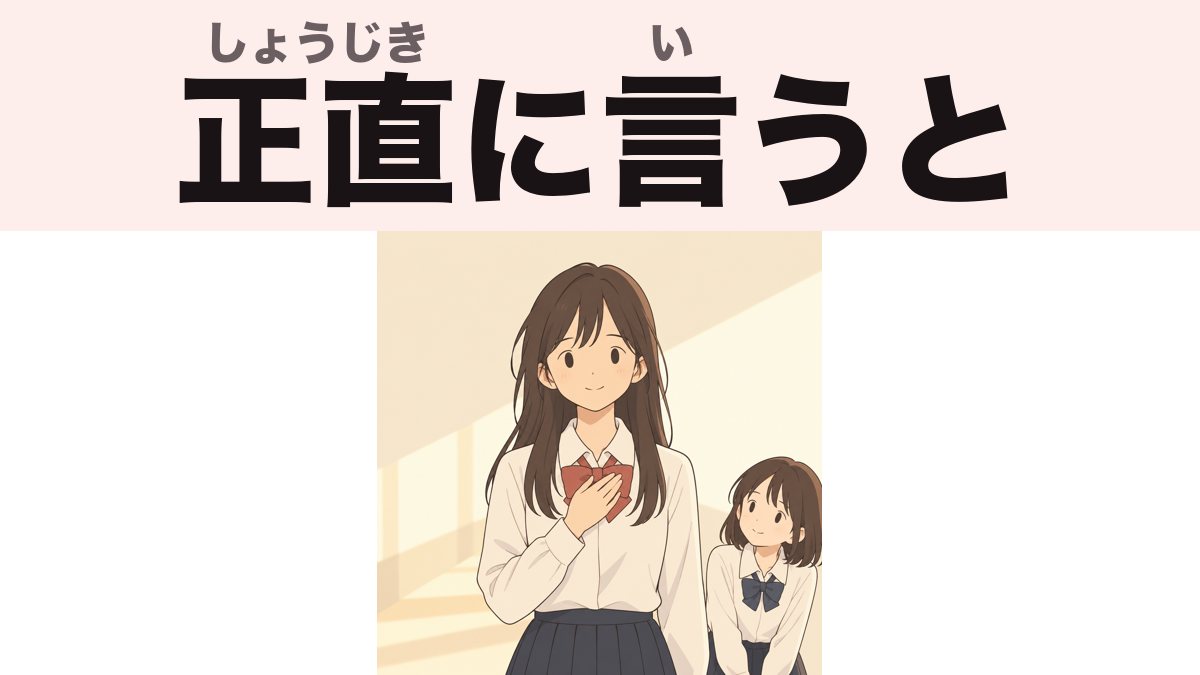
Honest in Japanese: 正直 (しょうじき), and why 素直 is not the same word
Honest in Japanese is 正直 (しょうじき). Learn 正直に言うと for "to be honest", casual ぶっちゃけ, how 素直, 誠実 and 嘘つき differ, and how anime uses 正直に言え.
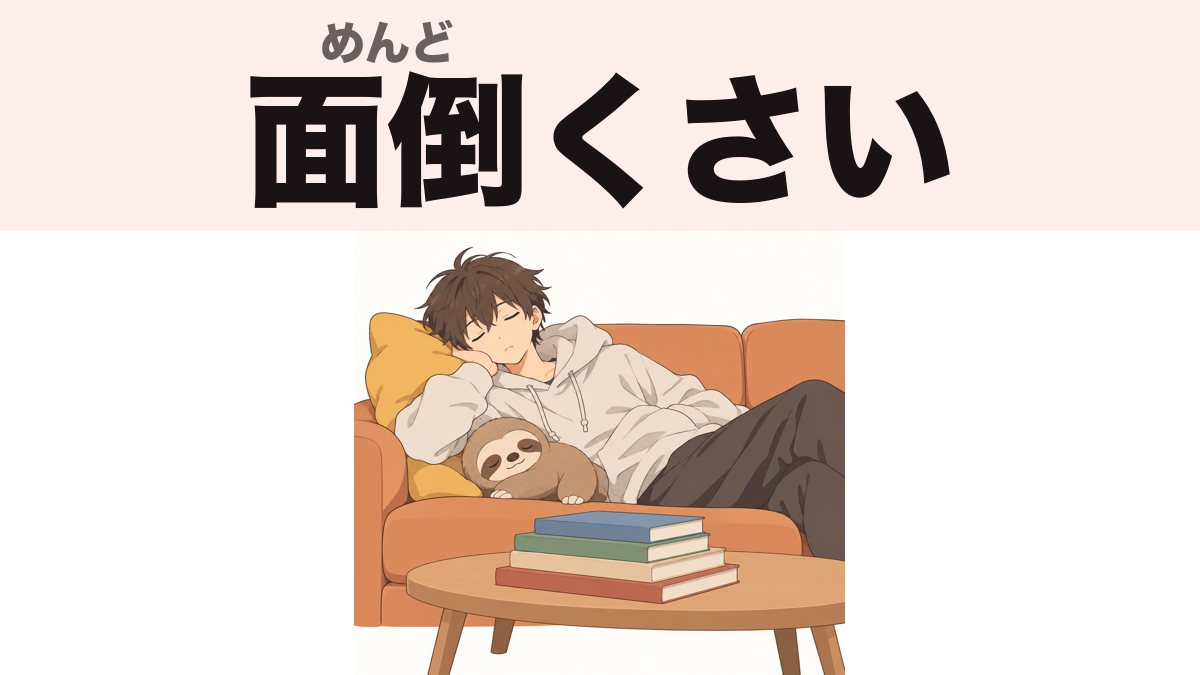
Lazy in Japanese: 怠け者 (なまけもの), めんどくさい and how people really say it
Lazy in Japanese: 怠け者 describes a lazy person, but めんどくさい is what people say about their own feeling. Learn 怠ける, サボる, だるい, ぐうたら and more.
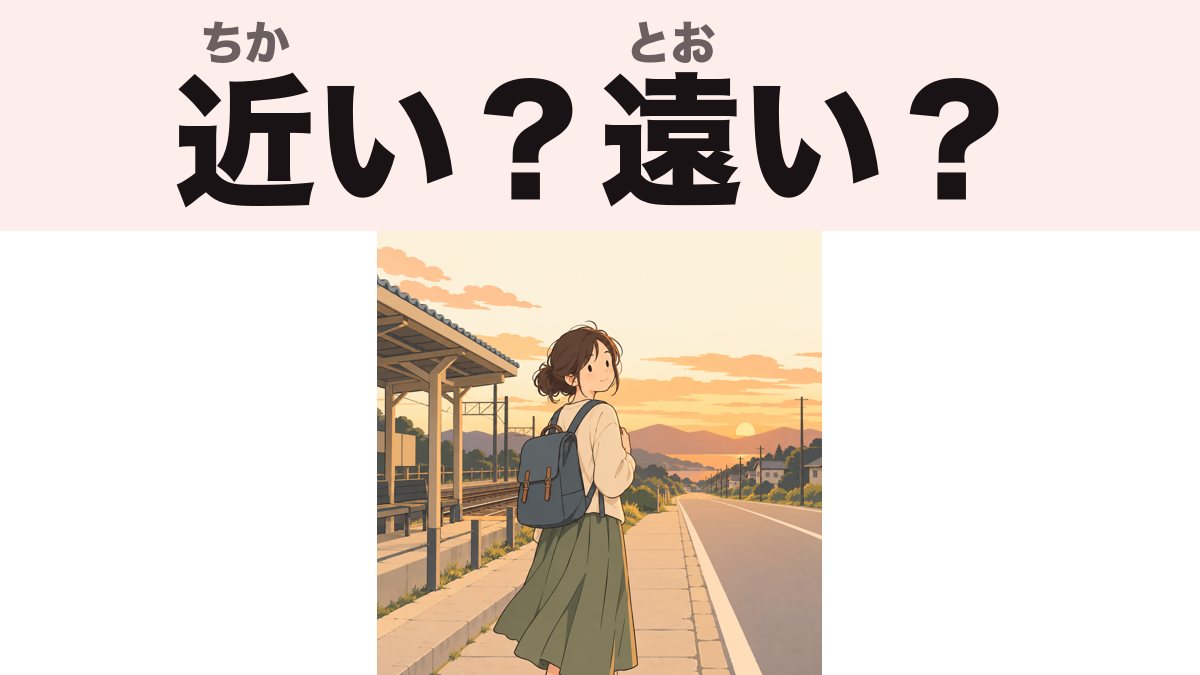
Near and far in Japanese: 近い (ちかい) and 遠い (とおい), and the に / から trap
Near in Japanese is 近い (ちかい), far is 遠い (とおい). Learn 駅に近い vs 駅から遠い, 近く, 近所, そば, 隣, 歩いて5分, and how anime uses 遠い for distance of the heart.
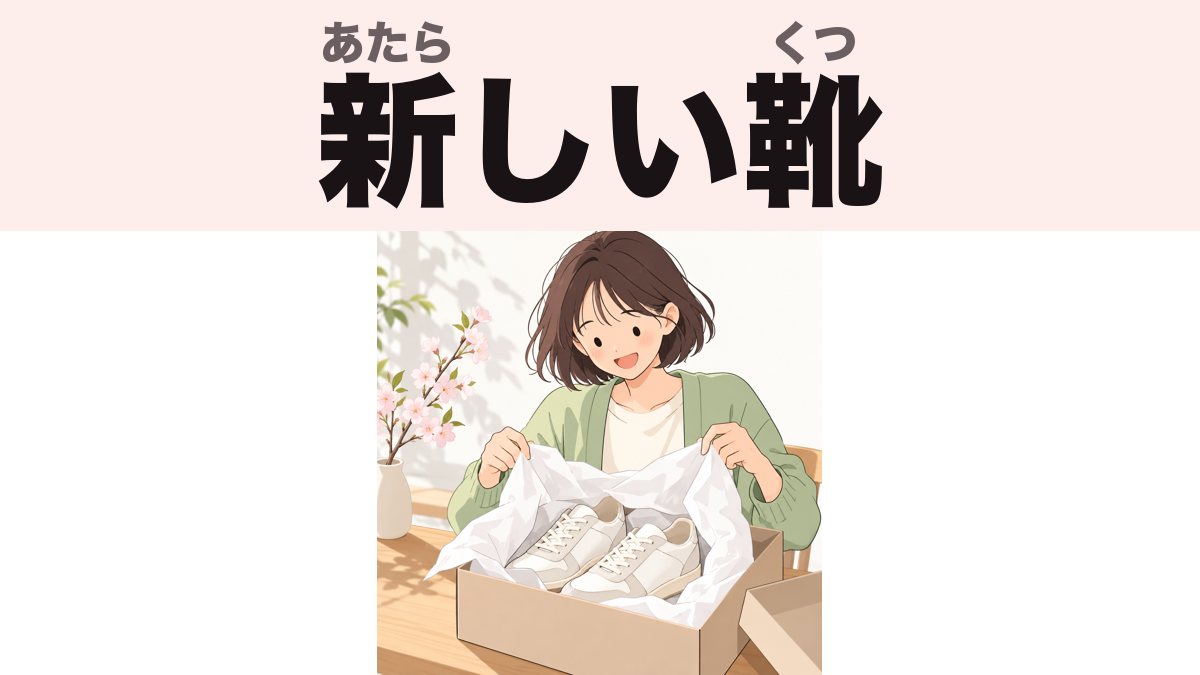
New in Japanese: 新しい (あたらしい), 新 words, and 新品 vs 中古
New in Japanese is 新しい (あたらしい), an い-adjective. Learn 新品, 新鮮, 最新, 新作, 新学期 and how to ask "anything new?" with 最近どう? and 何か新しいこと?
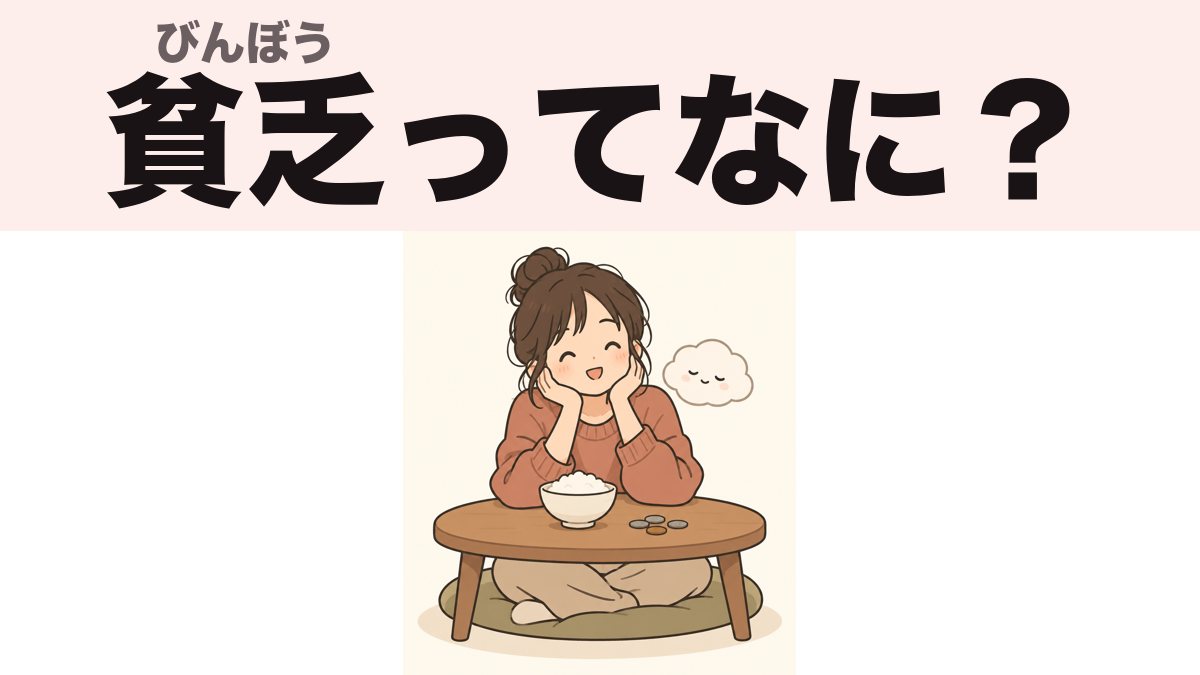
Poor in Japanese: 貧乏 (びんぼう), 貧しい, かわいそう, and 下手 explained
Poor in Japanese is 貧乏 for no money, 貧しい for serious poverty, かわいそう for pity, and 下手 for bad at something. Learn which one fits and how it sounds.
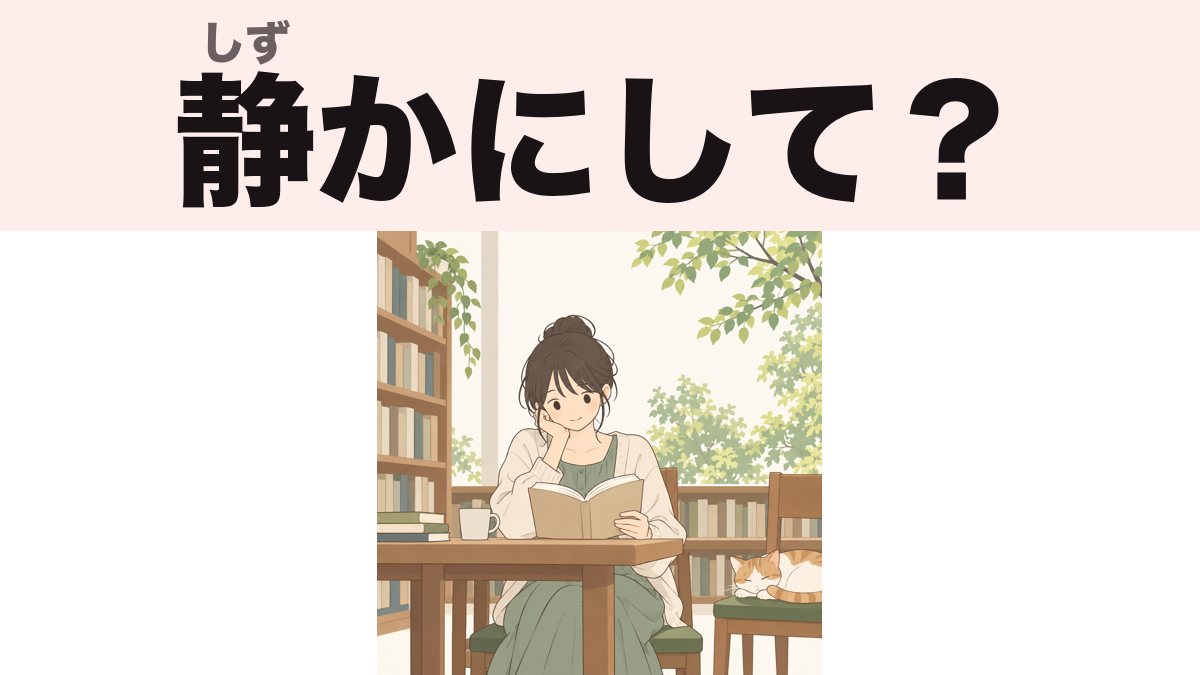
Quiet in Japanese: 静か (しずか), and why 静かにして! sounds blunt
Quiet in Japanese is 静か (しずか), a な-adjective. Learn 静かな場所, 静かにしてください, 大人しい, 無口, and how うるさい and 黙れ really sound in anime.
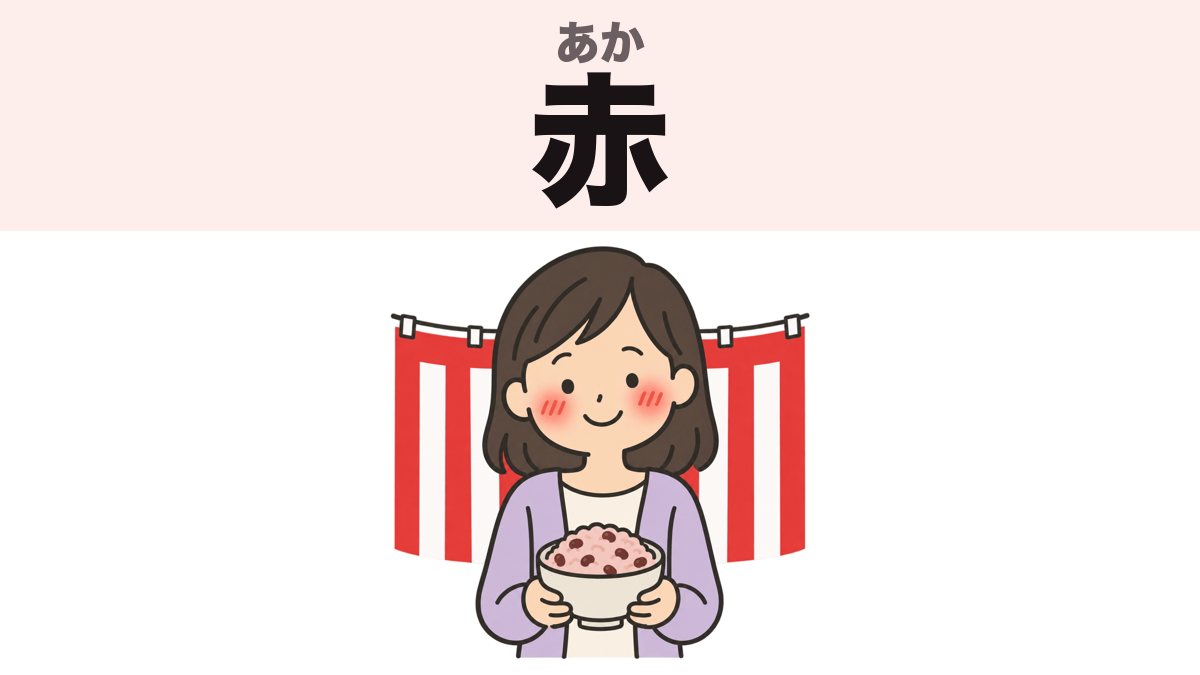
Red in Japanese: 赤 (あか), 赤い, 真っ赤, 赤字, and 紅白
Red in Japanese is 赤 (あか), or 赤い as an adjective. Learn 真っ赤 (completely red), 顔が赤くなる (to turn red in the face), 赤字 (deficit), 赤信号, 赤の他人, and 紅白.
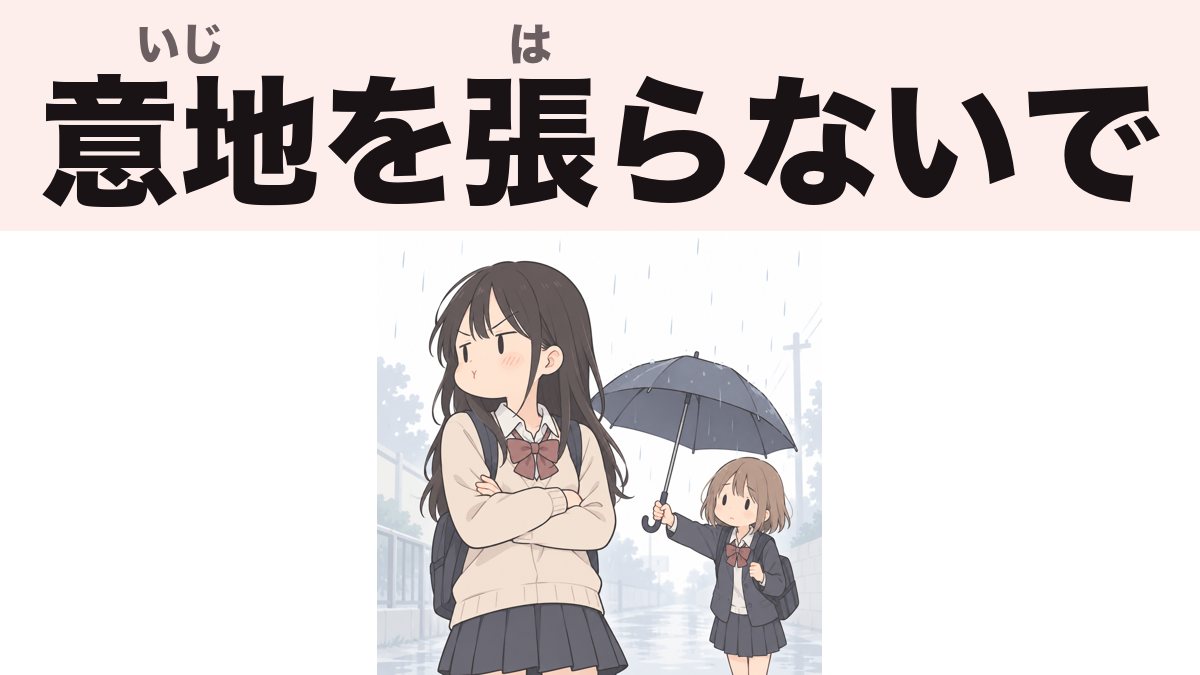
Stubborn in Japanese: 頑固 (がんこ), 意地っ張り, and the stubborn that is a compliment
Stubborn in Japanese is 頑固 (がんこ). Learn 頑固な人, 頭が固い, the anime favorite 意地っ張り, and positive words like 粘り強い for "won't give up".
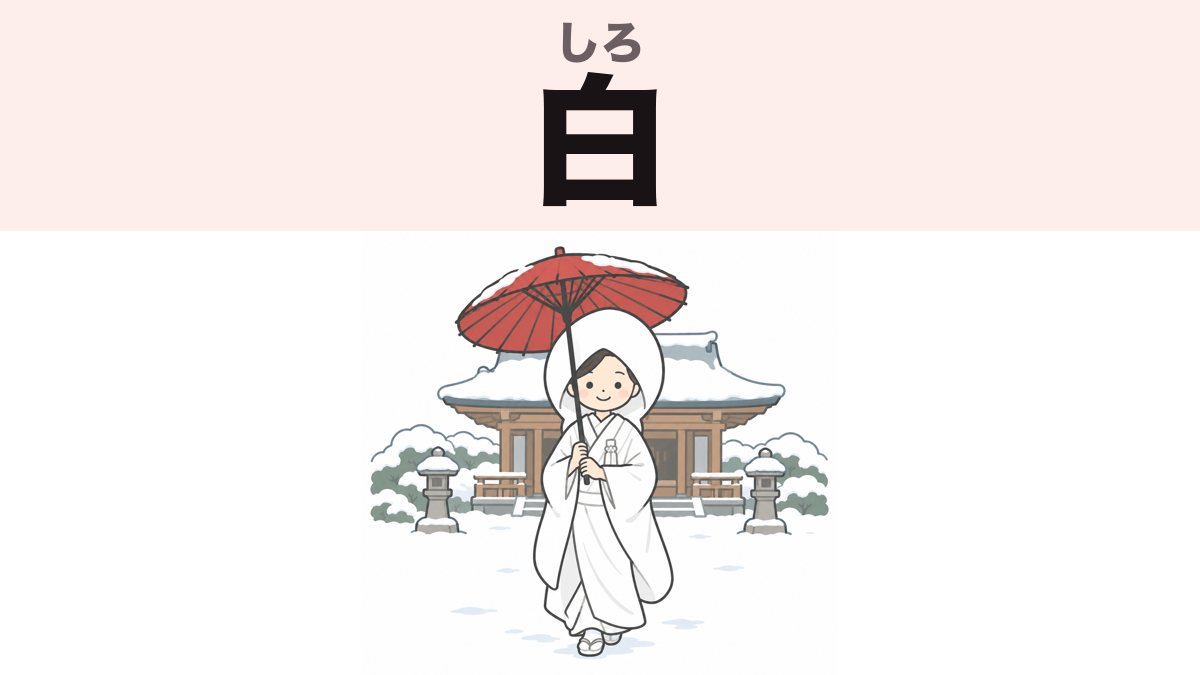
White in Japanese: 白 (しろ), 白い, 真っ白, 白紙, and 白状する
White in Japanese is 白 (しろ), or 白い as an adjective. Learn 真っ白 (pure white), 頭が真っ白になる (mind goes blank), 白紙に戻す, 白状する, 白い目, and ホワイト企業.
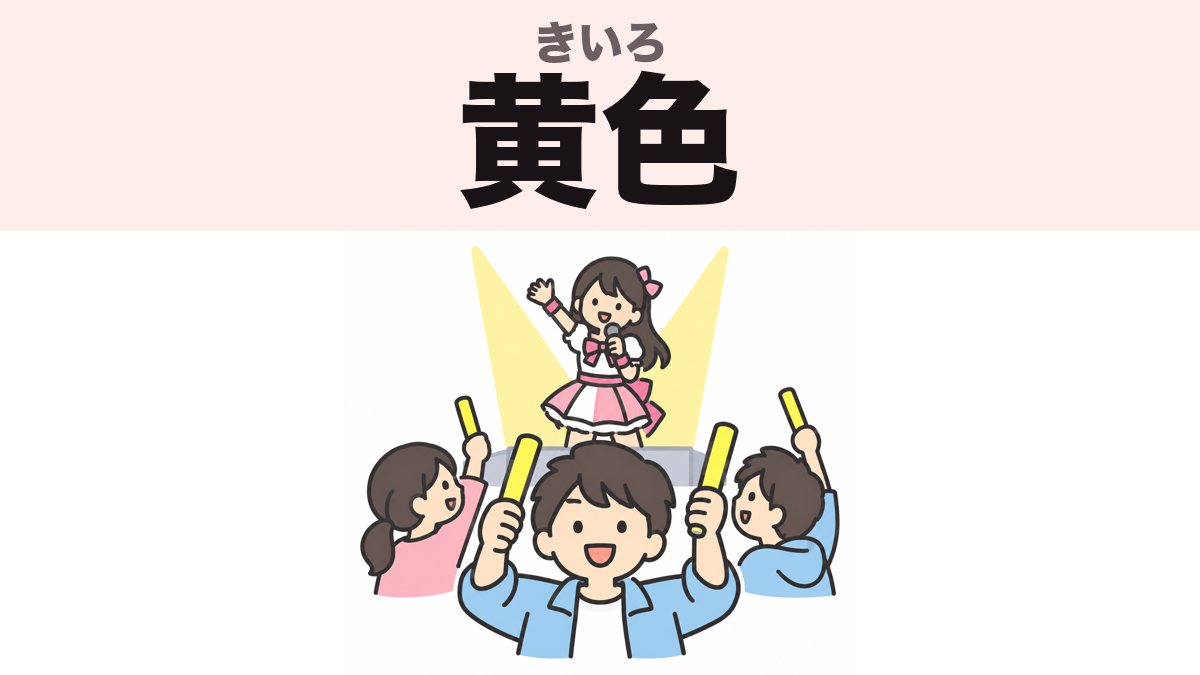
Yellow in Japanese: 黄色 (きいろ), 黄色い, 黄色い声, 黄信号, and 黄身
Yellow in Japanese is 黄色 (きいろ), or 黄色い as an adjective. Learn 黄色い声 (excited squeals), 黄信号 (a warning sign), 黄身 (egg yolk), 黄金, and the idiom くちばしが黄色い.
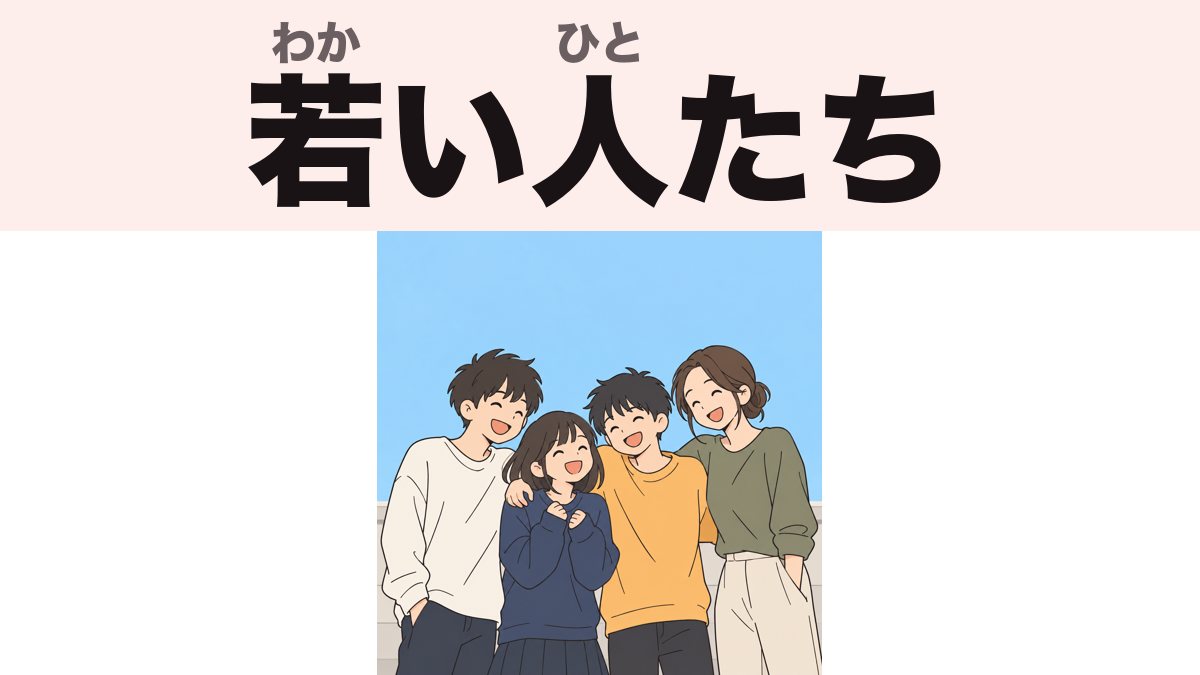
Young in Japanese: 若い (わかい), 若者, 年下 and how to compliment someone
Young in Japanese is 若い (わかい), an い-adjective. Learn 若者, 年下, 若手, 少年, 若く見える and 若造, plus when "you look young" is a safe compliment.
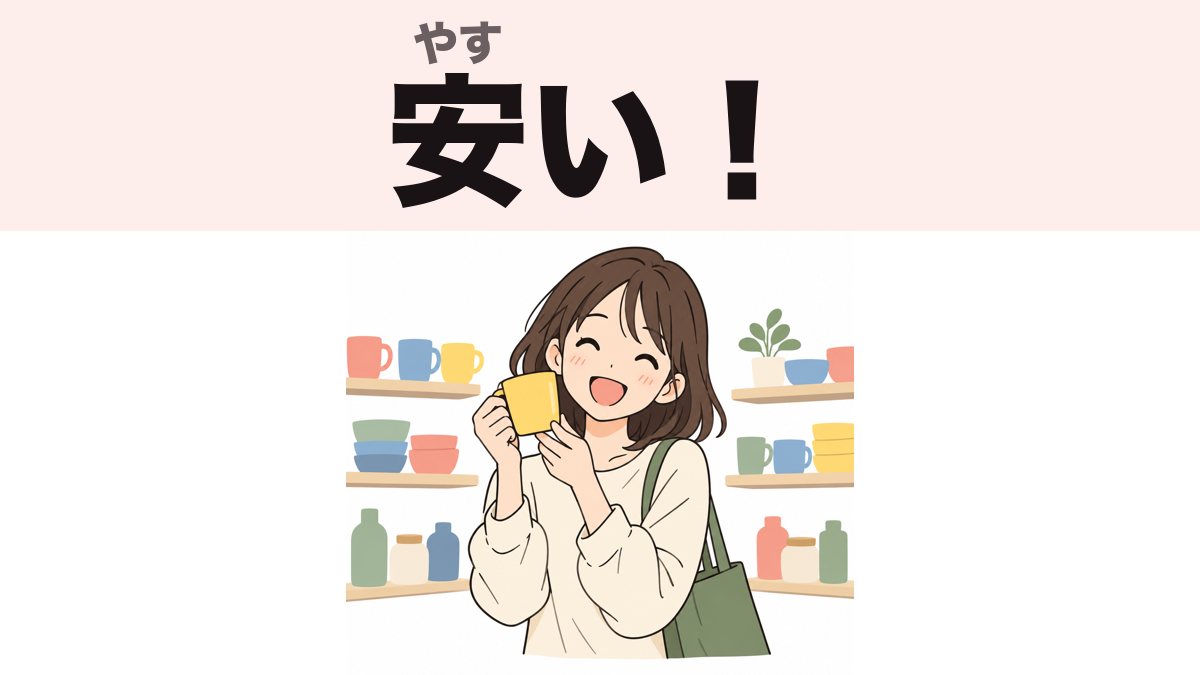
Cheap in Japanese: 安い (やすい), and the "easy" words it gets mixed up with
Cheap in Japanese is 安い (やすい), an い-adjective. It sounds like 〜やすい (easy to do) and 易しい (easy). Learn 安い, お得, 安っぽい, 格安 and how to haggle politely.
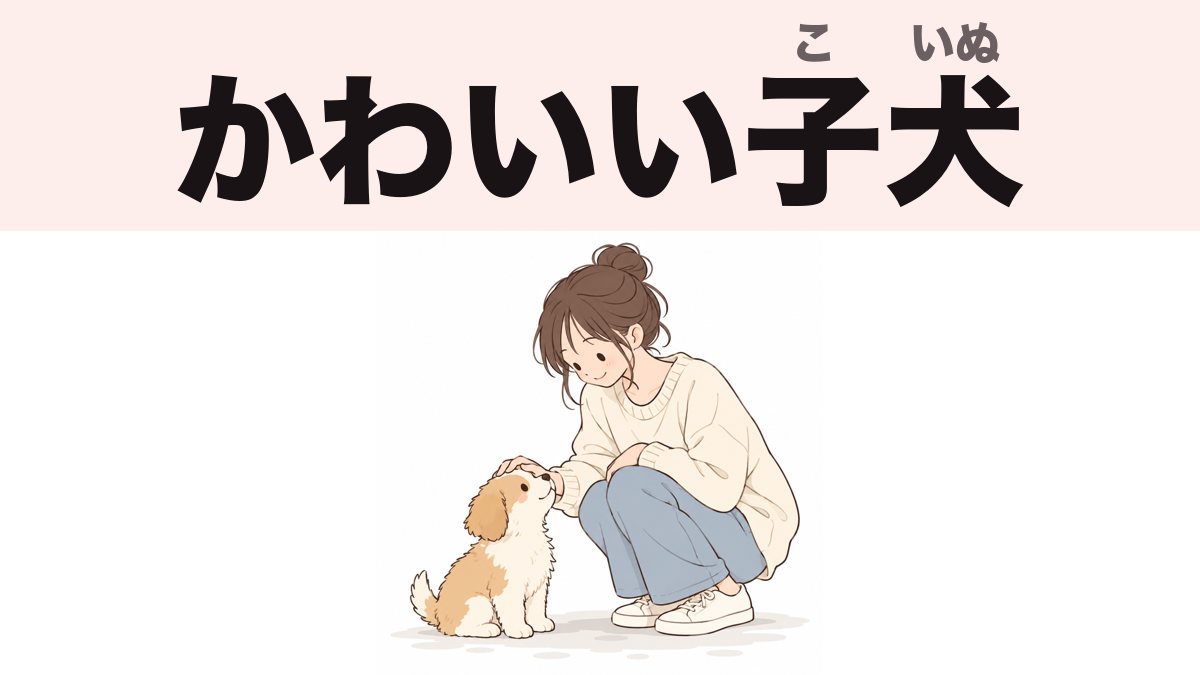
Cute in Japanese: かわいい, かわいらしい, and the かわいそう trap
Cute in Japanese is かわいい (可愛い, kawaii), an i-adjective used for people, pets and objects. Learn the variants, the かわいそう trap and how to compliment safely.
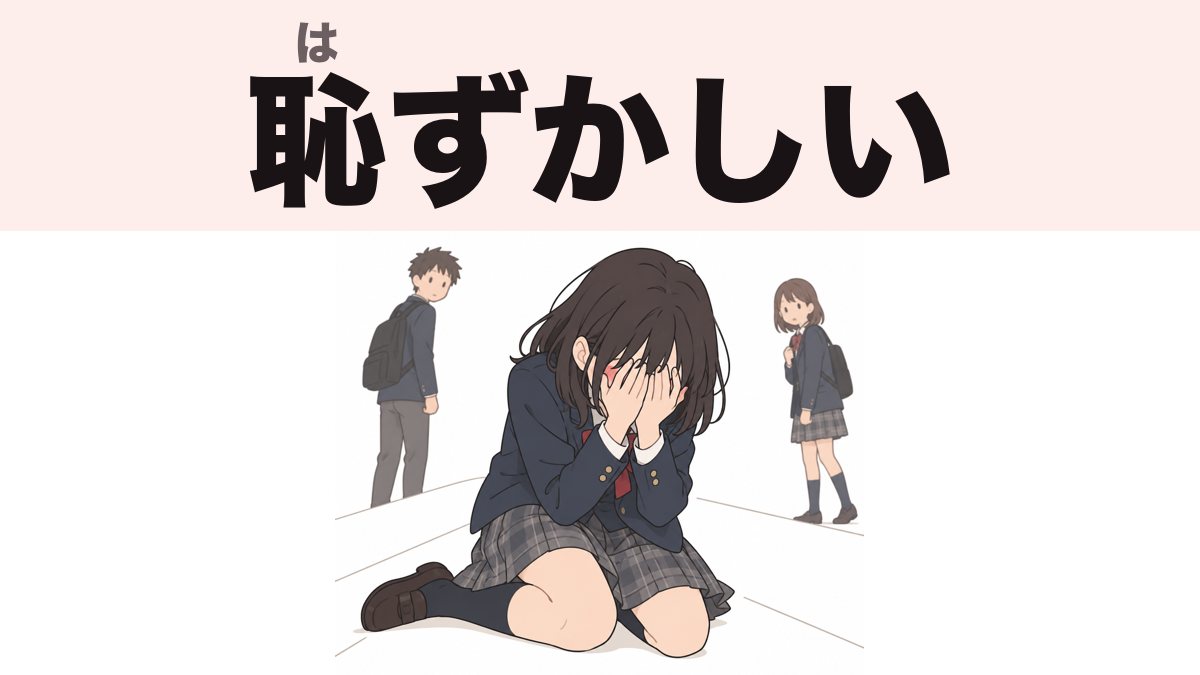
Embarrassed in Japanese: 恥ずかしい, 照れる, 気まずい and When to Use Each
Embarrassed in Japanese is usually 恥ずかしい (hazukashii), but 照れる, 気まずい and 恥をかく cover other kinds of embarrassment. Learn which one fits and why.
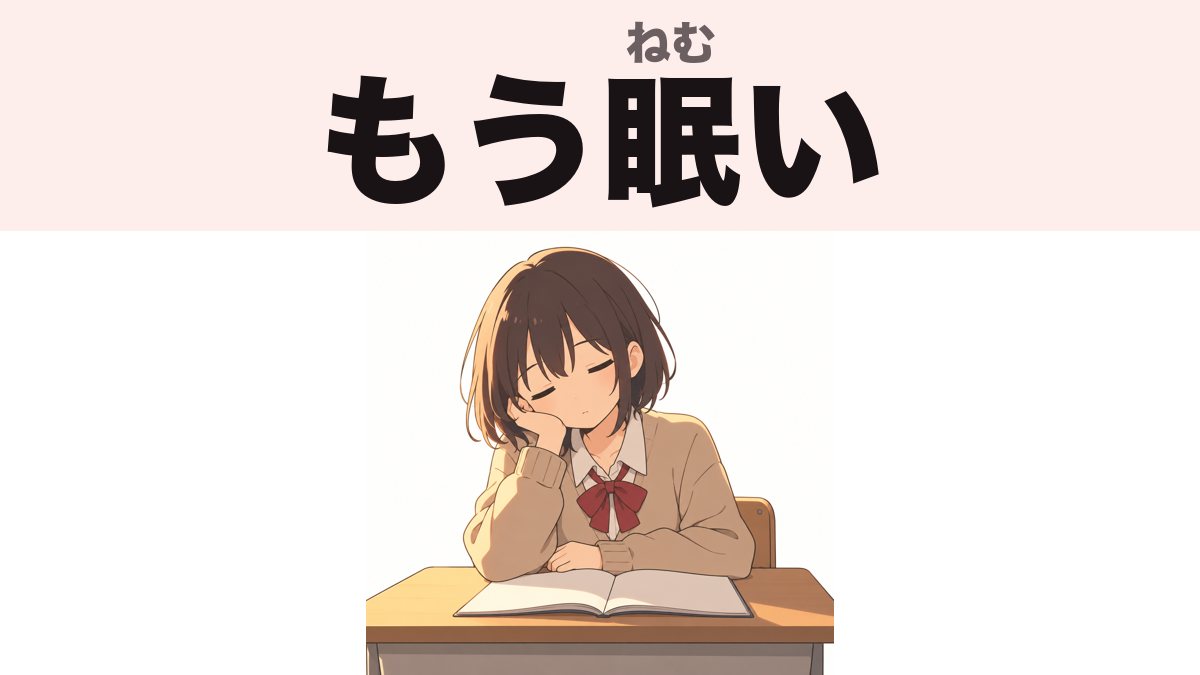
Sleepy in Japanese: how do you say 眠い (nemui) and its relatives?
Sleepy in Japanese is 眠い (ねむい, nemui), as in 眠いです, "I am sleepy." Learn ねみー, 眠くなる, 眠そう, 眠たい, 眠気 and うとうと, plus when each one fits.
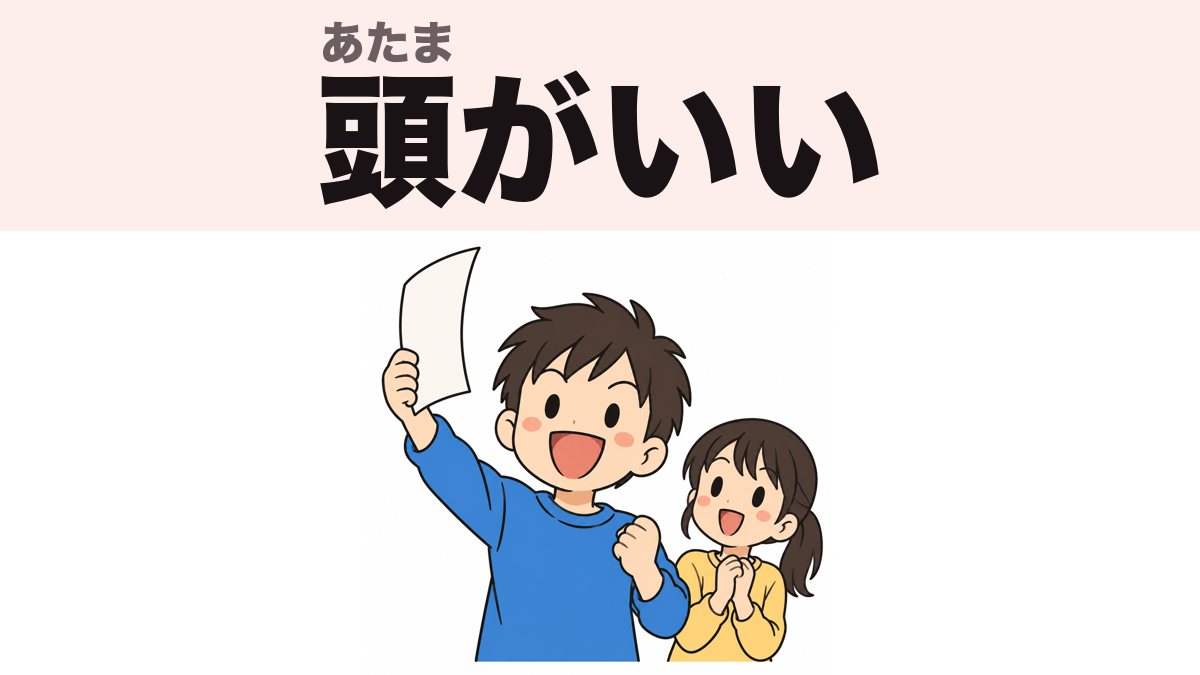
Smart in Japanese: 頭がいい, 賢い, and which one to say
Smart in Japanese is usually 頭がいい (atama ga ii), "good head." Learn 賢い, 頭が切れる, 優秀 and 天才, plus why スマート means slim, not smart.
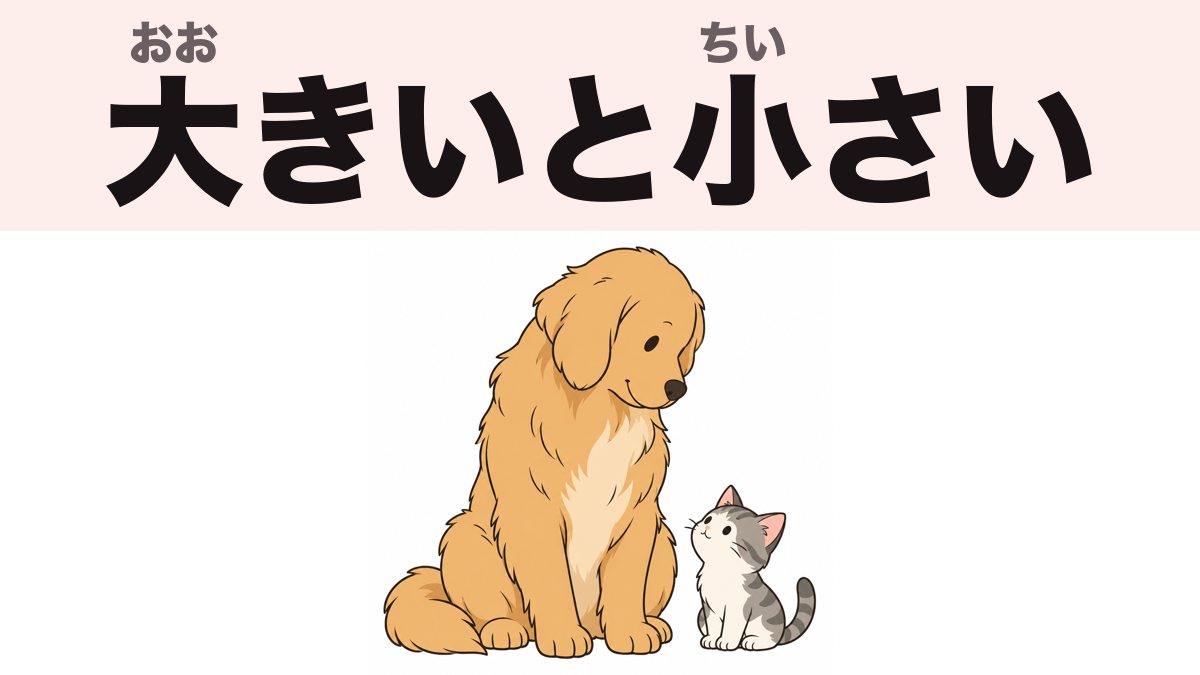
Big and small in Japanese: 大きい vs 大きな, and when big means 広い
Big in Japanese is 大きい (ookii) and small is 小さい (chiisai). But 大きな works only before a noun, and a big room is usually 広い, not 大きい.
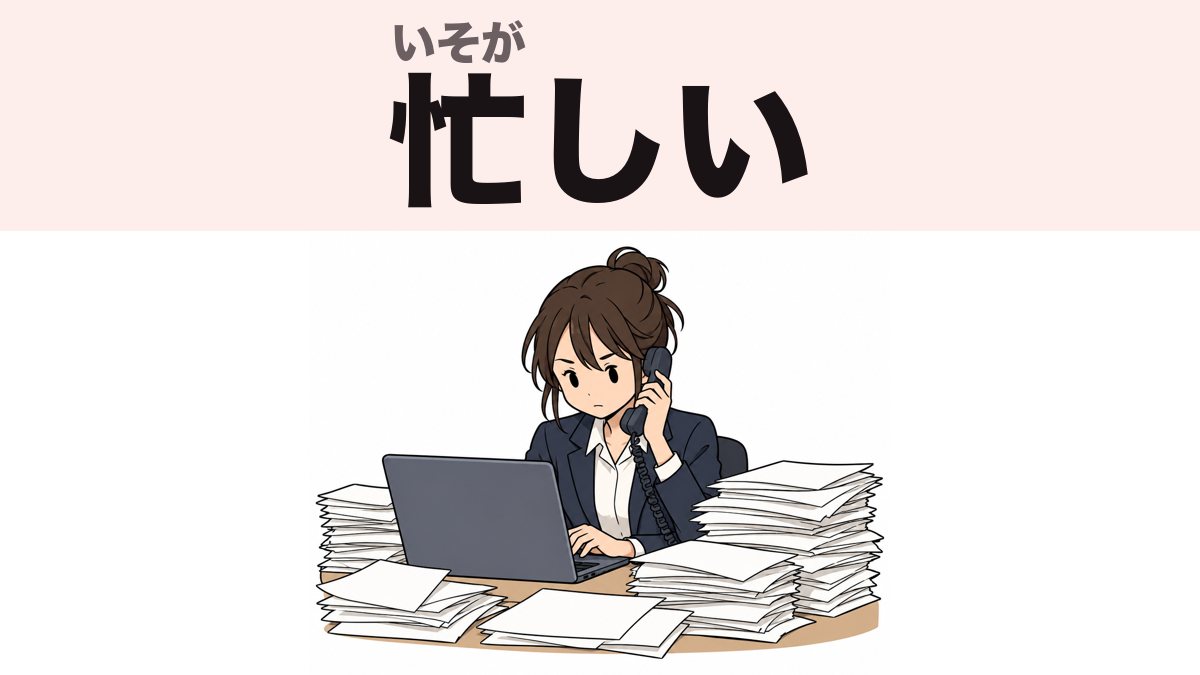
Busy in Japanese: 忙しい, バタバタ, and why a busy shop is 混んでいる
Busy in Japanese is 忙しい (isogashii) for people and schedules, but 混んでいる for crowded places and 話し中 for a phone line. Here is which one to use.
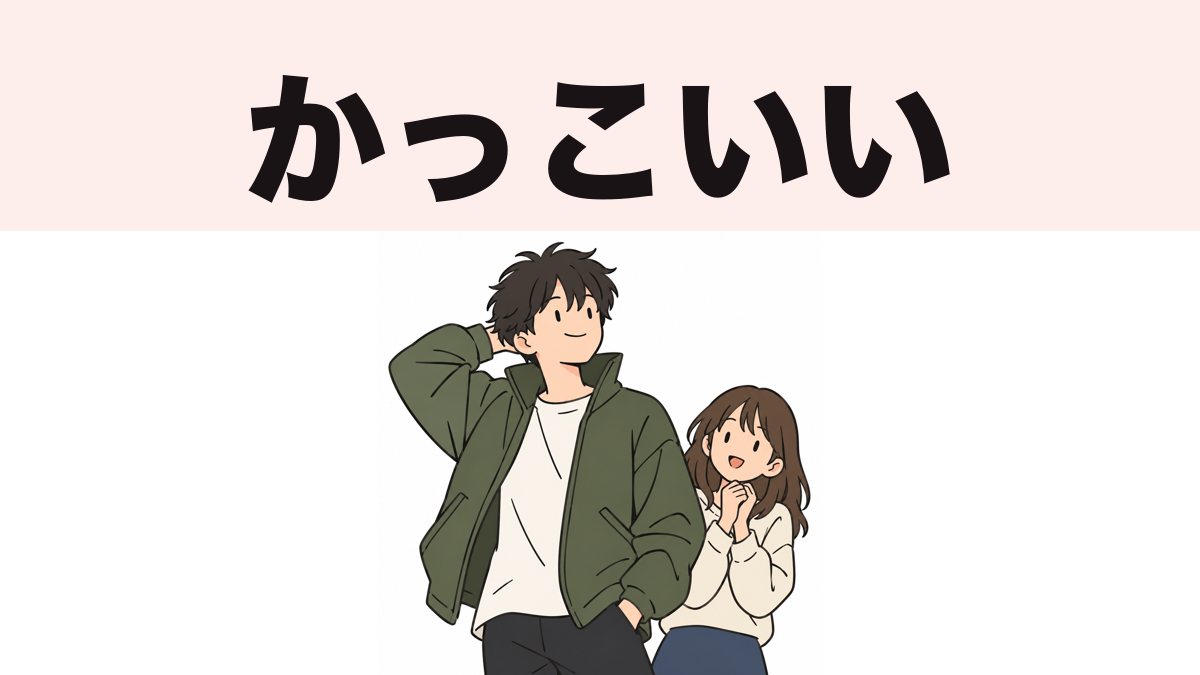
Cool in Japanese: かっこいい, クール, 涼しい and 冷たい — four different 'cool's
Cool in Japanese is not one word. かっこいい is stylish, 涼しい is a cool breeze, 冷たい is cold to the touch, and being cool with something is いいよ. Here is which to use.
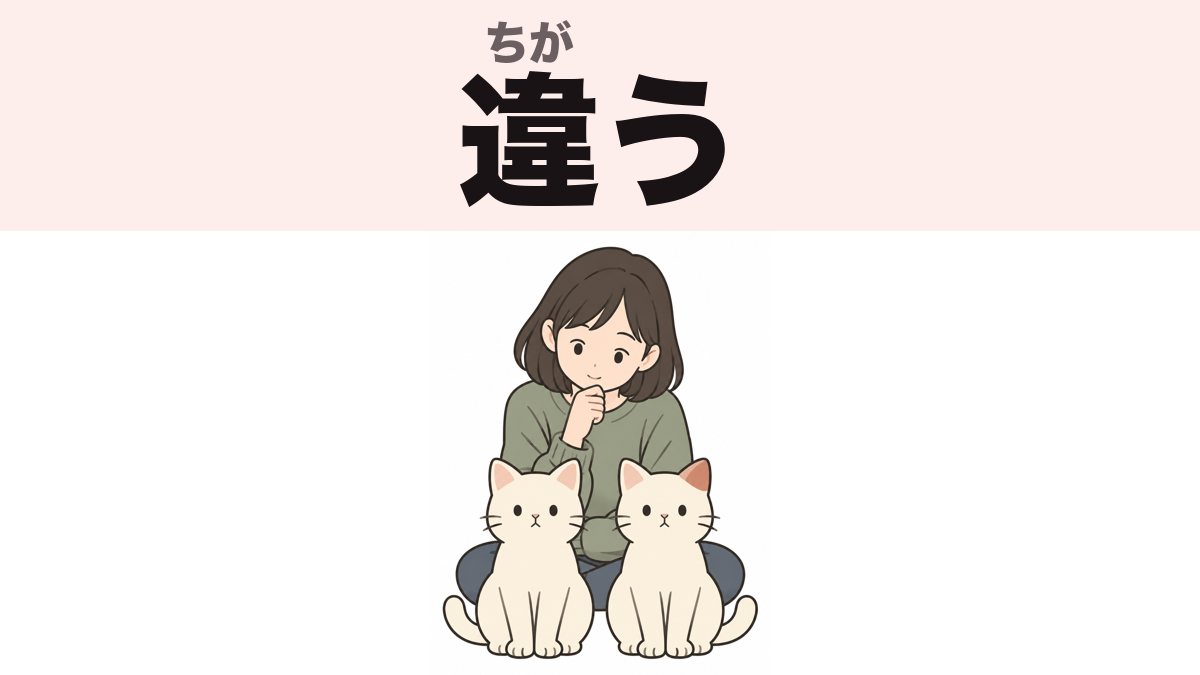
Different in Japanese: 違う is a verb, and 同じ breaks the な rule
"Different" in Japanese is 違う (chigau), a verb, not an adjective. "Same" is 同じ (onaji), a な-adjective that drops な before nouns. Plus 別, 異なる and 様々.
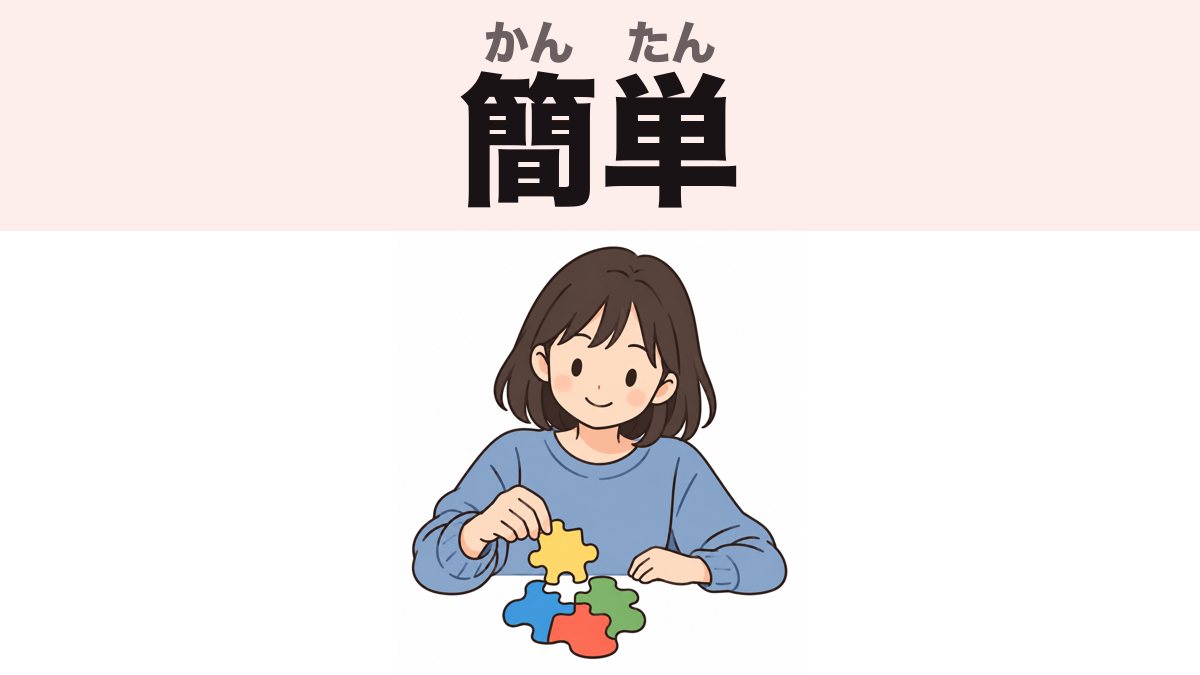
Easy in Japanese: 簡単, 易しい, 楽 — and the 優しい that isn't about difficulty
Easy in Japanese is 簡単 for simple steps, 易しい for low-level problems, and 楽 for effortless or comfortable. Here is how to pick, plus the 優しい trap.
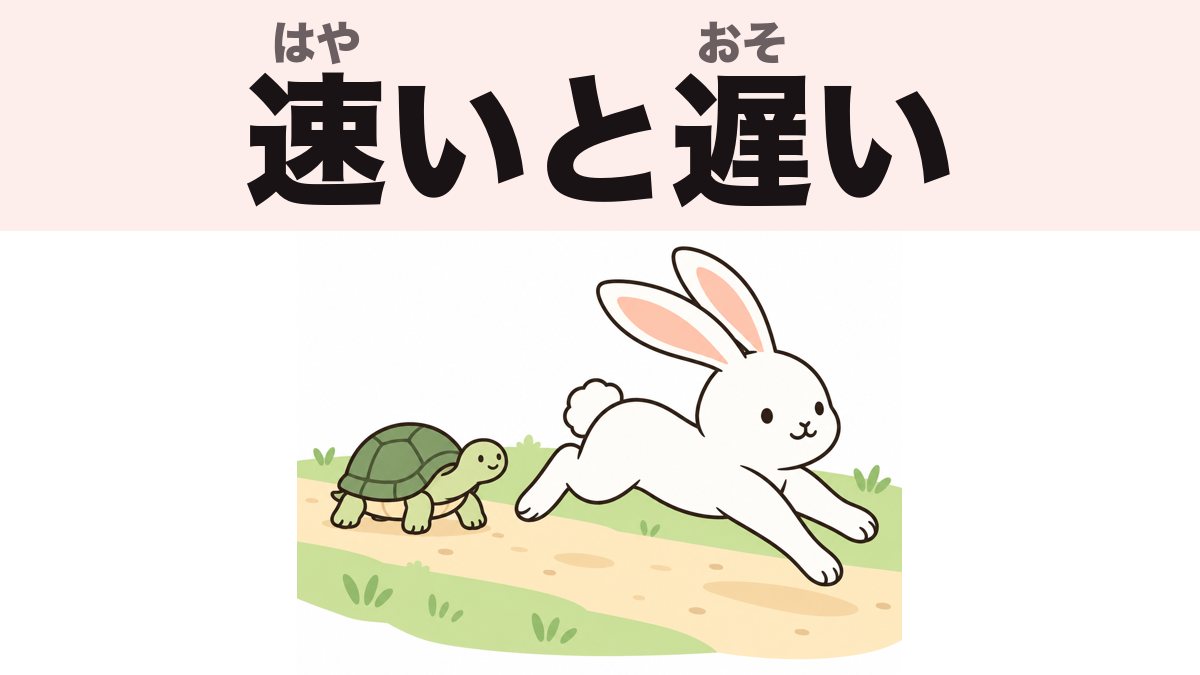
Fast, early, slow and late in Japanese: 早い vs 速い, and one 遅い for both
Fast in Japanese is 速い, early is 早い, and both are read はやい. 遅い covers slow and late. Plus 遅れる, 早め, ゆっくり and the risky 手が早い.
Important in Japanese: 大事, 大切, 重要 — three words, three temperatures
Important in Japanese is 大事, 大切, or 重要. 大事 is the everyday word, 大切 adds feeling, 重要 is for writing and business. Plus 肝心 and 〜ことが大事だ, with examples.
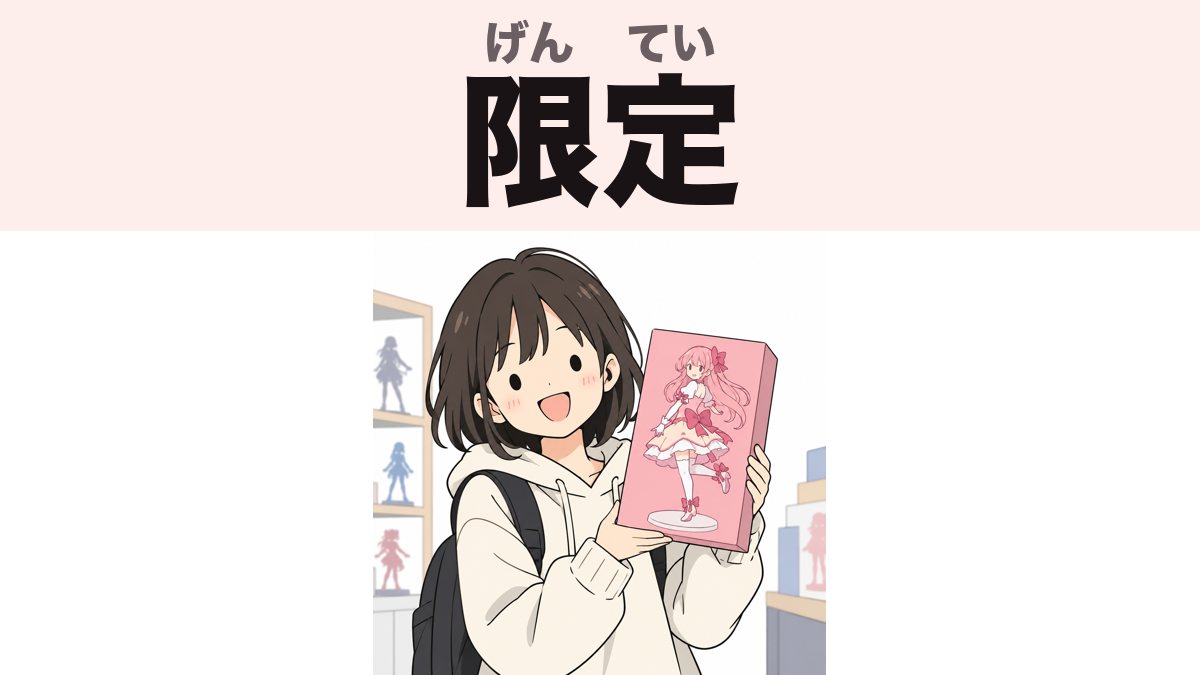
Limited in Japanese: 限定, and the 以上/未満 on every sign
Limited in Japanese is usually 限定 (gentei), as in 期間限定 "limited time" or 限定版 "limited edition". Learn 以上, 以下 and 未満 too, so you can read signs correctly.
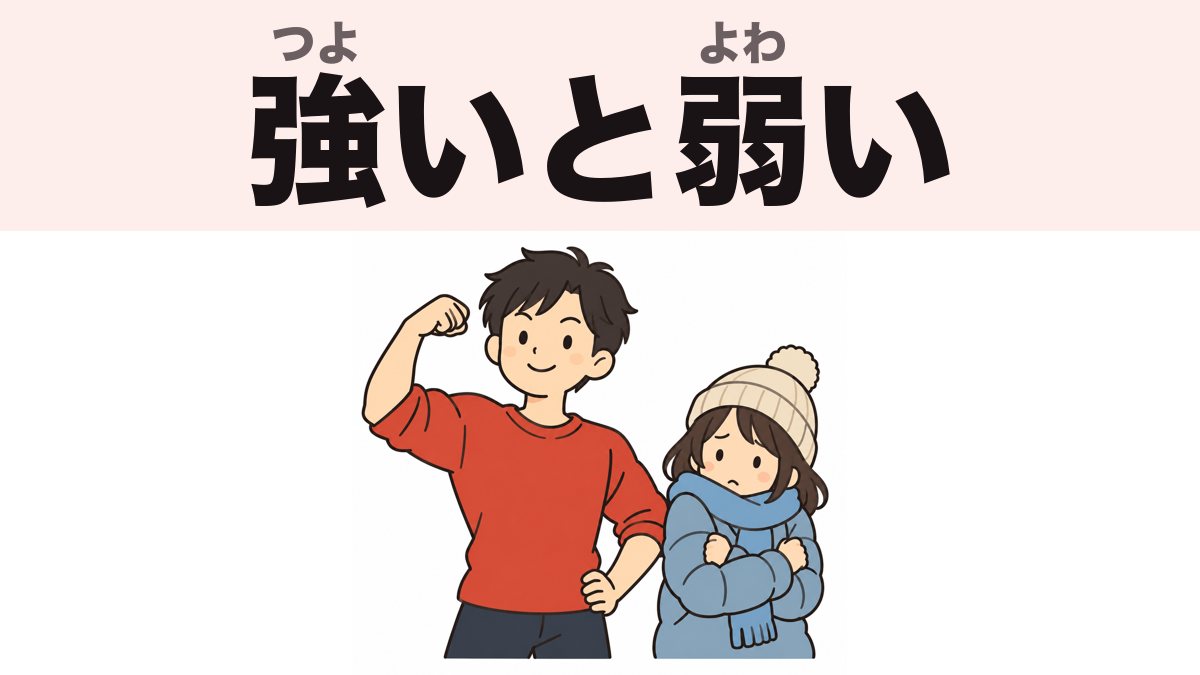
Strong and weak in Japanese: 強い, 弱い, and the に that turns them into skills
Strong in Japanese is 強い (tsuyoi) and weak is 弱い (yowai). Add に and they become skills: 数字に強い means good with numbers, お酒に弱い means bad with alcohol.
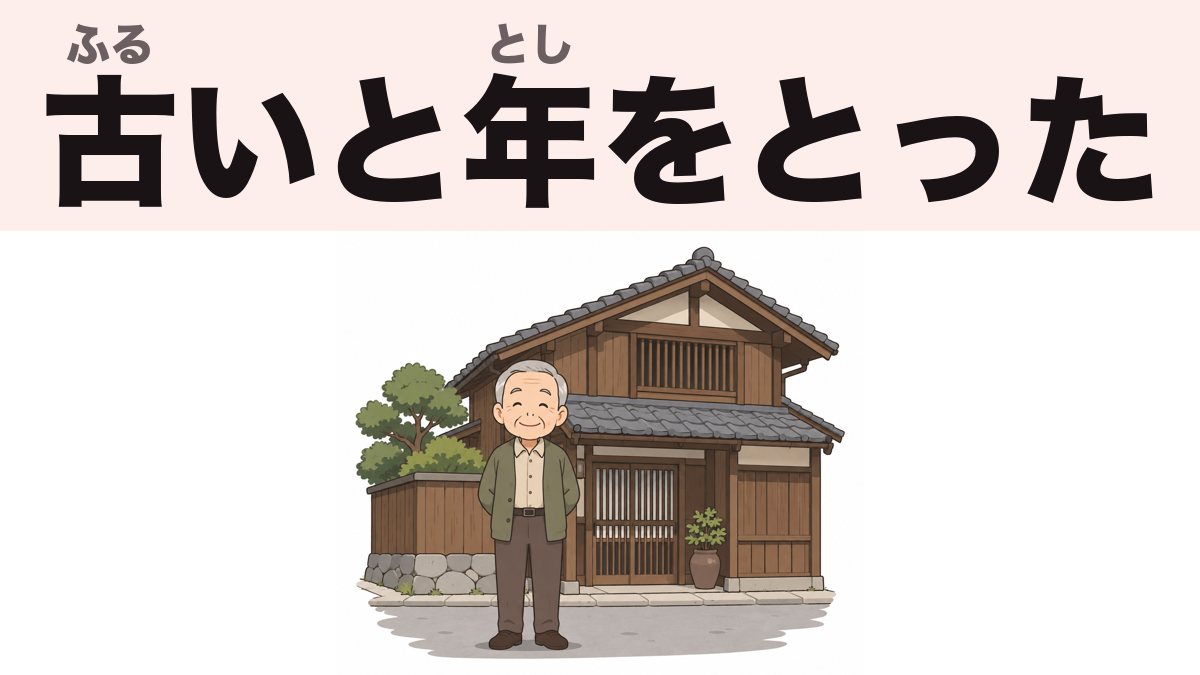
Old in Japanese: 古い, 年をとった, 年上 and which "old" you mean
Old in Japanese is 古い for things, but people who are old are 年をとった or 年配の方, and an older person is 年上. 古い人 means old-fashioned, not elderly. Examples inside.
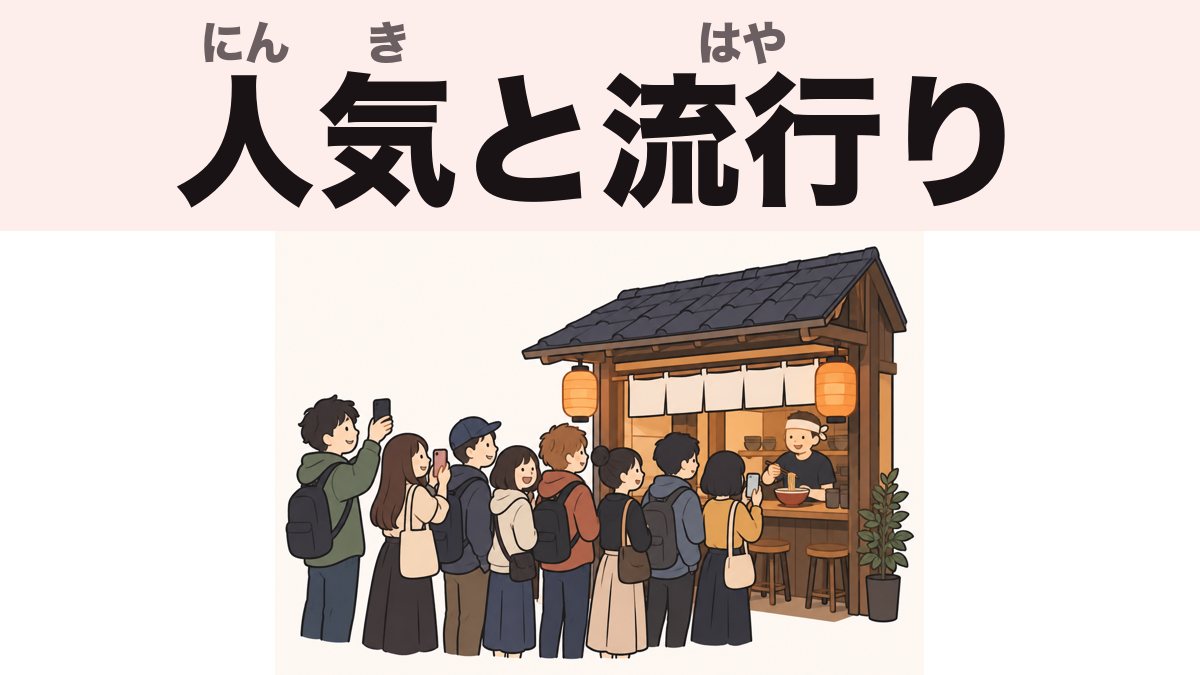
Popular in Japanese: 人気 vs 流行り, and how to say something is trending
Popular in Japanese is 人気 (ninki) for things people like over time and 流行り (hayari) for what is in fashion right now. How to choose, with examples.
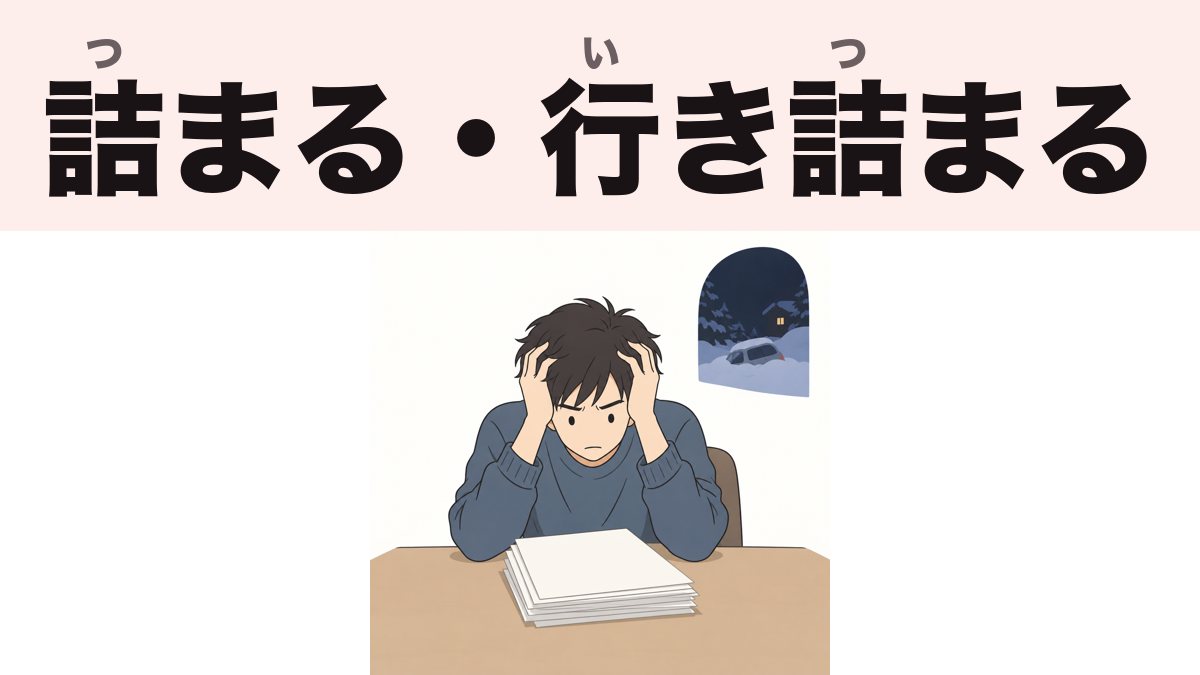
Stuck in Japanese: 詰まる, 行き詰まる, and the other ways to be stuck
Stuck in Japanese depends on what is stuck: 詰まる for a blocked pipe or a word you cannot get out, 行き詰まる for a plan going nowhere, and 挟まる for a trapped finger.
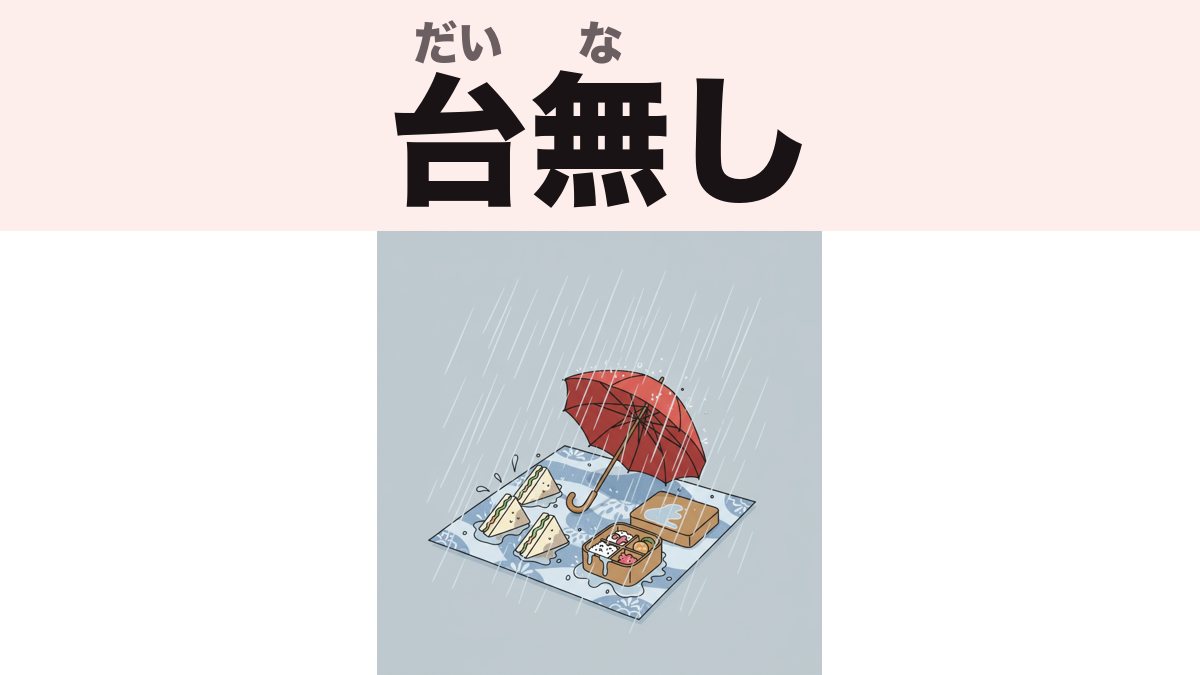
Ruined in Japanese: 台無し, だめになる and 水の泡
Ruined in Japanese is usually 台無し (dainashi): 台無しになる when it gets ruined, 台無しにする when someone ruins it. Here is when to use だめ, 壊す or 水の泡.
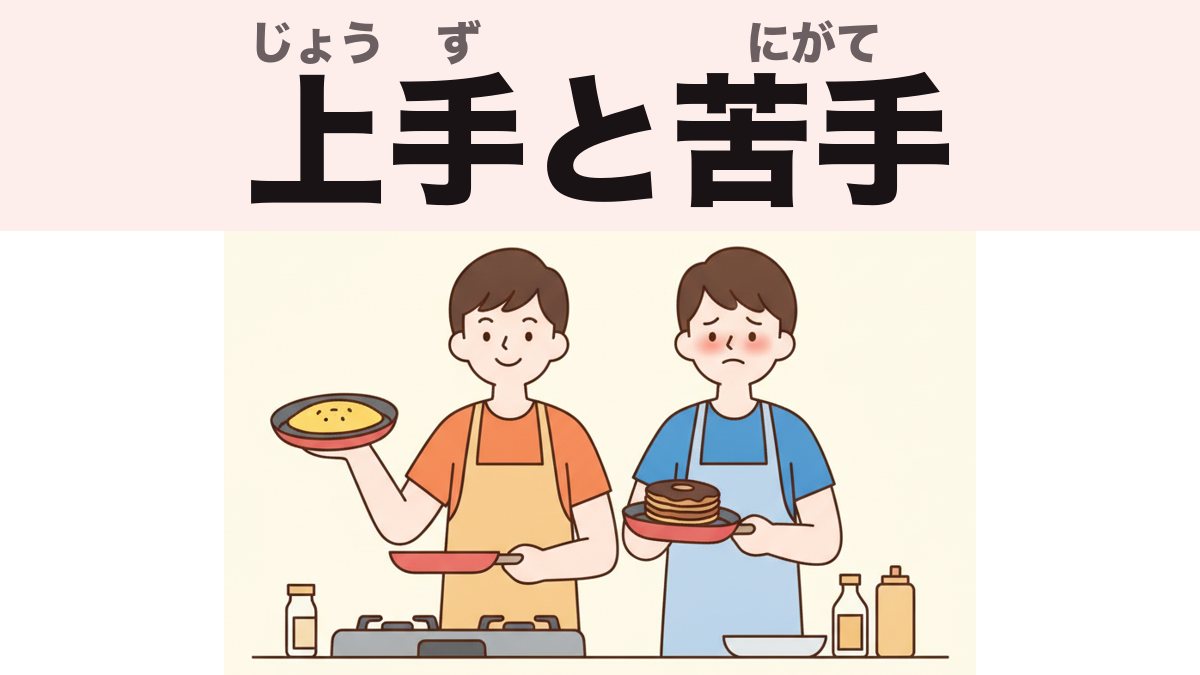
Good at and bad at in Japanese: 上手, 得意, 下手, 苦手
Good at in Japanese is 上手 (jouzu) or 得意 (tokui); bad at is 下手 (heta) or 苦手 (nigate). 上手 and 下手 judge skill, 得意 and 苦手 are about you. Do not brag with 上手.