Japanese job interview phrases: what to say from the door to the bow面接の決まり文句: ドアの前から、帰りのおじぎまで
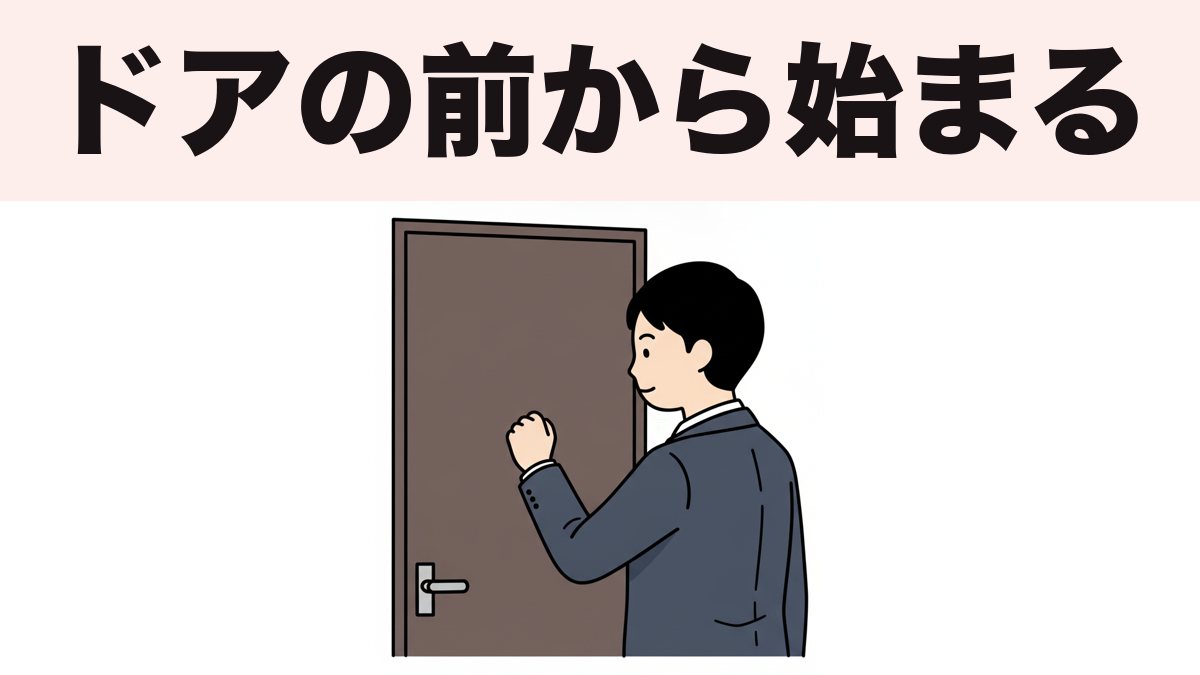
A Japanese job interview is more scripted than most learners expect. A large share of it is fixed phrases in a fixed order, and knowing them frees your attention for the parts that are actually about you. Say 失礼します at the door, call their company 御社, introduce yourself with 〜と申します, and never answer 特にありません when they ask if you have questions.
日本の面接は、思っているより台本があります。多くの部分が決まった言葉で、順番も決まっています。それを知っていると、本当に自分の話をする部分に力を使えます。ドアでは「失礼します」、相手の会社は「御社」、名前は「〜と申します」。そして最後に「質問はありますか」と聞かれたら、「特にありません」とは言いません。
The scripted parts are not a formality to endure — they are the register test. An interviewer forms an impression from the first ten seconds, and almost all of that is whether you produced the expected phrase at the expected moment. Get the frame right and your imperfect Japanese inside it reads as nervousness rather than unfamiliarity.
The basics
The phrases you say at the door
Three moments, three phrases, in this order: knocking, entering, and being told to sit.
失礼いたします。 — Excuse me / may I come in. (very polite, said as you enter after knocking) 本日はお時間をいただき、ありがとうございます。 — Thank you for making time for me today. (polite, immediately after entering) 失礼いたします。 — Excuse me. (said again as you sit, after being invited to) 本日は面接の機会をいただき、ありがとうございます。 — Thank you for the chance to interview today. (very polite, the other standard opener)
失礼します is the multi-tool of this whole situation. It covers entering, sitting, taking something, and leaving. The humble 失礼いたします is one notch more formal and is the safer choice in an interview; the difference is the same 謙譲語 machinery covered in keigo versus casual Japanese.
Do not sit until invited. どうぞおかけください ("please have a seat") is the cue you are waiting for.
How do you say your own name?
Not です. Interviews use the humble verb.
〇〇と申します。本日はよろしくお願いいたします。 — My name is 〇〇. Thank you for having me today. (very polite, the standard opening) 〇〇大学から参りました、〇〇と申します。 — I'm 〇〇, from 〇〇 University. (very polite, 参りました is the humble "came")
申します is the humble form of 言う, used about yourself only. It is not more polite in the abstract — it is lowering, which is what makes it correct here. The same logic gives you 参ります instead of 行きます and いたします instead of します. A fuller self-introduction pattern is in jikoshoukai, though an interview version is shorter and less personal than the one you would give at a party.
What do you call their company?
御社(おんしゃ)when speaking, 貴社(きしゃ)when writing. This distinction is small, universally known, and an easy thing to get right.
御社の〇〇という姿勢に共感しました。 — I identified with 〇〇, your company's approach. (polite, spoken form) 貴社のますますのご発展をお祈り申し上げます。 — I wish your company continued success. (very formal, written — a letter closing)
Never 私の会社 about a company you have not joined, and never their plain name without 御社 once the interview has started. If the organisation is not a company, the word changes: a shop is 御店, a school 御校, a foundation 御財団. Related vocabulary is in Japanese work vocabulary.
Beyond the basics
The three questions you will definitely be asked
志望動機, 自己PR, and 長所と短所. These are not conversation openers; they are named slots that everyone prepares for, and an unprepared answer is conspicuous.
志望動機を教えてください。 — Please tell us why you applied. (polite, the interviewer's line) 自己PRをお願いします。 — Please tell us about your strengths. (polite, literally "self-PR") 長所と短所を教えてください。 — What are your strengths and weaknesses? (polite)
The weakness answer has a conventional shape worth knowing: name a real weakness, then state what you do about it. 心配性なところがありますが、その分、準備は早めにするようにしています ("I do worry, but because of that I make a point of preparing early"). Claiming no weaknesses reads badly; claiming a devastating one reads worse.
Never say 特にありません
At the end, you will be asked 何か質問はありますか. This is not a courtesy. It is the last scored question.
何かご質問はありますか。 — Do you have any questions? (polite, the interviewer) 一点、お伺いしてもよろしいでしょうか。 — May I ask one thing? (very polite, your opening)
特にありません ("nothing in particular") is heard as "I am not that interested." Have two questions ready about the work itself. お伺いする is the humble form of 聞く, and it is the correct verb for asking a question upward.
The verbs that change in an interview
Humble forms about yourself, honorific forms about them. This table is most of the vocabulary difference between ordinary polite Japanese and interview Japanese.
| Ordinary | About yourself (humble) | About them (honorific) |
|---|---|---|
| 言う | 申します | おっしゃいます |
| 行く / 来る | 参ります | いらっしゃいます |
| する | いたします | なさいます |
| 聞く | お伺いします | お聞きになります |
| 見る | 拝見します | ご覧になります |
| 思う | 存じます | お思いになります |
| 知っている | 存じております | ご存じです |
You do not need to produce all of these fluently. Getting 申します, いたします and 伺います right, and recognising the rest when they come at you, covers the realistic case. The 〜ます side of this is the same ladder described in de gozaimasu and service keigo.
了解しました is the wrong word
This one catches people who learned Japanese from friends or from anime. 了解 is flat and slightly downward; it is what you say to a peer or a subordinate.
承知いたしました。 — Understood. (very polite, the correct interview and business form) かしこまりました。 — Certainly. (very polite, more service-industry flavoured but safe)
Similarly, ご苦労様です is said downward and is wrong pointed at an interviewer; お疲れ様です is the safe direction-neutral one, as covered in お疲れ様.
How does it end?
With two more fixed phrases and a bow at the door.
本日は貴重なお時間をいただき、ありがとうございました。 — Thank you for your valuable time today. (very polite, standing) 失礼いたします。 — Excuse me. (at the door, turning back to face the room before you bow)
The turning-back detail is real and noticed: you face the room, bow, then leave. A bow delivered to the door while walking out does not count.
Common mistakes
- Using 私の会社 or the company's bare name. It is 御社 from the moment the interview starts. This is the single most visible slip.
- 了解しました instead of 承知いたしました. Correct Japanese, wrong direction.
- Sitting before being invited. Wait for どうぞおかけください.
- Over-humbling into unintelligibility. Stacking every honorific you know produces 二重敬語 (doubled keigo), which is a recognised error. させていただきます on every verb is the usual form this takes.
- Answering 特にありません to the final question. Prepare two questions about the role.
- Translating a Western-style confident self-pitch directly. The Japanese frame is closer to "here is what I have done and what I am working on" than "here is why I am exceptional."
The interview on one card
| Moment | What you say |
|---|---|
| Entering | 失礼いたします |
| First words | 本日はお時間をいただき、ありがとうございます |
| Your name | 〇〇と申します |
| Sitting | 失礼いたします(after どうぞおかけください) |
| Their company | 御社 (spoken) / 貴社 (written) |
| Understanding an instruction | 承知いたしました |
| Asking something | お伺いしてもよろしいでしょうか |
| Closing | 本日は貴重なお時間をいただき、ありがとうございました |
| At the door | 失礼いたします |
Practice
Answers are hidden — build yours first, then open. Questions 4 and 5 are a pair: the same verb, pointed at yourself and then at them.
1. You have knocked and been told to come in. What do you say as you open the door?
Show answer
失礼いたします — the humble form of 失礼します. You will use this same phrase again when you sit and again when you leave.
2. Introduce yourself by name in interview register.
Show answer
〇〇と申します — 申す is the humble form of 言う, used only about yourself. 〇〇です is correct Japanese but sits a register too low for this room.
3. Something is wrong here, spoken aloud in an interview: 貴社の製品が好きです。
Show answer
御社の製品が好きです — 貴社 is the written form, used in application letters and emails. Spoken, it is 御社.
4. Say "I would like to ask one thing" — the verb 聞く, pointed at yourself.
Show answer
一点、お伺いしてもよろしいでしょうか — 伺う is the humble form of 聞く. Asking upward requires lowering yourself, not raising them.
5. The interviewer asks about something you said. Which verb do they use about themselves listening: 伺います or お聞きになります?
Show answer
伺います — humble forms attach to the speaker whoever the speaker is. お聞きになります is what they would use about you listening.
6. Something is wrong here: 了解しました。
Show answer
承知いたしました — 了解 is flat or downward and is wrong pointed at an interviewer. かしこまりました is also safe.
7. You are asked 何か質問はありますか. What is the one answer to avoid?
Show answer
特にありません — it is heard as a lack of interest. This is a scored question, not a courtesy; arrive with two prepared.
8. Give the conventional shape of a weakness answer.
Show answer
A real weakness plus what you do about it — e.g. 心配性なところがありますが、その分、準備は早めにするようにしています. Naming no weakness reads as evasive.
9. What is wrong with ご苦労様です said to an interviewer?
Show answer
It is said downward — to subordinates or to someone doing a service for you. お疲れ様です is the safe form, and in an interview a plain thank-you is safer still.
10. Where exactly do you bow on the way out?
Show answer
At the door, turned back to face the room — say 失礼いたします, turn, bow, then leave. A bow delivered while already walking out is noticed.
FAQ
Do I need this level of keigo if the interview is in English? The entrance and exit phrases still apply, because they happen in the room rather than in the conversation. 失礼します and a bow cost nothing and are noticed.
Is it acceptable to say I am still learning Japanese? Yes, and it is better than a silence. 日本語を勉強中ですので、聞き取れないときは確認させていただきます is a normal, confident thing to say early.
What if I do not understand a question? Ask. 恐れ入りますが、もう一度お願いできますでしょうか is entirely normal and far better than answering the wrong question.
How formal should my written application be? More formal than the interview, and it uses 貴社 rather than 御社. Written business Japanese has its own set phrases — the business vocabulary side of this is a separate study.
Is 御社 used for every kind of organisation? No. It is specifically for companies. Schools take 御校, shops 御店, hospitals 御院. Getting this wrong is minor but avoidable.
Should I use させていただきます a lot? No. It has become a running joke for exactly this reason. Use it where you genuinely received permission to do something; elsewhere, いたします is cleaner.
Vocabulary from this article
Tap the block to select all of it, then copy. In Anki: File → Import, note type Basic, separator Tab — the first column becomes the front, the second the back.
面接	めんせつ — job interview
失礼	しつれい — rudeness; "excuse me"
申す	もうす — to say (humble)
参る	まいる — to go, to come (humble)
伺う	うかがう — to ask, to visit (humble)
拝見	はいけん — to look at (humble)
存じる	ぞんじる — to know, to think (humble)
承知	しょうち — acknowledgement (humble)
御社	おんしゃ — your company (spoken)
貴社	きしゃ — your company (written)
志望動機	しぼうどうき — reason for applying
自己	じこ — self
長所	ちょうしょ — strong point
短所	たんしょ — weak point
心配性	しんぱいしょう — a worrier by nature
準備	じゅんび — preparation
貴重	きちょう — valuable, precious
質問	しつもん — question
敬語	けいご — honorific language
謙譲語	けんじょうご — humble language
了解	りょうかい — understood (flat or downward)
発展	はってん — growth, development
I'm Yuuki, a Japanese teacher based in Tokyo. I've taught on italki as a Top 1% teacher and watched over 1,500 anime. Students bring this one in with a date already booked, and the useful hour is never about grammar — it is drilling the six fixed phrases until they arrive without thought, so the rest of the room can be spent on the actual answers.
Sources: the author's own lessons and standard reference grammars.
決まった部分は、ただの形式ではありません。ことばの高さのテストです。面接官は最初の10秒で印象を決めます。その中身は、ほとんど「決まった場面で決まった言葉が出たか」です。形が合っていれば、中の日本語が少し崩れても「緊張している人」に見えます。「慣れていない人」には見えません。
基本
ドアの前で言うこと
場面は3つ。ノックした後、入る時、「座ってください」と言われた時です。
失礼いたします。 — Excuse me / may I come in. (very polite, said as you enter after knocking) 本日はお時間をいただき、ありがとうございます。 — Thank you for making time for me today. (polite, immediately after entering) 失礼いたします。 — Excuse me. (said again as you sit, after being invited to)
「失礼します」は、この場面の万能の道具です。入る時、座る時、物を受け取る時、帰る時、全部に使えます。「失礼いたします」はもう1段ていねいで、面接ではこちらが安全です。しくみは 敬語とタメ口 と同じです。
言われる前に座らないでください。「どうぞおかけください」が合図です。
名前はどう言いますか
「です」ではありません。面接では謙譲語を使います。
〇〇と申します。本日はよろしくお願いいたします。 — My name is 〇〇. Thank you for having me today. (very polite, the standard opening) 〇〇大学から参りました、〇〇と申します。 — I'm 〇〇, from 〇〇 University. (very polite, 参りました is the humble "came")
「申します」は「言う」の謙譲語で、自分のことにだけ使います。ただ「ていねい」なのではありません。自分を下げる形です。だからここで正しいのです。同じ考えで「行きます」は「参ります」、「します」は「いたします」になります。自己紹介の形は 自己紹介 にありますが、面接版はもっと短く、個人的な話は入れません。
相手の会社は何と呼びますか
話す時は「御社(おんしゃ)」、書く時は「貴社(きしゃ)」です。小さいちがいですが、みんなが知っていて、まちがえずにすむ所です。
御社の〇〇という姿勢に共感しました。 — I identified with 〇〇, your company's approach. (polite, spoken form) 貴社のますますのご発展をお祈り申し上げます。 — I wish your company continued success. (very formal, written — a letter closing)
まだ入っていない会社を「私の会社」とは言いません。面接が始まったら、会社名をそのまま言うのもやめます。会社でない場合は言葉が変わります。店は「御店」、学校は「御校」、財団は「御財団」です。関係する言葉は 仕事の日本語 にあります。
もう少し先へ
必ず聞かれる3つの質問
志望動機、自己PR、長所と短所です。これは会話のきっかけではありません。名前の付いた「枠」で、みんなが準備してきます。準備していない答えは目立ちます。
志望動機を教えてください。 — Please tell us why you applied. (polite, the interviewer's line) 自己PRをお願いします。 — Please tell us about your strengths. (polite, literally "self-PR") 長所と短所を教えてください。 — What are your strengths and weaknesses? (polite)
短所の答えには決まった形があります。本当の短所を言って、そのために何をしているかを続けます。「心配性なところがありますが、その分、準備は早めにするようにしています」。短所は無いと言うと悪く聞こえます。大きすぎる短所を言うと、もっと悪く聞こえます。
「特にありません」は言わない
最後に「何か質問はありますか」と聞かれます。これは形だけの質問ではありません。最後に点が付く質問です。
何かご質問はありますか。 — Do you have any questions? (polite, the interviewer) 一点、お伺いしてもよろしいでしょうか。 — May I ask one thing? (very polite, your opening)
「特にありません」は「あまり興味がない」と聞こえます。仕事の中身について、質問を2つ用意しておいてください。「お伺いする」は「聞く」の謙譲語で、目上に質問する時の正しい動詞です。
面接で形が変わる動詞
自分のことは謙譲語、相手のことは尊敬語です。ふつうのていねいな日本語と面接の日本語のちがいは、ほとんどこの表です。
| ふつう | 自分に使う(謙譲語) | 相手に使う(尊敬語) |
|---|---|---|
| 言う | 申します | おっしゃいます |
| 行く / 来る | 参ります | いらっしゃいます |
| する | いたします | なさいます |
| 聞く | お伺いします | お聞きになります |
| 見る | 拝見します | ご覧になります |
| 思う | 存じます | お思いになります |
| 知っている | 存じております | ご存じです |
全部すらすら言える必要はありません。「申します」「いたします」「伺います」が出せて、あとは聞いて分かれば、実際の面接はだいたい足ります。「〜ます」の側のしくみは 「〜でございます」と接客の敬語 と同じです。
「了解しました」はまちがいです
友だちから、またはアニメから日本語を覚えた人がよくまちがえます。「了解」は平らで、少し下向きです。同じ立場の人や下の人に言う言葉です。
承知いたしました。 — Understood. (very polite, the correct interview and business form) かしこまりました。 — Certainly. (very polite, more service-industry flavoured but safe)
同じように、「ご苦労様です」は下向きなので、面接官に言うとまちがいです。「お疲れ様です」の方が安全です。くわしくは お疲れ様 にあります。
終わり方
決まった言葉が2つと、ドアでのおじぎです。
本日は貴重なお時間をいただき、ありがとうございました。 — Thank you for your valuable time today. (very polite, standing) 失礼いたします。 — Excuse me. (at the door, turning back to face the room before you bow)
「向き直る」ところは本当に見られています。ドアの前で部屋の方を向いて、おじぎをして、出ます。歩きながらドアに向かってするおじぎは、数に入りません。
よくあるまちがい
- 「私の会社」や会社名をそのまま言う。 面接が始まったら「御社」です。いちばん目立つまちがいです。
- 「承知いたしました」ではなく「了解しました」。 日本語としては正しいですが、向きがちがいます。
- 言われる前に座る。 「どうぞおかけください」を待ちます。
- 下げすぎて分からなくなる。 知っている敬語を全部重ねると「二重敬語」になります。全部の動詞に「させていただきます」を付けるのが、よくある形です。
- 最後の質問に「特にありません」と答える。 仕事についての質問を2つ用意します。
- 欧米式の自信のある売り込みをそのまま訳す。 日本の枠は「自分は特別だ」より「これをしてきました、今はこれに取り組んでいます」に近いです。
面接を1つの表に
| 場面 | 言うこと |
|---|---|
| 入る時 | 失礼いたします |
| 最初の一言 | 本日はお時間をいただき、ありがとうございます |
| 名前 | 〇〇と申します |
| 座る時 | 失礼いたします(「どうぞおかけください」の後で) |
| 相手の会社 | 御社(話す)/貴社(書く) |
| 指示を受けた時 | 承知いたしました |
| 質問する時 | お伺いしてもよろしいでしょうか |
| 終わりのあいさつ | 本日は貴重なお時間をいただき、ありがとうございました |
| ドアで | 失礼いたします |
練習
答えはかくしてあります。先に自分で考えてから開いてください。4と5は1つのセットです。同じ動詞を、自分と相手に向けます。
1. ノックして「どうぞ」と言われました。ドアを開けながら何と言いますか。
答えを見る
失礼いたします — 「失礼します」の謙譲の形です。座る時と、帰る時にも同じ言葉を使います。
2. 面接のことばで、名前を言ってください。
答えを見る
〇〇と申します — 「申す」は「言う」の謙譲語で、自分にだけ使います。「〇〇です」も正しい日本語ですが、この部屋には1段低いです。
3. 面接で声に出して言いました。直してください: 貴社の製品が好きです。
答えを見る
御社の製品が好きです — 「貴社」は書くための形で、応募書類やメールで使います。話す時は「御社」です。
4. 「一つお聞きしたいです」を、自分を下げる形で言ってください。
答えを見る
一点、お伺いしてもよろしいでしょうか — 「伺う」は「聞く」の謙譲語です。目上に質問する時は、相手を上げるのではなく自分を下げます。
5. 面接官が「自分が聞く」と言う時は、「伺います」と「お聞きになります」のどちらですか。
答えを見る
伺います — 謙譲語は、だれが話していてもその話し手に付きます。「お聞きになります」は、面接官があなたのことを言う時の形です。
6. 直してください: 了解しました。
答えを見る
承知いたしました — 「了解」は平らか下向きなので、面接官には合いません。「かしこまりました」も安全です。
7. 「何か質問はありますか」と聞かれました。言ってはいけない答えは何ですか。
答えを見る
特にありません — 興味がないと聞こえます。形だけの質問ではなく、点の付く質問です。2つ用意していきます。
8. 短所の答えの、決まった形を言ってください。
答えを見る
本当の短所+そのためにしていること — 例:「心配性なところがありますが、その分、準備は早めにするようにしています」。短所が無いと言うと、逃げていると見られます。
9. 面接官に「ご苦労様です」と言うと、何がまちがいですか。
答えを見る
下向きの言葉だから — 下の人や、自分のために働いてくれた人に言います。「お疲れ様です」の方が安全で、面接では普通のお礼がもっと安全です。
10. 帰る時、どこでおじぎをしますか。
答えを見る
ドアの前で、部屋の方に向き直って — 「失礼いたします」と言い、向き直って、おじぎをしてから出ます。歩きながらのおじぎは見られています。
よくある質問
面接が英語でも、この敬語は必要ですか。 入る時と出る時の言葉は必要です。会話ではなく、部屋で起きることだからです。「失礼します」とおじぎは、ただでできて、必ず見られます。
「まだ日本語を勉強中です」と言ってもいいですか。 いいです。だまっているよりずっといいです。「日本語を勉強中ですので、聞き取れないときは確認させていただきます」は、早めに言う言葉として自然で、自信があるように聞こえます。
質問が分からなかったらどうしますか。 聞き返します。「恐れ入りますが、もう一度お願いできますでしょうか」はまったくふつうで、まちがった質問に答えるよりずっといいです。
書類はどのくらい正式に書きますか。 面接より正式です。「御社」ではなく「貴社」を使います。書く日本語には別の決まり文句があります。ビジネスの言葉 は別の勉強です。
「御社」はどんな組織にも使えますか。 いいえ。会社だけです。学校は「御校」、店は「御店」、病院は「御院」です。小さいことですが、避けられるまちがいです。
「させていただきます」はたくさん使った方がいいですか。 いいえ。使いすぎが笑い話になるくらいです。本当に許可をもらってすることに使ってください。ほかは「いたします」の方がきれいです。
この記事に出た単語
ブロックをタップして全部を選び、コピーしてください。Anki では File → Import、ノートタイプは Basic、区切りは Tab です。左が表、右が裏になります。
面接	めんせつ — job interview
失礼	しつれい — rudeness; "excuse me"
申す	もうす — to say (humble)
参る	まいる — to go, to come (humble)
伺う	うかがう — to ask, to visit (humble)
拝見	はいけん — to look at (humble)
存じる	ぞんじる — to know, to think (humble)
承知	しょうち — acknowledgement (humble)
御社	おんしゃ — your company (spoken)
貴社	きしゃ — your company (written)
志望動機	しぼうどうき — reason for applying
自己	じこ — self
長所	ちょうしょ — strong point
短所	たんしょ — weak point
心配性	しんぱいしょう — a worrier by nature
準備	じゅんび — preparation
貴重	きちょう — valuable, precious
質問	しつもん — question
敬語	けいご — honorific language
謙譲語	けんじょうご — humble language
了解	りょうかい — understood (flat or downward)
発展	はってん — growth, development
私はユウキです。東京で日本語を教えています。 italki の Top 1% の先生で、アニメは1,500本以上見ました。この話を持ってくる人は、もう日にちが決まっています。役に立つ1時間は、文法の時間ではありません。決まった6つの言葉を、考えずに出るまで練習する時間です。そうすれば、残りの時間を本当の答えに使えます。
More drills like the ones above, plus a timed JLPT-style mock test: Practice · N3上のような練習問題と、時間つきのJLPT形式のもぎ試験: 練習ページ · N3
Want to try this in a real conversation?
本当の会話で、ためしてみませんか?
30-minute trial lesson, $13. Times shown in your own timezone.
30分の体験レッスン、$13。時間はあなたのタイムゾーンで表示されます。
Book a trial lesson · $13