TOPIC
Talking to Real People
Phrases and expressions for actual conversations — greetings, reactions, small talk and the things people really say, not just textbook Japanese.
101 articles
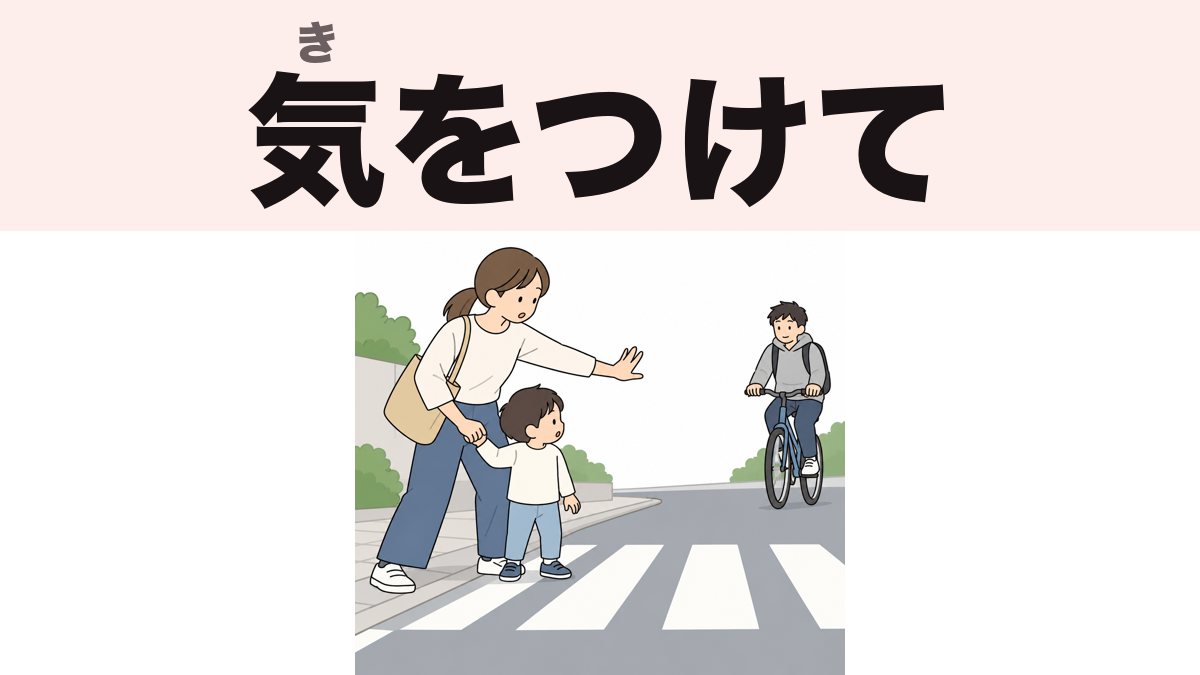
Be careful in Japanese: 気をつけて (ki wo tsukete) and the other ways to say it
Be careful in Japanese is usually 気をつけて (ki wo tsukete). Learn when to say 危ない, 注意して, 慎重に or 無理しないで instead, and why お大事に is not "take care".
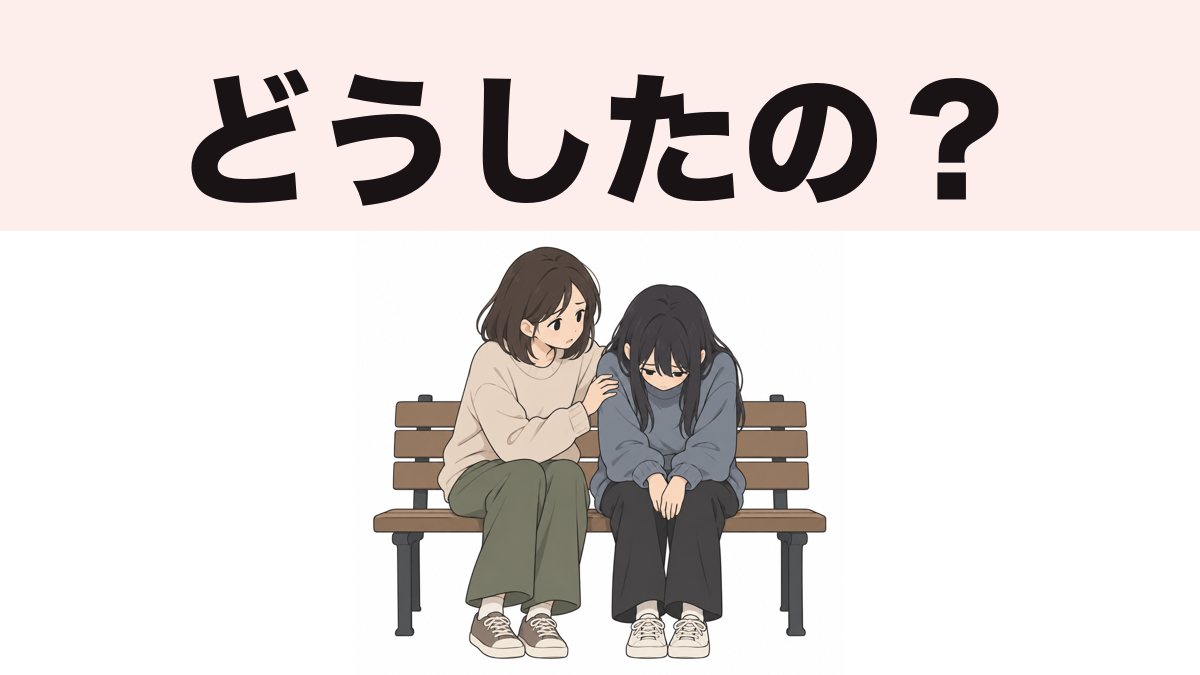
What's wrong in Japanese: どうしたの (doushita no), and why 何が悪い sounds angry
What's wrong in Japanese is どうしたの (doushita no), not the word-for-word 何が悪い, which sounds like a challenge. Polite, casual and anime versions explained.
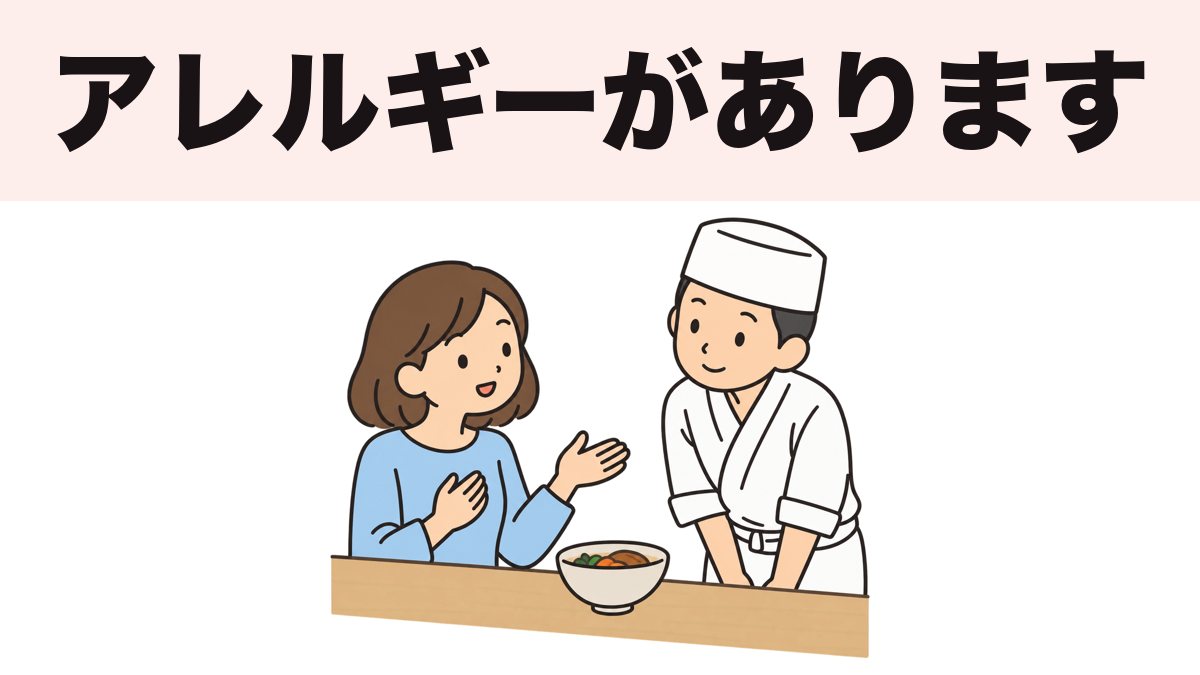
Allergy in Japanese: アレルギー, 〜アレルギーがあります, and 花粉症
Allergy in Japanese is アレルギー. Learn 卵アレルギーがあります, 〜は入っていますか, 〜抜きでお願いします, 乳製品, 小麦, 花粉症, and how to explain an allergy clearly at a restaurant.
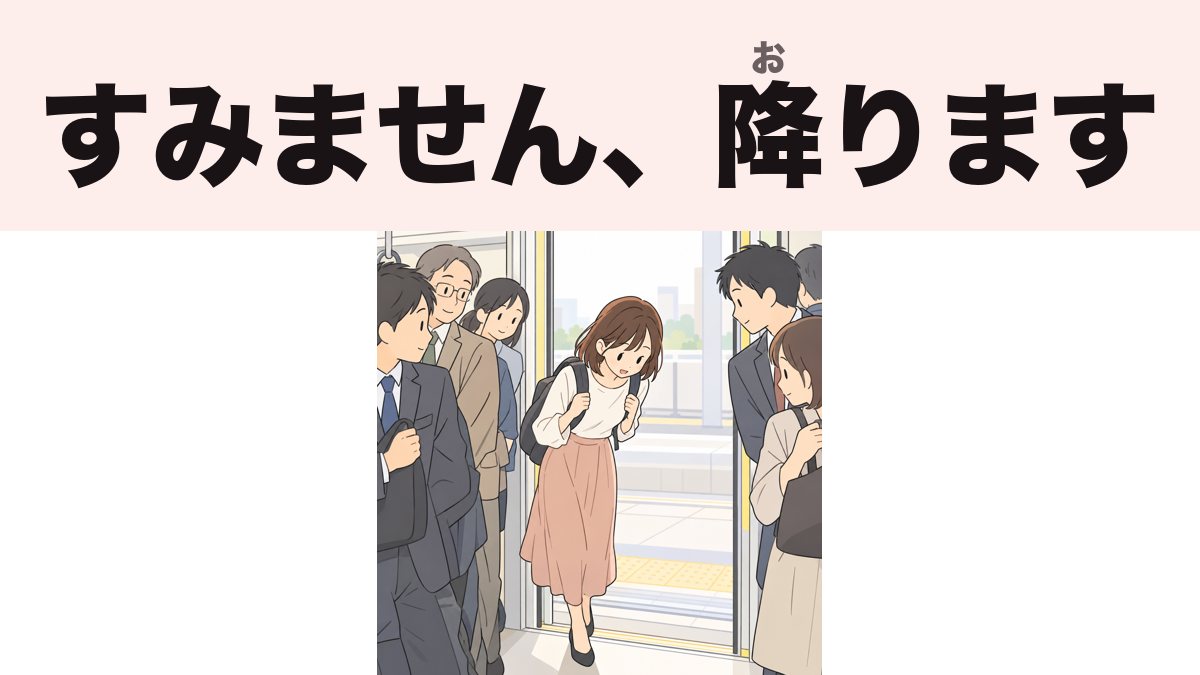
Excuse me in Japanese: すみません, 失礼します, and the one you need on a crowded train
Excuse me in Japanese is usually すみません (sumimasen). Which phrase to use to get attention, squeeze past people, enter a room, ask a stranger, or call a waiter.
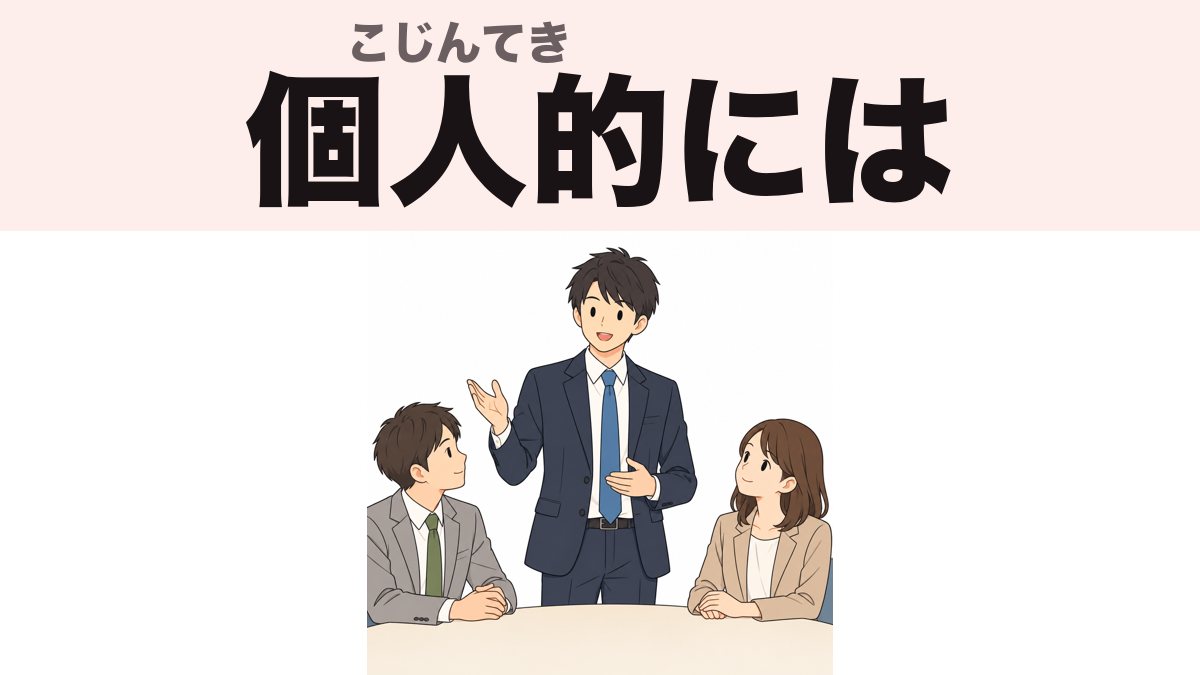
In my opinion in Japanese: 個人的には, 私としては, and why 私の意見では sounds stiff
In my opinion in Japanese is usually 個人的には (こじんてきには) plus 〜と思います. Learn 私としては, 私から見ると, あくまで個人的な意見ですが, and how to ask どう思いますか.
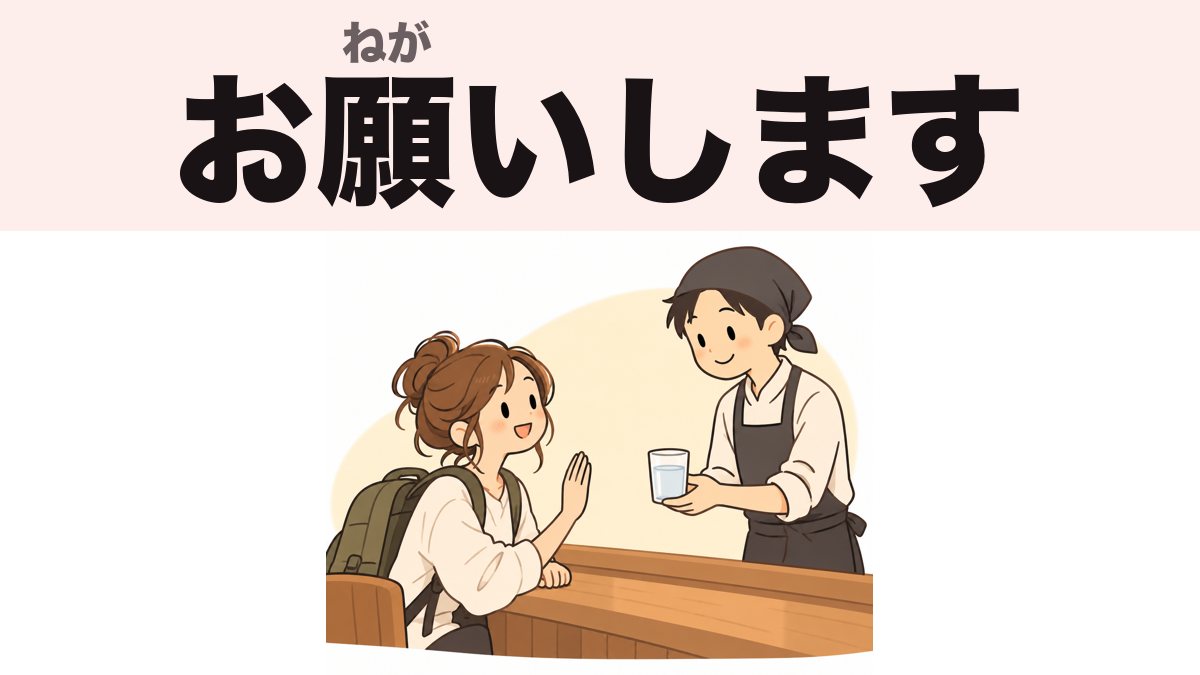
Please in Japanese: ください, お願いします, and the どうぞ trap
Please in Japanese is ください (kudasai) or お願いします (onegaishimasu) when you ask, and どうぞ (douzo) when you offer. Which to use, casual forms, and anime lines.
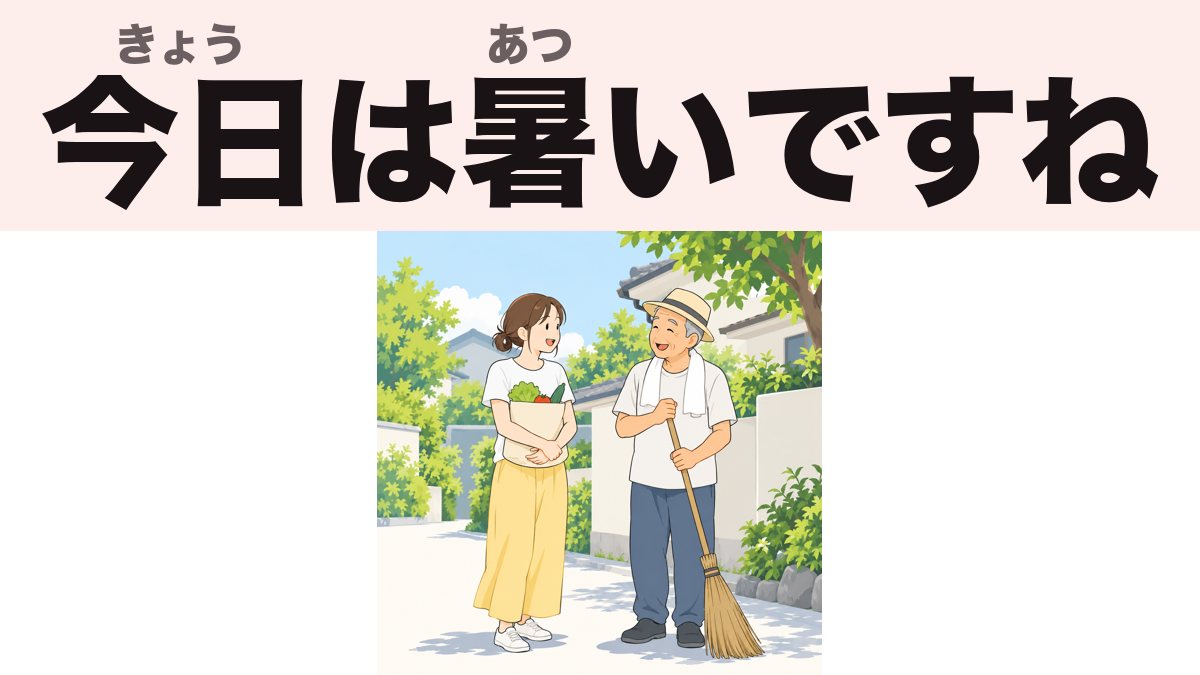
Small talk in Japanese: 世間話, 雑談, and the openers that actually work
Small talk in Japanese is 世間話 (せけんばなし) or 雑談 (ざつだん). Learn the weather openers, the ね that invites agreement, safe topics, aizuchi and polite closers.
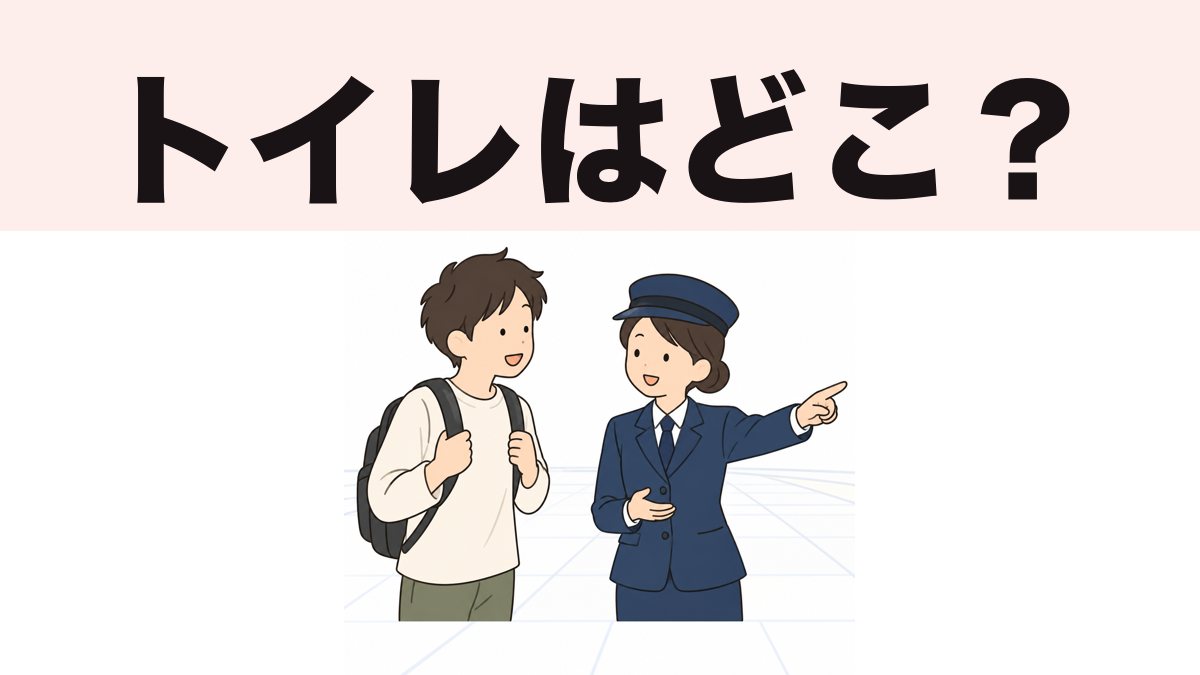
Where is the bathroom in Japanese: トイレはどこですか, and why "bathroom" is the wrong word
Where is the bathroom in Japanese? Say トイレはどこですか. Learn why トイレ, お手洗い and お風呂 are different rooms, plus how to ask to borrow one and read signs.
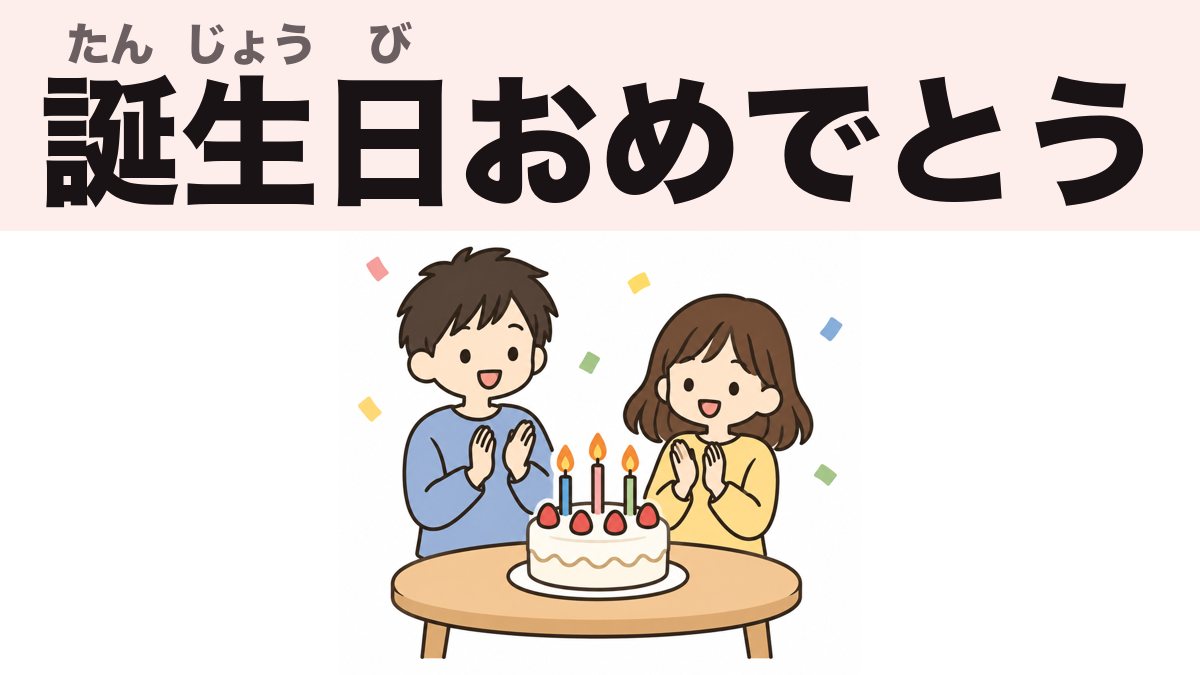
Happy Birthday in Japanese: 誕生日おめでとう and the two things you add for someone older
Happy birthday in Japanese is 誕生日おめでとう (tanjoubi omedetou). Add お and ございます for a boss, or say たんおめ to friends. Hiragana and dates inside.
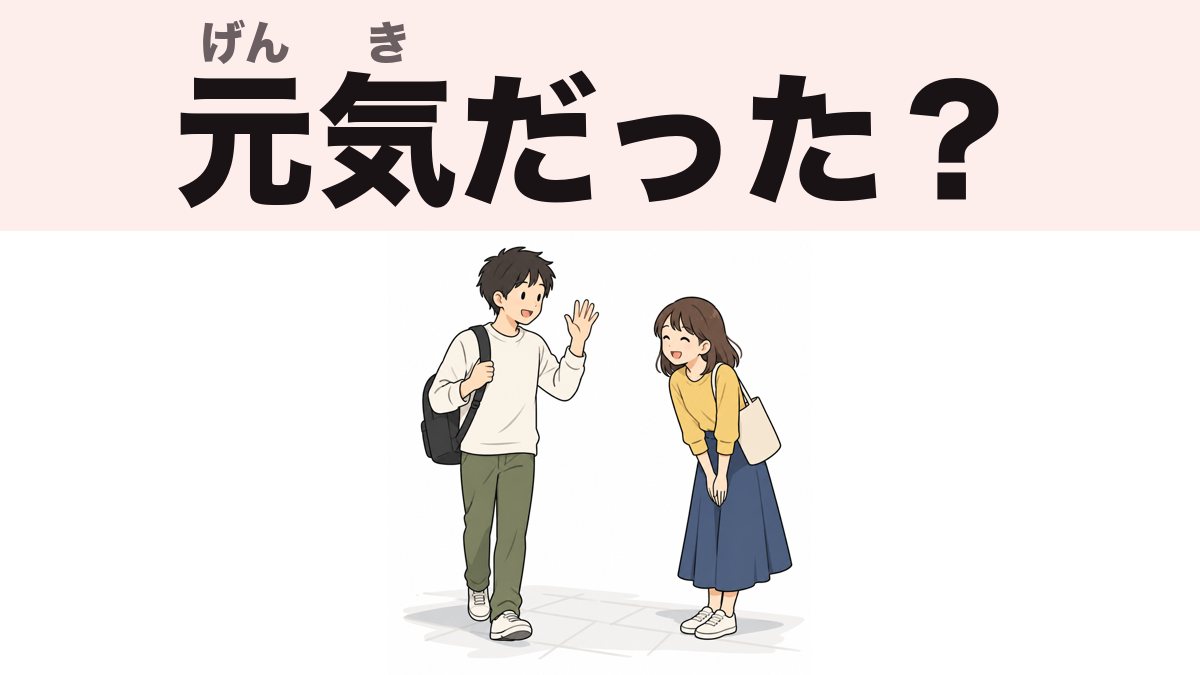
How Are You in Japanese: 元気? and Why Nobody Asks It Daily
How are you in Japanese? 元気? is casual and お元気ですか is formal, but Japanese people rarely ask either one the way English speakers do.
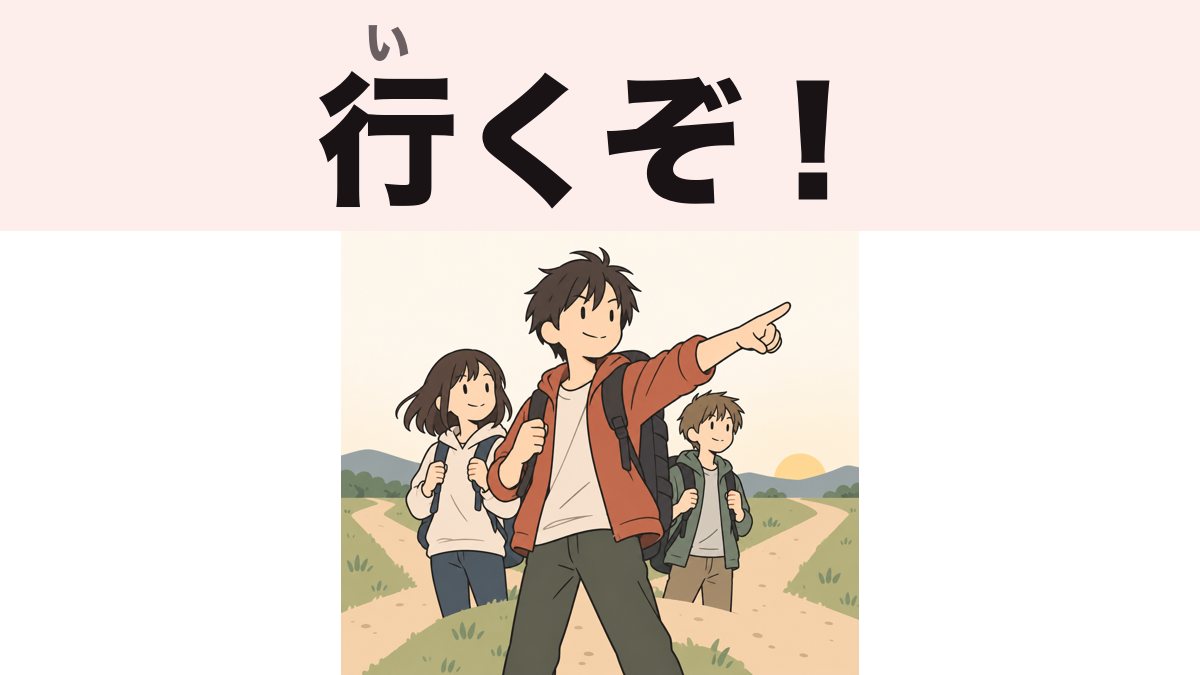
Let's Go in Japanese: 行こう, 行くぞ and the 行きましょう you actually use with adults
Let's go in Japanese is 行こう (casual) or 行きましょう (polite). 行くぞ is a hero's "here we go!", not an invitation. Learn each, plus common mistakes.
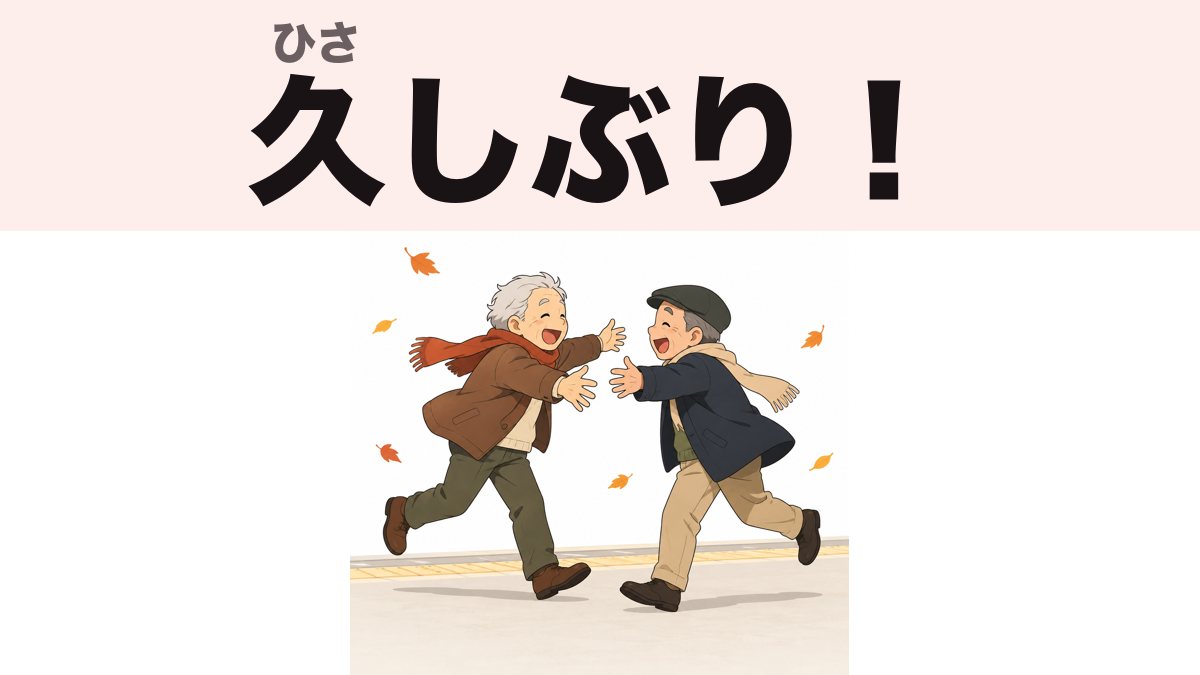
Long Time No See in Japanese: 久しぶり and the three endings that change who you can say it to
Long time no see in Japanese is 久しぶり with friends, お久しぶりです when polite, and ご無沙汰しております in business. Learn who gets which, and how to reply.
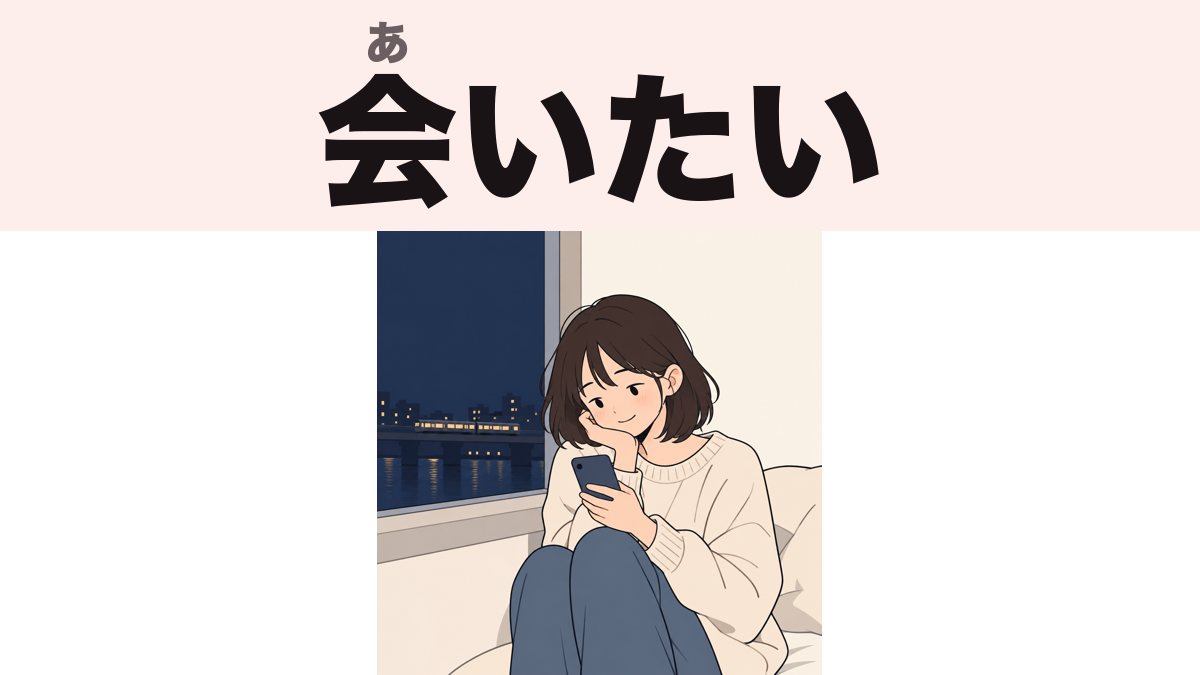
I Miss You in Japanese: Why There Is No One Word, and the 会いたい People Actually Text
Japanese has no single verb for "miss." Say 会いたい to miss a person, 寂しい when you feel lonely, 恋しい for home. Texts, anime lines and mistakes.
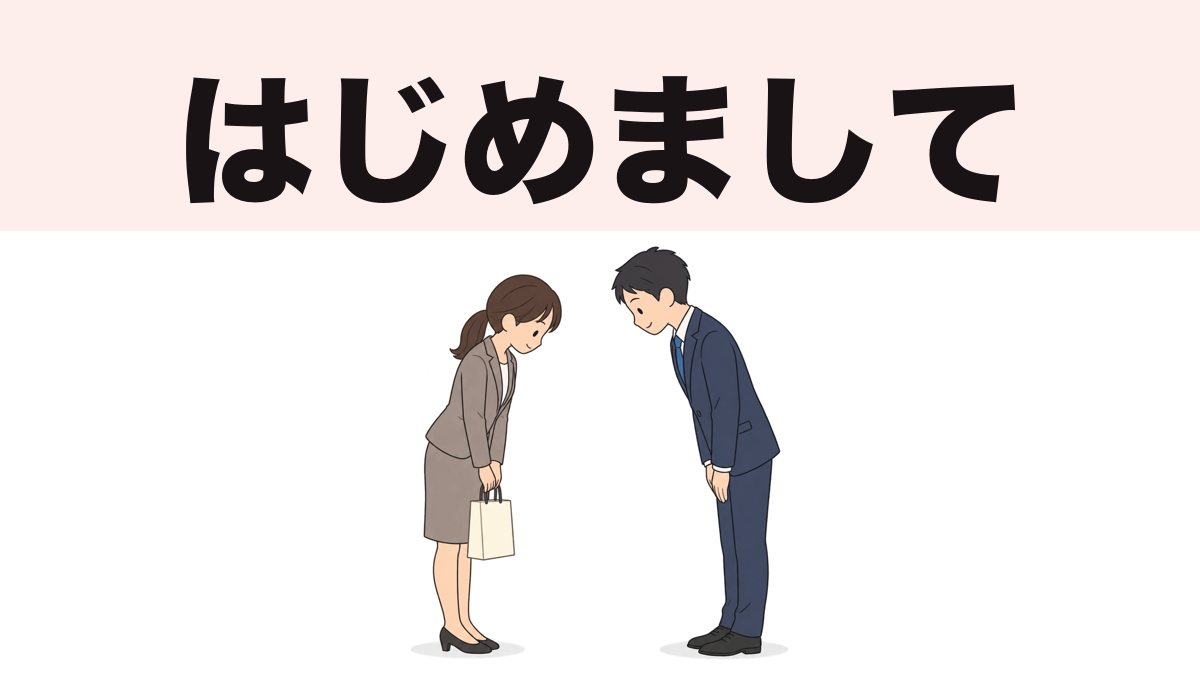
Nice to Meet You in Japanese: はじめまして is only half of it
Nice to meet you in Japanese is はじめまして, your name, then よろしくお願いします. Formal, casual, hiragana and kanji forms, plus how to reply.
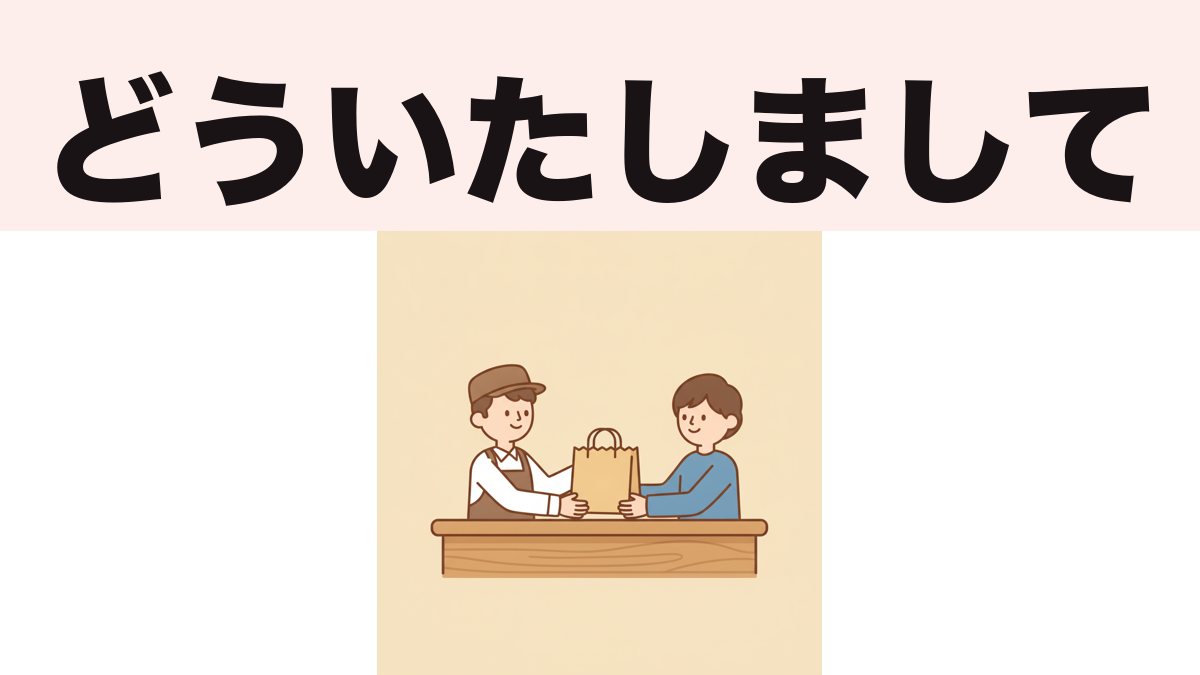
You're Welcome in Japanese: Why どういたしまして Is the Textbook Answer Nobody Gives
You're welcome in Japanese is どういたしまして, but people rarely say it. Learn いえいえ, とんでもないです, 気にしないで and when to say nothing at all.
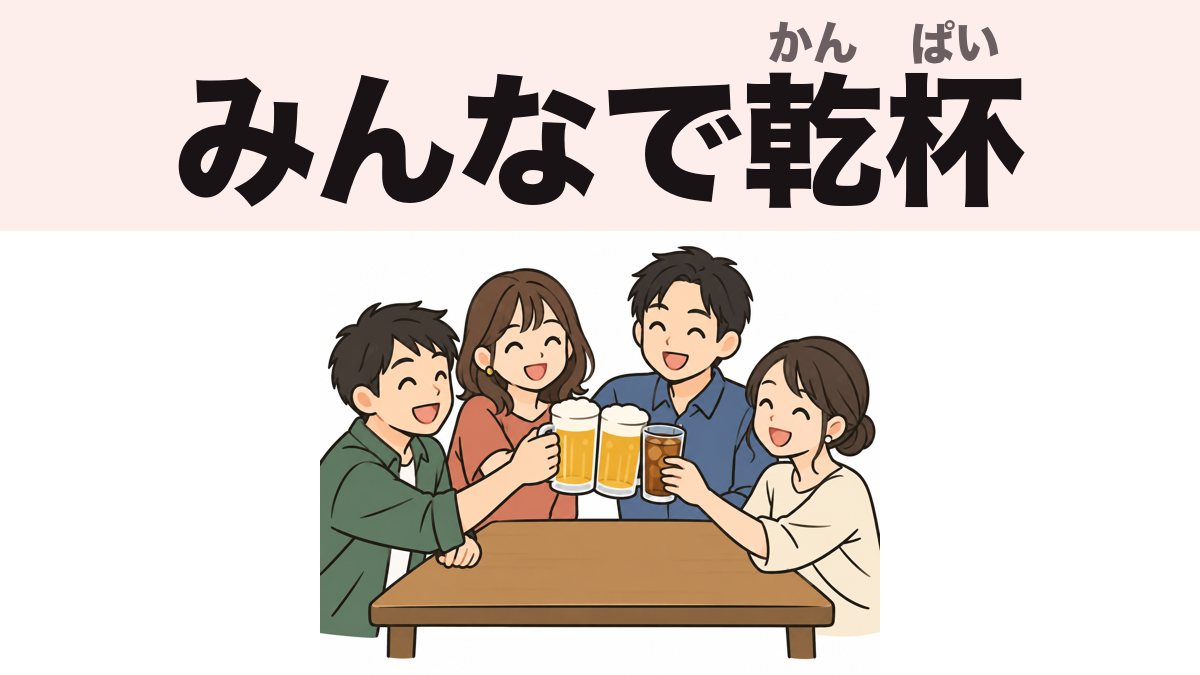
Cheers in Japanese: Kanpai or Kampai? 乾杯 (かんぱい)
Cheers in Japanese is 乾杯 (kanpai), said as everyone lifts a glass. Learn かんぱーい, 〜に乾杯, glass etiquette, and why it is not "thanks".
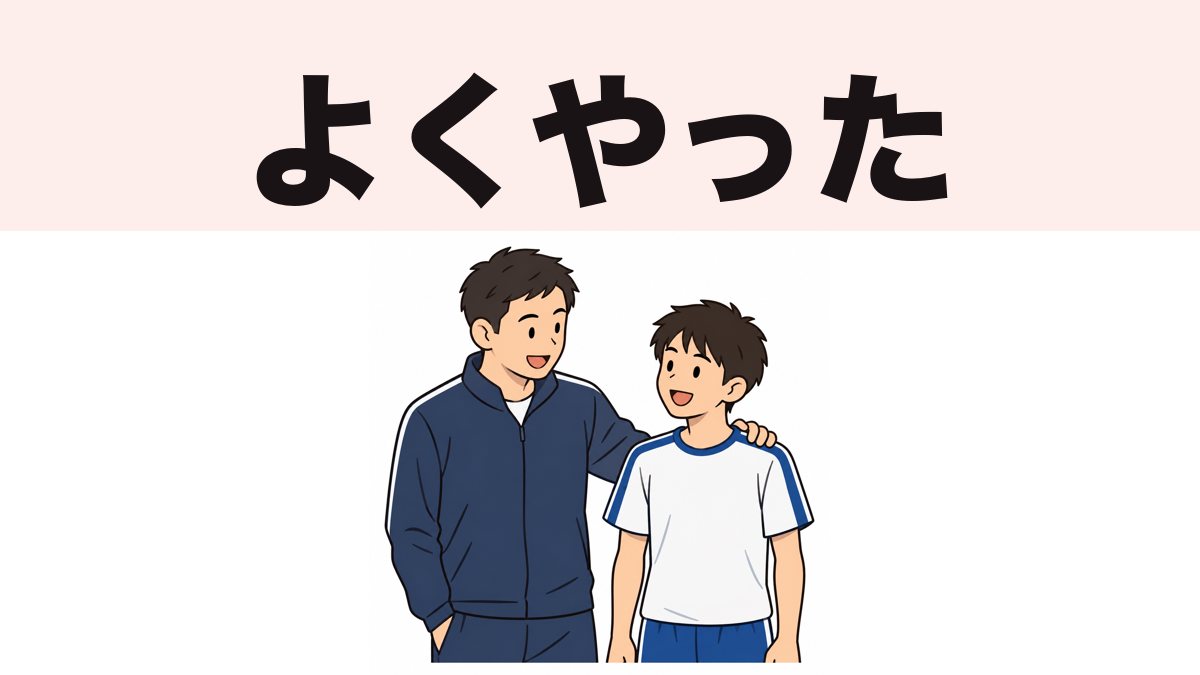
Good job in Japanese: よくやった, さすが and why direction matters
Good job in Japanese depends on who praises whom: よくやった goes downward, さすが fits people you respect, and 勉強になりました is the safe reply to a superior.
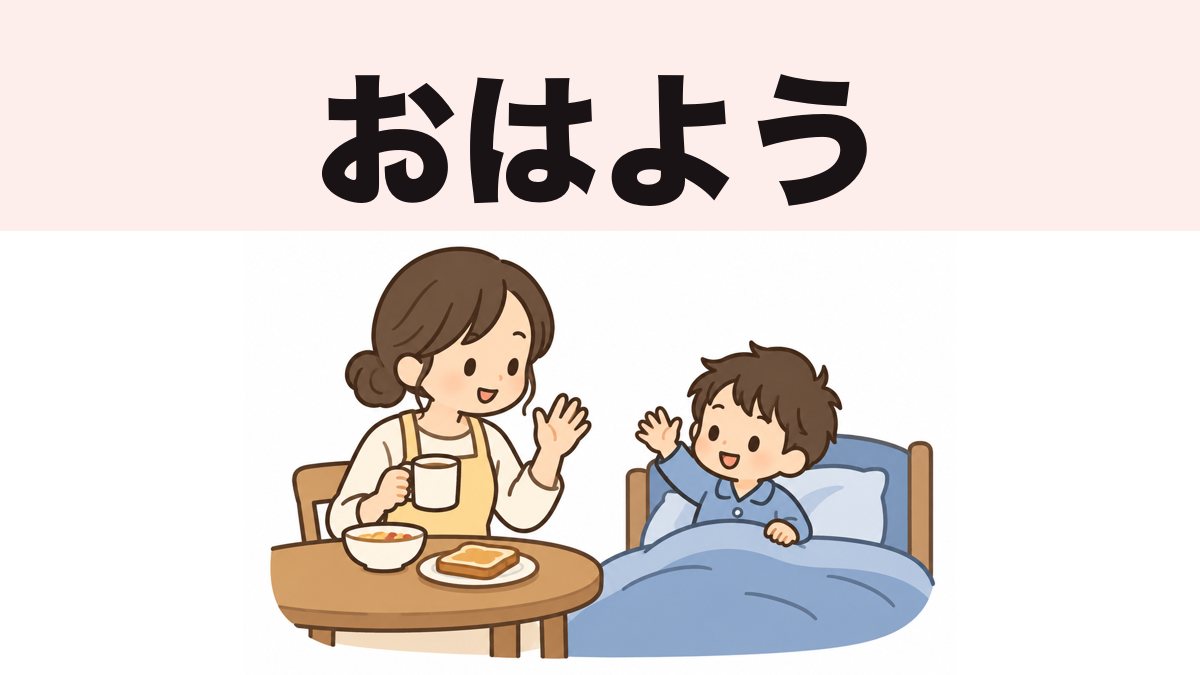
Good morning and good night in Japanese: おはよう, おやすみ and the evening greeting in between
Good morning in Japanese is おはよう (casual) or おはようございます (polite). Good night is おやすみ, but only when someone is going to bed. Here is what to say in between.
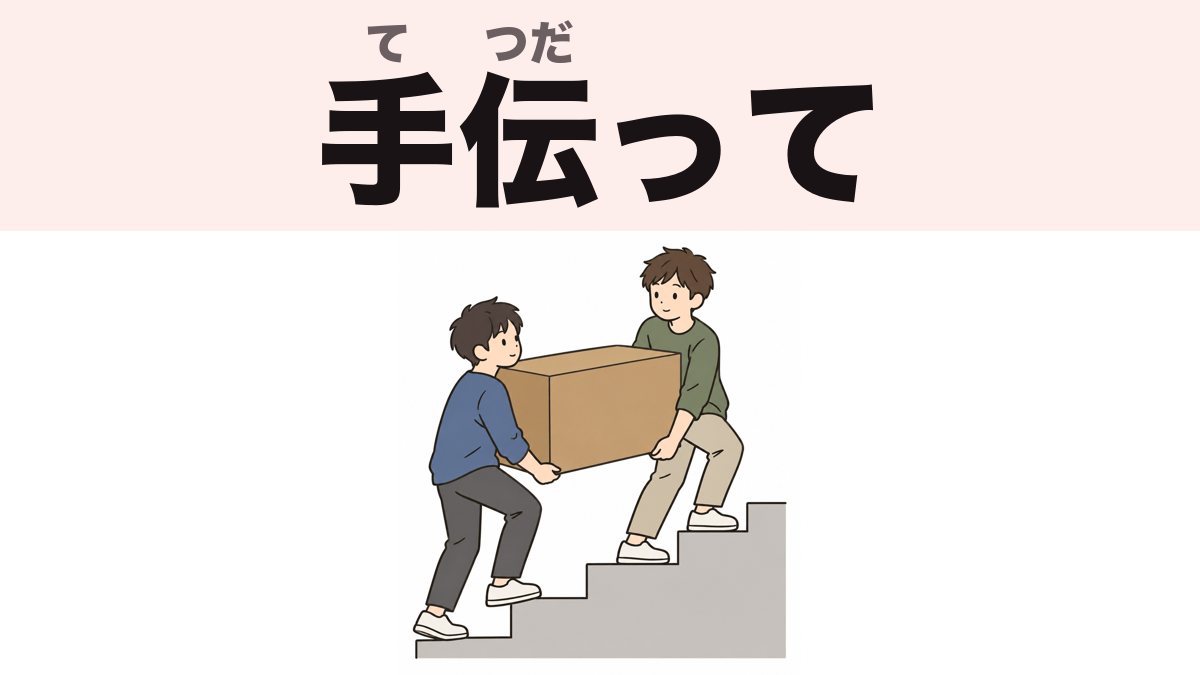
Help in Japanese: 助けて vs 手伝って, and 助かる for "that helps"
Help in Japanese splits in two: 助けて means rescue me (an emergency), 手伝って means give me a hand with a task. Plus 助かる for "that helps" and 救う.
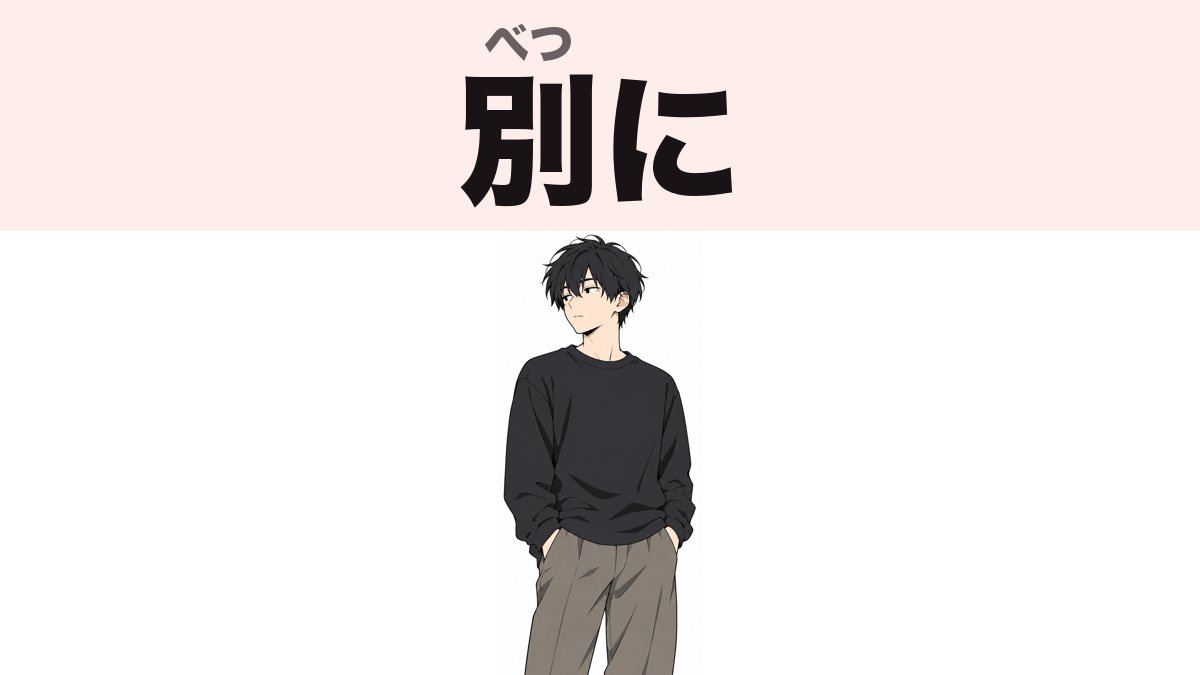
I don't care in Japanese: どうでもいい, 別に, and the なんでもいい that's actually friendly
English "I don't care" is two different things in Japanese. どうでもいい and 別に are cold; なんでもいい, どちらでもいい and お任せします are soft ways to say "anything is fine."
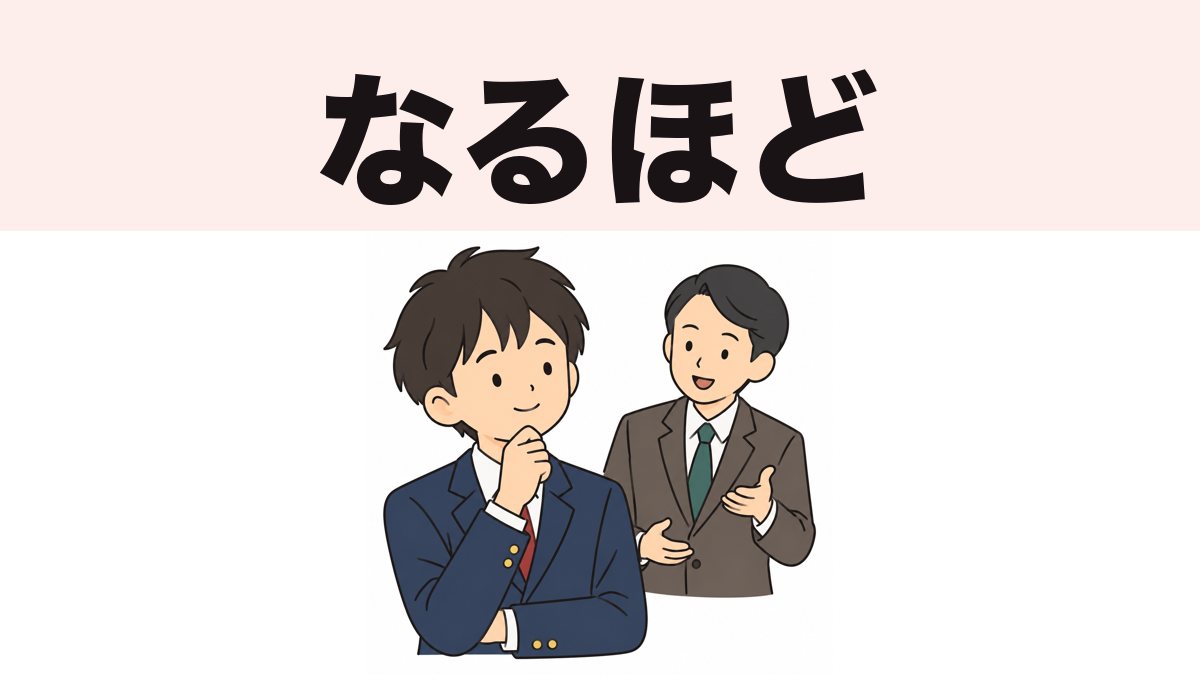
I see in Japanese: なるほど, そうなんだ and the 相づち that keep people talking
There is no single "I see" in Japanese. なるほど, そうなんだ, そうですか, わかりました and へえ each mean something different, and this guide shows when to use which.
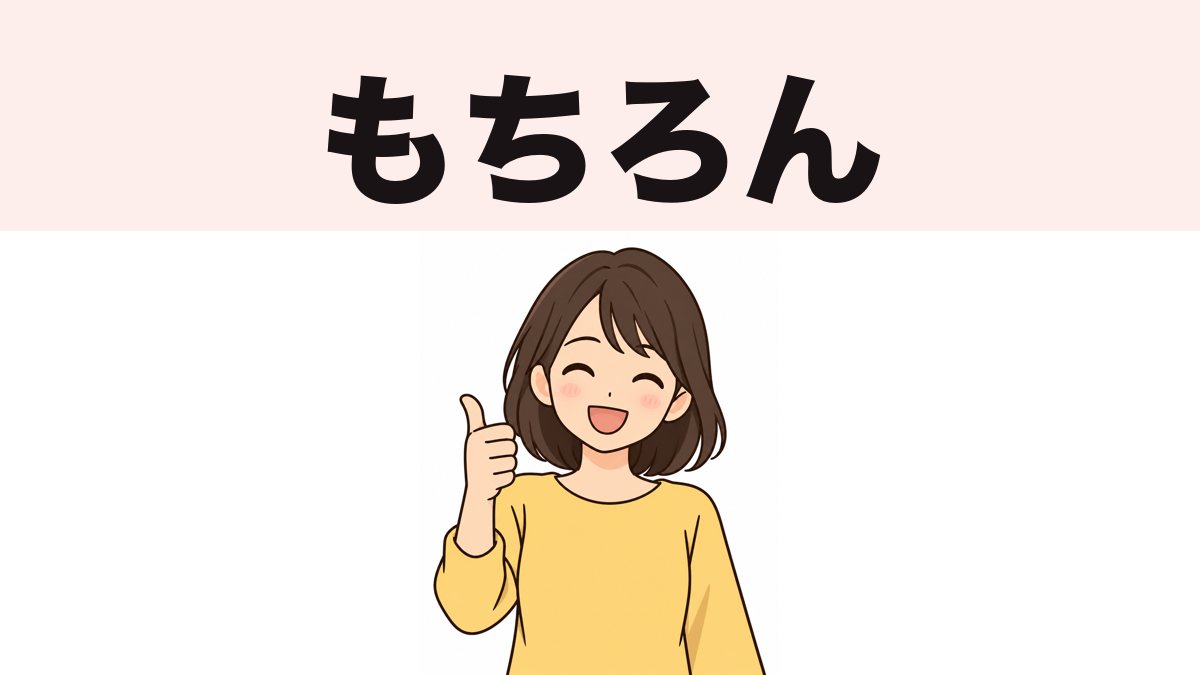
Of course in Japanese: もちろん, 当然, and the "of course" that sounds cold
Of course in Japanese is もちろん. But 当然 and 当たり前 can sound cold. Learn which "of course" fits each situation, with a table, examples and practice.
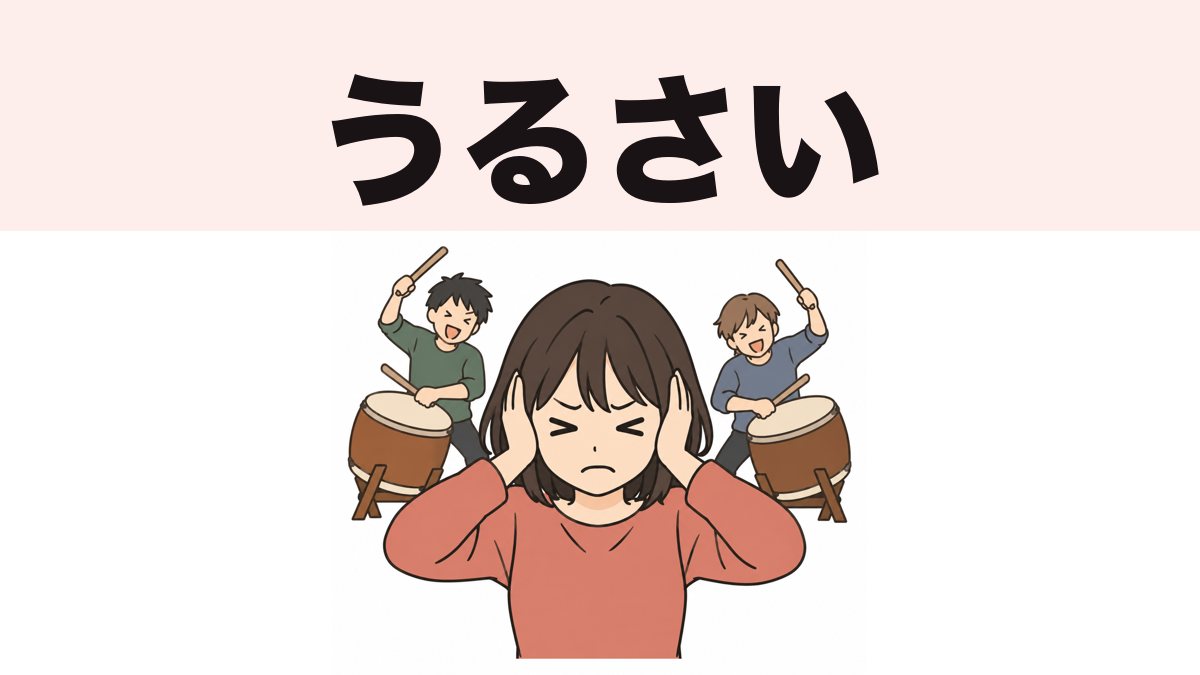
Shut up in Japanese: うるさい, 黙れ, and why anime is not your etiquette guide
Shut up in Japanese is うるさい (noisy!) or 黙れ (a harsh command) in anime, but 静かにしてください in real life. Here is how strong each one is and who you can say it to.
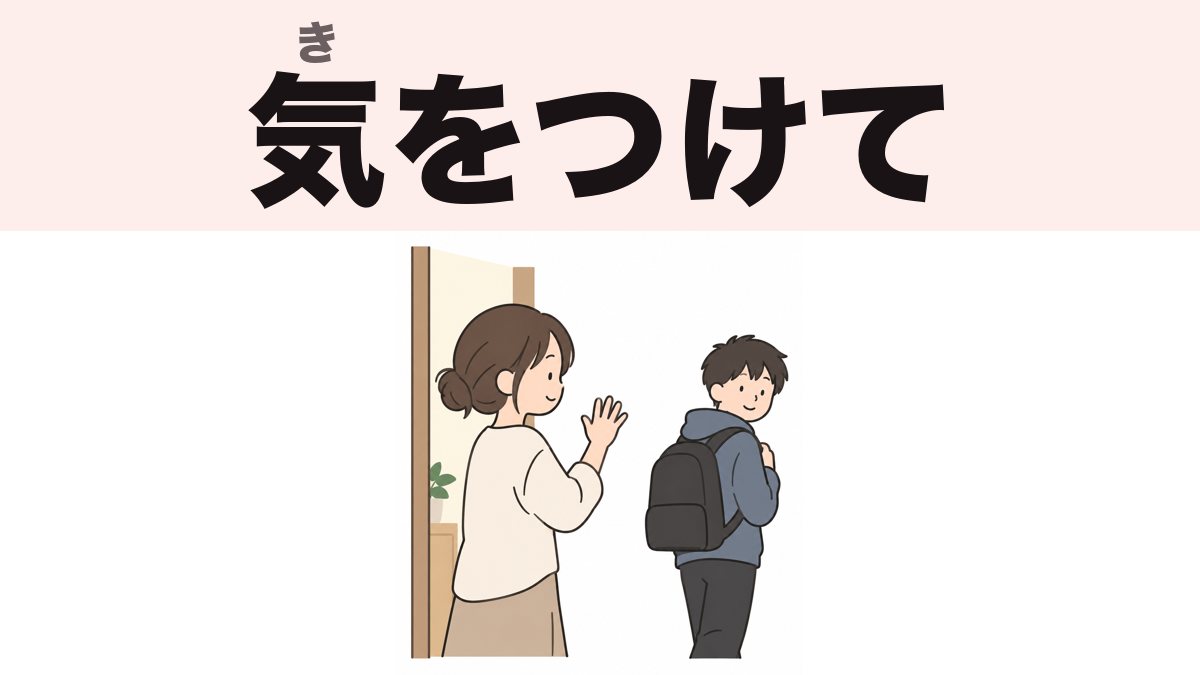
Take care in Japanese: 気をつけて, お大事に, and which one fits the goodbye
There is no single "take care" in Japanese. Use 気をつけて when someone heads out, お大事に when they are sick, お元気で for long goodbyes, ご自愛ください in writing.
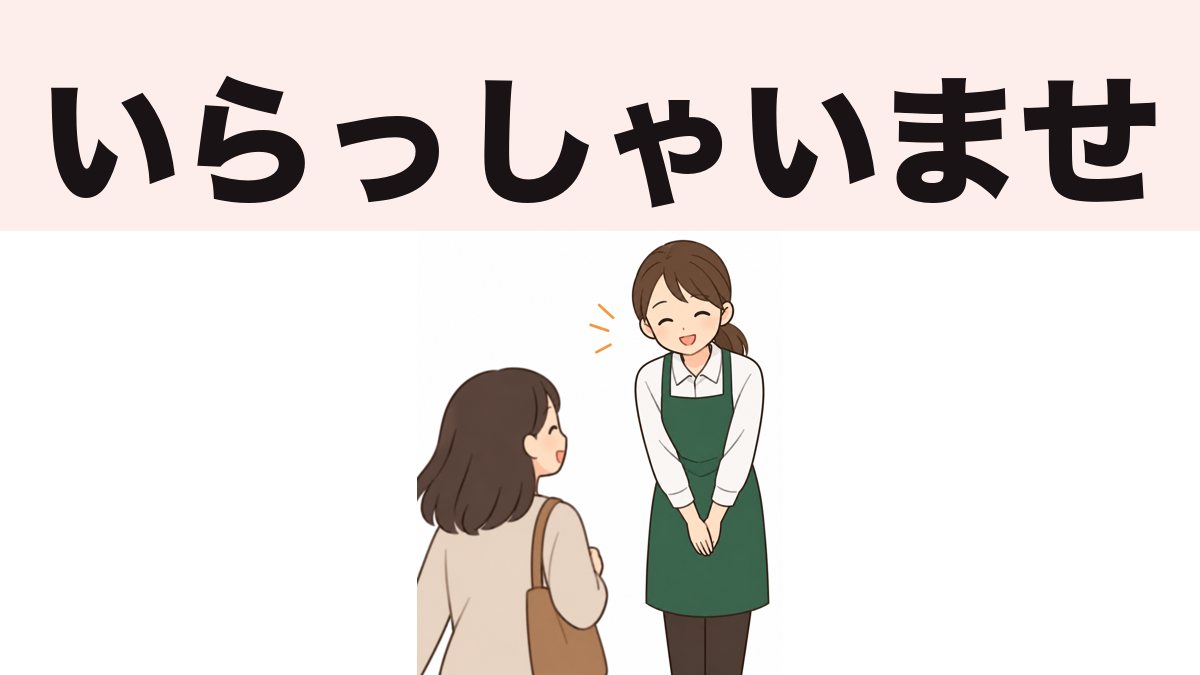
Welcome in Japanese: ようこそ, いらっしゃいませ — and "you're welcome" is a different word
Welcome in Japanese is ようこそ when you greet a guest, いらっしゃいませ in shops, and どういたしまして for "you're welcome". Here is which one to use and when.
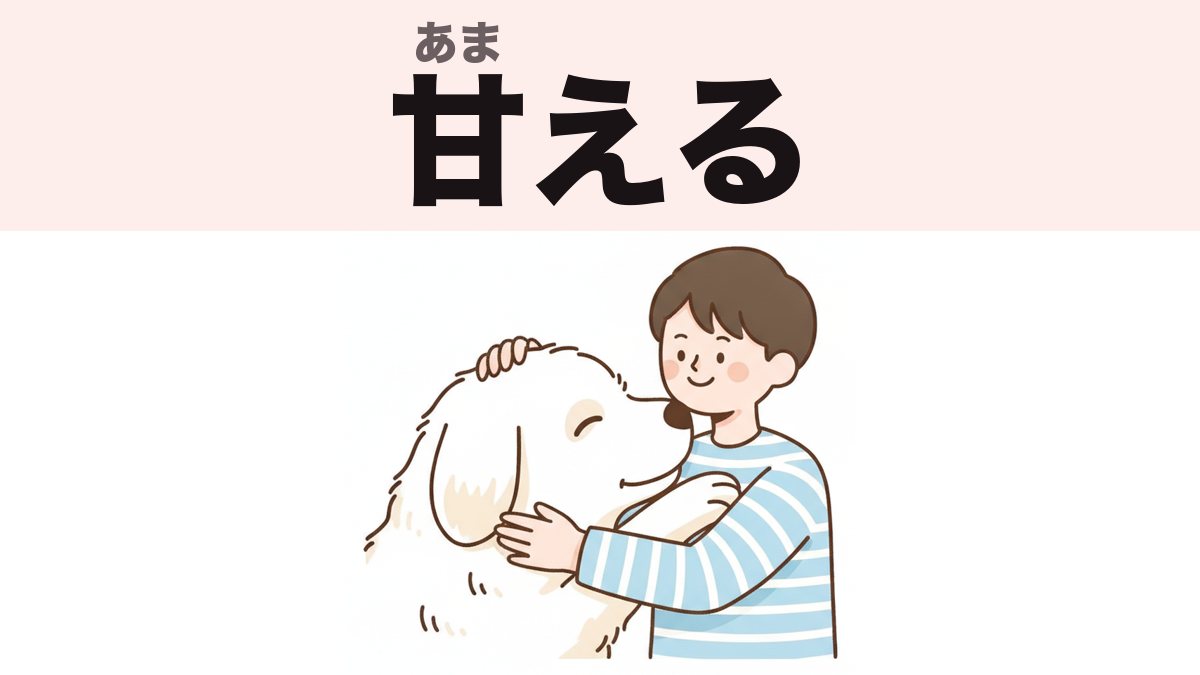
甘える (amaeru): leaning on someone's kindness — and 甘やかす, spoiling them back
甘える is acting sweetly dependent, leaning on someone's kindness. 甘やかす is the other side — indulging or spoiling that person. Here is how the verb pair works.
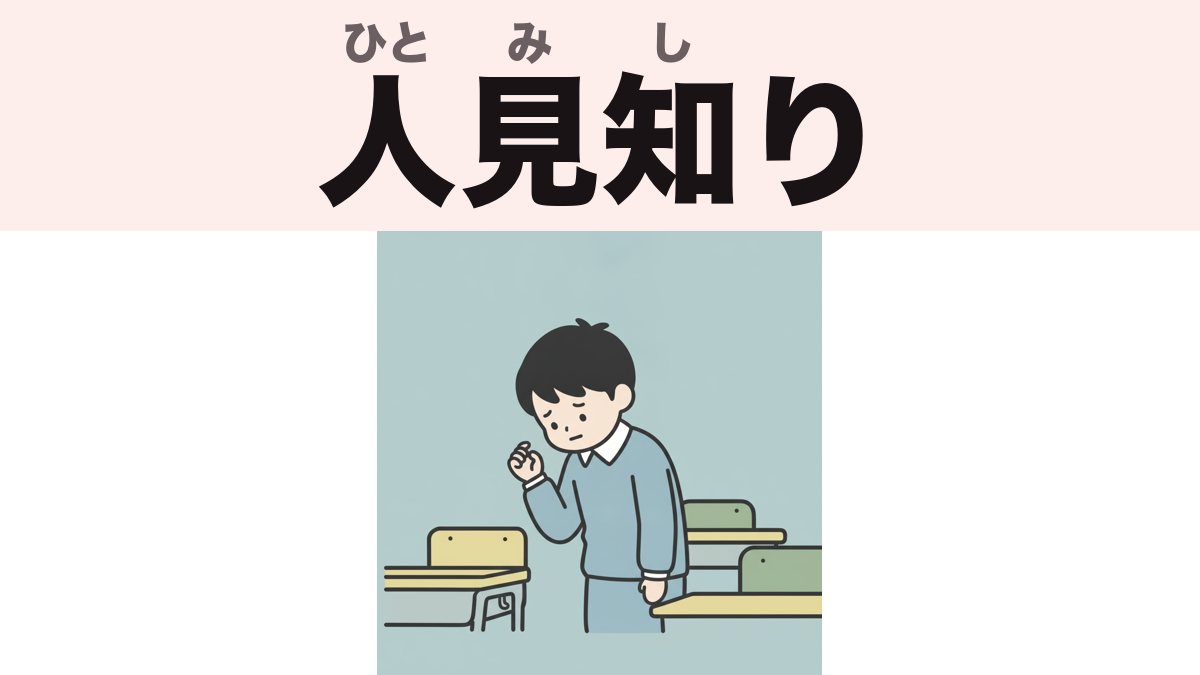
人見知り (hitomishiri): shy around strangers — and 内気, shy by nature
人見知り is shyness specifically around people you do not know yet, fading with familiarity. 内気 is a lasting quiet personality. Here is how to tell them apart.
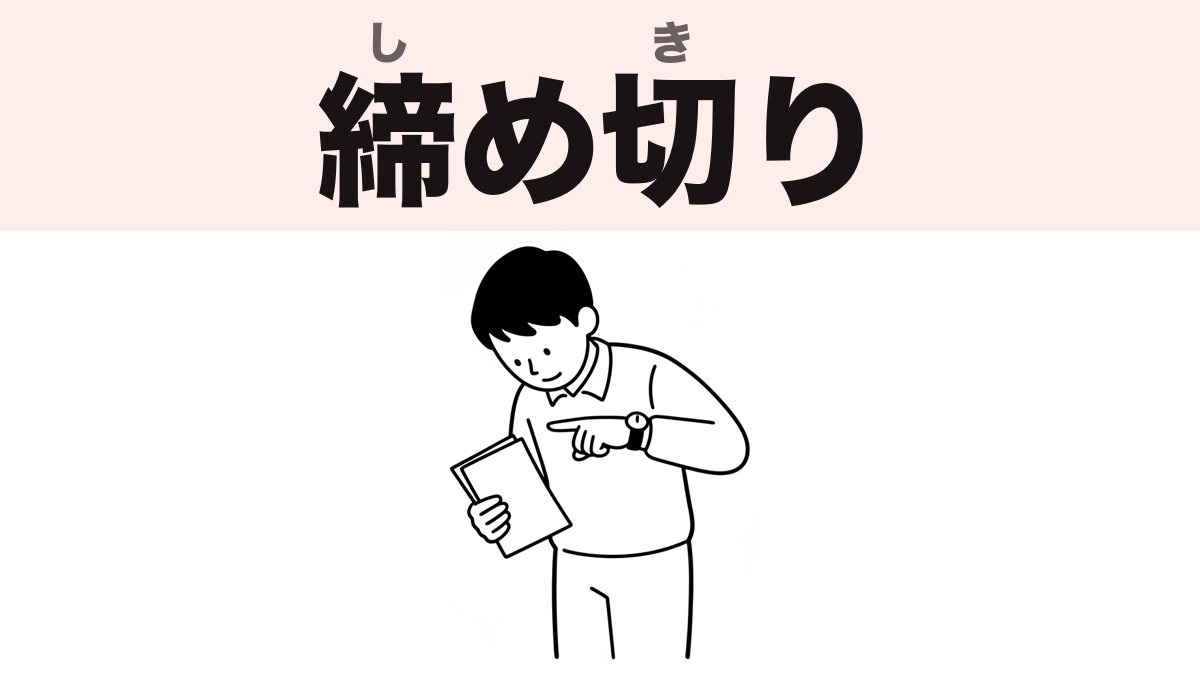
How to ask for a deadline extension in Japanese: always with your own new date
Asking for more time in Japanese pairs an apology with a specific new date you can commit to — 〇日まで延ばしていただけますか — never an open-ended "more time."
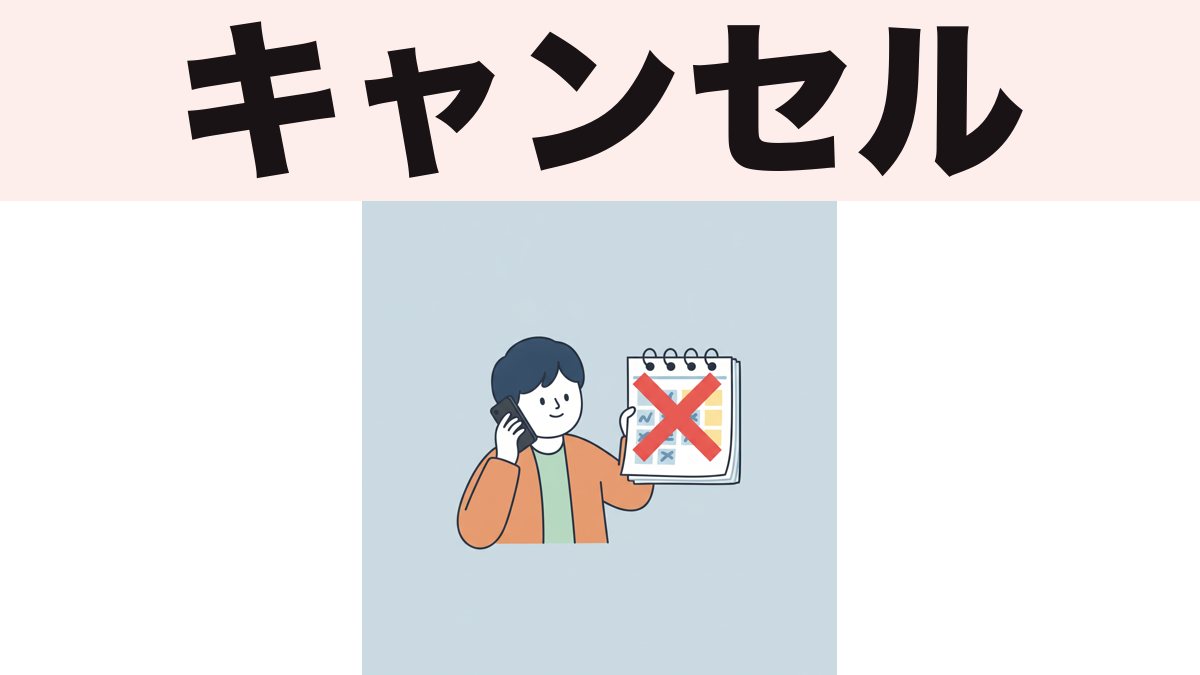
How to cancel a reservation in Japanese: 予約をキャンセルしたいのですが
Say 予約をキャンセルしたいのですが ("I would like to cancel my reservation, but...") by phone or in person. のですが leaves room for staff to ask details.
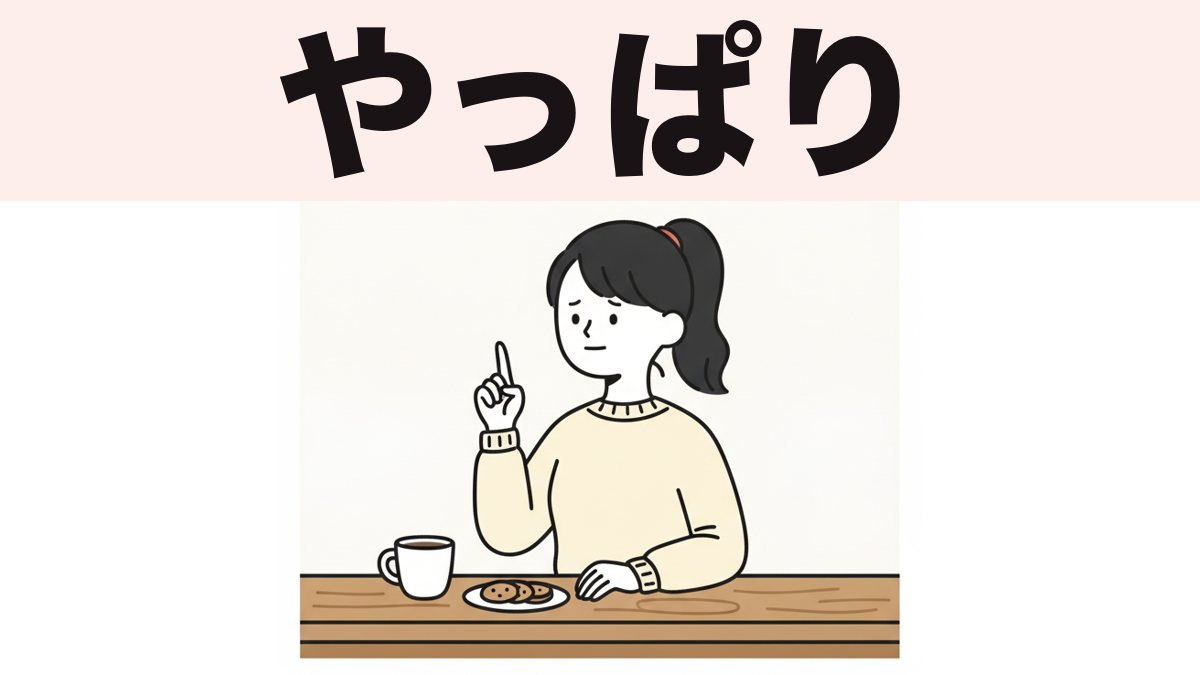
How to change your order in Japanese: すみません, やっぱり does the whole job
Changing your mind after ordering leads with すみません and やっぱり ("actually, on second thought"), framing the change as your own imposition, not a complaint.
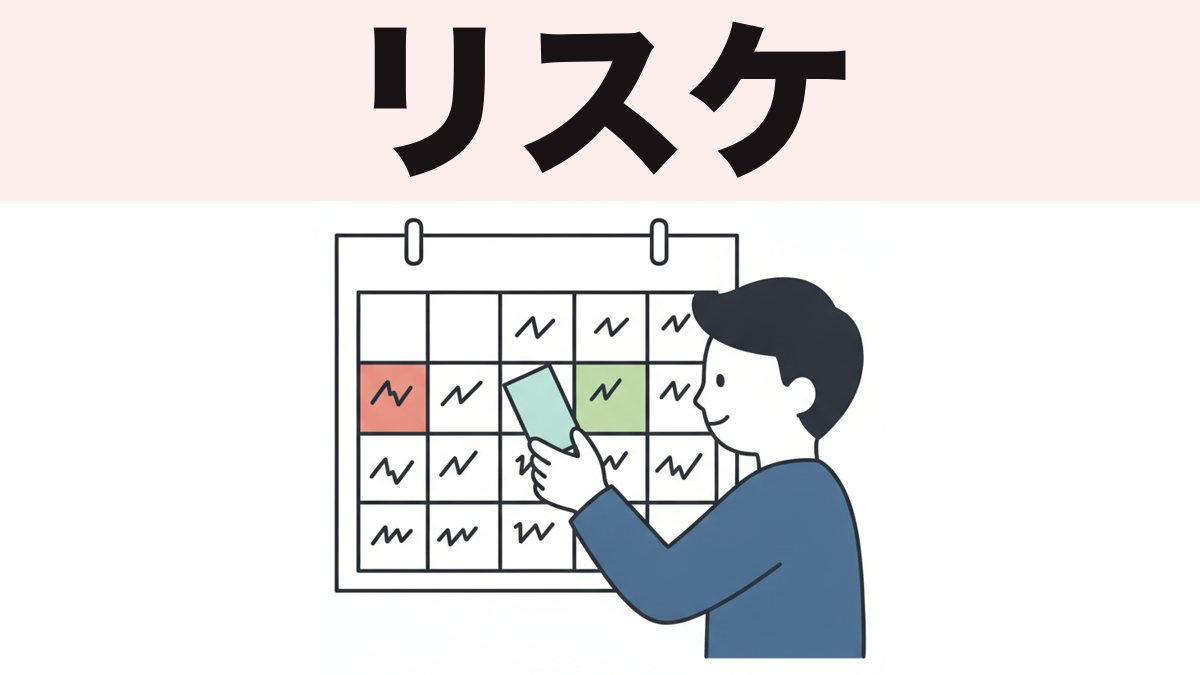
How to reschedule in Japanese: リスケ, and the request that has to come with it
リスケ (resuke) is shorthand for rescheduling, but the word alone is not the request — it needs a proposed new date or a question about theirs attached.
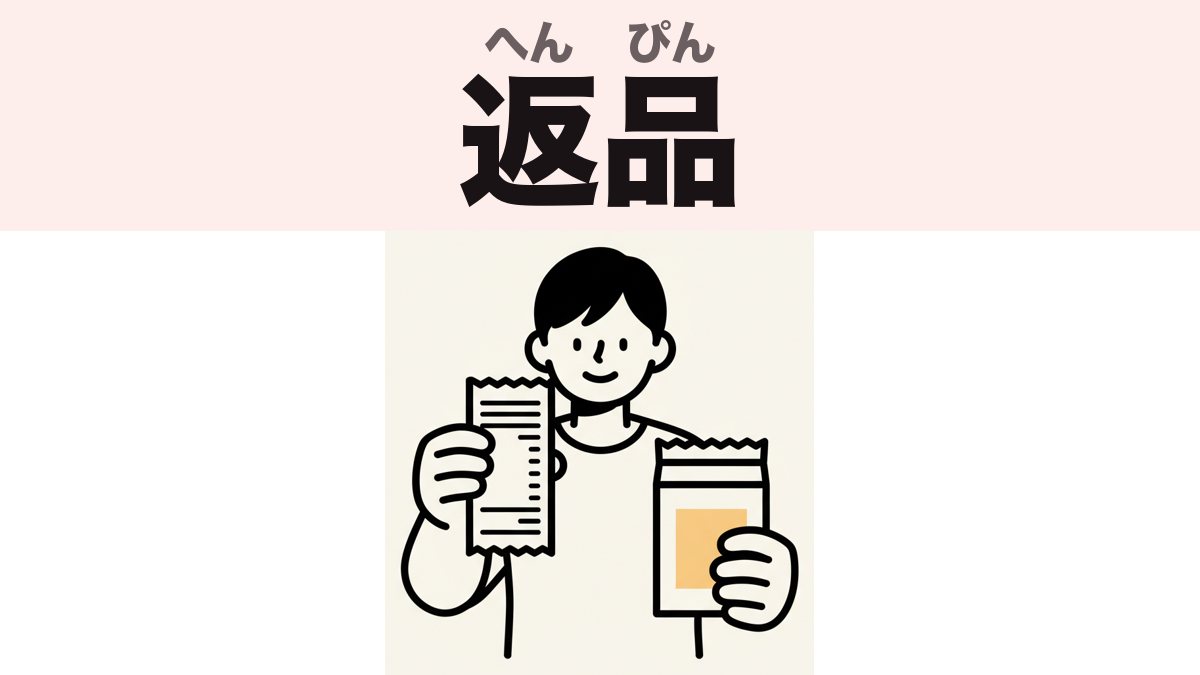
How to return or exchange something in Japanese: レシートはありますか comes first
Returning or exchanging an item in Japan starts with the receipt — レシートはお持ちですか — since most stores will ask for it before hearing your reason at all.
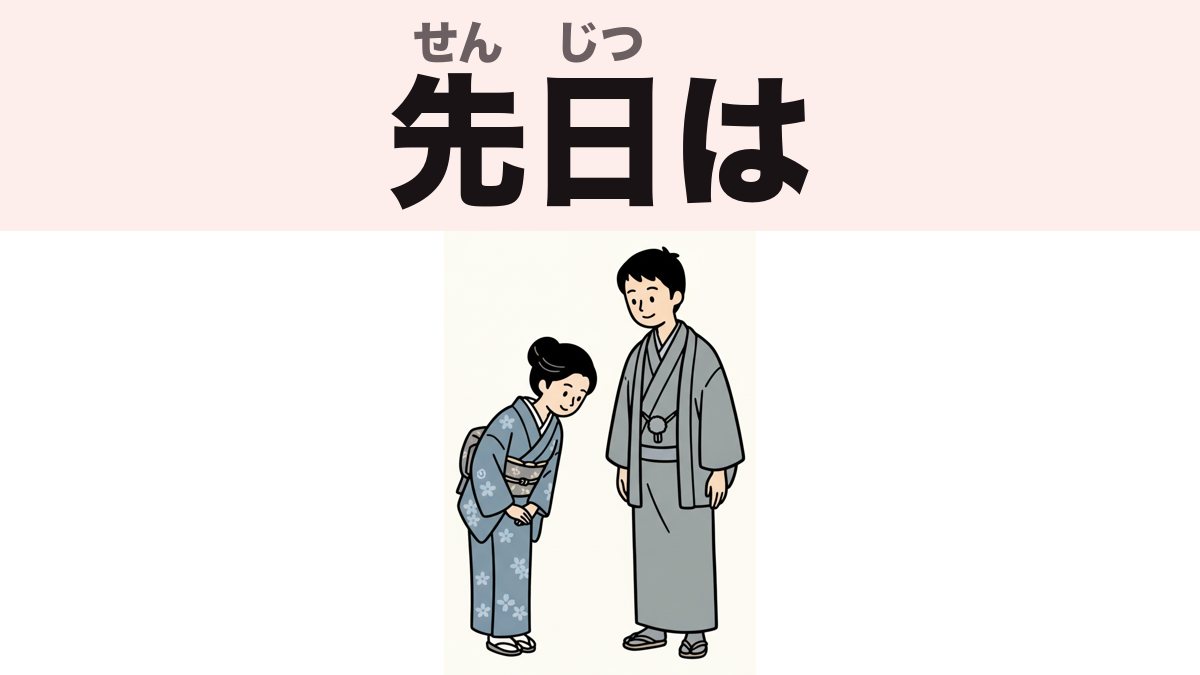
How to say thank you again later in Japanese: 先日は, 先ほどは, その節は
Japanese re-thanks people days after the fact. 先日は covers a few days ago, 先ほどは covers minutes, and その節は is for one big favor, formally.
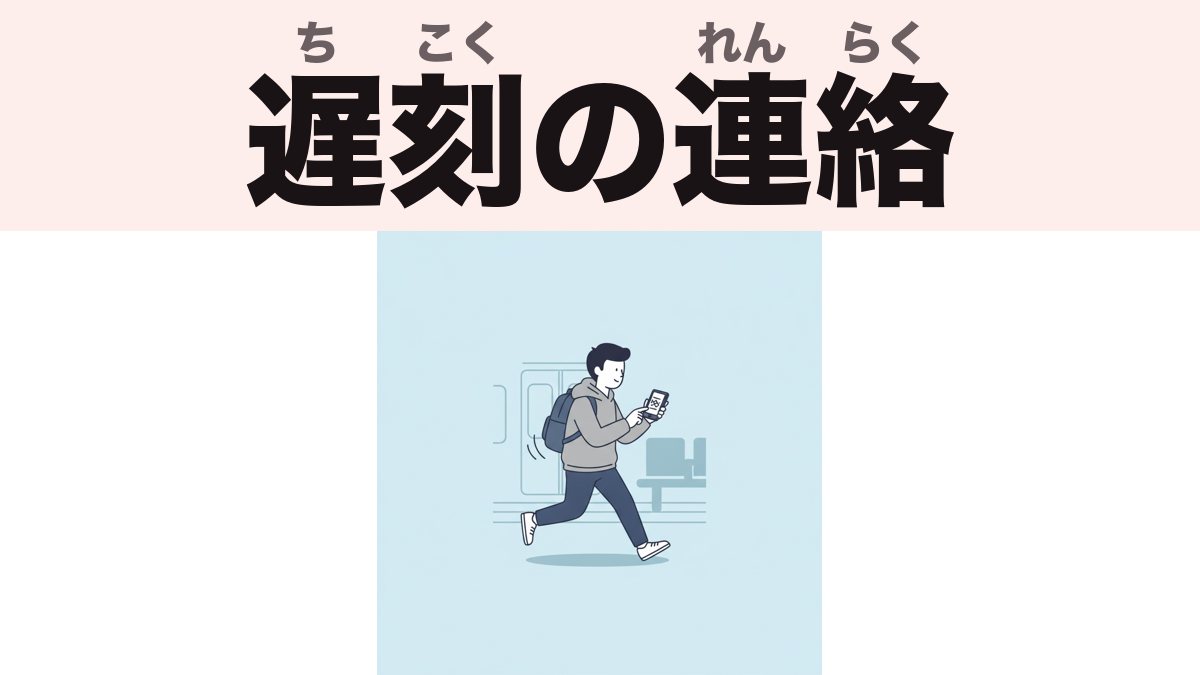
How to say you will be late in Japanese: the message matters more than the lateness
Being late in Japan is less rude than being late without warning. A short text with a new arrival time — 10分ほど遅れます — is the expected move, before you arrive.
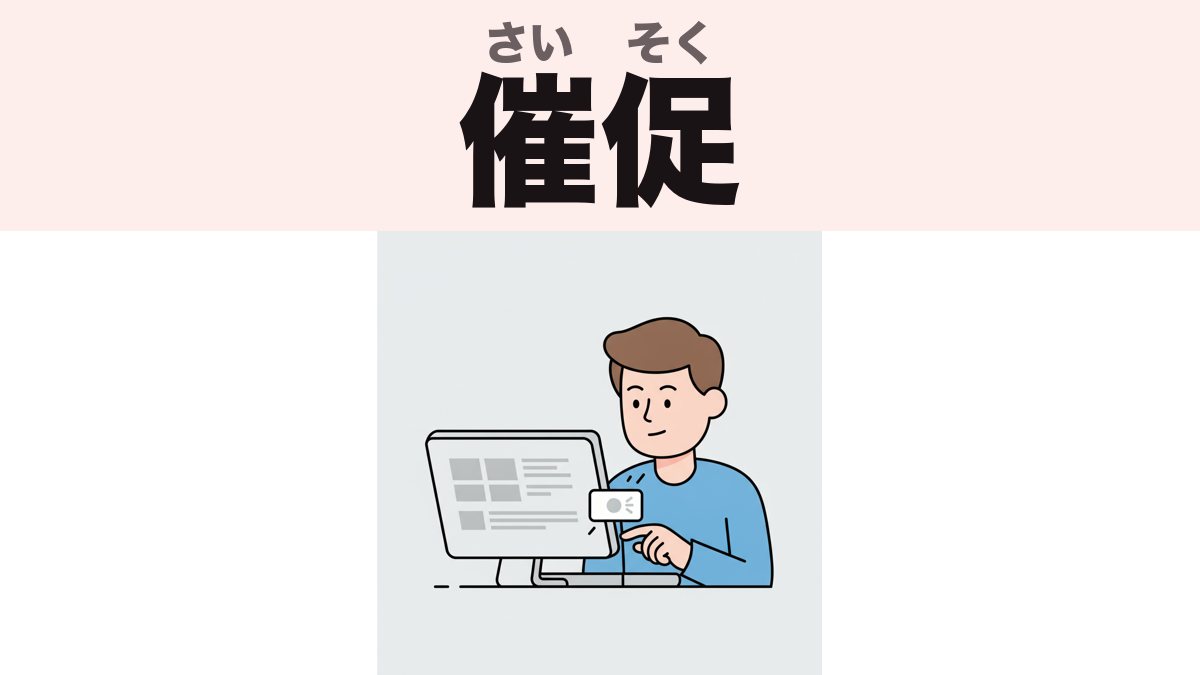
How to send a polite reminder in Japanese: 催促 without sounding like a complaint
A Japanese reminder softens with 念のため (just in case) and 行き違いでしたら (if we crossed messages) so it never reads as an accusation, even for money or deadlines.
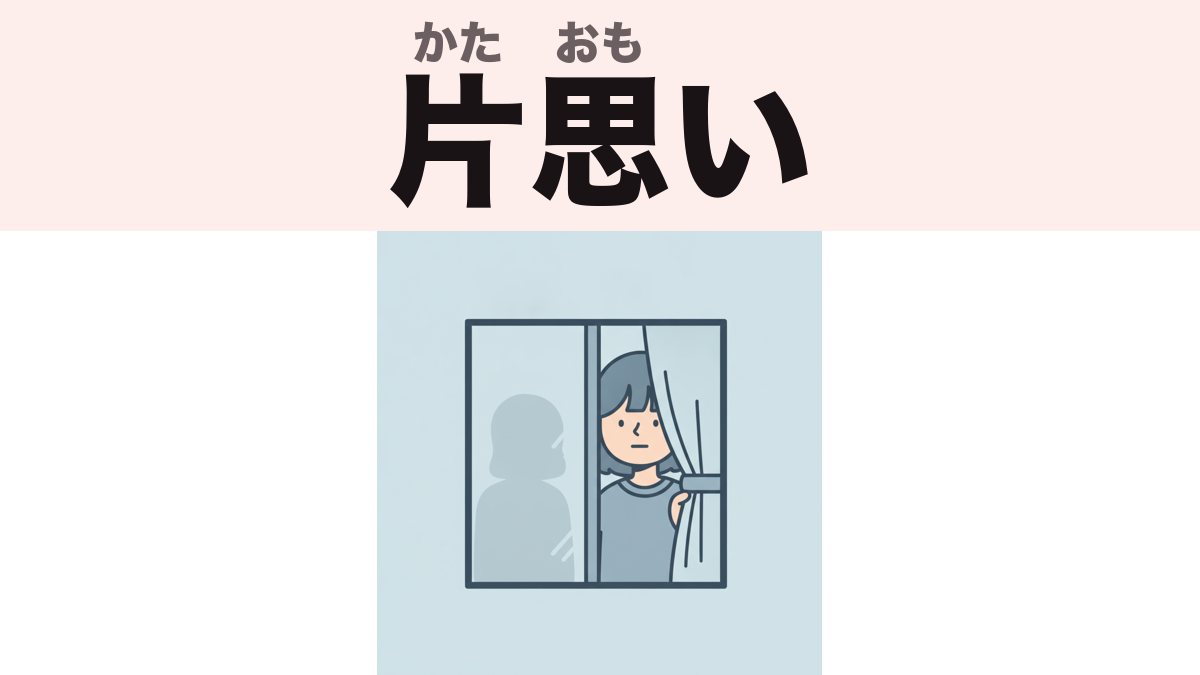
片思い (kataomoi): unrequited love — and 両思い, when it goes both ways
片思い is one-sided romantic feelings, unreturned. 両思い is when both people like each other, mutually. Here is the vocabulary for the whole arc between them.
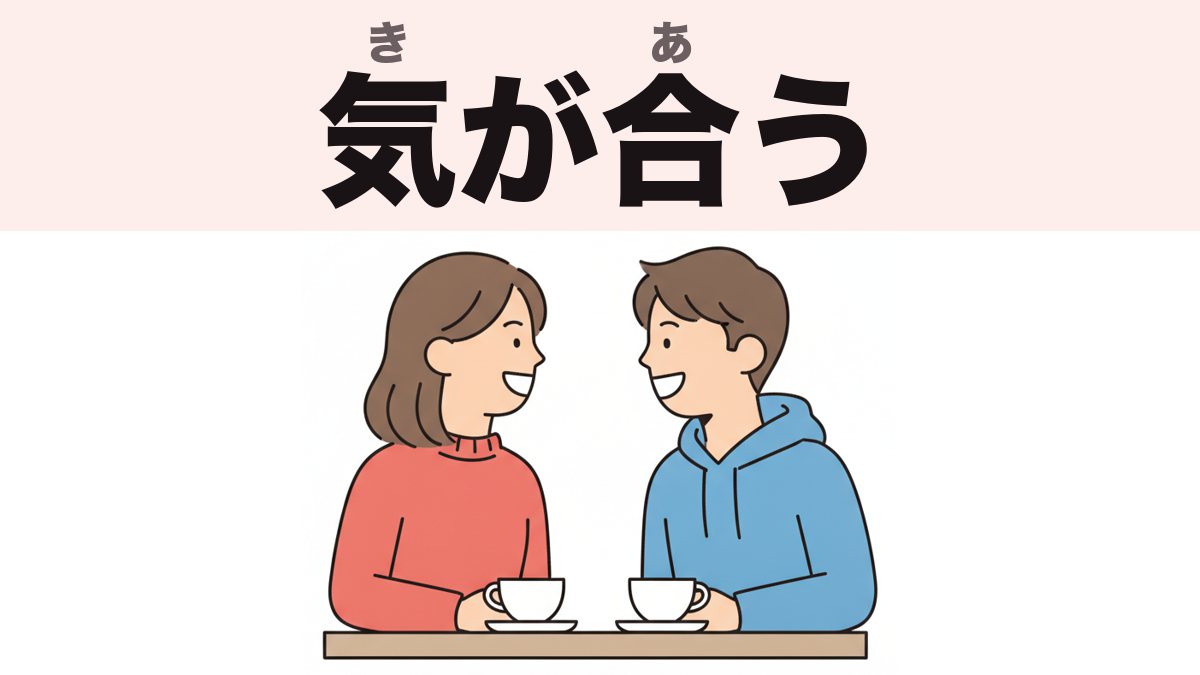
気が合う (ki ga au): clicking with someone — and 馬が合う, the horse idiom for the same thing
気が合う means clicking with someone effortlessly, same wavelength, same sense of humor. 馬が合う is an idiom about a horse and rider that means exactly the same thing.
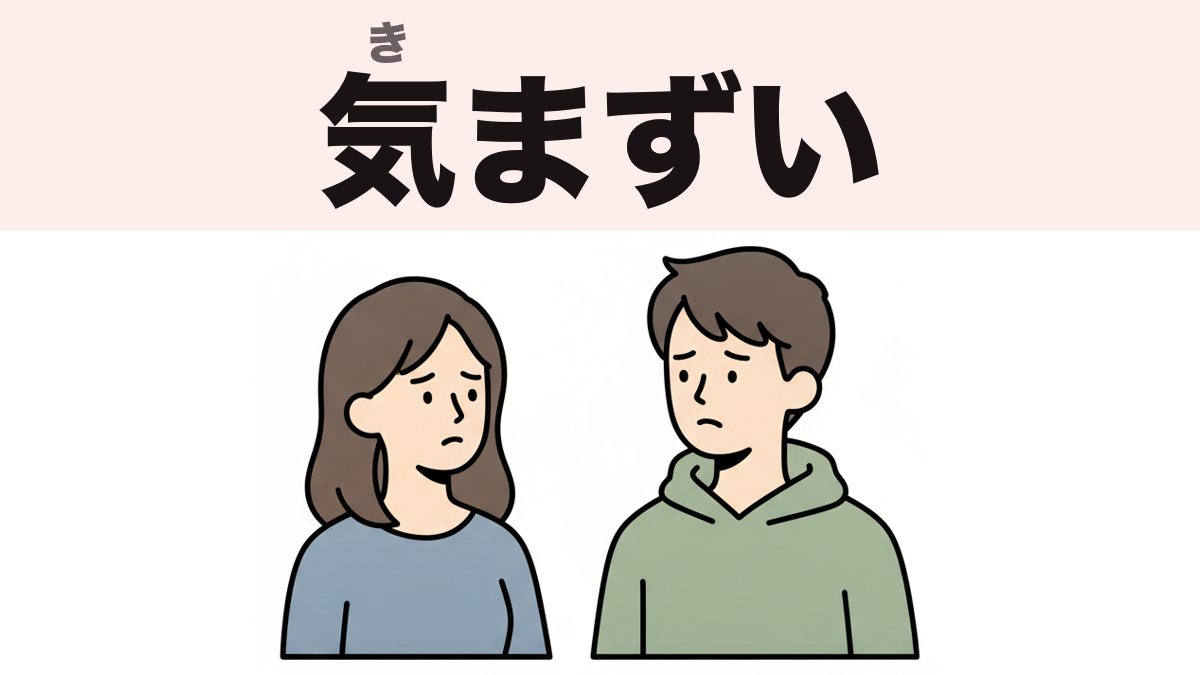
気まずい (kimazui): an awkward atmosphere — and 微妙, when something is just unclear
気まずい is the tension you actually feel around someone after something happened. 微妙 is when a relationship, opinion, or situation is simply hard to classify.
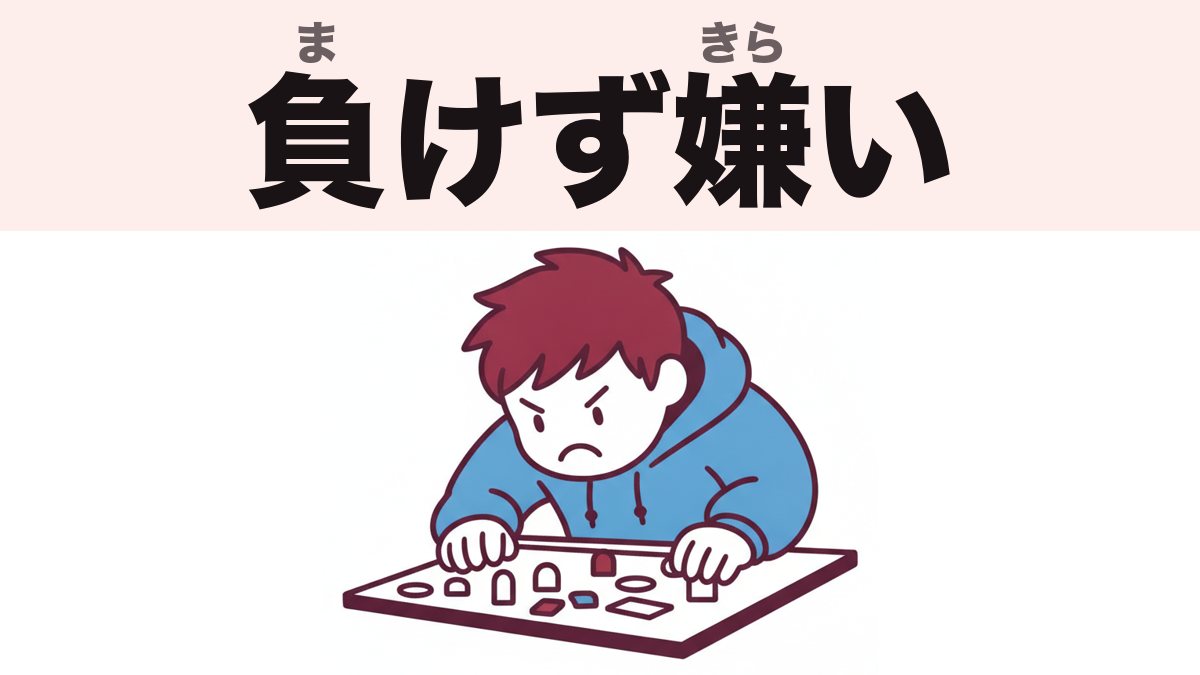
負けず嫌い (makezugirai): hating to lose — and 頑張り屋, just trying hard
負けず嫌い describes someone driven by hating to lose, competitive by nature. 頑張り屋 describes someone who always tries hard, whether or not anyone is competing.
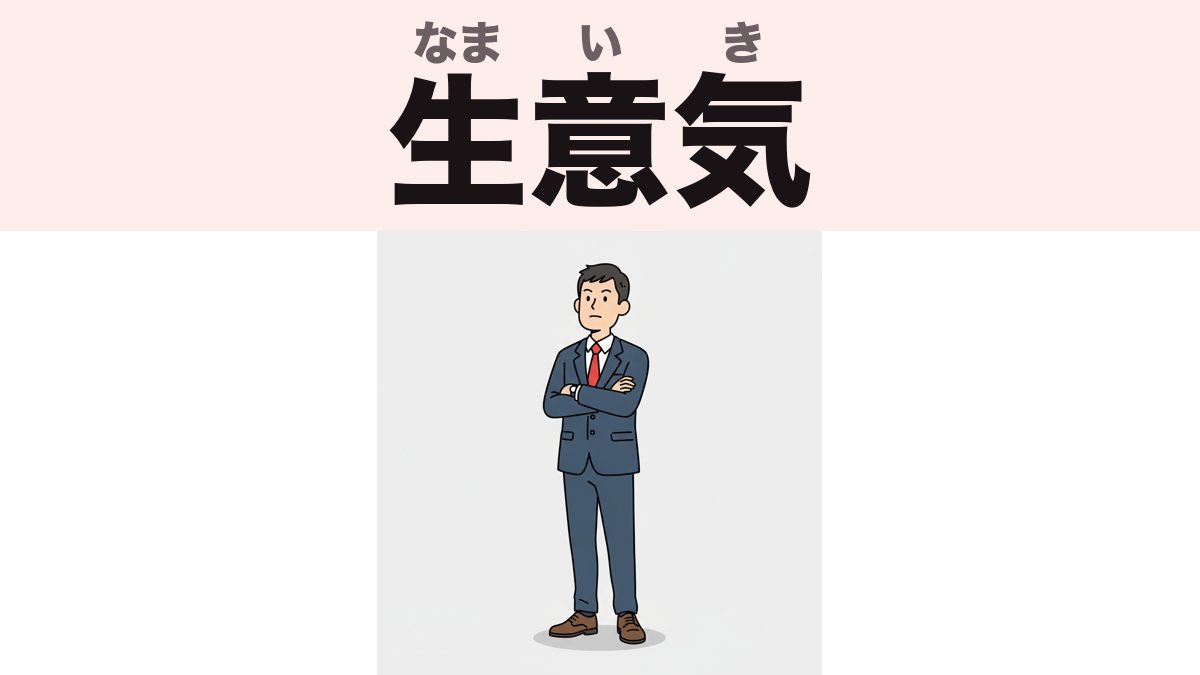
生意気 (namaiki): cocky for your rank — and 図々しい, shameless for anyone
生意気 criticizes someone for acting above their station — a junior talking back to a senior. 図々しい criticizes boldness regardless of rank. Here is the difference.
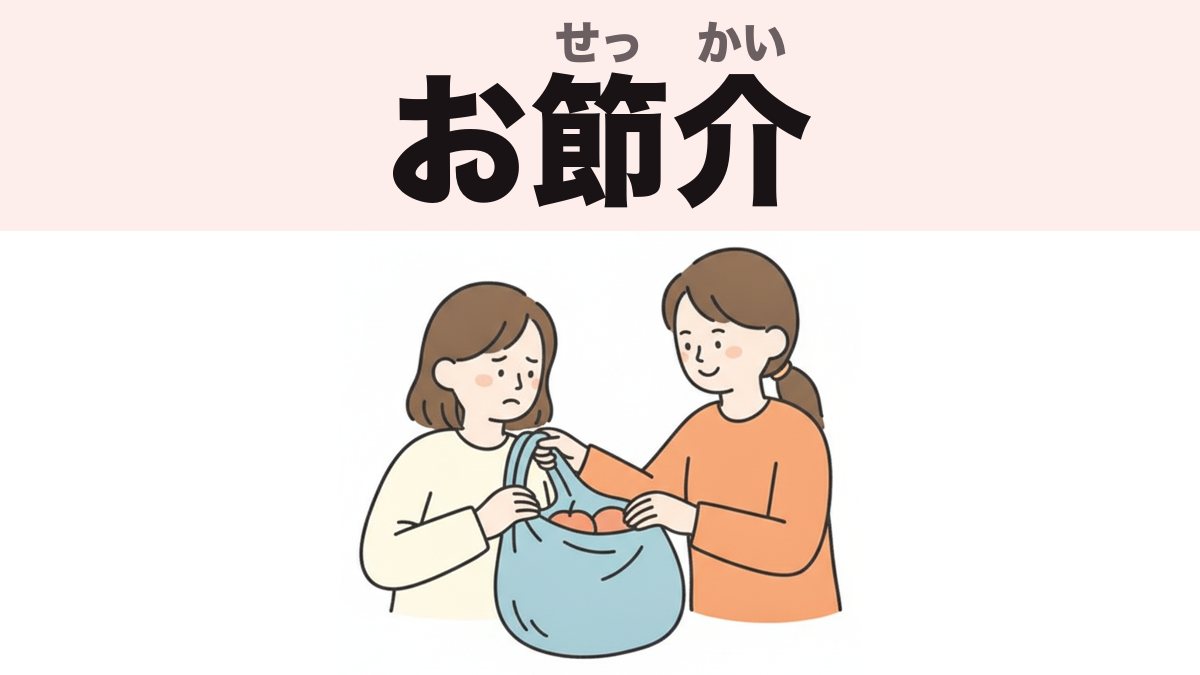
お節介 (osekkai): meddling help nobody asked for — and 面倒見がいい, the wanted version
お節介 is unwanted meddling dressed as help. 面倒見がいい is the same initiative, but welcome. The difference is not the act itself, it is whether anyone asked for it.
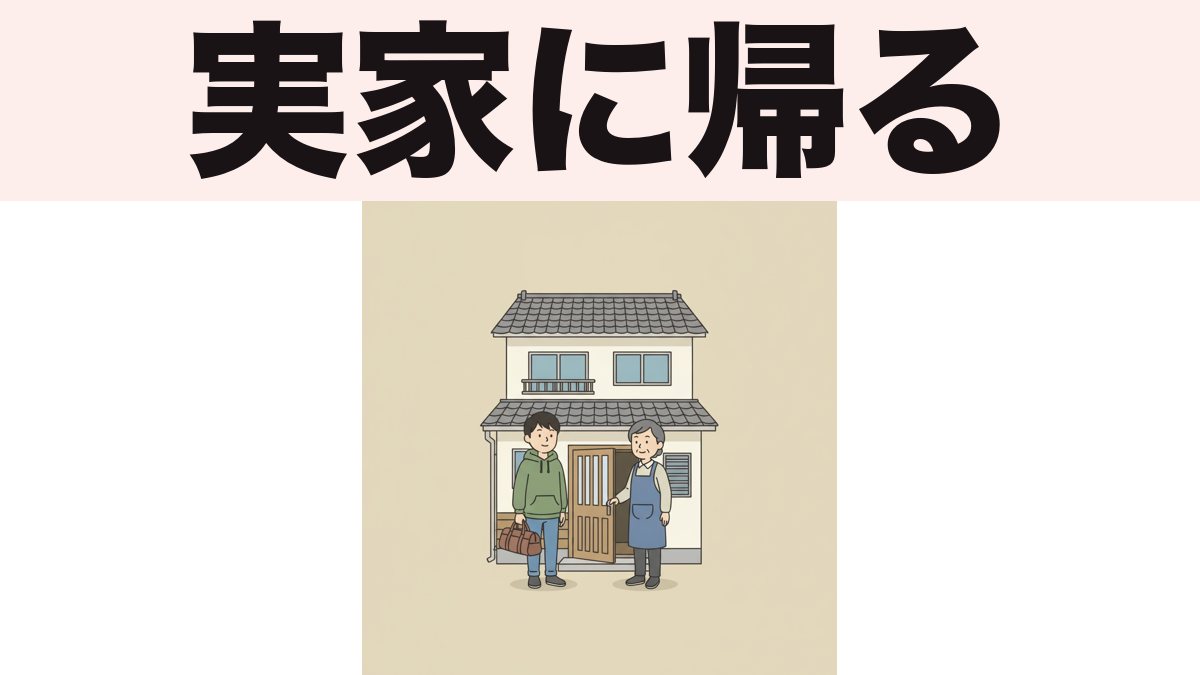
Jikka, jimoto, kisei: how Japanese talks about "going home"
実家 is your parents' home, 地元 is your hometown area, and 帰省 is the trip back there. Why "I went to my town" sounds odd in Japanese, and what people say instead.
と言えば and そういえば: how to say "speaking of" in Japanese
と言えば means "speaking of" and links to what someone just said. そういえば means "that reminds me" and changes the subject. How to use both, plus と言ったら.
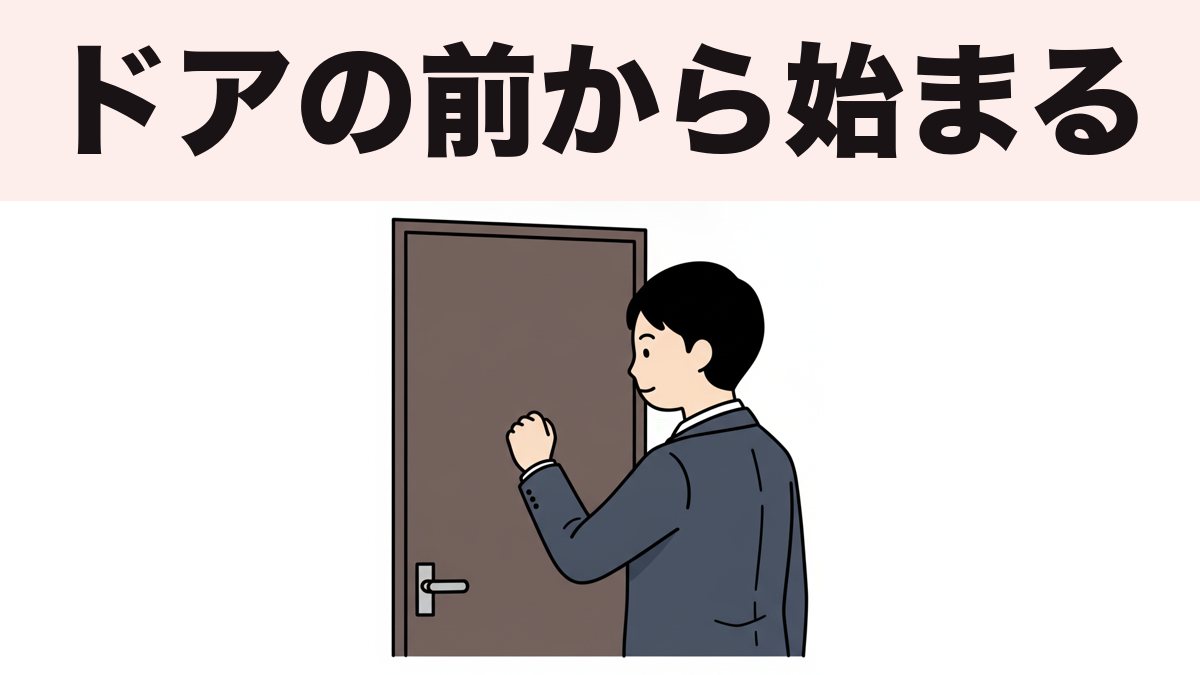
Japanese job interview phrases: what to say from the door to the bow
The set phrases a Japanese interview runs on, in order: 失礼します at the door, 御社 for their company, 申します for your name, and the question to ask at the end.
Japanese sarcasm: 皮肉, 嫌味, and why "すごいですね" can be an insult
Japanese sarcasm is not delivered by tone of voice. It arrives as excessive politeness, over-praise or a stated obvious fact — why learners miss it entirely.
Business Japanese vocabulary the JLPT never teaches you
御社, 弊社, 進捗, 懸念, 承知しました — the words that fill a Japanese workplace and barely appear in textbooks. What each one means and who says it.
How to disagree in Japanese without sounding blunt
違います is for facts, not opinions. The phrases Japanese actually uses to disagree — たしかに〜ですが, とは少し違って, それはどうでしょうか — and when to use each.
〜あたり and 〜につき: how to say "per person" in Japanese
一人あたり is "per person" for calculations, お一人様につき is "per person" for rules, and 一人ずつ is "one at a time" — three phrases English collapses into one word.
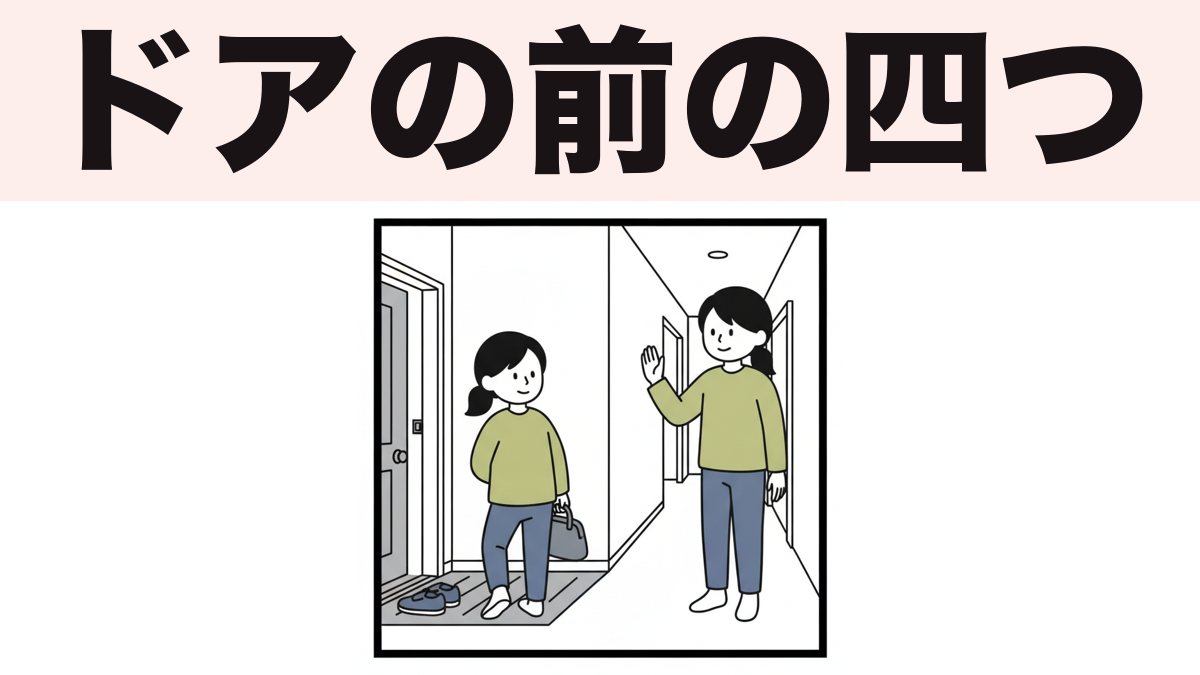
ただいま and おかえり: the four greetings a Japanese home runs on
ただいま means "I am back" and おかえり means "welcome back" — two halves of one exchange. Here are all four door greetings, plus why anime wives say おかえりなさい、あなた.
四字熟語: the four-character idioms worth actually learning
A 四字熟語 packs a whole proverb into four kanji — 一石二鳥, 十人十色, 臨機応変. Which ones are used in daily life, and how to fit them into a sentence.
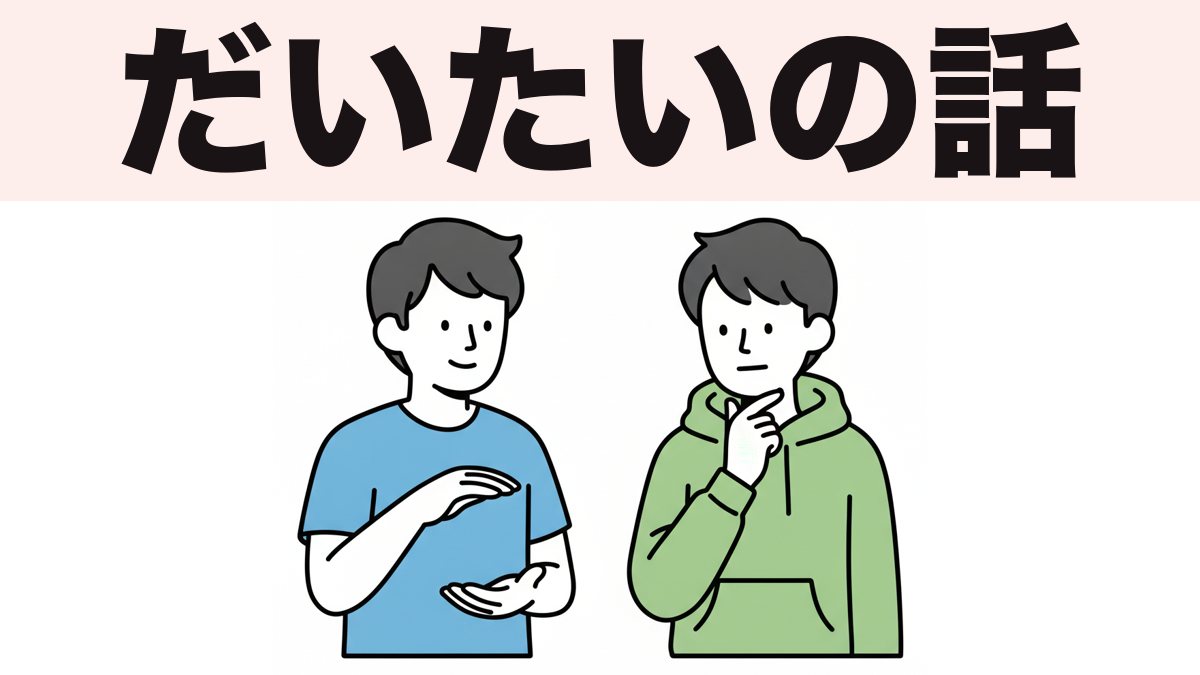
だいたい: "roughly", "mostly", and the one that means "in the first place"
Learn how daitai means roughly, mostly, or in the first place in Japanese, with natural examples, common mistakes, and practice questions.
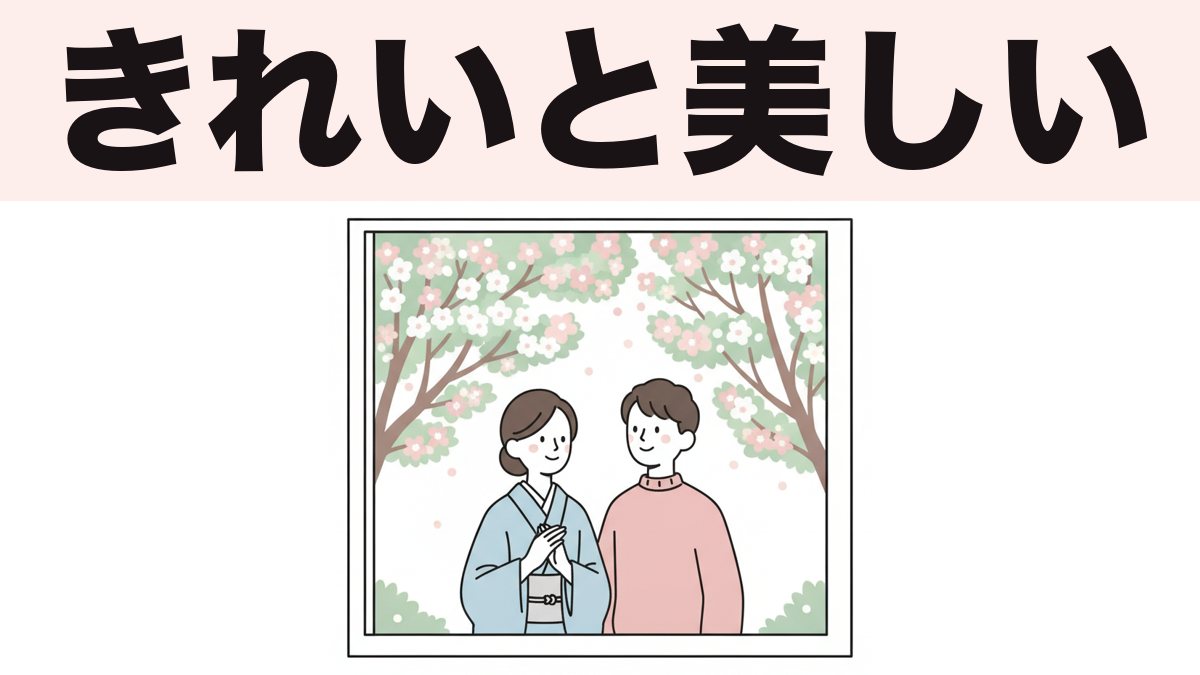
Japanese words for beautiful: きれい, 美しい, かわいい and what each one claims
きれい is the everyday word and also means clean. 美しい is beauty with distance. かわいい is not "beautiful" at all. What each word actually claims.
What Is "Delicious" in Japanese? 美味しい, うまい, 絶品 Compared
"Delicious" in Japanese is 美味しい (oishii) — polite anywhere. うまい means the same but sounds blunt and male-coded; 絶品 is for truly outstanding food only.
What Is "Happy" in Japanese? 嬉しい, 楽しい, and 幸せ Compared
"Happy" in Japanese splits three ways: 嬉しい reacts to something that happened, 楽しい describes an enjoyable activity, and 幸せ is the settled happiness of a life.
Tired in Japanese: 疲れた, 眠い, だるい — the right pick
Tired in Japanese: 疲れた, 眠い, だるい and へとへと explained with audio and a comparison table so you pick the right word every time. Updated 2026.
難しい and 大変: "difficult" and "tough" are not the same complaint
Learn how muzukashii describes difficulty and taihen describes hardship in Japanese, with vocabulary to explain how challenging something feels.
〜にあたる: the word you need when two languages do not line up
Learn how ni ataru expresses equivalents, dates, and matching relationships in Japanese, and how its meaning differs from ni atatte.
いくらですか: asking how much something costs, and understanding the answer
Learn to ask prices with ikura desu ka, handle fast replies with useful follow-up questions, and read Japanese price tags before you ask.
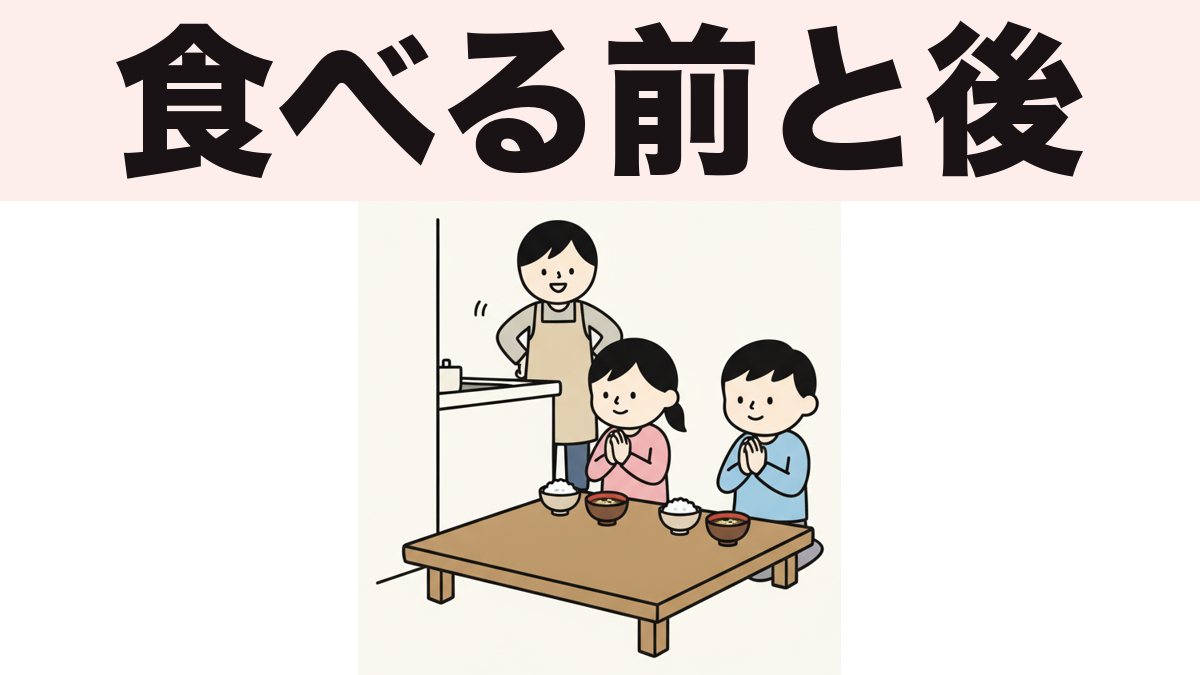
What Do いただきます and ごちそうさま Mean in Japanese?
いただきます is said before eating in Japanese — the humble form of "to receive." ごちそうさまでした is said after, thanking whoever prepared or provided the meal.
残業, 出勤, 有給: the Japanese work vocabulary that arrives late and matters early
Learn Japanese workplace vocabulary for overtime, going to work, and paid leave, with the verbs and particles needed to use each term naturally.
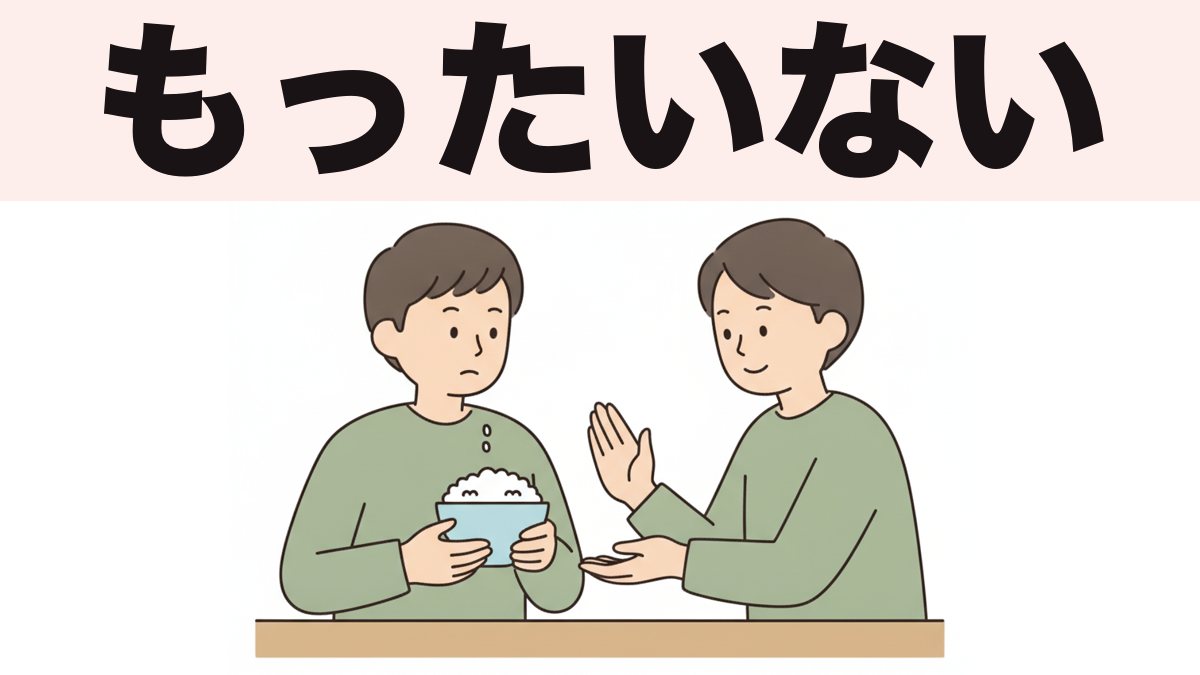
もったいない: the word for "what a waste", and why it is bigger than that
Explore how mottainai describes wasted food, money, talent, and opportunities in Japanese, and how it can also be used to turn down a compliment.
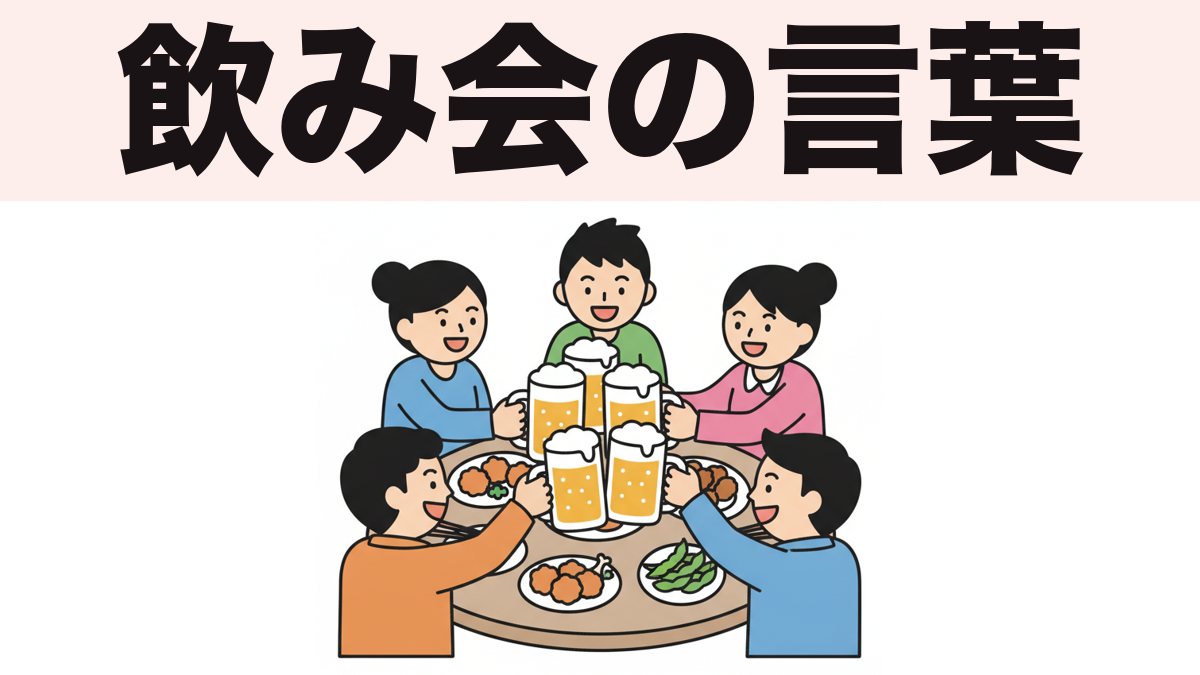
飲み会 and 無礼講: the words you need at a Japanese drinking party
Explore Japanese drinking party vocabulary, what happens at a nomikai, and why a bureikou announcement does not always erase workplace rank.
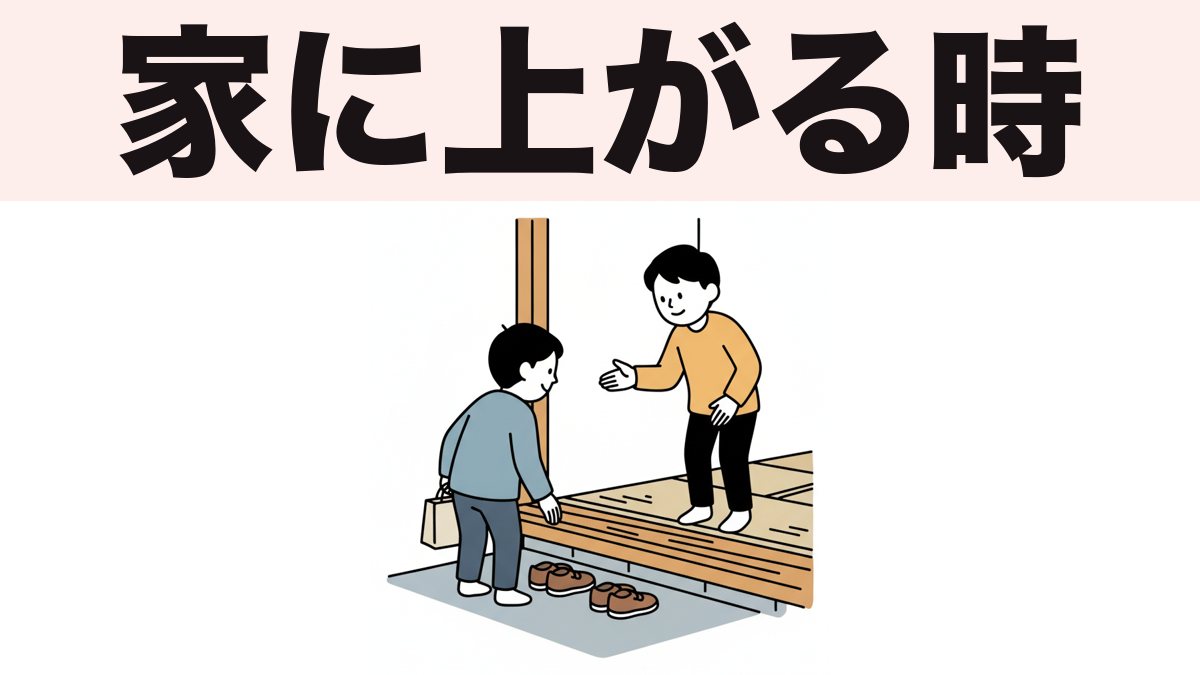
お邪魔します: what to say when you walk into a Japanese home
お邪魔します literally means "I am going to be a nuisance" — what you say at the door. The phrase on the way out is the same verb, past tense.
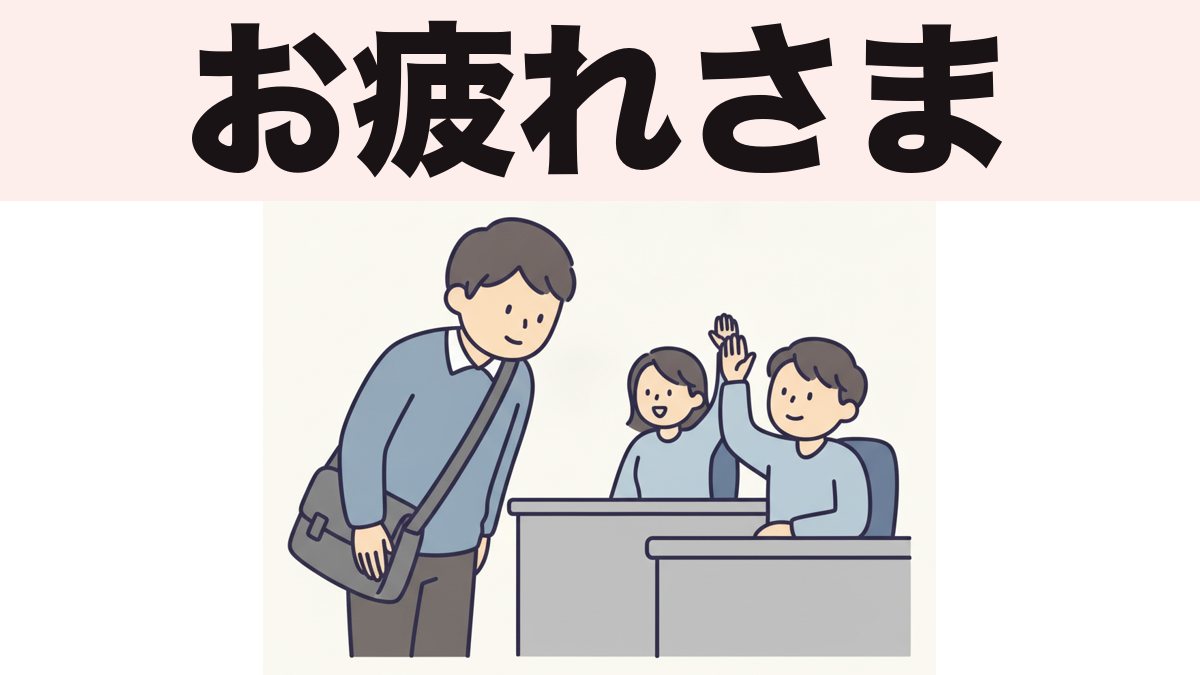
お疲れさま: the Japanese phrase that means hello, goodbye, thank you and well done
お疲れさまです is the most-used phrase in Japanese work life, and it is not about tiredness. What it does, who you say it to, and why ご苦労さま gets people in trouble.
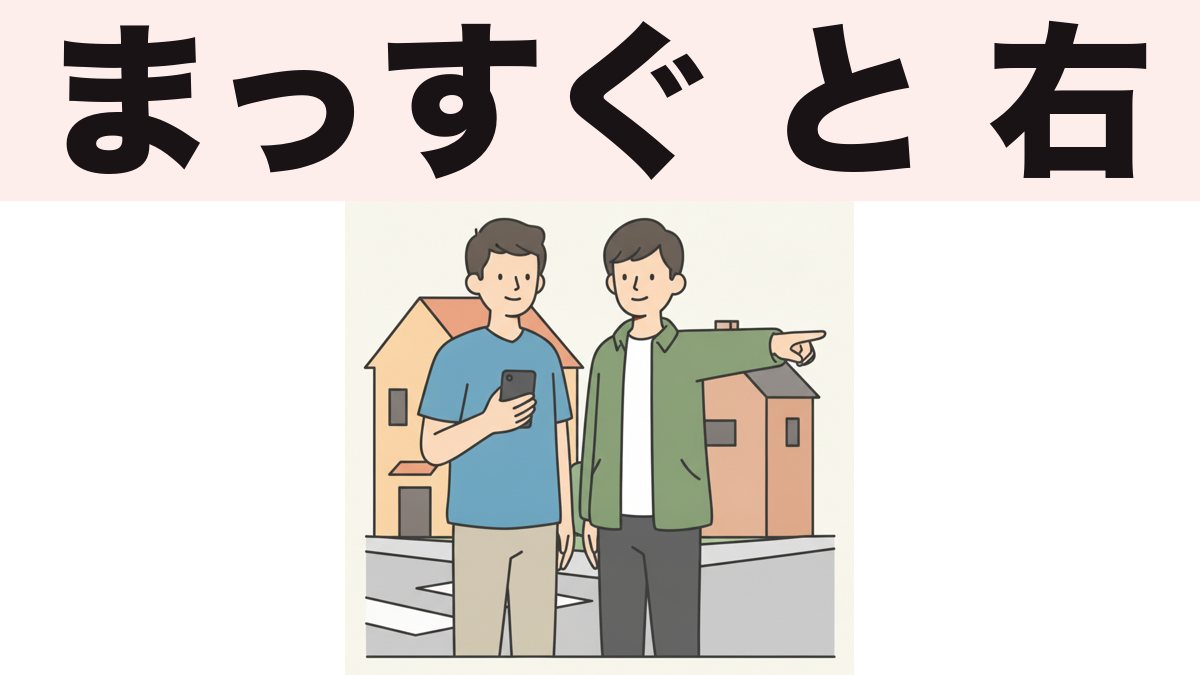
Asking for directions in Japanese: 一番近い駅, and the four words in the answer
すみません、駅はどこですか gets you a direction; understanding the answer needs まっすぐ, 右, 左 and 曲がる. Here is the full exchange, plus 最寄り駅 and how to check you understood.
How do you say "how do you say...?" in Japanese?
Learn how to ask what something is called in Japanese, use shorter everyday phrases, and ask for a word even when you do not know it in English.
どれくらいかかりますか: how to ask "how long does it take" in Japanese
Learn to ask how long something takes in Japanese with kakaru, answer questions about time and cost, and avoid a particle mix-up that matters.
Repeat in Japanese: もう一度お願いします mou ichido onegaishimasu
To ask someone to repeat in Japanese, say すみません、もう一度お願いします (sumimasen, mou ichido onegaishimasu). 21 example lines add slower speech and simpler words.
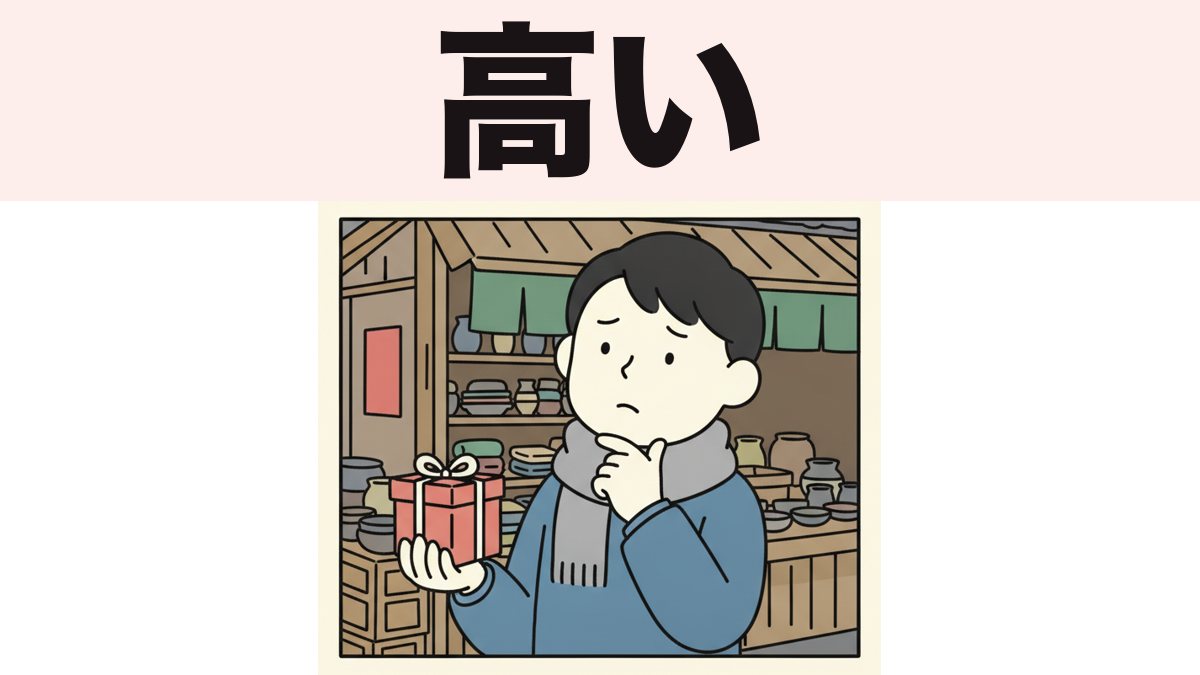
Expensive in Japanese: How to Say 高い (takai) Politely
Expensive in Japanese is 高い (takai). Say 高いですね politely, 高すぎます for "too expensive," 安い for cheap, and how to turn down a price without sounding rude.
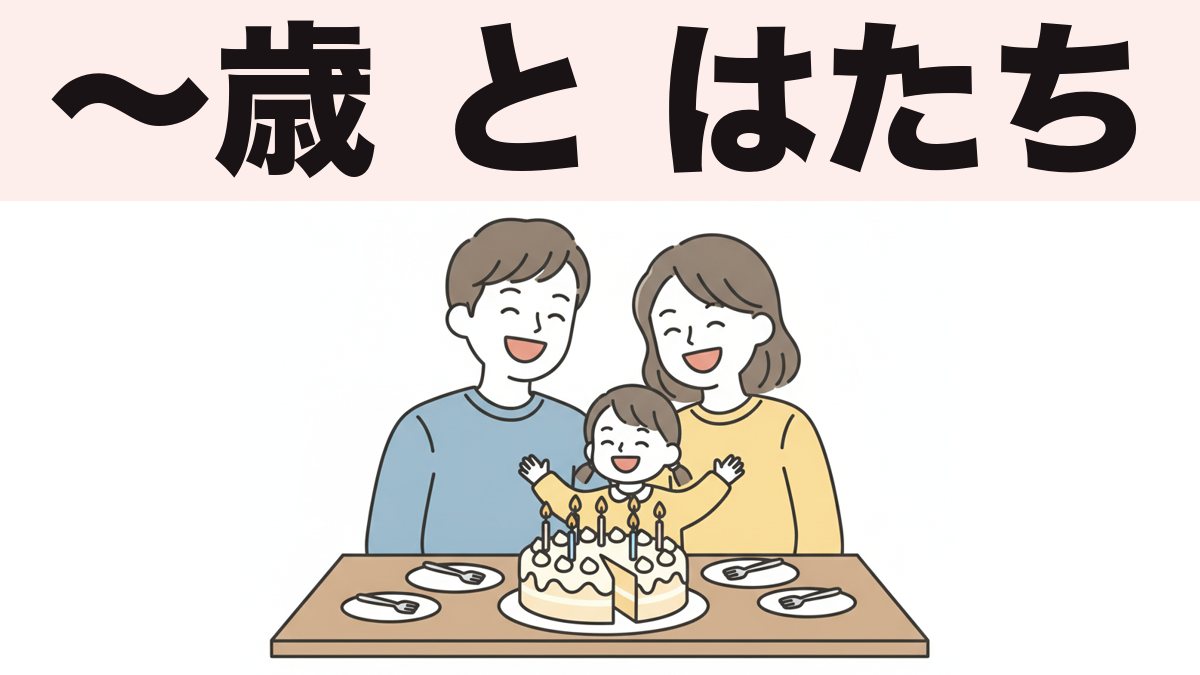
How to say your age in Japanese: 〜歳, the four readings that break, and 二十歳
Ages take the counter 歳: 三十歳 is さんじゅっさい. Four numbers change the reading, and 20 has its own word — 二十歳 is はたち. Here is the full set plus how to ask politely.
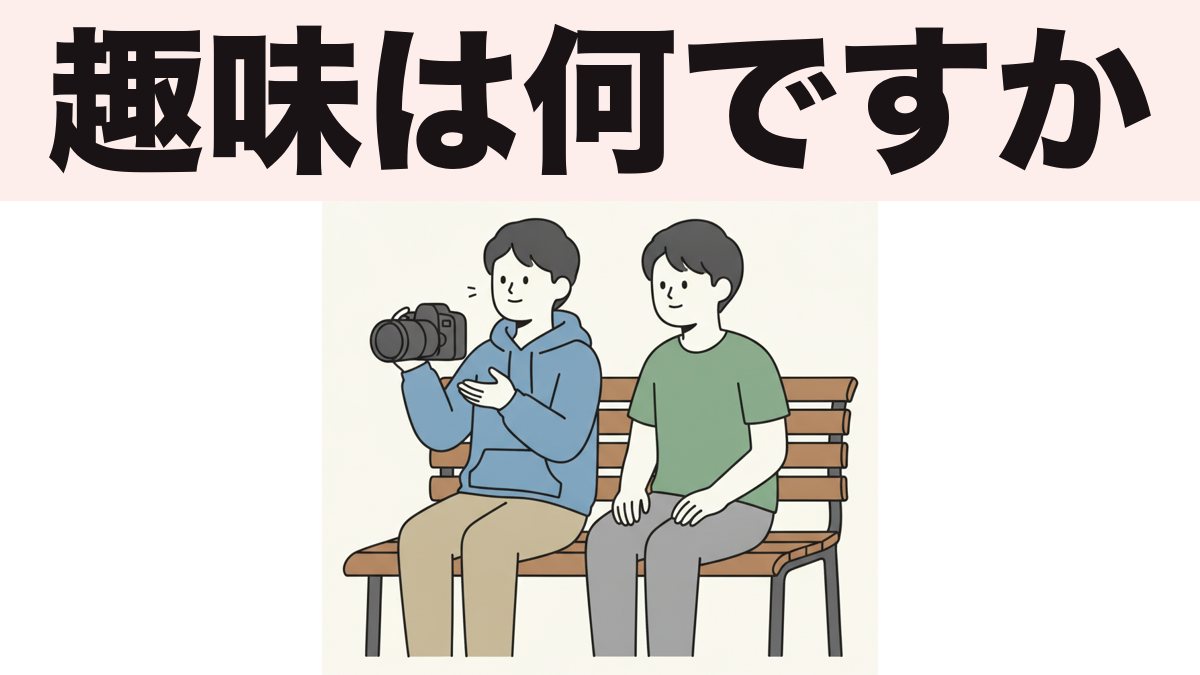
Talking about hobbies in Japanese: 趣味は何ですか, and the answer that sounds natural
趣味は何ですか is easy to ask and surprisingly hard to answer well. Here is the vocabulary, the 〜ことです and 〜のが好きです patterns, and why a bare noun often sounds flat.
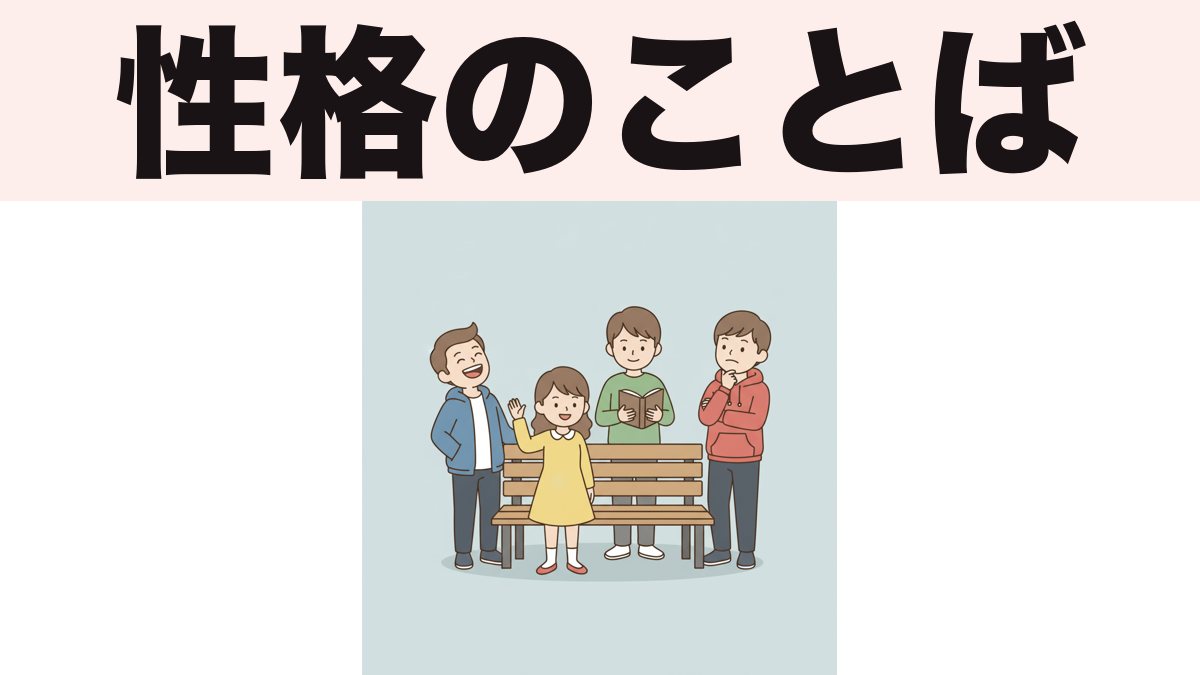
Japanese personality adjectives: how to describe someone without insulting them
Learn Japanese personality adjectives, from kind and serious to cheerful, and spot words that sound like compliments but can cause offense.
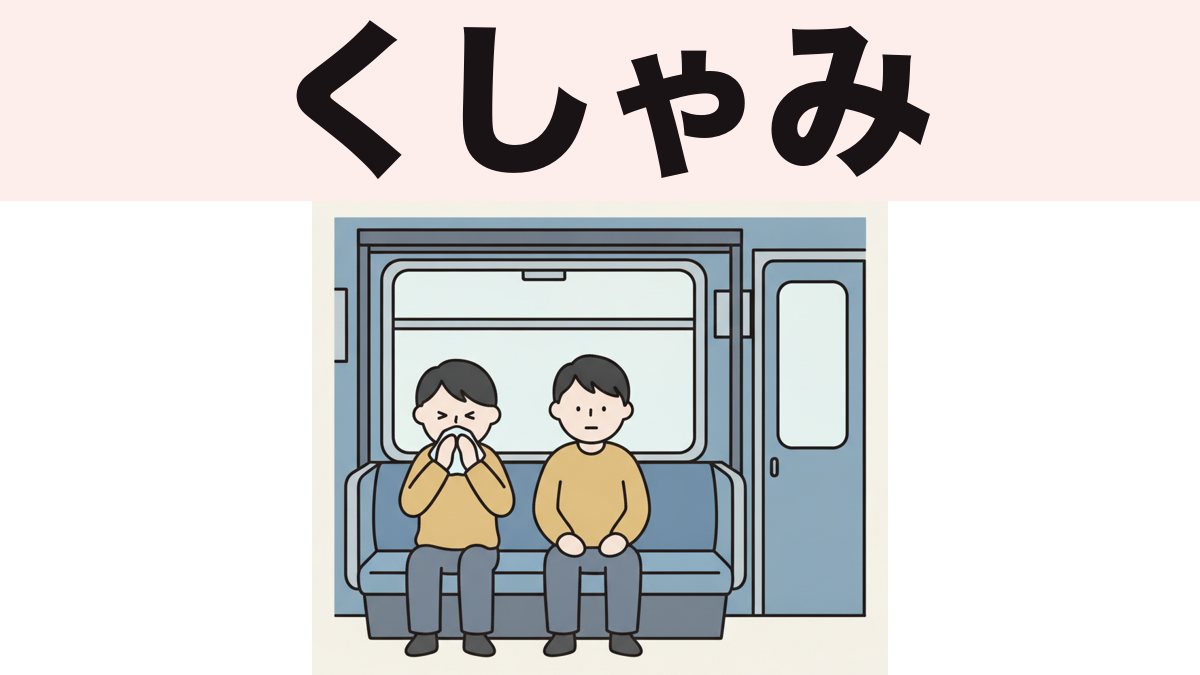
What Do You Say When Someone Sneezes in Japanese?
Japanese has no everyday equivalent of "bless you" — the normal response to a sneeze is silence. If someone keeps sneezing and looks unwell, say 大丈夫ですか or お大事に.
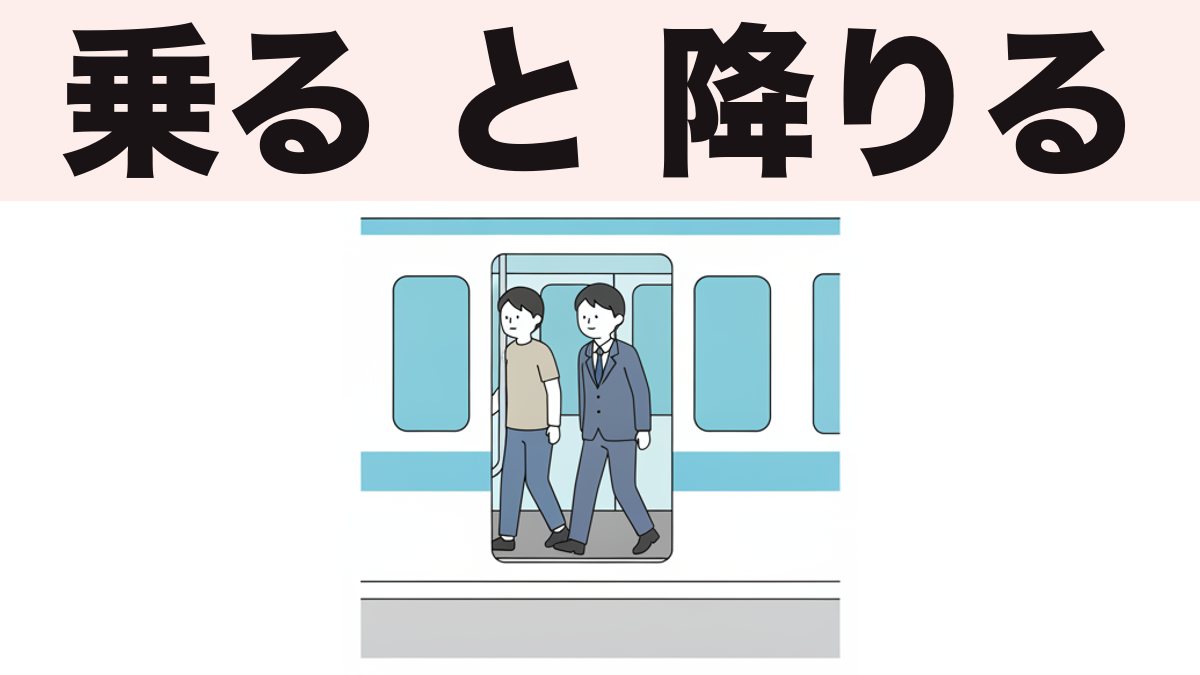
Japanese transportation vocabulary: the words, and the particle that surprises everyone
Learn Japanese transportation vocabulary and the particles used with noru and oriru, so you can talk about getting on and off vehicles correctly.
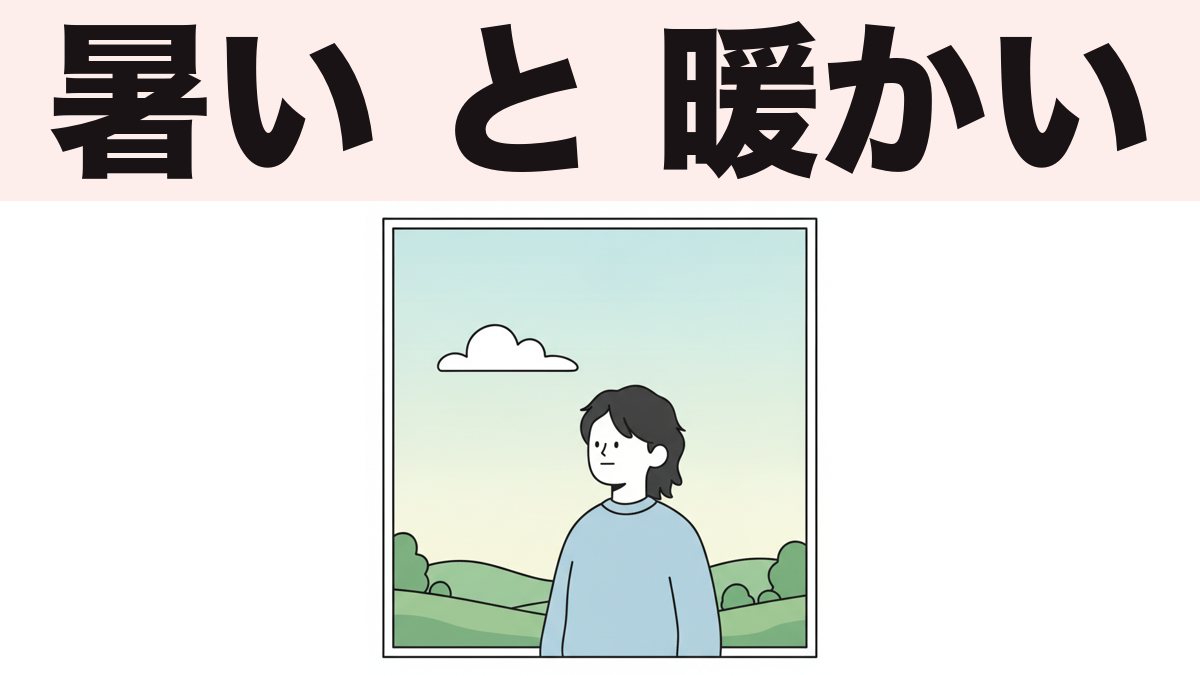
How Do You Talk About the Weather in Japanese? 暑い vs 暖かい
Japanese weather words split by whether you like the temperature: 暑い is unpleasantly hot, 暖かい is pleasantly warm, same split covers 寒い and 涼しい.
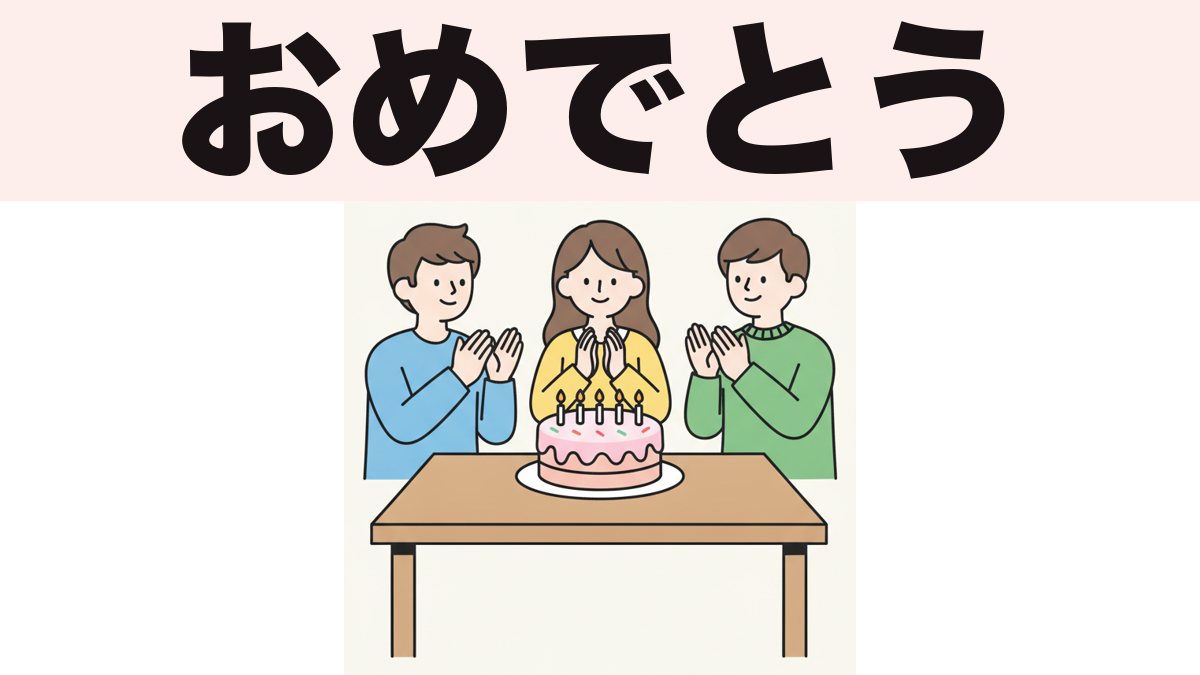
Congratulations in Japanese: おめでとう, and when not to say it
Learn how to say congratulations in Japanese for birthdays, weddings, graduations, and New Year, plus casual forms and when to avoid them.
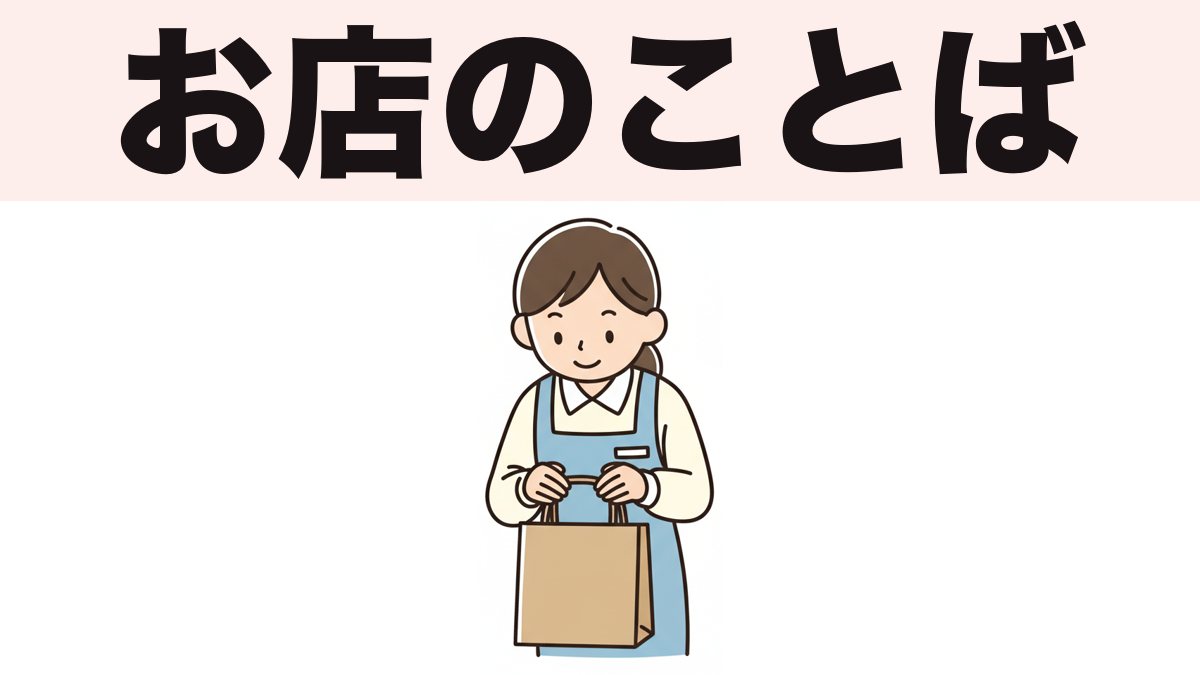
でございます: the です you hear in every Japanese shop, and what it is doing
でございます is the extra-formal version of です. Here is when it is used, how it differs from ございます and いらっしゃいます, and why 〜になります on a coffee cup is a famous mistake.
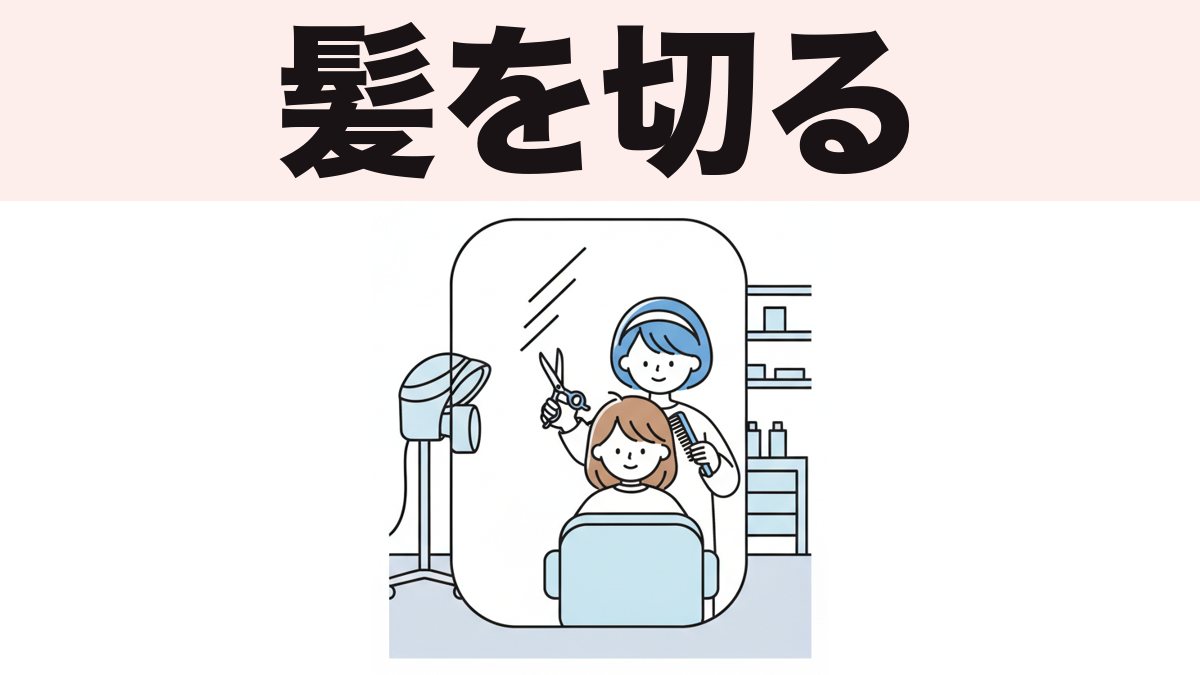
How to say "haircut" in Japanese: 切る, 刈る, 剃る and the sentence that means you did it yourself
Learn Japanese words for haircuts, trimming, and shaving, plus practical salon and barber phrases to explain how you want your hair cut.
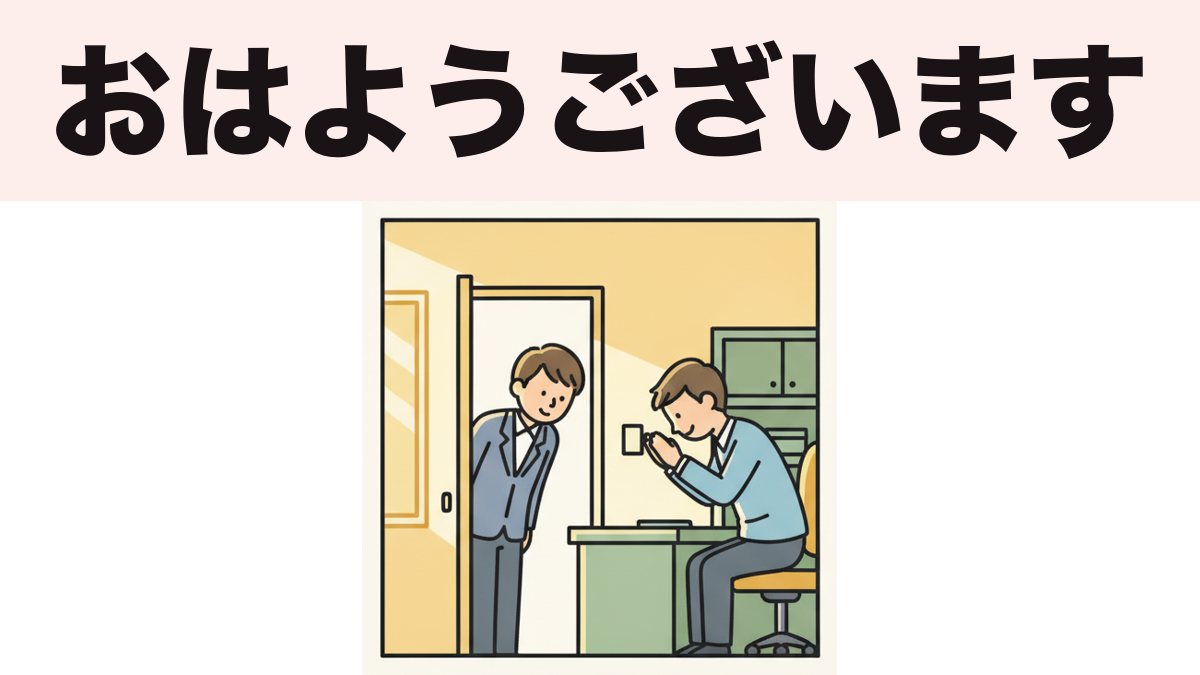
How to say hello in Japanese: こんにちは is not the default you think it is
Japanese greetings depend on time of day and relationship, and several have no English equivalent — おはよう, こんにちは, お疲れ様, ただいま — and when each one fires.
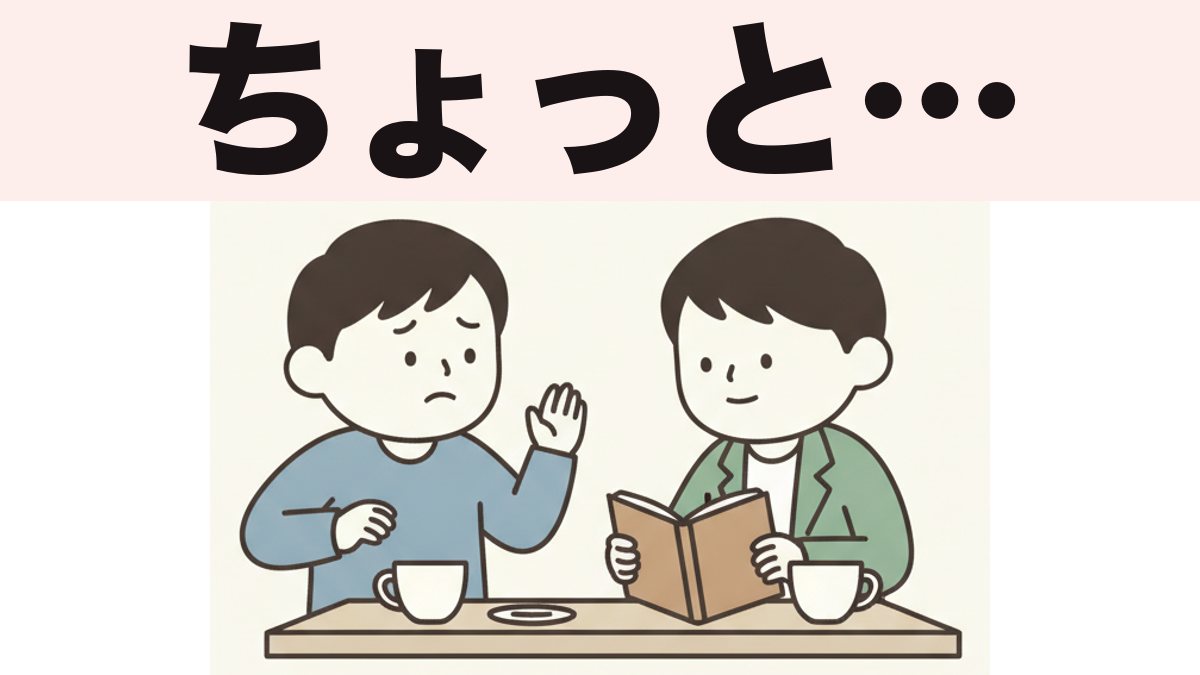
How to say no in Japanese: いいえ answers questions, it rarely refuses invitations
いいえ answers yes/no questions, but a bare いいえ is rarely how Japanese refuses. Here is how they actually refuse — ちょっと, 大丈夫です, 難しいです.
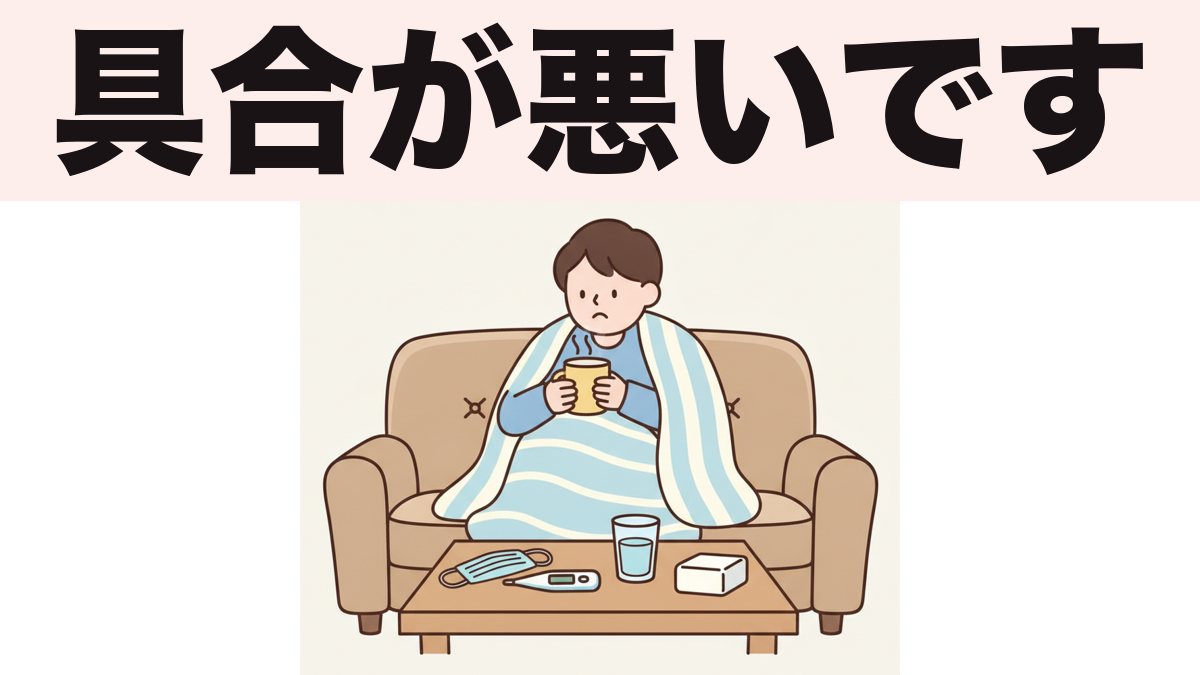
How to say "I'm sick" in Japanese — and why 病気です is usually the wrong one
Learn Japanese words for feeling sick, how to describe your symptoms, and practical phrases for telling your workplace you need a day off.
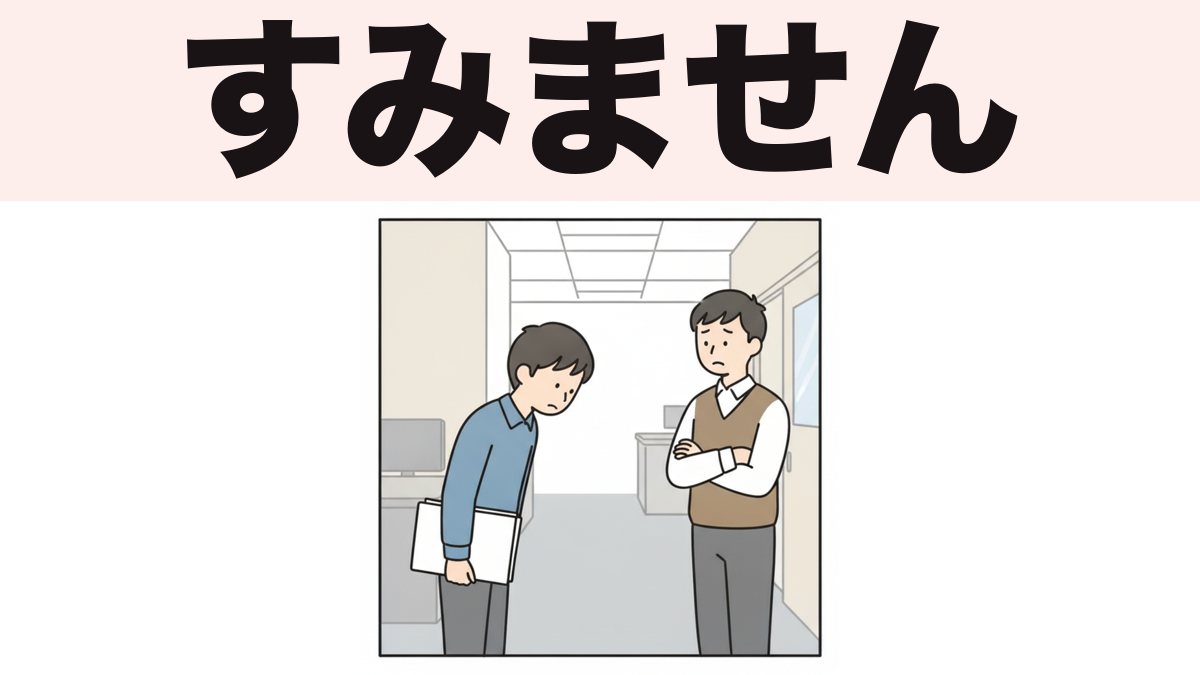
すみません Meaning: When to Use It vs ごめん and 申し訳ありません
すみません is the middle rung of the Japanese apology ladder: ごめん for friends, 申し訳ありません at work. Which fits, why すみません also means thank you, and how to reply.
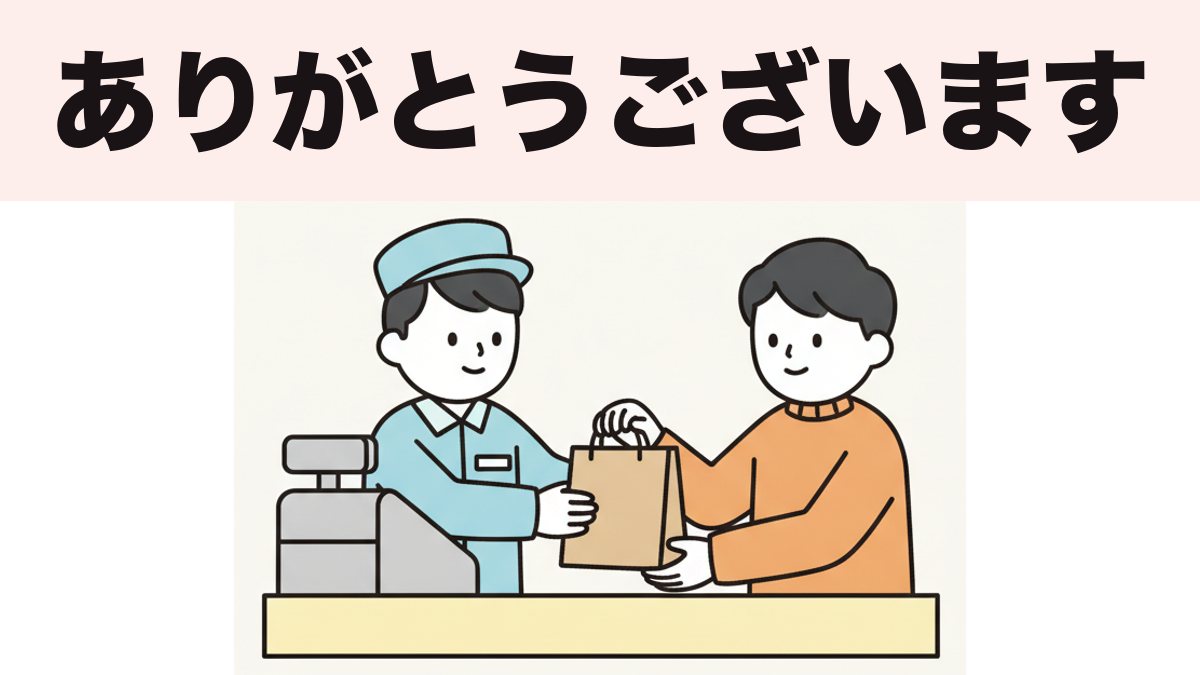
ありがとうございます Meaning and Use: Thank You in Japanese
ありがとうございます is thank you for now; ありがとうございました closes the whole thing. The full ladder from ありがとう to 助かりました and おかげさまで, plus what to reply.
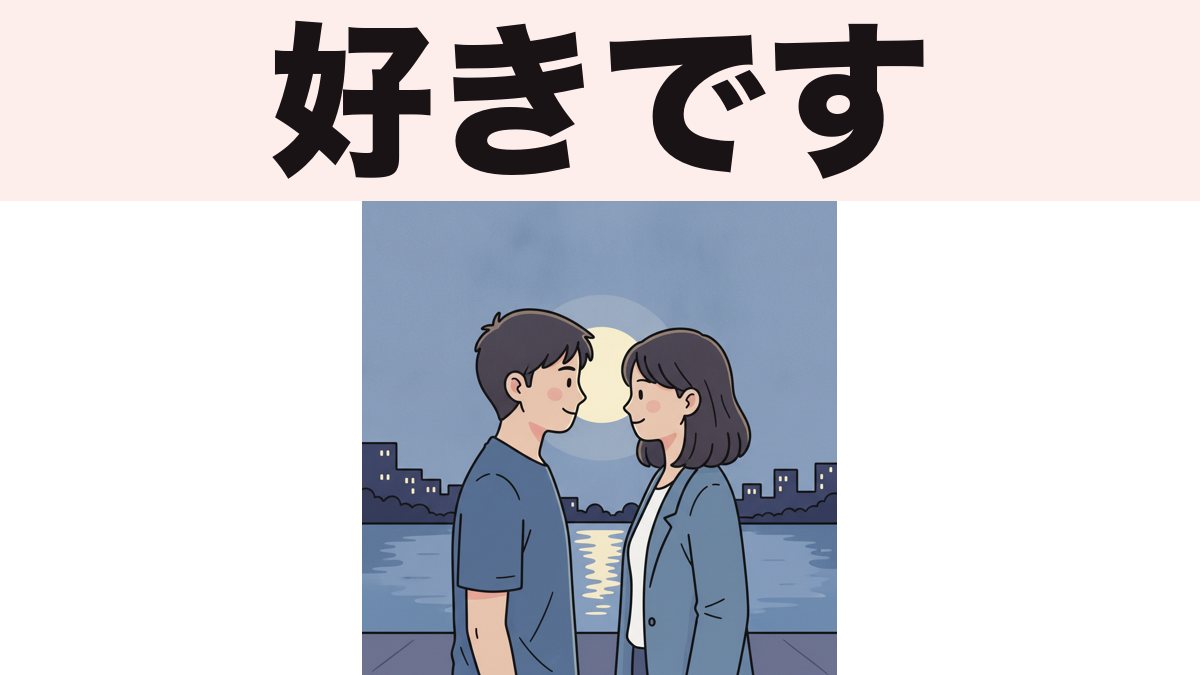
I love you in Japanese: 好き, 大好き, 愛してる and why the last one is almost never said
Learn why Japanese couples rarely say aishiteru, what suki communicates, why it uses ga, and how people express love in everyday conversation.
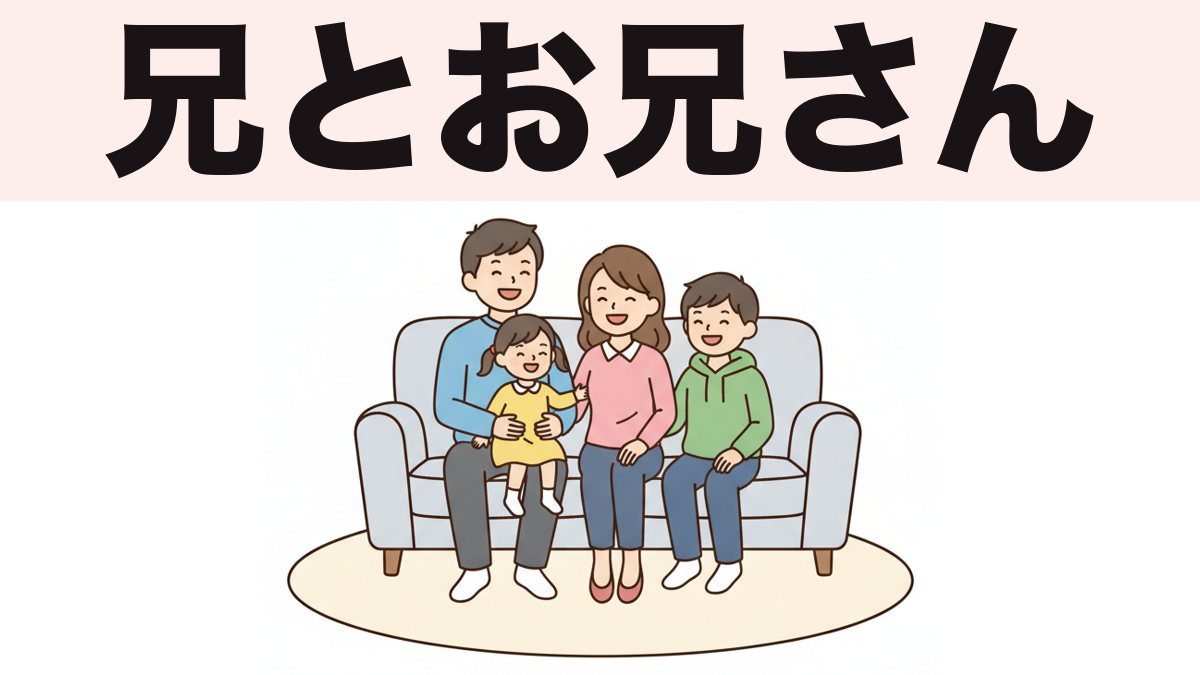
Brother in Japanese: 兄 ani vs お兄さん oniisan (family words)
Brother in Japanese is 兄 ani for your own and お兄さん oniisan for someone else's. 2 tables and 11 examples cover the family words you need and the uchi-soto rule.
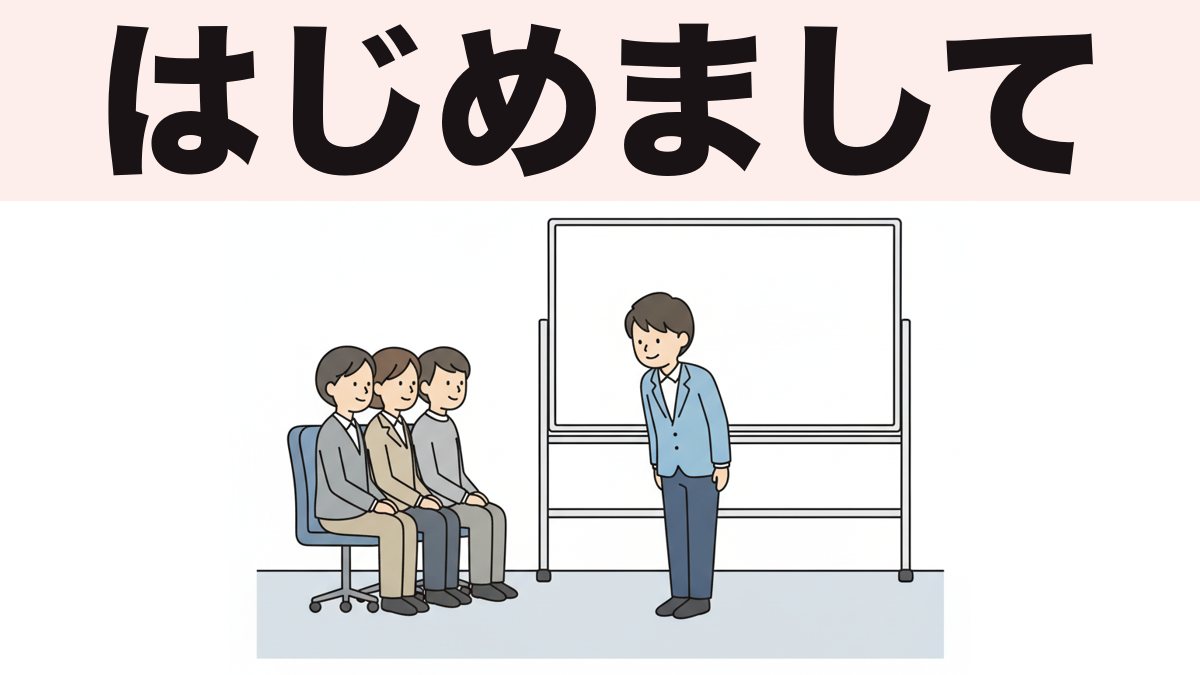
How Do You Introduce Yourself in Japanese? 自己紹介 Template
A Japanese 自己紹介 (jikoshoukai) follows a fixed five-part shape: greeting, name, where you are from, one detail, and closing — the same template every time.
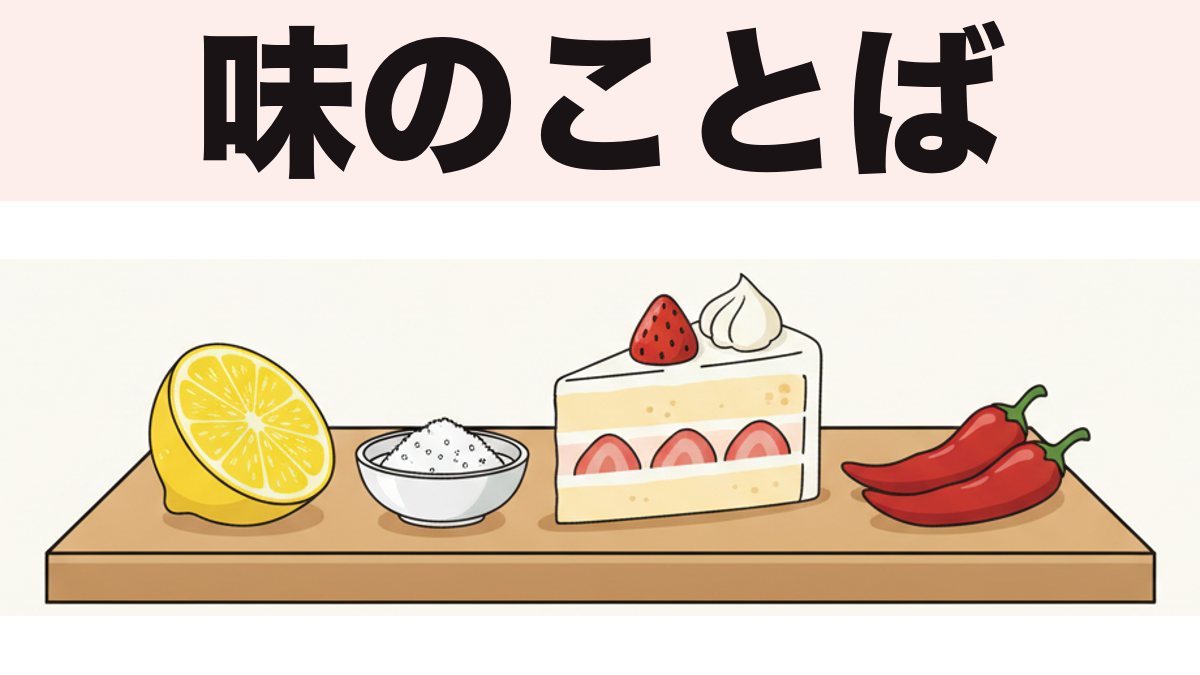
What Are Japanese Taste Words? 甘い, 酸っぱい, しょっぱい and More
Japanese taste words cover the same five basics as English — 甘い (sweet), 酸っぱい (sour), しょっぱい (salty), 苦い (bitter), 辛い (spicy) — plus texture words English lacks.
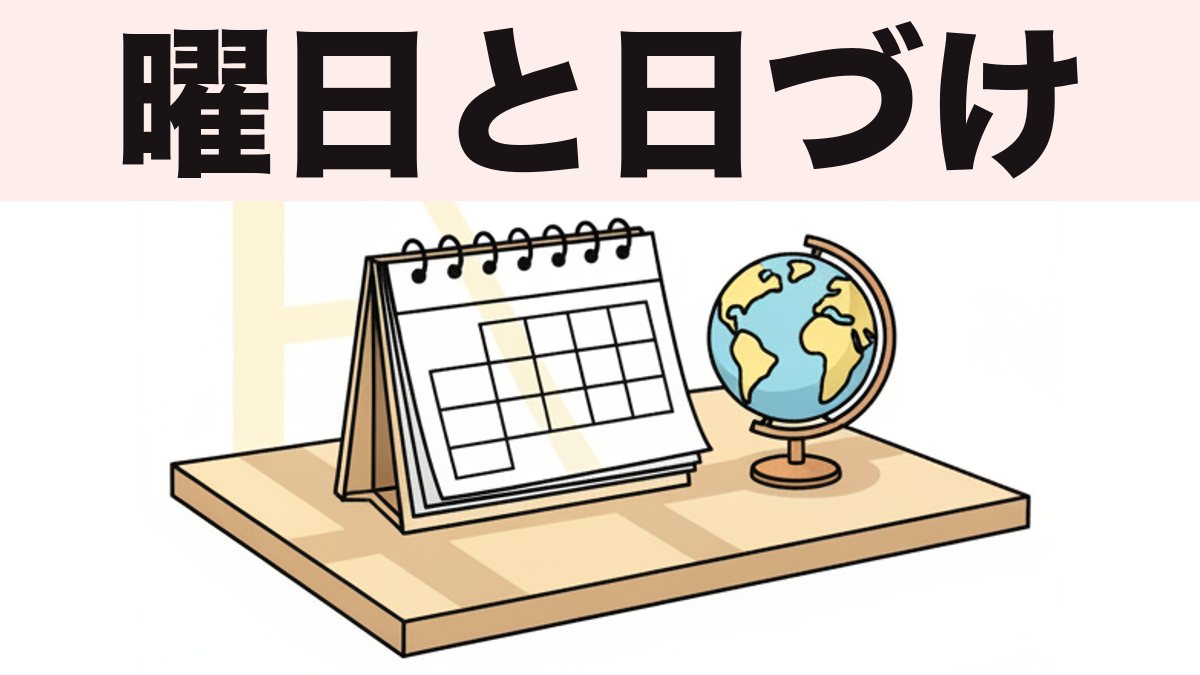
Days of the week and dates in Japanese — and the planets hiding in them
The seven weekday kanji are the same seven planets behind Tuesday and Saturday in English. Plus the irregular dates: ついたち, はつか, しがつ, くがつ.
How Do You Ask "What Does This Mean?" in Japanese?
Ask どういう意味ですか for a word's meaning, 何と言いますか to say it, 何と読みますか for a kanji. A 6-row cheat sheet and 10 practice questions.
How to tell time in Japanese: 時, 分, and the readings that break
4時 is よじ, 9時 is くじ, and 3時 and 3時間 mean completely different things. The irregular readings, the に rule, and where 午前 goes.
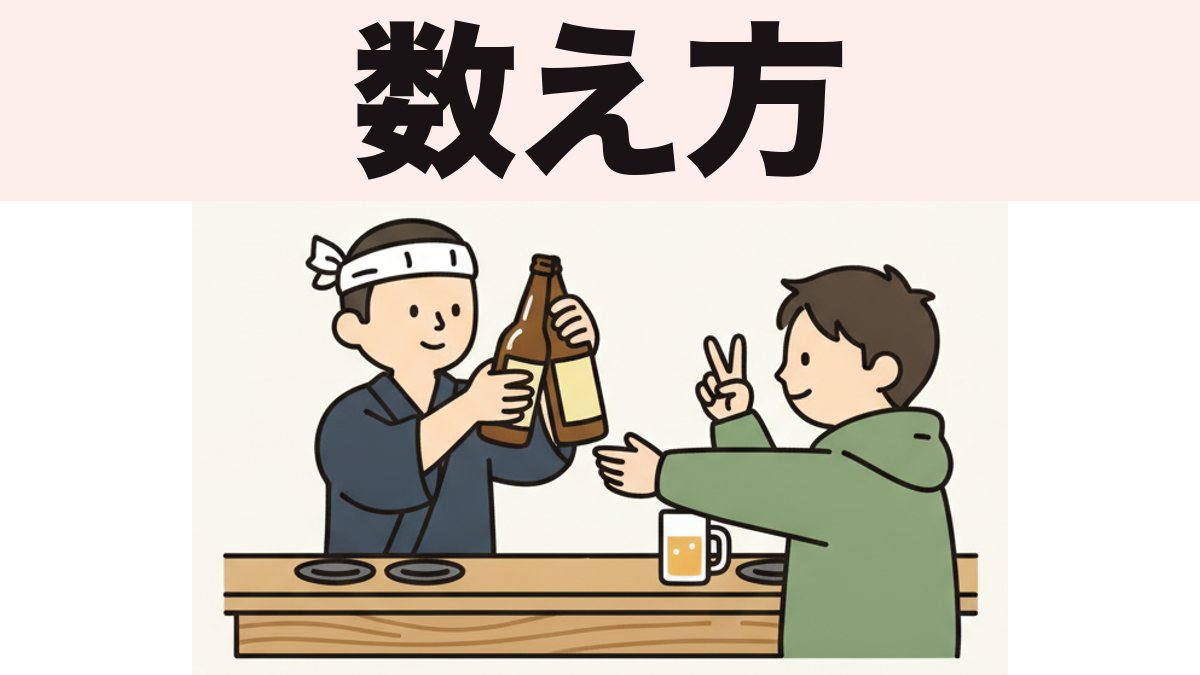
Japanese counters: the six you need and the escape hatch for everything else
You cannot say "two beers" in Japanese without a counter. Learn つ, 人, 本, 枚, 個 and 杯, the sound changes that break them, and what to do when you forget one.
Japanese filler words: えーと, あの, なんか — and why silence is worse
えーと is thinking out loud, あの is aimed at the listener, なんか is "like". The fillers that buy you time, plus the あいづち that keep the other person talking.
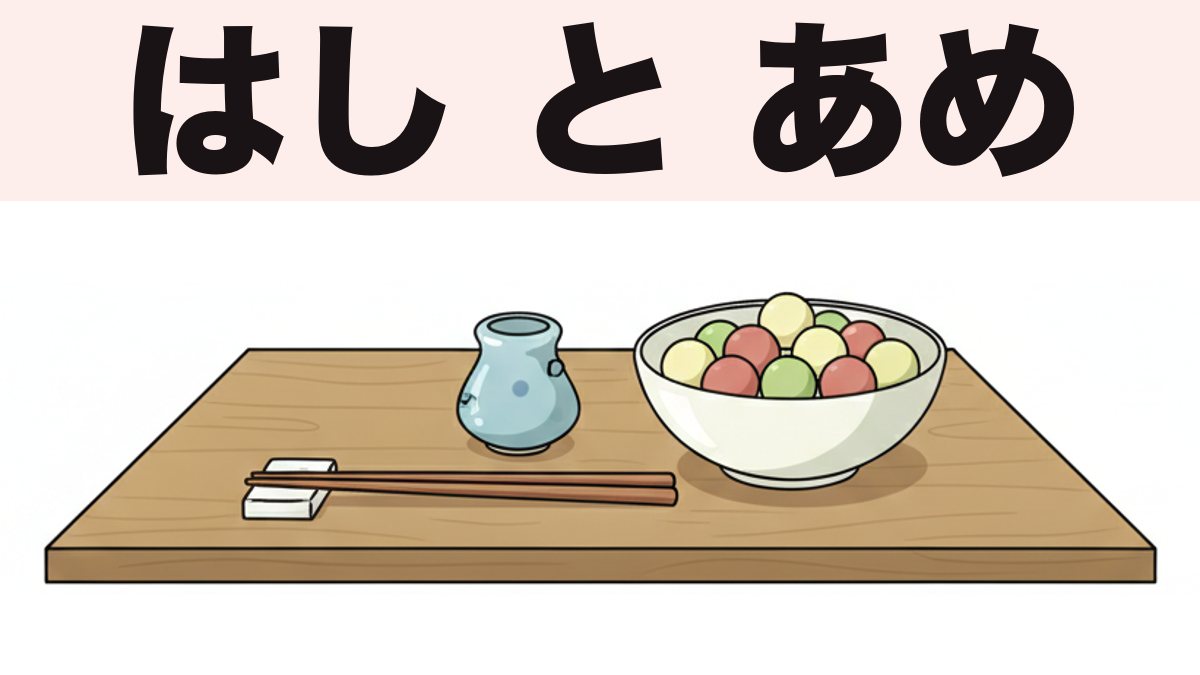
Japanese homophones: はし, あめ, かみ — and how anyone tells them apart
Japanese has many homophones because it has few sounds. Pitch separates some, kanji separates the rest, and speakers work around the ones that survive both.
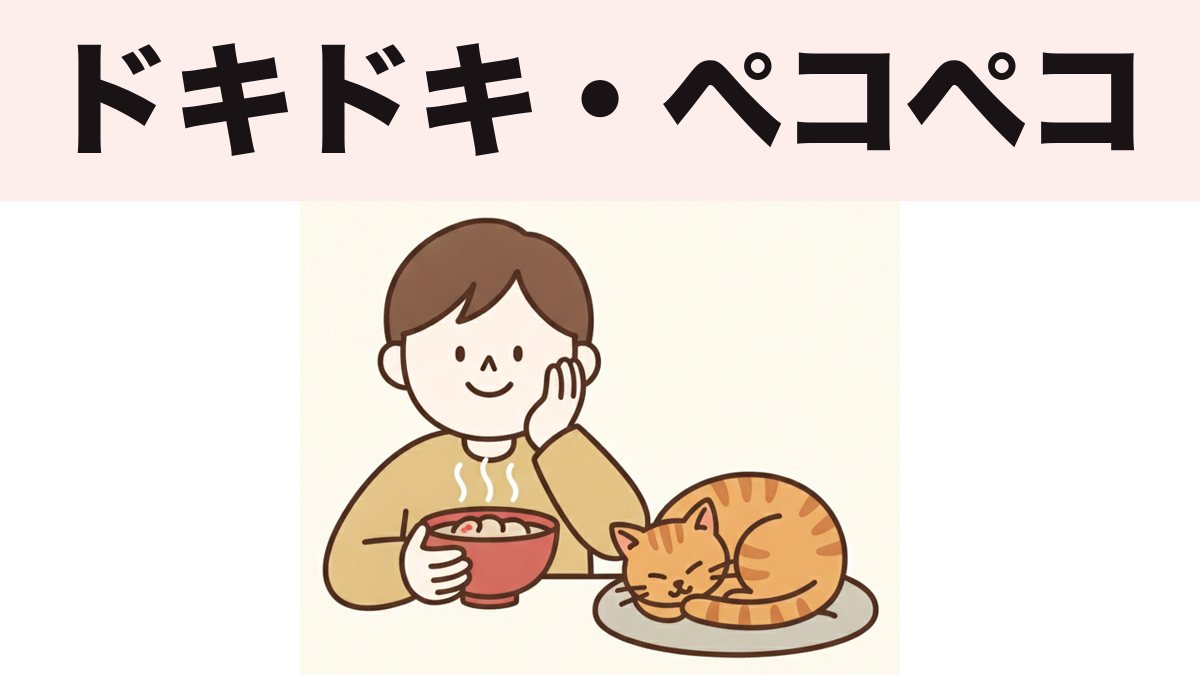
What Is Japanese Onomatopoeia? Giongo vs Gitaigo Explained
Japanese onomatopoeia splits into 擬音語 (giongo), actual sounds like ワンワン, and 擬態語 (gitaigo), states like ドキドキ or ワクワク — everyday adult words, not just comics.
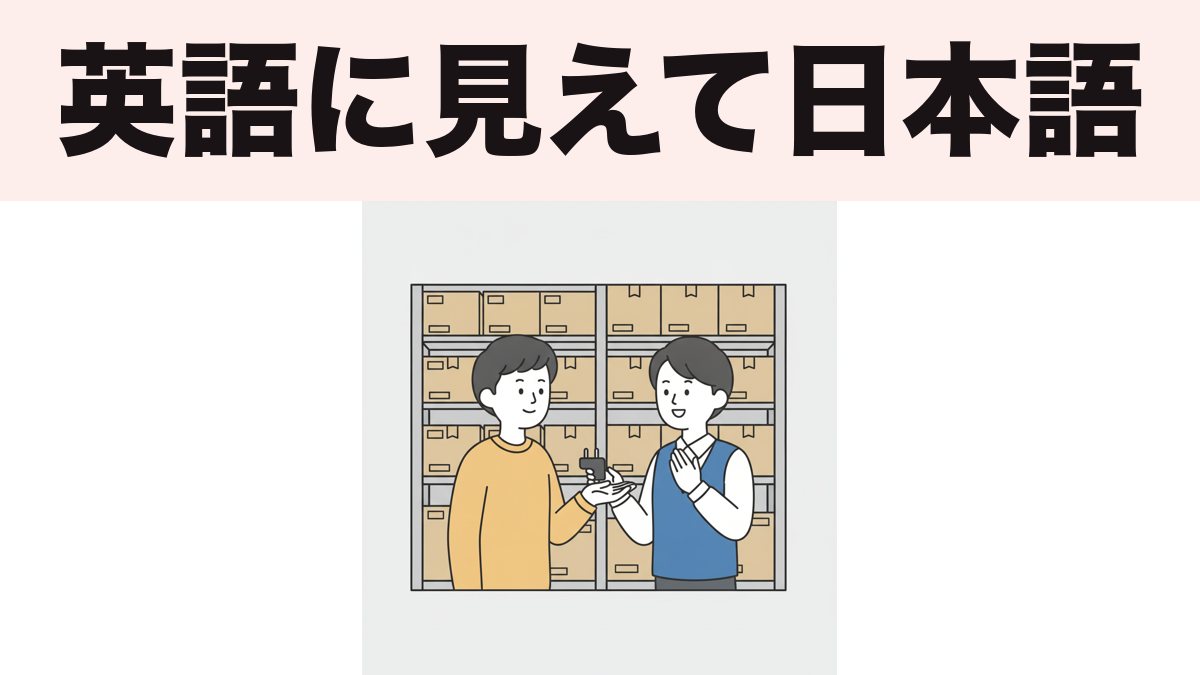
和製英語: the English words in Japanese that are not English
マンション is not a mansion and コンセント is not consent. A guide to 和製英語 — where these words come from, the four types, and why they are hardest for English speakers.
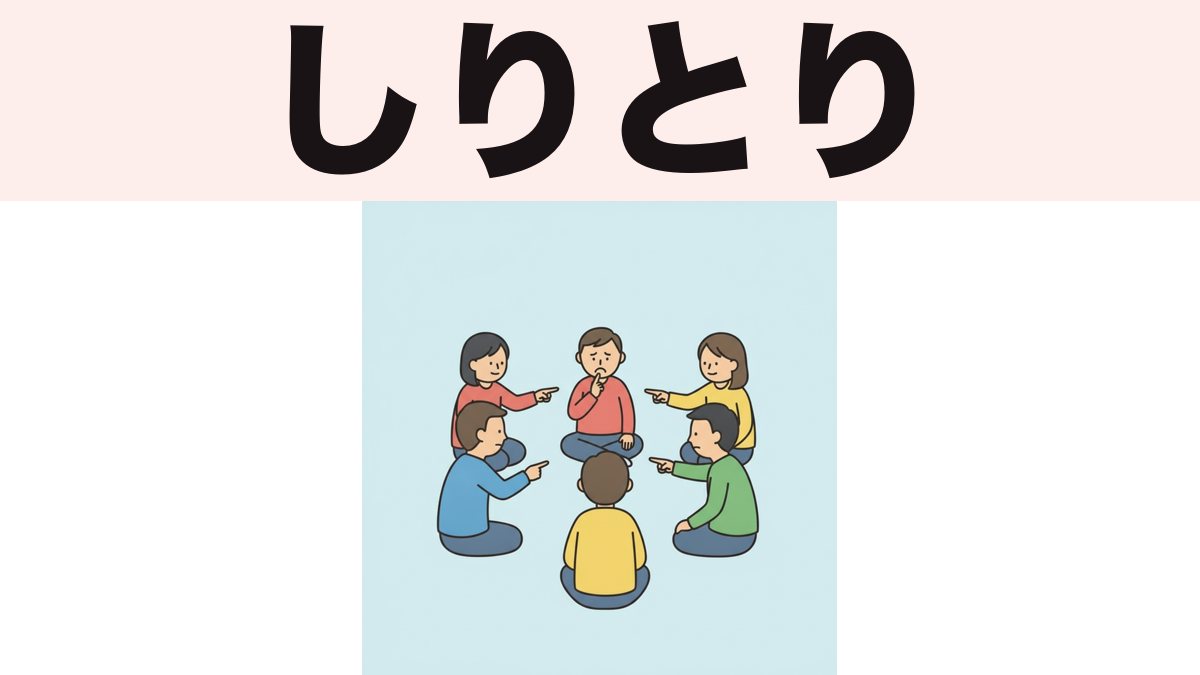
How to Play Shiritori: The Japanese Word Chain Game Rules
Shiritori: say a word starting with the last sound of the one before it, going around the circle — you lose on ん, a repeat, or no answer. Rules here.
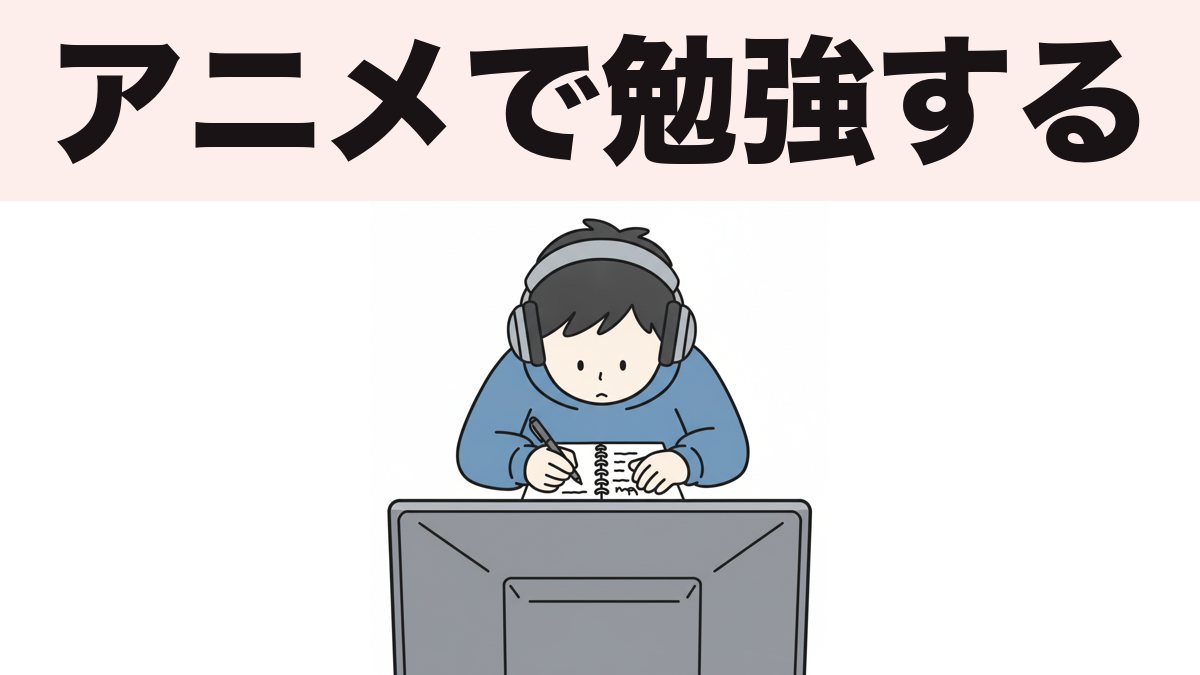
Studying Japanese with anime: two traps to avoid
Yes, you can study Japanese with anime — but two traps wait: genres that teach Japanese nobody speaks, and voices too clear for real speech. How to avoid both.
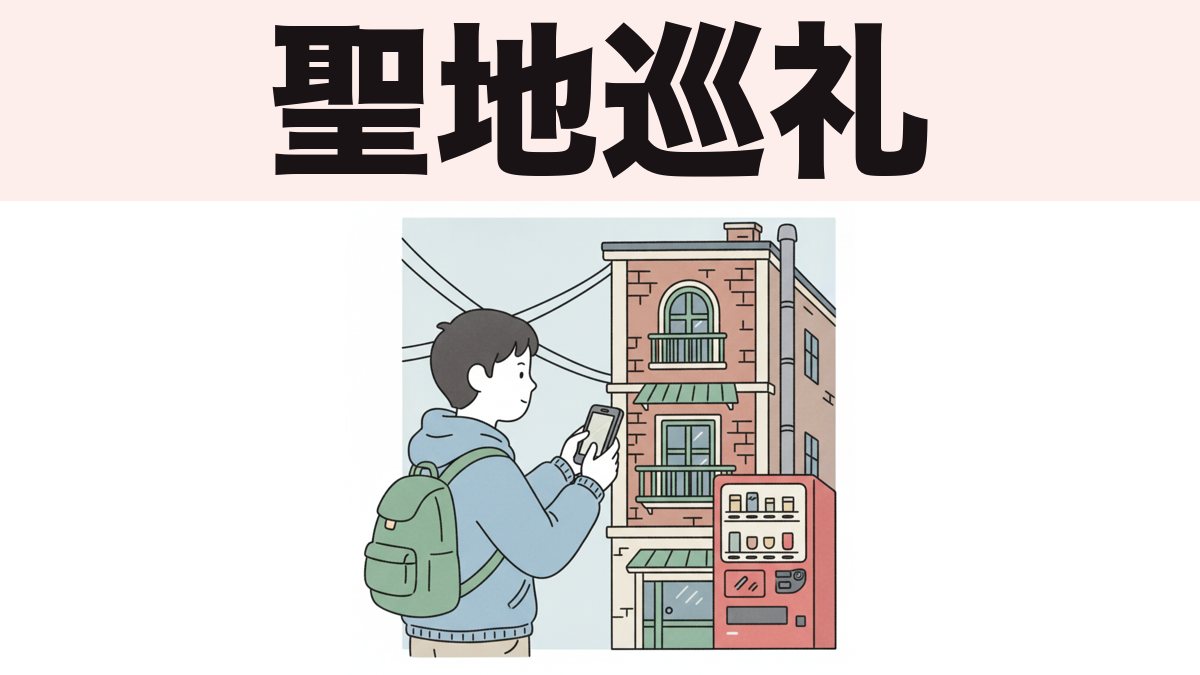
Anime pilgrimage (seichi junrei): how to actually plan it
Seichi junrei (聖地巡礼) means visiting the real places an anime is set in — the topic of episode 48 of the NihonGO podcast. How to plan the trip, 5 FAQs and the Japanese you need.
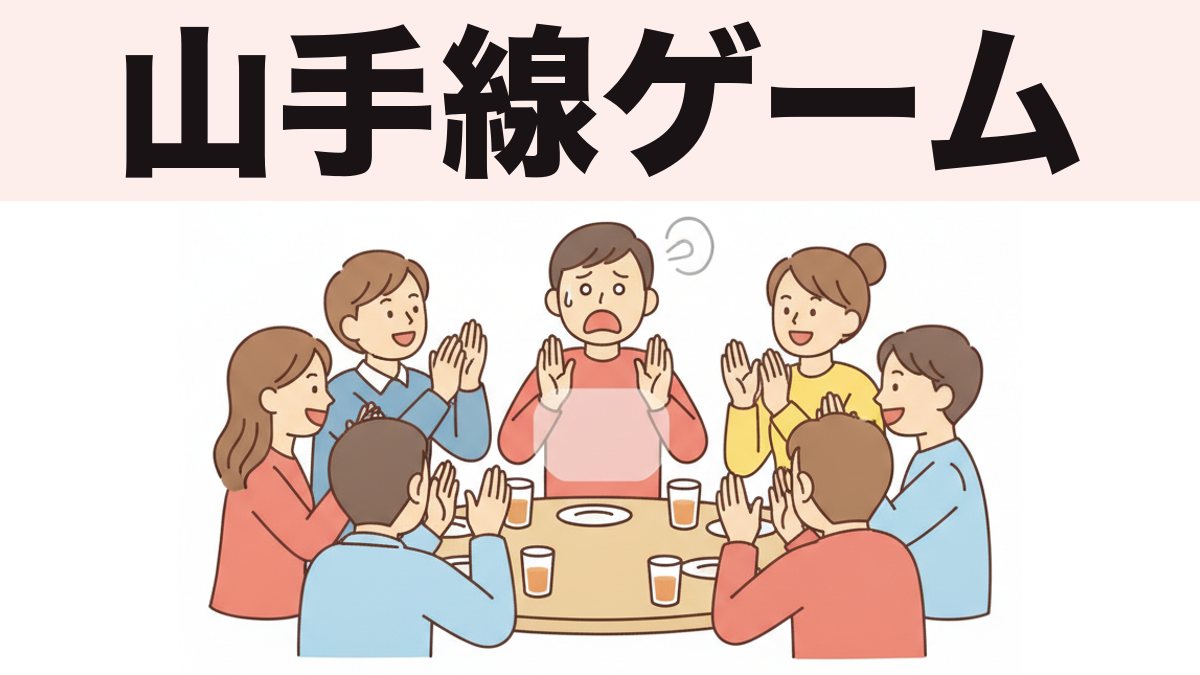
The Yamanote Line game: rules, rhythm, and how not to lose
The Yamanote Line game: pick a category, clap a steady rhythm, and name something in it on your beat; miss, repeat, or break rhythm and you are out.
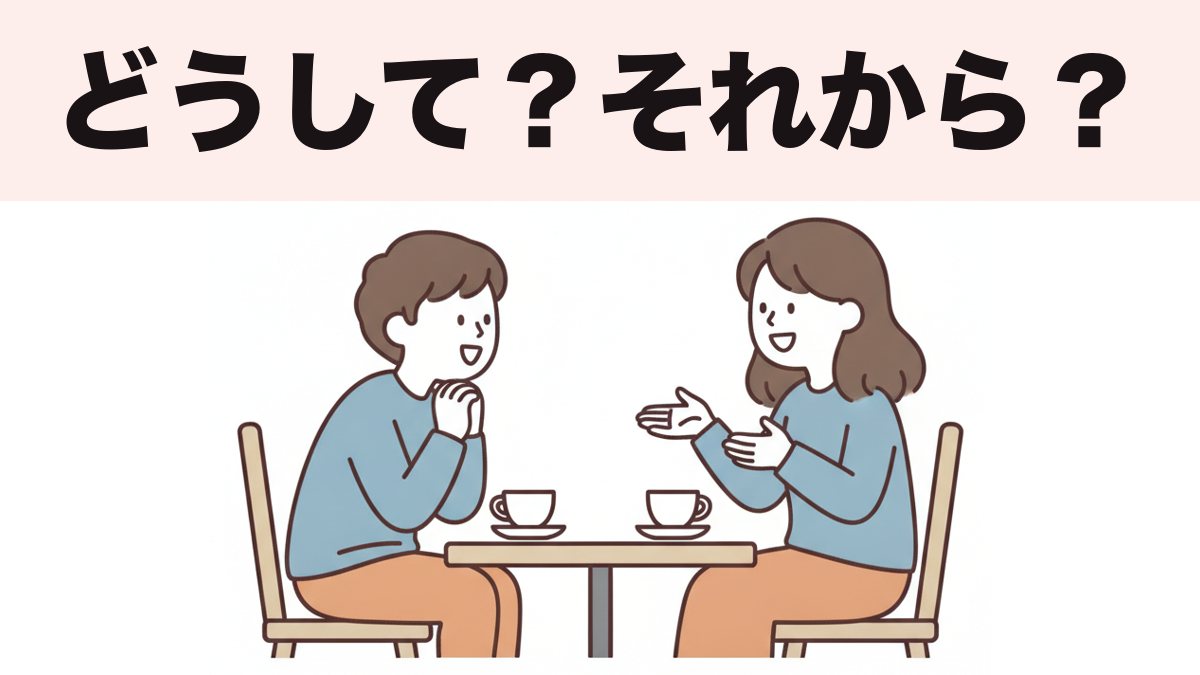
The two questions that keep a Japanese conversation alive
Learn two simple Japanese questions for asking about meaning and finding missing words, then practise using the answers to keep a conversation going.
Talking about your job in Japanese — the one particle that trips everyone
Learn to describe your job and workplace in Japanese, choose the right particle, and answer everyday work questions with clear examples.