わけ: わけだ, わけではない, わけがない, わけにはいかないわけ: わけだ・わけではない・わけがない・わけにはいかない
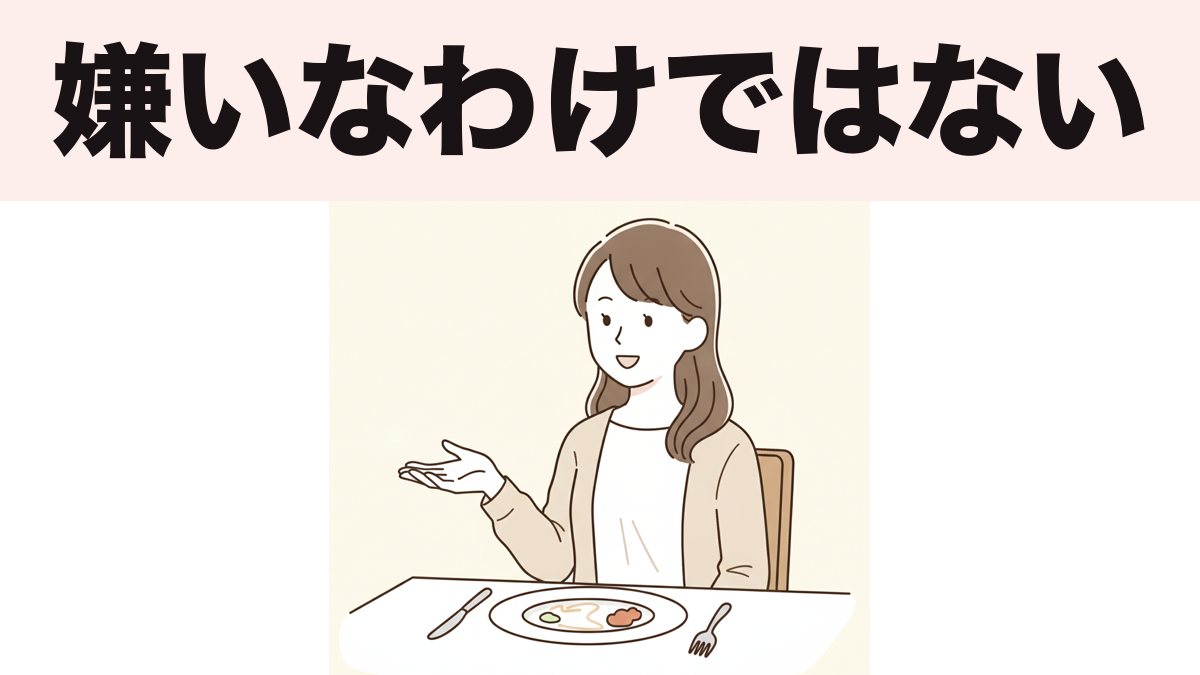
わけ means "reason" or "logical consequence," and it powers four separate grammar points. The two that matter most are わけではない ("it's not that…," a partial denial) and わけがない ("there's no way," a flat impossibility) — and saying the second when you mean the first is one of the harshest accidental mistakes in intermediate Japanese.
「わけ」は「理由」「そうなるすじ道」です。この1つのことばから、4つの文法ができます。大事なのは2つ。「わけではない」(そうではない、と少しだけ打ち消す)と「わけがない」(そんなことはありえない)です。1つ目のつもりで2つ目を言うと、思ったよりずっときつく聞こえます。
Textbooks introduce these on four different pages. Seen together, they are one word with four jobs, and the differences are mechanical.
The basics
The four forms
| Form | Meaning | Feel |
|---|---|---|
| 〜わけだ | That means / no wonder | Drawing a conclusion |
| 〜わけではない | It's not that… | Softening, partial denial |
| 〜わけがない | There's no way | Flat impossibility |
| 〜わけにはいかない | I can't (for social reasons) | Constraint, not inability |
もう10年住んでいるんですね。道理で日本語が上手なわけです。 — You've lived here ten years — no wonder your Japanese is good. (polite — drawing the conclusion) 嫌いなわけではありません。 — It's not that I dislike it. (polite — denying an inference, not the whole thing)
What attaches to わけ
わけ is a noun, so the usual noun-modifying shapes apply:
| Word type | Form | Example |
|---|---|---|
| Verb | plain | 行くわけ |
| い-adjective | plain | 高いわけ |
| な-adjective | な | 嫌いなわけ |
| Noun | という or の | 学生というわけ |
Nouns most often take という here rather than a bare の, which is a small difference from はず and worth noticing.
わけではない: the partial denial
This is the form you will use most. It denies an inference someone has drawn, not the underlying fact:
全部嫌いというわけではありません。 — It's not that I dislike all of it. (polite — some, not all) 行きたくないわけじゃないんだけど… — It's not that I don't want to go, but… (casual — the classic reluctant hedge)
The English "it's not that…" is a close match. You are correcting an impression rather than making a claim of your own, which is exactly why Japanese conversation leans on it so heavily.
わけじゃない is the casual contraction, and そういうわけじゃない ("it's not like that") is a stock line in every argument scene in anime.
Beyond the basics
わけがない: flat impossibility
彼が知っているわけがない。 — There's no way he knows. (casual — rejecting the possibility)
This is strong. It does not mean "probably not" — it means the speaker considers it impossible. Compare:
彼が知っているわけではない。 — It's not that he knows. (polite-neutral — a correction)
Two characters' difference, and the first calls the idea absurd while the second gently adjusts it. If you are trying to be diplomatic, わけではない is the one you want.
わけがない is close to はずがない, and in most sentences they are interchangeable. The shade: はずがない is "the reasoning does not allow it," わけがない is "the very idea makes no sense."
わけにはいかない: constrained, not incapable
今日は休むわけにはいきません。 — I can't take today off. (polite — I'm not free to, for reasons of duty)
This is not about ability. できません would mean you are physically unable; わけにはいきません means circumstances, obligation or decency prevent it. It is the grammar of "I have my reasons and they are not negotiable."
The negative form flips it into an obligation:
行かないわけにはいきません。 — I have no choice but to go. (polite)
That double negative is the softer sibling of 〜なければならない: same requirement, but framed as a situation you're caught in rather than a rule you obey.
わけだ: the "so that's why" form
道理で静かなわけだ。 — No wonder it's quiet. (casual — the penny drops)
わけだ presents a conclusion as following naturally from what was just said. It pairs constantly with 道理で ("no wonder") and それで ("so that's why"). It is close to んです but more logical in flavour: んです explains, わけだ deduces.
The shortcuts you will hear
- わけじゃない — casual わけではない
- わけない — casual わけがない
- わけにいかない — occasionally heard without は
Because わけない and わけじゃない differ by two syllables and mean opposite-strength things, this is one place where listening carefully genuinely matters.
Common mistakes
- Saying わけがない when you mean わけではない. 好きなわけがない ("there's no way I like it") is brutal; 好きなわけではない ("it's not that I like it") is a normal correction.
- Dropping な after a な-adjective. 嫌いわけではない is broken; it is 嫌いなわけ.
- Using わけにはいかない for ability. If you physically cannot, say できません.
- Using わけだ for a first claim. It only works as a conclusion from something already established.
- Treating わけ as interchangeable with 理由. 理由 is the noun "reason" in the ordinary sense; わけ in these patterns is grammatical and normally written in kana.
Practice
Answers are hidden — build yours first, then open. Questions 2 and 3 are a pair: two syllables apart, and one of them is an insult.
1. Something is wrong here: 嫌いわけではありません。
Show answer
嫌いなわけではありません — わけ is a noun, so a な-adjective needs its な.
2. Say "it's not that he knows" — a gentle correction.
Show answer
彼が知っているわけではありません — わけではない denies an inference without rejecting the idea.
3. Say "there's no way he knows."
Show answer
彼が知っているわけがない — わけがない calls the idea impossible. This is the pair to question 2, and the difference in force is enormous.
4. Say "it's not that I dislike all of it."
Show answer
全部嫌いというわけではありません — nouns and clauses often take という before わけ.
5. Say "I can't take today off" — meaning you are not free to.
Show answer
今日は休むわけにはいきません — わけにはいかない is constraint, not inability. できません would mean physically impossible.
6. Say "I have no choice but to go."
Show answer
行かないわけにはいきません — the double negative turns constraint into obligation, more softly than なければなりません.
7. Someone says they've lived here ten years. React with わけだ.
Show answer
道理で日本語が上手なわけです — わけだ presents your conclusion as following naturally from what you just heard.
8. What is the casual form of わけではない, and what is the casual form of わけがない?
Show answer
わけじゃない and わけない — two syllables apart, opposite strengths. Worth listening for carefully.
9. You are hedging about an invitation you are not keen on. Say it casually.
Show answer
行きたくないわけじゃないんだけど… — denying the inference, then trailing off. The listener fills in the rest.
10. What is the difference in flavour between はずがない and わけがない?
Show answer
"The reasoning doesn't allow it" vs "the idea makes no sense" — mostly interchangeable, but はず appeals to logic and わけ to plain absurdity.
FAQ
Is わけ written in kanji? 訳 exists, and appears in 訳がない in some writing, but kana is standard for the grammar. 訳 also means "translation," which is a separate word with the same kanji.
Can わけ follow a polite form? No — plain forms only. 行きますわけ is wrong. Politeness goes on the outside: 行くわけです.
What is わけあって? A set phrase meaning "for certain reasons," used when you don't want to explain: わけあって、来られません.
Is わけではない the same as というわけではない? Nearly. という makes the denial refer to a whole idea or statement rather than a single word, and it is the more common shape after nouns.
Does わけ ever mean simply "reason"? Yes: どういうわけか ("for some reason"). This is the noun in its plain sense, and it survives in a handful of fixed phrases.
Is わけにはいかない ever positive? Only in the double-negative sense (〜ないわけにはいかない). There is no plain affirmative わけにはいく.
Vocabulary from this article
Tap the block to select all of it, then copy. In Anki: File → Import, note type Basic, separator Tab — the first column becomes the front, the second the back.
訳	わけ — reason, meaning
理由	りゆう — reason
住む	すむ — to live, to reside
道理	どうり — reason, logic
上手	じょうず — skilled, good at
嫌い	きらい — dislike
全部	ぜんぶ — all, everything
行く	いく — to go
知る	しる — to know
今日	きょう — today
休む	やすむ — to take a day off, to rest
静か	しずか — quiet
高い	たかい — expensive, high
学生	がくせい — student
好き	すき — to like
来る	くる — to come
I'm Yuuki, a Japanese teacher based in Tokyo. I've taught on italki as a Top 1% teacher and watched over 1,500 anime. わけがない and わけではない sit two syllables apart and land in completely different places socially. I have watched a learner reach for the wrong one mid-discussion and have no idea why the room went quiet.
Sources: the author's own lessons and standard reference grammars.
教科書は4つをべつのページで教えます。ならべて見ると、1つのことばの4つの仕事で、ちがいは形だけです。
基本
4つの形
| 形 | 意味 | 感じ |
|---|---|---|
| 〜わけだ | つまり/どうりで | けつろんを出す |
| 〜わけではない | そういうことではない | やわらかく打ち消す |
| 〜わけがない | ありえない | 強く打ち消す |
| 〜わけにはいかない | そうはできない | じじょうでできない |
もう10年住んでいるんですね。道理で日本語が上手なわけです。 — You've lived here ten years — no wonder your Japanese is good. 嫌いなわけではありません。 — It's not that I dislike it.
「わけ」の前の形
「わけ」は名詞なので、名詞につく形にします。
| しゅるい | 形 | れい |
|---|---|---|
| 動詞 | ふつうの形 | 行くわけ |
| い形容詞 | ふつうの形 | 高いわけ |
| な形容詞 | な | 嫌いなわけ |
| 名詞 | という(または の) | 学生というわけ |
名詞のあとは「という」が多いです。ここが「はず」と少しちがいます。
「わけではない」
いちばんよく使う形です。じじつを打ち消すのではなく、相手が考えたこと(すいそく)を打ち消します。
全部嫌いというわけではありません。 — It's not that I dislike all of it. 行きたくないわけじゃないんだけど… — It's not that I don't want to go, but…
自分の考えを言うのではなく、そうぞうを直しているだけです。だから日本語の会話でとてもよく使います。
くだけると「わけじゃない」。「そういうわけじゃない」は、アニメのけんかの場めんの定番です。
もう少しくわしく
「わけがない」=ありえない
彼が知っているわけがない。 — There's no way he knows.
とても強いです。「たぶんちがう」ではなく「そんなことはありえない」です。
彼が知っているわけではない。 — It's not that he knows.
2文字ちがうだけで、1つ目は「ばかばかしい」、2つ目は「そこは少しちがいます」です。おだやかにしたいなら「わけではない」です。
「わけがない」は「はずがない」に近いです。「はずがない」はすじ道からありえない、「わけがない」は考えそのものがおかしい、という感じです。
「わけにはいかない」=できないのではない
今日は休むわけにはいきません。 — I can't take today off.
これは「できない」ではありません。「できません」だと、からだが動かない感じです。「わけにはいきません」は、じじょう・せきにん・れいぎでできない、ということです。
うちけしにすると、ぎむになります。
行かないわけにはいきません。 — I have no choice but to go.
「なければなりません」よりやわらかい言い方です。ルールにしたがうのではなく、そういうじょうきょうにいる、という言い方だからです。
「わけだ」=だからか
道理で静かなわけだ。 — No wonder it's quiet.
今聞いたことから、しぜんに出るけつろんを言います。「道理で」「それで」といっしょによく使います。「んです」に近いですが、「んです」はせつめい、「わけだ」はすいろんです。
みじかい形
- わけじゃない — わけではない のくだけた形
- わけない — わけがない のくだけた形
- わけにいかない — 「は」なしで言うこともあります
「わけない」と「わけじゃない」は2音ちがいで、強さが反対です。ここは、よく聞くことが大事です。
よくある間違い
- 「わけではない」のつもりで「わけがない」。 「好きなわけがない」はきついです。「好きなわけではない」はふつうの言い直しです。
- な形容詞の「な」を落とす。 「嫌いなわけ」です。
- できない意味で「わけにはいかない」。 からだができないなら「できません」です。
- さいしょの主ちょうに「わけだ」。 すでに出た話からのけつろんにだけ使います。
- 「わけ」と「理由」を同じに使う。 「理由」はふつうの名詞、この「わけ」は文法でかなで書きます(漢字は「訳」ですが、文法の時は使いません)。
練習
答えはかくれています。まず自分で作ってから開いてください。2番と3番が対です。2音ちがいで、かた方はしつれいです。
1. 直してください: 嫌いわけではありません。
答えを見る
嫌いなわけではありません — 「わけ」は名詞なので、な形容詞は「な」がいります。
2. 「彼が知っているとはかぎりません」をやわらかく言ってください。
答えを見る
彼が知っているわけではありません — すいそくを打ち消すだけで、考えそのものは打ち消しません。
3. 「彼が知っているはずがない」を「わけ」で言ってください。
答えを見る
彼が知っているわけがない — ありえない、という意味です。2番と対で、強さがまったくちがいます。
4. 「ぜんぶきらいなのではありません」を言ってください。
答えを見る
全部嫌いというわけではありません — 名詞や文のあとは「という」がよくつきます。
5. 「今日は休めません(じじょうで)」を言ってください。
答えを見る
今日は休むわけにはいきません — できないのではなく、そうはできない、です。
6. 「行かなければなりません」をやわらかく言ってください。
答えを見る
行かないわけにはいきません — うちけしにすると、ぎむになります。じょうきょうのせいにする言い方です。
7. 「10年住んでいます」と聞きました。「わけだ」で答えてください。
答えを見る
道理で日本語が上手なわけです — 今聞いた話から出るけつろんを言います。
8. 「わけではない」と「わけがない」のくだけた形は?
答えを見る
わけじゃない/わけない — 2音ちがいで、強さが反対です。よく聞いてください。
9. さそいを、行きたくないとは言わずにことわりかけてください。
答えを見る
行きたくないわけじゃないんだけど… — すいそくを打ち消して、言い終わりません。あとは相手が考えます。
10. 「はずがない」と「わけがない」の感じのちがいは?
答えを見る
すじ道からありえない/考えそのものがおかしい — ほとんど同じですが、もとにするものがちがいます。
この記事に出た単語
ブロックをタップすると全部選べます。そのままコピーしてください。Anki では ファイル → 読み込み、ノートタイプ 基本、区切り タブ。1列目が表、2列目が裏になります。
訳	わけ — reason, meaning
理由	りゆう — reason
住む	すむ — to live, to reside
道理	どうり — reason, logic
上手	じょうず — skilled, good at
嫌い	きらい — dislike
全部	ぜんぶ — all, everything
行く	いく — to go
知る	しる — to know
今日	きょう — today
休む	やすむ — to take a day off, to rest
静か	しずか — quiet
高い	たかい — expensive, high
学生	がくせい — student
好き	すき — to like
私はユウキです。東京で日本語を教えています。 italki の Top 1% の先生で、アニメは1,500本以上見ました。「わけがない」と「わけではない」は2音しかちがわないのに、社交てきにはぜんぜんちがう場しょに着きます。話のとちゅうでまちがえて、どうして空気が変わったか分からない、という場めんを何度も見ました。
More drills like the ones above, plus a timed JLPT-style mock test: Practice · N3上のような練習問題と、時間つきのJLPT形式のもぎ試験: 練習ページ · N3
Want to try this in a real conversation?
本当の会話で、ためしてみませんか?
30-minute trial lesson, $13. Times shown in your own timezone.
30分の体験レッスン、$13。時間はあなたのタイムゾーンで表示されます。
Book a trial lesson · $13