How to start reading in Japanese: 多読, graded readers, and the ふりがな shortcut nobody mentions日本語を読み始める方法: 多読・レベル別読み物・ふりがな版
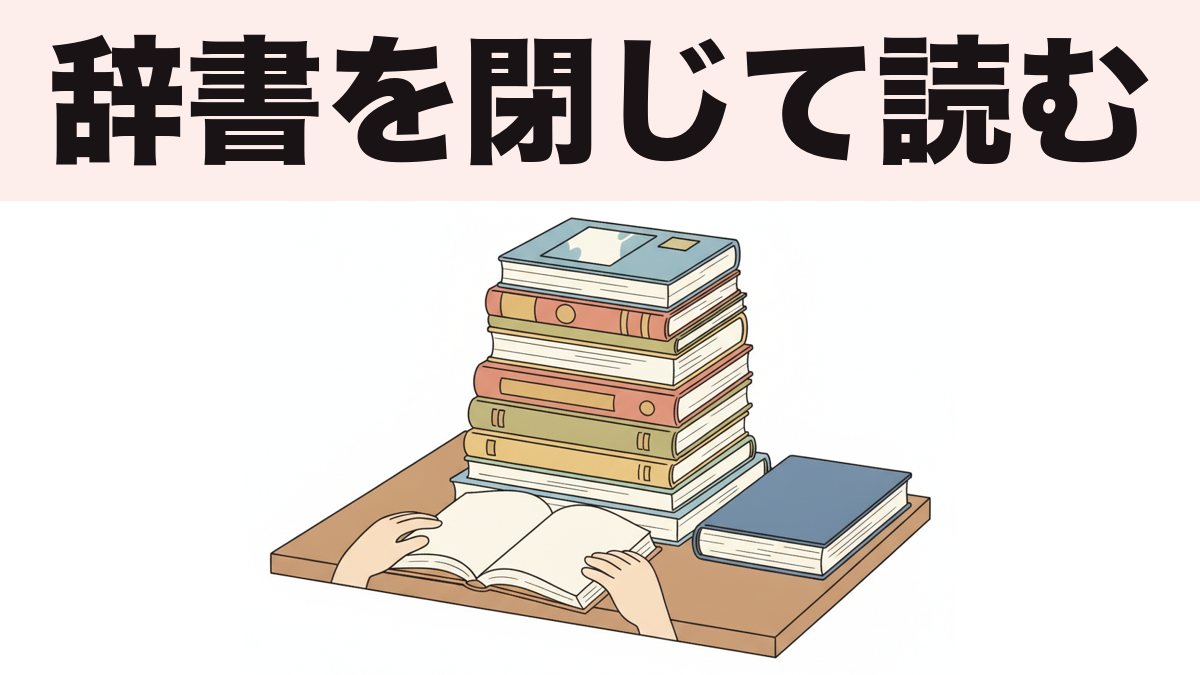
多読 means reading a lot of easy material without a dictionary — and the reason it works is precisely that it feels too easy.
「多読(たどく)」は、辞書を使わないで、やさしいものをたくさん読む方法です。うまくいく理由は、「かんたんすぎる」と感じるからです。
Most learners try to start reading with something they love, hit a wall in the first paragraph, look up eleven words, and quit. The material was not the problem and neither was their vocabulary. The problem is that looking things up is a different activity from reading, and doing both at once does neither well.
The basics
What is 多読?
多読 (たどく) is "extensive reading": large quantities of material well below your ceiling, read for meaning, at speed. Its opposite is 精読 (せいどく), "intensive reading" — a short text studied closely, every word looked up, the way a classroom handles a passage.
Both are useful. They do different jobs. 精読 builds precision; 多読 builds the automatic recognition that makes reading stop being decoding. Most learners do only the first and then wonder why reading remains exhausting.
多読は、辞書を使わないで、たくさん読む方法です。 — Tadoku is a method of reading a lot without using a dictionary. (polite) 精読と多読は、目的が違います。 — Intensive and extensive reading have different purposes. (polite)
The four rules
The Japanese extensive-reading movement states them almost as a creed, and they are worth following literally at the start:
- Start from a level that feels far too easy. Level zero means picture books.
- Do not use a dictionary.
- Skip what you do not understand.
- If a book stops working, put it down.
Rule 3 is the one learners resist. Skipping feels like cheating. It is the mechanism: reading past an unknown word forces you to hold the sentence together with grammar and context, which is the exact skill that makes a language readable.
Rule 4 matters just as much. There is no obligation to finish a book, and the sunk cost of a half-read novel is the most common reason people stop reading entirely.
How do I know what level is right?
The usual test: on one page, you should be able to understand it without stopping. If you are stopping more than about once a page, the book is too hard for 多読 — it may still be fine for 精読, but that is a different session.
A more honest test is speed. If reading a page takes longer than it would take you to read the same page in your own language plus a bit, you are decoding, not reading.
Beyond the basics
Where to actually get material, free first
NHK News Web Easy — real news rewritten for learners, with furigana on every kanji and a slower recorded reading of each article. Free, updated constantly, and short enough to finish. This is the single most useful free resource at roughly N4.
Tadoku graded readers — the NPO 多言語多読 publishes free level-0 and level-1 PDFs, written specifically for this method. If you have never read anything in Japanese, start here, even if you feel insulted by the level.
Children's books — 絵本 (picture books) and 児童書 (children's books). Available in any Japanese bookshop and in many library collections abroad. Note that easy for a Japanese child is not the same as easy for a learner: children's books have simple kanji but often unusual, playful vocabulary.
Manga — better than its reputation, with one caveat. Shō Shnen and shō Shnen and shjo magazine titles are 総ルビ (そうるび): furigana printed over essentially every kanji, because the audience is children. That makes them readable at a much lower level than a novel. The caveat is that manga is nearly all dialogue, so it builds spoken-register reading and almost no narrative prose. See studying Japanese with anime for the same trade-off in audio.
The ふりがな edition shortcut
Here is the part most learning advice never mentions: many Japanese novels exist in a second edition aimed at elementary school readers, with furigana over every kanji and occasionally simplified layout. These are published in imprints like 青い鳥文庫 and various ジュニア文庫 lines.
The practical effect is large. A novel that is out of reach because of unknown kanji readings becomes readable when every reading is printed above the word — because your actual bottleneck is usually not vocabulary but the inability to even pronounce a word you would recognize in speech.
If there is a Japanese series you genuinely want to read, checking whether a junior edition exists is worth ten minutes. Learners regularly find they can read the original work, in the original words, years before they expected to.
Do I really not look anything up?
Not while reading. Two workable compromises:
- Note and continue. Mark a word, keep going, look up three or four at the end of the session. Almost all of what you marked will turn out to have been guessable.
- Look up only blockers. If a word appears constantly and the passage genuinely collapses without it, look it up. One per session, not eleven.
What breaks reading is the loop: unknown word, stop, dictionary, return, lose the sentence, reread. That loop costs more than the word is worth.
Digital reading with a popup dictionary is a genuine middle path, and it is fine — but be honest about which activity you are doing. A popup dictionary makes 精読 painless; it does not make it 多読.
How long until it stops hurting?
Longer than you want and shorter than you fear. The usual milestone learners report is somewhere around the first book they finish without stopping — not because that book taught them much, but because finishing establishes that finishing is possible.
The realistic expectation: expect reading to feel slow and slightly unpleasant for the first several weeks, then to stop feeling like work before it feels fast. There is a long middle where you are reading fine and it just does not feel impressive. That middle is the method working.
Reading and everything else
Reading is the cheapest way to meet grammar you have studied in the wild, which is what moves it from recognized to owned. It is also the only input channel where you control the speed, which is why it is usually more productive per hour than video for anyone below a high intermediate level.
It will not, on its own, make you able to speak. Input and output are separate skills and reading heavily while never speaking produces a familiar profile: understands a lot, freezes in conversation. If that is you, what apps cannot teach covers the other half.
Common mistakes
- Starting with something you love. The book you most want to read is almost always four levels above where you should start. Read it later; it will still be there.
- Looking up every unknown word. That is 精読, and doing it in a 多読 session produces the worst of both — no precision, no speed.
- Treating manga as a complete reading diet. Furigana makes it accessible and dialogue makes it lopsided. Mix in prose.
- Refusing to abandon a book. Rule 4 exists because a half-finished book you dread is what ends most reading habits.
- Confusing "I understand this page" with "I know these words." Extensive reading is not supposed to feel like learning. The gains show up as ease, not as remembered vocabulary.
- Assuming furigana is only for children. 総ルビ editions exist for adults too, and using them is not a step backwards — it removes the single biggest barrier in written Japanese, which is that kanji do not tell you their reading.
Which material at which stage
| Stage | Material | Why |
|---|---|---|
| Just after kana | Tadoku level 0 PDFs, 絵本 | Almost no kanji, very short |
| Early N5 | NHK News Web Easy (with audio) | Furigana on everything, short, current |
| N4 | 総ルビ manga, 児童書 | Readable without lookups, real language |
| N4–N3 | ジュニア文庫 / 青い鳥文庫 editions | Real novels, all readings printed |
| N3 | Light novels, blogs, essays | Furigana thins out; prose gets longer |
| N2+ | Ordinary paperbacks, news | No support, full speed |
FAQ
Is 多読 better than studying vocabulary lists? They are not competitors. Lists build recognition fast and shallowly; reading turns recognition into speed and builds the sense of how words behave. Learners who do only lists read slowly. Learners who do only reading have gaps. Do both.
How much should I read? Volume is the point — the movement's own targets are measured in hundreds of thousands of words. Practically: read something most days, and worry about consistency rather than length.
What if I understand nothing on the first page? The book is too hard. That is information, not failure. Rule 4 applies.
Does reading manga count? Yes, with the caveat above. It is real Japanese and furigana makes it accessible early, but it is dialogue-heavy, so it will not prepare you for prose on its own.
Should I read out loud? It helps pronunciation and it slows you down, so it belongs to a different session. For 多読 specifically, read silently and quickly.
Are graded readers a waste of time if I can already read some kanji? No. The level that feels too easy is the correct level. Reading far below your ceiling is what builds speed, and speed is the thing you are missing.
Practice
Questions 1 and 2 are a pair: the same book, two different methods.
1. You are reading for speed and hit an unknown word in the middle of a page. What do you do?
Show answer
飛ばします(skip it)。 — Rule 3. Reading past the word forces you to hold the sentence with grammar and context, which is the skill being built.
2. You are studying one paragraph closely for a lesson and hit the same word.
Show answer
調べます(look it up)。 — That is 精読, and looking things up is exactly what it is for. The two methods are not in conflict; they are different sessions.
3. Say "I read a lot without using a dictionary," politely.
Show answer
辞書を使わないで、たくさん読みます。 — 〜ないで marks the action you are not doing while doing another one.
4. You are stopping about five times per page. Is this book right for 多読?
Show answer
No — too hard. The working test is roughly one stop per page or fewer. The book may still suit 精読, which is a different session.
5. What does 総ルビ mean, and why does it matter?
Show answer
Furigana printed over essentially every kanji. It removes the reading barrier, which is usually a bigger obstacle than vocabulary — you often know the word by ear and cannot pronounce it on the page.
6. You are 60 pages into a novel and dreading picking it up. What does the method say?
Show answer
やめます(put it down)。 — Rule 4. An unfinished book you dread is the most common reason people stop reading altogether.
7. Say "extensive reading and intensive reading have different purposes," politely.
Show answer
多読と精読は、目的が違います。 — 違います takes と for the thing being compared, not を.
8. You want to read a specific Japanese novel but the kanji defeat you. What is worth checking first?
Show answer
Whether a ジュニア文庫 or 青い鳥文庫 edition exists. Same story, same words, furigana on every kanji — often readable years earlier than the standard edition.
9. Why is manga alone an incomplete reading diet?
Show answer
It is almost entirely dialogue. It builds spoken-register reading and very little narrative prose, so it does not prepare you for novels or articles.
10. Fix this plan: "I'll start with my favourite novel and look up every word I don't know."
Show answer
Start several levels lower and stop looking words up. The favourite novel is nearly always far above the right starting level, and the lookup loop costs more than each word is worth.
Vocabulary from this article
Tap the block to select all of it, then copy. In Anki: File → Import, note type Basic, separator Tab — the first column becomes the front, the second the back.
多読	たどく — extensive reading
精読	せいどく — intensive reading
辞書	じしょ — dictionary
飛ばす	とばす — to skip
調べる	しらべる — to look up, to investigate
絵本	えほん — picture book
児童書	じどうしょ — children's book
文庫	ぶんこ — paperback imprint
総ルビ	そうるび — furigana on every kanji
振り仮名	ふりがな — reading printed above kanji
目的	もくてき — purpose
方法	ほうほう — method
速さ	はやさ — speed
文章	ぶんしょう — written text, prose
会話	かいわ — conversation, dialogue
続ける	つづける — to continue
I'm Yuuki, a Japanese teacher based in Tokyo. I've taught on italki as a Top 1% teacher and watched over 1,500 anime. The junior-edition trick is the one I most enjoy handing over: learners who were certain a book was years away often find they can read it this month.
Sources: the author's own lessons and standard reference grammars.
学習者はたいてい、好きな本から始めます。最初の段落でつまずき、単語を11個調べて、やめます。悪いのは本でも単語力でもありません。「調べること」と「読むこと」は別の作業で、同時にやるとどちらもうまくいかないのです。
基本
「多読」とは
「多読」は、自分のレベルよりずっとやさしいものを、意味を追いながら、速くたくさん読む方法です。反対は「精読(せいどく)」で、短い文章を一語ずつ調べて、細かく読む方法です。
どちらも役に立ちます。仕事が違います。精読は正確さを作り、多読は「読むのが自動になる力」を作ります。学習者は精読だけをして、「読むのがいつまでもつらい」と思うことが多いです。
多読は、辞書を使わないで、たくさん読む方法です。 — Tadoku is a method of reading a lot without using a dictionary. (polite) 精読と多読は、目的が違います。 — Intensive and extensive reading have different purposes. (polite)
四つのルール
日本の多読の会は、はっきりこう言っています。最初はそのまま守ってください。
- かんたんすぎると思うレベルから始める。 レベル0は絵本です。
- 辞書を使わない。
- 分からないところは飛ばす。
- 進まなくなったら、その本をやめる。
3がいちばん難しいです。飛ばすとずるいような気がします。でも、これが仕組みです。分からない語を越えて読むと、文法と前後で文をつなぐことになります。それが、読める人の力です。
4も同じくらい大事です。本を最後まで読む義務はありません。半分読んだ本が重くなって、読むこと自体をやめてしまう人がいちばん多いのです。
レベルの決め方
目安は、1ページを止まらずに分かることです。1ページに2回以上止まるなら、多読には難しすぎます。精読には使えますが、それは別の時間です。
もっと正直な目安は速さです。母語で同じページを読む時間よりずっとかかるなら、読んでいるのではなく、解読しています。
もう少し先
無料で読めるもの
NHK NEWS WEB EASY — 本物のニュースを学習者向けに書き直したものです。漢字全部にふりがながあり、ゆっくりの音声も付きます。無料で、毎日新しくなり、短いので最後まで読めます。N4あたりでいちばん役に立ちます。
多読用のレベル別読み物 — NPO多言語多読が、レベル0と1のPDFを無料で出しています。日本語で何も読んだことがないなら、ここからです。
子どもの本 — 絵本と児童書です。日本の本屋や、海外の図書館にもあります。ただし、「日本の子どもにやさしい」と「学習者にやさしい」は違います。漢字はやさしいですが、言葉が変わっていることがあります。
マンガ — 思ったより使えます。少年・少女マンガ誌は「総ルビ(そうるび)」で、ほとんど全部の漢字にふりがなが付いています。読者が子どもだからです。だから、小説よりずっと低いレベルで読めます。ただ、マンガはほとんどが会話なので、話し言葉の読みは育ちますが、文章の読みは育ちません。
ふりがな版という近道
学習の記事があまり書かないことです。日本の小説には、小学生向けの第二の版があることがあります。漢字全部にふりがなが付いていて、読みやすくなっています。「青い鳥文庫」や「ジュニア文庫」などです。
効果は大きいです。漢字の読みが分からなくて手が出なかった本が、読みが全部書いてあるだけで読めるようになります。学習者の本当の壁は、単語を知らないことより、「聞けば分かる言葉なのに、字で読めない」ことだからです。
読みたい日本の作品があるなら、ジュニア版があるか10分調べる価値があります。「何年も先だ」と思っていた本が、今月読めることがよくあります。
本当に何も調べないのですか
読んでいる間は調べません。現実的な折り合いは二つです。
- 印を付けて、進む。 印だけ付けて読み続け、終わってから3〜4語だけ調べます。ほとんどは、前後から分かったはずの語です。
- 止まる語だけ調べる。 何度も出てきて、それがないと話が分からない語だけ。1回の読書で1語です。
読書を壊すのは、この流れです。分からない語 → 止まる → 辞書 → 戻る → 文を見失う → 読み直す。これは語の値段より高くつきます。
ポップアップ辞書で読むのは、いい中間の道です。ただ、自分が今どちらをしているかは正直に見てください。ポップアップ辞書は精読を楽にします。多読にはしません。
いつ楽になりますか
思ったより時間はかかりますが、心配しているほどではありません。よく言われる節目は、「止まらずに1冊読み終えた時」です。その本から多くを学んだからではなく、「読み終えられる」と分かるからです。
最初の数週間は、遅くて少し不快です。そのあと、速くなる前に「つらくない」が来ます。読めているのに、すごいと思えない長い時期があります。そこが、方法が効いているところです。
読むことと、ほかの力
読むことは、勉強した文法を実際の場面で見る、いちばん安い方法です。それで「知っている文法」が「使える文法」に変わります。それに、速さを自分で決められる唯一の入力です。だから、中級の上あたりまでは、動画より効率がいいです。
ただし、読むだけでは話せるようになりません。入力と出力は別の力です。たくさん読んで話さない人は、「たくさん分かるのに、会話で固まる」形になります。
よくある間違い
- 好きな本から始める。 いちばん読みたい本は、たいてい今のレベルより4段階上です。あとで読めます。逃げません。
- 分からない語を全部調べる。 それは精読です。多読の時間にやると、正確さも速さも手に入りません。
- マンガだけを読む。 ふりがなで読みやすく、会話にかたよります。文章も混ぜてください。
- 本をやめられない。 ルール4があるのは、いやになった本が読書の習慣を終わらせるからです。
- 「このページが分かる」」「この語を覚えた」だと思う。 多読は勉強している感じがしません。成果は「楽になる」であって「覚えた単語の数」ではありません。
- ふりがなは子ども用だと思う。 大人向けの総ルビもあります。使うのは後退ではありません。日本語の文章のいちばん大きな壁を外すだけです。
どの時期に何を読むか
| 時期 | 読むもの | 理由 |
|---|---|---|
| かなを覚えた直後 | 多読レベル0のPDF、絵本 | 漢字がほぼ無く、短い |
| N5のはじめ | NHK NEWS WEB EASY(音声つき) | 全部ふりがな・短い・新しい |
| N4 | 総ルビのマンガ、児童書 | 調べずに読める本物の日本語 |
| N4〜N3 | ジュニア文庫・青い鳥文庫 | 本物の小説。読みが全部書いてある |
| N3 | ライトノベル、ブログ、エッセイ | ふりがなが減り、文章が長くなる |
| N2以上 | ふつうの文庫、ニュース | 支えなし・本当の速さ |
よくある質問
多読と単語リスト、どちらがいいですか。 比べるものではありません。リストは速く浅く覚えます。読むことは、それを速さに変え、語の使われ方の感覚を作ります。リストだけの人は読むのが遅く、読むだけの人は穴があります。両方です。
どれくらい読めばいいですか。 量が目的です。多読の会の目標は、何十万語という単位です。実際には、ほとんどの日に少しずつ読み、長さより続けることを気にしてください。
最初のページが全然分からない時は。 その本が難しすぎます。失敗ではなく、情報です。ルール4です。
マンガも多読に入りますか。 入ります。ただし上の注意つきです。本物の日本語で、ふりがなのおかげで早く読めますが、会話ばかりなので、それだけでは文章が読めるようになりません。
声に出して読んだ方がいいですか。 発音にはいいですが、速さが落ちます。別の時間にしてください。多読では、黙って速く読みます。
漢字がもう読めるなら、レベル別読み物は無駄ですか。 いいえ。「かんたんすぎる」と感じるレベルが正しいレベルです。ずっと下を読むことが速さを作ります。足りないのは、その速さです。
練習
1と2は組です。同じ本、違う方法。
1. 速く読んでいる時に、ページの真ん中で知らない語に出会いました。どうしますか。
答えを見る
飛ばします。 — ルール3です。語を越えて読むと、文法と前後で文をつなぐことになります。それが育てたい力です。
2. レッスンのために一段落を細かく読んでいて、同じ語に出会いました。
答えを見る
調べます。 — それが精読です。調べるためにある時間です。二つの方法はけんかしません。別の時間です。
3. 「辞書を使わないで、たくさん読みます」とていねいに言ってください。
答えを見る
辞書を使わないで、たくさん読みます。 — 「〜ないで」は、しないままもう一つのことをする時の形です。
4. 1ページで5回止まります。この本は多読に合っていますか。
答えを見る
いいえ、難しすぎます。 目安は1ページ1回までです。精読には使えますが、それは別の時間です。
5. 「総ルビ」とは何で、なぜ大事ですか。
答えを見る
ほとんど全部の漢字にふりがなが付いていることです。 読みの壁が消えます。学習者の壁は、語を知らないことより「聞けば分かるのに読めない」ことが多いからです。
6. 小説を60ページ読みましたが、開くのがいやになりました。方法は何と言っていますか。
答えを見る
やめます。 — ルール4です。いやになった本が、読書そのものを終わらせるいちばんの原因です。
7. 「多読と精読は目的が違います」とていねいに言ってください。
答えを見る
多読と精読は、目的が違います。 — 「違います」は比べるものに「と」を使います。「を」ではありません。
8. 読みたい日本の小説がありますが、漢字が難しいです。まず何を調べますか。
答えを見る
ジュニア文庫や青い鳥文庫の版があるかどうか。 同じ話、同じ言葉で、漢字全部にふりがなが付きます。ふつうの版より何年も早く読めます。
9. マンガだけでは足りないのはなぜですか。
答えを見る
ほとんどが会話だからです。 話し言葉の読みは育ちますが、文章がほとんどありません。小説や記事の準備にはなりません。
10. 直してください: 「好きな小説から始めて、知らない語を全部調べます。」
答えを見る
もっと下のレベルから始めて、調べるのをやめます。 好きな小説はたいてい始めるレベルよりずっと上です。調べる流れは、語の値段より高くつきます。
この記事に出た単語
このブロックをタップして全部選び、コピーしてください。Anki では File → Import、ノートタイプ 基本、区切り タブ を選びます。1列目が表、2列目が裏になります。
多読	たどく — extensive reading
精読	せいどく — intensive reading
辞書	じしょ — dictionary
飛ばす	とばす — to skip
調べる	しらべる — to look up, to investigate
絵本	えほん — picture book
児童書	じどうしょ — children's book
文庫	ぶんこ — paperback imprint
総ルビ	そうるび — furigana on every kanji
振り仮名	ふりがな — reading printed above kanji
目的	もくてき — purpose
方法	ほうほう — method
速さ	はやさ — speed
文章	ぶんしょう — written text, prose
会話	かいわ — conversation, dialogue
続ける	つづける — to continue
More drills like the ones above, plus a timed JLPT-style mock test: Practice · N4上のような練習問題と、時間つきのJLPT形式のもぎ試験: 練習ページ · N4
Want to try this in a real conversation?
本当の会話で、ためしてみませんか?
30-minute trial lesson, $13. Times shown in your own timezone.
30分の体験レッスン、$13。時間はあなたのタイムゾーンで表示されます。
Book a trial lesson · $13