Otaku slang in Japanese: 推し, 尊い, 沼 and the words fandom actually runs onオタクのことば: 推し・尊い・沼・供給
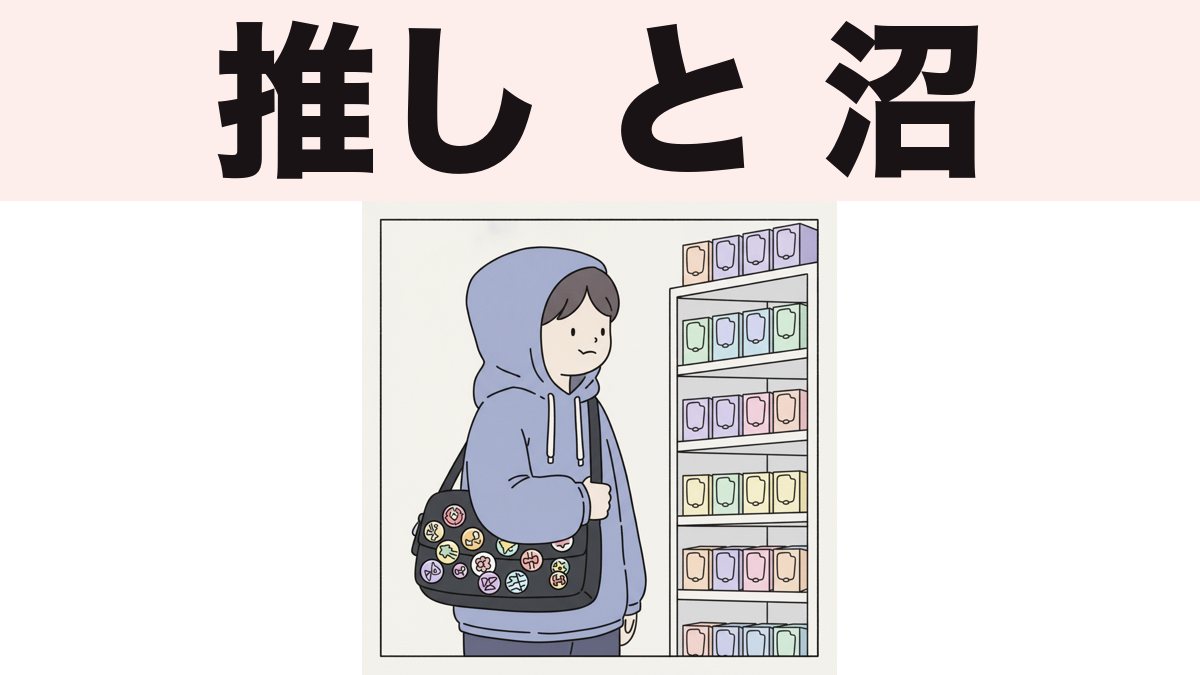
推し (the one you support), 尊い (roughly "precious beyond words"), 沼 (a swamp you cannot climb out of) and 供給 (new official material) are the four words that unlock most Japanese fan conversation. They are ordinary words repurposed, which is why a dictionary will not help you much.
「推し」(応援している人)、「尊い」(うまく言えないほどいい)、「沼」(出られない)、「供給」(新しい公式の情報)。この4つで、日本のファンの会話がだいたい分かります。もとは、ふつうのことばです。だから辞書を引いても、あまり助けになりません。
This is the layer of Japanese that sits between textbook vocabulary and genuinely understanding a Japanese fan community. Every word below has a plain meaning you may already know, and a fandom meaning that has drifted a long way from it.
The basics
推し: the one you support
推す (おす) means "to push" or "to recommend." 推し is the noun form, and it means the member, character or performer you actively back.
推しは誰ですか。 — Who's your favourite? (casual, a completely standard question) 推しが尊い。 — My favourite is precious. (casual, the most common two-word sentence in Japanese fandom)
The related verb is 推す, used directly: 私はこのキャラを推しています ("I'm backing this character"). You will also meet:
- 推し活 (おしかつ) — the activity of supporting your 推し: going to events, buying goods, travelling
- single推し / 箱推し (はこおし) — backing one member versus backing the whole group
- 同担 (どうたん) — someone whose 推し is the same as yours
- 同担拒否 (どうたんきょひ) — refusing to associate with people who share your 推し
That last one is real, and understanding it prevents a genuinely awkward moment. Some fans treat their 推し as a private relationship and find shared enthusiasm uncomfortable rather than bonding.
尊い: precious, beyond expression
尊い (とうとい) is a real, old word meaning "noble, sacred, precious" — the kind of thing used about shrines and human life. Fandom borrowed it wholesale, and it now functions as an exclamation when something is so good you cannot analyse it.
尊い…… — (no useful translation — "I cannot cope with how good this is")
It is not used about plot quality or animation. It is used about a moment: two characters standing near each other, a facial expression, a line delivery. If you could explain why, you would not say 尊い.
沼: the swamp
沼 (ぬま) means a marsh or bog. In fandom it means a series or franchise you have fallen into and cannot get out of.
完全に沼です。 — I'm completely sunk. (casual — said with affection, not regret) 沼にはまりました。 — I fell into the swamp. (casual, announcing a new obsession)
はまる is the verb that goes with it — it means "to fit into" or "to get stuck in," and by itself it already means "to get hooked on something." 沼 just makes the hole deeper.
Beyond the basics
供給 and 燃料: official material as a resource
供給 (きょうきゅう) is a plain economics word meaning "supply." Fans use it for new official content — an episode, an announcement, an official illustration, a merchandise line.
供給が多すぎる。 — There's too much new material. (casual — a complaint that is not a complaint) 供給がない。 — There's nothing new. (casual — a genuine complaint)
燃料 (ねんりょう, "fuel") does a similar job with more heat: 燃料投下 ("fuel dropped") describes an official release that sets a fandom on fire for a week.
神回 and 神: divine episodes
神 (かみ) means god, and as a prefix it means "outstanding."
- 神回 (かみかい) — a god-tier episode
- 神曲 (かみきょく) — an outstanding song
- 神対応 (かみたいおう) — an exceptionally gracious response, usually from a performer to a fan
今週、神回でした。 — This week's episode was incredible. (polite-casual, everyday fan talk)
神対応 is worth knowing because it appears well outside fandom — a shop or a company can be praised for 神対応 when their customer service goes far beyond expectation.
履修: studying a series
履修 (りしゅう) is the word for registering for a university course. Fans use it for working through a series they have not seen.
まだ履修してません。 — I haven't studied up on it yet. (casual, said about a show everyone else has watched)
The joke inside the word is that consuming media is framed as coursework — which, in a fandom with decades of back catalogue, it genuinely resembles. The related 布教 (ふきょう, "missionary work") means pushing a series onto your friends.
布教活動してます。 — I'm out evangelizing. (casual, about getting friends into something)
エモい: the feeling with no name
エモい comes from English "emotional" and is wasei-eigo in its purest form — the English word does not mean this.
なんかエモい。 — It's got a feeling to it. (casual — nostalgic, moving, slightly melancholy, all at once)
It describes a mood, usually nostalgic and slightly wistful: an empty classroom at sunset, an old song, a train platform at night. It sits close to 懐かしい (nostalgic) but with more aesthetic weight.
解釈違い: reading it differently
解釈 (かいしゃく) means "interpretation," and 解釈違い means someone's reading of a character conflicts with yours.
解釈違いです。 — That's not how I read that character. (casual, and a real disagreement)
This is more serious than it sounds. In Japanese fandom, 解釈違い is a genuine reason to stop following someone, and stating it is a clear signal you want distance rather than debate.
The physical-goods vocabulary
| Japanese | Reading | Meaning |
|---|---|---|
| グッズ | ぐっず | Merchandise |
| 痛バッグ | いたばっぐ | A bag covered in badges of your 推し |
| 缶バッジ | かんばっじ | Pin badge |
| アクスタ | あくすた | Acrylic stand figure |
| 限定 | げんてい | Limited edition |
| 完売 | かんばい | Sold out |
| 積む | つむ | To stack up unplayed games or unread books |
| 課金 | かきん | Spending money in a game |
| 特典 | とくてん | Bonus item that comes with a purchase |
痛バッグ takes its 痛 (pain) from 痛車 — a car covered in anime decals, so garish it "hurts" to look at. The word is self-deprecating and entirely affectionate.
積む gives 積みゲー (a stack of unplayed games) and 積ん読 (つんどく, a stack of unread books) — the latter is an old word that predates gaming by a century. For buying any of this in person, see ten phrases that make shopping in Akihabara easier.
Common mistakes
- Using 尊い about quality. It is not "this is well made." It is an expression of being overwhelmed. Say 神回 for quality.
- Translating 推し as "favourite." Close, but 推し carries active support — buying, attending, promoting. A favourite is passive.
- Assuming 同担 is friendly. 同担拒否 exists. Not everyone wants to meet someone who shares their 推し.
- Using エモい for straightforward happiness. It needs a wistful edge. A birthday party is 楽しい; an old photo of that party is エモい.
- Saying 解釈違い casually. It signals a real rift, not a light difference of opinion.
- Using 課金 outside games. It specifically means putting money into a game or app, not general spending.
- Reading 尊い as そんとい. It is とうとい. とうとい and たっとい are both valid readings of the kanji, but fandom says とうとい.
The core set, at a glance
| Japanese | Reading | Literal | In fandom |
|---|---|---|---|
| 推し | おし | Something pushed | The one you support |
| 尊い | とうとい | Noble, sacred | Overwhelmingly precious |
| 沼 | ぬま | Swamp | An obsession you cannot leave |
| 供給 | きょうきゅう | Supply | New official material |
| 神回 | かみかい | God episode | An outstanding episode |
| 履修 | りしゅう | Course registration | Working through a series |
| 布教 | ふきょう | Missionary work | Recommending aggressively |
| エモい | えもい | (from "emotional") | Nostalgic, wistful, moving |
| 解釈違い | かいしゃくちがい | Interpretation gap | An incompatible reading |
| 積む | つむ | To stack | To accumulate unfinished media |
Practice
Questions 1 and 2 are the pair worth separating: overwhelmed versus impressed.
1. Two characters share a quiet moment and you cannot articulate why it destroyed you. What do you say?
Show answer
尊い…… — Used when you cannot explain why. If you can explain it, this is the wrong word.
2. This week's episode was outstandingly well made. What do you say?
Show answer
今週、神回でした。 — 神 as a prefix means "outstanding." This is about quality, not about being overwhelmed.
3. Ask someone who their 推し is.
Show answer
推しは誰ですか。 — Completely standard. 推し implies active support, not just a preference.
4. Announce that you have fallen into a new obsession.
Show answer
沼にはまりました。 — 沼 is a swamp; はまる is to get stuck in it. Said with affection.
5. Say there has been too much new official material lately.
Show answer
供給が多すぎる。 — 供給 is literally "supply." This is a complaint that is not a complaint.
6. Admit you have not watched a series everyone else has.
Show answer
まだ履修してません。 — 履修 is course registration. Watching is framed as coursework.
7. Say you have been pushing a series onto your friends.
Show answer
布教活動してます。 — 布教 is missionary work. The joke is fully intended.
8. Describe an old photo of a school classroom at sunset.
Show answer
なんかエモい。 — Nostalgic with a wistful edge. 楽しい would be wrong: this is not fun, it is a feeling.
9. What does 同担拒否 mean, and why does it matter?
Show answer
同じ推しの人と関わりたくない、という立場 — Some fans treat their 推し as private. Assuming shared enthusiasm is bonding can be a real misstep.
10. What does 積みゲー mean, and what older word is it built on?
Show answer
買ったのに遊んでいないゲームの山。積ん読から来ています。 — 積む means to stack. 積ん読 (unread books) is a century older than gaming.
FAQ
Is this slang safe to use with Japanese fans? Yes — all of it is current, ordinary fan vocabulary, not edgy or offensive. The only one to handle carefully is 解釈違い, which is a real statement of disagreement.
Is 推し only used for idols? No. It works for anime characters, voice actors, athletes, VTubers, wrestlers and increasingly for non-people — 推しのカフェ (a café you champion) is normal usage now.
Where does 尊い come from? It is a genuinely old word, used in religious and formal contexts for centuries. The fandom usage emerged in the 2010s, and the contrast between the solemn original and the flailing modern use is part of the joke.
What is the difference between オタク and 推し活? オタク is an identity; 推し活 is an activity. You can do 推し活 without calling yourself オタク, and the newer word carries much less of the negative weight オタク historically had.
Does 課金 mean any purchase? No. It specifically means putting money into a game or app, usually free-to-play. Buying a physical item is 買う, not 課金.
Is 痛バッグ an insult? Not at all. The 痛 comes from 痛車 and the whole word is affectionately self-mocking. People make them deliberately and show them off.
Vocabulary from this article
Tap the block to select all of it, then copy. In Anki: File → Import, note type Basic, separator Tab — the first column becomes the front, the second the back.
推し	おし — the one you support
推す	おす — to push, to back
推し活	おしかつ — fan activity supporting your favourite
尊い	とうとい — precious, sacred; overwhelmingly good
沼	ぬま — swamp; an obsession you cannot leave
はまる	はまる — to get stuck in, to get hooked
供給	きょうきゅう — supply; new official material
燃料	ねんりょう — fuel
神回	かみかい — an outstanding episode
神対応	かみたいおう — exceptionally gracious response
履修	りしゅう — course registration; working through a series
布教	ふきょう — missionary work; recommending
解釈	かいしゃく — interpretation
限定	げんてい — limited edition
完売	かんばい — sold out
特典	とくてん — bonus item
課金	かきん — spending money in a game
積む	つむ — to stack up
I'm Yuuki, a Japanese teacher based in Tokyo. I've taught on italki as a Top 1% teacher and watched over 1,500 anime. Students usually arrive with 推し already — they picked it up from subtitles — and then discover that 尊い, 沼 and 供給 are the three that actually make fan conversation land.
Sources: the author's own lessons and standard reference grammars.
教科書のことばと、本当のファンの会話の間にある層です。下のことばは全部、もとの意味と、ファンの間での意味が、かなり違います。
基本
「推し」: 応援している人
「推す(おす)」は「おす」「すすめる」という意味です。「推し」はその名詞の形で、自分が応援している人やキャラクターのことです。
推しは誰ですか。 — Who's your favourite? (casual, a completely standard question) 推しが尊い。 — My favourite is precious. (casual, the most common two-word sentence in Japanese fandom)
動詞のまま使うこともあります。「私はこのキャラを推しています」。
- 推し活(おしかつ) — 推しのためにする活動。イベント、グッズ、旅行
- 箱推し(はこおし) — グループ全部を応援すること
- 同担(どうたん) — 推しが同じ人
- 同担拒否(どうたんきょひ) — 推しが同じ人とは関わりたくない、という立場
いちばん下は本当にあります。知っておくと、気まずくなりません。推しを「自分だけのもの」と考える人もいます。
「尊い」: ことばにならない
「尊い(とうとい)」は古いことばです。「神聖だ」「大切だ」という意味で、神社や命について使いました。ファンはそれをそのまま借りました。今は「よすぎて説明できない」という時に使います。
尊い…… — (no useful translation — "I cannot cope with how good this is")
話や絵のうまさには使いません。「その一瞬」に使います。2人が並んでいる、顔、声。理由が言えるなら、「尊い」ではありません。
「沼」: ぬま
「沼(ぬま)」は水と泥のところです。ファンの間では、はまって出られない作品のことです。
完全に沼です。 — I'm completely sunk. (casual — said with affection, not regret) 沼にはまりました。 — I fell into the swamp. (casual, announcing a new obsession)
「はまる」は「ぴったり入る」「抜けられなくなる」です。「沼」をつけると、もっと深くなります。
もう少し先へ
「供給」「燃料」
「供給(きょうきゅう)」は経済のことばで「supply」です。ファンは、新しい公式の情報のことをこう言います。
供給が多すぎる。 — There's too much new material. (casual — a complaint that is not a complaint) 供給がない。 — There's nothing new. (casual — a genuine complaint)
「燃料(ねんりょう)」も同じですが、もっと強いです。「燃料投下」は、公式の発表でファンが1週間もりあがることです。
「神回」「神」
「神(かみ)」を前につけると「すごくいい」という意味になります。
- 神回(かみかい) — すごくいい回
- 神曲(かみきょく) — すごくいい曲
- 神対応(かみたいおう) — とてもていねいな対応
今週、神回でした。 — This week's episode was incredible. (polite-casual, everyday fan talk)
「神対応」はファンの外でも使います。お店や会社のサービスがとてもよかった時にも言います。
「履修」
「履修(りしゅう)」は大学で授業を取ることです。ファンは、まだ見ていない作品を見ることをこう言います。
まだ履修してません。 — I haven't studied up on it yet. (casual, said about a show everyone else has watched)
見ることを「勉強」にたとえたじょうだんです。「布教(ふきょう)」は、友だちにすすめることです。
布教活動してます。 — I'm out evangelizing. (casual, about getting friends into something)
「エモい」
英語の「emotional」から作った和製英語です。英語の意味とはちがいます。
なんかエモい。 — It's got a feeling to it. (casual — nostalgic, moving, slightly melancholy, all at once)
夕方の教室、古い歌、夜の駅のホーム。「懐かしい」に近いですが、もっと「きれい」という感じが入ります。
「解釈違い」
「解釈(かいしゃく)」は「読み方」「考え方」です。「解釈違い」は、キャラクターの見方が自分と合わないことです。
解釈違いです。 — That's not how I read that character. (casual, and a real disagreement)
軽いことばではありません。これを言われたら、「話したくない」という意味です。
グッズのことば
| 日本語 | 読み方 | 意味 |
|---|---|---|
| グッズ | ぐっず | merchandise |
| 痛バッグ | いたばっぐ | 缶バッジをたくさんつけたかばん |
| 缶バッジ | かんばっじ | pin badge |
| アクスタ | あくすた | acrylic stand |
| 限定 | げんてい | limited edition |
| 完売 | かんばい | sold out |
| 積む | つむ | 買ったのにやらずに置く |
| 課金 | かきん | ゲームにお金を使う |
| 特典 | とくてん | おまけ |
「痛バッグ」の「痛」は「痛車」から来ています。アニメの絵をはった車が、見ていて「痛い」ほど目立つからです。悪口ではなく、自分で言うことばです。
「積む」から「積みゲー」「積ん読(つんどく)」ができます。「積ん読」はゲームより100年古いことばです。
よくある間違い
- 作品のうまさに「尊い」を使う。 うまさは「神回」です。
- 「推し」を「好きな人」だと思う。 「推し」は応援する行動が入ります。
- 「同担」はうれしいと思う。 「同担拒否」の人もいます。
- 楽しいだけの時に「エモい」を使う。 さびしさが少し必要です。
- 軽く「解釈違い」と言う。 本当のけんかになります。
- ゲーム以外に「課金」を使う。 ゲームやアプリだけです。
- 「尊い」を「そんとい」と読む。 「とうとい」です。
まとめ
| 日本語 | 読み方 | もとの意味 | ファンの意味 |
|---|---|---|---|
| 推し | おし | おされたもの | 応援している人 |
| 尊い | とうとい | 神聖だ | よすぎて言えない |
| 沼 | ぬま | swamp | 出られない作品 |
| 供給 | きょうきゅう | supply | 新しい公式の情報 |
| 神回 | かみかい | 神の回 | すごくいい回 |
| 履修 | りしゅう | 授業を取る | 作品を見る |
| 布教 | ふきょう | 宗教を広める | すすめる |
| エモい | えもい | (emotional から) | 懐かしくて、きれい |
| 解釈違い | かいしゃくちがい | 読み方のちがい | 合わない |
| 積む | つむ | 積む | やらずにためる |
練習
1番と2番が組です。「言えない」と「うまい」はちがいます。
1. 2人のキャラクターの静かな場面で、なぜかわからないけれど心が動きました。何と言いますか。
答えを見る
尊い…… — 理由が言えない時のことばです。言えるなら、ちがう言葉を使います。
2. 今週の回がとてもよくできていました。何と言いますか。
答えを見る
今週、神回でした。 — 「神」は「すごくいい」です。うまさの話です。
3. 「推しは誰ですか」と聞いてください。
答えを見る
推しは誰ですか。 — ふつうの質問です。「好き」より一歩進んだ意味です。
4. 新しい作品にはまったと言ってください。
答えを見る
沼にはまりました。 — うれしい気持ちで言います。
5. 「最近、新しい情報が多すぎる」と言ってください。
答えを見る
供給が多すぎる。 — 文句のようで、文句ではありません。
6. みんなが見ている作品を、まだ見ていないと言ってください。
答えを見る
まだ履修してません。 — 見ることを「授業」にたとえます。
7. 友だちに作品をすすめていると言ってください。
答えを見る
布教活動してます。 — 「布教」はもともと宗教のことばです。
8. 夕方の教室の古い写真を見て、何と言いますか。
答えを見る
なんかエモい。 — 「楽しい」ではありません。少しさびしい気持ちが入ります。
9. 「同担拒否」は、どういう意味ですか。
答えを見る
同じ推しの人と関わりたくない、という立場 — 推しを「自分だけのもの」と考える人がいます。
10. 「積みゲー」は何ですか。どのことばから来ましたか。
答えを見る
買ったのにやっていないゲームの山。「積ん読」から来ています。 — 「積ん読」はゲームより100年古いことばです。
よくある質問
このことばを、日本のファンに使っても大丈夫ですか。 大丈夫です。ふつうのことばです。気をつけるのは「解釈違い」だけです。
「推し」はアイドルだけですか。 いいえ。キャラクター、声優、スポーツ選手、VTuber、お店にも使います。「推しのカフェ」も今はふつうです。
「尊い」はどこから来たのですか。 とても古いことばです。宗教やかたい場面で長く使われてきました。2010年代からファンが使い始めました。古い意味とのちがいが、じょうだんになっています。
「オタク」と「推し活」はちがいますか。 「オタク」は自分がどんな人かを言うことば、「推し活」はすることです。「推し活」のほうが新しくて、悪い感じがありません。
「課金」は買い物全部ですか。 いいえ。ゲームやアプリにお金を入れることだけです。物を買うのは「買う」です。
「痛バッグ」は悪口ですか。 ちがいます。「痛車」から来たことばで、自分で言います。みんな自分で作って見せ合います。
この記事に出た単語
このブロックを長く押して全部選び、コピーしてください。Ankiでは ファイル → 読み込み、ノートタイプは 基本、区切りは タブ にします。左が表、右が裏になります。
推し	おし — the one you support
推す	おす — to push, to back
推し活	おしかつ — fan activity supporting your favourite
尊い	とうとい — precious, sacred; overwhelmingly good
沼	ぬま — swamp; an obsession you cannot leave
はまる	はまる — to get stuck in, to get hooked
供給	きょうきゅう — supply; new official material
燃料	ねんりょう — fuel
神回	かみかい — an outstanding episode
神対応	かみたいおう — exceptionally gracious response
履修	りしゅう — course registration; working through a series
布教	ふきょう — missionary work; recommending
解釈	かいしゃく — interpretation
限定	げんてい — limited edition
完売	かんばい — sold out
特典	とくてん — bonus item
課金	かきん — spending money in a game
積む	つむ — to stack up
日本語教師のユウキです。東京にいます。 italkiで Top 1% の教師をしています。アニメは1,500本以上見ました。生徒は「推し」だけはもう知っていることが多いです。字幕で覚えるからです。そのあと「尊い」「沼」「供給」の3つで、会話が本当に通じるようになります。
More drills like the ones above, plus a timed JLPT-style mock test: Practice上のような練習問題と、時間つきのJLPT形式のもぎ試験: 練習ページ
Want to try this in a real conversation?
本当の会話で、ためしてみませんか?
30-minute trial lesson, $13. Times shown in your own timezone.
30分の体験レッスン、$13。時間はあなたのタイムゾーンで表示されます。
Book a trial lesson · $13