〜のに: "even though," with a complaint built in〜のに: 文句が入っている「〜なのに」
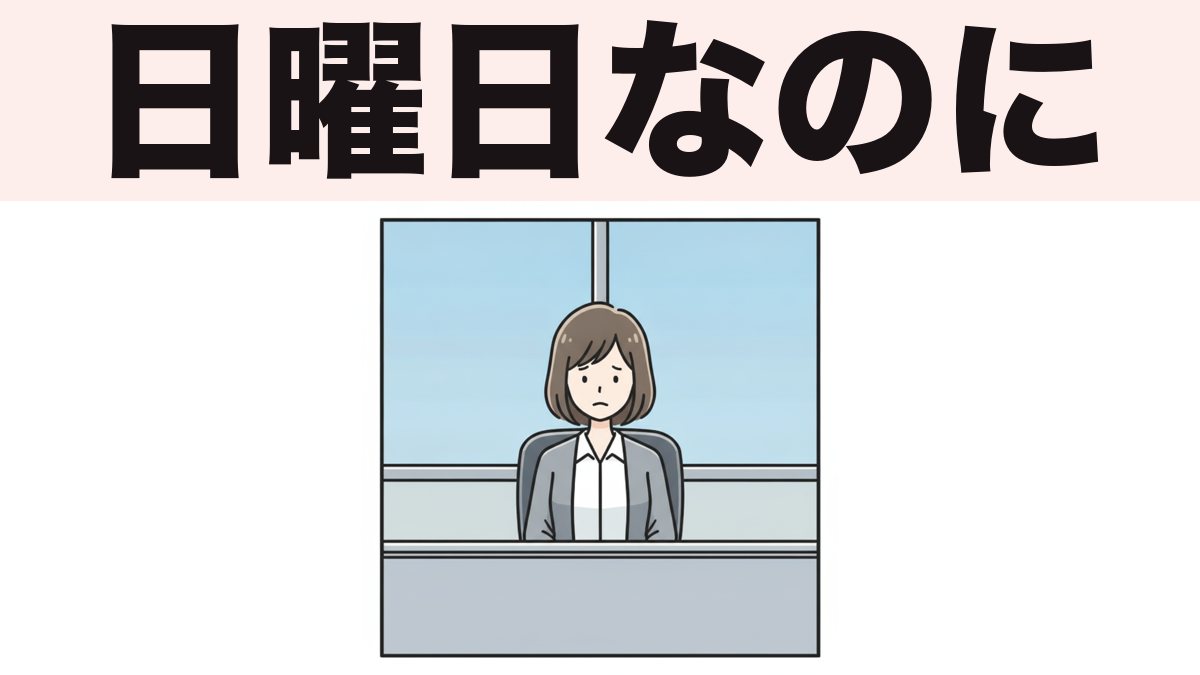
のに means "even though," and unlike けど it is never neutral. It carries surprise, disappointment or complaint — the sense that reality did not match what should have happened. 買ったばかりなのに壊れた is a grievance; 買ったばかりだけど壊れた is a report.
「のに」は「even though」ですが、「けど」とちがって、ぜったいに中立ではありません。おどろき・がっかり・文句が入ります。「そうなるはずだったのに、ならなかった」という気もちです。「買ったばかりなのに壊れた」は文句、「買ったばかりだけど壊れた」はただの報こくです。
Because the feeling is built into the grammar, using のに where you only meant a contrast makes you sound annoyed by accident. Using けど where you meant のに makes you sound oddly unbothered.
The basics
What attaches to it
| Word type | Form | Example |
|---|---|---|
| Verb | plain | 行ったのに |
| い-adjective | plain | 高いのに |
| な-adjective | な | 便利なのに |
| Noun | な | 日曜日なのに |
Note that nouns take な, not の — this is one of the few places where a noun does that, and 日曜日のに is a common error.
日曜日なのに、仕事をしています。 — It's Sunday and I'm working. (polite — with a clear note of grievance) 薬を飲んだのに、まだ痛いです。 — I took the medicine and it still hurts. (polite — surprise and frustration)
のに vs けど vs ても
| Form | Meaning | Feeling |
|---|---|---|
| 〜けど / 〜が | But, though | Neutral contrast |
| 〜のに | Even though | Surprise, disappointment, complaint |
| 〜ても | Even if | Hypothetical, no complaint |
雨が降っても行きます。 — I'll go even if it rains. (polite — hypothetical) 雨が降っているのに行きました。 — He went even though it was raining. (polite past — and I think that was unwise)
〜ても is about conditions that have not happened yet or do not matter. のに is about something that actually happened and should have led somewhere else.
The rule of thumb
If you could say the English while rolling your eyes, use のに. If not, use けど.
Beyond the basics
のに at the end of a sentence
Leaving のに hanging is a complete utterance, and it is pure lament:
もっと早く言ってくれればよかったのに。 — You could have told me sooner. (casual-polite — reproach) せっかく作ったのに… — And I went to the trouble of making it… (trailing — the classic)
せっかく pairs with のに constantly and is worth learning as a set: せっかく〜のに means "after all that effort, and yet."
The other のに: "for doing"
A completely different structure that looks identical. Here の nominalises the verb and に marks purpose:
この道具は魚を切るのに使います。 — This tool is used for cutting fish. (polite — purpose, no complaint at all)
You can tell them apart by what follows: purpose のに is followed by a verb like 使う, 便利だ, 必要だ. Contrast のに is followed by a whole clause.
駅から近いので、通勤するのに便利です。 — It's near the station, so it's convenient for commuting. (polite — purpose)
Why not use から here?
Because のに is the mirror image of から. から says "A, therefore B." のに says "A, and yet not B."
雨だから行きません。 — I'm not going because it's raining. (polite — cause and effect) 雨なのに行きました。 — He went even though it was raining. (polite past — cause without the expected effect)
Note that both take な/だ after a noun in their own way: 雨だから, 雨なのに. If から and ので are already sorted for you, のに slots in as their opposite.
のに with a request or command is odd
Because のに frames the second clause as a violated expectation, it does not sit well with instructions:
- 高いのに、買ってください → strange
- 高いですが、買ってください → fine
If the second half is a request, use が or けど.
The anime shape
のに at the end of a line, spoken quietly, is one of the most efficient ways Japanese expresses hurt:
信じてたのに。 — And I trusted you. (casual — the sentence stops there, and that is the point)
Common mistakes
- 日曜日のに. Nouns take な: 日曜日なのに.
- 便利のに. な-adjectives take な: 便利なのに.
- Using のに for neutral contrast. 高いのに買いました implies you think it was a bad idea. If you don't, say 高いですが.
- Using のに before a request. Switch to が or けど.
- Mixing up the two のに. If a verb like 使う or an adjective like 便利 follows, it is the purpose one.
- Expecting のに to work like ても. ても is hypothetical; のに describes something that happened.
Practice
Answers are hidden — build yours first, then open. Questions 2 and 3 are a pair: same facts, and the connector decides whether you are annoyed.
1. Something is wrong here: 日曜日のに、仕事をしています。
Show answer
日曜日なのに — nouns take な before のに, not の. This is one of the few places a noun does that.
2. Say "it's expensive but I bought it," neutrally.
Show answer
高いですが、買いました — が or けど for a plain contrast, with no judgement attached.
3. Say the same thing, implying you think it was a bad idea.
Show answer
高いのに買いました — のに adds the eye-roll. This is the pair to question 2.
4. Say "I took the medicine and it still hurts."
Show answer
薬を飲んだのに、まだ痛いです — something happened and did not lead where it should have. That is exactly のに.
5. What is the difference between 雨が降っても行きます and 雨が降っているのに行きました?
Show answer
Hypothetical vs actual — ても is about a condition that may or may not happen; のに describes something that did happen and was ignored.
6. Complain that you went to the trouble of making something.
Show answer
せっかく作ったのに… — せっかく and のに are a set, and the trailing shape is the complete utterance.
7. Say "this tool is used for cutting fish."
Show answer
この道具は魚を切るのに使います — the other のに: の nominalises the verb, に marks purpose. No complaint at all.
8. How do you tell the two のに apart?
Show answer
By what follows — purpose のに is followed by 使う, 便利, 必要; contrast のに is followed by a whole clause.
9. Something is wrong here: 高いのに、買ってください。
Show answer
高いですが、買ってください — のに frames the second clause as a violated expectation, which clashes with a request.
10. How is のに the mirror of から?
Show answer
から says "A, therefore B"; のに says "A, and yet not B" — 雨だから行きません vs 雨なのに行きました.
FAQ
Is のに rude? It can be. Aimed at a person, it is a reproach: 約束したのに ("you promised"). Aimed at a situation, it is just frustration.
Can I use it in writing? Yes, freely. It is not casual — it is emotional, which is a different axis.
What is のになあ? Adding なあ makes the lament wistful rather than pointed: 晴れたらいいのになあ ("I wish it would clear up").
Does のに ever mean "in order to"? That is the purpose のに, and yes: 〜するのに便利 ("convenient for doing"). Structurally it is の + に, not the contrast conjunction.
Which is stronger, のに or くせに? くせに, considerably. It means "even though" with open contempt and is best recognised rather than used.
Can it start a sentence? Not on its own. For "even though" at the start of a new sentence, use それなのに.
Vocabulary from this article
Tap the block to select all of it, then copy. In Anki: File → Import, note type Basic, separator Tab — the first column becomes the front, the second the back.
日曜日	にちようび — Sunday
仕事	しごと — work
薬	くすり — medicine
飲む	のむ — to drink, to take (medicine)
痛い	いたい — painful
雨	あめ — rain
降る	ふる — to fall (rain)
行く	いく — to go
高い	たかい — expensive
買う	かう — to buy
便利	べんり — convenient
早く	はやく — sooner, early
言う	いう — to say
作る	つくる — to make
道具	どうぐ — tool
魚	さかな — fish
切る	きる — to cut
使う	つかう — to use
駅	えき — station
近い	ちかい — near
通勤	つうきん — commuting
必要	ひつよう — necessary
信じる	しんじる — to believe, to trust
約束	やくそく — promise
壊れる	こわれる — to break
晴れる	はれる — to clear up
I'm Yuuki, a Japanese teacher based in Tokyo. I've taught on italki as a Top 1% teacher and watched over 1,500 anime. のに is where learners stop translating "but" and start choosing how they feel about the contrast. The eye-roll test is crude and it has never failed a student yet.
Sources: the author's own lessons and standard reference grammars.
気もちが文法の中に入っているので、ただ「でも」と言いたい時に「のに」を使うと、おこっているように聞こえます。反対に「のに」の場めんで「けど」を使うと、へんに平気そうに聞こえます。
基本
前に来る形
| しゅるい | 形 | れい |
|---|---|---|
| 動詞 | ふつうの形 | 行ったのに |
| い形容詞 | ふつうの形 | 高いのに |
| な形容詞 | な | 便利なのに |
| 名詞 | な | 日曜日なのに |
名詞は「の」ではなく「な」です。「日曜日のに」はよくある間違いです。
日曜日なのに、仕事をしています。 — It's Sunday and I'm working. 薬を飲んだのに、まだ痛いです。 — I took the medicine and it still hurts.
「のに」「けど」「ても」
| 形 | 意味 | 気もち |
|---|---|---|
| 〜けど・〜が | でも | 中立 |
| 〜のに | なのに | おどろき・がっかり・文句 |
| 〜ても | 〜しても | まだ起きていないこと |
雨が降っても行きます。 — I'll go even if it rains. 雨が降っているのに行きました。 — He went even though it was raining.
「ても」はまだ起きていないこと。「のに」は本当に起きたことです。
目やす
目を上に向けて(あきれて)言えるなら「のに」。そうでないなら「けど」です。
もう少しくわしく
「のに」で文を終わらせる
そこで止めても、完せいな文です。そして、なげきそのものです。
もっと早く言ってくれればよかったのに。 — You could have told me sooner. せっかく作ったのに… — And I went to the trouble of making it…
「せっかく」と「のに」はセットです。「あんなにがんばったのに」という意味になります。
もう1つの「のに」=「〜するために」
形は同じですが、まったくべつです。「の」が動詞を名詞にして、「に」が目てきをしめします。
この道具は魚を切るのに使います。 — This tool is used for cutting fish. 駅から近いので、通勤するのに便利です。 — It's near the station, so it's convenient for commuting.
見分け方は、うしろに何が来るかです。目てきの「のに」のうしろは「使う」「便利」「必要」。文句の「のに」のうしろは文がまるごと来ます。
「から」の反対
「から」は「AだからB」。「のに」は「Aなのに、Bにならない」。
雨だから行きません。 — I'm not going because it's raining. 雨なのに行きました。 — He went even though it was raining.
おねがいとは合いません
- 高いのに、買ってください → へん
- 高いですが、買ってください → OK
うしろがおねがいなら「が」「けど」にします。
アニメの形
信じてたのに。 — And I trusted you.
そこで文が止まります。止まることが意味です。
よくある間違い
- 日曜日のに。 名詞は「な」です。
- 便利のに。 な形容詞も「な」です。
- 中立のつもりで「のに」。 「高いのに買いました」は「よくない買い物だ」と言っています。
- おねがいの前に「のに」。 「が」「けど」にします。
- 2つの「のに」をまぜる。 うしろが「使う」「便利」なら目てきの方です。
- 「ても」と同じだと思う。 「ても」はまだ起きていないことです。
練習
答えはかくれています。まず自分で作ってから開いてください。2番と3番が対です。じじつは同じで、つなぎ方でおこっているかが決まります。
1. 直してください: 日曜日のに、仕事をしています。
答えを見る
日曜日なのに — 名詞は「な」です。「の」ではありません。
2. 「高いですが、買いました」— これは文句ですか。
答えを見る
いいえ、中立です — 「が」「けど」ははんだんを入れません。
3. 「よくない買い物だった」という気もちで言ってください。
答えを見る
高いのに買いました — 「のに」があきれた感じを足します。2番と対です。
4. 「薬を飲んだけど、まだ痛い」を「のに」で言ってください。
答えを見る
薬を飲んだのに、まだ痛いです — そうなるはずだったのに、ならなかった、です。
5. 「雨が降っても行きます」と「雨が降っているのに行きました」のちがいは?
答えを見る
まだ起きていないこと/本当に起きたこと
6. 「がんばって作ったのに(食べてもらえなかった)」を短く言ってください。
答えを見る
せっかく作ったのに… — 「せっかく」と「のに」はセットです。
7. 「この道具は魚を切る時に使います」を「のに」で言ってください。
答えを見る
この道具は魚を切るのに使います — 目てきの「のに」で、文句は入りません。
8. 2つの「のに」の見分け方は?
答えを見る
うしろに何が来るか — 「使う」「便利」「必要」なら目てき、文がまるごと来るなら文句です。
9. 直してください: 高いのに、買ってください。
答えを見る
高いですが、買ってください — おねがいの前には合いません。
10. 「のに」は「から」とどういう関係ですか。
答えを見る
反対です — 「から」はAだからB、「のに」はAなのにBにならない、です。
この記事に出た単語
ブロックをタップすると全部選べます。そのままコピーしてください。Anki では ファイル → 読み込み、ノートタイプ 基本、区切り タブ。1列目が表、2列目が裏になります。
日曜日	にちようび — Sunday
仕事	しごと — work
薬	くすり — medicine
飲む	のむ — to drink, to take (medicine)
痛い	いたい — painful
雨	あめ — rain
降る	ふる — to fall (rain)
行く	いく — to go
高い	たかい — expensive
買う	かう — to buy
便利	べんり — convenient
早く	はやく — sooner, early
言う	いう — to say
作る	つくる — to make
道具	どうぐ — tool
魚	さかな — fish
切る	きる — to cut
使う	つかう — to use
駅	えき — station
近い	ちかい — near
通勤	つうきん — commuting
必要	ひつよう — necessary
信じる	しんじる — to believe, to trust
壊れる	こわれる — to break
私はユウキです。東京で日本語を教えています。 italki の Top 1% の先生で、アニメは1,500本以上見ました。「のに」は、「でも」をやくすのをやめて、「そのちがいをどう思っているか」を選びはじめるところです。「あきれて言えるか」という目やすは、らんぼうですが、今までだれにも外れていません。
More drills like the ones above, plus a timed JLPT-style mock test: Practice · N3上のような練習問題と、時間つきのJLPT形式のもぎ試験: 練習ページ · N3
Want to try this in a real conversation?
本当の会話で、ためしてみませんか?
30-minute trial lesson, $13. Times shown in your own timezone.
30分の体験レッスン、$13。時間はあなたのタイムゾーンで表示されます。
Book a trial lesson · $13