ましょう, ましょうか, ませんか: "let''s", "shall I", and the invitation ladderましょう・ましょうか・ませんか: さそい方のはしご
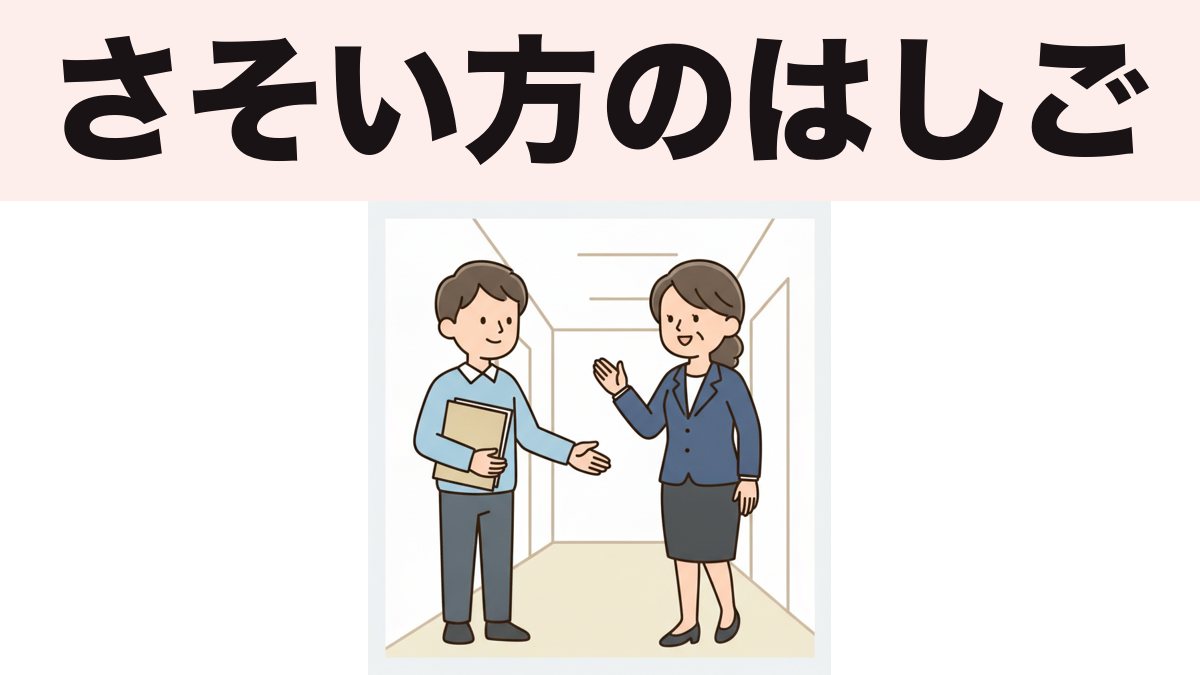
ましょう says "let's" to someone who has already agreed. ませんか asks someone who hasn't. ましょうか offers to do something *for* them. Three endings from the same verb, and the difference is entirely about how much you are assuming.
「ましょう」は、もう決まった相手に「行きましょう」と言います。「ませんか」は、まだ決まっていない相手に聞きます。「ましょうか」は、相手のかわりにやりますよ、と言います。同じ動詞で、ちがうのは「どれだけ決めてかかっているか」だけです。
Textbooks introduce all three in the same chapter as "invitations," which is true and not very useful — it leaves you unable to explain why 一緒に行きましょう to your boss can land slightly wrong, while 一緒に行きませんか is perfect.
The basics
ましょう — "let's"
Take the ます-stem and swap ます for ましょう. That is the whole conjugation, and it has no exceptions.
| Verb | ます form | ましょう form |
|---|---|---|
| 行く | 行きます | 行きましょう |
| 食べる | 食べます | 食べましょう |
| する | します | しましょう |
| 来る | 来ます | 来ましょう |
一緒に行きましょう。 — Let's go together. そろそろ始めましょう。 — Let's get started. (polite, a teacher or a chair of a meeting)
The important part is not the form — it is the assumption baked into it. ましょう treats agreement as already reached. That makes it perfect once a plan is settled, and slightly forward as a first suggestion to someone above you.
ませんか — "won't you...?"
Same ます-stem, with ませんか instead. It looks like a negative question, and it is, grammatically — but it functions as the softest, most polite invitation in the set.
一緒に昼ご飯を食べませんか。 — Would you like to have lunch together? 今度、飲みに行きませんか。 — Would you like to go for a drink sometime?
Why is the negative more polite? Because it leaves the door open. A negative question makes "no" the easy answer rather than the awkward one, which is exactly the courtesy Japanese invitations are built on. English does the same thing: "you wouldn't want to grab lunch, would you?" is gentler than "let's have lunch."
This is the form to use when you are inviting someone for the first time, inviting someone senior, or inviting anyone where a refusal needs to stay comfortable.
ましょうか — two jobs
ましょうか does two different things depending on whether the action is yours alone or shared.
Job one: offering to do something for someone. The verb is something only you will do.
荷物を持ちましょうか。 — Shall I carry your bag? 窓を開けましょうか。 — Shall I open the window? タクシーを呼びましょうか。 — Shall I call a taxi?
Job two: proposing a shared action, softer than plain ましょう. Usually with 一緒に or a question word.
何を食べましょうか。 — What shall we eat? そろそろ行きましょうか。 — Shall we get going?
The か is doing all of this. Without it, ましょう announces; with it, ましょうか checks.
Beyond the basics
The ladder, from most to least presumptuous
| Form | What it assumes | Use it when |
|---|---|---|
| 行きましょう | We have agreed | The plan is settled, or you are leading |
| 行きましょうか | We probably agree, just confirming | Nudging a group toward the door |
| 行きませんか | Nothing — you are asking | First invitation, or someone senior |
| 行きましょうよ | We agreed and I'm pushing | Friends, a little insistent |
| 行こう | Casual "let's go" | Friends, family |
| 行こうか | Casual "shall we?" | Friends, softer |
Everything in the bottom two rows is the casual register — the volitional form, made by changing the final -u to -ou (行く → 行こう, 食べる → 食べよう, する → しよう, 来る → 来よう). It is what ましょう becomes among friends, and it is what you will hear in almost every anime.
The mistake that actually costs you: ましょうか vs てもいいですか
These two look similar in English and point in opposite directions.
持ちましょうか。 — Shall I carry it? (I am offering to help you) 持ってもいいですか。 — May I carry it? (I am asking your permission)
ましょうか offers your effort. 〜てもいいですか asks for permission. If someone is struggling with a heavy box and you say 持ってもいいですか, you have asked them for the privilege of carrying it, which is a strange thing to want. If a museum sign forbids photos and you say 撮りましょうか, you have offered to take a picture for the guard.
Both sentences are grammatical. Only one of them is the sentence you meant.
Why do posters and announcements use ましょう?
Because ましょう is a soft imperative that includes the speaker. "Let's all do this" is a much gentler way to give an order than "do this."
手を洗いましょう。 — Let's wash our hands. (a poster in a school) ゴミは持ち帰りましょう。 — Let's take our rubbish home with us. (a park sign)
Nobody is actually being invited anywhere. This is Japanese public signage choosing collective encouragement over instruction, and once you notice it, you will see it on every station wall.
How do you answer an invitation?
Accepting is easy. Declining is the skill.
いいですね、行きましょう。 — Sounds good, let's go. (accepting) ぜひ。 — Absolutely. (accepting, short and warm) すみません、ちょっと用事があって… — Sorry, I have something on… (declining — trails off) また今度お願いします。 — Let's do it another time, please. (declining, but leaves the door open)
A flat いいえ almost never appears. The standard refusal names a vague obstacle and trails away, and また今度 is the phrase that keeps the relationship intact while still saying no.
How does it sound in anime?
The casual volitional does most of the work, and 行こう is probably in the first five minutes of anything you watch.
行こう。 — Let's go. 始めましょうか。 — Shall we begin? (polite — and a favourite line for calm, dangerous characters) やりましょう。 — Let's do it.
始めましょうか is worth noticing: it is the polite form used in a moment that is not polite at all. That gap between register and situation is a standard way Japanese fiction makes a character sound composed and slightly frightening.
Common mistakes
- ましょう as a first invitation to someone senior. 一緒に行きましょう assumes they have agreed. Use 行きませんか to ask, then switch to ましょう once they say yes.
- ましょうか instead of てもいいですか. ましょうか offers to do it for them. てもいいですか asks to be allowed to. Reversing these produces polite nonsense.
- Reading ませんか as a real negative. 食べませんか is not asking whether you will refrain from eating — it is "would you like to eat?" The negative shape is politeness, not meaning.
- Using ましょう for something only you will do. しましょう with a solo action is odd; you want ましょうか (offering) or plain ます (announcing). 私が持ちましょう does exist but sounds formal and slightly grand.
- Answering an invitation with a bare いいえ. Grammatically fine, socially blunt. すみません, a vague reason, and また今度 is the expected shape of a "no."
Practice
Answers are hidden — build yours first, then open. Questions 4 and 5 are a pair: the endings look similar, and the direction of the favour flips.
1. Make 行く into the ましょう form.
Show answer
行きましょう — take the ます form 行きます and swap ます for ましょう. No exceptions in this conjugation.
2. Make する into the ましょう form.
Show answer
しましょう — する becomes します, then しましょう. Same for 来る → 来ます → 来ましょう.
3. You want to invite your manager to lunch for the first time. Which form, and why?
Show answer
昼ご飯を食べませんか — ませんか assumes nothing and makes refusing comfortable. ましょう would treat the agreement as already made.
4. Someone is holding a heavy bag. Offer to carry it.
Show answer
荷物を持ちましょうか — ましょうか offers your effort to them. This is the "shall I" of the pair.
5. What does 荷物を持ってもいいですか mean instead?
Show answer
May I carry your bag? — you are asking permission, not offering help. This is the pair to question 4: same situation, and the favour points the other way.
6. Make the casual version of 行きましょう.
Show answer
行こう — the volitional: change the final -u to -ou. 食べる → 食べよう, する → しよう, 来る → 来よう.
7. Why does a school poster say 手を洗いましょう rather than 手を洗ってください?
Show answer
It includes the speaker — ましょう is a soft imperative that says "let's all do this," which is gentler than an instruction aimed at you alone.
8. A friend invites you out and you cannot go. Decline naturally.
Show answer
すみません、ちょっと用事があって… また今度お願いします — a vague obstacle, a trailing off, and また今度 to keep the door open. A bare いいえ is grammatical but blunt.
9. What is the difference between そろそろ行きましょう and そろそろ行きましょうか?
Show answer
The か checks instead of announcing — 行きましょう says we are going. 行きましょうか asks whether now is a good time. Same plan, less pressure.
10. Why does 食べませんか mean "would you like to eat?" and not "won't you eat?"
Show answer
The negative is politeness, not meaning — a negative question makes "no" the easy answer, so it is the gentlest way to invite. English does the same with "you wouldn't want to...?"
FAQ
Is ましょう ever rude? Not rude, but it can be presumptuous. It assumes agreement, so as a first approach to a client or a senior colleague it can read as deciding for them. Once they have said yes, ましょう is exactly right.
What is ましょうよ? ましょう plus the particle よ, which adds insistence: 行きましょうよ is "come on, let's go." Fine with friends and colleagues you know well; too pushy for anyone senior.
How do I make the casual version? Use the volitional form: change the final -u sound of the plain form to -ou. 行く → 行こう, 飲む → 飲もう, 食べる → 食べよう, する → しよう, 来る → 来よう. Add か for the softer "shall we?": 行こうか.
Is ませんか always more polite than ましょうか? For inviting, yes — ませんか asks and ましょうか half-assumes. But for offering to do something yourself, ませんか does not work at all: 持ちませんか would be asking whether they want to carry it.
Can I use ましょう about my own plans? Not really. For something you alone will do, use the plain ます form (私が行きます) or, if you are offering, ましょうか. 私が行きましょう is possible but sounds formal and a little theatrical.
What is 〜ましょう in the middle of a sentence? The volitional is also used before と思う to state an intention: 行こうと思います = "I'm thinking of going." That is the same form doing a completely different job, and it is one of the most useful sentences a beginner can carry.
Vocabulary from this article
Tap the block to select all of it, then copy. In Anki: File → Import, note type Basic, separator Tab — the first column becomes the front, the second the back.
一緒に	いっしょに — together
始める	はじめる — to begin
昼ご飯	ひるごはん — lunch
飲む	のむ — to drink
今度	こんど — next time, sometime
荷物	にもつ — luggage, bag
持つ	もつ — to carry, to hold
窓	まど — window
開ける	あける — to open
呼ぶ	よぶ — to call
手	て — hand
洗う	あらう — to wash
持ち帰る	もちかえる — to take home
用事	ようじ — an errand, something to do
ぜひ	ぜひ — by all means, absolutely
撮る	とる — to take (a photo)
思う	おもう — to think
I'm Yuuki, a Japanese teacher based in Tokyo. I've taught on italki as a Top 1% teacher and watched over 1,500 anime. In lessons the conjugation takes two minutes and the ladder takes months — learners can build ましょう immediately and still spend a year sounding slightly more certain of your answer than they meant to.
Sources: the author's own lessons and standard reference grammars.
教科書は3つを同じページに「さそい方」として出します。まちがってはいません。でも、なぜ上司に「一緒に行きましょう」が少し変で、「一緒に行きませんか」がちょうどいいのかは分かりません。
基本の形
ましょう —「〜しよう」
「ます」を「ましょう」にかえるだけです。れいがいはありません。
| 動詞 | ますの形 | ましょうの形 |
|---|---|---|
| 行く | 行きます | 行きましょう |
| 食べる | 食べます | 食べましょう |
| する | します | しましょう |
| 来る | 来ます | 来ましょう |
一緒に行きましょう。 — Let's go together. そろそろ始めましょう。 — Let's get started.
大事なのは形ではありません。この形は「もう二人とも同じ気もちだ」と考えています。だから、予定が決まった後ならぴったりです。でも、目上の人へのさいしょのさそいとしては、少し前に出すぎます。
ませんか —「〜しませんか」
同じ「ます」の形で、「ませんか」にします。形は否定の質問ですが、いちばんていねいなさそい方です。
一緒に昼ご飯を食べませんか。 — Would you like to have lunch together? 今度、飲みに行きませんか。 — Would you like to go for a drink sometime?
なぜ否定の方がていねいですか。ことわりやすいからです。否定で聞くと、「いいえ」が言いやすくなります。日本語のさそいは、そこを大事にします。
さいしょのさそい、目上の人へのさそい、ことわりやすくしたいさそいは、この形です。
ましょうか — 仕事が2つ
「ましょうか」は、動作が自分だけのものか、二人のものかで意味が変わります。
1つめ: 相手のかわりにやりますよ。
荷物を持ちましょうか。 — Shall I carry your bag? 窓を開けましょうか。 — Shall I open the window? タクシーを呼びましょうか。 — Shall I call a taxi?
2つめ: 二人でする動作を、やわらかくさそう。
何を食べましょうか。 — What shall we eat? そろそろ行きましょうか。 — Shall we get going?
「か」がぜんぶの仕事をしています。「か」がないと知らせる形、「か」があると聞く形になります。
もう少し先へ
さそい方のはしご
| 形 | 何を考えているか | 使う場面 |
|---|---|---|
| 行きましょう | もう決まっている | 予定が決まった後・自分が案内する時 |
| 行きましょうか | たぶん同じ気もち・かくにん | みんなを動かしたい時 |
| 行きませんか | 何も決めていない・聞く | さいしょのさそい・目上の人 |
| 行きましょうよ | 決まっている・おす | 友だち・少し強い |
| 行こう | くだけた「行こう」 | 友だち・家族 |
| 行こうか | くだけた「行く?」 | 友だち・やわらかい |
下の2つはくだけた形です。「意向形」といいます。最後の -u を -ou にします(行く → 行こう、食べる → 食べよう、する → しよう、来る → 来よう)。アニメではほとんどこの形です。
いちばん大事なちがい: ましょうか と てもいいですか
英語にするとにていますが、向きが反対です。
持ちましょうか。 — Shall I carry it? (手つだいましょうか) 持ってもいいですか。 — May I carry it? (持ってもいいですかてもいいですかきょかをください)
「ましょうか」は自分の力をさし出します。「てもいいですか」はきょかをもらいます。重い箱で困っている人に「持ってもいいですか」と言うと、「持たせてください」とおねがいしたことになります。少し変です。
どちらも文法は正しいです。でも、言いたかったのは1つだけです。
なぜポスターやアナウンスは「ましょう」ですか?
「ましょう」は、自分も入れたやさしい命令だからです。「みんなでしましょう」は「しなさい」よりずっとやわらかいです。
手を洗いましょう。 — Let's wash our hands. (学校のポスター) ゴミは持ち帰りましょう。 — Let's take our rubbish home. (公園の看板)
だれもさそわれていません。日本の看板が、命令ではなく「みんなで」を選んでいるだけです。一度気づくと、駅のかべでいつも見ます。
さそわれたら、どう答えますか?
「はい」はかんたんです。むずかしいのは「いいえ」です。
いいですね、行きましょう。 — Sounds good, let's go. ぜひ。 — Absolutely. すみません、ちょっと用事があって… — Sorry, I have something on… また今度お願いします。 — Let's do it another time, please.
平らな「いいえ」はほとんど使いません。理由をあいまいに言って、最後まで言わないのがふつうです。「また今度」は、ことわっても関係をこわさないことばです。
アニメではどう聞こえますか?
くだけた「意向形」がほとんどです。「行こう」は、だいたい最初の5分で出てきます。
行こう。 — Let's go. 始めましょうか。 — Shall we begin? やりましょう。 — Let's do it.
「始めましょうか」はおもしろいです。ぜんぜんていねいではない場面で、ていねいな形を使います。この「ずれ」で、落ち着いていて、少しこわいキャラクターになります。
よくある間違い
- 目上の人へのさいしょのさそいに「ましょう」。 「一緒に行きましょう」は、もう決まったことにしています。まず「行きませんか」で聞いて、「はい」の後に「ましょう」にします。
- 「てもいいですか」のかわりに「ましょうか」。 「ましょうか」は相手のかわりにやる形です。「てもいいですか」はきょかです。反対にすると、ていねいな、おかしい文になります。
- 「ませんか」を本当の否定だと思うこと。 「食べませんか」は「食べないの?」ではなく「食べませんか(どうですか)」です。否定はていねいさのためです。
- 自分だけの動作に「ましょう」。 「私が持ちましょう」はありますが、かたくて大げさです。ふつうは「ましょうか」か「ます」です。
- さそいに「いいえ」だけで答えること。 文法は正しいですが、きつく聞こえます。
練習
答えはかくれています。まず自分の答えを作ってから開いてください。4番と5番は対になっています。
1. 「行く」を「ましょう」の形にしてください。
答えを見る
行きましょう — 「行きます」の「ます」を「ましょう」にかえます。れいがいはありません。
2. 「する」を「ましょう」の形にしてください。
答えを見る
しましょう — 「する」→「します」→「しましょう」。「来る」も「来ます」→「来ましょう」で同じです。
3. 上司をはじめてお昼にさそいます。どの形を使いますか。
答えを見る
昼ご飯を食べませんか — 「ませんか」は何も決めていないので、ことわりやすいです。「ましょう」だと、もう決まったことになります。
4. 重いかばんを持っている人がいます。手つだいをさし出してください。
答えを見る
荷物を持ちましょうか — 「ましょうか」は自分の力をさし出します。
5. 「荷物を持ってもいいですか」はどんな意味になりますか。
答えを見る
持たせてください(きょかをください) — 手つだいではなく、きょかをもらう形です。4番と同じ場面で、向きが反対になります。
6. 「行きましょう」のくだけた形を作ってください。
答えを見る
行こう — 意向形です。最後の -u を -ou にします。食べる → 食べよう、する → しよう、来る → 来よう。
7. 学校のポスターが「手を洗ってください」ではなく「手を洗いましょう」なのはなぜですか。
答えを見る
自分も入っているからです — 「ましょう」は「みんなでしましょう」という形なので、命令よりやわらかく聞こえます。
8. 友だちにさそわれましたが、行けません。自然にことわってください。
答えを見る
すみません、ちょっと用事があって… また今度お願いします — 理由をあいまいにして、最後まで言いません。「また今度」でドアを開けたままにします。
9. 「そろそろ行きましょう」と「そろそろ行きましょうか」はどうちがいますか。
答えを見る
「か」がかくにんにします — 「行きましょう」は知らせる形、「行きましょうか」は聞く形です。同じ予定で、おす力が弱くなります。
10. 「食べませんか」が「食べないの?」ではないのはなぜですか。
答えを見る
否定はていねいさのためです — 否定で聞くと「いいえ」が言いやすくなるので、いちばんやさしいさそい方になります。
よくある質問
「ましょう」は失礼ですか。 失礼ではありませんが、決めてかかっています。お客さんや目上の人へのさいしょの一言としては、少し前に出すぎます。「はい」の後なら、ちょうどいいです。
「ましょうよ」は何ですか。 「ましょう」+「よ」です。少しおします。「行きましょうよ」は「行こうよ」に近いです。友だちにはいいですが、目上の人には強すぎます。
くだけた形はどう作りますか。 意向形です。ふつうの形の最後の -u を -ou にします。行く → 行こう、飲む → 飲もう、食べる → 食べよう、する → しよう、来る → 来よう。「か」をつけると「行こうか」になります。
「ませんか」はいつも「ましょうか」よりていねいですか。 さそう時はそうです。でも、自分がやることをさし出す時は使えません。「持ちませんか」は「あなたが持ちませんか」になってしまいます。
自分の予定に「ましょう」は使えますか。 ふつうは使いません。自分だけの動作なら「ます」(私が行きます)か、さし出すなら「ましょうか」です。
文のとちゅうの「〜う」は何ですか。 意向形+「と思います」で、つもりを表します。「行こうと思います」」「行くつもりです」。初級でいちばん役に立つ文の1つです。
この記事に出た単語
ブロックをタップすると全部選べます。そのままコピーしてください。Anki では ファイル → 読み込み、ノートタイプ 基本、区切り タブ。1列目が表、2列目が裏になります。
一緒に	いっしょに — together
始める	はじめる — to begin
昼ご飯	ひるごはん — lunch
飲む	のむ — to drink
今度	こんど — next time, sometime
荷物	にもつ — luggage, bag
持つ	もつ — to carry, to hold
窓	まど — window
開ける	あける — to open
呼ぶ	よぶ — to call
手	て — hand
洗う	あらう — to wash
持ち帰る	もちかえる — to take home
用事	ようじ — an errand, something to do
ぜひ	ぜひ — by all means, absolutely
思う	おもう — to think
私はユウキです。東京で日本語を教えています。 italki の Top 1% の先生で、アニメは1,500本以上見ました。レッスンでは、形は2分で終わります。でも「はしご」は何か月もかかります。「ましょう」はすぐ作れるのに、相手の返事を先に決めてしまう言い方を、1年くらい続けてしまうからです。
More drills like the ones above, plus a timed JLPT-style mock test: Practice · N5上のような練習問題と、時間つきのJLPT形式のもぎ試験: 練習ページ · N5
Want to try this in a real conversation?
本当の会話で、ためしてみませんか?
30-minute trial lesson, $13. Times shown in your own timezone.
30分の体験レッスン、$13。時間はあなたのタイムゾーンで表示されます。
Book a trial lesson · $13