〜ばかり: "nothing but," "just did," and the complaint hiding in both〜ばかり: 「〜ばかり」と「〜たばかり」
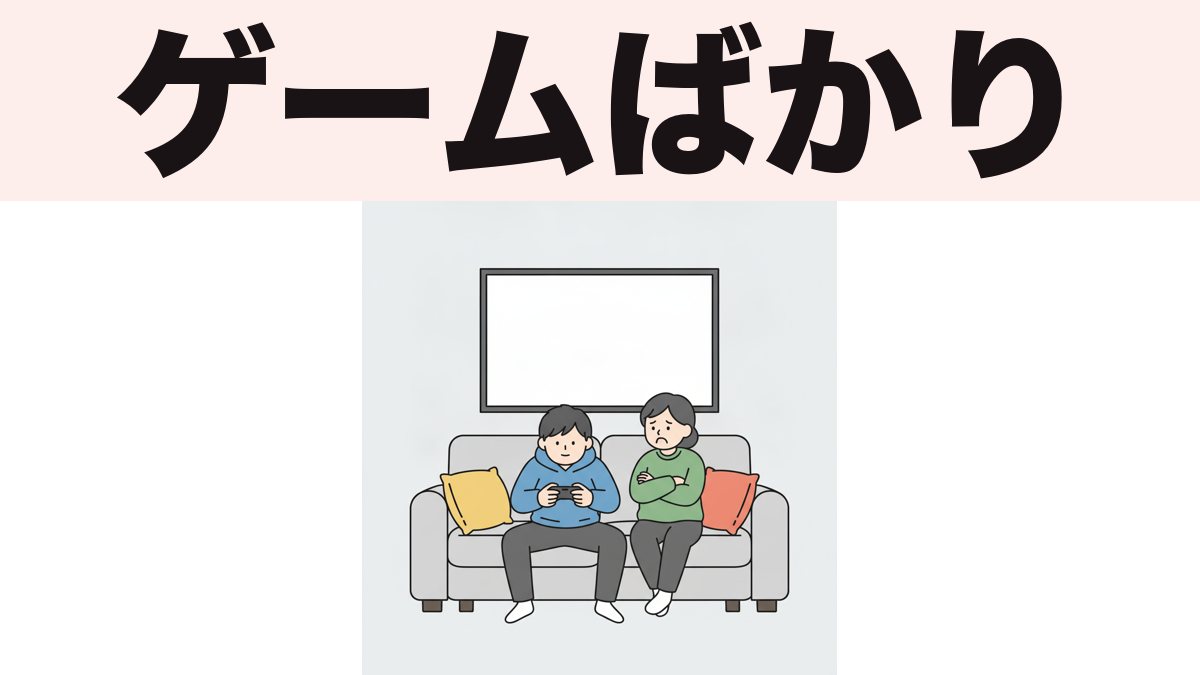
ばかり has two main jobs. After a noun it means "nothing but," and it almost always carries a complaint: ゲームばかりしている. After a past verb it means "only just did": 食べたばかりです. The two feel unrelated until you notice they both mean "and nothing else has happened."
「ばかり」には大きく2つの仕事があります。名詞のあとでは「〜ばかり」」「そればっかり」で、たいてい文句が入ります(ゲームばかりしている)。かこの動詞のあとでは「〜たばかり」」「今〜したところ」です。にていないようで、どちらも「ほかに何もない」という意味です。
This is one of the words that makes intermediate Japanese sound like intermediate Japanese, because it is how speakers register mild disapproval without saying anything disapproving.
The basics
Noun + ばかり: nothing but
弟はゲームばかりしています。 — All my brother does is play games. (polite, teiru — critical) 甘いものばかり食べています。 — I've been eating nothing but sweet things. (polite — mild self-criticism)
The criticism is not obligatory but it is the default reading. If you say 肉ばかり食べています about someone's diet, you have commented on it.
Particles: ばかり replaces を and が, and follows に and で — the same behaviour as しか.
te-form + ばかりいる: does nothing but
一日中寝てばかりいます。 — He does nothing but sleep all day. (polite — clearly critical)
This is the verb version of the same idea, and it is stronger than the noun one. The いる is required: 寝てばかりです is possible but 寝てばかりいます is the standard shape.
Past verb + ばかり: just did
今、食べたばかりです。 — I've just eaten. (polite) 日本に来たばかりです。 — I've only just come to Japan. (polite)
Note what "just" means here: it is subjective. 来たばかり can cover a week, a month, sometimes a year, if the speaker still feels new. That is the difference from たところ, which is literal.
Beyond the basics
たばかり vs たところ
| Form | Feel | Range |
|---|---|---|
| 〜たところ | Literally a moment ago | Seconds to minutes |
| 〜たばかり | Recently, from the speaker's point of view | Minutes to months |
今、着いたところです。 — I've just arrived (this second). (polite — literal) 先月引っ越したばかりです。 — I only moved last month. (polite — a month ago, and it still counts as "just")
先月着いたところです would be strange; 先月引っ越したばかりです is completely natural. If you can attach a specific time word to it and it still works, you want ばかり.
ばかり vs だけ
| Word | Means | Feel |
|---|---|---|
| だけ | Only this much | Neutral quantity |
| ばかり | Nothing but this | A pattern, usually criticised |
| しか + negative | Only this, not enough | Shortage |
野菜だけ食べます。 — I eat only vegetables. (polite — a fact about my diet) 野菜ばかり食べています。 — I've been eating nothing but vegetables. (polite — and I'm tired of it)
ばっかり and ばっか
Casual speech doubles the consonant, and drops the り:
文句ばっかり言わないで。 — Stop complaining all the time. (casual)
ばっかり is very common in speech and in anime dialogue. ばっか is even more casual and slightly childish.
〜たばかりなのに
Pairing it with のに produces one of the most useful complaint templates in the language:
買ったばかりなのに、もう壊れました。 — It broke already, and I only just bought it. (polite — the complete complaint)
If you learn one full sentence from this article, make it this shape.
ばかりに: because of that, unfortunately
A separate and more literary use, always leading to a bad outcome:
急いだばかりに、忘れ物をしました。 — Just because I rushed, I forgot something. (polite — regret)
Recognise it; you will not need to produce it often. It pairs naturally with 〜てしまう, which carries the same flavour of regret.
Common mistakes
- Using ばかり where you mean だけ. 二つばかり sounds like "about two, and that's all you get." For a plain quantity, use だけ.
- 先月着いたところです. ところ is literal. Use ばかり for anything beyond a few minutes.
- Dropping いる from 寝てばかりいます. The te-form version wants いる.
- Using ばかり about someone's work without meaning to criticise. It carries a judgement by default.
- Keeping を. 野菜をばかり食べる is wrong; ばかり replaces it.
Practice
Answers are hidden — build yours first, then open. Questions 4 and 5 are a pair: the same "just," and only the timescale decides the word.
1. Say "all my brother does is play games."
Show answer
弟はゲームばかりしています — noun + ばかり, and the criticism comes with it. ばかり replaces を.
2. Something is wrong here: 野菜をばかり食べています。
Show answer
野菜ばかり食べています — ばかり replaces を and が, like しか.
3. Say "he does nothing but sleep all day."
Show answer
一日中寝てばかりいます — the te-form version, and it wants いる.
4. You arrived at the station one second ago. Say it.
Show answer
今、着いたところです — ところ is literal: seconds to minutes.
5. You moved house last month and still feel new. Say it.
Show answer
先月引っ越したばかりです — ばかり is subjective and stretches to months. This is the pair to question 4.
6. What is the difference between 野菜だけ食べます and 野菜ばかり食べています?
Show answer
A neutral fact vs a pattern you are commenting on — だけ is quantity, ばかり is repetition with a judgement attached.
7. Complain that something broke right after you bought it.
Show answer
買ったばかりなのに、もう壊れました — 〜たばかりなのに is the complete complaint template. Worth learning whole.
8. Say "stop complaining all the time," casually.
Show answer
文句ばっかり言わないで — casual speech doubles the consonant. ばっか is even more casual.
9. What does 急いだばかりに、忘れ物をしました mean?
Show answer
"Just because I rushed, I forgot something" — ばかりに is a separate, literary use, and it always leads somewhere bad.
10. You want to say "only two, please" without any judgement. だけ or ばかり?
Show answer
二つだけ — 二つばかり reads as "about two, and that's your lot." For a plain quantity, use だけ.
FAQ
Is ばかり always critical? Not always, but often enough that you should assume it is. 本ばかり読んでいる can be affectionate from a parent and pointed from a colleague.
Can it follow a number? Yes, meaning "about": 三日ばかり ("three days or so"). This use is somewhat old-fashioned and mostly written.
What is 〜んばかり? A literary form meaning "as if about to": 泣かんばかりの顔 ("a face on the verge of tears"). Novels only.
Is ばかり written in kanji? 許り exists and is essentially never used. Kana always.
How is it different from だらけ? だらけ means "covered in" and is physical and negative: 泥だらけ ("covered in mud"), 間違いだらけ ("full of mistakes"). ばかり is about proportion, だらけ about mess.
Can I use ばかり with ています together? Yes, and it is the normal shape for the noun version: 〜ばかりしています. The teiru marks the ongoing habit.
Vocabulary from this article
Tap the block to select all of it, then copy. In Anki: File → Import, note type Basic, separator Tab — the first column becomes the front, the second the back.
弟	おとうと — younger brother
甘い	あまい — sweet
食べる	たべる — to eat
肉	にく — meat
野菜	やさい — vegetables
一日中	いちにちじゅう — all day
寝る	ねる — to sleep
着く	つく — to arrive
先月	せんげつ — last month
引っ越す	ひっこす — to move house
買う	かう — to buy
壊れる	こわれる — to break
文句	もんく — complaint
言う	いう — to say
急ぐ	いそぐ — to hurry
忘れ物	わすれもの — something left behind
本	ほん — book
読む	よむ — to read
三日	みっか — three days
泥	どろ — mud
間違い	まちがい — mistake
日本	にほん — Japan
来る	くる — to come
I'm Yuuki, a Japanese teacher based in Tokyo. I've taught on italki as a Top 1% teacher and watched over 1,500 anime. 買ったばかりなのに is the sentence I hear learners produce the moment they finally sound like an adult complaining rather than a textbook. It packs a timeline and an opinion into six syllables.
Sources: the author's own lessons and standard reference grammars.
中級らしく聞こえることばの1つです。悪口を言わずに、かるい「よくないね」を出せるからです。
基本
名詞+ばかり そればっかり
弟はゲームばかりしています。 — All my brother does is play games. 甘いものばかり食べています。 — I've been eating nothing but sweet things.
かならず文句になるわけではありませんが、ふつうはそう読まれます。だれかの食事について「肉ばかり食べています」と言えば、それはもうコメントです。
助詞は「を」「が」を置きかえます。「に」「で」のあとには来ます。「しか」と同じです。
て形+ばかりいる そればっかりしている
一日中寝てばかりいます。 — He does nothing but sleep all day.
動詞の方で、名詞の方より強いです。「いる」がいります。
かこの動詞+ばかり 今したところ
今、食べたばかりです。 — I've just eaten. 日本に来たばかりです。 — I've only just come to Japan.
この「今」は気もちの上での今です。「来たばかり」は1週間でも1か月でも、本人がまだ新しいと感じていれば使えます。ここが「たところ」とのちがいです。
もう少しくわしく
「たばかり」と「たところ」
| 形 | 感じ | はんい |
|---|---|---|
| 〜たところ | 本当に今 | 数びょう〜数分 |
| 〜たばかり | さいきん(本人の感かく) | 数分〜数か月 |
今、着いたところです。 — I've just arrived (this second). 先月引っ越したばかりです。 — I only moved last month.
「先月着いたところです」はへんです。「先月引っ越したばかりです」は自ぜんです。時間のことばをつけても大じょうぶなら「ばかり」です。
「ばかり」「だけ」「しか」
| ことば | 意味 | 気もち |
|---|---|---|
| だけ | それだけ | ふつうの量 |
| ばかり | そればっかり | くりかえし・たいてい文句 |
| しか+うちけし | それしかない | 足りない |
野菜だけ食べます。 — I eat only vegetables. 野菜ばかり食べています。 — I've been eating nothing but vegetables.
「ばっかり」「ばっか」
会話では音がつまります。
文句ばっかり言わないで。 — Stop complaining all the time.
「ばっかり」は会話とアニメでとてもよく出ます。「ばっか」はもっとくだけていて、少し子どもっぽいです。
「〜たばかりなのに」
「のに」と組むと、いちばん使える文句の型になります。
買ったばかりなのに、もう壊れました。 — It broke already, and I only just bought it.
この記事から1文だけおぼえるなら、これにしてください。
「ばかりに」= そのせいで
べつの、少しかたい使い方です。かならず悪いけっかにつながります。
急いだばかりに、忘れ物をしました。 — Just because I rushed, I forgot something.
よくある間違い
- 「だけ」のつもりで「ばかり」。 「二つばかり」は「2つくらい、それだけ」に聞こえます。
- 先月着いたところです。 「ところ」は本当に今だけです。
- 「寝てばかりです」だけで止める。 「寝てばかりいます」が形です。
- 人の仕事に何気なく使う。 「ばかり」はもう judgement が入っています。
- 「を」をのこす。 「野菜をばかり食べる」は間違いです。
練習
答えはかくれています。まず自分で作ってから開いてください。4番と5番が対です。同じ「今」でも、長さでことばが変わります。
1. 「弟はゲームばかりしています」— 助詞はどうなっていますか。
答えを見る
「を」が「ばかり」に置きかわっています — 「しか」と同じふるまいです。
2. 直してください: 野菜をばかり食べています。
答えを見る
野菜ばかり食べています — 「を」「が」は置きかわります。
3. 「一日中ねてばかり」を正しい形にしてください。
答えを見る
一日中寝てばかりいます — て形の方は「いる」がいります。
4. 1びょう前に駅に着きました。言ってください。
答えを見る
今、着いたところです — 「ところ」は本当に今です。
5. 先月引っこして、まだ新しいと感じています。言ってください。
答えを見る
先月引っ越したばかりです — 「ばかり」は気もちの上の今で、数か月までのびます。4番と対です。
6. 「野菜だけ食べます」と「野菜ばかり食べています」のちがいは?
答えを見る
ふつうのじじつ/くりかえしへのコメント — 「だけ」は量、「ばかり」はパターンです。
7. 買ったばかりのものがこわれた、と文句を言ってください。
答えを見る
買ったばかりなのに、もう壊れました — これがいちばん使える型です。
8. 「文句ばかり言わないで」をくだけて言ってください。
答えを見る
文句ばっかり言わないで — 会話では音がつまります。
9. 「急いだばかりに、忘れ物をしました」はどういう意味ですか。
答えを見る
急いだせいで、わすれものをしました — 「ばかりに」はべつの使い方で、いつも悪いけっかです。
10. 「2つください」に judgement を入れたくありません。どちらですか。
答えを見る
二つだけ — 「二つばかり」だと「2つくらい、それだけ」に聞こえます。
この記事に出た単語
ブロックをタップすると全部選べます。そのままコピーしてください。Anki では ファイル → 読み込み、ノートタイプ 基本、区切り タブ。1列目が表、2列目が裏になります。
弟	おとうと — younger brother
甘い	あまい — sweet
食べる	たべる — to eat
肉	にく — meat
野菜	やさい — vegetables
一日中	いちにちじゅう — all day
寝る	ねる — to sleep
着く	つく — to arrive
先月	せんげつ — last month
引っ越す	ひっこす — to move house
買う	かう — to buy
壊れる	こわれる — to break
文句	もんく — complaint
言う	いう — to say
急ぐ	いそぐ — to hurry
忘れ物	わすれもの — something left behind
日本	にほん — Japan
来る	くる — to come
駅	えき — station
私はユウキです。東京で日本語を教えています。 italki の Top 1% の先生で、アニメは1,500本以上見ました。「買ったばかりなのに」が出た時が、教科書の日本語から、大人が文句を言う日本語に変わる時です。6音に、時間と気もちの両方が入っています。
More drills like the ones above, plus a timed JLPT-style mock test: Practice · N3上のような練習問題と、時間つきのJLPT形式のもぎ試験: 練習ページ · N3
Want to try this in a real conversation?
本当の会話で、ためしてみませんか?
30-minute trial lesson, $13. Times shown in your own timezone.
30分の体験レッスン、$13。時間はあなたのタイムゾーンで表示されます。
Book a trial lesson · $13