Japanese Etiquette & Manners
The everyday manners and unwritten rules that catch first-time visitors to Japan off guard.
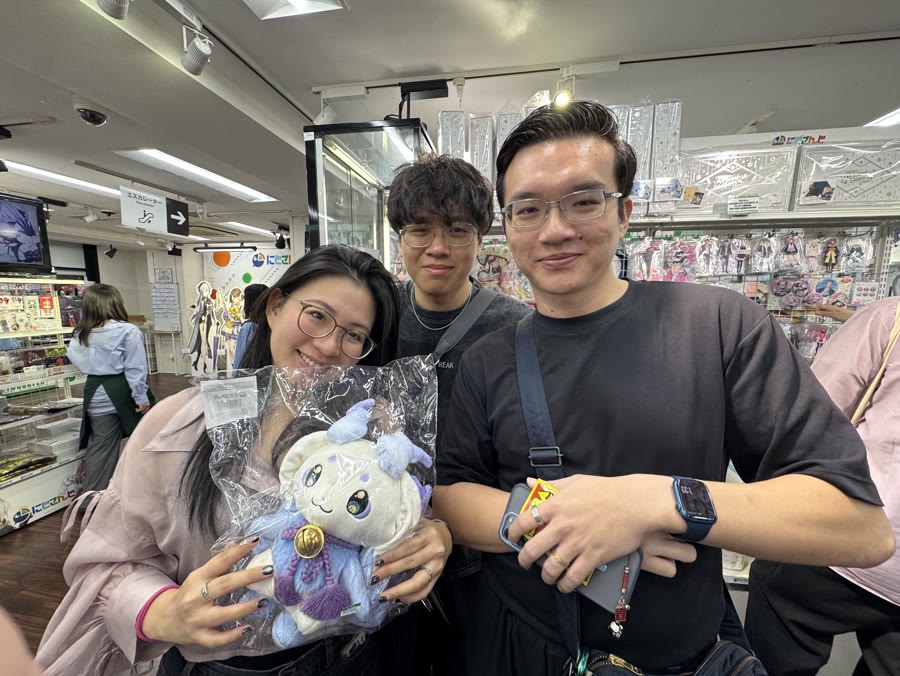
Akihabara Etiquette: Anime Shops, Maid Cafés, and Secondhand Culture — An Akihabara Tour Guide's Rules of the Floor
No photography inside Akihabara's anime shops, none of staff or maids, and handle secondhand goods gently. A local guide's rules of the floor.
Convenience Stores and Shops in Japan: How to Pay and What Staff Are Asking You — Explained by a Japanese Teacher in Tokyo
Put your items and your money on the small tray at the register rather than into the staff member's hands, answer the bag question (plastic bags carry a…
Japanese Dining Etiquette: Chopsticks, Slurping, and Eating in Public — Explained by a Japanese Teacher in Tokyo
The rules that actually matter are short: never stand chopsticks upright in rice or pass food chopstick to chopstick, because both echo funeral rites. Slurping noodles is fine, say itadakimasu before you eat, and do not tip.
Japanese Etiquette: A Complete Guide for First-Time Visitors, Written by a Tokyo Teacher and Tour Guide
Shared space belongs to everyone — that's why Japan has quiet trains, no tipping, shoes off indoors. Japan social rules, etiquette and why they exist, from a Tokyo teacher.
What If Nobody Speaks English? How to Get Through Japan Without Japanese — Written by a Tokyo Japanese Teacher
You will be fine, and the reason is not that everyone speaks English. Japan is heavily signposted, staff are trained to help, and most interactions are short and predictable.
Why There Is No Tipping in Japan — and What to Do Instead: A Straight Answer from a Tokyo Tour Guide
Do not tip in Japan: it is not customary in restaurants, taxis, hotels, bars or salons, and cash left on a table is usually returned to you. What replaces a tip is saying thank you out loud and leaving a review.
Why Japan Has No Bins, and What to Do With Your Rubbish — From a Guide Who Carries One Every Day
Public bins are rare in Japan. Carry your rubbish until you reach a convenience store, a station or your hotel, and keep a small plastic bag in your day bag.
Onsen and Sento Etiquette: The Rules, Step by Step, from a Tokyo Guide Who Uses Them
You bathe naked, wash and rinse completely before entering, and use the bath only for soaking. Tattoo rules vary by facility, so check first.
Photography Etiquette in Japan: Where You Can Shoot, and Where You Really Can't — From a Tour Guide Asked This Every Week
Streets and temple grounds: yes. People: ask first. Shops, maid cafés, onsen and hall interiors: no. A Tokyo guide on where photos are OK in Japan.
Public Toilets in Japan: Where to Find One, and What All Those Buttons Do — From a Tokyo Guide Who Gets Asked This Every Week
Public toilets in Japan are free, everywhere and usually clean. The one thing to learn is the panel: 流す is flush, 止 is stop, and 呼出 calls staff — don't press it by mistake.
Shrine and Temple Etiquette in Japan: How to Visit Without Guessing — A Tokyo Tour Guide's Step-by-Step
At a shrine you bow twice, clap twice and bow once; at a temple you do not clap. A Tokyo guide on the water basin, the offering coin, photos and what matters.
Where You Take Your Shoes Off in Japan, and How to Do It Smoothly — Explained by a Japanese Teacher in Tokyo
Take your shoes off wherever there is a step up, a row of slippers or a shoe shelf. A Japanese teacher on the genkan, the toilet-slipper trap and where it applies.
Train and Subway Etiquette in Japan: What Locals Actually Do — From a Guide Who Rides These Lines Every Week
On Japanese trains: no phone calls, backpack off in a crowd, queue on the painted marks, let people off first, and give up priority seats. What locals actually do.