What actually happens in a first Japanese lessonはじめての日本語レッスンで、実際に何が起きるか
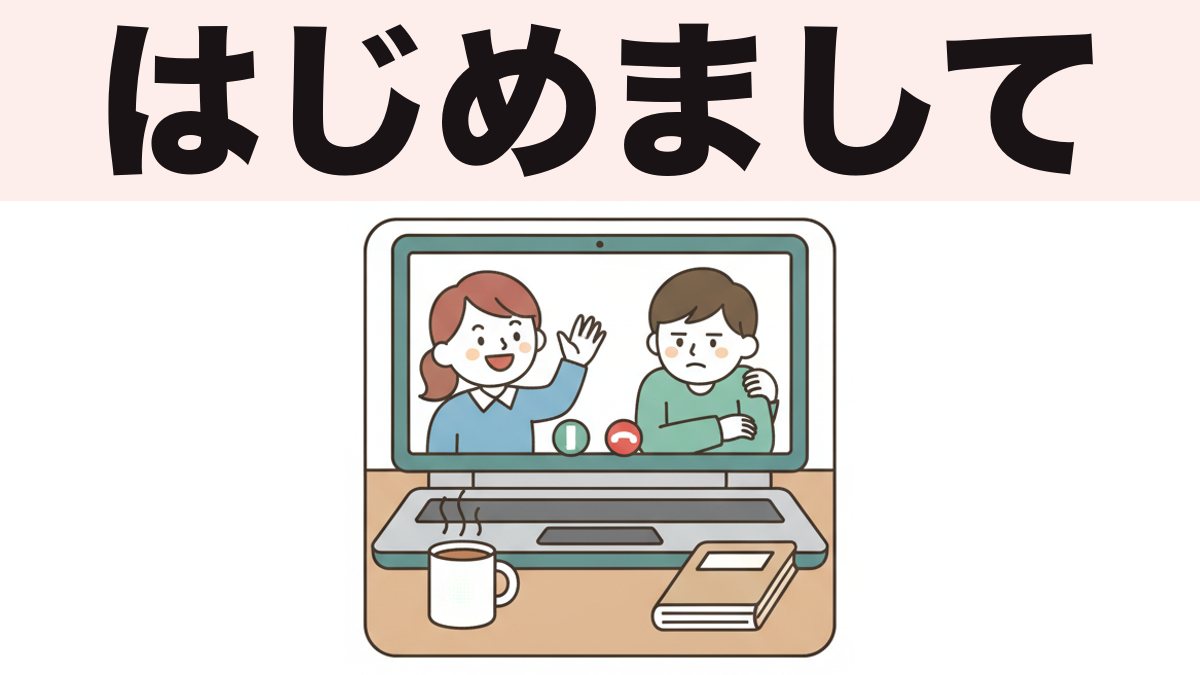
The most common reason people put off a first lesson is not money or time. It is not knowing what will be asked of them.
はじめてのレッスンをためらう1番の理由は、お金でも時間でもありません。何を聞かれるかわからないことです。
So here is the whole thing, in order. If you book a trial lesson with me, this is what happens.
Before: nothing
You do not need to prepare. You do not need to have studied anything. You do not need to install anything beyond the video link, which arrives in the confirmation email.
If you want to bring one thing, bring the reason you are learning — a show, a trip, a person, a game. That is more useful to me than any placement test.
Minutes 0–5: we work out where you are
I will ask you a few things in Japanese, starting easy and getting harder until you stop being able to answer.
That sounds unpleasant. It is not, and it is over in about three minutes. I am not judging the answers — I am finding the edge of what you can do, because the edge is where the lesson lives.
Complete beginner? Then the first question is 名前は? and we start there. That is a completely normal place to start and about a third of my students do.
Minutes 5–10: two sentences
Before anything else, you get these:
〜は どういう いみですか? — What does 〜 mean? 〜は 日本語で なんですか? — How do you say 〜 in Japanese?
Every student learns these in the first ten minutes, because they are what lets the rest of the lesson happen in Japanese instead of about Japanese.
Minutes 10–25: your actual material
This is the part that is different for everyone.
If you came because of a show, we take lines from it. If you are visiting Tokyo in October, we build the conversations you will genuinely have — the hotel, the ticket gate, the restaurant. If you have a Japanese partner's family to meet, we start with the sentences that matter for that.
There is no textbook chapter about the post office. You will speak for most of these fifteen minutes, badly, which is the point.
Minutes 25–30: what next
I tell you honestly what I think, including if I think you do not need lessons yet. Some people have a solid foundation and just need a speaking partner, and I will say so.
Then we agree one small thing to do before next time. One thing, not a plan.
Afterwards: your notes
You get written notes from the lesson — everything we covered, with the Japanese written out. You do not have to take notes during the lesson, and I would rather you did not. Taking notes is a way of not speaking.
The three things people worry about
"My pronunciation is embarrassing." Everyone's is, at the start, including mine in English. Pronunciation improves by being heard and corrected, which requires the embarrassing part to happen first.
"I'll freeze." Probably, once or twice. That is what the two sentences above are for. Freezing with a tool in your hand is just a pause.
"I haven't studied in years." Then this is a thirty-minute conversation, not an exam. Nothing is being tested and there is nothing to catch up on.
Practical details
- 30 minutes, $13, paid by card when you book
- Google Meet — link in the confirmation email
- Free cancellation up to 12 hours before; cancel in time and I will send you a link to rebook at no charge
- Lessons in Japanese, with English available whenever you need it
Book one
The hardest lesson is the first one, and it is hard for exactly thirty minutes.
だから、順番にぜんぶ説明します。わたしの体験レッスンを予約すると、こういう流れになります。
前準備は必要ありません
何も勉強しておく必要はありません。何かを予習する必要もありません。確認メールに届くビデオ通話のリンク以外、何もインストールする必要もありません。
もし1つだけ持ってくるなら、日本語を勉強している理由を持ってきてください。好きな作品、旅行の予定、大切な人、好きなゲーム。これは、どんなレベル分けテストよりも、わたしにとって役立ちます。
0〜5分 いまのレベルを知る
やさしい質問から始めて、答えられなくなるまで、少しずつむずかしくしていきます。
いやな感じに聞こえるかもしれませんが、実際はそうではなく、3分くらいで終わります。答えの正しさを見ているのではなく、「どこまでできるか」の境目をさがしています。レッスンは、その境目から始まるからです。
まったくの初心者なら、最初の質問は「名前は?」です。そこから始めます。これはとても普通の始め方で、わたしの生徒の3人に1人くらいは、ここから始めます。
5〜10分 2つの文
まずはじめに、この2つを覚えてもらいます。
〜は どういう いみですか? — What does 〜 mean? 〜は 日本語で なんですか? — How do you say 〜 in Japanese?
生徒はみんな、最初の10分でこの2つを覚えます。この2文があることで、そのあとのレッスンを「日本語について」ではなく「日本語で」進められるようになるからです。
10〜25分 あなた自身の題材
ここが、人によってまったく変わる部分です。
好きな作品がきっかけで来た人とは、そのセリフを使います。10月に東京に行く人とは、実際に使う場面の会話を作ります ― ホテル、改札、レストランなど。日本人のパートナーの家族に会う予定がある人とは、そこで必要な文から始めます。
郵便局についての教科書の章、というようなものはここにはありません。この15分間、あなたはたくさん話すことになります。うまく話せなくても、それでいいのです。それが目的です。
25〜30分 次にやること
わたしが思ったことを、正直に伝えます。もし、まだレッスンが必要ないと思えば、そう言います。すでにしっかりした基礎があって、ただ話す相手が必要なだけの人もいて、そういう場合はそのまま伝えます。
そして、次までにやる小さなことを1つだけ決めます。計画ではなく、1つのことだけです。
レッスンのあと ノート
レッスンでやったことを、日本語をそのまま書いたノートとして渡します。レッスン中にメモを取る必要はありません。むしろ、取らないでほしいです。メモを取ることは、話さないための方法でもあるからです。
みんなが心配する3つのこと
「発音がはずかしい」 最初はみんなそうです。わたしの英語もそうでした。発音は、聞いてもらって、直してもらうことで上手になります。そのためには、まずはずかしい部分が起きる必要があります。
「頭が真っ白になりそう」 たぶん、1、2回はなります。そのための、さっきの2つの文です。道具を持ったまま止まるのは、ただの一時停止です。
「もう何年も勉強していない」 それなら、これは試験ではなく、30分の会話です。何もテストされませんし、追いつかなければいけないこともありません。
具体的な情報
- 30分、13ドル。予約のときにカードで支払います
- Google Meet を使います。リンクは確認メールに届きます
- キャンセルは12時間前まで無料。間に合えば、無料でもう一度予約できるリンクを送ります
- レッスンは日本語で行いますが、必要なときはいつでも英語も使えます
予約する
いちばんむずかしいレッスンは、最初の1回です。そして、そのむずかしさは、ちょうど30分だけです。
More drills like the ones above, plus a timed JLPT-style mock test: Practice上のような練習問題と、時間つきのJLPT形式のもぎ試験: 練習ページ
Want to try this in a real conversation?
本当の会話で、ためしてみませんか?
30-minute trial lesson, $13. Times shown in your own timezone.
30分の体験レッスン、$13。時間はあなたのタイムゾーンで表示されます。
Book a trial lesson · $13